



The vegetable standoff happens at countless dinner tables: a plate of steamed broccoli sits untouched while your picky eater pushes it to the side of their plate with visible disdain. You know those vegetables are necessary, but you’re tired of the daily battle. The real problem isn’t that picky eaters dislike vegetables—it’s that most veggie sides taste boring, mushy, or aggressively “healthy” in a way that screams compromise instead of genuine food.
Here’s what changes everything: preparation matters infinitely more than the vegetable itself. A Brussels sprout that’s been roasted until the edges are caramelized and crispy tastes nothing like a steamed one. Carrots glazed with brown butter and thyme aren’t the same as carrots boiled into submission. When vegetables are treated with flavor and technique rather than prepared as a nutritional obligation, even the most resistant eaters start saying yes.
The vegetable sides that win over picky eaters share a few key qualities: they have real flavor (butter, garlic, caramelization, or a sauce that’s worth eating), they offer textural contrast (crispy, tender, crunchy), and they’re visually appealing enough to spark curiosity instead of dread. You’re not trying to trick anyone into eating health food—you’re making vegetables genuinely delicious, which is entirely different.
These ten sides have converted countless reluctant vegetable eaters because they taste good enough to choose on their own merits. They range from dead-simple buttery preparations to slightly more involved glazes and seasonings, but none of them require professional cooking skills or hard-to-find ingredients. Each one has that sweet spot of being impressive enough to serve to guests while approachable enough for a weeknight dinner.
1. Honey-Garlic Roasted Carrots
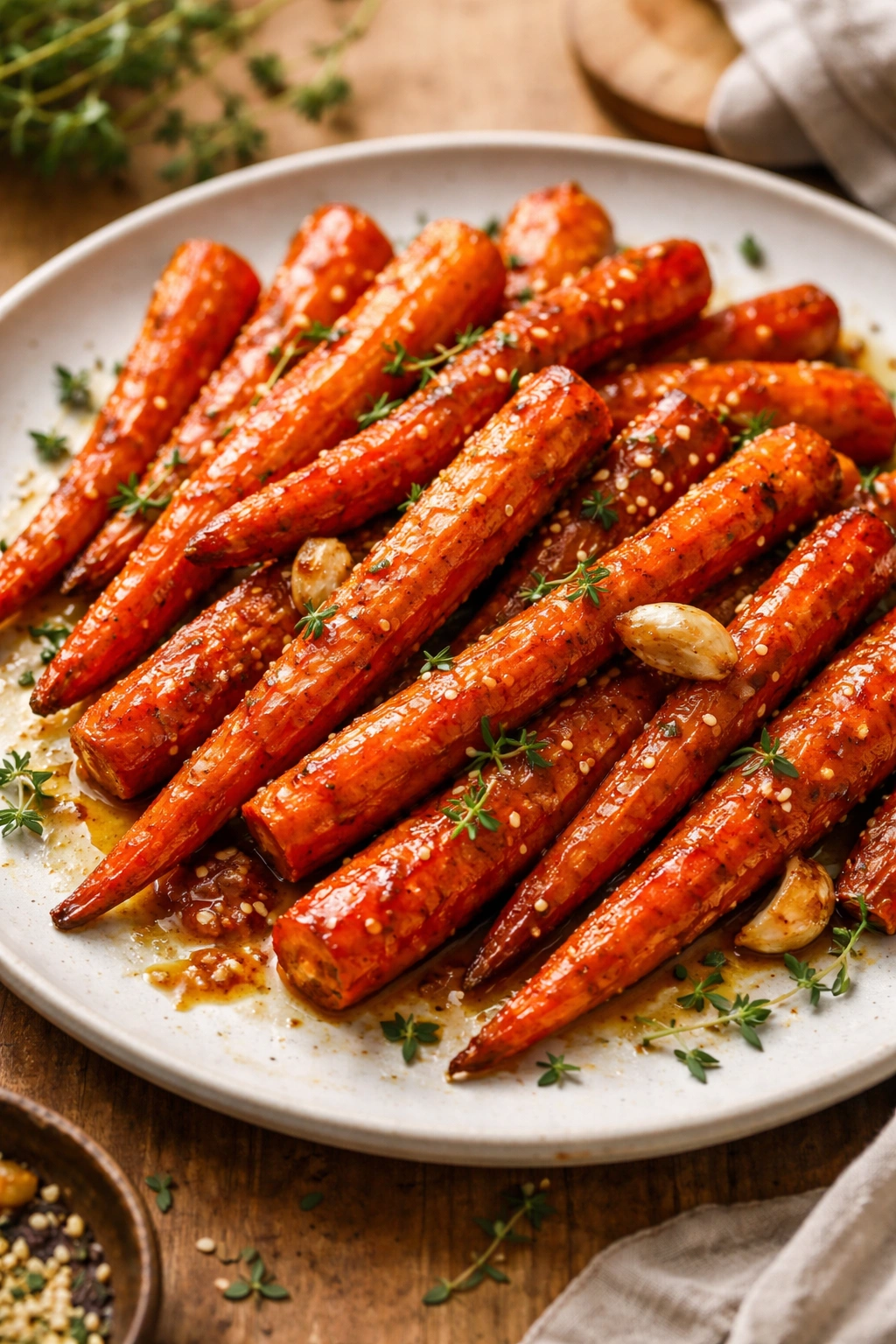
Roasted carrots transformed by sweet caramelization and savory garlic are a gateway into the wider world of cooked vegetables for many picky eaters. The trick isn’t roasting alone—it’s the honey-garlic glaze that goes on halfway through, which creates a glossy, lightly crispy exterior while the inside stays tender and almost buttery in texture.
Why This Converts Even Reluctant Eaters
Carrots roasted this way taste nothing like the mushy, flavorless boiled versions that most people remember disliking. The dry heat of the oven concentrates the carrots’ natural sugars, intensifying their sweetness, while the garlic becomes mellow and slightly caramelized rather than harsh. The honey adds a subtle sweetness that feels like an indulgence rather than a health obligation, making these feel more like a side dish you actually want to eat.
What Makes Them So Appealing
- The exterior develops a slight crispness and deep golden color, giving them visual appeal and textural contrast against the tender interior
- The garlic cloves soften completely and develop a sweet, almost candy-like quality when roasted whole and unpeeled
- Fresh thyme or a pinch of red pepper flakes add complexity that keeps the flavors from being one-dimensional
- They’re naturally sweet, so there’s no cognitive dissonance between vegetables and dessert—they’re legitimately enjoyable
Pro tip: Cut carrots on a bias (diagonal slice) rather than into rounds or sticks—the angled cut creates more surface area for caramelization and looks more elegant on the plate, which shouldn’t matter nutritionally but absolutely matters psychologically to picky eaters.
2. Crispy Parmesan Roasted Broccoli
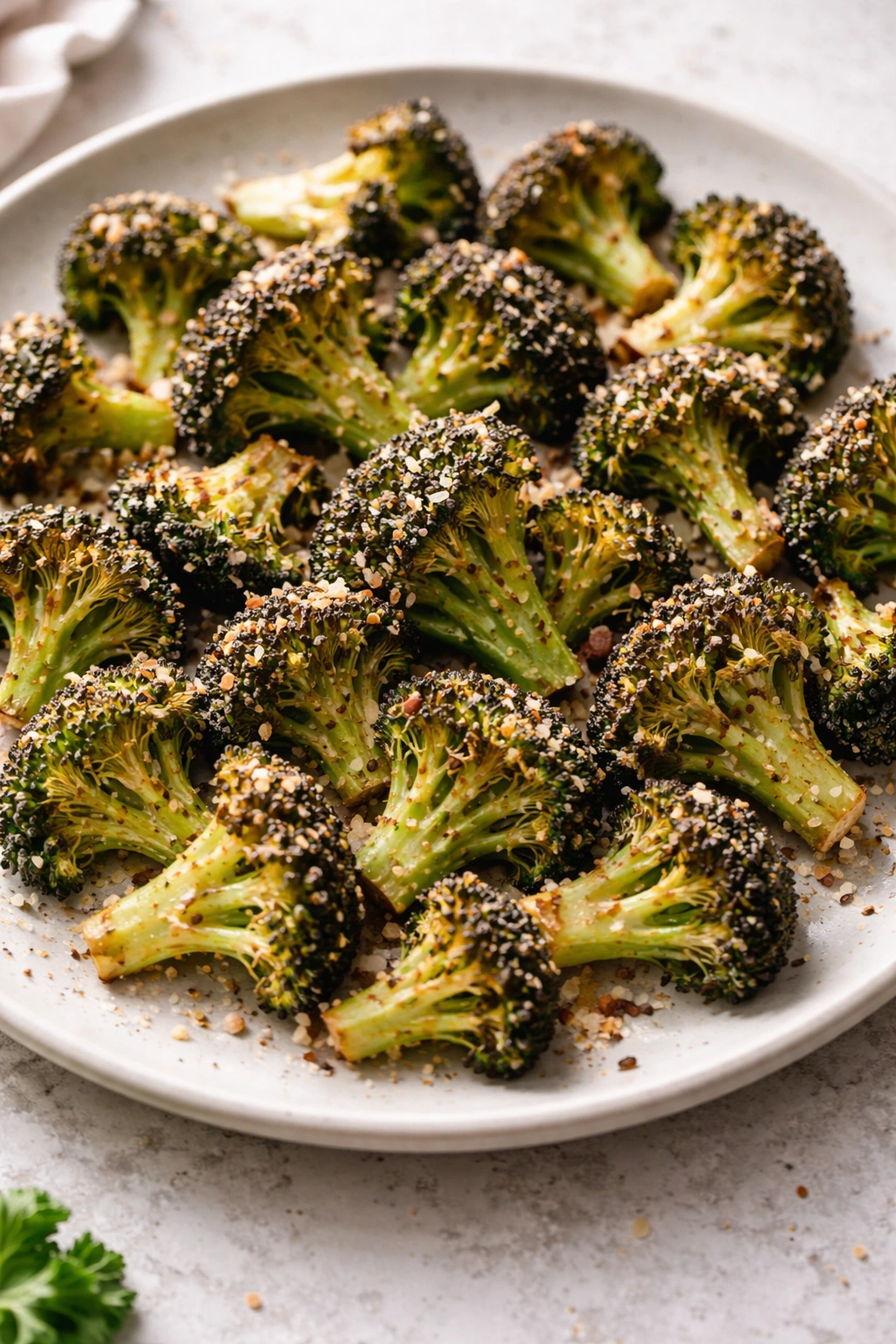
Broccoli’s reputation as the vegetable picky eaters reject comes entirely from poor preparation. Steamed broccoli is mushy and boring. Roasted broccoli with Parmesan and garlic becomes crispy, golden, and legitimately craveable—the kind of side dish people actually ask for seconds of.
Why It Actually Works
The roasting method transforms broccoli completely. The high oven heat renders the florets crispy on the outside while leaving the stems tender, creating the textural contrast that makes eating interesting. Parmesan isn’t just a flavor add—it’s a savory, umami-rich coating that makes each bite feel indulgent. Many kids who refuse plain broccoli will actually compete for the crispy pieces with the most cheese, which is exactly the goal.
How to Make It Irresistible
- Toss broccoli florets (cut into similar sizes so they cook evenly) with olive oil, salt, and pepper before roasting at 425°F for 15-20 minutes
- The broccoli should have dark, crispy edges and a slightly charred look—this is where the flavor lives, not in the perfectly green pieces
- Grate fresh Parmesan directly onto the hot broccoli straight from the oven so it melts slightly and adheres
- A squeeze of fresh lemon juice and minced garlic mixed into the oil before cooking add brightness and complexity
Worth knowing: Don’t crowd the baking sheet. Broccoli needs space around each floret to crisp up. Overcrowding steams them instead of roasting them, which defeats the entire purpose.
3. Brown Butter Mashed Cauliflower
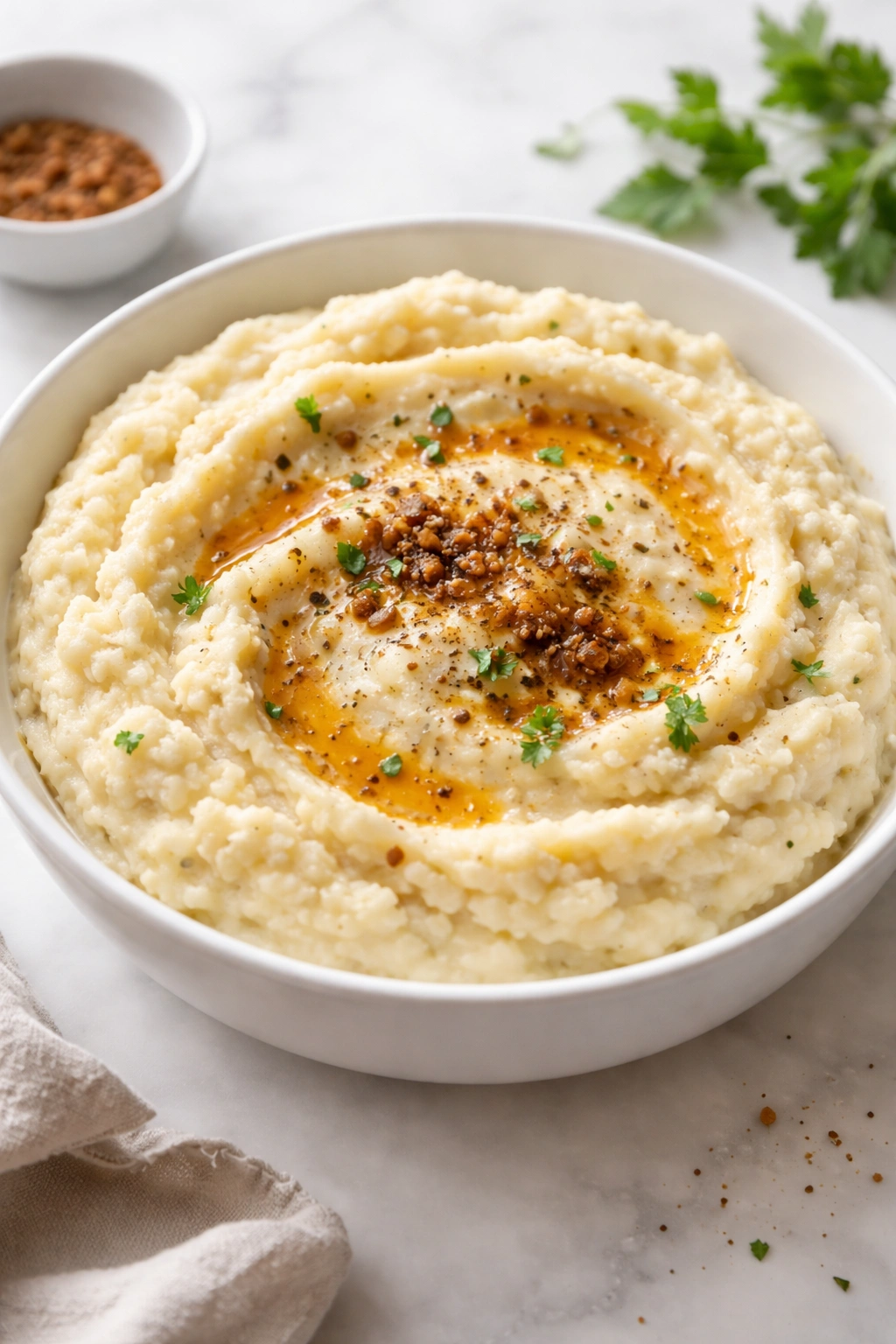
Mashed cauliflower catches flak as a “healthy hack,” but when it’s actually made well—with brown butter, real cream, and proper seasoning—it stops being a substitute for anything and becomes a genuinely great side dish. Picky eaters often reject it because it’s been served to them as a guilty-conscience alternative, but prepared with commitment, it wins people over.
What Transforms It Into Real Food
Brown butter is the secret weapon here. As butter heats, the milk solids separate and toast until they smell nutty and caramelized—that’s real flavor, not a trick. Combined with the natural sweetness of cooked cauliflower, brown butter creates a rich, almost luxurious side that doesn’t feel like anyone’s making a health statement. Add actual cream, good salt, white pepper (which doesn’t create the speckled appearance of black pepper), and you have something that stands on its own.
Essential Preparation Details
- Cut cauliflower into small florets and steam or boil until very tender, about 10-12 minutes (overcooking here is fine—you want them falling apart)
- Drain thoroughly and pulse through a food mill or mash aggressively by hand until smooth (not a blender, which can make them gluey)
- Heat 4 tablespoons of butter in a small saucepan until it foams, then continue cooking until the foam subsides and you see golden-brown solids at the bottom—this takes another 2-3 minutes of attentive watching
- Fold the brown butter into the cauliflower along with 1/4 cup heavy cream, salt, and white pepper to taste
Insider note: Adding a small amount of sharp cheddar or Gruyère transforms this into something that tastes even less virtuous and more like a side dish someone actually craves.
4. Glazed Beets With Balsamic and Thyme
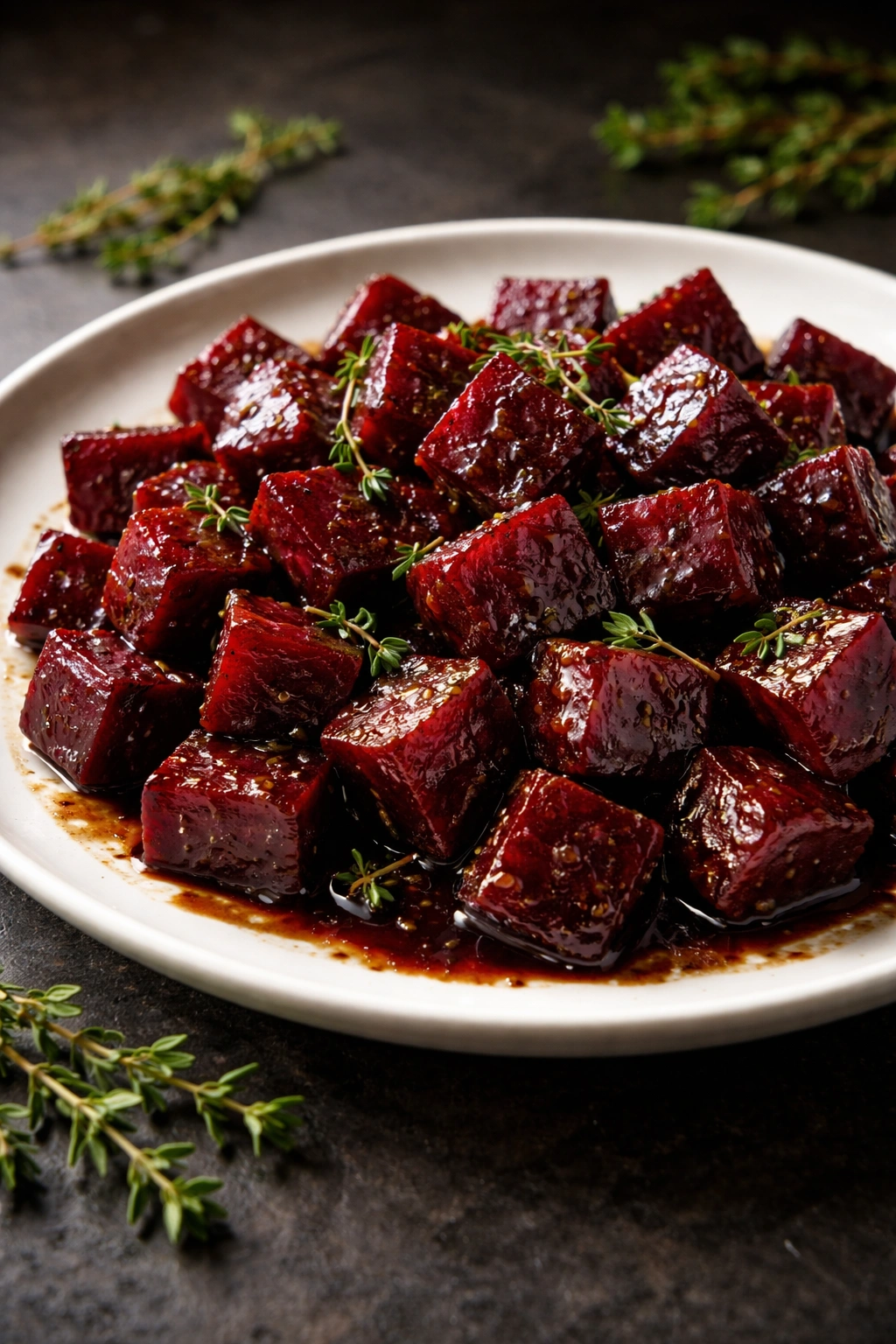
Beets terrify picky eaters in theory because they’re dramatically colored and taste earthy, but the same qualities that make them intimidating actually make them special when they’re prepared properly. A simple balsamic glaze and fresh thyme turn beets into something sophisticated and sweet—the kind of vegetable that adults serve at dinner parties but that kids can genuinely enjoy too.
Why They Appeal More Than People Expect
Beets are naturally sweet, especially when roasted or boiled until tender. Adding balsamic vinegar (which is also sweet with subtle woody notes) and fresh thyme creates a sophisticated flavor profile that doesn’t taste like “eating vegetables” in a punitive way. The deep ruby color is visually striking, which matters—picky eaters eat with their eyes first, and a plate of glossy burgundy beets looks far more interesting than beige steamed vegetables.
The Simple Technique
- Peel raw beets (use gloves or accept temporary purple hands), cut into 1-inch cubes, and roast at 400°F for 25-30 minutes until very tender
- While they roast, combine 3 tablespoons balsamic vinegar, 1 tablespoon honey, 2 tablespoons butter, and 2 sprigs fresh thyme in a small saucepan and simmer gently for 5 minutes until slightly syrupy
- Toss the hot roasted beets with the glaze and serve warm or at room temperature
Pro tip: Roasting beets takes longer than most vegetables, so do this when you’re already heating the oven for something else. Pair them with roasted carrots or Brussels sprouts in the same oven session.
5. Crispy Smashed Potatoes With Garlic and Sage
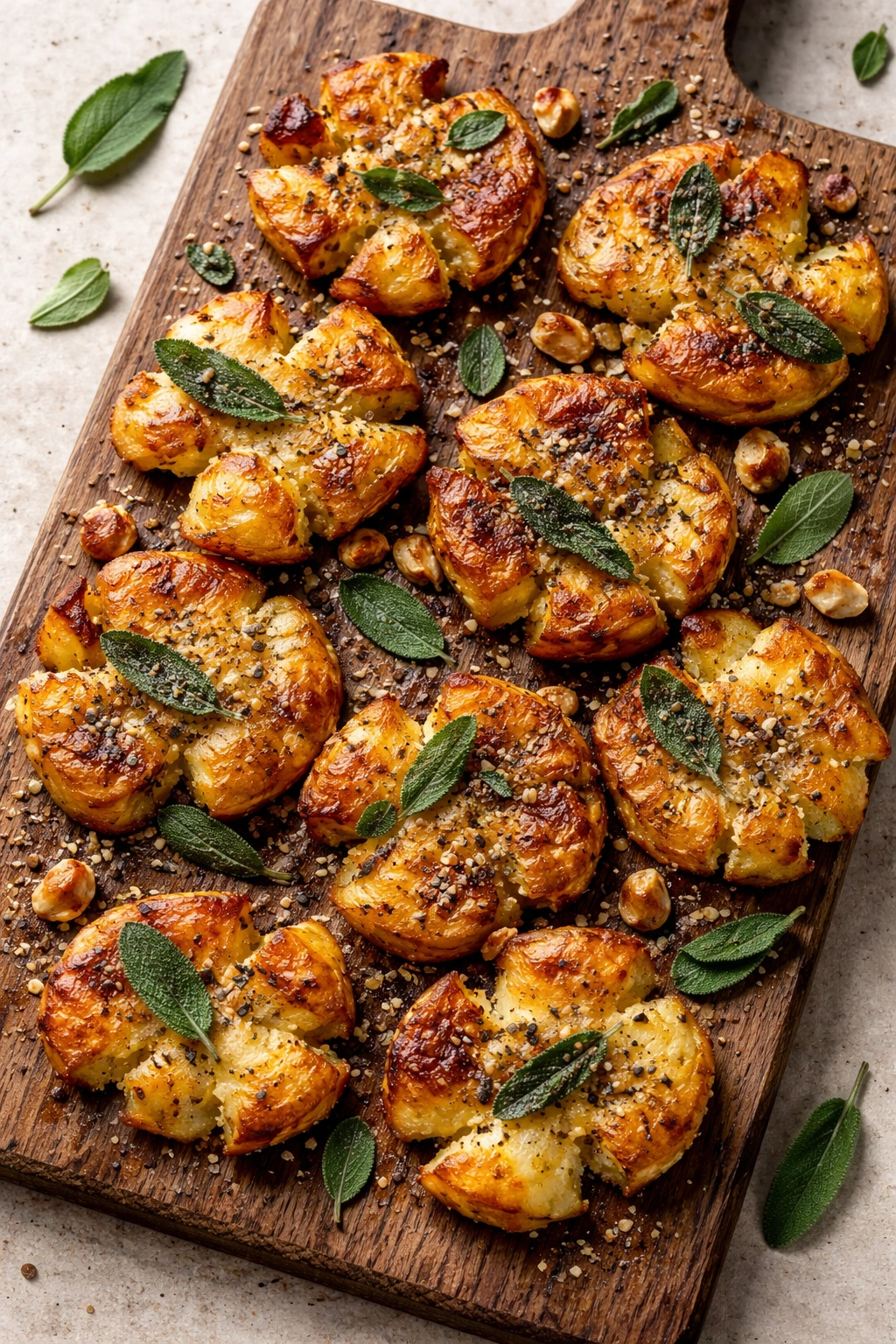
This isn’t your traditional mashed potato casserole—it’s thin, crispy-edged smashed potatoes that live somewhere between a side dish and a hash. The appeal for picky eaters is that potatoes are inherently comforting and familiar, but the crispy texture and punchy sage-garlic flavoring make them feel far more sophisticated than plain mashed.
What Makes Them Different
Traditional mashed potatoes can feel like comfort food that’s trying too hard to be impressive. This version is the opposite: it acknowledges that potatoes are delicious and doesn’t apologize for it. The texture is the key—you’re aiming for something thicker than mashed, almost broken into small chunks, so that when it hits hot oil or a hot pan, the edges crisp and brown. Sage is the flavor that elevates everything; it has a slightly peppery, woodsy quality that makes the potato taste more interesting than butter alone would.
How to Execute It
- Boil 2 pounds of Yukon gold potatoes (cut into chunks so they cook in about 15 minutes) until fork-tender and drain well
- Mash them roughly with a hand masher—don’t over-work them or use a food mill; you want some texture remaining
- Fold in 4 tablespoons of butter (you can brown it first if you want), 4-5 minced sage leaves, 3 cloves minced garlic, and salt to taste
- Either serve right away (they’re creamy and mild) or spread them into a buttered baking dish, top with more sage and butter, and crisp them under the broiler until golden brown
Worth knowing: Yukon gold potatoes have a naturally buttery flavor and creamy texture that makes them ideal for this—russets will work but feel drier and less luxurious.
6. Charred Snap Peas With Garlic and Sesame
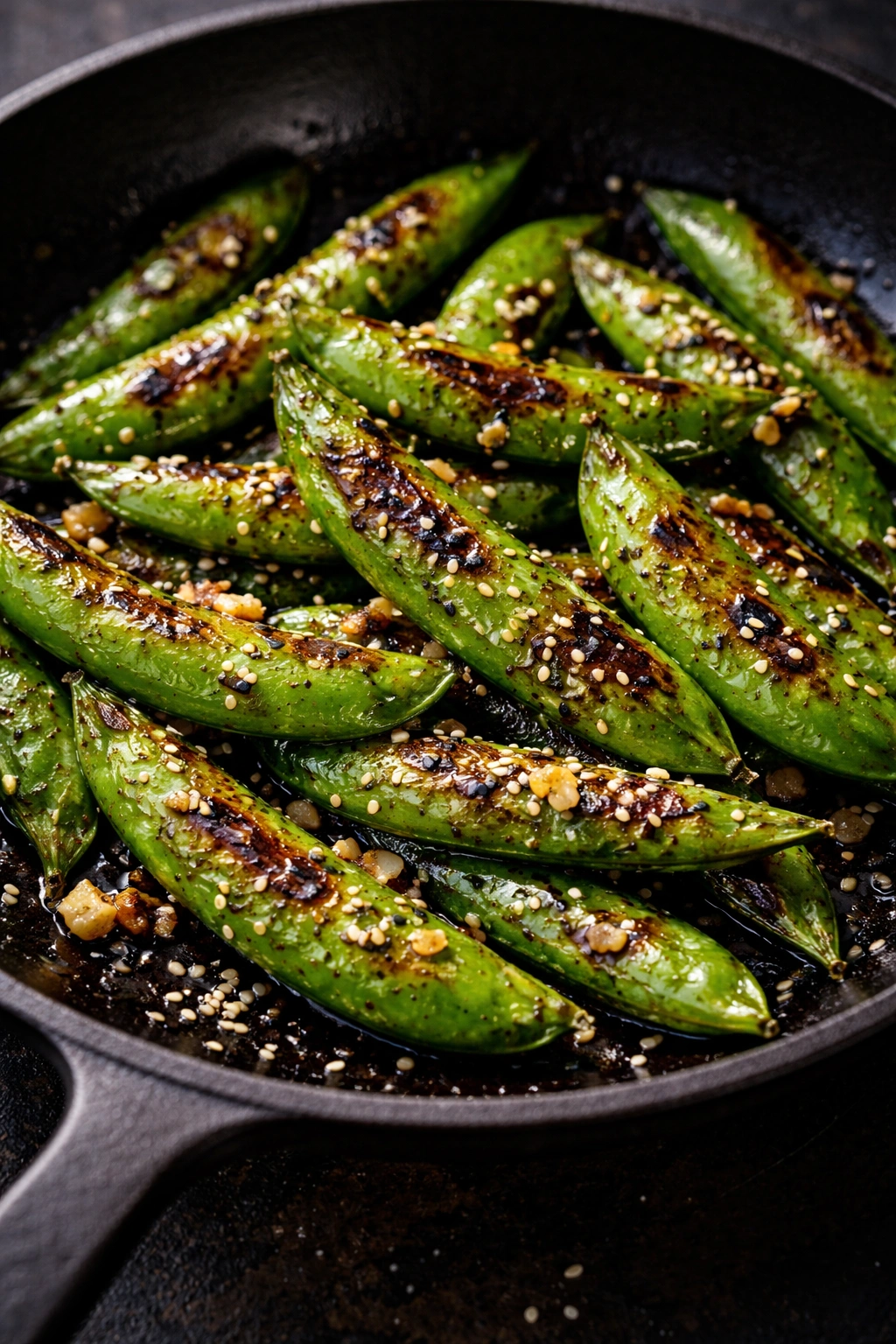
Snap peas are one of the few vegetables that picky eaters often eat raw, but their true potential emerges when they’re charred quickly in a very hot pan or wok. The sugar in the peas concentrates and caramelizes, while the pods become slightly crispy on the outside and tender inside. Garlic and a drizzle of sesame oil and soy sauce turn them into something that tastes restaurant-quality but takes five minutes.
Why This Works So Well
Snap peas are already sweet and slightly tender—they don’t have the mealy quality or bitterness that turns some kids away from other vegetables. Cooking them fast over high heat preserves that sweetness while adding char and depth. The sesame oil and soy sauce are powerfully flavorful condiments that make the simple peas taste like a deliberate side dish, not an afterthought. Many picky eaters enjoy Asian-inspired dishes, which works in your favor here.
The Fast Technique
- Heat a large skillet or wok until it’s smoking hot—this is crucial for proper charring
- Add 1-2 tablespoons oil with a high smoke point (not olive oil) and immediately add the snap peas, in a single layer if possible
- Let them sit for 2-3 minutes without moving them, until you see dark caramelization on the bottom
- Toss them and cook for another 1-2 minutes until they have char marks on multiple sides
- Toss with minced garlic, a drizzle of sesame oil, a splash of soy sauce, and optional sesame seeds
Pro tip: Don’t overcrowd the pan—you want the peas in contact with hot surface area, not steaming in their own moisture. Do this in batches if needed.
7. Creamed Corn With Bacon and Chives
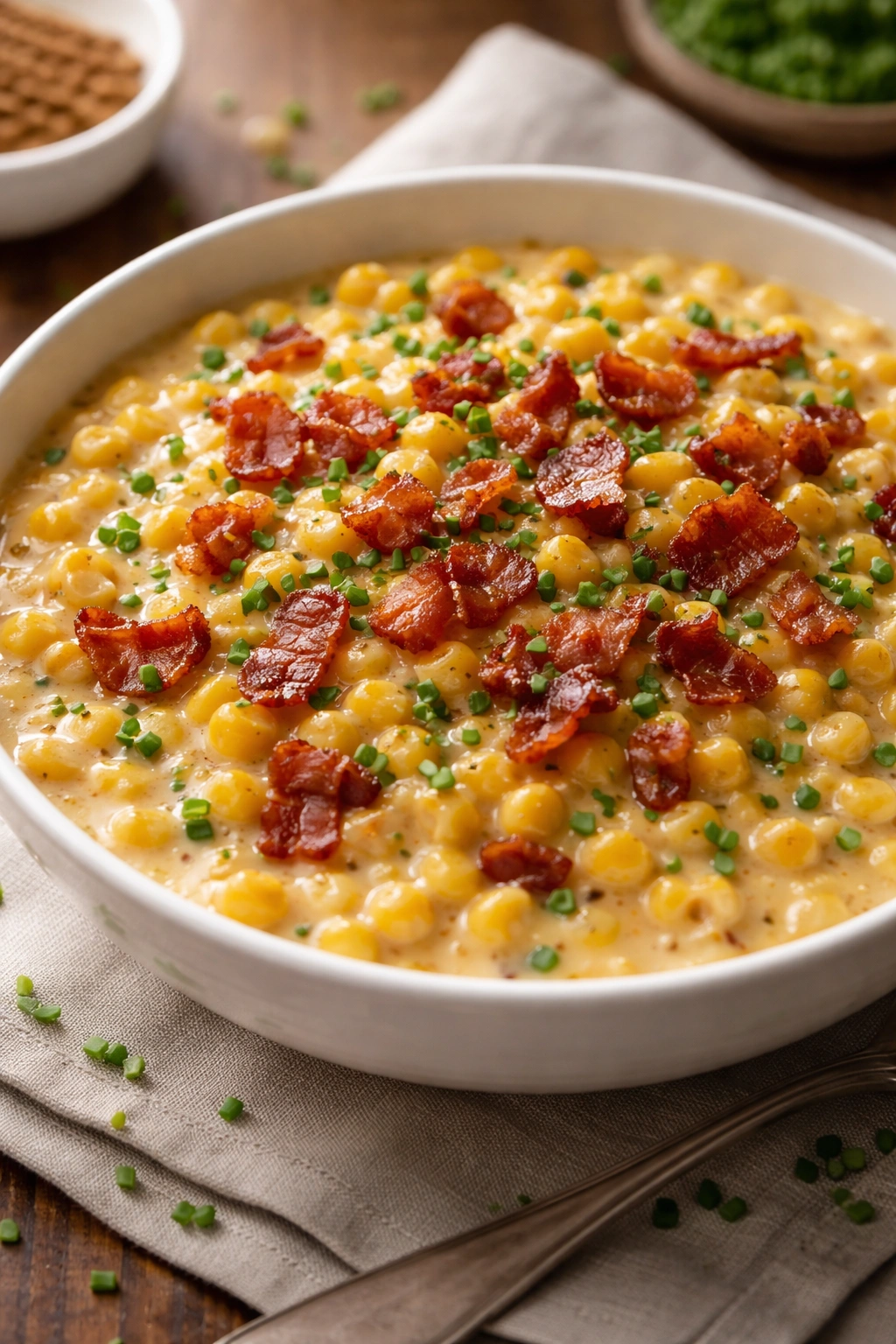
Creamed corn walks a careful line: it can taste like canned food past its prime, or it can taste like the summer version of mac and cheese. When it’s made from fresh (or even frozen) corn with real cream, crispy bacon, and fresh chives, it becomes a side dish that no one complains about and many people request.
Why It Crosses the Picky-Eater Threshold
Corn is inherently sweet, which most picky eaters already enjoy. Adding bacon makes it feel indulgent and special—bacon’s presence on a plate immediately elevates a dish in the eyes of resistant eaters. The cream makes the corn luxurious, and chives (if they’re fresh and not overpowering) add a subtle onion note without the harsh bite that would turn picky eaters away. This tastes like comfort food with good intentions.
Simple Preparation Steps
- Cook 4 slices of bacon until crispy, chop it, and set aside, leaving about 2 tablespoons of the rendered fat in the pan
- Add 2 tablespoons butter to the bacon fat and sauté 1/4 cup finely diced shallot until softened (about 3 minutes)
- Add 4 cups corn kernels (fresh if you have it, frozen is absolutely fine) and cook for 3-4 minutes until heated through
- Pour in 1/2 cup heavy cream, add salt and pepper, and simmer for 2-3 minutes until the mixture is creamy but not separated
- Fold in the cooked bacon and 2 tablespoons fresh minced chives
Insider note: If picky eaters in your house dislike “bits” like chives, omit them and add an extra tablespoon of butter instead—you’ll lose nothing in terms of flavor.
8. Roasted Rainbow Carrots With Cumin and Lime
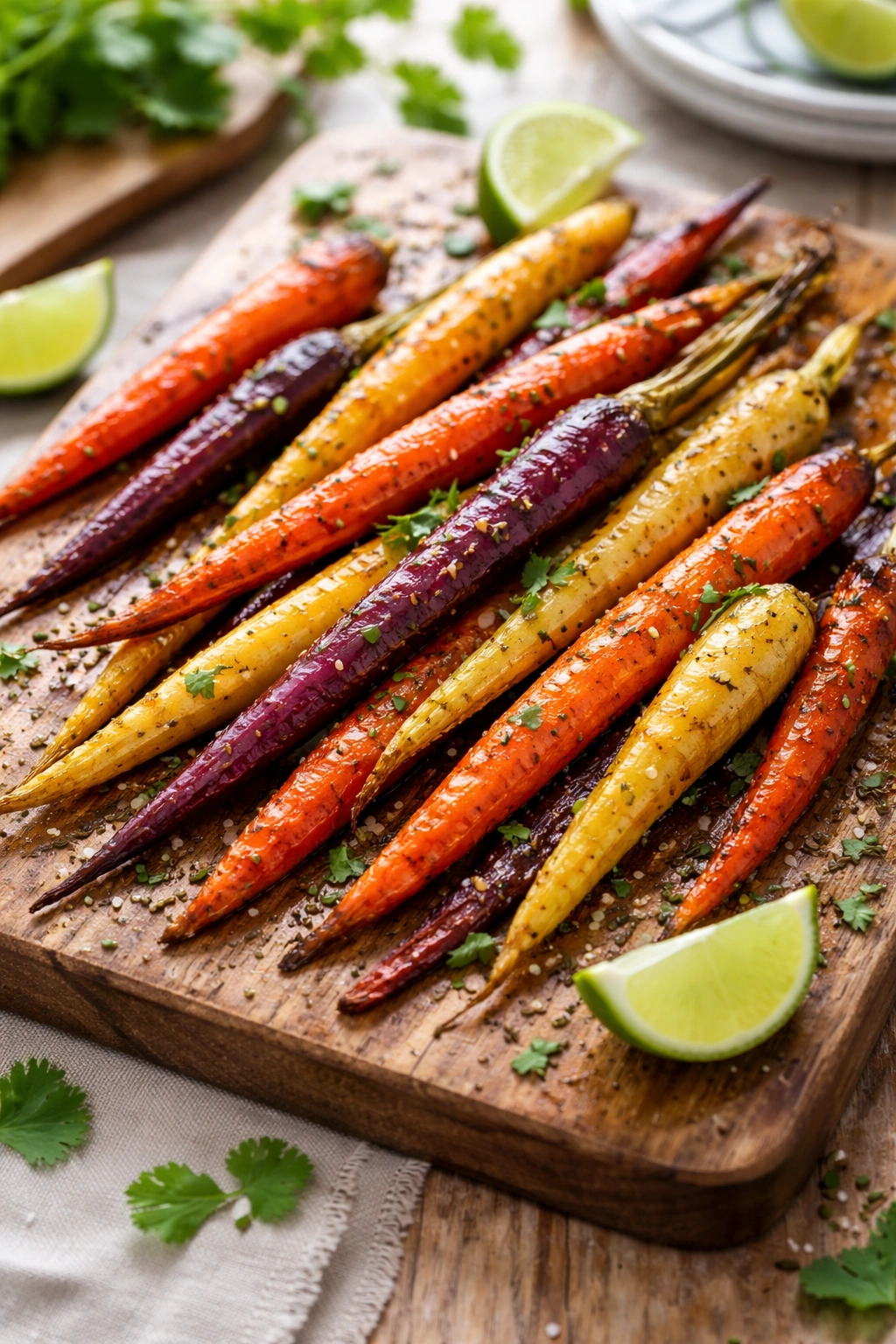
Rainbow carrots are visually striking in a way that catches picky eaters’ attention before they even taste them. The variety of colors (purple, orange, yellow, white) makes the plate look more interesting than a monocolor vegetable side. The flavor profile is warm and unexpected—cumin adds an earthy complexity, while lime provides bright acidity that keeps everything from tasting heavy.
The Visual and Flavor Appeal
Picky eaters often eat with their eyes before their mouths. Rainbow carrots, especially when roasted until caramelized, look intentional and appealing in a way that plain orange carrots don’t. Cumin is warming and slightly sweet, with none of the aggressive spice that would concern anxious eaters—it feels sophisticated without feeling scary. Lime juice is a flavor that kids who love citrus (and many do) immediately recognize and enjoy.
How to Prepare Them
- Cut a mix of rainbow carrots on the bias (about 1/4-inch thick) and toss with olive oil, salt, and pepper
- Roast at 425°F for 20-25 minutes, stirring halfway through, until the edges are dark and caramelized
- While they roast, toast 1 teaspoon cumin seeds in a dry skillet for 1-2 minutes, then crush lightly in a mortar and pestle (or with the side of a knife)
- Toss the hot roasted carrots with the crushed cumin, juice of 1 lime, and a pinch of salt
- Optional: sprinkle with fresh cilantro if your picky eaters are open to it
Worth knowing: If rainbow carrots aren’t available, regular carrots work perfectly—the technique and flavors are what matter, not the carrot variety.
9. Miso-Butter Roasted Asparagus
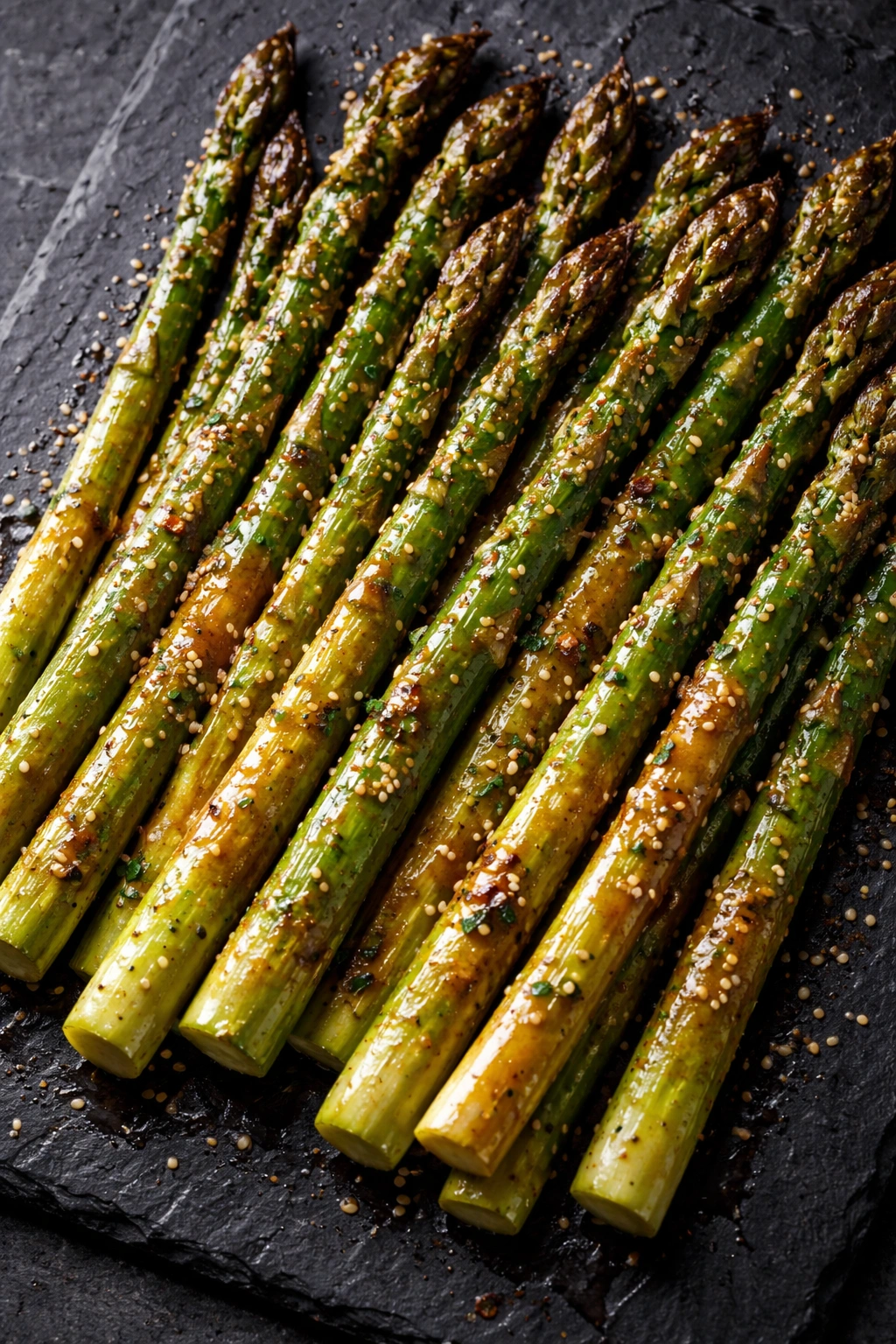
Asparagus has a reputation for being an adult vegetable, but that reputation exists because most people haven’t roasted it well. Dry roasting transforms asparagus from something with a potentially grassy or bitter quality into something crispy, tender, and nearly sweet. Adding miso and butter elevates it into sophisticated territory that doesn’t feel like a nutritious obligation.
What Makes It Unexpectedly Appealing
Asparagus spears roasted until the tips are crispy and the stems are tender develop a natural umami quality—savory depth that makes them more interesting than plain roasted vegetables. Miso adds concentrated umami without tasting overtly “Asian” to skeptical palates; it’s a subtle flavor enhancer that makes people say the asparagus tastes “really good” without identifying what’s different. Butter rounds everything out with richness that makes even picky eaters forget they’re eating vegetables.
The Technique
- Trim woody ends off fresh asparagus (bend each spear gently until it breaks naturally at the tender point) and toss with olive oil, salt, and pepper
- Roast on a baking sheet at 425°F for 12-15 minutes, shaking the pan halfway through, until the tips are crispy and the spears are tender
- Meanwhile, mix 2 tablespoons softened butter with 1/2 tablespoon white miso and stir until combined (you can warm the butter first to make mixing easier)
- Toss the hot roasted asparagus with the miso butter while it’s still hot so the butter coats everything
Pro tip: Don’t wash asparagus under running water after trimming—pat it dry with paper towels. Excess moisture will prevent proper crisping during roasting.
10. Cheesy Roasted Broccoli Rabe With Garlic
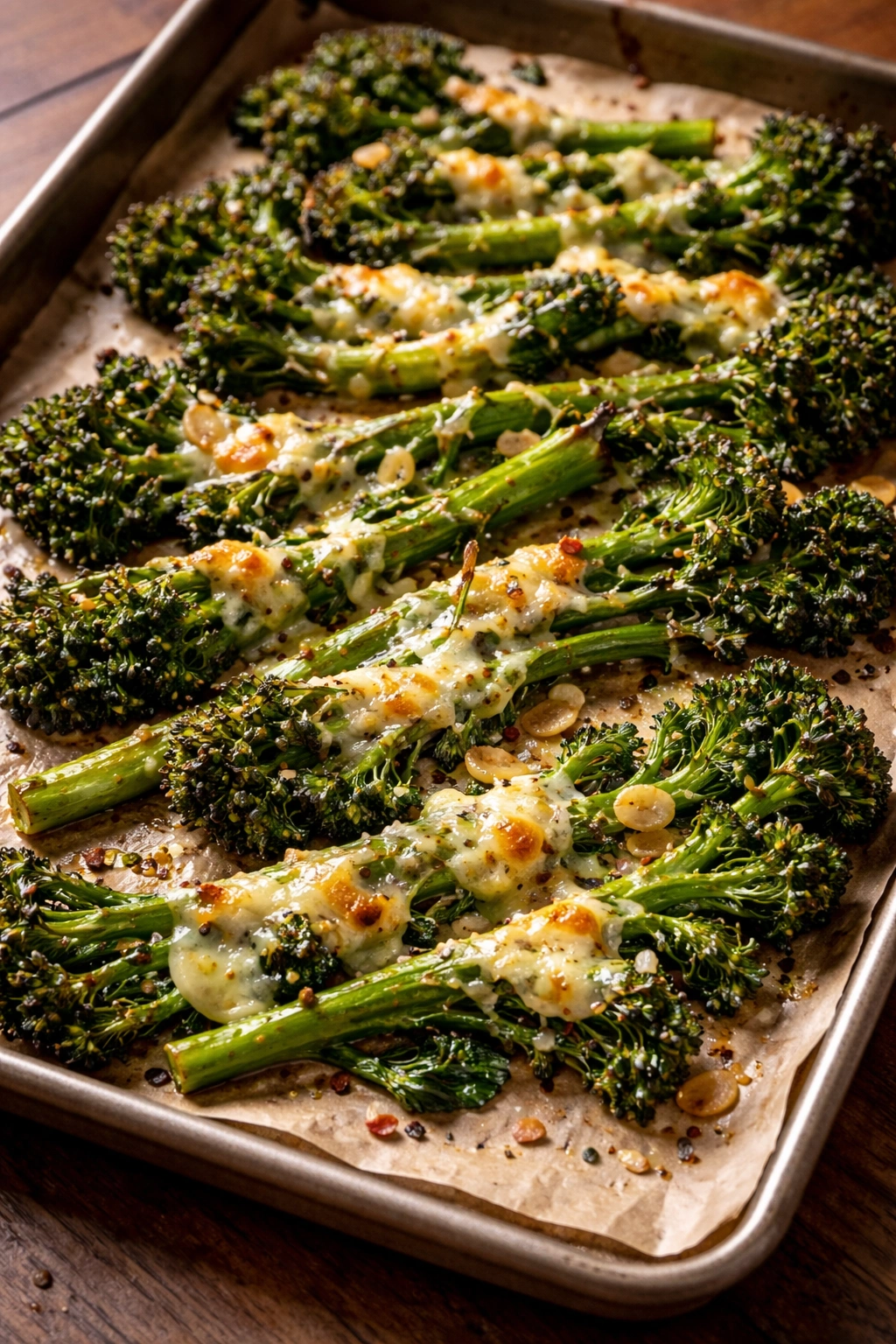
Broccoli rabe (also called rapini) is more bitter and more intensely flavored than regular broccoli, but that’s exactly what makes it interesting to people who are bored by mild vegetables. When it’s roasted with garlic and topped with crispy, bubbly cheese, the bitterness balances the richness perfectly, and the vegetable stops being challenging and becomes genuinely delicious.
Why It Works as a Gateway to More Interesting Vegetables
Picky eaters often exist on a spectrum—they’re not automatically opposed to all vegetables, just to ones that taste boring or unpleasant. Broccoli rabe gives them something more interesting to work with than plain broccoli, without being so strange that it triggers resistance. The natural bitterness actually pairs better with cheese and garlic than mild broccoli does—the flavors have more complexity and sophistication. Roasting makes the leaves crispy and the stems tender, which adds textural interest that matters.
How to Prepare It
- Trim the bottom inch from broccoli rabe stems and halve any particularly thick stems lengthwise for even cooking
- Toss with olive oil, salt, pepper, and 4-5 minced garlic cloves
- Roast on a baking sheet at 425°F for 12-15 minutes, stirring halfway through, until the stems are tender and the leafy parts are crispy
- Top with a handful of grated Pecorino Romano or Parmesan cheese (about 1/2 cup total) and a pinch of red pepper flakes
- Return to the oven for 2-3 minutes until the cheese is melted and slightly golden
Insider note: If broccoli rabe tastes too bitter to someone trying it for the first time, add a pinch of sugar to the oil mixture before roasting—it won’t make it sweet, but it will round out the edges of the bitterness, making it more approachable.
Final Thoughts
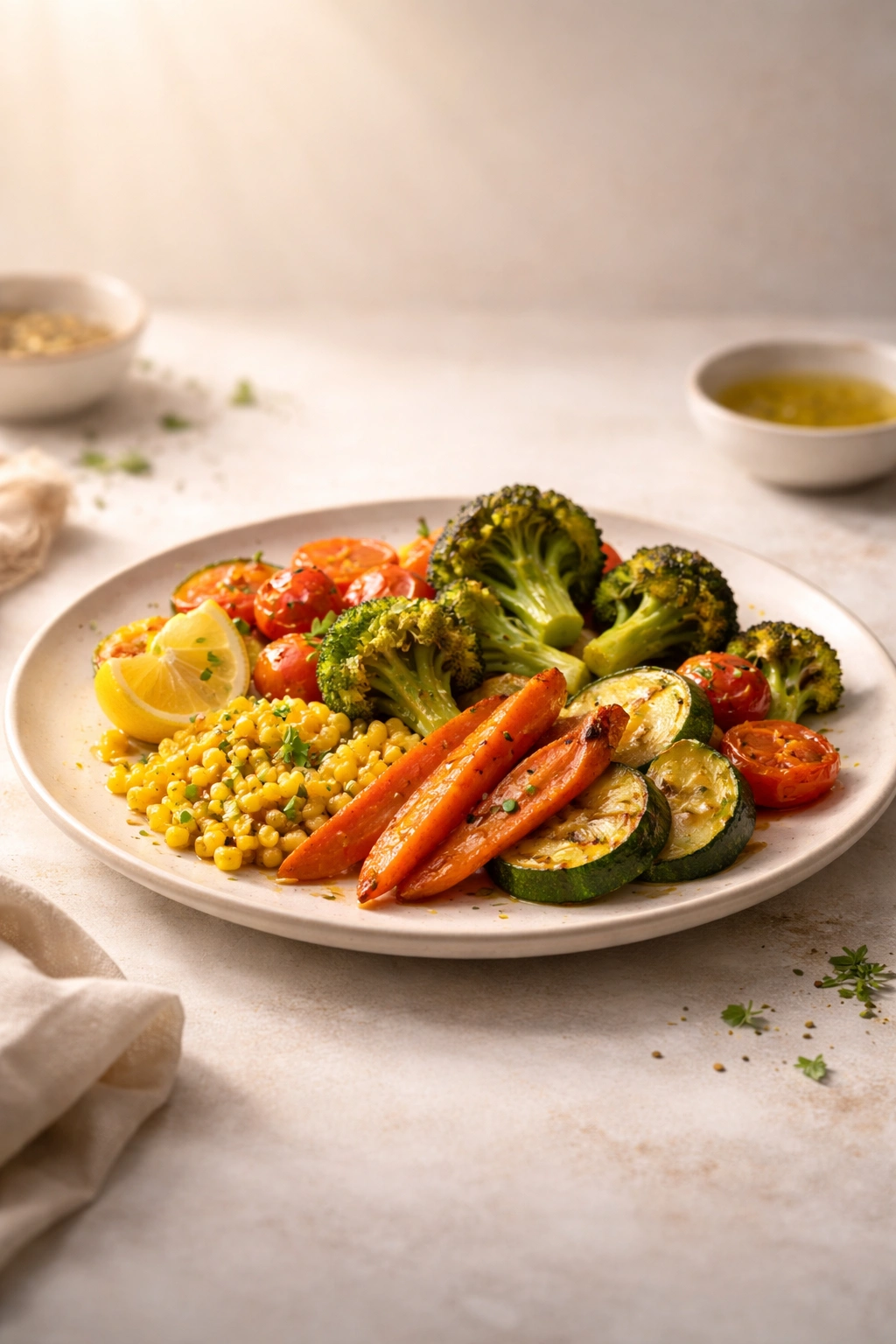
The shift from rejection to acceptance of vegetable sides doesn’t happen through sneaking or deception—it happens through treating vegetables like food worth caring about. Flavor, texture, and visual appeal matter far more than any health argument ever will. A side dish that tastes genuinely good and looks worth eating wins because it tastes genuinely good, not because anyone’s pretending it’s something else.
These ten preparations work because they honor vegetables without apologizing for them. They add real flavor through butter, roasting, seasonings, or cheese. They create textural contrast so eating becomes interesting instead of monotonous. They’re simple enough to make regularly but interesting enough to actually look forward to.
The truth that picky eaters eventually discover is that they weren’t rejecting vegetables themselves—they were rejecting boring, poorly prepared versions that tasted like punishment. When vegetables are treated with the same care and attention you’d give to any other part of dinner, resistance often melts away entirely. Start with the preparation methods that sound most appealing, learn what your specific picky eaters respond to, and build from there. The vegetable standoff can end, but it ends through cooking better, not through convincing harder.
