



Avocado toast has become so ubiquitous that it’s practically a cliché — but the creamy, versatile fruit deserves so much more respect than being confined to a single slice of bread. If you’ve been cycling through the same avocado preparations, you’re missing out on some genuinely delicious and creative ways to use this nutrient-dense powerhouse. The beautiful thing about avocados is their neutral flavor profile and butter-like texture make them a bridge ingredient that works equally well in sweet applications, savory mains, light appetizers, and even cooling drinks.
The problem is that most people think of avocado as a topping or spread, when really it functions as a standalone ingredient, a creamy thickener, a flavor carrier, and a textural contrast all rolled into one. Whether you’re looking to expand your weeknight dinner rotation, impress guests with something unexpected, or simply avoid the monotony of your usual avocado routine, there are proven techniques that’ll transform how you approach this fruit. What makes this exploration worthwhile is that many of these preparations actually preserve more of avocado’s nutritional value than the standard toast treatment — you’re getting the full benefit of the healthy fats, fiber, and micronutrients without the oxidation that happens when avocado sits exposed to air on a plate.
Let’s move past the obvious and discover preparations that feel simultaneously fresh and satisfying, whether you’re cooking for yourself on a Tuesday night or putting together something more intentional for a weekend meal.
1. Blended Into Creamy Cold Soups
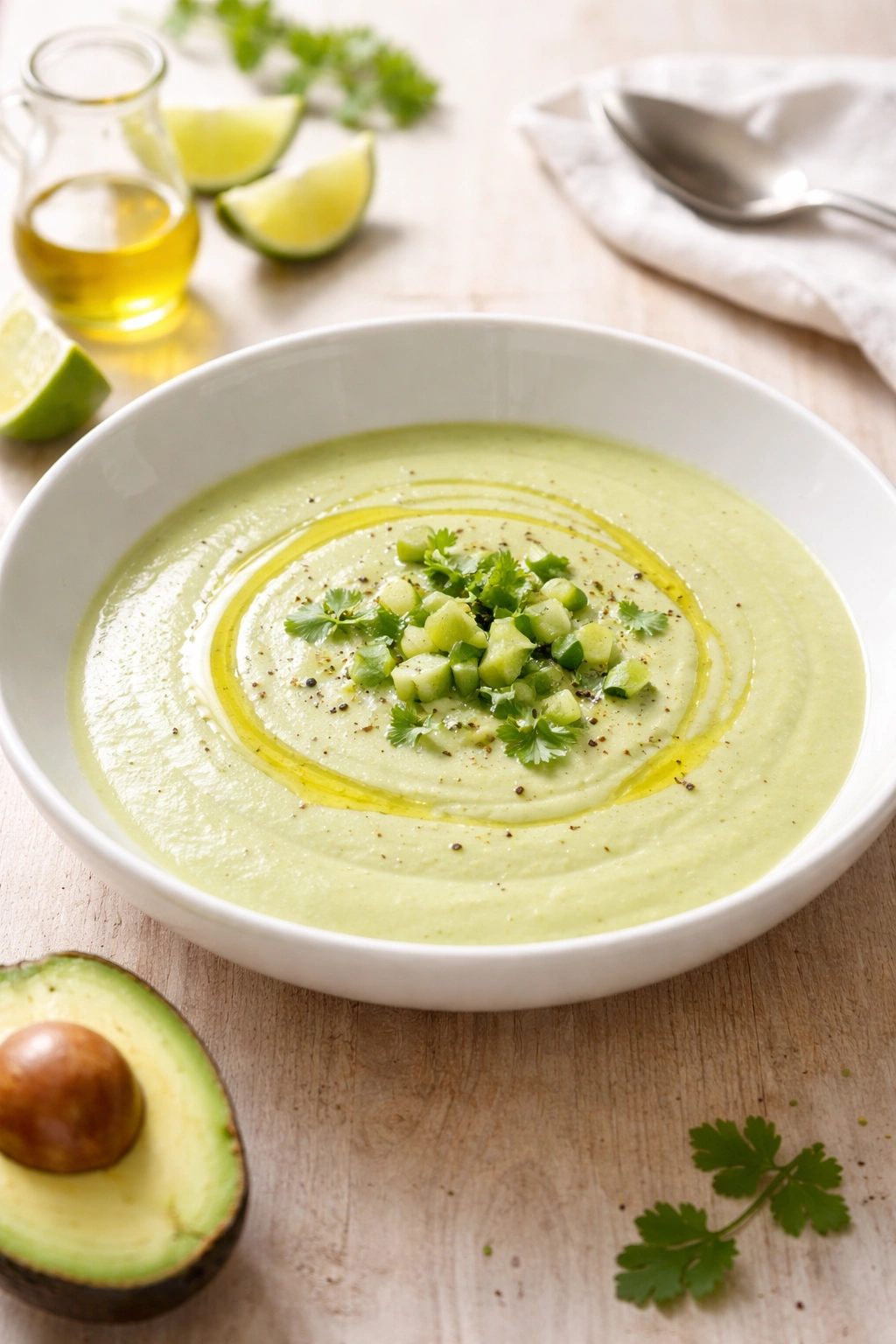
Cold avocado soup is the kind of dish that feels sophisticated without requiring any special technique beyond a blender. The natural creaminess of avocado means you can skip the heavy cream entirely, creating something that’s rich, silky, and surprisingly light on the palate. This works beautifully in hot weather when you want something nourishing but don’t want to heat up your kitchen.
Building a Cold Avocado Soup Base
Start with a ratio of roughly two ripe avocados to three cups of liquid, which can be vegetable or chicken broth, or even a combination of broth and Greek yogurt for extra tang. Add the broth gradually rather than dumping it all in at once — you want to blend until completely smooth, but you’ll have better control if you work in stages. Blend for a full 90 seconds on high until the texture is completely uniform with no flecks or lumps remaining.
Flavor Building and Seasonality
The blank canvas nature of cold avocado soup means you can pivot seasonally. In spring, stir in fresh lemon juice, minced fresh herbs like cilantro and chives, diced cucumber, and a pinch of red pepper flakes for brightness. Come summer, add fresh corn kernels, a whisper of lime zest, and fresh basil. Finish with a drizzle of good olive oil, crispy tortilla strips, and crumbled cotija cheese for texture and salt. The key is not overseasoning until you taste the final cold soup — flavors taste more muted when cold, so you’ll need more salt and acid than you’d think.
Pro tip: Make the soup a day ahead and chill it overnight — the flavors deepen and meld beautifully, and you’ll appreciate the convenience on a hot day.
2. Stirred Into Warm Pasta Dishes
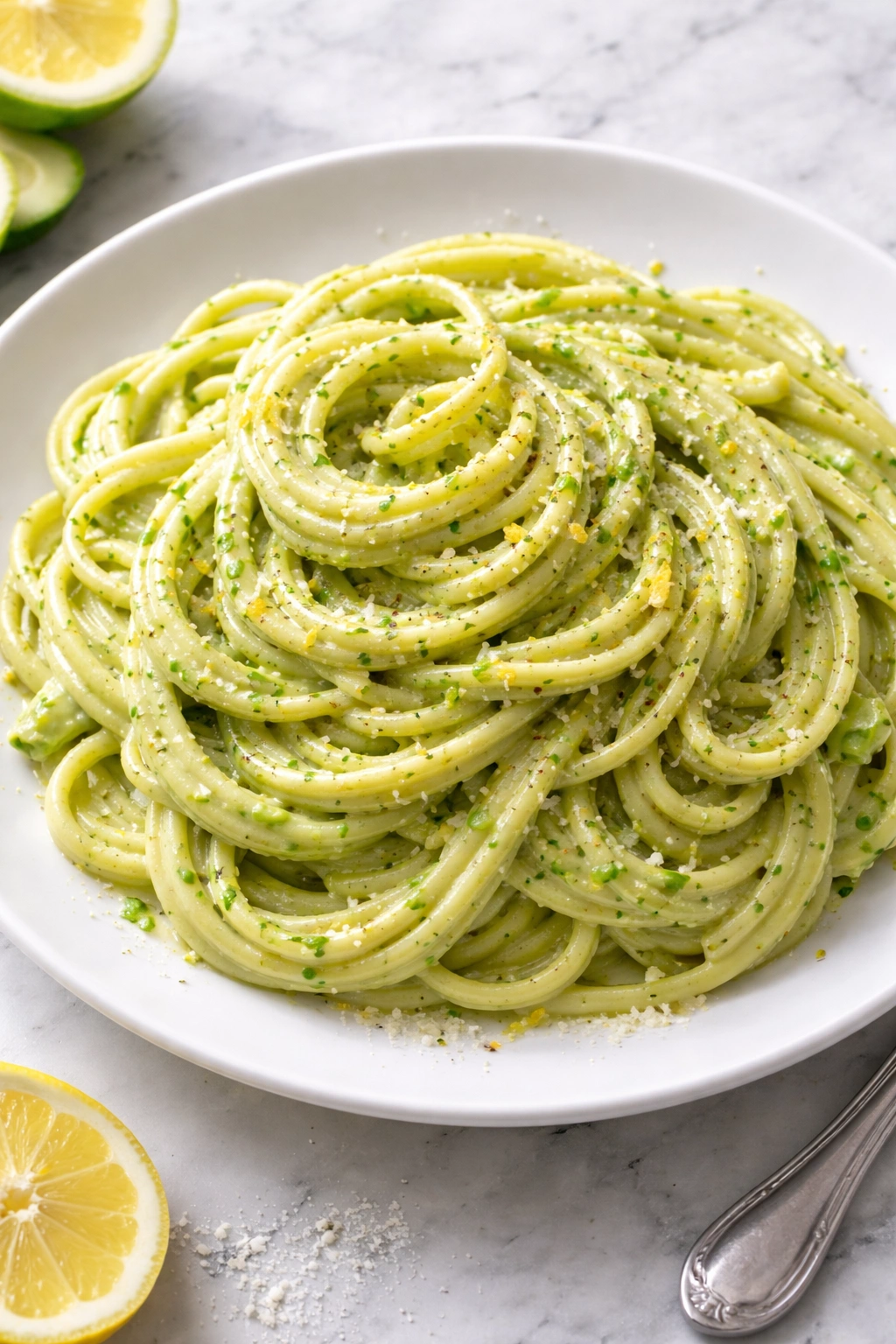
This is not pesto-style avocado pasta (though that exists), but rather using avocado as a creamy, emulsifying sauce base that coats hot pasta. The residual heat from the pasta slightly softens the avocado without cooking it completely, creating a sauce that’s silken without being heavy or oily.
The Technique That Actually Works
Cook your pasta until just shy of fully tender — it’ll finish cooking slightly in the residual heat of the sauce. While the pasta cooks, roughly chop ripe avocado into a large mixing bowl and add minced garlic, quality lemon juice or fresh lime juice (acid prevents browning), and fleur de sel. When the pasta finishes, reserve a full cup of the starchy cooking water before draining. Add the hot pasta directly to the bowl with the avocado and toss gently, adding pasta water a few tablespoons at a time until a silky sauce forms. The starch in the water emulsifies with the avocado’s natural fats, creating something that tastes creamy without any added cream.
Flavor Combinations That Shine
Keep additions fresh and minimal — this is all about letting the avocado’s delicate creaminess shine. Toss in fresh peas (especially from frozen, they’ll thaw instantly), cherry tomatoes halved, fresh herbs like basil or tarragon, toasted pine nuts, and shaved Parmesan. A splash of quality white wine or white wine vinegar adds brightness. The whole dish comes together in under 15 minutes, and it’s somehow more satisfying than heavier pasta preparations.
Worth knowing: Only make this dish with truly ripe avocados, where they yield slightly when squeezed. Under-ripe avocados won’t soften enough and you’ll end up with chunky sauce; over-ripe ones will turn to mush.
3. Layered Into Sushi Rolls and Hand Rolls
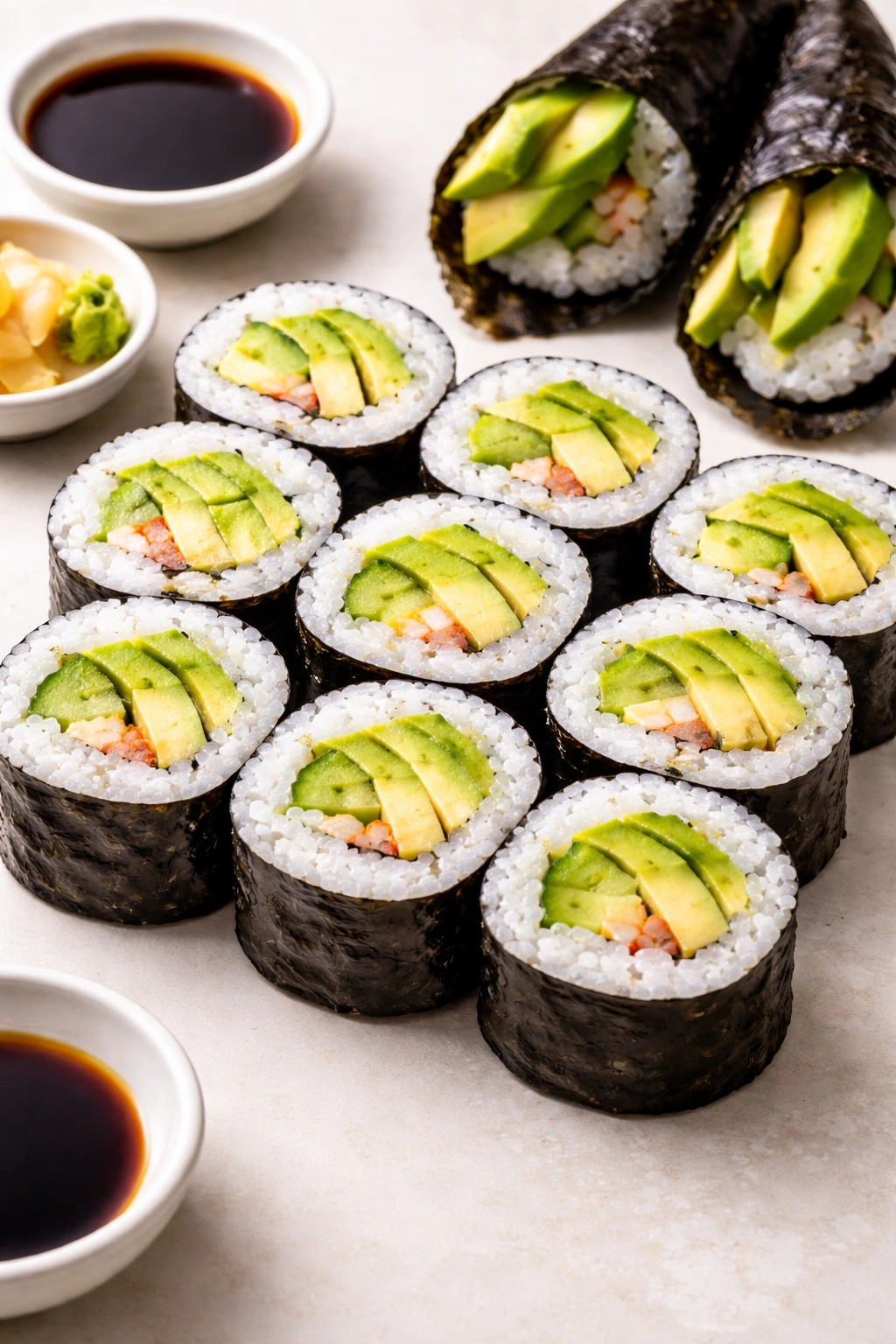
Beyond the classic California roll exists a world of avocado-focused sushi preparations where avocado isn’t just filler but actually drives the flavor profile. Using avocado in sushi is intuitive because its texture plays beautifully against the rice and nori, and its mild flavor complements both raw fish and vegetarian fillings.
Building Balanced Sushi Rolls
The traditional approach pairs avocado with fatty, rich ingredients like salmon, eel, or tuna — the avocado’s subtle flavor and smooth texture balance the intensity. Cut avocado into thin, uniform slices rather than mashing it, and layer it on the inside of the roll so it’s protected from oxidizing and browning. A vegetarian approach pairing avocado with cucumber, daikon sprouts, pickled ginger, and wasabi mayo creates a fresh, crunchy roll that highlights the avocado’s creamy texture against the vegetable crunch.
The Hand Roll Advantage
Hand rolls (temaki) actually showcase avocado better than traditional rolls because you eat them immediately and they don’t sit around oxidizing. Set out ripe avocado slices alongside your other ingredients and let people build their own cones. The ritual of hand-rolling is interactive and fun, and you can prepare elements in advance without worrying about browning — just keep avocado sliced and ready to use at the very last moment.
Insider note: Store avocado separately from other sushi ingredients and only slice immediately before serving, keeping the pit with the rest of the fruit until the moment you need it — this dramatically slows browning.
4. Mixed Into Grain Bowls With Textural Contrast
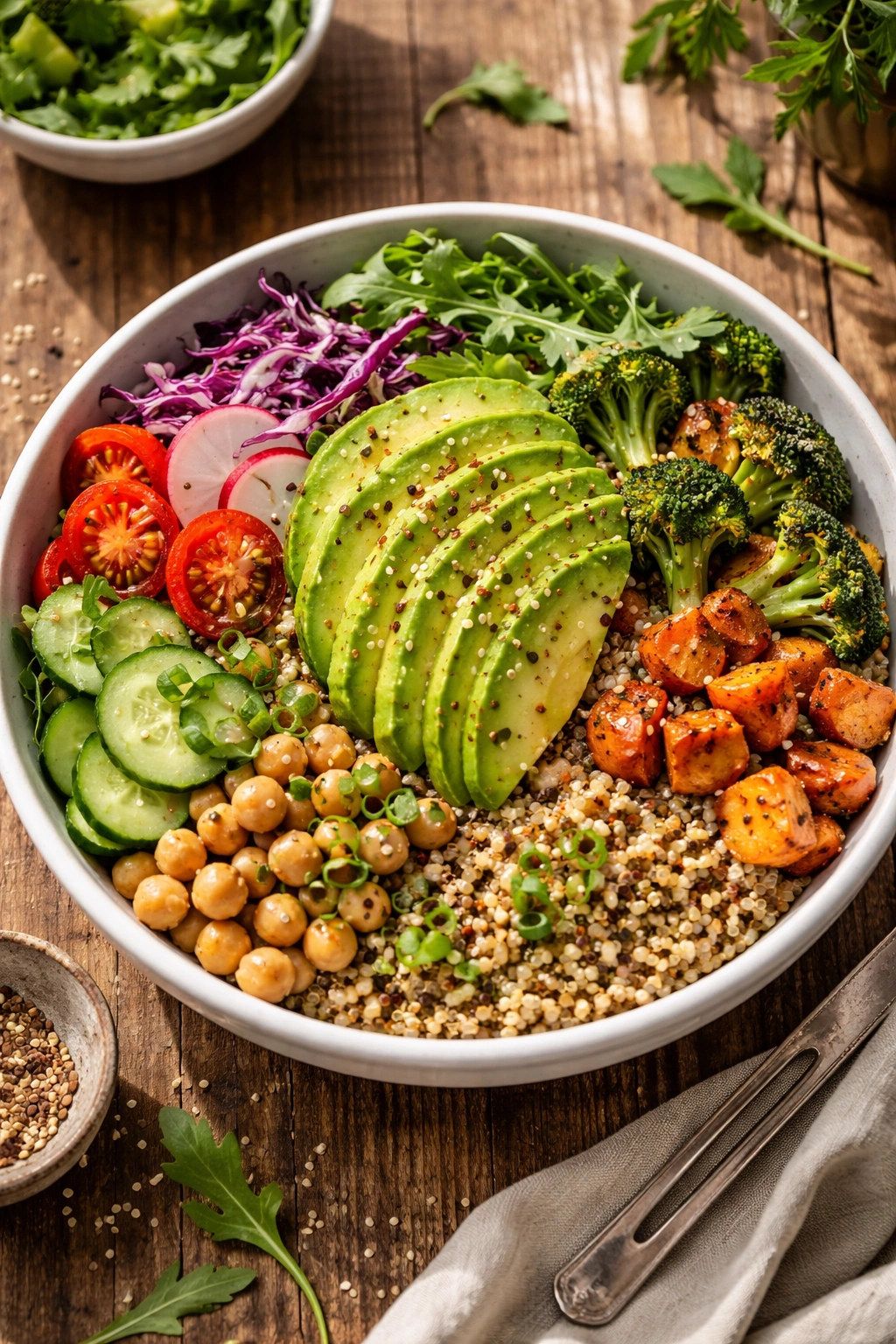
The Buddha bowl phenomenon isn’t going anywhere, and avocado is the undisputed MVP of grain bowl construction. Its creamy richness balances hearty grains, crunchy vegetables, and bright dressings, tying everything together while adding substantial healthy fats that make the bowl actually satisfying.
Bowl Architecture That Works
Start with a base of any cooked grain — quinoa, farro, brown rice, or even wild rice all pair beautifully with avocado. Add at least three distinct textures: something crunchy (roasted chickpeas, seeds, nuts, raw vegetables), something soft (roasted sweet potato, beets, or other roasted vegetables), and something fresh and herbaceous (raw greens, fresh herbs, citrus). Place avocado slices on top just before eating, never mixed in early, so they maintain their texture and color.
Dressing Strategies
A simple tahini-lemon dressing, a spicy lime crema, or even a miso-ginger vinaigrette all work beautifully with avocado-based bowls. The dressing should be thin enough to coat everything but thick enough to cling — you want every component equally dressed. Drizzle the dressing around the bowl rather than dumping it on top, so you control how much lands on the avocado versus the other ingredients.
Pro tip: Build your grain bowl components during the week and store them in separate containers, then assemble and dress the bowl fresh when you’re ready to eat — this prevents everything from getting soggy and means you can grab a quick, balanced meal any time.
5. Stuffed and Roasted Until Warm and Tender
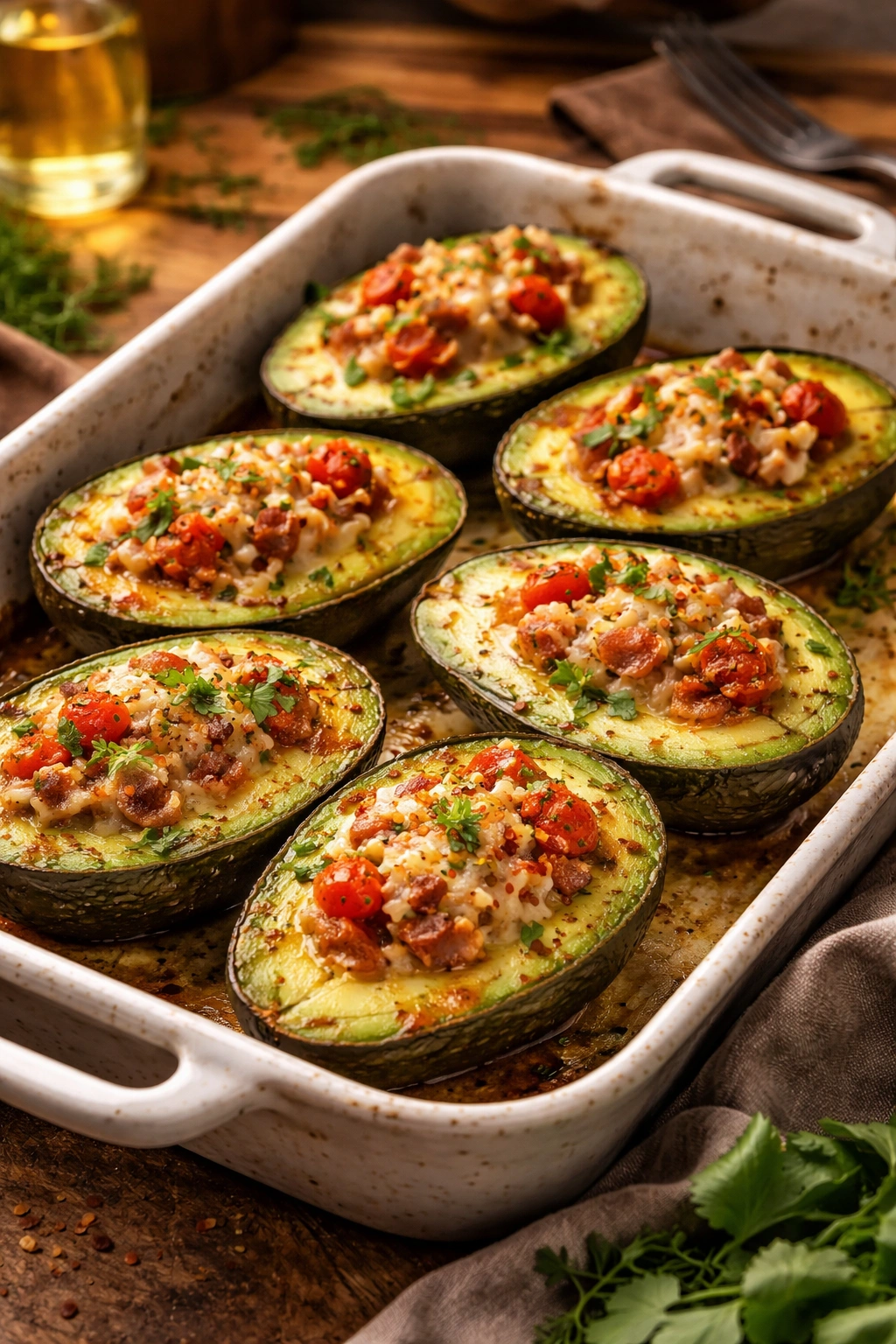
Whole roasted avocado halves filled with savory or even sweet fillings are the kind of elegant preparation that looks restaurant-quality but takes maybe 15 minutes of active work. The gentle heat softens the avocado’s flesh without cooking it to mush, creating something warm and comforting rather than the typical raw avocado experience.
The Savory Stuffed Avocado
Halve a ripe avocado, scoop out a bit more flesh to create space for filling (usually about a tablespoon per half), and fill with anything that appeals to you. A simple approach: baked egg yolks mixed with crispy bacon, fresh herbs, and Parmesan; roasted shrimp tossed with garlic, lemon, and cilantro; seasoned ground turkey or beef browned with spices; or cooked quinoa tossed with roasted vegetables and a squeeze of lime. Nestle the filled avocado halves into a baking dish, drizzle the surface lightly with olive oil, and roast at 400°F until the avocado is just tender and the filling is warmed through — about 10 to 12 minutes depending on the size of the avocado and the filling you’ve chosen.
A Sweet Application That Actually Works
This is where most people hesitate, but avocado’s neutral flavor actually makes it an excellent canvas for sweet preparations. Fill roasted avocado halves with dark chocolate (chopped or melted), crushed pistachios or almonds, a drizzle of pure honey, and a whisper of vanilla. As it roasts, the avocado softens and the chocolate slightly melts, creating a dessert that’s creamy, nutty, and sophisticated without being cloying. Fresh mint, a pinch of fleur de sel, and a squeeze of lime juice counterbalance the sweetness beautifully.
Critical note: Don’t cut avocados too far in advance of roasting — the exposed flesh oxidizes quickly, browning and discoloring. Halve and fill just before the oven.
6. Sliced Into Warm Breakfast Scrambles and Omelets
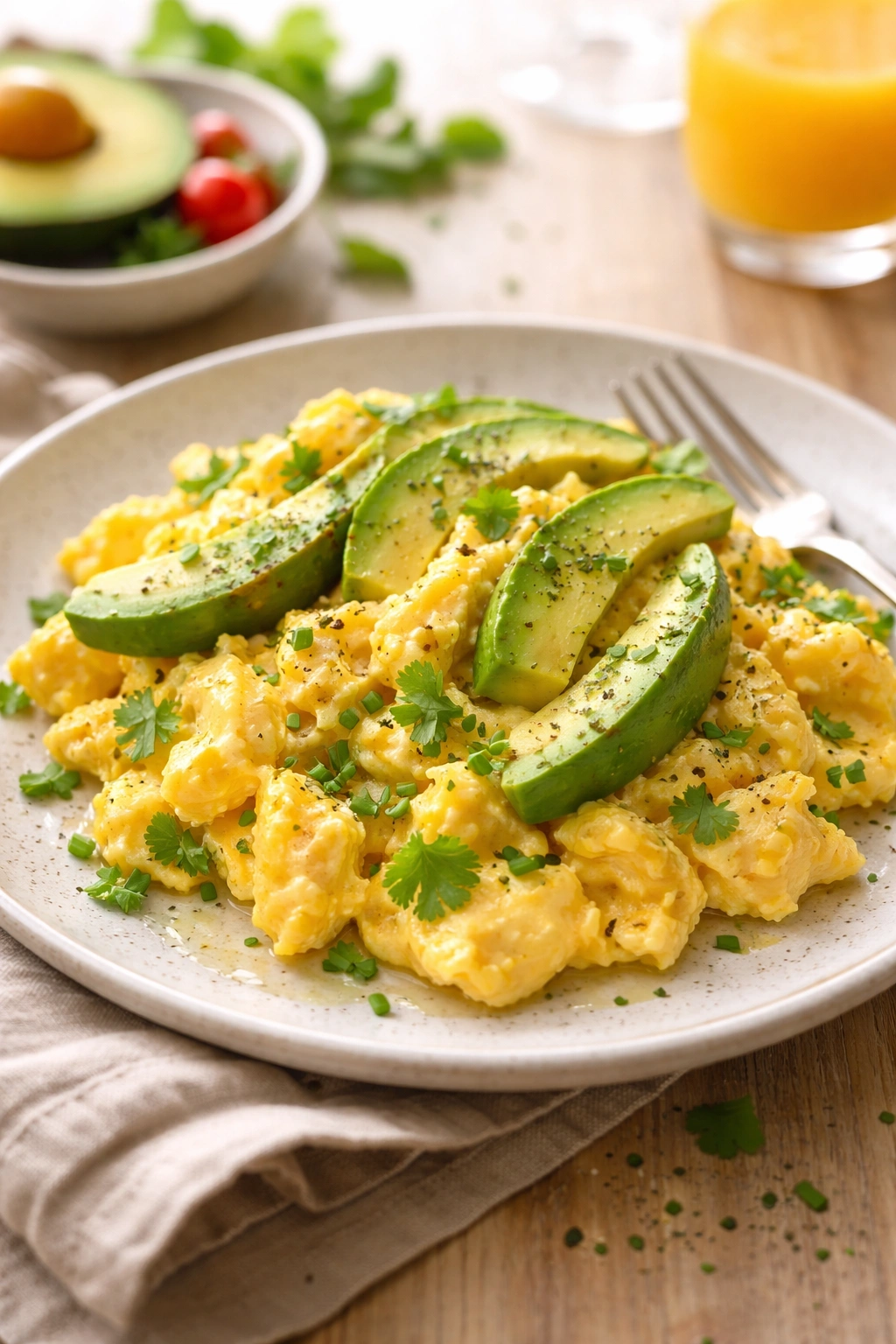
While avocado toast gets all the attention, avocado actually belongs inside warm egg dishes where its creaminess contrasts beautifully with the custardy texture of cooked eggs. This preparation keeps the avocado’s fresh, subtle flavor intact while the warm eggs provide richness and substance.
Integrating Avocado Into Scrambled Eggs
Cook your scrambled eggs to a slightly creamier doneness than you might normally prefer — we’re talking soft curds that still shine a little, not dry and broken. Just as the eggs are finishing (roughly 30 seconds before they reach your preferred consistency), fold in thin avocado slices very gently. The residual heat will warm the avocado without destroying its texture. Finish with fresh herbs like chives or cilantro, a squeeze of lime juice, and perhaps a pinch of red pepper flakes. The whole dish is comfort and elegance at once.
Omelet Construction and Filling
An omelet actually showcases avocado’s texture because you’re building layers — fill the omelet with avocado slices alongside other ingredients like sautéed mushrooms, crispy bacon or smoked salmon, and a sharp cheese like feta or aged cheddar. The key is folding the omelet gently once the top is nearly set so the delicate avocado doesn’t break into a mush. A quick slide onto a plate and you’ve got something that looks intentional and tastes genuinely special for a weekday breakfast.
Worth knowing: Choose avocados that are perfectly ripe but still slightly firm for these applications — they hold their shape better when added to warm food.
7. Blended Into Creamy Dips Beyond Guacamole
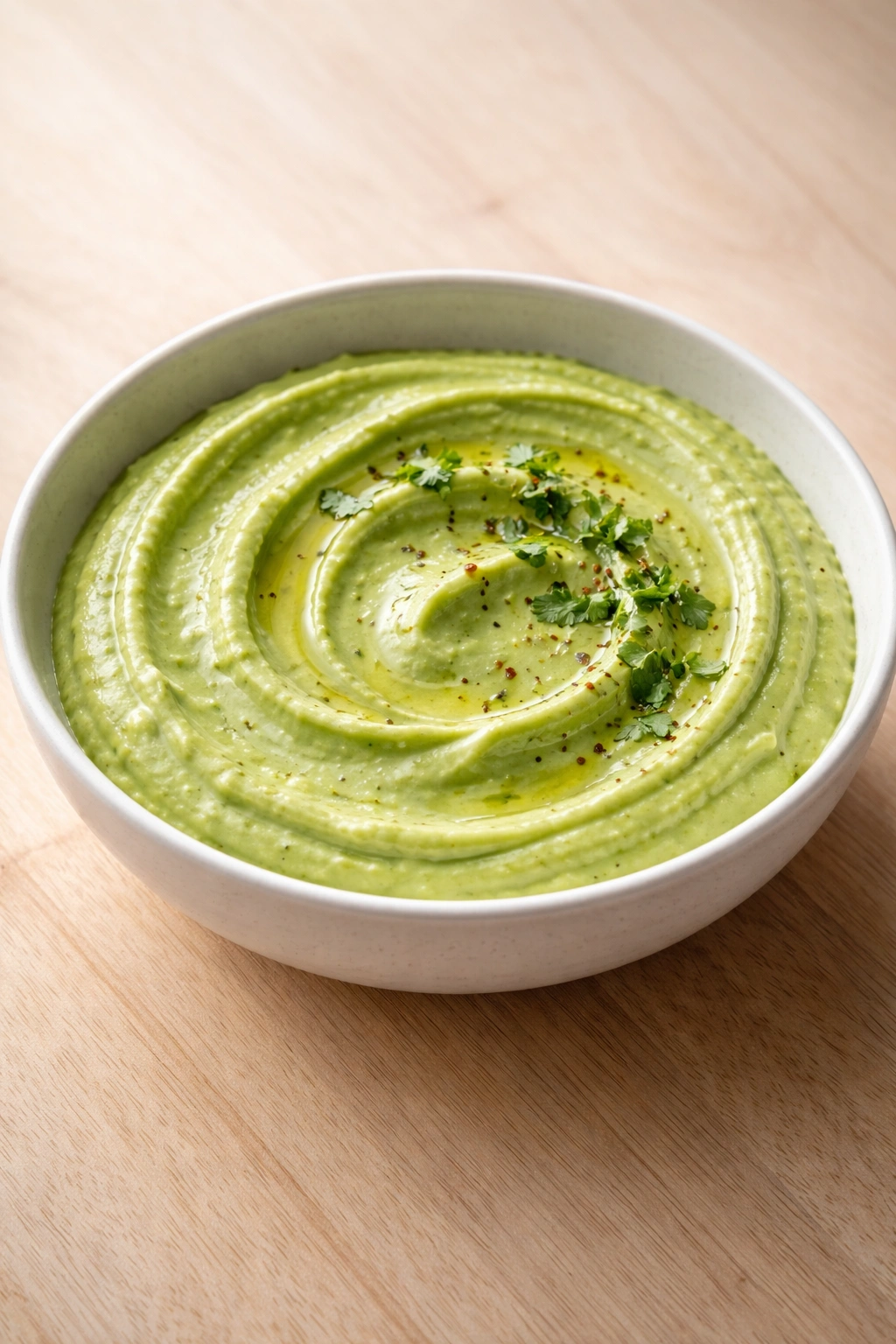
Guacamole is wonderful, but it’s not the only dip-style application where avocado shines. Using avocado as the creamy base for other dips opens up interesting flavor possibilities and textures that standard guacamole doesn’t quite capture.
Avocado-Herb Dips and Spreads
Blend ripe avocado with fresh herbs (basil, cilantro, dill, or parsley depending on what you’re serving), Greek yogurt for tang and stability, garlic, lemon juice, and salt. The Greek yogurt makes the dip slightly thinner and prevents it from oxidizing as quickly as straight guacamole. This works beautifully alongside fresh vegetables, pita chips, grilled pita bread, or crackers. A variation with Asian flavors — avocado, sesame oil, fresh ginger, lime juice, and a touch of soy sauce — becomes a dip for spring rolls or crispy wonton chips.
Creamy Dressings Using Avocado as the Base
Blend avocado with tangy buttermilk or Greek yogurt, fresh garlic, fresh herbs like dill or tarragon, and lemon juice to create a salad dressing that’s creamy without any oil. This works beautifully on wedge salads, grilled vegetables, or as a sauce for grilled fish. The avocado disappears seamlessly into the liquid, creating something silky and rich that tastes indulgent but keeps the fat profile reasonable because you’re relying on the avocado’s natural fats rather than pouring in cream and oil.
Pro tip: Blend the avocado dressing completely smooth first, then taste and adjust seasonings — you’ll need more salt and acid than seems intuitive because creaminess mutes flavors.
8. Tossed Into Fresh Salads for Creamy Contrast
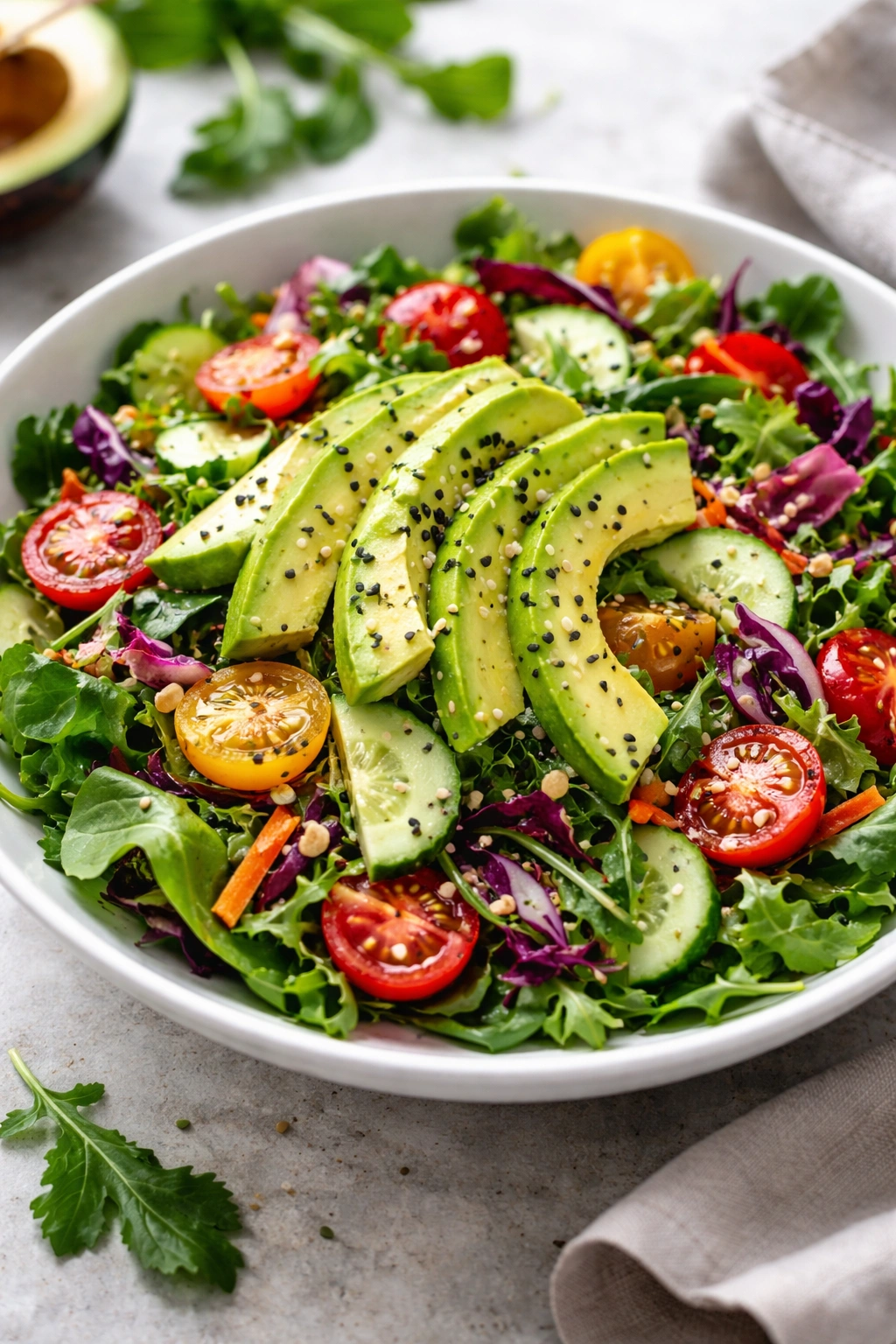
The classic wedge salad with avocado is great, but avocado can anchor salads of any temperature and style, adding creaminess that lets you use less dressing overall. The key is building salads where avocado’s delicate texture and flavor play well with other ingredients.
Composed Salads With Avocado as the Star
Think beyond lettuce — build a salad around a foundation of grains, vegetables, and other substantial ingredients, then top with avocado slices as the final touch. A Caprese-style salad with heirloom tomatoes, fresh mozzarella, basil, avocado, and a balsamic drizzle is simple but elegant. A warm salad of roasted Brussels sprouts, crispy bacon, dried cranberries, and toasted nuts topped with avocado slices becomes something hearty and balanced. A salad built on a bed of bitter greens like frisée or escarole, with warm roasted beets, goat cheese crumbles, and avocado creates complexity and textural interest in every bite.
Asian-Inspired Avocado Salads
Combine crunchy vegetables like cucumber and radish with fresh herbs like cilantro and mint, a soy-vinegar dressing, and scattered avocado. Add grilled shrimp or chicken if you want protein. The fresh, bright flavors of the dressing don’t overpower the avocado’s gentle taste; instead, they work together to create something refreshing and balanced.
Critical point: Add avocado slices just before serving and eat immediately — even a brief rest allows oxidation to dull both the flavor and the appearance.
9. Mixed Into Tacos and Filled Tortillas Beyond Simple Slices
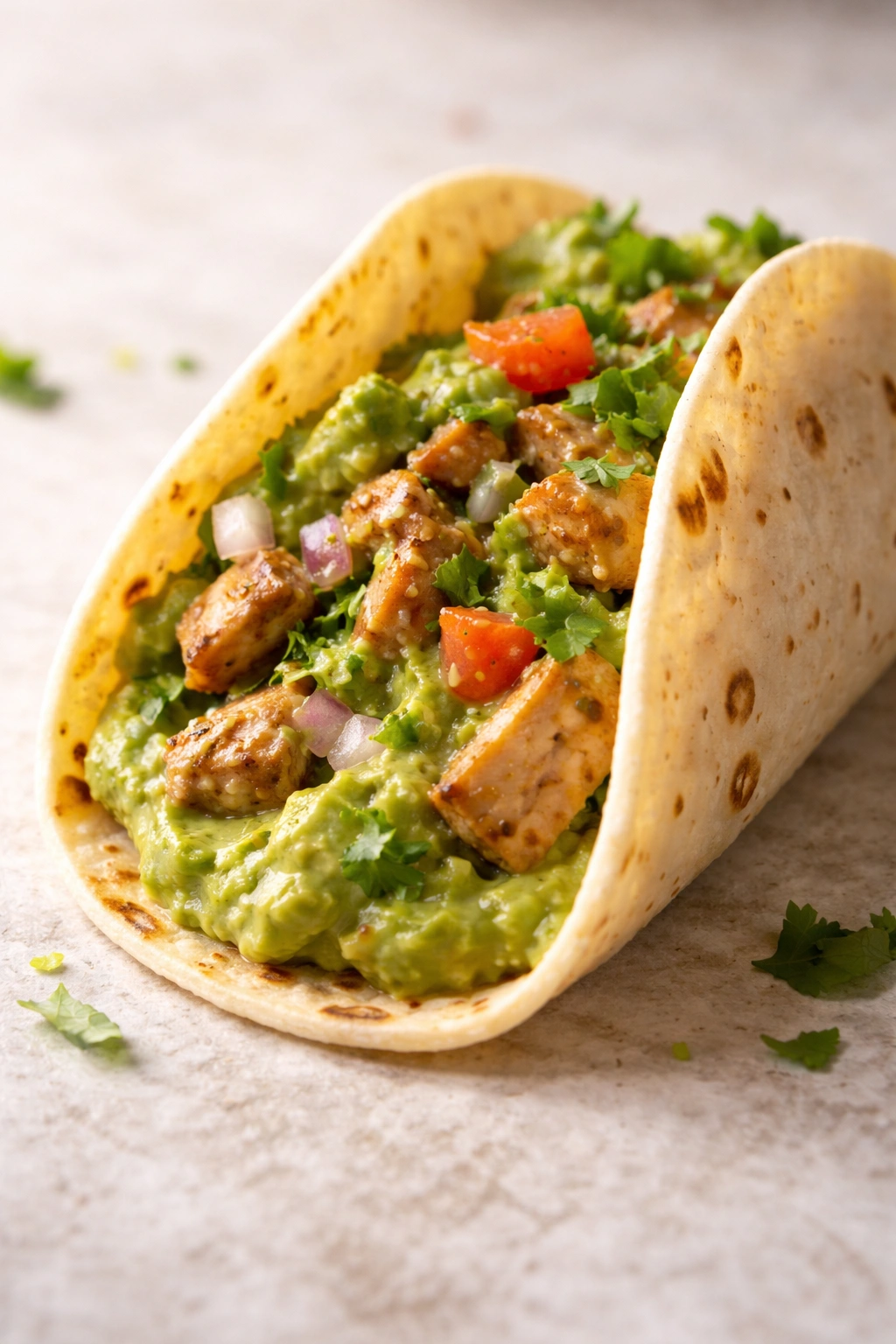
Avocado absolutely belongs in tacos, but most people just slice it and lay it on top. Using avocado more creatively — whether mashed, mixed into fillings, or incorporated into sauces — elevates the entire taco experience and ensures every bite has that creamy element.
Building Avocado Into Creamy Taco Sauces
Mash ripe avocado with lime juice, cilantro, minced fresh chili, and a touch of garlic to create a sauce that’s thicker than guacamole but more spread-like than a paste. Use this to coat the inside of warmed tortillas before adding your filling, so the avocado acts as both a creamy binding agent and a flavor layer. This works beautifully with grilled fish tacos, carnitas, roasted vegetables, or seasoned black beans.
Filling and Seasoning Applications
Mix mashed avocado directly into cooked seasoned ground beef or shredded chicken, along with fresh herbs and a squeeze of citrus. The avocado adds creaminess that balances spice and keeps the filling from feeling dry. For vegetarian tacos, combine mashed avocado with roasted vegetables, fresh beans, and your favorite spice blend — the avocado binds everything together while adding richness that makes the taco feel complete.
The Wrapped Approach
For burritos or larger tortillas, layer a thin spread of creamy avocado on the tortilla (instead of heavy sour cream or mayo), then add your fillings. The avocado provides creaminess without the heaviness, and it adds nutritional substance that makes the burrito feel more balanced.
Pro tip: Assemble tacos and burritos with avocado right before serving — the warm filling will slightly soften the avocado, which is desirable, but sitting around will cause oxidation.
10. Whipped Into Desserts and Sweet Treats
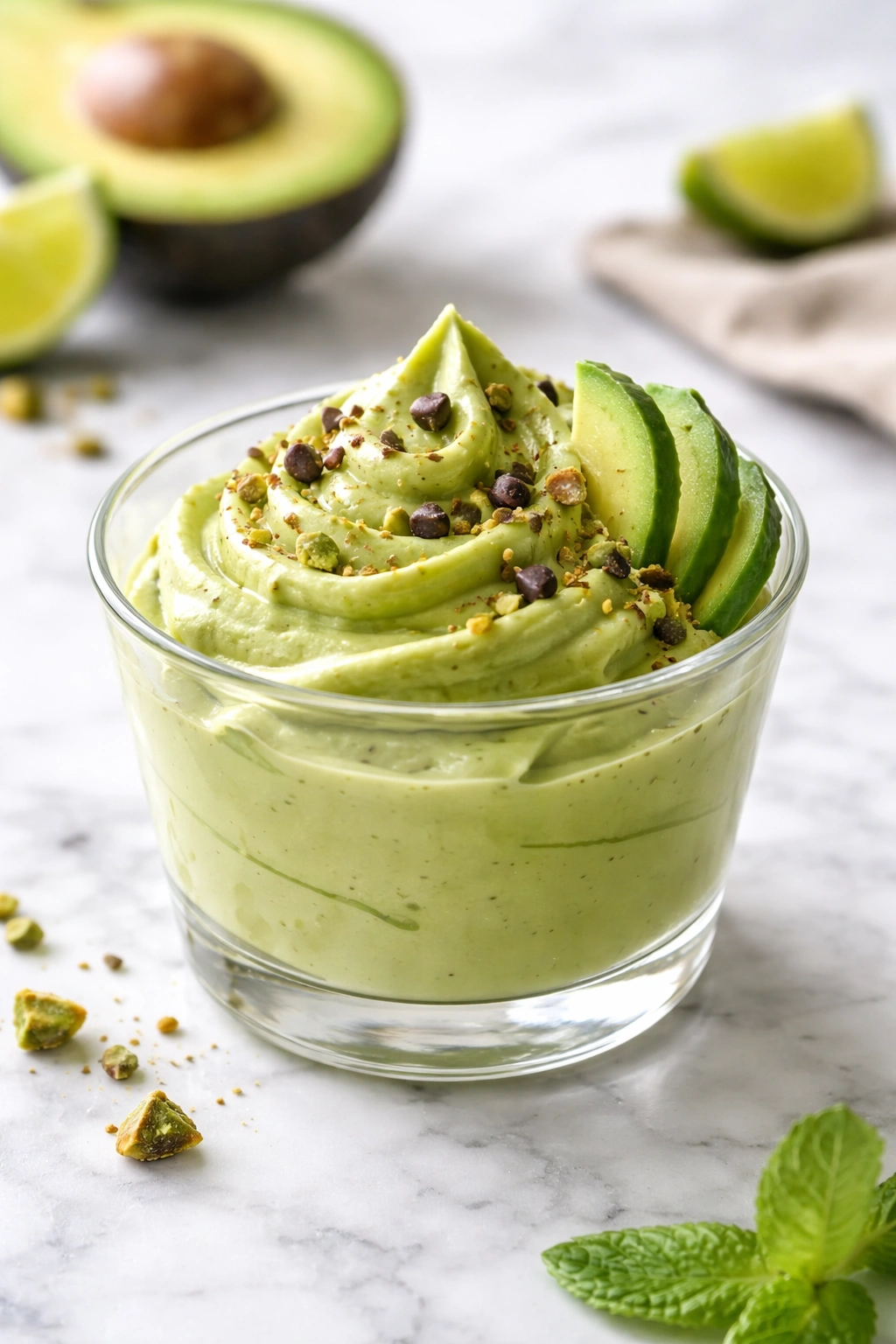
This is the application that surprises people most, but avocado’s neutral flavor makes it an invisible ingredient that adds luxurious creaminess to sweet preparations without announcing itself as avocado. You’re tapping into the same principle that makes avocado a secret ingredient in certain brownie recipes.
Chocolate Avocado Mousse
Blend ripe avocado with high-quality cocoa powder, sweetener (maple syrup, honey, or dates work beautifully), a pinch of sea salt, and vanilla extract to create the creamiest chocolate mousse you’ve ever made. The avocado’s texture is invisible in the final dish — what you taste is pure chocolate richness and creaminess without any feeling of heaviness. Serve topped with fresh berries, crushed pistachios, shaved dark chocolate, or a curl of whipped cream.
Creamy Avocado Frosting
For a layer cake or cupcakes, blend ripe avocado with softened butter, powdered sugar, vanilla extract, and a hint of sea salt to create a frosting that’s lighter and more interesting than straight buttercream. The avocado adds subtle sweetness and incredible creaminess without making the frosting feel heavy or oily. A squeeze of fresh lemon juice adds brightness and helps prevent browning.
Avocado in Smoothie Bowls and Frozen Treats
Blend frozen banana, frozen berries, yogurt, and ripe avocado to create a smoothie bowl base that’s thick, creamy, and feels indulgent as a dessert. Top with granola, coconut flakes, fresh berries, and a drizzle of nut butter. For frozen avocado treats, blend avocado with lime juice and a touch of agave syrup, then freeze in popsicle molds for a creamy, tropical pop that’s refreshingly light but genuinely satisfying.
Worth knowing: Use avocado in desserts where its color won’t be immediately noticeable — chocolate preparations are ideal, as are drinks and smoothies where the color doesn’t matter. A pale green frosting reads as avocado immediately, whereas a dark chocolate mousse never reveals its secret ingredient.
Key Takeaways
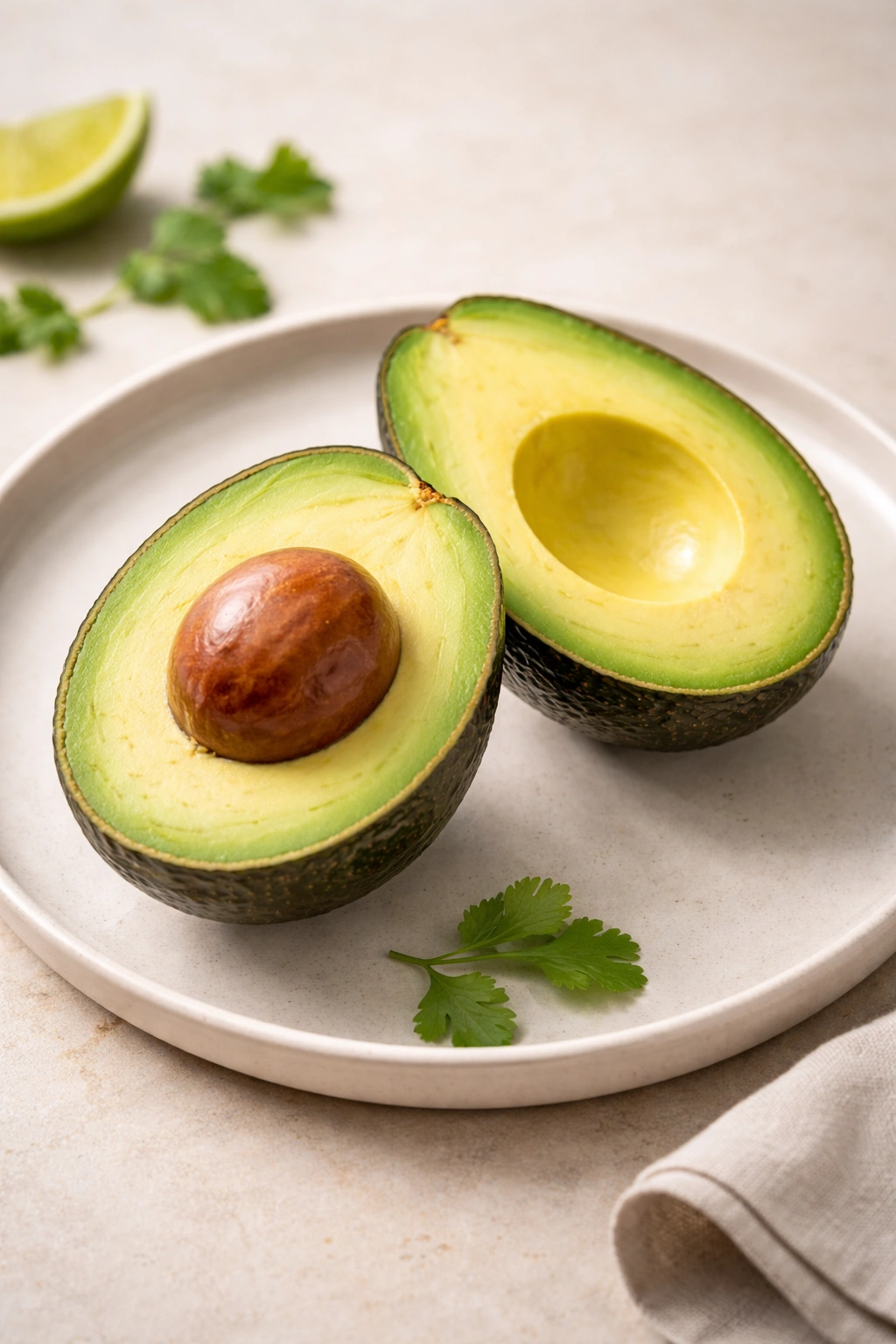
The beauty of avocado is its chameleon-like ability to work in contexts both savory and sweet, hot and cold, crunchy and creamy. Moving beyond toast isn’t about abandoning simplicity — it’s about recognizing that avocado’s versatility deserves exploration. Try even one or two of these preparations and you’ll start seeing avocado not as a topping but as a foundational ingredient that can anchor an entire dish.
The one consistent principle across all these preparations is timing: avocado oxidizes quickly when exposed to air and browning compromises both flavor and appearance. Whether you’re slicing for a salad, mashing for a dip, or blending into a sauce, work as close to serving time as possible. Choose avocados that are ripe but still slightly firm rather than butter-soft, and always have good-quality lemon or lime juice on hand — acid is your best tool for preventing browning and adding the brightness that makes avocado shine.
