



There’s something deeply satisfying about reaching for a homemade oatmeal cookie instead of a packaged snack. They’re wholesome enough to feel like a legitimate breakfast companion, indulgent enough to satisfy a genuine sweet craving, and simple enough that even a casual home baker can nail them on the first try. Better still, a batch of warm oatmeal cookies fills your kitchen with an aroma that makes everyone around you immediately wonder what you’re up to—and whether they can have some.
Oatmeal cookies have a reputation for being health-conscious, but the real magic is that they genuinely taste good and deliver nutritional substance. Unlike many snacks that are either wholesome-but-bland or delicious-but-empty, a proper oatmeal cookie walks that line beautifully. The oats contribute texture, fiber, and a subtle nutty depth that prevents the cookie from tasting one-dimensional. You’re biting into something that’s actually satisfying, not something that leaves you reaching for a second cookie five minutes later because the first one didn’t register as real food.
The best part? These cookies come together in under an hour from start to finish, and they stay fresh for days—which means you can make a batch on Sunday and enjoy them all week long as an afternoon pick-me-up, a lunchbox addition, or that perfect moment of comfort food when you need a genuine pause in your day.
Why Oatmeal Cookies Are Perfect for Snacking
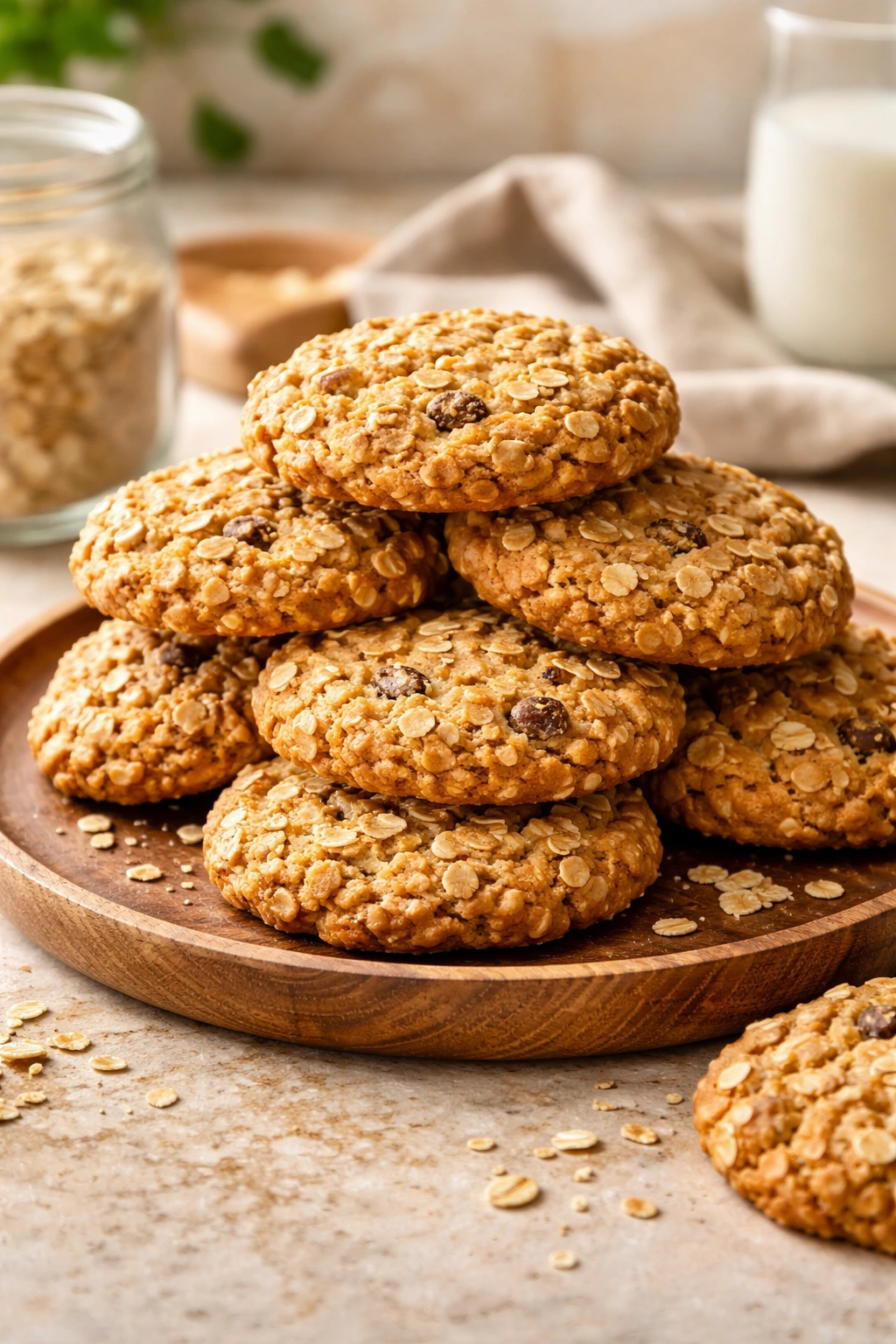
Oatmeal cookies occupy a unique spot in the snacking world. They’re portable enough to toss into a bag for work, travel, or a picnic without any special packaging. They don’t require refrigeration, they’re not messy to eat, and they pair naturally with coffee, tea, milk, or nothing at all. Unlike many homemade baked goods that are best consumed within a day or two, oatmeal cookies actually improve slightly as they sit—the flavors meld together, and the texture deepens into something even more satisfying.
The nutritional profile matters here too. Oats are genuinely good for you: they’re high in soluble fiber, which supports digestive health, and they contain compounds that help regulate blood sugar. When you eat an oatmeal cookie, you’re not just eating empty calories—you’re getting whole grains, sustained energy, and enough satisfaction that you don’t mindlessly consume an entire sleeve in one sitting.
Temperature flexibility is another underrated advantage. These cookies taste wonderful warm from the oven, they’re excellent at room temperature for hours afterward, and they’re still genuinely good straight from the pantry days later. Some snacks lose their appeal once they cool; oatmeal cookies get better.
The Best Oatmeal Cookie Ingredients
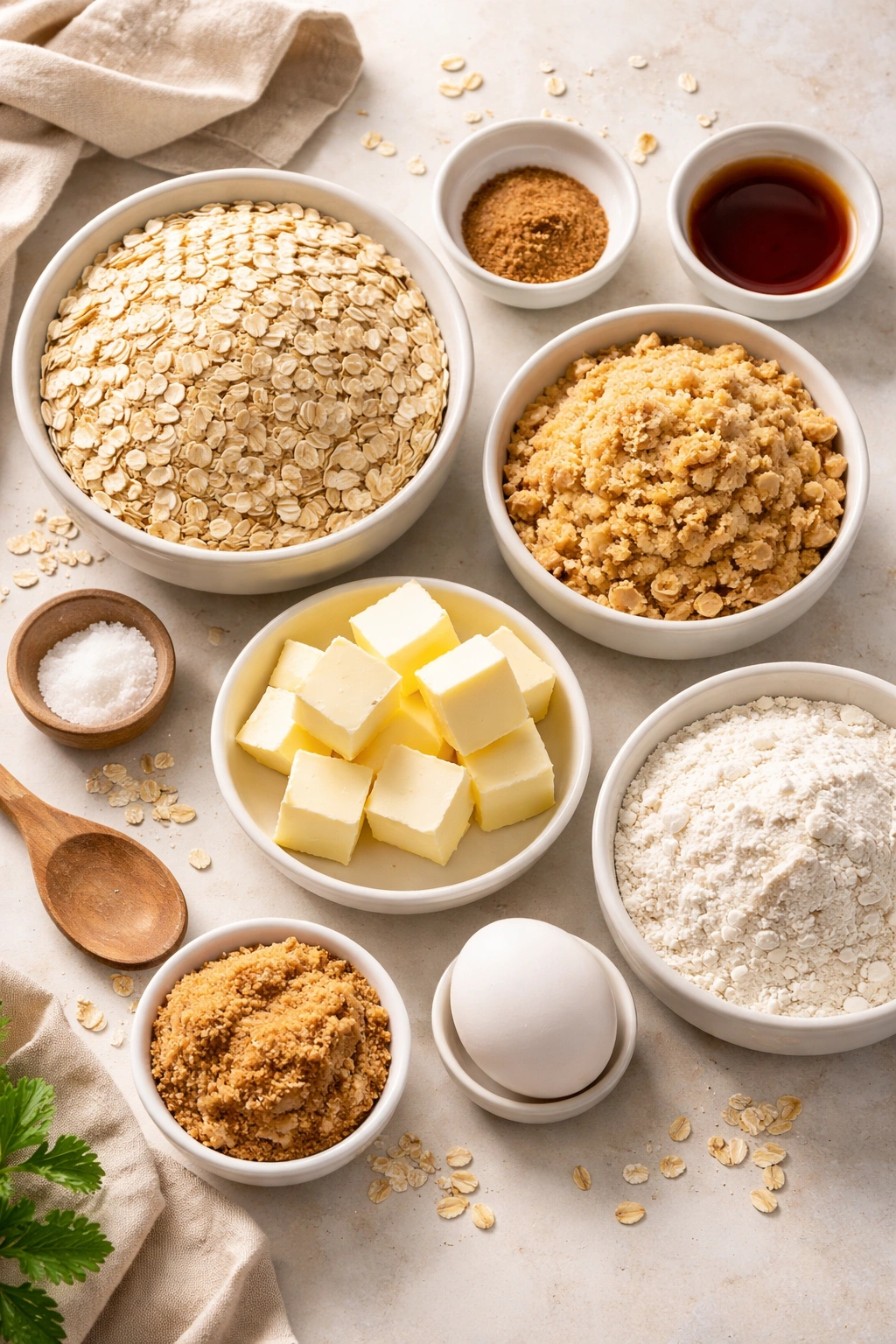
The ingredient list for a truly great oatmeal cookie is refreshingly short—which means the quality of each component actually matters. There’s nowhere to hide when you’re only using seven or eight ingredients.
Old-fashioned rolled oats are non-negotiable. Don’t reach for instant oatmeal packets or steel-cut oats; rolled oats give you the ideal balance of texture—they soften slightly during baking without turning to mush, and they contribute a slight chewiness that instant oats can’t match. The oat flavor needs to come through clearly, so use oats that actually taste like oats, not the bland stuff sitting at the back of a pantry.
Butter should be real, unsalted butter. This is your primary fat and the source of the cookie’s richness and flavor. The butter carries vanilla, brown sugar, and warmth—use good quality stuff. Cold butter incorporates into dry ingredients differently than room-temperature butter, and melted butter creates a different texture entirely, so the baking instructions matter.
Brown sugar vs. white sugar creates real texture differences. Brown sugar is hygroscopic, meaning it pulls moisture from the air and into your dough, resulting in a thicker, chewier cookie. Granulated white sugar tends toward crispier cookies. The ideal ratio is roughly 3 parts brown to 1 part white, which gives you that coveted chewy-with-crispy-edges combination that makes people keep eating cookie after cookie.
Vanilla extract deepens the overall flavor. Pure vanilla extract costs more than imitation, but the difference is real—pure vanilla has complexity that imitation vanilla lacks. You’re using enough vanilla that this matters.
All-purpose flour provides structure. Measure it correctly (by weight is ideal; by volume, spoon into the measuring cup and level off without packing) because too much flour makes dense, tough cookies.
Salt sharpens sweetness and brings out the oat flavor. Don’t skip it or reduce it; salt is working hard here.
Cinnamon and nutmeg are optional but worth including. Warm spices complement oats beautifully and add complexity that keeps the cookie interesting. A pinch of ground ginger works too if that’s your preference.
How to Get That Perfect Chewy-Crispy Texture
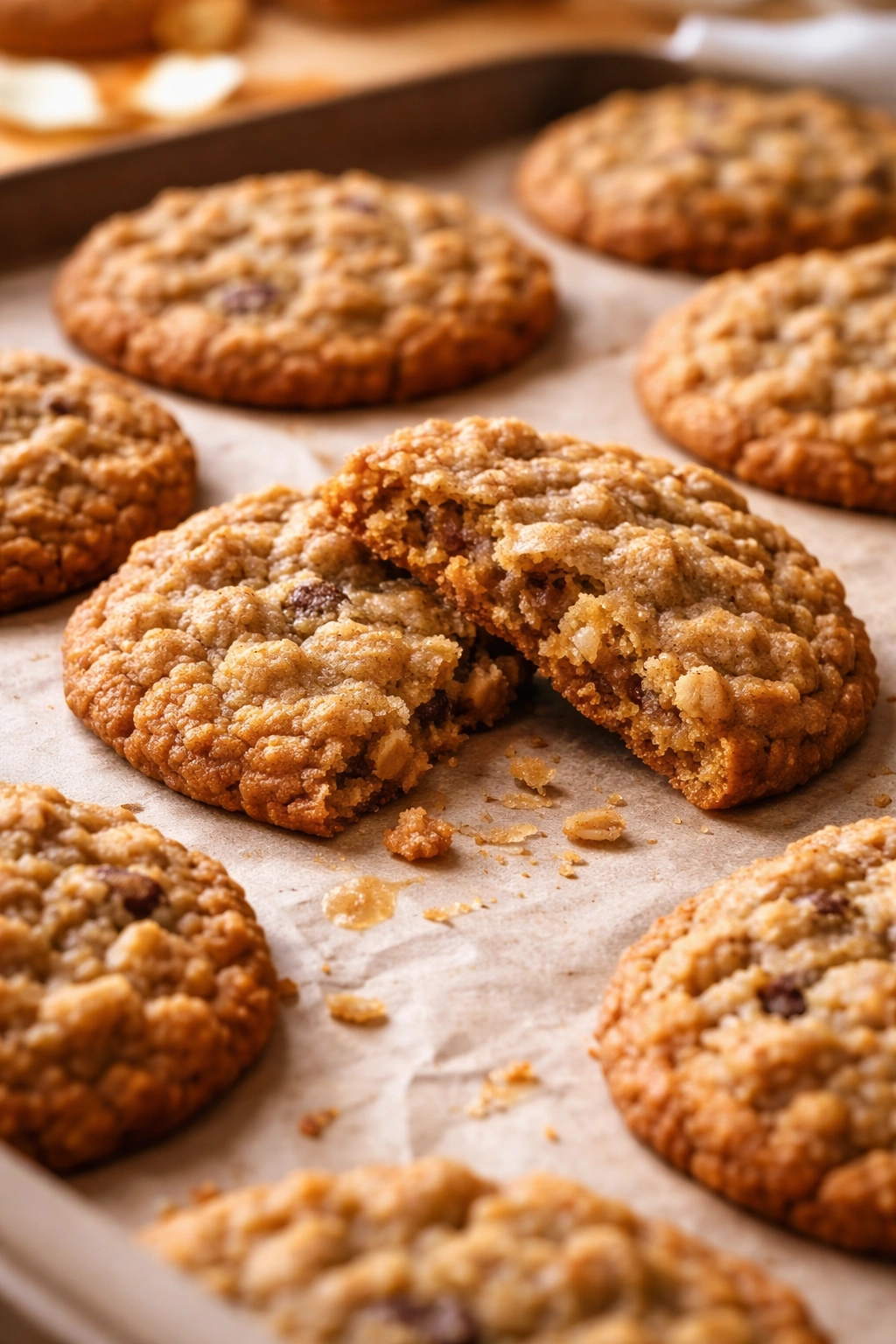
The texture of a cookie comes down to moisture content, fat distribution, and baking time. Understanding these mechanics means you can troubleshoot if your cookies don’t turn out quite right, and you can adjust toward your personal preference.
The brown sugar ingredient is doing the heavy lifting for chewiness. It pulls moisture into your dough, which means it pulls moisture into the baked cookie. This is why oatmeal cookies made with brown sugar stay tender for days while cookies made entirely with white sugar dry out faster.
Don’t overbake. This is the single biggest mistake. Cookies continue to cook on the hot baking sheet after you remove them from the oven. They’ll look slightly underbaked when you pull them out, but they’ll firm up as they cool. If you wait for them to look fully baked in the oven, they’ll be hard by the time they cool completely. Aim for the edges to be set and lightly golden while the center still looks just slightly soft—it should spring back when you press it gently with a fingertip, but barely.
Temperature control matters. A standard oven running at the right temperature is the baseline, but if your oven runs hot (and many home ovens do), your cookies will bake faster and caramelize more. If it runs cool, they’ll spread more and stay softer. Invest in an oven thermometer if you notice your cookies aren’t turning out consistently—the $8 or $10 is money well spent.
Dough temperature affects spread. Warm dough spreads faster and more during baking, resulting in thinner, crispier cookies. Chilled dough spreads more slowly, resulting in thicker, chewier cookies. If you want chewier cookies, chill the dough for at least 30 minutes before baking. If you want crispier cookies, bake the dough while it’s still warm.
Size matters. Larger cookies bake slower and retain moisture better, staying chewier even days later. Smaller cookies bake faster and are more likely to crisp up throughout. A standard oatmeal cookie should be roughly the size of a golf ball—about 1½ inches in diameter once baked.
What You’ll Need to Make These Cookies
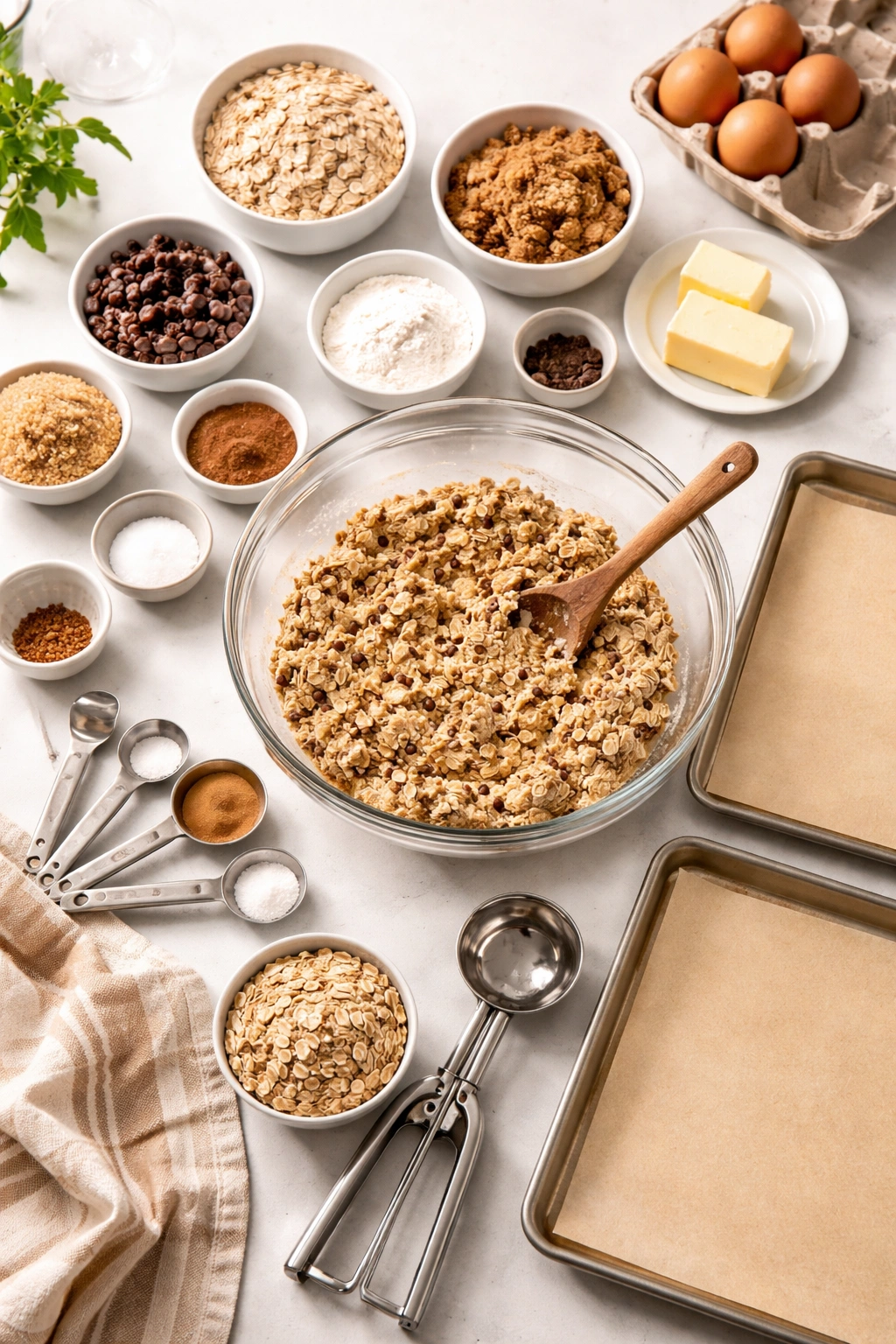
Yield: Makes 24 to 28 cookies
Prep Time: 15 minutes
Cook Time: 12 to 14 minutes per batch
Total Time: 45 minutes active, plus optional 30 minutes chilling (if you prefer chewier cookies)
Difficulty: Beginner — No special equipment required, straightforward mixing method, and forgiving enough that even first-time bakers get excellent results.
Best Served: Warm from the oven (ideally within the first 30 minutes, when they’re still cooling) or at room temperature anytime throughout the week. They’re also genuinely delicious straight from the pantry at room temperature, though some people prefer them with a cold glass of milk.
Oatmeal Cookies Recipe
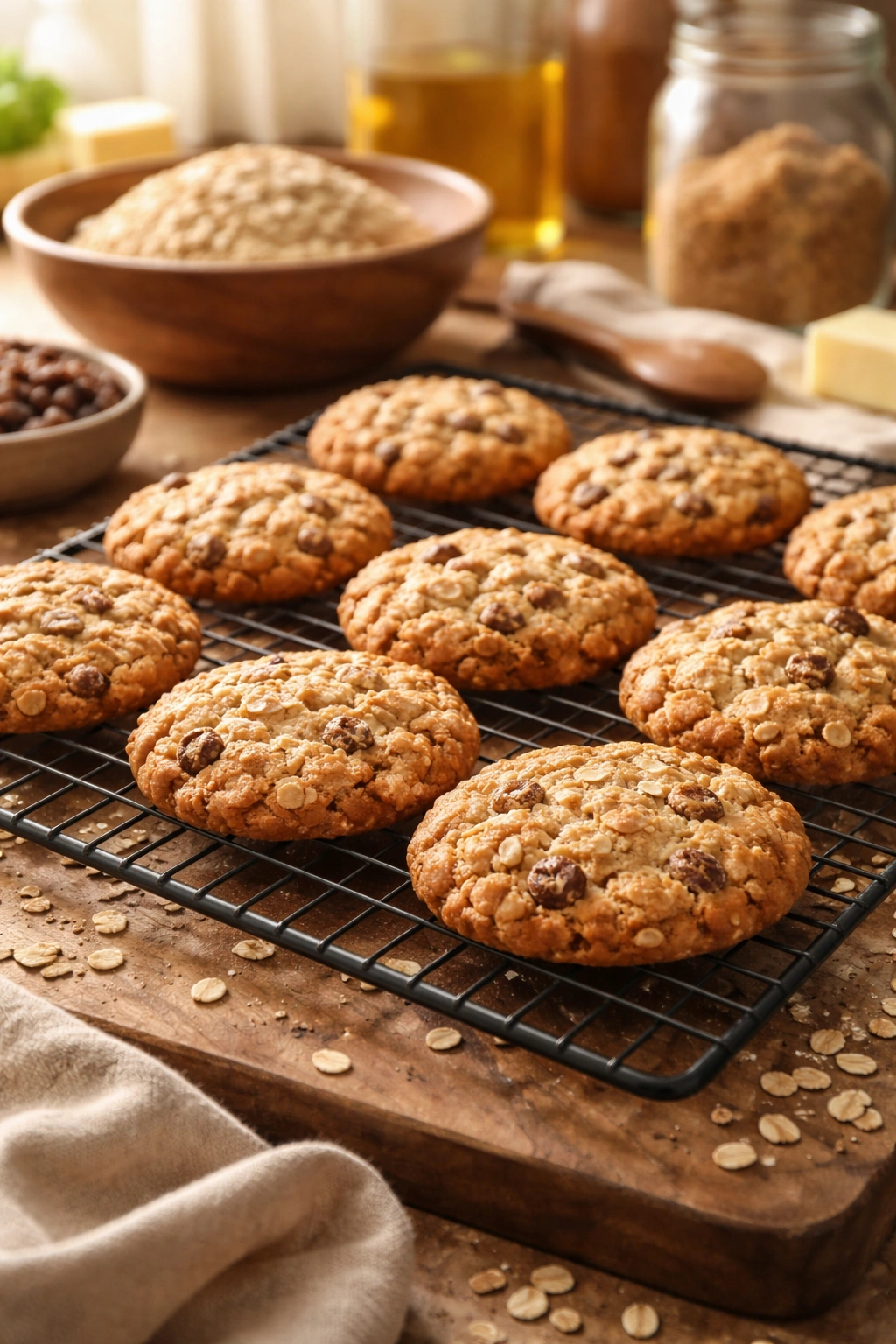
For the Dry Ingredients:
- 1¼ cups all-purpose flour
- ½ teaspoon baking soda
- ½ teaspoon fine sea salt
- 1 teaspoon ground cinnamon
- ¼ teaspoon ground nutmeg (optional, but worthwhile)
- 3 cups old-fashioned rolled oats
For the Wet Ingredients:
- ½ cup (1 stick) unsalted butter, softened to room temperature
- ¾ cup packed light brown sugar
- ¼ cup granulated white sugar
- 1 large egg
- 1 teaspoon pure vanilla extract
- 2 tablespoons unsweetened applesauce (optional — adds moisture and reduces the amount of sugar slightly without changing the texture)
Prepare and Mix:
-
Preheat the oven to 325°F (163°C) and position the racks in the upper-middle and lower-middle positions (you’ll be baking two trays at once). Line two baking sheets with parchment paper.
-
In a medium bowl, whisk together the flour, baking soda, salt, cinnamon, and nutmeg. In a separate small bowl, measure out the oats and set both bowls aside.
-
Using a stand mixer fitted with the paddle attachment (or a hand mixer and a bowl), beat the softened butter, brown sugar, and white sugar on medium-high speed for 3 to 4 minutes, until the mixture is pale, noticeably fluffy, and has doubled in volume. This creaming step is important—it incorporates air that helps the cookies rise and become tender.
-
Add the egg to the butter mixture and beat for 30 seconds until fully incorporated, scraping down the sides of the bowl. Add the vanilla extract and beat for another 15 seconds to combine.
-
If using applesauce, add it now and beat briefly to combine. (The applesauce is optional but adds natural moisture and helps the cookies stay chewy.)
Advertisements -
Reduce the mixer to low speed. Add the dry ingredients (flour mixture) to the wet ingredients and mix until just combined—do not overmix. The dough should come together but should not look overworked. Overmixing develops gluten, which will make the cookies tough and cakey instead of tender and chewy.
-
Add the oats to the dough and mix on low speed for another 20 to 30 seconds, until the oats are evenly distributed throughout. Again, do not overmix—you want the oats folded in, not pulverized.
Bake the Cookies:
-
Scoop the dough using a standard cookie scoop (this ensures uniform size and even baking) or a rounded tablespoon. Place scoops 2 inches apart on the prepared baking sheets—you should get 12 to 14 cookies per sheet, depending on your scoop size.
-
Bake for 12 to 14 minutes, rotating the trays halfway through, until the edges are set and lightly golden but the centers still look just barely underbaked—they should spring back when pressed gently with a fingertip. The cookies will continue to cook on the hot pan after you remove them from the oven.
-
Remove the baking sheets from the oven and let the cookies rest on the hot pans for 2 minutes. This final bit of residual heat finishes cooking the centers without overdoing the edges.
-
Transfer the cookies to a wire cooling rack using a thin spatula and allow them to cool completely—at least 20 minutes. Do not eat them immediately—they’re still too hot and will fall apart. Also, they haven’t set their final texture yet; they’ll firm up noticeably as they cool.
-
Repeat with the remaining dough. If you’re baking both trays simultaneously, alternate which rack the trays go on halfway through so they bake evenly.
Common Mistakes to Avoid
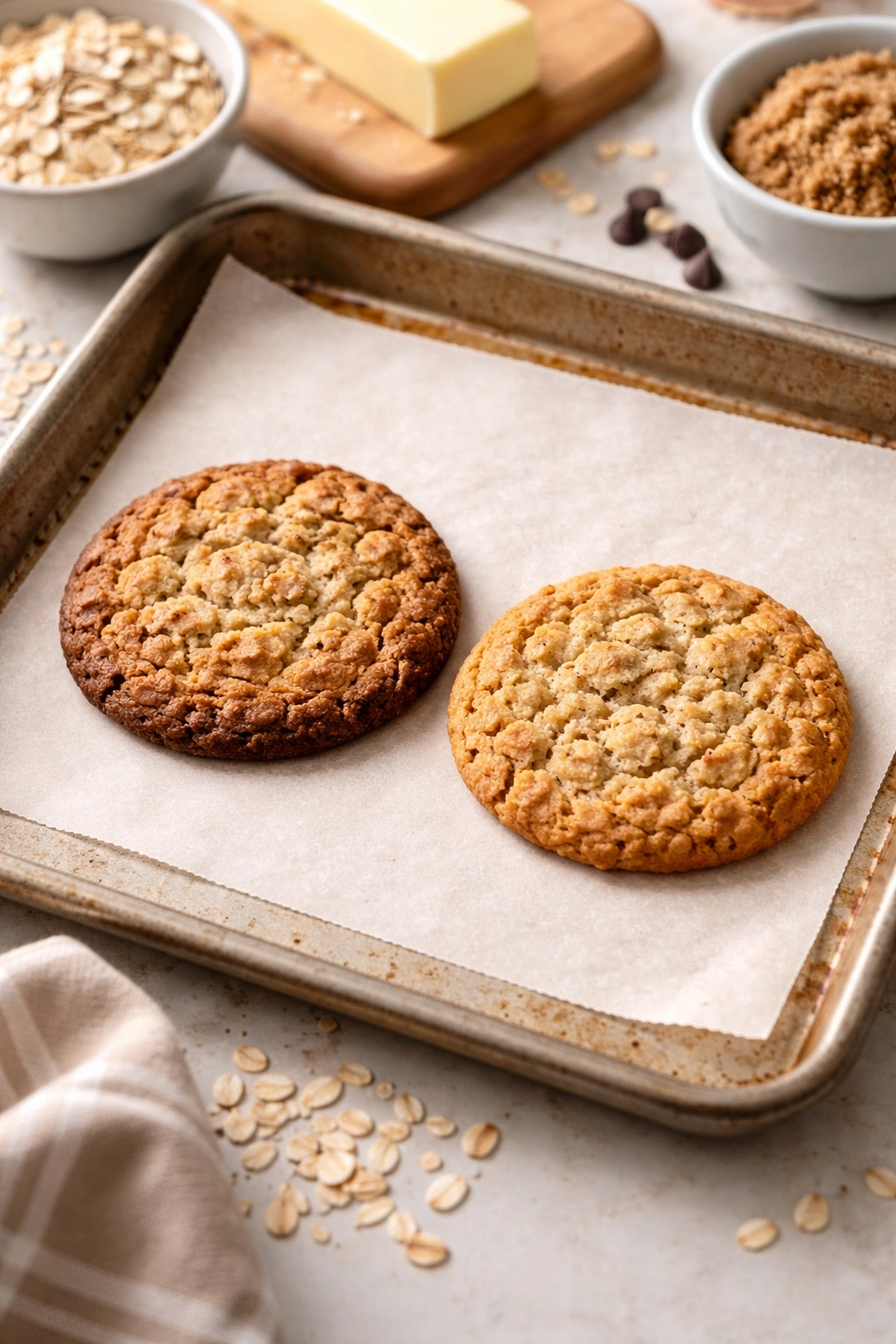
The most frequent failure point is overbaking. People pull cookies out when they look fully set and golden, then wonder why they’re hard and crunchy two days later. The cookie paradox is that they look underbaked when they actually reach perfect doneness. Trust the springback test, not your eye. Undercooked dough tastes fine (if you’re concerned, use pasteurized eggs); overdone cookies taste like cardboard.
Not softening the butter leads to dense, tough cookies. If you use cold, hard butter, it won’t cream properly with the sugar. The mixture won’t become fluffy and pale, which means the cookies won’t have the right texture. Take your butter out of the fridge 30 minutes before baking—it should be soft enough to press your finger into easily, but not melted or greasy.
Packing the flour when measuring by volume adds extra flour to your dough, making cookies dense and dry. Spoon flour into the measuring cup, then level it off with a knife without pressing down. Better still, weigh your flour on a kitchen scale—1¼ cups is roughly 155 grams.
Using instant oatmeal creates mushy, weird-textured cookies. Those packets are pre-steamed and fine-milled, and they turn into mush when wet. You specifically want old-fashioned rolled oats (also called old-fashioned oats or just rolled oats on the label).
Skipping the salt makes the cookies taste flat and one-note. Salt doesn’t make things taste salty—it sharpens sweetness and brings out depth. Salt is working hard in these cookies; don’t skip it.
Storage and Make-Ahead Tips
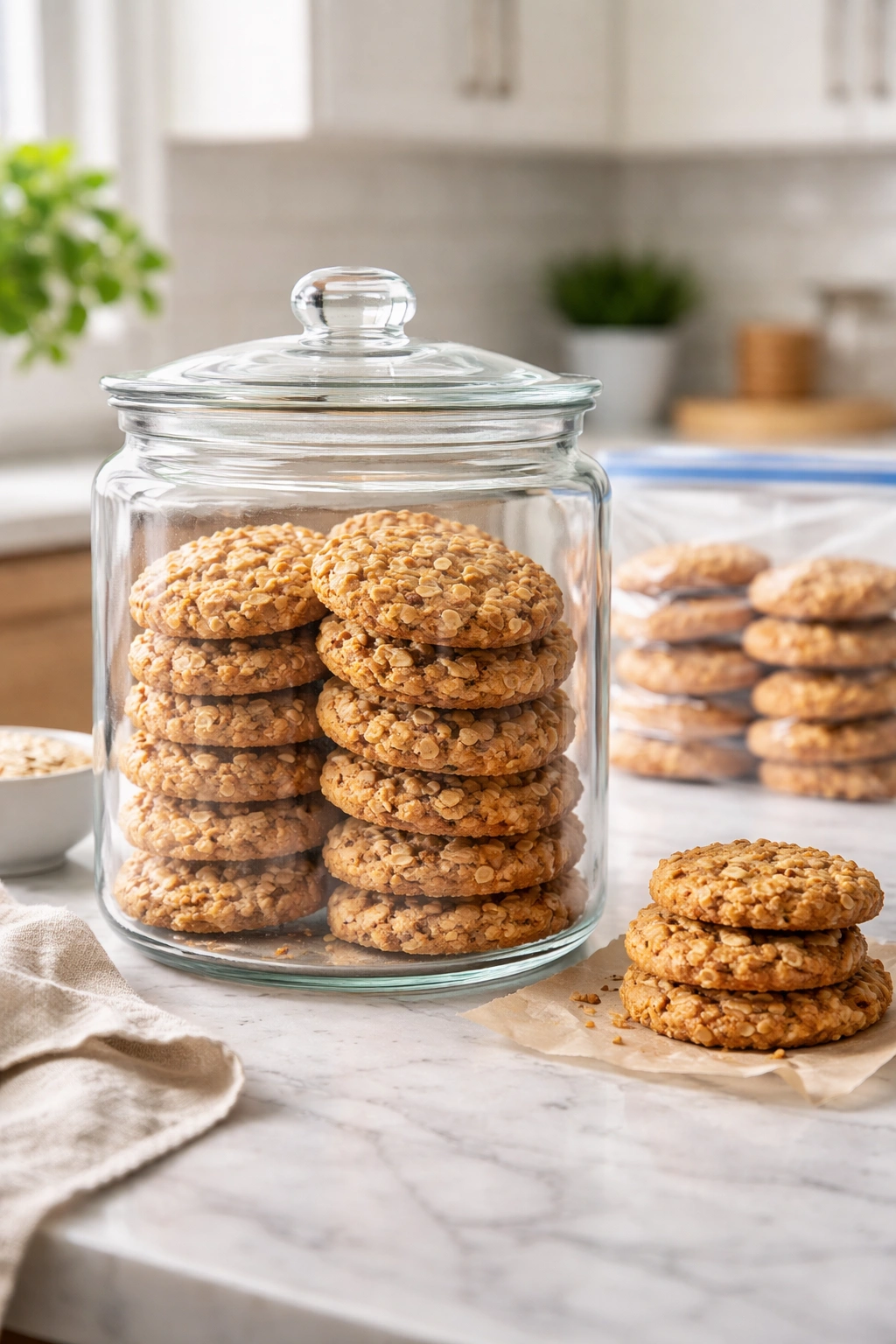
These cookies store beautifully at room temperature in an airtight container for up to 5 days. They actually improve over the first day or two as the flavors meld and the texture becomes more uniformly chewy throughout.
Freezing works wonderfully. You can freeze the dough in two ways: freeze the entire bowl of dough (covered tightly with plastic wrap) for up to 2 weeks, then thaw it for 30 minutes at room temperature and bake normally. Or scoop the dough onto a baking sheet, freeze until solid (about 2 hours), then transfer the frozen scoops to a freezer bag and bake straight from frozen, adding 2 to 3 minutes to the baking time.
You can also bake the cookies completely, cool them, and freeze them in an airtight container for up to a month. Thaw them at room temperature for 15 minutes before eating, or eat them cold straight from the freezer (they’re genuinely good this way, like a frozen treat).
To prevent them from drying out, store them with a piece of bread or half an apple in the container with them. Sounds strange, but the bread or apple releases moisture that keeps the cookies tender. Replace the bread after a day or two when it hardens, or use a moisture-absorbing clay disc made specifically for this purpose.
Flavor Variations to Try
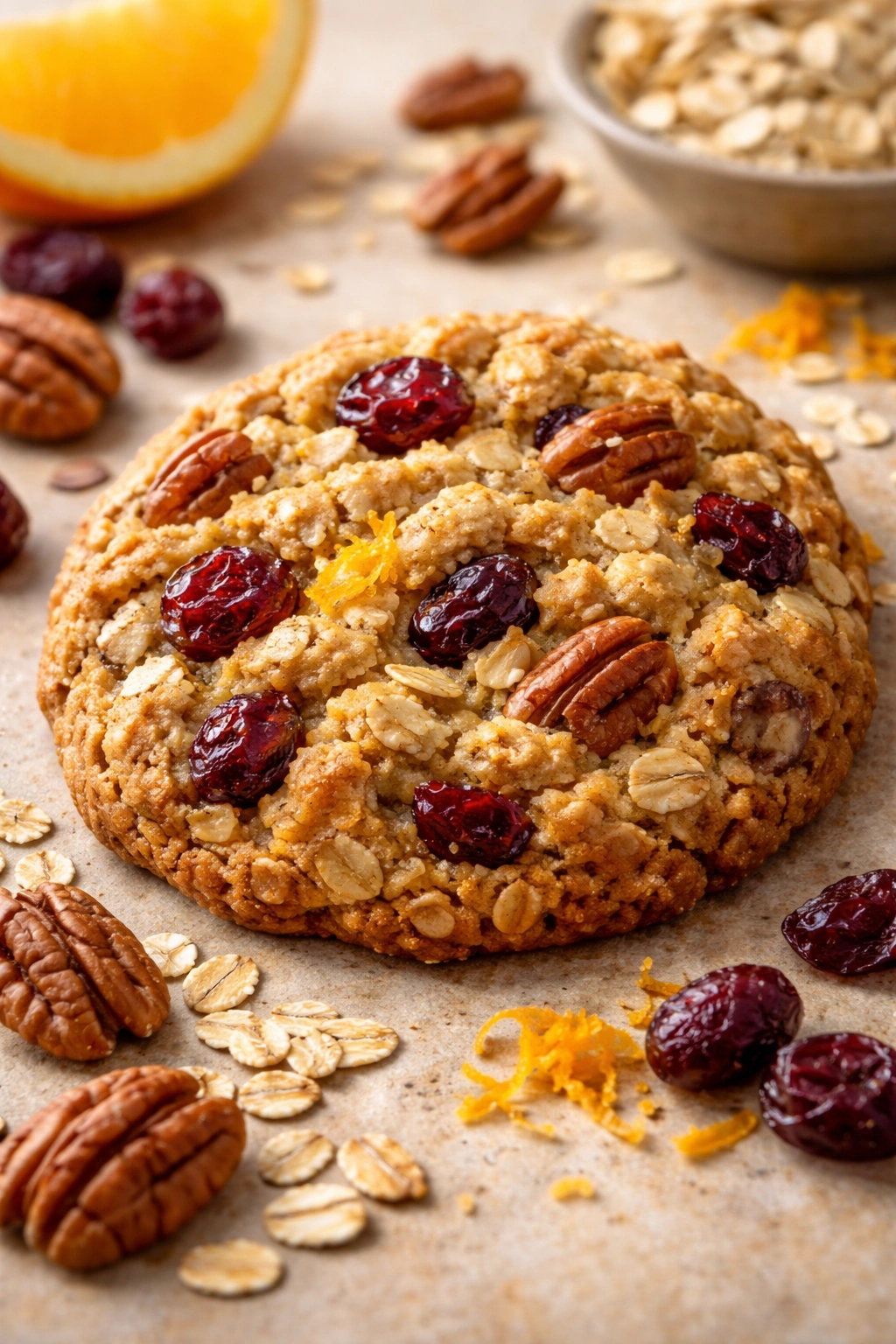
The base recipe is wonderful as written, but oatmeal cookies are a blank canvas for creative additions. The beauty is that any changes come through clearly—oatmeal cookies have enough neutral flavor that additions shine.
Cranberry-Orange: Add the zest of one orange to the creamed butter and sugar, and fold in ¾ cup dried cranberries along with the oats. The tart cranberry and bright orange combination is sophisticated and addictive.
Maple-Pecan: Replace ¼ cup of the brown sugar with maple sugar (or use regular brown sugar and add ¼ teaspoon maple extract to the vanilla), and fold in ¾ cup chopped pecans along with the oats. Maple and pecan is a classic pairing for good reason.
Apple-Cinnamon: Increase the cinnamon to 1½ teaspoons, add ¼ teaspoon ground ginger, and fold in ¾ cup finely diced dried apple along with the oats. Use the applesauce option in the base recipe for extra apple flavor.
Brown Butter: Instead of softened butter, brown your butter first by melting it in a small saucepan over medium heat, swirling occasionally, until it turns golden and smells nutty (about 8 minutes). Let it cool slightly, then use it in place of the softened butter. This adds deep, toasted flavor—reduce the baking soda slightly to ⅜ teaspoon because brown butter reacts differently in the oven.
Raisin-Walnut: The traditional combination. Fold in ¾ cup raisins and ½ cup chopped walnuts along with the oats. Soak the raisins in warm water for 10 minutes before adding them if you prefer them extra plump and moist.
Dark Chocolate Chip: Fold in ¾ cup dark chocolate chips (60% cacao or higher) along with the oats. The slight bitterness of dark chocolate plays beautifully against the brown sugar sweetness.
How to Customize for Your Preferences
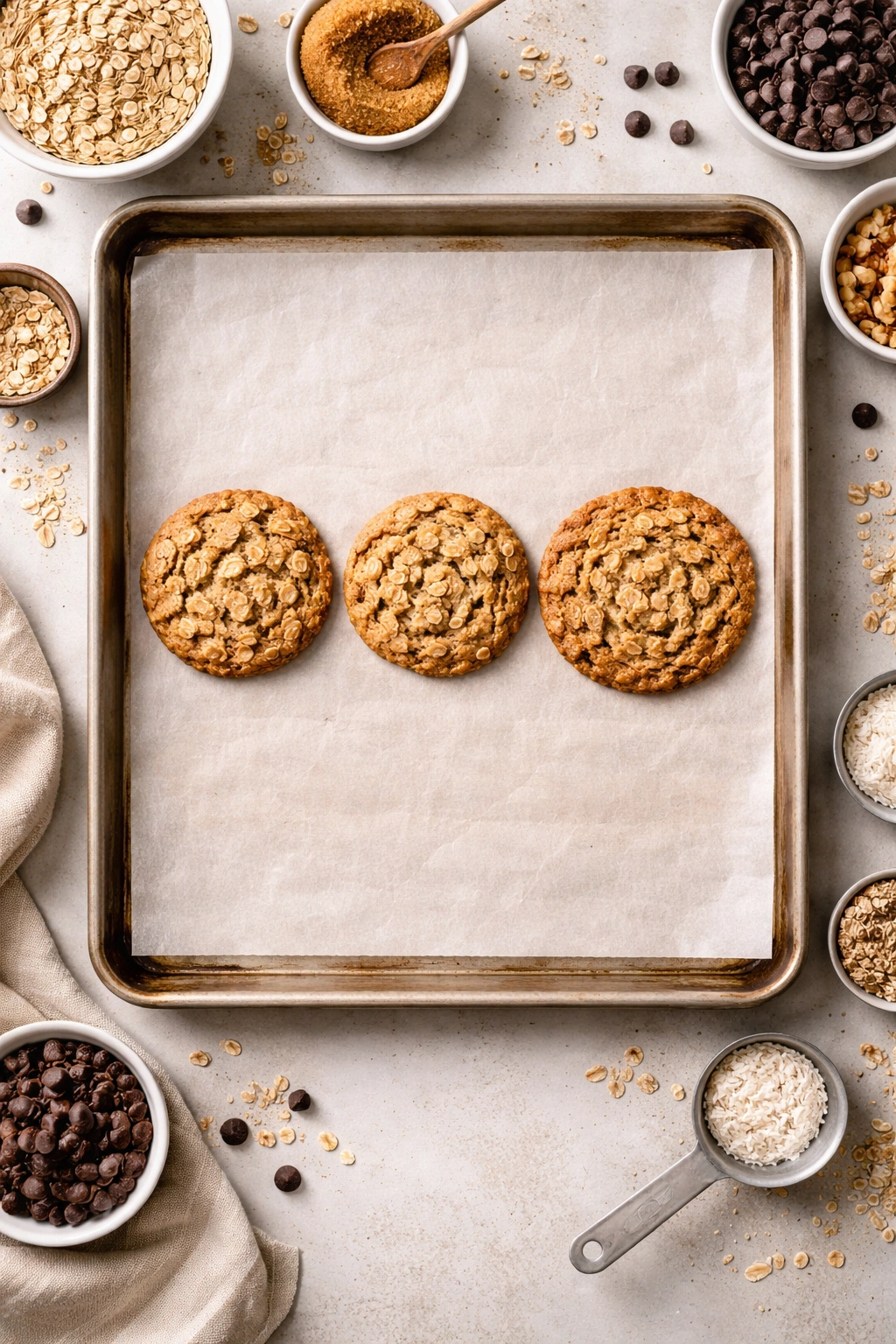
If you like your cookies crispier throughout, reduce the brown sugar slightly (use ⅔ cup brown sugar and ⅓ cup white sugar), skip the applesauce, and bake for an extra 2 to 3 minutes until they look fully set. Thinner cookies also crisp up more—a smaller scoop size creates crispier results than a larger scoop.
If you like them extra chewy, increase the brown sugar slightly (use ¾ cup brown sugar and ¼ cup white sugar), include the applesauce, and pull them out of the oven at the earlier time range (12 minutes rather than 14). Chill the dough for 30 minutes before baking, which slows spread and creates thicker cookies that stay chewier.
If you prefer less sweetness, reduce the sugar amounts by 10 percent (try ¾ cup brown sugar and ¼ cup white sugar total instead of the full amount) and increase the vanilla extract to 1¼ teaspoons. The increased vanilla adds flavor perception of sweetness without actual sugar. This also makes the cookies less sweet but actually more interesting—the oat flavor and spices come through more clearly.
If you need dairy-free cookies, substitute the butter with a dairy-free butter (the same amount, softened the same way) and use a flax egg (1 tablespoon ground flaxseed mixed with 2.5 tablespoons water, let sit 5 minutes) instead of the regular egg. The texture will be nearly identical.
For gluten-free versions, replace the all-purpose flour with a 1-to-1 gluten-free flour blend. Most of these are pretty reliable, but make sure it includes xanthan gum (which provides structure that wheat flour normally provides). If it doesn’t, add ½ teaspoon of xanthan gum to the dry ingredients. The cookies may spread slightly more and need an extra minute of baking time.
Best Ways to Serve and Pair
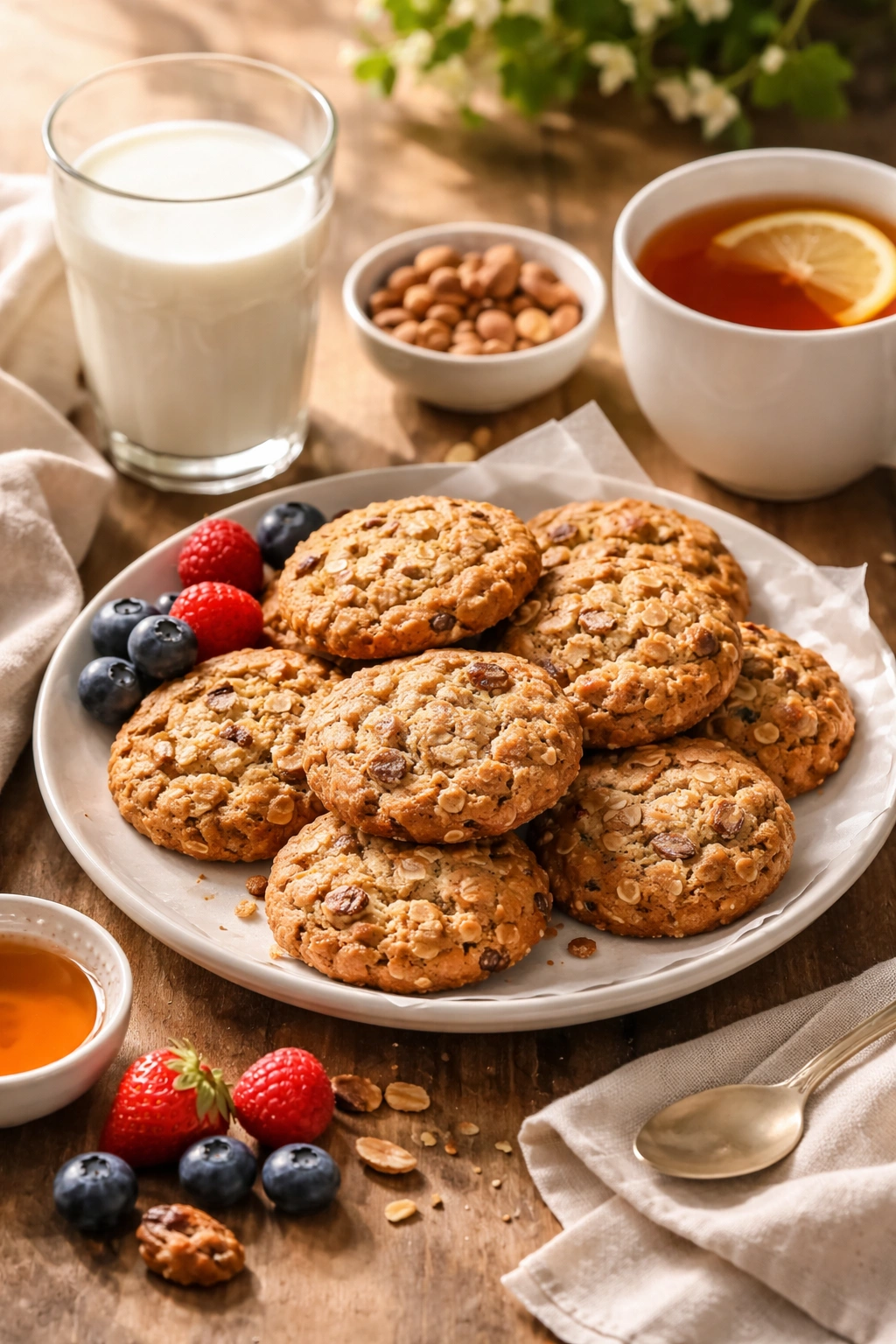
Oatmeal cookies pair beautifully with hot beverages. A warm cup of coffee is the obvious choice, but black or green tea works equally well. The slight earthiness of tea complements the oat and spice flavors.
For a snack plate, pair the cookies with cream cheese, fresh berries, and a few nuts. The tartness of berries balances the sweet cookie, and the texture contrast is genuinely nice.
As part of a lunchbox or travel snack, wrap a couple of cookies individually in parchment paper so they’re portable. They don’t need any accompaniment—they stand alone perfectly well.
A glass of cold milk is the classic pairing, and it genuinely works. The creaminess of milk softens the cookie texture and provides a clean contrast.
For an after-dinner dessert, serve them on a simple white plate with nothing else. Their humble, wholesome appearance is part of their appeal—they don’t need gilding. If you want to fancy them up slightly, dust them with a pinch of cinnamon sugar while they’re still warm, which adds a sparkle and a hint of extra spice.
Frequently Asked Questions
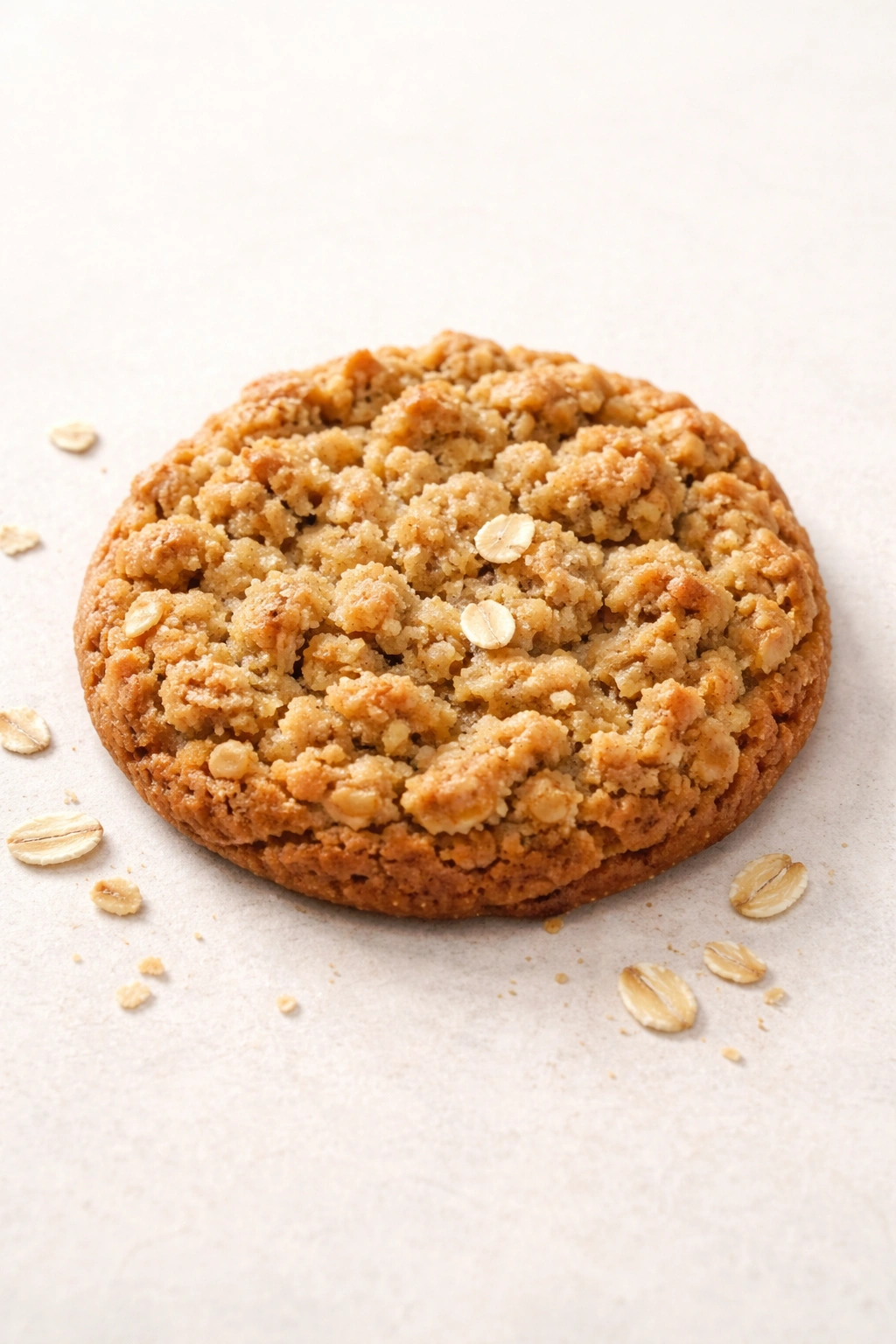
Can I use quick oats instead of old-fashioned rolled oats?
Quick oats are more finely milled than rolled oats, which means they absorb liquid faster and cook down more completely. In oatmeal cookies, this results in a mushier, less-textured cookie that lacks the pleasant oat chewiness of the real thing. Stick with old-fashioned rolled oats if possible. Instant oatmeal packets won’t work at all—they’re pre-cooked and turn to mush.
Why did my cookies spread too much and turn out flat?
Warm dough spreads more during baking. If your dough was warm from mixing or if your kitchen is very hot, the cookies will spread aggressively and end up thin and crunchy. Chill the dough for at least 30 minutes before baking. Also check your oven temperature—if it’s running cooler than 325°F, the cookies will take longer to set on top and will spread more before the edges firm up. Use an oven thermometer to verify.
My cookies came out dense and cake-like. What went wrong?
You likely overmixed the dough, especially after adding the flour. Overmixing develops gluten, which creates structure that’s too strong and results in tough, dense cookies. Mix the dry ingredients just until they disappear—you should still see a few flour streaks before you stop. Also check that you measured flour correctly (spoon and level, or use a scale). Packed flour adds extra dry ingredients, which makes dense cookies.
How do I know when to pull them out of the oven?
Use the springback test. Press the center of a cookie gently with your fingertip. If it springs back quickly and completely, the cookie is set and done. If your finger leaves a dent that slowly fills in, the cookie needs another minute or two. If your finger sinks in easily and leaves a clear indentation, it’s not ready yet. When in doubt, pull them out a little early—remember that they continue cooking on the hot pan.
Can I make these cookies with melted butter instead of softened butter?
Melted butter creates a completely different dough structure. The cookies will spread more, bake flatter, and come out crispier rather than chewy. If you want to use melted butter, reduce the amount to ⅜ cup and let it cool to room temperature before mixing. Expect a different (but still delicious) cookie—thinner and more crisp than the original.
What’s the difference between parchment paper and a silicone baking mat?
Both work, but parchment paper is slightly more reliable for cookies. Silicone baking mats (like Silpat) sometimes cause cookies to spread a tiny bit more because they conduct heat differently than parchment. Either works, though—just know that your cookies may spread slightly more on a mat. Wax paper is not a substitute; wax has a lower melting point and can smoke in the oven.
Why do my cookies taste eggy?
You might be using a raw or undercooked dough, making you hypersensitive to the egg. The recipe uses one whole egg in about 3 cups of dough, so it should be completely imperceptible in a baked cookie. If you’re eating raw dough and tasting egg, that’s normal—egg flavor is much more pronounced in raw batter than in baked cookies. If your baked cookies taste eggy, use a pasteurized egg (available in some grocery stores) or reduce the egg to ¾ and add 3 tablespoons of applesauce or another puree to make up the moisture.
Key Takeaways
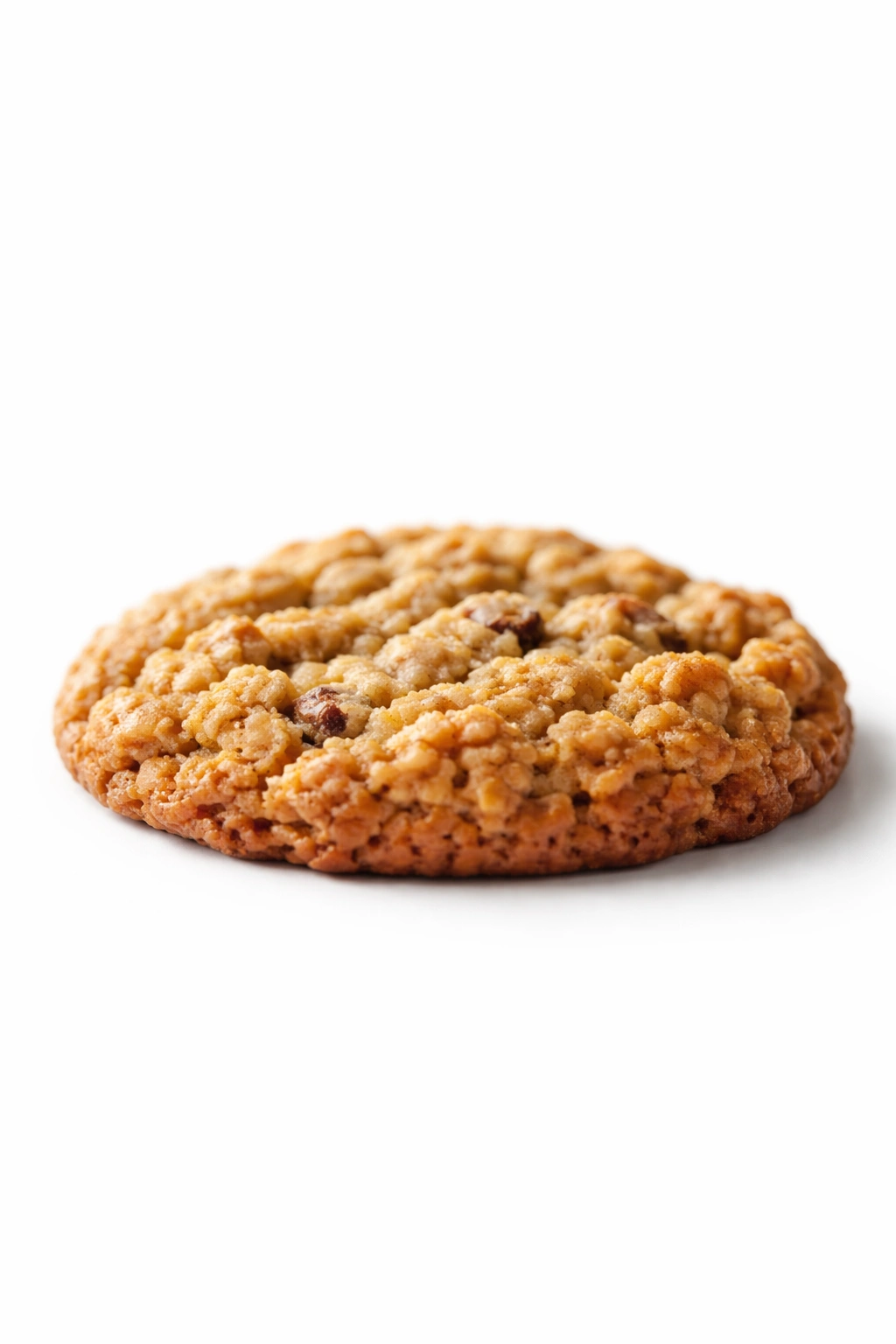
The simplicity of oatmeal cookies is actually their strength. With just seven or eight core ingredients, every single one matters, which means you’re tasting real butter, real oats, brown sugar depth, and warm spice—nothing masked or hidden. This is why homemade oatmeal cookies taste so dramatically better than store-bought versions.
The most important technique is understanding that cookies continue cooking after you remove them from the oven. Pull them out when they look slightly underbaked, let them rest on the pan for two minutes, then transfer them to a cooling rack. This is the difference between cookies that are perfectly tender and chewy versus cookies that turn hard and disappointing.
Brown sugar is doing essential work here—don’t skip it or reduce it. The molasses in brown sugar pulls moisture into the dough and the baked cookie, creating that signature chewiness that makes people reach for another cookie even though they meant to stop at one. The spices (cinnamon and especially nutmeg) round out the flavor and prevent the cookie from tasting one-dimensional.
These cookies store beautifully, freeze even better, and give you something genuinely satisfying to reach for all week long—the kind of snack that feels wholesome because it actually is, but also feels indulgent enough to make you genuinely happy. That’s the sweet spot every snack should aim for.
