



If you’ve ever grown zucchini, you know how the situation can escalate quickly. One day you’re admiring three perfect specimens on the vine, and what feels like 48 hours later you’re opening your fridge to find a small army of them staring back. The plant keeps producing relentlessly, almost mocking your initial optimism. By mid-summer, zucchini growers across the country are loading bags into their neighbors’ cars, leaving them on porches, and quietly hoping no one notices when they sneak another one into the church potluck pile.
The thing is, zucchini is genuinely delicious when you know what to do with it. It’s not actually a blank, watery vegetable — it’s mild, slightly sweet, and absorbs flavors beautifully. The real challenge is avoiding repetition and burnout. You can’t eat zucchini bread every single day (though you might want to). What you need is variety, a mix of quick weeknight dishes and showstopper recipes that make people actually excited when you mention zucchini.
The recipes that follow aren’t gimmicks or stretch applications. They’re tried-and-true dishes that genuinely highlight what makes zucchini worth eating. Some are comfort food classics, others are unexpected turns that make your garden produce feel exciting again. More importantly, they cover the full spectrum — grilled, roasted, baked into bread, stirred into pasta, nestled into casseroles, and transformed into fritters. By the time you work through these, you’ll have used dozens of zucchini and actually craved making more.
1. Crispy Zucchini Fritters with Lemon-Dill Yogurt
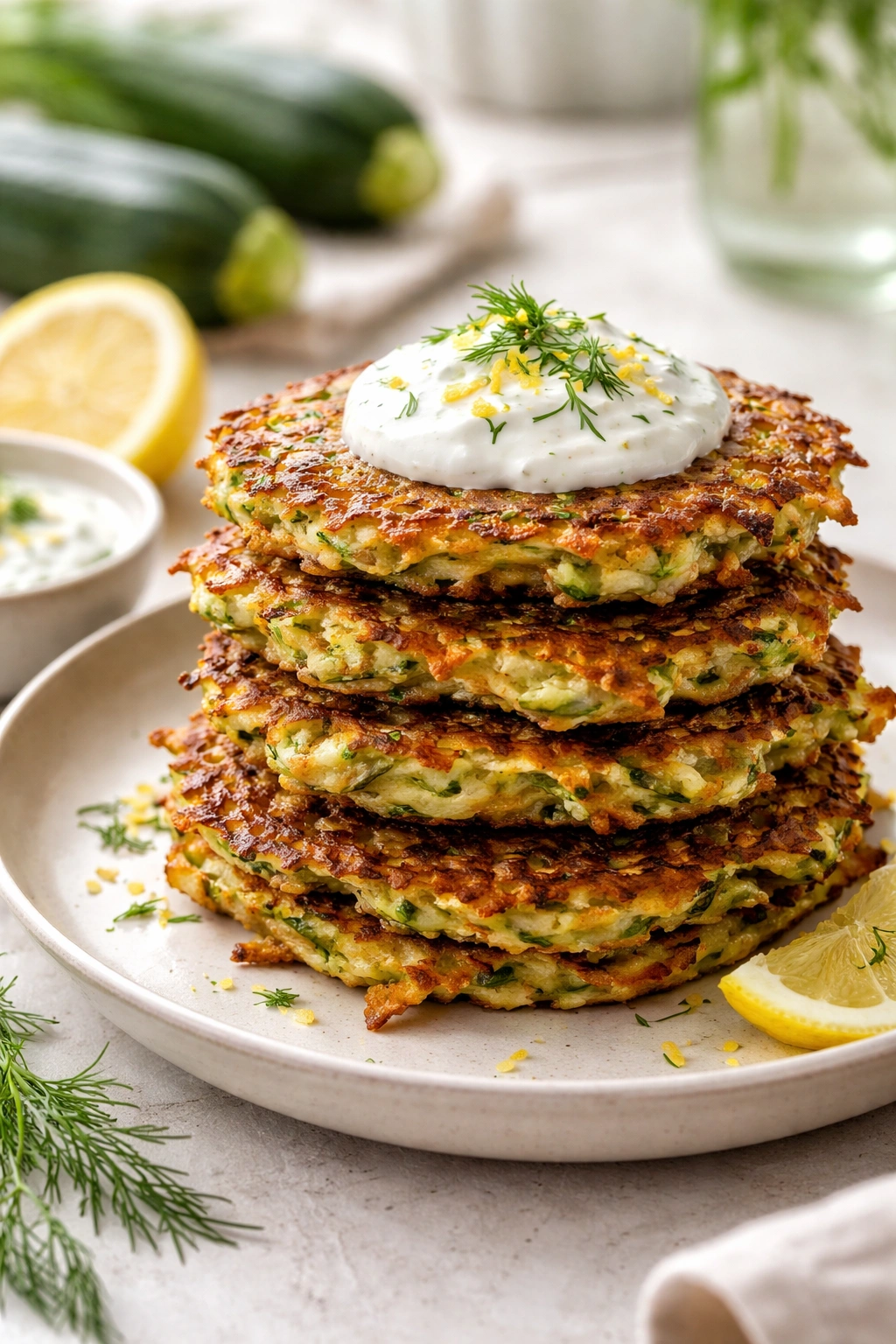
Zucchini fritters are a gateway drug for zucchini skeptics. The fritter format creates texture that you simply cannot get any other way — golden, crispy edges giving way to tender, almost creamy centers when you bite through. They work as a side dish, an appetizer, a snack, or even tossed into a grain bowl for lunch the next day.
Why This Recipe Works
The secret to non-soggy fritters is aggressive salt and moisture removal. You shred the zucchini, salt it heavily, and let it sit for 10 minutes — this draws out liquid that would otherwise steam the fritters from the inside out. Squeeze that moisture out with paper towels or a clean kitchen towel, and you’ve already won half the battle. The remaining steps are straightforward: bind the drained zucchini with egg, flour, and cheese, season generously, and pan-fry in shallow oil until deeply golden.
Key Technique Details
- Shred zucchini on the large holes of a box grater; do not use a food processor, which purees it into mush
- Salt and sit for exactly 10 minutes, then squeeze firmly — the more moisture removed, the crispier your fritters
- Keep oil at medium-high heat (around 350°F if you have a thermometer) so the outside crisps before the inside turns mushy
- Don’t flip too early; let each side develop a rich golden color for 3-4 minutes before turning
- Make the lemon-dill yogurt sauce while the fritters cook: whisk together Greek yogurt, fresh dill, lemon zest, lemon juice, minced garlic, and salt
Pro tip: These freeze beautifully after frying. Cool them completely, layer them with parchment paper in a freezer-safe container, and reheat in a 350°F oven for 8-10 minutes when you’re ready to eat them. They regain their crispiness almost completely, making this a great way to preserve your harvest for later.
2. Grilled Zucchini with Garlic Herb Butter
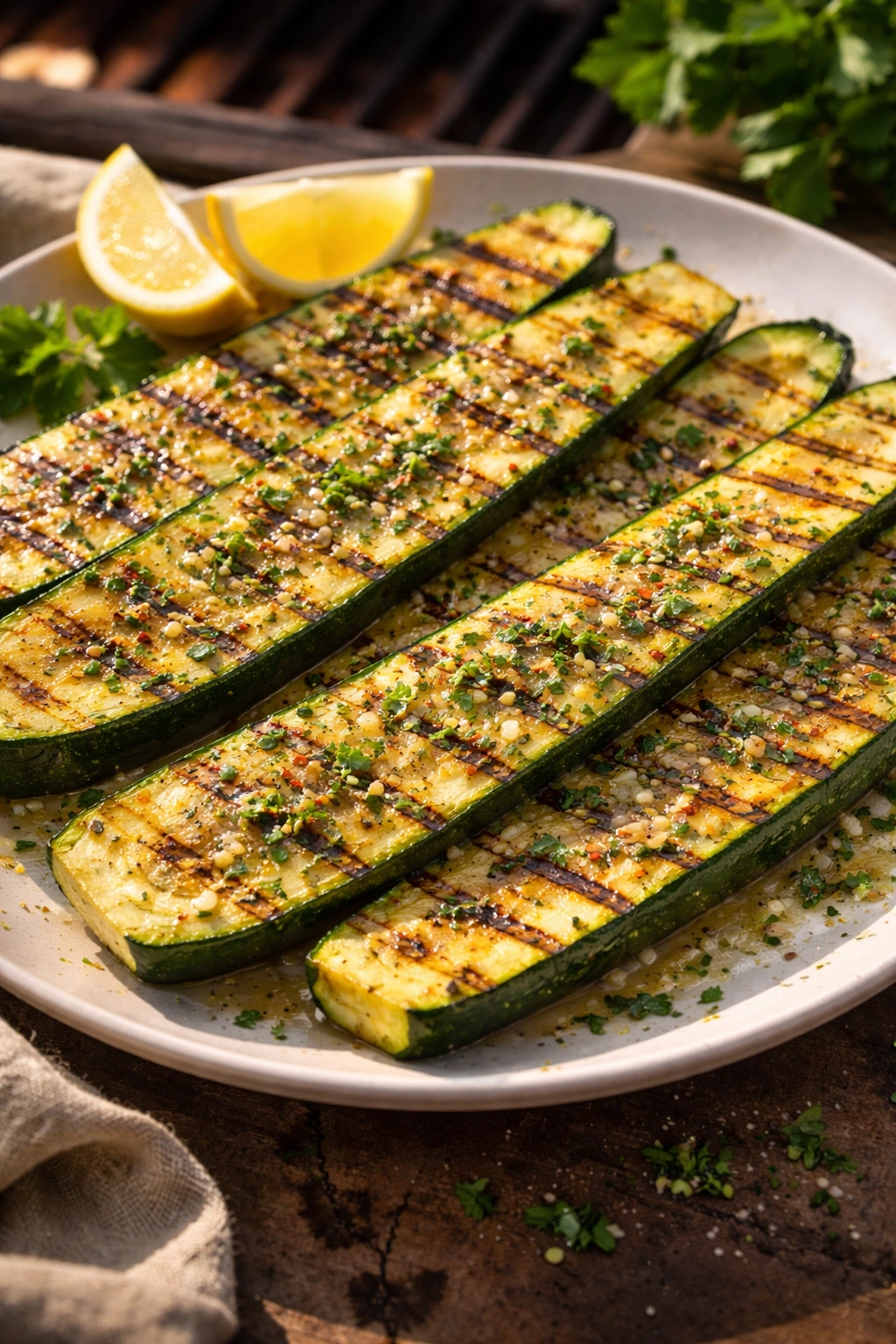
Grilling zucchini is one of those simple preparations that transforms how people think about the vegetable. The grill creates deep charred spots, concentrates the natural sweetness, and gives the flesh a almost steaky texture. This isn’t a recipe so much as a technique, but it’s genuinely one of the best ways to use zucchini.
The Grilling Approach
Slice your zucchini lengthwise into quarter-inch planks — not so thin that they fall apart, not so thick that they stay cool in the middle. Brush both sides lightly with olive oil and season with salt and pepper. Get your grill to medium-high heat and place the zucchini perpendicular to the grates so they don’t fall through. You’re looking for 3-4 minutes per side, until deep brown grill marks appear and the flesh is tender but still holds its shape.
Flavor Additions That Actually Matter
- Whisk together softened butter with fresh minced garlic, chopped parsley, fresh thyme, a pinch of red pepper flakes, and sea salt
- Brush this herb butter onto the hot zucchini immediately after grilling — it melts into the warm flesh and creates something genuinely sophisticated
- Add a squeeze of fresh lemon juice just before serving
When to Serve This
Grilled zucchini is phenomenal alongside grilled chicken or fish, nestled into pasta, layered into a grain bowl, or even at room temperature the next day as part of a lunch. It pairs beautifully with garlic bread, crusty bread with olive oil for dipping, or a simple green salad with vinaigrette.
Insider note: If you have thinner zucchini (younger ones from your garden), thread them onto skewers lengthwise so they don’t roll around on the grill. Thicker zucchini can handle the grill grates directly.
3. Zucchini Bread with Walnuts and Chocolate Chips
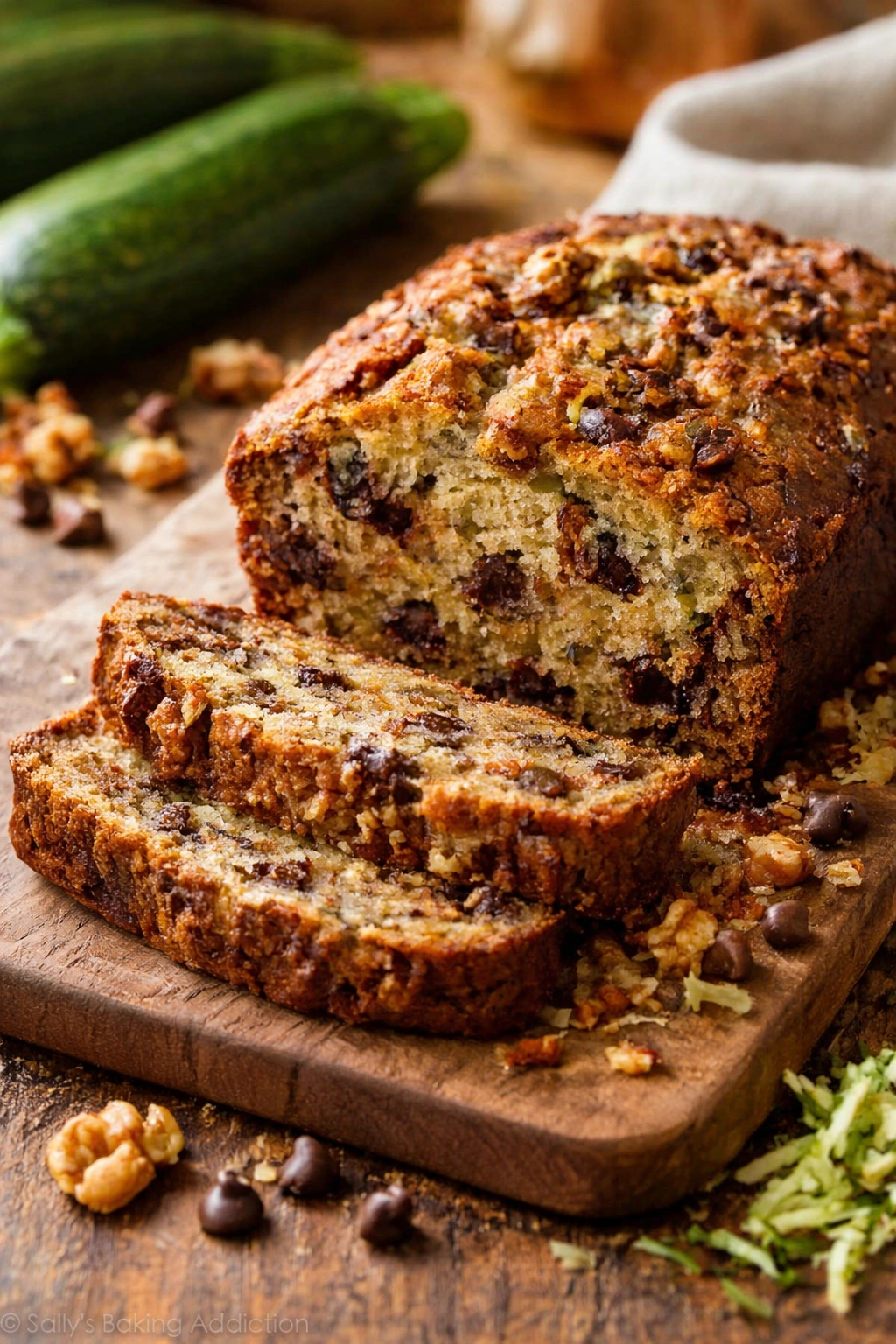
Zucchini bread exists in this magical space where it tastes like a dessert-adjacent treat but contains actual vegetables. It’s moist, flavorful, and keeps for days — which makes it perfect for using up a bulk harvest. This version includes both walnuts and chocolate chips, giving you texture and richness in every slice.
Making the Batter
Combine three cups of shredded zucchini (moisture squeezed out), two-thirds cup of neutral oil, two lightly beaten eggs, and two teaspoons of vanilla extract in a large bowl. In a separate bowl, whisk together two cups of all-purpose flour, one teaspoon of baking soda, half a teaspoon of baking powder, one and a half teaspoons of ground cinnamon, half a teaspoon of ground nutmeg, quarter teaspoon of ground cloves, and one teaspoon of salt. The spices are crucial — they’re what makes zucchini bread taste like zucchini bread instead of just oily quick bread.
Building the Complete Mixture
Fold the dry ingredients into the wet ingredients until just combined — do not overmix. Fold in one cup of chopped walnuts and one cup of chocolate chips. Pour into a greased and floured loaf pan, then bake at 350°F for 55-65 minutes, until a toothpick inserted in the center comes out clean.
Storage and Variations
This bread actually tastes better the next day as flavors meld and the crumb sets. Wrap it tightly in plastic wrap or store it in an airtight container at room temperature for up to four days, or freeze for up to three months. You can swap walnuts for pecans, sunflower seeds, or nothing at all; you can replace chocolate chips with dried cranberries or raisins; you can add a quarter cup of unsweetened cocoa powder to the dry ingredients to make a chocolate zucchini bread that’s almost decadent.
Worth knowing: Don’t skip squeezing the moisture out of your shredded zucchini, even though it seems like an extra step. Wet zucchini creates dense, gummy bread. The 10-minute salt-and-squeeze method used for fritters works perfectly here too.
4. Stuffed Zucchini Boats with Sausage and Cheese
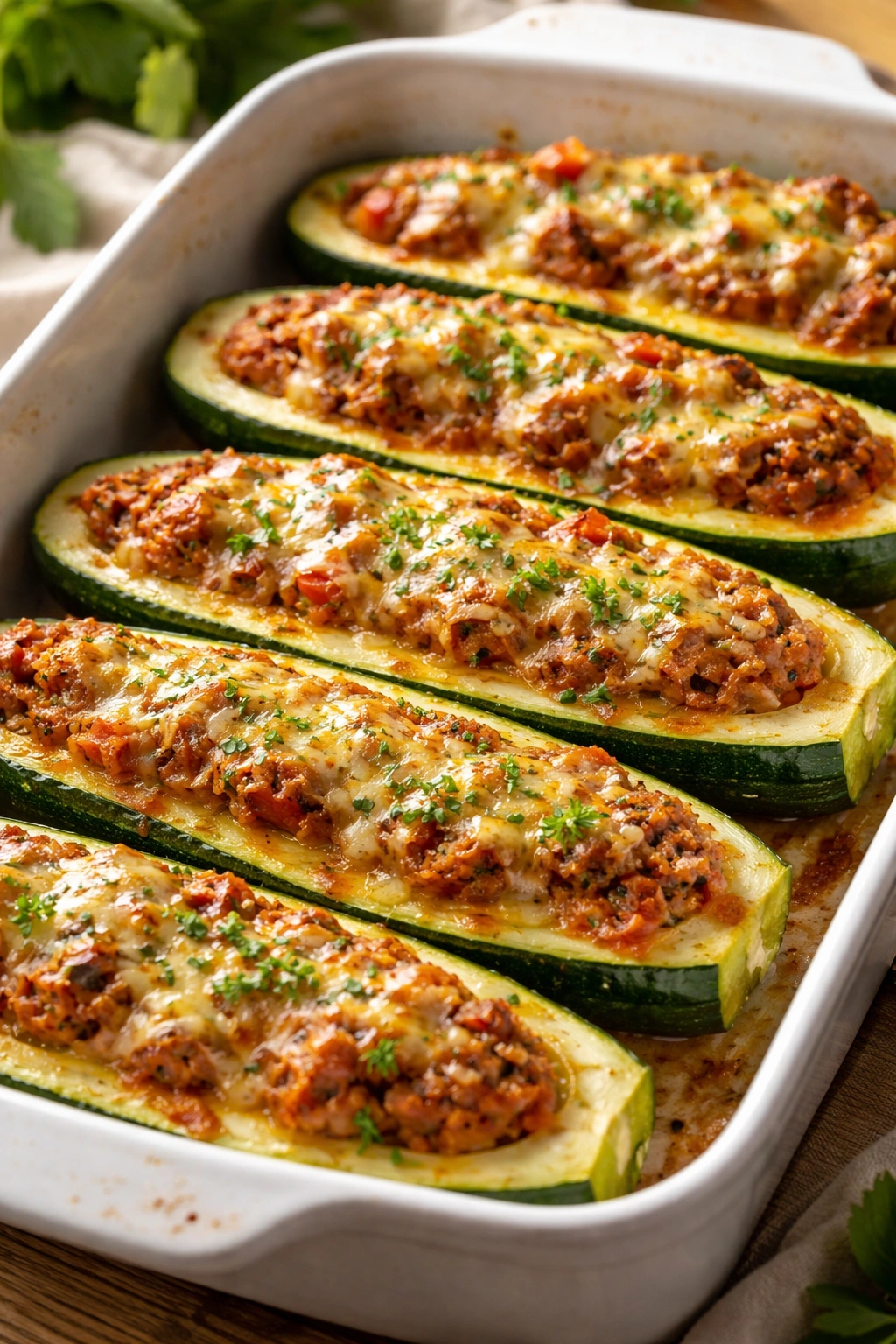
Zucchini boats are a one-pan dinner that feels more impressive than it actually is. You halve zucchini lengthwise, scoop out the centers, and fill them with a savory, cheesy sausage mixture. They roast until the zucchini is tender and the filling is bubbling and brown on top. One zucchini half is a generous side dish; two halves makes a complete meal.
Preparation and Filling
Cut zucchini in half lengthwise and use a spoon or melon baller to scoop out the center, leaving about a quarter-inch border of flesh. Chop the scooped flesh into small pieces. Brown one pound of Italian sausage (removed from casing) in a skillet with diced onion until cooked through. Stir in the chopped zucchini flesh, three cloves of minced garlic, one cup of crushed tomatoes, one teaspoon of dried oregano, half a teaspoon of red pepper flakes, salt, and pepper. Simmer for 10 minutes until the sauce thickens slightly. Stir in one and a half cups of shredded mozzarella and half a cup of grated Parmesan.
Roasting to Completion
Arrange the hollowed zucchini halves cut-side up in a baking dish. Fill each with the sausage mixture, mounding it slightly. Top with extra mozzarella if you want maximum cheese pull. Roast at 375°F for 30-35 minutes, until the zucchini flesh is completely tender when pierced with a fork and the top is bubbling and lightly browned. Garnish with fresh basil if you have it.
Flexibility and Combinations
You can use ground beef, ground turkey, or a combination of sausage and beef instead of pure sausage. You can skip the meat entirely and make a vegetarian version with lentils, mushrooms, and spinach — roast the zucchini shells first for 15 minutes, then fill and finish. You can make these ahead, refrigerate unbaked for up to a day, and bake when ready — just add 10-15 minutes to the cooking time.
5. Zucchini and Summer Vegetable Pasta
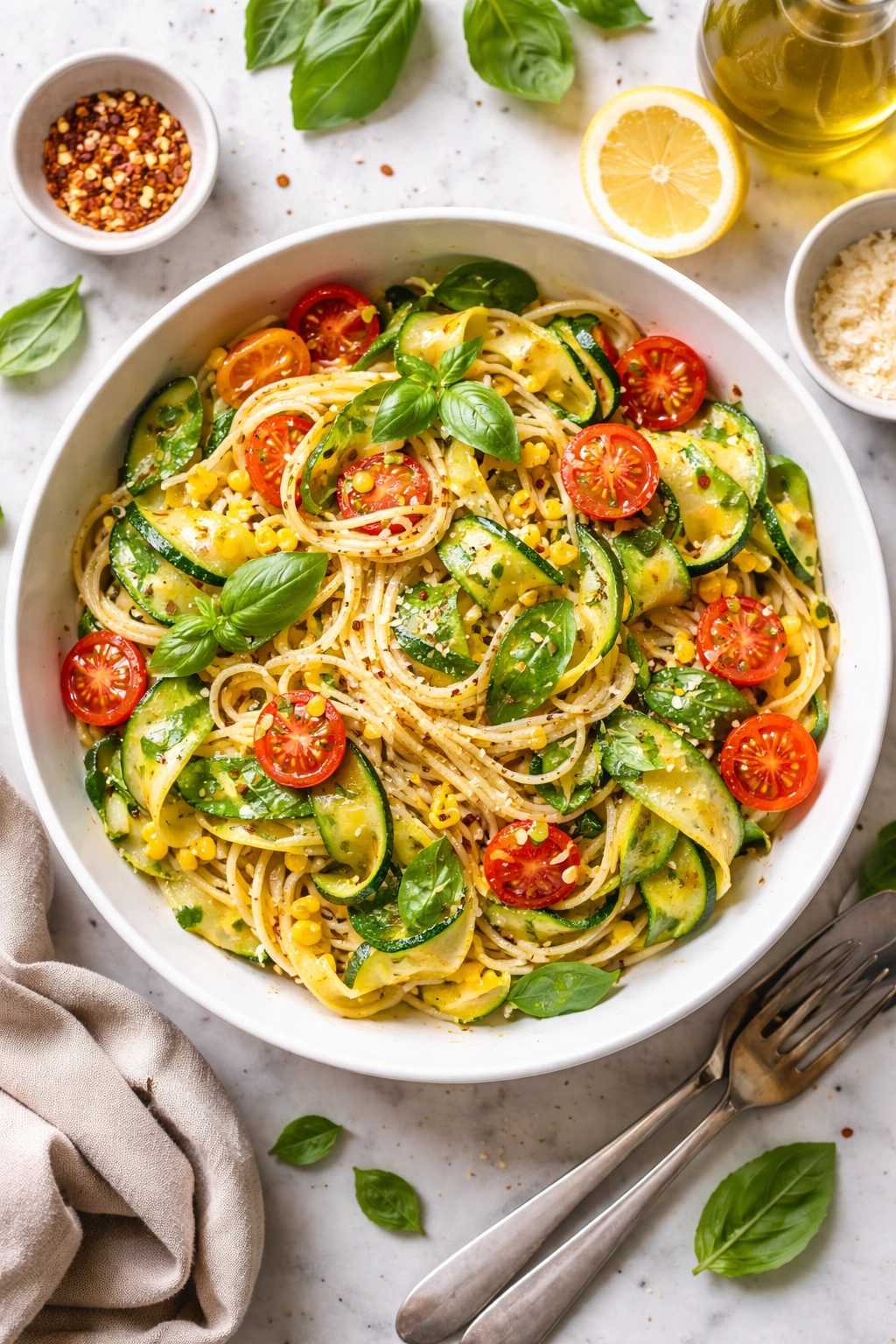
Pasta with zucchini, tomatoes, and fresh herbs tastes like summer condensed into a bowl. The key is not overcooking the zucchini — you want it tender but still with a whisper of bite. Fresh basil, ripe tomatoes, and good olive oil are non-negotiable; skip the cream sauce entirely and let the quality of the ingredients shine.
The Cooking Sequence
Heat a quarter cup of olive oil in a large skillet over medium-high heat. Add two cloves of thinly sliced garlic and cook for 30 seconds until fragrant but not brown. Add two pounds of zucchini cut into half-moons or quarter-coins and cook, stirring occasionally, for 6-8 minutes until just starting to soften but still holding its shape. Add two cups of halved cherry tomatoes and cook for another 2-3 minutes until the tomatoes release their juice. Season with salt and pepper.
Pasta Integration
Cook one pound of pasta (spaghetti, penne, or fusilli all work) in salted water until al dente, then reserve one cup of pasta water before draining. Add the hot pasta to the zucchini mixture along with a splash of pasta water. Toss gently to combine, adding more pasta water if needed to create a light sauce that coats the noodles. Finish with a quarter cup of fresh basil, a squeeze of fresh lemon juice, and a grind of Parmesan cheese.
Flavor Layers That Matter
- Use good-quality olive oil — this is the sauce, so its flavor is essential
- Toast a pinch of red pepper flakes in the oil before adding garlic for gentle heat
- Add fresh basil at the very end so it doesn’t lose its brightness
- A quarter teaspoon of anchovy paste stirred into the oil adds depth that no one can identify but everyone notices
Pro tip: If you’re making this for a crowd, cook the zucchini and tomato mixture in advance and reheat gently just before tossing with hot pasta. This is also a fantastic dish to serve at room temperature the next day as a pasta salad — just store the basil separately and stir it in before serving.
6. Crispy Baked Zucchini Chips
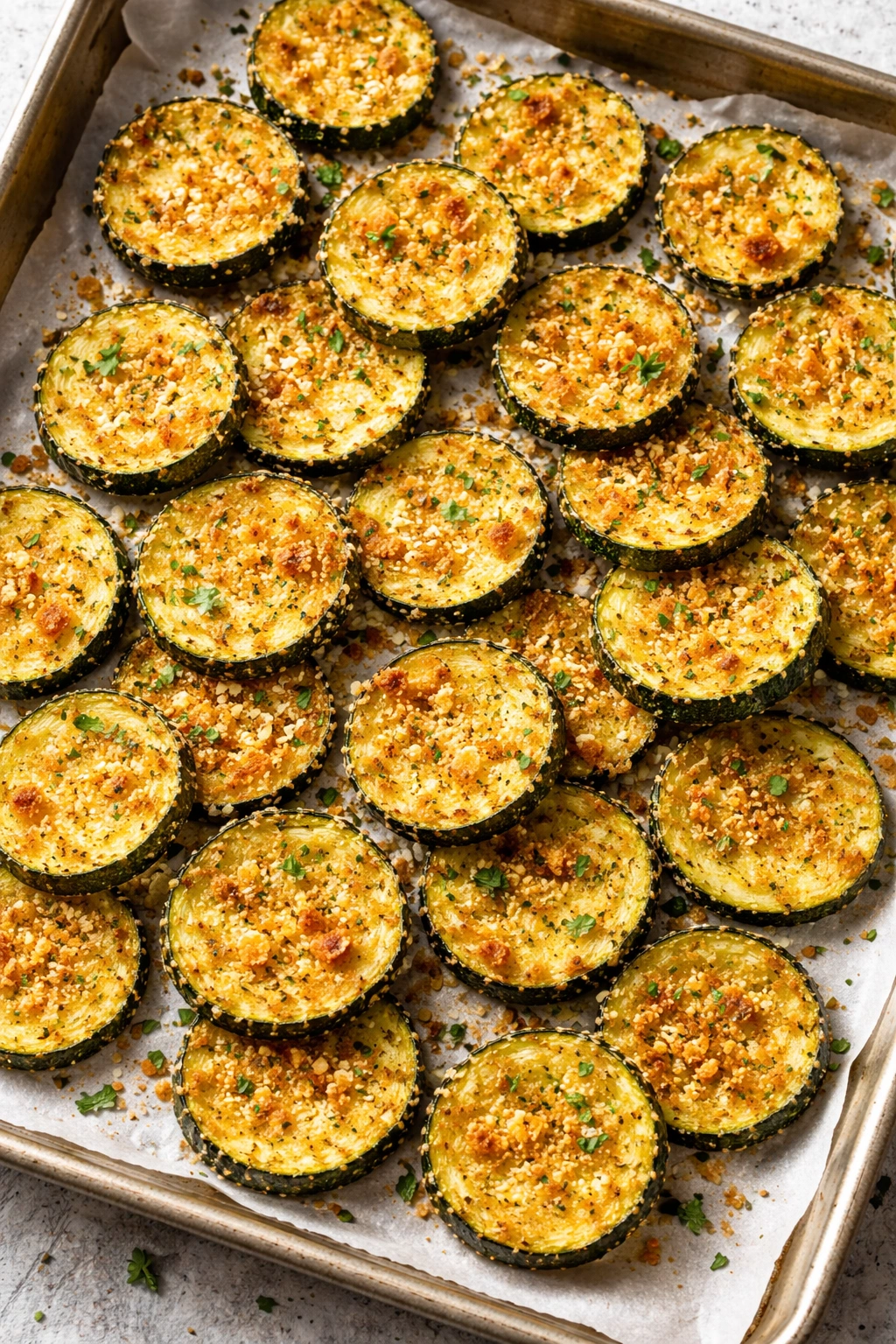
These aren’t fried, but they’re somehow crispier than you’d expect. They’re thin sliced, tossed in egg white and panko, seasoned aggressively, and baked on a hot sheet pan with a parchment-lined bottom. The result is crispy outside and tender inside — basically a healthier alternative to potato chips that’s actually crunchy enough to be satisfying.
The Breading Technique
Slice zucchini into quarter-inch rounds — consistency matters here, so use a mandoline if you have one. Pat them dry thoroughly on both sides. Whisk together two egg whites with a teaspoon of water in one bowl. Mix together one cup of panko breadcrumbs, one teaspoon of garlic powder, one teaspoon of dried Italian seasoning, salt, pepper, and half a cup of grated Parmesan in another bowl.
Coating and Baking
Dip each zucchini round in the egg white mixture, letting excess drip back into the bowl, then dredge in the panko mixture, pressing gently so the crumbs adhere. Arrange on a parchment-lined sheet pan in a single layer (don’t crowd them). Bake at 400°F for 20-25 minutes, stirring halfway through, until golden brown and crispy at the edges.
Serving Options
Eat them hot right off the pan with marinara sauce for dipping, with a garlic aioli, or with a simple lemon-herb dipping sauce. They’re substantial enough to serve as an appetizer at a party, and leftovers keep for a couple of days in an airtight container. Reheat briefly in a 350°F oven to restore crispiness.
Flavor Variations
Swap the Italian seasoning for everything bagel seasoning, za’atar, or grated lemon zest. Use panko alone, or mix it with finely grated Pecorino Romano or aged Asiago. A pinch of smoked paprika adds depth. The base technique stays the same; the flavoring is completely customizable.
7. Zucchini Casserole with Cheese and Herbs
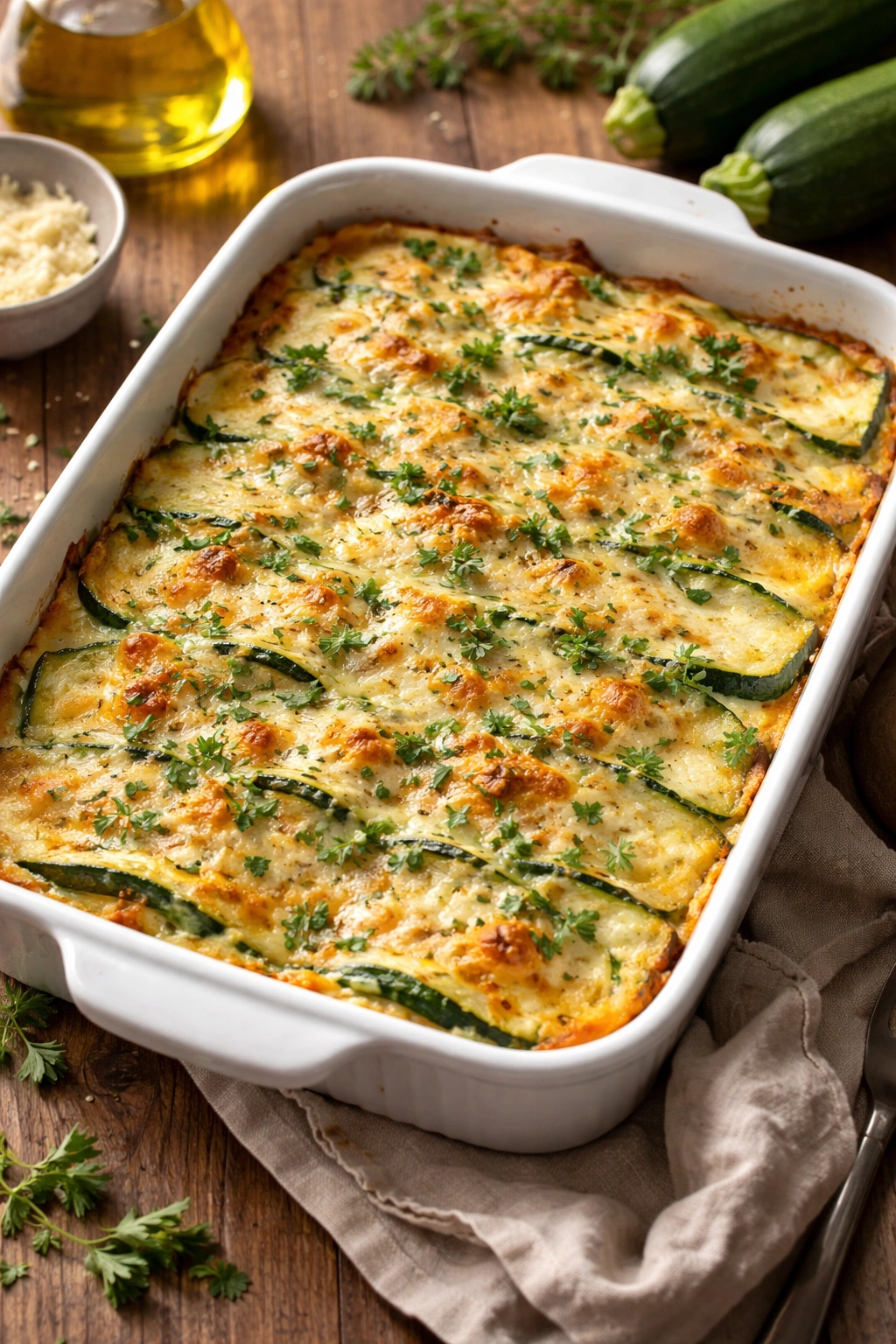
This is comfort food in its purest form — layers of zucchini, cheese, and herbs baked until golden and bubbling. It’s hearty enough to serve as a main course with a salad, but also works beautifully as a side dish at a dinner table. Make it ahead, refrigerate, and bake when ready.
Building the Casserole
Slice zucchini lengthwise into thin planks (about the thickness of a coin). Salt them lightly and let sit for 10 minutes to release some moisture, then pat dry. Whisk together two cups of whole milk, three lightly beaten eggs, one teaspoon of Dijon mustard, one teaspoon of garlic powder, one teaspoon of dried thyme, salt, and pepper. This is your custard base.
Layering and Baking
Spread a thin layer of the custard mixture on the bottom of a buttered 9×13-inch baking dish. Layer about a third of the zucchini planks, overlapping them slightly. Scatter about a cup of shredded Gruyère (or another melting cheese like fontina or sharp cheddar) over the zucchini. Repeat the layers twice more — zucchini, then custard, then cheese — ending with a final layer of cheese on top. Bake at 375°F for 50-60 minutes, until the custard is set, the top is golden brown, and a knife inserted in the center comes out clean.
Make-Ahead Strategy
Assemble the casserole completely, cover with plastic wrap, and refrigerate for up to 24 hours before baking. Add 10-15 minutes to the baking time if baking directly from cold. This makes it perfect for weekend dinner planning or for bringing to a potluck.
Worth knowing: Don’t skip salting and drying the zucchini — moisture is the enemy of a creamy, custard-based casserole. If your zucchini is very watery, the casserole may be watery too. The 10-minute salt rest and paper towel drying is essential.
8. Quick Pickled Zucchini and Onions
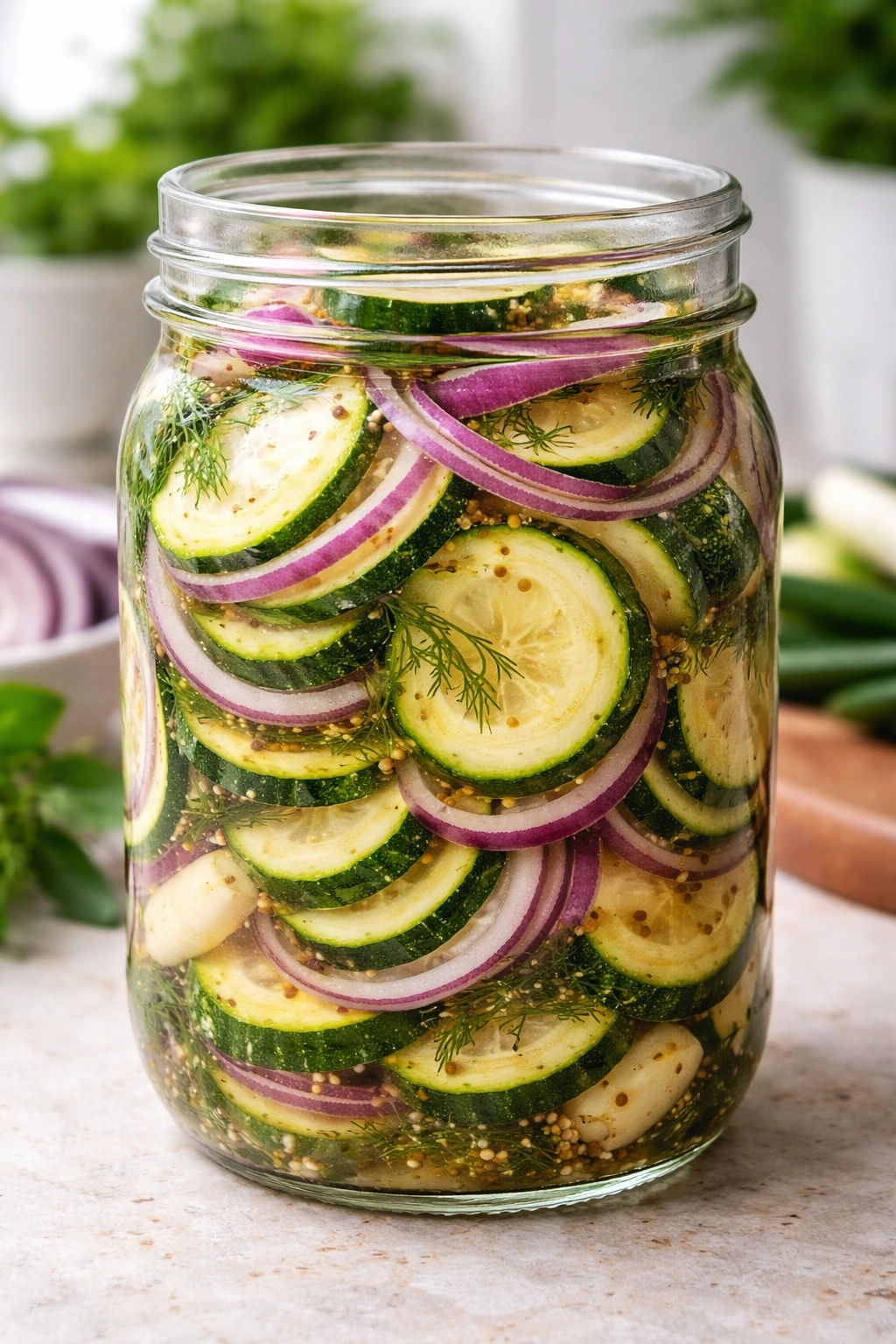
Pickling is one of the best ways to preserve your zucchini harvest while creating something genuinely delicious. Quick pickles are ready to eat in a day and keep refrigerated for weeks. They’re tangy, crisp, and show up in sandwiches, grain bowls, salads, and cheese boards in surprisingly useful ways.
The Pickling Brine
Heat one and a half cups of white vinegar, one cup of water, three tablespoons of sugar, two teaspoons of salt, two teaspoons of mustard seeds, and one teaspoon of red pepper flakes in a saucepan until steaming. While the brine heats, pack a clean quart jar with sliced zucchini (cut into thin rounds or spears, depending on preference) and sliced red onion. When the brine reaches a simmer, pour it over the zucchini and onions, ensuring everything is submerged. Add fresh dill sprigs, sliced garlic, and more red pepper flakes if you like heat.
Storage and Timeline
Let the jar cool to room temperature, then refrigerate. The pickles will be lightly pickled after 24 hours and fully developed after three days. They keep refrigerated for at least four weeks — the longer they sit, the more the flavors meld. Unlike canned pickles, these don’t require a water bath and aren’t shelf-stable, but the simplicity makes them worth making repeatedly.
Flavor Variables
Swap white vinegar for apple cider vinegar or rice vinegar. Add fresh turmeric, coriander seeds, or black peppercorns to the brine. Include fresh dill, tarragon, or basil. A fresh Thai chili or jalapeño adds serious heat. The basic formula stays the same; you’re just adjusting the flavor profile.
9. Zucchini and Herb Frittata
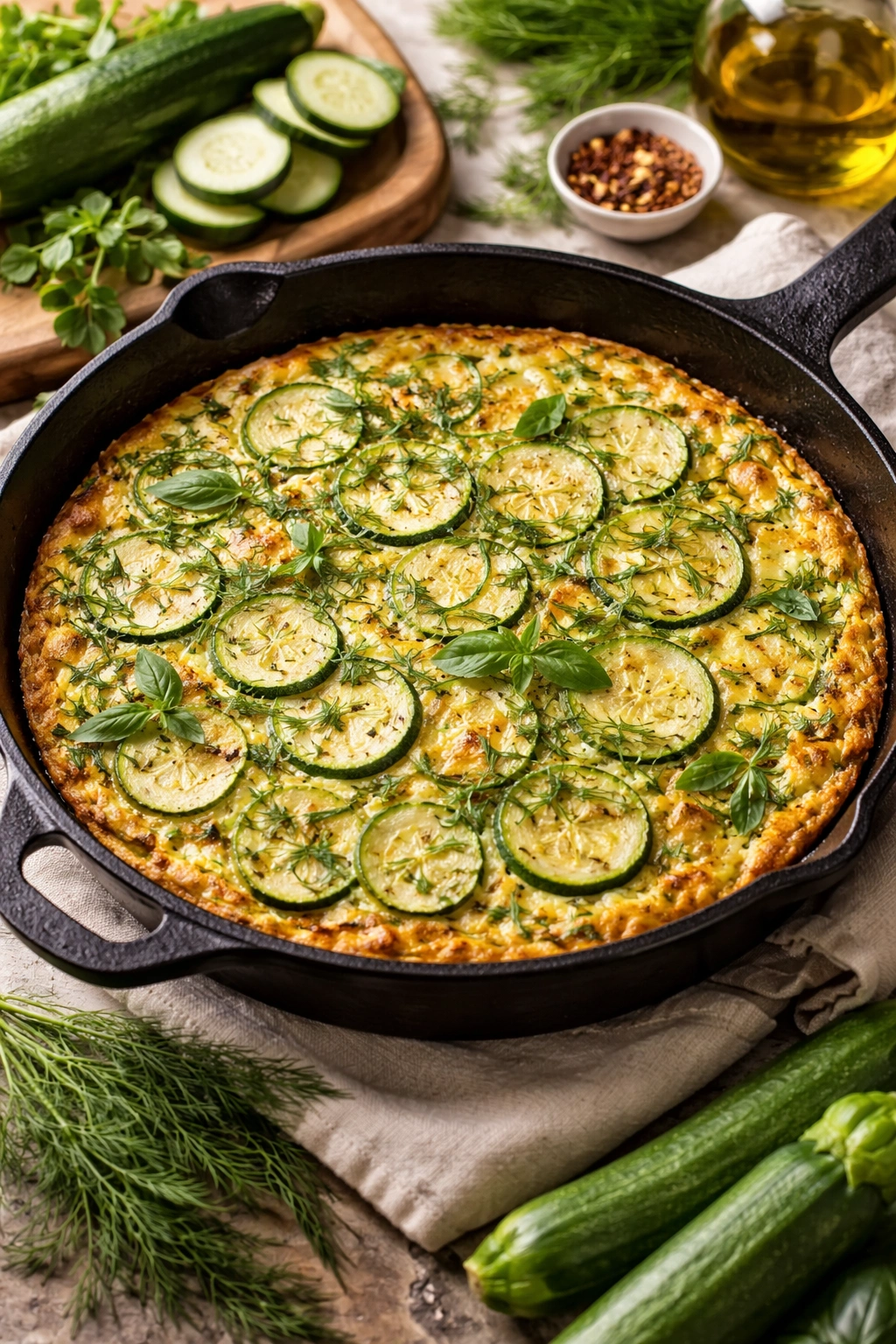
A frittata is an omelet that starts on the stovetop and finishes in the oven — which means you don’t need to be coordinated enough to flip a perfect round while cooking zucchini. It’s perfect for breakfast, lunch, or a light dinner, and it uses eight to ten eggs, which is a legitimate way to move eggs through your kitchen if you also keep chickens.
Preparing the Filling
Heat two tablespoons of olive oil in a 12-inch oven-safe skillet over medium-high heat. Add one small diced onion and four cups of sliced zucchini and cook, stirring occasionally, for 8-10 minutes until the zucchini is tender and any moisture has cooked off. Add three cloves of minced garlic and cook for another minute until fragrant. Stir in a handful of fresh dill or basil and season with salt and pepper.
The Egg Mixture and Baking
Whisk together eight to ten eggs with a quarter cup of whole milk, salt, and pepper. Pour the egg mixture over the zucchini, stirring gently to distribute the vegetables evenly. Cook on the stovetop for 2-3 minutes without stirring until the bottom just starts to set. Transfer the skillet to a preheated 375°F oven and bake for 12-15 minutes until the top is set but still slightly jiggly in the very center (it will continue cooking as it cools).
Finishing and Serving
Remove from the oven and scatter shredded cheese (Gruyère, sharp cheddar, or feta all work beautifully) over the top. Let it rest for 5 minutes, then slice like a pizza. Serve warm, at room temperature, or even cold the next day.
Pro tip: A frittata is incredibly forgiving and customizable. Add crumbled sausage, diced tomatoes, spinach, or whatever vegetables you have. Use whatever cheese you like or skip it entirely. This is the place to use up odds and ends from your vegetable drawer.
10. Zucchini and Mozzarella Stuffed Pasta Shells
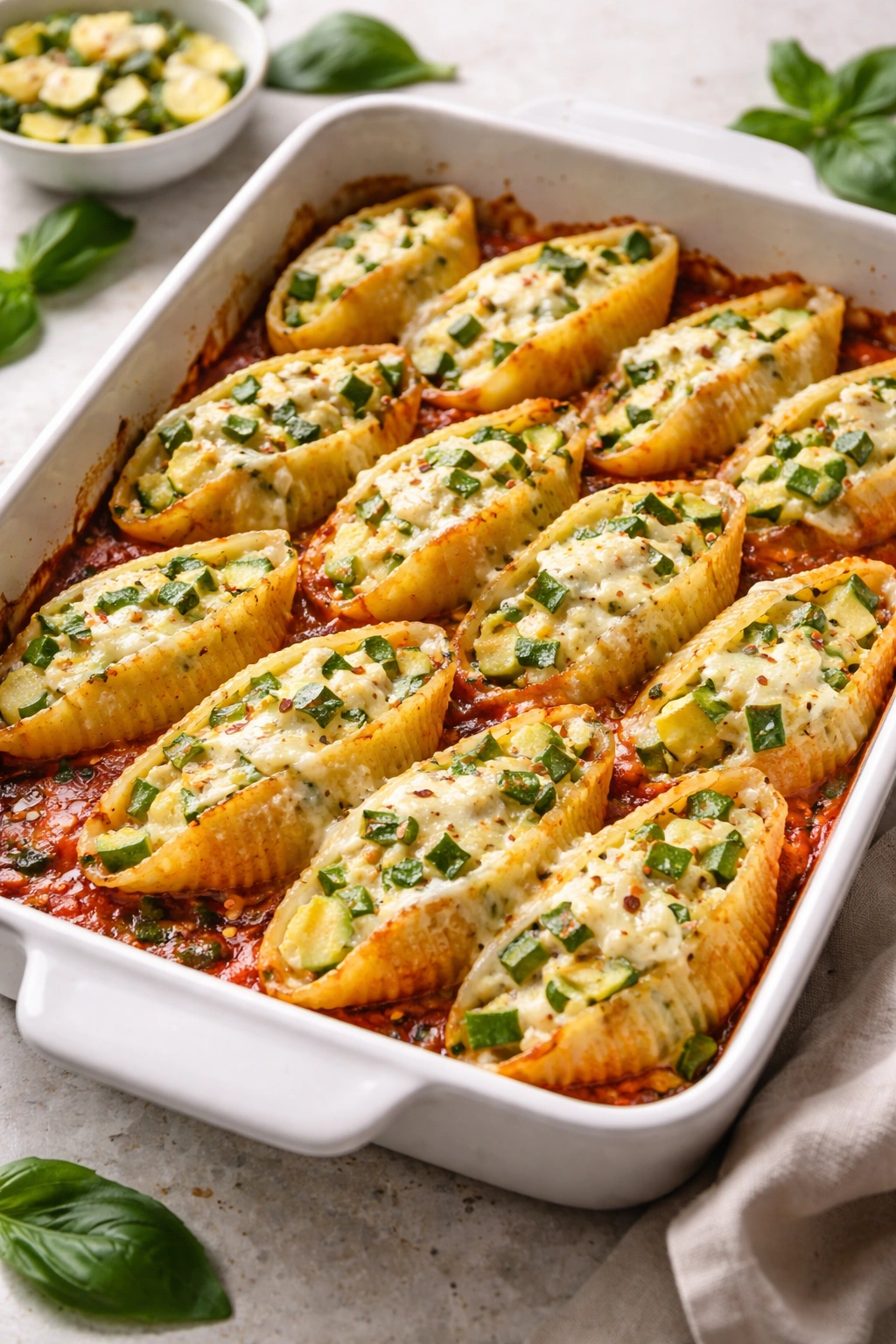
Jumbo pasta shells filled with a mixture of ricotta, zucchini, mozzarella, and fresh herbs, then baked in marinara sauce — this is hearty, crowd-pleasing comfort food. Make a big batch, freeze half, and you’ve solved dinner multiple times over.
Making the Filling
Sauté four cups of shredded zucchini with one small diced onion in two tablespoons of olive oil until the zucchini is very tender and any excess moisture has cooked off, about 10 minutes. Let cool slightly, then combine with one and a half cups of whole-milk ricotta, two cups of shredded mozzarella, half a cup of grated Parmesan, one lightly beaten egg, two cloves of minced garlic, one teaspoon of dried Italian seasoning, and salt and pepper. This filling should be thick enough to hold a spoon upright — if it’s too wet, your baked shells will be watery.
Cooking and Assembly
Cook one pound of jumbo pasta shells in salted water until just before al dente — they’ll finish cooking in the oven. Spread a thin layer of marinara sauce (about one cup) on the bottom of a 9×13-inch baking dish. Fill each cooked shell with about two tablespoons of filling and arrange seam-side up in the baking dish. Spoon the remaining marinara sauce over and around the shells, ensuring they’re mostly covered. Top with extra mozzarella if desired.
Baking and Make-Ahead Strategy
Cover with foil and bake at 375°F for 30 minutes, then uncover and bake another 10-15 minutes until the sauce is bubbling at the edges and the top is lightly browned. These freeze beautifully — cool completely, cover tightly with plastic wrap, and freeze for up to three months. Bake from frozen at 375°F for 50-60 minutes, covered with foil for most of the time, until heated through.
Worth knowing: The key to non-watery stuffed shells is cooking off excess moisture from the zucchini and ensuring your filling isn’t too wet before stuffing. Taste the filling and season generously — the ricotta will taste bland if you undersalt. A splash of fresh lemon juice stirred into the filling adds brightness that cuts through the richness.
Final Thoughts
By this point, you’ve moved through crispy, baked, grilled, comforting, fermented, and stuffed applications of zucchini. You’ve learned techniques like moisture removal, proper grilling temperature, flavor balancing, and make-ahead strategies that apply far beyond zucchini. More importantly, you have a collection of actual dishes that you want to make, not recipes you force yourself through because you have an abundance to use.
The real secret to dealing with a zucchini glut is having recipes ready before you’re standing in your kitchen with twelve identical vegetables and zero motivation. The moment you have a plan — knowing exactly which recipe will get three of them this week, which one you’ll freeze components for, which one you’ll serve at a dinner party — the overabundance stops feeling like a burden and becomes a genuine asset.
These ten recipes represent different cooking styles and flavor profiles specifically so you don’t tire of zucchini. Eat the fritters one night, then the pasta the next, then the pickled zucchini on a sandwich. By rotating through them, your garden harvest becomes an opportunity rather than a problem. You might even find yourself rationing the last of your zucchini at summer’s end, hoping you planted enough for next year.
