



Eating well between meals doesn’t mean reaching for processed bars packed with ingredients you can’t pronounce. The truth is, making your own protein snacks takes less time than you’d think — and the difference in taste, nutrition, and cost is absolutely worth it. When you make snacks from scratch, you control exactly what goes into them: the quality of the proteins, the amount of added sugar, the freshness of ingredients, and the portion sizes.
If you’re trying to build muscle, maintain steady energy throughout the day, or simply stay satisfied longer between meals, protein-rich snacks are your secret weapon. They prevent the blood sugar crashes that leave you exhausted by mid-afternoon, reduce cravings for sugary foods, and support muscle recovery after workouts. The bonus? Homemade versions often cost a fraction of their store-bought equivalents, and they taste infinitely better when made with ingredients you actually enjoy.
The snacks in this guide are practical, genuinely delicious, and designed to fit into a busy lifestyle. Most require minimal equipment and use ingredients you probably already have in your pantry or refrigerator. You’ll find options for every preference: no-bake versions if you’re short on time, baked options if you prefer warm snacks, and refrigerated treats for the summer months. Let’s dive into ten protein-packed snacks that transform what “snacking healthy” actually means.
1. Protein Energy Balls
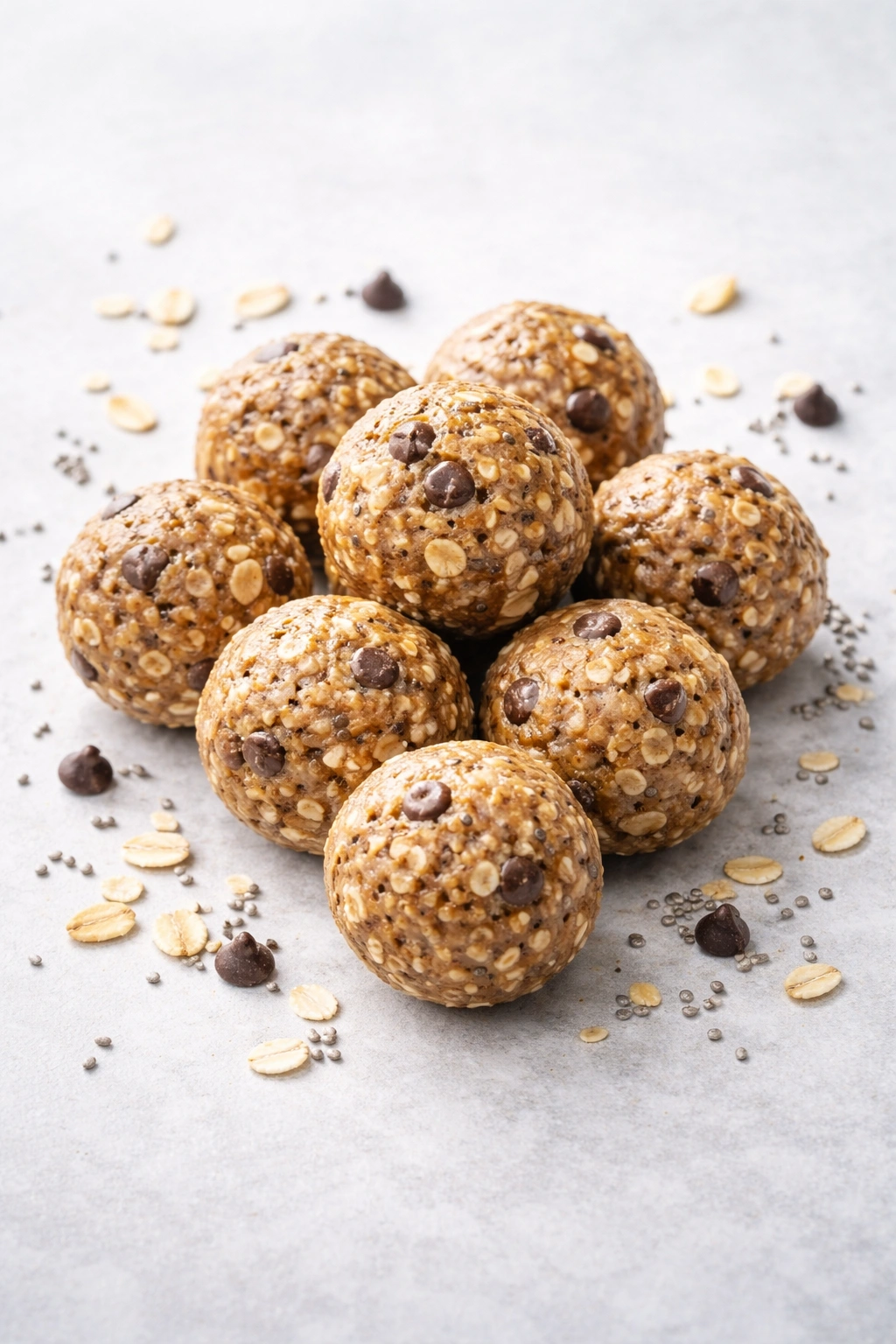
These no-bake bites combine the convenience of grab-and-go snacking with a serious protein punch. They’re essentially little balls of concentrated nutrition — oats, nut butter, protein powder, and dried fruit all pressed together and often rolled in coconut or cocoa. What makes them brilliant is that you don’t need an oven, a stand mixer, or special equipment. Just a bowl and your hands, really.
Why They’re an Ideal Quick Snack
Energy balls are perfect for people who need snacks they can grab without thinking. One ball delivers 6-8 grams of protein, depending on your recipe, which means you get genuine nutritional benefit without feeling like you’re forcing down a health food. They’re also completely customizable to your taste preferences — swap vanilla for almond extract, use cashew butter instead of almond, add chocolate chips, or mix in crushed freeze-dried berries. The textures and flavors you can create are genuinely endless, so you never get bored eating the same snack every day.
Core Ingredients and Mix-In Options
- 1 cup rolled oats (old-fashioned, not instant)
- ¾ cup natural almond or peanut butter (or any nut butter you prefer)
- ⅓ cup honey or maple syrup
- 1 cup vanilla or chocolate protein powder (whey, plant-based, or collagen all work)
- ½ cup unsweetened coconut flakes, chopped nuts, or crushed graham crackers for rolling
- Optional add-ins: ½ cup mini chocolate chips, ⅓ cup dried cranberries or raisins, 1 teaspoon vanilla extract, ¼ teaspoon sea salt
Pro tip: Make a double or triple batch and freeze them in an airtight container for up to two weeks — grab one straight from the freezer and it thaws to the perfect chewy texture within 30 minutes.
2. Greek Yogurt Bark
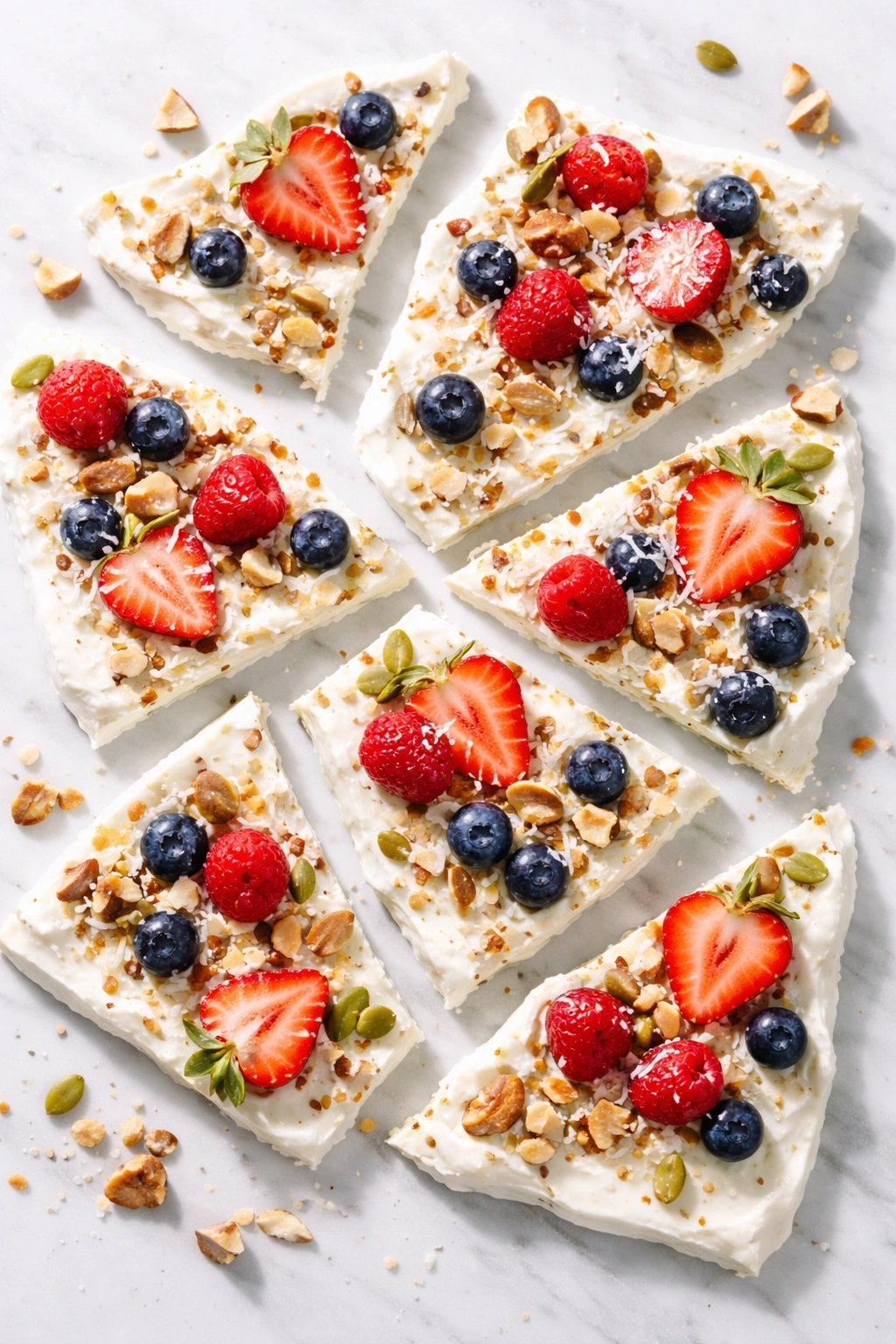
Yogurt bark is honestly more of a technique than a recipe — you spread Greek yogurt on a baking sheet, top it however you want, freeze it, and snap it into shards. This method transforms tangy Greek yogurt into a protein-rich treat that feels indulgent but is packed with 15-20 grams of protein per serving (depending on thickness). It’s perfect when you want something cold and slightly sweet without feeling like you’re eating “diet food.”
Why This Snack Delivers Serious Protein
Greek yogurt contains nearly twice the protein of regular yogurt because much of the whey is strained out, leaving behind thick, creamy curds that are pure protein and probiotics. When you freeze it and top it with crunchy, slightly sweet toppings, the contrast in texture makes it feel way more indulgent than it actually is. A single serving of yogurt bark satisfies sweet cravings while delivering probiotics that support gut health — benefits you definitely don’t get from candy.
Topping Ideas for Maximum Flavor and Texture
- Granola, crushed nuts, or toasted seeds (almonds, pumpkin seeds, sunflower seeds, walnuts)
- Dried fruit: cranberries, blueberries, banana chips, chopped dates, or raisins
- Dark chocolate chips or dark chocolate drizzle (70% cacao or higher for less sugar)
- Shredded coconut, both sweetened and unsweetened varieties
- Honey or maple syrup drizzle, then a sprinkle of fleur de sel (the salt-sweet combo is genuinely addictive)
Worth knowing: Spread your Greek yogurt about ¼-inch thick on a parchment-lined baking sheet — too thin and it shatters awkwardly when you try to break it, too thick and it takes forever to freeze. Aim for the thickness of a chocolate bar and you’ll get perfect snack-sized shards.
3. Roasted Chickpeas
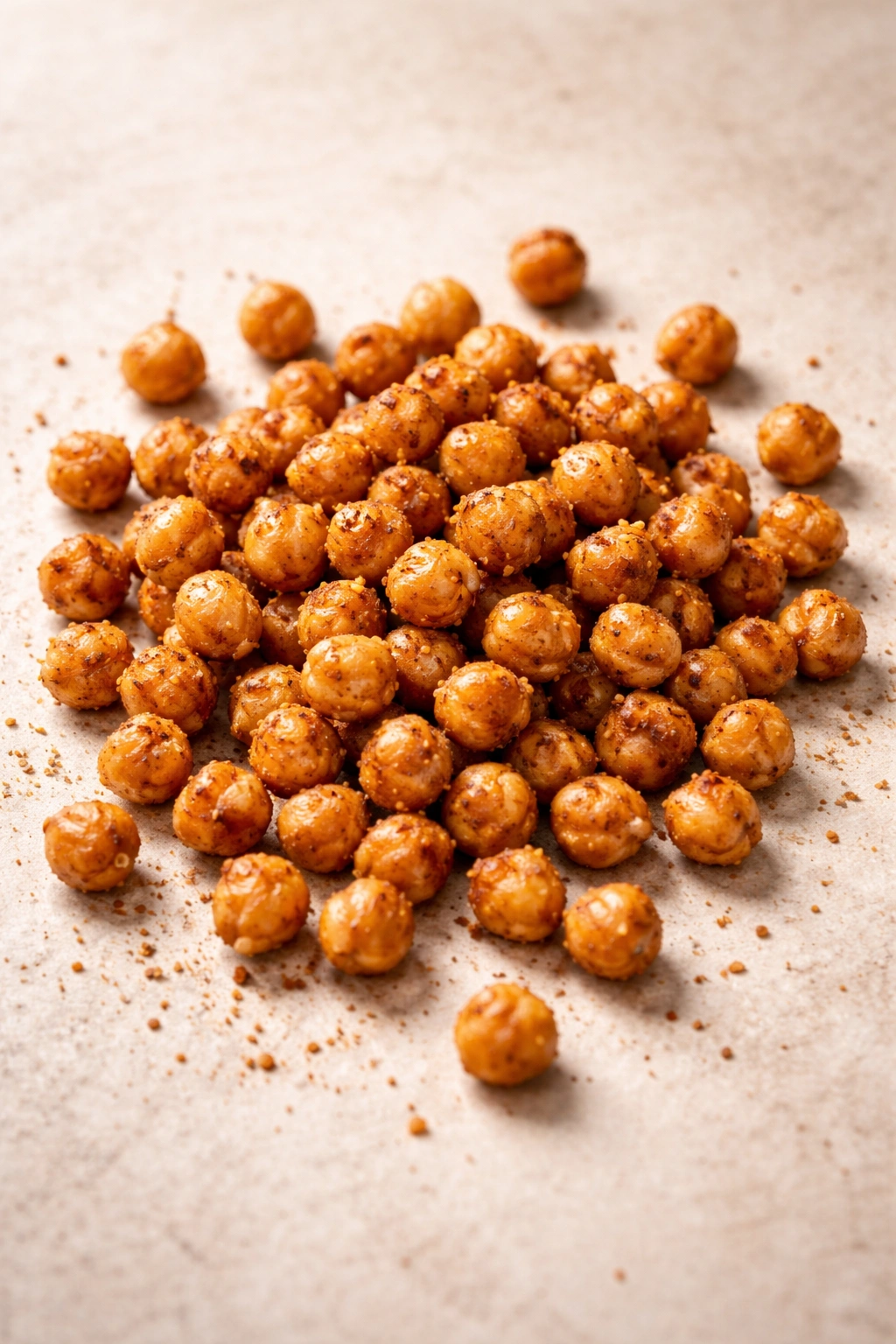
When roasted until crispy, chickpeas become crunchy little flavor bombs that taste nothing like the soft beans in soup. A single cup of roasted chickpeas provides around 12 grams of protein and fiber, plus they’re literally impossible to overeat because they’re so satisfying and crunchy. You can season them with basically anything — sweet, savory, spicy, or tangy — so they work for every mood and preference.
The Science Behind the Crunch
Roasting works because it removes moisture from the chickpeas while the heat caramelizes their natural sugars, creating that crispy exterior you’re after. Unlike fried chickpeas (which are delicious but carry all that oil), roasted ones are baked until completely dry, which is why they stay crunchy instead of softening as they cool. The key is not rushing the process — low-and-slow roasting at 375°F takes about 30-40 minutes, but you end up with genuinely crispy snacks instead of half-cooked disappointing ones.
Flavor Combination Ideas to Try
- Spicy Lime: Toss with lime juice, chili powder, smoked paprika, garlic powder, and sea salt
- Everything Bagel: Sesame seeds, poppy seeds, dried onion flakes, garlic powder, and coarse sea salt
- Cinnamon Sugar: Cinnamon, brown sugar, and a tiny pinch of cayenne for subtle heat
- Ranch: Dried dill, garlic powder, onion powder, paprika, and a squeeze of lemon juice
- Honey Cinnamon: Light drizzle of honey mixed with cinnamon, nutmeg, and a crack of black pepper
Insider note: Pat your cooked chickpeas completely dry with paper towels before seasoning — any remaining moisture prevents that restaurant-quality crispness.
4. Almond Butter Power Bites
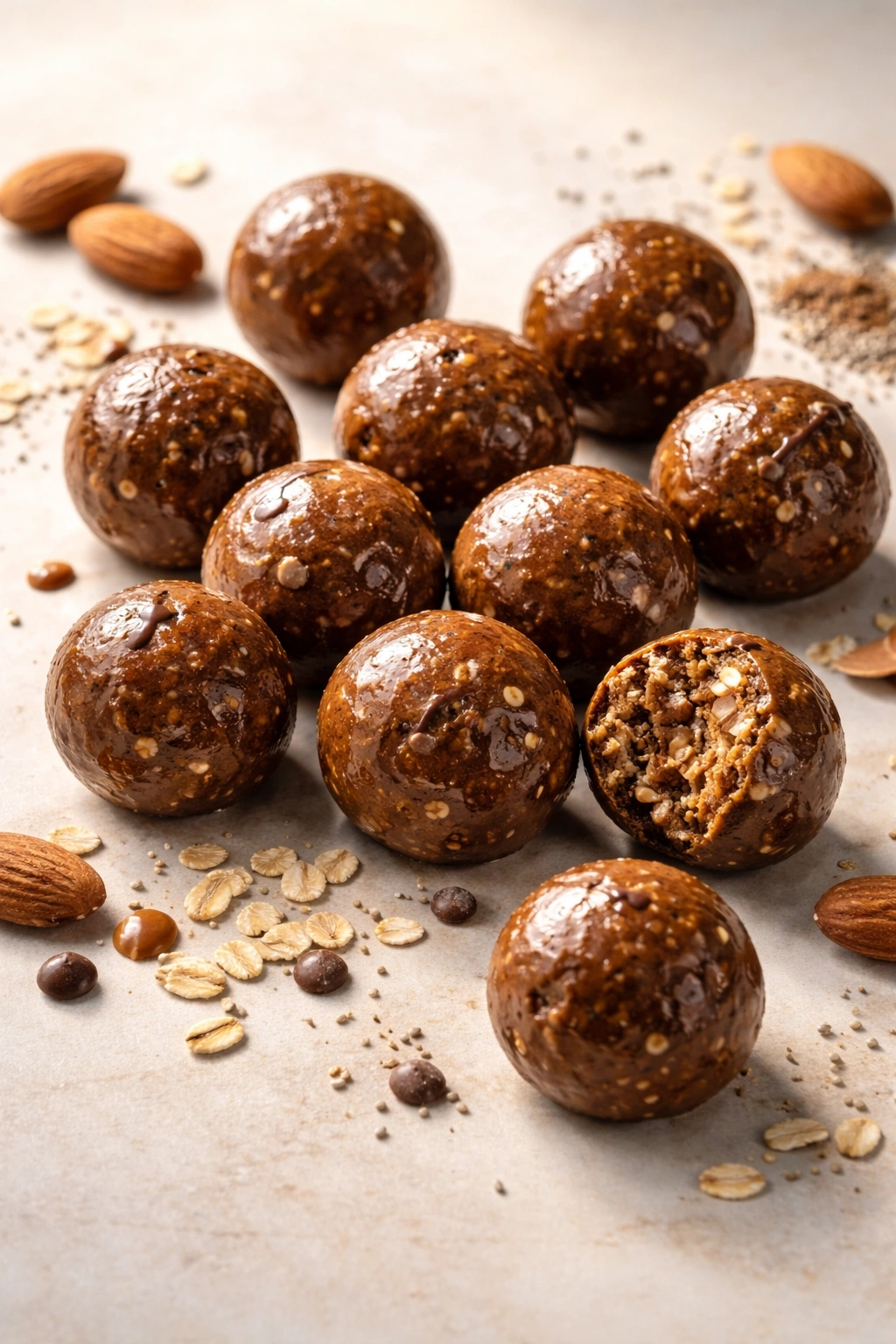
These are basically deconstructed energy balls with a texture more like fudgy brownies. They rely on almond butter as their base, which provides healthy fats that keep you satisfied, plus they’re sturdy enough to pack in a lunchbox without crumbling everywhere. Each bite delivers around 5-6 grams of protein and genuinely tastes like dessert, which makes them feel like cheating when you’re actually eating something nutritious.
Why Almond Butter Is Your Secret Weapon
Almond butter contains arginine, an amino acid that supports blood flow and recovery, on top of its impressive protein content (roughly 7 grams per 2-tablespoon serving). It’s also rich in vitamin E and magnesium, two nutrients many people don’t get enough of. When you combine almond butter with protein powder and bind it with just a touch of honey, you get a snack that’s dense and satisfying without requiring any baking.
Simple Recipe Foundation and Flavor Variations
- 1 cup natural almond butter
- ¼ cup honey
- 1 cup chocolate protein powder (or vanilla)
- ½ cup unsweetened cocoa powder (if making chocolate version)
- ¼ teaspoon sea salt
- Optional: 1 teaspoon vanilla extract, ¼ teaspoon espresso powder for depth, ⅓ cup mini chocolate chips
Mix everything together, press into a parchment-lined 8×8 pan, refrigerate until firm, and cut into squares. Store in the fridge for up to two weeks.
Pro tip: If your mixture seems too dry and crumbly, add honey one tablespoon at a time until it comes together — every brand of almond butter has slightly different oil content, so the amount varies.
5. Cottage Cheese Parfait Cups
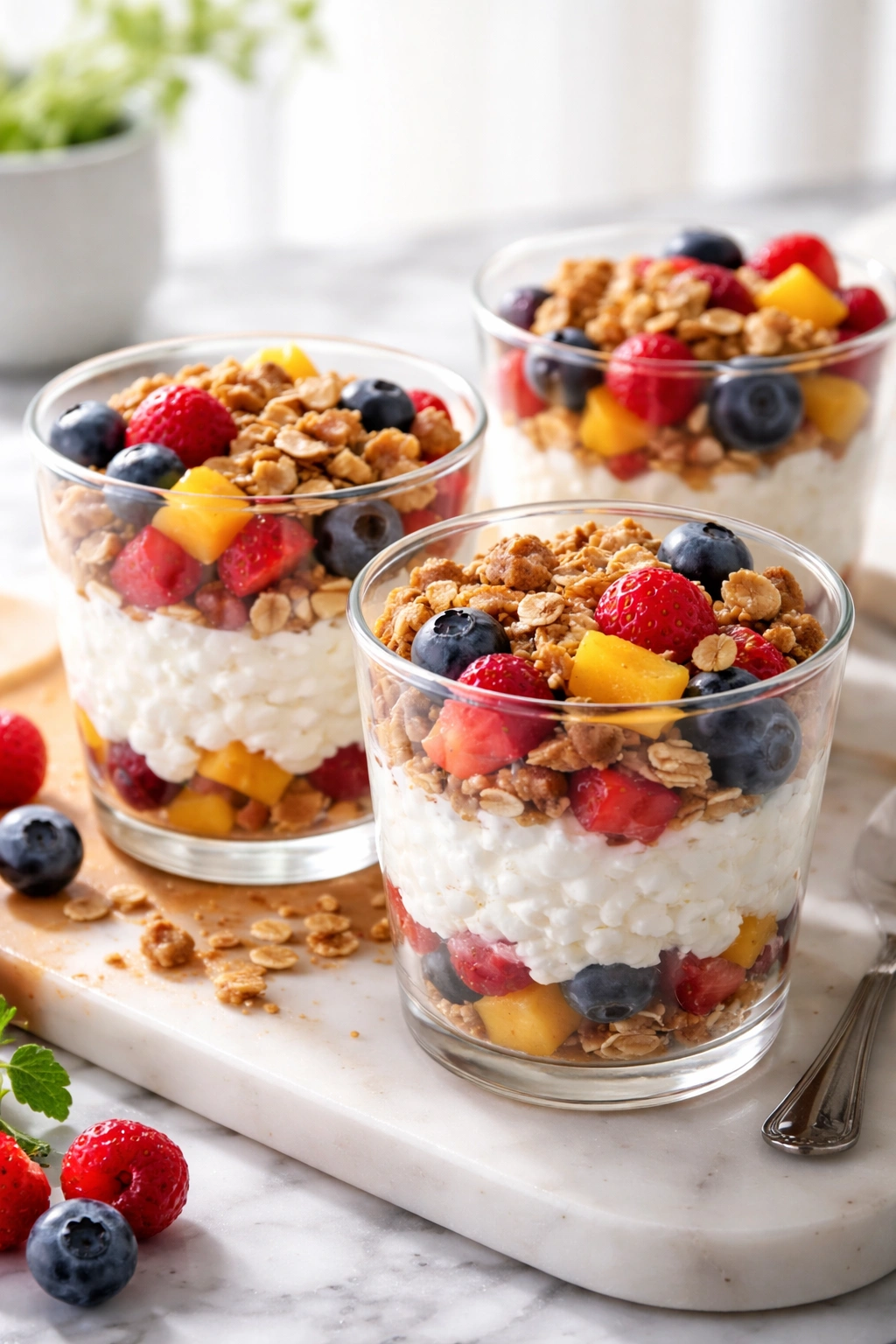
Cottage cheese gets an unfair reputation for being bland and old-fashioned, but when you mix it with fruit, granola, and a touch of honey, it becomes a sophisticated snack that delivers nearly 15 grams of protein per serving. The beauty of parfait cups is that you can prep them in advance, grab them from the fridge, and eat them with a spoon anywhere — at your desk, in the car, or between meetings.
Why Cottage Cheese Is Making a Comeback
Cottage cheese contains casein protein, a slower-digesting form of protein that keeps you satisfied longer than whey-based options. This means one parfait cup can genuinely sustain you for 2-3 hours, making it superior to many store-bought snacks for actual hunger management. It’s also incredibly versatile — you can eat it sweet with fruit and granola, or use it as a base for savory parfaits with cucumber, tomato, and herbs if you’re into that.
Smart Topping Combinations and Ratios
- Berry and Almond: ½ cup cottage cheese, ¼ cup mixed berries, 2 tablespoons granola, 1 teaspoon honey, ¼ teaspoon almond extract
- Peach and Honey: ½ cup cottage cheese, ⅓ cup sliced fresh or canned peaches (drained), 3 tablespoons granola, 1 teaspoon raw honey
- Apple Cinnamon Walnut: ½ cup cottage cheese, ⅓ cup diced apple, 2 tablespoons chopped walnuts, pinch of cinnamon, ½ teaspoon honey
- Tropical Coconut: ½ cup cottage cheese, ¼ cup pineapple chunks, ¼ cup mango, 2 tablespoons shredded coconut, squeeze of lime
- PB&J Style: ½ cup cottage cheese, 1 tablespoon natural peanut butter, 3 tablespoons berries, 1 tablespoon granola
Worth knowing: Layer everything in a mason jar or small glass container and it stays fresh in the fridge for up to three days, making it genuinely convenient for meal prep.
6. Nut and Seed Granola
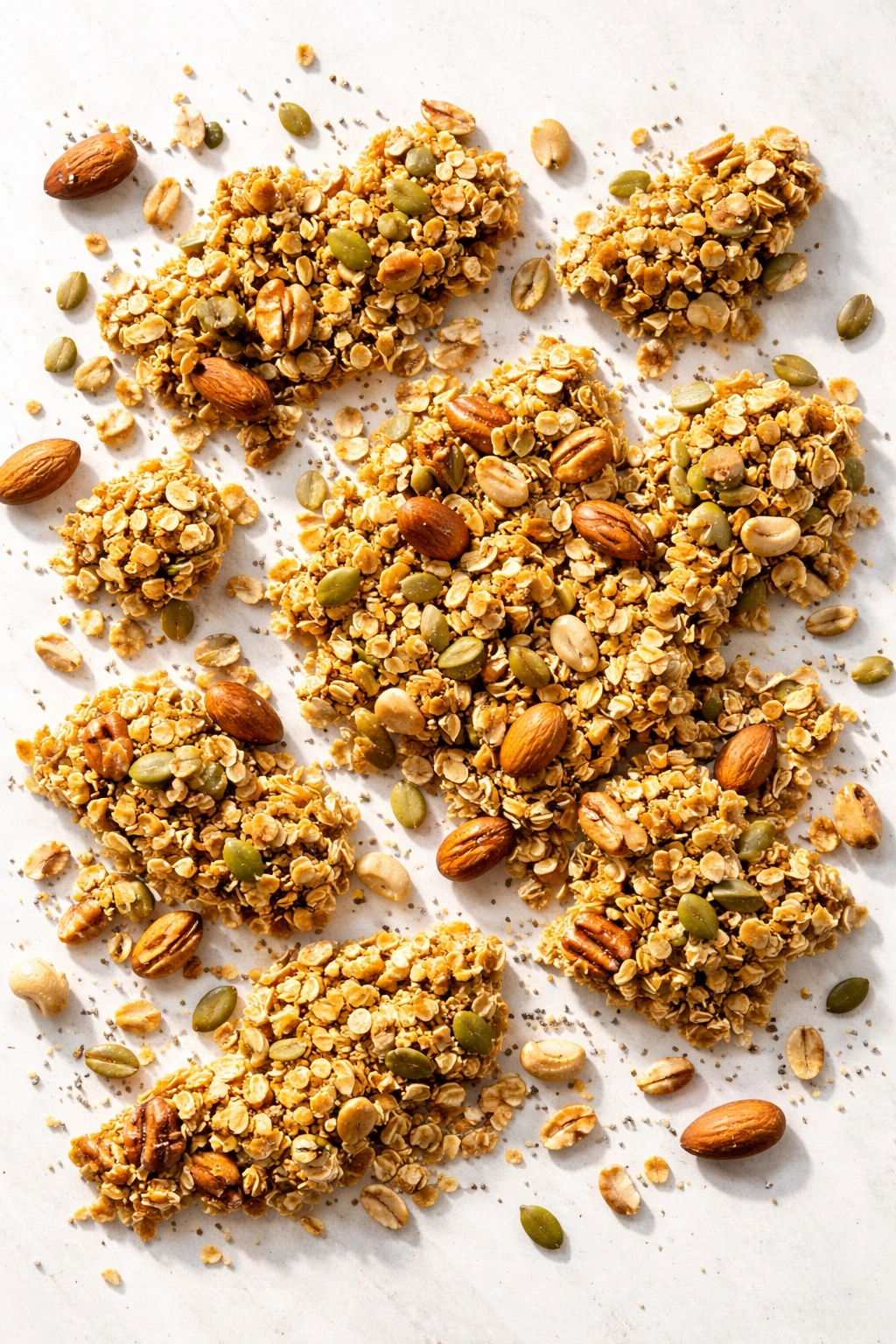
Homemade granola is the opposite of store-bought versions — it’s actually protein-rich instead of sugar-rich, and it tastes infinitely better because you control the sweetness level. A half-cup serving of homemade granola delivers 8-10 grams of protein when you load it with nuts, seeds, and a bit of protein powder. It’s perfect eaten straight from the jar, mixed into yogurt, or sprinkled over cottage cheese.
How Homemade Granola Beats the Supermarket
Store-bought granola often contains more sugar than cereal, which completely defeats the purpose of eating it as a protein snack. When you make it yourself, you decide whether it’s sweetened with honey (natural and whole-food), a touch of maple syrup (mineral-rich), or even dates blended into a paste. You also control the oil ratio — using just enough to toast everything without making it overly oily. The result is crispy, satisfying granola that doesn’t leave your hands greasy and tastes like actual food.
Base Recipe and Customization Framework
- 3 cups rolled oats
- 1 cup raw almonds, roughly chopped
- ½ cup raw pumpkin seeds
- ½ cup sunflower seeds (or hemp seeds for extra protein)
- ⅓ cup unsweetened coconut flakes
- ¼ cup honey
- 3 tablespoons coconut oil, melted
- 1 tablespoon vanilla extract
- ½ teaspoon sea salt
- Optional: ⅓ cup protein powder (vanilla or unflavored), ¼ teaspoon cinnamon, ¼ teaspoon nutmeg, zest of 1 lemon
Toss everything together, spread on a baking sheet, and bake at 325°F for 20-25 minutes, stirring halfway through. Cool completely before storing.
Pro tip: Add any dried fruit after cooling — if you add raisins or cranberries before storing, they’ll absorb moisture and make the granola soft.
7. Hard-Boiled Egg Snack Packs
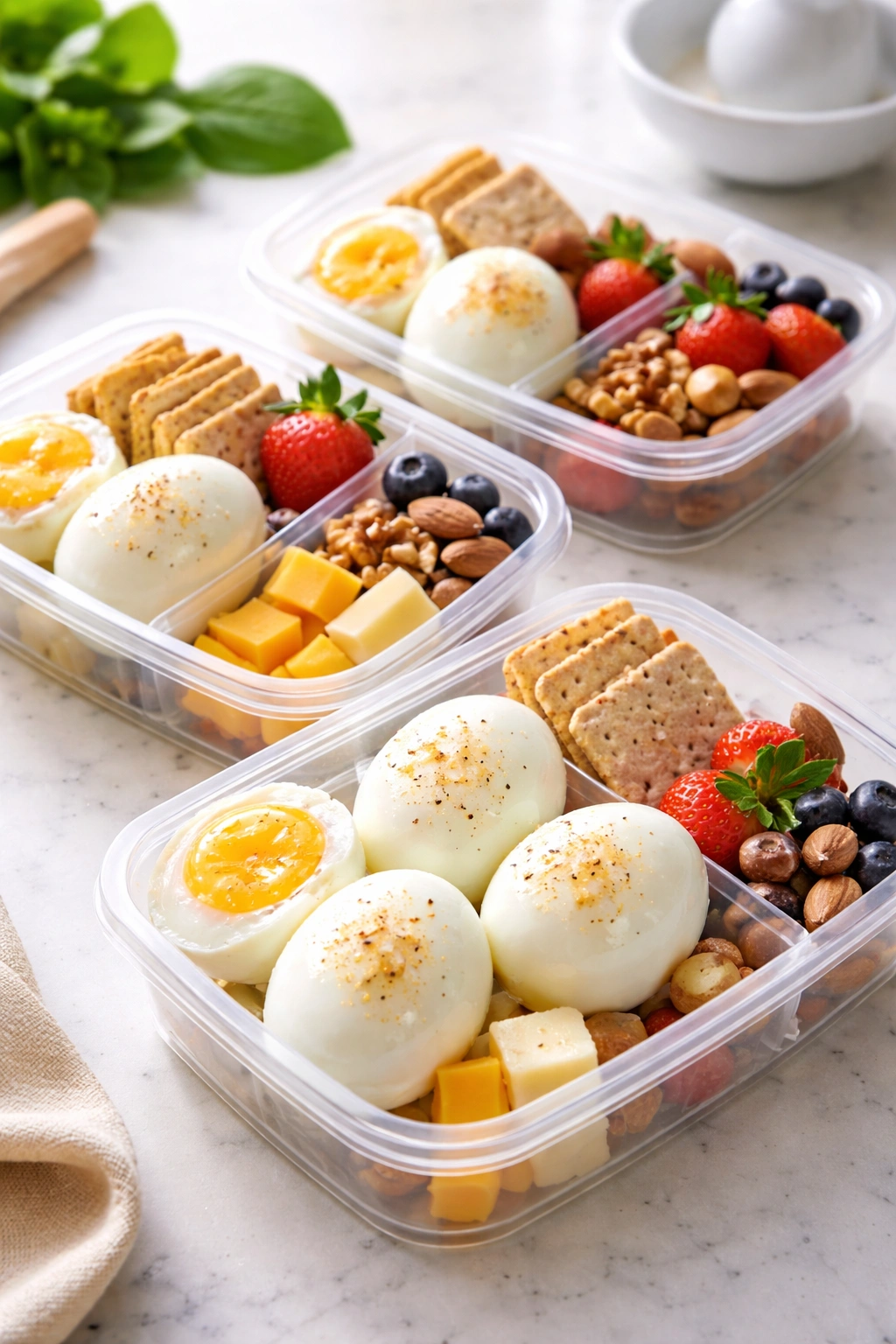
Hard-boiled eggs might be the simplest, most portable protein snack possible — one large egg contains 6 grams of protein, and you can prep a dozen in one batch. When you boil a bunch and peel them ahead of time, you have grab-and-go snacks ready for the entire week. Pair them with cheese, fruit, nuts, or whole grain crackers and you’ve got balanced snacks that require zero cooking when you need them.
Why Eggs Are Such Underrated Protein Snacks
Eggs contain choline, a nutrient that supports brain function, plus lutein and zeaxanthin for eye health — nutrients you simply don’t get from most protein powders. The yolk contains nearly half the protein plus healthy fats that slow digestion and keep you satisfied. Whole eggs are genuinely one of the most complete protein sources available, which is why they’ve been a breakfast staple across cultures for thousands of years.
Pre-Made Snack Pack Ideas for the Week
- Classic: Hard-boiled egg, 1 oz cheese (cheddar or string cheese), 1 apple
- Savory Deluxe: Hard-boiled egg, whole grain crackers, olives, cherry tomatoes, small handful of almonds
- Mediterranean: Hard-boiled egg, cucumber slices, kalamata olives, feta cheese crumbles, fresh dill
- Fruit and Protein: Hard-boiled egg, ¼ cup berries, ¼ cup raw almonds, small piece of dark chocolate
- Simple Salt and Pepper: Hard-boiled egg dusted with fleur de sel and cracked black pepper, 1 oz sharp cheddar, handful of walnuts
Insider note: Boil your eggs for exactly 11 minutes (set a timer) to get that perfectly cooked yolk that’s not too runny or too dry — then immediately place them in an ice bath to stop the cooking and make peeling easier.
8. Peanut Butter and Whole Grain Crackers
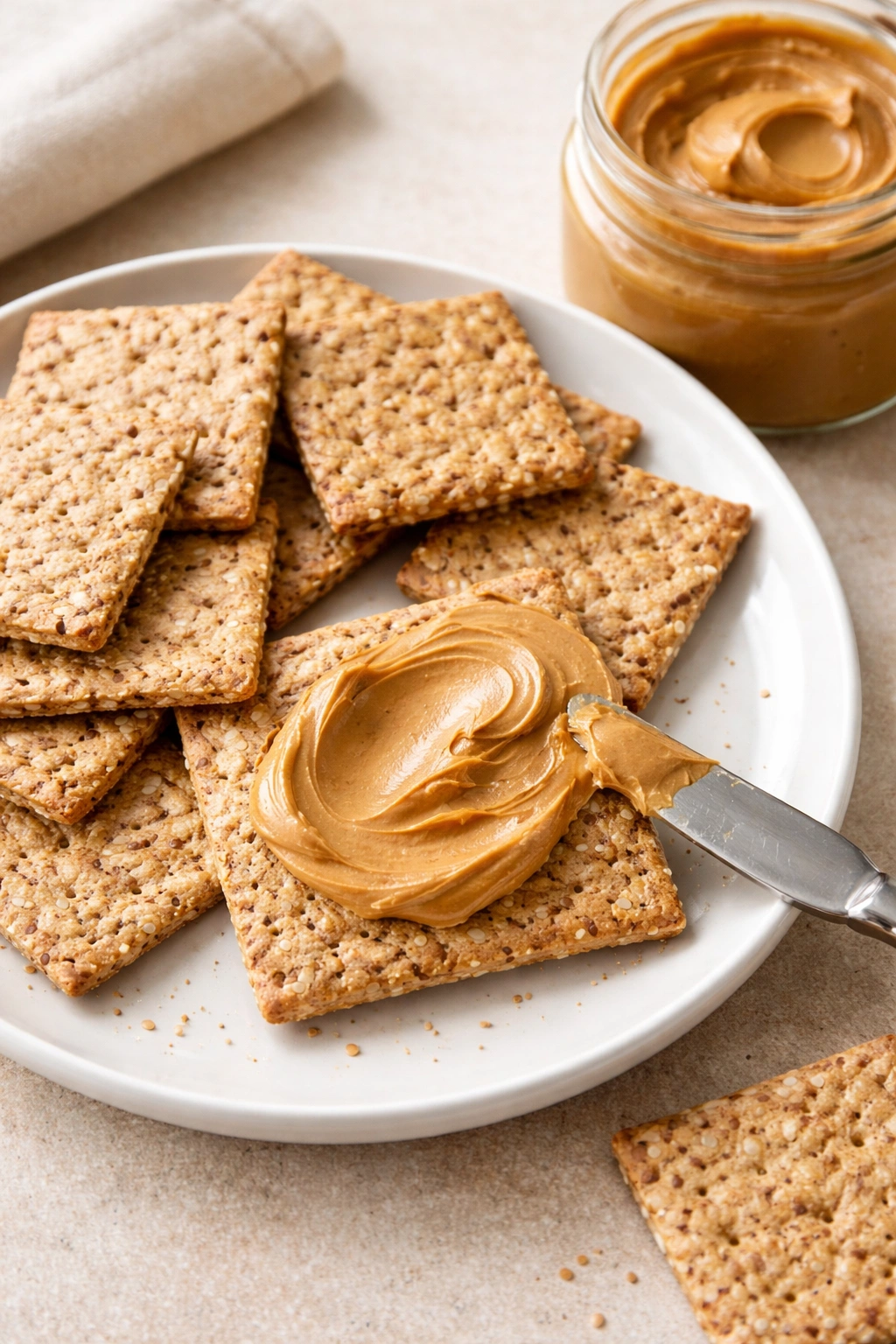
This sounds almost too simple to be a “recipe,” but intentional pairing is what transforms snacking. Store-bought crackers paired with jarred peanut butter creates balanced nutrition when you choose quality versions of both. A serving of 6-8 whole grain crackers with 2 tablespoons of peanut butter delivers roughly 8 grams of protein, plus fiber and healthy fats that make it genuinely satisfying.
Choosing the Right Crackers and Peanut Butter
Not all crackers and peanut butters are created equal. Look for whole grain crackers where the first ingredient is a whole grain (whole wheat, sprouted grains, or oats) rather than refined flour — you want to see actual fiber content, ideally 3+ grams per serving. For peanut butter, choose versions with zero added sugar and just peanuts and salt, or maybe just peanuts and oil. The natural oil separation is actually a sign of quality — it means there’s nothing artificial holding it together.
Flavor Combinations Beyond Plain Crackers and Peanut Butter
- Apple and Honey: Whole grain crackers, natural peanut butter, thin apple slices arranged on top, tiny drizzle of raw honey
- Banana and Dark Chocolate: Whole grain crackers, peanut butter, thin banana slice, small square of dark chocolate melted on top
- Celery and Everything Bagel: Skip crackers, use celery sticks, fill with peanut butter, top with everything bagel seasoning
- Date and Sea Salt: Whole grain crackers, peanut butter, ½ a pitted date pressed on top, sprinkle of sea salt
- Berry and Almond: Whole grain crackers, almond butter, fresh berries pressed gently on top
Worth knowing: If you prefer almond butter, sunflower seed butter, or tahini, the same pairing principle applies — mix quality with quality for genuinely delicious snacking.
9. Protein Popcorn Clusters
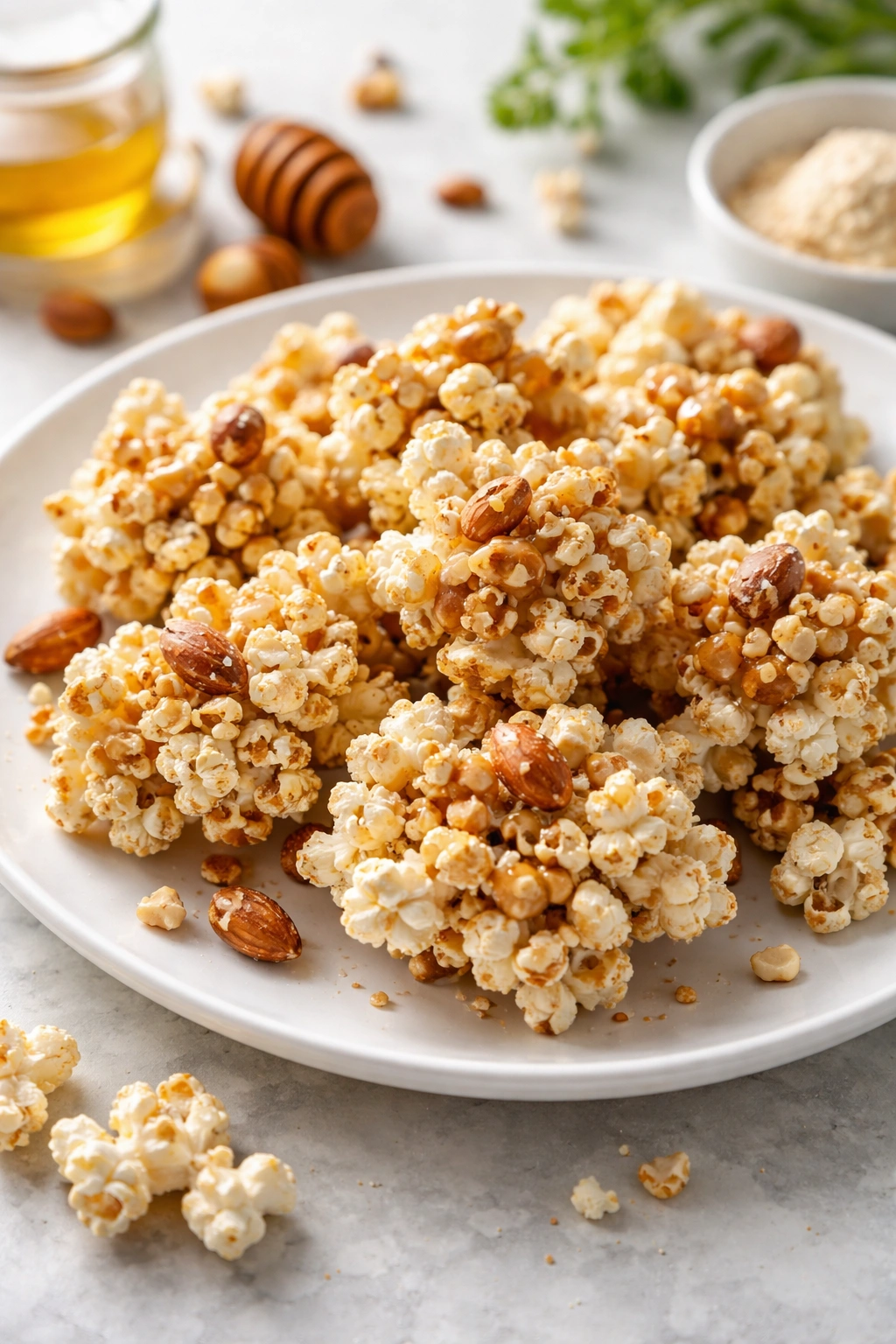
Popcorn is legitimately a whole grain snack, but most flavored versions are coated in salt or artificial butter, which adds calories without adding nutrition. When you make popcorn clusters with a touch of protein powder, honey, and nuts mixed throughout, you end up with a snack that’s crunchy, satisfying, and surprisingly protein-rich. It’s also the most fun snack on this list — assembling these clusters feels more like making candy than preparing a healthy snack.
Why Popcorn Clusters Are Genius Snacking
Popcorn gives you volume and crunch for very few calories — that sense of eating “a lot” is psychologically satisfying, which means you feel fuller longer. When you add protein powder to the mix, you’re adding invisible nutrition without changing the snack’s appeal. Unlike protein bars (which some people find chalky), protein popcorn clusters maintain their crispy texture while delivering the nutrition you’re after.
Cluster Recipe and Seasoning Options
- 4 cups popped popcorn (roughly ¼ cup unpopped kernels)
- 3 tablespoons honey
- 2 tablespoons coconut oil
- ⅓ cup vanilla protein powder
- ½ teaspoon vanilla extract
- ¼ teaspoon sea salt
- Optional mix-ins: ½ cup chopped almonds, ⅓ cup chopped dried cranberries, 1 tablespoon sesame seeds, ⅛ teaspoon cayenne for savory-sweet
Melt honey and coconut oil, stir in protein powder until smooth, then toss with popcorn and mix-ins. Spread on a parchment-lined baking sheet and bake at 300°F for 10-12 minutes. Cool completely before breaking into clusters.
Pro tip: Use natural puffed popcorn without added salt or oil — it’s cheaper to pop it yourself, and you control the salt and oil ratio completely.
10. Turkey and Cheese Roll-Ups
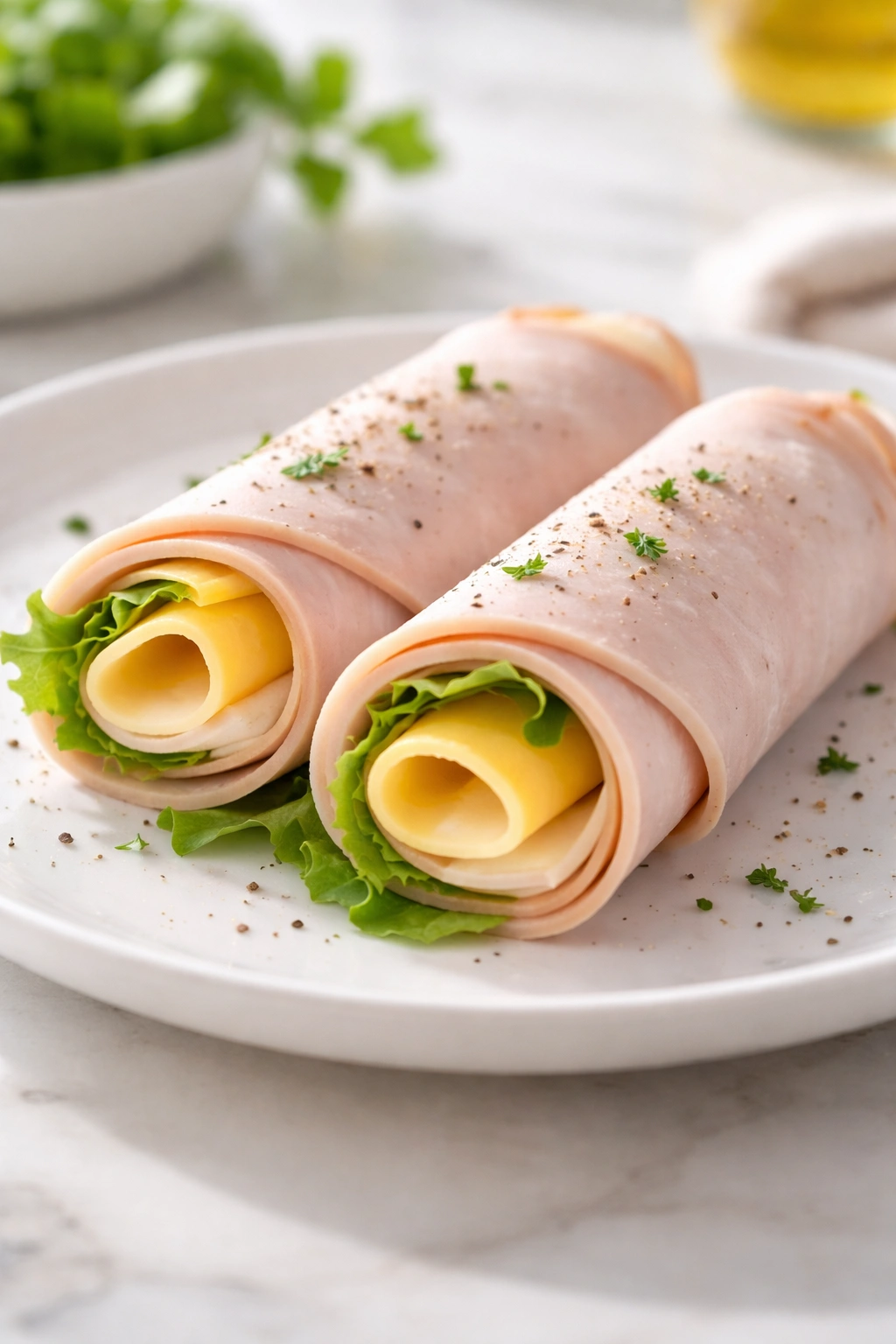
These are the closest thing to “zero cooking” snacks you can make — literally just roll deli turkey around cheese, vegetables, and a spread. Two rolls deliver roughly 10-12 grams of protein from the turkey and cheese, plus they’re incredibly portable and require zero prep beyond assembly. Prep a batch on Sunday and they’re ready to grab all week.
Why Roll-Ups Outshine Sandwiches for Quick Snacking
Roll-ups deliver the satisfaction of a sandwich (interesting flavors, different textures, something to hold in your hand) without the bread, which means less volume and lower calories for the same nutrition. They’re also dramatically faster to eat than a full sandwich, which is practical when you’re snacking between activities. The wrapped format keeps fillings from falling out, making them genuinely portable in a way that open-faced snacks aren’t.
Filling Combinations and Assembly Tips
- Classic Savory: Deli turkey, sharp cheddar slice, thin avocado slices, leaf of romaine lettuce
- Mediterranean: Deli turkey, mozzarella, roasted red pepper, fresh basil, tiny drizzle of balsamic vinegar
- Spicy Southwestern: Deli turkey, pepper jack cheese, thin jalapeño slices, cilantro, small dollop of salsa
- Garden Fresh: Deli turkey, Swiss cheese, cucumber slices, arugula, squeeze of lemon juice, smear of hummus
- Greek Style: Deli turkey, feta cheese crumbles, cucumber, kalamata olives, fresh dill, tiny drizzle of olive oil
Insider note: Keep turkey slices at room temperature for just 5 minutes before assembly — they’re more pliable and easier to roll without tearing when they’re slightly warm rather than straight from the fridge.
Final Thoughts
The biggest advantage to making protein snacks from scratch is that you actually feel good eating them — not virtuous in that exhausting way, but genuinely satisfied because they taste delicious and keep you full. When you understand the protein content of each snack and how to balance flavors and textures, snacking becomes something you look forward to instead of just tolerating between meals.
Start with whichever snacks appeal to you most based on your preferences and schedule. If you’re always in a rush, energy balls and hard-boiled eggs require almost no daily effort once you’ve done your prep. If you enjoy cooking and experimenting, roasted chickpeas and granola let you customize flavors endlessly. The point is that none of these snacks require specialized equipment, expensive ingredients, or sophisticated cooking skills — just basic ingredients, a little planning, and about 30 minutes of active time per week.
Give yourself permission to make a double batch, try two or three different recipes, and figure out which ones you actually enjoy eating. That’s the only way you’ll build snacking habits that stick — by choosing snacks that genuinely taste good, keep you satisfied, and fit your actual lifestyle. The protein-packed snacks you’ll actually eat are infinitely better than the “perfect” snacks that sit uneaten in your pantry.
