



Ground turkey has quietly become one of the most underrated players in the weeknight dinner rotation. It’s leaner than ground beef, cooks faster than chicken breasts, and takes on practically any flavor profile you throw at it—from spicy tacos to creamy stroganoff to Italian meatballs. The best part? It won’t break the budget. Whether you’re trying to eat lighter, stretch your grocery dollars further, or simply tired of the same old protein, ground turkey deserves a permanent spot in your meal plan.
The real secret that separates good ground turkey dishes from forgettable ones is seasoning and moisture. Turkey’s mild flavor and lower fat content mean it benefits enormously from bold spices, aromatic vegetables, and sauce-based preparations. A plain, underseasoned turkey burger tastes exactly like what it is—a diet food substitute. But a well-seasoned turkey taco skillet loaded with beans, peppers, and salsa? That’s genuinely delicious, and nobody’s going to feel like they’re eating “healthy food.” These eight recipes prove that ground turkey doesn’t need an apology—it needs only the right technique and confidence in the kitchen.
1. Quick Turkey Taco Skillet With Black Beans and Corn
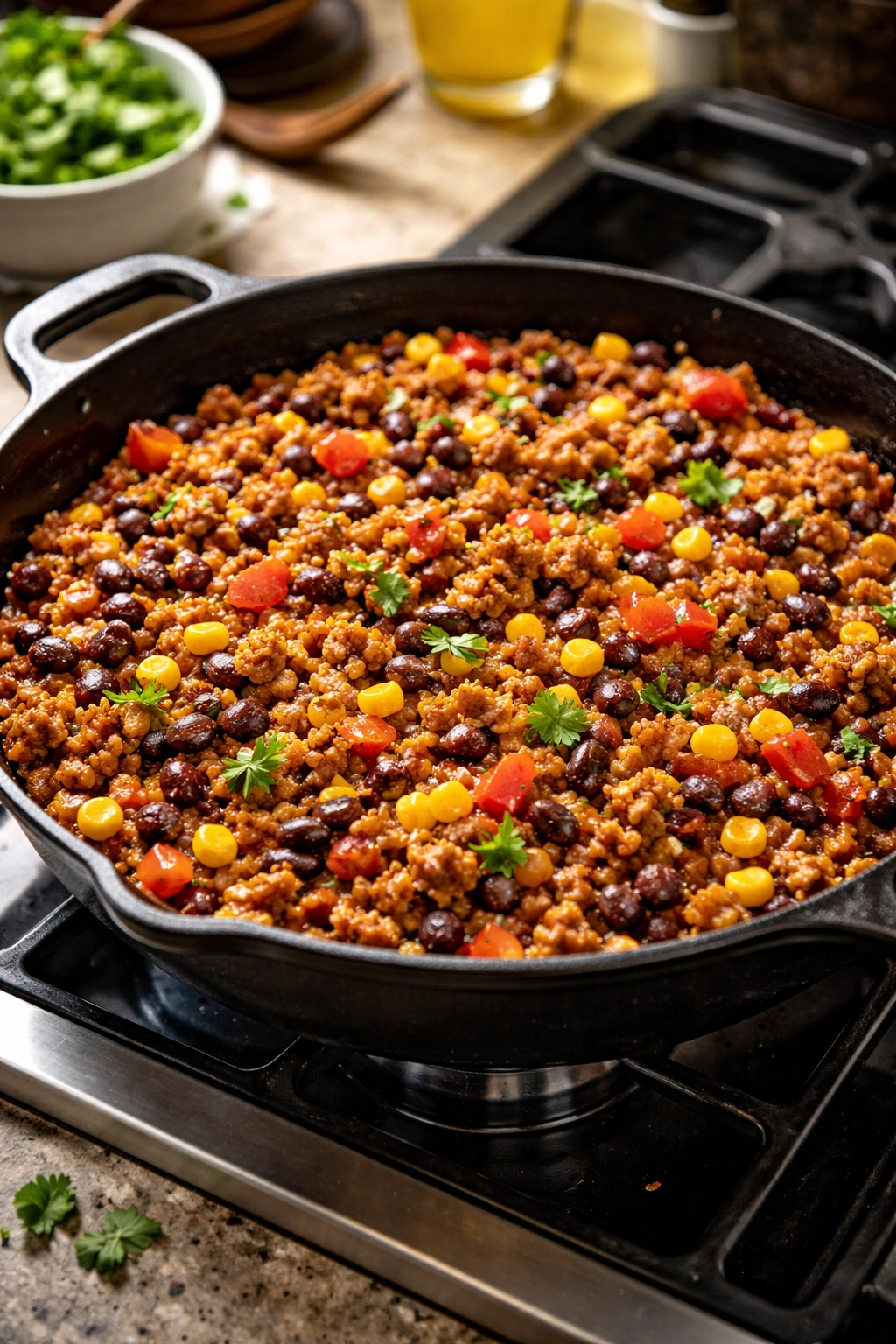
This might be the easiest 20-minute dinner you can get on the table, and it tastes restaurant-quality. Ground turkey browns quickly in a hot skillet while you prep a handful of vegetables, then everything comes together in one pan with salsa and beans. The result is a weeknight hero that works as taco filling, burrito stuffing, nacho topping, or a grain bowl base—no assembly required if you’re eating it straight from the pan.
Why This Works as a Weeknight Staple
The beauty of this skillet meal is that it requires almost no active hands-on time. Once the turkey hits the pan, you’re mostly just stirring occasionally while the aromatics soften. Using a jar of salsa instead of building a sauce from scratch cuts prep time dramatically without sacrificing flavor. The canned beans and frozen corn mean no chopping anything beyond the onion and bell pepper, so even on nights when your energy is depleted, this comes together effortlessly.
The combination of beans and turkey provides substantial protein—about 36 grams per serving—so this satisfies in a way that a veggie-heavy meal alone won’t. The fiber from the beans and the vegetables keeps you full for hours after eating, making it perfect for those nights when dinner needs to stick with you through an evening of homework, work emails, or a long commute home.
How to Build Maximum Flavor
Pro Tips for Success
- Don’t skip the salt. Most people underly season ground turkey because they’re worried about calories, but salt is what makes food taste like food. Start with a teaspoon for a pound of meat and taste as you go.
- Brown the turkey completely before adding the beans and salsa—you want those caramelized, golden bits that add real depth to the dish.
- If your salsa is watery, drain some of the excess liquid before adding it to the pan, otherwise the whole thing becomes soupy instead of saucy.
- Add the corn frozen directly from the bag; it defrosts in the residual heat and stays bright instead of turning mushy.
- Top with fresh lime juice right before serving—that acidic pop makes everything taste better.
2. Ground Turkey and Zucchini Skillet With Ricotta
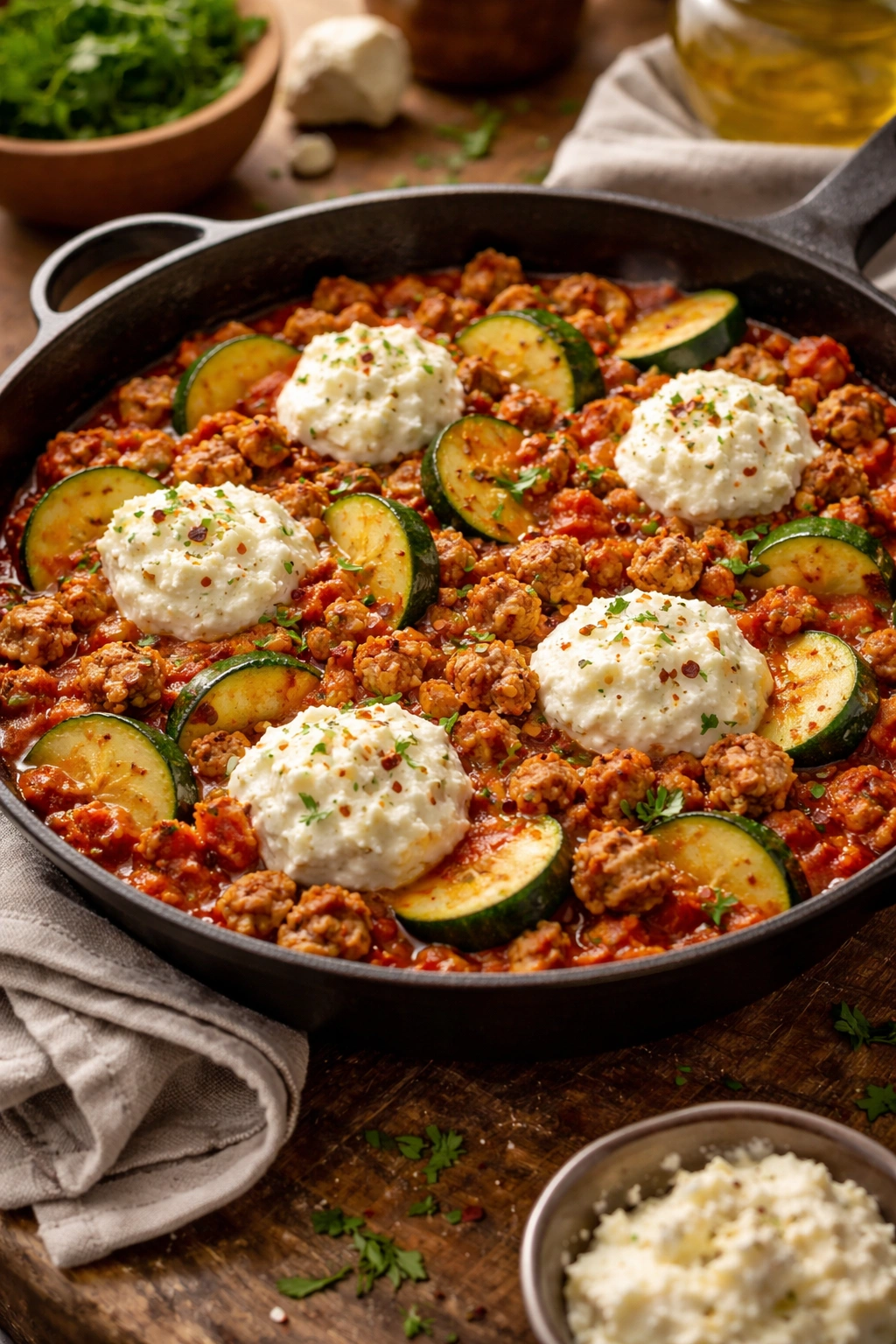
Here’s where ground turkey gets quietly sophisticated. Zucchini absorbs flavors beautifully, and when you layer it with ricotta, marinara, and seasoned turkey, you get something that tastes indulgent enough for company but comes together faster than ordering delivery. This skillet captures all the comfort of baked zucchini lasagna without needing a 375-degree oven or waiting around for it to finish.
The Light-Yet-Satisfying Appeal
This dish hits an interesting sweet spot—it feels rich from the ricotta and cheese, but it’s still vegetable-forward enough that you don’t walk away from dinner feeling overstuffed. The zucchini provides volume and moisture to the dish, so you’re eating a substantial portion size without excessive calories. The ricotta dollops add creaminess and a gentle tang that rounds out the acidity of marinara sauce.
You’ll often see ground turkey described as “dry” compared to ground beef, but that critique disappears entirely once you combine it with vegetables that release moisture and sauces that keep everything tender. The Italian herbs—basil, oregano, a touch of garlic—feel natural with this combination, so the seasoning practically seasons itself.
Execution Tips That Matter
Building the Best Version
- Slice the zucchini into half-moons about ¼-inch thick, so they cook through quickly without turning into mush.
- Brown the turkey with diced onion and garlic first, then add the zucchini slices and let them soften before introducing the sauce.
- A good-quality marinara sauce makes an enormous difference here—avoid ultra-thin, watery varieties and look for brands with visible tomato chunks.
- Don’t stir obsessively; let the zucchini develop a light golden color on one side before moving it around.
- Dollop ricotta in generous spoonfuls across the top just before finishing, and don’t feel obligated to stir it all together—the contrast of creamy ricotta against the saucy turkey creates better texture.
3. Ground Turkey White Bean Chili With Fresh Herbs
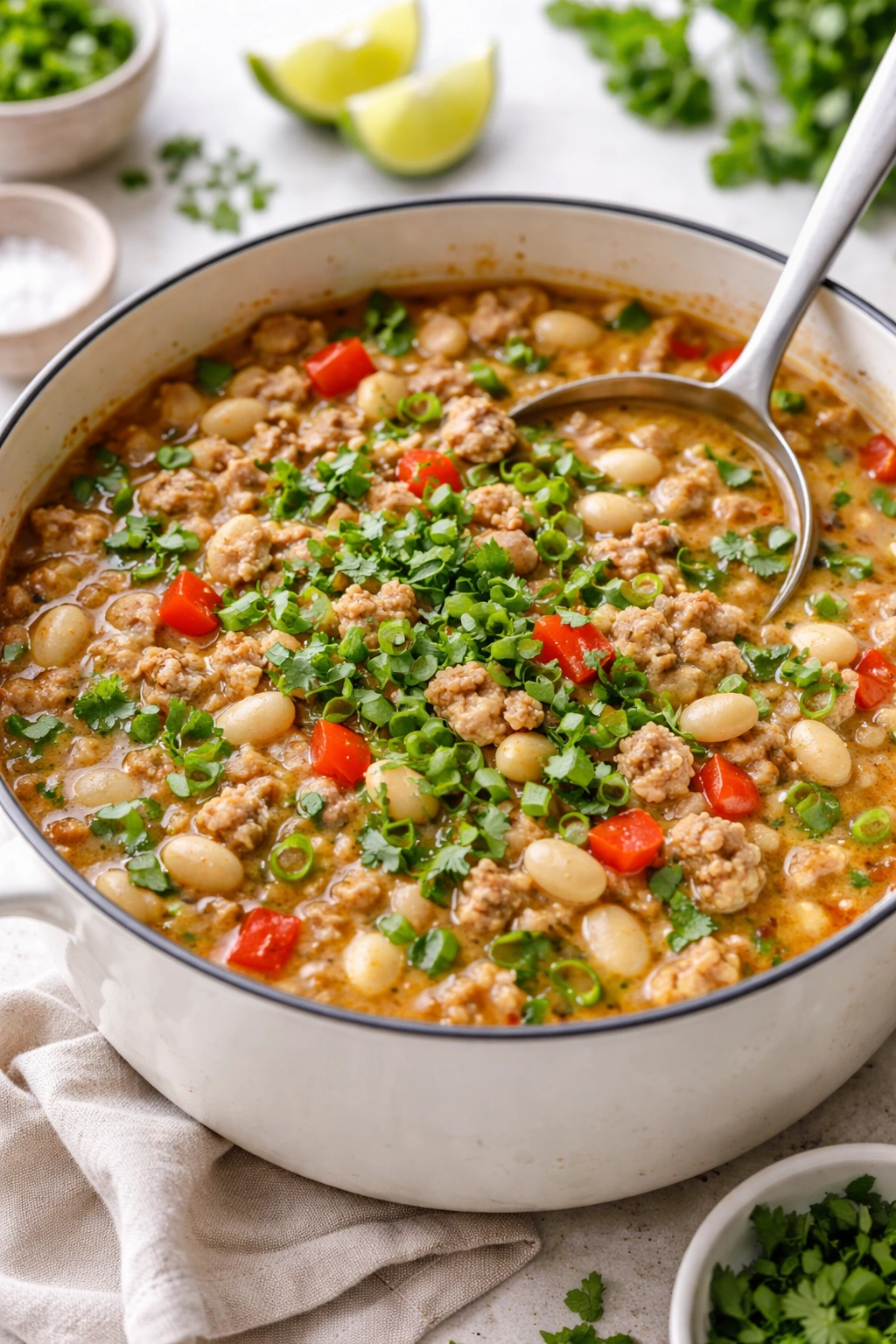
Chili made with white beans instead of red or black ones tastes lighter and brighter while being just as hearty. Ground turkey works beautifully here because it cooks into the broth without overwhelming the dish, letting the beans, peppers, and aromatics shine. A squeeze of lemon at the end transforms a simple chili into something you’ll genuinely crave on cold nights.
Why This Tastes Better Than You’d Expect
Ground turkey absorbs seasoning quickly—the flavorful spices coat every small piece evenly, and there’s no large chunk of meat overwhelming the pot like with ground beef. The spices disperse more thoroughly, creating a more cohesive, unified flavor profile throughout the chili. Combined with canned white beans that already have a delicate flavor, you get a chili that tastes refined instead of heavy.
This version comes together in about 45 minutes on the stovetop, meaning you can have a complete, nourishing dinner without special equipment. The fresh herbs stirred in at the end—cilantro, parsley, or basil—prevent the chili from tasting one-note and add a brightness that makes people ask for seconds.
The Chili-Building Process
Flavor Boosters That Transform This Dish
- Toast your spices (cumin, chili powder, oregano) in the dry pot for about 30 seconds before adding oil—this blooms their flavors and makes the whole pot taste richer.
- Use low-sodium broth if available; you control the final seasoning better and avoid that over-salted canned-soup taste.
- Don’t add all the liquid at once. Start with 2 cups broth and 1 cup tomato sauce, then add more broth gradually if it reduces too quickly, giving you better control over the final consistency.
- Fresh lemon juice added in the last minute of cooking is non-negotiable—it brightens everything and cuts through the richness of beans.
- Serve with dollops of Greek yogurt instead of sour cream for tanginess with less fat, plus fresh cilantro and lime wedges.
4. Juicy Ground Turkey Burgers With Swiss Cheese and Jalapeños
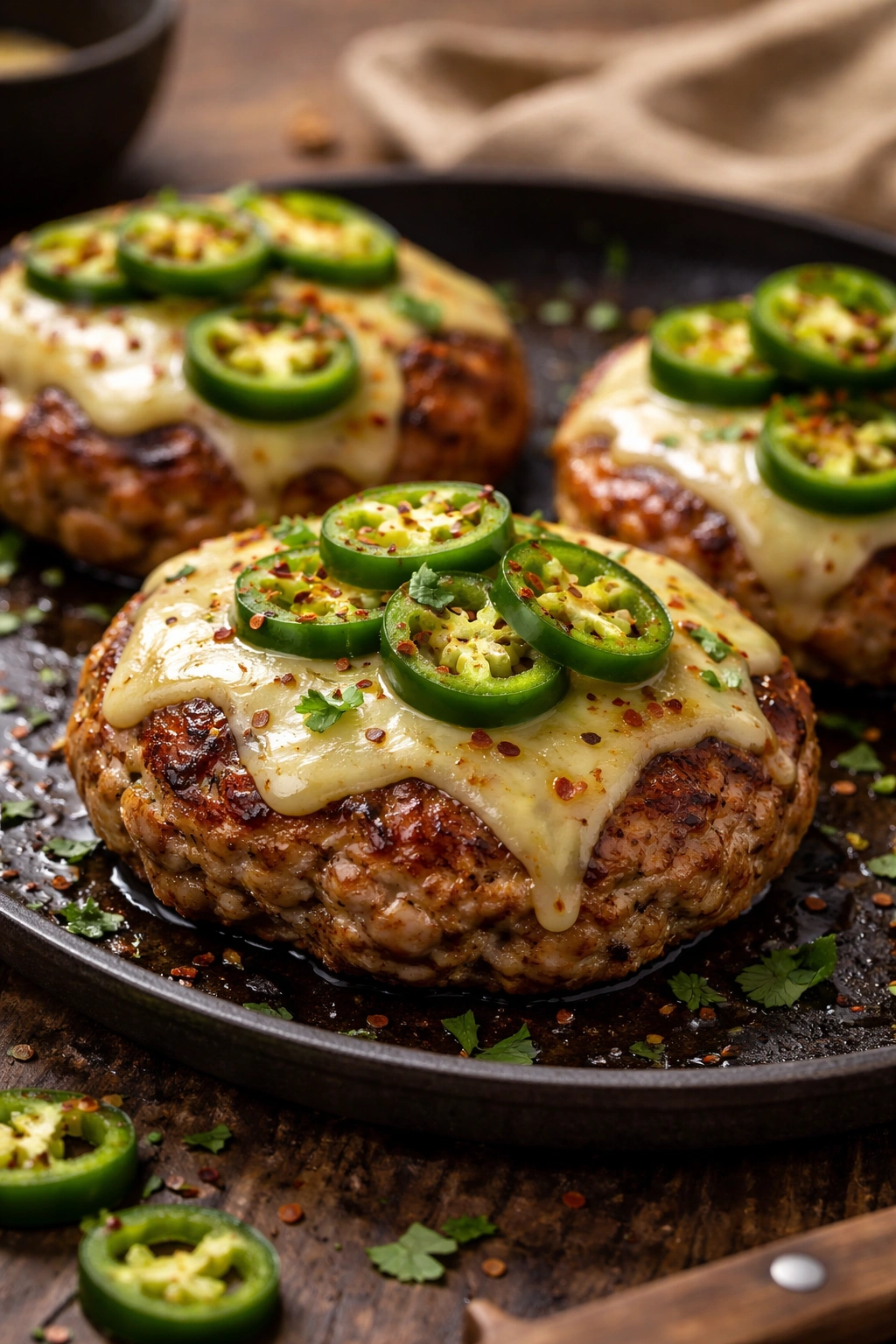
Ground turkey burgers have earned their reputation for dryness, but that’s entirely avoidable with proper technique. The trick is using a mixture of dark and white meat (look for packages labeled just “ground turkey,” not “ground turkey breast”), adding moisture in the form of grated onion or a small amount of mayonnaise, and building sturdy toppings that add flavor and contrast.
What Actually Makes a Turkey Burger Great
The most common mistake is treating turkey like a lean, delicate ingredient that needs to be handled gently. Actually, ground turkey takes well to bold seasonings and confident technique. Mix cumin, garlic powder, a pinch of cayenne, and freshly cracked black pepper directly into the meat before forming patties. Use a light hand forming the patties—overworking develops gluten in any breadcrumbs you add and makes them dense, so mix just until combined and shape loosely.
The mayonnaise trick sounds counterintuitive for a lean dinner, but two tablespoons mixed into a pound of meat keeps the burgers from drying out as they cook without making them greasy. It’s absorbed into the meat and essentially invisible in the final product, but it makes an enormous difference in juiciness.
Building the Perfect Turkey Burger
Cooking Technique Makes All the Difference
- Form patties with a gentle hand—overworking the meat makes dense, tough burgers, whether you’re using turkey, beef, or lamb.
- Make a small indent in the center of each patty with your thumb; burgers puff up as they cook, and this helps them cook evenly.
- Don’t press down on the burgers while they cook—every time you press, you squeeze out moisture you worked to retain.
- Cook over medium-high heat, not blazing-hot heat, so they brown without the outside charring before the inside finishes.
- Add cheese in the last minute of cooking and tent with foil so it melts properly.
- Let the burgers rest for 2-3 minutes after cooking—this redistributes the juices throughout the patty.
5. Ground Turkey Meatballs in Marinara Sauce
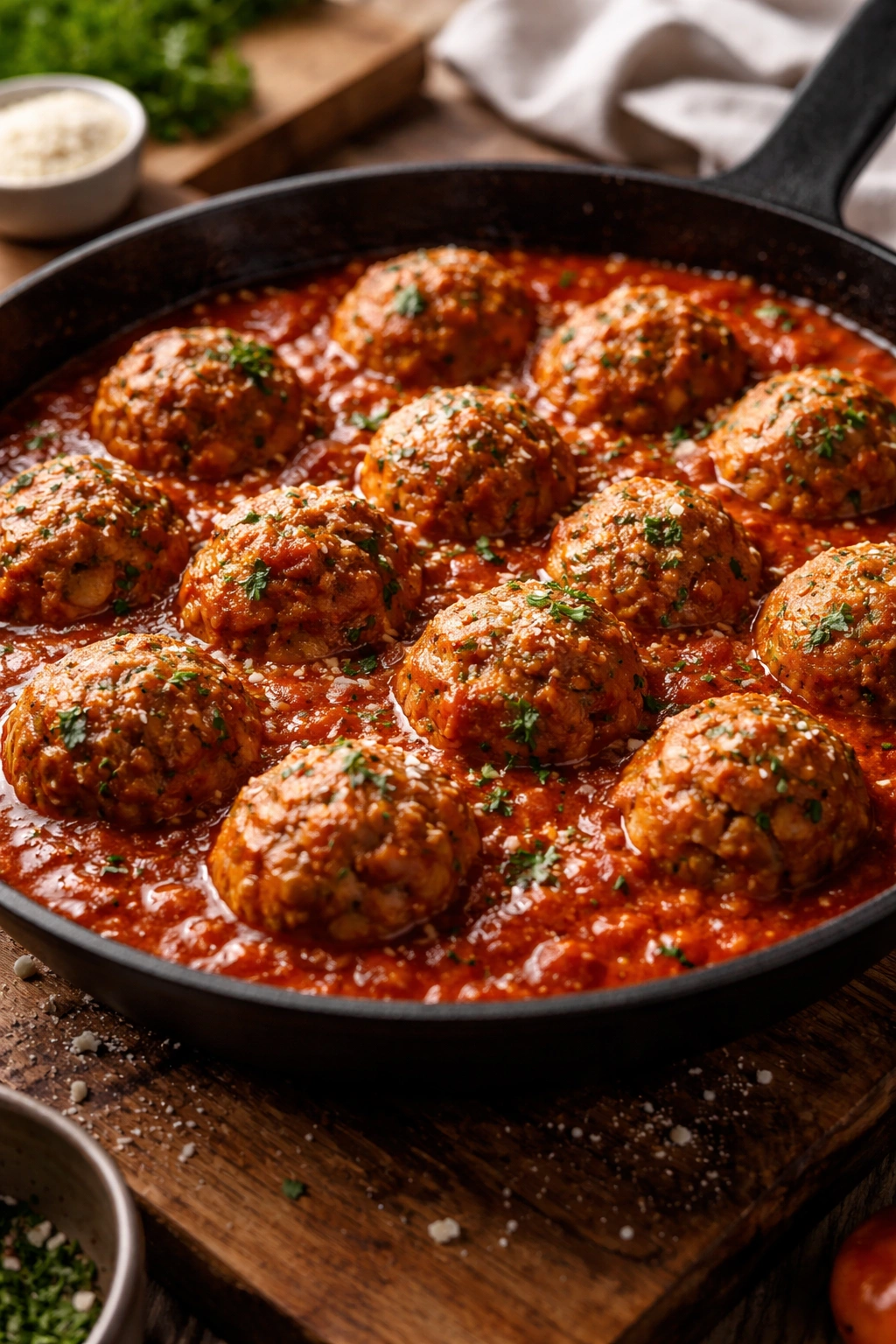
These meatballs are the antidote to the dry, flavorless turkey meatball stereotype. The secret is using finely minced onion for moisture, soaking breadcrumbs in milk before mixing them in, and cooking them in a simmering sauce rather than baking them dry. They turn out tender enough to serve over pasta, hearty enough to tuck into a sub sandwich, and delicious enough to eat straight from the pan with a fork.
The Moisture Formula That Works
Turkey meatballs dry out because there’s simply less fat than in beef meatballs. So instead of fighting that, you add moisture through other means: breadcrumbs soaked in milk create a paste that keeps the meatballs tender, grated onion adds both flavor and moisture without adding ingredients that feel inauthentic, and simmering them in sauce rather than baking them means they’re constantly bathed in liquid.
The final texture should be tender enough that you can break one open with a fork, but structured enough that they hold together. This comes from proper ratios and not overmixing—mix just until everything is combined, form gently, and let the simmering sauce do the work of cooking them through.
Making Meatballs That Don’t Taste Like Lean Protein
The Sauce Makes Them Shine
- Soak about ½ cup of panko breadcrumbs in ¼ cup whole milk for a few minutes before adding to the meat mixture.
- Use the finest grating setting on a box grater for the onion so it breaks down almost into a paste.
- Don’t add salt directly to the raw meat; salt draws out moisture and can make the texture tough. Season the marinara sauce instead.
- Brown the meatballs gently in a skillet over medium heat just until the outsides set, then transfer them to simmering marinara.
- Let them simmer for at least 15-20 minutes so the flavors meld and they cook through gently without drying out.
- Fresh basil stirred in at the end tastes infinitely better than dried—there’s a brightness that changes the entire flavor profile.
6. Ground Turkey Pasta With Hidden Vegetables and Cream
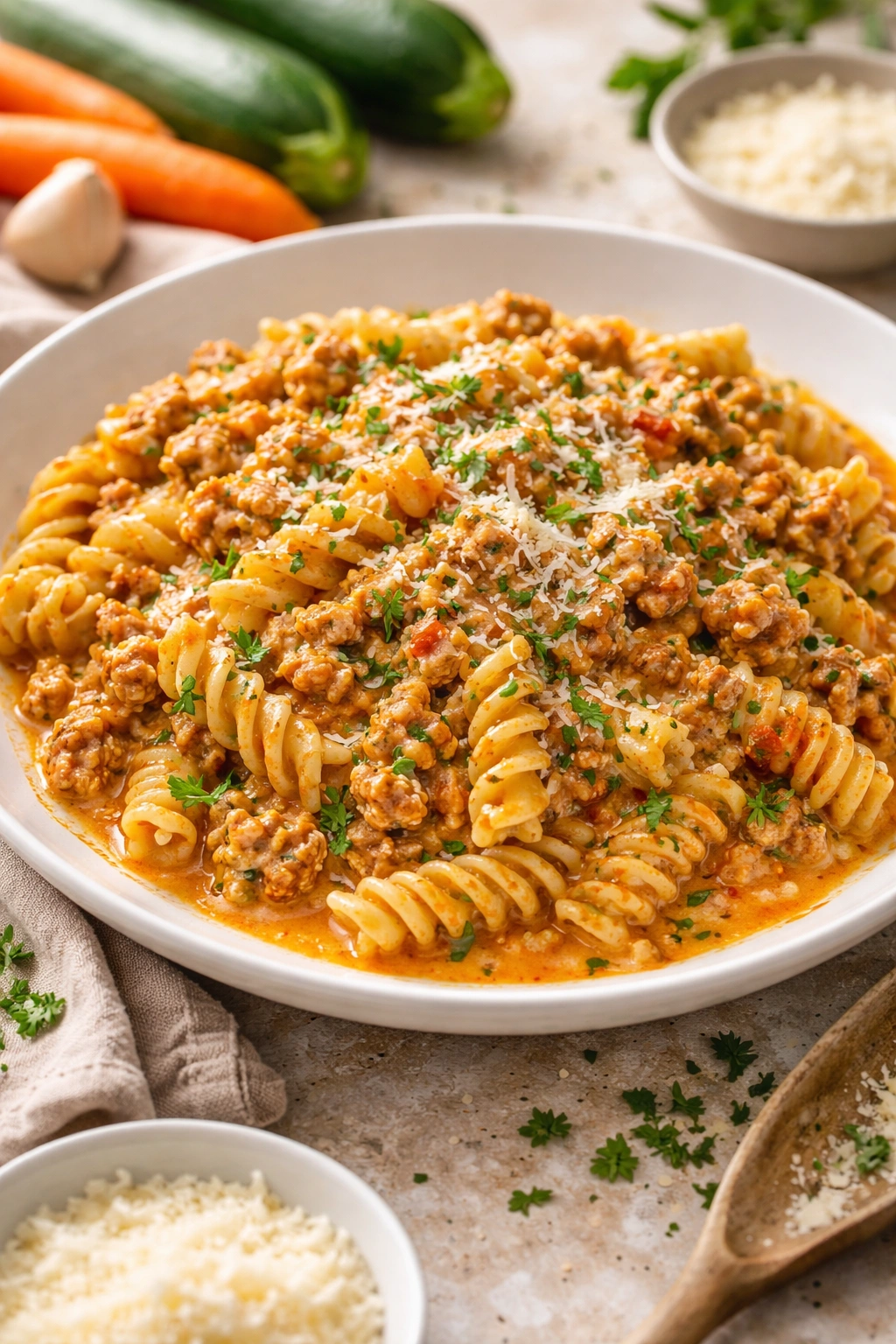
This is the answer to “how do I get my family to eat vegetables?” without resorting to purees or deception. You’ll grate zucchini and carrots directly into the pasta sauce, where they soften and become almost invisible but add sweetness, nutrition, and moisture. A touch of cream cheese keeps everything rich without needing heavy cream, and the whole thing comes together in under 30 minutes.
Why This Works for Picky Eaters
The vegetables soften completely into the sauce, becoming part of the flavor rather than identifiable chunks on the plate. A child or skeptical adult eats this and tastes “delicious pasta sauce,” not “vegetables sneaked into my dinner.” The natural sweetness of the grated vegetables comes through subtly, rounding out the acidity of the tomato sauce without any added sugar.
Ground turkey seasoned with Italian herbs and garlic absorbs all these vegetable flavors, creating something that tastes more complex than it has any right to given how simple it is. The sauce coats pasta beautifully without being heavy, so you can eat a satisfying portion without feeling sluggish afterward.
Building the Perfect Hidden-Veggie Sauce
Texture and Flavor Tricks
- Grate the zucchini and carrots on the large holes of a box grater, then pat them dry on paper towels to remove excess moisture before adding to the pan.
- Brown the turkey with diced onion and minced garlic first, building a flavorful base.
- Add the grated vegetables and let them cook down for about 3-4 minutes, stirring occasionally, until they release their moisture and soften.
- Pour in marinara sauce (use about 24 ounces for a pound of turkey) and let it simmer for about 5 minutes.
- Stir in a few tablespoons of cream cheese near the end, allowing it to melt into the sauce and create creaminess without heavy cream.
- Taste before serving—you might need a pinch more salt or Italian seasoning than you’d expect.
7. Asian-Inspired Ground Turkey Lettuce Cups With Crispy Toppings
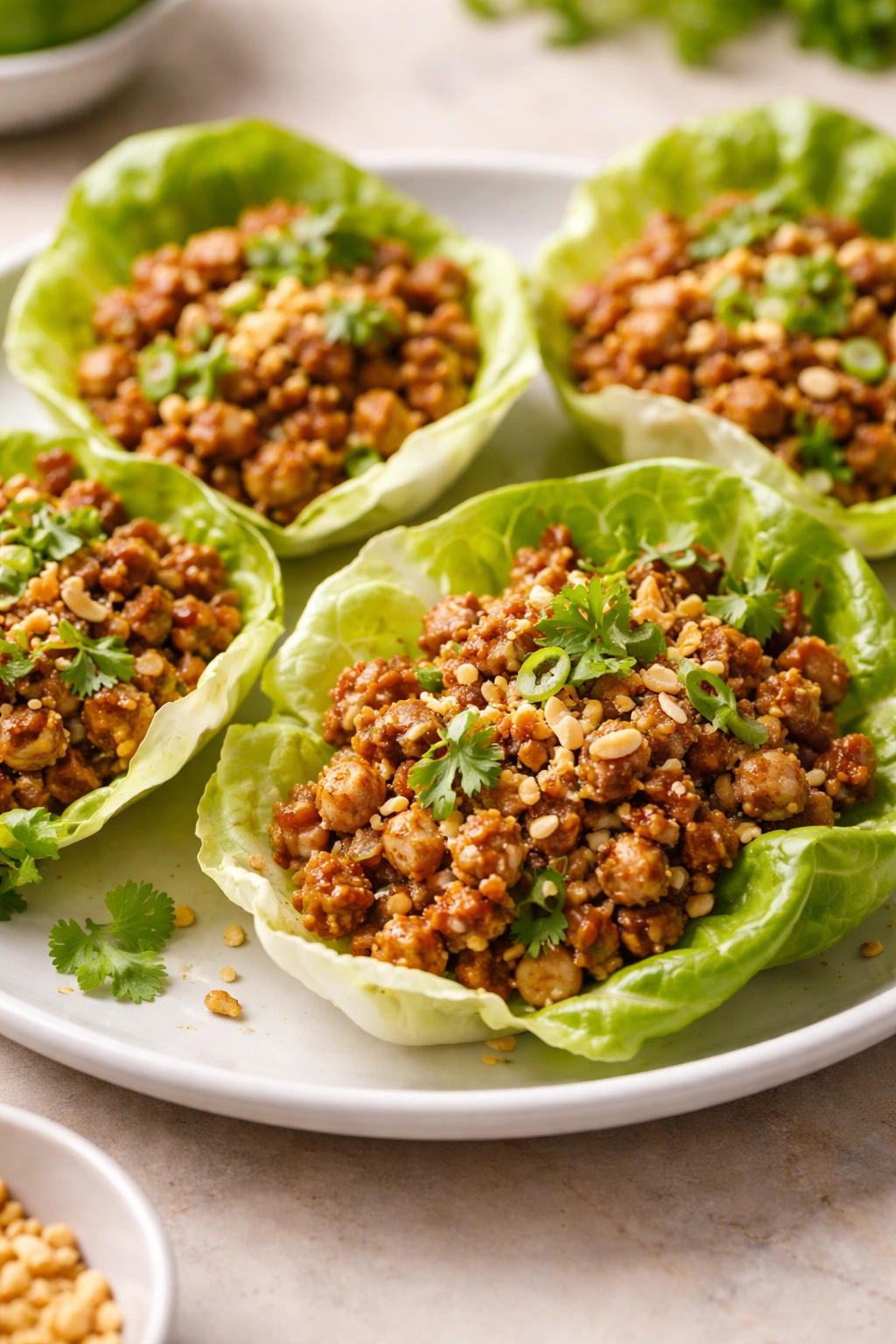
These lettuce cups deliver restaurant-quality flavor in 20 minutes and feel light enough to eat without the post-dinner heaviness. Seasoned ground turkey mixed with water chestnuts and a ginger-garlic sauce gets spooned into butter lettuce or iceberg leaves and topped with crushed peanuts, scallions, and fresh cilantro. They’re fun to eat, genuinely delicious, and secretly packed with protein.
Why Lettuce Cups Hit Different
There’s something inherently satisfying about assembling your own food at the table—the interactivity makes the meal feel special even though you’re not doing much actual cooking. The contrast of warm, savory turkey against cool, crisp lettuce creates an interesting textural experience that’s missing from traditional plated dishes. Fresh herbs scattered on top taste bright and summery, even if you’re eating this in the middle of winter.
The sauce comes together from pantry staples: soy sauce, rice vinegar, ginger, garlic, and a touch of honey. It tastes complex and balanced without requiring any special ingredients or trips to an Asian market, and it’s the same sauce you’d use for a stir-fry, so mastering it opens up possibilities beyond just lettuce cups.
Building Lettuce Cups With Serious Flavor
Toppings and Assembly Make the Difference
- Brown the turkey first, breaking it into very small pieces—you want it textured, not chunky.
- Mince fresh ginger and garlic finely, or use a microplane for the ginger, so they distribute evenly through the filling.
- Toast chopped peanuts briefly in a dry skillet to wake up their flavor before serving.
- Slice scallions on a bias into thin pieces and soak them in ice water for 15 minutes before serving—they’ll curl into pretty, crispy garnishes.
- Use butter lettuce or iceberg for the cups; romaine is too structured and crispy lettuce can tear. You want leaves that are pliable but sturdy.
- Set everything out in separate bowls and let people assemble their own cups so they can adjust ratios to their preference.
8. Ground Turkey Enchilada Casserole With Black Beans
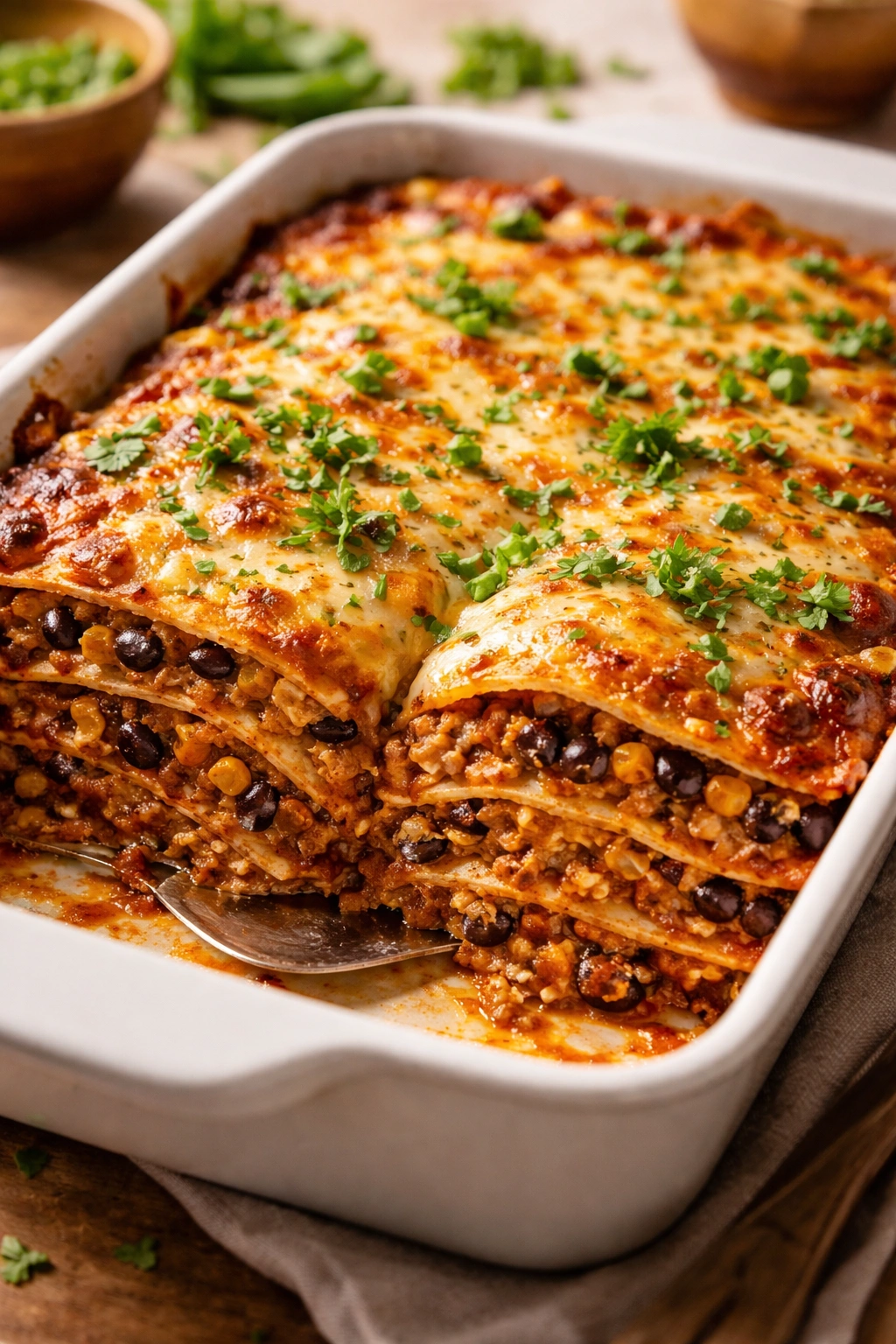
This casserole is the kind of comfort food that doesn’t feel like “diet food” even though it’s built around lean protein. Seasoned ground turkey mixed with black beans fills corn tortillas, which are then layered with enchilada sauce and cheese, then baked until bubbly and golden. It’s make-ahead friendly, freezes beautifully, and tastes even better the next day as flavors meld.
The Case for Corn Tortillas Over Flour
Corn tortillas have more flavor than flour ones and create a more interesting texture as they soak up sauce during baking. They’re also naturally gluten-free and contain no added fat, whereas flour tortillas are often enriched with lard or shortening. One corn tortilla contains about 50 calories and provides real corn flavor, while flour tortillas are basically white bread rolled thin. For a casserole where the tortillas contribute significantly to the final flavor, the choice matters.
Building the filling is straightforward: cook seasoned ground turkey with diced onion and garlic, add cumin and chili powder, fold in black beans, then spoon into tortillas. The assembly is meditative and requires no special technique—just layer, sauce, and cheese, then bake until it’s hot throughout and the cheese is golden and bubbly on top.
Making Enchiladas That Actually Taste Good
Baking and Assembly Tips for Success
- Don’t overfill the tortillas—use about 3 tablespoons filling per tortilla so they stay pliable and seal properly instead of splitting.
- Warm the tortillas slightly before filling them (in a damp skillet or wrapped in a damp towel) so they’re flexible and don’t crack as you roll.
- Create a thin layer of sauce on the bottom of the baking dish first, then add a layer of tortillas, then filling, then more sauce, so everything absorbs evenly.
- Use a good-quality enchilada sauce—one with real chile flavor, not just generic “enchilada sauce.” Your 40 minutes in the oven deserves better than mediocre sauce.
- Don’t skip the cheese scattered between layers; it helps bind everything together and creates more pockets of melted goodness throughout the casserole.
- Bake covered with foil for most of the time to prevent the edges from drying out, then uncover for the last 10 minutes to let the top brown.
Final Thoughts

Ground turkey’s reputation as a bland, lean substitute for “real” protein needs a total rehabilitation. These eight recipes prove that when you build dishes around flavors and techniques that complement turkey’s mild character—bold seasonings, sauce-based preparations, moisture-adding ingredients, and fresh herbs—it’s genuinely delicious on its own merits, not just a healthier option. The fact that it costs less than beef, contains less saturated fat, and cooks faster than chicken is just a bonus.
The real advantage of building these dishes into your rotation is that you’ll feel confident reaching for ground turkey multiple times a week without getting bored. Tonight might be taco skillet, tomorrow a chili, Thursday could be lettuce cups or meatballs. By the time you cycle through these eight recipes, you’ll probably have invented variations of your own, and ground turkey will feel like the weeknight hero it actually is.
