
There’s something almost magical about shrimp—it’s one of those proteins that can transform a chaotic weeknight into something that feels restaurant-quality, without requiring hours of prep or culinary expertise. The beauty of lemon butter shrimp is that it doesn’t demand fancy techniques or obscure ingredients; instead, it relies on the interplay of just a few fundamentals done exceptionally well. A squeeze of fresh lemon juice, aromatic garlic, silky butter, and perfectly cooked shrimp create a dish that’s simultaneously elegant and comforting, light yet deeply satisfying.
This recipe sits at that sweet intersection of weeknight convenience and genuine flavor sophistication. When you’re standing in front of your pantry at 6 p.m. wondering what on earth to cook, lemon butter shrimp becomes your secret weapon. The entire dish comes together in approximately 15 minutes from the moment you open the refrigerator to the moment you’re plating up something that tastes like you spent considerably more time than you actually did. That’s not hyperbole—it’s a genuine game-changer for busy households.
What makes this preparation so reliable is the natural properties of shrimp itself. Unlike chicken breast, which requires careful attention to avoid dryness, or fish fillets, which need precision to avoid flaking apart, shrimp have a naturally forgiving texture that remains tender and juicy when cooked properly. The shrimp absorbs the buttery, citrusy sauce quickly, creating a cohesive dish that feels intentional and considered rather than thrown together. Keep a bag of frozen shrimp in your freezer, and you’re never more than 20 minutes away from an impressive dinner.
Why Shrimp Is the Ultimate Weeknight Protein
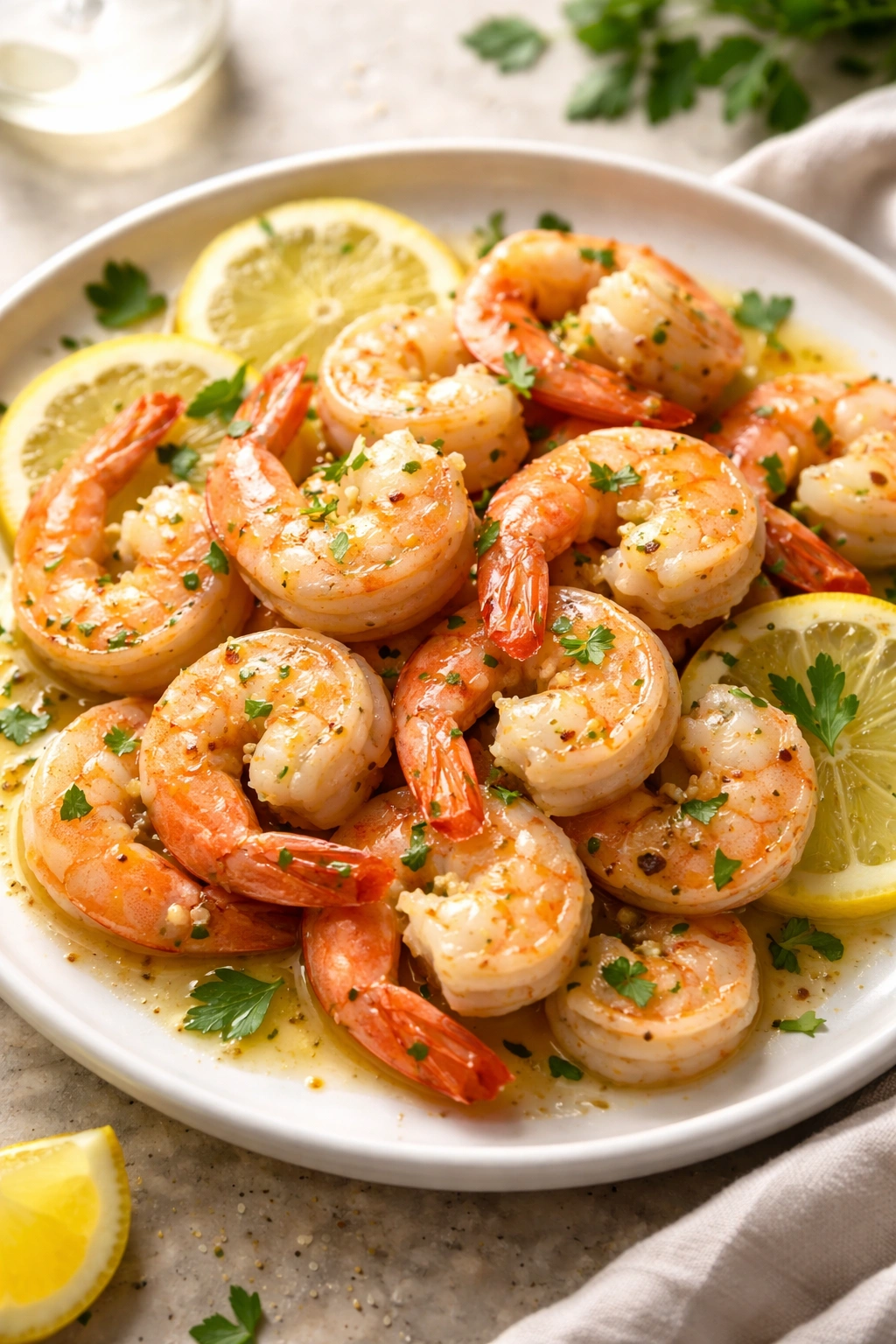
Shrimp has earned its reputation as one of the most reliable proteins for busy cooks, and there are solid reasons why. These little crustaceans cook in a fraction of the time required for most other proteins—we’re talking 4-6 minutes in a hot skillet compared to 15-20 minutes for chicken or 12-15 for fish fillets. That speed doesn’t come at the expense of flavor; if anything, the quick cooking helps preserve the delicate, slightly sweet taste that makes shrimp such a versatile ingredient.
The nutrition profile is equally impressive. Shrimp delivers substantial protein—around 20-25 grams per 3-ounce serving—while remaining extremely low in calories (roughly 85-100 calories per serving). It’s naturally high in antioxidants and contains beneficial minerals like selenium and zinc. Many people worry about cholesterol from shrimp, but research has shown that the cholesterol content doesn’t translate to harmful effects in most people, and the overall nutritional benefits far outweigh any concerns.
Perhaps most importantly for practical cooking purposes, shrimp works beautifully with almost every flavor profile imaginable. Garlic and butter bring out its delicate sweetness. Spicy preparations wake up your palate. Citrus brightens and balances its subtle briny character. Whether you’re cooking for someone who loves adventurous food or for picky eaters who prefer classic flavors, shrimp accommodates all preferences. That versatility means you’re not locked into a single preparation—you can rotate variations frequently without the dish ever feeling stale or repetitive.
The Magic of the Lemon-Garlic-Butter Combination
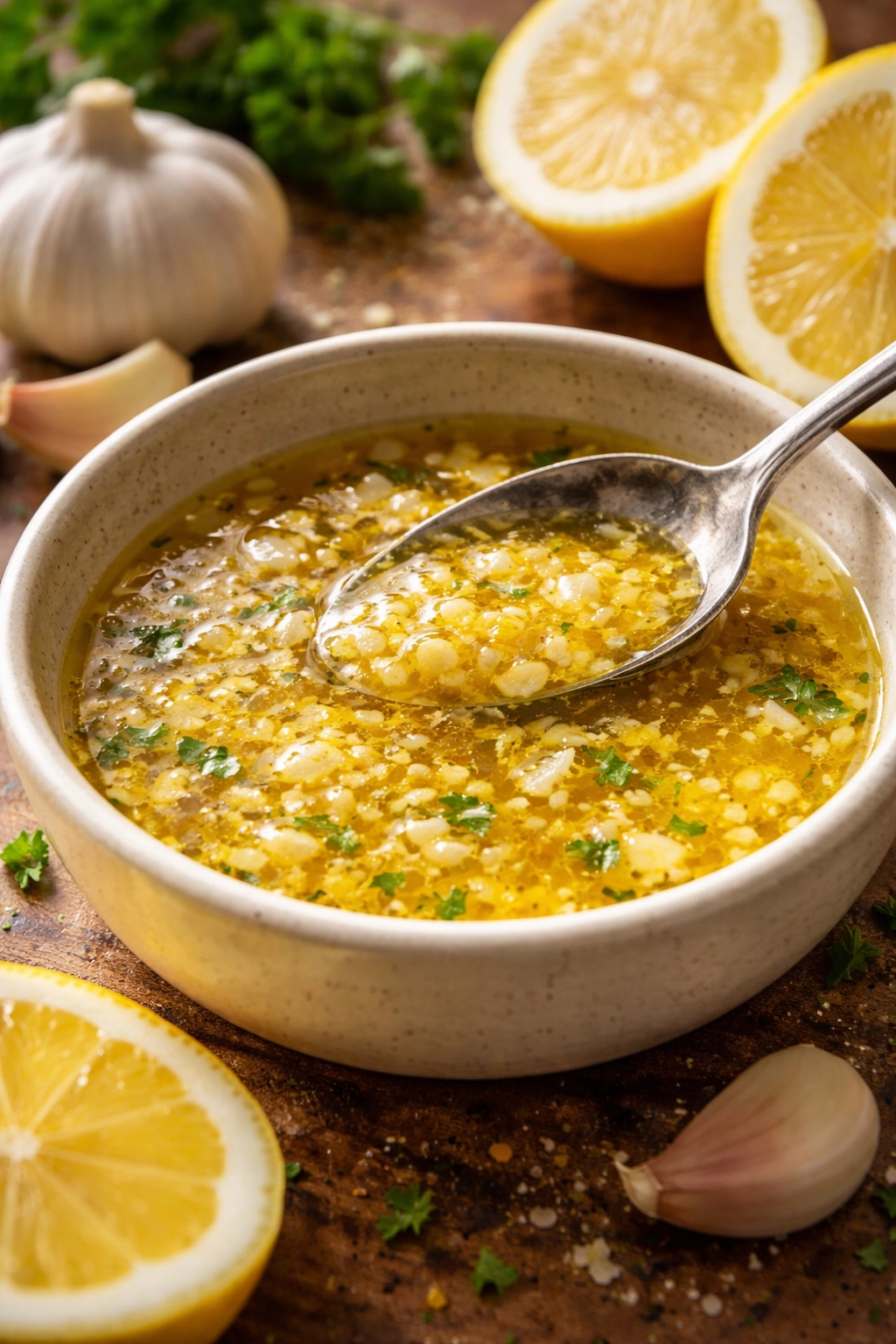
The reason lemon, garlic, and butter have become such a classic trio isn’t because someone stumbled upon it by accident—these three ingredients have a legitimate chemistry that creates something greater than the sum of its parts. Butter provides richness and a silky mouthfeel. Garlic contributes savory depth and aromatic complexity. Lemon juice adds brightness, acidity, and a subtle floral note that prevents the dish from feeling heavy or one-dimensional.
When you combine these three with shrimp, something special happens. The butter creates a luxurious coating that clings to the shrimp and carries the garlic and lemon flavors directly into each bite. The acidity from the lemon juice cuts through that richness, refreshing your palate and making you want another bite. The garlic weaves everything together, adding umami and depth that makes you forget you’re eating something so simple. Together, they create a sauce that’s elegant enough to serve at a dinner party but casual enough to make on a Tuesday night without overthinking it.
The beauty of this combination is that it doesn’t compete with the shrimp—it celebrates it. Unlike heavily spiced preparations or thick, creamy sauces that can obscure delicate flavors, this simple approach lets the quality of your shrimp shine through while enhancing its natural characteristics. This is why using the freshest shrimp you can find and can afford matters; the better your base ingredient, the more you’ll appreciate this minimalist approach.
Selecting Your Shrimp: Fresh Versus Frozen
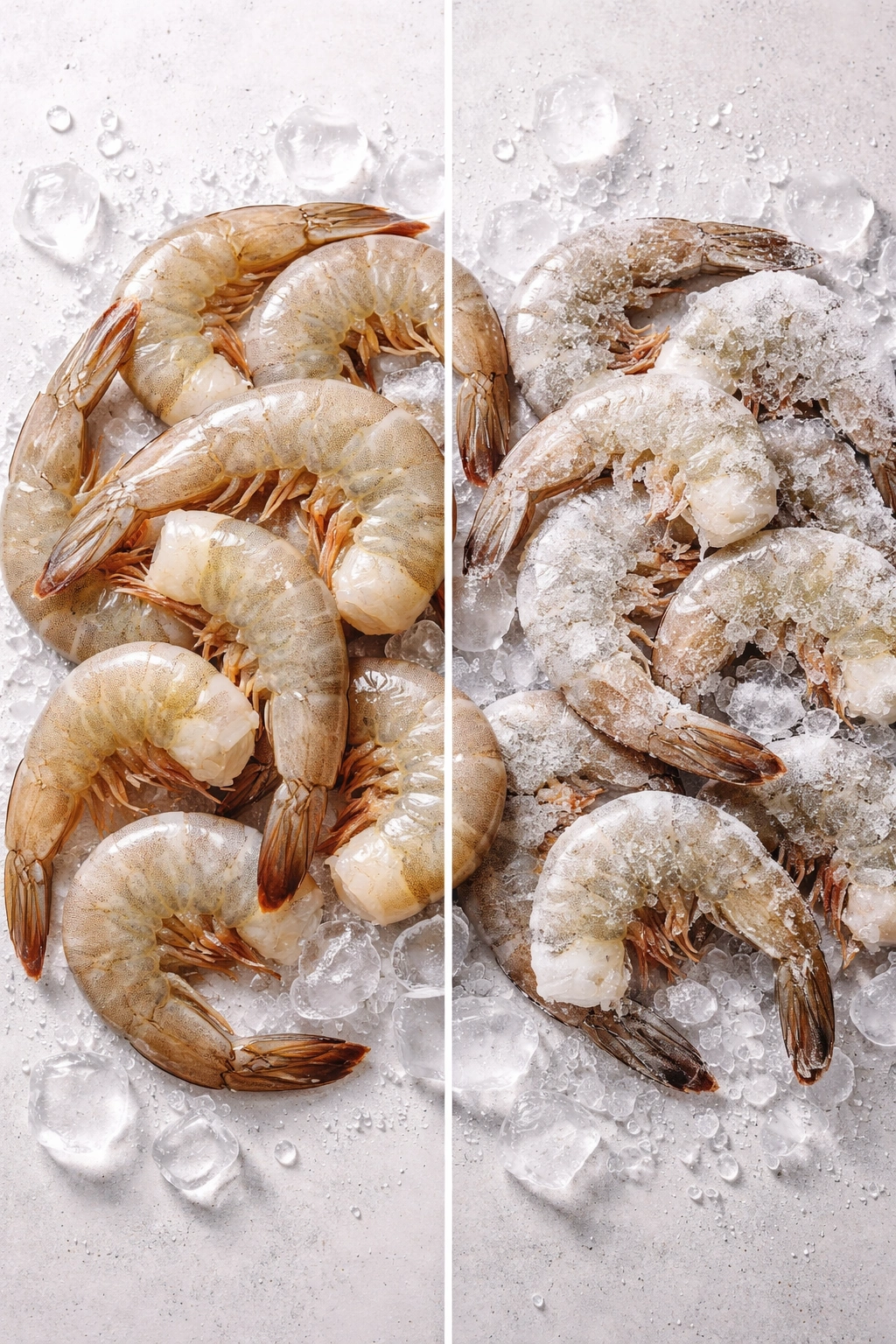
One of the most important decisions in making exceptional lemon butter shrimp is choosing the right shrimp to begin with. Here’s the straightforward truth: genuinely fresh shrimp (the kind still in the shell and never frozen) is preferable if you can find it and access it regularly. Fresh shrimp has a firmer texture, a sweeter flavor, and an overall superior eating experience. If you live near the ocean or have access to a quality fish market that receives daily deliveries, fresh shrimp is absolutely worth seeking out.
However—and this is a meaningful “however”—high-quality frozen shrimp is genuinely excellent and often just as good as or better than “fresh” shrimp that’s been sitting in a grocery store case for several days. Most shrimp sold at regular supermarkets has been frozen at some point anyway; when it’s labeled “fresh,” it typically means it’s been thawed. Frozen shrimp that’s been handled properly (frozen immediately after harvest and kept at consistent, cold temperatures) retains its quality beautifully. The key is buying frozen shrimp from reputable sources and thawing it properly at home.
When shopping for shrimp, look for what’s labeled “raw” rather than “precooked.” Precooked shrimp has already undergone heat processing, and reheating it in your sauce will result in a tough, rubbery texture that even perfect technique can’t rescue. Aim for shrimp labeled 31-40 count (meaning roughly 31-40 shrimp per pound), which is the sweet spot for this recipe—large enough to feel substantial and cook evenly, but not so enormous that they cook unevenly. Make sure they’re peeled and deveined to save yourself time and effort; the difference in price is negligible compared to the convenience gained.
The Role of Fresh Ingredients
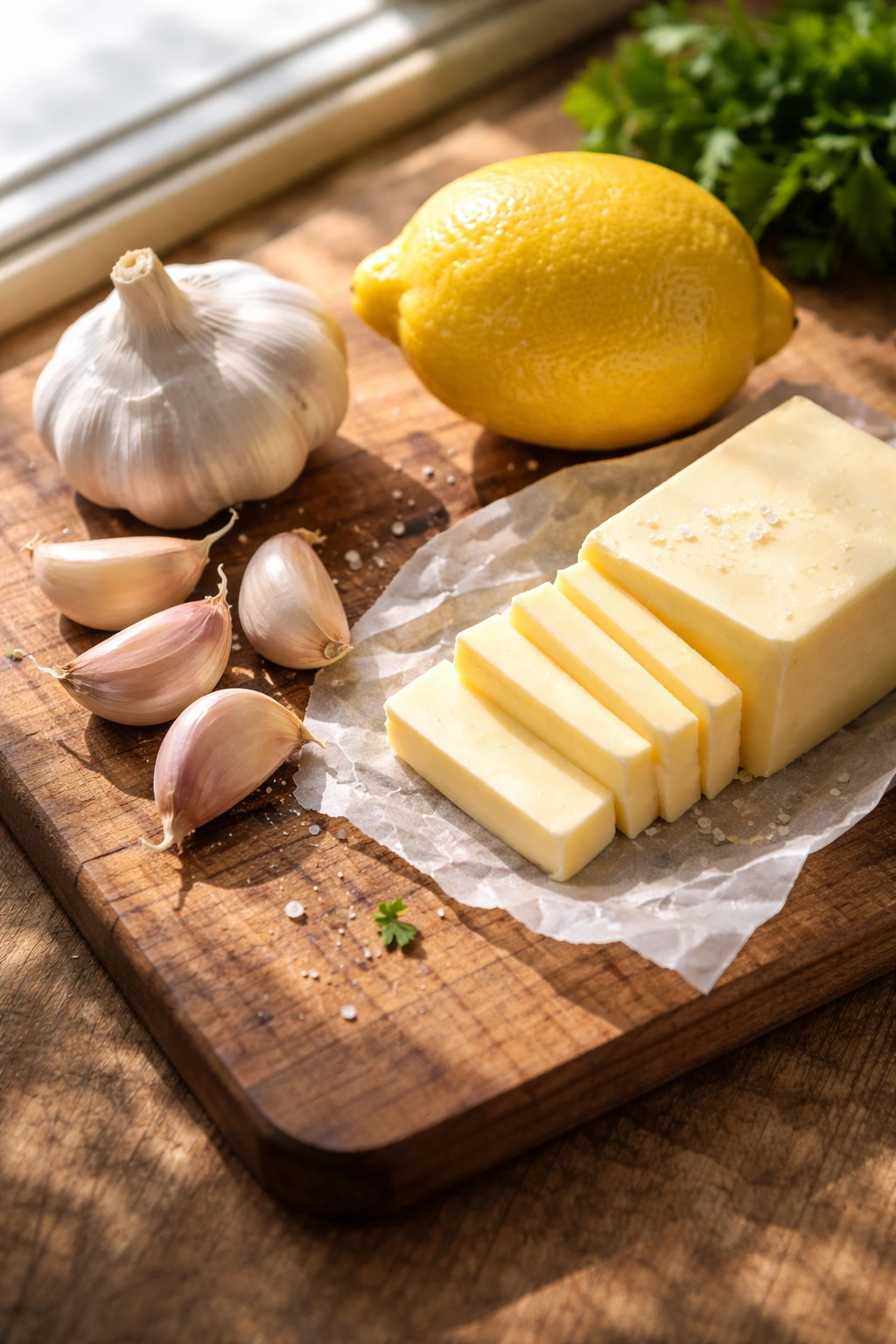
While lemon butter shrimp works beautifully with a minimal ingredient list, the quality of those few ingredients directly impacts the final result. Fresh garlic makes an unmistakable difference compared to pre-minced versions, even the high-quality jarred varieties. When you mince fresh garlic cloves yourself, you’re releasing the volatile compounds that create garlic’s characteristic flavor and aroma. Pre-minced garlic has already lost some of that potency; it’s convenient and certainly acceptable in a pinch, but for a recipe this simple with so few flavoring elements, fresh garlic is genuinely worth the 30 seconds of extra effort.
Lemon juice should be freshly squeezed whenever possible. Bottled lemon juice contains preservatives and lacks the bright, floral quality that fresh lemon brings to the party. If you’re making this recipe regularly, invest in a simple hand citrus juicer—they’re inexpensive, take up minimal space, and make extracting juice from citrus fruits faster and easier than squeezing by hand. A medium lemon typically yields about 2-3 tablespoons of juice, which is exactly what you need for this preparation.
Butter quality matters more than people realize. Unsalted butter gives you complete control over the final salt level; salted butter contains variable amounts of salt depending on the brand, which can make your dish either underseasoned or aggressively salty if you’re not careful. Room-temperature butter melts smoothly and creates a silkier sauce than cold butter. If you’re starting with cold butter straight from the refrigerator, it’s fine—just allow it to melt completely over medium heat before adding the garlic.
Fresh flat-leaf parsley (sometimes called Italian parsley) provides more flavor than its curly-leaf counterpart and adds both visual appeal and a subtle herbal freshness that brightens the final dish. A quarter-cup of freshly chopped parsley might seem like a small detail, but it’s what prevents this dish from feeling one-note. The parsley adds complexity and prevents the flavors from falling flat.
What Makes This Recipe Different from Other Shrimp Preparations
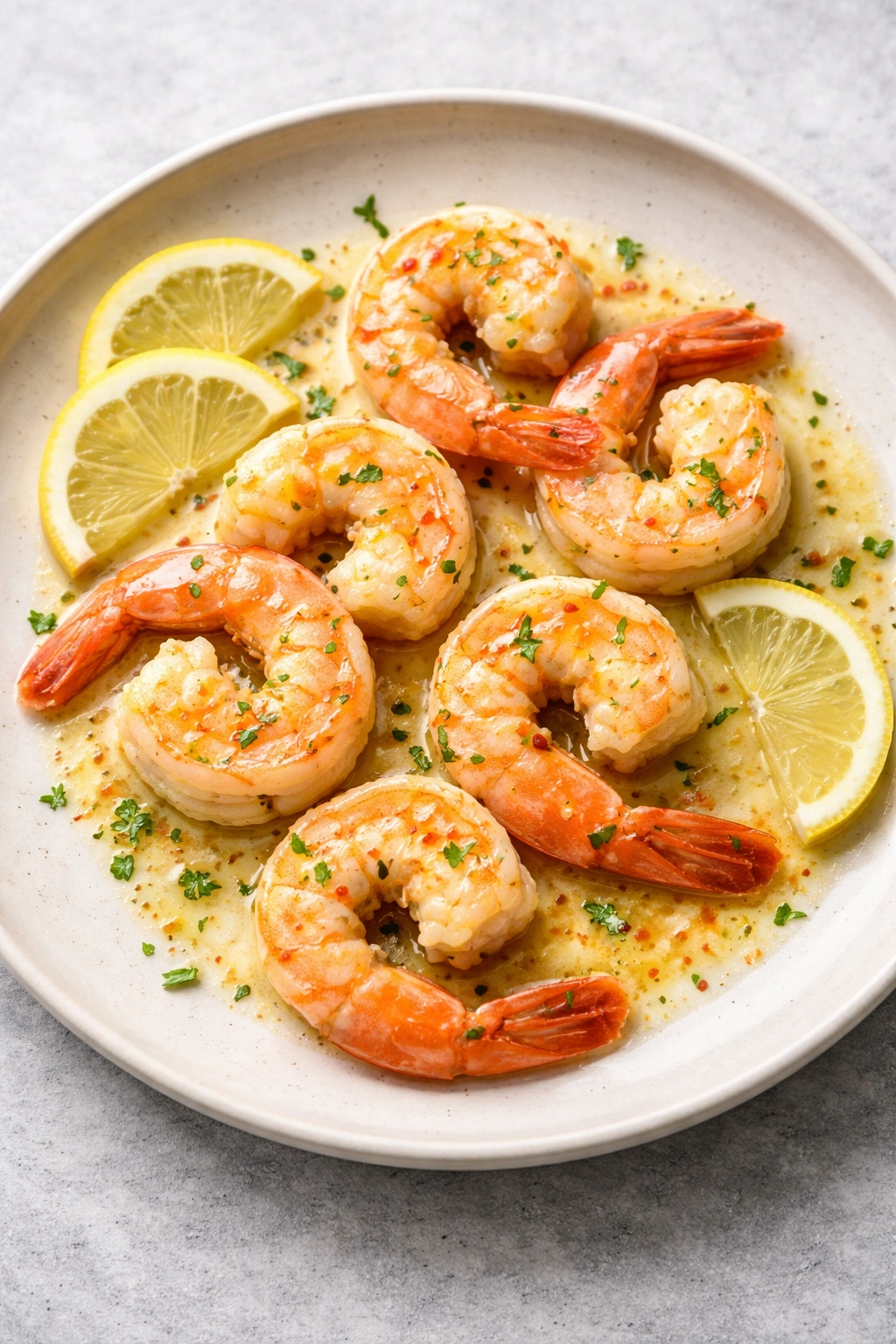
There are countless ways to prepare shrimp, each with its own charm and purpose. Shrimp scampi leans more heavily into garlic and often includes white wine and fish stock to build a more complex sauce. Spicy shrimp preparations substitute some of the butter with chili flakes or hot sauce for a completely different flavor profile. Coconut curry shrimp moves into entirely different culinary territory. This particular preparation—simple lemon butter shrimp—sits in its own sweet spot.
What distinguishes this recipe is its restraint and refinement. By using only the essential flavors, you create something that’s never overwhelming and works with almost any side dish or accompaniment. The ratio of butter to shrimp is generous enough to create a sauce that clings to each piece and coats your palate without feeling heavy or excessive. The lemon is present but never aggressive; you taste it, but it doesn’t dominate the shrimp’s natural sweetness. This balance is what makes the dish feel special rather than just tasty.
The cooking method also deserves mention. By pan-searing the shrimp in butter and oil before finishing it with lemon juice and fresh parsley, you’re creating multiple layers of texture and flavor. The shrimp develops a light golden exterior with a bit of caramelization, which adds depth. The sauce builds gradually rather than all at once, allowing flavors to meld and develop. This is subtly different from preparations where all ingredients go into the pan simultaneously, which can result in a flatter, less complex flavor profile.
Yield, Prep Time, and Difficulty Level
Yield: Serves 3 to 4 | Makes approximately 1.5 pounds of shrimp with sauce
Prep Time: 10 minutes (hands-on active preparation)
Cook Time: 5 minutes
Total Time: 15 minutes
Difficulty: Beginner — This recipe requires no special cooking techniques or equipment, just confidence in managing heat and timing. Even someone who’s never cooked shrimp before will succeed with careful attention to the visual cues provided in the instructions.
Complete Ingredients List
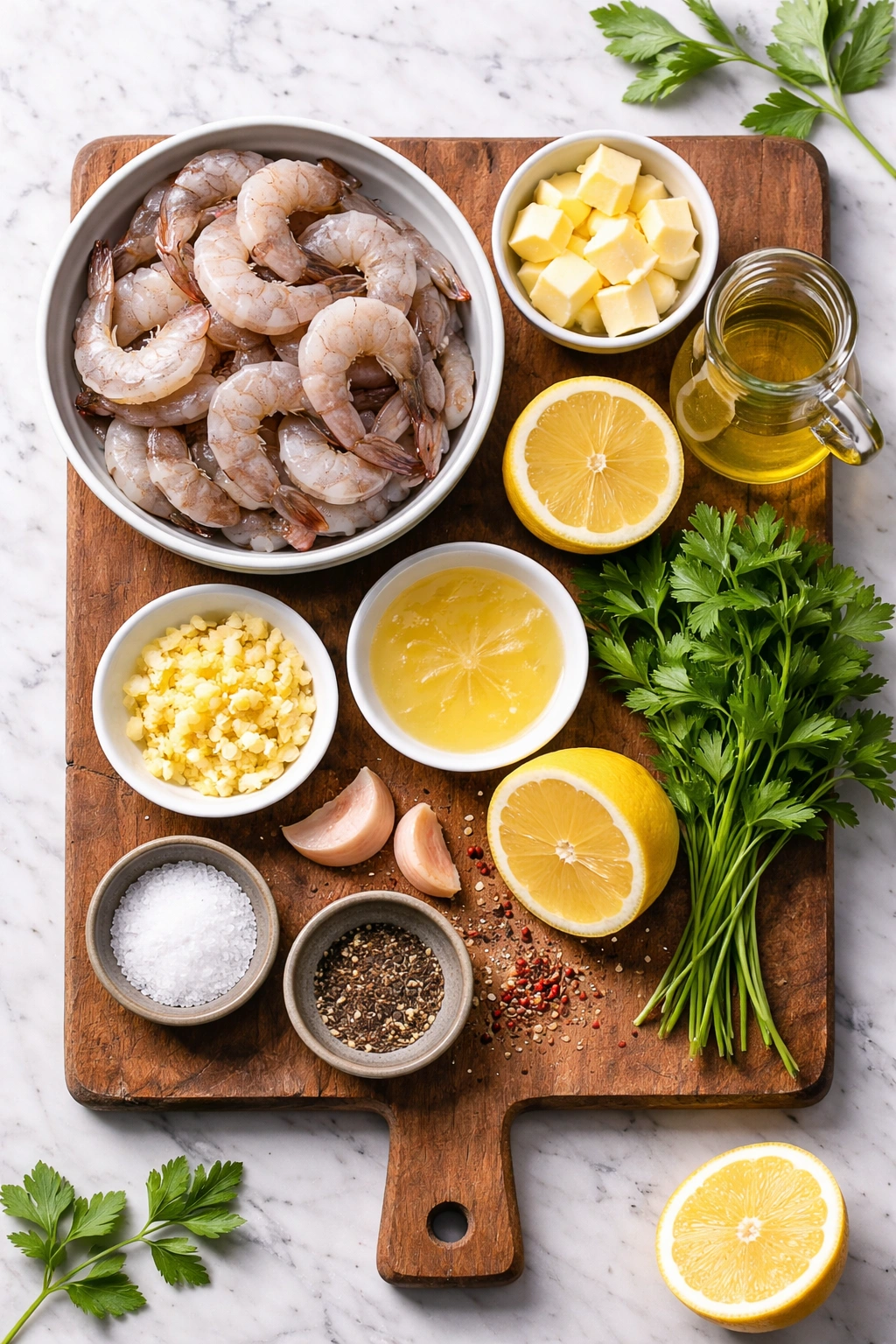
For the Shrimp and Sauce:
- 1.5 pounds large raw shrimp, peeled and deveined, tails removed (about 31-40 count per pound)
- 3 tablespoons unsalted butter, divided (1.5 tablespoons for cooking, 1.5 tablespoons for finishing the sauce)
- 1 tablespoon extra-virgin olive oil
- 4 to 5 garlic cloves, minced very finely (approximately 2 tablespoons)
- 1.5 tablespoons fresh lemon juice, from approximately one medium lemon
- 1 teaspoon lemon zest (optional but recommended for extra brightness)
- 1/4 cup fresh flat-leaf Italian parsley, finely chopped
- 1/2 teaspoon kosher salt, plus more for final seasoning
- 1/4 teaspoon freshly ground black pepper, plus more for final seasoning
- 1/8 teaspoon red pepper flakes (optional; use if you enjoy a subtle heat, or increase to 1/4 teaspoon if you prefer more spice)
Step-by-Step Instructions
Prepare Your Ingredients:
-
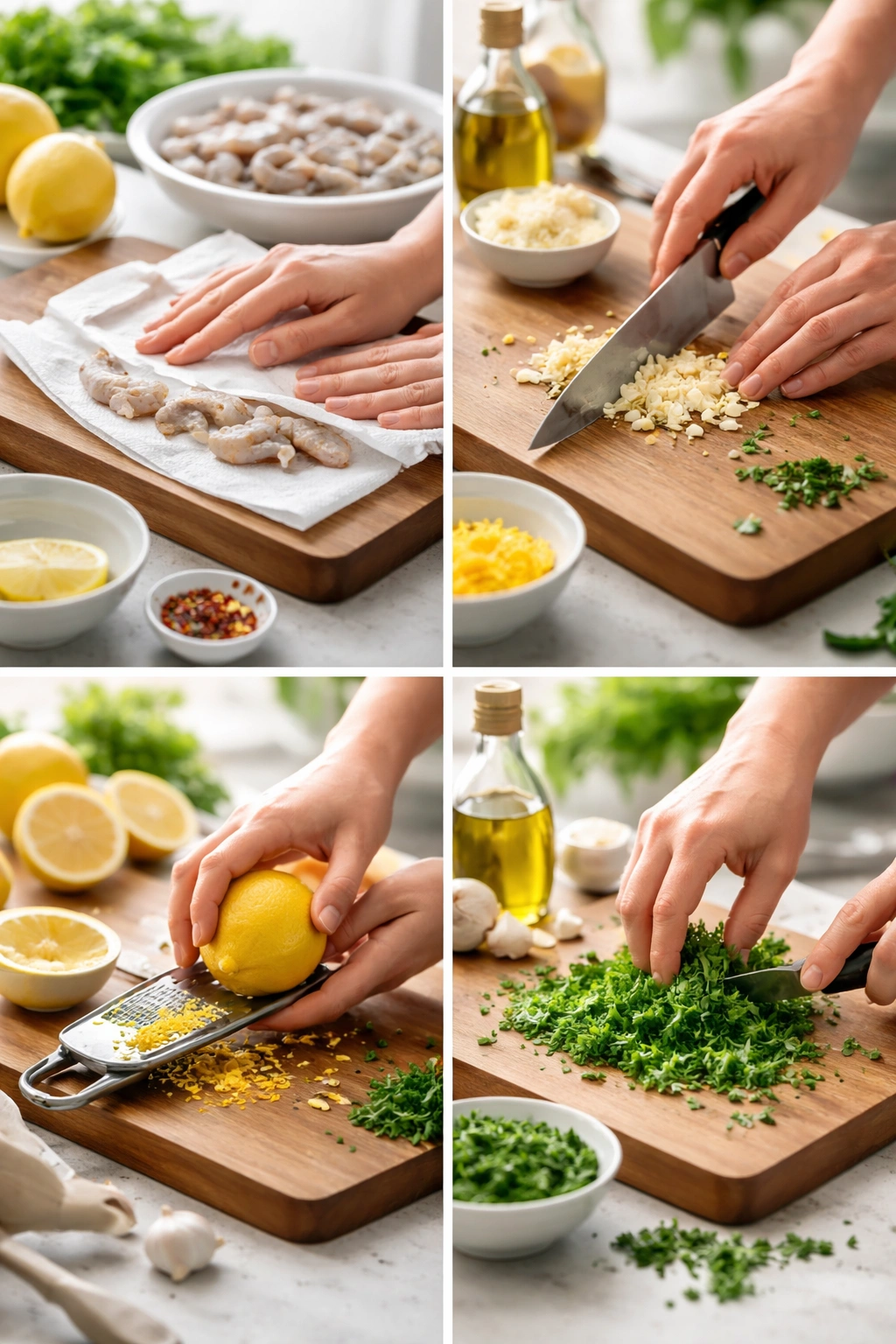
Remove the shrimp from the refrigerator 5 minutes before you begin cooking; allowing them to come close to room temperature promotes more even cooking throughout the batch.
-
Pat the shrimp completely dry with clean paper towels or a clean kitchen cloth. Moisture on the surface of the shrimp creates steam and prevents proper browning; this drying step takes less than a minute but makes a meaningful difference in the final texture.
-
Finely mince the garlic cloves—you want pieces small enough that they’ll cook quickly without burning but still visible in the finished dish. If the pieces are too large, the garlic will be harsh and raw-tasting; if it’s too fine, it can burn and turn bitter.
-
Zest the lemon using a fine grater or microplane, being careful to collect only the bright yellow colored part of the skin and avoiding the bitter white pith underneath. Juice the lemon and set aside.
Advertisements -
Chop the parsley into small, uniform pieces and set aside in a small bowl. Prepare all your ingredients before you begin cooking; shrimp cooks so quickly that you won’t have time to do prep work once the pan is hot.
Cook the Shrimp:
-
Heat a large skillet (10 to 12 inches is ideal) over medium-high heat for about 30 seconds until the surface is hot but not yet smoking.
-
Add 1.5 tablespoons of the butter and allow it to melt completely, then immediately add the olive oil. This combination of butter and oil is important—the butter provides essential flavor while the oil increases the smoke point, preventing the butter from burning at the higher temperature required to properly sear the shrimp.
-
Once the butter and oil are foaming and shimmering (about 30 seconds), add the minced garlic and red pepper flakes if using. Stir constantly for approximately 20-30 seconds, just until the garlic becomes fragrant. Do not allow the garlic to brown; burnt garlic tastes acrid and will ruin the delicate balance of this dish.
-
Immediately add the shrimp to the hot pan in a single layer, spreading them out so they make direct contact with the hot surface. This matters for even cooking and proper browning. Season with half of the salt and pepper (approximately 1/4 teaspoon salt and 1/8 teaspoon pepper).
-
Cook undisturbed for approximately 2 minutes. The shrimp will begin to turn pink from the outside edges inward, and the bottoms should develop light golden color where they contact the pan. Resist the urge to stir or move the shrimp during this time—allowing them to sit lets them cook properly and develop color.
-
Using kitchen tongs or a spatula, flip each shrimp over individually (this takes about 30 seconds and ensures they all get turned). Season the newly exposed side with the remaining salt and pepper.
-
Cook for another 1-2 minutes until the second side turns pink and the shrimp begin to curl into a loose “C” shape. This is the critical moment—shrimp transition from perfectly cooked to tough and rubbery remarkably quickly. Remove the pan from heat immediately when the shrimp are mostly pink and just starting to curl; they’ll continue cooking slightly from residual heat.
Finish the Sauce:
-
Immediately remove the pan from the heat and add the remaining 1.5 tablespoons of butter, stirring gently to distribute it throughout the pan. The residual heat will melt the cold butter and create a silky sauce.
-
Add the fresh lemon juice and stir gently to combine. The acid from the lemon will stop the cooking process and add brightness that prevents the flavors from feeling heavy.
-
Gently fold in about three-quarters of the fresh chopped parsley, reserving the remaining quarter for garnish. Taste the sauce and adjust the seasoning with additional salt and pepper if needed, keeping in mind that the shrimp already have salt on their surface.
Serve Immediately:
-
Portion the shrimp and sauce into serving bowls or onto plates. If you’re serving over pasta or rice, add those starches to the plate first, then top with shrimp and sauce. Garnish with the reserved fresh parsley and the lemon zest if you prepared it.
-
Serve immediately while the shrimp are still warm and the sauce is at its most silky and luxurious. This dish doesn’t improve with waiting—the quality of the eating experience decreases the longer it sits.
Techniques That Make All the Difference
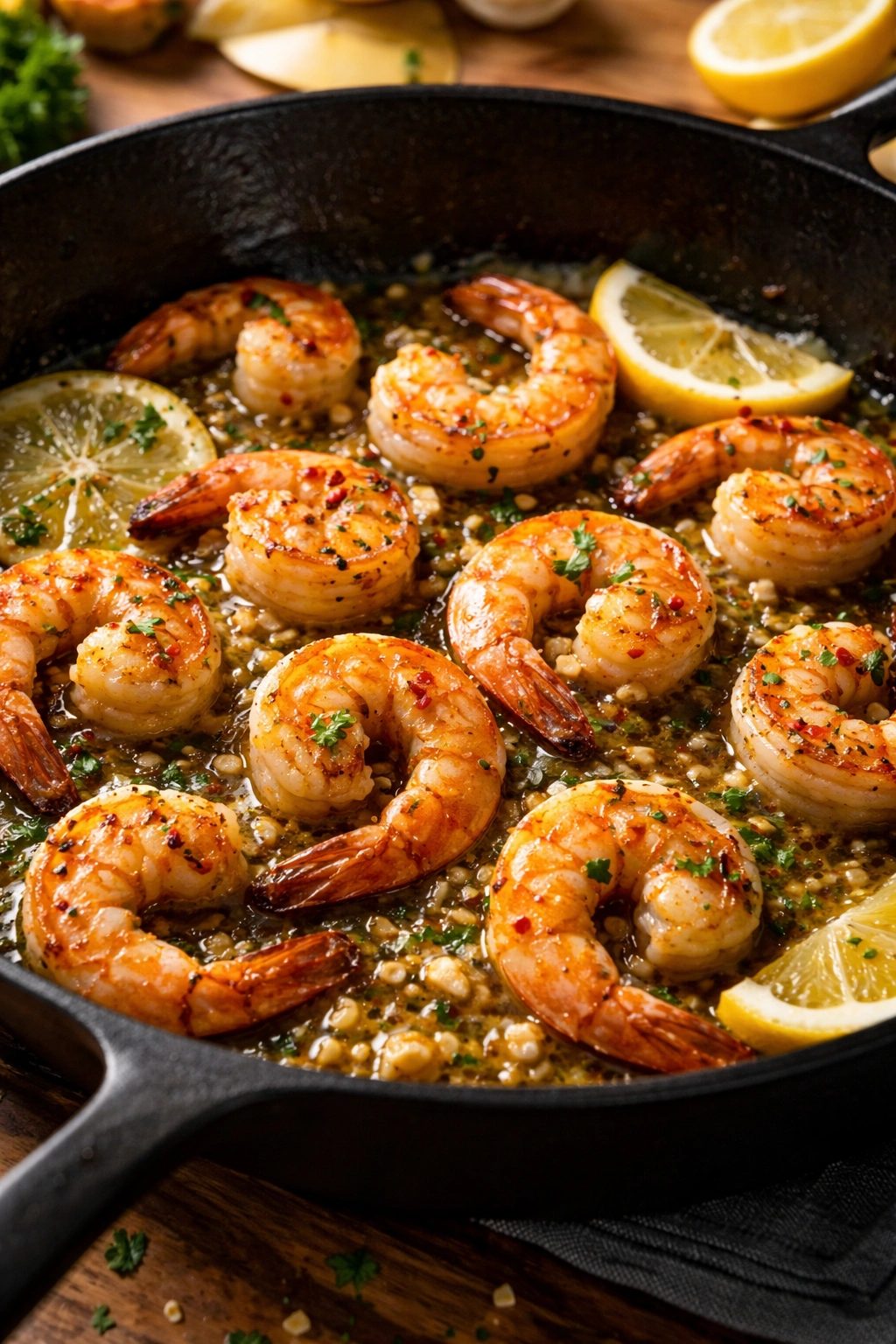
The difference between mediocre lemon butter shrimp and extraordinary lemon butter shrimp often comes down to understanding the specific techniques involved. Pat your shrimp dry before cooking—this cannot be overstated. Wet shrimp release moisture into the pan, which creates steam and prevents browning. The browning (called the Maillard reaction) is what creates depth of flavor and visual appeal. Wet shrimp will turn gray-white and look unappetizing; properly dried shrimp will turn a beautiful coral pink with slight golden color at the contact points.
Heat your pan properly before adding the shrimp. The oil and butter mixture should be noticeably hot and just starting to shimmer when the shrimp hit the pan. If your pan isn’t hot enough, the shrimp will begin releasing water before they can brown, and you’ll end up with steamed rather than seared shrimp. Conversely, if your pan is too hot, the exterior will brown too quickly while the interior remains undercooked. Medium-high heat is the sweet spot for most home stovetops and skillets.
Don’t overcrowd the pan with shrimp. If you layer them or pack them too tightly together, the steam they release will prevent browning, and the temperature of the pan will drop significantly. The shrimp need to sit in a single layer with some space between individual pieces. If your pan isn’t large enough, cook the shrimp in two batches rather than crowding them in one batch. The extra 5 minutes is worth the superior result.
Understand the stages of shrimp cooking. Raw shrimp is translucent gray. As it cooks, the exterior turns opaque white, then pink from the outside inward. Fully cooked shrimp becomes opaque white throughout with a pink exterior and begins curling into that characteristic “C” shape. The moment you see the shrimp mostly pink and just beginning to curl is when you should stop cooking. Any further, and the proteins contract too much, squeezing out moisture and resulting in that unpleasant rubbery texture. It happens faster than you’d expect, which is why experience and attention matter.
Finish with cold butter off the heat rather than incorporating it during cooking. This is called mounting butter, and it creates a silkier, more emulsified sauce than butter added during active cooking. The cold butter melts slowly from the residual heat, incorporating smoothly into the pan liquid and creating a sauce that clings to the shrimp rather than pooling underneath them.
Common Mistakes and How to Avoid Them
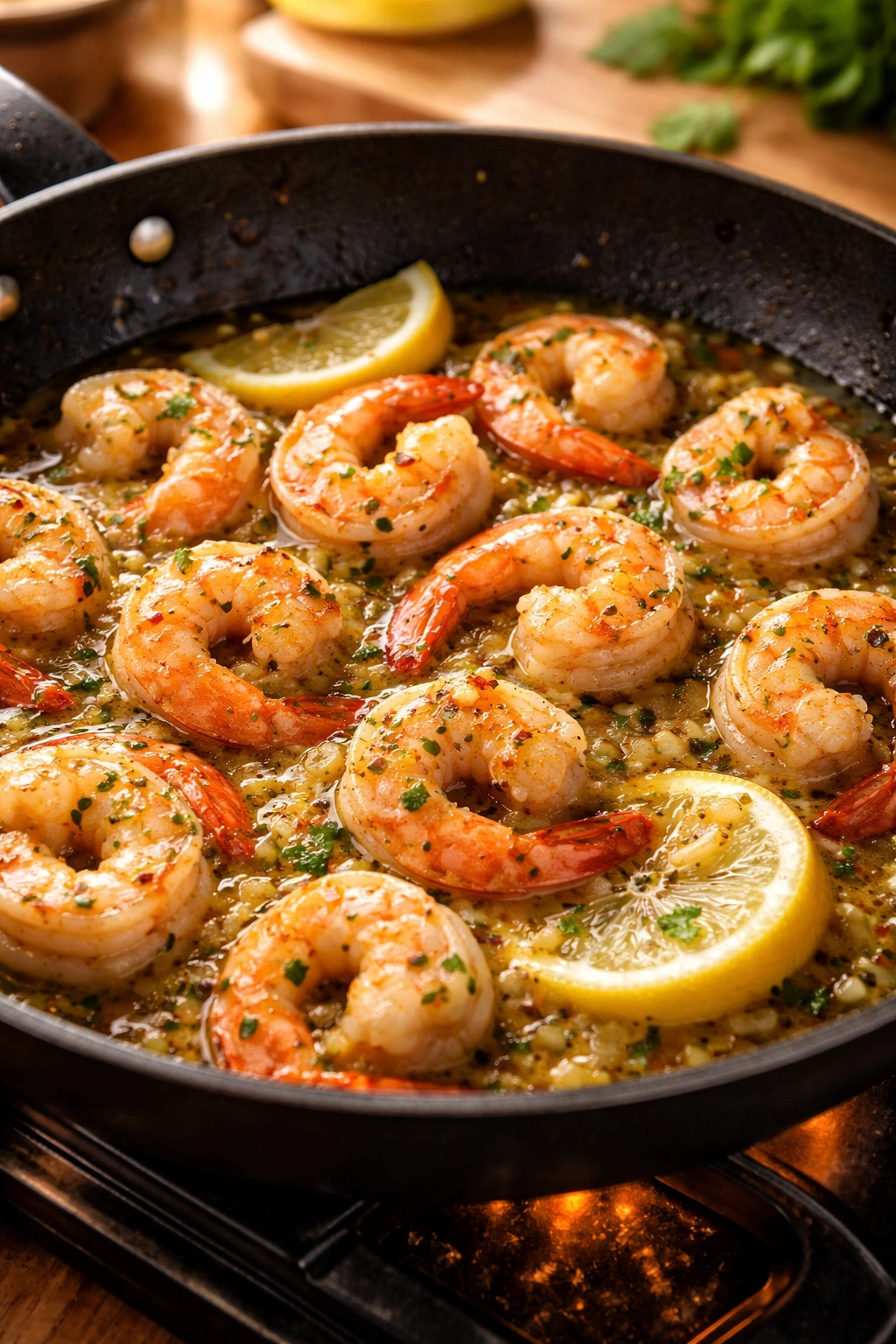
The most frequent mistake is overcooking the shrimp. Home cooks often cook them 30 seconds too long, thinking “just to be safe,” and end up with a texture that’s perceptibly tougher than it should be. Set a timer if you need to; three minutes and thirty seconds in a properly heated pan with properly dried shrimp is genuinely all it takes. Trust the visual cues: when they’re mostly pink and just starting to curl, they’re done.
Another common issue is using cold butter straight from the cold pan without drying the shrimp first. Moisture and cold butter in a hot pan creates sputtering and uneven cooking. Taking 30 seconds to pat the shrimp dry completely changes the outcome.
Not mincing garlic finely enough results in chunks that burn around the edges while remaining raw in the middle, creating an acrid flavor. Or alternatively, using pre-minced garlic and forgetting that it cooks more quickly than fresh, resulting in burnt garlic that dominates the dish. Fresh, finely minced garlic is genuinely your best option for this preparation.
Adding all the ingredients to the pan simultaneously rather than building them in stages prevents the sauce from developing properly. Garlic needs those 20-30 seconds to become fragrant before other ingredients are added. Lemon juice should be added at the very end, right before serving, so it doesn’t have time to cook off or become harsh.
Crowding the pan with shrimp is the silent killer of this dish. It happens because it’s convenient and seems more efficient, but the resulting steamed shrimp with no browning is never as good as two properly executed batches. Give yourself permission to take the extra time.
Variations and Adaptations
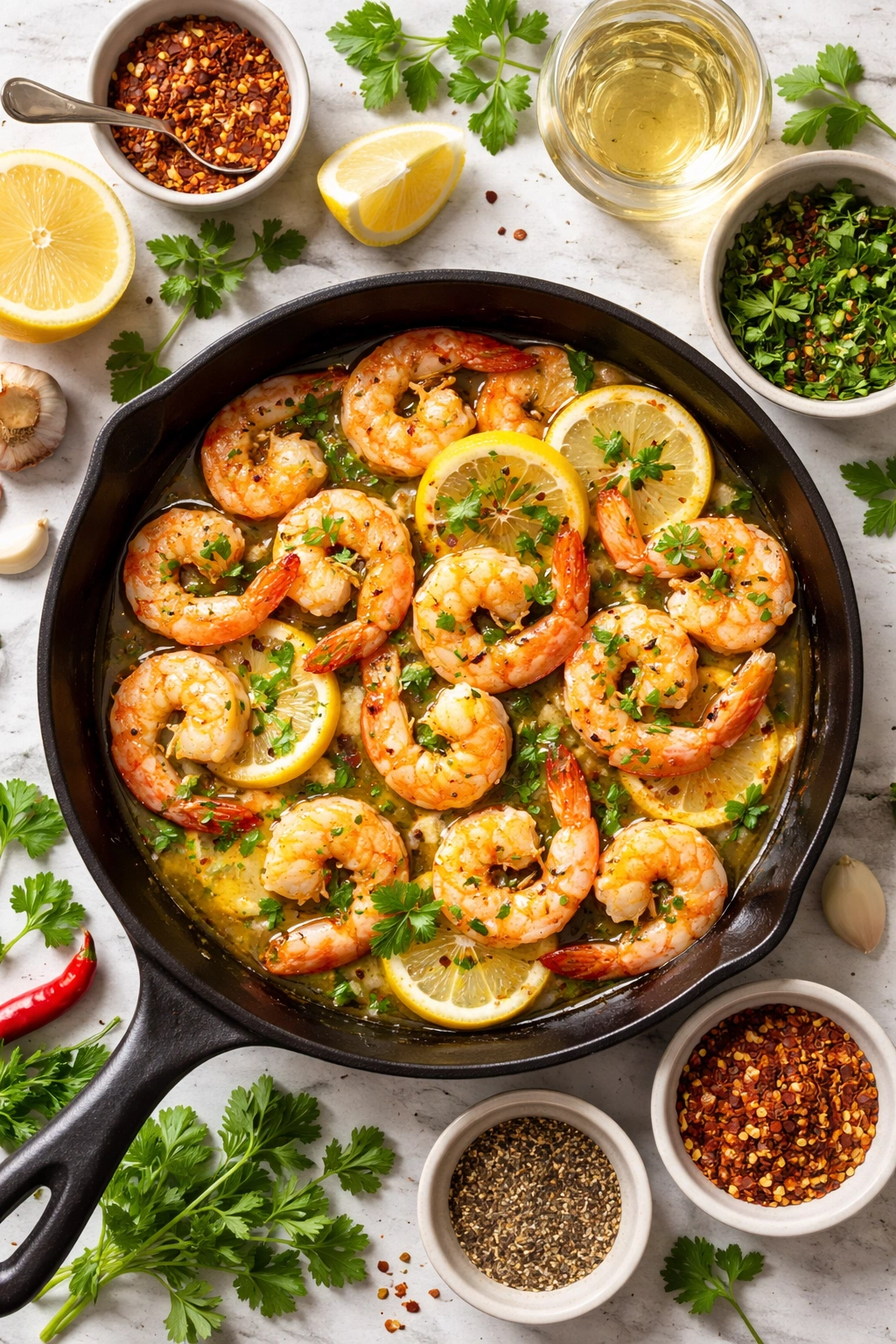
Once you’ve mastered the basic preparation, endless variations become possible while maintaining the essential character of the dish. Spicy variation: Increase the red pepper flakes to 1/4 teaspoon or even 1/2 teaspoon for a more pronounced heat. Some people add a pinch of cayenne pepper as well. The heat complements rather than competes with the lemon and butter.
White wine variation: After the shrimp are cooked and removed to a plate, add 1/4 cup dry white wine (like Sauvignon Blanc or Pinot Grigio) to the hot pan, scraping up any browned bits stuck to the bottom. Let it reduce for 2-3 minutes to concentrate the flavor, then return the shrimp to the pan. This creates a more complex, restaurant-style preparation.
Herb variations: Use fresh thyme, tarragon, or a combination of herbs instead of (or in addition to) parsley. Each creates a distinctly different flavor profile. Tarragon creates a more refined, almost French feel. Thyme brings an earthy undertone.
Gluten-free: This recipe is naturally gluten-free as written, which makes it perfect for anyone with gluten sensitivity or preference.
Larger batch: The recipe doubles beautifully if you’re feeding more people. Use two large skillets and cook simultaneously, or use one large skillet and work in two batches to maintain proper heat and avoid overcrowding.
Shallot addition: Some cooks like to add 2-3 tablespoons of finely minced shallot when adding the garlic. This adds subtle onion sweetness without overwhelming. Include shallots if you enjoy a more complex flavor profile.
Caper inclusion: Add 1-2 tablespoons of capers and their brining liquid for a briny, slightly salty element that adds complexity. This moves the flavor profile closer to piccata but maintains the essential character.
Serving Suggestions and Accompaniments
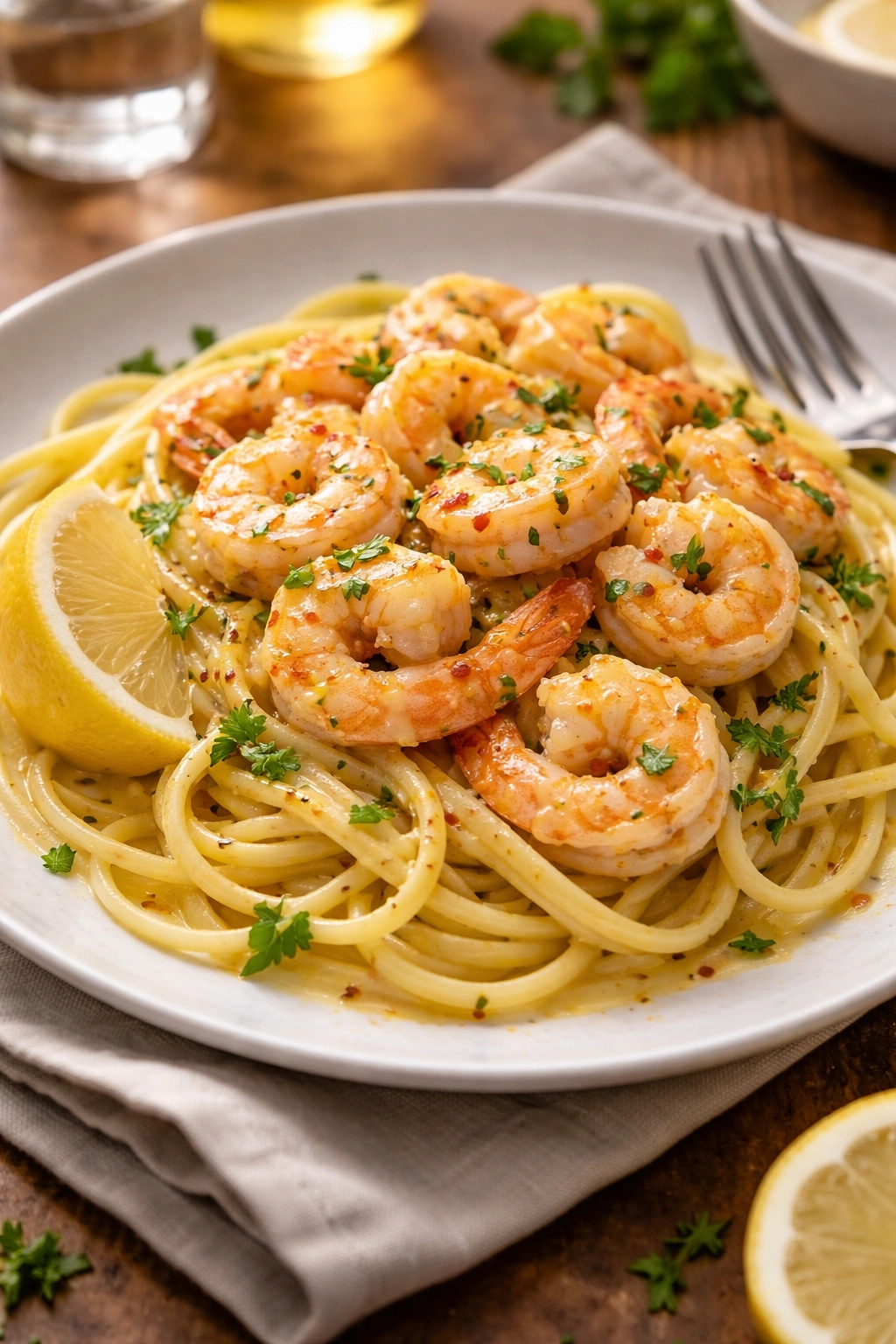
This lemon butter shrimp works beautifully as a standalone dish but truly shines when paired thoughtfully with complementary sides and starches. Over pasta: Toss with fresh linguine or fettuccine, which have wide, flat surfaces perfect for capturing the sauce. The pasta absorbs the buttery, lemony flavors and creates a complete, satisfying meal. Add freshly grated Parmesan cheese if you like, though the shrimp sauce is flavorful enough to stand alone.
Over rice: Jasmine rice, white rice, or brown rice all work beautifully. The mild, slightly sweet rice provides a neutral base that lets the shrimp and sauce shine without competing. Some people prefer risotto for a creamier, more luxurious presentation.
With roasted vegetables: Asparagus roasted with olive oil until tender-crisp pairs exceptionally well. Brussels sprouts, broccoli, or green beans also work beautifully. The slight char from roasting complements the buttery sauce without overwhelming the delicate shrimp flavors.
With crusty bread: This is potentially the most indulgent and honestly most satisfying accompaniment. A thick slice of crusty artisanal bread provides the perfect vehicle for soaking up every drop of that beautiful lemon butter sauce. It’s simple, elegant, and absolutely delicious.
With salad: A light, acidic salad like mixed greens with lemon vinaigrette or arugula salad with shaved Parmesan provides a refreshing counterpoint to the buttery shrimp. This works beautifully if you’re keeping the meal lighter.
Over cauliflower rice: For a lower-carbohydrate option, cauliflower rice provides a neutral base that works surprisingly well. It’s light and won’t compete with the shrimp sauce.
Storage, Make-Ahead, and Reheating
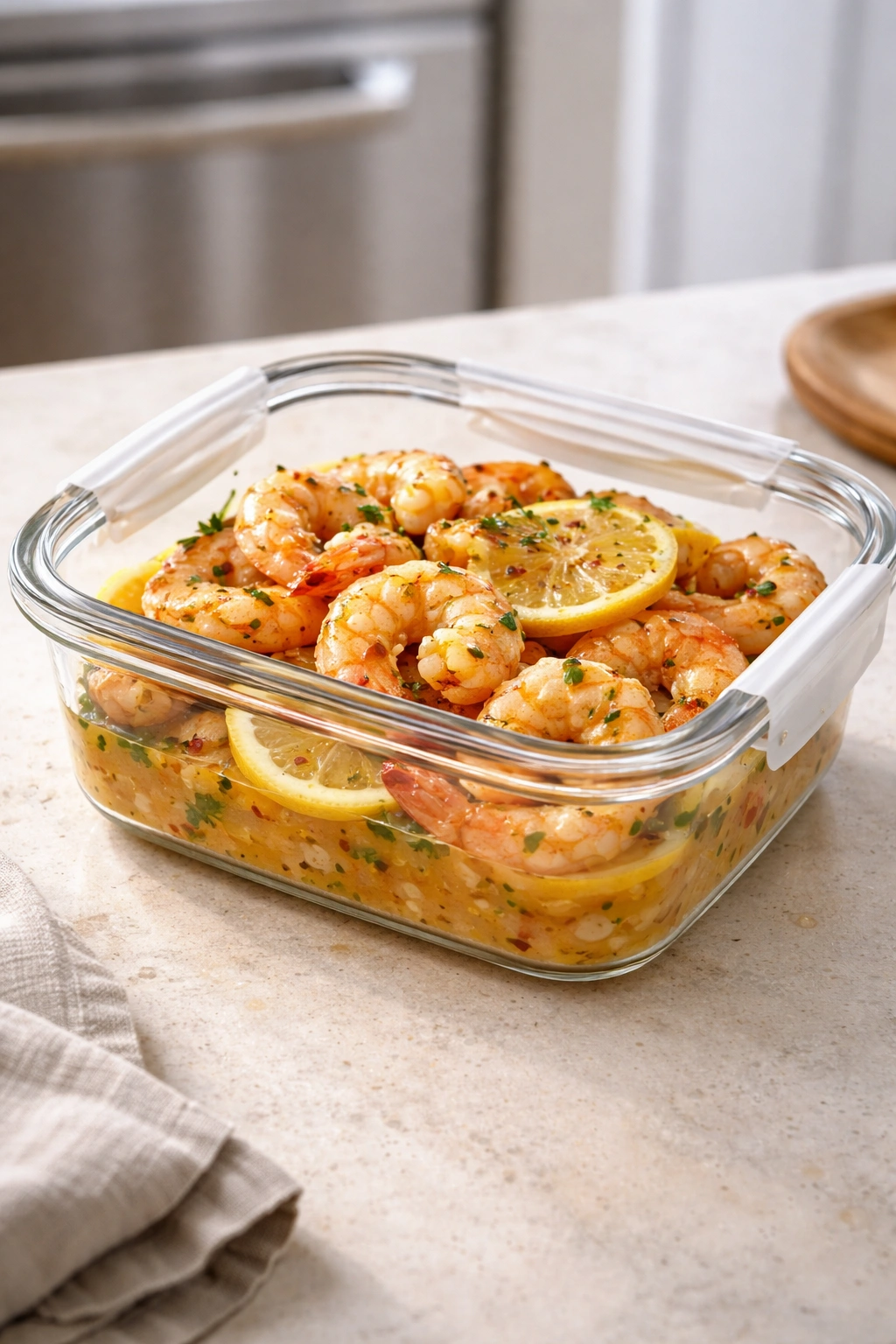
This dish is absolutely best eaten immediately after cooking, while the shrimp are still warm and the sauce is at its most luxurious. However, leftovers do store reasonably well, and understanding how to handle them ensures you get the best possible eating experience the next day.
Refrigerator storage: Place any leftover shrimp and sauce in an airtight container and refrigerate for up to 2 days. The shrimp will become slightly firmer as it cools, but the sauce keeps everything moist and flavorful. Any longer than 2 days and the delicate seafood flavor begins to fade.
Freezing: If you want to preserve the dish longer, allow the cooked shrimp and sauce to cool completely, then transfer to a freezer-safe container or bag, removing as much air as possible. This will keep for up to 2 months. However, freezing and thawing affects the texture—the shrimp becomes noticeably firmer and less tender than fresh-cooked. For best results, freeze only if you’re planning to use the leftovers within 2-3 weeks.
Reheating: The gentlest method is to reheat in a skillet over low to medium-low heat, stirring occasionally, just until warmed through. This takes about 5-7 minutes and preserves the texture better than other methods. Add a splash of water if the sauce seems to have dried out or become too concentrated. Never use high heat, as this will toughen the shrimp further.
You can also reheat in the microwave, though this is slightly less ideal for texture. Place the shrimp and sauce in a microwave-safe dish, cover loosely, and heat in 30-second intervals, stirring between intervals, until warmed through. This usually takes 1-2 minutes depending on the quantity.
Make-ahead strategy: While this dish doesn’t improve with advance preparation (it’s genuinely best made fresh), you can certainly prep everything ahead. Mince the garlic, zest and juice the lemon, chop the parsley, and pat the shrimp dry up to a few hours in advance. Store each component separately and keep everything refrigerated until you’re ready to cook. When you get home, the actual cooking takes just 15 minutes from start to finish.
Why Shrimp Belongs in Every Home Cook’s Rotation
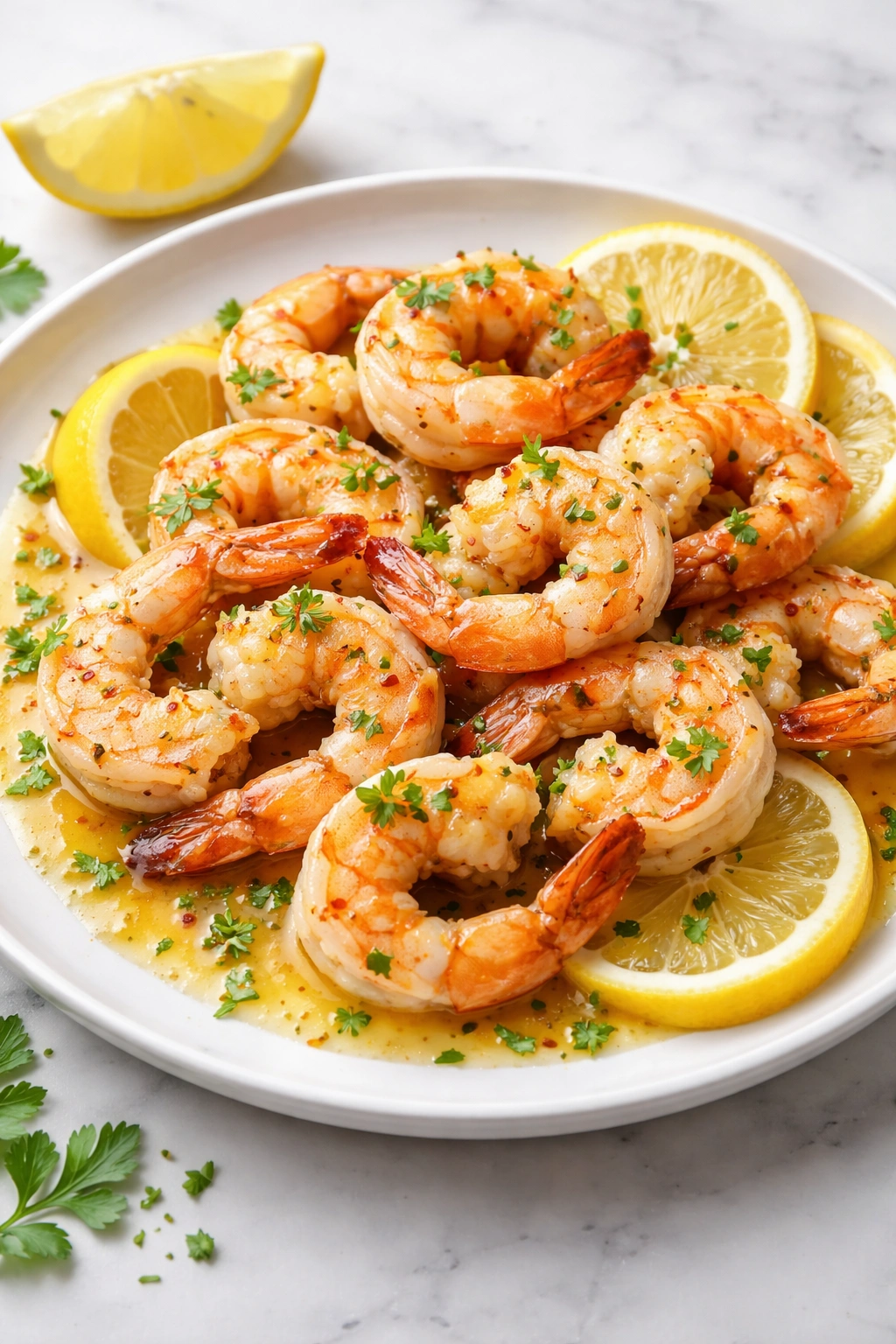
For anyone trying to cook more at home or expand their weeknight dinner repertoire, shrimp deserves a prominent place in your regular rotation. The speed alone makes it invaluable during hectic weeks, but it’s the versatility that truly makes it indispensable. You can literally make a different shrimp dish every single night for two weeks using different flavor profiles and preparations, and it would never feel repetitive because shrimp takes on the character of its accompaniments and sauces so beautifully.
Shrimp is also genuinely healthy. You’re not sacrificing nutrition for convenience or taste—you’re gaining all three simultaneously. It’s high in protein and low in calories, containing beneficial nutrients and antioxidants that support overall health. It’s heart-healthy and pairs beautifully with vegetables, whole grains, and legumes. For anyone managing health goals while still wanting to eat delicious, restaurant-quality food at home, shrimp is absolutely your friend.
The psychological benefit of pulling off an impressive dinner in 15 minutes shouldn’t be underestimated either. In a world where everything moves too fast and there’s never enough time, being able to create something beautiful, delicious, and nutritious in less time than it takes to order and receive takeout is genuinely empowering. That confidence carries over to other areas of kitchen work and life. You realize that you’re actually more capable than you thought, that restaurant-quality food is achievable at home without requiring hours of work or complex techniques.
Pairing This Dish with Different Starches
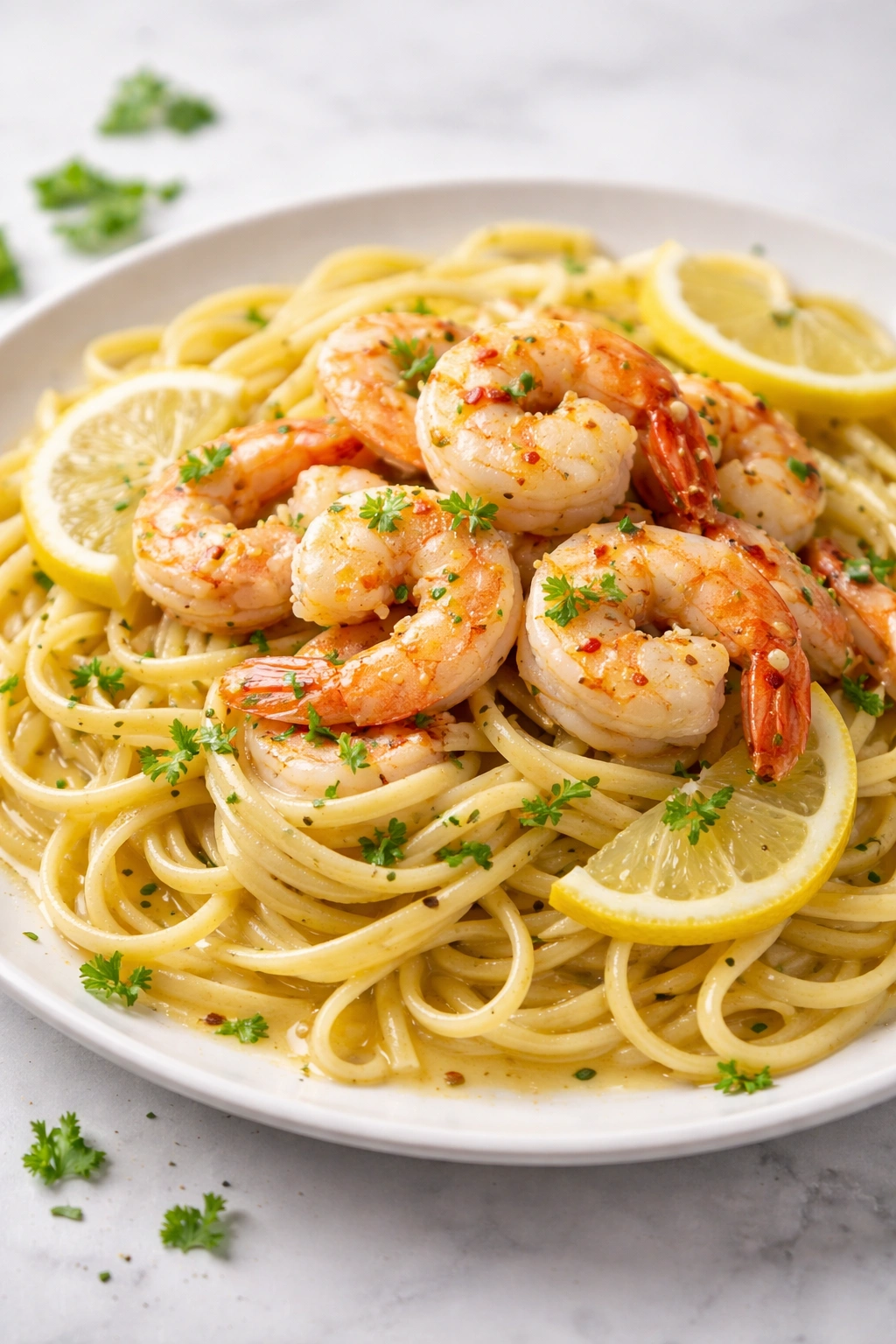
The beauty of lemon butter shrimp is that it adapts to virtually any starch you might serve alongside it, each creating a distinctly different eating experience. Pasta is arguably the most classic pairing—use flat noodles like fettuccine, linguine, or pappardelle that capture the sauce beautifully. The pasta absorbs some of the buttery lemon liquid, creating a unified dish rather than separate components. This is a complete, satisfying meal that feels indulgent without being heavy.
Rice provides neutral support that lets the shrimp and sauce remain the stars of the plate. White jasmine rice offers subtle floral notes. Brown rice provides earthiness and additional nutrition. Risotto, made creamy with butter and cheese, creates a luxurious presentation that feels special enough for entertaining. Whatever rice you choose, consider cooking it in chicken broth rather than water for additional flavor depth.
Grains like couscous or quinoa work beautifully, particularly if you’re looking for something slightly heartier than rice. Couscous has a pleasant, slightly sweet character that complements the lemon and butter. Quinoa offers nutritional completeness and an interesting texture that contrasts with the shrimp.
Polenta, made creamy with butter and cheese, creates an entirely different eating experience—think more Italian restaurant than everyday casual meal. The rich creaminess of polenta provides a luxurious base for the shrimp and sauce. It requires about 40 minutes to cook, so this would be a make-ahead component if you wanted to serve it with this shrimp.
Roasted potatoes, cut into bite-sized pieces and roasted until golden and crispy, add substance and texture. Baby Yukon gold potatoes work beautifully, as do fingerling potatoes. The starch fills you up while the shrimp and sauce provide the main flavor impact.
For lighter meals, consider serving alongside sautéed greens or a substantial salad instead of a starch. Wilted spinach or other greens absorb the sauce beautifully. A salad with assertive flavors—like bitter greens with lemon vinaigrette or peppery arugula—provides textural and flavor contrast to the buttery, tender shrimp.
Final Thoughts
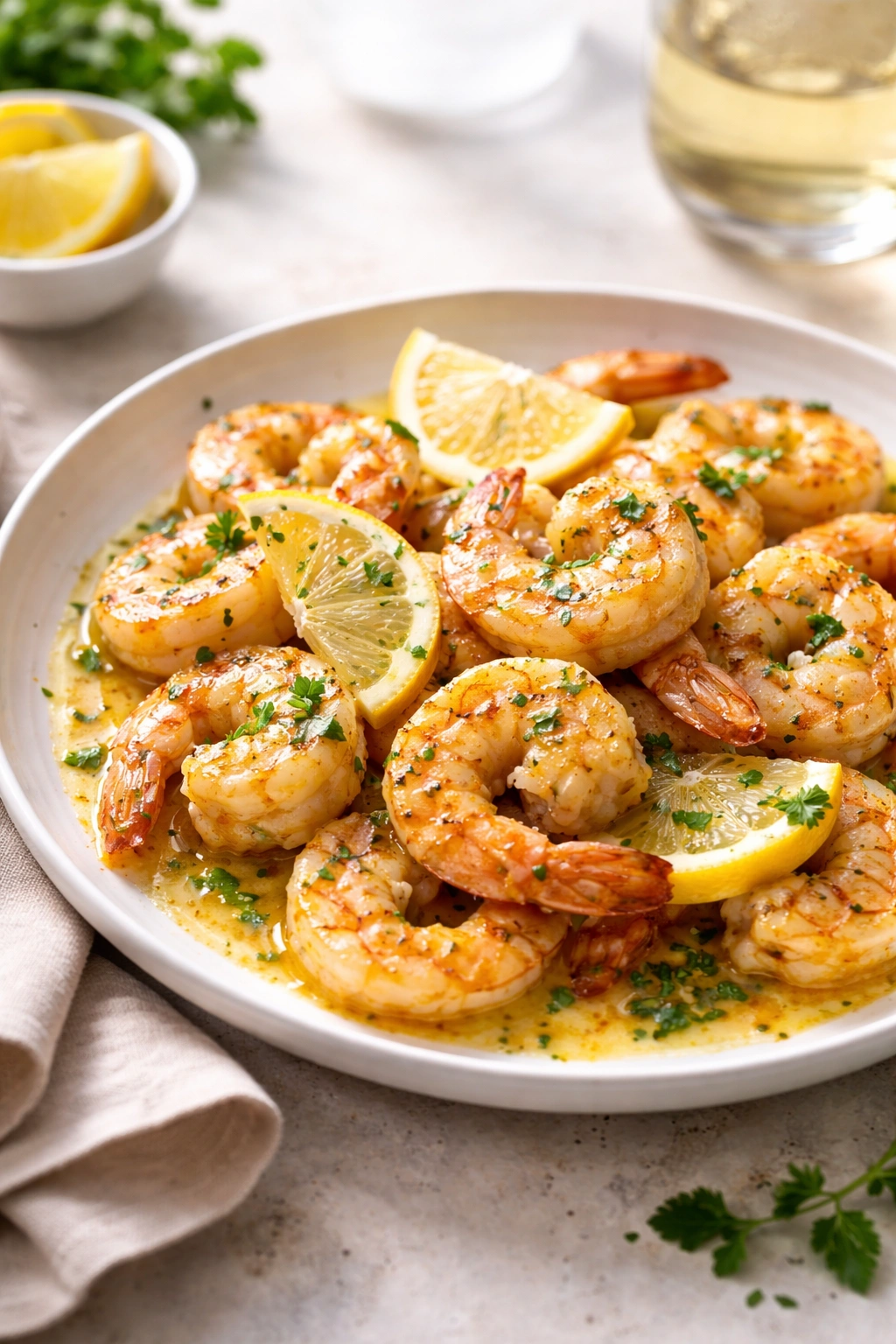
Lemon butter shrimp represents everything wonderful about home cooking—simple ingredients treated with respect, combined with proper technique and attention to detail, resulting in something genuinely impressive. It’s the recipe that teaches you that restaurant-quality food doesn’t require hours of work or culinary school; it requires understanding your ingredients, managing heat and timing, and trusting the process.
Keep a bag of quality frozen shrimp in your freezer as insurance against chaotic weeknights. When you find yourself standing in front of an empty refrigerator with no plan and people to feed, that shrimp is going to save the day. Fifteen minutes later, you’ll be plating something beautiful, delicious, and nutritious that tastes far more complicated and labor-intensive than it actually was. That’s the promise and the power of this humble preparation.
Make this dish regularly enough that the steps become second nature, and you’ll find yourself improvising variations and adjustments based on what you have on hand. You’ll serve it to guests and accept their compliments with grace, knowing that you’ve created something special not through complicated technique but through respecting your ingredients and understanding the fundamentals of good cooking. That’s the real victory here—not the individual meal, but the confidence and capability you build with every perfectly cooked batch of shrimp.