



Cooking for two people in a slow cooker might sound counterintuitive—after all, most crockpot recipes seem designed to feed a crowd. Yet there’s something genuinely special about using a smaller slow cooker just for the two of you. The convenience doesn’t change; you still get that same hands-off magic where dinner waits for you at the end of the day. What does change is the practicality. No more staring at three days’ worth of identical leftovers. No more wasting ingredients because you’re scaling down a recipe designed for six. No more using a massive appliance for a modest meal. A properly sized slow cooker with the right techniques transforms weeknight dinners into something effortless and perfectly proportioned.
The truth that many home cooks discover is that a crockpot works just as beautifully for intimate meals as it does for gatherings. The trick lies in understanding a few fundamental shifts: choosing the right equipment size, adjusting liquid ratios, knowing which cuts of meat stay tender in smaller batches, and respecting the different cooking timelines that come with more modest portions. When you nail these details, your small slow cooker becomes one of the most reliable tools in your kitchen—something you’ll reach for not just on busy weeknights, but on evenings when you want to feel cared for without spending hours in the kitchen.
Why a Slow Cooker Works Perfectly for Cooking for Two
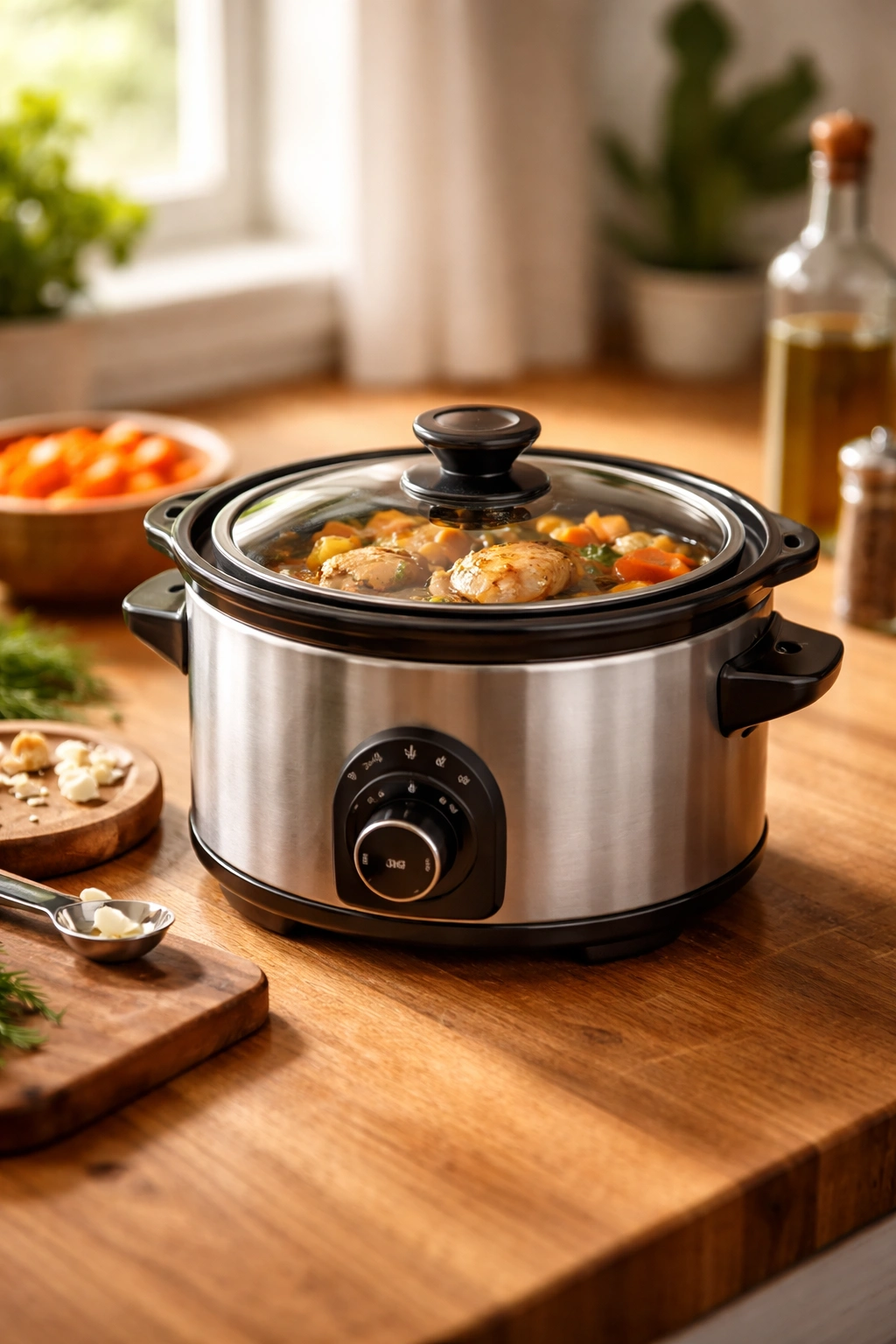
There’s genuine freedom in using a slow cooker designed for two people. When you’re not feeding a household, dinner needs are completely different. You might want something special and a little fancy, but you don’t want to spend three hours cooking. You might want leftover portions, but not so many that you’re eating the same dish for the fourth consecutive night.
A slow cooker for two delivers exactly this balance. It eliminates the guilt of browning meat that afternoon, chopping vegetables when you’re tired, or standing over a pan stirring sauce. Instead, you throw everything in before you leave the house or early in the morning, and when you walk in the door, your home smells incredible and dinner is ready. That’s not just convenience—it’s peace of mind.
The financial advantage is real too. Smaller portions mean less food waste. You’re buying exactly what you need, not scaling recipes in ways that force you to purchase awkward amounts of ingredients. If a recipe calls for one chicken breast, you buy one—not four and figure out what to do with the rest.
Choosing the Right Size Slow Cooker for Two
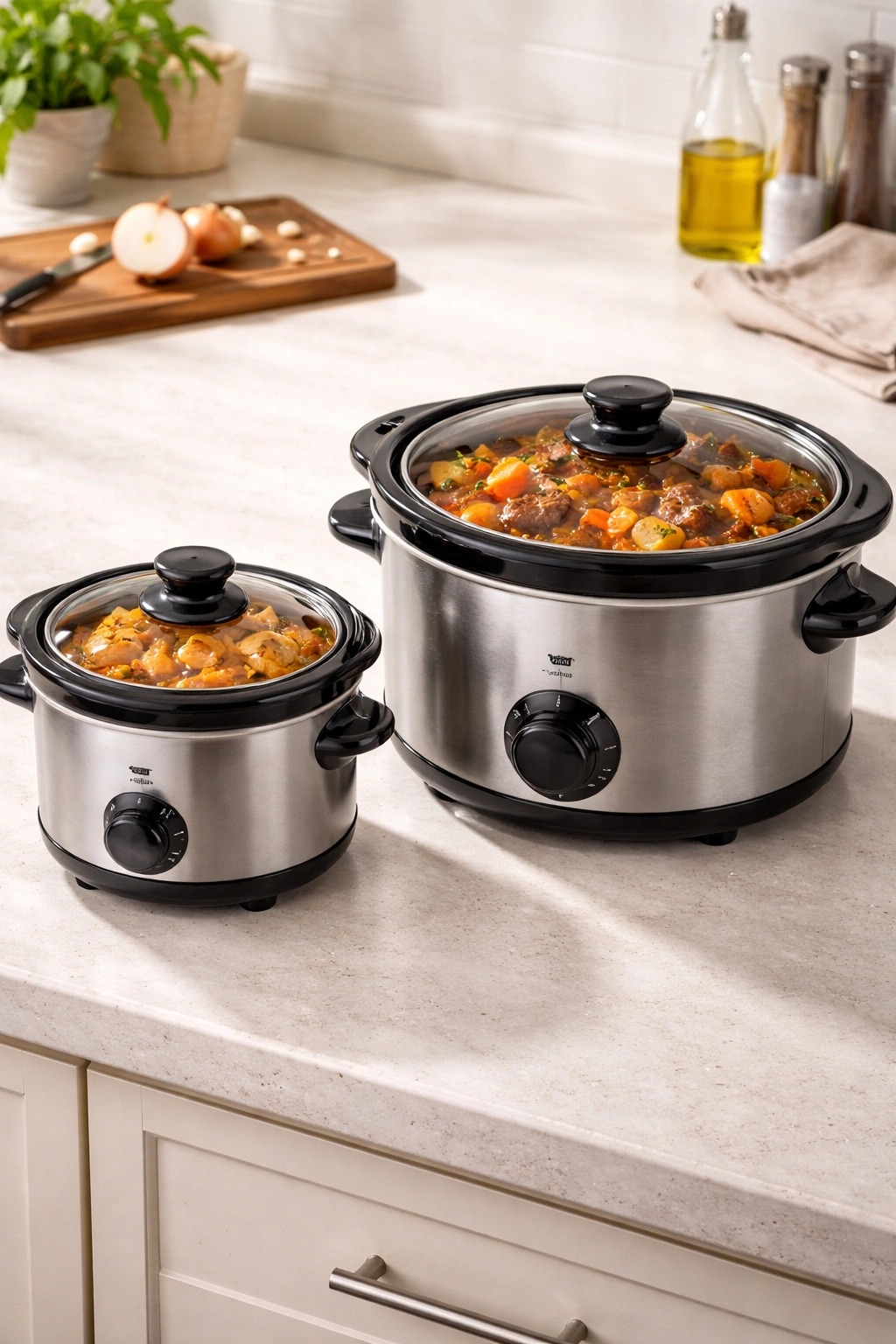
Size is absolutely critical here, and it’s probably the single most important decision you’ll make. A regular full-size slow cooker—typically six to eight quarts—is genuinely too large for two people. Food spreads too thin across the bottom, cooking unevenly and sometimes drying out before reaching proper doneness. You’ll also have awkward storage challenges, especially if freezer space is limited.
The sweet spot for cooking for two is a 2.5 to 3.5-quart slow cooker. This size is ideally proportioned so that food fills the pot adequately—between one-third and two-thirds full—allowing heat to circulate evenly and flavors to concentrate properly. At this fill level, you get optimal cooking time and texture every single time.
Some people gravitate toward even smaller two-quart mini slow cookers. These work beautifully for soups, stews, and lighter meals where you want the meal done faster. Just keep in mind that a pot that’s too small relative to the recipe can cook faster than expected, and you’ll need to monitor progress more closely.
Consider buying one slow cooker in the 2.5 to 3.5-quart range as your primary workhorse, and if budget allows, a smaller 2-quart version for occasions when you’re making something that only requires one to one-and-a-half cups of ingredients. This two-cooker approach gives you flexibility without breaking the bank.
Adjusting Liquid When Scaling Recipes Down
This single adjustment makes or breaks small-batch slow cooking. Most standard crockpot recipes are written for six to eight servings, and when you divide the ingredients in half, many home cooks make one critical mistake: they also cut the liquid in half. This almost always produces disappointing results.
Here’s why: a full-size slow cooker has significantly more surface area, which means more evaporation occurs during the long cooking time. When you move to a smaller pot, you’re not just reducing volume—you’re also reducing the proportional amount of evaporation. Start by cutting liquid to about 60 to 70 percent of what the original recipe calls for.
For example, if a full-size recipe calls for three cups of broth for six servings, a recipe for two should start with around one cup to one-and-a-quarter cups, not one-and-a-half. You can always add more liquid if the finished dish looks too thick, but you can’t remove it once it’s been added. After making a recipe once, you’ll know exactly how much liquid works best in your particular slow cooker.
Soy sauce, vinegar, hot sauce, and other bold flavor ingredients follow different rules. These don’t necessarily need to be cut as aggressively because you’re looking for seasoning intensity, not just raw volume. Taste as you go, and adjust at the end if needed.
The Best Proteins for Small-Batch Slow Cooking
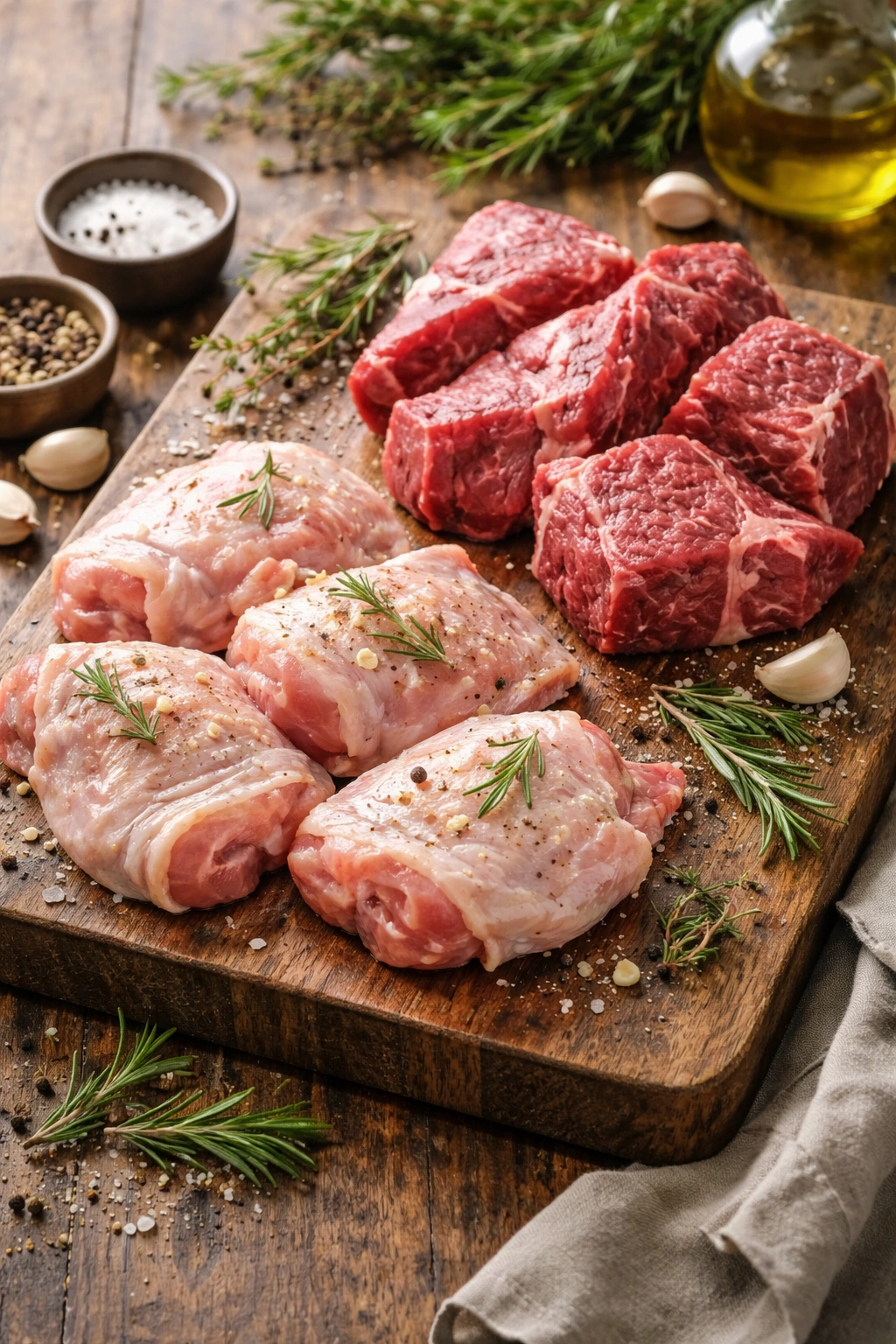
Not every cut of meat performs equally well in a slow cooker—especially when you’re cooking smaller portions that cook faster than larger batches. The ideal proteins for this method have just enough fat content or marbling to stay moist during extended cooking, without being so tender that they fall apart into mush.
Chicken thighs are genuinely the gold standard here. They contain more fat than chicken breasts, which keeps them juicy even after hours in a slow cooker. Bone-in chicken thighs are even better; the bone adds flavor and helps the meat stay intact. Boneless, skinless chicken breasts work, but require closer attention to cooking time so they don’t dry out—aim for four to five hours on low rather than six or seven.
Chuck roast is the beef equivalent. This cut has beautiful marbling that transforms into tenderness rather than toughness during low, slow cooking. It’s economical, flavorful, and nearly impossible to overcook in a slow cooker. Round steak works too, though it’s leaner and needs slightly closer monitoring.
Pork shoulder or pork butt creates some of the most tender, shredded-meat results imaginable. Pork chops work beautifully for faster meals—they’re done in three to four hours on low and stay remarkably moist. Avoid very lean cuts like pork tenderloin, which can dry out even in a moist environment.
Lamb is underutilized in slow cookers, but it’s genuinely wonderful. Lamb shoulder or lamb chops develop incredible depth in eight hours of gentle cooking. The robust flavor pairs beautifully with Mediterranean herbs, dried fruits, and warming spices.
For lighter options, salmon fillets cook gently in just one-and-a-half to two hours on low. It’s perfect when you want something elegant without the fuss. Ground meat requires browning beforehand—don’t try to put raw ground beef or ground turkey directly in the slow cooker without cooking it first. The meat won’t brown, and the texture becomes unappetizing.
How to Scale Down Your Favorite Recipes Properly
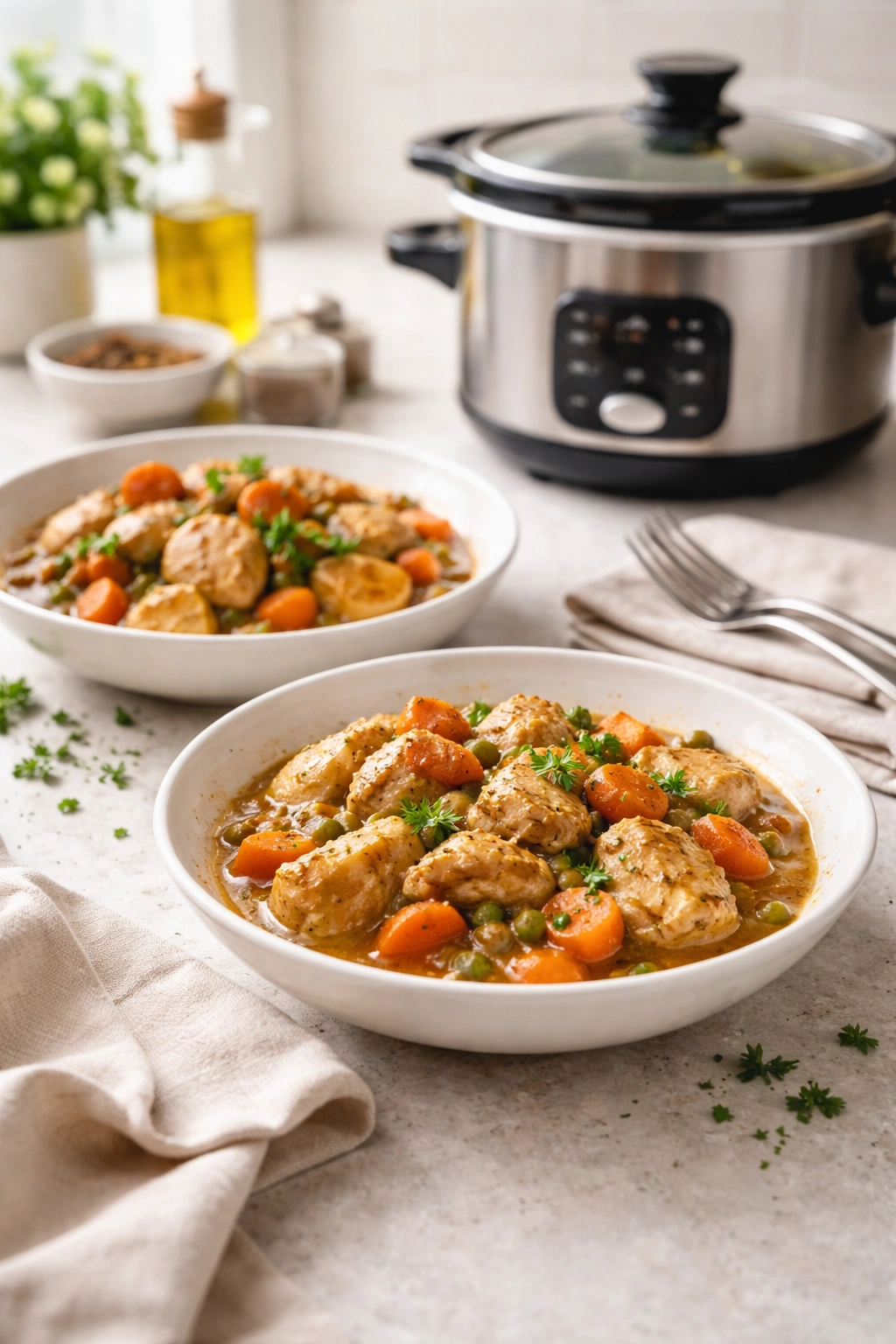
The process is more nuanced than simply dividing everything by three or four. Start by identifying what you actually want from the original recipe. Are you after the cooking method and general flavor profile? Or is precision critical, like in a particular sauce or seasoning balance?
For the main protein and vegetables, cutting amounts roughly in half works well. If the recipe calls for two pounds of beef, use one pound. If it calls for three carrots, use one-and-a-half to two. If it calls for two cups of diced onion, one cup is plenty.
For aromatics like garlic, onion, and fresh herbs, you can be more generous than strict math would suggest. Garlic and onions don’t need to scale down proportionally because you’re looking for flavor, not just filling the pot. If a recipe calls for six cloves of garlic, don’t hesitate to use four. If it calls for one large onion, use three-quarters to one whole onion.
For spices and seasonings, start with about three-quarters of what the recipe calls for, then taste at the end and adjust. Salt, pepper, and dried herbs all concentrate more in a smaller volume of liquid. It’s easier to add more seasoning than to remove it.
For pantry items like canned tomatoes, beans, or coconut milk, use roughly half to two-thirds of the original amount. Read the can—a standard can of diced tomatoes is about 14.5 ounces. If the original recipe calls for two cans, start with one can plus a splash of tomato juice or broth if you want more body.
Write down what you do the first time you make a recipe. Note the liquid amount, cooking time, and whether the finished dish was perfectly seasoned or needed adjustment. This personal cookbook becomes incredibly valuable for future cooking.
Vegetables That Thrive in Small-Batch Slow Cooking
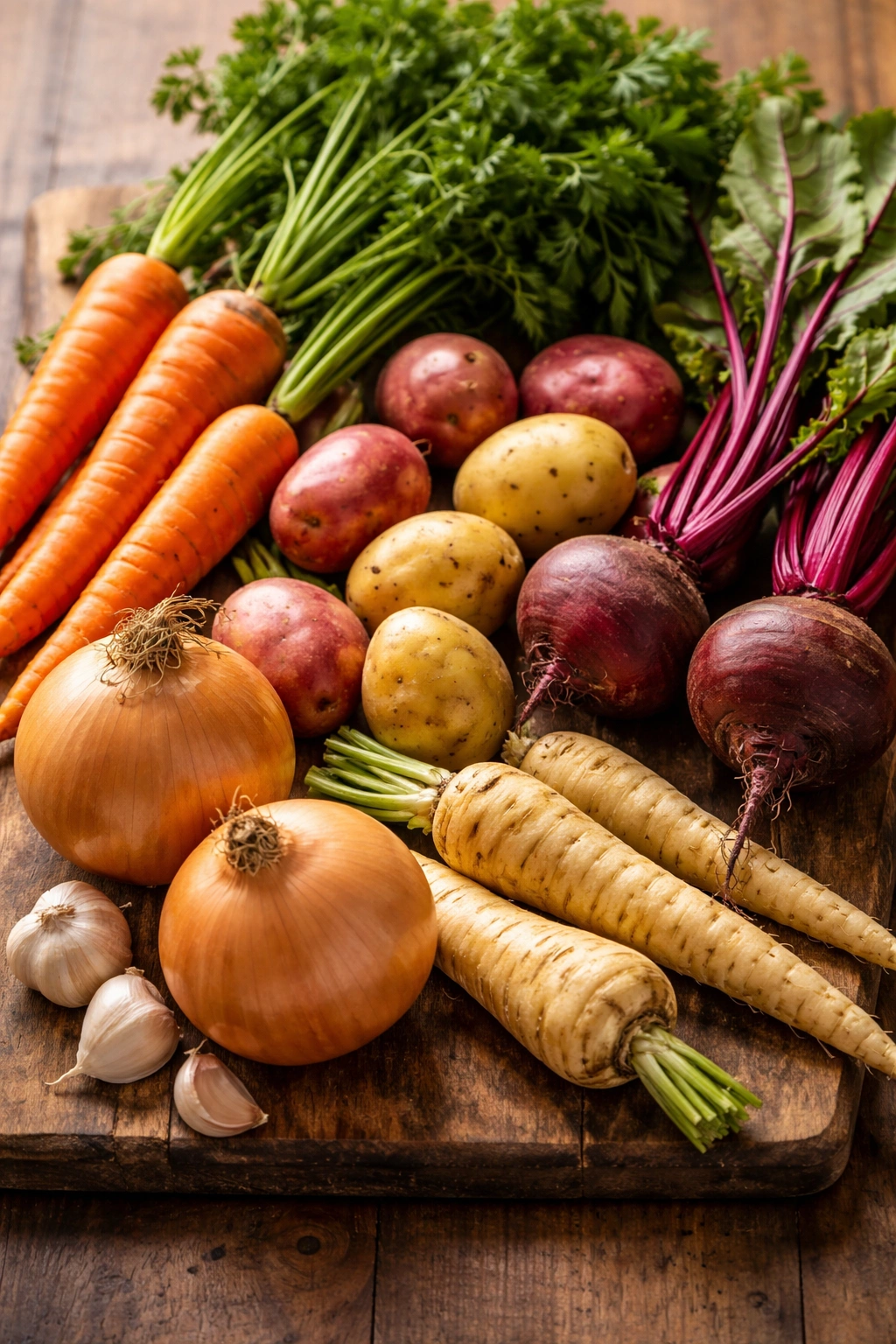
Hardy root vegetables are your friends in a slow cooker. Carrots, potatoes, parsnips, and beets have dense structures that break down beautifully over hours of gentle heat without turning to mush. They absorb flavors wonderfully and contribute natural sweetness and texture to the final dish.
Onions and garlic mellow and sweeten during slow cooking, losing their raw sharpness and becoming almost creamy when cooked this way. They’re the foundation of flavor in most slow-cooker dishes.
Winter squash like butternut or acorn squash transforms into tender, naturally sweet additions. It pairs beautifully with warm spices like cinnamon and nutmeg.
Mushrooms, especially hardy varieties like cremini or portobello, become deeply savory and develop an almost meaty texture. They’re particularly wonderful in vegetarian slow-cooker dishes.
Hearty greens like kale and collards can go into the pot, but add them during the last thirty to forty-five minutes so they don’t lose all texture and flavor. Delicate greens like spinach should be stirred in just before serving.
Tender vegetables like zucchini, green beans, and bell peppers have a different timeline. If you add them at the start, they’ll completely break down into the sauce. Add them during the last hour of cooking if you want them to retain some shape and texture. For soups where you want vegetables integrated into the broth, add them at the beginning. For dishes where you want distinct vegetable pieces, wait until the last hour.
Fresh herbs like basil, cilantro, and dill should be added at the very end—they lose flavor and color if they cook for hours. Dried herbs can go in at the beginning.
Timing Adjustments for Smaller Portions
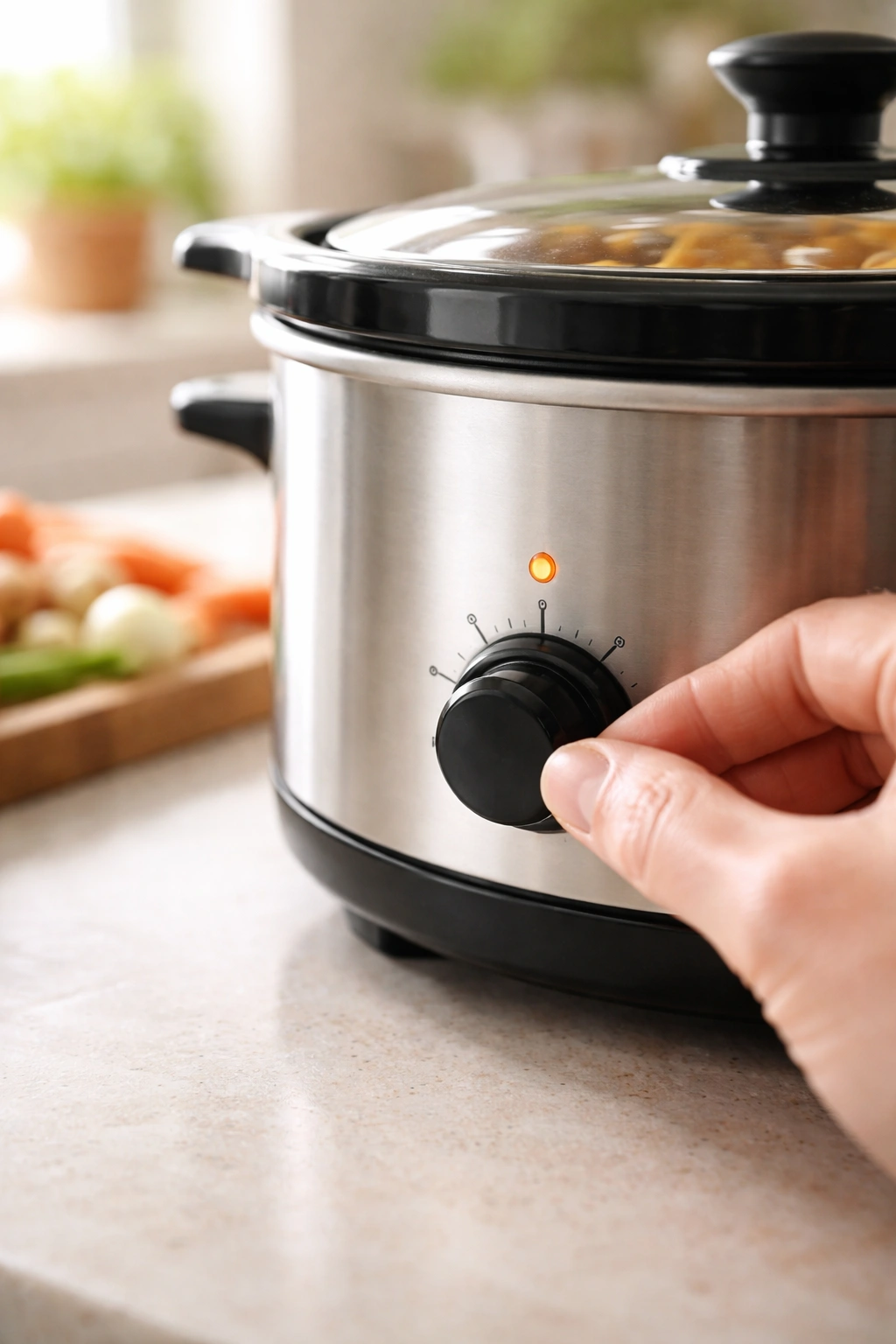
Cooking time doesn’t scale down proportionally with portion size. A full-size slow cooker meal might need eight hours on low, but a small-batch version doesn’t necessarily take four hours. It depends on how many heat sources surround the food and how the mass of the ingredients interacts with the heat.
In general, small-batch recipes take about 25 to 30 percent less time than full-size versions. If the original recipe recommends six to eight hours on low, expect your small-batch version to be done in four-and-a-half to six hours. This is why checking for doneness becomes important—don’t rely entirely on the original recipe’s timing.
Thinner cuts of meat cook faster than thick chunks. A chicken breast might be perfectly cooked in four hours, while a larger piece of chuck roast needs six to seven. Always use a meat thermometer as your true test: chicken should reach 165°F, beef and pork reach 145°F, and the meat should be as tender as you want it when the temperature is reached.
Cooking on high instead of low typically reduces cooking time by about half. If you’re in a hurry, cook on high for two to three hours instead of low for four to six. The results will be slightly different—meat tends to be less fall-apart tender on high—but it’s perfectly acceptable for weeknight meals where you need dinner faster.
Easy Chicken Dishes for Two
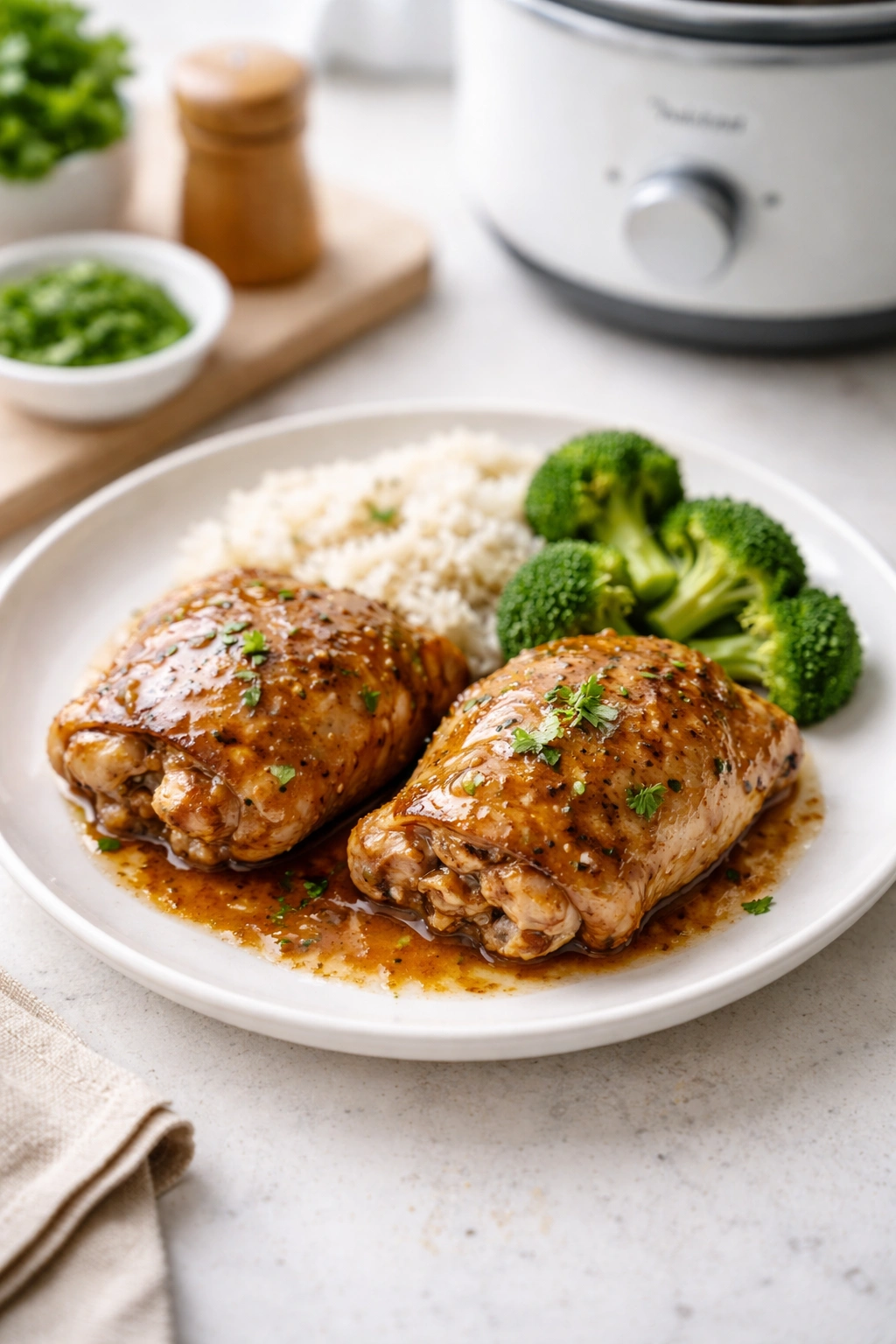
Chicken is the workhorse of small-batch slow cooking. It’s affordable, versatile, readily available, and produces genuinely delicious results that feel special without requiring hours of active cooking.
Creamy Italian Chicken is deceptively elegant. Season chicken thighs with salt and pepper, place them in the slow cooker with a packet of Italian dressing mix, pour cream of chicken soup and a splash of cream over the top, cover, and cook on low for four to five hours. The result is tender chicken in a rich, restaurant-quality sauce. Serve it over rice, noodles, or with crusty bread to soak up every bit of sauce.
Honey Garlic Chicken combines mellow sweetness with bright garlic flavor. Layer chicken with sliced garlic, drizzle with honey, add soy sauce and a splash of water or broth, and cook on low for four hours. The sauce reduces and thickens, coating the chicken in a glossy, flavor-packed glaze. Serve over rice with fresh scallions scattered on top.
Salsa Chicken might be the easiest dinner you’ll ever make. Place two chicken breasts in a small slow cooker, pour one cup of salsa over the top, add a handful of diced bell peppers if you have them, cover, and cook on low for three-and-a-half to four hours. When it’s done, shred the chicken and use it for tacos, nachos, enchiladas, or simply served over rice with black beans on the side.
Lemon and herb chicken is lighter and brighter. Season chicken with dried thyme, rosemary, and oregano, add lemon juice and a splash of broth, scatter sliced onions and lemon rounds around the chicken, and cook on low for four hours. The citrus keeps things fresh, and the herbs create a Mediterranean flavor profile that feels special enough for company but easy enough for Tuesday.
Greek chicken with green beans honors traditional Mediterranean cooking. Layer chicken with fresh green beans (added for the last hour to preserve texture), add crushed tomatoes, garlic, and kalamata olives, season with oregano and a splash of red wine vinegar, and cook on low for five hours. Serve with crusty bread and a simple salad.
All of these work beautifully with chicken thighs, which are more forgiving than breasts if you’re new to slow cooking. Thighs stay moist even if the cooking time stretches a bit longer than planned.
Beef and Pork Dishes That Shine in Small Portions
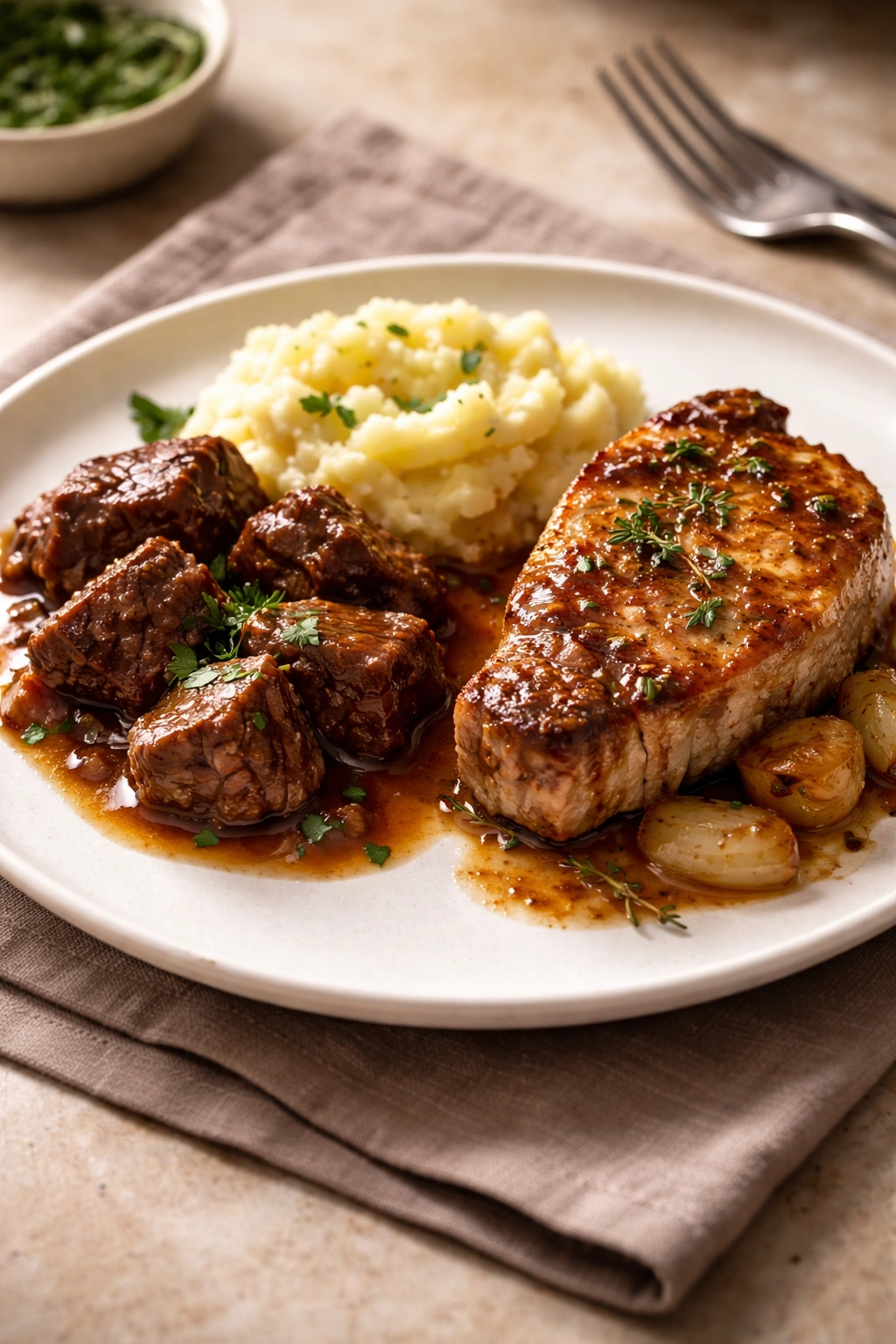
Beef braises beautifully in a small slow cooker. Beef in onion gravy is pure comfort: brown chuck roast pieces if you have time (though it’s not strictly necessary), layer with sliced onions, add beef broth and a packet of gravy mix, and cook on low for six to seven hours. The result is fall-apart tender beef coated in rich, savory gravy. Serve over egg noodles or mashed potatoes.
Mongolian beef feels fancy but requires minimal effort. Slice beef thin (thin-sliced stew meat or thinly sliced flank steak works), layer it in the slow cooker with garlic and ginger, pour a mixture of soy sauce, brown sugar, and broth over the top, and cook on low for three to four hours. The sauce becomes thick and glossy. Serve over rice.
Pork chops are genuinely underutilized in slow cookers. Layer two thick-cut pork chops with sliced apples or peaches, add a splash of broth and a drizzle of honey, season with cinnamon and nutmeg, and cook on low for three to four hours. The fruit becomes soft and sweet, the pork stays incredibly moist, and the sauce is naturally flavored without being heavy.
Pulled pork is perhaps the most forgiving slow cooker meal. A two-pound pork shoulder cooks beautifully in a 2.5-quart slow cooker on low for eight hours. Rub it with paprika, cumin, chili powder, salt, and pepper. Add a splash of apple cider vinegar and broth. When it’s done, the meat shreds easily with two forks. Pile it on buns with coleslaw, or use it for tacos, nachos, or rice bowls throughout the week.
Beef and vegetable stew is winter in a bowl. Brown chuck roast pieces if time allows, layer with diced carrots, potatoes, and onions, add beef broth and tomato paste, season with thyme and bay leaf, and cook on low for six to seven hours. The vegetables become tender but don’t fall apart, and the broth becomes rich and savory.
Soups and Stews That Work Perfectly for Two
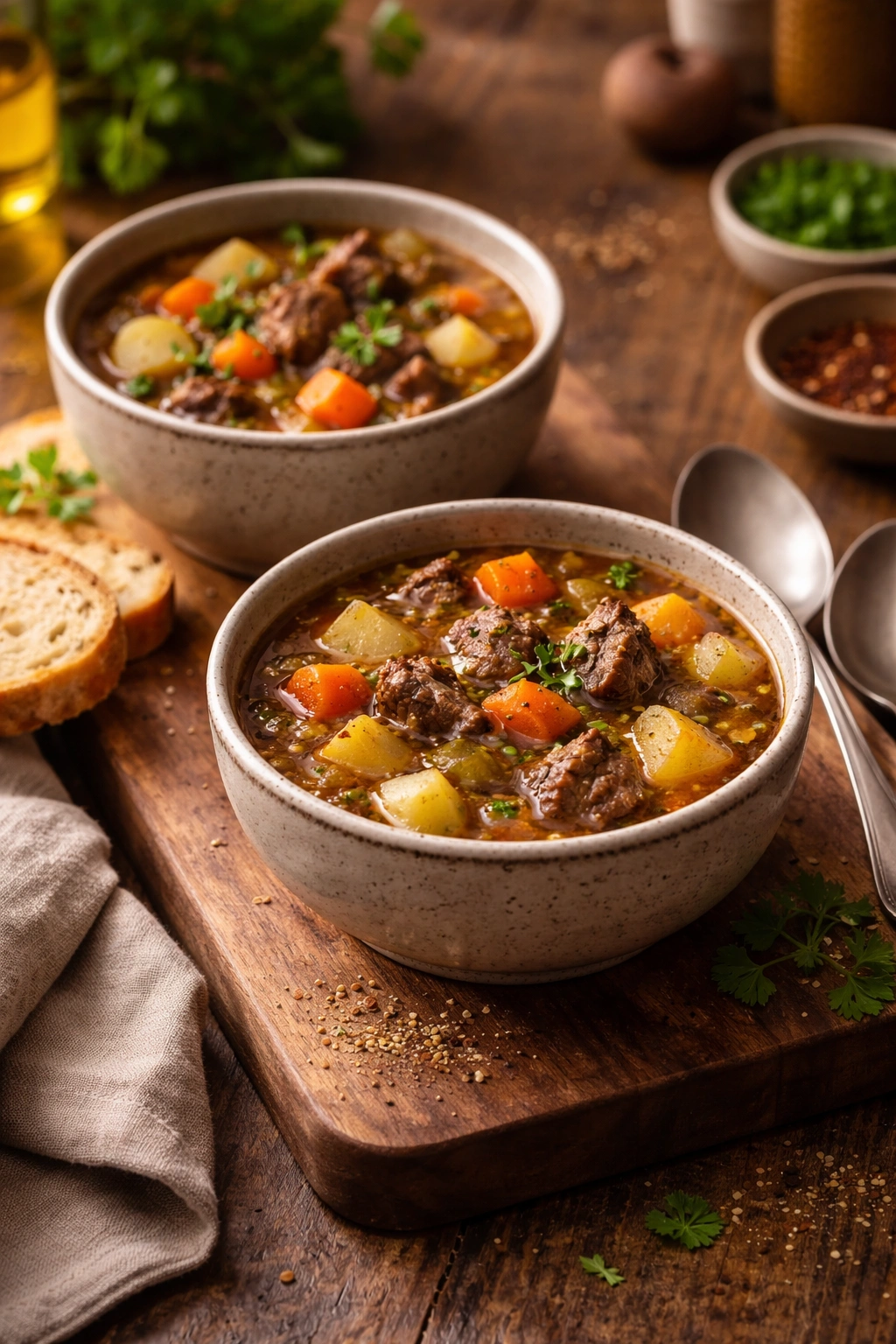
Soup is where the slow cooker truly excels for small batches. It’s difficult to mess up, nearly impossible to overcook, and you end up with something nourishing and deeply flavorful.
Chicken noodle soup is comfort distilled into a bowl. Layer chicken with diced vegetables (carrots, celery, onion, and whatever else you have on hand), add chicken broth, season with thyme and bay leaf, and cook on low for four hours. Add egg noodles during the last thirty minutes of cooking. Finish with a splash of fresh lemon juice.
Beef barley soup is hearty and stick-to-your-ribs satisfying. Brown beef chunks if you can, add diced vegetables and pearl barley, cover with beef broth, season with thyme and rosemary, and cook on low for six to seven hours. The barley softens and thickens the broth naturally.
Creamy tomato-based soups (think tomato-basil or tomato-cream) work beautifully in small batches. Heat canned tomatoes with garlic and onion, add cream or a splash of half-and-half near the end to prevent curdling, season generously, and cook on low for three to four hours. Finish with fresh basil and a crack of black pepper.
White chicken chili is warming and surprisingly sophisticated. Layer diced chicken with white beans, green chiles, diced onion, and garlic, add chicken broth and a touch of cream, season with cumin and oregano, and cook on low for four hours. The creaminess comes from the beans breaking down partially and the touch of heavy cream stirred in at the end.
Vegetable soup transforms whatever vegetables are in your refrigerator into something delicious. Sauté onions and garlic if you have a few minutes, add chopped vegetables, cover with vegetable or chicken broth, season boldly, and cook on low for four to five hours. Fresh spinach or kale stirred in during the last fifteen minutes adds nutrition and brightness.
Make-Ahead and Freezer Prep for Busy Weeks
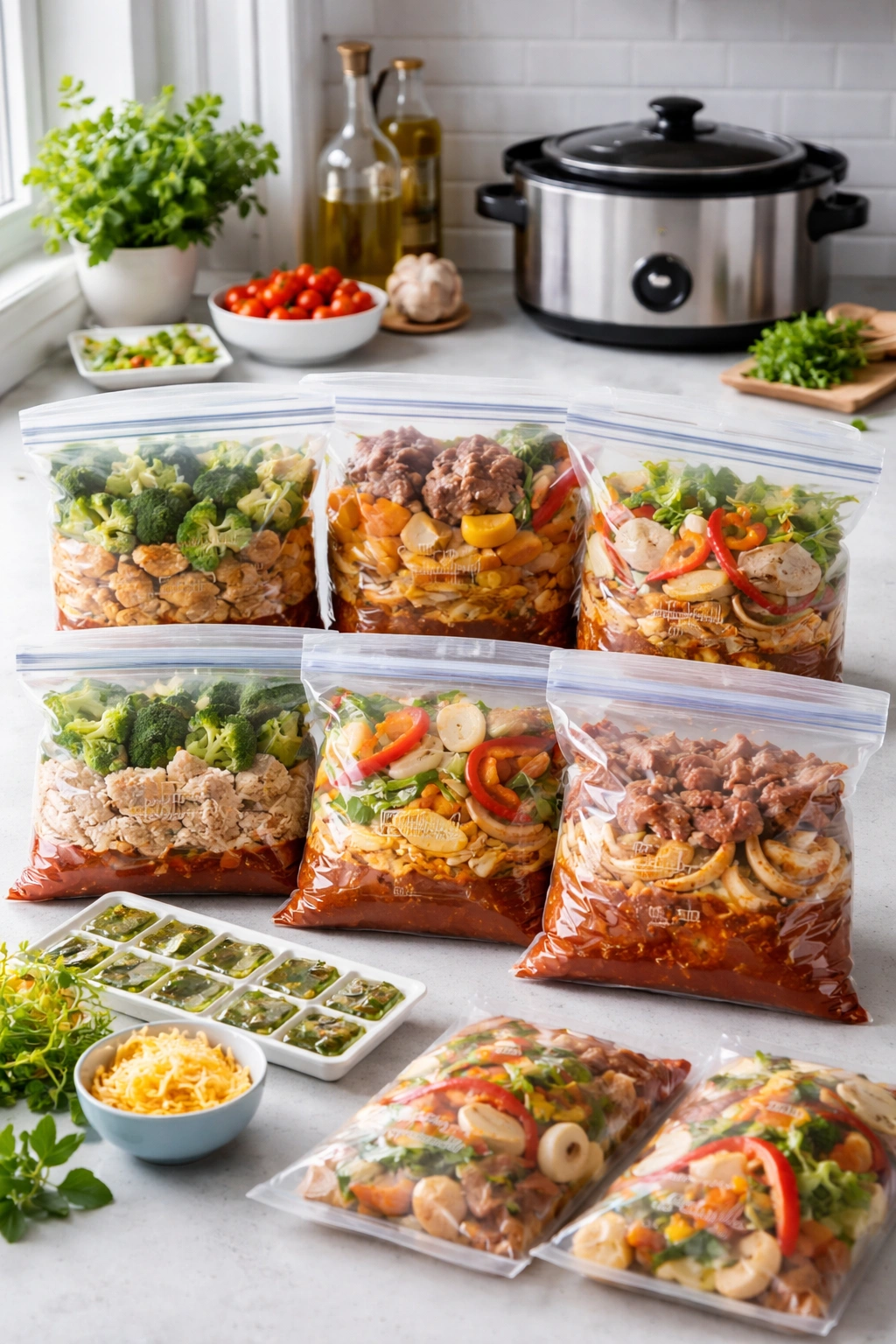
One of the greatest benefits of cooking for two is the ability to prepare meals ahead without creating mountains of food you’ll eventually tire of. Small-batch slow-cooker freezer meals are genuinely practical.
Prepare ingredients the night before: chop vegetables, measure spices into a small container, and portion meat. In the morning, everything goes into the slow cooker insert (you can do this even the night before and refrigerate the insert overnight). Cover and cook as planned.
Alternatively, freeze ingredients in portions ahead of time. Combine all dry ingredients in a small freezer bag. In a separate bag, add chopped vegetables. When you’re ready to cook, thaw the vegetable bag in the refrigerator overnight, then dump everything into your slow cooker with liquid and meat. This system is genuinely convenient—you’re doing chopping work once, not multiple times per week.
Freezing finished slow-cooker meals works beautifully. Cook the meal as usual, let it cool completely, portion it into individual containers or a freezer bag, label it with the contents and date, and freeze. When you want it, thaw overnight in the refrigerator and either reheat on the stovetop or in the slow cooker on low for two to three hours.
Most slow-cooker meals freeze well for two to three months. Soups and stews freeze best. Dishes with cream or cheese can separate slightly upon thawing, but they’re still delicious reheated—just stir well and add a splash of broth or milk if the sauce looks too thick.
Adjusting Cooking Time Based on Your Schedule
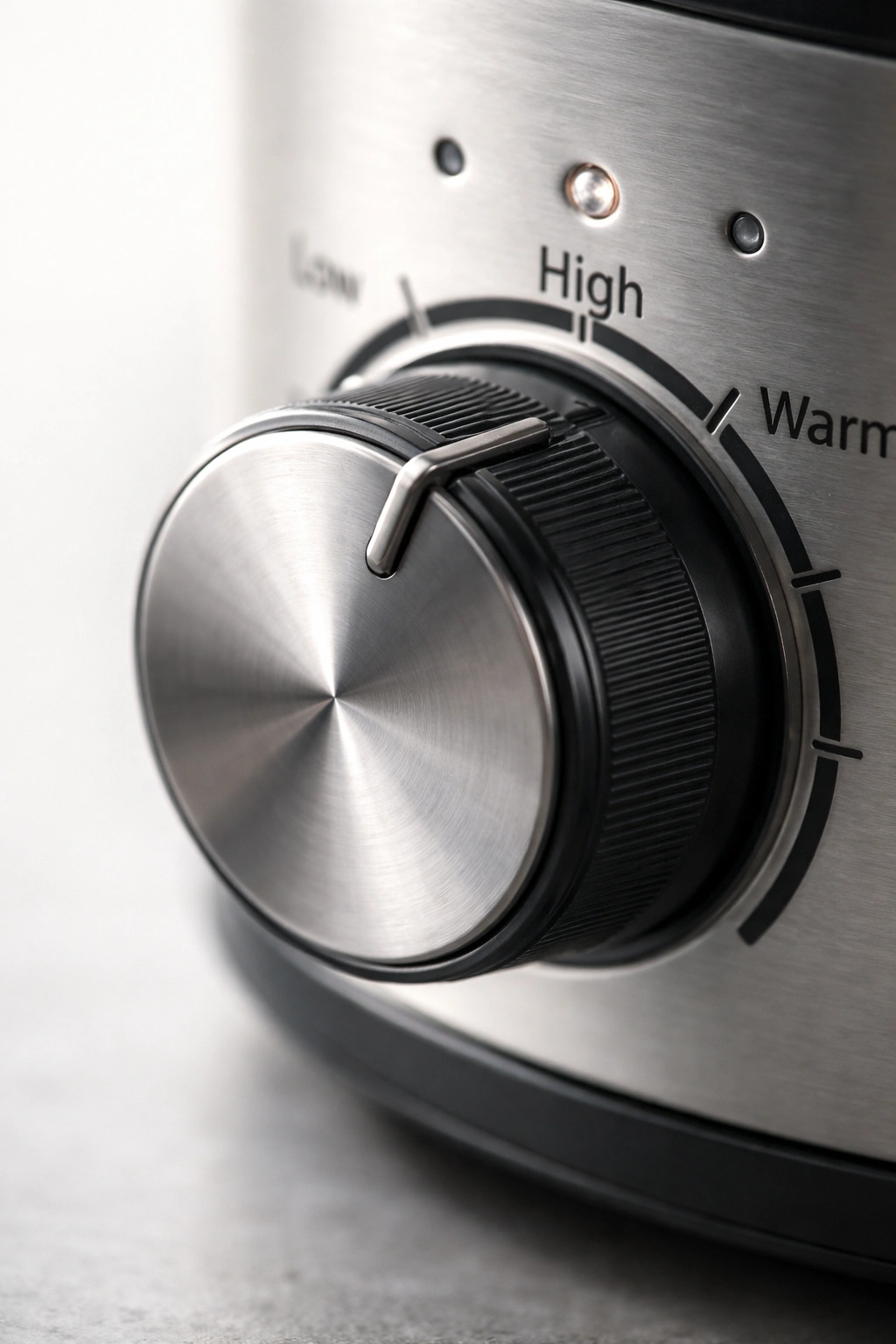
Your schedule doesn’t always align perfectly with standard cooking times. The beauty of slow cookers is their flexibility. If you have more time, cook on low longer. If you’re in a hurry, cook on high for less time.
On low heat, most two-person meals cook in four to six hours. This is ideal if you’re leaving for work in the morning and returning mid-to-late afternoon. Use this setting for maximum tenderness and deepest flavor development.
On high heat, the same meals finish in two to three hours. Use this when you want dinner ready in time for lunch, or when you know you’ll be home sooner than expected. Food comes out tender but with slightly less intense flavor than low-and-slow cooking produces.
If you need something ready faster, prep food in the morning and start the slow cooker at noon instead of first thing. This shortens total cooking time without sacrificing quality. Or, if you’re working from home, start the slow cooker right before lunch and dinner is ready by early evening.
The slow cooker doesn’t mind sitting on warm for an hour or two after cooking is complete. If dinner is ready at 4 p.m. but you don’t eat until 6 p.m., just switch the setting to warm and cover it. The food stays hot without overcooking.
Avoiding Common Mistakes When Cooking for Two
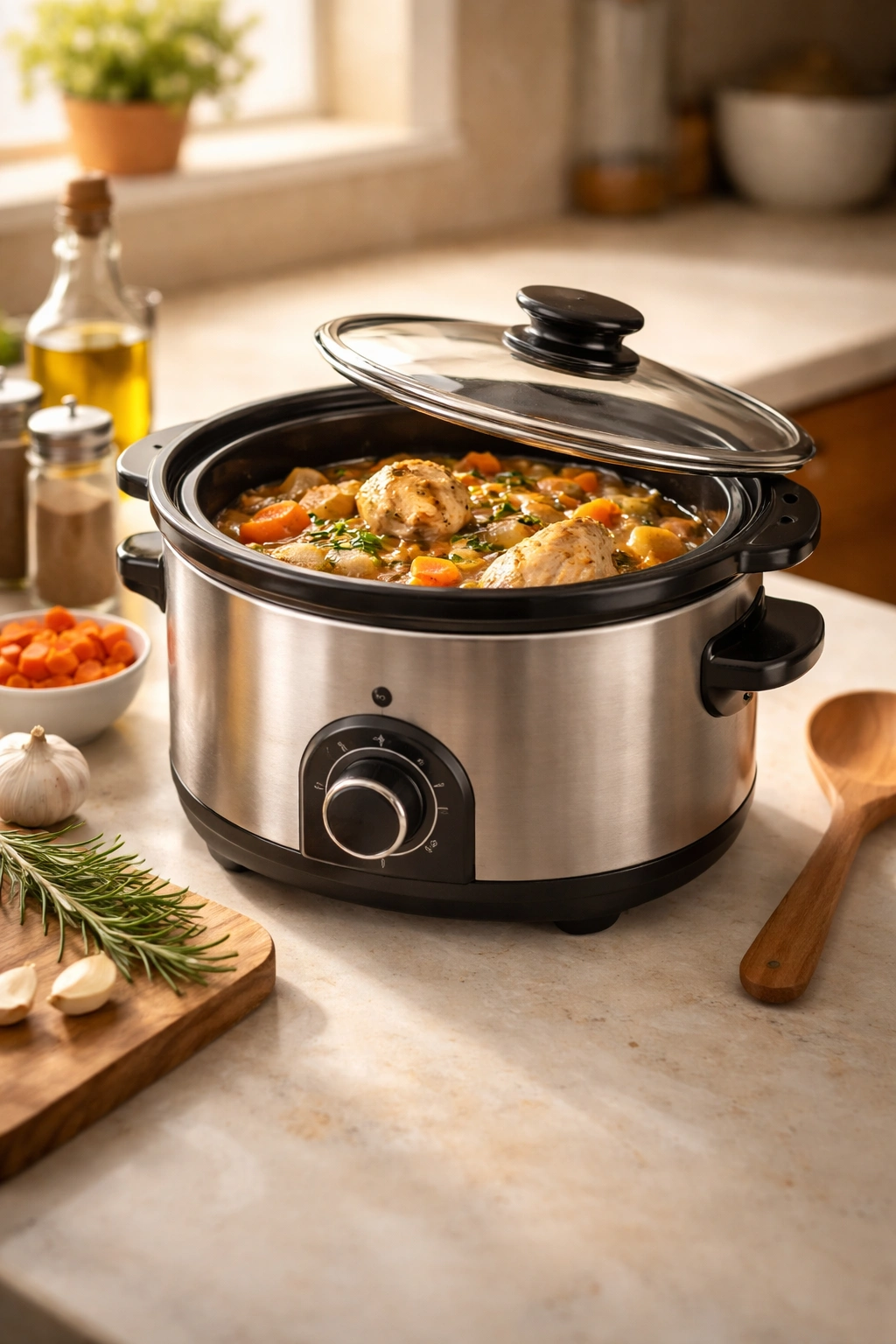
The most frequent mistake is overcrowding the slow cooker. Even though you’re making a small meal, resist the urge to stuff it full. The pot should be between one-third and two-thirds full. Overfilling means uneven cooking and potentially watery results.
Lifting the lid too often adds time to cooking. Every time you open the lid, heat escapes and cooking time extends by roughly fifteen minutes. Resist the urge to check on things unless you’re adding fresh vegetables near the end.
Another common mistake is using too much liquid. Small pots produce less evaporation, but home cooks often forget this and end up with soupy dishes. Start conservative with liquid—you can always add more if needed.
Cooking extremely lean cuts of meat often disappoints. Chicken breast, pork tenderloin, and ultra-lean ground meat all dry out more easily in a slow cooker. Choose fattier, well-marbled cuts when possible, or wrap lean proteins in bacon before placing them in the slow cooker.
Not using a meat thermometer leads to guesswork about doneness. Even experienced cooks should verify temperature rather than relying on appearance or time alone. A small meat thermometer is inexpensive and eliminates all doubt.
Finally, don’t skip seasoning. Slow cooking mutes some flavors, especially salt and acid. Season more boldly than you think necessary, then taste and adjust at the end. A squeeze of fresh lemon juice or a splash of vinegar added just before serving brightens everything.
Storage and Making the Most of Leftovers
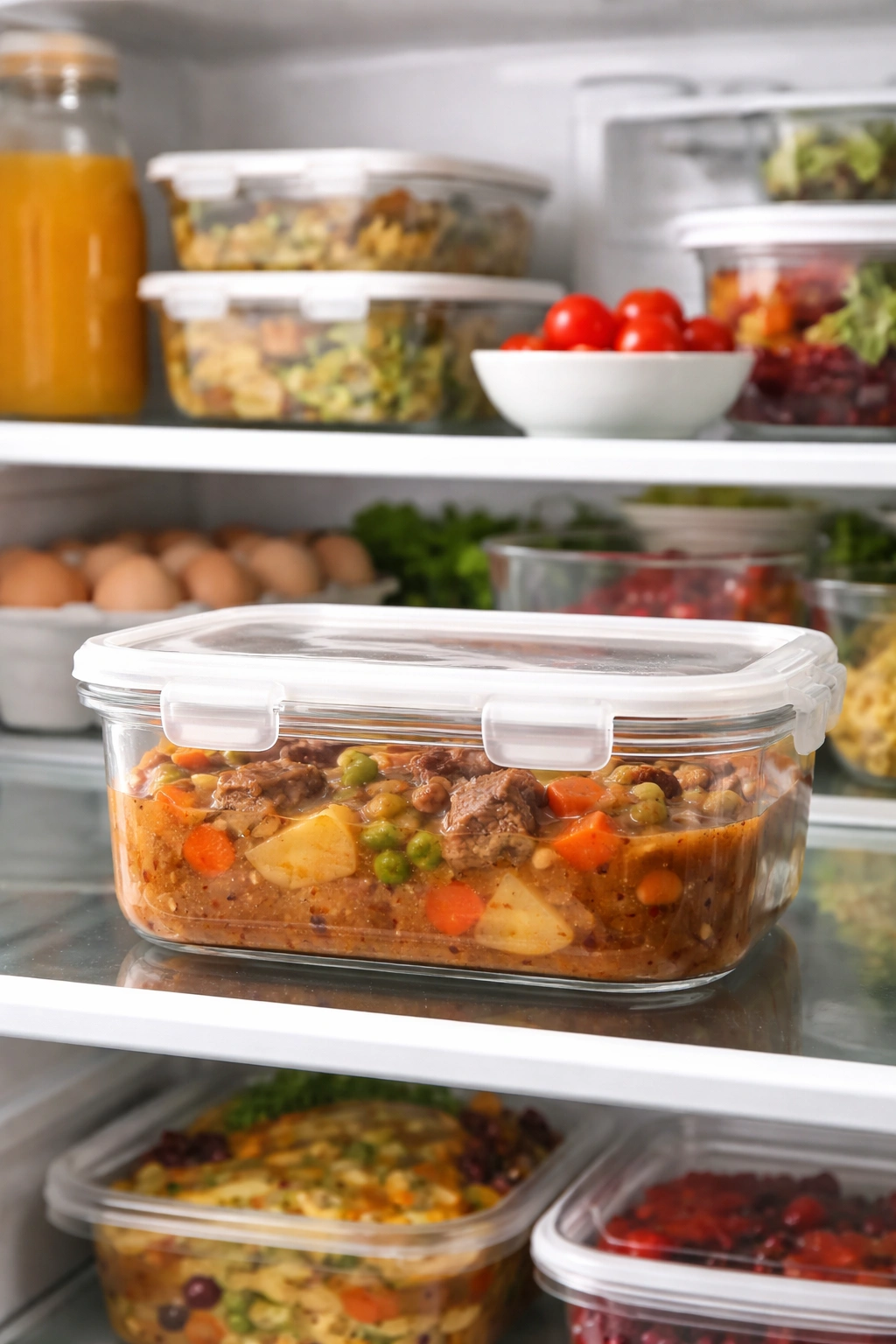
Leftovers from a two-person slow cooker meal are genuinely manageable and genuinely useful. A meal that serves two usually produces enough for one satisfying leftover portion per person, which is perfect for lunch the next day without creating tiresome repetition.
Store leftover slow-cooker meals in airtight containers in the refrigerator for up to three days. Most braise-based dishes, soups, and stews taste even better the next day after flavors have melded. This is genuinely a feature, not a limitation.
When reheating, gently warm on the stovetop over medium heat, stirring occasionally. This prevents the bottom from burning and allows you to adjust consistency if needed. If the sauce has thickened too much, add a splash of broth. If it seems thin, simmer uncovered for a few minutes to reduce.
Transform leftovers into entirely new meals. Shredded slow-cooker chicken becomes filling for tacos, sandwich meat for lunch, or a topping for salad. Beef stew becomes the filling for hand pies or a base for beef and rice soup. Pulled pork can be used for nachos, rice bowls, or added to a quick black bean mixture for a side dish.
Conclusion
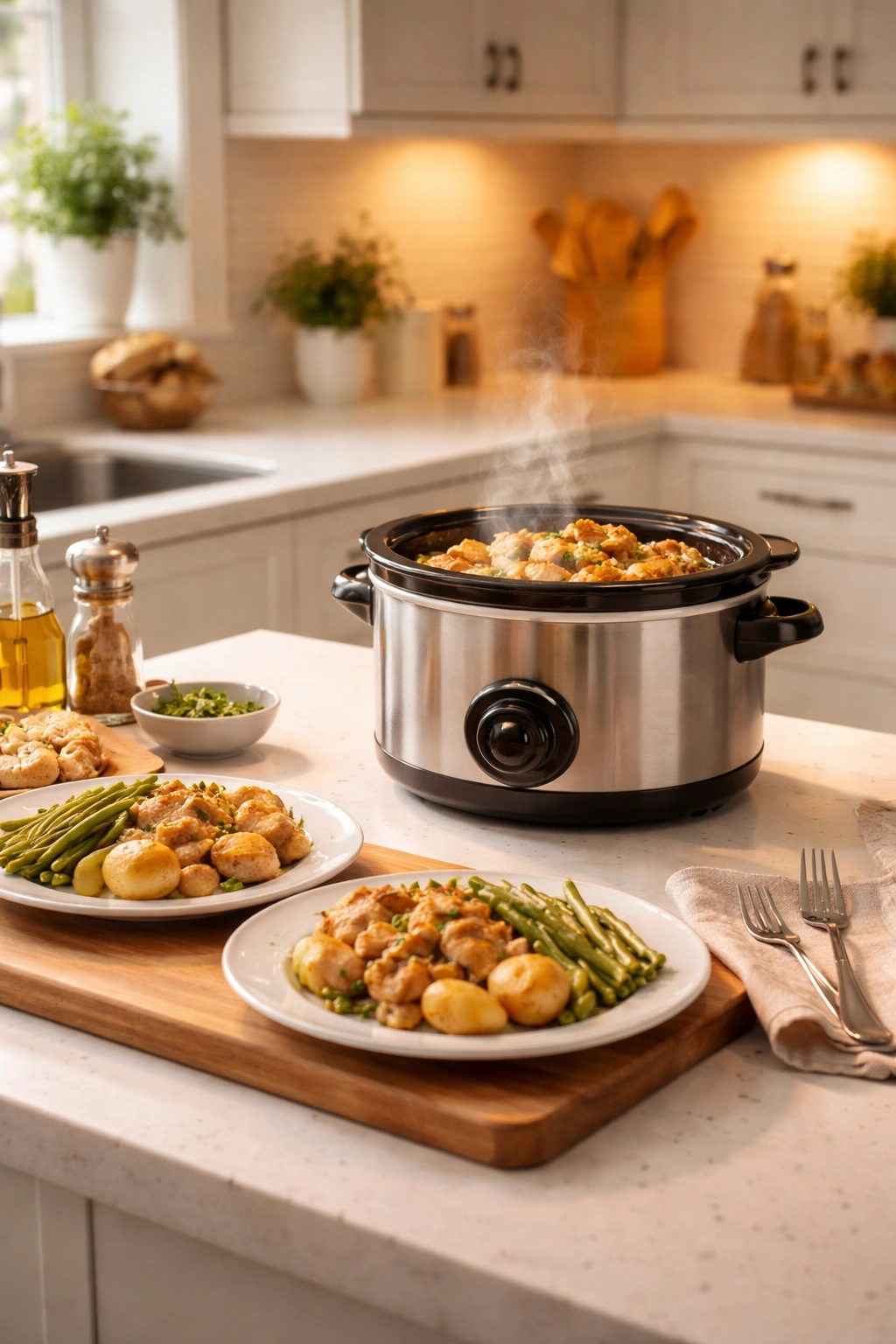
Cooking for two in a slow cooker is genuinely one of the most practical, achievable ways to have restaurant-quality meals on a weeknight without stress or extensive cleanup. It’s not about settling for less—it’s about cooking smarter. You’re using equipment perfectly sized for your needs, avoiding food waste, and creating space for meals that feel thoughtful without requiring hours of work.
Start with one recipe that appeals to you. Note what you changed, how the cooking time worked in your particular slow cooker, and whether the final seasoning felt right. Build from there. Within a few weeks, you’ll have a rotating set of five or six go-to meals that you can make without thinking, knowing exactly how they’ll turn out.
The beauty of a small slow cooker is permission to use it regularly. You’ll find yourself reaching for it on ordinary Tuesdays, not just when you’re planning ahead. It becomes that trusted kitchen tool that turns your basic ingredients into something worth lingering over at the dinner table.
