



There’s something almost magical about a homemade pasta salad at a backyard gathering. While everyone else is standing around the grill waiting for burgers and dogs, you’re the person who brought the dish that disappears first—the one people come back to multiple times, heaping their plate higher on the second and third visits. A truly great pasta salad isn’t just mayonnaise stirred into cold noodles. It’s a carefully balanced combination of tender pasta, crisp vegetables, bold flavors, and a dressing that coats every piece without making the whole thing gluey and dense. The best part? You can make it hours (or even a day) ahead, which means one less thing to stress about when guests arrive.
The beauty of pasta salad lies in its flexibility and its forgiving nature. Whether your crowd skews traditional or adventurous, whether you’re feeding a small family or fifty people, a solid pasta salad formula scales easily and tastes better the longer it sits. The flavors meld, the pasta continues to absorb the dressing, and those cold noodles become increasingly satisfying as the afternoon wears on. That’s exactly what we’re going to master here—the classic version that works every single time, along with all the insights, techniques, and adjustments you’ll need to make it your own.
Why Pasta Salad Is the Perfect BBQ Side
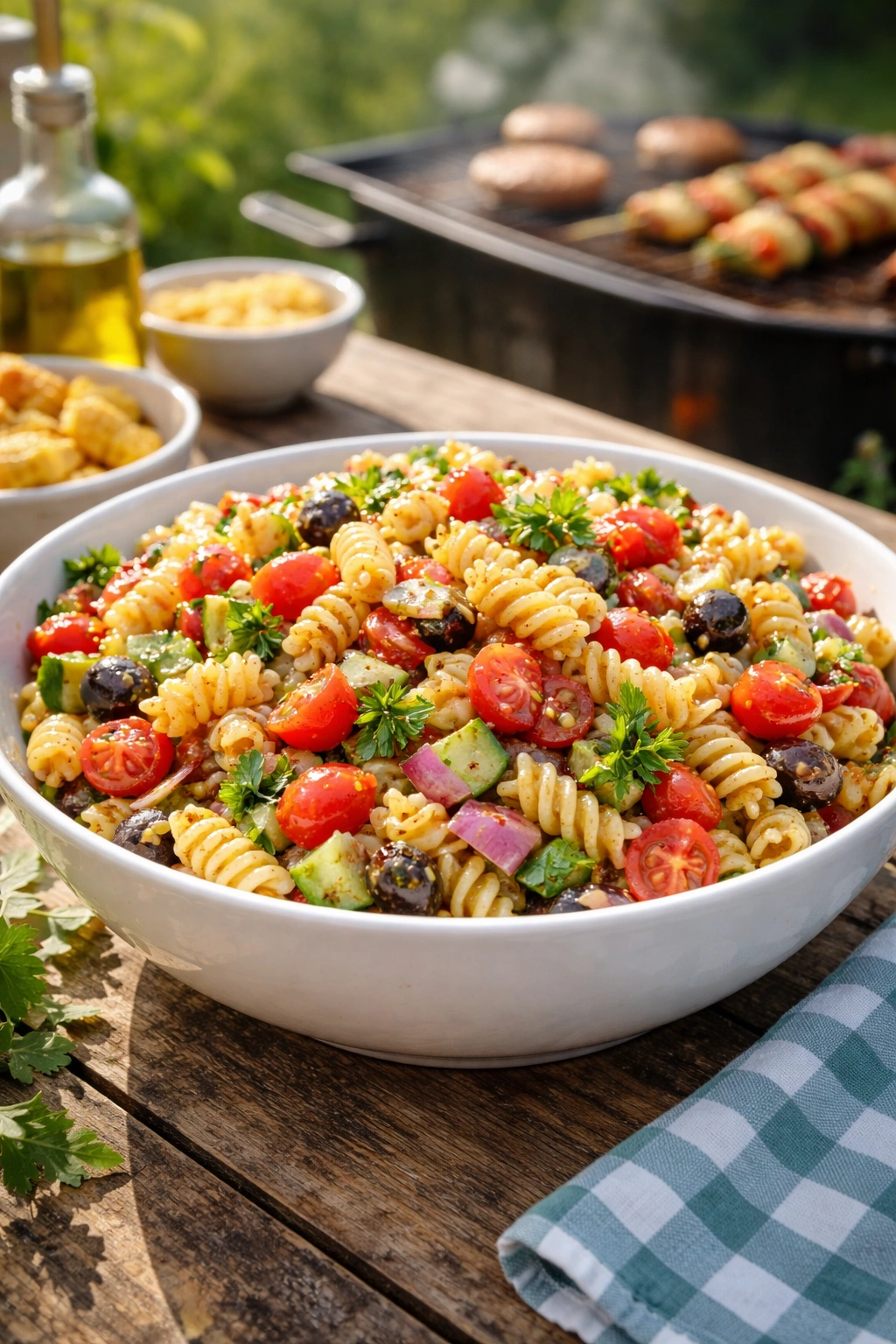
Pasta salad earned its place at summer gatherings for solid reasons beyond mere convenience. Unlike dishes that wilt, warm up, or lose their appeal as hours pass, a chilled pasta salad actually improves as it sits. The flavors deepen, the pasta continues absorbing the dressing at a perfect pace, and it stays refreshing and satisfying in a way few hot sides can match on a sweltering day.
It’s also profoundly practical. You make it completely ahead of time, transport it in a single container, and serve it straight from the cooler with zero last-minute fussing. No reheating, no timing coordination with the grill master, no chance of it getting cold while you plate other components. This is pure logistics advantage—and it frees you mentally to actually enjoy the gathering instead of spending the afternoon in the kitchen.
There’s another underrated benefit: pasta salad works as a bridge between the main proteins and the lighter sides. It’s hearty enough to satisfy serious appetites but light enough to feel right alongside fresh fruit, grilled vegetables, or simple salads. It pleases traditional eaters and adventurous ones. It works for families with kids and for adults who appreciate bright, complex flavors.
The Essential Components of a Great Pasta Salad
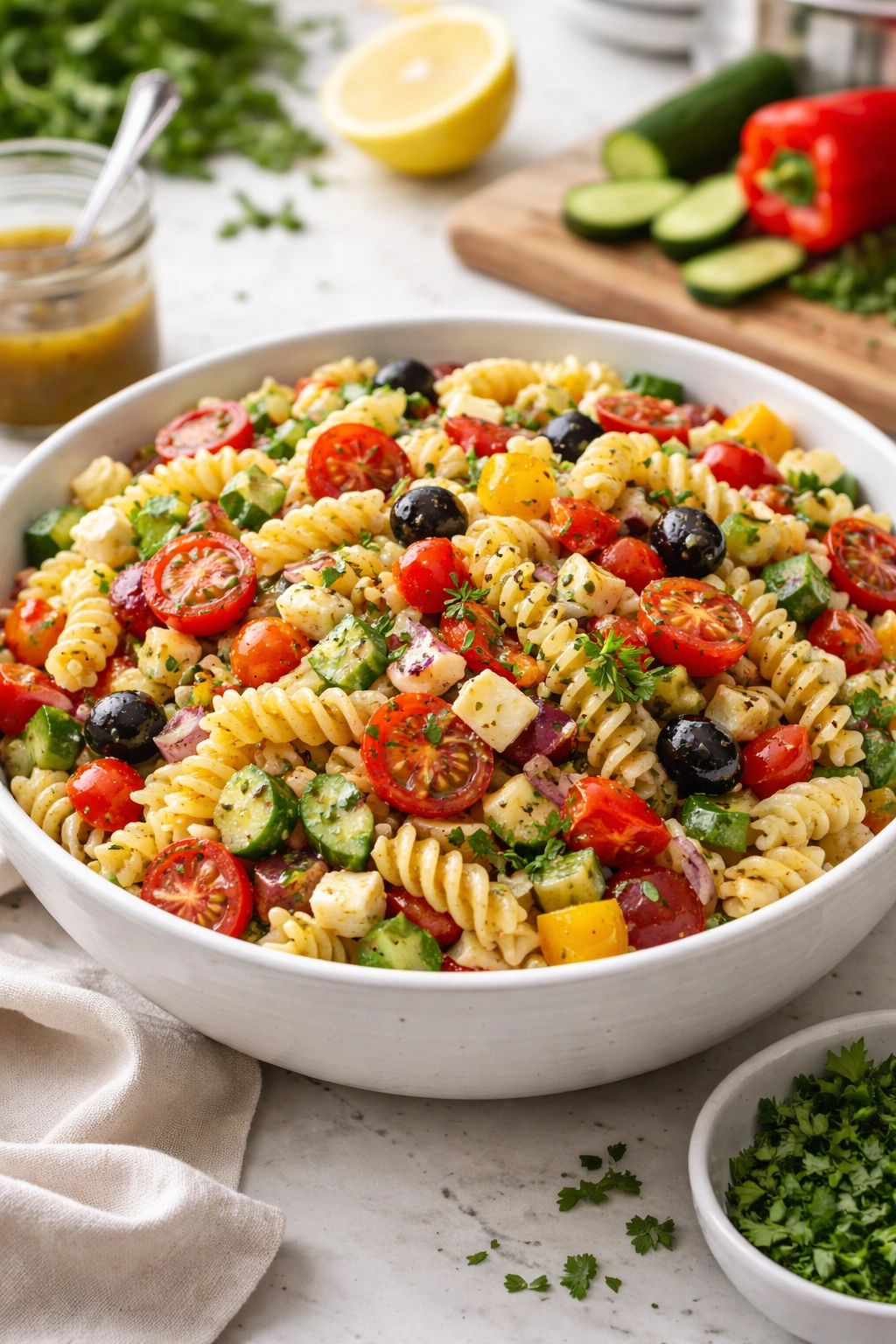
A truly excellent pasta salad rests on four non-negotiable foundations: the pasta itself, the vegetables, the dressing, and the balance between them. Skip or shortchange any one of these, and the whole thing falls flat—either becoming an overloaded, murky mess or a dry, disappointing collection of ingredients that taste like they’re simply coexisting rather than working together.
The pasta is your canvas. It must be cooked to exactly al dente—that crucial point where the noodle yields to a bite but still has a slight resistance, a tiny bit of firmness at its very center. Overcooked pasta breaks down as it sits, becoming mushy and absorbing the dressing unevenly, turning the whole dish thick and gluey. Undercooked pasta stays tough and bland. This texture is everything.
The vegetables contribute brightness, crunch, and visual appeal—but they must be cut uniformly and small enough that they integrate with the pasta rather than sitting as separate elements. A cherry tomato half feels too large; a quarter feels right. Dicing your vegetables allows them to distribute evenly throughout the salad and ensures every fork carries a balanced mix rather than requiring the eater to hunt for flavor pockets.
The dressing is where most homemade pasta salads go wrong. Too much and you’ve got a soggy, heavy dish. Too little and it tastes flat and dry. The dressing must be assertive enough to flavor the entire volume of pasta and vegetables without drowning them. It should coat everything with a light but flavorful layer, never pooling at the bottom of the bowl.
Finally, there’s the balance between fresh and rich, acidic and creamy, bold and subtle. This is where technique and timing transform ingredient combinations into actual cuisine.
The Critical Pasta Texture: Al Dente Is Non-Negotiable
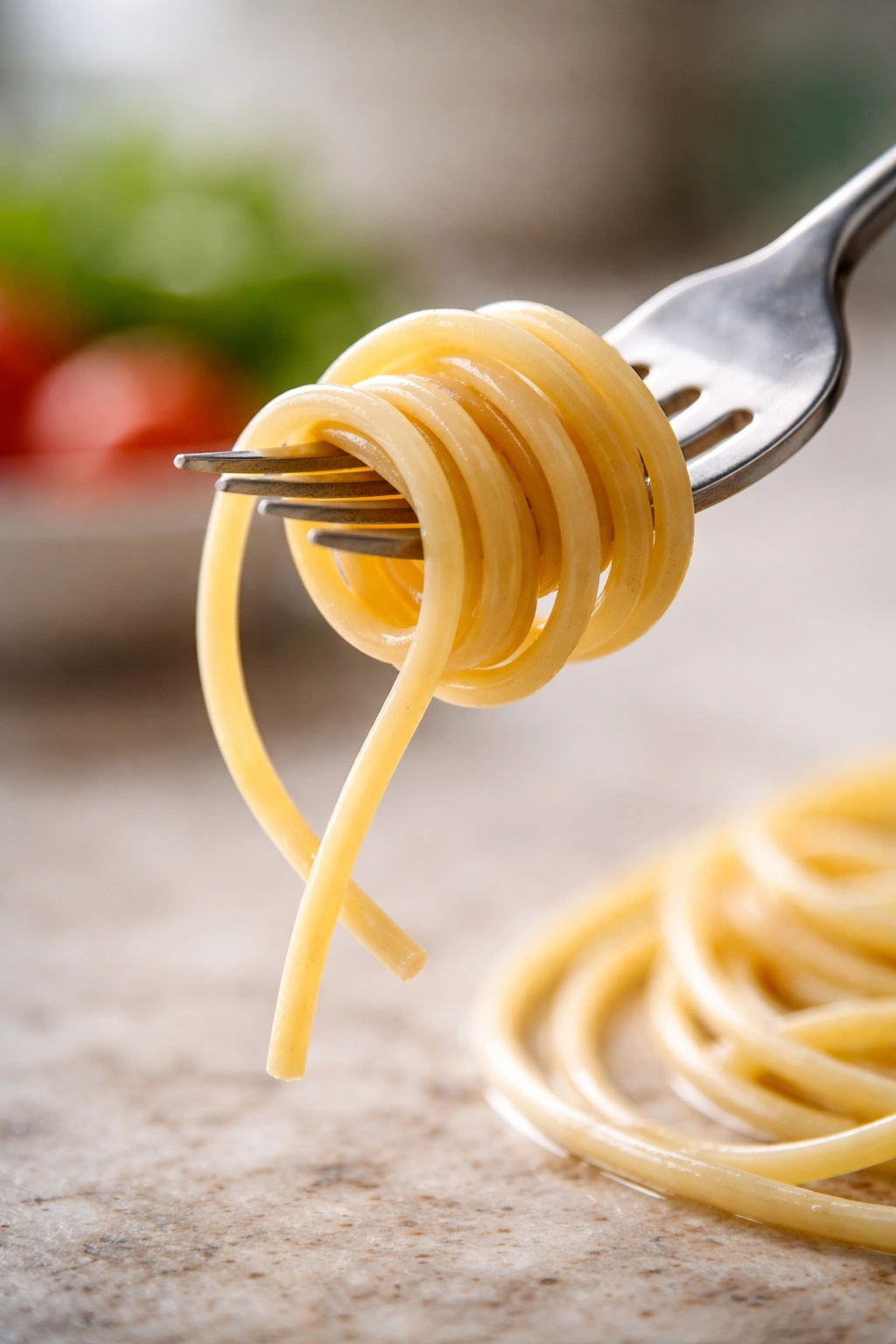
Most home cooks overcook pasta salad noodles—and that single mistake accounts for roughly 80% of disappointing homemade versions. The issue is that when you’re cooking pasta for immediate consumption (like for a hot pasta dinner), you want it fully tender and forgiving because it’s being dressed and eaten immediately. Pasta salad is different.
Pasta salad pasta will continue cooking slightly as it sits in the dressing. The starch absorbs liquid, and the noodles soften further over several hours. If you start with slightly firm noodles (perfectly al dente), they’ll reach ideal tenderness by the time your guests eat the salad an hour or two later. If you start with fully soft noodles (the way many home cooks cook them), they’ll become bloated and unpleasant by serving time.
The rule: Cook your pasta to al dente always, meaning it should have a bare hint of resistance when you bite it—not crunchy, but with a tiny bit of tooth. The visual cue is a noodle that bends easily but doesn’t feel completely soft when you press it between your tongue and the roof of your mouth.
How to Achieve Perfect Al Dente Every Time
Start by salting your cooking water generously—it should taste like the sea. This is the only opportunity to season the pasta itself. Bring the water to a rolling boil before adding pasta, and stir immediately to prevent sticking. Set a timer for one minute less than the package directs (if it says 9 minutes, set your timer for 8).
When the timer goes off, fish out a single noodle, run it under cold water to cool it quickly, and taste it. It should bend without crunching and have a barely perceptible firmness at the very center. If it’s still slightly chewy in the middle (in a firm way, not an undercooked way), that’s perfect. Drain it immediately.
Here’s a game-changer: reserve at least 1 cup of the pasta cooking water before draining. This starchy water is incredibly useful if your salad ever seems too dry or the flavors too muted—a splash of pasta water helps the dressing reintegrate and freshen the salad, which is essential if you’re making this a day ahead.
Building Vegetables That Shine
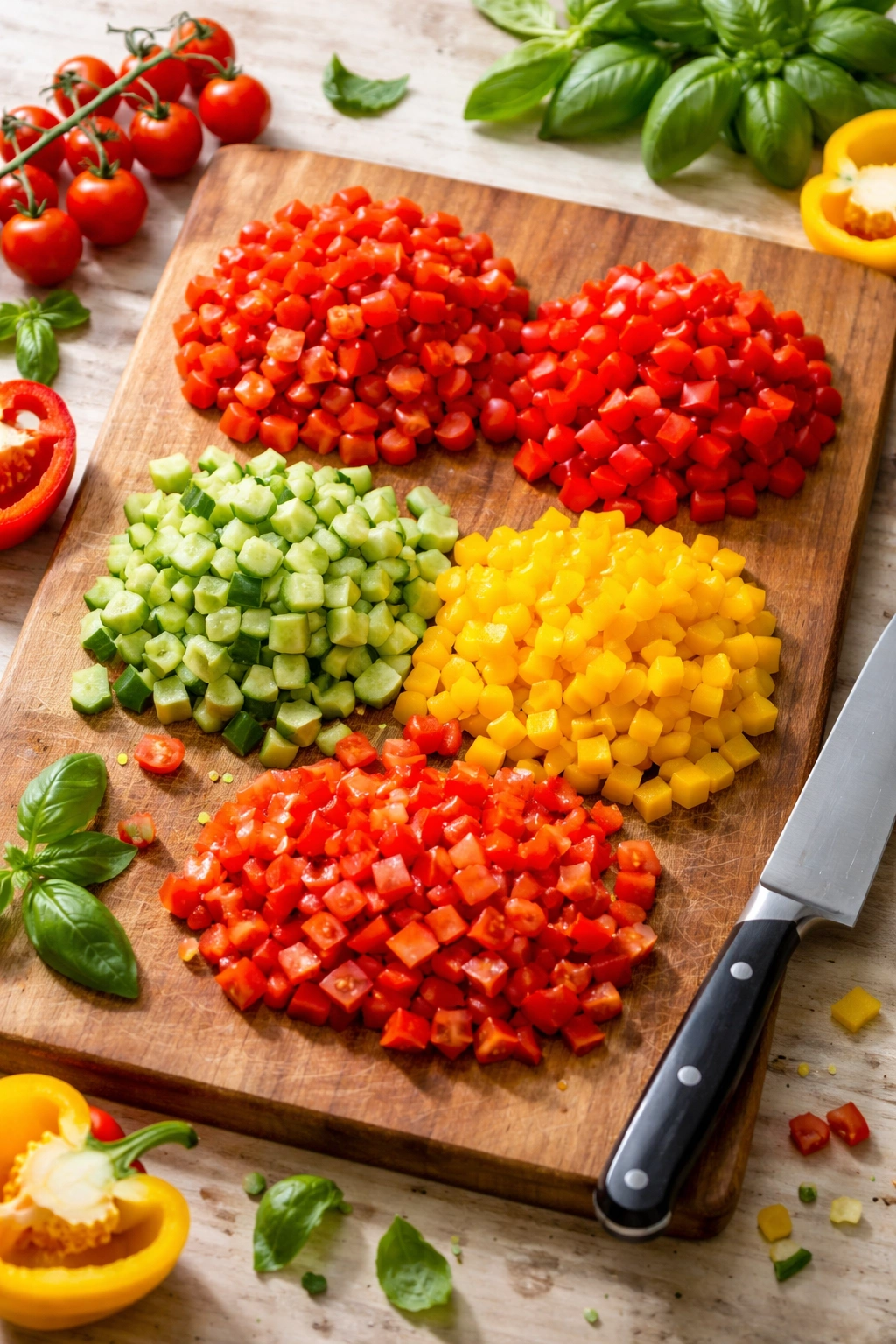
The vegetable component of pasta salad often receives the least thought, which is a mistake. Vegetables provide freshness, color, texture contrast, and nutritional balance—but only if they’re chosen and prepared with intention.
Cherry tomatoes are essential because their sweetness and slight acidity balance rich dressing beautifully. Quarter them lengthwise rather than halving them (smaller pieces distribute better throughout the pasta). If your tomatoes are very large, cut them into eighths. If they’re genuinely tiny, halve them. The goal is consistent size throughout so every bite contains tomato rather than some portions being tomato-heavy and others missing it entirely.
Bell peppers add sweetness and crunch. Cut them into small dice (roughly ½ inch or slightly smaller). Red and yellow peppers are sweeter than green, but the choice is yours—or use a mix for visual interest. The small dice allows pepper flavor to appear throughout the salad rather than as distinct bites.
Cucumbers contribute cooling freshness and a crisp texture. Dice them small, but here’s the critical detail: if you’re making the salad more than a few hours ahead, pat the cucumber pieces dry with paper towels and toss them with a pinch of salt. This draws out excess moisture that would otherwise water down your dressing as the salad sits. Let them sit 10 minutes, then pat them dry again before adding to the salad.
Red onion is often overlooked, but it’s truly valuable. It provides a sharp, slightly spicy note that prevents the salad from becoming sweet and one-dimensional. Dice it finely and, if it seems particularly pungent (some red onions are milder than others), soak the diced pieces in ice water for 5 minutes to mellow the bite slightly. Drain and pat dry before adding.
Fresh herbs are the final touch that elevates homemade pasta salad above the ordinary. Basil, parsley, or dill work beautifully—even a combination. Chop them just before adding to prevent browning and loss of flavor.
Perfecting the Dressing: The Core of Flavor
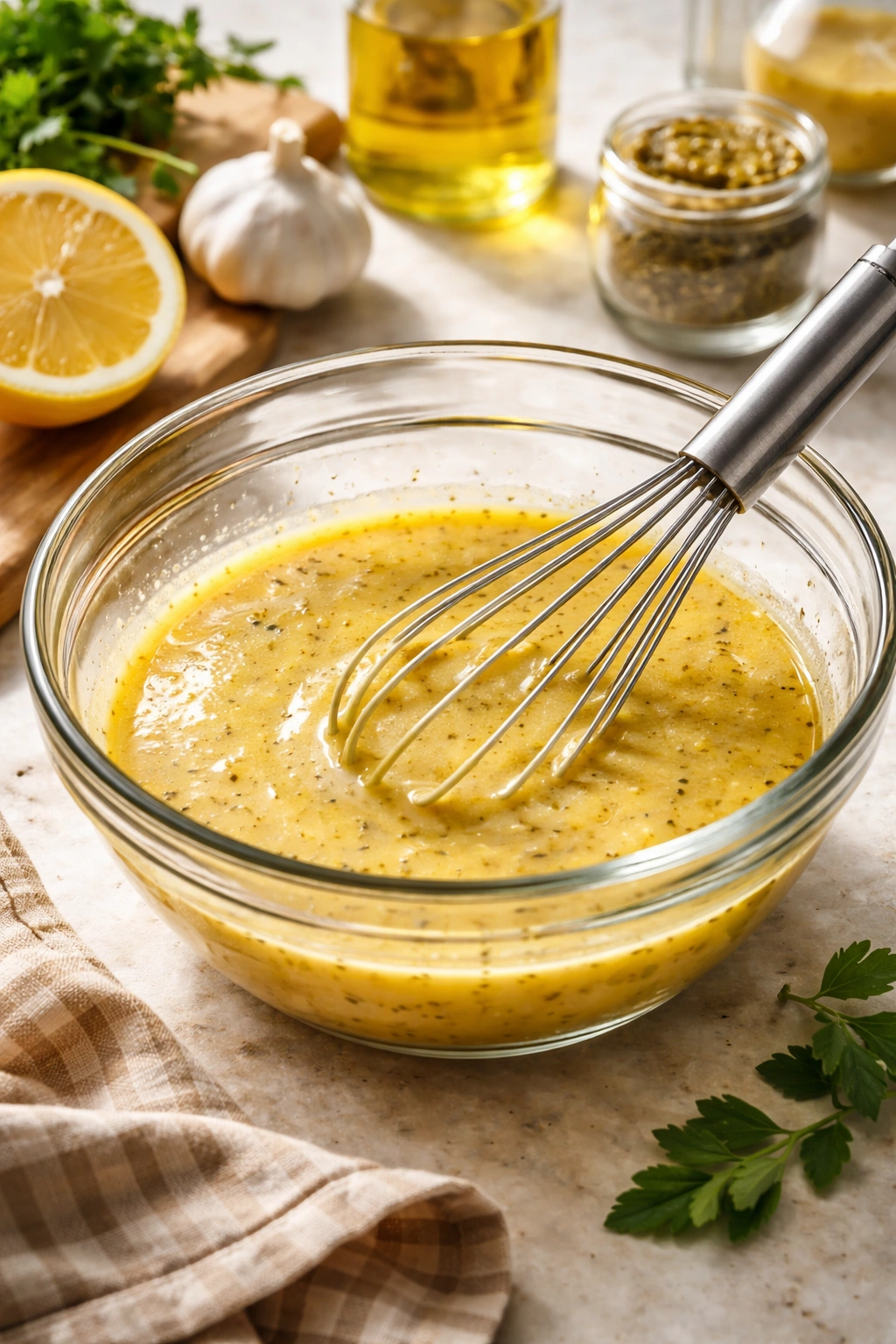
This is where technique separates good pasta salads from the ones people remember. The dressing must be in the right proportion (enough to coat but not enough to pool), with the right balance of flavors (acid and oil in proper ratio, salt at the right level, maybe a touch of sweetness to round things out).
The foundation should be approximately 1 part acid (vinegar and/or lemon juice) to 3 parts oil. This is slightly more acidic than a traditional vinaigrette because pasta absorbs liquid aggressively and you need the acid to remain bright as the salad sits. Too much oil and the dressing becomes heavy and greasy. Too little acid and the salad tastes flat.
The oil should be flavorful. Extra virgin olive oil is wonderful, but so is a neutral oil mixed with a small amount of sesame oil, or even avocado oil for a subtle richness. Your choice here sets the flavor direction.
Beyond oil and acid, you need salt (more than you think—cold salads demand it), a touch of Dijon mustard to emulsify and add depth, maybe a minced garlic clove for complexity, and possibly a tiny pinch of sugar to balance any sharp vinegar notes. Some cooks add a spoonful of mayonnaise to the dressing for richness, while others skip it. This is genuinely a matter of preference.
The Mixing Method That Prevents Greasiness
Here’s a technique most home cooks miss: emulsify your dressing before adding it to the pasta. Whisk the acid, salt, mustard, and any other non-oil ingredients together first. This combines and activates the flavors. Then, while whisking constantly, add the oil in a thin stream. This creates an emulsion—a temporary stable combination of oil and vinegar that feels lighter and coats more evenly than simply mixing them together.
Add this emulsion to the warm pasta (yes, warm—the pasta is still slightly warm when you drain it, and this matters). Toss thoroughly, making sure every noodle is coated. Some dressing will be absorbed by the still-warm pasta; some will remain on the noodles as a flavorful layer. This is exactly what you want. As the pasta cools, this balance stabilizes.
Yield, Prep Time, Cook Time, and Difficulty
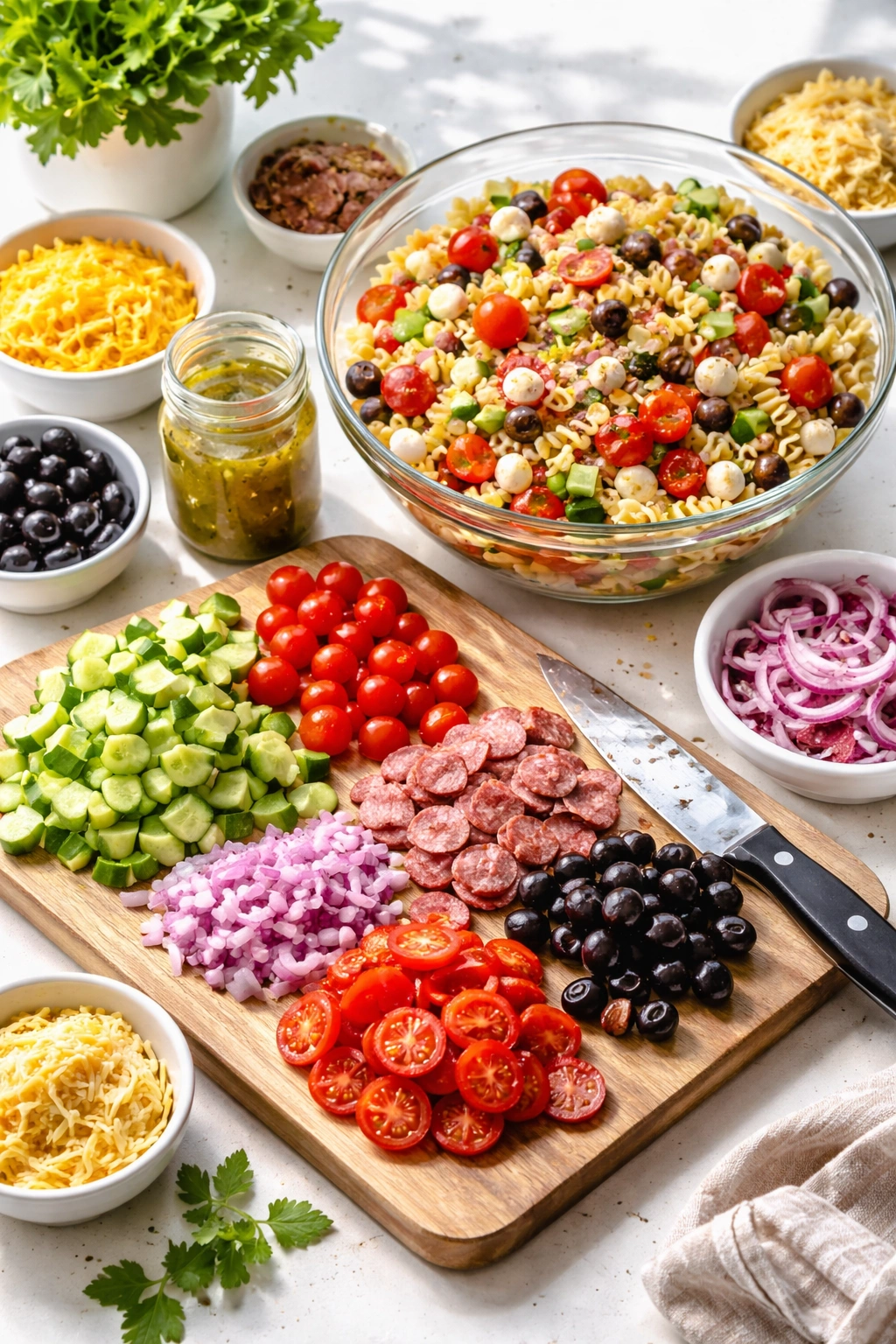
Yield: Serves 8 to 10 as a side dish | Makes about 12 cups
Prep Time: 25 minutes (chopping vegetables, making dressing)
Cook Time: 10 minutes (cooking pasta, cooling slightly)
Total Time: 35 minutes active + 30 minutes to cool before serving (or make up to 24 hours ahead and refrigerate)
Difficulty: Beginner — No special skills or equipment required. The only technique is cooking pasta properly and whisking together a simple dressing. Perfect for a first-time cook or anyone looking for a reliable, hands-off side dish.
Ingredients for Classic Pasta Salad
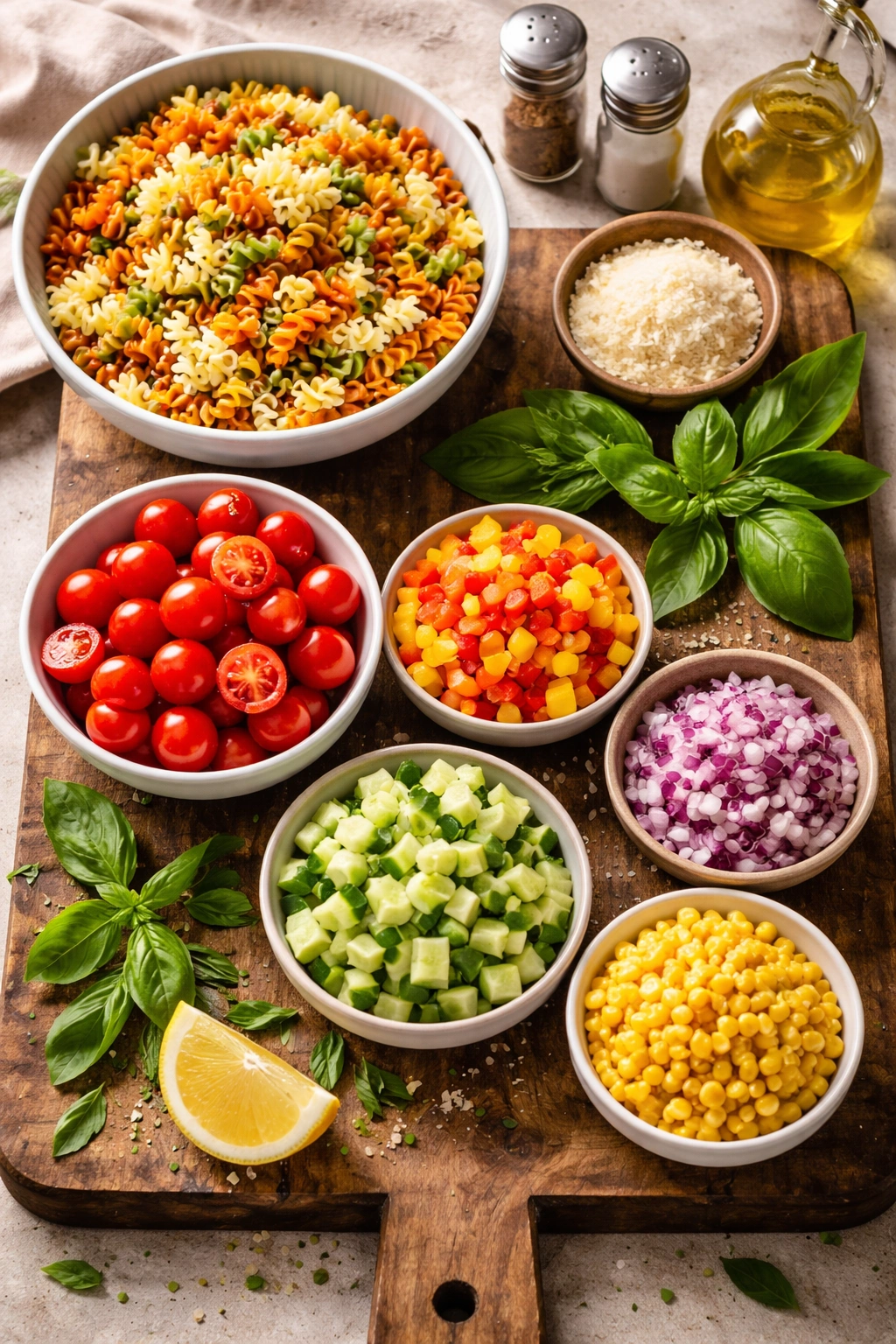
For the Pasta and Base:
- 1 pound (about 4 cups uncooked) tri-color rotini or penne pasta (or any short pasta shape you prefer)
- Salt for the cooking water
For the Vegetables:
- 2 cups cherry tomatoes, quartered lengthwise
- 1 large red or yellow bell pepper, finely diced (about 1 cup)
- 1 large cucumber, finely diced (about 1 cup), patted dry
- ¾ red onion, finely diced (about ¾ cup)
- 1 cup fresh corn kernels (fresh, thawed frozen, or canned and drained)
- 1 cup cherry or grape tomatoes for garnish (optional, left whole for visual appeal)
For the Dressing:
- ⅓ cup red wine vinegar or white wine vinegar
- 1 tablespoon fresh lemon juice
- 2 tablespoons Dijon mustard
- 2 cloves garlic, minced very finely
- 1 teaspoon fine sea salt (add more to taste)
- ½ teaspoon freshly ground black pepper
- 1 cup extra virgin olive oil
- 2 tablespoons mayonnaise (optional, for a slightly richer dressing)
For Finishing:
- ½ cup fresh basil and/or fresh parsley, chopped (or 2 tablespoons fresh dill)
- ½ cup grated Parmesan cheese (optional but recommended)
- Additional salt and pepper to taste
Step-by-Step Instructions
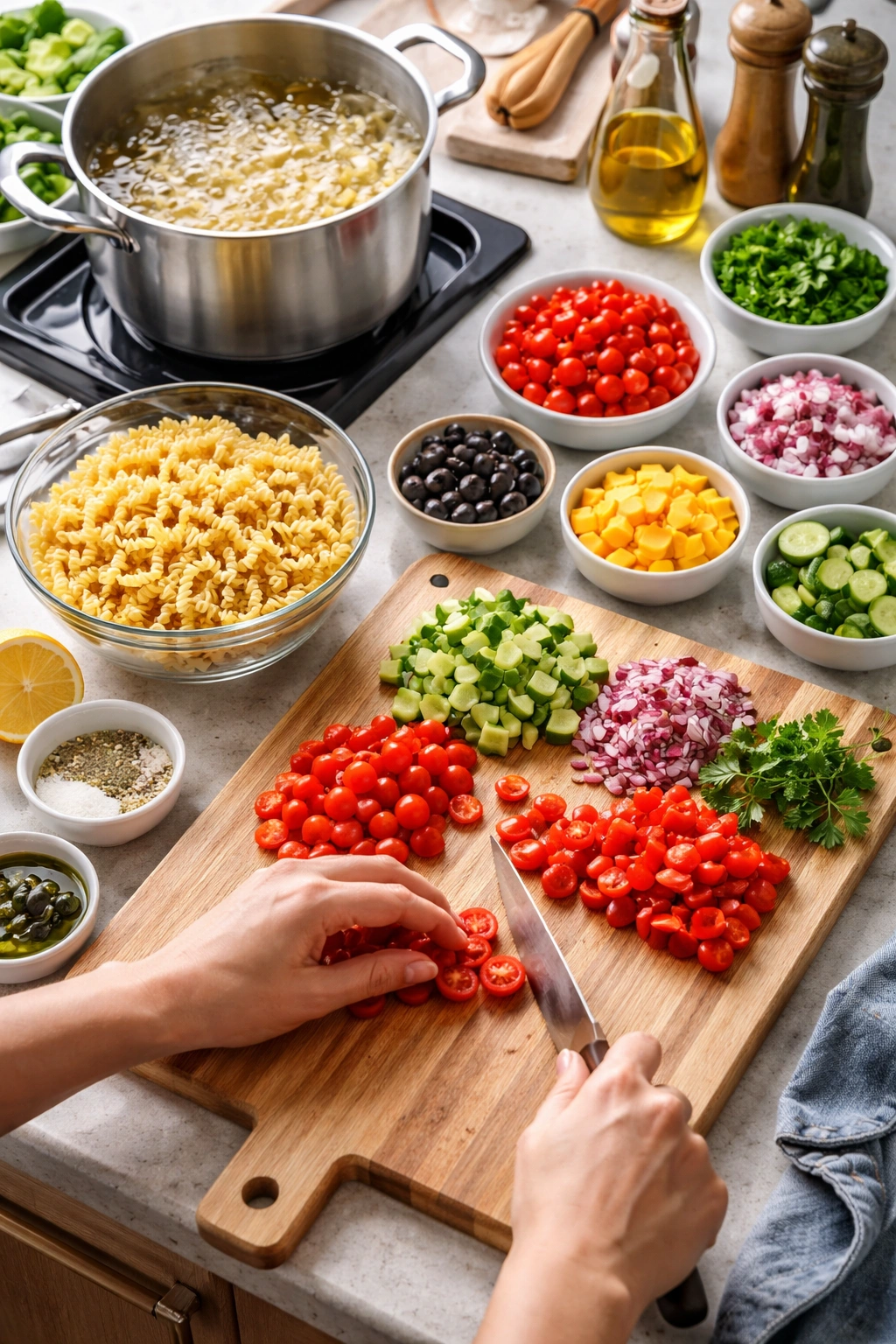
Prepare Your Workspace:
-
Bring a large pot of water to a rolling boil. Salt the water generously—it should taste noticeably salty, like seawater. This is your only chance to season the pasta itself, so don’t be shy with the salt.
-
While the water heats, prepare a large bowl filled with ice water and set it near your stovetop. This ice bath will stop the pasta from cooking further once it reaches al dente.
Advertisements -
Prepare all your vegetables: quarter the cherry tomatoes, dice the bell pepper, cucumber, and red onion into small, uniform pieces, and have the corn ready. Tip: Having everything prepped before the pasta enters the water is critical—once pasta hits the pot, time moves quickly and you won’t want to be chopping.
Cook the Pasta:
-
Once the water is boiling, add the pasta and stir immediately with a long-handled spoon to prevent sticking. Stir occasionally (every 2 minutes) as it cooks.
-
Start checking for doneness one minute before the package suggests. At the 8-minute mark (if the box says 9 minutes), fish out a single noodle with a fork, run it under cold water to cool it quickly, and taste it. The noodle should bend easily but have a barely perceptible firmness at its very center—not crunchy, but with a hint of tooth. This is critical to the texture of your final salad. If it’s still too chewy, cook another 30 seconds and check again.
-
Once the pasta reaches al dente, drain it immediately in a colander. Very important: Reserve at least 1 cup of the pasta cooking water before draining. This starchy water is your secret ingredient if the salad needs freshening or additional moisture later.
-
Immediately transfer the still-warm pasta to a large mixing bowl.
Make the Dressing:
-
While the pasta cooks, make the dressing. In a medium bowl, whisk together the vinegar, lemon juice, mustard, minced garlic, salt, and black pepper. Whisk for 30 seconds until these ingredients are fully combined and the salt has dissolved. Taste it—this mixture should taste bold and bright, not harsh. If the vinegar tastes too sharp, add a pinch more salt (salt mellows acidity).
-
Now add the olive oil while whisking constantly. Pour it in a thin stream—not all at once—whisking continuously. This creates an emulsion, a temporary stable combination that will feel lighter and coat the pasta more evenly than simply mixing oil and vinegar together. Keep whisking until the dressing is mostly uniform and slightly thickened (this takes about a minute of steady whisking).
-
If using mayonnaise, whisk it in now. This addition makes the dressing slightly richer and helps it cling to the pasta, though it’s entirely optional. Taste the dressing and adjust salt or lemon juice as needed—it should taste like a bright, flavorful vinaigrette, not overly salty or overly acidic.
Advertisements
Combine and Chill:
-
Pour the warm dressing over the still-warm pasta in the large bowl. Toss thoroughly with a large spoon or spatula, making sure every noodle gets coated with dressing. The warm pasta absorbs the dressing more evenly than cold pasta would. Toss for about 2 minutes until the pasta looks uniformly glossy and most of the dressing has been absorbed.
-
Let the pasta cool to room temperature (about 20 to 30 minutes), stirring occasionally so it cools evenly and doesn’t clump.
Add the Vegetables:
-
Once the pasta has cooled to room temperature, add all the diced vegetables (tomatoes, bell pepper, cucumber, red onion, and corn) to the bowl. Fold gently but thoroughly, using a spatula or large spoon to distribute the vegetables evenly throughout the pasta. Don’t stir aggressively—you want to coat everything without bruising the more delicate vegetables.
-
Add the fresh herbs (basil, parsley, and/or dill) and the Parmesan if using, and fold in gently. Taste the salad and adjust salt and pepper as needed. The salad should taste bright, flavorful, and balanced—not heavy, not flat, not overly acidic or salty.
Final Step Before Serving:
- If serving within 2 hours, cover the bowl and refrigerate until serving time. If making ahead (which is wonderful—this salad improves as it sits), cover and refrigerate for up to 24 hours. About 30 minutes before serving, remove from the refrigerator and give it a gentle stir, checking the consistency. If it seems too thick (the pasta will continue absorbing liquid as it sits), add a splash or two of the reserved pasta water to loosen it. Stir well to recombine.
Practical Tips and Tricks That Make a Difference
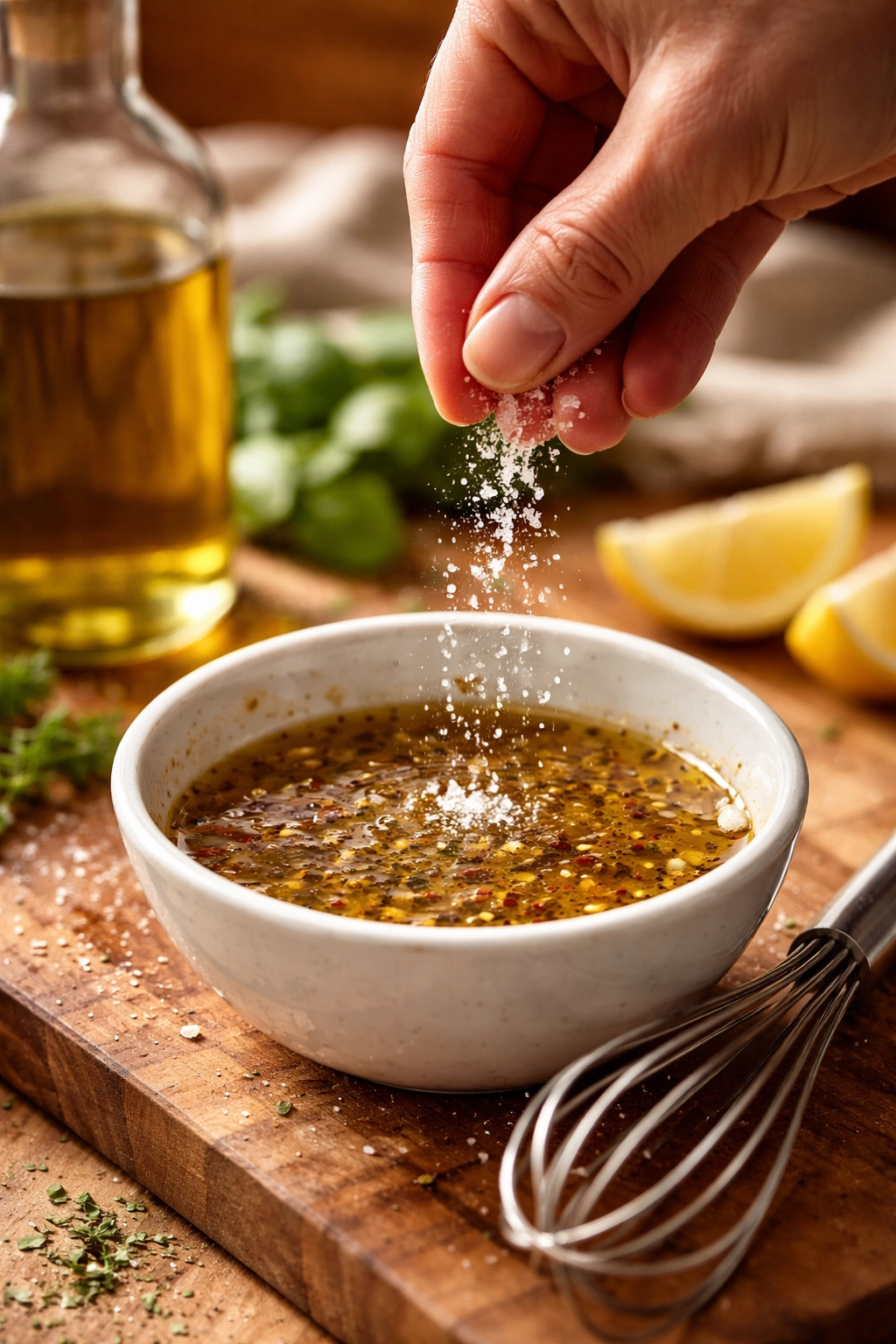
The most common mistake home cooks make is overseasoning the dressing initially. Cold foods demand more salt than you think—but it’s very easy to add more salt and nearly impossible to remove it once added. Start with slightly less than you think you need, taste the final salad carefully, and adjust. Remember that Parmesan adds saltiness, so account for that.
Here’s a game-changing insight many cooks miss: if you’re making the salad more than a couple hours ahead, the pasta will continue to absorb the dressing, and the whole thing can become thick and a bit dry by serving time. This isn’t a disaster—it just means a splash of that reserved pasta water (which you wisely saved) brings everything back to perfect consistency. Add it a tablespoon at a time, stir, and taste. The starch in that water helps redistribute the dressing rather than simply thinning it.
Vegetable prep timing matters more than most people realize. Cherry tomatoes are fine chopped hours ahead, as are bell peppers and corn. Cucumbers, if chopped far in advance, will release moisture that waters down the dressing. Chop cucumbers no more than a couple hours before serving, and definitely pat them dry before adding them. Red onion can be chopped ahead, though if it’s particularly pungent, briefly soaking it in ice water mellows the sharp bite without removing the flavor.
The pasta itself should still be slightly warm when you dress it because warm pasta absorbs the dressing more effectively and more evenly. Cold pasta simply won’t take on the flavors the same way. Don’t refrigerate the dressed pasta immediately—let it cool to room temperature first, then add the vegetables, then chill if you want.
If you’re transporting this to a gathering, pack it in a lidded container and carry it in a cooler with ice packs. Remove it from the cooler about 15 to 20 minutes before serving so it’s cold but not ice-cold—too-cold pasta salad actually tastes muted and heavy. Room temperature or cool (around 55-60°F) is the ideal serving temperature for maximum flavor.
Variations and Adaptations
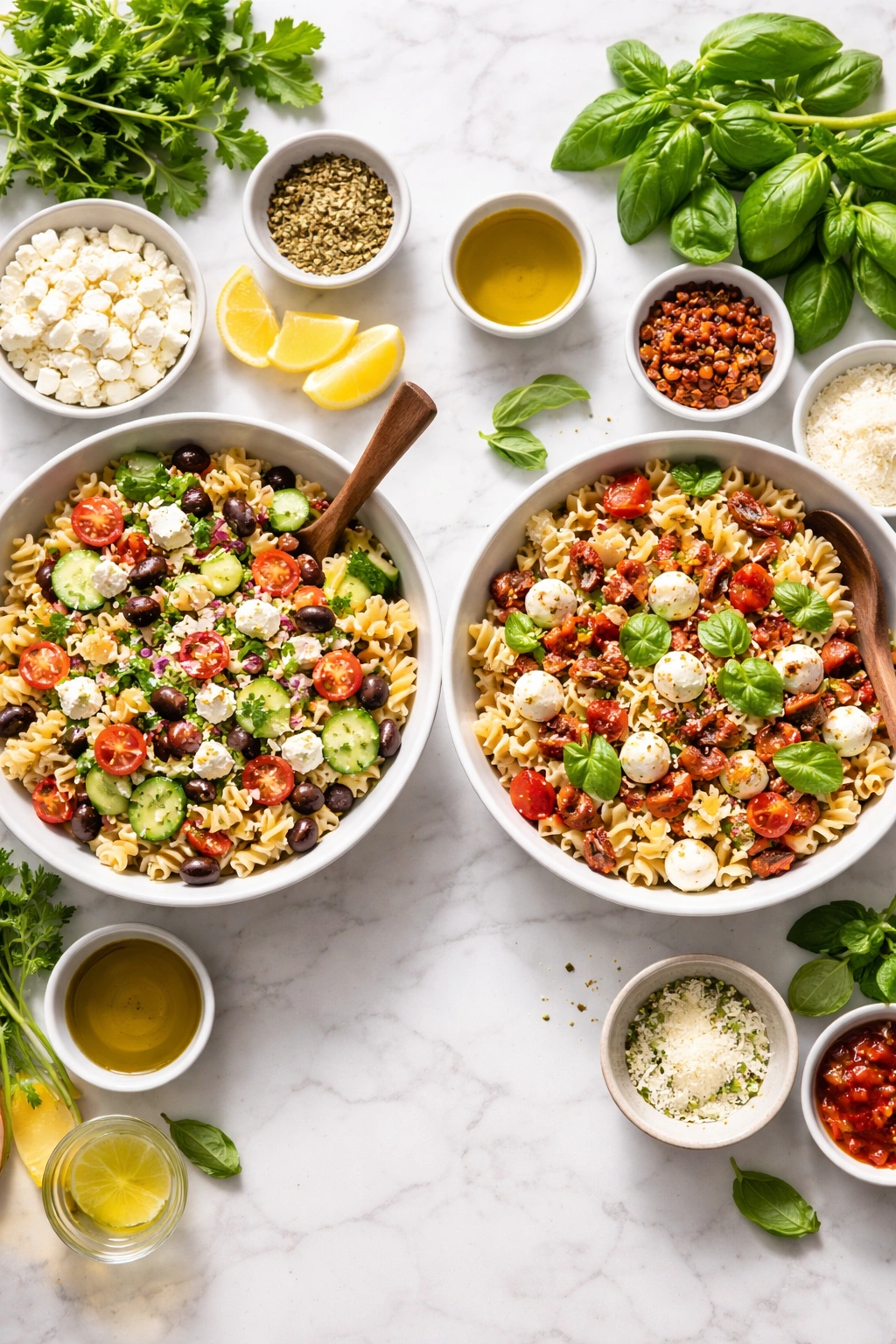
The beauty of pasta salad is how readily it accepts changes and additions. The foundational technique—perfectly cooked pasta, balanced dressing, fresh vegetables, and herbs—stays constant, but the flavor profile is entirely customizable.
Mediterranean Version
Swap the corn for Kalamata olives (pitted and halved). Add crumbled feta cheese instead of Parmesan, and use fresh oregano instead of basil. Add a minced clove of garlic directly to the dressing, and use lemon juice as your primary acid instead of vinegar. Include some diced cucumber and fresh spinach (toss it in just before serving so it stays fresh). This version feels brighter and more herbaceous.
Italian Garden Version
Keep the core formula but load it with vegetables: add thin-sliced zucchini (raw and sliced very thin), diced artichoke hearts, roasted red peppers (from a jar, drained and diced), and sun-dried tomatoes (roughly chopped). Use basil generously and add fresh mozzarella balls (small ones, diced into quarters) for richness. Pine nuts or toasted sunflower seeds add a textural element. This version is packed with vegetables and feels more substantial.
Lighter, Herb-Forward Version
Reduce the oil slightly (go with ¾ cup instead of a full cup) and increase the fresh herbs. Include fresh basil, parsley, dill, and even some tarragon if you like. Use lemon juice as your primary acid. Add minced red onion directly to the dressing itself rather than as a vegetable component, and include some finely minced fresh garlic (one full clove, minced very fine). This version is brighter and less heavy, perfect for warm weather appetites.
Creamy Ranch-Style Version
Make the dressing with buttermilk or yogurt instead of (or in addition to) olive oil. Add fresh dill, chives, and parsley. Include minced fresh garlic and a tablespoon of Dijon mustard. The result is a creamy, herb-forward dressing that coats the pasta luxuriously without being heavy. Add cherry tomatoes, diced cucumber, and diced red onion as your vegetable base. This version appeals to people who prefer creamy dressings.
Southwestern-Spiced Version
Keep the pasta and basic structure but build flavors in a completely different direction. Dress the warm pasta with a lime vinaigrette (lime juice instead of vinegar, cilantro instead of basil). Add black beans (drained and rinsed) and corn. Include diced red bell pepper and jalapeño (minced fine, seeds removed for less heat). Add diced avocado just before serving (it browns if it sits too long). Finish with crumbled cotija cheese and crispy tortilla strips. This version is vibrant and works beautifully with grilled chicken or fish.
Protein-Forward Version
Add a full 2 cups of diced cooked chicken (roasted or grilled), or a cup of cooked and crumbled bacon, or a cup of diced fresh mozzarella and a cup of diced salami. Any of these additions transforms the salad from a side dish into a light lunch or main course. Keep the vegetable component relatively generous so the salad stays balanced—if you’re adding protein, don’t skimp on vegetables.
Storage, Make-Ahead, and Keeping Quality
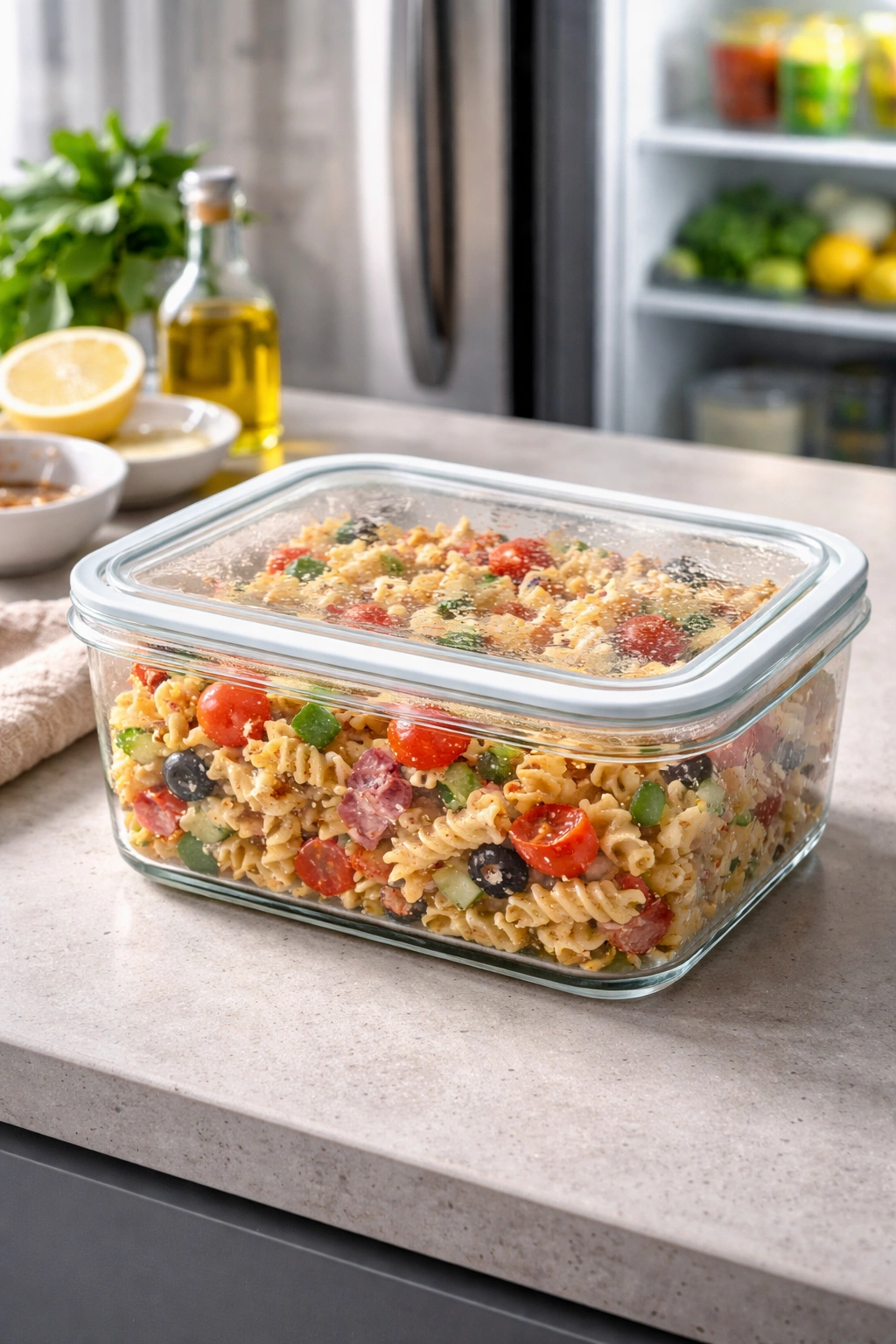
This is genuinely one of the strongest suits of pasta salad: it actually improves as it sits. Make it a full 24 hours ahead if your schedule allows. The flavors have time to meld, the pasta continues absorbing the dressing at a perfectly calibrated rate, and you’re freed from kitchen work the day of your gathering.
Store the pasta salad in a lidded container in the refrigerator. It keeps excellently for up to 3 days, though the textural quality (the crispness of the vegetables) is best within 24 hours. The dressing continues to be absorbed by the pasta, so by day 2 or 3, you may need to add a splash of pasta water (or regular water, or a quick splash of vinegar if you want to revive the acidity) to restore it to the right consistency.
Make-Ahead Strategy: You can prep all your vegetables the morning of your event and store them separately in airtight containers, then assemble the pasta salad just a few hours before serving. Alternatively, make it fully 24 hours ahead and simply refresh it with a splash of pasta water and a gentle stir about 30 minutes before serving.
Component Storage: If you’re very organized, you can cook the pasta and make the dressing a day ahead, storing them separately. Combine them a few hours before serving, then add the fresh vegetables and herbs. This approach guarantees maximum freshness in the vegetable component.
Freezing: Pasta salad doesn’t freeze well because the texture of the pasta becomes mushy when thawed, and vegetables lose their crispness. This is definitely a dish to make fresh and enjoy within a few days rather than something to freeze for later.
Transport: If you’re bringing this to a gathering, pack it in a cooler with ice packs for transport, then remove it about 15 to 20 minutes before serving. This ensures it’s cold but not ice-cold—the ideal serving temperature.
Serving Suggestions and Pairings
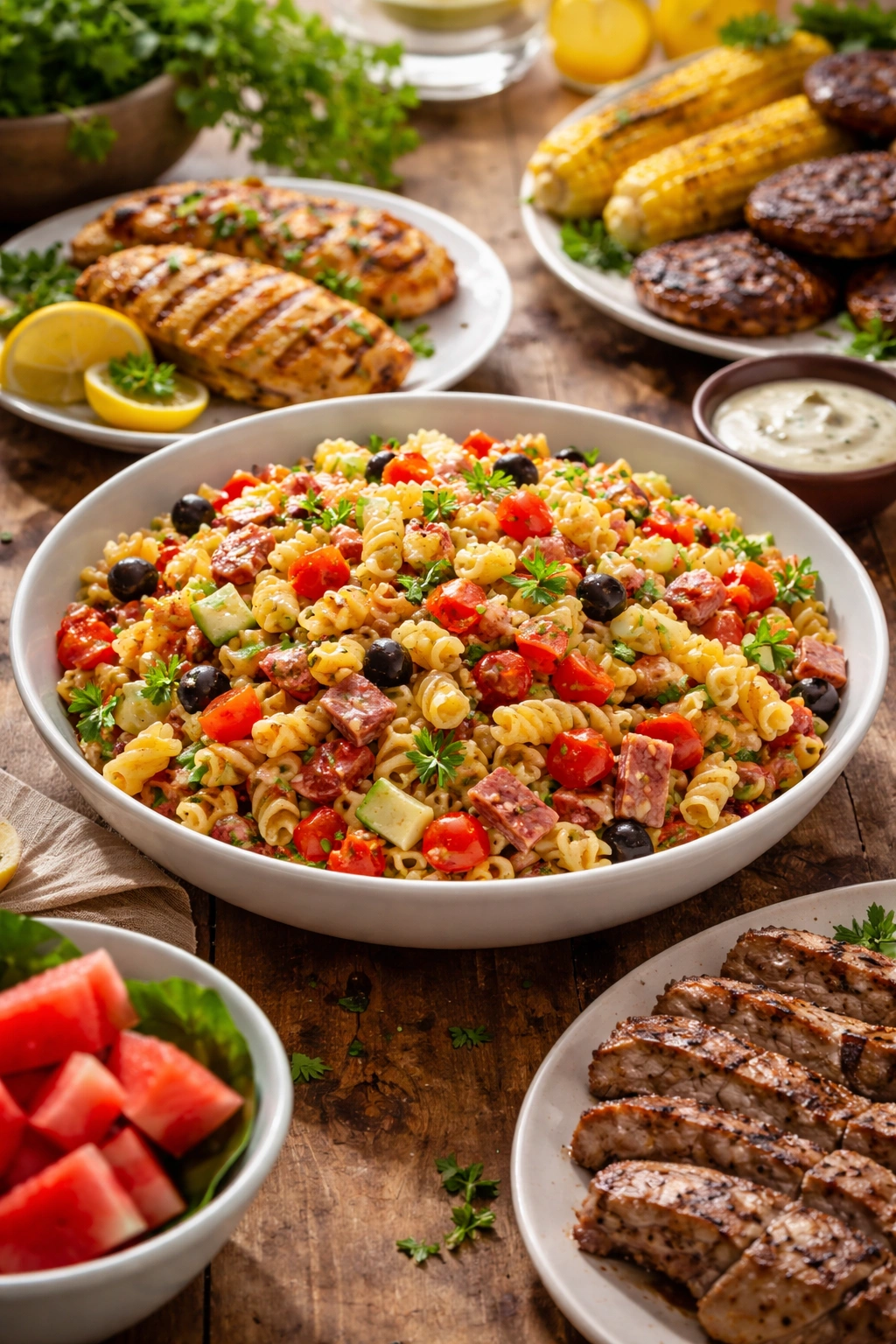
Pasta salad works beautifully alongside grilled proteins and fresh sides. Pair it with grilled chicken, beef, or fish—the bright acidity of the dressing cuts through the richness of grilled meats beautifully. It’s equally at home next to hamburgers and hot dogs for a classic BBQ spread, or alongside fresh grilled vegetables for a lighter gathering.
The best side dish companions are those that don’t compete for flavor. Grilled corn (brushed with butter and herbs) is wonderful—the freshness echoes the vegetable component of the salad. Sliced fresh tomatoes with a sprinkle of salt and basil work beautifully. A simple green salad with a light vinaigrette doesn’t clash with the pasta salad. Garlic bread or warm rolls give people something to use with any remaining dressing in the bottom of the bowl.
For beverages, pasta salad pairs wonderfully with chilled white wines (a Pinot Grigio or Sauvignon Blanc), light beers, iced tea, or simple lemonade. The acidity of the dressing makes for interesting flavor interactions with slightly acidic or refreshing drinks.
For plating, serve pasta salad in a wide, shallow bowl or on a large platter where the components are visible. Garnish with fresh herbs (a basil sprig or parsley leaf) and perhaps a few whole cherry tomatoes if you haven’t fully incorporated them into the salad. This visual presentation signals freshness and care, even though you made it hours (or days) ahead.
If you have leftovers, pasta salad is exceptional for the next day’s lunch. Store it in an airtight container and bring it to work or pack it for a picnic. It’s already cold, completely portable, and tastes even better after an extra night in the fridge.
Final Thoughts
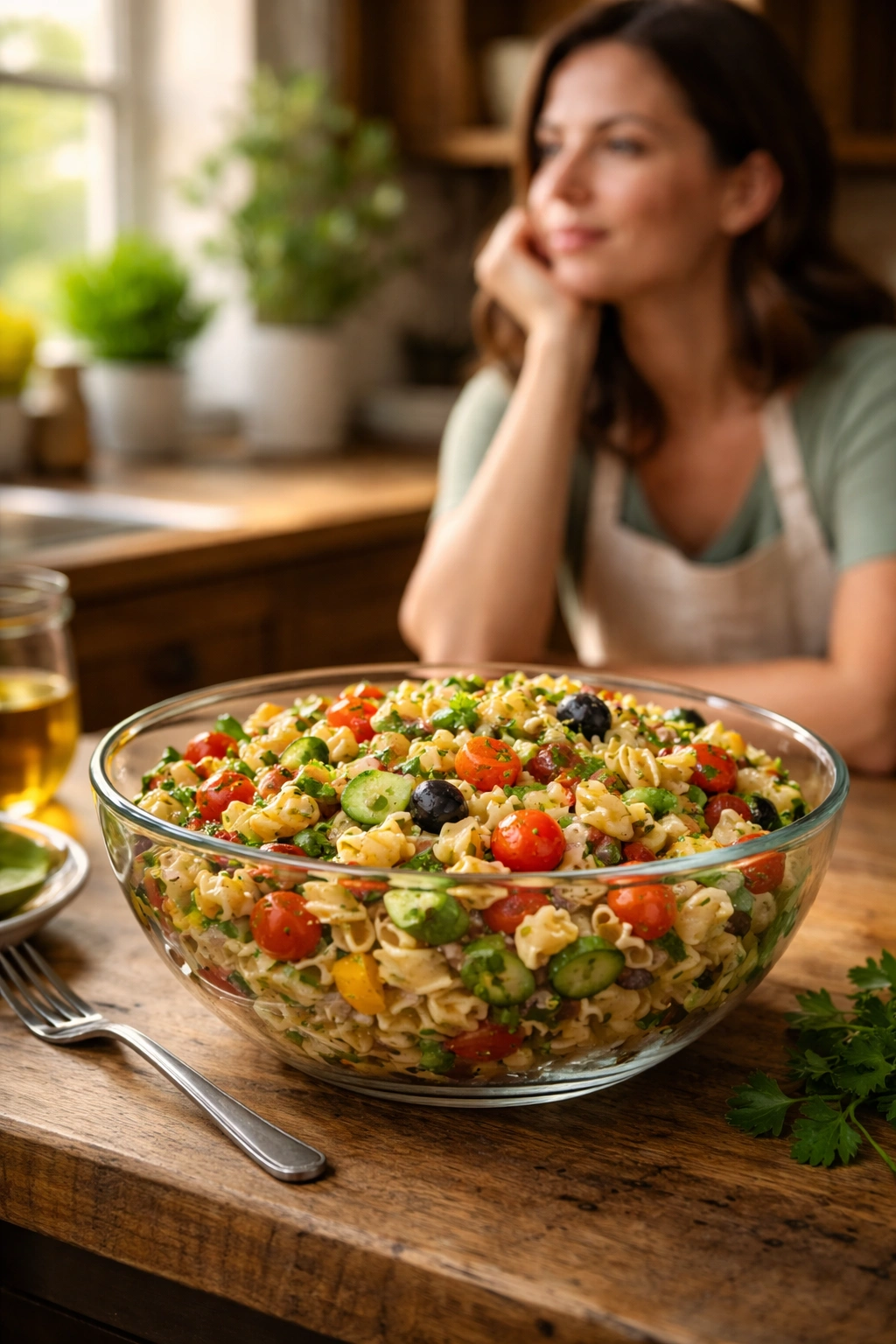
A homemade pasta salad represents a kind of cooking that feels like indulgence but is actually pure practicality. You invest a modest amount of time before your guests arrive, and then you have a stunning, delicious component that only gets better as the afternoon unfolds. It’s the kind of dish that builds your confidence as a cook because the results are immediately visible—when people ask for the recipe or come back for seconds, you know you’ve genuinely nailed something.
The foundation is straightforward: perfectly cooked pasta, balanced dressing, fresh vegetables, and fresh herbs. Master these elements and you have a reliable dish that works every single time. Once you’re comfortable with the formula, you can bend it toward whatever flavors appeal to your crowd. Mediterranean herbs and olives one time, Southwestern spices the next, or classic Italian with a creamy ranch twist. The technique doesn’t change—only the specifics of what you add.
The other underrated aspect of pasta salad is that it’s genuinely kind hosting. By making it ahead, you’re announcing to your guests that you’re happy to see them and you’re not going to disappear into the kitchen. You’ll be present, relaxed, and able to actually enjoy the gathering. That peace of mind, combined with the pleasure of serving something truly delicious and homemade, is worth far more than the relatively small amount of effort required to make it. Your next BBQ is the perfect opportunity to prove this to yourself.
