



These little bites deliver the perfect balance of tangy cranberry and creamy cheese in a no-fuss package that genuinely surprises first-time makers. You’ll get that burst of tart fruit against rich, smooth cream cheese with just a hint of sweetness—and the best part is that you don’t need any special equipment or advanced baking skills to pull them off. Whether you’re prepping them for a holiday gathering, looking for an elegant appetizer that doesn’t require last-minute assembly, or just wanting a sophisticated snack that happens to be incredibly simple, these cranberry cheese bites deliver on every front.
What makes these bites so approachable is that they skip the intimidating steps entirely. No piping, no intricate folding, no waiting for dough to rise. Instead, you’re working with straightforward ingredients that come together in maybe 15 minutes of actual hands-on time. The cranberries act as both a flavor driver and a beautiful visual garnish, while the cream cheese base provides a velvety canvas for that tart pop. Most people are shocked when they realize how short the ingredient list is—it’s almost suspicious how good something this simple can taste.
The beauty of these bites also lies in their versatility. You can serve them cold straight from the fridge, at room temperature, or even slightly warmed. They’re elegant enough for a cocktail party, casual enough for a weeknight snack, and substantial enough to hold their own on a charcuterie board. Once you understand the basic formula, you’ll start seeing endless variations you can create with different additions and flavor swaps. These are the kind of bites that feel like you spent hours in the kitchen when really you spent minutes—and that’s exactly why they’ve become such a go-to recipe for anyone looking to impress without stress.
What Makes These Bites So Irresistibly Good

The magic happens at the intersection of textures and flavors. You’ve got the dense, creamy richness of full-fat cream cheese creating a luxurious mouthfeel, combined with the bright, slightly tart punch of fresh or dried cranberries that cuts through that richness perfectly. The contrast is what makes them interesting—neither element overpowers the other. Add in just a touch of sweetness (whether from honey, maple syrup, or a hint of vanilla), and suddenly you’ve got a flavor profile that feels sophisticated and well-balanced without being complicated.
The texture story matters too. When you bite into a properly made cranberry cheese bite, you should get that smooth, almost buttery cream cheese foundation, and then the cranberries provide little pockets of chewy or slightly jammy texture depending on whether you’re using fresh or dried berries. This interplay between creamy and chewy is what keeps people coming back for more—it’s not just one note, it’s a complete sensory experience in a single bite.
Another reason these bites hit differently is that they bridge the gap between savory and sweet in a way that makes them genuinely versatile. They work as an appetizer before a savory meal, they fit perfectly in a dessert spread, and they’re equally at home on a brunch table. That flexibility means you can make them once and serve them in multiple contexts throughout the week, or create different flavor variations for different occasions without needing separate recipes.
The Origin Story of Cream Cheese and Cranberry Combinations
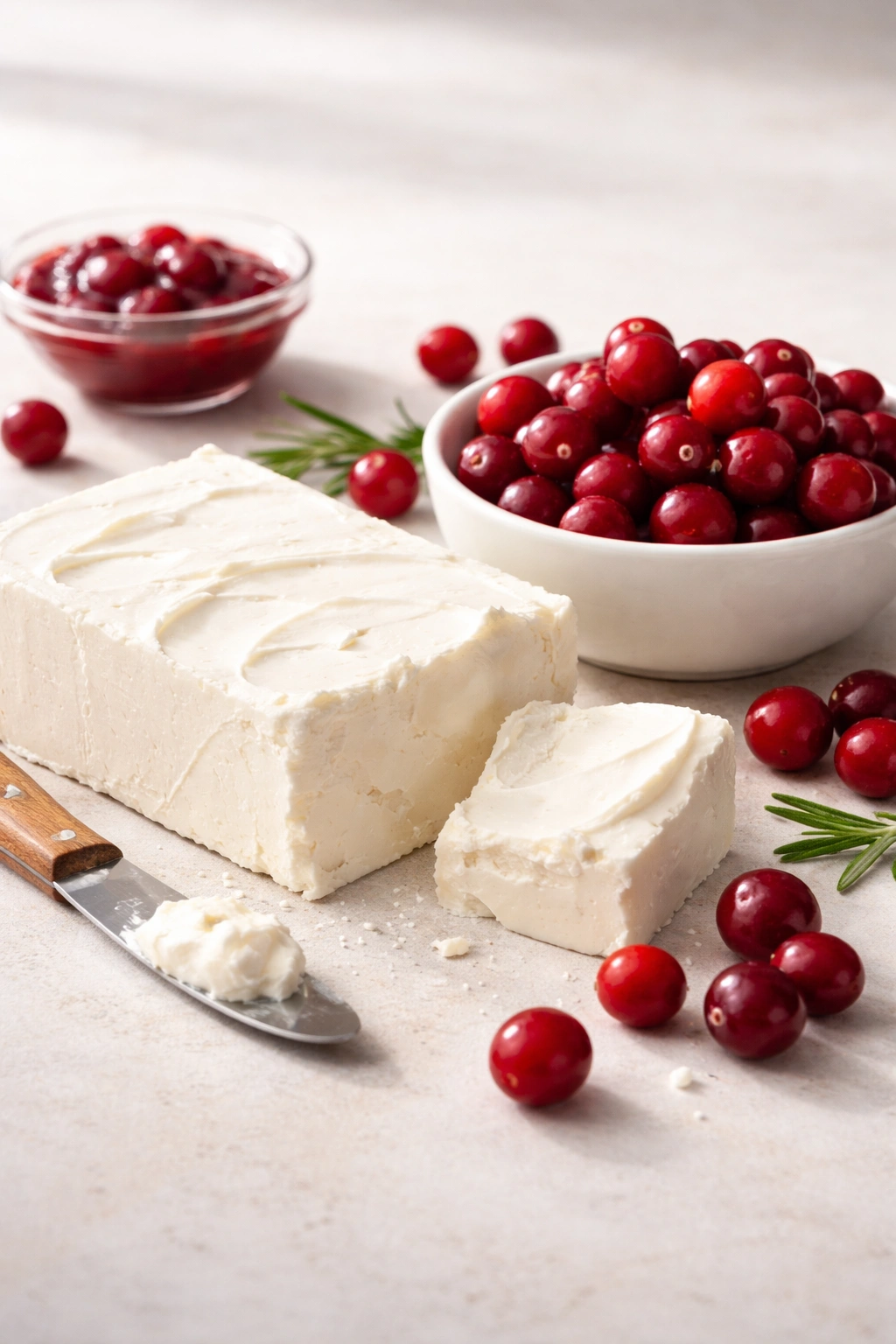
Cranberries have been a North American ingredient for centuries, but their pairing with cream cheese is a more recent culinary innovation that emerged from the blending of traditional indigenous ingredients with the European cheese-making traditions that settlers brought with them. The tart berry became famous in preserved forms—sauces, dried versions—which made it available year-round and opened up creative possibilities beyond just seasonal eating. When cream cheese became widely available in the late 1800s and early 1900s, food innovators began experimenting with these two ingredients together, discovering that the tartness of cranberry perfectly complemented the mild, rich creaminess of Philadelphia-style cream cheese.
The specific format of cranberry cheese bites as we know them today reflects modern entertaining trends. As people began hosting smaller, more casual gatherings and moved away from sit-down dinner parties, appetizers that could be eaten in one or two bites became increasingly popular. The combination of cream cheese and cranberry translated perfectly into this format—it was elegant enough to impress but casual enough to feel approachable. What makes these particular bites feel modern is how they’ve been stripped down to essentials, making them achievable for home cooks without extensive kitchen experience or fancy equipment.
Interestingly, the beauty of this recipe is that it reflects how food evolves. You’re taking a flavor pairing that’s rooted in decades of culinary exploration and tradition, then presenting it in a format that’s practical for contemporary life. That’s what makes these bites work so well—they’re not trying to be something they’re not. They’re honest, straightforward, and delicious.
Choosing Your Cream Cheese and Cranberries
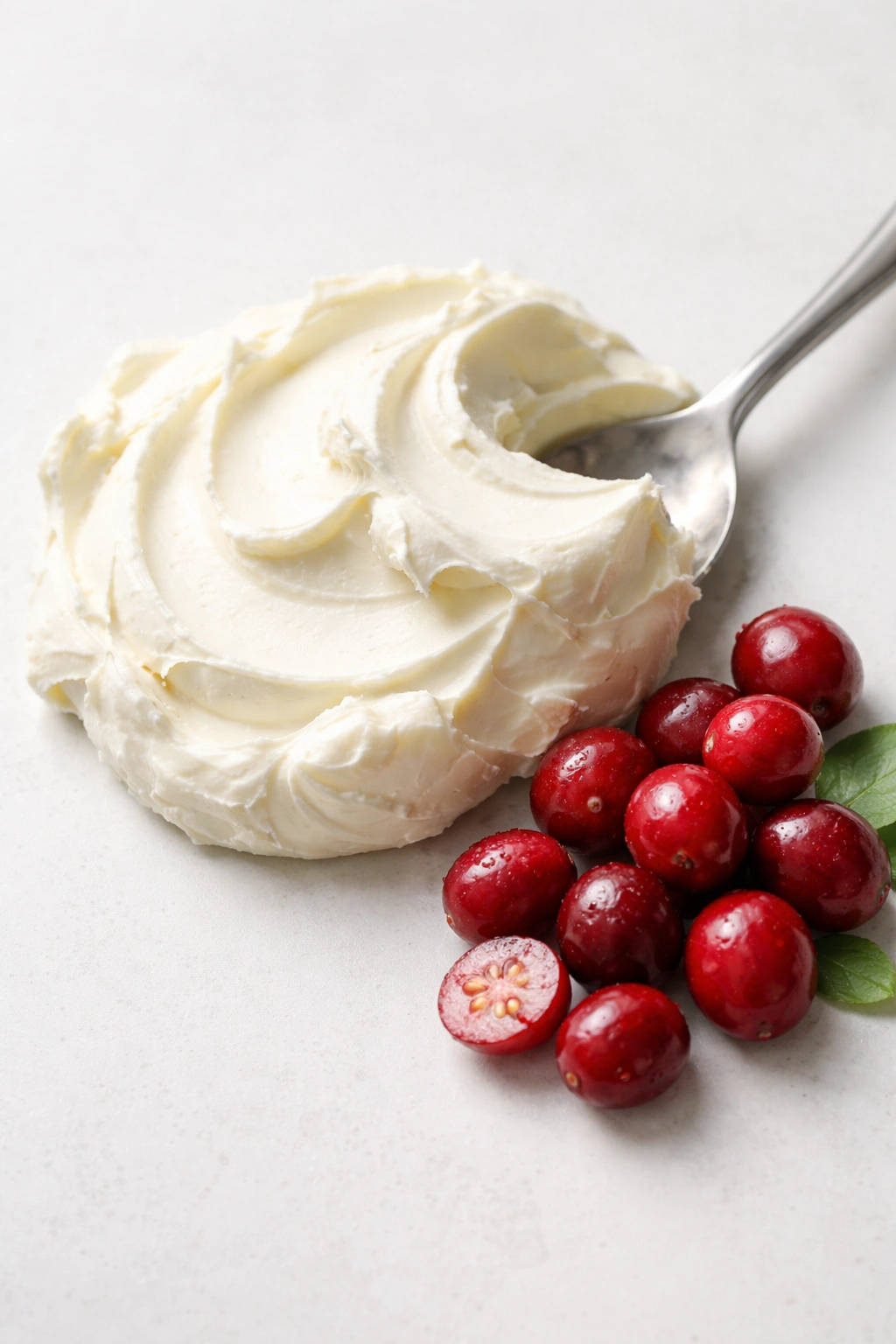
The quality of your cream cheese directly impacts the final result, so it’s worth thinking about this ingredient intentionally. Full-fat cream cheese is non-negotiable here—it’s what gives you that smooth, almost luxurious texture. Whipped varieties or reduced-fat versions will give you a different (less desirable) result. The best cream cheese for this application is slightly softened before you start working with it, which happens naturally if you leave it on the counter for 15-20 minutes. Room-temperature cream cheese incorporates more smoothly and creates a better texture than cold, straight-from-the-fridge cream cheese.
Taste your cream cheese before you start. Good cream cheese has a mild tang to it—not sour, but not bland either. Some brands are more tangy than others, which will affect the overall flavor balance of your bites. Philadelphia is the reliable standard, and it works beautifully here, but many other brands are equally good. What matters most is avoiding any cream cheese with added ingredients like stabilizers that change the texture.
For the cranberries, you have two realistic choices: fresh or dried. Fresh cranberries are bright, tart, and slightly firm—they won’t blend into the cream cheese, which is actually the benefit. They stay as distinct flavor pockets and look beautiful on top of your bites. Fresh cranberries are seasonal in most places, available in fall and early winter, but they freeze beautifully, so you can buy them in season and keep them frozen for months. Dried cranberries offer different characteristics: they’re sweeter, chewier, and more intensely flavored because the water has been concentrated. They’re available year-round and work beautifully if that’s what you have on hand.
If you’re using dried cranberries, consider giving them a quick soak in warm water or juice for 5-10 minutes before adding them to your bites. This plumps them up slightly and makes them more tender. Fresh cranberries can be used straight from the bag or freezer—there’s no need to thaw them first. The choice between fresh and dried really comes down to what appeals to you flavor-wise and what you have available. Both routes produce excellent results.
Why These Bites Beat More Complicated Appetizers
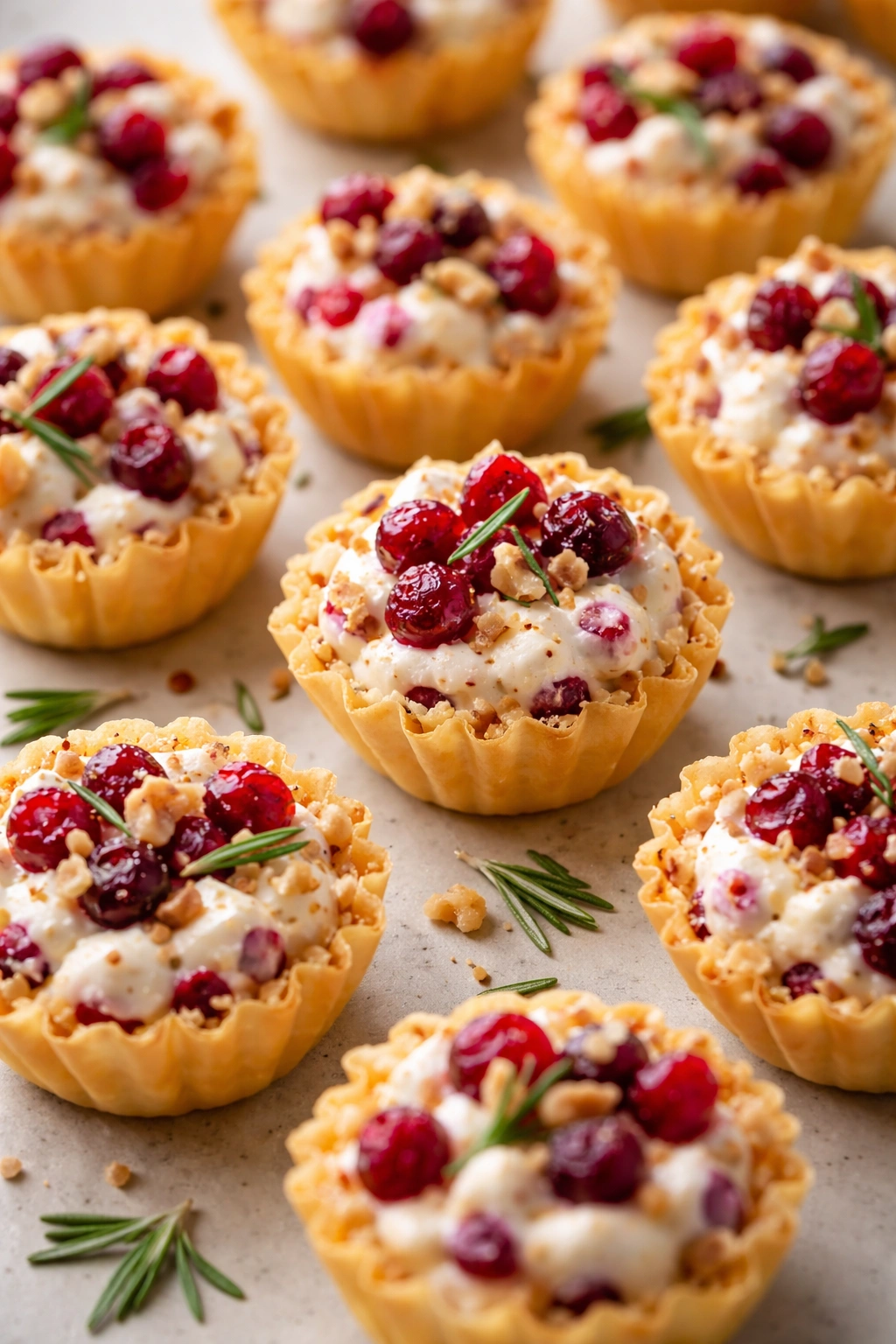
Let’s be honest: most appetizers require more effort than they’re worth. You’re standing in your kitchen, hands cramping from piping bags, stress-eating the mistakes, wondering why you didn’t just buy something prepared. Cranberry cheese bites skip all that drama. The most complicated step is softening your cream cheese, and that’s not even really a step—that’s just letting time do the work.
These bites also have the advantage of being make-ahead friendly in a way that many appetizers aren’t. You can prepare them hours in advance or even the day before, which means on the day of your gathering, you’re not stressed about the food—you’re actually present with your guests. That’s a huge quality-of-life improvement that more people should factor into their entertaining strategy. Most appetizers either require last-minute assembly or taste better hot from the oven, which means constant trips to the kitchen. Not these. They’re equally good at any temperature.
The ingredient list is another major advantage. You’re probably going to have most of what you need already in your kitchen, which means fewer shopping trips and less food waste. Cream cheese and cranberries—maybe honey or vanilla—and you’re done. No specialty ingredients that you’ll buy in bulk and then wonder what to do with for the next six months. That simplicity doesn’t just save money; it removes one of the biggest barriers to home entertaining for most people.
Yield, Timing, and Difficulty
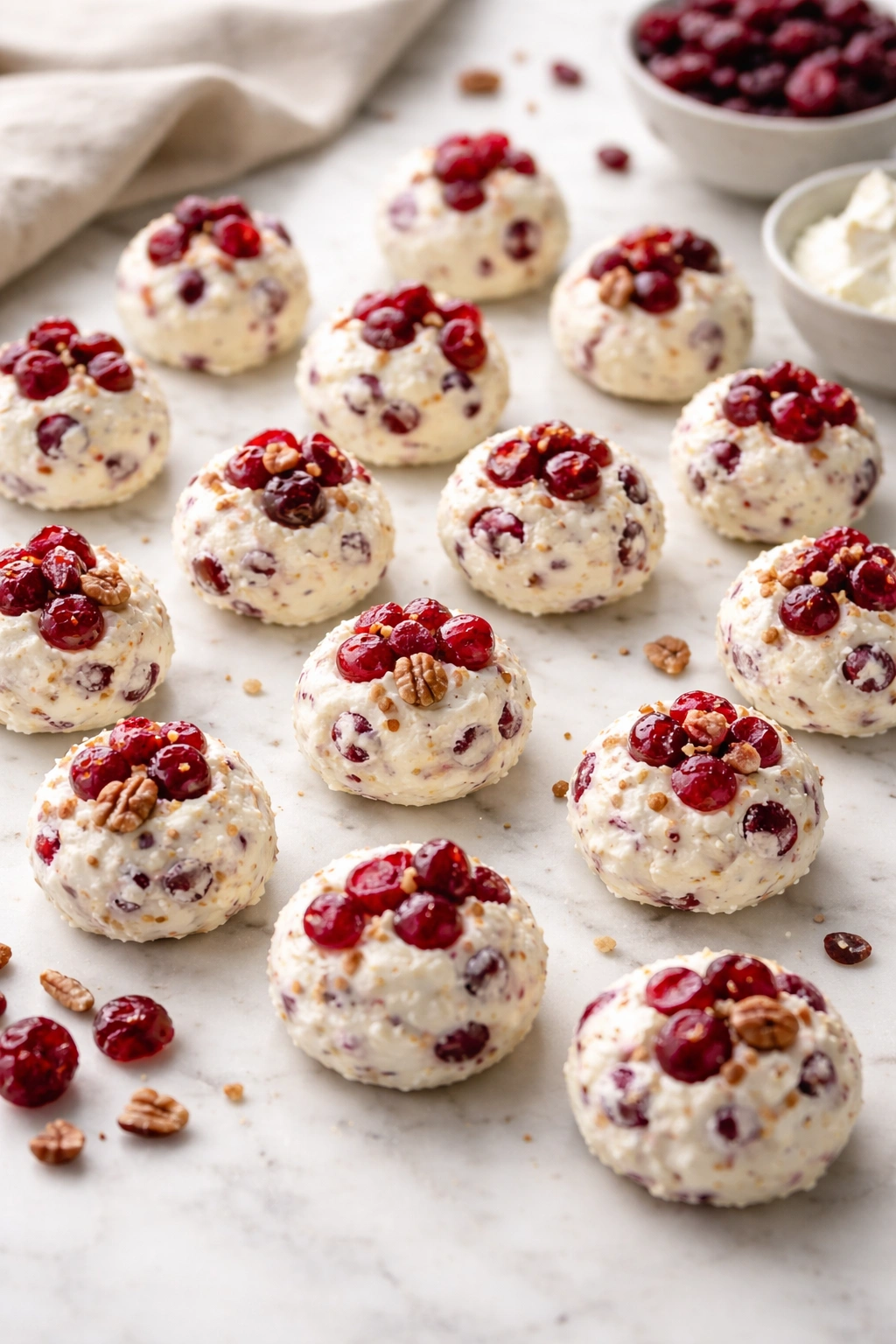
Yield: Makes 24 bites (serves 8-12 as an appetizer)
Prep Time: 15 minutes
Cook Time: None (no baking required)
Total Time: 15 minutes active + 30 minutes chilling (optional but recommended for best texture)
Difficulty: Beginner — no specialized equipment, simple mixing, straightforward technique that works even if you’ve never made appetizers before.
These bites are genuinely one of the easiest appetizers you can make, which makes them perfect for first-time entertainers, busy people, or anyone who wants to contribute something impressive without spending hours in the kitchen. The fact that there’s no baking means there’s no temperature anxiety and no risk of over or undercooking. The only thing that could possibly go wrong is over-mixing your cream cheese, which would make it grainy—and even that is easily avoidable by mixing gently and stopping as soon as ingredients come together.
For the Cranberry Cheese Bites:
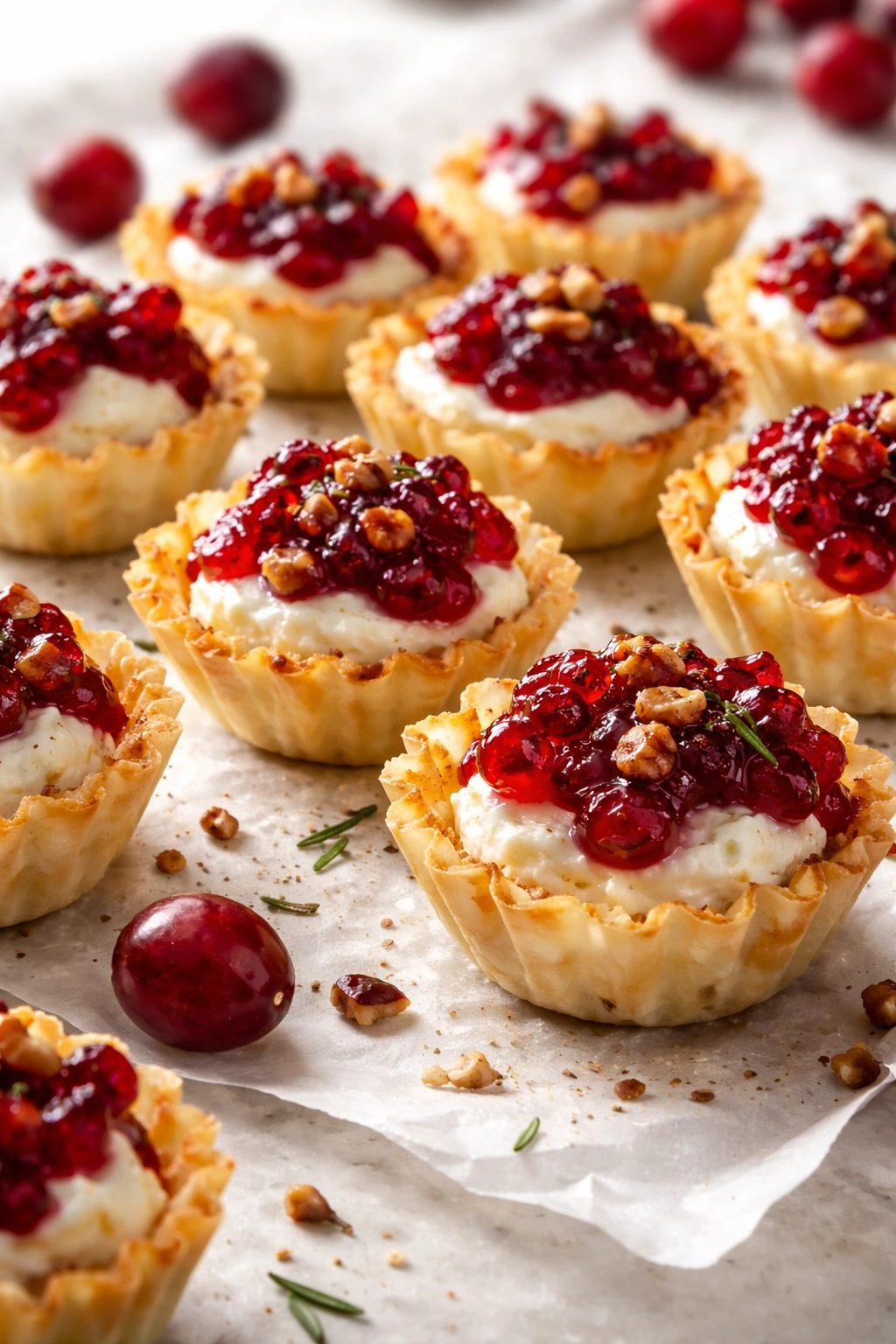
- 8 ounces (one 8-ounce package) full-fat cream cheese, softened to room temperature
- ¼ cup powdered sugar, sifted to remove lumps
- ½ teaspoon pure vanilla extract
- ¼ teaspoon fine sea salt
- 2 tablespoons honey or pure maple syrup
- ¾ cup fresh cranberries (or dried cranberries, lightly chopped if they’re large)
- Optional: ¼ teaspoon fresh orange zest for brightness, or a tiny pinch of cinnamon or cardamom for warmth
Understanding the Base Recipe and Making Modifications
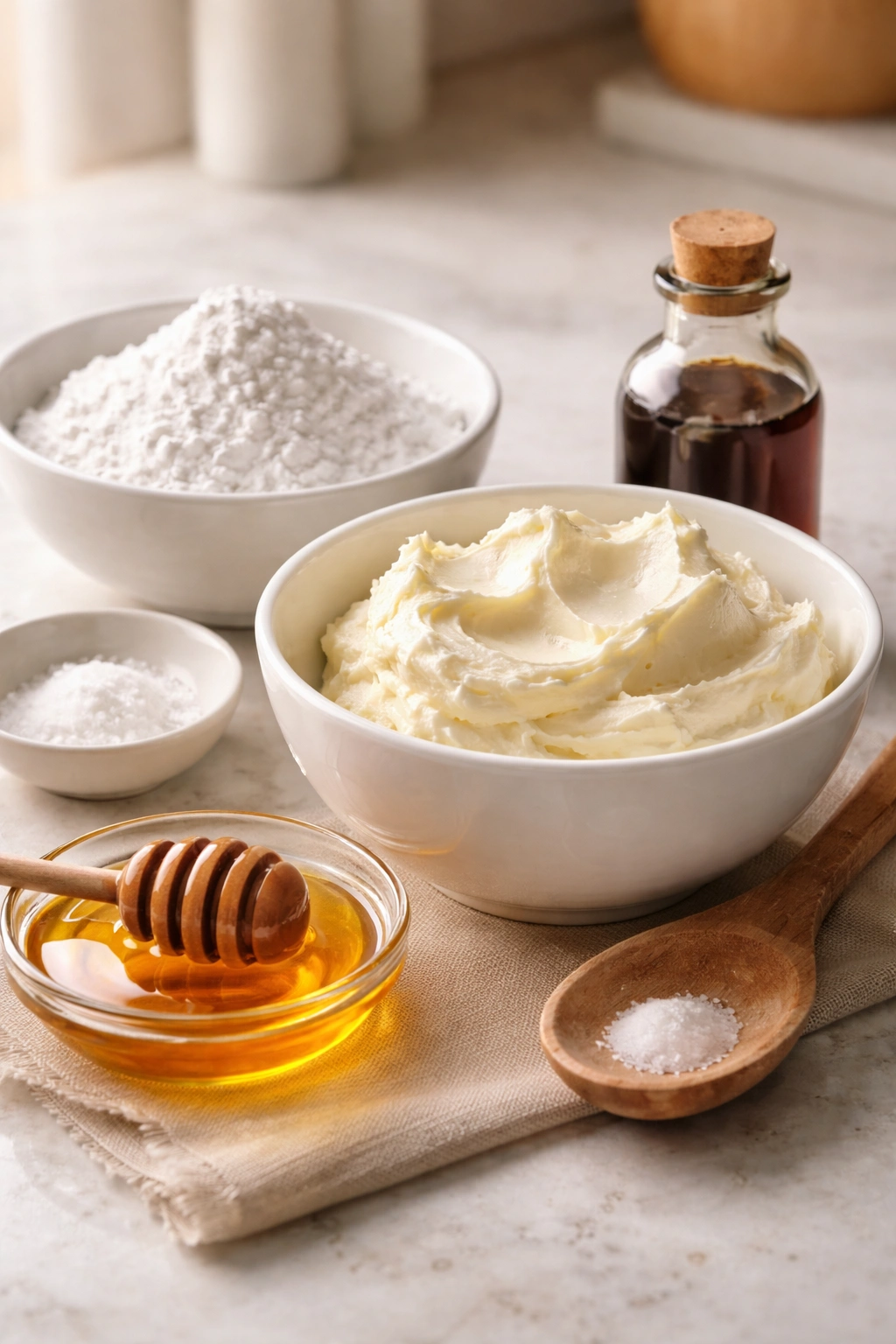
This particular recipe combines cream cheese, powdered sugar, and a subtle vanilla base—what you might think of as cream cheese frosting. The magic is that it’s not too sweet, which keeps these bites in appetizer territory rather than dessert territory. The honey adds depth and a slight floral note without making them cloying. The salt is critical because it balances the sweetness and makes the cranberry tartness pop even more.
The ratio of cream cheese to sugar is deliberately restrained. You’re not making something that tastes like frosting; you’re making something that tastes like elevated cream cheese. If you prefer your bites sweeter, you can absolutely increase the powdered sugar to ⅓ cup, but be aware that this pushes them more toward dessert territory. If you prefer them less sweet, reduce the powdered sugar to 3 tablespoons. The beauty of understanding the base is that you can adjust it to match your personal preference while keeping the structure intact.
The vanilla extract does important work here beyond just flavor. It adds a subtle warmth that makes the overall flavor profile feel more sophisticated. If you’re making these for savory applications (maybe you’ll serve them with crackers as an hors d’oeuvre), you can reduce the vanilla to ¼ teaspoon or even omit it entirely. That’s not a failure of the recipe—that’s smart customization.
Step-by-Step Instructions for Perfect Results
Prepare Your Workspace:
-
Remove the cream cheese from the refrigerator and let it sit on your counter for 15-20 minutes until it’s noticeably soft and slightly warm to the touch but not melting. You should be able to press your finger into it easily. This is non-negotiable for getting a smooth, lump-free final mixture—cold cream cheese will create a grainy texture that’s harder to work with.
-
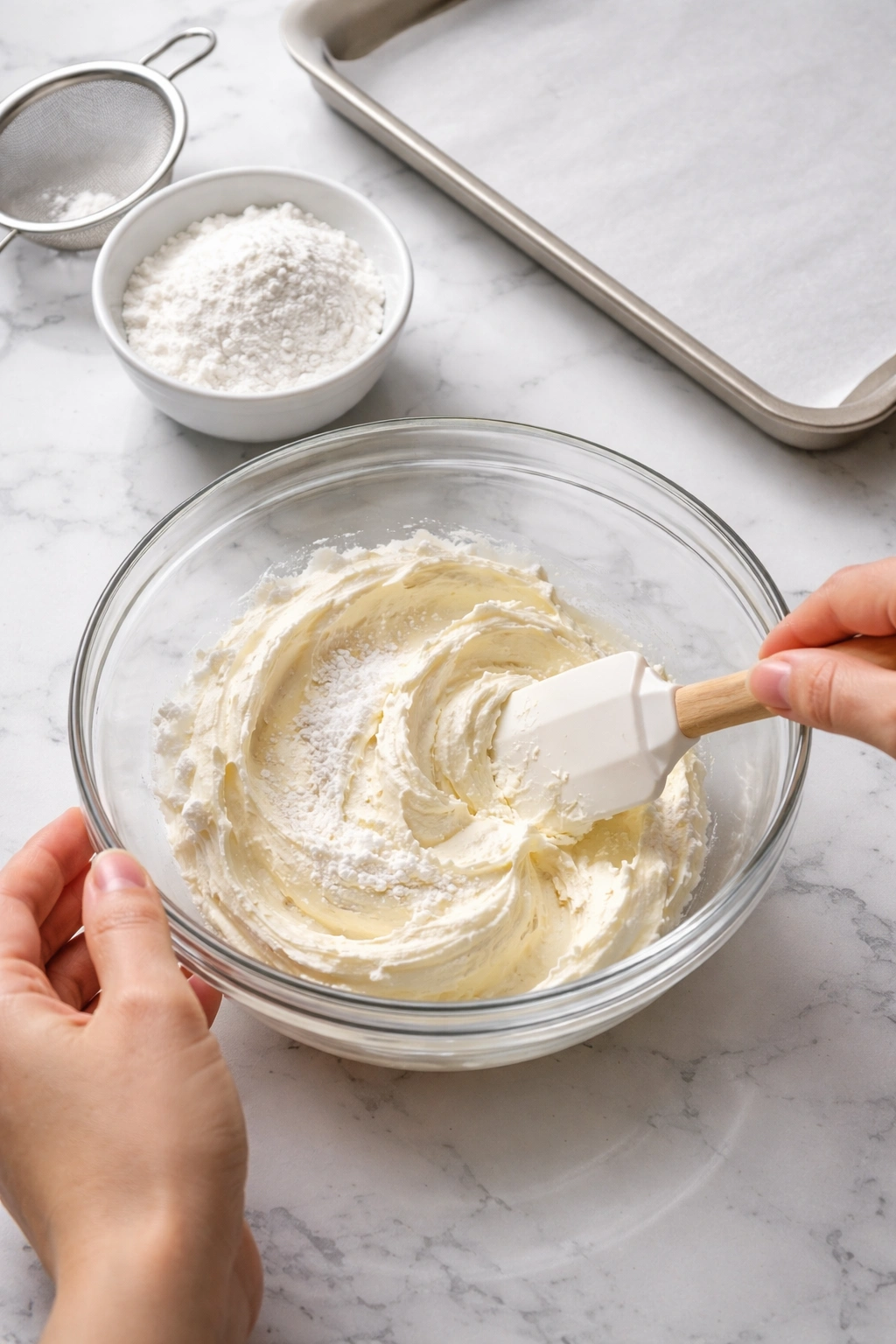
Sift the powdered sugar into a small bowl, breaking up any lumps with the back of a spoon or by pressing the sifter multiple times. Lumpy powdered sugar will create lumps in your final mixture, so this step actually matters.
-
Line a small baking sheet with parchment paper or a silicone baking mat. You’ll be chilling your bites on this surface.
Make the Cream Cheese Base:
-
Add the softened cream cheese to a medium bowl. Using a rubber spatula or wooden spoon (NOT an electric mixer—electric mixers incorporate too much air and create a grainy texture), gently fold and stir the cream cheese, breaking it into smaller pieces and folding it over itself until it becomes smooth and creamy. This should take about 30 seconds to 1 minute of gentle folding. Stop as soon as there are no lumps visible.
-
Add the sifted powdered sugar, vanilla extract, and salt to the cream cheese. Using the same gentle folding motion, fold these ingredients into the cream cheese until they’re completely incorporated and the mixture is uniform in color and texture. Do not overmix. The moment everything looks combined and smooth, stop. Overmixing is what turns cream cheese grainy and breaks down the texture. You should have a thick, creamy mixture that holds its shape.
-
Taste a tiny spoonful of the mixture. It should taste like sweetened cream cheese with a hint of vanilla—not too sweet, not bland. If you want more sweetness, you can fold in an additional tablespoon of powdered sugar now. If you think it needs more vanilla warmth, fold in an extra tiny pinch of vanilla extract.
Assemble the Bites:
-
Add the honey or maple syrup to the cream cheese mixture. Fold it in gently until the liquid is completely incorporated and you have a smooth, slightly glossy mixture. The honey adds richness and depth without adding grittiness.
-
Prepare your cranberries. If you’re using fresh cranberries, they’re ready to go. If you’re using dried cranberries and they seem very large or hard, chop them roughly into smaller pieces or soak them in warm water for 5-10 minutes until they’re plumped and soften slightly. Pat them dry before adding them to the mixture. If you’re including orange zest, cinnamon, or other optional seasonings, add them now.
-
Using a small cookie scoop (a standard ice cream scoop works, or even a spoon), portion the cream cheese mixture into 24 roughly equal portions directly onto your prepared baking sheet, spacing them about 1 inch apart. Each portion should be roughly the size of a walnut in its shell. The cream cheese mixture will be quite soft, so you may find it helpful to gently smooth each portion into a small mound with the back of a spoon.
-
Press 3-5 cranberries onto the top of each bite, pressing them gently into the cream cheese mixture so they adhere. Aim for a balance of visual appeal and structural integrity—you want enough cranberries that they’re visible and prominent, but not so many that they topple off. Fresh cranberries will stay in place naturally; dried cranberries might need a gentle press to ensure they stick.
-
Transfer the baking sheet to the refrigerator and chill for at least 30 minutes, though 1-2 hours is even better. The chilling time lets the cream cheese firm up slightly, which makes the bites easier to eat and gives them a better texture. You can serve them directly from the fridge, or let them sit at room temperature for 10-15 minutes before serving if you prefer them slightly softer.
Pro Tips for Making These Perfectly Every Time
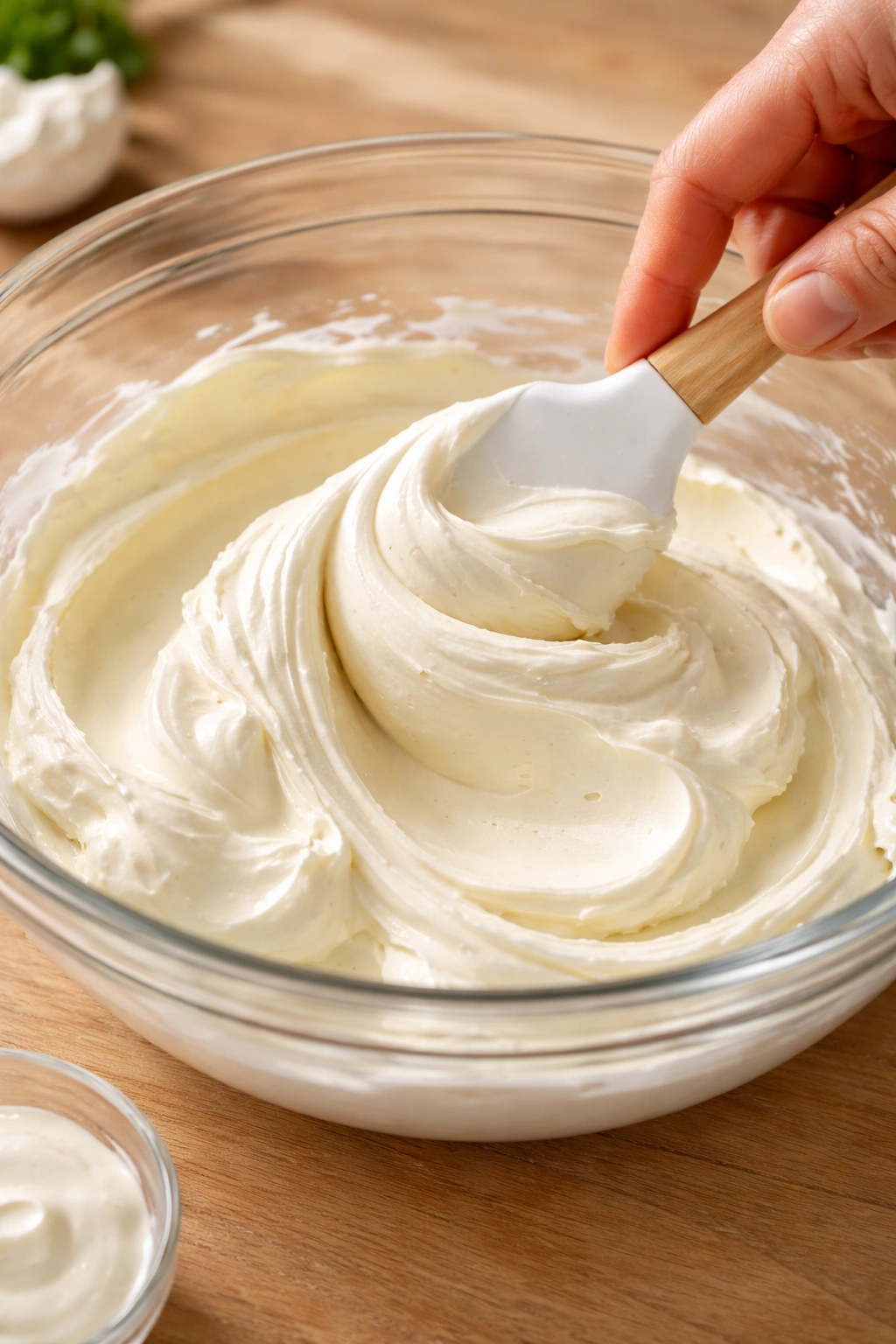
The single most important thing you can do is soften your cream cheese properly. This one step determines whether your bites will be smooth and creamy or grainy and unpleasant. Set a timer or a phone reminder if you need to—15-20 minutes on the counter is genuinely the difference between a great result and a frustrating one. If you’re in a hurry, you can cut the cream cheese into small cubes and let it soften faster, but don’t try to shortcut this by using a microwave. Even five seconds of microwave heat can soften the edges while leaving the center cold and hard.
Gentle mixing is your second critical principle. This is one of the few recipes where using an electric mixer is actually a mistake rather than a shortcut. The beating action of a mixer incorporates air into the cream cheese, which changes its structure and can make it grainy or cause it to separate from other ingredients. Hand-mixing with a spatula or wooden spoon takes maybe one extra minute but delivers significantly better results. You’re folding and stirring, not beating.
If you want your bites to be extra creamy and cloud-like, you can fold in 2-3 tablespoons of heavy cream or whipped cream before adding the cranberries. This creates a lighter texture that’s almost mousse-like. If you want them denser and richer, skip the cream and work with the cream cheese as is. Both approaches are valid—this is about personal preference.
Consider your cranberry placement as a final visual detail. While you can simply press them into the top, you can also arrange them more thoughtfully—maybe one large cranberry in the center with smaller ones around it, or a small cluster on one side. This takes about 30 extra seconds per batch of bites but dramatically improves how sophisticated they look when you present them. These visual details are what make home-prepared food feel special.
Common Mistakes and How to Avoid Them
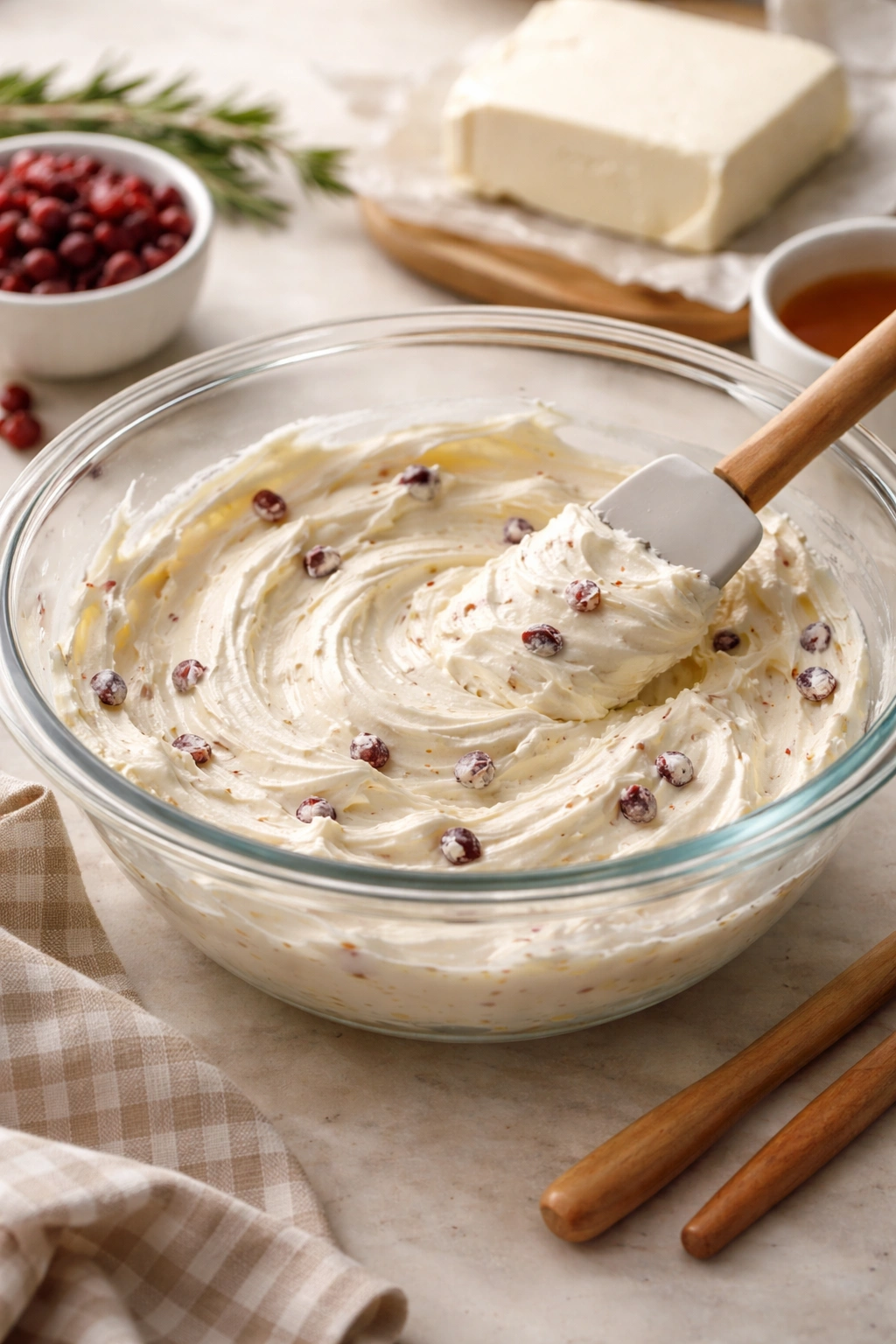
The most frequent mistake is using cold cream cheese straight from the fridge, which creates a grainy, crumbly texture that refuses to incorporate smoothly with the other ingredients. The fix is simple: take those extra 20 minutes and let it soften. There’s no way around this. Some people try to speed things up by adding the powdered sugar anyway, hoping it’ll all work out, and then they’re frustrated by lumpy bites. Prevention is infinitely easier than trying to salvage the situation.
Another common error is overmixing the cream cheese. People sometimes think that more mixing equals better incorporation, so they beat it with an electric mixer or mix it way longer than necessary. This actually breaks down the structure of the cream cheese and can cause it to become thin and grainy. Mix just until things are combined, then stop. If you’ve been mixing for more than a minute, you’ve been mixing too long.
Some people also make the mistake of adding the cranberries while the mixture is still very warm, which can soften them too much or cause them to stain the cream cheese mixture. Wait until the mixture is at least room temperature, and ideally chilled, before pressing on the cranberries. This ensures they stay distinct and visible rather than disappearing into the base.
Another pitfall is using ultra-sour or tangy cream cheese without adjusting the sugar accordingly. Cream cheese brands vary widely in tang level. If you’re using a particularly sour version, you might need to increase the powdered sugar by a tablespoon or two to balance it out. Taste as you go and adjust—that’s not a failure of the recipe, that’s good cooking.
Finally, some people chill the bites briefly and then serve them too early, when the cream cheese mixture is still quite soft. Give them the full 30 minutes (or preferably 1-2 hours) to set up. This makes a huge difference in how they eat and how they hold together. If you’re in a time crunch, at least chill them for 30 minutes before serving.
Flavor Variations and Adaptations
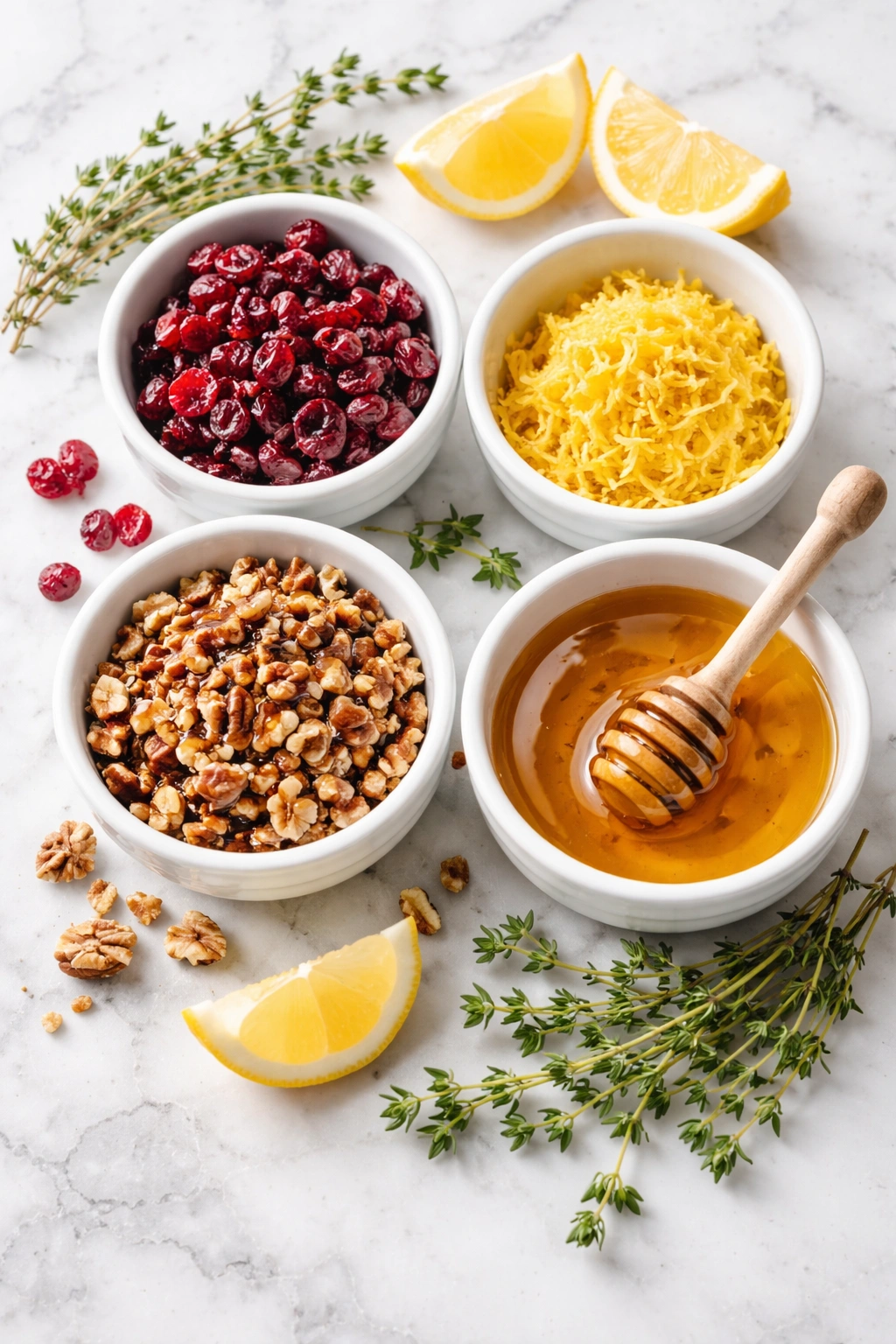
The beautiful thing about this recipe is that once you understand the base formula, you can build dozens of variations. The ratio of cream cheese to sugar to flavoring is solid, which means you can swap the cranberry-based flavor for almost anything else and get equally excellent results.
Sweet and Spicy Version: Replace the vanilla with ½ teaspoon of finely grated fresh ginger and a tiny pinch of cayenne pepper or red pepper flakes. Top with dried cranberries and a sprinkle of candied ginger pieces. This creates an interesting warm-spicy note that works beautifully at holiday gatherings.
Citrus-Forward Version: Add ½ teaspoon of fresh lemon zest or lime zest along with the vanilla, and replace the cranberries with pomegranate arils, fresh raspberries, or a combination of berries. This gives you a bright, fresh flavor profile that feels elegant and light.
Maple and Pecan Version: Increase the maple syrup to 3 tablespoons, omit the honey, reduce the vanilla to ¼ teaspoon, and replace the cranberries with toasted, finely chopped pecans pressed onto the top. This creates a more autumnal flavor that works gorgeously with savory crackers.
Honey and Thyme Version: Keep the honey, add ⅛ teaspoon of fresh thyme leaves (finely chopped), and top with a combination of dried cranberries and a tiny sprinkle of fleur de sel. This is more in the savory appetizer territory and pairs beautifully with cured meats and aged cheeses.
White Chocolate and Raspberry Version: Add ¼ cup of finely chopped white chocolate to the base mixture (fold it in gently so it stays in small pieces rather than becoming smooth), reduce the vanilla to ¼ teaspoon, and top with fresh raspberries instead of cranberries. The white chocolate creates a creamy richness that bridges the gap between cream cheese and fruit.
Chai Spice Version: Add ¼ teaspoon of chai spice powder (or a combination of cinnamon, cardamom, ginger, and clove), reduce the vanilla to ¼ teaspoon, and keep the cranberries. This creates a warm, sophisticated flavor that feels indulgent and exotic.
The key to successful variations is maintaining balance. You still want some tartness to cut through the richness, you still want a touch of sweetness to make it pleasant, and you still want the texture to be creamy and smooth. As long as you’re thinking in those terms, you can confidently adapt the recipe in almost any direction.
Make-Ahead and Storage Guidance
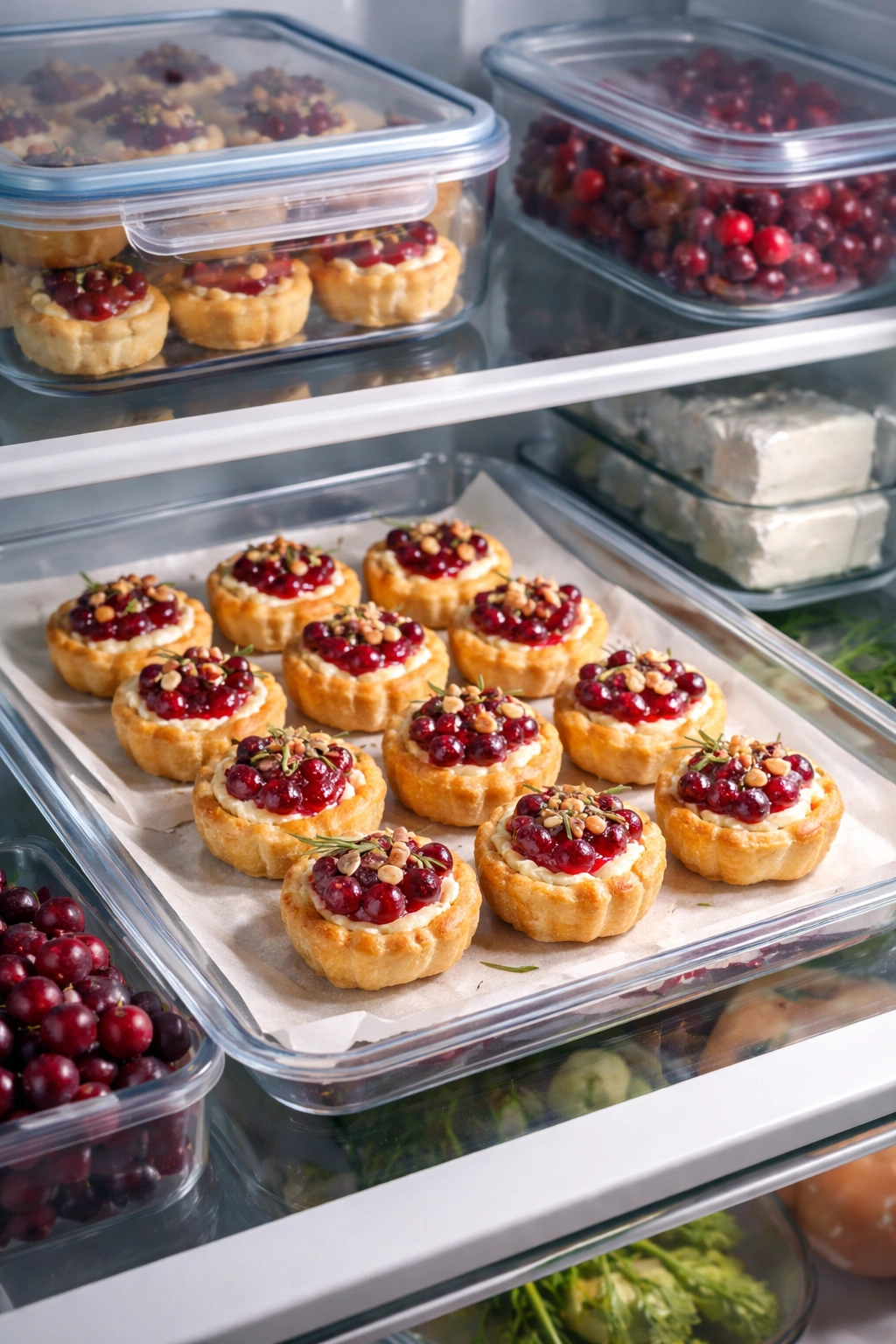
These bites are genuinely one of the most make-ahead-friendly appetizers you can prepare. You can make them up to 2 days in advance and store them covered in the refrigerator. They’ll stay fresh and delicious, and the flavors will actually deepen slightly as they sit. When you’re ready to serve them, just pull them out of the fridge—they’re served cold, so there’s no reheating required.
If you want to prepare them even further in advance, you can make the cream cheese base (everything except the cranberries) up to 3 days ahead. Store it covered in the refrigerator, and then portion and top with cranberries a few hours before serving. This is useful if you want to keep your options open about how you’ll present the bites or if you’re planning to make multiple variations.
You can also freeze these bites, though they do experience some texture changes during the freezing and thawing process. Freeze them on a baking sheet until solid (about 4 hours), then transfer them to an airtight container or freezer bag and freeze for up to 1 month. To serve, thaw them in the refrigerator for about 1 hour. They’ll be slightly softer after thawing, which some people actually prefer. The cranberries stay perfectly fine through freezing and thawing.
Individual components can also be prepared in advance. You can make the unfilled cranberry-topped bites and freeze them, then let them soften slightly before serving. The cream cheese mixture itself freezes well in an airtight container for up to 1 month, which means you could technically make a big batch and portion out servings throughout the month as needed. This is genuinely useful if you entertain frequently or want to reduce your prep time on the day of an event.
Best Ways to Serve These Bites

The way you present these bites matters, because their visual appeal is part of their charm. If you’re serving them at a gathering, arrange them on a beautiful board or platter in a casual but organized way—perhaps in concentric circles or clustered into groups. They look particularly lovely on a slate board, a wooden platter, or a bed of fresh greens. The cranberries on top give you natural pops of color, so you don’t need to overthink the presentation. Let the bites themselves do the visual work.
If you’re presenting them on a cheese board or charcuterie spread, cluster the cranberry cheese bites with other cheeses, cured meats, nuts, and crackers. The tartness of the bites makes them excellent palette cleansers between salty cured meats and richer aged cheeses. They also pair beautifully with roasted nuts, fresh fruit, and good bread.
You can serve them straight from the fridge and keep them cold throughout your gathering—just set the platter out shortly before guests arrive, or refresh it every 20-30 minutes by bringing out a new batch from the fridge. Cold bites are less likely to slide around on the platter and easier for guests to pick up with small napkins or toothpicks.
If you want to make them even easier for guests to eat, serve them with small cocktail forks or toothpicks. Some people will pick them up with their hands (they’re small and tidy enough for this), while others will appreciate the option of a fork or pick. Small napkins are essential—the bites are not greasy, but guests will want something to wipe their hands on.
Perfect Pairings and Serving Occasions

These bites shine alongside sparkling beverages. Champagne, prosecco, or sparkling cider all pair beautifully with the tart cranberry and creamy cheese combination. The bubbles add a celebratory feeling, and the acidity in the wine cuts through the richness of the cream cheese perfectly.
They’re equally wonderful with white wine—specifically crisp whites like Sauvignon Blanc or Pinot Grigio. The acidity and slight minerality complement the tartness of the cranberry without competing with it. If you’re serving them at a red wine gathering, a lighter red like Pinot Noir works better than anything heavy or tannic.
These bites also work beautifully in non-alcoholic contexts. Serve them alongside sparkling apple cider, fresh-pressed cranberry juice, or even good quality ginger ale. The sweet-tart flavor profile makes them excellent with spiced or herbal beverages.
For occasions, these are perfect for: holiday cocktail parties (they scream festive without being cheesy), wine tastings (they’re an excellent palate refresh), bridal showers or baby showers (they’re elegant without being fussy), office holiday parties (they’re impressive and easy to transport), game day gatherings (they’re substantial enough to satisfy without being messy), or any kind of casual entertaining where you want to serve something that feels special without requiring hours of work.
They work equally well as part of a larger appetizer spread or as the featured appetizer if you’re keeping things simple. If you’re doing the latter, plan on 3-4 bites per person if these are your only appetizer, or 2 bites per person if they’re one of several options.
Troubleshooting Common Issues

If your bites taste grainy or separated when you bite into them, the issue is likely that your cream cheese was too cold when you started mixing, or that you overmixed it. Next time, give the cream cheese the full 20 minutes to soften, and mix gently just until ingredients are combined. If you run into this issue with a batch you’ve already made, you can sometimes salvage it by gently refolding in a tablespoon of heavy cream, which can smooth out the texture somewhat.
If your bites are sliding off the platter or falling apart when guests try to pick them up, they probably need more chilling time. Return them to the fridge for at least another 30 minutes. You can also make them slightly firmer by adding an extra tablespoon of powdered sugar to the base mixture, which creates a texture that holds its shape better.
If your cranberries keep sliding off the top, press them slightly deeper into the cream cheese mixture when you first assemble the bites, or use slightly softer cranberries (dried and soaked cranberries or gently warmed fresh cranberries will adhere better). You can also add a tiny drop of honey to the top of each bite before pressing on the cranberry—this acts as a light adhesive.
If your bites taste too sweet, you’ve likely used more sugar than the recipe calls for, or your cream cheese brand is particularly mild-tasting. Next time, measure more carefully, or reduce the powdered sugar to 3 tablespoons. If your bites taste too tart, increase the sugar by a tablespoon.
If your bites are too soft and don’t hold their shape, they haven’t chilled long enough. Chill them for the full time recommended before serving. Alternatively, you can add an extra tablespoon of powdered sugar to the base mixture to create a slightly firmer texture overall.
Final Thoughts

Cranberry cheese bites represent something important in home entertaining: the idea that impressive food doesn’t have to be complicated. You’re working with simple, quality ingredients, you’re respecting the time investment it takes to do it right, and you’re creating something genuinely delicious that people will actually remember. That’s the whole game, really.
The confidence you gain from successfully making these—realizing that you can create elegant, impressive food without hours of stress—often carries over into other cooking. Once you understand that softening cream cheese properly and mixing gently delivers better results than rushing and overmixing, you’re thinking like someone who cooks from understanding rather than just following steps. That mindset shift is worth more than the bites themselves.
Keep these bites in your back pocket for the moments when you want to contribute something thoughtful to a gathering, when you want to feel like you’ve put in effort without actually having spent your entire day in the kitchen, or when you simply want a sophisticated snack that happens to be ridiculously easy. They’re the culinary equivalent of a great outfit—simple, elegant, and impressive without being fussy.
