



There’s something almost magical about the moment when tender salmon meets a silky cream sauce, and it happens in your own kitchen in under half an hour. This creamy salmon pasta isn’t one of those dishes that demands hours of prep or a degree in culinary arts—it’s the kind of recipe that tastes like you spent all evening cooking when you actually threw it together during your lunch break. Rich, elegant, and surprisingly straightforward, it’s become the go-to dinner for people who want restaurant-quality results without the restaurant price tag or the wait.
The beauty of this dish lies in its simplicity married to impressive flavor. Pan-seared salmon fillets develop a gorgeous golden exterior while staying buttery and moist inside, then get folded gently into a garlic-kissed cream sauce that clings to every strand of pasta. Fresh lemon juice cuts through the richness with just the right amount of brightness, while touches of white wine and Parmesan add depth and complexity. The whole thing comes together on one stovetop in the time it takes to cook pasta, which means you’re genuinely looking at a twenty-minute meal from start to finish. No tricks, no shortcuts that compromise flavor—just honest, well-executed cooking that tastes far better than the minimal effort required.
What makes this recipe so reliable is that every component plays its part perfectly. The salmon cooks fast because you’re using thick fillets, the sauce thickens naturally without needing any flour roux, and the pasta water you reserve does the heavy lifting to bring everything together into one cohesive, silky dish. Whether you’re cooking for yourself on a busy weeknight, preparing a casual dinner for two, or trying to impress someone at home, this pasta delivers every single time.
Why Creamy Salmon Pasta Works as a Weeknight Dinner
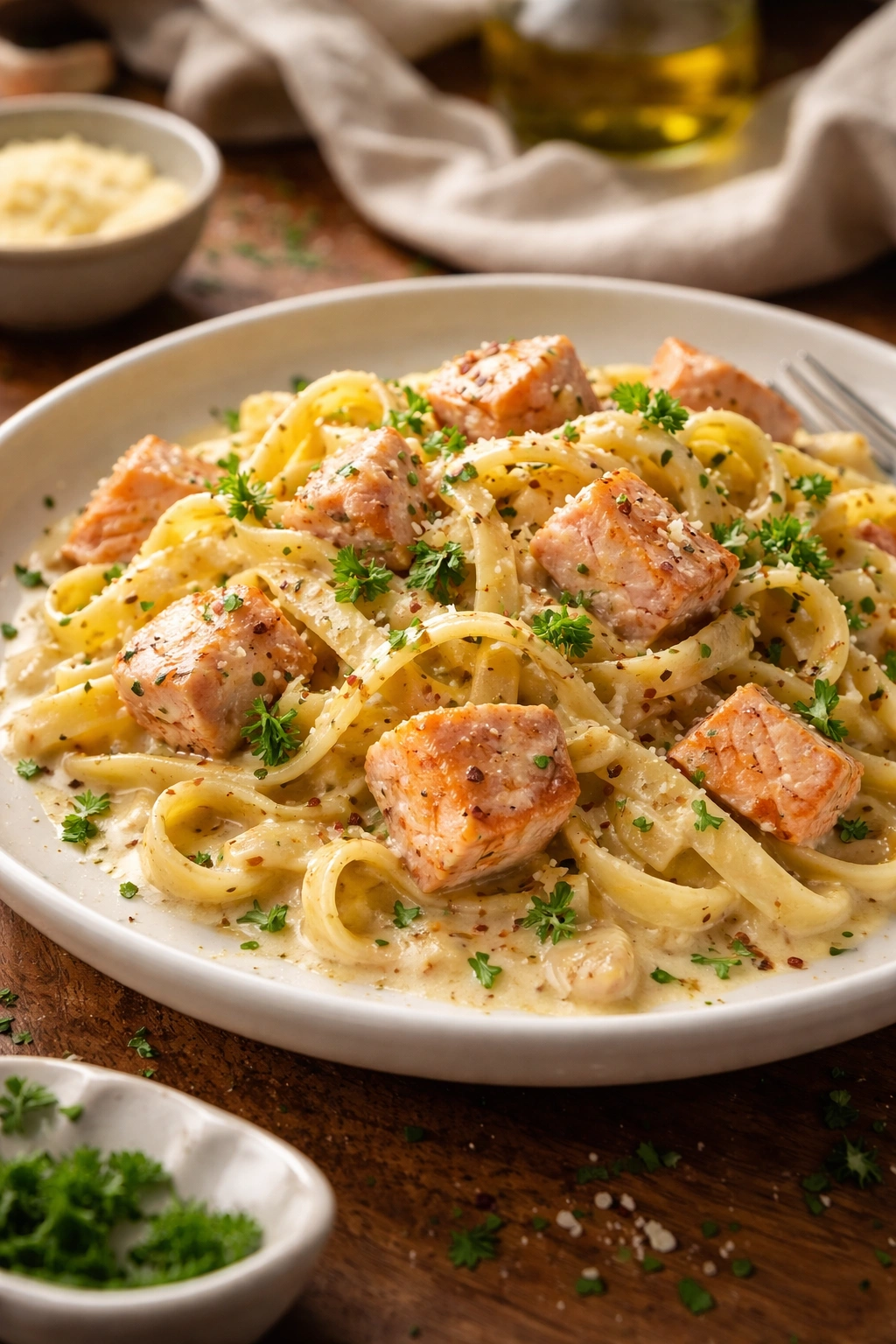
The reason this dish has become so beloved among home cooks isn’t hard to understand once you think about the mechanics of it. Salmon is one of the few proteins that actually benefits from quick, high-heat cooking—you’re not trying to develop a deep crust or render fat over time, you’re just getting it cooked through while the exterior gets a light sear. That means you’re looking at genuinely five to eight minutes of active cooking time for the salmon itself.
The cream sauce doesn’t require reducing for hours or building a complex stock. You’re simply combining butter, garlic, white wine, and heavy cream, letting them come together over gentle heat, and the natural emulsification from the starch in your pasta water does the work for you. There’s no béchamel, no roux to worry about lumping, no complicated technique that can go wrong. The sauce either comes together or it doesn’t, and when you follow the timing guidelines here, it absolutely will.
What really seals the deal is that salmon and cream are made for each other. The richness of the cream balances the salmon’s natural oils without making the dish feel heavy, while the salmon’s delicate, slightly sweet flavor cuts through the richness and makes the whole thing feel bright and elegant rather than indulgent and cloying. Add fresh lemon juice, a handful of capers if you have them, maybe some fresh dill or parsley, and you’ve got a dish that feels like something you’d order at a nice restaurant—except yours tastes better because it came straight from your kitchen to the table while still steaming.
The Magic of Pan-Seared Salmon
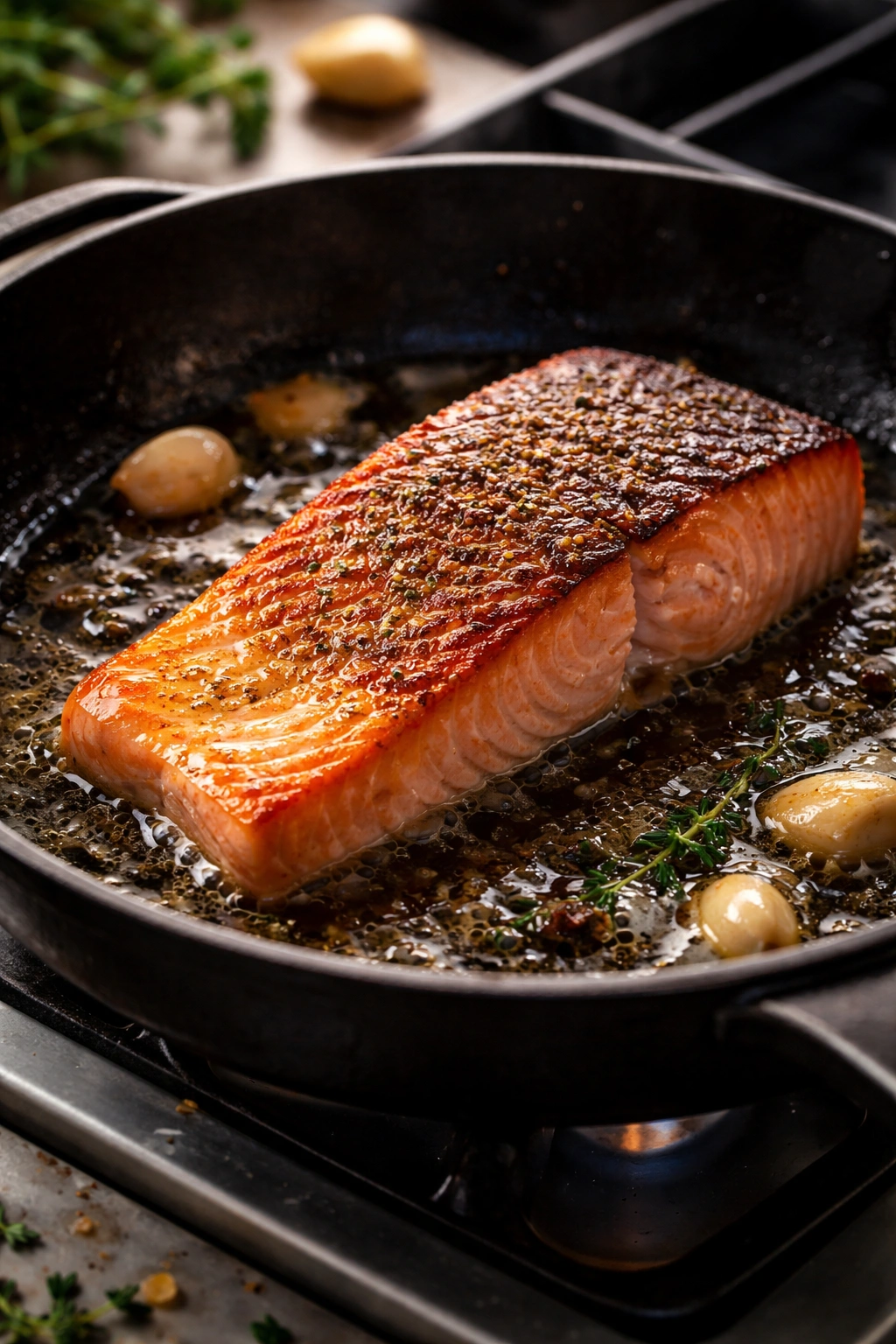
Getting salmon to cook beautifully is all about understanding what’s happening in the pan. When you place a cold salmon fillet, skin-side down, into oil that’s been properly heated, the skin makes direct contact with the hot pan surface. Over the next few minutes, the proteins in the skin contract and begin to render their fat, which creates a natural barrier between the pan and the flesh. This is actually what you want—it prevents the salmon from sticking and allows the exterior to develop a light golden color.
The key is patience. You’ll be tempted to flip it early, especially when you see the flesh start to turn opaque around the edges. Don’t. Let it sit skin-side down until you see that opaqueness creep almost halfway up the side of the fillet, then flip it gently. The flesh side will cook faster than the skin side because it’s exposed directly to the heat, and you’ll only need a couple of minutes to finish cooking. The internal temperature should reach 145°F if you’re checking with a thermometer, or the flesh should be completely opaque throughout with just the slightest resistance when you press it gently with a fork.
Temperature control makes a real difference here. If your pan is too hot, the exterior will brown too quickly and the inside won’t cook through. If it’s too cool, the salmon will start to steam rather than sear, and you’ll lose that beautiful golden exterior that makes this dish feel special. Medium to medium-high heat is your sweet spot—hot enough that you hear a gentle sizzle when the salmon hits the pan, but not so hot that it’s aggressively crackling and jumping.
Building the Creamy Sauce Without Stress
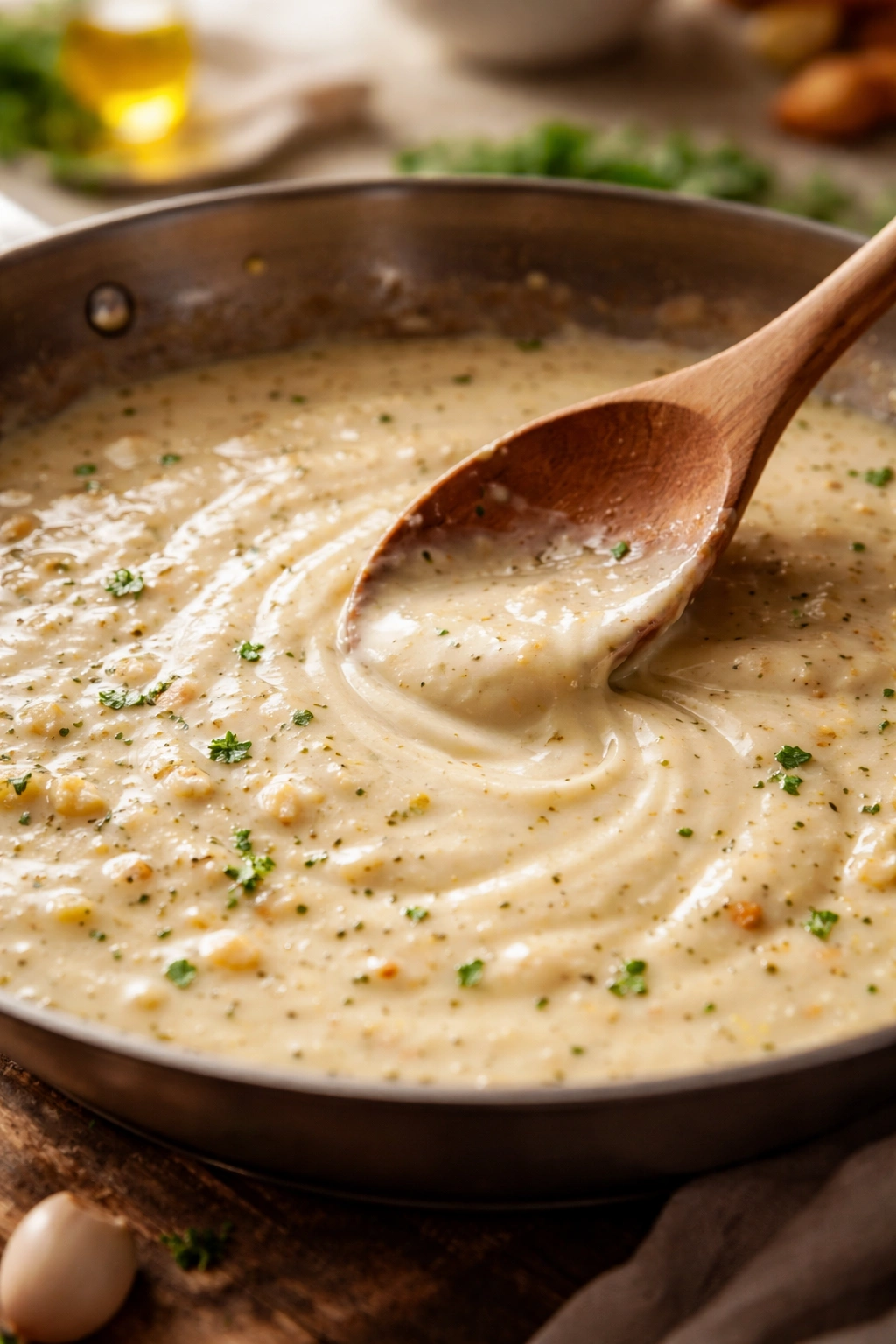
One of the biggest anxieties people have about cream sauces is that they’ll break—that the cream will separate and you’ll end up with a greasy, broken mess instead of something silky and smooth. The good news is that this particular sauce is nearly impossible to break if you follow one simple rule: keep the heat gentle once you add the cream. This isn’t a reduction sauce where you’re supposed to have a rolling boil; this is a gentle simmer where the cream just barely bubbles at the edges.
Start by melting butter in the same pan you used for the salmon. Add minced garlic and let it cook for just a minute until it’s fragrant—don’t let it brown. Pour in your white wine and let it bubble gently for a minute or two to cook off some of the alcohol and reduce it slightly. This step isn’t just for show; the acidity in the wine helps balance the richness of the cream and prevents the sauce from tasting flat and one-note.
Pour in your heavy cream slowly while whisking gently. Watch it warm up rather than boil aggressively. Once it’s reached a gentle simmer, take it off the heat before you add the Parmesan, or keep it at the lowest possible heat. Fresh Parmesan melts smoothly when you whisk it in slowly, and it’s the starch and natural fats in the cheese that help thicken the sauce. Add it in two batches, making sure the first batch is completely melted and incorporated before you add the second. This isn’t rushing through a step—it’s creating an emulsion that’s stable and creamy rather than grainy.
Fresh lemon juice goes in next, and you’ll notice immediately how it brightens the sauce. The bright acidity cuts through the richness and wakes up your palate. Taste as you go; you can always add more lemon if you want more brightness, but you can’t take it out. This is your chance to season with salt and pepper to your preference, keeping in mind that the salmon itself is seasoned and the pasta water still has salt in it.
About That Pasta Water You’re Supposed to Reserve
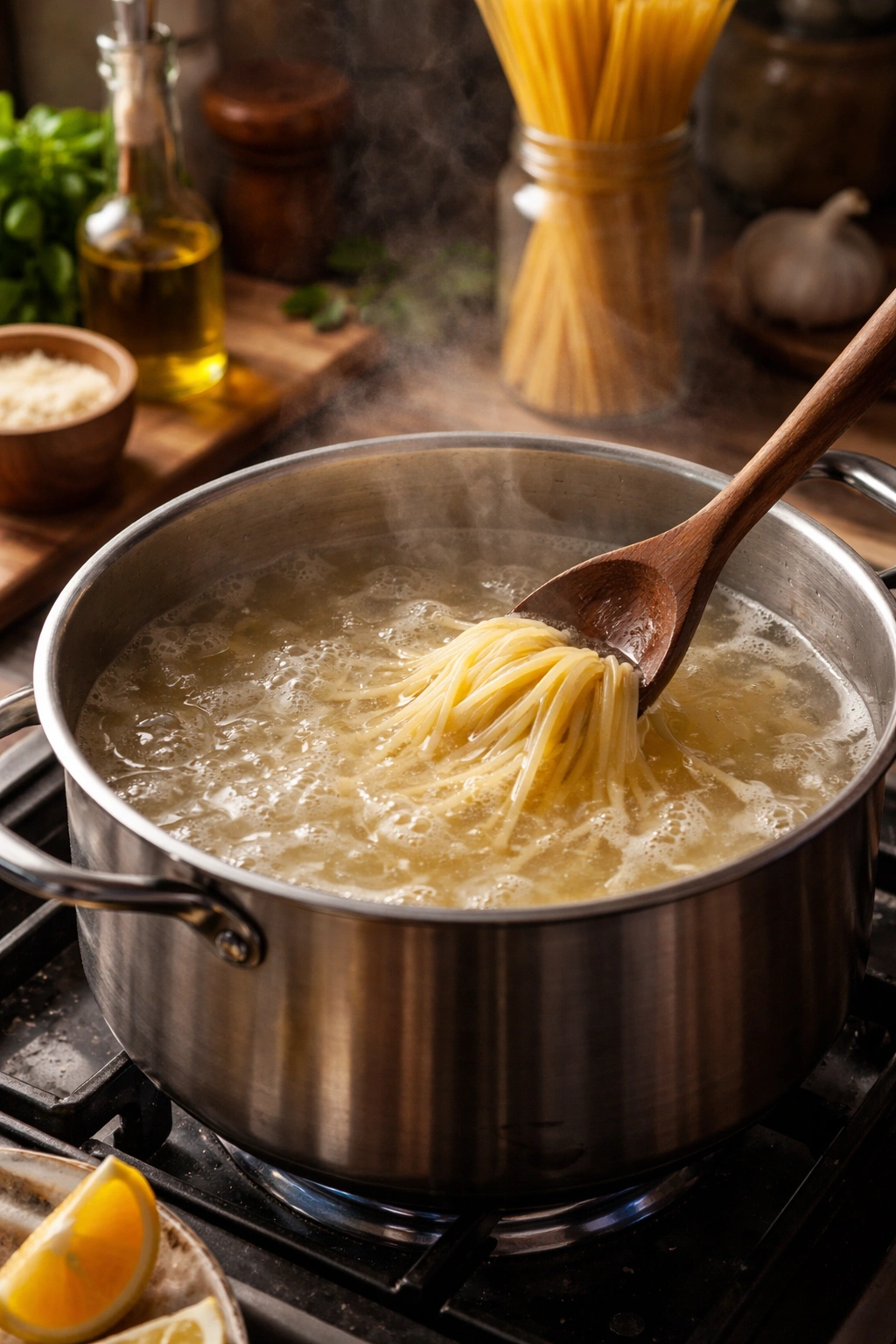
This might seem like a tiny detail, but reserved pasta water is what separates an okay cream sauce from one that’s truly silky and clings beautifully to the pasta. When you cook pasta, the starches from the pasta leach into the water, creating what’s essentially a thin starchy liquid. This starch acts as a binder and emulsifier—it helps the sauce coat the pasta evenly and prevents it from separating or becoming too thick.
Before you drain your pasta, ladle out about a cup of the cooking water into a small bowl or measuring cup. This gives you insurance if your sauce gets thicker than you’d like, which often happens once everything’s off the heat. Add a splash at a time, whisking as you go, until the sauce reaches the consistency you want. The pasta itself will continue to absorb some of the sauce as it sits, so aim for something that looks slightly looser than the final consistency you want—it’ll firm up on its own.
This is also why it’s so important to salt your pasta water properly. It should taste like the ocean, as chefs like to say. This isn’t hyperbole; if your pasta water isn’t well-salted, you’ve lost your chance to season the pasta itself, and your dish will taste flat no matter how perfect the sauce is. A teaspoon or two of salt per quart of water is about right, but go ahead and taste it. If you wouldn’t want to drink it, it’s probably not salty enough.
Bringing Everything Together in the Pan
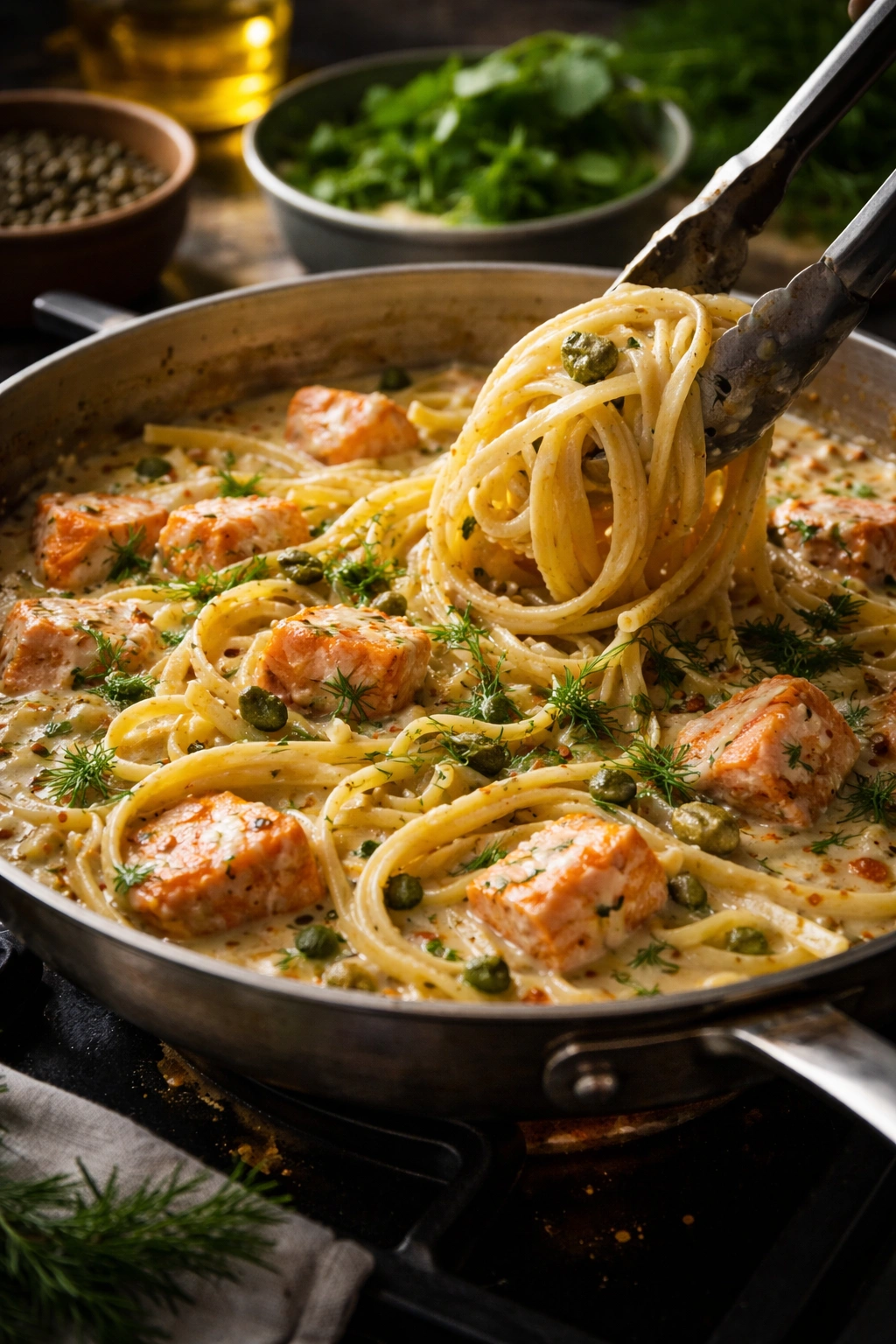
Once your salmon is cooked and set aside, your sauce is built, and your pasta is drained, it’s time for the final assembly. Add the hot pasta directly to the pan with the cream sauce. This is important—you want hot pasta meeting hot sauce so everything integrates properly. Use tongs or a large spoon to toss the pasta gently, making sure every strand gets coated with sauce.
This is when you add your capers, fresh herbs, or any other finishing elements. Capers are a classic pairing with salmon because their salty, briny flavor plays beautifully against the creaminess of the sauce. If you’re using them, roughly chop them first so their flavor distributes more evenly. Fresh dill, parsley, or chives add a pop of freshness that makes the whole dish feel lighter and more elegant. A handful of spinach wilts right into the hot pasta, adding color and a subtle earthiness that balances the richness.
Finally, gently break your cooked salmon into large chunks and distribute them over the top of the pasta. Don’t stir it in aggressively—you want to keep those pieces as large as possible so you get a beautiful bite of salmon in every forkful. The residual heat will warm everything through, but you’re not trying to cook the salmon any further or break it into tiny pieces.
Yield and Timing Information
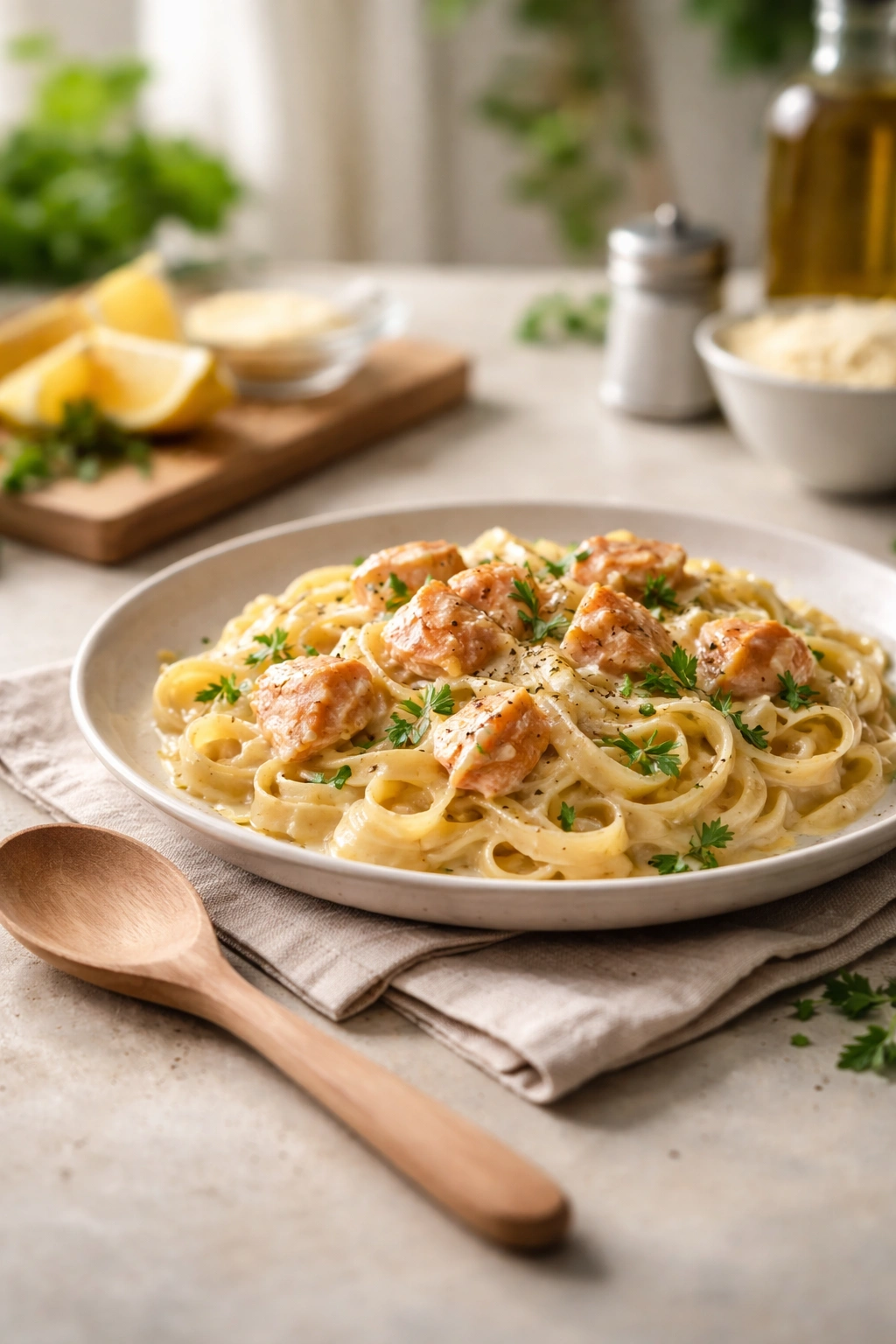
Yield: Serves 2 to 4 people | Makes approximately 4 cups finished pasta
Prep Time: 10 minutes
Cook Time: 20 minutes
Total Time: 30 minutes
Difficulty: Intermediate — The techniques are straightforward, but timing matters. You’re coordinating pasta cooking with sauce building and salmon searing, so having all your ingredients prepped and ready before you start is essential. Once you’ve made it once, the flow becomes intuitive.
Complete Ingredient List
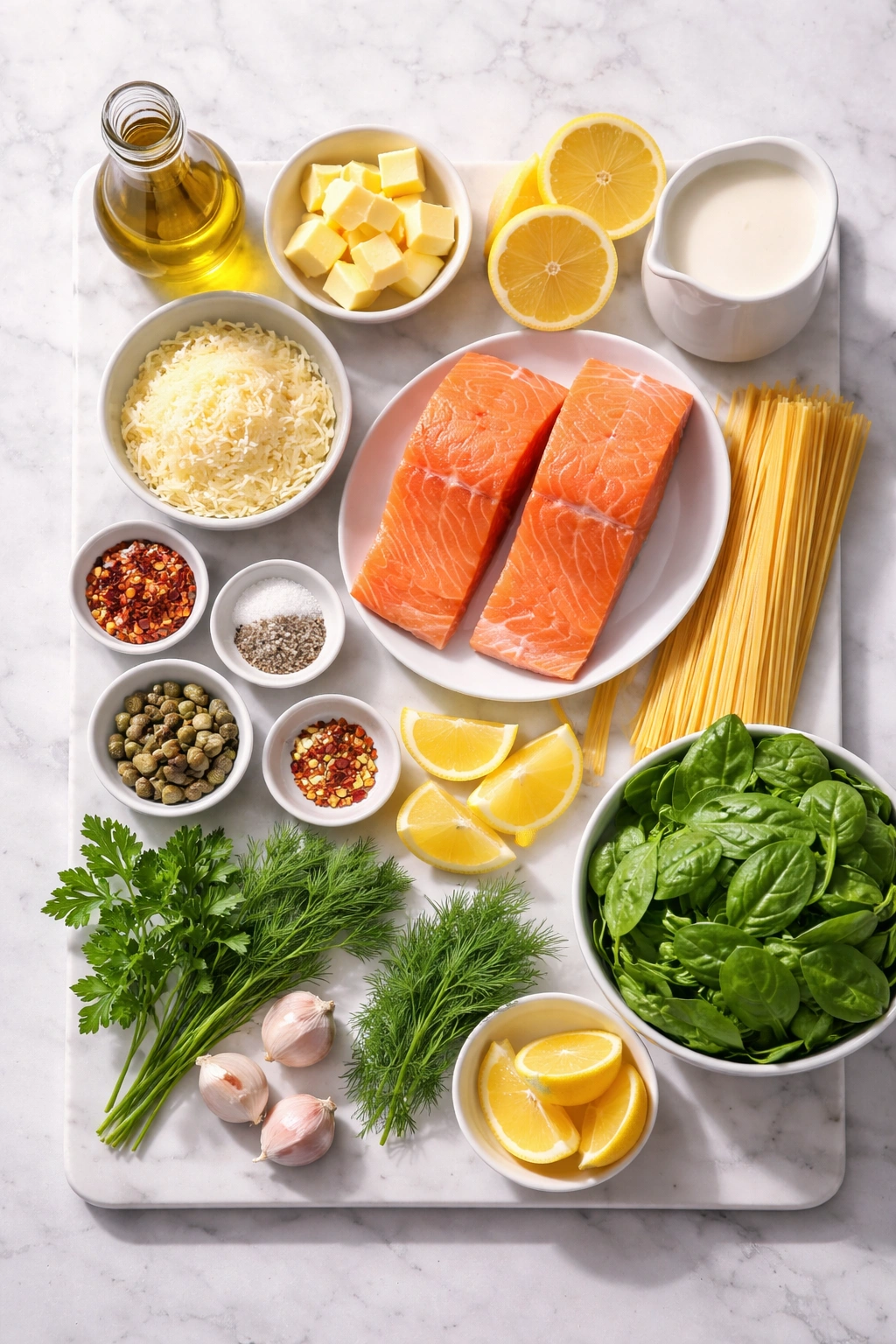
For the Salmon:
- 1 pound fresh salmon fillets (about 2 fillets, or one large fillet cut in half)
- 1 tablespoon olive oil
- ½ teaspoon kosher salt
- ¼ teaspoon freshly ground black pepper
- ½ lemon, for zesting and juicing
For the Creamy Sauce:
- 2 tablespoons unsalted butter
- 3 to 4 garlic cloves, minced (about 1½ tablespoons minced garlic)
- ½ cup dry white wine (something like Pinot Grigio or Sauvignon Blanc)
- ¾ cup heavy cream, room temperature
- ½ cup freshly grated Parmesan cheese (use a microplane or the small holes on a box grater for best results)
- 2 tablespoons fresh lemon juice (about half a lemon)
- 1 teaspoon fresh lemon zest
- ¼ teaspoon salt
- Pinch of freshly ground black pepper
- ¼ teaspoon red pepper flakes (optional, for subtle heat)
- 2 tablespoons capers, drained and roughly chopped (optional but recommended)
For the Pasta:
- 12 ounces linguine, fettuccine, or spaghetti
- Kosher salt for the pasta water (approximately 1 to 2 tablespoons)
- 2 cups fresh baby spinach, lightly packed (optional, or substitute fresh parsley)
For Finishing:
- 1 tablespoon fresh dill or parsley, chopped
- 1 tablespoon freshly grated Parmesan cheese
- Lemon wedges for serving
Detailed Step-by-Step Instructions
Prepare Your Ingredients:
-
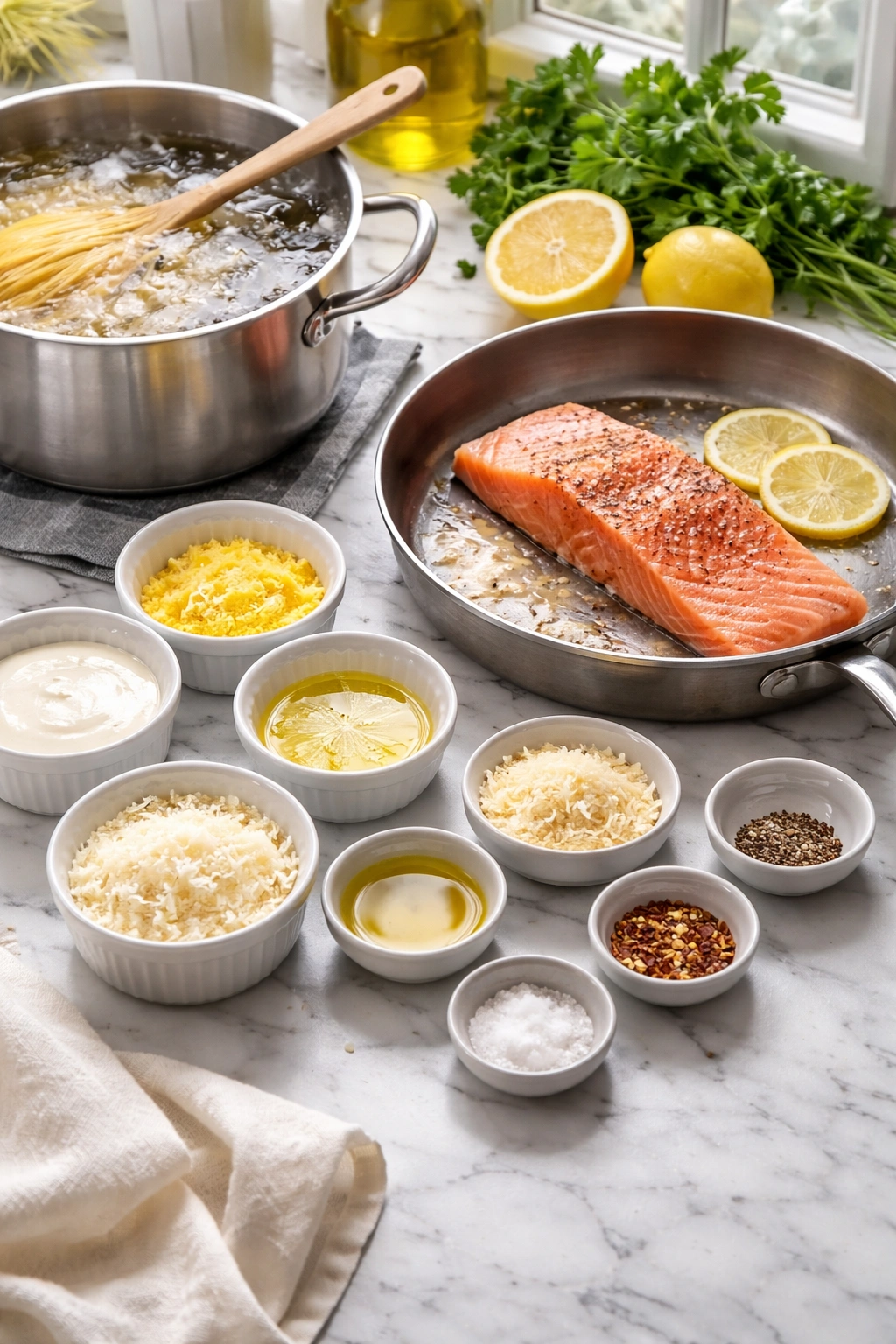
Pat the salmon fillets dry with a clean paper towel, removing any excess surface moisture—this is crucial for getting a proper sear. Remove any pin bones using tweezers or a fish bone remover by gently pulling them straight out from the flesh.
Advertisements -
Mince your garlic cloves finely and measure out all your ingredients into small bowls or ramekins. This is mise en place, and it makes the cooking process smooth and prevents scrambling for things mid-cook. Zest your lemon directly into a small bowl and set it aside separately from the lemon juice.
-
Bring a large pot of water (at least 4 quarts) to a boil and salt it generously—it should taste noticeably salty, like seasoned soup broth. This is your first opportunity to season the pasta itself, so don’t skimp here.
Cook the Pasta:
- Once the water is at a rolling boil, add the pasta and stir it immediately to prevent sticking. Cook according to package directions, but remove it one minute before the package says it’s done—it will finish cooking in the residual heat and in the sauce. Before draining, reserve at least 1 cup of the starchy pasta cooking water in a separate bowl or measuring cup. Drain the pasta and set it aside.
Sear the Salmon:
-
While the pasta is cooking, place a large nonstick or stainless-steel skillet over medium-high heat. Let it warm for 2 to 3 minutes so the pan is genuinely hot. Add the olive oil and swirl it to coat the bottom evenly.
-
Season both sides of the salmon fillets with salt and pepper. Carefully place the salmon into the hot pan, skin-side down. You should hear a gentle sizzle; if it’s aggressively crackling and popping, your heat is too high. Cook the salmon skin-side down for 5 to 6 minutes, until the skin is crispy and the flesh is opaque about halfway up the side.
-
Using a thin fish spatula or offset spatula, gently flip the salmon. Cook for an additional 3 to 4 minutes on the flesh side, until the salmon is cooked through and just barely flakes apart when pressed gently with a fork. The internal temperature should reach 145°F if you’re using a meat thermometer. Transfer the salmon to a clean plate and set it aside.
Build the Cream Sauce:
-
In the same skillet (don’t wash it—those browned bits are flavor), melt the butter over medium heat. Once it’s melted and just starting to sizzle, add the minced garlic. Cook for exactly 1 minute, stirring constantly, until the garlic is fragrant but hasn’t begun to brown.
-
Pour in the dry white wine and let it bubble gently for 2 to 3 minutes. You’ll see the liquid reduce slightly—this cooks off some of the raw alcohol taste and concentrates the flavor. Scrape the bottom of the pan with a wooden spoon to release all the browned bits from the salmon; these add incredible depth to the sauce.
Advertisements -
Reduce the heat to medium-low. Slowly pour in the room-temperature heavy cream while whisking gently and constantly. The cream should warm gradually rather than boil aggressively. Watch for small bubbles around the edges—that’s the signal that it’s warm enough.
-
Remove the pan from the heat or keep it at the lowest possible heat setting. Sprinkle the finely grated Parmesan cheese over the cream in two batches. Whisk the first batch in completely until it’s fully melted and incorporated before adding the second batch. This prevents lumping and creates a silky sauce. Do not let the cream boil vigorously once the cheese is added, or it may break and become grainy.
-
Add the fresh lemon juice and lemon zest, whisking to combine. Season with salt and pepper to taste, keeping in mind that the pasta water still carries salt. Add the optional red pepper flakes if you want a subtle heat underneath the richness.
Bring Everything Together:
-
Add the cooked pasta directly to the pan with the cream sauce. Using tongs or a large slotted spoon, gently toss the pasta to coat every strand evenly with the sauce. If the sauce seems too thick, add a splash of the reserved pasta water—just a few tablespoons at a time—and whisk as you go until you reach the consistency you want. The sauce will continue to thicken slightly as it cools, so aim for something that looks slightly looser than your ideal finished consistency.
-
Add the capers and the fresh spinach (or parsley), tossing gently until the spinach is just wilted and all the ingredients are evenly distributed. The residual heat will wilt the spinach without cooking it into submission.
Finish and Serve:
-
Gently break the cooked salmon into large, bite-sized chunks using two forks. Distribute the salmon pieces evenly over the top of the pasta in the pan. Do not stir aggressively; you want to keep the salmon pieces as large as possible for a beautiful presentation and satisfying bites.
-
Divide the pasta and salmon among serving bowls or plates. Garnish each portion with fresh dill or parsley, a small amount of freshly grated Parmesan, a twist of fresh lemon zest, and a lemon wedge for squeezing. Serve immediately while everything is hot.
Pro Tips and Common Mistakes to Avoid
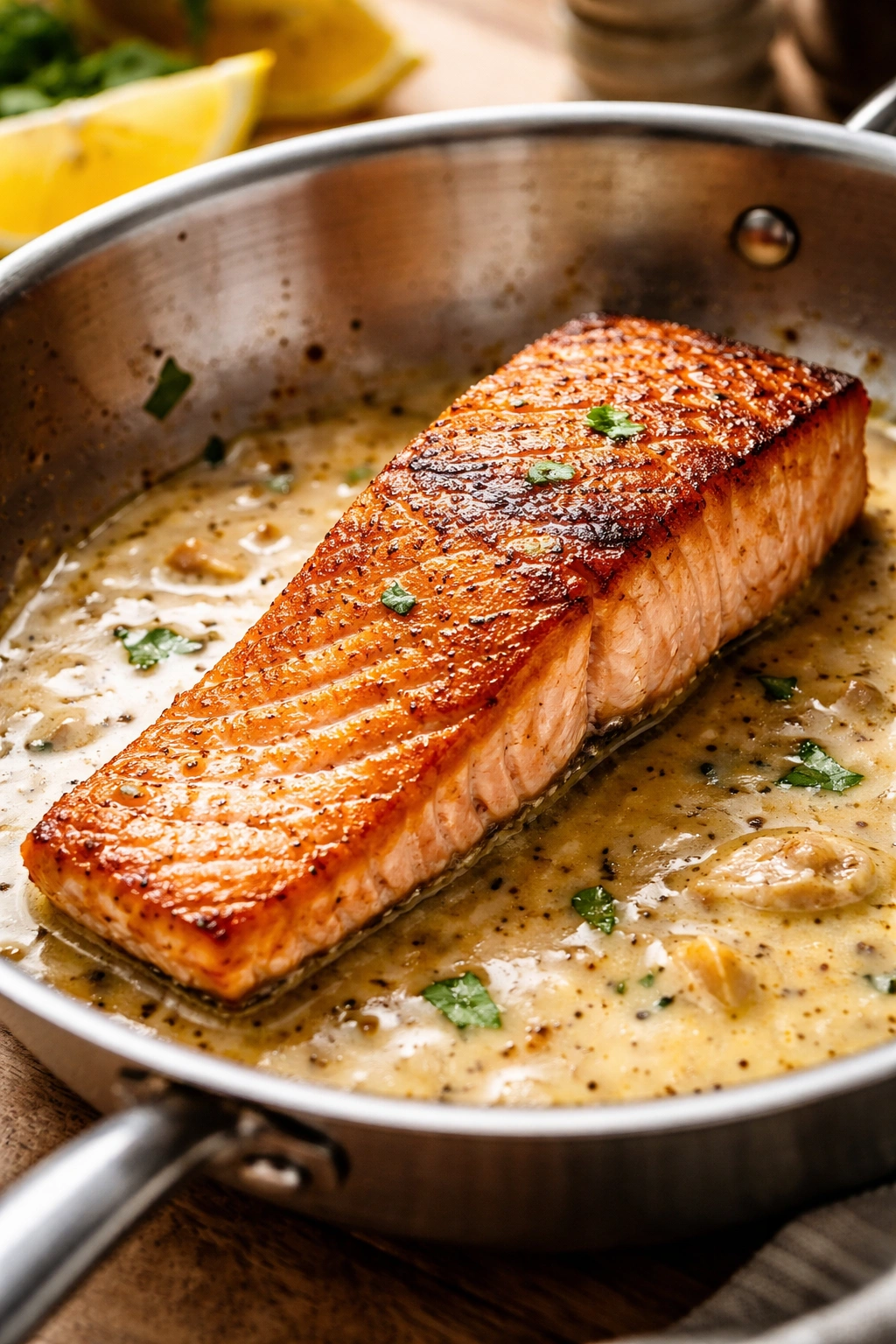
The most common mistake is cooking the salmon too long. People worry about undercooked fish, so they leave the salmon in the pan until it’s cooked all the way through, which means it’s overdone and dry. Remember that salmon continues cooking for a minute or two after you remove it from the heat due to carryover cooking. When the flesh looks opaque about three-quarters of the way through and still has just a hint of translucence in the very center, it’s perfect. It’ll be moist and buttery rather than flaky and dense.
Salt your pasta water properly. This isn’t a suggestion—it’s essential. Unsalted pasta tastes flat and boring, and no amount of sauce will fix it. Go ahead and taste the water before you add the pasta. It should taste like pleasantly seasoned soup. This single step makes more difference to your final dish than almost anything else you can do.
Pat the salmon dry before cooking. Moisture is the enemy of browning. Any water on the surface of the fish will create steam, preventing the skin from crisping and the exterior from developing that appetizing golden color. Use paper towels and don’t be shy about it.
Don’t skip the lemon juice. The acidity is what makes this sauce taste bright and elegant rather than heavy and one-note. The cream is rich and can easily feel cloying without acid to balance it. Lemon is the ingredient that elevates this from a good pasta to an impressive one.
Keep the heat moderate when adding the cream. High heat causes cream to break, which results in a separated, greasy sauce. Medium to medium-low heat and gentle whisking are your friends. This isn’t a gravy reduction where you want vigorous bubbling; this is a delicate emulsion that prefers a gentle touch.
Reserve your pasta water. This starchy liquid is what brings the whole dish together. It’s the difference between sauce that clings beautifully to pasta and sauce that pools at the bottom of the bowl. You’ll probably use at least a few tablespoons; don’t skip this step.
Recipe Variations and Adaptations
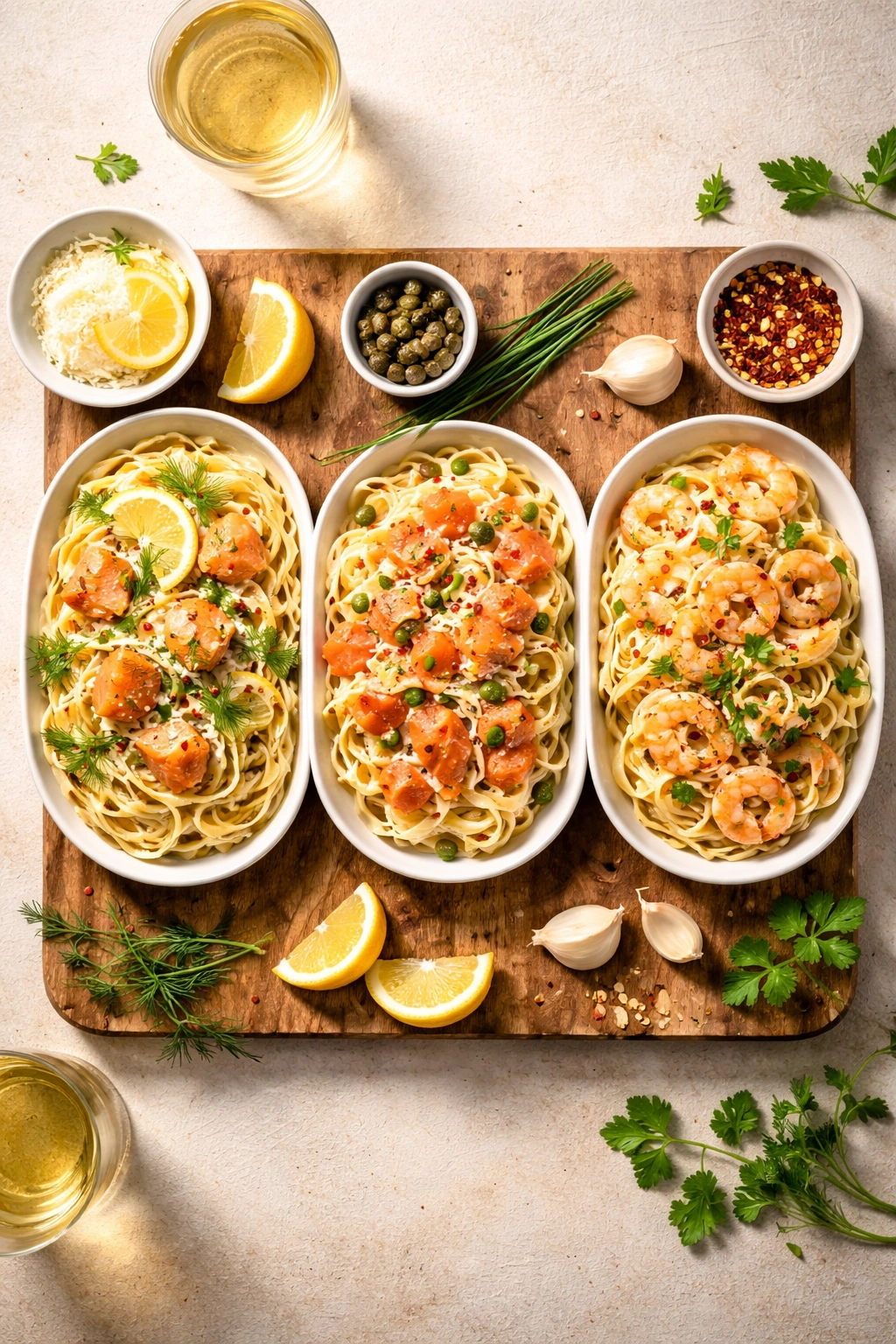
Lemon Dill Salmon Pasta: If you want to emphasize the citrus and herb flavors, add the zest of an entire lemon instead of just one teaspoon, and use fresh dill as your primary finishing herb rather than parsley. You can also add a teaspoon of fresh dill to the sauce itself while it’s simmering.
Smoked Salmon Pasta: Substitute hot-smoked salmon (the kind sold in the seafood department, sometimes labeled as BBQ salmon) for the fresh salmon. Since it’s already cooked, you can skip the searing step entirely and simply add flaked pieces of smoked salmon directly to the finished pasta just before serving. This saves you another pan to wash and cuts the cooking time down even further.
Shrimp Pasta: Swap the salmon for one pound of large shrimp, peeled and deveined. Cook the shrimp for about 3 minutes per side in the same skillet before you make the sauce—they cook even faster than salmon. The rest of the recipe stays exactly the same, and you’ll end up with something equally elegant and impressive.
Sun-Dried Tomato Version: Add ½ cup of sun-dried tomatoes (packed in oil, drained) to the sauce along with the capers. The tanginess and slight sweetness of the sun-dried tomatoes plays beautifully with the salmon and cream. Reserve the oil from the jar and use it for cooking the salmon if you want an extra depth of flavor.
Lighter Version with Greek Yogurt: If you want to reduce the richness, substitute half the heavy cream with plain Greek yogurt. Add the yogurt off the heat and whisk it in smoothly—it adds tanginess and creaminess without the heaviness of all heavy cream. The sauce will be slightly less thick, so you might use a bit less pasta water.
Spring Version with Asparagus: Add 1 cup of fresh asparagus tips (cut into 2-inch pieces) to the sauce while it’s simmering, and let them cook for 3 to 4 minutes until they’re tender-crisp. The asparagus adds a fresh vegetable element that makes the dish feel lighter and more seasonal.
Cajun-Spiced Salmon: Season the salmon fillets with a teaspoon of Cajun seasoning mixed with the salt and pepper before searing. You can also add ¼ teaspoon of smoked paprika and a pinch of cayenne to the cream sauce for a subtle kick. This gives the whole dish a slightly different personality while keeping the same basic technique.
Storage, Make-Ahead, and Reheating Guidance
Best served fresh: This pasta is genuinely at its best eaten immediately while it’s hot and the sauce is at its silkiest. Cream-based sauces and seafood both have a way of degrading in quality pretty quickly, so this isn’t a recipe that improves with time.
Refrigerator storage: If you do have leftovers, store them in an airtight container in the refrigerator for up to 2 days. The sauce will thicken considerably as it cools, and the salmon will continue to firm up. This is why it’s best eaten right away.
Reheating: To reheat, place the leftover pasta in a skillet over low heat and add a splash of heavy cream, whole milk, or even pasta water to loosen the sauce. Stir gently and let it warm through slowly—high heat will cause the cream sauce to separate and become grainy. You can also microwave it in a microwave-safe bowl at 50% power in 1-minute intervals, stirring between bursts, which helps prevent the sauce from breaking.
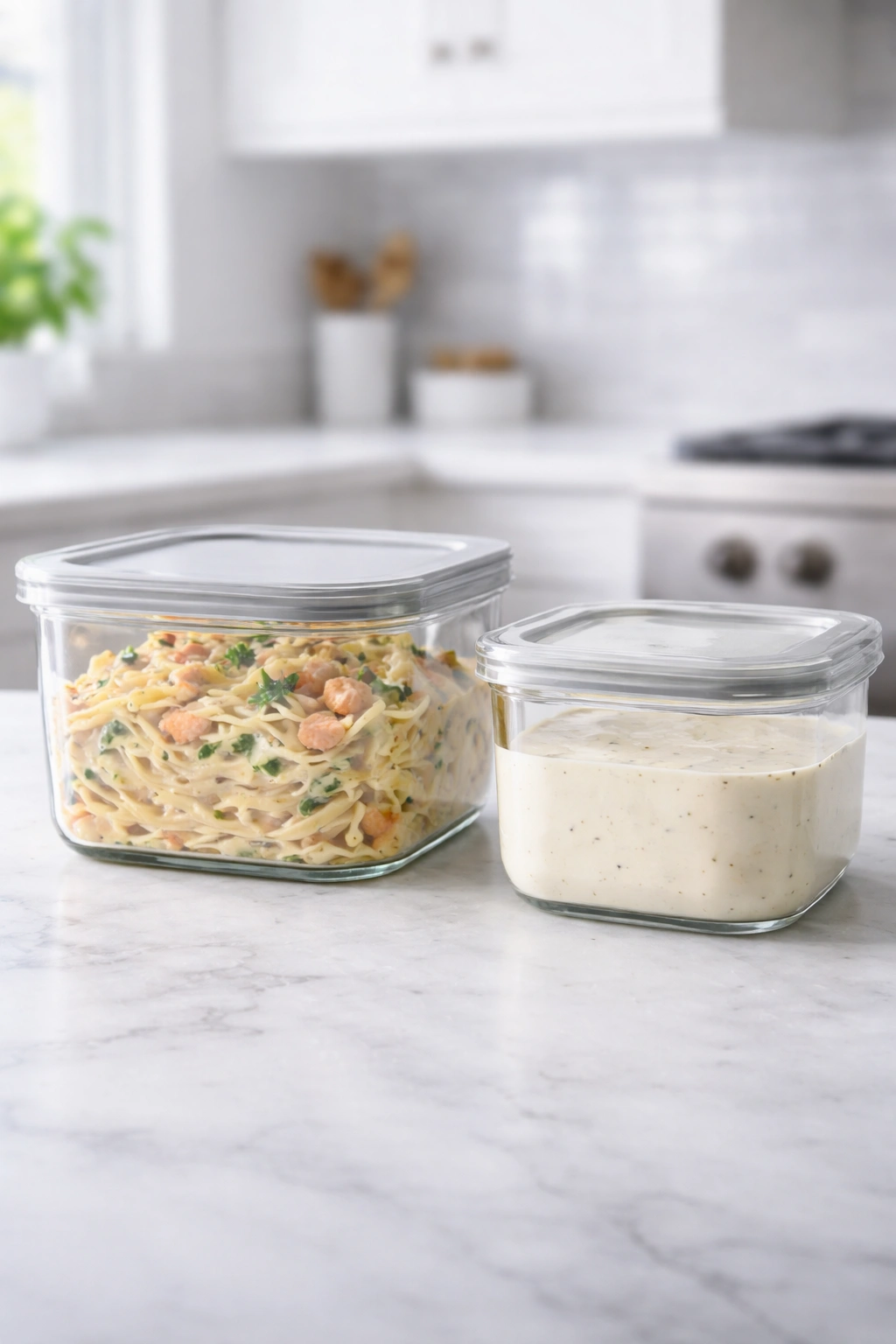
Make-ahead strategy: You can absolutely cook the pasta and make the sauce ahead of time and store them separately in the refrigerator. Keep them in separate airtight containers so the pasta doesn’t absorb all the sauce. Sear the salmon fresh just before you want to eat. When it’s time to serve, gently reheat the sauce in a skillet, add the warmed pasta, and break the salmon into it, following the same assembly process as usual.
Not recommended for freezing: Cream-based pasta sauces don’t freeze well—they tend to separate and become grainy when thawed. The salmon also changes in texture when frozen. If you’re trying to meal-prep, it’s better to freeze the components separately or plan to eat this within a day or two of cooking.
Serving Suggestions and Perfect Pairings
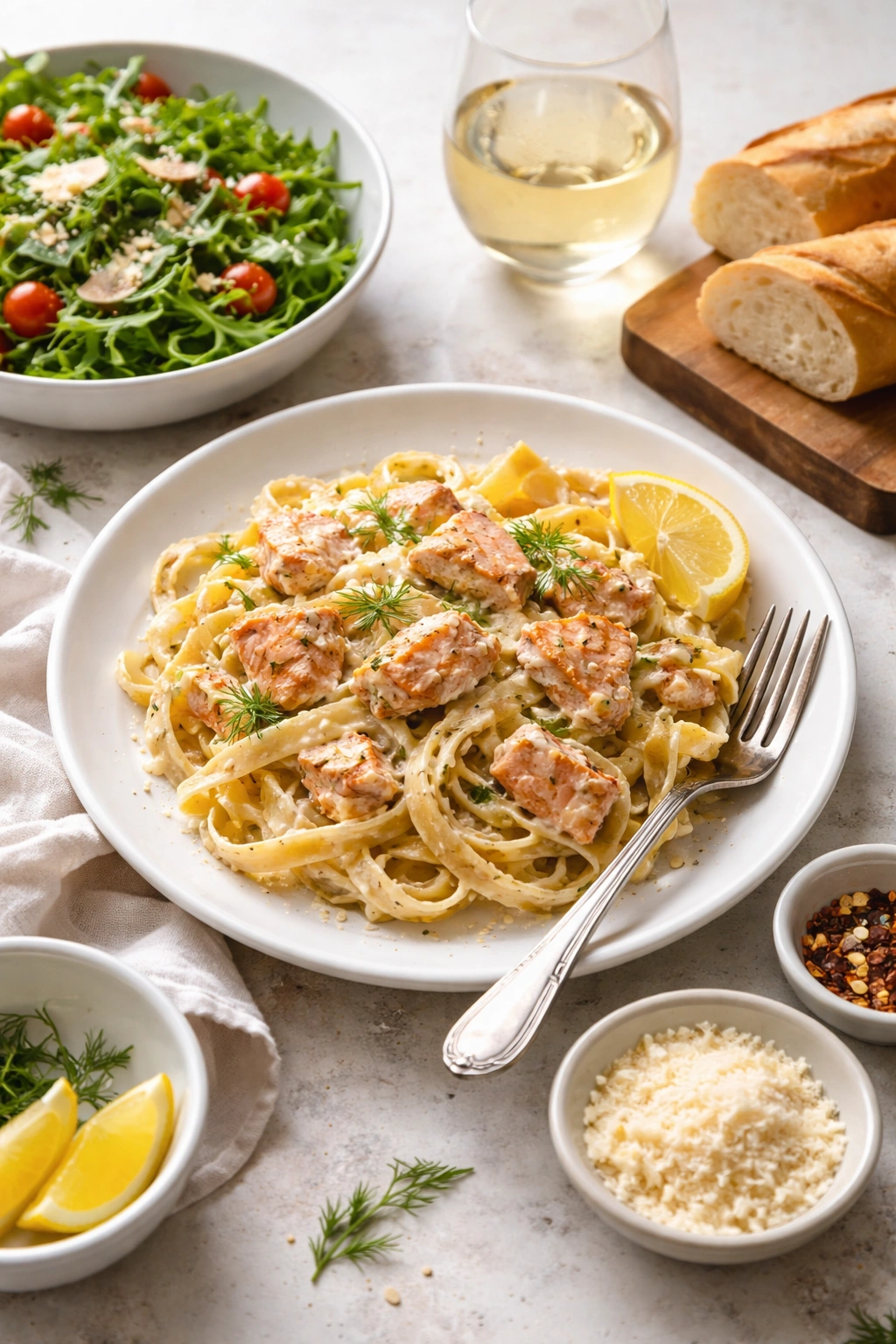
With vegetables: This pasta doesn’t need much on the side since it already contains spinach, but a simple roasted asparagus or a handful of sautéed green beans makes a nice complement. The mild vegetable flavors and slight char from roasting balance the richness of the cream sauce perfectly. Alternatively, a simple arugula salad with a squeeze of lemon juice and good olive oil provides a fresh, peppery contrast.
With bread: Crusty bread is almost essential for soaking up every last drop of sauce. Garlic bread is tempting but might be overkill with the richness of the pasta—instead, try grilled bread rubbed with garlic and a touch of olive oil. Simple toasted slices of a quality bakery bread also work beautifully.
With wine: A crisp white wine is the obvious pairing—look for Sauvignon Blanc, Pinot Grigio, or an unoaked Chardonnay. These wines have enough acidity to cut through the richness of the cream sauce and complement the delicate flavor of the salmon. If you want something different, a light Pinot Noir also works surprisingly well because of its low tannins and bright acidity.
With non-alcoholic beverages: Sparkling water with a squeeze of fresh lemon is refreshing and cleanses the palate between bites. Iced herbal tea with a touch of honey also works beautifully, or simply serve with ice water and fresh lemon wedges.
For entertaining: Plate the pasta in shallow bowls rather than deep ones so the cream sauce is visible and looks elegant. Garnish each bowl individually with fresh herbs and a grating of Parmesan rather than leaving garnishes on the side. A lemon wedge perched on the rim of each bowl gives people the option to add more brightness to their own taste.
For date night: This pasta genuinely has that special occasion feel even though it’s technically weeknight-easy. Light some candles, use your nice plates, and take a moment to sit down and actually enjoy it rather than eating standing at the counter. The effort you put into presentation and pacing makes it feel like more of an occasion.
Frequently Asked Questions

Can I use frozen salmon for this recipe?
Yes, absolutely. Thaw it completely in the refrigerator overnight, then pat it very dry with paper towels before cooking. Frozen salmon can sometimes be slightly more watery than fresh, so extra-thorough drying is important for getting a proper sear. The rest of the cooking time stays exactly the same.
What if I don’t have white wine? Can I substitute something else?
You can use dry white wine alternatives like chicken broth mixed with a splash of fresh lemon juice, or even skip the wine entirely and use an additional ½ cup of heavy cream. The wine adds brightness and acidity that balance the richness, so if you’re skipping it, make sure you bump up the lemon juice slightly to compensate. The sauce will be richer without the wine’s acidity, but it’ll still be delicious.
Is there a way to make this sauce lighter if I’m watching calories?
You can substitute half of the heavy cream with half-and-half or even whole milk, though the sauce will be less thick and rich. If you go this route, you might want to add a tablespoon of cornstarch whisked with a tablespoon of cold water to help thicken the sauce. Start by adding just half the mixture, then add more if needed. Alternatively, use Greek yogurt as mentioned in the variations section—it creates a tangier, lighter sauce while still being creamy.
What type of pasta works best with this sauce?
Long, thin to medium-width noodles like linguine, spaghetti, fettuccine, or bucatini work beautifully because they allow the cream sauce to cling to them evenly. Short pastas like penne or rigatoni can work too, but they tend to pool sauce in the tubes, so you might end up with some bites that are saucier than others. Avoid very thick ribbons like pappardelle because they can overwhelm the delicate flavor of the salmon.
Can I make this pasta gluten-free?
Yes. Substitute the regular pasta for a gluten-free pasta made from rice, corn, or a blend of gluten-free flours. Cook it according to the package directions, and use the same pasta water for the sauce. The cooking time might be slightly different, so check it a minute earlier than the package suggests. Everything else in the recipe is naturally gluten-free.
How many people does this recipe actually serve?
The recipe as written comfortably serves 2 people as a main course with a nice amount of sauce and salmon per serving, or 3 to 4 people if you’re serving it with sides like salad or vegetables. If you want to serve 4 people generously, increase the salmon to 1.5 pounds and the pasta to 1 pound, keeping the sauce amounts the same—you’ll have more salmon to pasta ratio, which is never a bad thing.
What if my cream sauce breaks and becomes grainy?
Don’t panic—it happens to everyone at least once. Remove the pan from heat immediately. In a separate small bowl, whisk together a splash of fresh heavy cream with a fork, then slowly whisk the grainy sauce into the cream a small amount at a time. This often brings it back together. If that doesn’t work, you can strain the sauce through a fine-mesh sieve into a bowl, which separates out the broken bits, and you’ll be left with a thinner but smooth sauce. You can then add a splash more cream and reheat it gently. Neither option is ideal, but it saves your dinner.
Can I cook the salmon in the oven instead of on the stovetop?
Absolutely. Preheat your oven to 400°F. Place the salmon on a parchment-lined baking sheet, season with salt and pepper, drizzle with olive oil and a squeeze of lemon, and bake for 10 to 12 minutes until cooked through. This method gives you more stovetop space for making your sauce and pasta, which some people prefer when they’re coordinating multiple things at once.
Key Takeaways and Final Thoughts
This creamy salmon pasta is one of those rare recipes that genuinely delivers on the promise of being quick, impressive, and delicious all at the same time. The techniques are straightforward enough for a beginner to execute confidently, but refined enough that the final dish tastes elegant and restaurant-quality. There are no weird tricks, no ingredients you can’t pronounce, and nothing that requires special equipment or skills you don’t already have.
The real magic of this dish is how it demonstrates that simple doesn’t mean boring. When you start with quality ingredients—fresh salmon, real Parmesan, actual butter, fresh garlic and lemon—and respect the basic techniques of searing and sauce-making, everything else falls into place. The salmon stays moist and tender, the cream sauce comes together silky and smooth, and the pasta absorbs just enough sauce to be luxurious without drowning.
Make this when you want to feel like you’ve really cooked something special but don’t want to spend all evening in the kitchen. Make it for yourself on a night when you deserve something delicious and comforting. Make it for someone you want to impress without making a big production out of it. Make it because you have good salmon at the market and want to do it justice. However you decide to make it, trust that twenty minutes from now, you’ll be sitting down to something genuinely worth savoring.
