



When you’re searching for a lunch that actually fills you up until dinner, when you’re tired of sad salads and unsatisfying wraps, when you want something that tastes genuinely delicious while also nourishing your body—that’s exactly when a sweet potato quinoa bowl arrives like an answer to your hunger prayers. The combination is almost too good to be true: fluffy, nutty quinoa paired with caramelized, naturally sweet roasted potatoes, layered with crispy chickpeas, fresh greens, creamy avocado, and finished with a drizzle of silky tahini or citrus dressing that ties everything together. This isn’t a sad desk lunch you’ll be picking at halfway through the afternoon. This is the kind of meal that keeps you energized, satisfied, and genuinely excited to eat.
The beauty of this bowl lies in its perfect balance. Sweet potatoes provide complex carbohydrates and vitamin A that sustains your energy, while quinoa delivers a complete plant-based protein containing all nine essential amino acids. Chickpeas add fiber and additional protein that extends your satiety for hours. The healthy fats from avocado and the dressing slow down digestion even further, meaning you stay genuinely full through the afternoon. You’re not just eating lunch—you’re investing in hours of sustained energy and clear thinking. And unlike so many “healthy” meals that taste like punishment, this bowl is genuinely crave-worthy, the kind of lunch you’ll actually look forward to making.
Why Sweet Potato Quinoa Bowls Are Perfect for Lunch
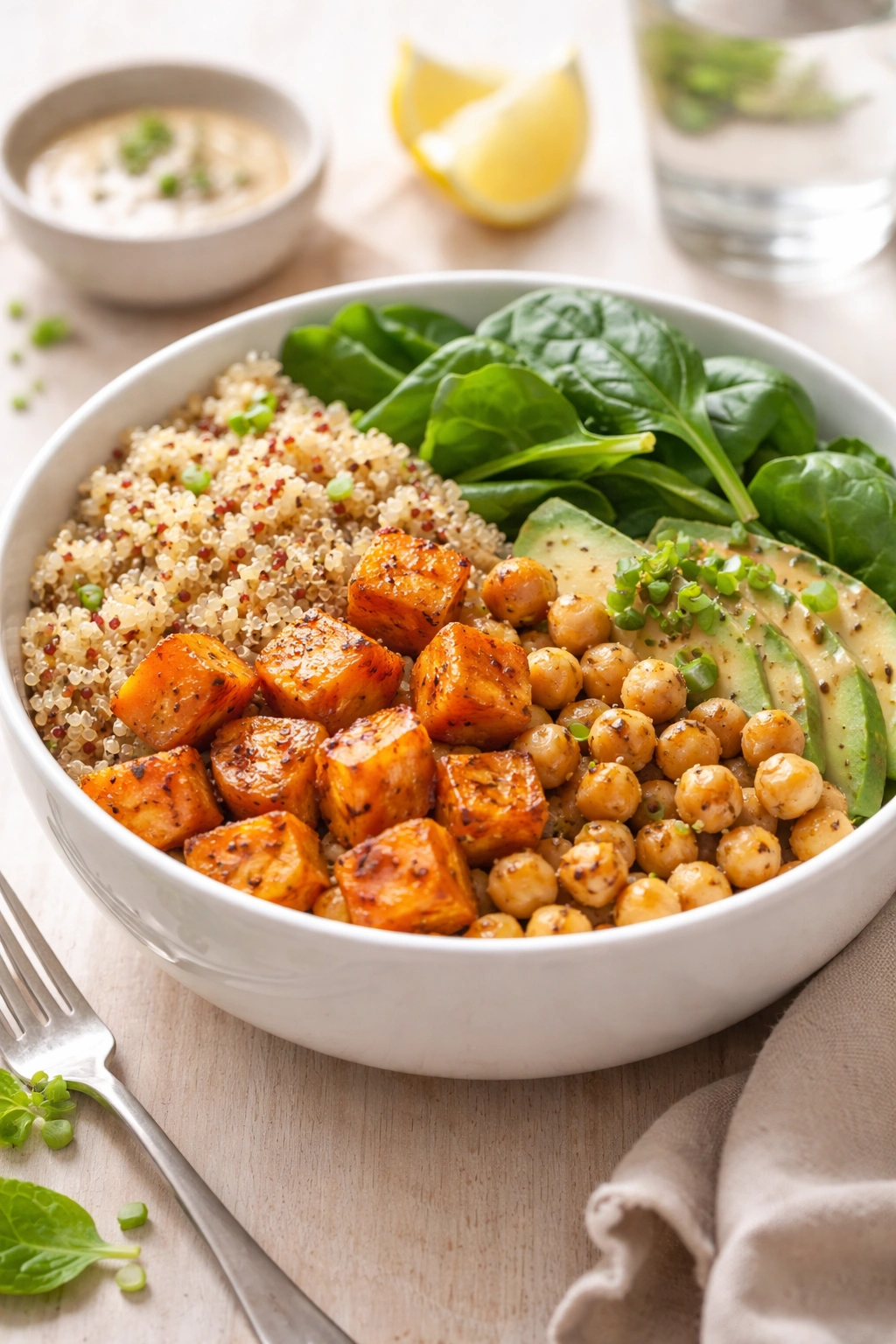
The biggest advantage to this meal is that it’s fundamentally meal-prep friendly without requiring special equipment or complicated techniques. You can roast everything on a single sheet pan while the quinoa cooks simultaneously on the stovetop, meaning the entire recipe comes together in under 45 minutes of mostly hands-off cooking. That kind of efficiency matters when you’re juggling a busy schedule and still want to eat well.
Unlike heavy sandwiches or pasta-based lunches that leave you feeling sluggish, the ingredients in this bowl work together to provide steady, long-lasting energy. The fiber from the sweet potatoes and quinoa combined with the protein from the chickpeas creates a meal that genuinely sustains you. Most people report that a single bowl keeps them satisfied until dinner time, without the 3 p.m. energy crash that comes from sugar-heavy or refined-grain lunches.
Another practical reason this bowl excels for lunch: it holds up beautifully in the refrigerator. Everything except the fresh greens and avocado can be prepared the day before, stored separately in glass containers, and assembled fresh in the morning. The components don’t get soggy, the flavors continue to develop, and you’re genuinely eating something fresher and more nourishing than anything you could grab from a restaurant counter.
What Makes This Bowl So Satisfying
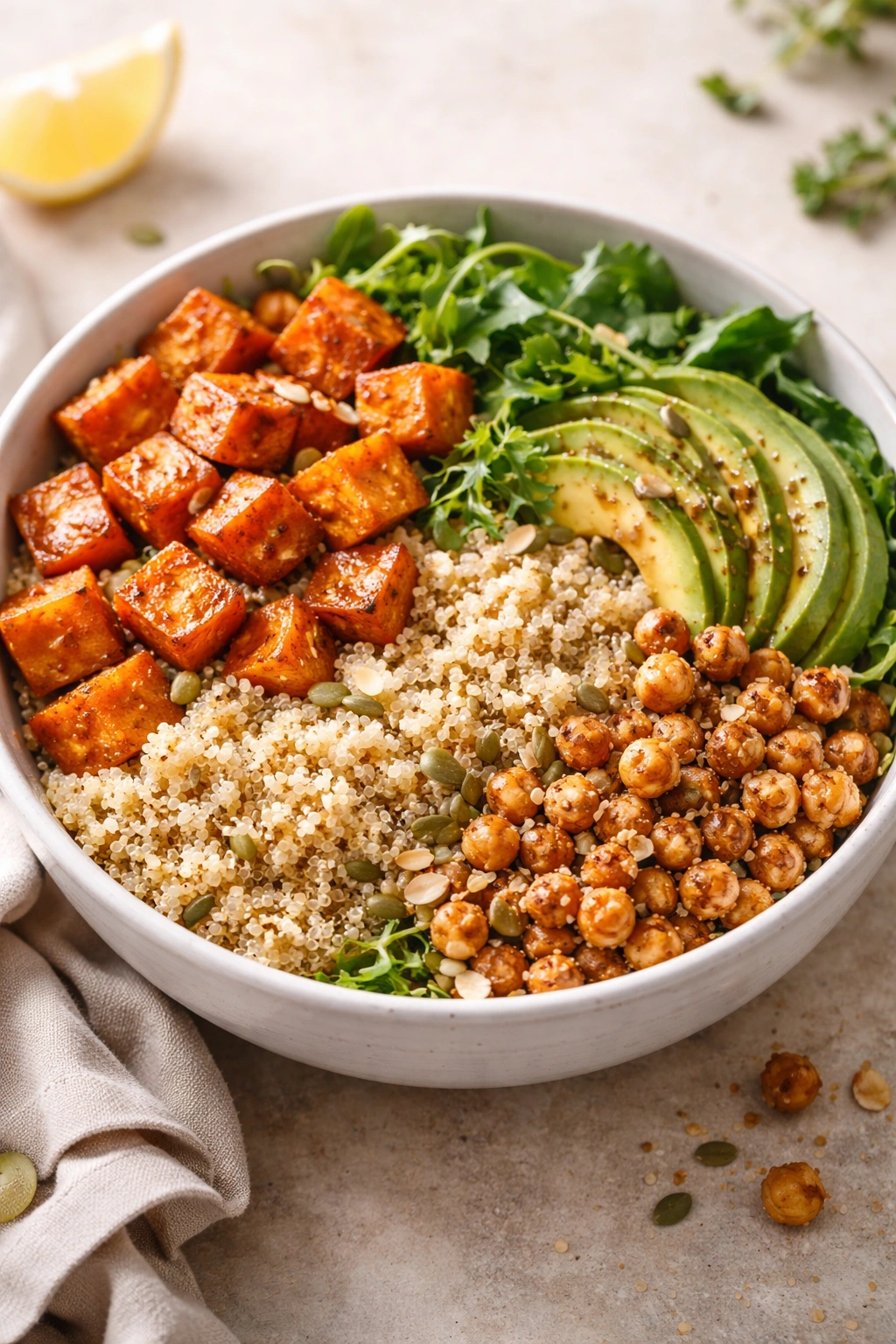
Understanding what makes this bowl work so well helps you build variations that feel equally satisfying. The satisfaction starts with texture contrast—the creamy smoothness of roasted sweet potato plays beautifully against the firmness of the greens, the snap of raw vegetables, and the crunch of roasted chickpeas or nuts. Your mouth doesn’t get bored halfway through the bowl because every spoonful offers something different.
Flavor complexity matters just as much as texture. You’ve got the natural sweetness of roasted sweet potatoes playing against the earthiness of quinoa, the brightness of lemon or lime in the dressing, the subtle nuttiness of tahini, and fresh herbs that add a final punch of vibrancy. This layered approach to seasoning means you don’t need heavy cream sauces or excess salt to make the meal taste genuinely good. The flavors speak for themselves.
The satiety factor comes down to smart nutrition composition. Sweet potatoes alone won’t keep you full for hours, but combined with quinoa’s complete protein, chickpeas’ fiber and additional protein, plus the healthy fats from avocado and tahini, you’ve created a meal that ticks every nutritional box. Your blood sugar rises gradually because of the fiber, then stays stable because of the protein and fat, meaning no dramatic energy crash three hours later.
Choosing the Best Sweet Potatoes
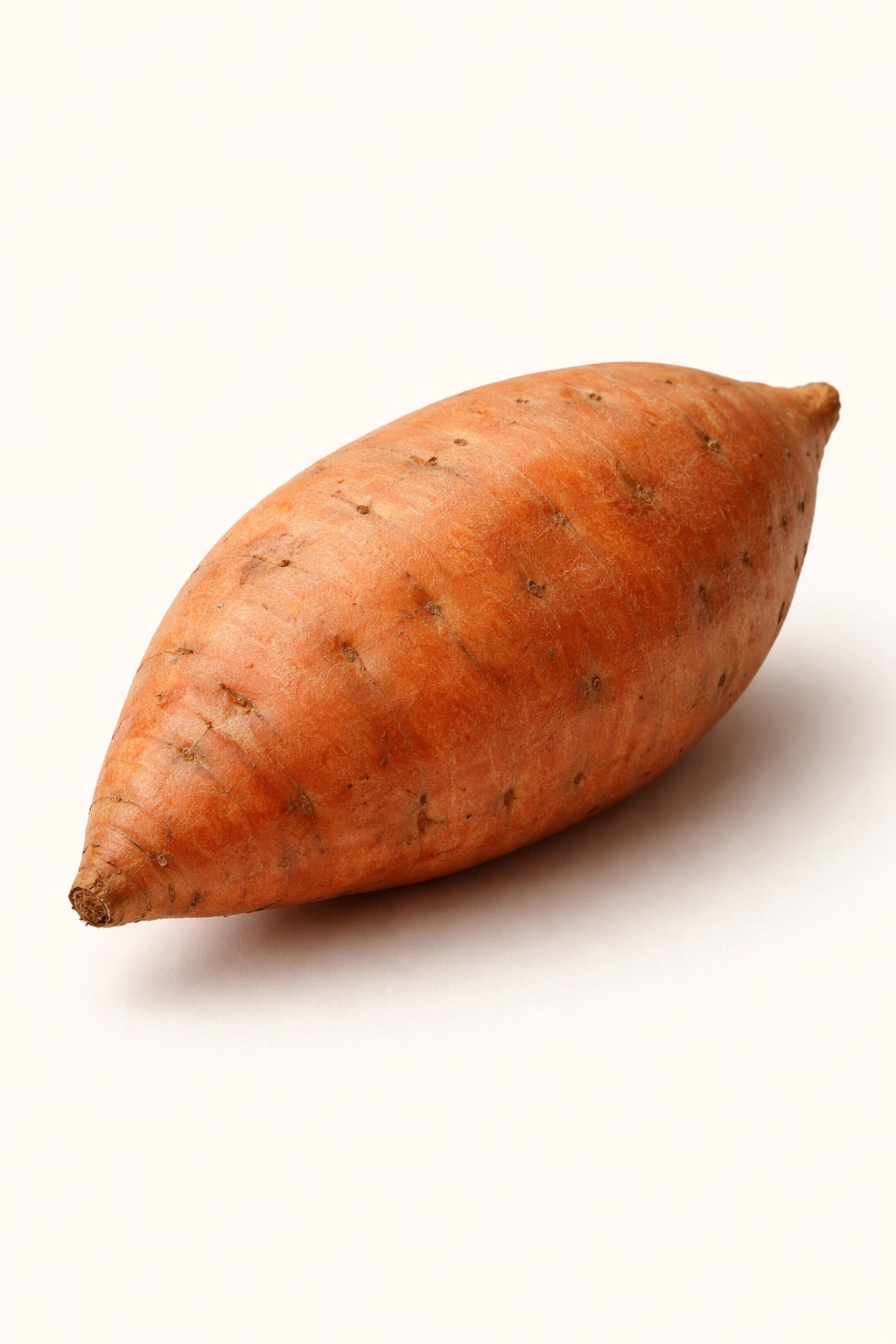
Not all sweet potatoes are created equal, especially when you’re roasting them. The orange-fleshed varieties—sometimes labeled as yams in supermarkets despite not being true yams—roast beautifully and become creamy inside while the edges caramelize. These are your ideal choice for this bowl. They’re naturally sweeter than white or purple varieties, and they develop those deeply caramelized, almost crispy edges that make this dish so crave-worthy.
Look for medium-sized sweet potatoes roughly the same size so they cook evenly. Avoid the giant ones, which take forever to roast, and the very small ones, which are often watery inside. A medium sweet potato should be about 8 inches long and feel slightly firm when you press it gently. Store them in a cool, dark place—not in the refrigerator, which can damage their texture and make them watery.
Peeling and Cutting Techniques
You have a choice with the skins: leave them on for extra nutrients and texture, or peel them for a creamier final result. Leaving the skins on actually adds fiber and prevents the sweet potatoes from becoming too wet inside, plus you get a more interesting texture contrast in the finished bowl. If you do peel them, do it before cutting and roasting, not after, since peeling hot roasted sweet potatoes is messy and burns your hands.
Cut them into half-inch cubes—consistent size is crucial because oversized pieces will stay raw inside while smaller ones turn to mush. A sharp chef’s knife makes quick work of this. Alternatively, many people find that cutting sweet potatoes in half lengthwise and roasting them face-down creates a creamier interior while the flat surface gets perfectly caramelized.
Quality and Freshness Matters
Fresh sweet potatoes roast more evenly than ones that have been sitting around for months. Buy them from a store with decent produce turnover if possible. A fresh sweet potato should feel heavy for its size and have unblemished skin without soft spots. Avoid any that feel light or have visible damage.
Understanding Quinoa’s Nutritional Power
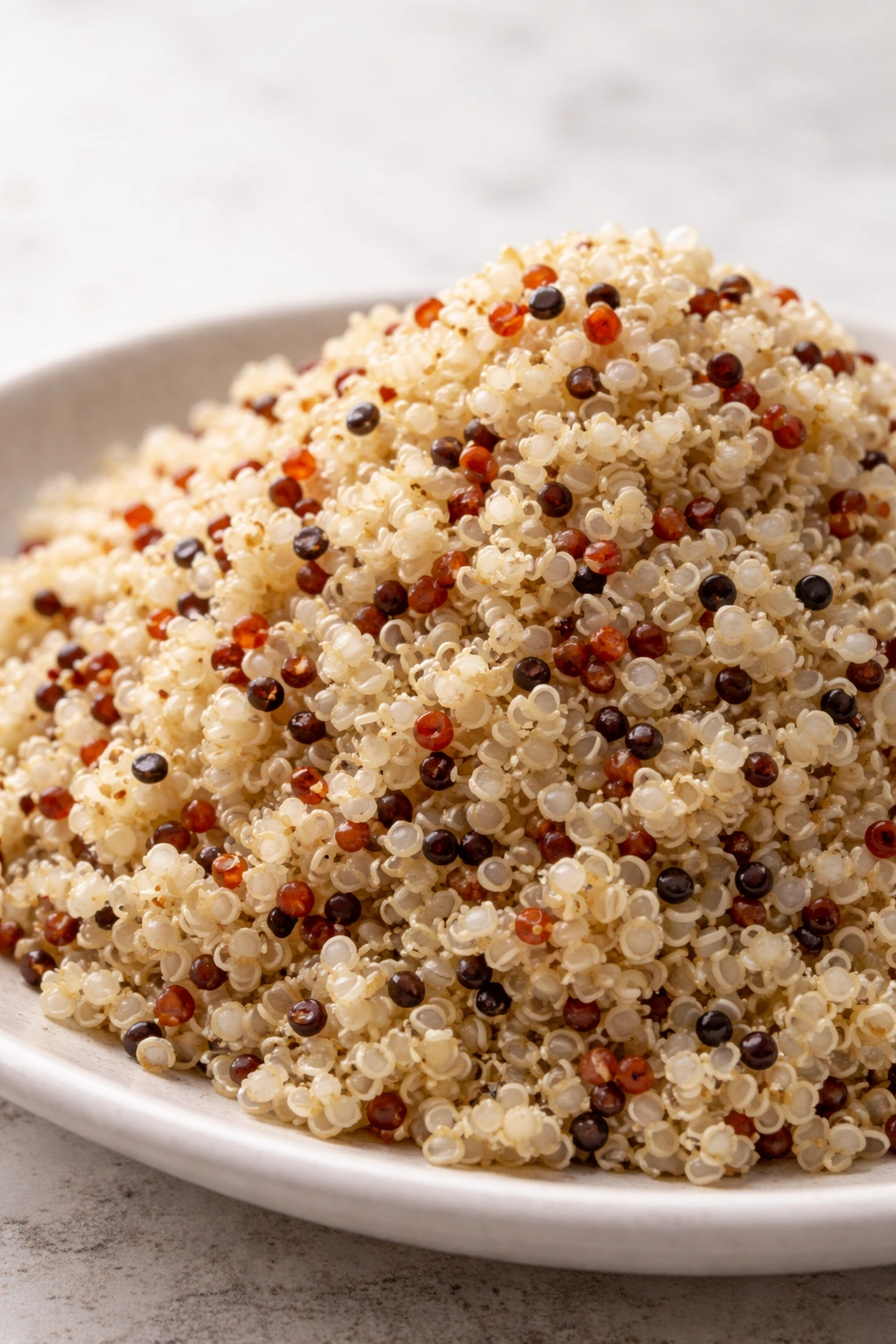
Quinoa gets a lot of hype, and honestly, most of it is deserved. Unlike most grains, quinoa is a complete protein, containing all nine essential amino acids your body cannot manufacture on its own. For plant-based eaters, this makes quinoa a genuinely valuable staple, not just a trendy grain. One cup of cooked quinoa provides about 8 grams of protein, which might not sound like much until you remember that you’re pairing it with chickpeas and other protein sources in this bowl.
The texture of properly cooked quinoa is something people either love or struggle with. It should be fluffy, with the germ (that little spiral-shaped appendage) clearly visible and separated from the seed. Many people who claim to dislike quinoa have actually only had the bitter, clumpy version that results from not rinsing it before cooking or overcooking it. Rinsing is genuinely important—it removes the saponin coating that tastes distinctly bitter and unpleasant.
Red vs. White vs. Black Quinoa
The main differences are visual and subtle flavor variations rather than nutritional. Red and black quinoa hold their shape slightly better during cooking, so they’re excellent for bowls where you want each grain to remain distinct and visible. White quinoa becomes slightly fluffier and is milder in flavor. Tri-color blends give you visual appeal and a combination of textures. Choose based on what you have available—any variety works beautifully in this bowl.
Building the Perfect Grain Base
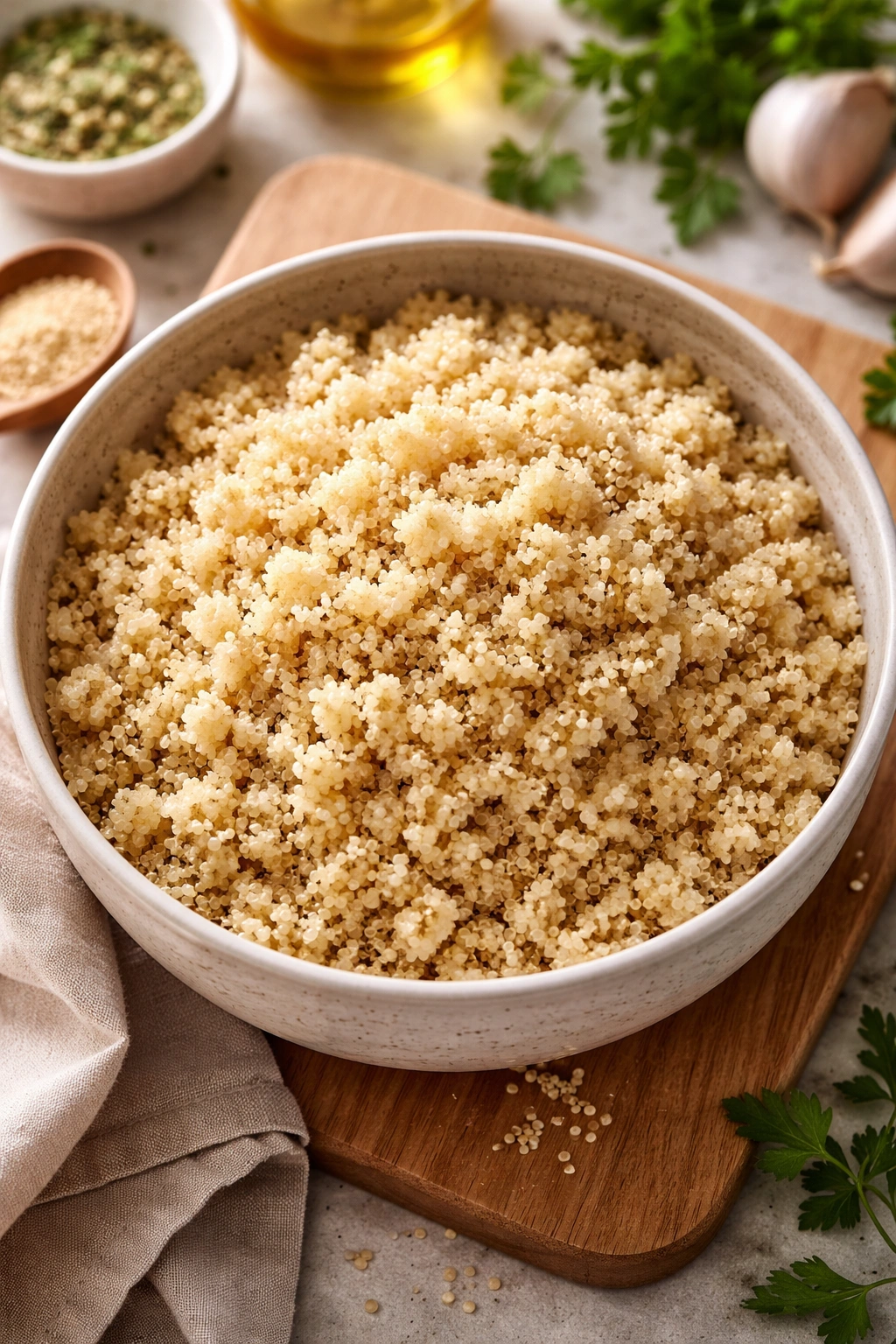
The grain base isn’t just about cooking quinoa correctly—it’s about layering flavors from the very beginning. Many people cook grain in plain water, which results in bland results you have to mask with dressing. Instead, cook your quinoa in vegetable broth for an immediate flavor boost that requires no extra effort. The difference is subtle but noticeable, especially if you’re eating the bowl without a heavy dressing.
The ratio matters: one part dry quinoa to two parts liquid produces perfectly tender, fluffy results. Too much water creates mushy, sticky quinoa. Too little leaves hard, undercooked grains. Most importantly, don’t stir the quinoa while it cooks—this agitation breaks apart the grains and creates a mushy texture. Let it sit undisturbed over low heat with a lid on, then fluff with a fork just before assembling your bowl.
Seasoning at the Right Time
Add salt directly to the cooking liquid rather than seasoning after, which allows the quinoa to absorb the salt and develop better flavor throughout. Start with about half a teaspoon for a cup of dry quinoa, then taste after cooking and adjust. You can also add a pinch of cumin, garlic powder, or other spices directly to the cooking liquid for additional depth.
Make your quinoa ahead and store it in the refrigerator—it actually improves slightly as flavors meld overnight, and you can pull it from cold storage and use it straight away or reheat it gently in the microwave. This advance preparation is one of the biggest time-savers for busy-week meal prep.
Roasting Sweet Potatoes to Caramelized Perfection
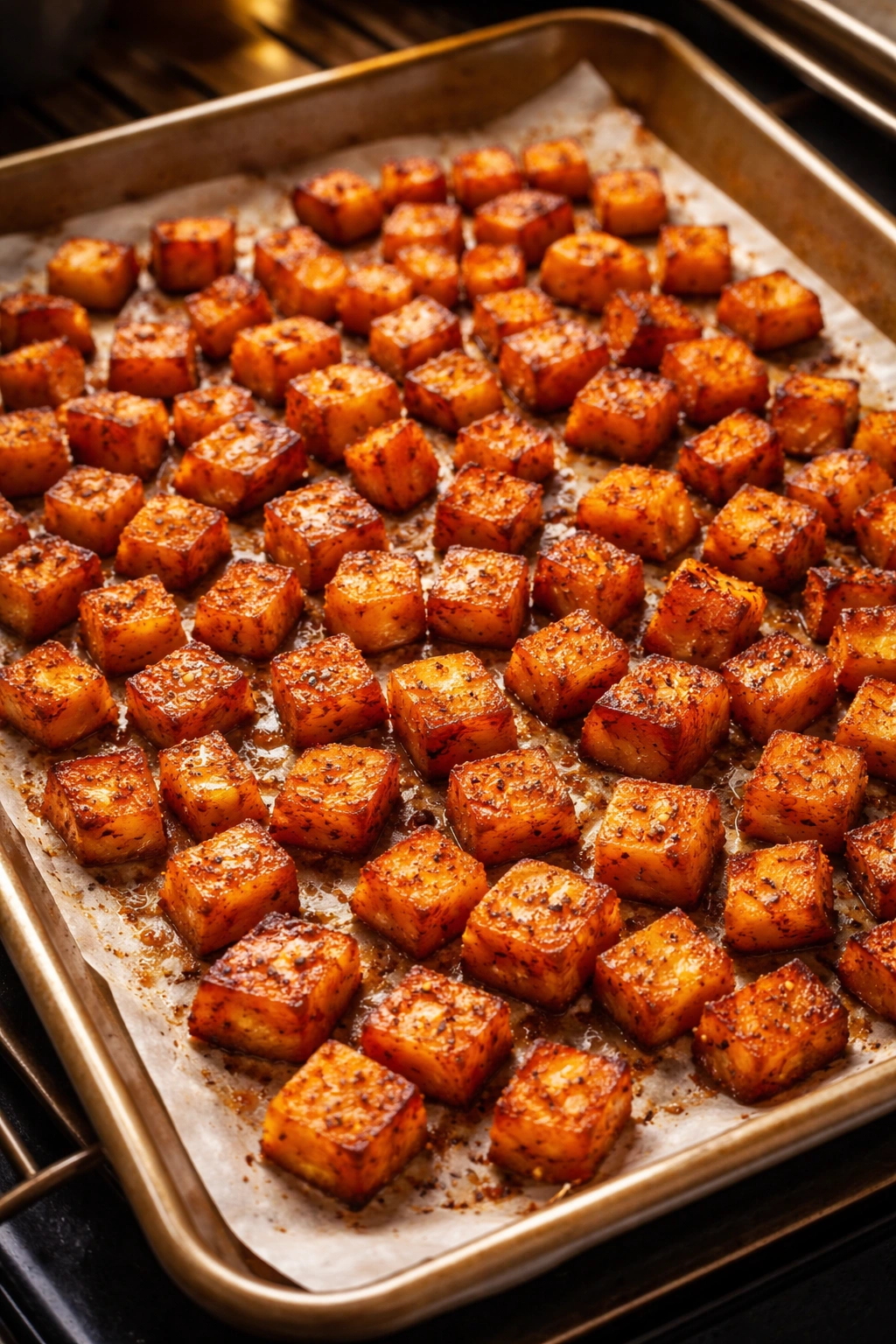
The difference between mediocre roasted sweet potatoes and absolutely incredible ones comes down to temperature, preparation, and patience. High heat—around 425°F (220°C)—is essential for developing that deep caramelization on the outside while keeping the inside creamy. This high temperature creates the Maillard reaction, that magical browning process that transforms the starches into complex, caramelized sugars.
Toss your diced sweet potatoes with just enough olive oil to coat lightly—too much oil steams them instead of roasting them. Spread them in a single layer on your sheet pan, leaving space between each piece so heat circulates evenly. Crowding the pan is the most common mistake people make, resulting in steamed rather than caramelized potatoes. If you don’t have room for a single layer, use two sheet pans.
Seasoning Strategy
Keep seasoning simple at the roasting stage. A generous pinch of salt, black pepper, and perhaps smoked paprika or cumin are all you need—heavily spiced roasted potatoes can overpower the other delicate flavors in your bowl. The natural sweetness and earthiness of the roasted potato should shine through. Save complex seasoning for the dressing or add it to specific components like the chickpeas if you want stronger flavors.
Roast for 25 to 35 minutes depending on your oven and how large your pieces are. You’re looking for the edges to turn golden-brown and crispy while the inside becomes creamy and fork-tender. Some people prefer edges that are almost caramelized, approaching charred. This is entirely up to your preference—the darker the edges, the more complex caramel flavors you develop, though you risk a slightly drier texture inside if you push it too far.
The Resting Step
Let the roasted sweet potatoes cool slightly before assembling your bowl—they’ll continue to firm up slightly, and the flavors will deepen as they cool. Plus, cooling prevents them from becoming mushy when they contact cold greens or wet dressing.
Protein-Rich Toppings That Keep You Full
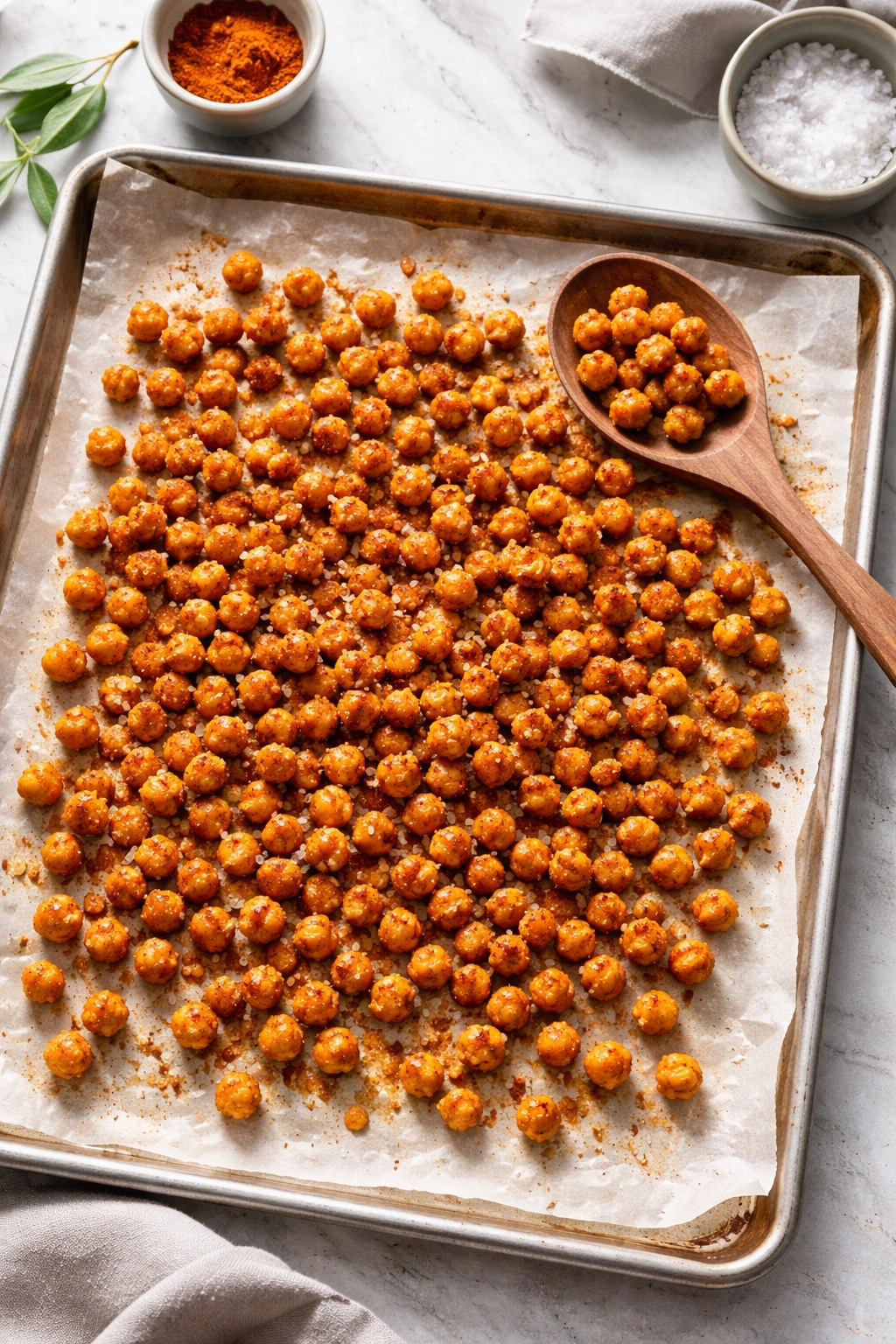
Chickpeas are the traditional choice for this bowl, and for good reason. When roasted on the same sheet pan as the sweet potatoes, they develop a crispy, slightly smoky exterior while remaining just tender inside. Chickpeas provide about 15 grams of protein per cooked cup plus nearly 13 grams of fiber, making them genuinely satisfying as a plant-based protein source. Drain canned chickpeas thoroughly and pat them dry before roasting—this removes excess moisture so they crisp rather than steam.
The beauty of chickpeas is that they take seasoning beautifully. Toss them with the same spices as your sweet potatoes, or go bolder with chili powder, smoked paprika, and garlic powder for a more assertive flavor. Some people add a pinch of cayenne pepper for subtle heat. Roast them at the same temperature and for similar timing as the sweet potatoes, though they may finish cooking slightly before the potatoes do—pull them out when they’re golden and crispy to your preference.
Alternative Protein Options
If you’re not a chickpea person, black beans, pinto beans, or white beans work equally well and bring their own subtle flavors. You can also roast marinated tofu cubes on the same sheet pan, though timing may differ. For non-plant-based variations, grilled chicken breast, baked salmon, or even hard-boiled eggs make excellent protein additions.
Hemp hearts (hulled hemp seeds) are an underrated addition that adds 10 grams of protein per three tablespoons plus omega-3 fatty acids. Sprinkle them on top just before eating so they stay crunchy. Nuts like almonds, walnuts, or pepitas add protein, healthy fat, and satisfying crunch—toast them lightly if they’re raw so their flavors develop more fully.
Fresh Vegetables and Greens for Crunch
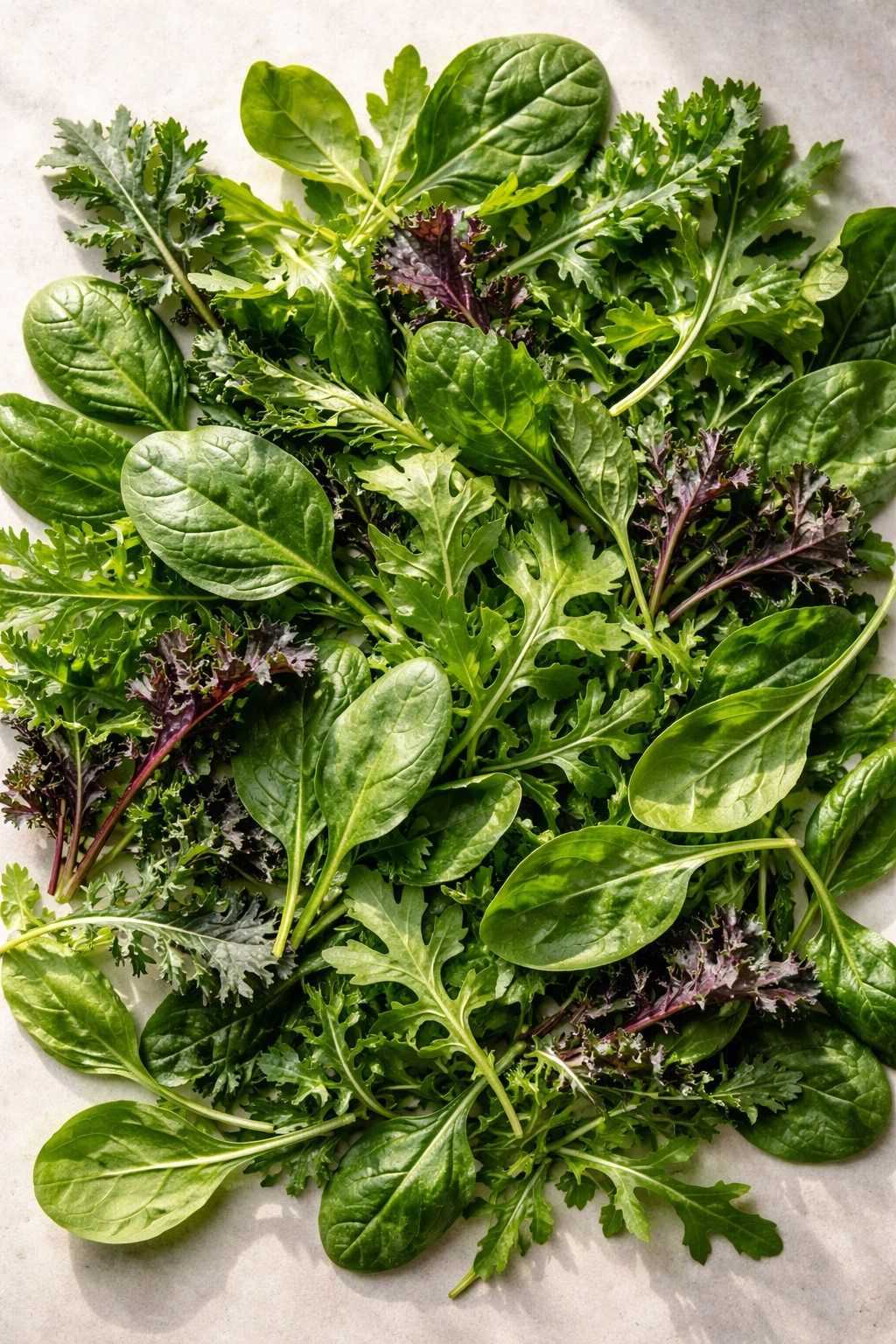
The vegetable base provides vitamins, minerals, and textural contrast that makes this bowl exciting to eat. Baby spinach, arugula, baby kale, or mixed greens all work beautifully as your base layer. Spinach is the mildest and works well for people sensitive to bitter greens. Arugula brings a peppery bite that pairs beautifully with sweet potatoes and creamy dressing. Baby kale (not curly kale, which is tough) offers more substance and earthiness.
Massage kale gently with a tiny bit of olive oil before using it raw—this breaks down the cellulose and makes it more tender while mellowing its bitterness. Most other tender greens need no preparation. Use enough greens that they form a substantial base for your bowl—at least two big handfuls per serving—since they shrink slightly as you eat and toss everything together.
Raw and Roasted Vegetable Combinations
Raw red cabbage adds incredible crunch and subtle sweetness. Thinly slice it so it’s pleasant to eat rather than tough. Cherry tomatoes add bright acidity and juiciness. Cucumber brings refreshing coolness. Red onion—if you like that sharp bite—adds pungency. All of these are best used raw so they keep their crisp texture.
You can also roast additional vegetables on the same sheet pan: bell peppers, broccoli, cauliflower, zucchini, or Brussels sprouts all roast beautifully. Roasted vegetables become creamy and sweet, while raw vegetables maintain brightness and crunch—including both creates a more interesting bowl.
Creating the Creamy Dressing
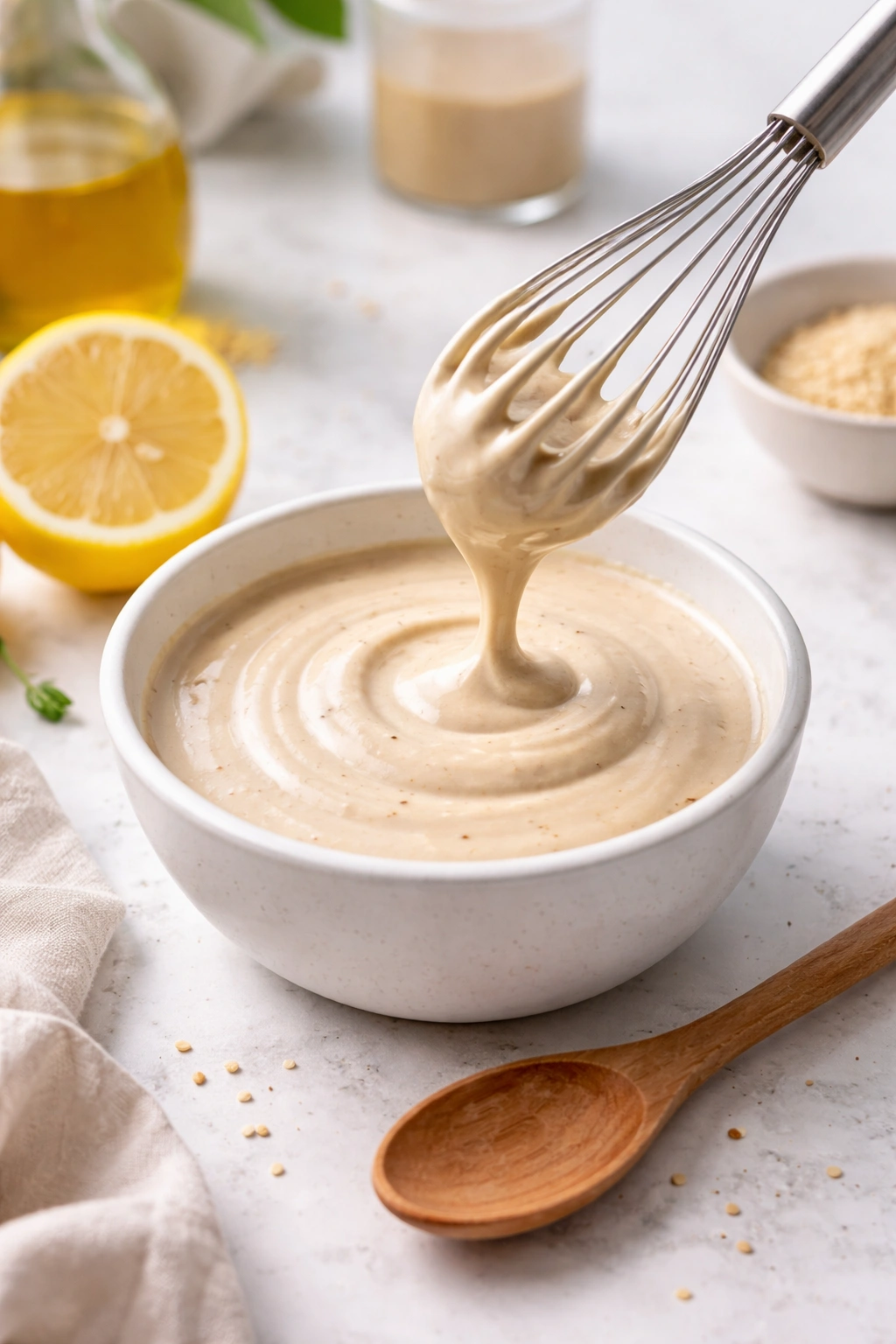
The dressing is what transforms separate ingredients into a cohesive, satisfying meal. Several options work beautifully, each bringing different flavor profiles. A simple tahini dressing—tahini, lemon juice or lime juice, garlic, and water—is vegan, nut-free, and deeply satisfying. The tahini provides creaminess and nuttiness while citrus adds brightness.
A cilantro-lime crema made with Greek yogurt or vegan yogurt, fresh cilantro, lime juice, and a pinch of chili powder brings fresh herbal notes and Southwestern flavor. An avocado-lime dressing made by blending ripe avocado with lemon or lime juice, water, and a clove of garlic creates incredibly creamy results. A simple lemon vinaigrette—lemon juice, olive oil, garlic, and herbs—is light, bright, and lets the other flavors shine without being heavy.
The Perfect Dressing Consistency
Aim for a consistency that coats the back of a spoon and pours slowly. Too thick and it’s hard to distribute evenly through the bowl. Too thin and it doesn’t provide enough flavor and creaminess. Start with less water or liquid than you think you need, then add gradually until you reach the right consistency—you can always add more, but you can’t remove it.
Make your dressing separately from the bowl and drizzle it over just before eating—this prevents the greens from becoming soggy and lets you control how much dressing you actually want. Many people make larger batches of dressing and keep it in the refrigerator all week, which dramatically speeds up bowl assembly.
Flavor Adjustments
Taste your dressing before serving and adjust. Too much lemon makes it sour rather than bright—dial it back slightly. Not enough salt makes it taste flat. A tiny pinch of sweetness—honey or maple syrup—can balance flavors beautifully if your dressing is too acidic. The dressing should make you smile when you taste it alone, because that’s the flavor that ties your entire bowl together.
Step-by-Step Assembly Guide
Yield: Serves 2 as a substantial lunch or 4 as part of a larger meal
Prep Time: 15 minutes
Cook Time: 35 minutes
Total Time: 50 minutes
Difficulty: Beginner — no special skills required, just basic roasting and mixing
Ingredients for Sweet Potato Quinoa Bowl
For the Roasted Vegetables:
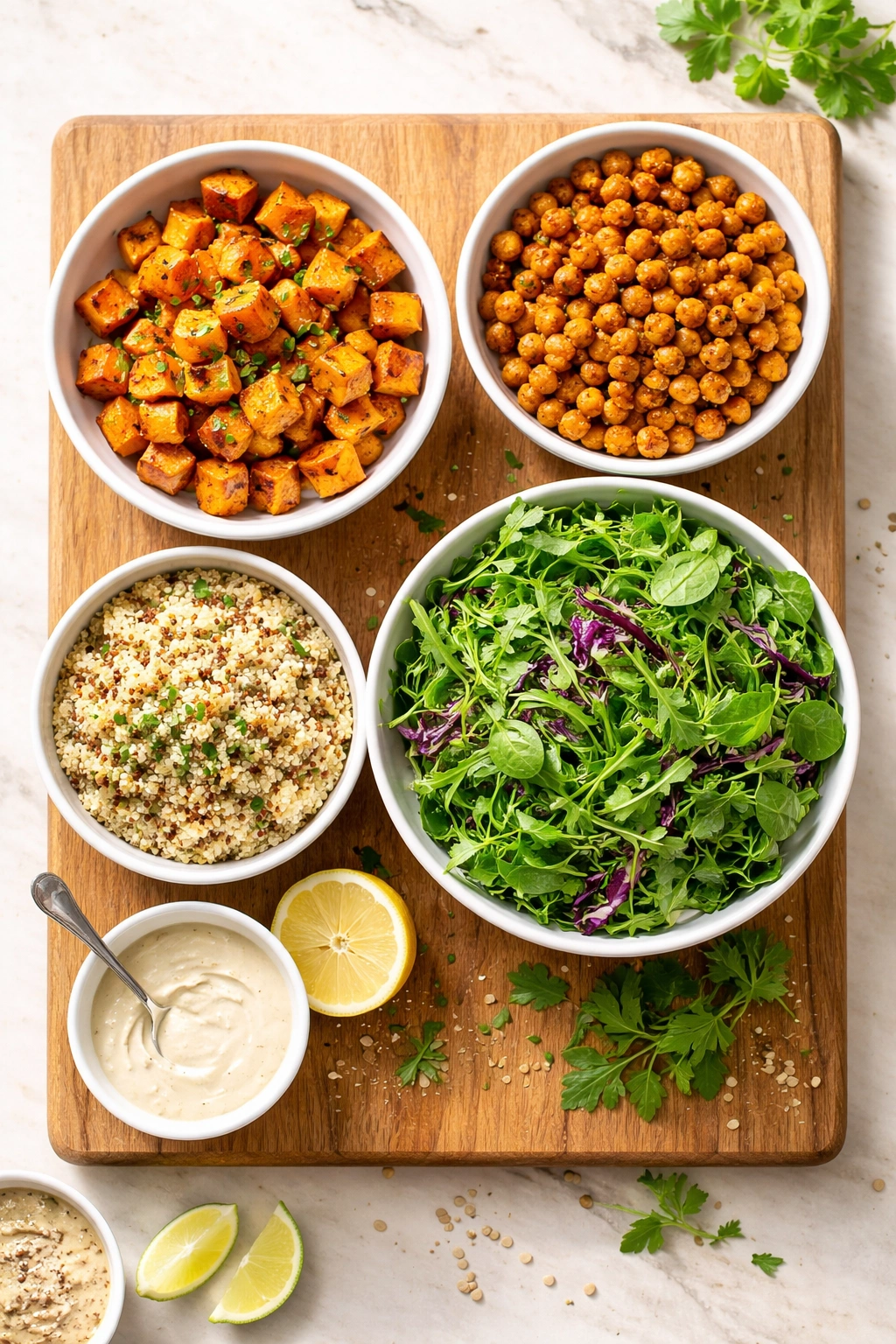
- 2 medium sweet potatoes (about 1½ pounds), peeled or unpeeled and cut into ½-inch cubes
- 1 (15-ounce) can chickpeas, drained, rinsed, and patted dry
- 3 tablespoons olive oil, divided
- 1 teaspoon ground cumin
- ½ teaspoon smoked paprika
- ¾ teaspoon salt, divided
- ¼ teaspoon black pepper
For the Quinoa Base:
- 1 cup dry quinoa
- 2 cups vegetable broth (or water)
- ½ teaspoon salt
For the Tahini Dressing:
- ⅓ cup tahini, well-stirred
- 3 tablespoons fresh lemon juice or lime juice
- 2 tablespoons olive oil
- 1 clove garlic, minced or pressed
- 3 to 5 tablespoons water (add as needed for consistency)
- ¼ teaspoon salt, or to taste
- Pinch of black pepper
For Building Your Bowls:
- 4 cups fresh greens (baby spinach, arugula, or baby kale)
- 1 ripe avocado, sliced
- 1 cup cherry tomatoes, halved (or other fresh vegetables)
- ¼ cup fresh cilantro or parsley, chopped
- 2 tablespoons hemp hearts or other seeds/nuts (optional)
- Salt and pepper to taste
Prepare the Roasted Vegetables:
-
Preheat the oven to 425°F (220°C) and line two large baking sheets with parchment paper for easy cleanup.
-
On the first baking sheet, spread the diced sweet potatoes in a single layer. Drizzle with 2 tablespoons olive oil and sprinkle with the cumin, smoked paprika, and ½ teaspoon salt, plus a pinch of pepper. Toss everything together until the sweet potatoes are evenly coated. Spread them back out into a single layer with space between each piece—don’t overcrowd, or they’ll steam instead of caramelize.
Advertisements -
On the second baking sheet, add the drained and patted-dry chickpeas. Drizzle with 1 tablespoon olive oil and sprinkle with ¼ teaspoon salt and a generous pinch of black pepper. Toss gently until coated. Spread into a single layer.
-
Transfer both sheets to the preheated oven. Roast for 25 to 35 minutes, stirring halfway through, until the sweet potatoes are golden-brown and crispy at the edges and tender inside when pierced with a fork. The chickpeas should be crunchy and dry on the outside. Remove from the oven and set aside to cool slightly.
Prepare the Quinoa:
-
While the vegetables roast, rinse the dry quinoa in a fine-mesh sieve under cool running water until the water runs clear. This removes the bitter-tasting saponin coating.
-
In a medium saucepan, combine the rinsed quinoa, vegetable broth, and salt. Bring to a boil over medium-high heat, then immediately reduce the heat to low. Cover with a lid and simmer for about 15 minutes without stirring, until all the liquid is absorbed and the quinoa looks fluffy.
-
Remove from heat, keep covered for 5 minutes, then uncover and gently fluff the quinoa with a fork. The quinoa will release steam—this is normal. Set aside to cool slightly while you prepare the other components.
Prepare the Tahini Dressing:
-
In a small bowl or mason jar, combine the tahini, fresh lemon or lime juice, olive oil, and minced garlic. Whisk vigorously until smooth and creamy—the mixture may look initially thick and clumpy, but keep whisking and it will come together.
-
Add water 1 tablespoon at a time, whisking well after each addition, until the dressing reaches a pourable consistency. It should coat a spoon but flow easily. Taste and adjust seasoning with additional salt, pepper, or lemon juice as needed. The dressing should be brightly flavored and make you happy when you taste it on its own.
Assemble Your Bowls:
-
Divide the fresh greens among four bowls, making a bed about two big handfuls per bowl.
-
Top the greens with the cooked quinoa, dividing evenly. Press it down gently into the greens.
-
Add the roasted sweet potatoes and chickpeas, distributing evenly among the bowls.
-
Arrange sliced avocado, cherry tomatoes, and any other fresh vegetables on top of each bowl.
-
Drizzle the tahini dressing over each bowl—start with a few tablespoons and add more if desired. You can serve extra dressing on the side for people to add as they eat.
-
Sprinkle hemp hearts or your choice of seeds and nuts on top if using, and finish with fresh cilantro or parsley.
-
Season each bowl with a final pinch of salt and black pepper to taste, then serve immediately and enjoy.
Make-Ahead Tips for Busy Weekdays
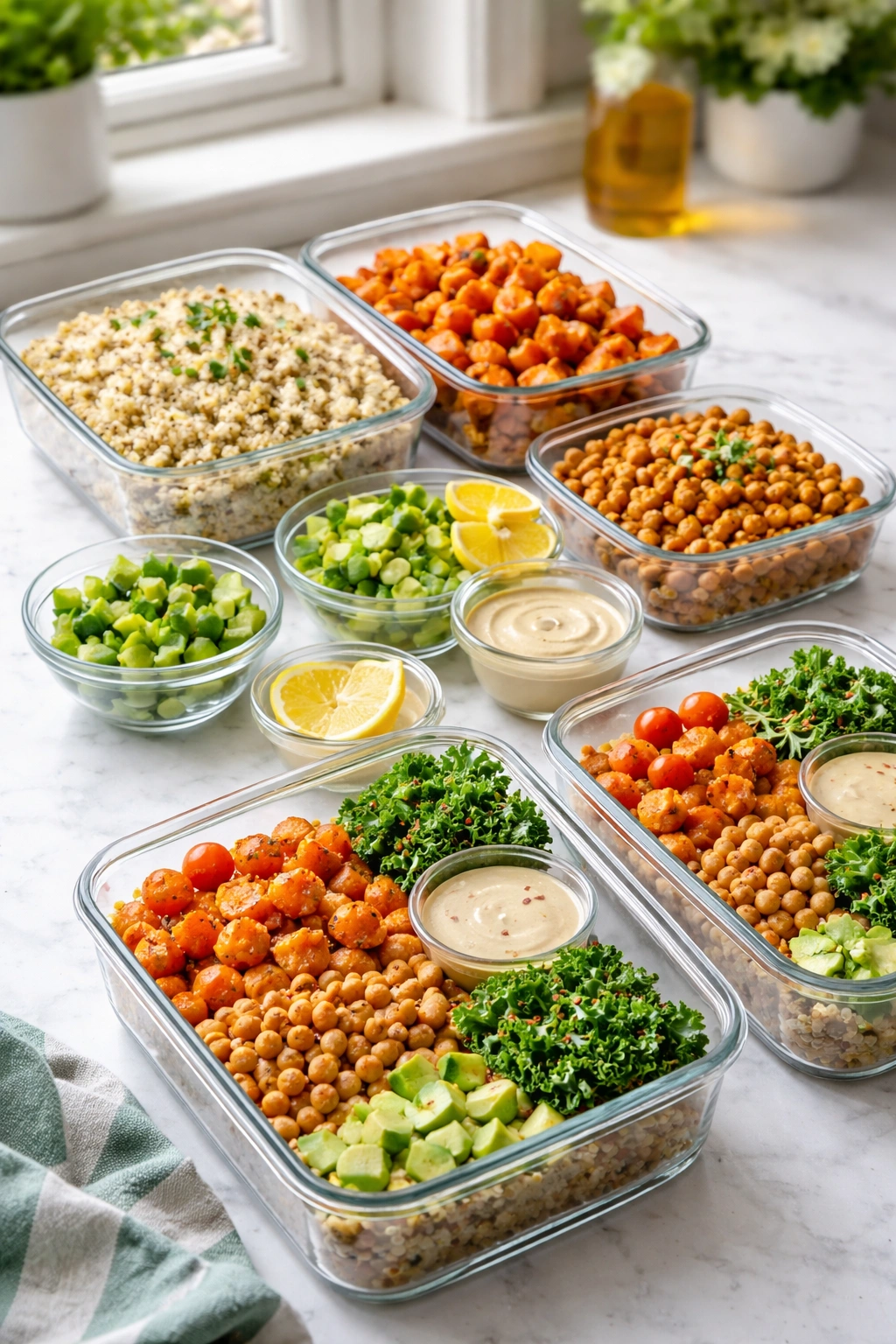
The absolute genius of this bowl is how completely it separates into components that can be prepared days in advance. This is what transforms it from a Friday-night meal into something practical for weekday lunch. Store each component in its own airtight glass container in the refrigerator, keeping them completely separate until you’re ready to assemble. The cooked quinoa stays fresh for five days. The roasted sweet potatoes and chickpeas last for four to five days. The dressing keeps for about a week.
The only components you should prepare fresh are the sliced avocado and fresh herbs, which brown and wilt quickly. Prepare everything else on Sunday, store it, and then on Monday through Friday, your lunch assembly takes literally two minutes—just pull out your containers, add fresh greens and avocado, drizzle dressing, and eat.
Portioning for the Week
Divide your roasted vegetables among four containers as soon as they cool, so you don’t face the temptation to snack on them throughout the week. Store the quinoa the same way. Make a full batch of dressing and keep it in a small mason jar—shake it well before each use. This setup means that on days when your schedule is chaotic, you still have an incredibly healthy lunch with zero fuss.
Some people prep their greens in advance by washing and spinning them dry, then storing them in a container with paper towels to absorb excess moisture. Fresh greens stored this way stay crisp for four to five days. Slice your avocado fresh each day if possible, or slice it the night before and keep it in an airtight container with a tight-fitting lid—the reduced air contact slows browning.
Storage and Reheating Techniques
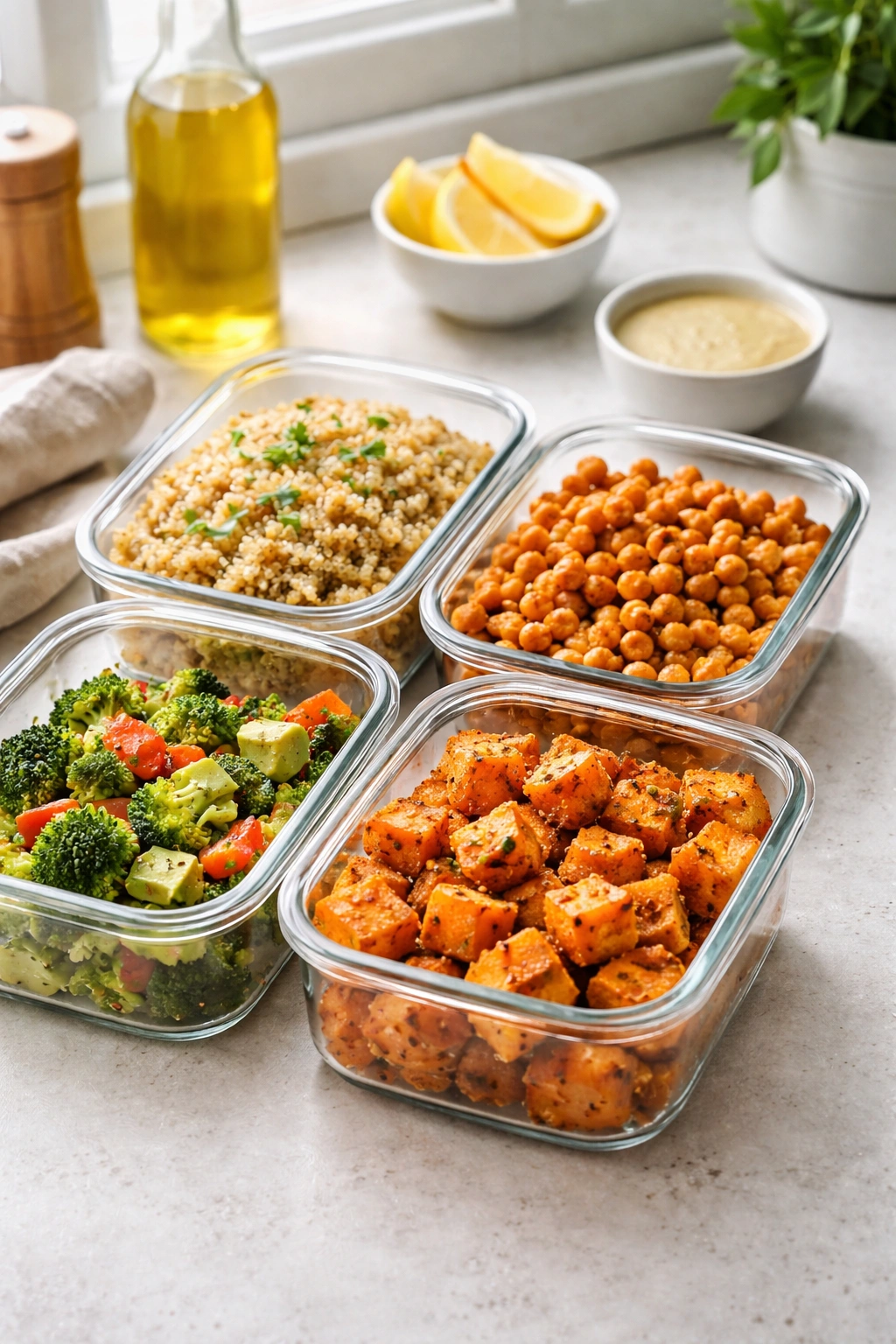
Refrigerator storage: Keep all components separate in individual airtight containers for up to five days. The dressing keeps separately for up to seven days. Never store the dressing mixed into the bowl, or everything becomes soggy.
Freezer options: You can freeze the roasted sweet potatoes and chickpeas together in a freezer-safe container for up to three months. The quinoa also freezes beautifully. The tahini dressing doesn’t freeze well because it separates. Thaw frozen components overnight in the refrigerator before using.
Reheating Without Drying Out
The gentlest reheating method uses a microwave—place your roasted vegetables and quinoa (without the fresh greens or dressing) in a microwave-safe container, cover loosely, and heat in 30-second intervals, stirring between each interval, until warm. Don’t microwave longer than necessary, or the sweet potatoes become mushy. Most people find that roasted vegetables and quinoa taste excellent at room temperature or even straight from the cold fridge—reheating is optional.
For stovetop reheating, add a tiny splash of water or vegetable broth to your roasted vegetables in a skillet over medium heat, stirring gently until just warmed through. This adds back any moisture lost during storage without overheating them.
Flavor Variations You Can Try
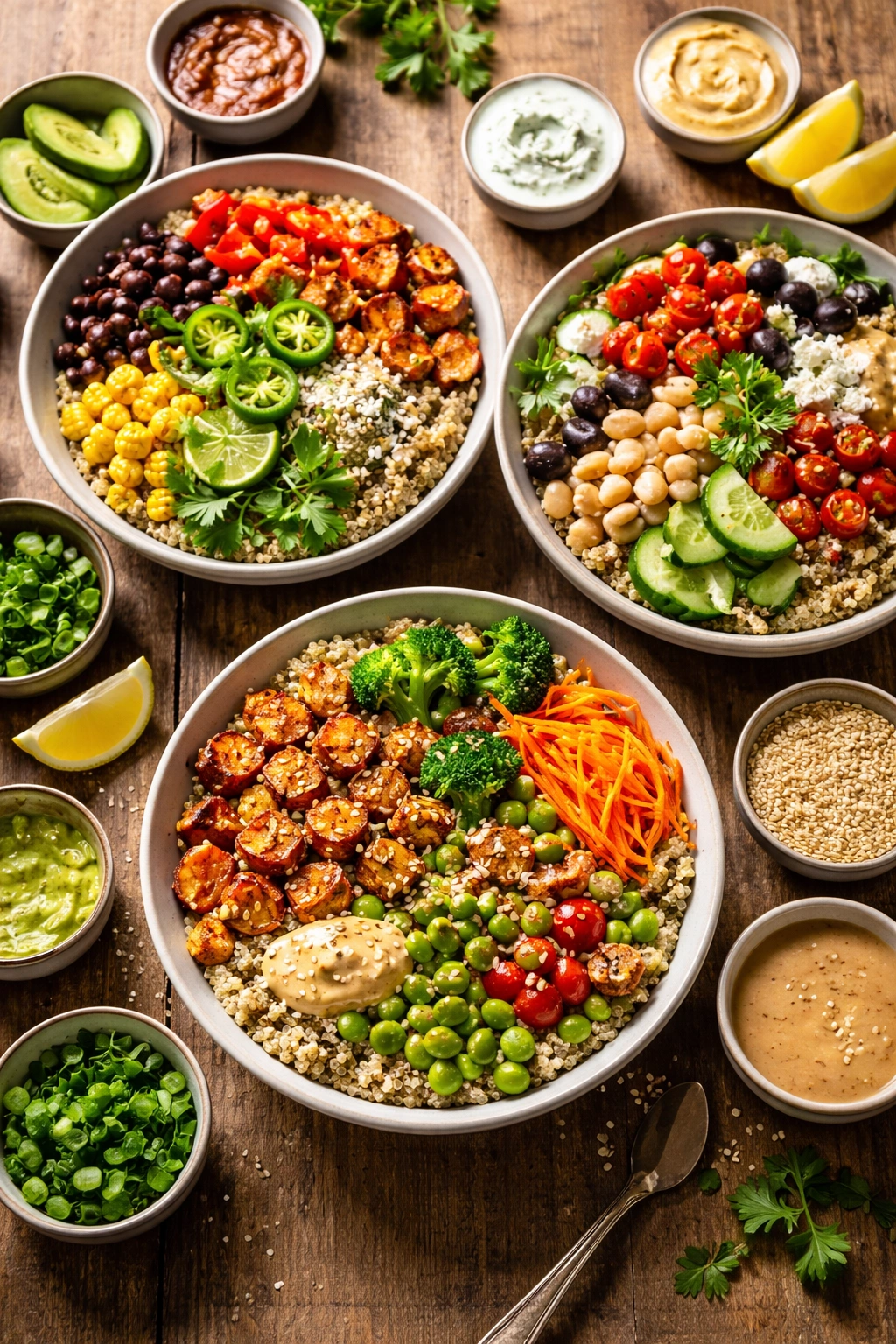
The beauty of this bowl formula is that once you understand the structure—grain base, roasted vegetables, fresh vegetables, protein, dressing—you can vary every single component and create entirely different flavor profiles that feel fresh and exciting.
Southwestern Variation
Replace the tahini dressing with a cilantro-lime crema made from Greek yogurt, fresh cilantro, lime juice, garlic, and a pinch of cumin. Add roasted black beans alongside or instead of chickpeas. Include corn, roasted red peppers, sliced jalapeño, and crumbled cotija cheese or vegan feta. This variation tastes like a deconstructed burrito bowl.
Mediterranean Version
Swap the tahini dressing for a simple lemon-olive oil vinaigrette with Dijon mustard and herbs. Add white beans or chickpeas along with roasted red peppers, Kalamata olives, cucumber, and crumbled feta cheese. Include fresh parsley and oregano. This version feels light, bright, and European.
Asian-Inspired Bowl
Use an almond butter dressing made from almond butter, lime juice, garlic, ginger, and a touch of maple syrup. Add roasted broccoli and bell peppers along with the sweet potatoes. Top with edamame or crispy tofu, raw carrots shredded or thinly sliced, cilantro, and sesame seeds. This variation tastes completely different while using the same basic formula.
Spicy Curry Variation
Cook your quinoa in vegetable broth with a teaspoon of curry powder added. Roast your sweet potatoes with cumin and turmeric. Make a creamy curry dressing using coconut yogurt, curry powder, lime juice, and a touch of honey. Add roasted chickpeas and vegetables, then top with cilantro and dried cranberries for sweetness. This tastes warmly spiced and comforting.
Simple Italian Version
Use a basil pesto dressing (store-bought works fine) thinned with olive oil. Include roasted zucchini, roasted tomatoes, and white beans. Top with fresh mozzarella or vegan mozzarella, fresh basil, and a drizzle of balsamic vinegar. This feels light and summery.
Serving Ideas for Different Occasions
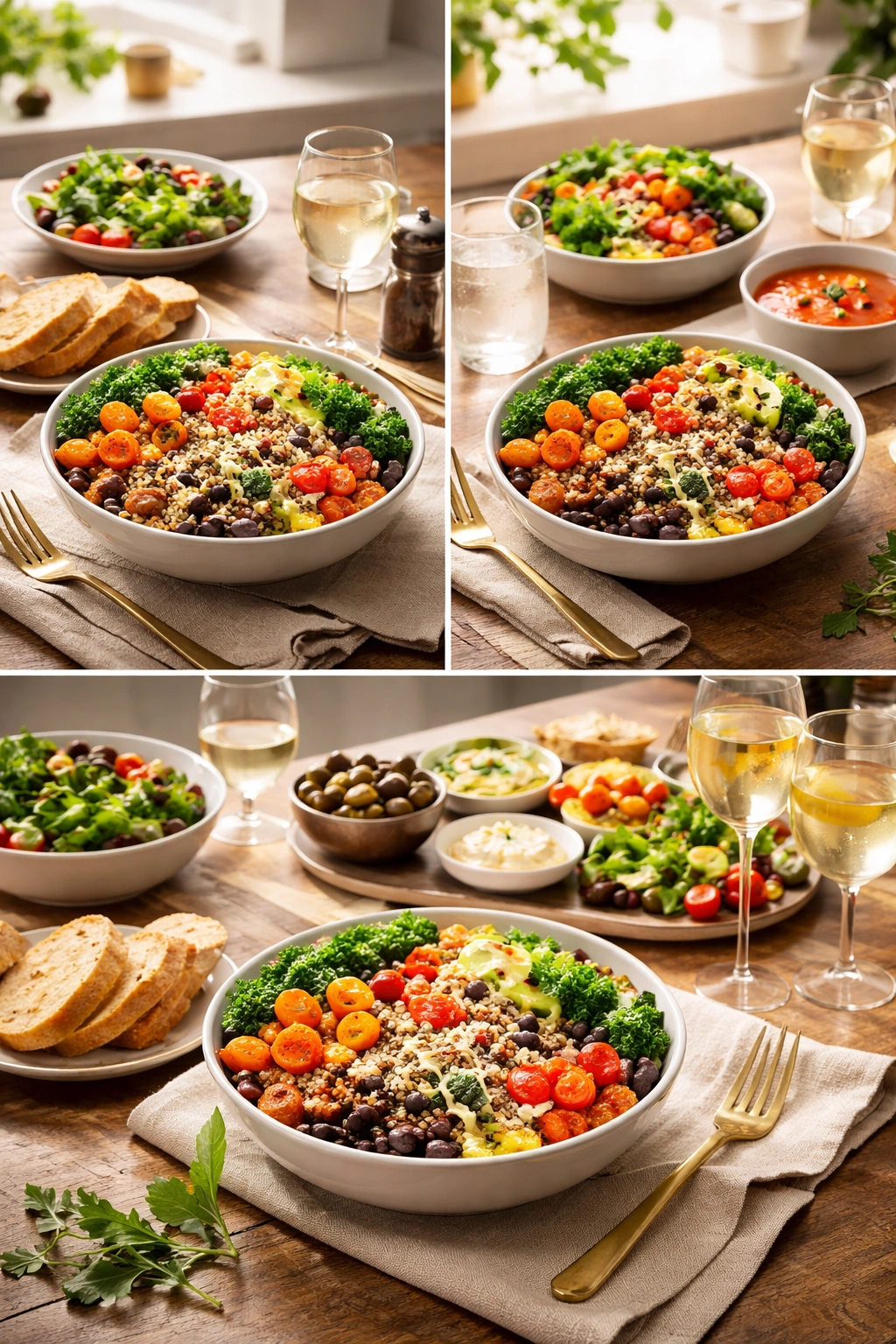
This bowl works beautifully as a complete lunch on its own, but it also functions beautifully as part of a larger meal. Serve it alongside crusty bread and a simple green salad for a more substantial dinner. Pair it with a light soup like tomato or vegetable soup for a cozy combo. Include it in a mezze-style spread with hummus, olives, pita, and other vegetables.
For meal prep containers, assemble the whole bowl in a large glass container, keeping the dressing in a small compartment or jar on the side. This way it travels well and you can shake everything together when you’re ready to eat. Many people find that eating this at work or school is easy and non-messy, especially compared to other bowl options.
Entertaining Guests
Serve this as a build-your-own-bowl situation when you have guests with different dietary preferences. Prepare all the components and set them out on your counter or a large platter. Let people assemble their own bowls based on what they prefer to eat. This works beautifully for casual lunch gatherings, especially when you have a mix of vegetarian, vegan, and omnivorous eaters. Everyone can customize their bowl without you having to make multiple dishes.
Scaling Up or Down
The recipe easily scales. Cut everything in half for a single-serving lunch that uses minimal ingredients. Double or triple everything for meal prep that lasts the whole week or for feeding a larger family. The ratios stay the same regardless of quantity.
Final Thoughts
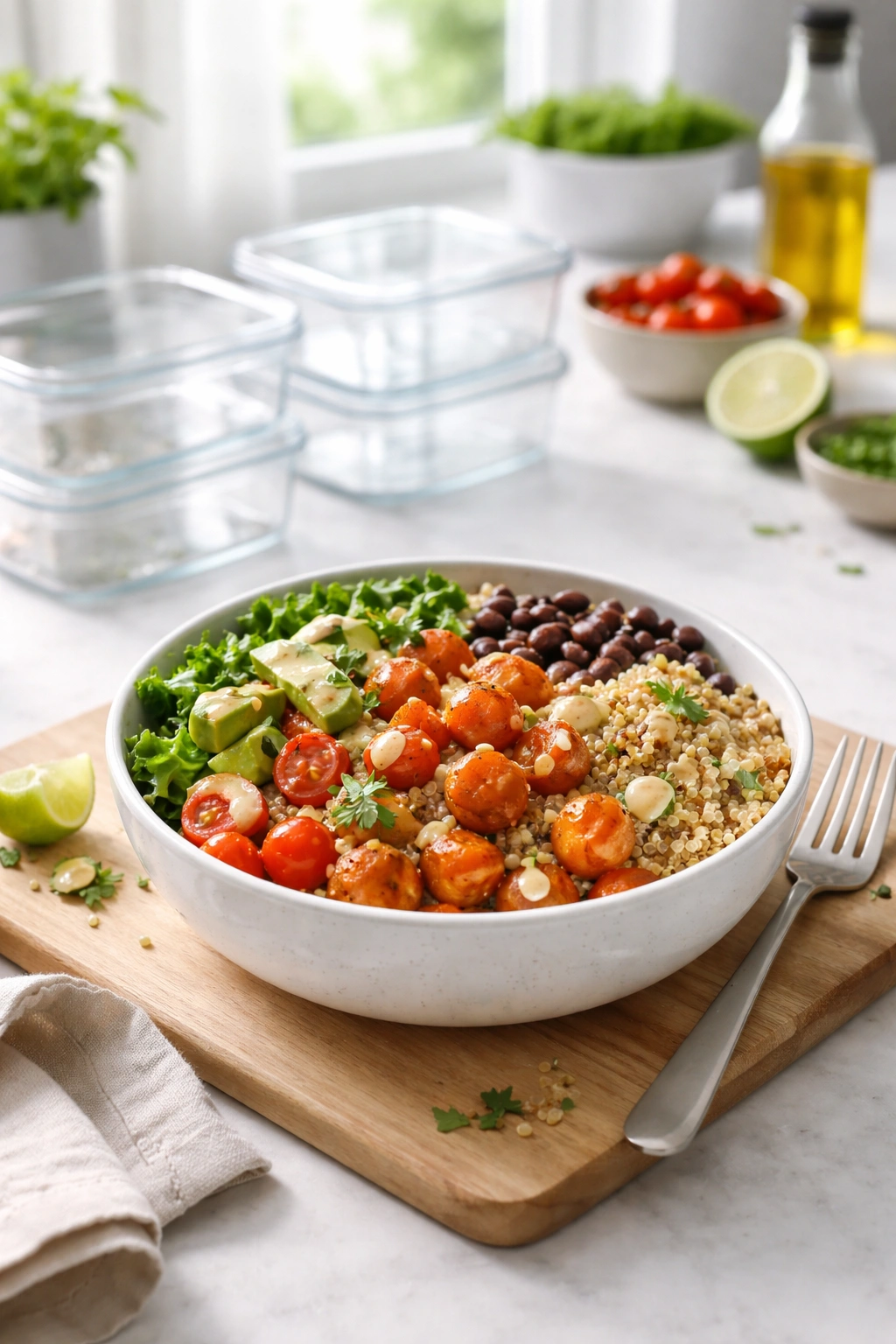
This sweet potato quinoa bowl represents something increasingly rare in busy modern life: a meal that nourishes your body, satisfies your hunger, tastes genuinely delicious, and doesn’t require hours of cooking or complicated techniques. You can have this ready in under an hour, or you can spend thirty minutes on Sunday and then enjoy it for half the week without touching another cooking project.
The key to making this work in your actual life is embracing the make-ahead approach. Spend a little focused time on meal prep, store everything correctly, and suddenly lunch becomes the easiest, most nutritious meal of your day. You’ll have energy through the afternoon, you’ll feel good about what you’re eating, and you won’t find yourself diving into the vending machine at 3 p.m. out of desperation.
Start with the basic version, make it a few times until you have the rhythm down, then begin experimenting with different vegetables, proteins, and dressings. This bowl is genuinely flexible enough that you’ll never get bored—each variation feels like a completely new meal while using the exact same technique and structure.
