



One-Dish Baked Ziti With Sausage for Dinner
Baked ziti with sausage has earned its place as one of the most reliable, foolproof weeknight dinners you can throw together. There’s something magical about combining tube pasta, seasoned meat, tangy tomato sauce, and melted cheese in a single dish—you get layers of flavor with minimal cleanup and next to no stress. Whether you’re cooking for a family of four or preparing something to bring to someone in need, this baked pasta delivers the kind of honest, satisfying comfort that keeps people coming back for seconds.
The beauty of this dish lies in its simplicity paired with genuine depth. Italian sausage does the heavy lifting flavor-wise, so you’re not spending an hour building a complex sauce from scratch. The pasta continues cooking right in the oven, absorbing all those savory juices while the cheese on top turns golden and bubbly. Most versions require just one pot for boiling pasta and one skillet for browning sausage—hardly any mess, maximum impact. What makes it truly special, though, is understanding the handful of technique details that separate a mediocre baked ziti from one that makes people ask for your recipe.
This is the dish that works equally well for a Tuesday night when you’ve got thirty minutes and limited energy, or for a Saturday dinner party where you want something elegant enough to impress but easy enough that you’re not stressed in the kitchen. Make it once and you’ll understand why it’s been a staple in American-Italian home cooking for decades.
Why Baked Ziti Has Stayed a Dinner Favorite for Generations
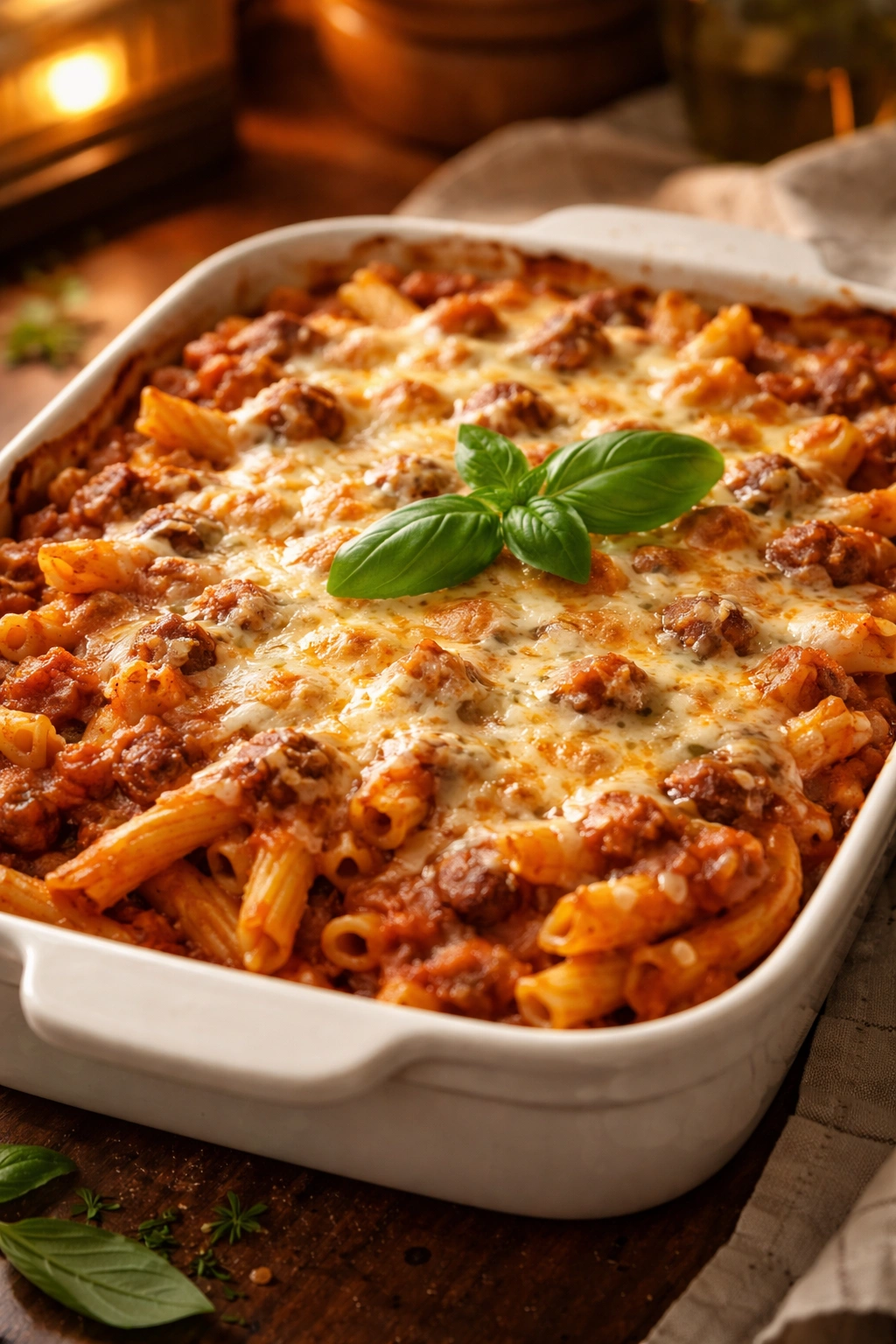
Baked ziti represents something deeply appealing about Italian-American comfort food: it takes rustic, honest ingredients and combines them in a way that feels both casual and special. Unlike lasagna, which demands careful layering and precision, baked ziti is forgiving. There’s no wrong way to stir it together, no delicate layers that need protecting. You brown your sausage, combine everything with pasta and sauce, top it with cheese, and let the oven do the work.
What makes it stick around on dinner tables is reliability. This dish works with pantry staples you likely already have. A jar of marinara, ground sausage, pasta, cheese—these aren’t exotic ingredients that require a special trip to the grocery store. Yet the result tastes far more impressive than the effort suggests. That’s the real secret to a beloved recipe: it asks little but delivers a lot.
The one-dish approach has become even more appealing over time. Busy households appreciate that everything cooks in one oven dish (minus the initial pasta boiling and sausage browning). You’re not juggling multiple pans, coordinating different cooking times, or staring at a sink full of dishes when dinner finally arrives. It’s practical in the way that good food should be—nourishing without being complicated.
The Perfect Marriage of Sausage and Tomato Sauce
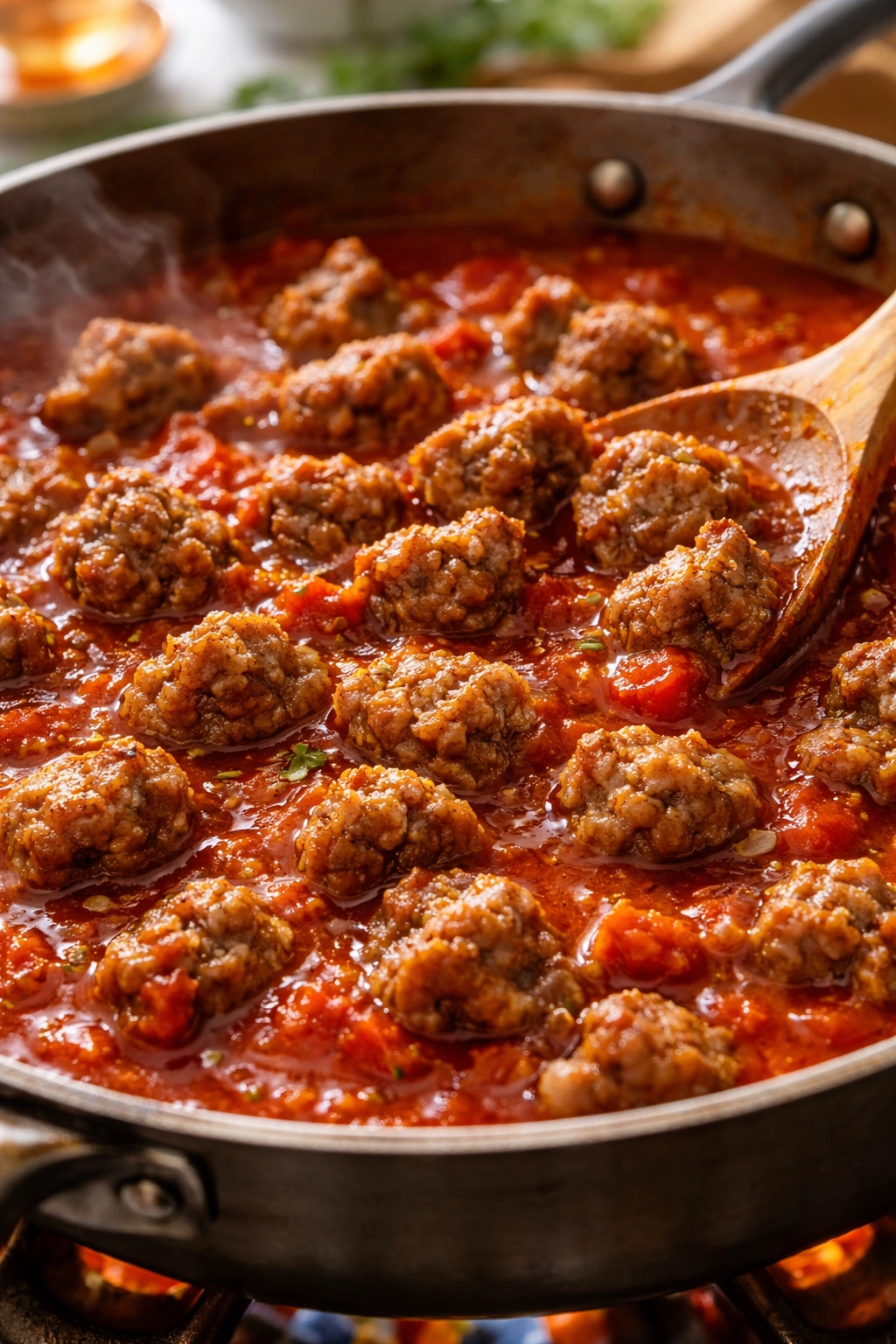
Italian sausage is the secret weapon in this recipe, and understanding why makes all the difference. Unlike ground beef, which is relatively neutral and needs assertive seasoning, Italian sausage comes pre-seasoned with fennel, garlic, and pepper. That fennel note—slightly sweet and licorice-forward—transforms a simple tomato sauce into something that tastes like it’s been simmering for hours. When the sausage browns in the skillet, it renders fat that becomes the foundation for everything else, adding richness without any extra oil.
The sausage also contributes texture. As it cooks and crumbles, it creates little pockets of meaty flavor throughout the dish. When someone takes a bite, they’re getting sausage, pasta, sauce, and cheese in the same forkful, rather than having the meat settle to the bottom. This is one reason baked ziti tastes so much better than it has any right to—it’s engineered, in the best way, for even distribution of flavor.
You can choose mild, sweet, or hot Italian sausage depending on your preference and who you’re feeding. Mild works beautifully if you’ve got children at the table; it provides all the flavor without heat. Hot or spicy sausage is brilliant if you love a little fire, and it still pairs perfectly with the tomato sauce and cream elements. Even sweet sausage, which has a slightly different flavor profile, creates delicious results.
What You Need to Know About Pasta Selection and Cooking
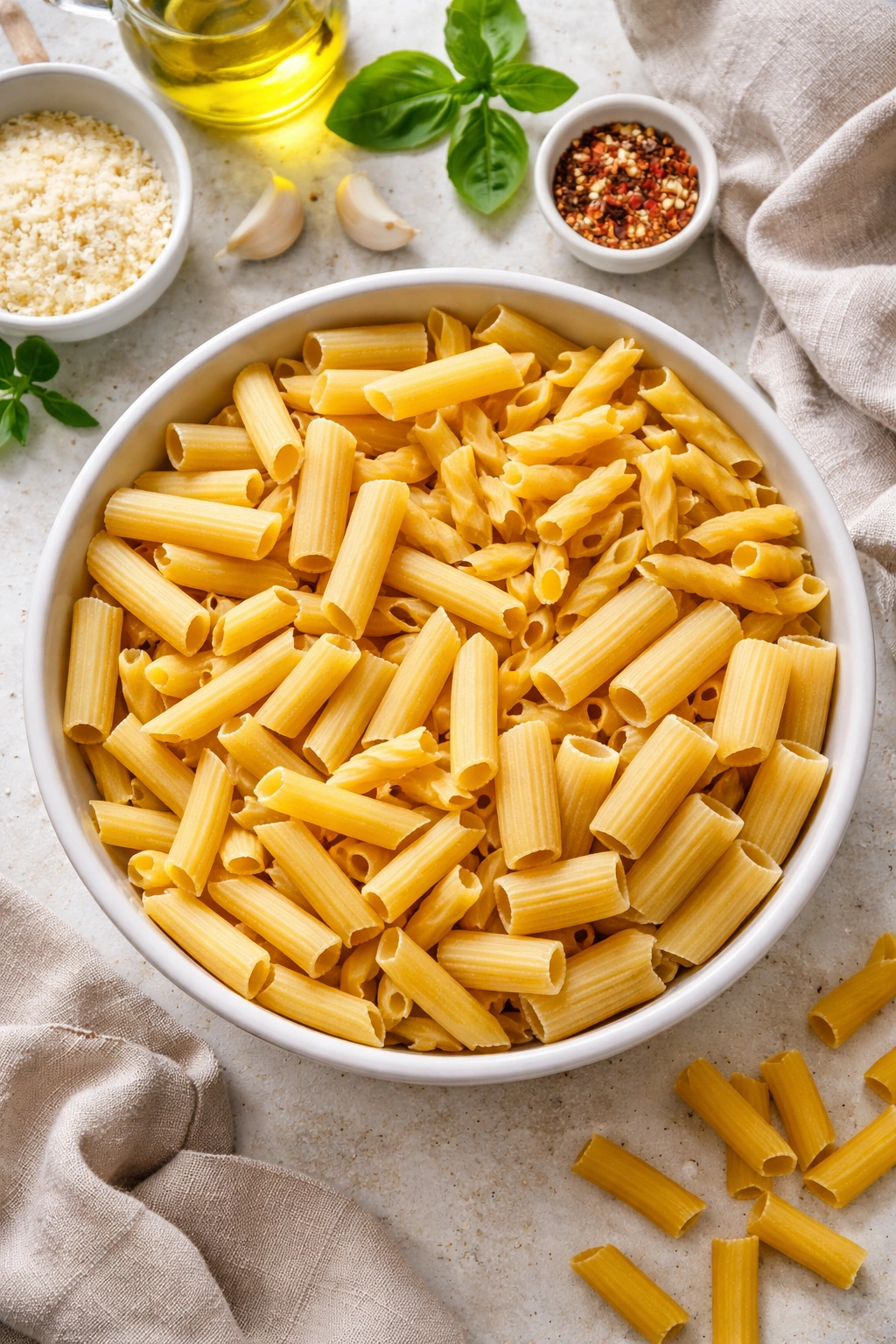
The pasta choice matters more than many home cooks realize. Ziti is ideal because its short, hollow tubes trap sauce and cheese in every bite, but rigatoni, penne, and mostaccioli work beautifully too. The key is choosing short, sturdy pasta shapes that won’t disintegrate when baked. Long pasta like spaghetti can work, but it becomes harder to eat and feels less cohesive in the dish.
Here’s the critical detail most recipes gloss over: you want to cook your pasta to just shy of al dente, then drain it well. This means about one to two minutes less than the package directions recommend. The pasta will continue cooking as the baked ziti sits in the oven—the heat, the sauce, and the residual moisture all contribute to further softening. If you cook it to true al dente, you’ll end up with mushy pasta by the time it’s served. If you undercook it significantly, biting into hard pasta ruins the whole experience. Aim for that middle ground where the pasta is still slightly firm but not crunchy.
Rinsing the drained pasta with cold water stops the cooking process and prevents the noodles from sticking together in clumps. This might seem old-fashioned—many chefs will tell you not to rinse pasta—but for baked dishes, it actually works in your favor. You want separate noodles that will absorb sauce evenly as everything bakes.
Choosing Quality Cheese for Better Results
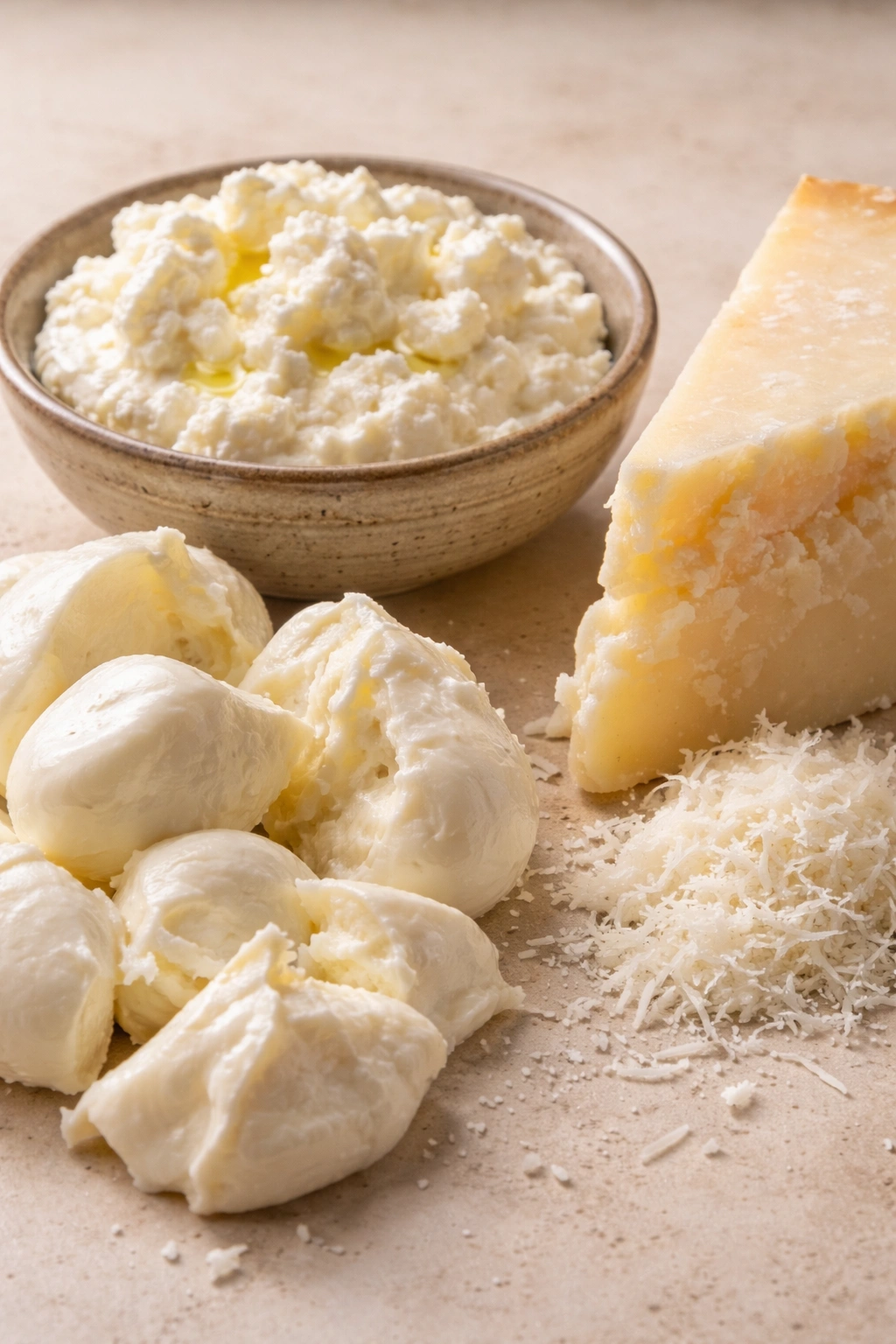
The three cheeses in baked ziti each serve a distinct purpose. Ricotta acts as a creamy binder, adding moisture and richness. Mozzarella provides that essential gooey, melty quality that makes this dish craveable. Pecorino Romano or Parmesan adds a sharp, salty bite that keeps the dish from tasting one-dimensional.
If you’re tempted by pre-shredded mozzarella from a bag, go ahead and use it—it’s convenient and the results are still delicious. Just make sure you’re buying whole milk mozzarella, not the low-fat version, which doesn’t melt as smoothly or taste as rich. The anti-caking agents in pre-shredded cheese don’t prevent melting, though freshly shredded will give you a slightly silkier texture.
For Pecorino Romano and Parmesan, freshly grated makes a noticeable difference. A microplane or box grater works perfectly, and it takes maybe two minutes. The pre-grated versions are drier and don’t incorporate into the dish as naturally. If you can only find pre-grated, it’ll still work fine—just don’t worry about it.
The ricotta is worth buying fresh from the dairy section if you can. It should taste creamy and mild. Some brands are grainier than others, but once it’s mixed in and baked, that texture largely disappears. Look for whole milk ricotta rather than part-skim, which tends to be drier.
Yield: Serves 8 to 10 | Makes one 9×13-inch casserole
Prep Time: 20 minutes
Cook Time: 45 minutes
Total Time: 65 minutes
Difficulty: Beginner — No special cooking techniques required, and the steps are straightforward even if you’ve never made a baked pasta dish before.
For the Complete Dish:
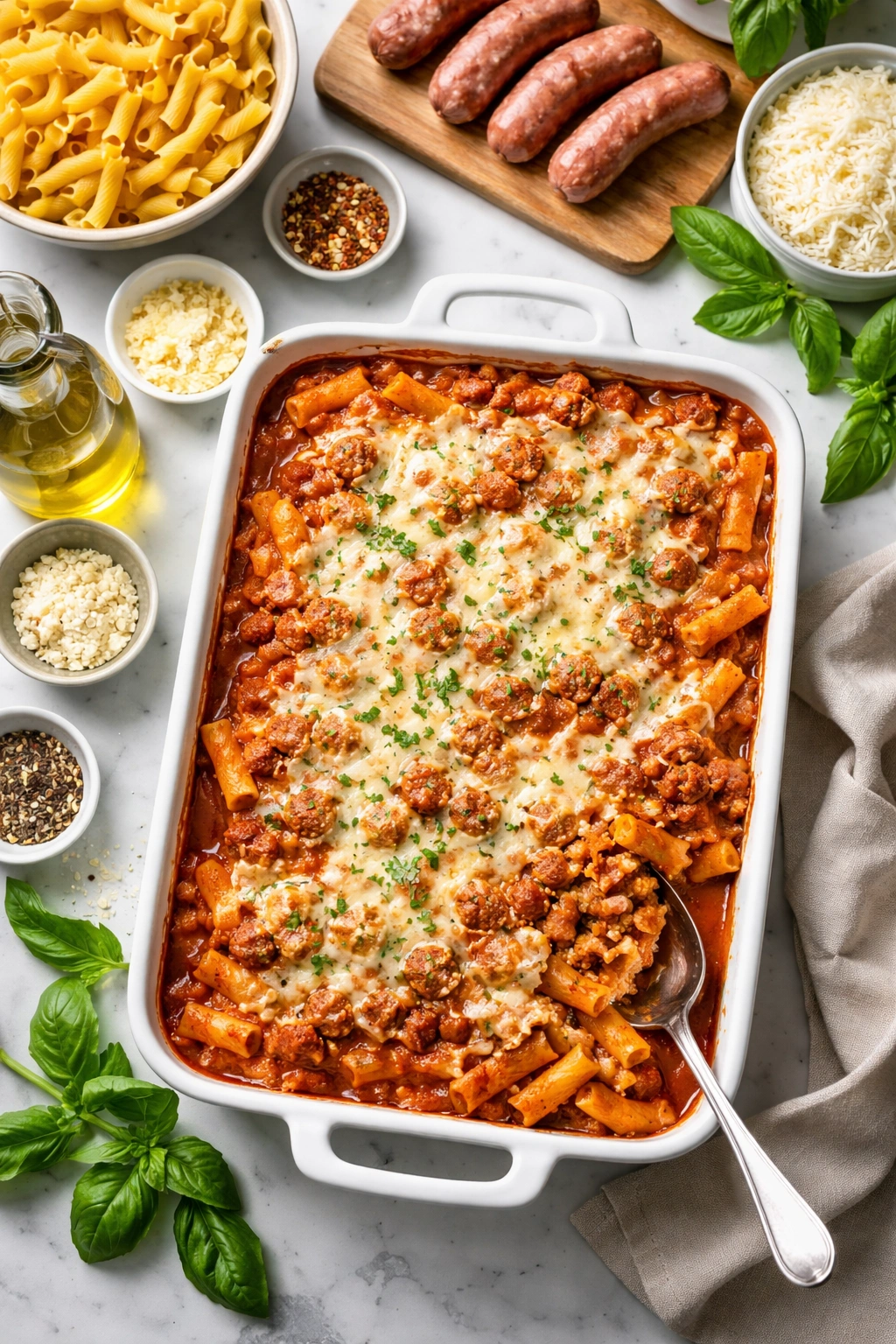
- 1 pound ziti pasta
- 1½ pounds ground Italian sausage (mild, sweet, or hot—your choice)
- 2 tablespoons olive oil (divided—1 tablespoon for browning sausage, 1 tablespoon for greasing the pan)
- 4 cloves garlic, minced
- 1 (28-ounce) can crushed tomatoes
- 1 (15-ounce) can tomato sauce
- 1 teaspoon dried Italian seasoning (optional, but it helps)
- ½ teaspoon kosher salt (plus more to taste)
- ¼ teaspoon crushed red pepper flakes (adjust to your heat preference)
- 1 teaspoon sugar (to balance the acidity of the tomatoes)
- 15 ounces whole milk ricotta cheese
- 2 cups shredded whole milk mozzarella cheese (divided—1 cup for the middle layer, 1 cup for the top)
- ⅓ cup freshly grated Pecorino Romano cheese (or Parmigiano Reggiano)
- 1 large egg, beaten
- ⅓ cup fresh basil, chopped (or 2 tablespoons dried basil)
- Fresh black pepper to taste
- Extra basil and Pecorino for garnish (optional)
Prepare Your Ingredients and Equipment:
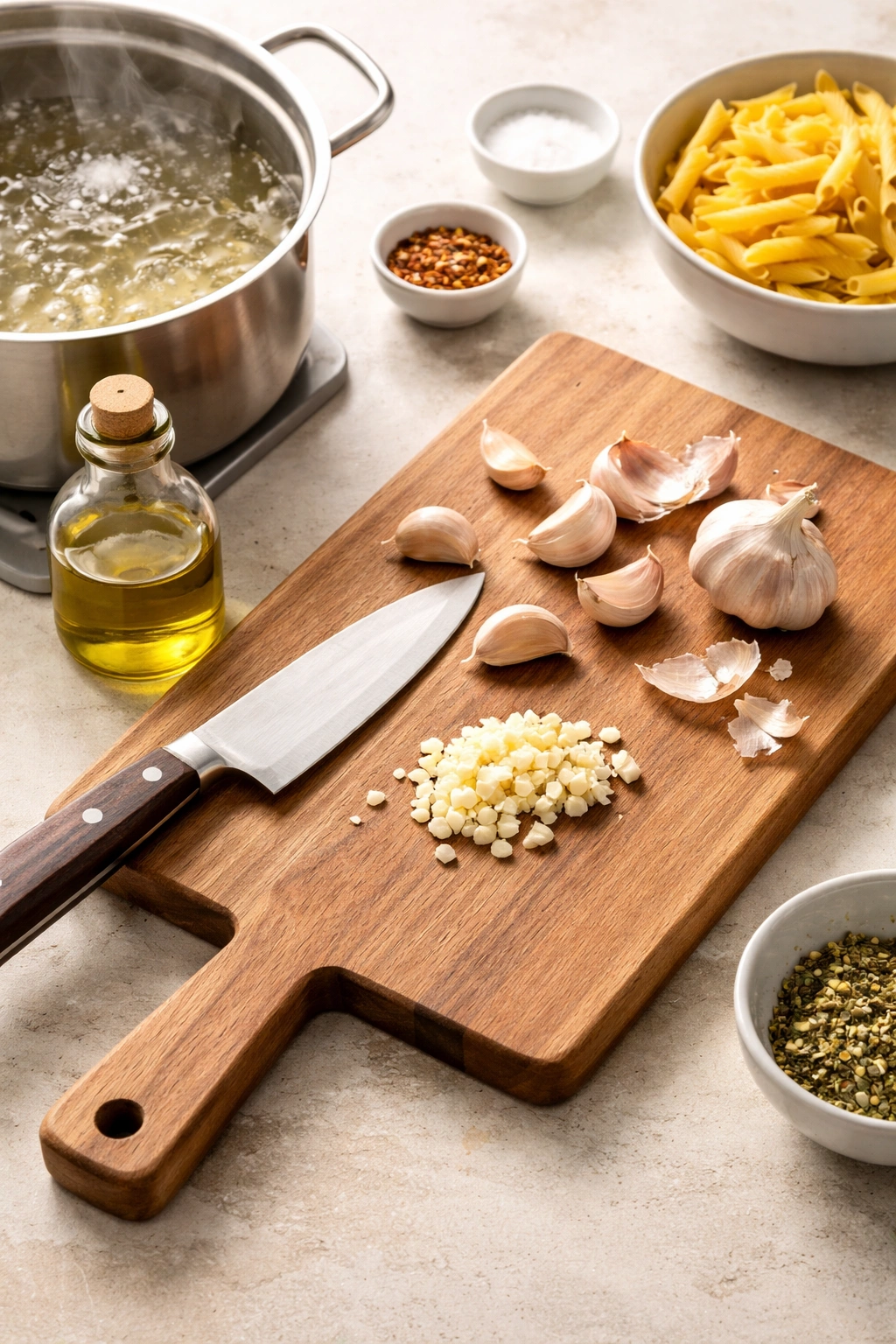
Get Everything Ready:
-
Preheat your oven to 375°F (190°C) and position the rack in the center. Lightly grease a 9×13-inch baking dish with ½ tablespoon of the olive oil, making sure to coat the bottom and sides evenly so nothing sticks.
-
Fill a large pot with salted water (it should taste like the sea) and bring it to a rolling boil. This usually takes 10 to 12 minutes.
-
Mince your garlic cloves finely so they cook evenly and distribute throughout the sauce. Avoid pre-minced garlic in a jar if you can—the fresh stuff tastes noticeably better and only takes a minute to prepare with a sharp knife or garlic press.
Cook the Pasta:
-
Once the water is at a full boil, add the ziti pasta and stir immediately so the noodles don’t clump together. Cook for about 1 to 2 minutes less than the package directions recommend (if the package says 9 minutes, cook for 7 to 8 minutes). You’re looking for pasta that’s still slightly firm to the bite, almost but not quite al dente.
-
Drain the pasta thoroughly in a colander, then rinse it briefly with cool water while stirring gently with your hand. This stops the cooking process and prevents the pasta from becoming a stuck-together mass. Set the drained pasta aside in a large bowl.
Brown the Sausage and Build the Sauce:
Cook the Meat:
-
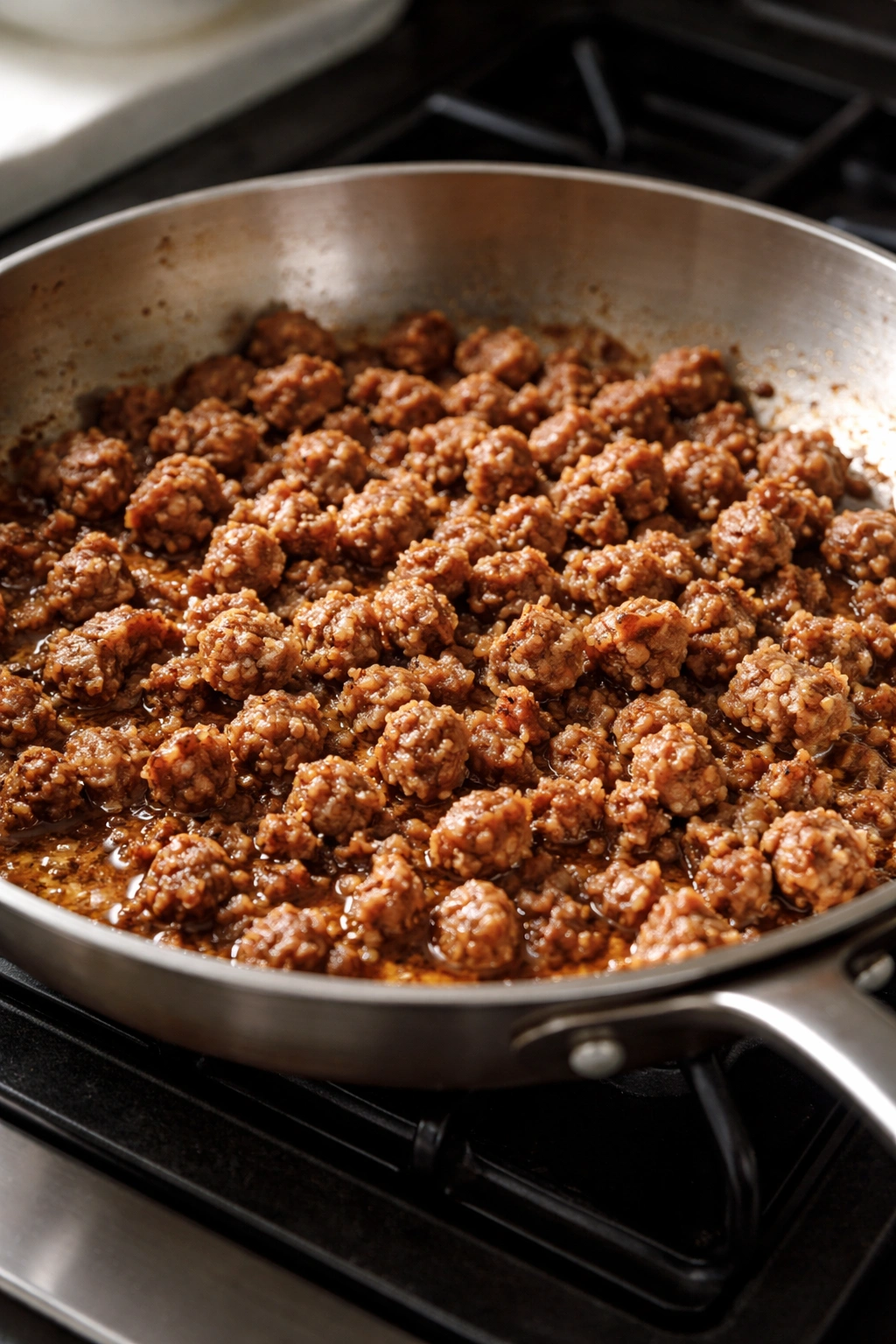
Heat the remaining 1 tablespoon olive oil in a large skillet (12 inches is ideal, or use a deep sauté pan) over medium-high heat. Once the oil shimmers and moves easily around the pan, add the ground Italian sausage.
Advertisements -
Using a wooden spoon or spatula, break the sausage into small crumbles as it cooks, stirring frequently to ensure even browning. Push down on larger chunks with the back of your spoon—this helps them break apart faster. The sausage should take 6 to 8 minutes to cook through. You’ll know it’s done when there’s no pink remaining and the meat has taken on a light brown color. Don’t worry about getting a deep golden crust; you’re just looking for cooked through.
-
Once the sausage is fully cooked, use a slotted spoon to transfer it to a clean plate, leaving as much of the rendered fat in the pan as possible. That fat is liquid gold for your sauce—it adds incredible depth.
Make the Sauce:
-
Return the skillet to medium heat and add your minced garlic. Stir constantly with a wooden spoon for about 1 minute, until the garlic becomes fragrant and softens slightly. Stop before it browns—burned garlic tastes bitter and will ruin your sauce. You should smell that sweet, sharp garlic aroma fill your kitchen.
-
Pour in the crushed tomatoes and tomato sauce, stirring well to combine everything. Add the Italian seasoning, salt, crushed red pepper flakes, and sugar. Stir thoroughly until the sugar dissolves and the seasonings are evenly distributed throughout the sauce.
-
Return the cooked sausage to the pan and stir to incorporate it back into the sauce. Reduce the heat to low and let the sauce simmer, uncovered, for 10 minutes, stirring occasionally. This allows the flavors to meld and deepens the taste. You should see gentle bubbles breaking the surface; if it’s boiling vigorously, turn the heat down a notch.
Combine and Assemble:
Mix Everything Together:
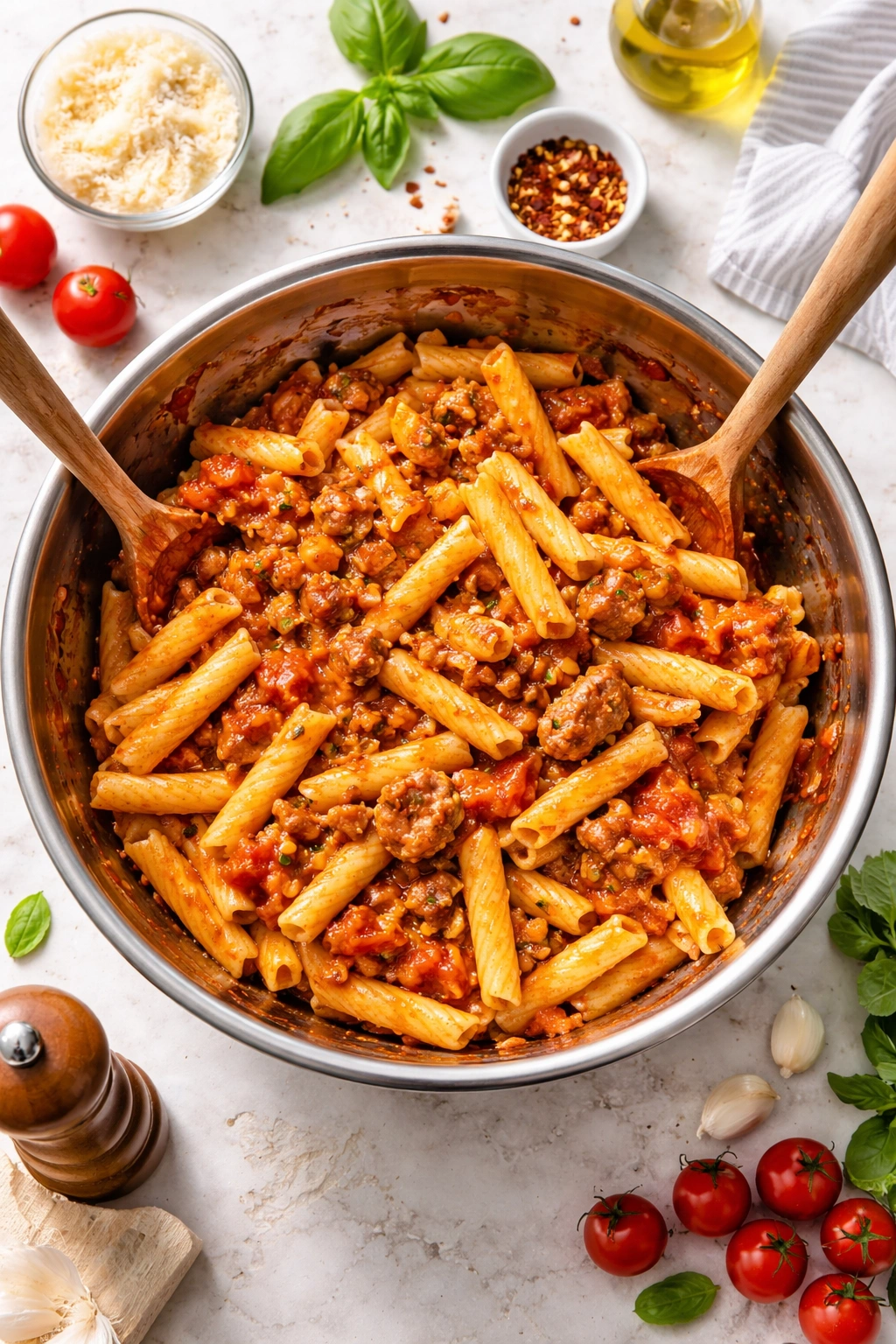
- After the sauce has simmered for 10 minutes, pour the entire contents of the skillet into the bowl with your drained pasta. Using a large spoon or spatula, fold everything together gently but thoroughly, making sure the sauce distributes evenly throughout the pasta. Don’t be aggressive here—you’re not trying to break the pasta, just combine everything.
Layer Into the Baking Dish:
-
In a small bowl, whisk together the ricotta cheese, beaten egg, chopped basil, and ⅓ cup of the mozzarella cheese until smooth and well combined. The egg acts as a binder and helps the ricotta stay creamy rather than getting grainy as it bakes.
-
Spoon half of the pasta and sauce mixture into the prepared baking dish, spreading it into an even layer with a spatula. Don’t be precious about this—rough is fine; you just want it somewhat level.
Advertisements -
Dollop half of the ricotta mixture over the pasta layer, then use the back of a spoon to spread it into an even layer. It won’t cover everything perfectly, and that’s okay—little pockets of creamy ricotta are part of the charm.
-
Top with the remaining pasta and sauce mixture, pressing down gently so everything is relatively level. Spread the remaining ricotta mixture over the top, again leaving it somewhat uneven and rustic.
-
Sprinkle the remaining 1 cup of mozzarella cheese evenly over the top, then finish with the Pecorino Romano cheese scattered across the surface. Grind a little fresh black pepper over everything—this adds complexity and prevents the dish from tasting one-note.
Bake to Golden Perfection:
-
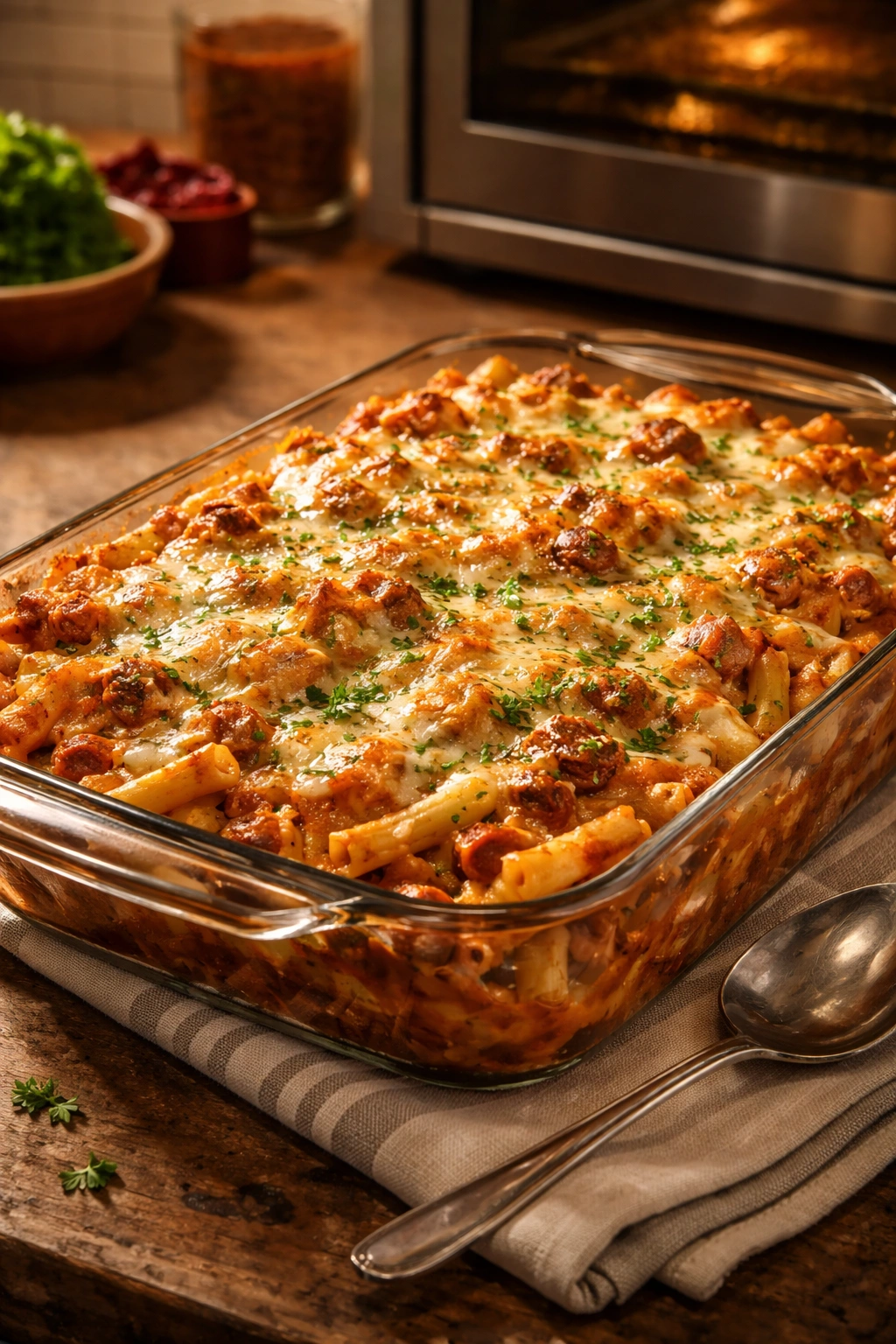
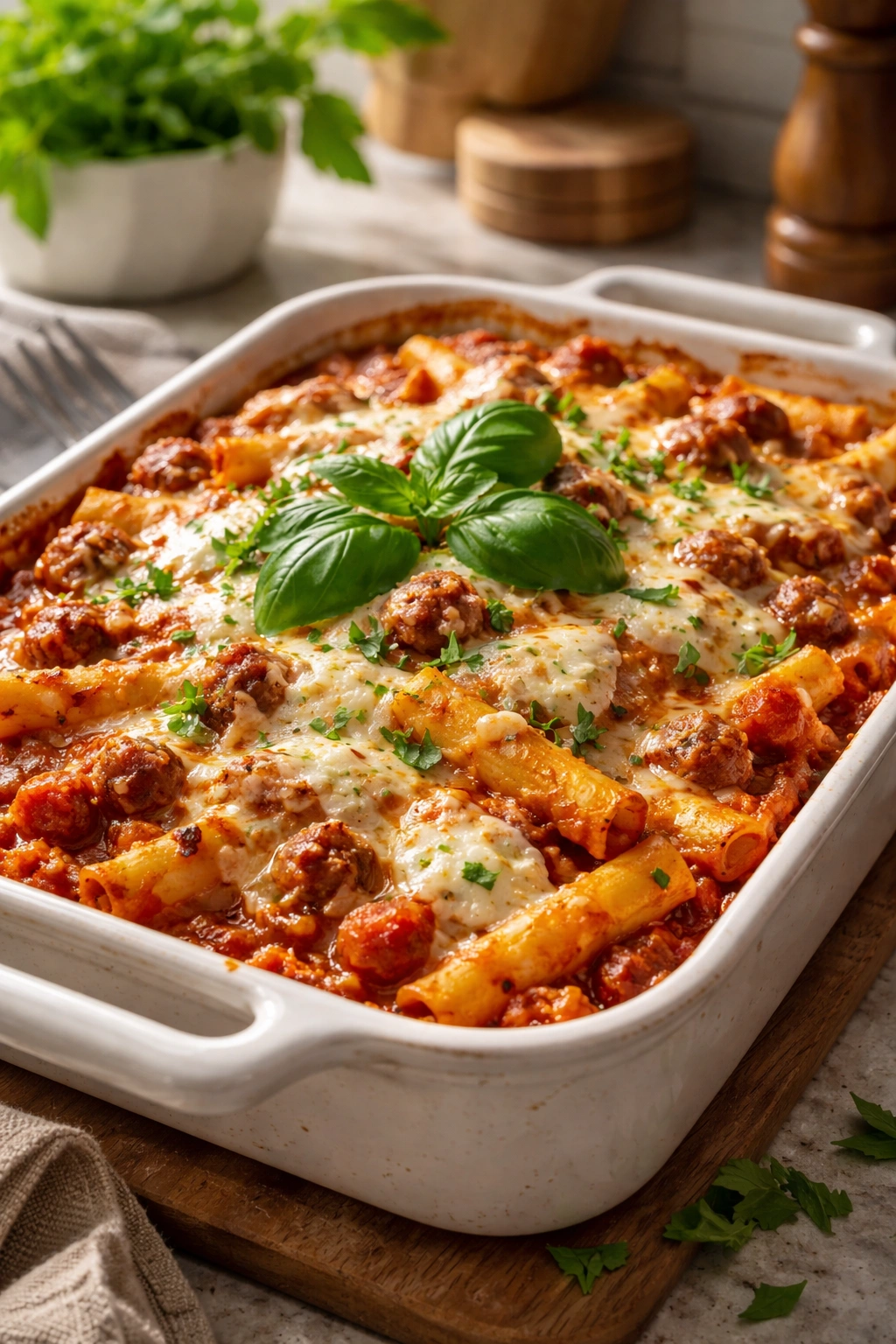
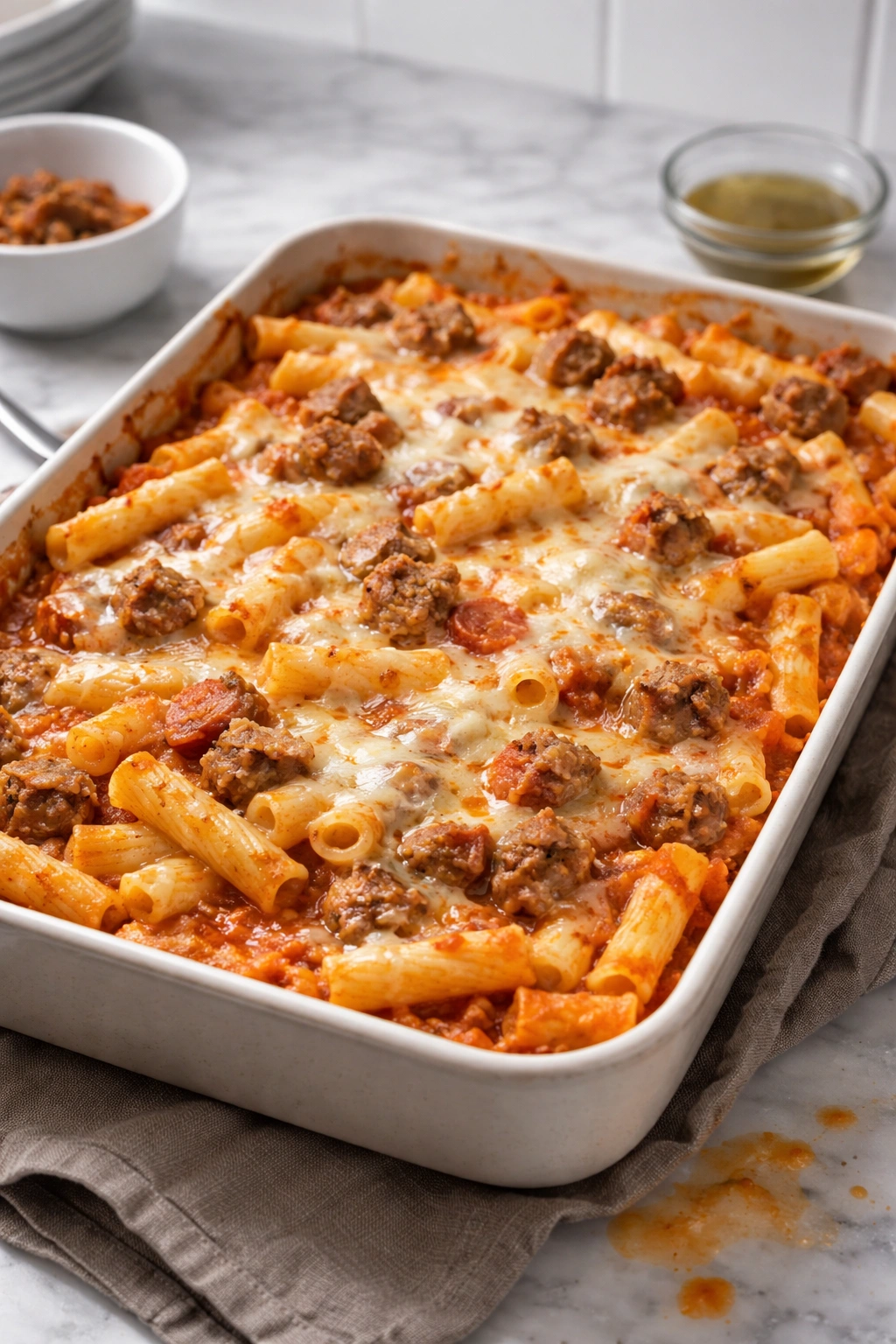
Transfer the baking dish to your preheated 375°F oven and bake, uncovered, for 30 to 35 minutes. The top should turn golden brown, the cheese should be melted and bubbly, and you should see a little sauce bubbling up around the edges. If the top isn’t browning by minute 30, increase the oven temperature to 400°F for the last few minutes—don’t let it sit there pale and sad.
-
Remove the baked ziti from the oven and let it rest for 5 to 10 minutes before serving. This is important and worth the wait. The residual heat continues cooking the dish, and the cheese sets slightly, making it much easier to scoop and serve without everything sliding around.
-
Garnish with fresh basil and additional Pecorino Romano if desired. A little green basil on top makes a huge visual difference and adds a fresh brightness that balances the richness.
Pro Tips for Flawless Baked Ziti Every Time
Brown the sausage properly. Don’t rush this step by turning up the heat sky-high. Medium-high heat gives you time to break the sausage into small, even pieces and brown them evenly. If the pan is too hot, the outside burns before the inside cooks through, and you’ll end up with tough, flavorless meat.
Taste and season as you go. After the sauce has simmered, take a clean spoon, taste a small amount (blow on it first—it’s hot), and adjust the salt and pepper. Does it need more salt? More heat? A tiny pinch of sugar if it’s too acidic? Better to catch it now than serve under-seasoned food.
Don’t skip the ricotta mixture. Some recipes suggest just sprinkling ricotta on top, but mixing it with egg and a bit of mozzarella creates a creamier, more luxurious texture throughout the dish. The egg also prevents the ricotta from curdling or getting grainy.
Use fresh basil if you can. Dried basil works perfectly fine, but fresh basil added at the end provides a brightness and aroma that elevates the whole dish. If you’re using fresh, add about half to the ricotta mixture and save the rest for garnish.
Watch your oven temperature. Different ovens run hot or cold. If yours tends to run hot, your dish might brown faster—check it around 25 minutes. If it runs cool, it might need the full 35 minutes. You’re looking for cheese that’s melted and lightly golden, not dark brown or crispy on top.
Let it rest after baking. I know it’s tempting to dive right in, but that 5 to 10 minute rest is crucial. It allows the cheese to set and the whole dish to firm up enough that you can actually scoop out clean portions instead of having everything turn into a melted puddle.
Common Mistakes That Wreck This Dish (and How to Avoid Them)
Overcooking the pasta is the most common error. You boil it to full al dente thinking it’s ready to eat, then bake it for another 30 minutes and end up with mushy, blown-out pasta that falls apart. Cook it about two minutes under, drain it, and trust that it will reach perfect tenderness in the oven.
Not draining the sausage fat properly creates a greasy, heavy dish. Brown the sausage, remove it to a plate, and let the rendered fat stay in the pan—that’s the good stuff. But if there’s a pool of grease more than a thin coating, drain some of it out. You want richness, not a slick layer of oil on top.
Using too much sauce dilutes the flavors and creates a watery casserole. If you find yourself adding extra marinara or water, stop. The pasta releases moisture as it bakes, and the sauce concentrates. You want the pasta moistened, not swimming.
Skipping the resting time leaves you with hot, soupy cheese that hasn’t set. Those 5 to 10 minutes aren’t wasted time—they’re essential to achieving the right texture.
Using low-fat versions of cheese produces a disappointing result. Low-fat mozzarella doesn’t melt as smoothly, and low-fat ricotta is drier and more likely to get grainy. Whole milk versions taste better and perform better in the oven.
Mixing everything into a uniform mush in a bowl, then dumping it into the dish. Layer it. This isn’t fancy technique—it’s just the difference between every bite tasting the same and having variety in texture and flavor as you eat. Some bites will be more saucy, some more cheesy, some more meaty. That’s the appeal.
Ways to Make This Recipe Your Own
Vegetarian version: Skip the sausage and add sautéed vegetables instead. Cook diced zucchini, mushrooms, or bell peppers in olive oil until they release their moisture and brown slightly, then proceed with the sauce. You lose some protein this way, so consider adding an extra ½ cup of ricotta to compensate for heartiness.
Spicy heat: Use hot Italian sausage instead of mild, or add a full teaspoon of crushed red pepper flakes instead of ¼ teaspoon. For lingering heat, add a few dashes of hot sauce to the sauce after it simmers.
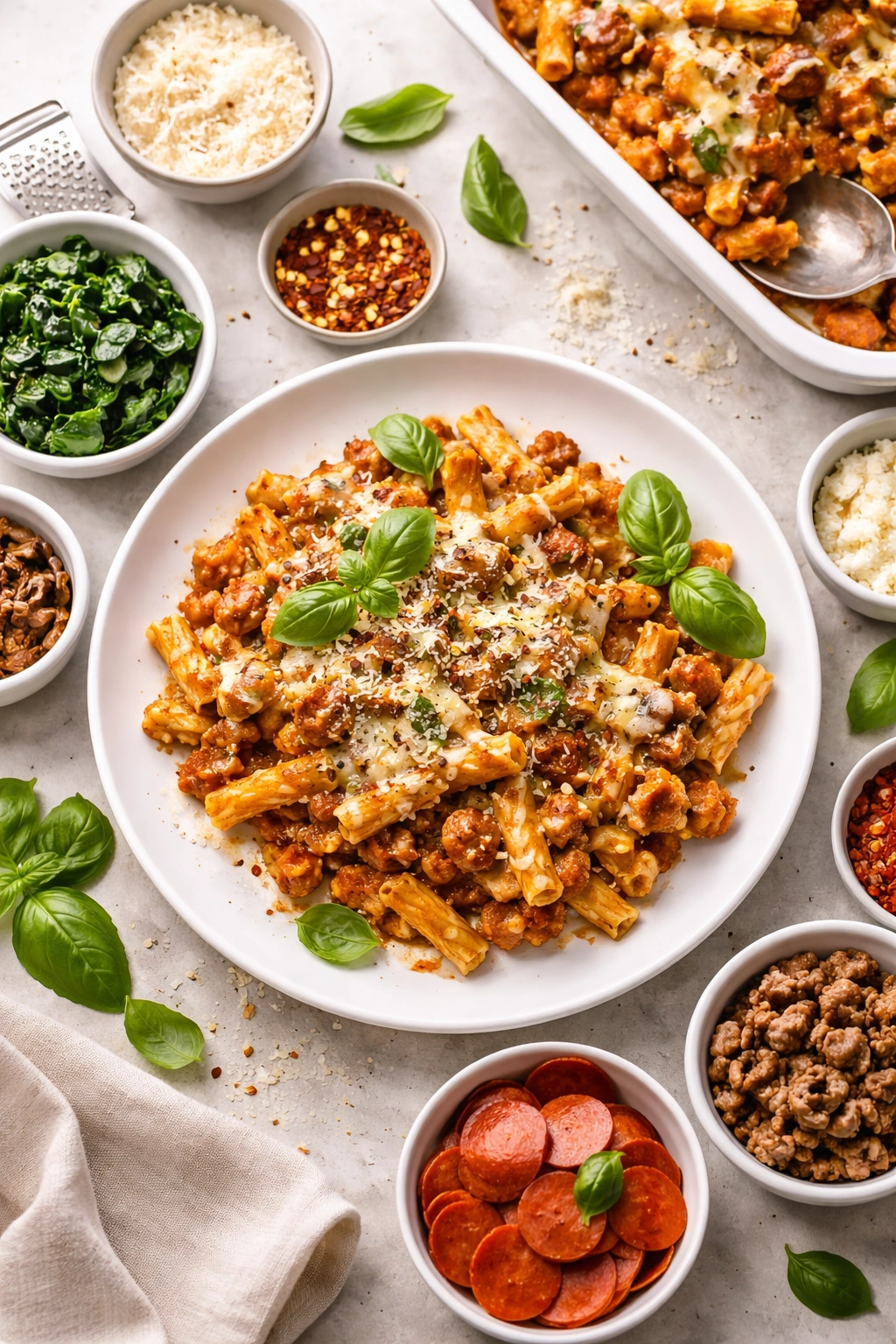
Add fresh vegetables: Toss in a handful of fresh spinach, chopped roasted red peppers, or sautéed mushrooms along with the pasta. These additions add nutrition and texture without dramatically changing the dish.
Different cheeses: Swap the Pecorino Romano for Parmigiano Reggiano (milder, nuttier), or use a blend of mozzarella and fresh mozzarella for a different texture. Some people love adding a bit of fontina or even sharp cheddar.
Meat variations: Use ground beef, ground pork, or a combination instead of sausage. You’ll lose the fennel note that makes sausage special, so boost the flavor by adding 1 teaspoon of fennel seeds to the sauce, or 1½ teaspoons of Italian seasoning.
Meaty version: If you want more protein, don’t remove all the sausage fat—leave a bit to brown some diced pancetta or bacon alongside the sausage. That smoky element is incredible.
Béchamel instead of ricotta: If you want something richer and more restaurant-style, make a simple béchamel sauce (butter, flour, milk) instead of using the ricotta mixture. It creates a different, creamier texture throughout the dish.
Make-Ahead and Storage Instructions for Busy Schedules
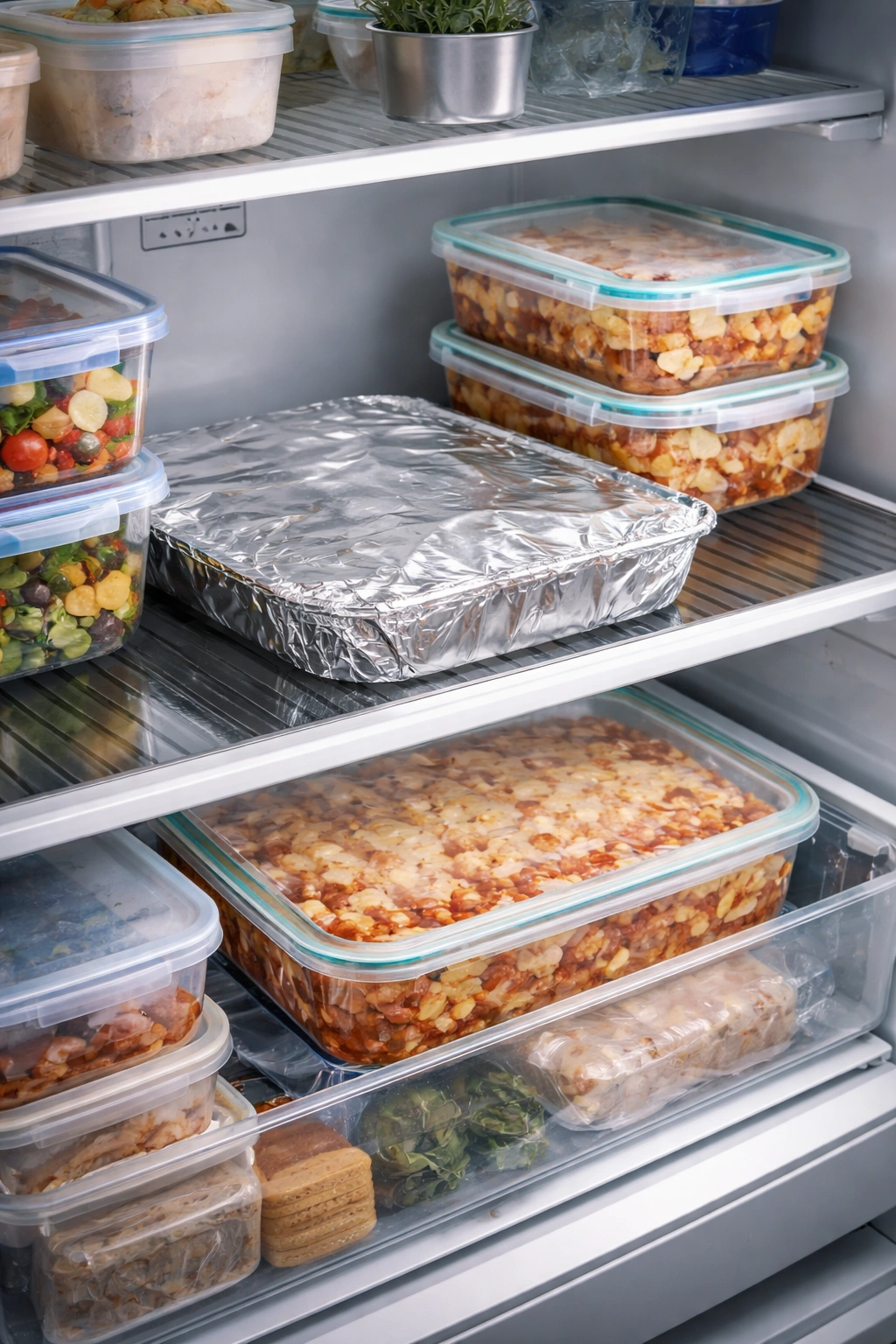
Assemble everything the night before. Prepare the entire baked ziti through the garnish step, cover it tightly with plastic wrap or aluminum foil, and refrigerate overnight. When you’re ready to cook, remove it from the fridge while the oven preheats (about 10 minutes), then bake for an additional 5 to 10 minutes beyond the standard time since it’s starting cold. The flavors actually deepen overnight, so this often tastes even better than the same-day version.
Prepare individual components in advance. The sauce can be made several days ahead and stored in an airtight container in the fridge. The pasta can be boiled, drained, tossed with a tiny bit of olive oil, and refrigerated separately. The ricotta mixture can be combined a day in advance. When you’re ready to assemble, everything comes together in minutes.
Freeze unbaked for later. Assemble the entire dish, cover it tightly with plastic wrap and then aluminum foil (double wrapping prevents freezer burn), and freeze for up to three months. Thaw in the refrigerator overnight, then bake as directed, adding 5 to 10 minutes to the cooking time. It’s a lifesaver for those weeks when you have no time but want home cooking.
Store leftovers properly. Leftover baked ziti keeps in an airtight container in the fridge for four to five days. It actually improves slightly on day two as flavors meld. To reheat, cover with foil and warm in a 350°F oven for about 20 minutes until heated through, or reheat individual portions in the microwave with a splash of water to restore moisture.
Freeze individual portions. Once the baked ziti has cooled, cut it into portions and wrap each one in plastic wrap, then foil. Freeze for up to three months. This is brilliant if you live alone or cook for fewer people—you can reheat exactly what you need without heating an entire pan.
What to Serve Alongside Baked Ziti for a Complete Meal
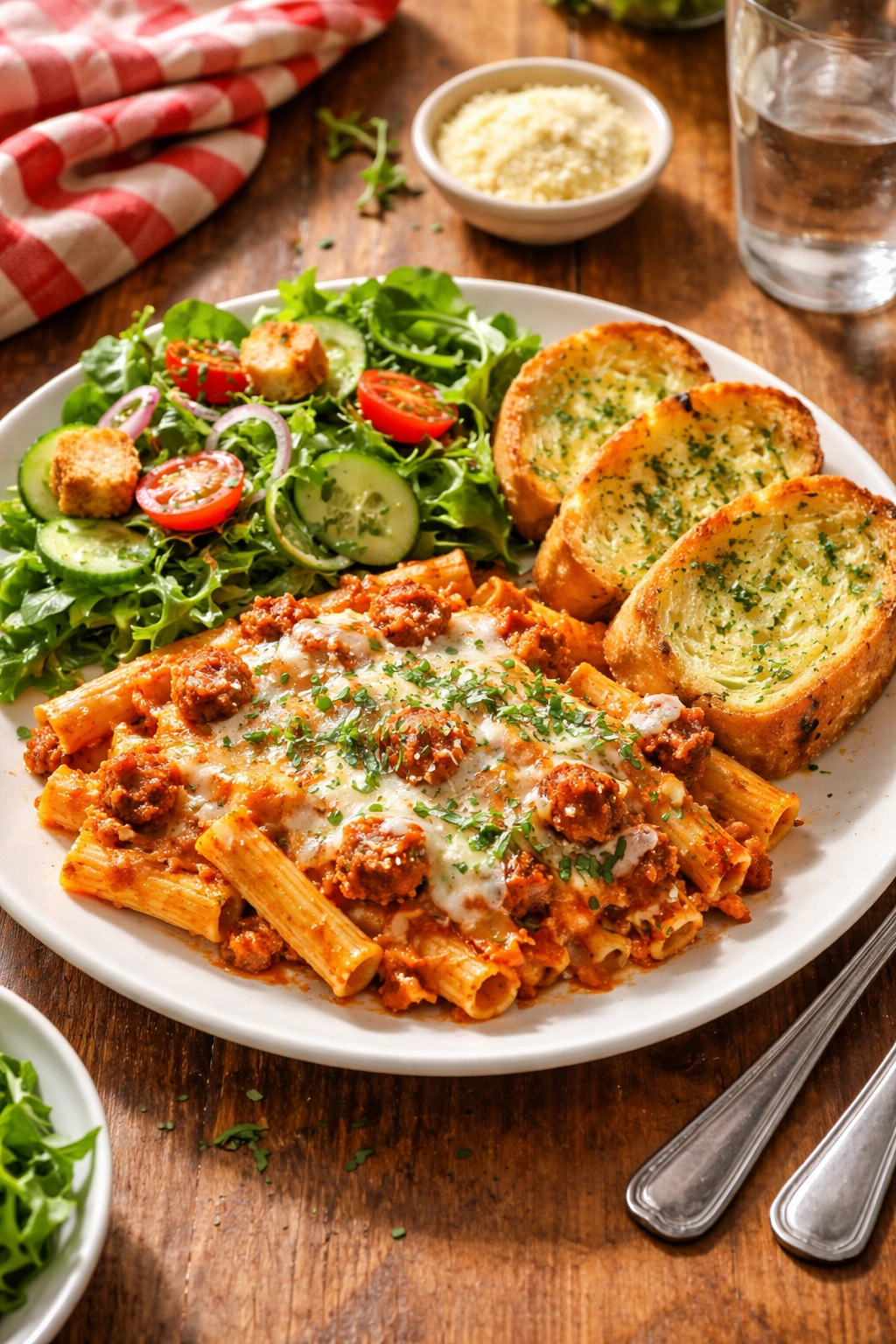
A simple green salad is the classic pairing. Toss mixed greens or spinach with a lemon vinaigrette, or if you prefer something creamier, a buttermilk ranch. The brightness and acidity cut through the richness of the cheese and meat, making the entire meal feel more balanced. A Caesar salad also works beautifully—the garlicky, salty dressing complements the Italian flavors.
Garlic bread feels clichéd but exists for a reason. Slice a crusty baguette lengthwise, brush with olive oil and garlic, toast it in the oven alongside the ziti, and you’ve got something to scoop up every last drop of sauce. This is especially worthwhile if you’re serving guests and want the meal to feel a bit more elevated.
Roasted vegetables add color and nutrition without feeling heavy. Roast zucchini, bell peppers, or asparagus with olive oil and salt at 400°F for about 15 minutes while the ziti bakes, and you’ve got a vegetable side that requires zero attention.
Crusty bread and butter is all you really need. If garlic bread feels like too much effort, just warm some good crusty bread from a bakery and serve it with butter. People are happy, sauce gets scooped up, life is good.
Steamed broccoli or green beans works if you want something lighter. These vegetables are fast to prepare and provide textural contrast to the soft, cheesy pasta.
Antipasto platter elevates the meal if you’re entertaining. Cured meats, cheeses, olives, and marinated vegetables let people graze before and after the main course, making the whole dinner feel more special without requiring extra cooking.
Final Thoughts
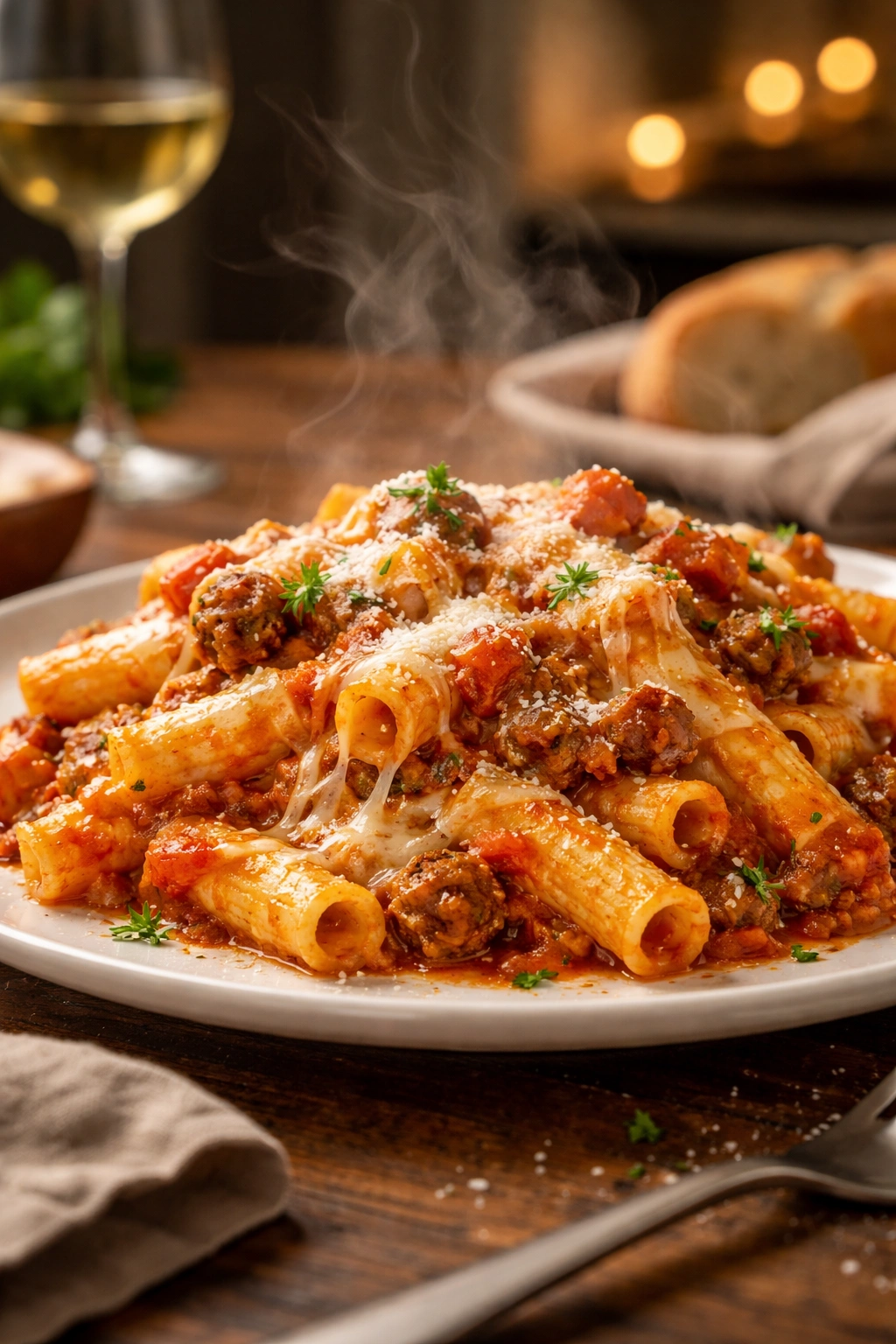
Baked ziti with sausage succeeds because it doesn’t try to be fancy or complicated. It’s honest food that tastes like someone cared about feeding you well. The sausage, sauce, pasta, and cheese create something greater than the sum of their parts, and the whole dish comes together with minimal fuss.
The magic happens in the details: undercooking the pasta by just a minute or two, leaving that rendered sausage fat in the pan, mixing the ricotta with an egg to keep it creamy, and letting everything rest before serving. These aren’t difficult techniques—they’re just paying attention to what actually matters.
Make this once on a weeknight when you’re tired and need something that doesn’t demand much energy. Watch how people’s faces light up when you set it on the table. Make it again for a potluck or to bring to someone who could use a home-cooked meal. Double it when you’ve got a crowd. Freeze half for a night when cooking feels impossible. This is the kind of recipe that earns a permanent place in your kitchen rotation because it delivers every single time.
