



When you’re staring at your lunch options at 11 a.m., a well-packed wrap hits differently than a limp sandwich or a sad desk salad. Wraps have this almost magical quality—they’re infinitely customizable, genuinely satisfying, and portable enough to eat while actually getting work done. Unlike traditional sandwiches that fall apart after sitting in your bag for a few hours, a properly assembled wrap holds together beautifully, keeps ingredients separated so flavors stay distinct, and somehow tastes fresher throughout the day. Whether you’re rushing out the door on a Monday morning or prepping five days of lunches at once, wraps offer a level of flexibility that transforms packed lunch from a chore into something you might actually crave.
The real magic of wrap lunches isn’t just that they work—it’s that they feel intentional and cared-for without requiring any actual cooking skill. You’re not juggling a hot stove or cleaning multiple pans. You’re assembling, rolling, and moving on. This makes wraps the perfect solution for busy professionals, students, and anyone who wants their lunch to taste genuinely good instead of like something they tolerated out of necessity.
Why Wraps Are the Perfect Packed Lunch
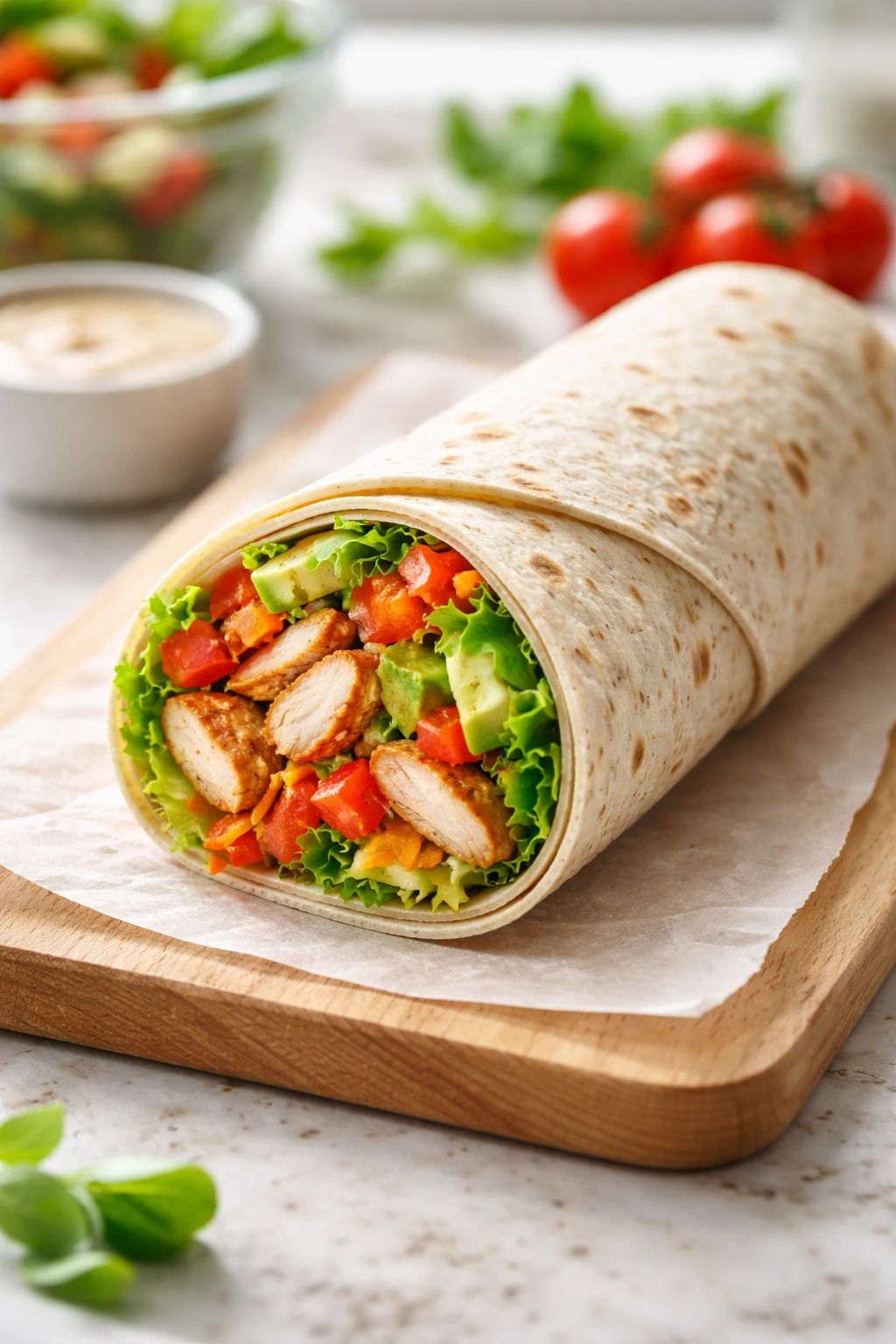
Wraps have earned their place as the ultimate portable lunch for some very practical reasons. First, they’re genuinely faster to assemble than most people think—a solid wrap comes together in five to ten minutes flat, which matters when you’re running late. Second, the structure of a wrap naturally contains everything, so you’re not dealing with ingredients that slide out of bread or lettuce leaves falling apart mid-bite. Everything stays tucked in, rolled tight, and ready to eat whenever you are.
The texture appeal is another reason wraps win over traditional sandwiches. When you bite into a wrap, you get multiple textures happening at once—the soft flexibility of the tortilla, the crunch of fresh vegetables, the creaminess of spreads, and the protein heartiness all working together. There’s something satisfying about this combination that plain bread just can’t match. You don’t feel like you’re eating the same old thing, even when your wrap contains fairly basic ingredients.
Then there’s the customization factor. Wraps accept literally any flavor profile you’re craving. One day you’re building a classic turkey and cheese situation, the next you’re channeling Thai flavors with coconut-curry-dressed chicken, and the day after that you’re leaning into Mediterranean vibes with hummus and vegetables. This variety is what keeps wrap lunches from becoming boring, which is critical when you’re eating the same meal you packed yourself five days in a row.
From a practical standpoint, wraps also stay fresher longer than sandwiches. Bread absorbs moisture and gets soggy or stale, but tortillas hold up remarkably well when properly wrapped and stored. You can genuinely make a wrap the night before and eat it three days later without it falling apart or tasting like cardboard. This make-ahead capability transforms weekday lunch from something you have to handle every single morning into something you batch-prepare on Sunday and forget about until lunch hour.
Choosing the Right Tortilla or Wrap Base
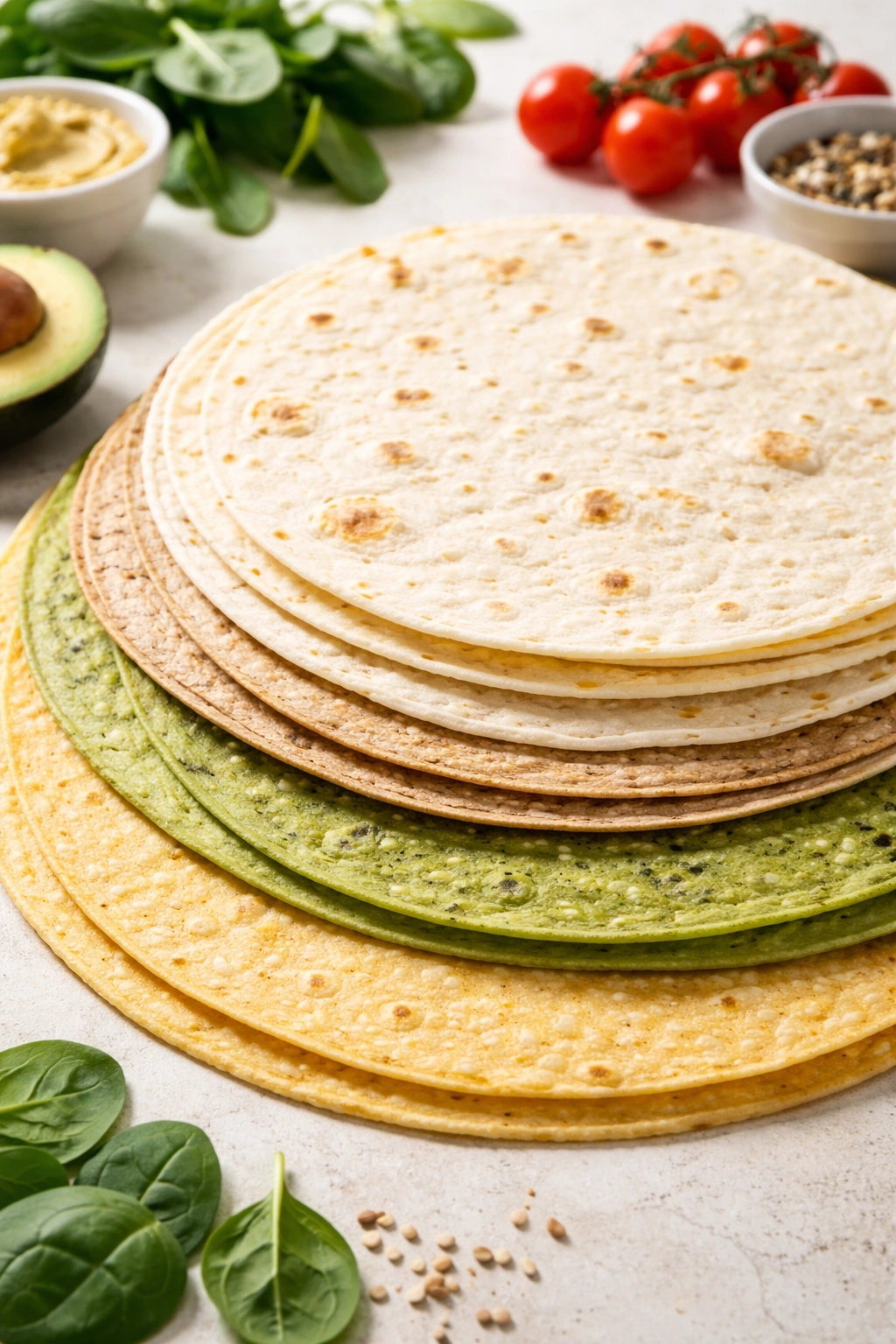
The tortilla you choose matters more than people realize—it’s literally the foundation that determines whether your wrap stays together or crumbles in your hands. Flour tortillas are the classic choice, and for good reason. They’re soft, pliable, and forgiving when you’re rolling. Standard burrito-size flour tortillas (usually around 10 inches) work best for packed lunches because they’re large enough to hold a proper amount of filling without tearing. Cheap, thin tortillas will tear when you roll them, so grabbing a decent quality brand prevents frustration.
If you’re looking to boost nutrition without sacrificing integrity, whole wheat tortillas deliver extra fiber and a nutty flavor that works beautifully with savory fillings. Spinach tortillas add a subtle earthiness and make your wrap look more visually interesting, which genuinely affects whether people actually enjoy their lunch. Sundried tomato tortillas, if you can find them, bring a sweet-savory complexity that elevates even basic fillings.
For anyone eating low-carb, keto, or paleo, specialized low-carb tortillas have come a long way in texture and taste. These tend to be slightly more delicate than regular flour tortillas, so handle them gently, but they absolutely work for packed lunches. They’ll keep you satisfied without the blood sugar spike of traditional wraps.
If you’re avoiding gluten entirely, cassava flour tortillas and almond flour tortillas are both excellent options—they’re sturdier than you’d expect and hold fillings reliably well. Coconut wraps are another gluten-free alternative that brings their own unique flavor profile, though they’re thinner and require a gentler touch when rolling.
Don’t sleep on non-tortilla wrap bases either. Large lettuce leaves—particularly butter lettuce, romaine, or collard greens—make fantastic low-carb wrap vessels that add textural interest and freshness. Pita bread works wonderfully for Mediterranean-inspired or Middle Eastern-flavored wraps where you want that pocket structure. These alternatives keep packed lunch exciting and cater to different dietary needs without sacrificing flavor.
The Art of Wrapping Without Tearing or Falling Apart
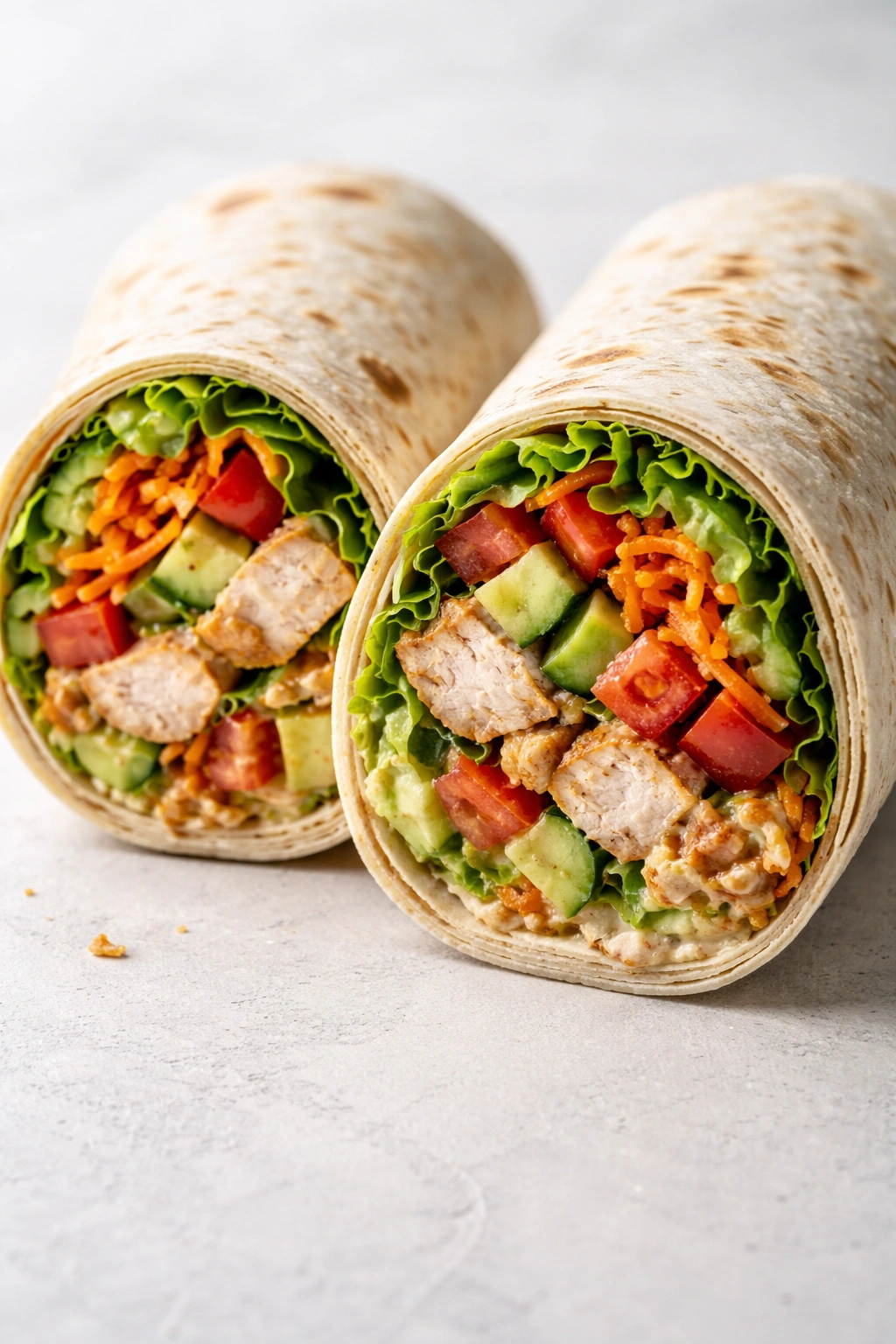
The difference between a wrap that stays together all day and one that falls apart in your hands comes down to technique and attention. Start with a slightly warmed tortilla—warming it for just 15-20 seconds in the microwave or a quick pass over medium heat on the stovetop dramatically improves its pliability and makes tearing way less likely. A cold tortilla is a torn tortilla waiting to happen.
Placement of fillings is critical. Lay your tortilla flat and imagine it as a clock face. Place heavier items—your protein, cheese, anything substantial—in the center, closer to the 12 o’clock position. Layer lighter items and vegetables on top of those. The weight helps hold everything in place as you roll, preventing shifting and bunching.
Avoid the temptation to overstuff. This is the most common wrap mistake. You want enough filling to be satisfying, but not so much that you physically cannot close the tortilla. When you’re unsure, remember that you can always add extra ingredients on the side—a handful of extra veggies in a small container, an extra slice of cheese—rather than cramming everything inside the wrap itself.
The actual rolling technique matters. Fold the sides in about an inch on both sides first, then start rolling from the bottom edge up, keeping steady pressure to maintain tightness. You’re not rolling a loose cylinder; you’re creating an envelope that keeps ingredients from sliding out. Roll firmly enough that there’s no air between the tortilla and the filling.
For maximum security during transit, wrap the entire finished roll in parchment paper, then wrap that in plastic wrap. This double-layering prevents condensation and protects against any potential leaking. The parchment also prevents the wrap from drying out if you’re eating it hours after packing. Foil works in a pinch but can make things soggy if you’re storing the wrap for more than a few hours.
Protein-Packed Wrap Ideas for Serious Hunger
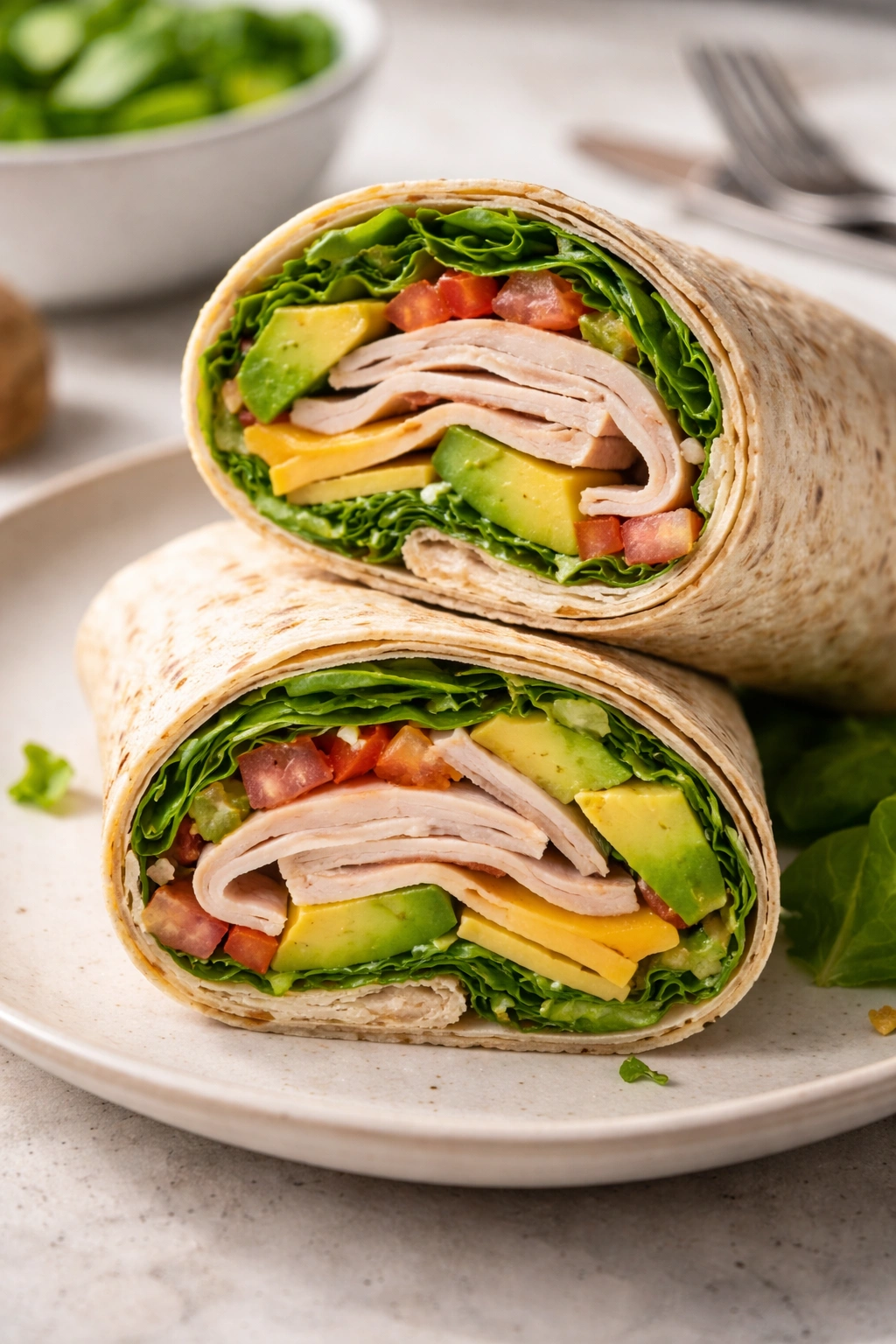
When hunger is a real factor—especially if you’ve got an active job or you’re packing lunch for athletes—protein becomes the star of the show. Deli turkey is the most straightforward option and it works beautifully. Layer it generously with a spreadable base like hummus, cream cheese, or mashed avocado, then add cheese, crisp vegetables, and something tangy like mustard or hot sauce. The classic turkey, bacon, lettuce, tomato, and avocado combination (sometimes called a California or BLAT wrap) feels elevated but requires zero cooking.
Chicken is endlessly flexible. Rotisserie chicken from the grocery store is a genuine time-saver—it’s already cooked, already seasoned, and you can shred it in about three minutes. Mix it with a little mayo and cranberry sauce for a sweet-savory vibe, or combine it with pesto and fresh vegetables for something herbaceous and bright. Buffalo chicken wraps with ranch dressing bring spicy-tangy flavors that keep things interesting. Chicken Caesar wraps with croutons and actual Caesar dressing taste restaurant-quality and take five minutes to assemble.
Tuna salad wraps are underrated in the packed lunch world, though fair warning: tuna does develop a smell in an enclosed lunch container. If you’re concerned about office etiquette, this might be a home-lunch situation. But the actual wrap is delicious—creamy tuna combined with celery, a little mayo, and fresh vegetables in a wrap makes a genuinely satisfying lunch that’s protein-dense and keeps you full.
Beef brings different energy entirely. Roast beef wraps with horseradish mayo and crispy vegetables deliver serious depth. Steak wraps with sautéed peppers and onions feel fancy but don’t require any special equipment if you cook the meat ahead. Ground beef wrapped with taco-inspired seasonings, black beans, cheese, and salsa creates something that tastes intentional rather than thrown together.
Egg salad wraps made with hard-boiled eggs, celery, and mayo are surprisingly elegant and pack serious protein in a form that’s already cooked and ready. Some people add bacon to this, and suddenly you’ve got something genuinely special. Even just a simple combination of ham, sliced cheese, and egg with greens creates what feels like a proper meal.
Don’t overlook seafood options like smoked salmon, which comes together with cream cheese, cucumber, and fresh dill in about two minutes—no cooking required. The flavors are bright and sophisticated enough that you feel like you’re eating something restaurant-worthy rather than what you packed at home.
Vegetarian and Plant-Based Wrap Options
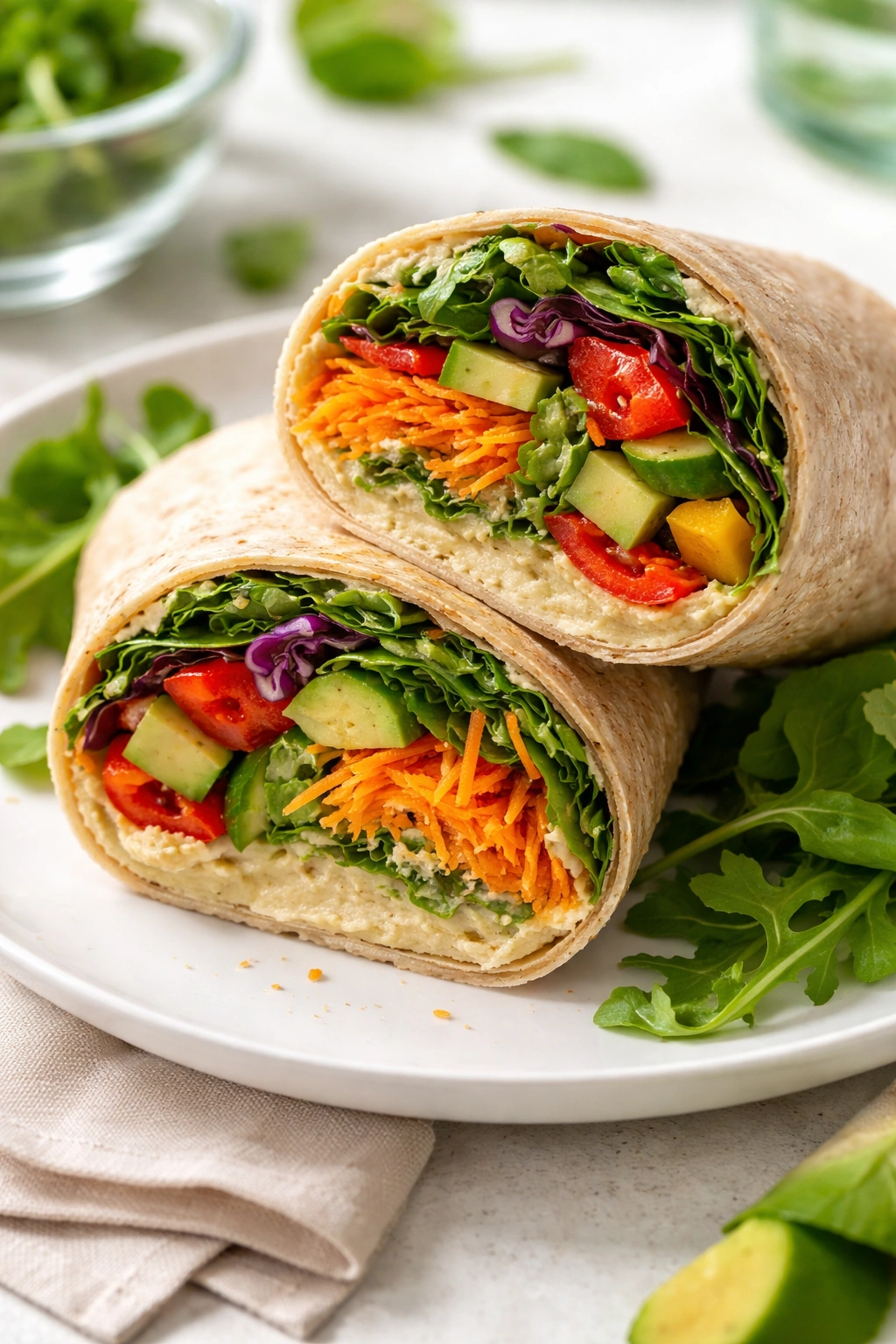
Vegetarian wraps absolutely don’t mean sacrificing satisfaction or the feeling of eating something substantial. Hummus is genuinely the MVP of vegetarian wraps. It’s creamy enough to serve as a sauce, it brings protein, and it plays nicely with almost any vegetable combination imaginable. A simple hummus wrap with shredded carrots, cucumbers, bell peppers, lettuce, and maybe some chickpeas creates exactly the kind of refreshing lunch that makes sense for warmer months and actually keeps you full.
Roasted vegetables bring different character. Grilled eggplant, zucchini, bell peppers, and maybe some artichoke hearts layered with goat cheese and pesto create something that tastes intentionally composed rather than like a hastily assembled sandwich. If you’re roasting vegetables ahead anyway, set aside extra for wrap prep—the roasting happens once, and you’ve got lunch covered for days.
Black beans and refried beans are protein sources people sometimes forget about, but they’re genuinely filling and work beautifully in a wrap context. Mix them with salsa, cheese, lettuce, and maybe some avocado, and you’ve got something with real substance. Add grilled or roasted vegetables, and you’ve genuinely elevated it. The beans keep you satisfied without needing meat, and they’re budget-friendly to boot.
Chickpea salad wraps—made by mashing chickpeas with mayo, celery, and maybe some dried fruit like cranberries—create something with the texture of chicken salad but arrive with plant-based protein. This is the kind of thing that wins over even committed meat-eaters when they actually try it. The slight nuttiness of chickpeas combined with a little sweetness and the familiar creamy texture hits a satisfying note.
Cream cheese wraps with vegetables are simple but genuinely good. Layer cream cheese with sliced bell peppers, cucumbers, carrots, fresh herbs, and leafy greens, and you’ve got something light but filling enough for lunch. Add some nuts or seeds for crunch and extra nutrition. For something slightly sweeter, cream cheese with fresh strawberries, honey, and chia seeds creates a wrap that could work as breakfast or a lighter lunch.
Tofu, when prepared properly, brings more to the table than people expect. Crispy baked tofu combined with vegetables, fresh herbs, and a flavorful sauce becomes something genuinely crave-worthy rather than a “health food” compromise. The key is actually flavoring the tofu and giving it texture through roasting rather than just slicing it cold and hoping for the best.
International-Inspired Wraps Worth Making
Thai flavors translate beautifully into wrap form. Shredded chicken combined with coleslaw mix, shredded carrots, and a sauce made from coconut milk, curry paste, soy sauce, and a touch of honey creates something fragrant and complex that tastes like you spent hours on lunch preparation when actually you didn’t. The coleslaw mix saves significant chopping time while providing exactly the crunchy texture Thai food should have.
Vietnamese-inspired wraps capture those same fresh, herbaceous qualities that make pho so compelling. Beef lettuce wraps with fresh cilantro, mint, lime juice, and a drizzle of fish sauce create brightness that doesn’t require cooking—you can literally assemble this the morning of or the night before.
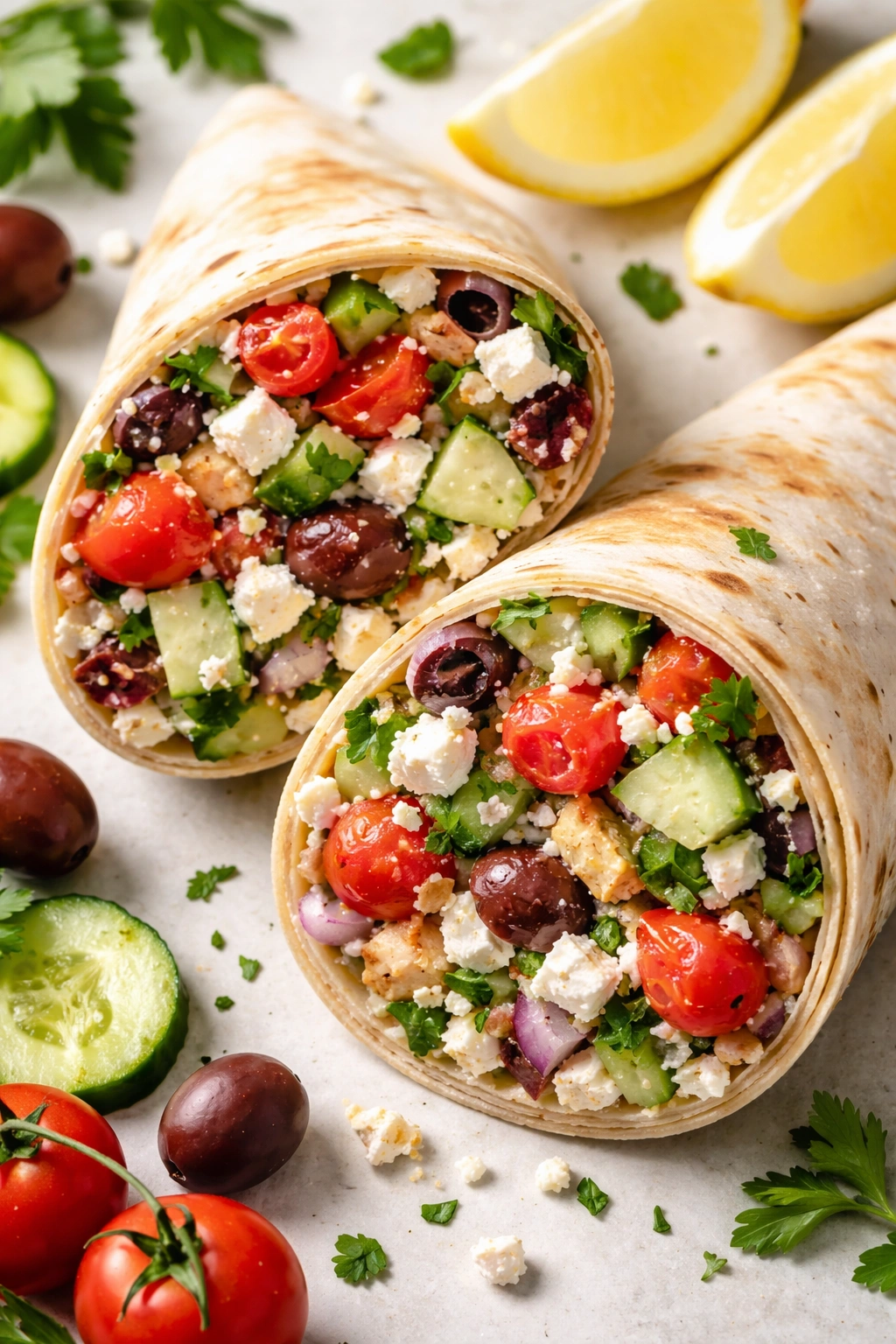
Mediterranean wraps bring Greek flavors into wrap form. Combine crumbled feta cheese, Kalamata olives, tomatoes, cucumbers, red onion, and fresh herbs with a simple olive oil and lemon dressing. Add some chickpeas for protein and you’ve got lunch that tastes like vacation and happens to be genuinely nourishing.
Indian-spiced chickpea wraps elevate vegetarian wrapped lunch into something with serious flavor complexity. Chickpeas combined with yogurt-based sauces, fresh vegetables, and Indian herbs and spices create depth that keeps your palate engaged throughout the meal. If you can find Indian flatbread to use as your wrap base instead of a standard tortilla, even better.
Italian sub wraps deliver all the flavors of a proper Italian sandwich—cured meats like salami and pepperoni, provolone cheese, roasted peppers, olives, and a zesty Italian dressing—without the heaviness of a traditional sub sandwich. The wrap format actually works better here because you get those flavors in something more portable and less bread-heavy.
Jamaican jerk spice brings heat and complexity to chicken wraps. If you can grill marinated chicken seasoned with jerk spice, then combine it with slaw, maybe some mango or pineapple, and a cooling sauce, you’ve created something that tastes genuinely adventurous and restaurant-quality.
Make-Ahead Wraps That Actually Stay Fresh
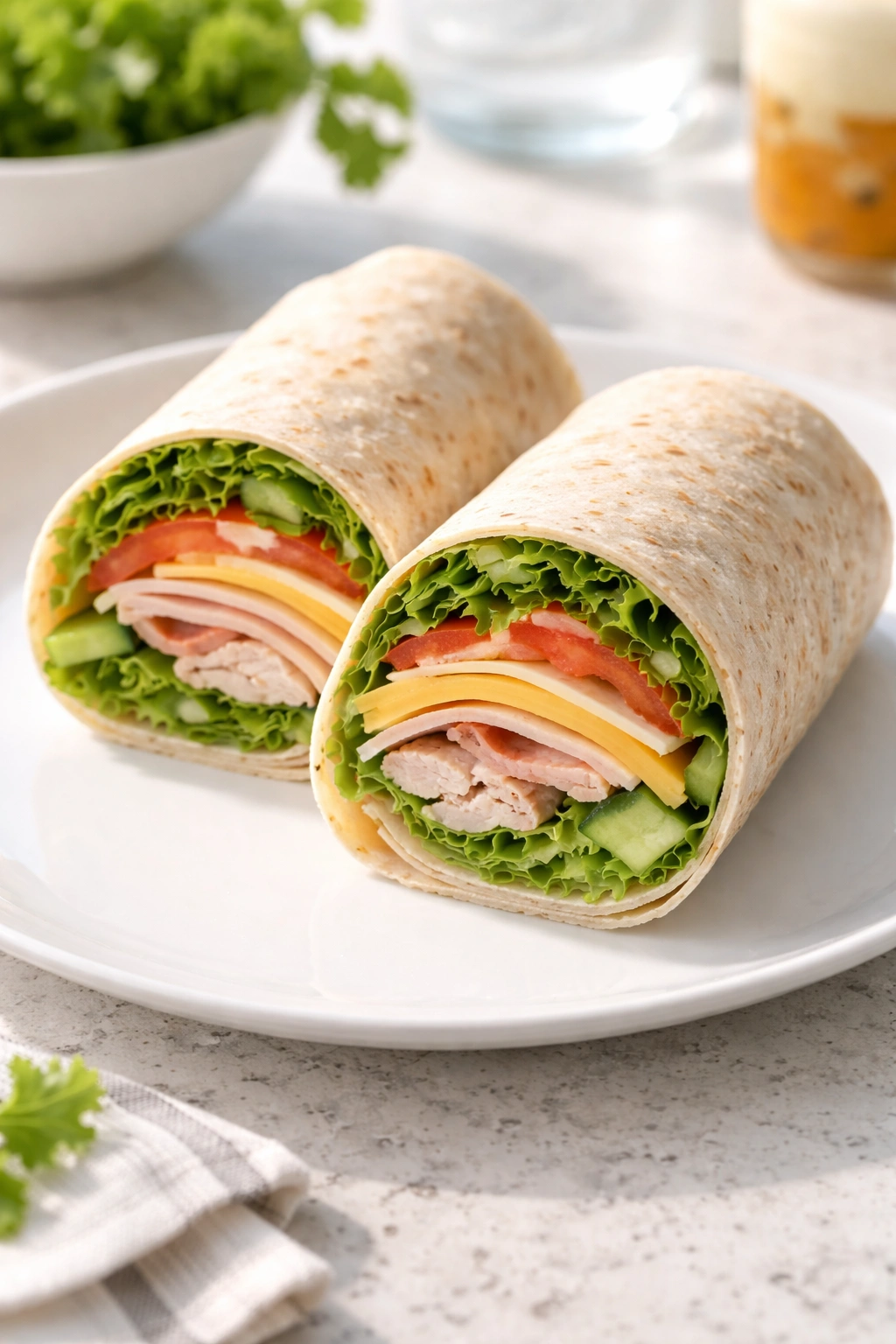
The dream of making wraps on Sunday and eating them all week is actually achievable if you approach it strategically. The key is understanding which ingredients stay fresh and which ones deteriorate when stored in an enclosed environment for days. Proteins hold up beautifully—deli meats, cooked chicken, hard-boiled eggs, tofu—all maintain quality for several days when kept cold.
Cheese doesn’t go anywhere, and lettuce stays crisp as long as it’s completely dry before wrapping. This is critical: wash your lettuce, dry it thoroughly with paper towels or a salad spinner, and you’ll have lettuce that stays crisp for a week. Partially-damp lettuce becomes slime-adjacent by day three, so don’t skip the drying step.
Ingredients to avoid making ahead: tomatoes, cucumbers, and anything with high water content. These soften and weep liquid into your wrap, creating mushiness. If you’re committed to having vegetables in your wrap, pack them separately and add them the morning you eat it, or use vegetables that hold up better like bell peppers, shredded carrots, or roasted vegetables.
Avocado is the tricky one. If you must include it in a make-ahead wrap, slice it the night before you eat that specific wrap and squeeze lemon or lime juice on it to prevent browning. Better yet, pack avocado separately and assemble your wrap that morning, taking literally 30 extra seconds to add this element.
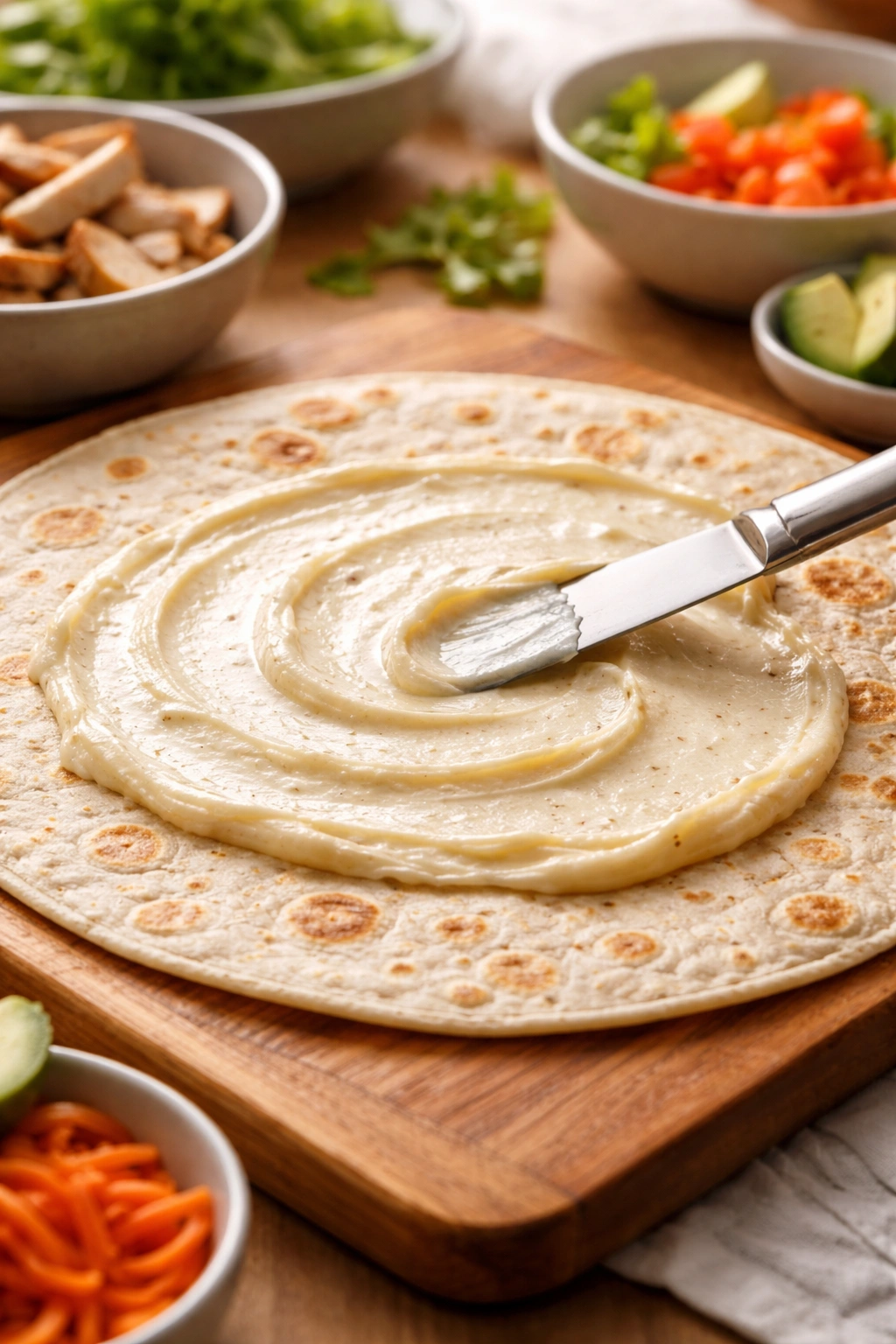
Spreadable bases like hummus, mayo, pesto, and cream cheese are your friends in make-ahead scenarios. These actually seem to help preserve the wrap and create a moisture barrier that keeps the tortilla from getting soggy. Layer your protein directly against the tortilla, then add the creamy spread, then stack vegetables and greens on top of that.
Store your made-ahead wraps in an airtight container or wrapped tightly in plastic wrap and parchment paper. The parchment prevents direct contact between the wrap and plastic, which can create condensation and sogginess. Most wraps will stay fresh and genuinely good-tasting for three to four days in the refrigerator, which means you can prep five wraps on Sunday and eat them through Wednesday or Thursday, then make another batch for the end of the week.
How to Keep Your Wrap from Getting Soggy
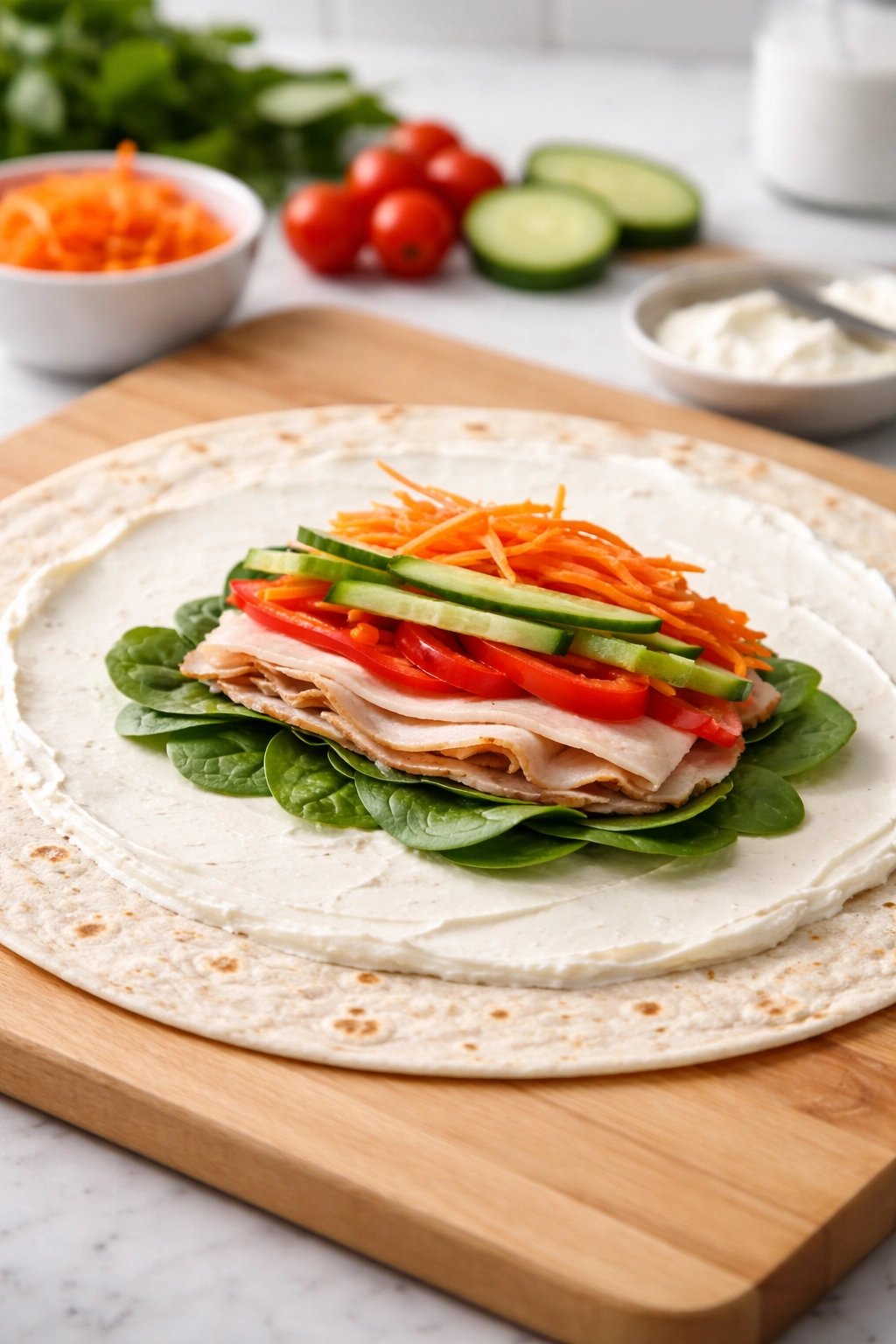
Sogginess is the enemy of good wrap lunches, and preventing it comes down to understanding moisture and layering strategy. The primary culprit is wetness from vegetables, sauces, and spreads soaking into the tortilla over hours. Combat this by creating a moisture barrier between the tortilla and any potentially wet ingredients.
Spreadable bases—hummus, cream cheese, mayo, pesto—are actually your defense against sogginess, not the cause. Spread your base directly on the tortilla first. This creates a protective layer that prevents moisture from soaking through. Think of it the same way you’d butter bread before adding wet sandwich fillings.
Pat vegetables dry before adding them. Tomatoes, in particular, should be sliced and then pressed gently with a paper towel to remove excess moisture. This single step prevents literal puddles forming inside your wrap. Cucumbers benefit from the same treatment.
Layer vegetables in the middle of your filling, surrounded by protein and other drier ingredients rather than pressed directly against the tortilla. If lettuce or greens are touching the tortilla, they’ll eventually introduce moisture. Place them as a buffer between wet vegetables and the wrap itself.
Skip traditional dressings for make-ahead wraps, or pack them separately in a small container and add them just before eating. Vinaigrettes, ranch, and other liquid-based dressings will gradually seep into everything around them. Creamy dressings hold up better than thin ones, but honestly, none are ideal for day-before wraps.
Some people swear by wrapping their already-assembled wrap in a paper towel before the plastic wrap stage. The paper towel absorbs excess moisture and prevents direct condensation on the wrap itself. This is particularly valuable if you’re storing your wrap for more than a couple of days.
Use sturdier tortillas for make-ahead wraps. Regular flour tortillas are fine if you’re eating the wrap the same day. For multi-day storage, seek out slightly thicker tortillas that can handle moisture without falling apart. Whole wheat and specialty wraps often have better structural integrity than paper-thin white flour tortillas.
Kid-Friendly Wrap Combinations Everyone Will Eat
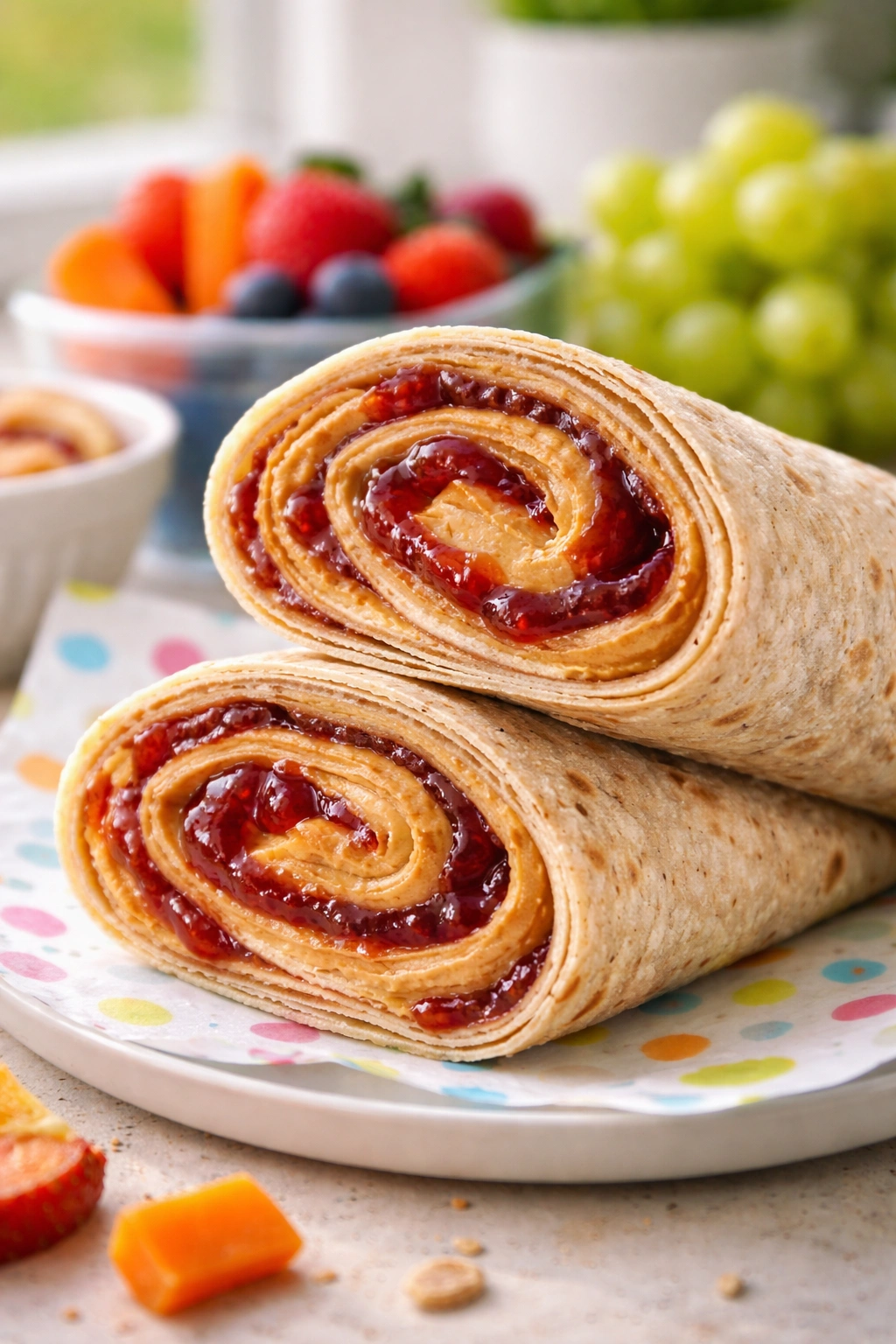
Getting kids genuinely excited about eating something they took to school requires wraps that taste good to them, not just something nutritious parents insist on. The simplest rule: involve their preferences. Kids love wraps more than sandwiches because wraps feel like an activity—there’s something almost fun about unwrapping a wrap and eating something hand-held and self-contained.
Peanut butter combinations work beautifully for kids. Peanut butter and jelly in wrap form is the obvious choice, and it works. But get more creative: peanut butter with sliced banana, peanut butter with cinnamon and raisins, peanut butter with a thin spread of honey. These combinations feel fancier than a standard PB&J but take identical time to assemble.
The ham and cheese wrap is the most basic, most reliable option. Kids know and like both ham and cheese, and adding a little lettuce or cucumber gives them something to acknowledge as a vegetable. Mayo or mustard, depending on what they prefer. Done. This is the wrap you make when you need something you know they’ll eat without argument.
Chicken wraps with ranch dressing are basically foolproof. Shredded or sliced cooked chicken, cheese, lettuce, and ranch dressing—if kids like chicken nuggets, they’ll generally appreciate this wrapped version. It’s the same flavors they’re already comfortable with, just a different format.
Turkey with cranberry sauce and cream cheese creates something slightly sweet that appeals to kids who find plain deli meat boring. The cranberry brings familiar sweetness from the sauce angle without being actual candy.
Pizza wraps made with marinara sauce, mozzarella cheese, and pepperoni create wrap versions of beloved pizza. These can be eaten cold or warmed up, depending on what your kid’s school allows. Parents love this because it’s basically deconstructed pizza with better nutrition than actual pizza.
Even kids who claim to dislike vegetables often eat them in wrap form. The combination of texture, the fact that they’re choosing the wrap themselves, and the novelty of eating something wrapped rather than plated makes vegetables feel less like a “you should eat this” situation and more like a treat.
Quick Assembly Tips for Busy Mornings
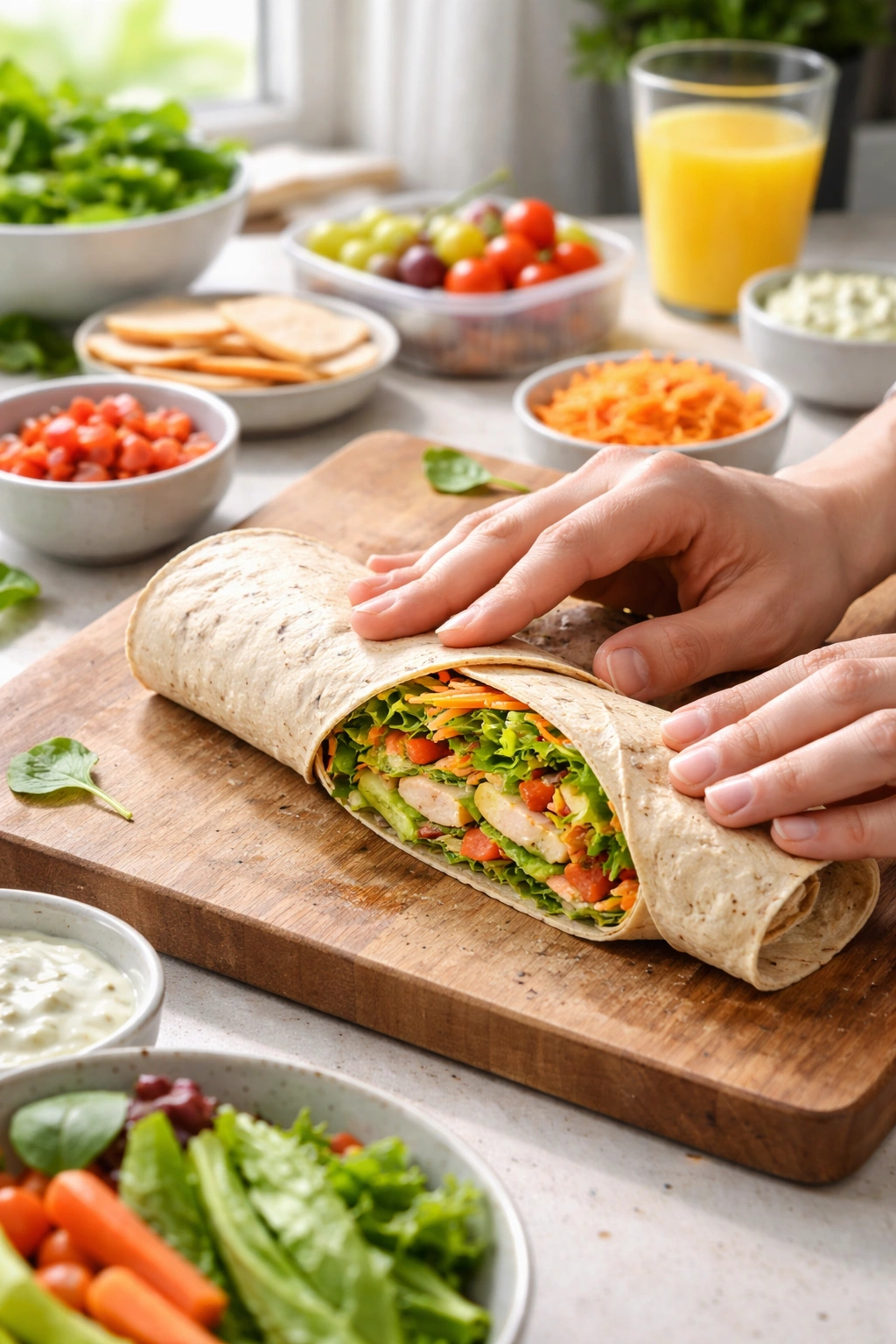
When you’re actually out the door in ten minutes, wrap assembly needs to happen fast without cutting corners on quality. Prep ingredients the night before. Cook and slice your protein, wash and dry your lettuce, slice your vegetables, measure out spreads into small containers. Having everything ready means you’re literally just assembling, not preparing.
Create a wrap station in your fridge. Keep tortillas in one spot, proteins in another, vegetables in a third. Know exactly where everything lives so you’re not hunting for ingredients when you’re already running late. Some people use a lazy Susan or small shelf organizer to corral everything.
Use pre-cut vegetables if you need to. Shredded carrots, pre-sliced cucumber, mini bell peppers—these cost more per unit but save you genuine time on busy mornings. When the alternative is skipping lunch or buying something overpriced on your lunch break, paying slightly more for pre-cut vegetables makes financial and mental sense.
Assemble on a cutting board or clean countertop rather than trying to build your wrap in your hands. Laying everything flat gives you control and prevents spills. You can work faster when your ingredients aren’t rolling around.
Set a timer. Actually time yourself the first time you make a wrap. You’ll probably discover that it takes less time than you think, which is weirdly motivating. Knowing you can make a solid wrap in four minutes makes you more likely to actually do it rather than grabbing something else.
Create a template for wraps you make regularly. If you eat the same wrap twice a week, write down the exact ingredients and amounts. Next time, you’re not deciding—you’re following a formula. This removes decision fatigue and speeds assembly.
Storage and Meal Prep Strategies That Work
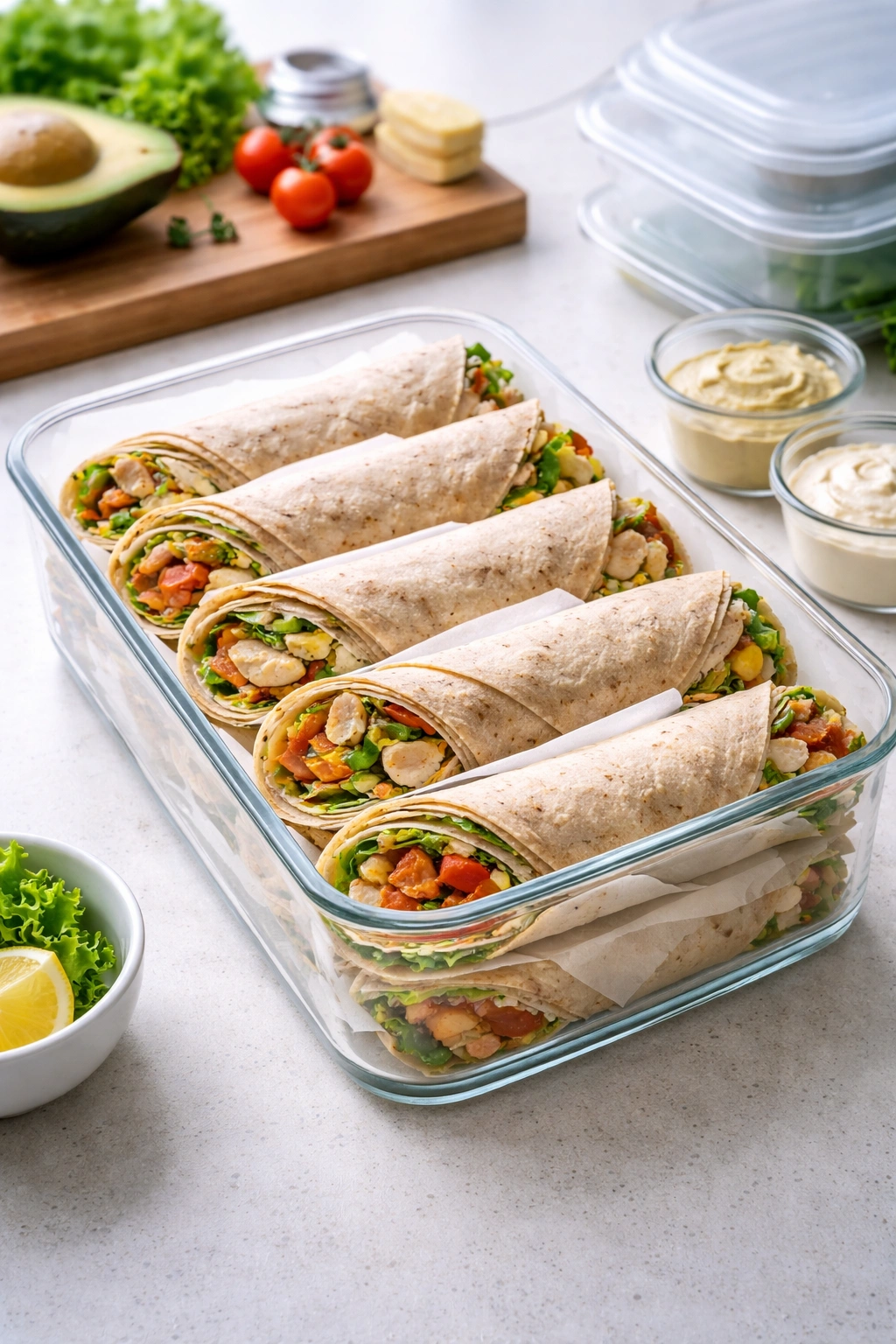
Wraps are exceptional meal prep vehicles because they actually improve slightly when they’ve had time for flavors to meld, unlike sandwiches where everything gets soggy and sad. When you’re prepping wraps for the week, gather all your ingredients, lay out your tortillas, and work assembly-line style. Put down one tortilla, spread base on all of them, then layer protein on all of them, then vegetables—it’s rhythmic and fast.
Store wraps in a way that keeps them protected from crushing. A flat plastic container works better than a bag where they might get squished. If you’re stacking multiple wraps, layer parchment paper between them so they don’t stick together.
Temperature matters. Keep wraps in the coldest part of your refrigerator, away from the door where temperature fluctuates. Most wraps stay fresh and genuinely good for three to four days. By day five, even well-stored wraps start tasting like “refrigerator wrap” rather than fresh wrap.
Label your wraps if you’re making varieties. A simple marker note on the parchment paper keeps you from accidentally grabbing the one with avocado when you meant to grab the hummus wrap. This is particularly important if other people share your fridge.
For freezing, most wraps don’t freeze well. The tortilla gets tough and the vegetables get weird. If you absolutely need to freeze something, wrap sandwiches (the bread-based kind) freeze better than tortilla wraps. The exception is wraps with sturdy ingredients like beans and cheese without fresh vegetables—these can technically be frozen but taste pretty mediocre.
Instead of freezing, consider making bigger batches more frequently. Make four wraps Sunday for Sunday-Tuesday, then make four more wraps Wednesday for Wednesday-Friday. This approach actually takes less time overall because you’re using fresher ingredients and dealing with smaller batches, which is somehow less overwhelming than a massive Sunday prep session.
Creative Add-Ins to Elevate Basic Wraps
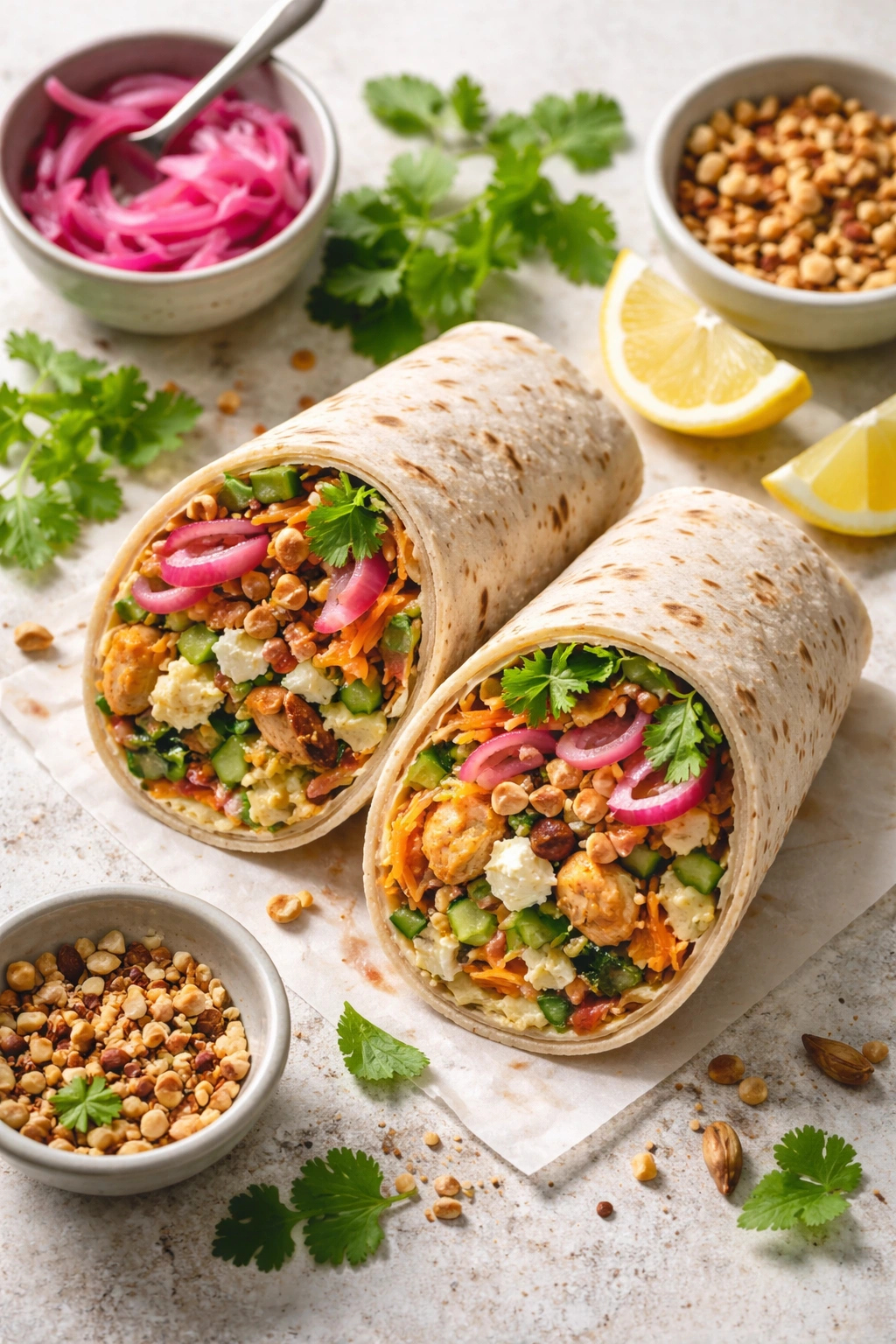
The difference between a wrap that feels boring and one that tastes genuinely interesting often comes down to adding elements that surprised your palate. Pickled vegetables—pickled onions, pickled peppers, pickled vegetables of any kind—bring brightness and tang that elevates everything around them. A couple tablespoons of pickled something transforms a basic turkey wrap into something you’re actually looking forward to eating.
Nuts and seeds bring textural contrast and nutrition. Crushed walnuts, sliced almonds, sunflower seeds, pumpkin seeds—these add crunch and richness that makes wraps feel more composed and sophisticated. A tablespoon of nuts in a wrap doesn’t feel like a huge addition but transforms the eating experience.
Fresh herbs make remarkable differences. A handful of cilantro changes the entire flavor profile of a wrap toward fresh and bright. Basil brings Italian vibes, mint brings freshness and cooling sensation, dill brings something herbaceous. Parsley is the most neutral herb but still adds genuine fresh flavor.
Dried fruit creates sweet counterpoints that prevent wraps from tasting one-note savory. Cranberries, raisins, diced apricots, or dried mango all work depending on your other ingredients. A small amount provides sweetness without making the wrap taste like dessert.
Condiments beyond mayo and mustard: hot sauce brings heat, pesto brings nutty herbal richness, hummus brings creaminess and earthiness, salsa brings brightness. A flavored mayo (chipotle mayo, garlic mayo, sriracha mayo) adds personality without extra ingredients.
Cheese variety matters. Instead of plain cheddar, try pepper jack for heat, feta for tang, goat cheese for richness, brie for creaminess. The cheese you choose changes the entire personality of your wrap.
Greens beyond plain lettuce: spinach brings earthiness, arugula brings peppery bite, mixed greens bring variety. These feel like a small change but genuinely affect how interesting your wrap tastes.
Preventing Common Wrap Failures
The wrap that breaks apart when you bite it usually happened because the tortilla wasn’t warmed. You’d be shocked at how much difference 20 seconds in the microwave makes. A cold tortilla cracks and tears; a slightly warm tortilla stays pliable and cooperative.
Over-filling is the most common wrap mistake. When you can’t close the wrap, you’ve used too much filling. This isn’t because you need more vegetables or protein—you need fewer of them. A wrap that closes easily without resistance will stay together through your entire lunch break. A wrap that’s fighting to stay closed will eventually lose that battle.
Wet ingredients placed directly against the tortilla cause sogginess. This is avoidable if you remember to create a moisture barrier with a spread. That first layer directly on the tortilla should be something creamy and protective, not something wet and vegetable-based.
Using thin, cheap tortillas causes everything to tear. Spending an extra dollar on decent tortillas saves frustration and failed lunches. This is worth it. This is where your money should go.
Not drying your lettuce thoroughly before wrapping causes it to turn to slime within a day. Take the time. Wash, spin-dry or pat dry. Don’t skip this.
Packing wet ingredients when you’re not eating the wrap immediately destroys quality. If you’re eating it in an hour, fine. If it’s going to sit for hours, pack wet components separately or don’t include them at all.
Storing wraps touching directly against plastic creates condensation and sogginess. Parchment paper as a buffer solves this completely.
Not wrapping your completed wrap securely in parchment or plastic causes the edges to dry out. Proper wrapping keeps it fresh and prevents the tortilla from becoming hard and brittle around the edges.
Final Thoughts on Wrap Lunch Success
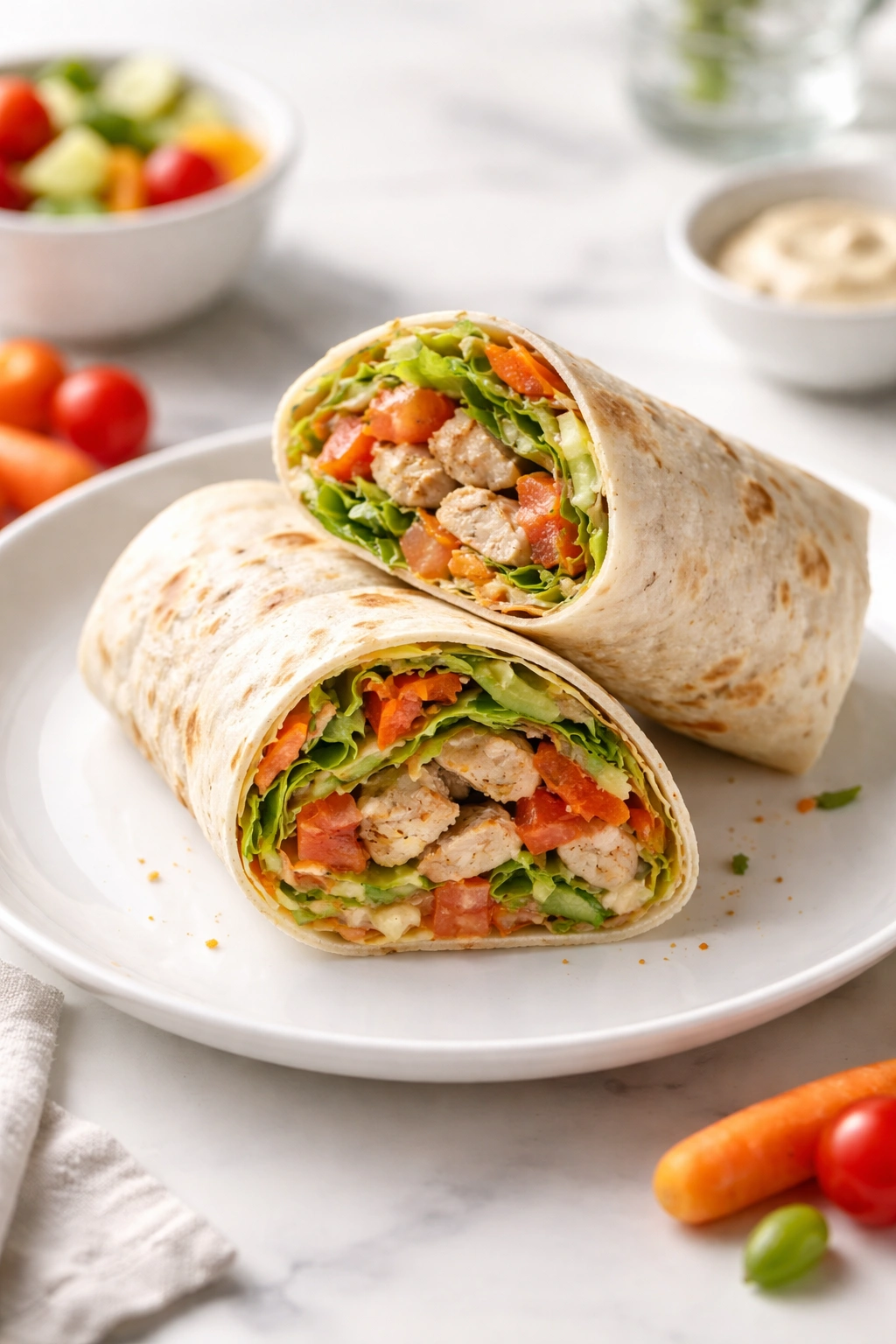
The reality of packed lunch is that it only works when you actually make it, and it only becomes a habit when you genuinely enjoy what you’re eating. Wraps handle both these requirements. They’re fast enough that you’ll actually assemble them, and they taste good enough that you’ll look forward to eating them rather than viewing lunch as an obligation.
Building better wrap habits starts with understanding your own preferences. What flavors do you consistently reach for? What textures make you feel satisfied? What vegetables do you actually enjoy eating? Your best wrap is the one you’ll consistently want to make and eat, not some theoretically optimal combination that doesn’t appeal to you.
Give yourself permission to keep wraps simple, especially when you’re first building the habit. A good basic wrap with protein, a vegetable or two, cheese, a spread, and greens is all you need. Once you’re making wraps consistently, that’s when you start experimenting with creative add-ins and flavor combinations. You don’t need to be fancy from day one.
The infrastructure matters as much as the ingredients. Having everything prepped and knowing where it lives in your fridge makes wrap-making something you’ll actually do. A wrap station or organized fridge dedicated to wrap prep removes friction and makes the difference between “I’ll make wraps this week” becoming an actual reality versus just another good intention that doesn’t happen.
Remember that meal prep for wraps doesn’t have to be an all-Sunday-afternoon operation. Making four wraps for a few days, then making another four later in the week, often works better than one massive prep session. Smaller batches mean fresher ingredients, ingredients that actually feel like they were just prepared rather than days old, and a system that feels sustainable rather than overwhelming.
Wraps transform packed lunch from something you tolerate into something you might actually anticipate. Start with one basic combination you genuinely enjoy, make it a few times, then slowly expand into variations. Within a month, you’ll have built a go-to rotation that works with your schedule, your taste preferences, and your actual lifestyle. That’s when packed wraps stop being a nice idea and become your actual lunch strategy.
