



Naan bread transforms into one of the easiest, fastest pizzas you can make at home—and honestly, it rivals delivery every single time. Unlike traditional pizza dough that demands hours of rising and shaping, naan gives you a head start: a soft, slightly charred base that’s already perfectly designed to hold toppings, bake quickly, and deliver that satisfying contrast between crispy edges and a tender, pillowy center.
The beauty of naan bread pizza is that it completely eliminates the barrier to homemade pizza on busy weeknights. You’re not starting from scratch with yeast and flour. You’re building something delicious in the time it takes to preheat your oven and chop a few toppings—usually about 20 minutes from start to finish, including baking. That speed doesn’t mean sacrificing flavor or restaurant-quality results; it means being smart about shortcuts that genuinely work.
What makes this approach different from just throwing any topping onto store-bought naan is understanding how naan bread actually behaves in the oven, how to layer your toppings so they cook evenly, and which flavor combinations sing together. A thin crust needs a different strategy than thick dough—you’re managing moisture, considering topping weight, and timing everything so cheese melts perfectly while your crust stays crispy underneath and golden on top. Once you nail the technique, you’ll find yourself making this constantly because it’s that reliable and that satisfying.
Why Naan Bread Makes the Perfect Pizza Base
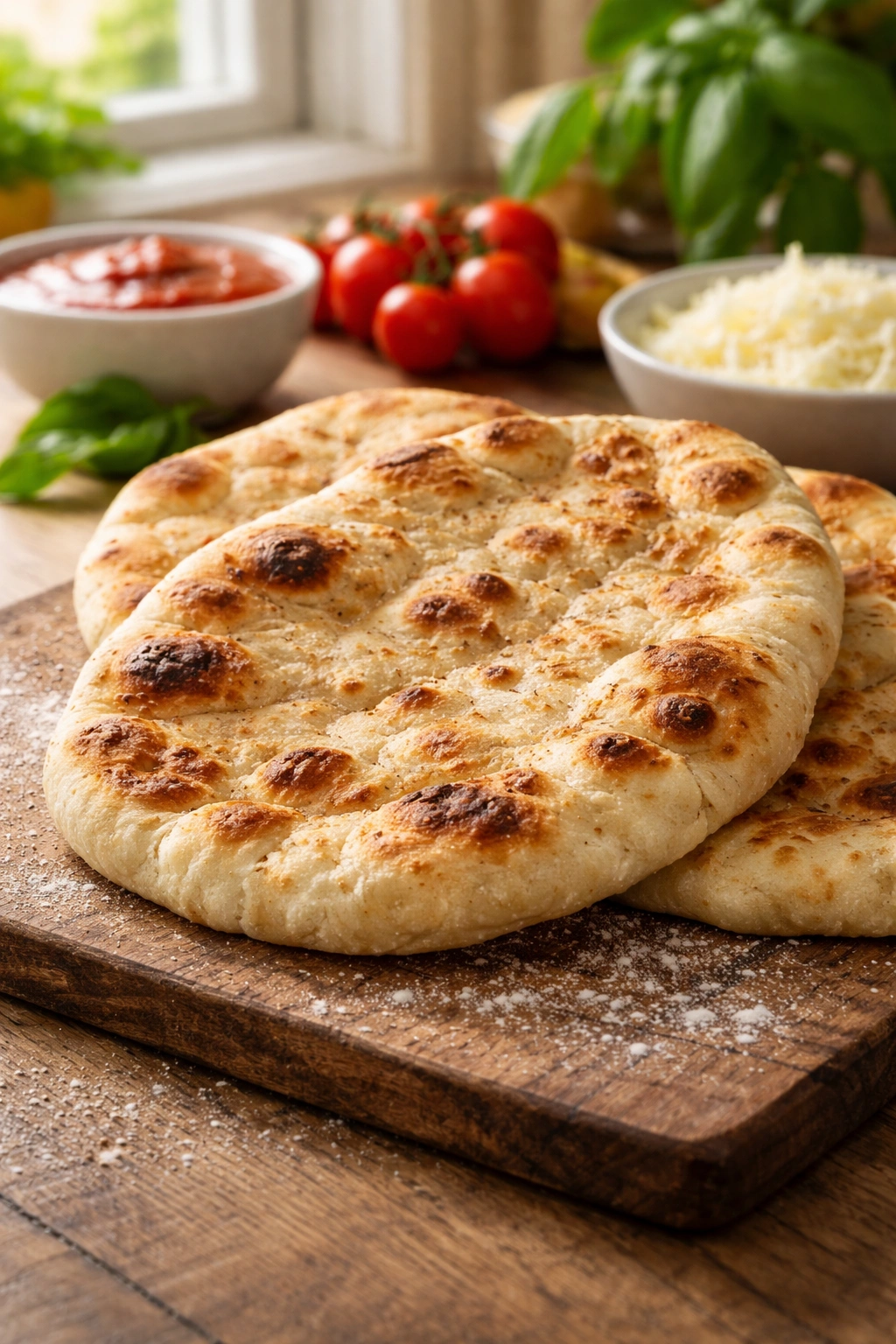
Naan’s success as a pizza foundation comes down to its structure and composition. Unlike pizza dough, which is primarily flour, water, and yeast, naan contains yogurt, which creates a tender crumb and prevents over-drying during a quick bake. The dough is also traditionally enriched with a bit of oil, so it already has richness built in—you’re not starting with a blank slate that needs extra fat to taste good.
The thickness of naan (typically about ¼ to ½ inch) is the real advantage for quick pizzas. Thick crusts demand longer baking to cook through without burning the top; thin crusts cook too fast and can crack before toppings are ready. Naan’s medium thickness hits the sweet spot: it crisps up on the bottom and edges in 8-12 minutes, enough time for cheese to melt and toppings to warm through without drying out.
You also get an inherent slight char and chewiness from naan’s traditional preparation method—traditionally cooked on the sides of a tandoor oven. That existing flavor complexity means your pizza tastes developed and interesting even with minimal toppings. The bread itself contributes something rather than just being a neutral vehicle for everything piled on top.
Selecting the Right Naan for Your Pizza
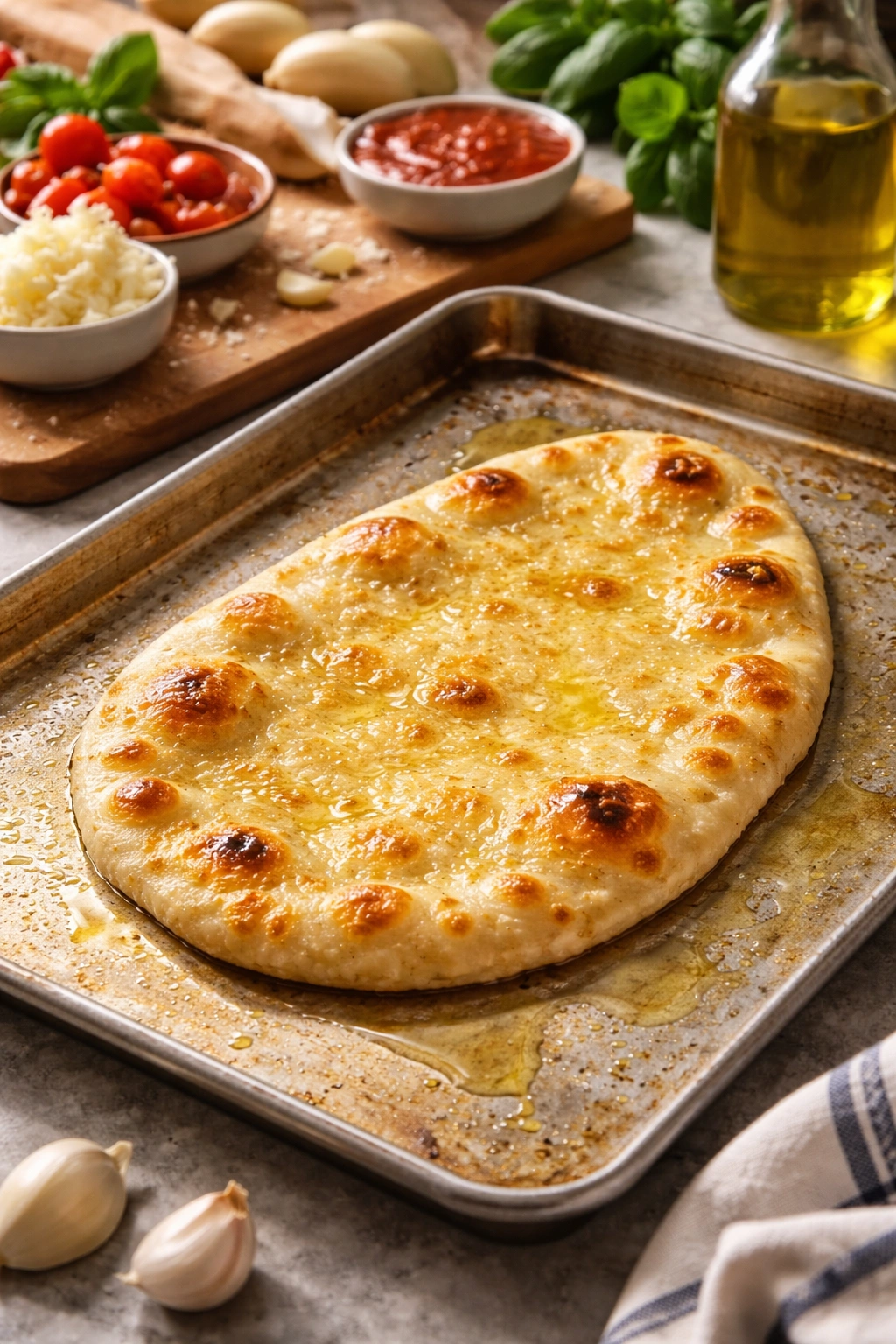
Not all naan is created equal, and your choice here matters more than you might think. Store-bought naan comes in several forms: the refrigerated kind from the bread aisle, the frozen versions, and the shelf-stable packaged varieties. Each behaves slightly differently once you top it and bake it.
Refrigerated naan (the kind you find near the bakery section or in the international aisle) is your best choice if you can access it. It’s the softest, most tender, and closest to fresh-baked. These naan typically bake to perfection without any extra steps—just add toppings and go. They’re usually larger than frozen versions, giving you more surface area to work with.
Frozen naan works perfectly well too, though you need a slightly different approach. Don’t thaw it completely; you want it cold enough to hold its shape when you add toppings. Place it directly on a preheated baking sheet and let it warm and soften for just a minute or two while you finish topping it. This prevents the bread from absorbing too much moisture from wet sauce before baking begins.
Pro tip: Brush the underside of your naan lightly with olive oil before topping and baking. This creates a crisp, golden bottom that won’t stick to the baking sheet and adds an extra layer of texture that’s genuinely delicious.
Serving and Timing Details
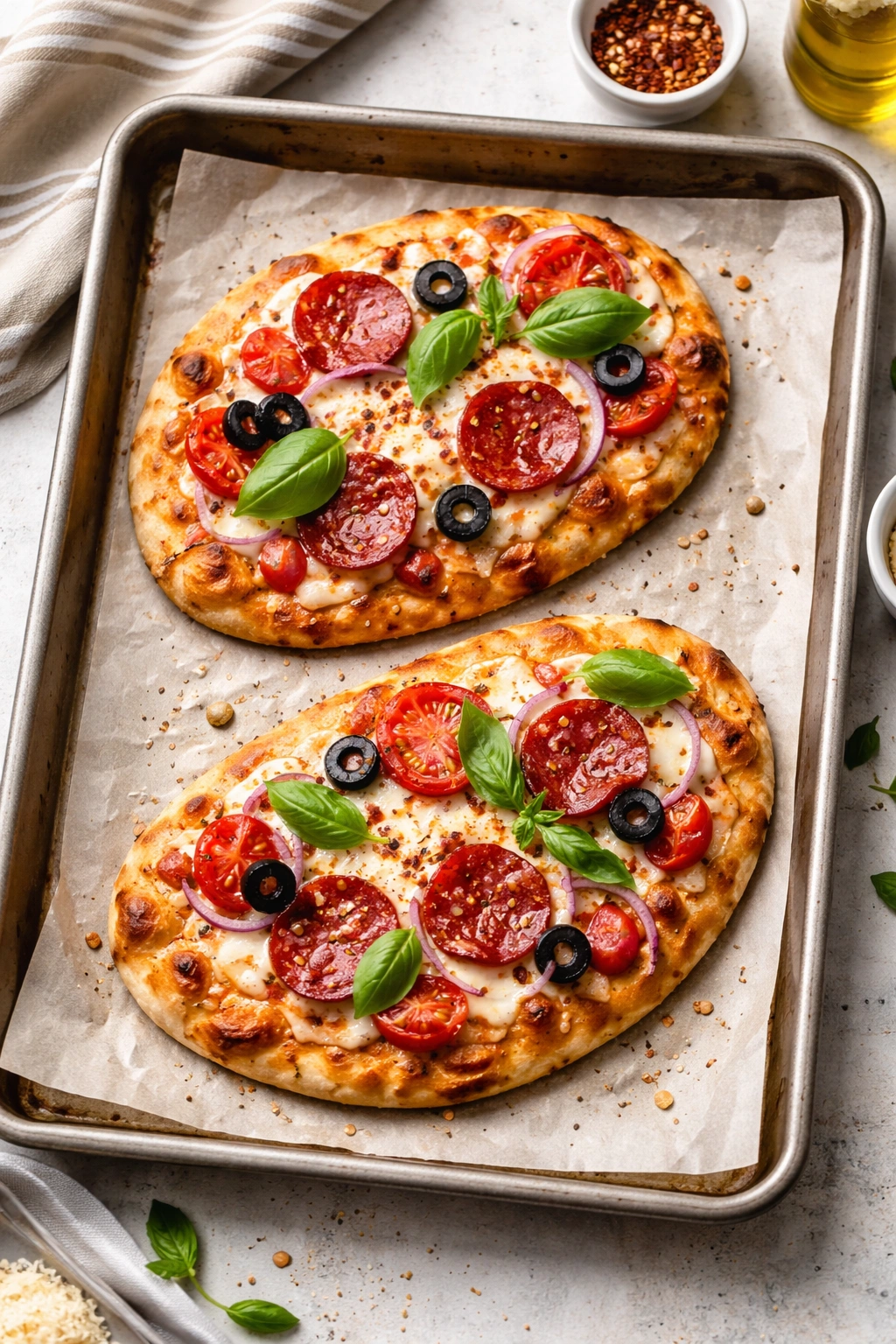
Yield: Makes 2 to 4 individual pizzas (depending on naan size and appetite)
Prep Time: 10 minutes
Cook Time: 10 to 12 minutes
Total Time: 22 minutes
Difficulty: Beginner — This requires zero special equipment beyond a standard oven and baking sheet. The assembly is straightforward even for someone who’s never made pizza before, and the oven timing is forgiving.
Best Served: Immediately, while the crust is still warm and crispy and the cheese is at peak melted. Naan bread pizza loses its textural contrast if it sits too long, so ideally you’ll eat it fresh from the oven.
The Classic Meat and Cheese Naan Pizza
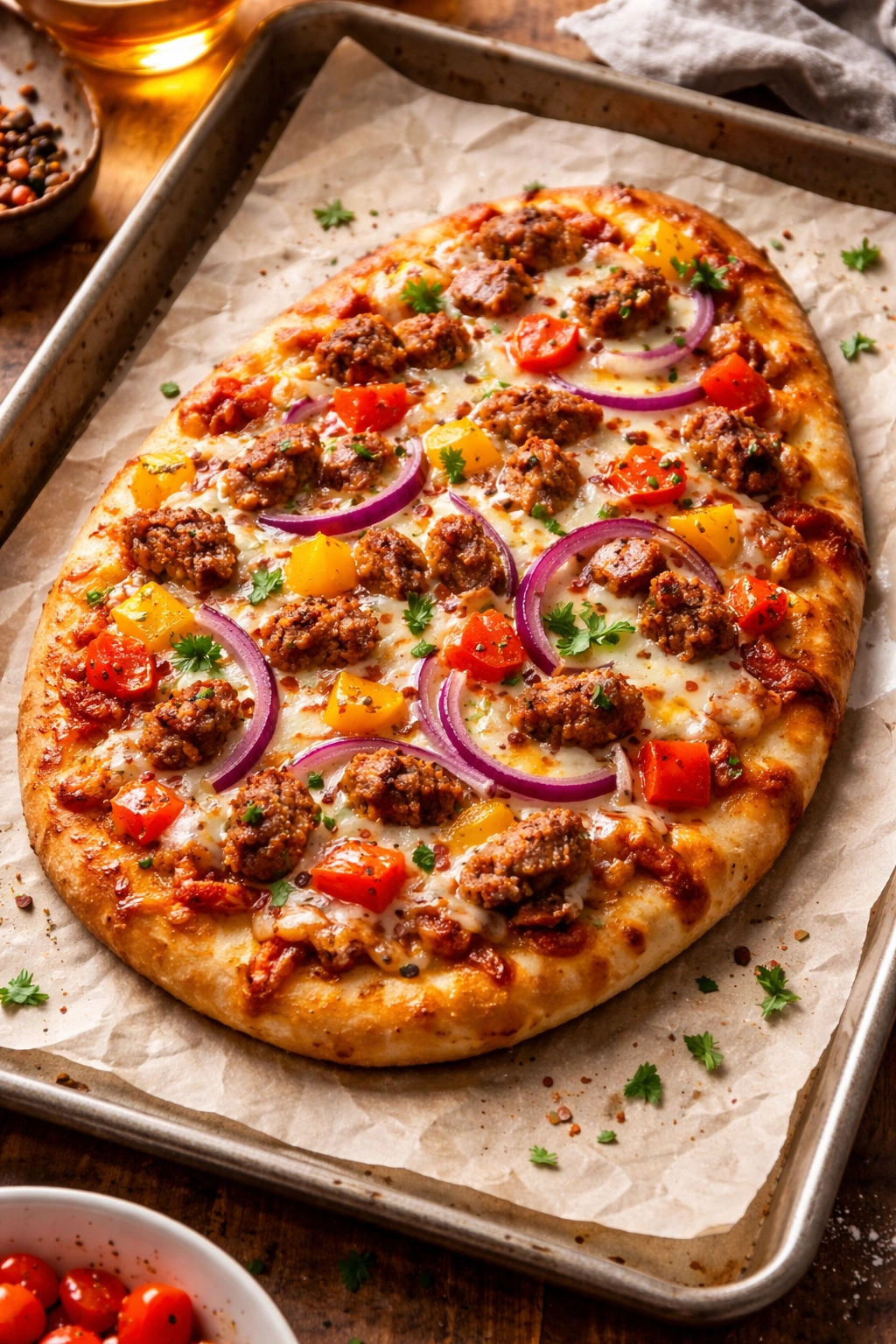
For the Pizza Base:
- 2 naan breads (each about 8 to 10 inches long, or 4 smaller naan)
- 2 tablespoons olive oil, divided
- ½ cup marinara or pizza sauce (or more to taste)
For the Classic Toppings:
- 1 cup shredded whole milk mozzarella cheese
- 4 ounces Italian sausage or ground beef (or crispy bacon, roughly chopped)
- ¼ cup sliced red onion
- 1 red or yellow bell pepper, thinly sliced
- 8 to 10 fresh basil leaves (optional but recommended)
- ¼ teaspoon crushed red pepper flakes (optional)
- Fleur de sel or finishing salt, for garnish
- Grated Parmesan cheese, for finishing
Prepare the Pan and Preheat:
-
Preheat your oven to 425°F (220°C) and position the rack in the center.
Advertisements -
Line a large baking sheet with parchment paper or lightly oil it. If using parchment, you can skip the oil here — parchment prevents sticking beautifully. If using a bare baking sheet, oil it generously so the naan bottom crisps rather than sticking.
Prepare Your Toppings:
-
If using Italian sausage or ground meat, cook it in a skillet over medium-high heat, breaking it apart as it cooks, until it’s browned and cooked through, about 5 to 7 minutes. Drain off excess fat and set the cooked meat aside on a paper towel–lined plate. This step is crucial—any excess moisture from the meat will make your crust soggy if you skip it.
-
Slice your bell pepper into thin strips and roughly chop your onion. Have your cheese measured and ready in a bowl. Tear fresh basil by hand (never cut it with a knife, which bruises the leaves) and set aside separately.
Assemble and Bake:
-
Place your naan on the prepared baking sheet. If your naan is quite thick or you want extra-crispy bottoms, brush the underside lightly with olive oil using a pastry brush.
-
Spread about 3 to 4 tablespoons of marinara sauce on each naan, leaving a ½-inch border around the edge for crust. Use the back of a spoon to spread evenly, but don’t saturate the bread—you’re creating a thin, even layer that won’t make the naan soggy.
-
Scatter half of the shredded mozzarella evenly across each naan, then distribute your cooked meat, sliced peppers, and onions. The order matters: cheese first acts as a moisture barrier between the sauce and bread. Top with the remaining cheese to create a binding layer that holds everything together.
-
Bake for 10 to 12 minutes, until the cheese is bubbling at the edges, the toppings are heated through, and the bottom of the crust is golden and crisp. The edges of the naan should be lightly browned—that slight char is where the real flavor lives. Don’t overbake or the crust will dry out and the toppings may brown too much.
Finish and Serve:
-
Remove from the oven and immediately scatter fresh basil across the hot pizza. The residual heat will soften the basil slightly and release its oils. Finish with a pinch of fleur de sel and fresh grated Parmesan if you like.
-
Let the pizza cool for just 1 to 2 minutes—enough that the cheese sets slightly and won’t slide off when you pick it up, but still warm and melty. Cut with a sharp knife or pizza cutter and serve immediately.
Building a Vegetarian Version That Actually Satisfies
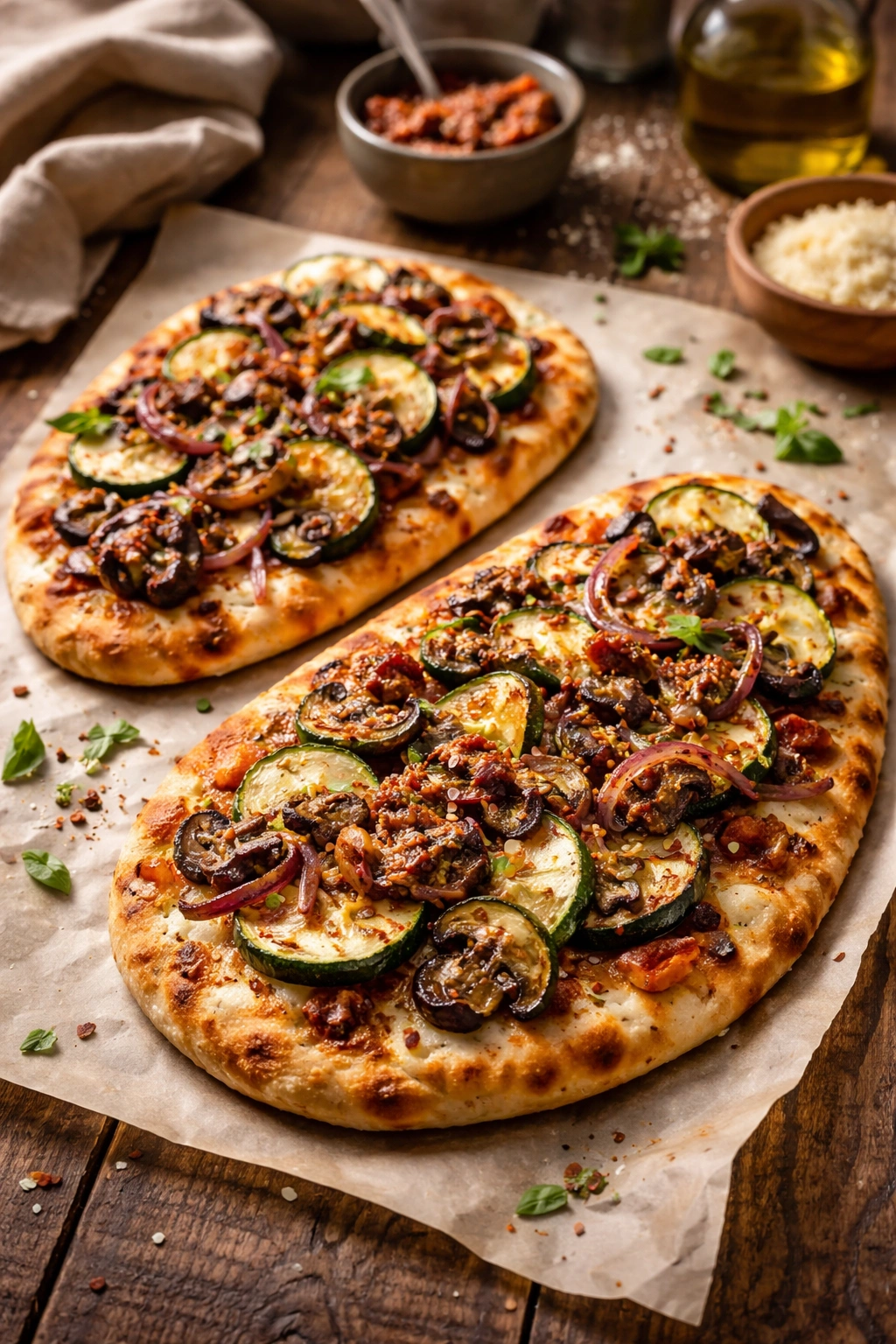
A vegetarian naan pizza only works if the toppings are intentional and flavorful—random vegetables scattered on cheese is boring and won’t convert anyone. The key is choosing vegetables with natural sweetness or umami depth, and often adding a layer of flavor through a spread or sauce beyond basic marinara.
Start with a base of roasted garlic spread or a sun-dried tomato pesto instead of plain sauce. This gives the pizza inherent richness and depth that you’d normally get from meat. Roasted garlic is simple: mash a couple of cloves with a bit of soft butter and salt, then spread it thinly across your naan before the sauce. Sun-dried tomato pesto from a jar works in a pinch and adds concentrated tomato flavor plus herbs.
For toppings, choose vegetables that bring something substantial to the pizza. Roasted zucchini or eggplant (which have a meaty texture when cooked), caramelized onions (sweet and deeply savory), roasted mushrooms (umami-packed), and roasted red peppers (sweet and slightly smoky) are your friends. Fresh spinach or arugula scattered on top after baking adds freshness and a peppery note. Add crispy chickpeas for texture and protein if you want something that mimics the substance of meat.
A combination of cheeses makes vegetarian pizza more interesting too. Use about ¾ cup mozzarella mixed with 2 to 3 tablespoons of goat cheese crumbled on top, plus finishing with grated Parmesan. The goat cheese adds a tangy note that makes the whole pizza taste more refined and intentional. Ricotta dollops work beautifully too—a few small spoonfuls of fresh ricotta scattered across before baking create creamy pockets that taste almost luxurious for such a quick meal.
Creative Topping Combinations Worth Making
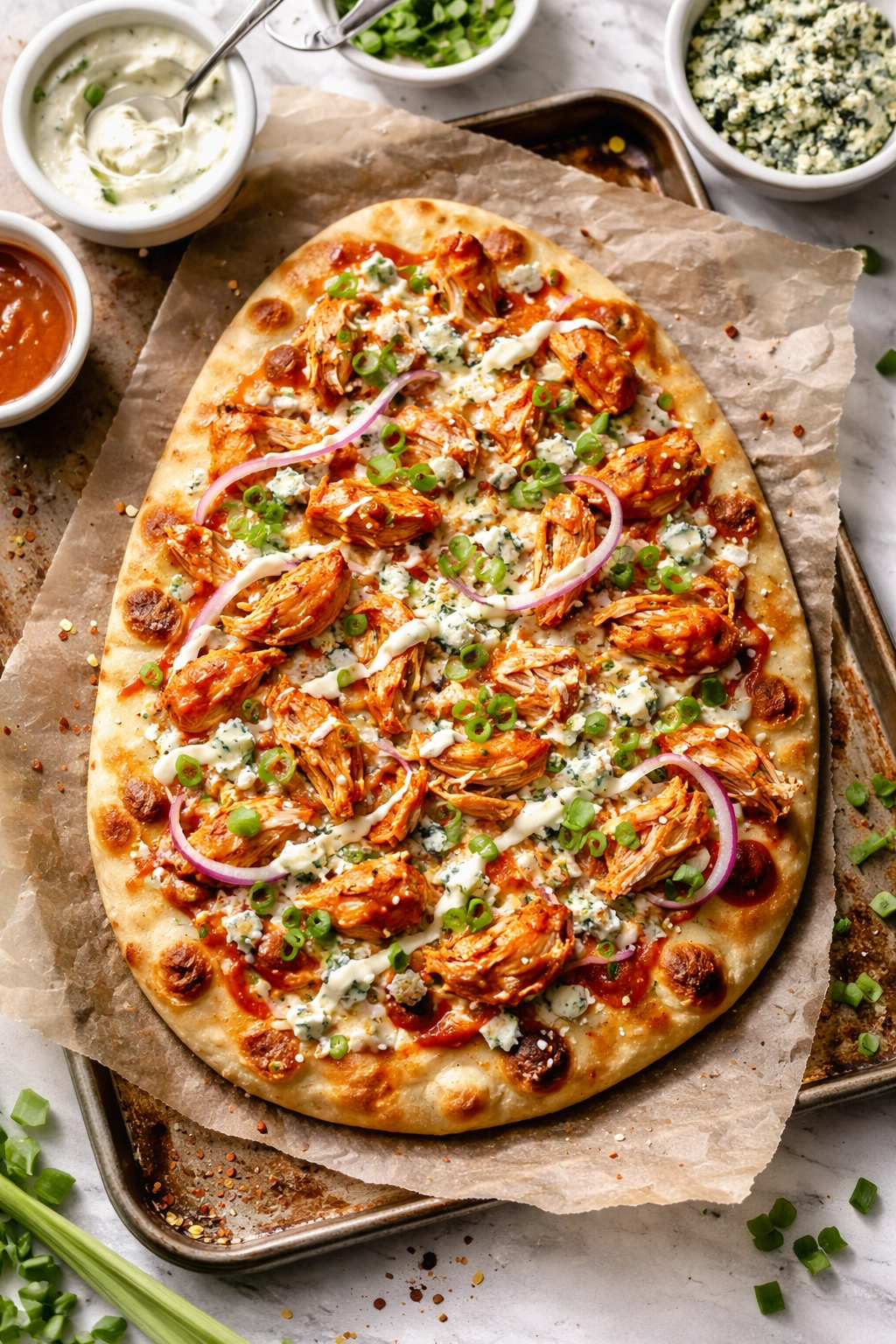
The fun of naan bread pizza is how quickly you can experiment with flavor combinations. Here are approaches that genuinely work rather than random ideas.
Buffalo Chicken and Ranch: Shred rotisserie chicken and toss with hot sauce (about ¼ cup sauce to 1 cup chicken), spread it across sauce-covered naan, top with mozzarella and blue cheese crumbles, bake, then drizzle with ranch dressing after serving.
BBQ and Caramelized Onions: Skip marinara and use BBQ sauce as your base (about ¼ cup per naan). Top with pulled pork or shredded chicken, caramelized onions, a handful of mozzarella, and crispy fried onions as a finishing garnish. The texture contrast is excellent.
Mediterranean With Fresh Elements: Use hummus mixed with a tablespoon of lemon juice as your sauce base instead of marinara. Top with crumbled feta, kalamata olives, sliced red onion, and diced tomato. Finish after baking with fresh arugula and a drizzle of olive oil.
Pesto and Prosciutto: Spread basil pesto across the naan, top with thin slices of prosciutto, fresh mozzarella in small pieces, and pine nuts. This one barely needs sauce because pesto carries so much flavor. Finish with more fresh basil after baking.
Margherita (The Proper Way): This one deserves its own explanation because most homemade versions fail. Use minimal sauce—just 2 tablespoons per naan. Top with fresh mozzarella (not shredded; tear actual fresh mozzarella into small pieces), a few leaves of fresh basil, and good olive oil drizzled on top after baking. Season with salt and finish with grated Parmesan. The secret is not over-saucing or over-cheesing; Margherita works because of restraint and quality ingredients.
Sauce Options Beyond Basic Marinara
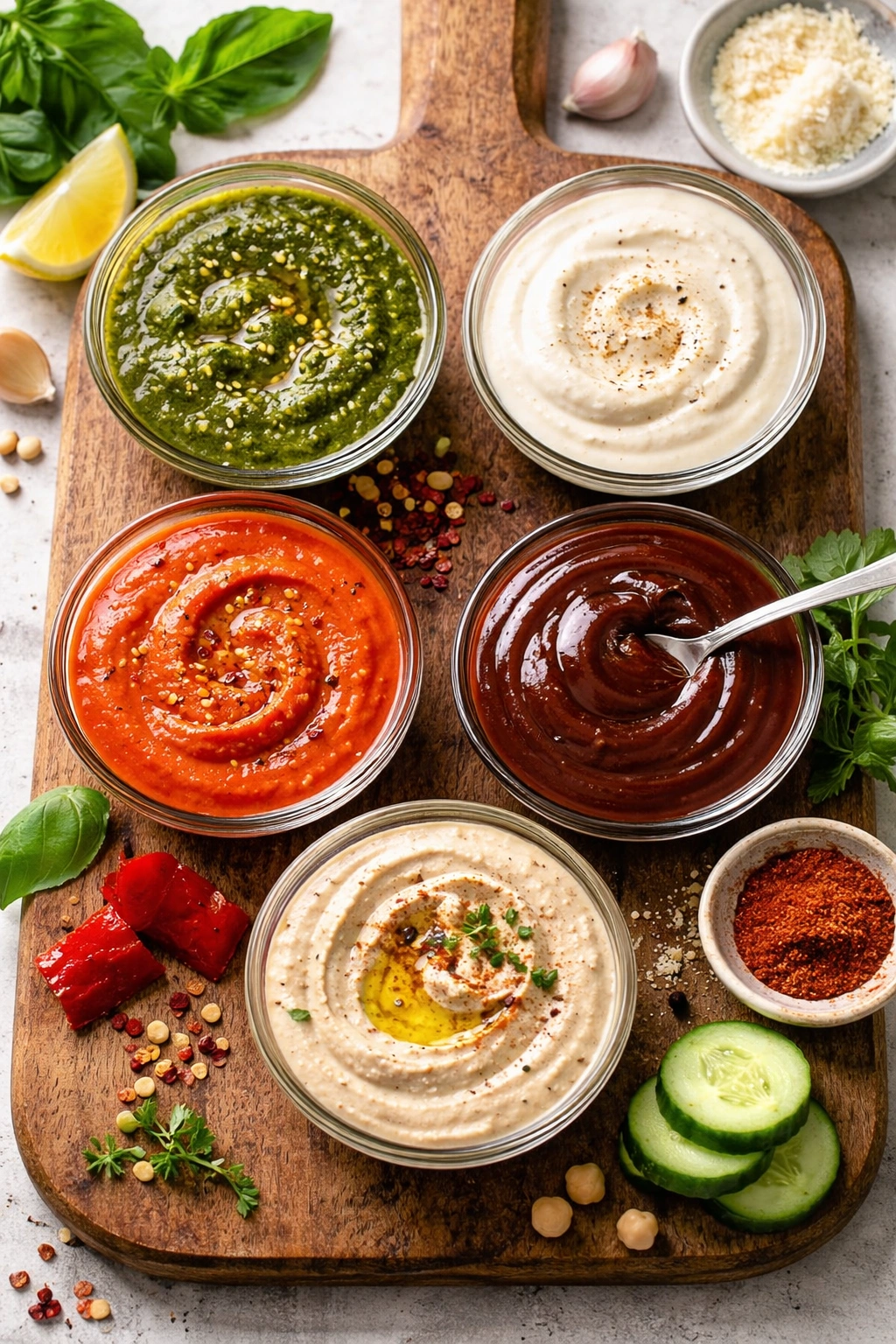
Your sauce choice sets the entire tone for your naan pizza, and there’s no reason to default to jarred marinara every single time. Most sauces work better thinned slightly with a bit of water or olive oil so they spread easily without saturating the delicate naan.
Pesto (store-bought or homemade) creates a completely different pizza than tomato-based versions. Use about ¼ cup per naan, spreading it thin. This works beautifully with mozzarella, rotisserie chicken, and sun-dried tomatoes.
Alfredo or white cream sauce (you can make it in 5 minutes with butter, flour, milk, and Parmesan, or use jarred) makes naan pizza feel upscale and works with chicken, spinach, and lighter vegetables.
Roasted red pepper sauce (blended roasted red peppers with garlic, olive oil, and a bit of cream) is slightly sweet and pairs well with goat cheese, spinach, and caramelized onions.
Barbecue sauce creates a completely different flavor profile and is excellent with pulled pork, chicken, caramelized onions, and crispy bacon.
Hummus, olive tapenade, or other Mediterranean spreads skip sauce altogether and work as flavor-forward bases that are naturally thick enough not to make naan soggy.
Here’s what actually matters: Use no more than ¼ cup sauce per naan. Too much sauce is the number-one reason naan bread pizzas become soggy rather than crispy. The bread can handle a reasonable amount of moisture, but not excessive amounts. Spread it thin and even using the back of a spoon. Your crust will thank you.
Cheese Combinations That Go Beyond Basic Mozzarella
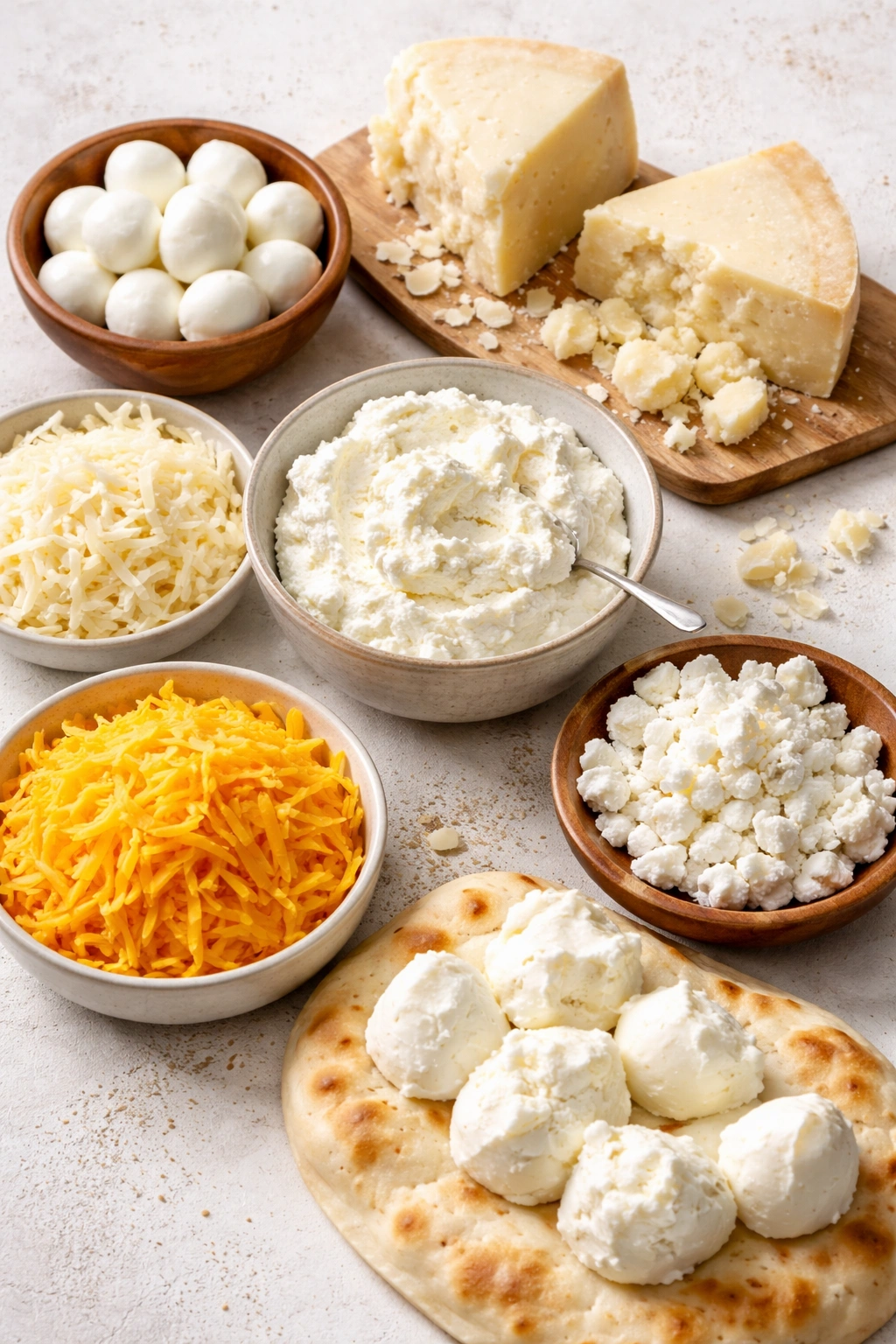
While whole milk mozzarella is reliable and melts beautifully, mixing cheeses creates more interesting flavor. Aim for about ¾ to 1 cup total cheese per naan, distributed as a layer that binds toppings rather than creating a thick, heavy blanket.
A combination of ¾ cup mozzarella with 2 tablespoons each of grated Parmesan and Pecorino Romano creates a more complex, salty flavor than mozzarella alone. The hard cheeses add sharpness and a slight crystalline texture.
Mixing mozzarella with a small amount of sharp cheddar (about 2 tablespoons to ¾ cup mozzarella) gives you a richer, more pronounced flavor. This works especially well on meat-topped pizzas.
Fresh mozzarella pieces (instead of shredded) create pockets of creamier, milkier cheese that melts into the toppings. Tear it into small pieces and scatter it on top of shredded mozzarella if you want some areas more creamy and others more traditional.
Goat cheese crumbles (2 to 3 tablespoons mixed in or scattered on top) add a tangy note that makes any pizza taste more refined. This pairs beautifully with vegetable toppings, sun-dried tomatoes, and caramelized onions.
Ricotta dollops (about 2 tablespoons scattered in small spoonfuls) create creamy pockets and work surprisingly well on vegetarian pizzas or ones with fresh basil and tomato.
Pro tip: Save your hard cheese grating (Parmesan, Pecorino) for finishing, not cooking. Grate it fresh onto the hot pizza right after it comes out of the oven. The cheese will partially melt from residual heat while staying slightly textured and flavorful.
Make-Ahead Strategies and Timing for Busy Weeknights
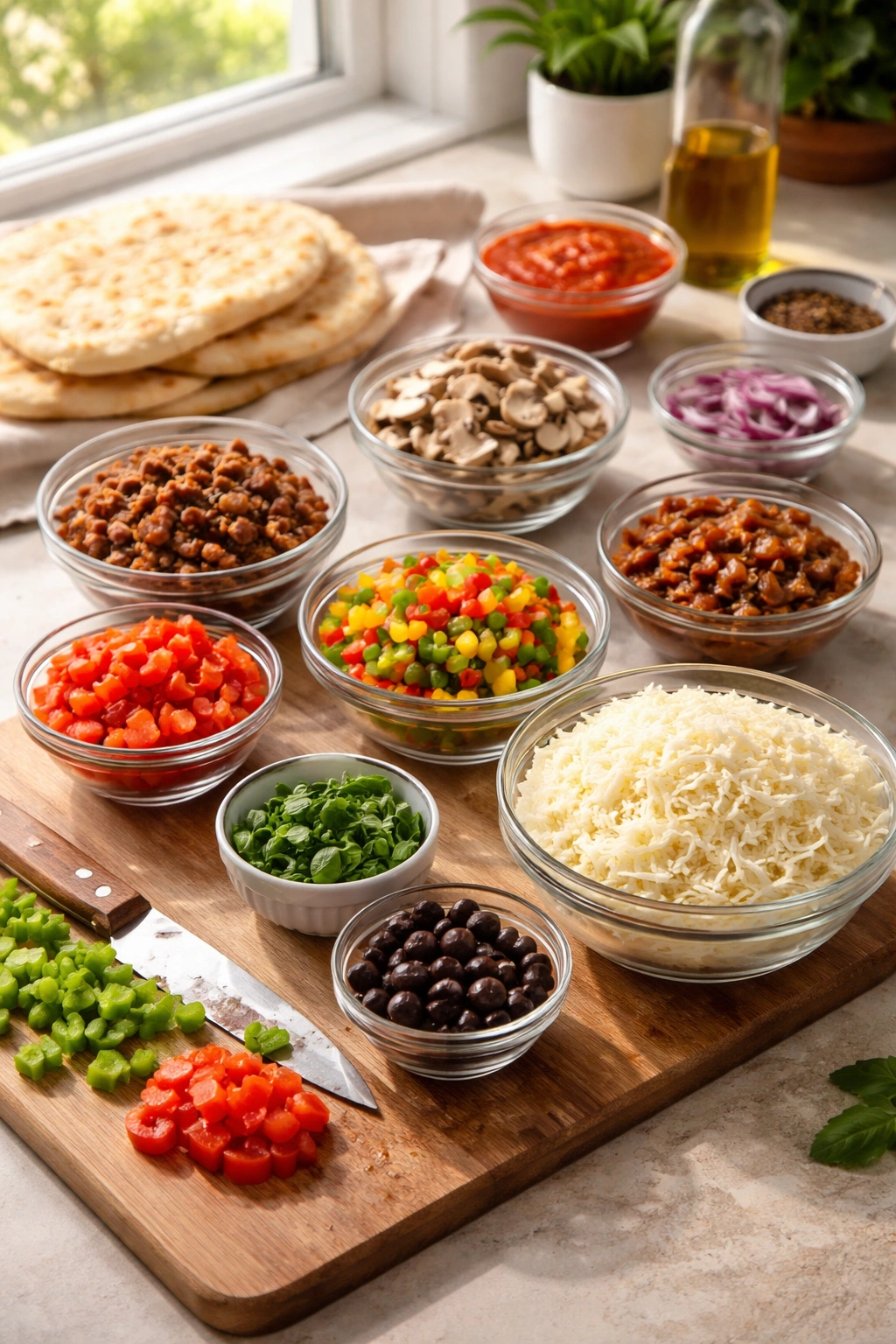
The entire appeal of naan bread pizza is that it’s genuinely quick, but you can make it even faster with a bit of planning. Prep doesn’t mean spending an hour in advance—it means thinking strategically about what takes time and doing those pieces when you have a moment.
Cook your meat topping earlier in the day or the day before. Brown the sausage or ground meat, drain it well, and store it in the refrigerator in a covered container. It reheats instantly in the oven (about 2 minutes at 425°F while your oven preheats) or you can use it cold—it’ll warm through with the rest of the pizza. This eliminates the only part of naan pizza assembly that actually takes dedicated time.
Chop your vegetables in advance. Bell peppers, onions, mushrooms—all of these can be sliced or chopped and stored in containers for 2 to 3 days. Having them ready means assembly goes from 10 minutes to 3 minutes.
Make caramelized onions when you have time (they take about 20 minutes of intermittent stirring). Store them in the fridge and use them throughout the week on pizzas, sandwiches, or grain bowls. A batch made once lasts nearly a week and transforms multiple meals.
Have your cheeses grated and measured into small bowls, ready to go. This sounds trivial but it genuinely speeds up the assembly moment when you just want to eat something delicious quickly.
Keep your sauce choices minimal and consistent. Rather than deciding what sauce to use each time, pick one or two that you’ll rotate. Having a decision already made (pesto on Monday, marinara on Wednesday) eliminates the decision fatigue that makes cooking feel harder than it is.
Storage, Reheating, and Keeping Leftovers Tasty
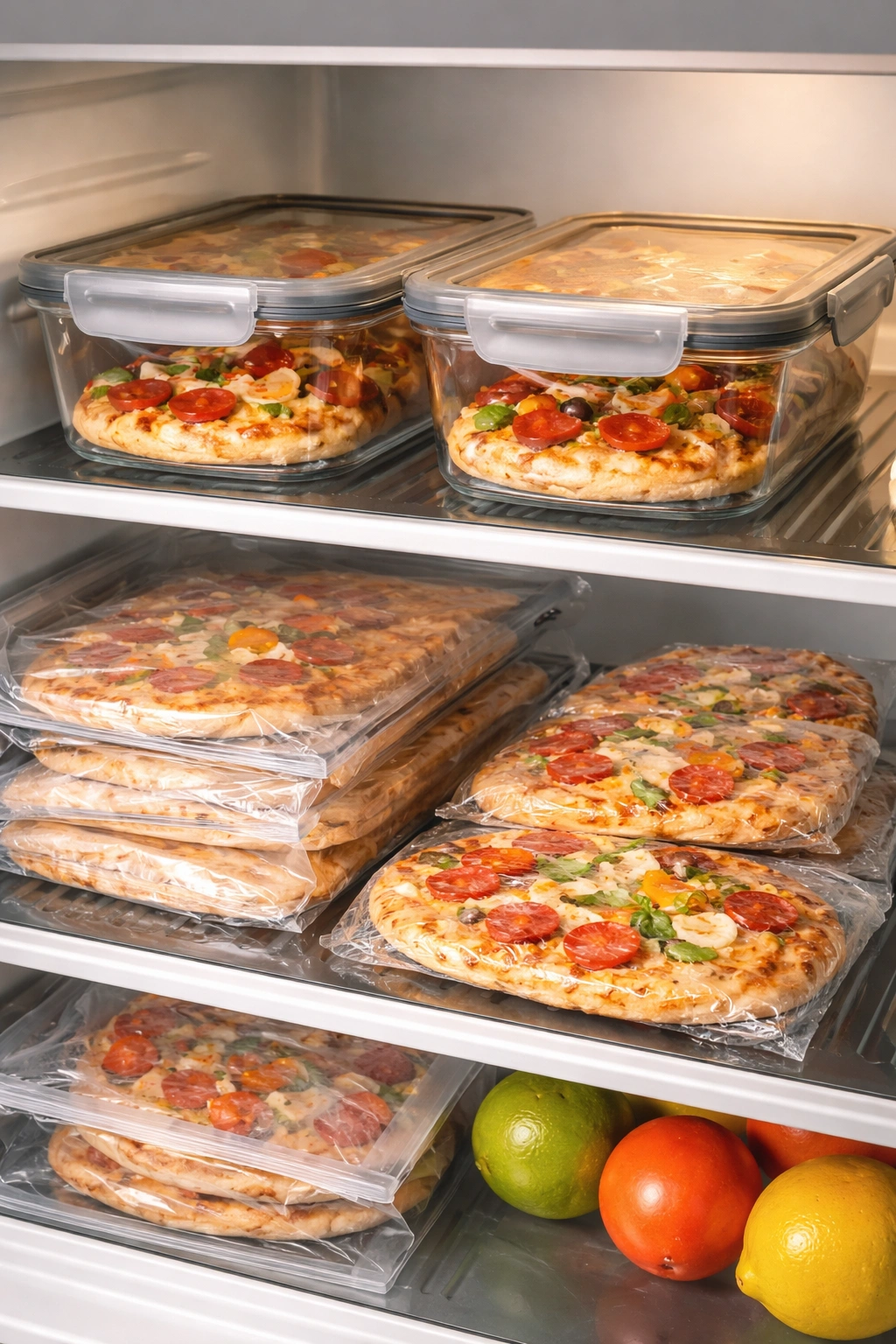
Unlike traditional pizza, naan bread pizza is best eaten fresh from the oven, while the crust is still crisp and warm. That said, leftover slices store well and reheat better than you’d expect.
Refrigerator Storage: Keep leftover pizza in an airtight container on the refrigerator shelf for up to 3 days. Don’t stack the slices—separate them with parchment paper so they don’t stick together. The crust will lose some of its crispness as it absorbs moisture, but the flavors actually meld and improve overnight.
Reheating for Best Results: To restore crispiness, reheat individual slices on a baking sheet in a 375°F (190°C) oven for 5 to 7 minutes, until the cheese is bubbling and the edges are warm. This is infinitely better than microwaving, which makes the crust chewy rather than crisp. A toaster oven works beautifully for this if you’re reheating just one or two slices.
Freezer Storage: Naan bread pizza freezes well for up to 2 months, though the quality does decline slightly. Wrap cooled pizza in plastic wrap, then foil, to prevent freezer burn. Reheat from frozen on a baking sheet at 400°F (200°C) for 12 to 15 minutes.
Make-Ahead Fully Assembled (Not Recommended, But Here’s How): You can assemble your pizza an hour or two before baking, cover it with plastic wrap, and refrigerate it. The naan will absorb some moisture from the toppings, and the crust won’t be quite as crispy, but it’s still worth doing if it means actually getting dinner on the table when life is chaotic. Just add a few extra minutes to the baking time if the pizza is cold from the fridge.
Common Mistakes That Undermine the Whole Experience
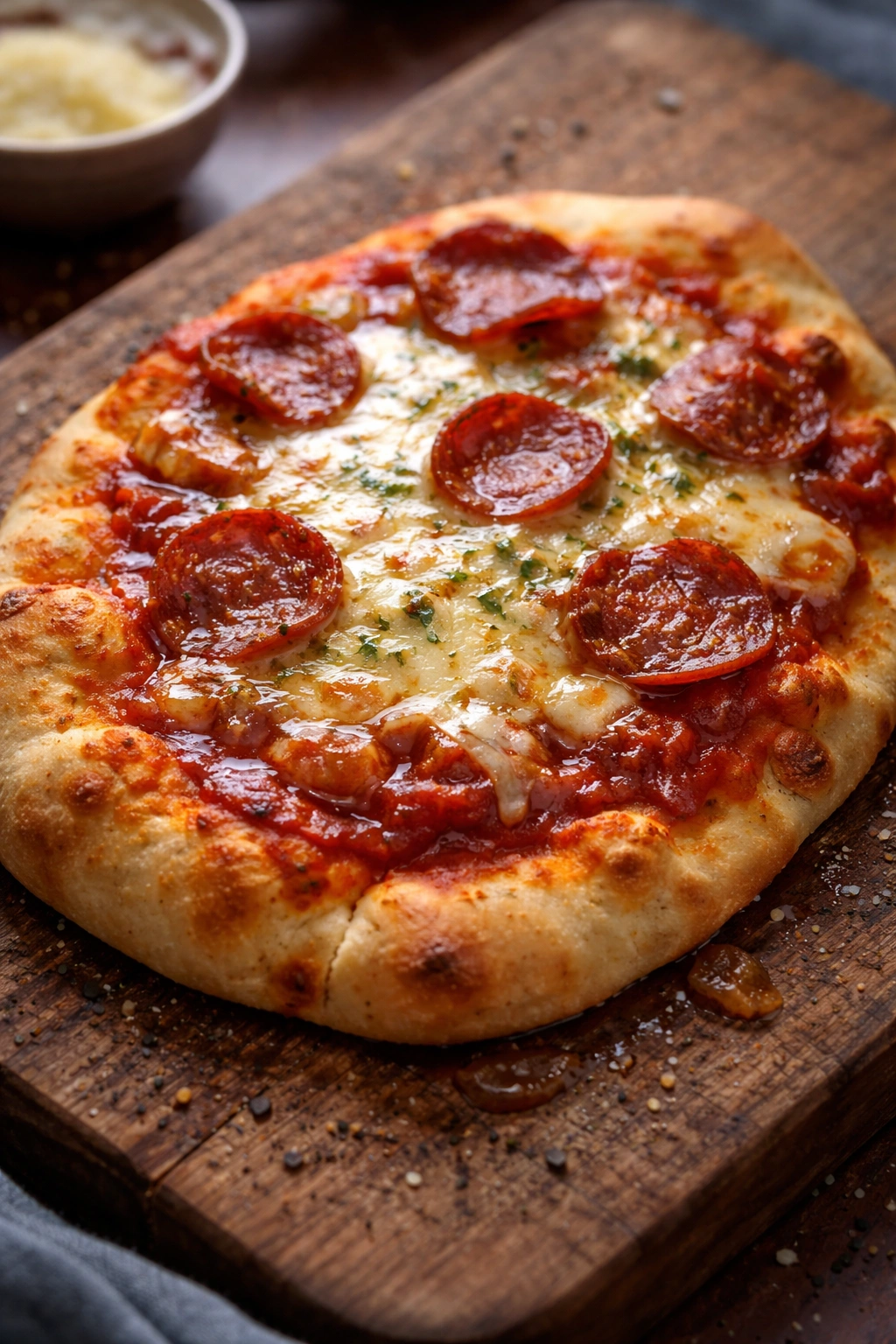
The most frequent error people make is over-saucing. It’s tempting to spread sauce generously, but naan is thinner and more delicate than traditional pizza dough. More than ¼ cup sauce per naan (and usually you want about 3 to 4 tablespoons) saturates the bread before it bakes, creating a soggy, doughy result instead of a crisp crust. The sauce should coat the naan in a thin, even layer—you should still see bits of the bread through it.
Another common mistake is adding toppings too close to the edge. Leave at least a ½-inch border around the perimeter of your naan. This edge stays crispy and provides structural integrity to hold the toppings. When toppings extend all the way to the edge, that part tends to brown too fast or dry out.
Skipping the moisture-removal step for meat toppings creates sogginess. If you use fresh ground meat, cook it and drain it thoroughly—squeeze it between paper towels if you have excess fat. Same principle with any wet vegetables like diced tomatoes or sautéed mushrooms; cook off excess moisture before adding to your pizza.
Using cold naan straight from the refrigerator without a moment to warm slightly before topping can result in uneven baking. Give your naan just 2 to 3 minutes at room temperature before topping, or place cold naan on a preheated baking sheet for 1 minute while you finish assembling. This helps it bake evenly.
Overbaking ruins naan pizza faster than it ruins anything else. The thin crust goes from perfectly golden to dry and brittle in just 2 minutes of extra heat. Set a timer and check at 10 minutes. The pizza is done when the cheese is bubbling at the edges and the bottom is golden if you lift an edge gently. Stop right there—don’t wait for everything to brown heavily.
Pairing and Serving Suggestions
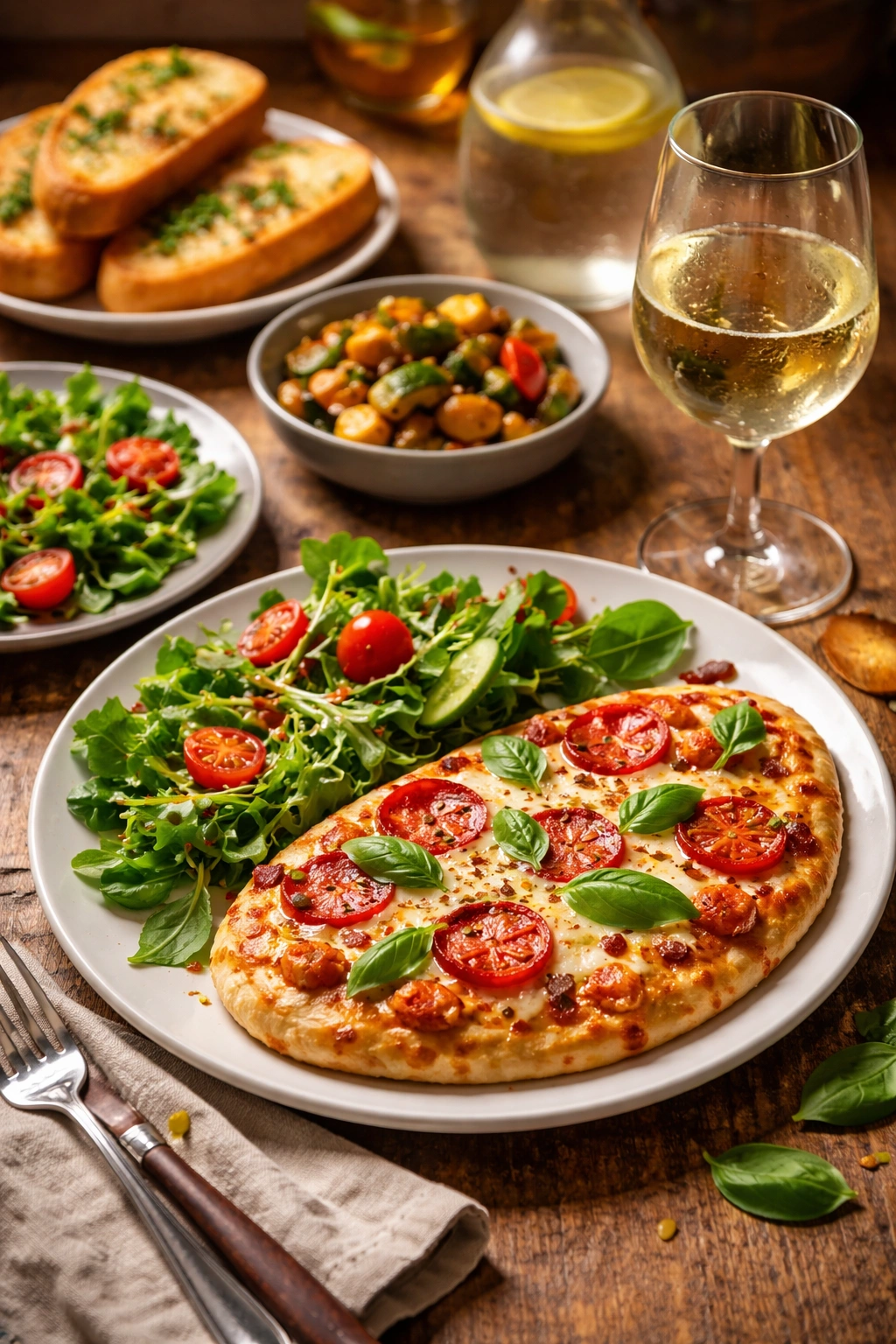
Naan bread pizza works beautifully as a complete meal, but a few thoughtful additions elevate the whole experience from quick dinner to something that feels more intentional.
A simple green salad with lemon dressing is the classic pairing—something fresh and acidic that cuts through the richness of cheese and cooked toppings. Arugula with lemon juice, olive oil, and salt is simple and perfect.
Roasted vegetables as a side (roasted broccoli or Brussels sprouts, usually with garlic and olive oil) add nutrition and textural contrast. These can roast at the same oven temperature while your pizzas bake, on a separate rack.
A simple tomato salad in warmer months (just ripe tomatoes, salt, fresh basil, and good olive oil) complements pizza beautifully and takes 2 minutes to put together.
For drinks, lemon water, sparkling water with fresh mint, or a simple salad wine (Pinot Grigio or a crisp rosé) pairs well with most naan pizza combinations.
Garlic bread (toasted baguette slices brushed with garlic-infused olive oil) is excessive alongside pizza but works if you’re serving a crowd and want options.
Hummus or another dip for dipping the crust edges is a fun addition if you’re eating more casually or with kids.
Final Thoughts

Naan bread pizza occupies a genuinely useful place in weeknight cooking: it’s fast enough to make on a Tuesday when you’re tired, sophisticated enough that you don’t feel like you’re taking shortcuts, and flexible enough that you can build whatever flavors you’re craving without an elaborate shopping trip. Once you’ve made it a few times and understand how to balance sauce, cheese, and toppings, you’ll find yourself reaching for it constantly.
The real success of this approach isn’t about the naan bread itself—it’s about understanding that sometimes the fastest, easiest solution is actually better than the complicated “proper” way. Traditional pizza dough has its place, but it demands time you don’t always have on a weeknight. Naan gives you everything pizza offers: crispy crust, melted cheese, intentional toppings, and that satisfaction of eating something warm and slightly indulgent—in the time it takes to watch an episode of something on television.
Start with the classic meat and cheese version once or twice to get comfortable with the technique. Then start experimenting with the sauce options and topping combinations that appeal to you. You’ll develop your own favorites quickly, and soon you’ll have a mental rotation of 4 or 5 combinations that you make on repeat. That’s the sign of truly useful cooking—it’s not about novelty, it’s about having reliable, delicious meals you actually want to eat.
