



You’ve had one of those days—long, exhausting, and now you’re staring at the fridge wondering what on earth you can pull together before everyone starts getting hangry. The thing is, weeknight dinner doesn’t have to mean ordering takeout or resorting to something uninspired just to get food on the table. There’s actually an entire universe of genuinely delicious meals you can have ready in 15 minutes or less, and they don’t require any special skills or fancy equipment. These aren’t sad compromise meals, either. They’re the kind of dishes you’d actually want to eat on a night when you do have energy, except they come together in roughly the time it takes to scroll through your phone or pour a drink.
The secret isn’t speed hacks or meal prep wizardry—it’s knowing which recipes are naturally quick, which pantry staples punch way above their weight, and how to build real flavor without spending hours at the stove. Once you’ve got a handful of these in your back pocket, those nights when you’re completely done with cooking suddenly become manageable. Better than manageable, actually. You might even find yourself craving them on purpose.
Why Quick Dinners Are Non-Negotiable, Not a Compromise
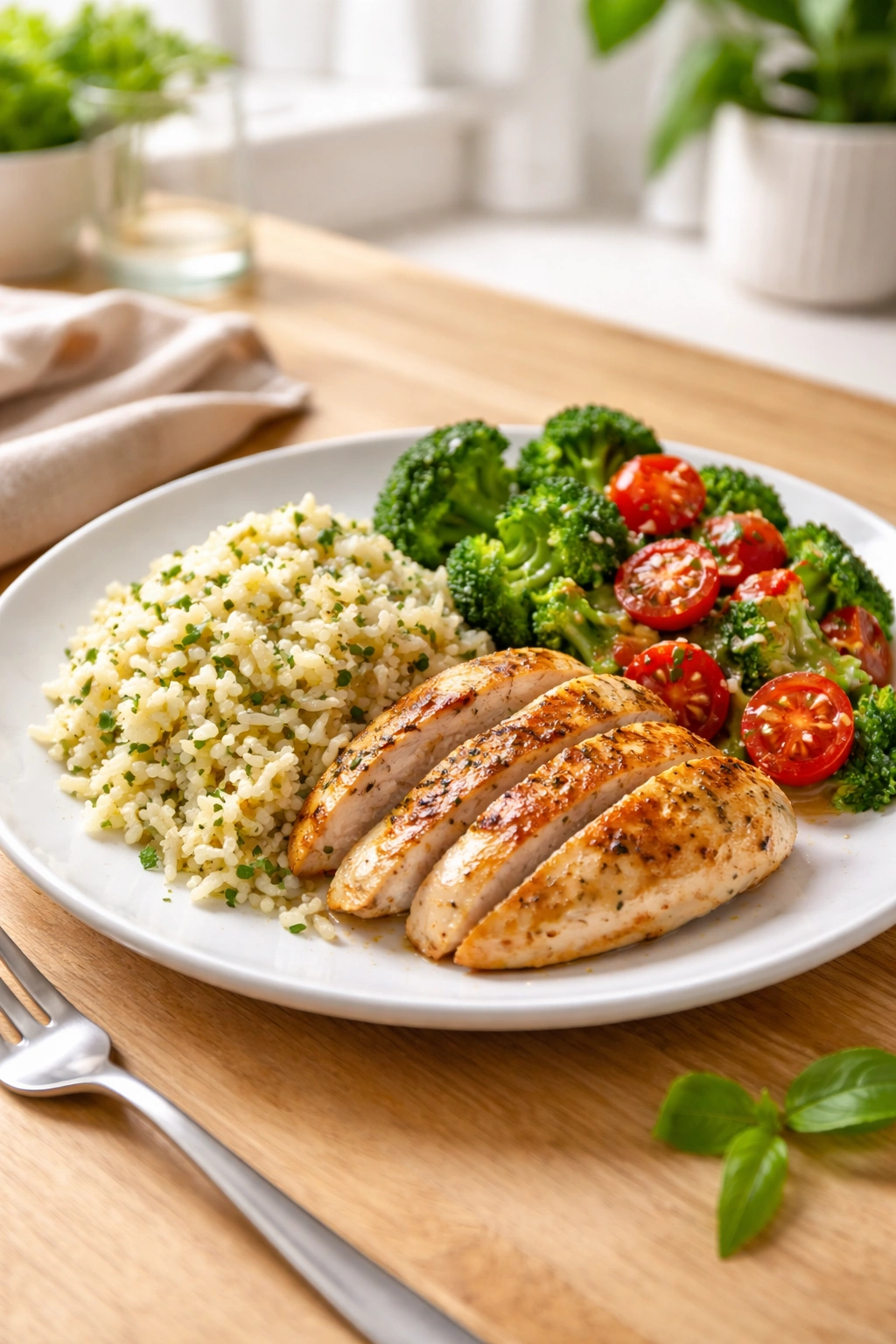
Let’s be honest: the pressure to make homemade dinner while juggling everything else can feel crushing. You’re told that real food takes time, that shortcuts are somehow less virtuous, that if dinner isn’t Instagram-worthy it doesn’t count. But here’s the actual truth—a 15-minute meal that you actually eat is infinitely better than an ambitious recipe that either doesn’t happen or leaves you stressed and resentful by the time you serve it.
Quick dinners aren’t about cutting corners on nutrition or flavor. They’re about efficiency and respect for your own energy. They’re about the difference between eating something genuinely good and ending up with cereal or delivery pizza because you were too tired to cook. The recipes that work in 15 minutes are typically simpler, which often means better technique is required to make them sing, but it also means fewer ingredients to juggle and fewer dishes to clean.
This is also where quality ingredients matter most. When you’re working with just a handful of components and minimal cooking time, that fresh ginger or good butter or quality canned tomato becomes the star. You can’t hide behind complicated techniques—everything has to pull its weight in flavor.
Building a Speed-Cooking Pantry That Actually Works
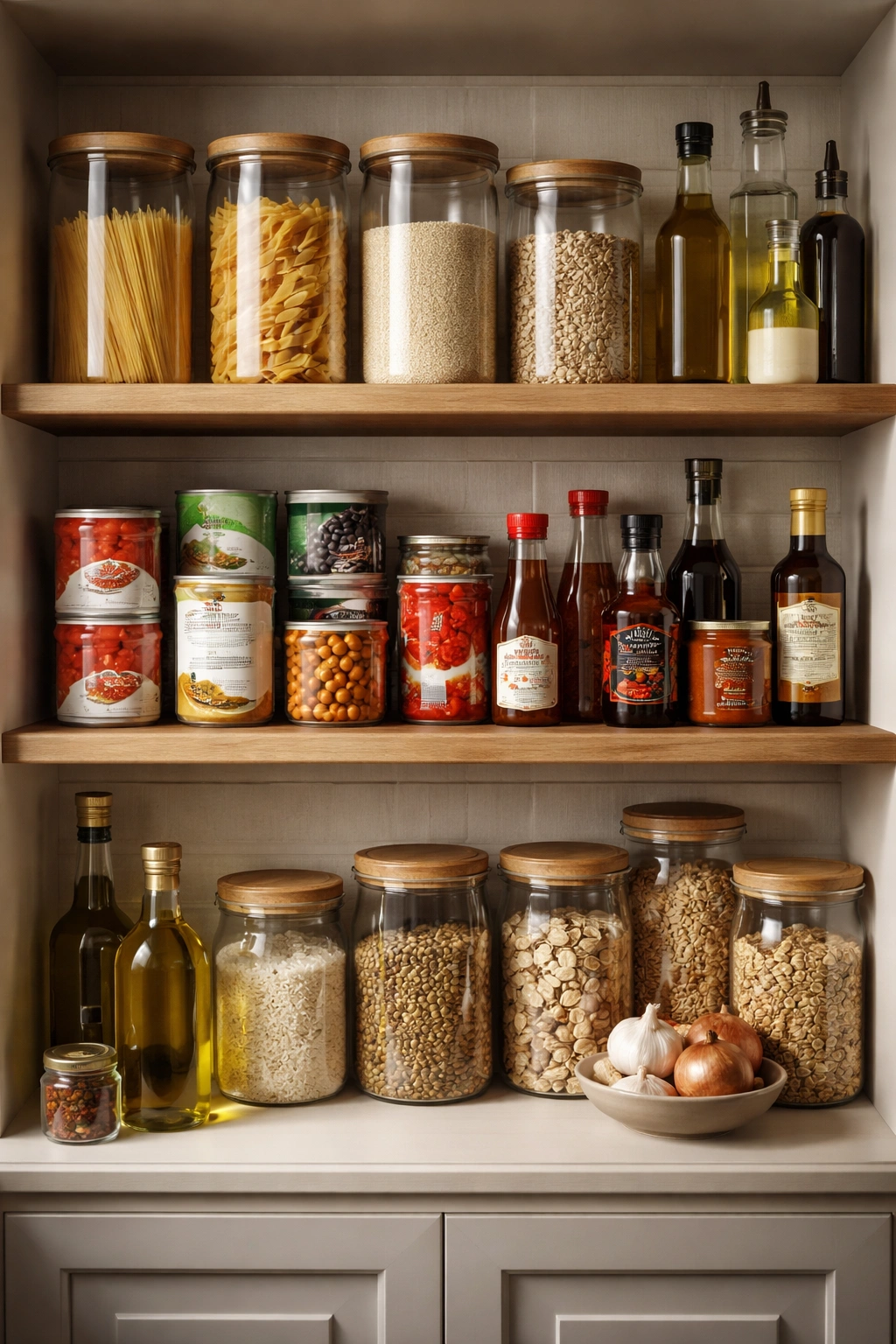
The difference between scrambling to find dinner ingredients and calmly pulling together something great in 15 minutes comes down to what’s already sitting in your kitchen. This isn’t about buying expensive specialty items or filling your pantry with things you’ll never use. It’s about stocking the right basics that can transform into dozens of different meals.
Pasta and noodles are the obvious foundation—keep dried pasta, instant ramen, udon noodles, and fresh egg noodles on hand if you have freezer space. These cook in the time it takes to prep everything else. Canned tomatoes (whole and crushed), coconut milk, and broth should live in your cupboard permanently. They’re the backbone of quick sauces and soups.
The condiment category is where things get interesting. Soy sauce, fish sauce, hoisin, gochujang, and sriracha are non-negotiable if you want to cook anything with Asian flavors. A jar of good chili crisp has changed countless quick dinners. Jarred roasted red peppers and canned beans (especially chickpeas and black beans) are breakfast-for-dinner and lunch-for-dinner saviors. Keep quality olive oil and a neutral oil for high-heat cooking separate—you’ll use them differently.
Fresh aromatics that last: garlic, onions, and ginger. A lemon or lime takes almost any dish from flat to vibrant in seconds. Hot sauce, pesto, and tahini are flavor-delivery systems that work on almost anything. The goal is that moment when you look in your fridge and pantry and realize you can make something genuinely tasty without a single trip to the store.
Proteins That Cook in Minutes Flat
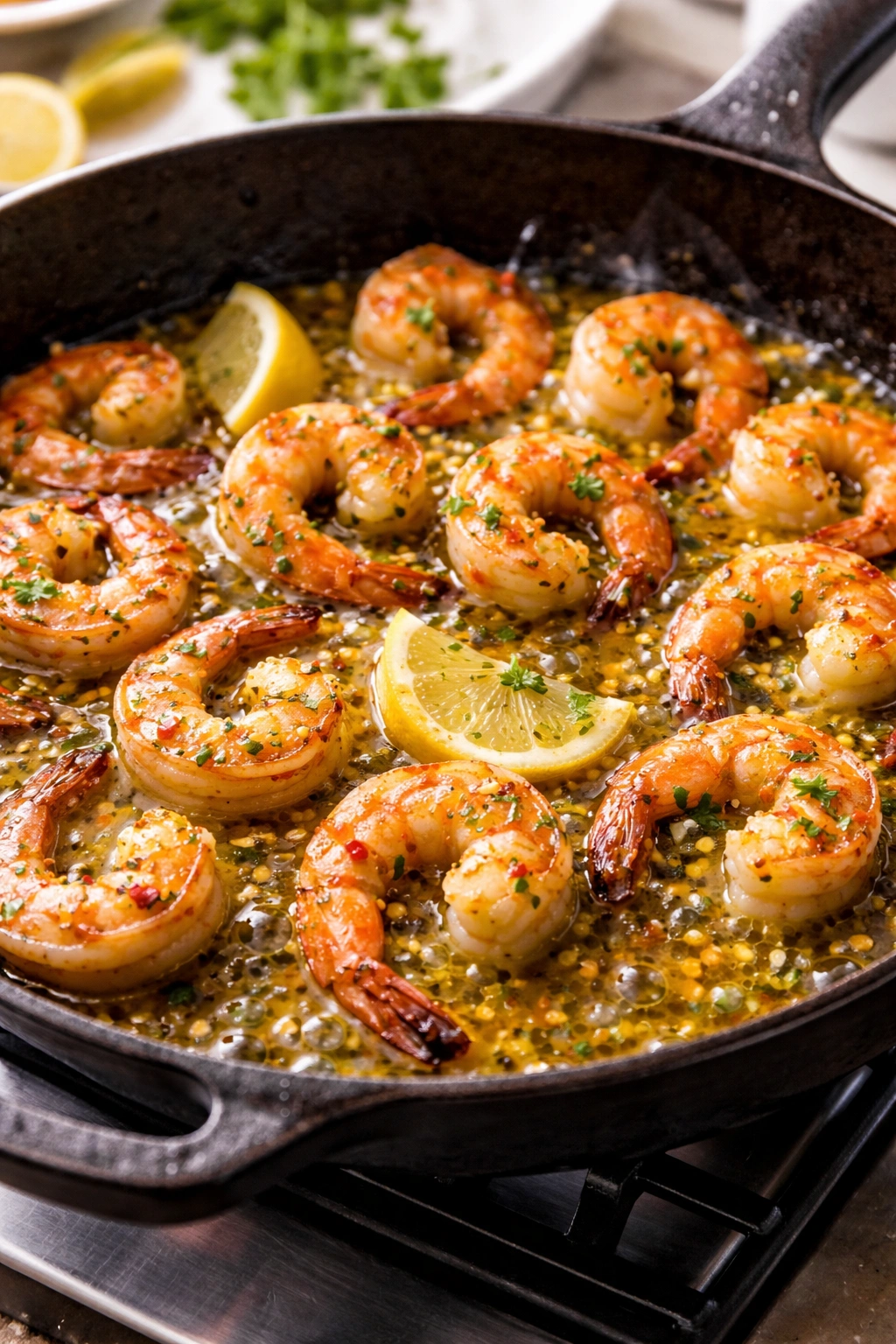
When you’re working with a 15-minute timeline, your protein choice either makes or breaks your speed. Some proteins are naturally quick; others need a bit of strategy to come together without drying out or taking forever.
Shrimp is perhaps the fastest protein on the planet. It goes from raw to perfectly cooked in three to five minutes, maybe less if it’s already thawed. You can sauté it in garlic and olive oil (that’s gambas al ajillo, a Spanish tapas bar staple), toss it into noodles with a quick sauce, or pile it into hand rolls with nori and whatever crunchy vegetables you have. The key is not overcooking it—the moment it turns opaque and starts to curl slightly, you’re done.
Thin-cut chicken (like chicken paillards or breast cutlets pounded flat) cooks in minutes and stays juicy if you nail the sear. Ground meat—whether it’s beef, pork, or chicken—is your friend because it cooks faster than any whole cut. A pound of ground pork becomes a silky, flavorful stir-fry ingredient in the time it takes to chop your vegetables. Ground beef works for tacos, noodle dishes, and rice bowls with equal ease.
Eggs deserve special mention because they’re technically a protein but they’re in a different speed category altogether. You can have scrambled eggs with greens and toast ready before most people would have their oven preheated. A fried egg on top of almost anything—rice, noodles, toast—elevates it from simple to satisfying.
Canned and jarred fish open up an entirely different avenue. High-quality tinned salmon, tuna, or mackerel might not be flashy, but they’re genuinely delicious and they require zero cooking. You can make hand rolls, salads, or even a gourmet tuna melt (stirred with capers or pickled jalapeños for crunch, piled on thick bread with sharp cheddar) in the time it takes to assemble the ingredients.
Rotisserie chicken deserves its own paragraph because it’s legitimately changed quick dinners for a lot of people. You’re buying something already cooked and it costs maybe two dollars more than a raw bird. Shred it and use it in salads, tacos, grain bowls, or quickly crisped in olive oil for a different texture entirely. It’s the definition of cheating in the best possible way.
Pasta and Noodle Dishes That Come Together in One Pan
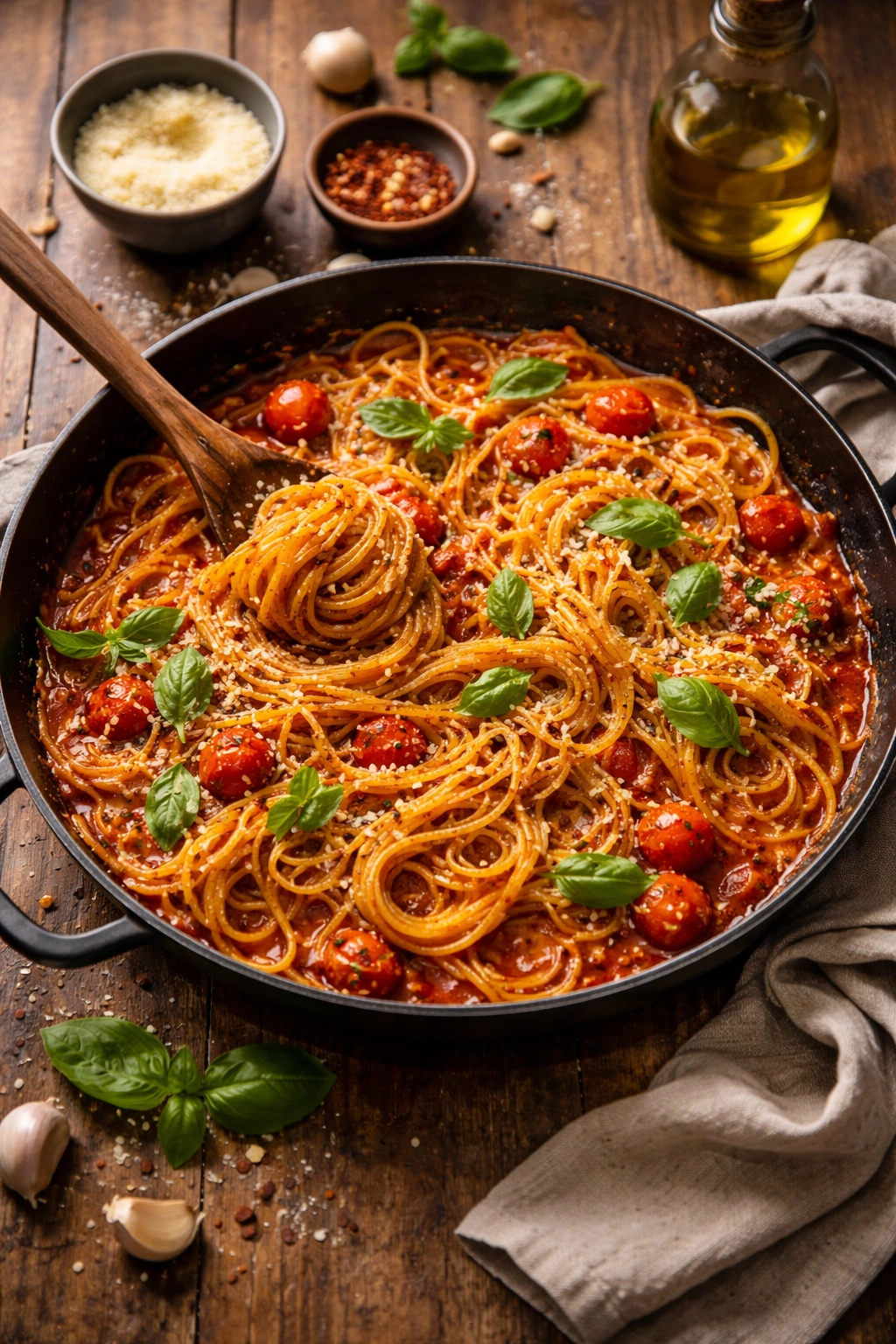
Pasta is the obvious choice for nights when you want dinner fast, but the magic happens when you stop making sauce in one pot and pasta in another. The best quick pasta dishes are often the simplest ones, where a handful of ingredients become something greater than the sum of their parts.
Cacio e pepe is the platonic ideal of the five-ingredient dinner. Pasta, butter, Pecorino Romano, black pepper, and pasta water. That’s it. The timing is everything—you start your water boiling, melt butter in a separate pan, and while your pasta cooks, you toast the pepper in the butter. Toss it all together with some starchy pasta water and suddenly you have something that tastes like it took way more effort. The key is working quickly and using enough pasta water to create a silky sauce rather than dumpy clumps.
Lemon pasta variations work on the same principle. Creamy without cream (the creaminess comes from butter, cheese, and pasta water), bright with citrus, and completely done in 15 minutes. Dill, parsley, or basil all work as the fresh herb element. You can even throw in some hot-cooked shrimp or white fish and call it a complete meal.
The chili crisp trend exists for a reason—stirring jarred chili crisp into Greek yogurt creates a luscious, tangy sauce that clings to pasta beautifully. It’s spicy, it’s complex, and it requires literally zero cooking beyond boiling your noodles. Add some fresh greens or cherry tomatoes if you want something to feel more balanced.
Asian noodle dishes are where 15-minute cooking truly shines. Miso and tahini create a rich, creamy base for cold noodles without any dairy. Soy sauce and sesame oil become the backbone for hot dishes. The texture contrast of soft noodles against crunchy vegetables—snap peas, scallions, radishes, cabbage— is what makes these bowls addictive. Add a soft-boiled egg on top and you’ve got protein, vegetables, and carbs all working together.
Creamy lemon ramen (using instant ramen noodles elevated with actual flavor) was a revelation that came from understanding how convenience foods can be transformed with the right additions. Fresh or dried pasta, drained canned chickpeas, jarred roasted red peppers, and a quick sauce somehow becomes a complete, satisfying meal.
Stir-Fries and Quick Skillet Dinners
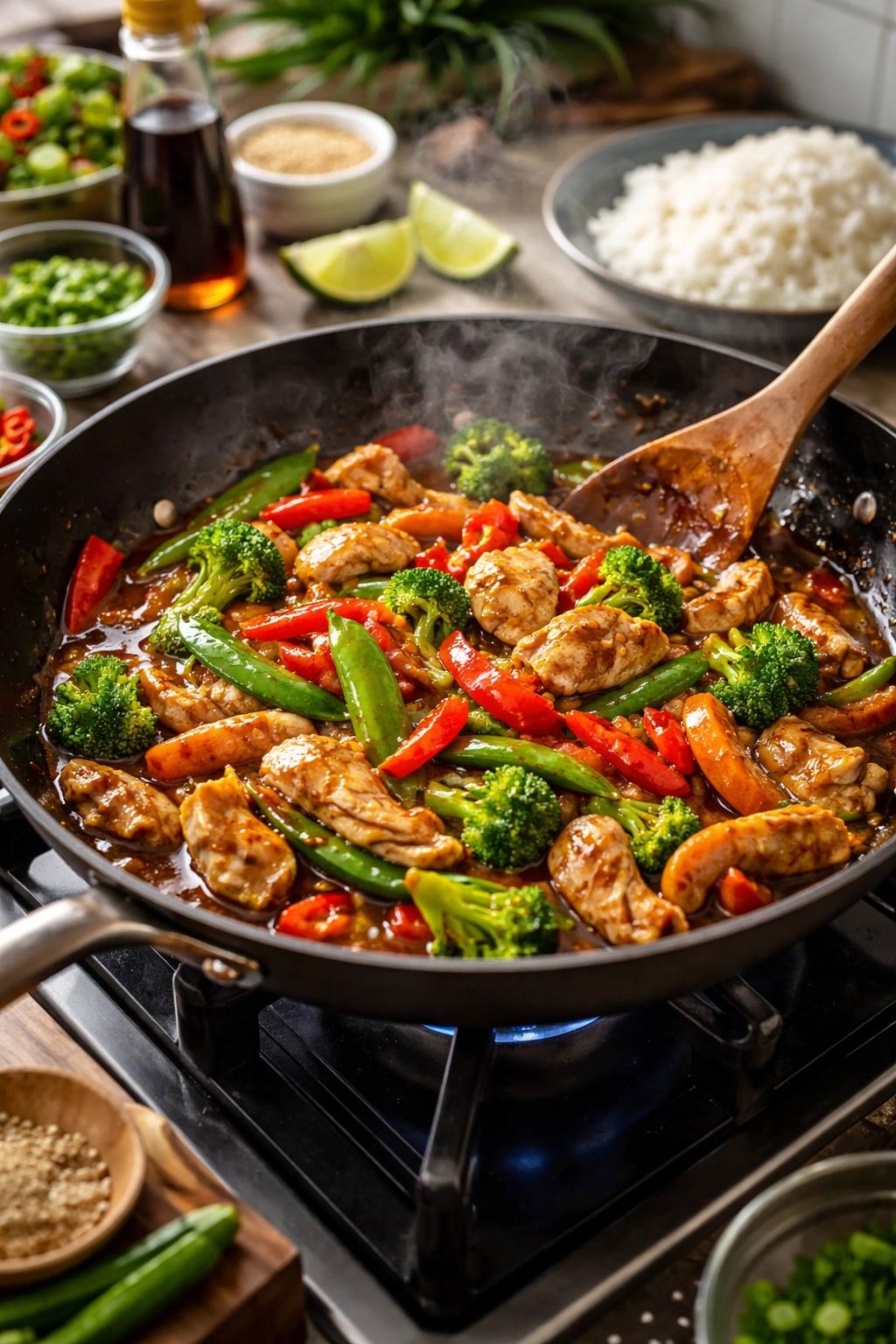
The stir-fry has earned its reputation as the ultimate quick dinner format for good reason. High heat, minimal ingredients, maximum flavor, and everything’s done in one pan (or two, if you’re being civilized about it).
The structure is always the same: hot pan, fat, aromatics, protein, vegetables, sauce, done. But the variations are endless. A simple beef and broccoli stir-fry with nothing but soy sauce, ginger, and garlic becomes something entirely different when you add a touch of honey or swap the soy for hoisin and add a bit of sriracha. The real speed trick is prepping everything before you start cooking—by the time your pan is hot, all your ingredients are ready, and you’re just assembling them in sequence.
Thin-sliced lamb with asparagus and fresh dill sounds fancy and absolutely is something you could serve to guests, but it comes together in 10 minutes if you slice your lamb thin, cut your asparagus on the bias, and keep your sauce simple (lemon juice, a touch of fish sauce, maybe some butter). The vegetable texture matters—you want that crisp-tender finish, which you get by having your heat high and your cook time short.
Thai basil stir-fries with ground chicken, shrimp, or tofu exist in that space where they look complicated but are genuinely straightforward. The basil is important—it’s sweeter and more fragrant than Italian basil and it gives the dish authenticity—but if you can’t find it, regular basil works in a pinch. The meat gets cooked, chopped vegetables go in, a simple sauce of fish sauce, lime, and palm sugar or honey comes together, and you’re done.
One-skillet pasta dishes bridge the gap between pasta and stir-fries. Everything cooks in one pan: your protein, vegetables, then the pasta goes right in with broth, and the starch cooks down with everything else. It’s messy, it’s efficient, and there’s barely anything to clean up.
Rice and Grain Bowls for When You Need Substantial
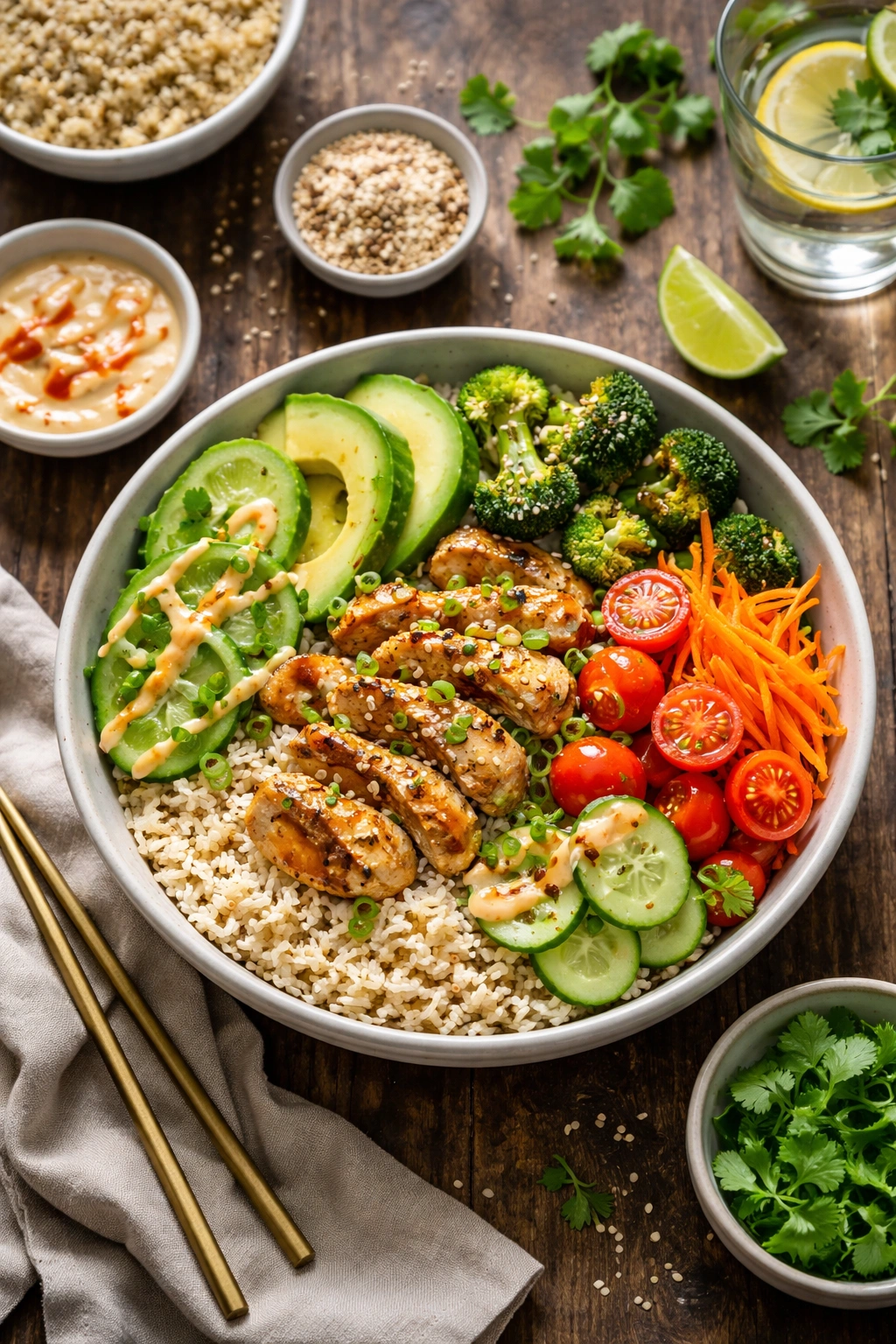
Rice bowls seem to suggest that you need to cook rice, which takes longer than 15 minutes if you’re starting from scratch. But here’s the actual workaround: pre-cooked rice packets, frozen rice, or even leftover rice that’s been sitting in your fridge change everything. Alternatively, minute rice is faster, and while it’s not the same texture as properly cooked rice, it’s infinitely better than not eating dinner because you were too tired.
With rice already handled, you’re really just assembling a bowl. Warm protein (either freshly cooked, a rotisserie chicken, or even something from last night), some quick vegetables (raw or quickly cooked), a sauce or dressing, and you’re done. Kimchi fried rice becomes vibrant and spicy when you have a jar of kimchi and day-old rice on hand. Bacon, butter, and the kimchi’s funk create layers of flavor that feel indulgent but require almost no technique.
Pork fried cauliflower rice takes a similar approach but cuts the carbs if that matters to you. Hoisin-glazed chicken with jasmine rice and some roasted bok choy can happen in 15 minutes if you work efficiently. Rice bowls with cumin-spiced chickpeas, a lime crema, cilantro, and whatever vegetables you have become a complete meal in the time it takes to warm everything through.
The beauty of the bowl format is that it doesn’t care what’s left over in your fridge. That weird vegetable, the last bit of protein from yesterday, some beans you opened three days ago—it all comes together into something that tastes intentional rather than like scraps.
Sandwiches and Hand-Held Meals
Sometimes dinner doesn’t need to be plated. Sometimes it just needs to be assembled and good.
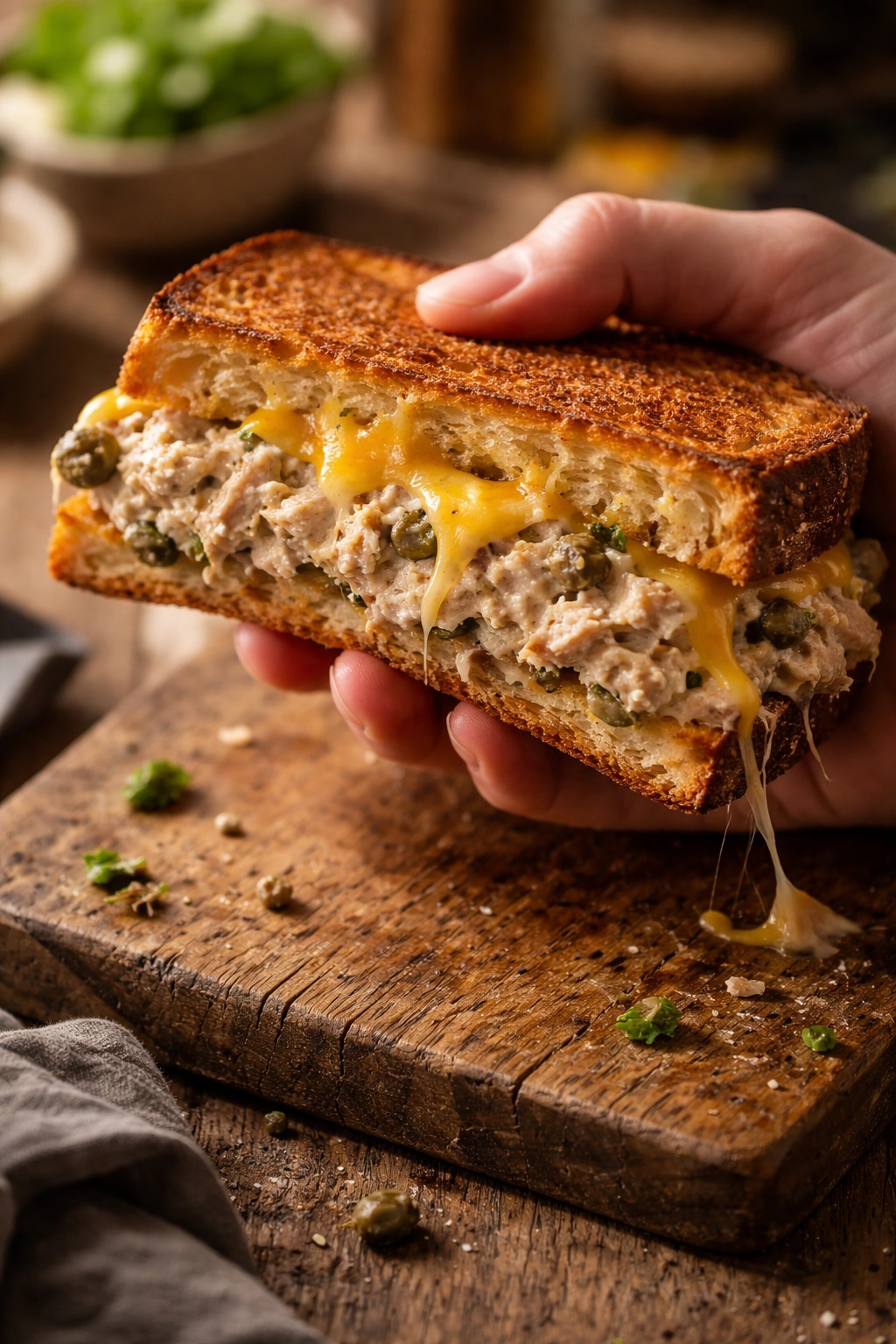
The elevated tuna melt deserves its own moment here because it’s proof that simple can be excellent. A can of good tuna, mixed with mayonnaise and either capers or pickled jalapeños (both add essential crunch and salt), piled on thick bread with melty cheese that’s been crisped under the broiler or in a skillet. This is fast food that’s actually food, and it’s better than most restaurant versions because you have control over the quality of the tuna and you’re not skimping on the cheese.
Club sandwiches with fried eggs are old-fashioned in the way that sometimes feels like the best kind of old-fashioned. Cold cuts, a warm egg, crisp lettuce, tomato, maybe some bacon from the air fryer (which, while you’re at it, gives you bacon for tacos, salads, or grain bowls). Toast the bread so it can handle the moisture without becoming soggy, and you’ve got something that’s both quick and elegant enough for dinner.
Korean prawn pancakes (pajeon) bridge the line between hand-held and plated dinner. The crispy exterior, the charred onion, the juicy shrimp—all held together by a simple batter and served with a spicy dipping sauce. If you’re comfortable with pan-frying, this is actually fast. If you want to simplify further, make the pancake with frozen vegetables and skip the shrimp entirely—it’s still excellent.
Wraps and tacos, whether quick chorizo beef tacos or pulled pork wraps with quick slaw, are inherently fast meals. You’re just heating your protein and assembling everything else. The toppings are where personality lives—a good hot sauce, fresh cilantro, a quick lime crema, good-quality cheese.
Salads That Actually Satisfy as Dinner
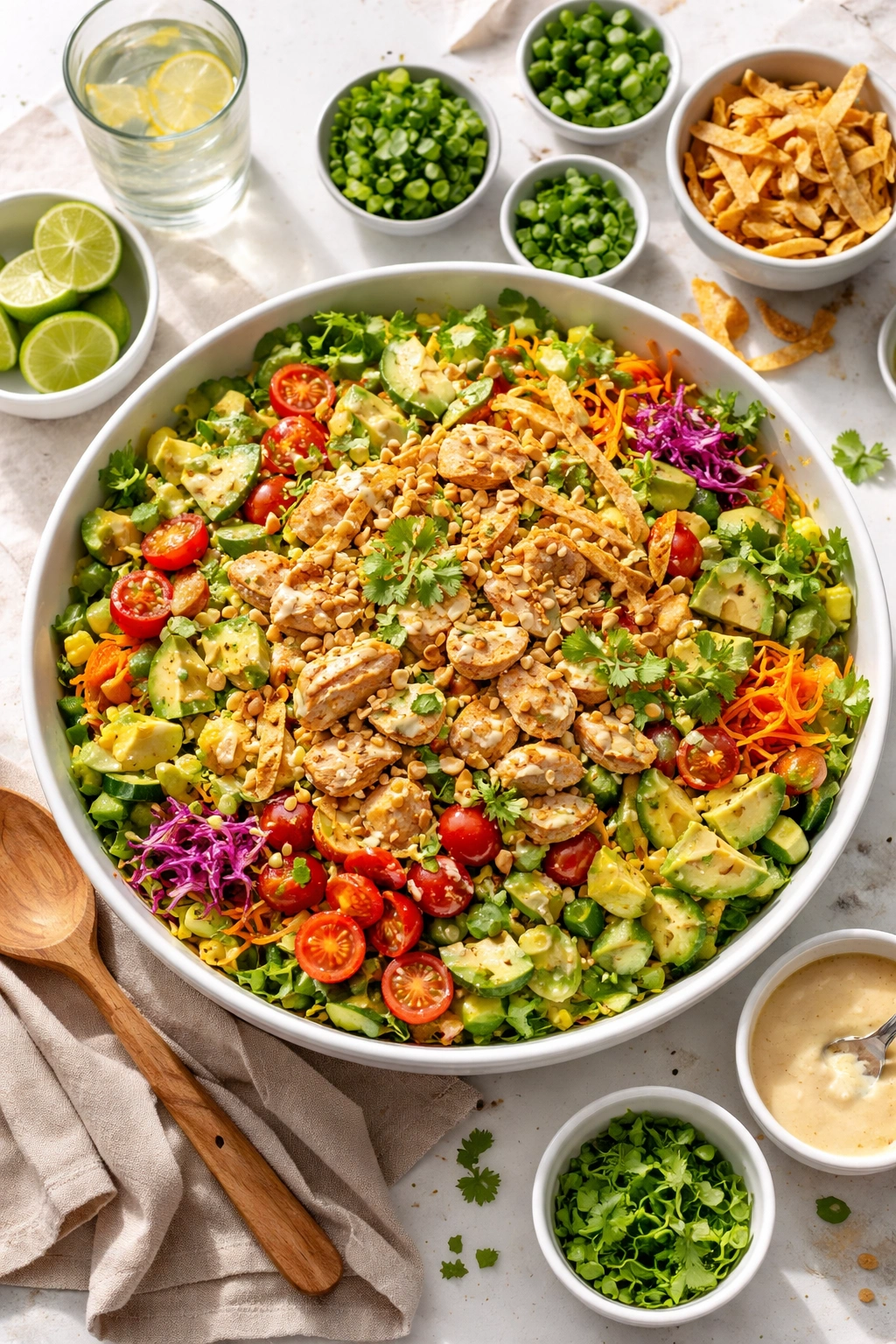
The salad-as-dinner question used to be a joke, but there’s actually a category of salads that are substantial enough to be the whole meal. The key is building in protein, fat, and something substantial beyond lettuce.
Thai chicken salad with crispy rotisserie chicken, fresh vegetables, herbs, and a creamy peanut dressing ticks all those boxes. The peanut element adds fat and substance. The fresh herbs add brightness. The rotisserie chicken means zero cooking required. You’re literally just chopping vegetables, making a simple dressing in a bowl, and mixing it all together.
Crunchy ramen noodle salad uses instant ramen packets (crush them without cooking, or cook them and let them cool) as the crunchy element, tossing them with shredded cabbage, thinly sliced vegetables, and a simple dressing. You’re using the convenience food in an intentional way that actually makes sense.
The taco salad structure—crunchy shells or crispy tortilla strips, seasoned ground meat, cheese, avocado, a spicy crema, cilantro—becomes a complete meal that feels substantial. Make your seasoned meat while your tortillas crisp, chop your toppings, and you’re done.
Warm salads are underrated in the weeknight category. Quickly cooked shrimp over raw greens with a warm lemon vinaigrette, or charred vegetables tossed with proteins and eaten while still warm, changes how you think about salads as an option. The temperature contrast is part of what makes them feel like actual dinner.
Breakfast for Dinner When You’re Out of Ideas
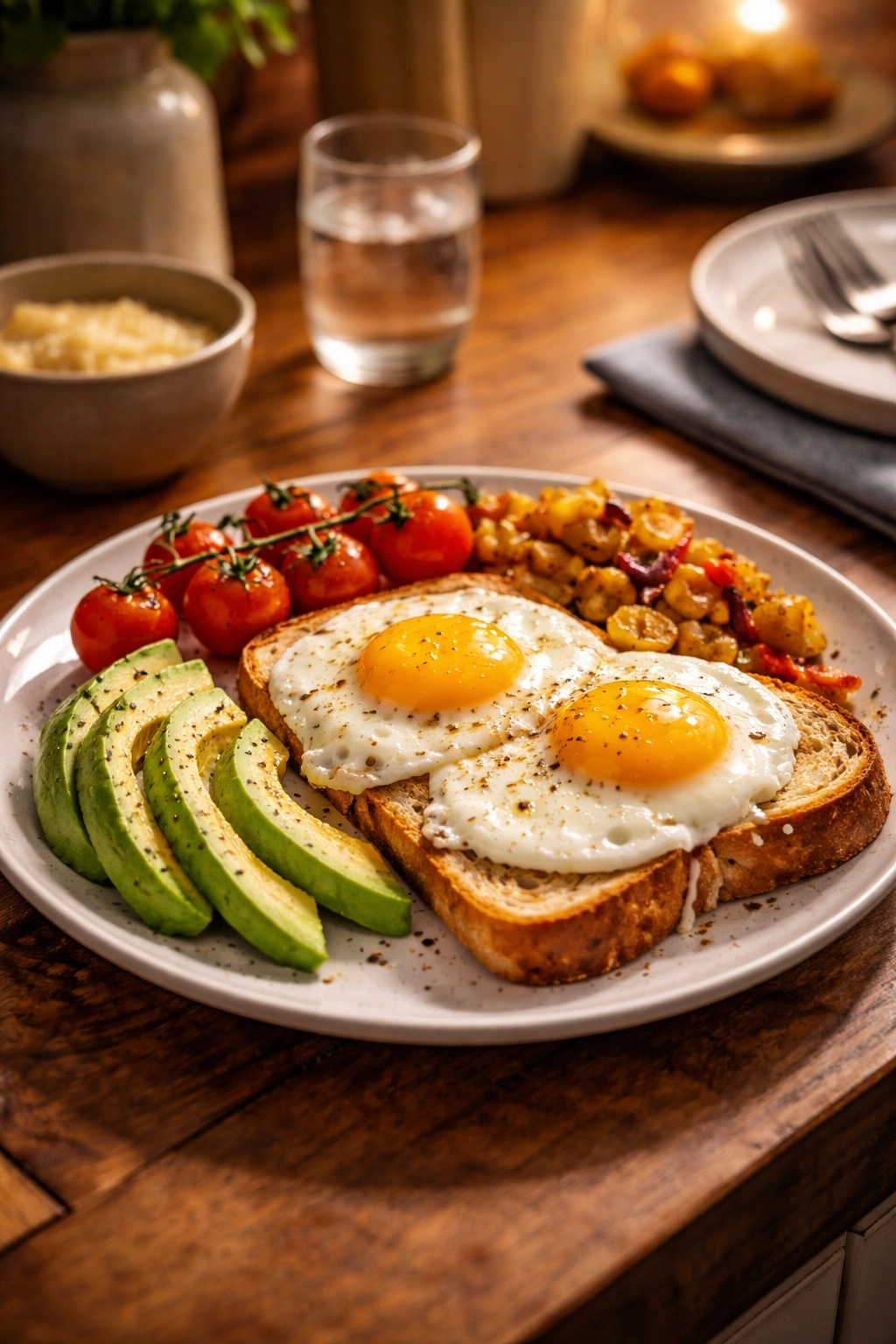
There’s something deeply satisfying about having breakfast for dinner, partly because it feels like you’re getting away with something and partly because eggs are genuinely the fastest protein in the kitchen.
Simple fried rice with an egg on top becomes complete in the time it takes to cook the egg. Your carb is handled, the egg is your protein, and if you threw in some frozen peas and scallions or literally any vegetable, you’ve got something nutritionally balanced.
Shakshuka—eggs poached in tomato sauce—seems more complicated than it actually is. Tomato sauce simmers while you’re prepping, you make little wells, crack eggs into them, and wait until the whites are set. It takes longer than five minutes but not by much, and it feels fancy enough for company.
Chilaquiles turn stale tortillas into something delicious, which is a nice use of the random leftover stuff in your fridge. Crisp the tortillas, make a quick sauce (salsa is fine, especially if you’re using jarred), and top with an egg or two. Cotija cheese, cilantro, avocado if you have it. This is genuine Mexican home cooking that happens to be fast.
Dutch babies, while requiring a hot oven and some timing precision, are legitimately impressive for how little active cooking they require. Fruit and powdered sugar, jam, sautéed vegetables, or a savory approach with herbs and cheese—you’re pouring batter into a hot skillet and letting the oven do the work.
One-Pan Dinners and Minimal-Cleanup Meals
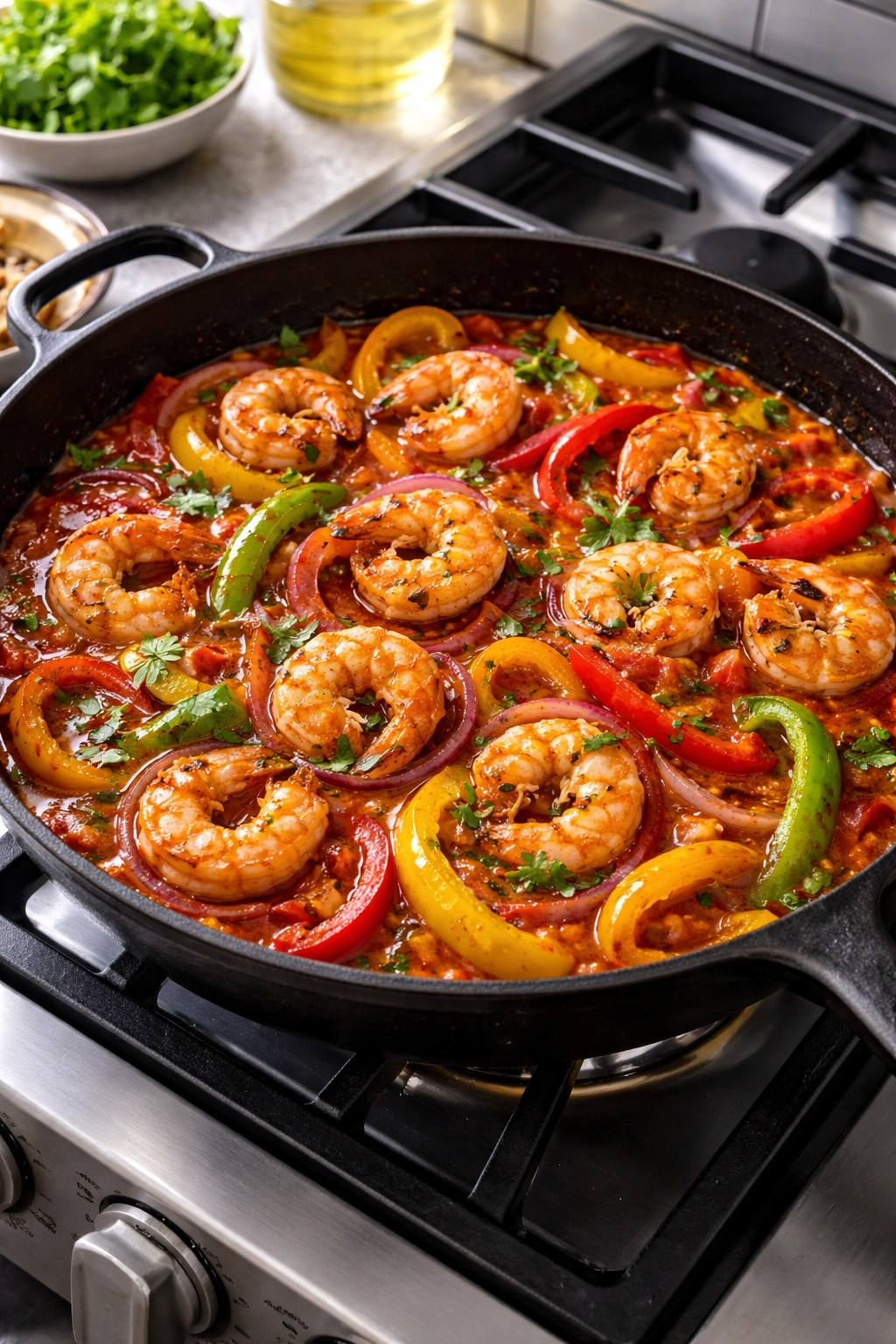
On nights when you’re tired, cleanup can be almost as deterring as cooking. This is where one-pan meals become your secret weapon.
Butter-braised frozen dumplings in tomato sauce require exactly zero technique. Dumplings go in a pan, canned tomatoes go in, some garlic and herbs, and the pan goes on the stove. Everything happens in 15 minutes and you have one pan to wash. Make it with whatever dumplings you have—pork, chicken, vegetable—it doesn’t matter. The tomato and butter sauce becomes the unifying element.
Sheet pan dinners feel like a different category of cooking even though they’re often just as fast. Shrimp fajitas: peppers, onions, and shrimp tossed with some spices, roasted on a sheet pan while you get tortillas ready. Chicken paillards with quick slaw: the chicken cooks on one side of the pan or skillet while your slaw comes together in a bowl. Everything comes together in one motion at the end.
Frittatas and sheet pan eggs let you cook proteins and vegetables together, then just finish them under the broiler. The egg brings everything together and you end up with something that’s filling enough for dinner and impressive enough that you don’t feel like you’re cutting corners.
Strategies for Making 15-Minute Dinners Actually Happen
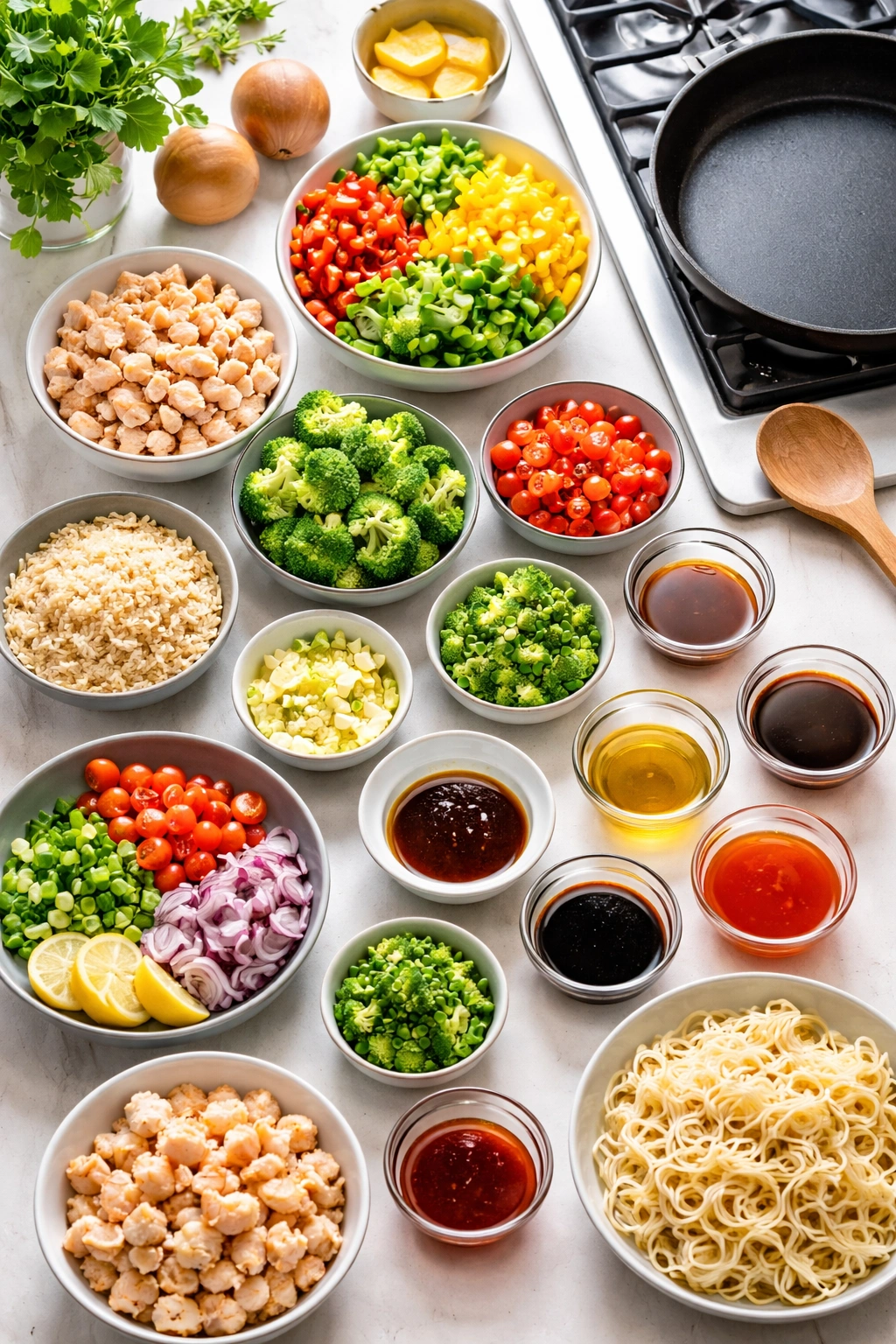
The actual mechanics of pulling this off matter as much as the recipes themselves. Read your recipe all the way through before you start cooking. This sounds obvious but it genuinely changes whether you end up stressed and behind or flowing through the process. Know what components can happen simultaneously and what needs to happen in sequence.
Mise en place—having everything prepped and ready before you start—is the biggest accelerant for quick cooking. It’s the difference between cooking smoothly and scrambling. You don’t need to go overboard with it; just chop your garlic, measure your sauce ingredients, get your vegetables prepped. Once your pan is hot, you’re moving, not chopping.
Keep a few convenience items that don’t feel like cheating: rotisserie chickens, pre-cooked rice packets, good-quality canned beans, frozen vegetables that are actually delicious (especially when you sauté them in fat with good seasoning). These aren’t failures; they’re tools that let you cook dinner on nights when you wouldn’t cook dinner otherwise.
Your knife skills matter for speed. You don’t need to be a chef, but the faster you can chop an onion or slice garlic, the faster everything comes together. A sharp knife makes this easier and safer, so if you’ve got a dull knife, that might be worth fixing before you commit to 15-minute dinners.
Temperature matters more when you’re working fast. Make sure your pan is properly hot before you add protein, or it’ll take longer and you’ll end up with a gray exterior instead of a proper sear. Room-temperature ingredients cook more evenly than cold ones, so take your eggs and proteins out of the fridge a few minutes before you start.
Make-Ahead and Batch Strategies That Save Your Life
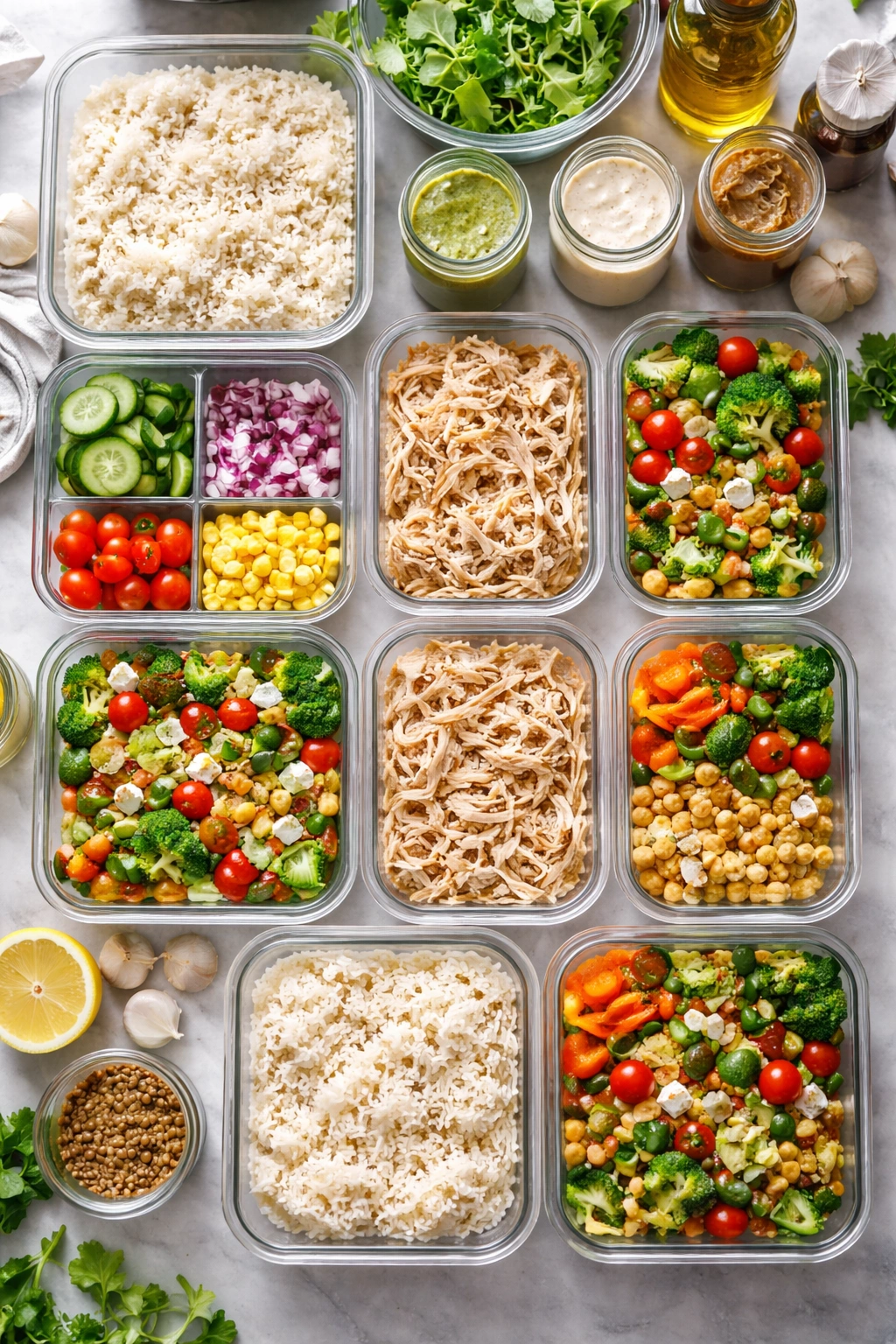
Sometimes the only way to have 15-minute dinners on weeknights is to do a tiny bit of work ahead. This isn’t full meal prep in the overwhelming sense; it’s just setting yourself up for success.
Cook rice in advance—multiple batches—and portion it into containers in your fridge or freezer. You can reheat individual portions in the microwave in minutes. If you cook a whole rotisserie chicken and debone it while it’s still warm-ish, you’ve got shredded chicken ready for tacos, salads, noodles, or grain bowls all week.
Make a simple dressing or sauce that works on multiple things: a tahini-lime dressing, a soy-ginger mixture, a cilantro crema. Having these ready means you’re just assembling rather than creating from scratch on the night you’re tired.
Prep vegetables when you’re in the mood—slice your peppers, chop your onions, wash your greens. Pack them into containers and they’ll last several days. You’re not cooking them, so this is genuinely minimal effort and it dramatically speeds up actual cooking later.
Hard-boil eggs on the weekend. Use them in salads, grain bowls, or alongside toast and vegetables for a light dinner.
Final Thoughts

The best part about understanding how to cook real food in 15 minutes is that it stops being something you have to do and becomes something you actually want to do. Once you have a few of these meals in your rotation, those nights when you’re exhausted stop being a crisis that requires delivery or cereal. They become an opportunity to eat something genuinely good, even when you’re running on empty.
Start with whichever recipes sound the most appealing to you and let them become familiar. The more times you make something, the faster it gets—not because you’re becoming a chef, but because you know exactly where everything is, what the process feels like, and you’re not mentally consulting a recipe as you go. Your hands know what to do.
The freedom of knowing you can have a satisfying, real dinner on the table in the time it takes to pour a drink is genuinely life-changing on the kinds of nights when you needed it most.
