



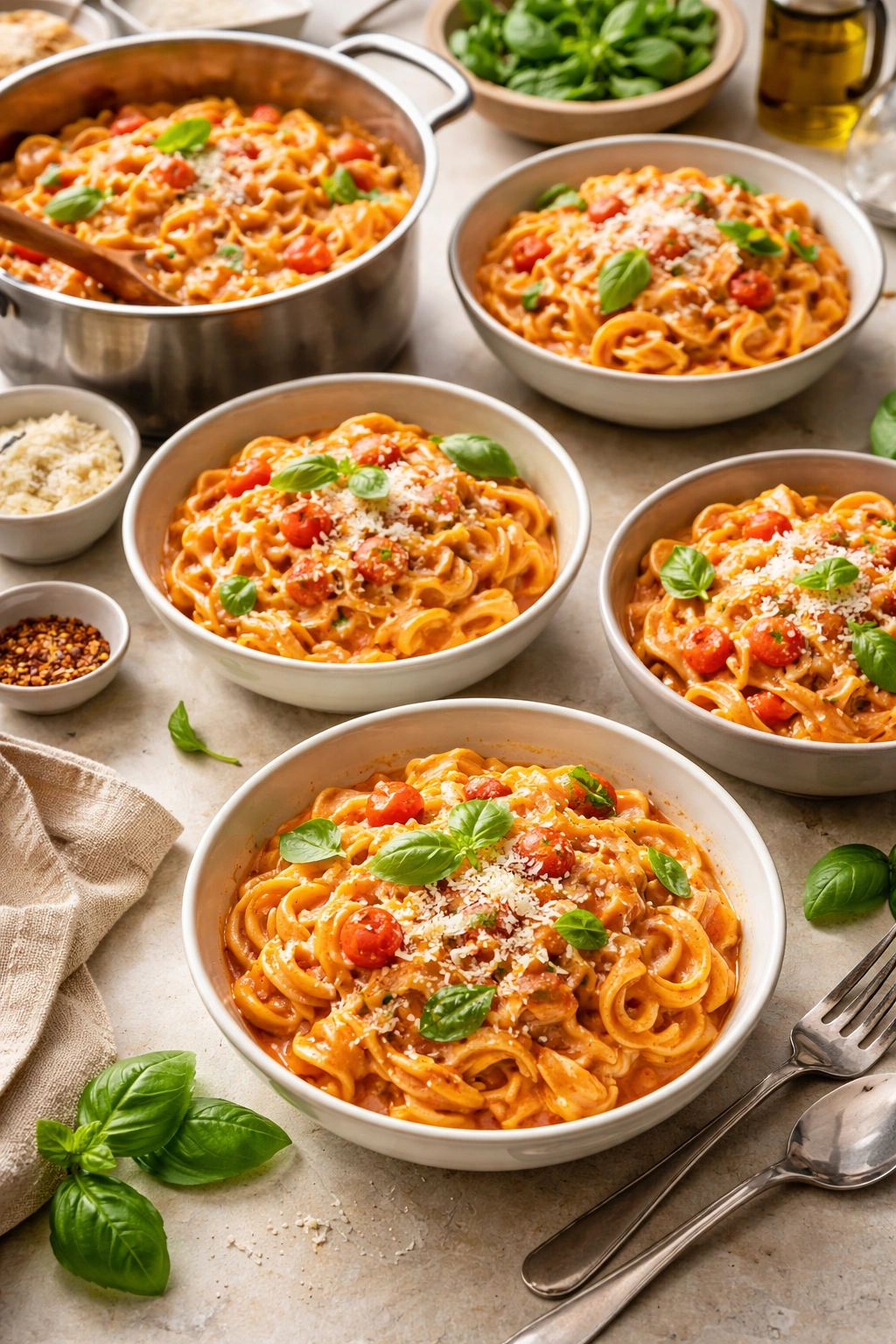
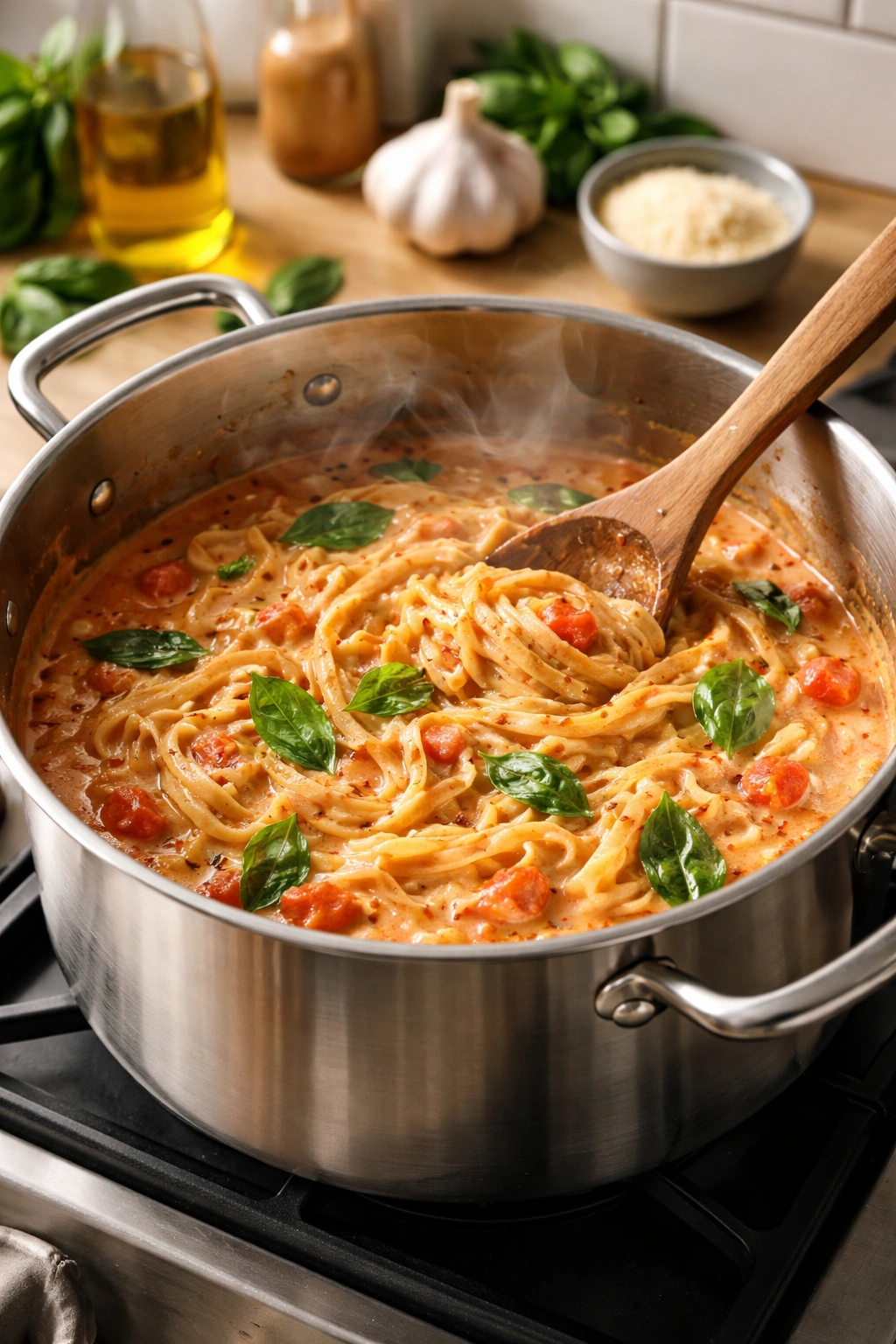
When you need a restaurant-quality dinner on the table in under 30 minutes, this one-pot creamy tomato basil pasta delivers every single time. It’s the kind of recipe that feels fancy enough to serve to guests, yet simple enough that you can throw it together on a chaotic Tuesday night without breaking a sweat. The magic happens when you combine bright, fresh tomatoes with silky cream, fragrant basil, and good Parmesan cheese—all building layers of flavor in a single pot that somehow tastes like it simmered for hours when it really took just minutes.
What makes this recipe genuinely special isn’t some secret ingredient or complicated technique. It’s the understanding that creamy tomato sauce doesn’t need to be heavy or fussy. The combination of crushed tomatoes, fresh cherry tomatoes, heavy cream, and a carefully chosen selection of seasonings creates a sauce that’s simultaneously rich and bright, comforting and fresh. Every element serves a purpose: the crushed tomatoes provide body and acidity, the cherry tomatoes add sweetness and texture, the cream brings luxurious richness, and the basil—added at the very end—gives it that essential summery quality that makes people lean in for another bite.
This isn’t a dish that requires any special cooking skills or obscure ingredients. Everything is pantry-friendly, readily available, and affordable. More importantly, it proves that sometimes the simplest approaches yield the most delicious results. You’re not fussing with multiple pans or complicated steps. Instead, you’re letting good ingredients and proper technique handle the heavy lifting. That’s exactly what makes this recipe so reliable and rewarding to cook.
The Real Appeal of One-Pot Pasta Cooking
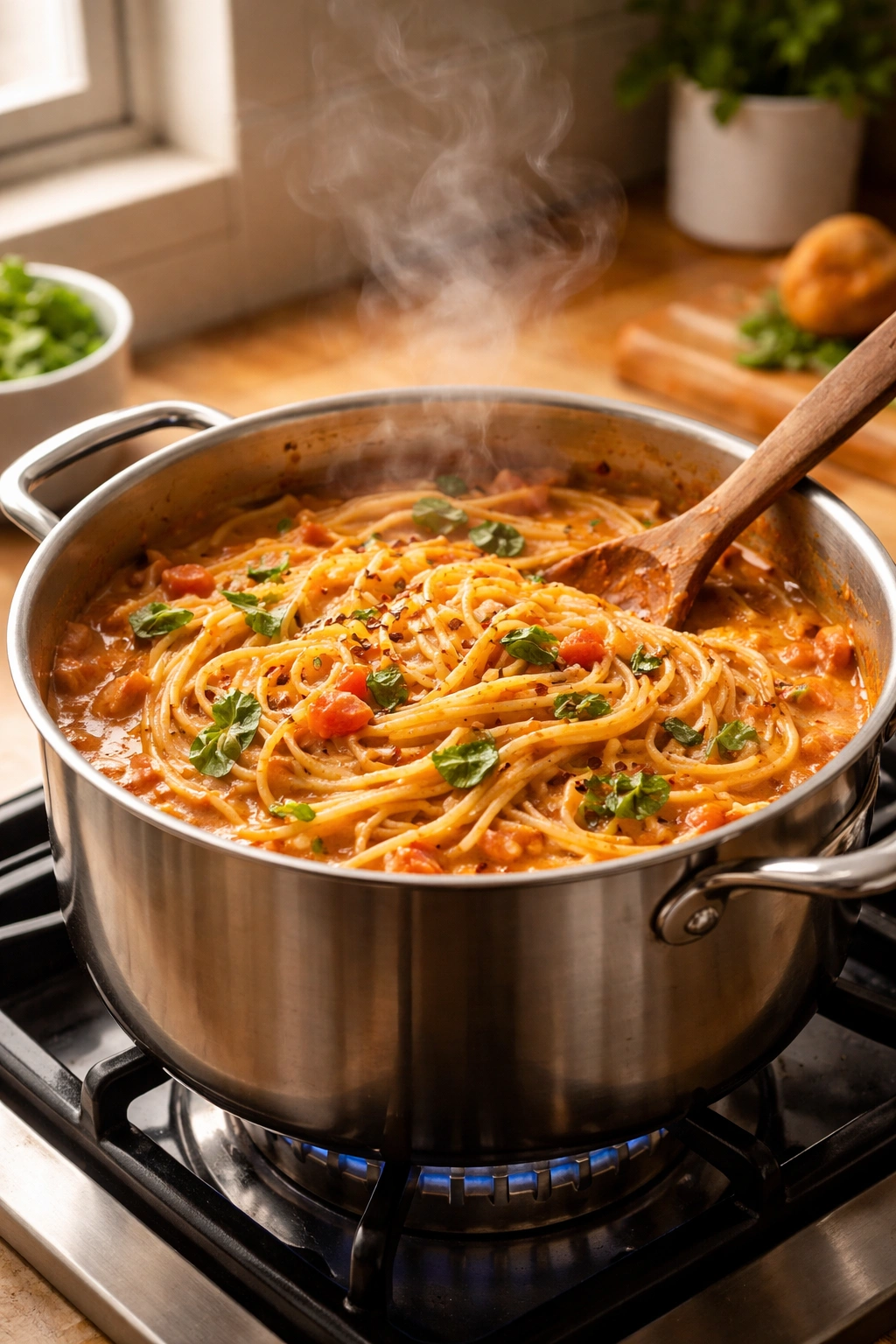
There’s something deeply satisfying about cooking an entire dinner in a single pot. Practically speaking, it means less cleanup—which matters more than you’d think when you’re tired at the end of the day. But beyond the logistical advantage, cooking pasta directly in the sauce fundamentally changes how the dish tastes and feels. The starch released from the pasta as it cooks mingles with the sauce, creating a natural emulsion that’s thicker and more cohesive than if you simply tossed cooked pasta with separate sauce.
The pasta absorbs all the flavors around it, becoming infused with the tomato, garlic, basil, and cream as it cooks. This is why one-pot pasta often tastes better than the sum of its parts. The hot pot also means the goat cheese or cream cheese melts directly into the sauce without any intermediate steps, creating an incredibly smooth, luscious texture. There’s no risk of cold pasta cooling down hot sauce, and you don’t have that moment of frustration when you’re draining pasta and accidentally lose half of it down the sink.
The one-pot method also gives you better control over consistency. As the pasta cooks, it absorbs liquid gradually, and you can adjust the final sauce thickness simply by letting it cook a bit longer for a thicker result, or adding a splash of pasta water if you prefer something saucier. This flexibility means you can make the dish exactly the way you like it, every single time.
What Makes a Perfect Creamy Tomato Basil Sauce
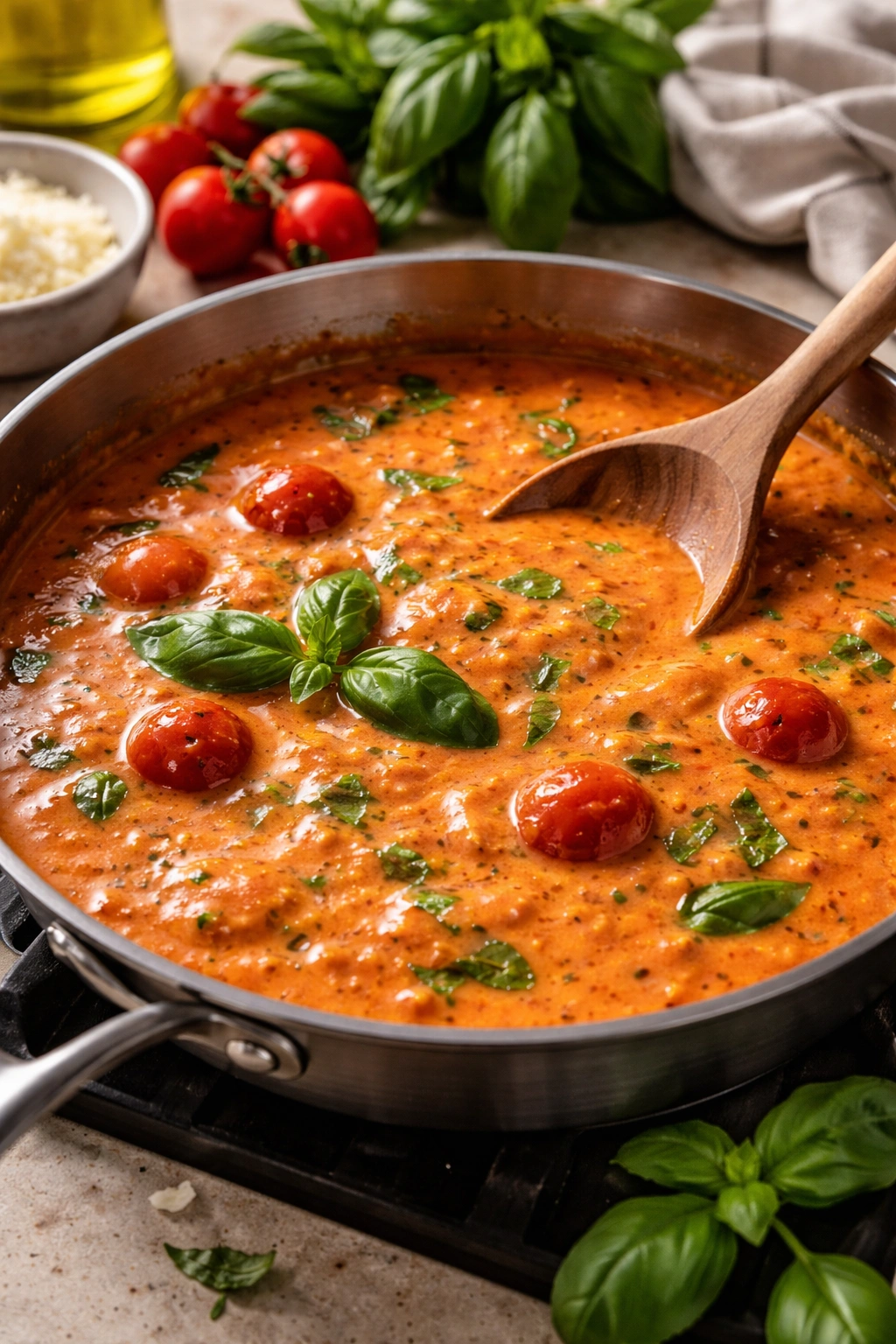
The foundation of this dish is a beautifully balanced sauce that achieves something difficult: it’s creamy without being heavy, tomatoey without being acidic, and herbal without tasting medicinal. This balance comes from understanding what each component contributes. Crushed tomatoes provide the main tomato flavor and body, but using only crushed tomatoes creates a one-note taste. Adding fresh cherry tomatoes changes everything—they bring sweetness, freshness, and a slightly different textural element than canned tomatoes alone.
The cream is where richness enters the picture, but the quantity matters. Too much cream and you’re eating pasta in a cream sauce that happens to have tomatoes in it. The right amount—typically somewhere between ½ cup and 1 cup for a pound of pasta, depending on how creamy you like it—means the tomato flavor remains the star while the cream provides a silky mouthfeel. Some recipes use heavy cream exclusively, while others mix in a bit of goat cheese or cream cheese for tanginess and extra creaminess. The goat cheese approach creates something slightly lighter and more interesting, with a subtle tang that brightens the heavy cream.
Garlic, of course, is non-negotiable. Fresh garlic minced fine and cooked gently ensures it infuses the sauce without becoming bitter or harsh. Some recipes call for sautéing the garlic first before adding anything else, which is an excellent technique that allows the garlic to release its oils and become fragrant without any risk of burning. Italian seasoning or a combination of dried basil, oregano, and thyme provides foundational herbaceous flavor. Fresh basil, added at the very end just before serving, gives you the bright, summery quality that makes people immediately recognize this as a tomato basil dish rather than just any creamy tomato pasta.
Salt and pepper seem obvious, but their role is crucial. A generous pinch of salt in the sauce itself (not just on the pasta or as a finishing touch) allows all the other flavors to bloom and become more vibrant. Many home cooks undersalt their sauces, which leaves them tasting flat and one-dimensional. You want to season boldly enough that if someone tasted the sauce alone, they’d recognize it as properly seasoned.
Essential Ingredients for Best Results
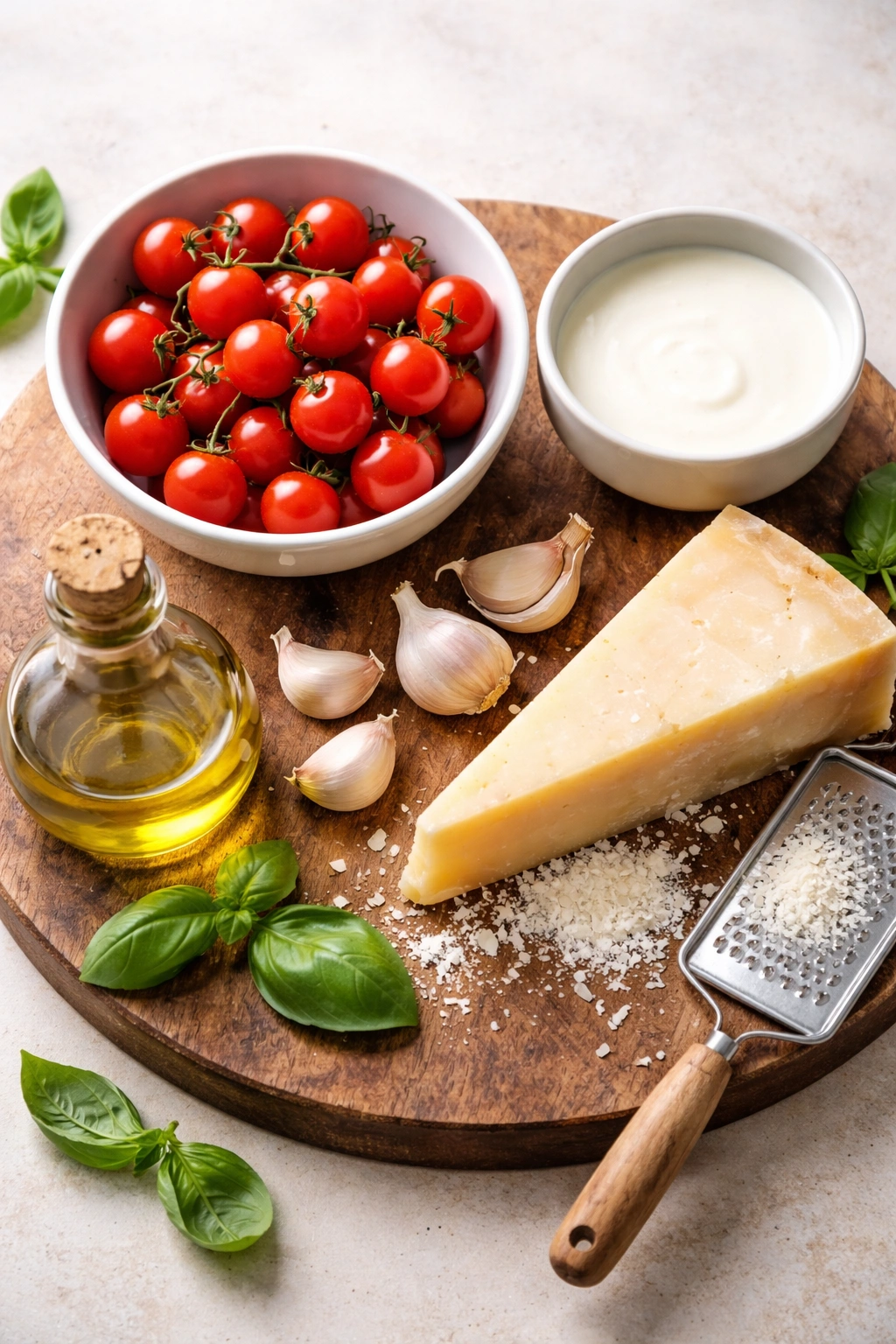
Cherry tomatoes versus regular tomatoes matters more than you might think. Cherry tomatoes have higher sugar content naturally, which is exactly what you want in a creamy tomato sauce. They also maintain their shape and firmness slightly longer than larger tomatoes, giving you better texture. If cherry tomatoes aren’t available, grape tomatoes work equally well. Fresh tomatoes are ideal, but if you must use canned, look for high-quality brands that don’t include added sugar or unnecessary ingredients.
The type of cream or dairy you choose affects both flavor and mouthfeel significantly. Heavy whipping cream creates the richest sauce and is what most traditional recipes call for. Half-and-half works but creates a noticeably lighter sauce. Some versions use a combination of cream and cream cheese or goat cheese, which reduces the overall heaviness while adding tang and creaminess. This mixed approach is genuinely excellent and prevents the sauce from feeling too heavy.
Parmesan cheese should be freshly grated if possible, not pre-grated. Pre-grated cheese contains anti-caking agents that affect how smoothly it melts into the sauce. You want the cheese to dissolve completely, creating that silky emulsification rather than visible cheese particles. If you only have pre-grated, it will still work, but the texture won’t be quite as luxurious.
Fresh basil is absolutely essential and shouldn’t be substituted with dried unless you have no other option. Dried basil cooks down to almost nothing and tastes completely different—more like an old spice cabinet than fresh herb. Fresh basil should be roughly torn, not finely chopped, and added right before serving so it stays bright and fragrant. Some recipes specify how much basil to use, but the truth is: use as much as you love. A ½ cup is a good starting point, but don’t hesitate to add more if you’re a basil lover.
Garlic quality matters. Fresh garlic cloves minced from a clove you just cut, or at minimum minced from a clove you cut earlier that day, tastes completely different from jarred minced garlic. The fresh version has brightness and complexity that jarred simply can’t match. Use somewhere between 3 and 5 cloves depending on your garlic love level and the size of your cloves.
The pasta itself should be good quality—whether that means bronze-cut (which has a rougher texture that sauce clings to) or standard cuts. Avoid ultra-cheap pasta that falls apart or gets gluey. Fettuccine, penne, rigatoni, or any similar medium-sized pasta works beautifully. Avoid long thin pasta like spaghetti, which can get tangled and is harder to eat from a creamy sauce. Short pasta shapes that the sauce can nestle into are ideal.
The Perfect Pot for This Recipe
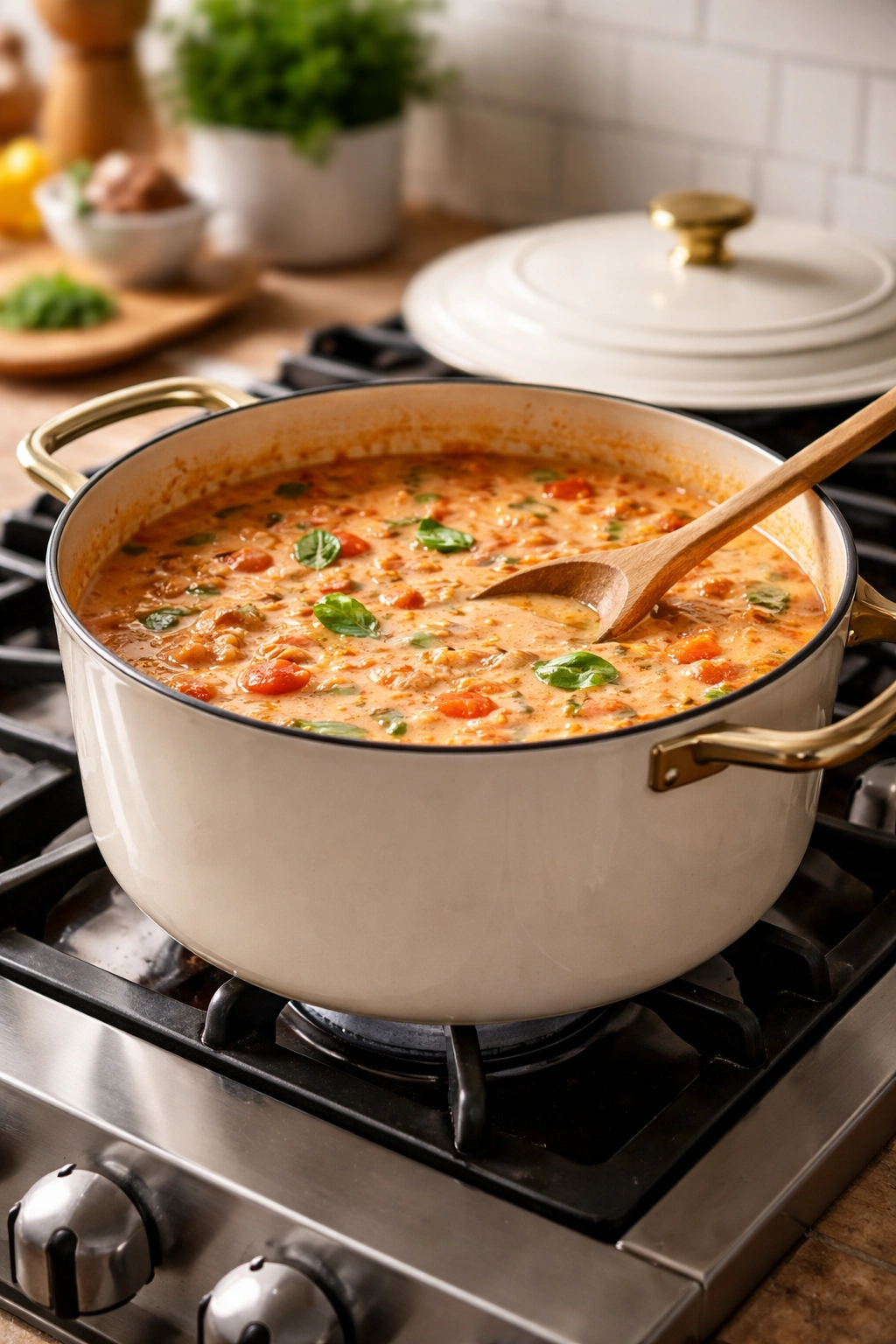
You need a pot that’s at least 5 to 6 quarts in capacity. Why? Because as the pasta cooks, it needs room to move around—it shouldn’t be packed in tightly from the beginning. If your pot is too small, the pasta will cook unevenly, with some pieces overcooked and others still firm in the center. A larger pot also makes stirring easier and reduces the chance of pasta sticking to the bottom.
A pot with a heavy bottom is preferable because it distributes heat more evenly, preventing hot spots that could cause the sauce to scorch. An enamel-coated Dutch oven works beautifully if it’s oven-safe (you can move the whole thing from stovetop to oven if you’d like to finish it there). A regular stainless steel pot is perfect. Even non-stick works, though some cooks avoid non-stick for pasta because you want a bit of friction to help the sauce cling to the pasta rather than sliding off.
Regarding lids: you’ll want a lid that fits your pot reasonably well because you’ll be covering the pot after the pasta comes to a boil to help it cook faster and maintain temperature. It doesn’t have to be a perfect seal, but it should cover most of the opening to be effective.
Yield: Serves 4 to 6 | Makes approximately 8 to 9 cups
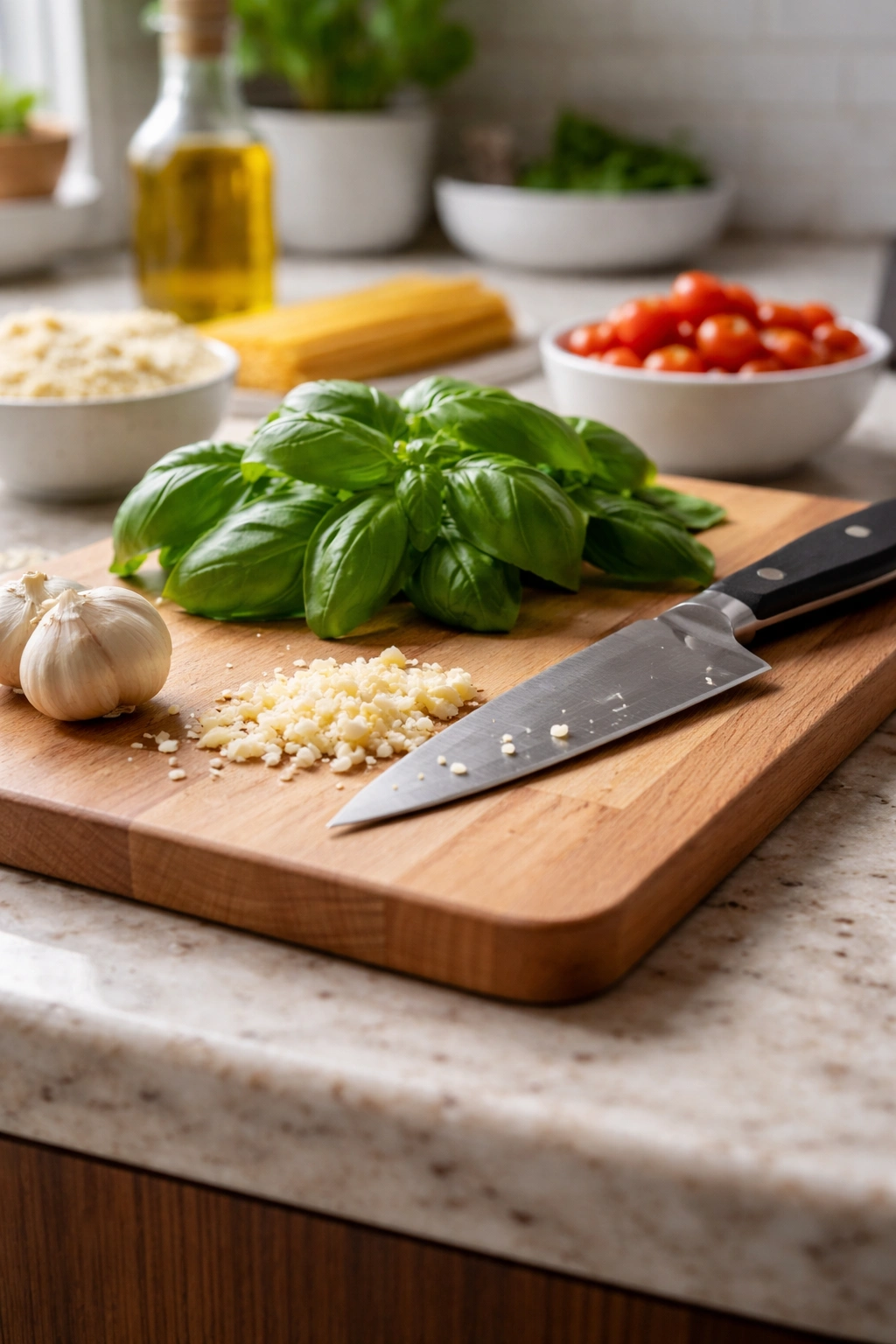
Prep Time: 10 minutes
Cook Time: 20 minutes
Total Time: 30 minutes
Difficulty: Beginner — All ingredients are pantry staples, the method is straightforward, and no special techniques or equipment beyond a large pot are required.
For the Pasta and Sauce:
- 1 pound dry fettuccine, penne, or rigatoni pasta
- 3 tablespoons butter or olive oil
- 4 to 5 large garlic cloves, minced (about 1½ tablespoons)
- 1 can (28 ounces) crushed tomatoes, preferably San Marzano or high-quality brand
- 2 cups fresh cherry tomatoes, halved (or about 12 ounces)
- 2 teaspoons Italian seasoning, or ½ teaspoon each dried basil, oregano, and thyme
- ¼ teaspoon red pepper flakes, optional (add more if you like heat)
- ¾ cup heavy whipping cream (or substitute ½ cup heavy cream + ¼ cup half-and-half for a lighter version)
- ½ cup whole milk (optional — adds creaminess while reducing heaviness; omit if you prefer a richer sauce)
- ½ cup freshly grated Parmesan cheese, plus extra for serving
- 2 ounces cream cheese or fresh goat cheese, softened to room temperature (optional but recommended for extra creaminess and slight tang)
- Kosher salt and freshly ground black pepper, to taste
- ½ cup fresh basil leaves, torn by hand (generous amount — add more if desired)
- Optional garnish: torn fresh mozzarella, additional fresh basil, red pepper flakes for heat
Bring the Pasta to a Boil
-
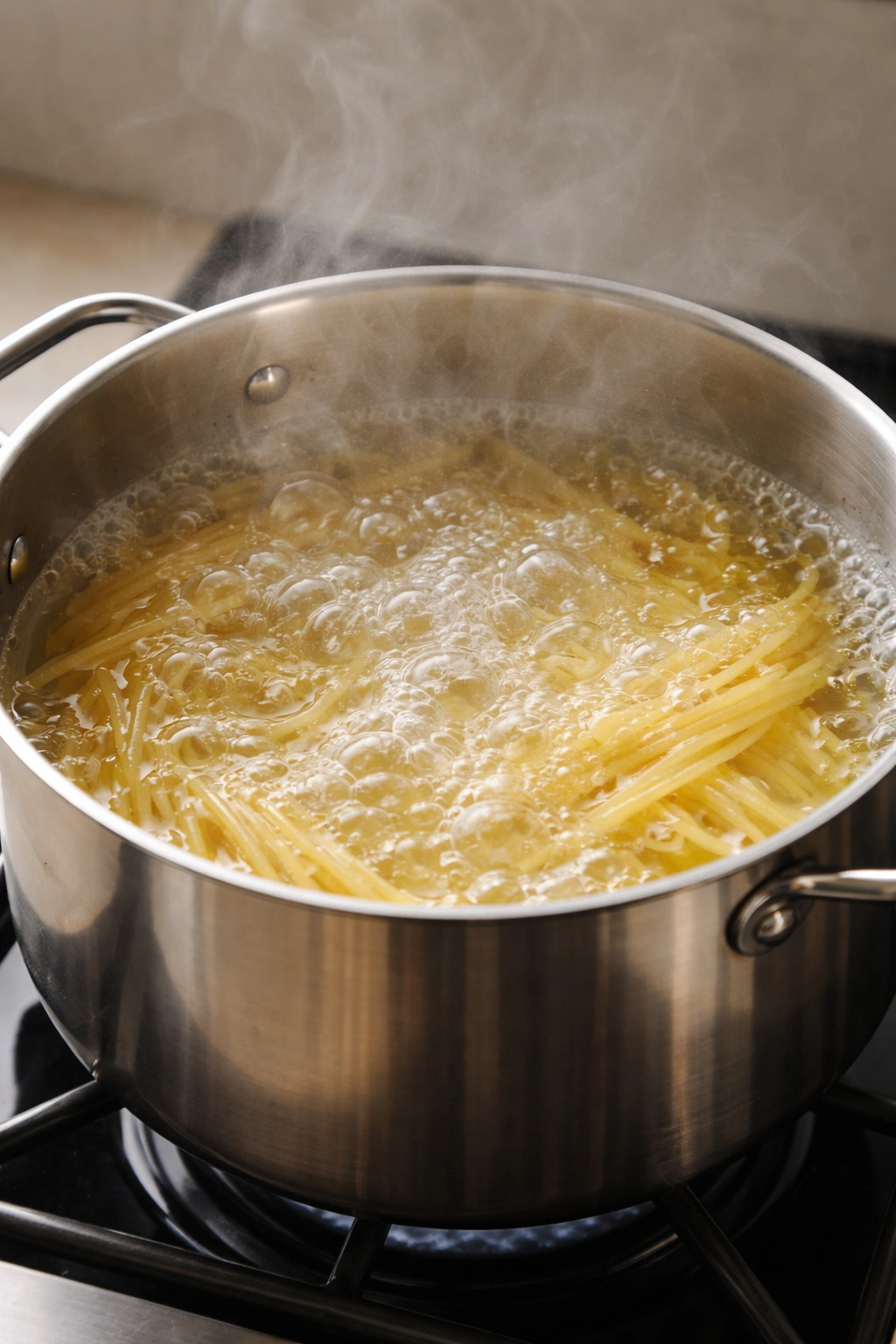
Fill a large pot (5- to 6-quart capacity) with water and bring it to a rolling boil over high heat. Add a generous pinch of kosher salt—the water should taste noticeably salty, like seawater. Salt helps the pasta cook evenly and seasons it from the inside out rather than relying only on the final sauce to add salt.
Advertisements -
Once the water is at a full boil, add the dry pasta and stir immediately to prevent the noodles from sticking together. Cook the pasta for 2 minutes less than the package directions suggest for al dente (most packages suggest 8-10 minutes for al dente; cook yours for 6-8 minutes instead). The pasta will finish cooking in the sauce and you want to catch it before it’s fully tender so it doesn’t overcook and become mushy.
-
Reserve 1½ cups of the starchy pasta cooking water in a small bowl or cup before draining. This pasta water is liquid gold for adjusting sauce consistency later—the starch in it helps create a silky sauce, unlike plain water which would thin it without adding body.
-
Drain the pasta in a colander but do not rinse it. The starch clinging to the surface helps the sauce cling to the pasta, which is exactly what you want.
Make the Creamy Sauce
-
While the pasta cooks, add the butter or olive oil to a very large skillet over medium heat. Once the butter foams or the oil shimmers, add the minced garlic and the red pepper flakes (if using). Sauté for about 1 minute, stirring almost constantly, until the garlic becomes fragrant and the raw edge is gone. Be very careful here—garlic can burn in seconds and burned garlic tastes acrid and bitter. You want fragrant, soft garlic, not browned garlic.
-
Add the crushed canned tomatoes to the skillet, breaking them up slightly with a wooden spoon as they hit the pan. Stir in the fresh halved cherry tomatoes and the Italian seasoning. Bring this mixture to a gentle simmer and let it cook, stirring occasionally, for about 5 minutes. This allows the flavors to meld and the fresh cherry tomatoes to soften very slightly and release their juices. You’ll notice the cherry tomatoes beginning to blister slightly and the sauce becoming aromatic.
-
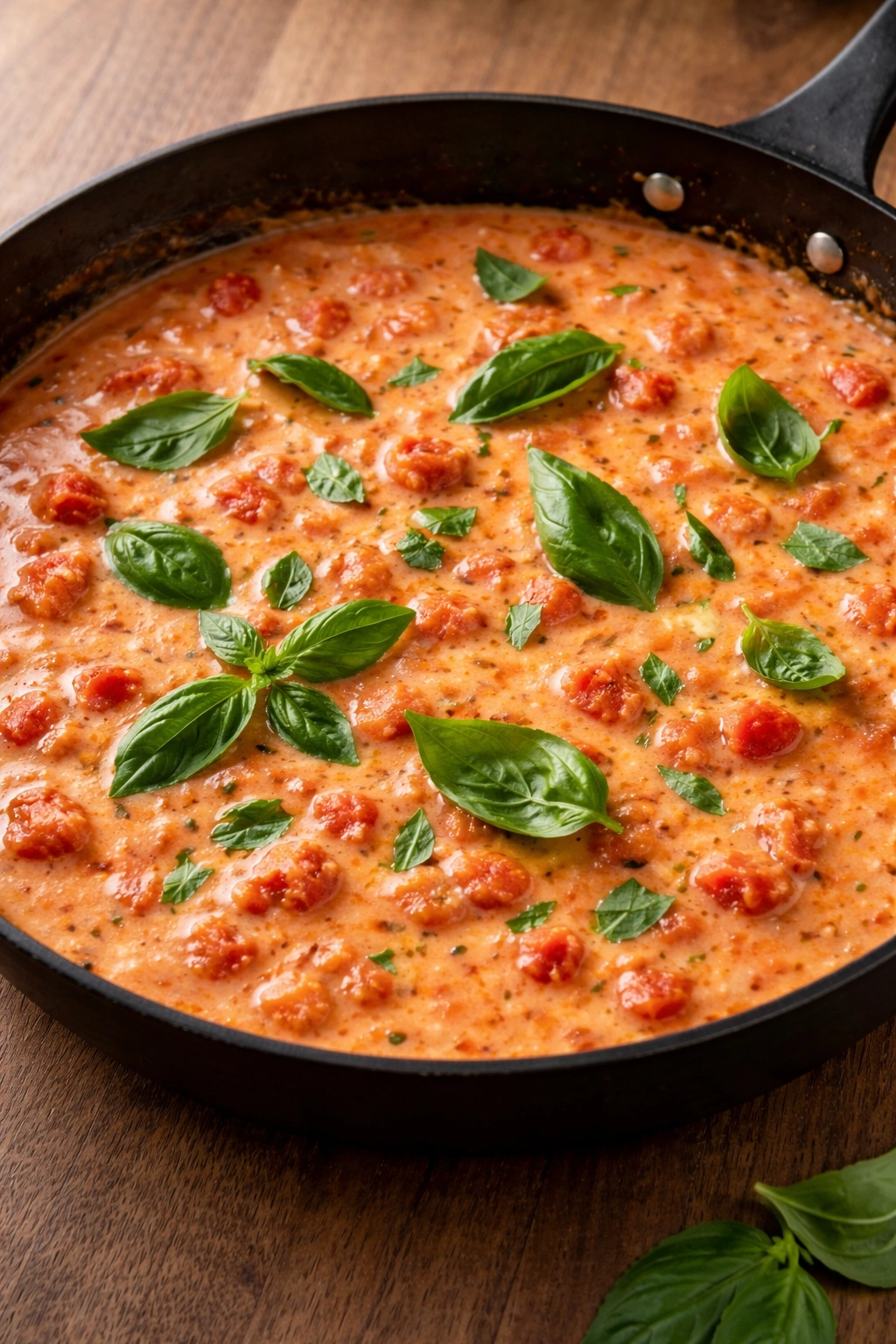
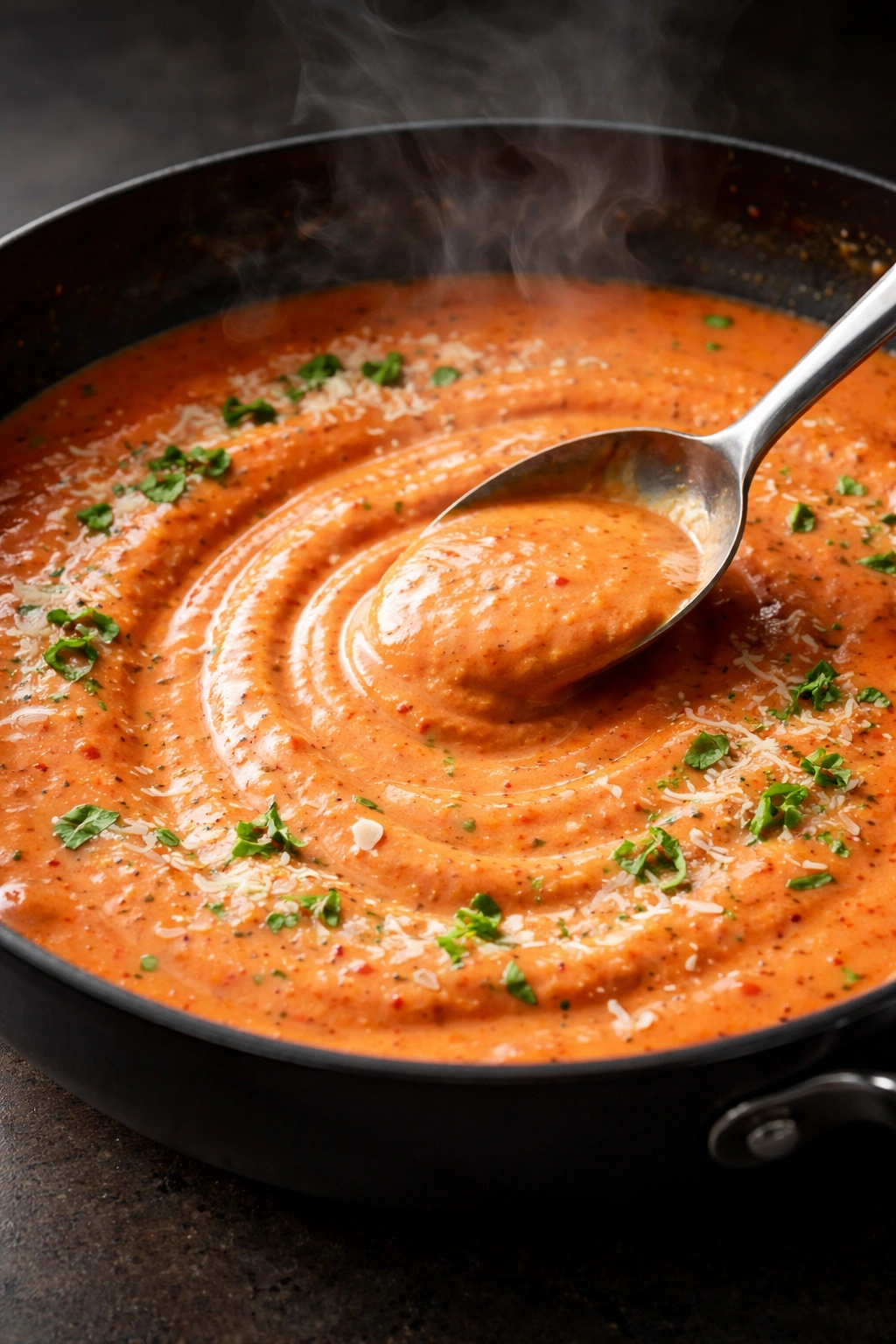
Slowly pour in the heavy cream while stirring constantly, making sure it incorporates smoothly into the tomato mixture. The key word here is “slowly”—if you dump cold cream into a hot tomato sauce all at once, it can curdle or separate. By pouring it in gradually while stirring, you’re bringing the cream up to temperature gently. The sauce should transform into a beautiful pale peachy-pink color as the cream blends with the red tomatoes.
-
If you’re using milk in addition to cream (to reduce overall richness), add it now and stir well. Reduce the heat to medium-low—the sauce should be at a bare simmer, with just tiny bubbles breaking the surface. Aggressive boiling can cause the cream to break or the sauce to become greasy-looking, which you want to avoid.
-
Add the softened cream cheese or goat cheese (if using) to the sauce by stirring it in a little at a time until it completely melts and disappears. This step adds richness and a subtle tanginess. If you’re not using cream cheese, the sauce is still delicious—skip to the next step.
-
Add the freshly grated Parmesan cheese by sprinkling it over the sauce in small handfuls while stirring constantly. Make sure each addition is fully melted and incorporated before adding more. The cheese should disappear into the sauce, creating a silky, emulsified texture rather than visible cheese particles. Season the sauce with salt and freshly ground pepper to taste, erring slightly on the generous side—the pasta will dilute these flavors slightly when combined.
Bring Everything Together
-
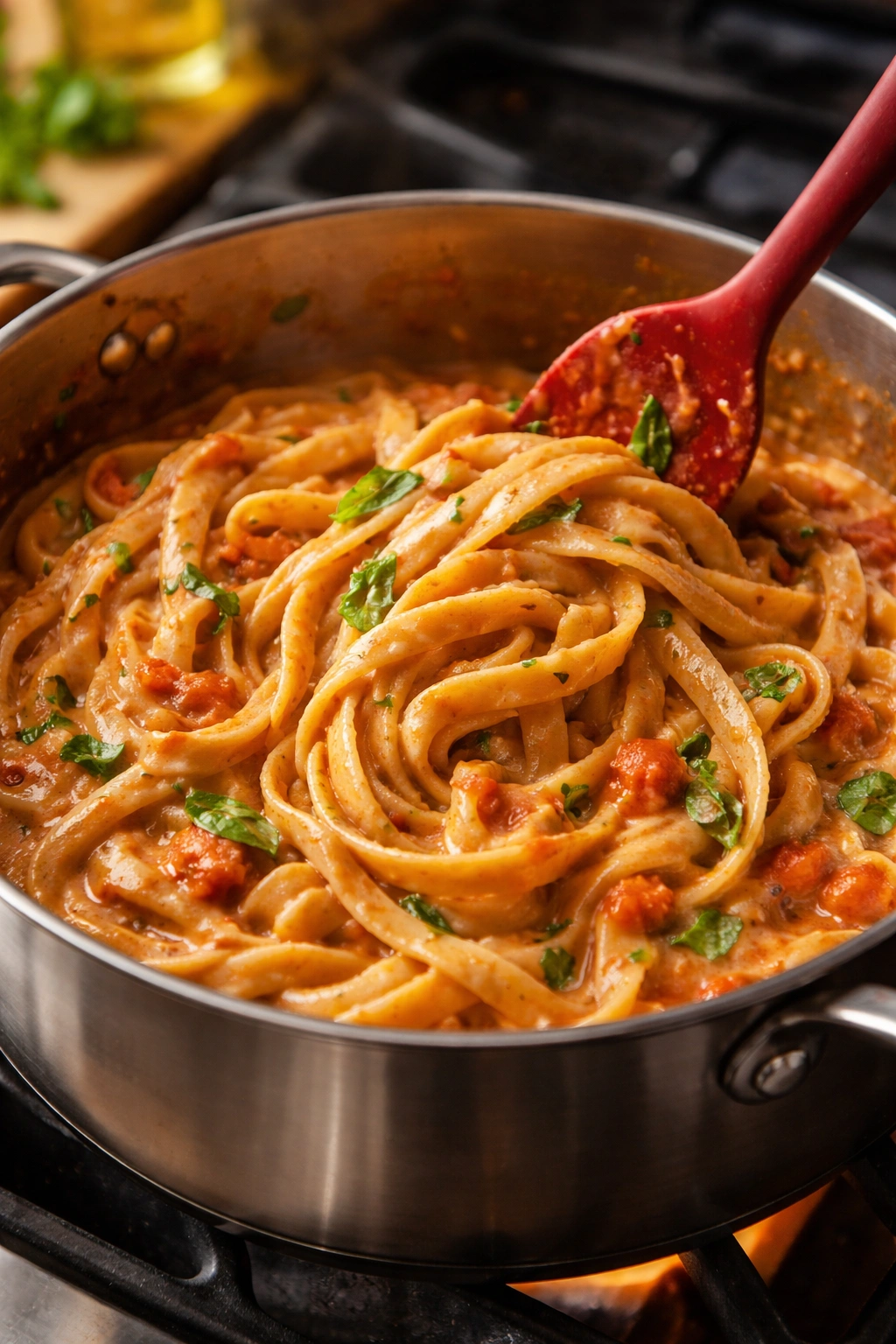
Add the drained pasta to the warm sauce, using tongs or a large spoon to fold it gently into the sauce rather than stirring vigorously. The pasta should be well-coated with sauce. If the sauce seems too thick to coat the pasta nicely, add pasta water a little at a time (start with ¼ cup) and stir until you reach your desired consistency. The sauce should coat the pasta generously but not be soupy.
Advertisements -
Let the pasta sit in the sauce off heat for about 1 to 2 minutes, gently folding it occasionally. This resting period allows the pasta to absorb more of the sauce flavors and the sauce to become even creamier as the pasta releases its remaining starch.
-
Remove from heat and immediately stir in the fresh basil, folding it gently into the pasta. The residual heat will slightly soften the basil while it stays bright and fragrant. Taste the pasta and adjust seasoning with more salt, pepper, or fresh basil as desired.
Serve Immediately
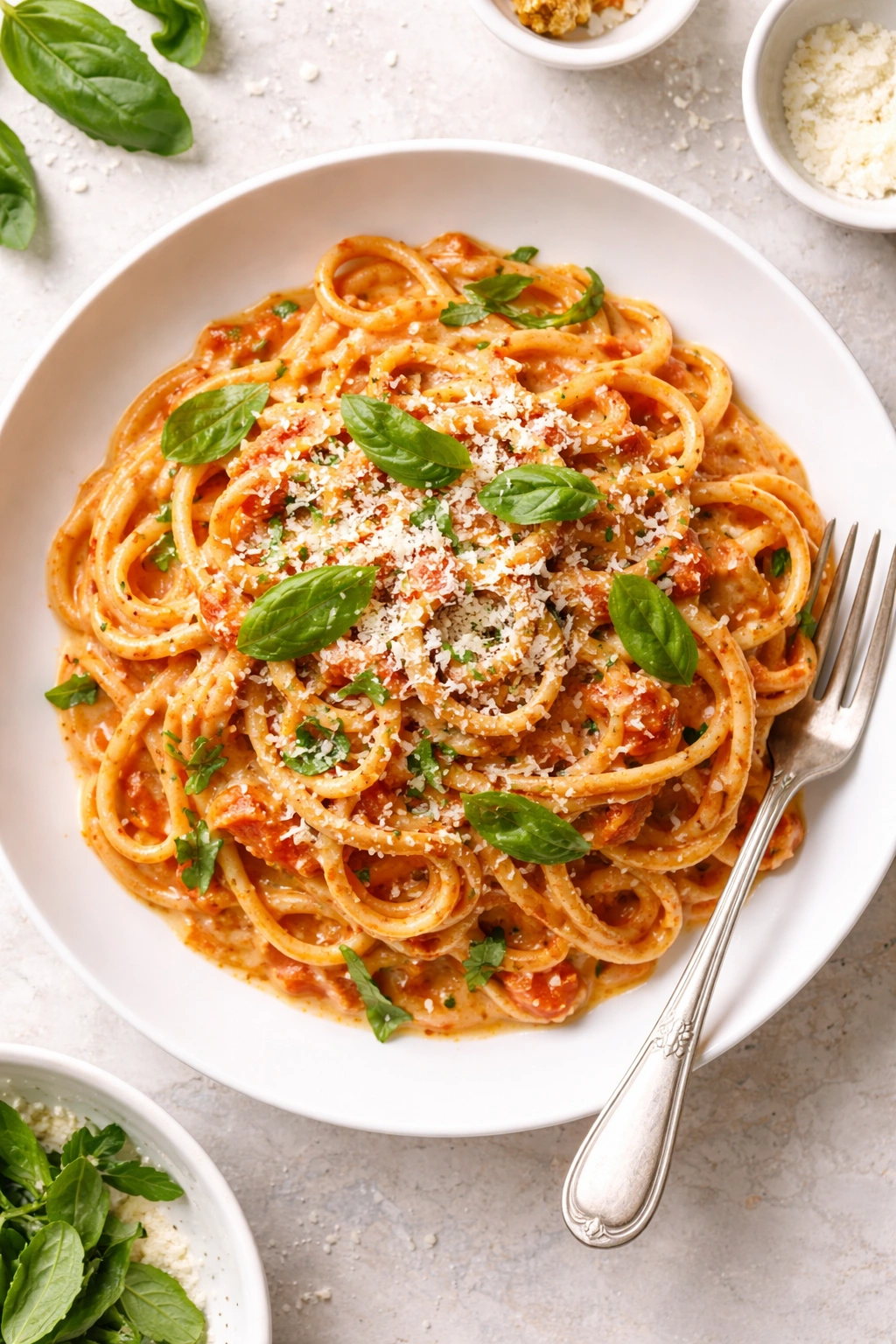
- Divide the pasta among bowls or plates, making sure each serving gets a generous amount of sauce. Garnish each serving with additional fresh Parmesan (freshly grated if possible), torn fresh basil leaves, and optional red pepper flakes if you like heat. Serve immediately while the pasta is still warm and the sauce is creamy.
Pro Tips for Perfect Results Every Time
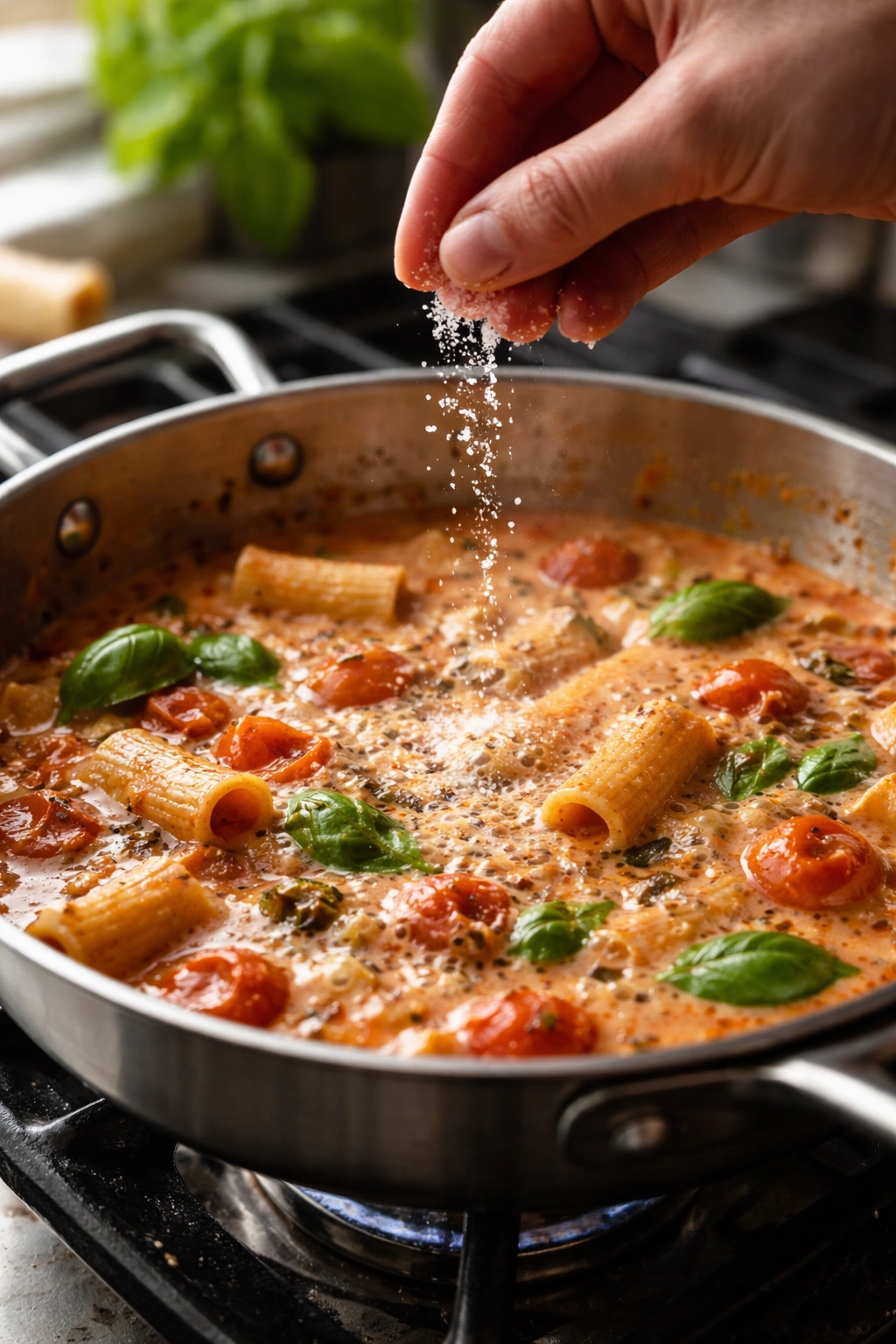
Don’t skip reserving pasta water. This seems like a small thing, but starchy pasta water is the secret weapon that helps create a silky, cohesive sauce. The starch particles emulsify with the cream and cheese, helping everything meld together beautifully rather than separating. Keep it in a cup right next to your pot so you remember to use it.
Toast your dried spices briefly. If you’re using Italian seasoning or dried herbs, consider giving them a few seconds in the hot pan with the garlic and oil before adding tomatoes. This “blooms” the spices, releasing their essential oils and making them taste fresher and more vibrant than if you add them directly to the cool sauce.
Taste constantly and adjust boldly. Seasons like salt and pepper should be adjusted as you cook, not just at the end. Taste the sauce after adding garlic, taste again after adding tomatoes, and definitely taste before serving. Don’t be shy with salt—this is one area where many home cooks under-season, resulting in a sauce that tastes flat.
Use room-temperature cream cheese. If your cream cheese is cold from the fridge, it takes longer to melt and integrate, and you might end up with lumps in your sauce. Remove it from the fridge about 10 minutes before you start cooking, and it’ll blend in perfectly.
Fresh mozzarella is optional but special. Some of the best versions of this pasta tear up fresh mozzarella and toss it in at the very end. The residual heat softens it into creamy pockets throughout the dish without completely melting it. It’s not necessary, but if you have good fresh mozzarella on hand, add an ounce or two torn into bite-sized pieces.
Don’t overcook the pasta initially. Since the pasta finishes cooking in the sauce, you want to catch it while it’s still slightly firm, even bordering on a bit underdone. This gives you insurance against mushy pasta. Some recipes call for adding uncooked pasta directly to the sauce, which works beautifully if you monitor timing carefully and stir frequently to prevent sticking.
Common Mistakes to Avoid
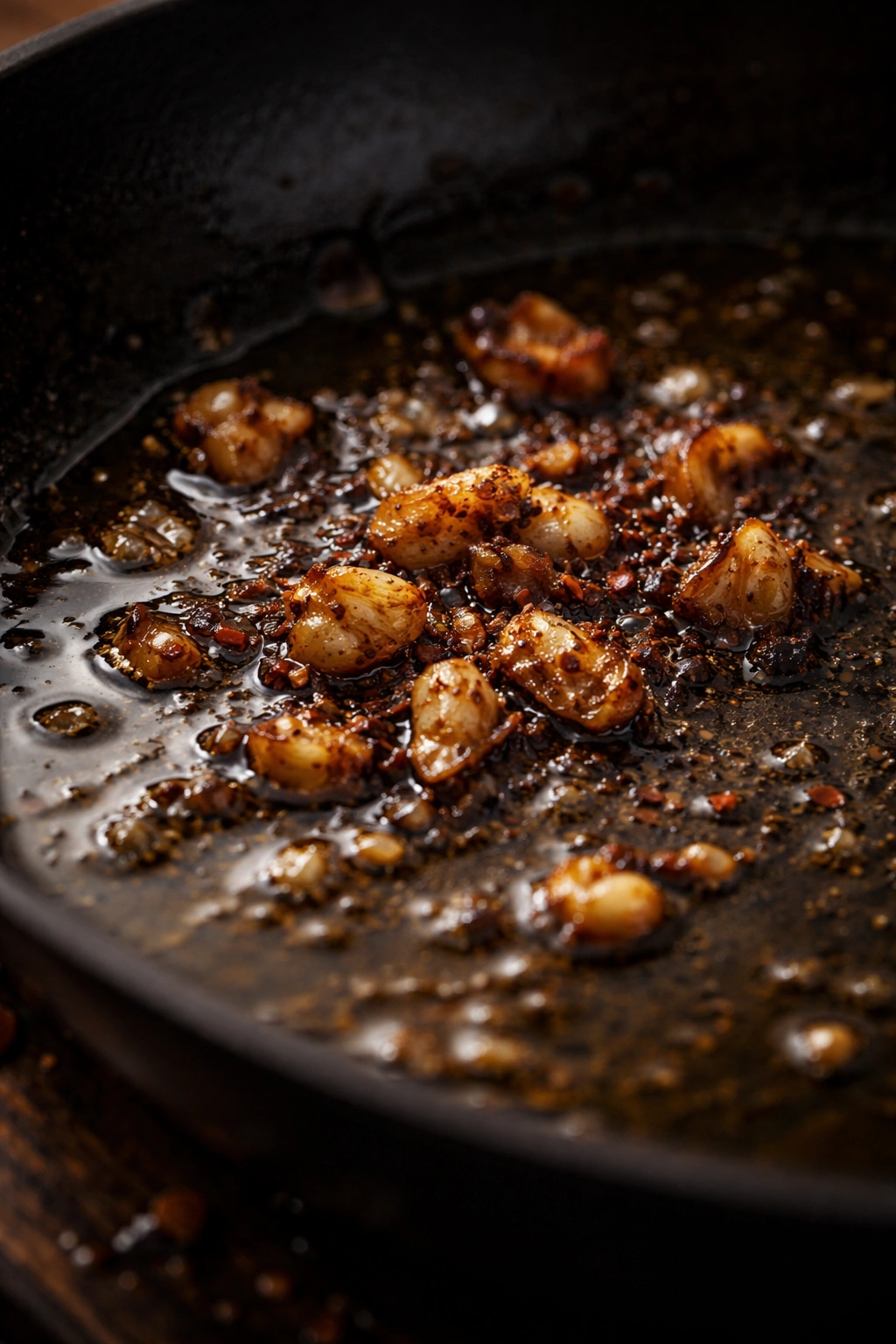
Burning the garlic. This happens in seconds and is the easiest mistake to make. The moment garlic goes from fragrant to brown, it becomes bitter and acrid. Watch it like a hawk, stir constantly, and if you’re even slightly worried, pull the pan off heat for a few seconds to let it cool. You can always cook it a few seconds longer, but you can’t un-burn garlic.
Adding cream too quickly. If you pour cold cream into a hot sauce without stirring, it can curdle or separate, creating a broken, grainy-looking sauce. Even if it doesn’t visibly curdle, rapid temperature changes are stressful on cream and can affect how smoothly it integrates. Slow and steady wins the race.
Using low-quality Parmesan. The pre-grated stuff in the green can tastes nothing like freshly grated real Parmesan, and since cheese is a main flavor component here, it matters. If you only have access to pre-grated, reduce the amount slightly (it tends to taste stronger) and don’t expect the same creamy emulsification—it will still taste good, just slightly different.
Letting the pasta get mushy. Overcooking pasta is irreversible. By undercooking it initially when you boil it, then finishing it in the sauce, you maintain the most control. If your pasta finishes cooking and you realize it’s still slightly too firm, you can add a bit more reserved pasta water and let it simmer for another minute or two. But mushy pasta can’t be fixed.
Adding the basil too early. If you add fresh basil to a hot sauce and let it sit for even a few minutes, it will wilt down and lose brightness. Basil should be added right before serving, so you get that fresh, herbaceous quality. If you absolutely must make this ahead (see storage section), make the sauce without basil, then add fresh basil just before reheating and serving.
Skipping salt during cooking. Many people think they’ll just adjust salt at the very end, which is a mistake. Salt builds flavors as you cook—it brings out the natural sweetness of tomatoes, the richness of cream, and the depth of garlic. If you wait until the end to salt, the flavors never fully bloom. Season in layers throughout cooking.
Creative Variations to Try
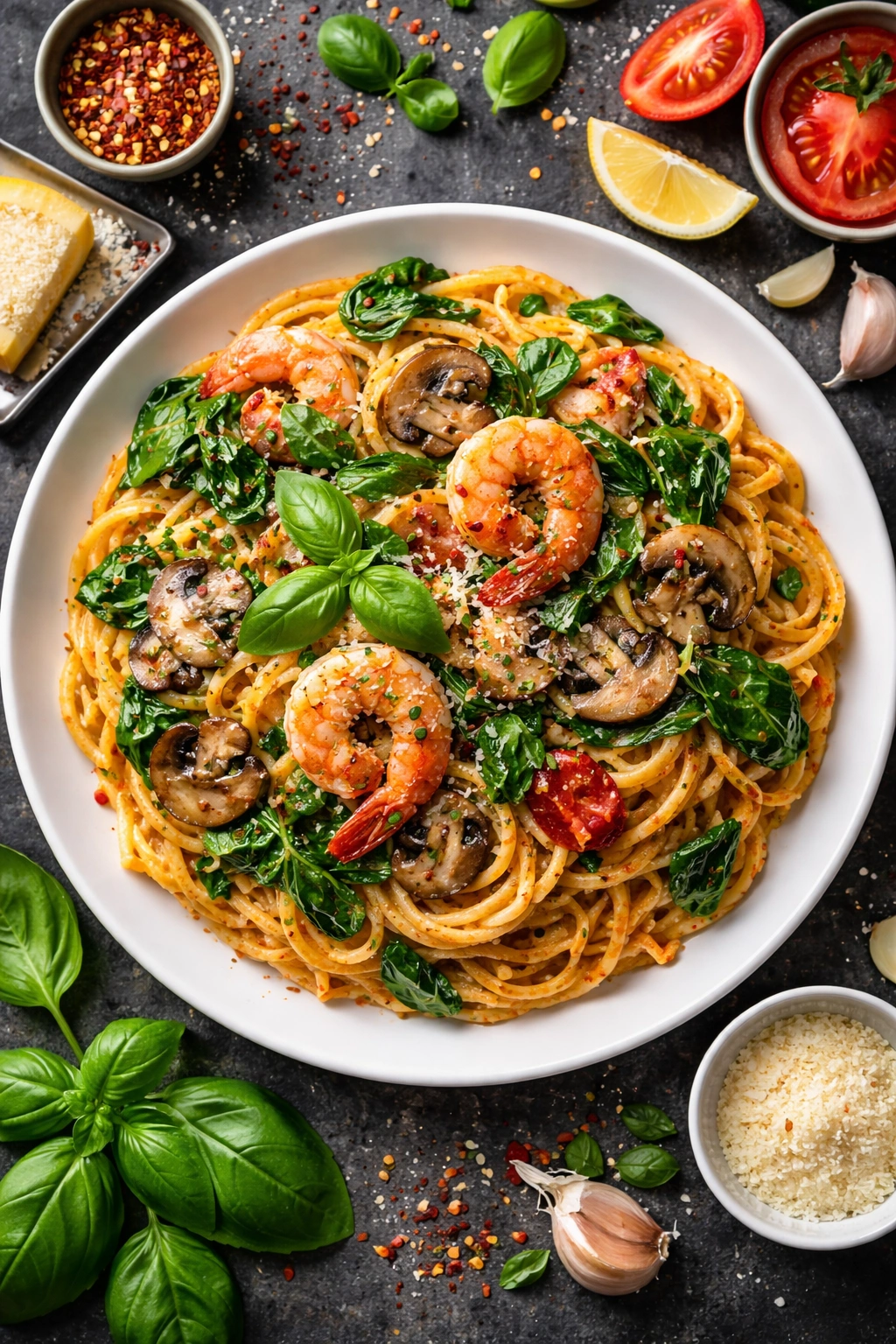
Add protein. Pan-seared chicken breasts sliced thin and draped over the pasta, or crispy pancetta or bacon crumbled throughout, or cooked shrimp tossed in at the end. Even a simple rotisserie chicken shredded and warmed in the sauce works beautifully. Ground Italian sausage browned separately and added to the sauce gives an entirely different but equally delicious flavor profile.
Incorporate vegetables. Fresh spinach or baby kale wilted into the sauce in the last minute, or sautéed mushrooms folded in before serving. Roasted zucchini or sun-dried tomatoes add completely different but complementary flavors. Fresh peas stirred in at the very end add sweetness and color without changing the core identity of the dish.
Make it spicier. Start with the ¼ teaspoon red pepper flakes and increase from there. Some people add a pinch of cayenne pepper or a teaspoon of harissa paste for more complex heat. Others use high-quality hot sauce—just a few drops stirred into the finished sauce.
Substitute herbs. While basil is traditional and delicious, fresh oregano, tarragon, or a combination of herbs all work beautifully. Even fresh mint, added in small amounts, creates an unexpected freshness. Finish with flat-leaf parsley if you want the herbaceous flavor without basil’s more pronounced taste.
Make it vegan. Replace heavy cream with coconut milk (full-fat canned, shaken well) and skip the cheese or use nutritional yeast for a similar umami flavor. Use olive oil instead of butter. Fresh tomato-based pasta becomes naturally vegan when you skip the dairy, and it’s genuinely excellent.
Create a lighter version. Use half-and-half instead of heavy cream, or use more milk and less cream. Skip the cream cheese entirely. Use less Parmesan or omit it completely in favor of a light shower of Pecorino Romano at the end. You’ll get a lighter sauce while maintaining all the tomato basil flavor.
Add cream cheese for tang. Replace half the regular cream with tangy crème fraîche or sour cream. The tang doesn’t overpower—it brightens the whole dish and prevents it from feeling too heavy.
Storage, Leftovers, and Make-Ahead Options
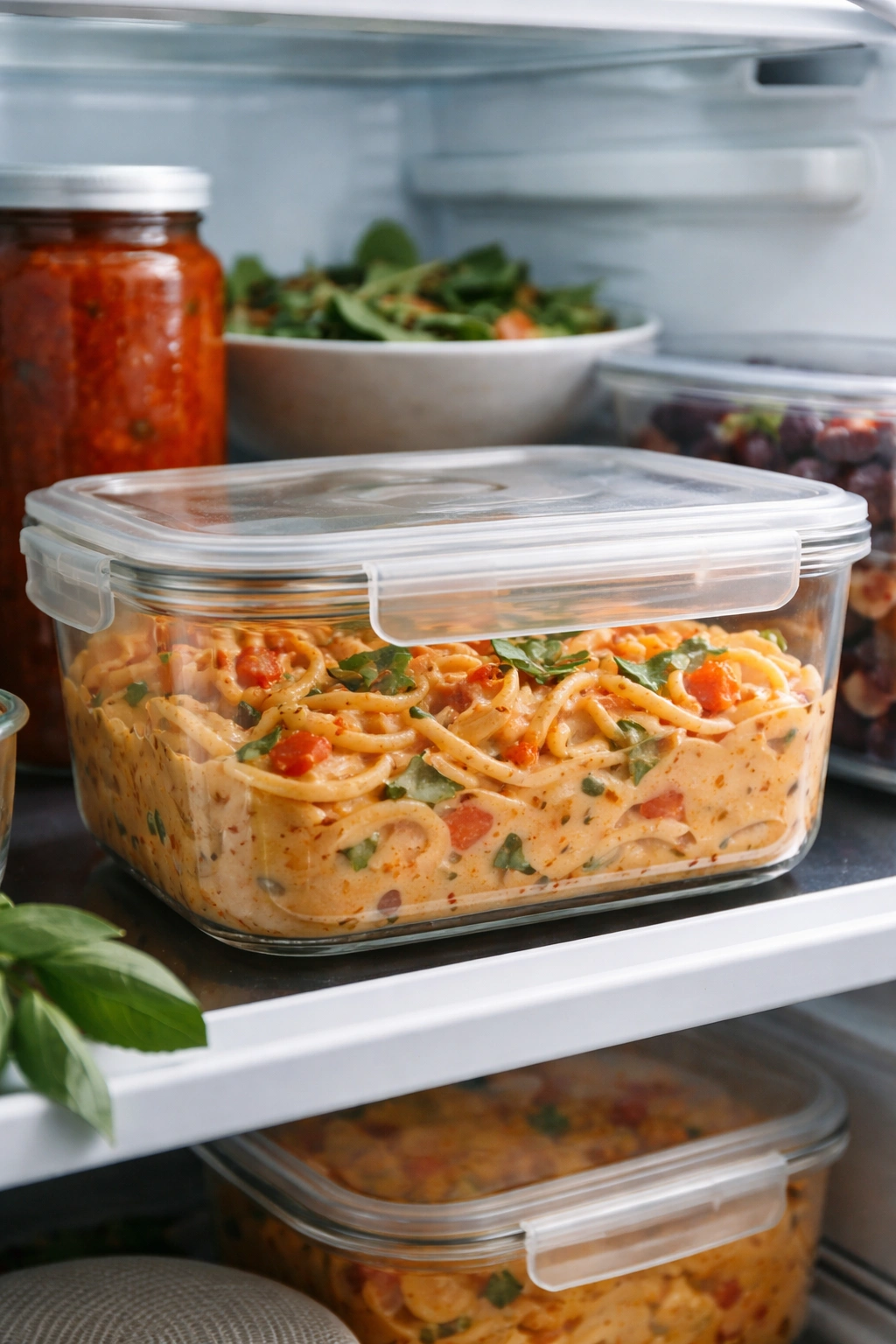
This pasta is best served immediately while the sauce is creamy and the pasta is at its optimal texture. However, leftovers keep beautifully and reheat well if you store and reheat them properly.
Refrigerator storage: Place leftover pasta in an airtight container and refrigerate for up to 4 days. The pasta will absorb more sauce as it sits, which is fine—just adjust consistency when reheating.
Freezer storage: This pasta actually freezes quite well. Let it cool completely, then divide into meal-sized portions in freezer bags or airtight containers. Freeze for up to 3 months. The sauce holds up better than the pasta texture, so if you’re freezing, expect the pasta to be slightly softer after thawing and reheating, which is still perfectly acceptable for a comforting dinner.
Reheating from refrigerator: Gently reheat in a skillet over medium heat with a splash of milk, cream, or reserved pasta water to restore the sauce to its proper consistency. Stir occasionally to prevent sticking. The pasta may need 5-10 minutes to heat through depending on how much you have. Alternatively, reheat in the microwave in a covered microwave-safe container, stirring halfway through and adding a splash of liquid.
Reheating from frozen: Thaw overnight in the refrigerator, then reheat as above. Or reheat directly from frozen: place in a covered skillet over medium-low heat with additional cream or milk, stirring occasionally, until heated through (this takes 15-20 minutes).
Make-ahead strategy: You can make the sauce completely ahead of time (up to 2 days prior, refrigerated), then cook the pasta fresh shortly before serving, and combine them. This gives you fresh pasta texture while taking advantage of the advance work. Alternatively, cook everything together and freeze. Fresh basil should always be added after reheating, not before freezing.
Reheat tip: Whenever reheating, add liquid (milk, cream, or pasta water) to compensate for liquid lost during storage and reheating. The sauce will thicken as it sits and cools, so you’re just restoring it to its original consistency.
Serving Suggestions and Perfect Pairings
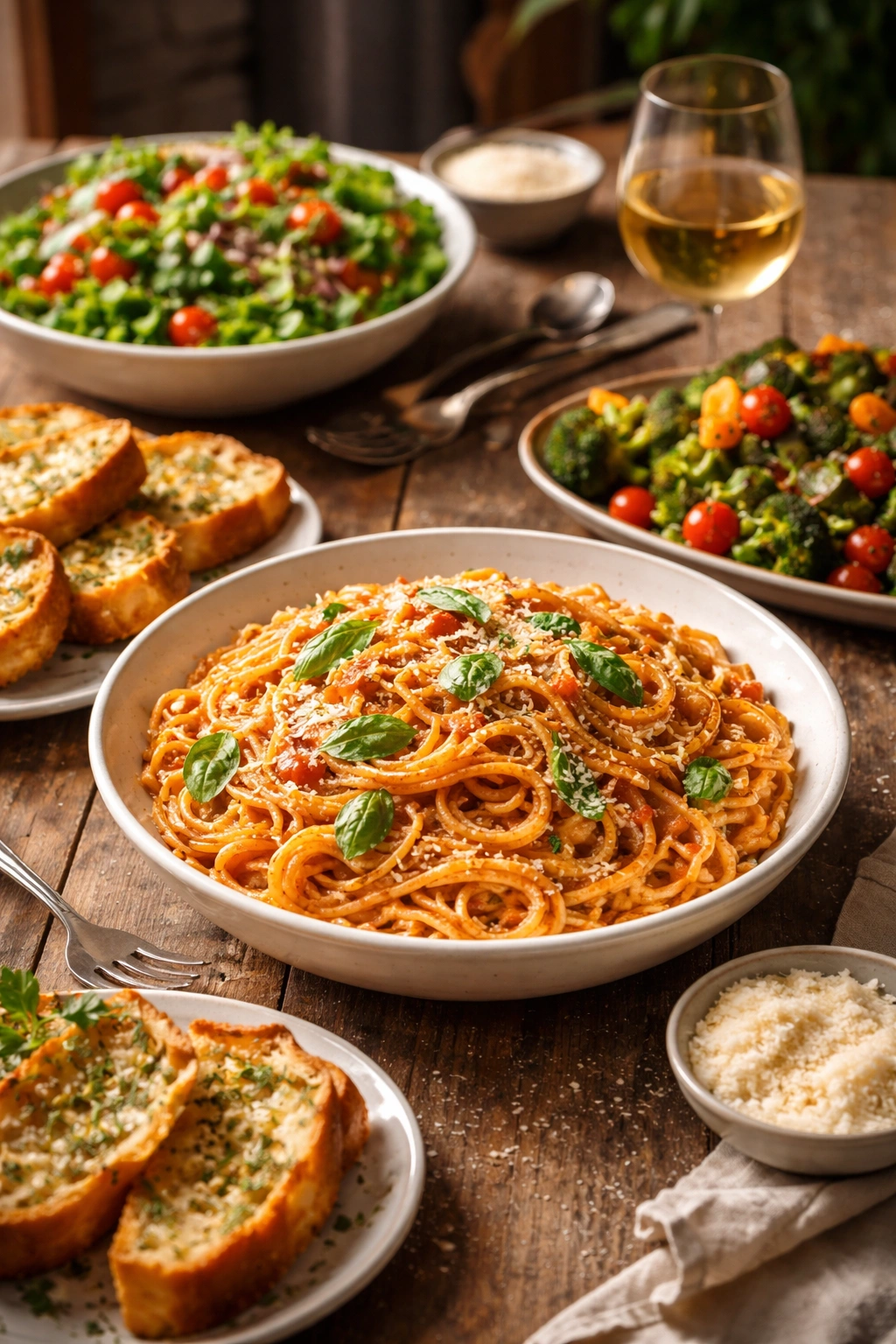
This creamy tomato basil pasta works beautifully alongside simple sides that complement rather than compete with its flavors. A simple green salad dressed with lemon vinaigrette provides brightness and acidity that cuts through the richness. The fresh greens feel light against the creamy pasta.
Crusty bread is essential—not as a side, but as a vehicle for soaking up every last drop of sauce. Toasted bread rubbed with a cut garlic clove and drizzled with good olive oil (essentially bruschetta-style) pairs perfectly. Some people make garlic bread, which is also excellent, though slightly gilding the lily given the pasta is already richly flavored.
Roasted vegetables like broccoli, asparagus, or zucchini tossed with olive oil and salt work wonderfully. They add nutrition, color, and textural contrast to the soft pasta. Roasted mushrooms are equally lovely.
A simple arugula salad tossed with lemon juice, olive oil, salt, and pepper provides peppery contrast and fresh acidity. The slightly bitter edge of arugula plays beautifully against the tomato and cream.
Wine pairing: For a white wine, choose something with good acidity to cut through the creaminess—Pinot Grigio, Vermentino, or Sauvignon Blanc all work beautifully. A rosé with good acidity is also excellent. For red wine drinkers, a lighter Pinot Noir or a Chianti works far better than a heavy, tannic red which would clash with the cream-based sauce.
Protein considerations: If you’re adding protein to the pasta itself, serve without additional protein sides. If you’re keeping the pasta vegetarian, a side of grilled chicken, pan-seared shrimp, or baked fish transforms it into a complete meal.
Final Thoughts
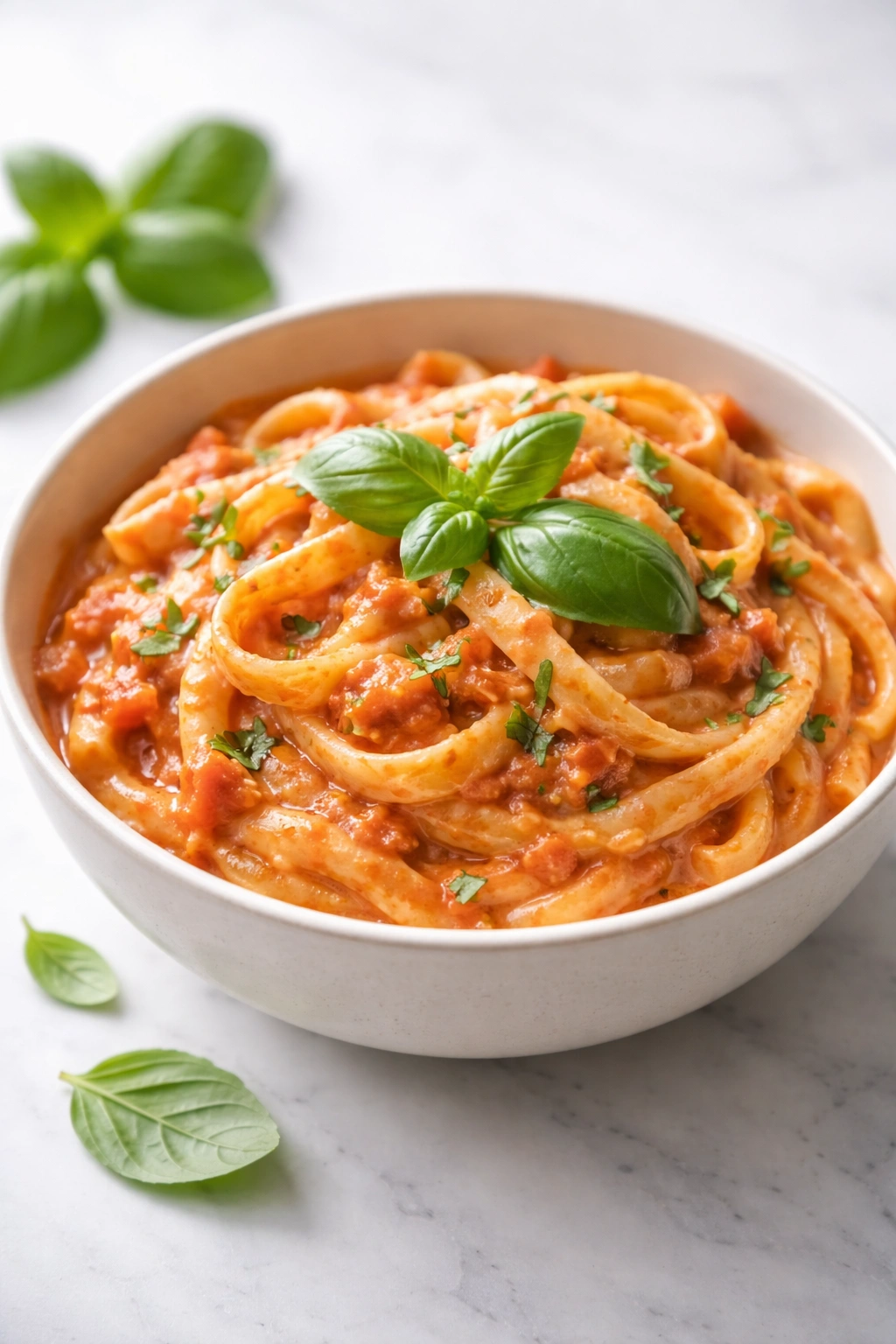
The beauty of this one-pot creamy tomato basil pasta is that it delivers restaurant-quality flavor in the time it takes to boil water and cook pasta. There’s no intimidation factor, no fancy techniques to master, just good ingredients treated with respect and combined with enough flavor-building attention that the result is always impressive.
The magic is genuinely in the simplicity. When you’re not trying to be clever or complicated, when you’re just focusing on letting each ingredient shine and play well with others, that’s when some of the best food happens. Fresh garlic, good tomatoes, real cream, proper seasoning, and fresh basil—these things don’t need much help to taste incredible together.
Keep this recipe in regular rotation, not just for busy weeknights, but for moments when you want to prove to yourself that you can create something genuinely delicious with minimal fuss. Invite people over. Serve it to your family. Make it for yourself on nights when you deserve something special but don’t have the energy for anything complicated. This pasta checks all those boxes and then some.
