



There’s a well-kept secret among home cooks that restaurants don’t advertise: some of the best soups you’ll ever taste come straight from your refrigerator the day after you made them. You probably already know this feeling—you simmer a big pot of something warm and comforting, eat a bowl while dinner’s still hot, and think “that’s nice.” Then the next day, after everything’s been sitting together in the fridge overnight, you reheat it and suddenly wonder if you’re eating a completely different dish. The flavors have deepened, rounded out, and come together into something far more sophisticated than what you created the night before.
This isn’t just your imagination playing tricks on you. There’s actual science happening in that pot while it sits in your fridge. On a molecular level, soluble flavor compounds—salt, sugars, amino acids, and savory umami elements—slowly migrate from areas where they’re more concentrated to where they’re less concentrated. Starches break down into simple sugars, proteins fragment into amino acids, and herbs and spices have time to fully infuse into every component of the soup. Meanwhile, vegetables like potatoes and beans absorb the flavorful broth, getting seasoned literally from the inside out. The overall effect is a more cohesive, harmonious, deeply satisfying bowl of soup that tastes nothing like a leftover—it tastes intentional, refined, and delicious.
But not all soups benefit equally from overnight aging. The best candidates are soups with robust, layered flavors; rich broths; and ingredients that genuinely improve with time. Delicate broths, bright acidic soups, and anything with fresh herbs might actually lose their charm by day two. This guide focuses exclusively on the soups that make overnight chilling worth your time—the kinds that practically demand you make them a day ahead so they can reach their full potential. If you’ve been cooking the same soups fresh every time, you’re missing out on a genuinely better eating experience. These ten soups prove that sometimes the best dinner is the one you made yesterday.
1. French Onion Soup

French onion soup is the ultimate next-day transformation story. Fresh out of the pot, it’s delicious—caramelized onions in a deeply savory broth with the promise of melted cheese and toasted bread on top. But give it a night in the refrigerator and something magical happens. The onions, which have already surrendered their natural sugars through the long caramelization process, soften even further and nearly melt into the broth. The beef stock develops a richer, rounder flavor as the residual gelatin from the bones fully sets and the umami compounds settle throughout the liquid.
Why It Improves Overnight
The magic of French onion soup’s transformation lies in how its fundamental components interact over time. The onions themselves become almost silky as they continue to break down, releasing even more sweetness that balances the savory broth. Meanwhile, the broth develops a slightly thicker, more luxurious body as gelatin and collagen continue their slow conversion, creating a mouthfeel that feels fuller and more substantial than it did the night before. The cheese and bread topping also benefit from a gentle reheat—everything fuses together more cohesively.
How to Reheat and Serve
Place the soup in a heavy-bottomed pot over moderately low heat and stir occasionally, allowing it to come up to temperature slowly. Don’t rush this process by cranking the heat—slow reheating preserves the developed flavors rather than blasting them. Before serving, prepare fresh cheese-topped bread toasts by layering gruyere or Swiss cheese on crusty baguette slices, broiling them until bubbly, then floating them on top of the hot broth. The contrast between the crispy, cheesy toast and the silky, deeply flavored broth is what French onion soup dreams about.
2. Hearty Beef and Bean Chili
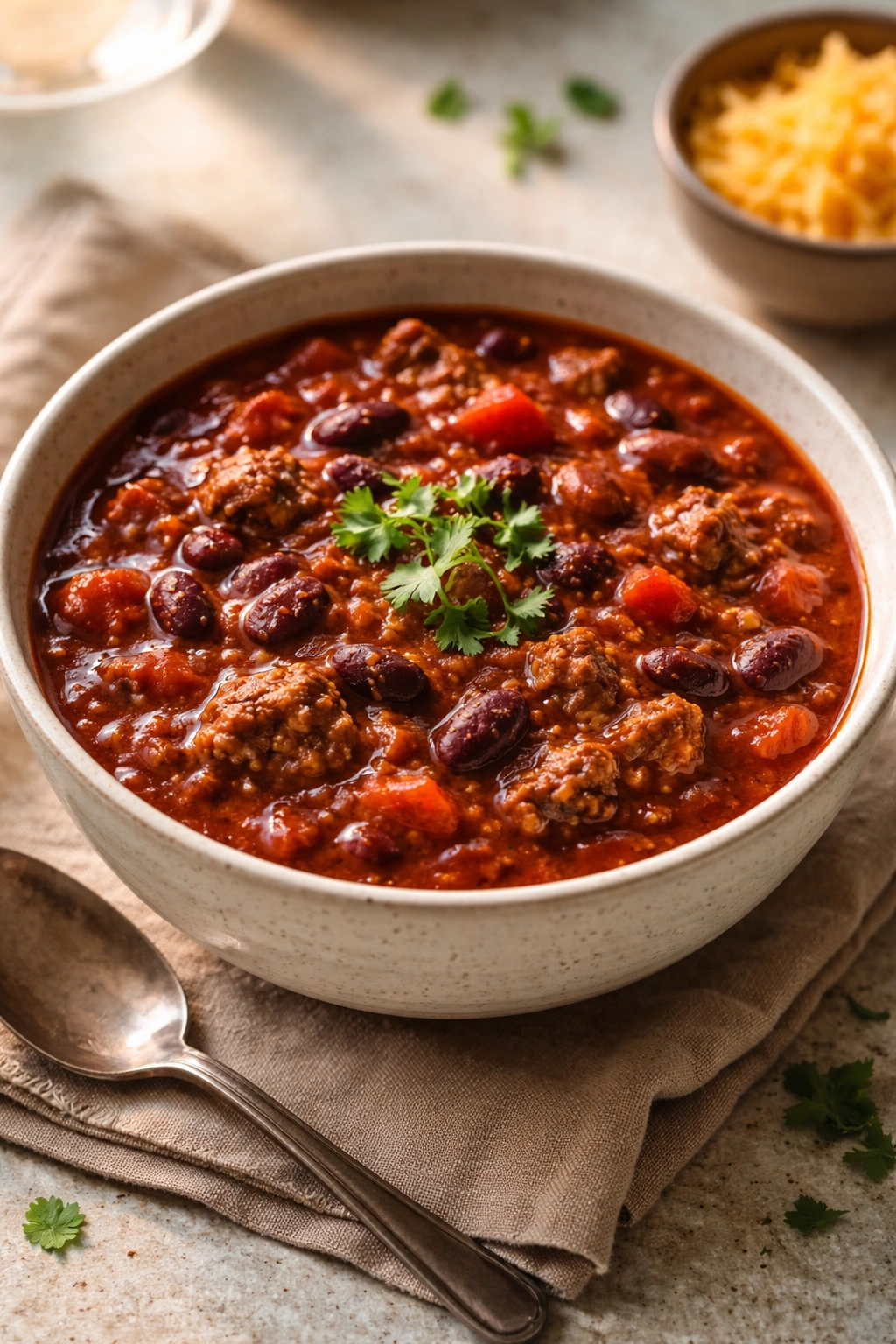
Chili is the comfort food that keeps getting better. On the first night, it’s warming and satisfying, with distinct flavors—the heat from the chiles, the savory beef, the earthiness of the beans. But chili is all about layering and melding, and it needs time to achieve that seamless flavor integration. Overnight in the refrigerator, the ground beef’s flavors seep deeper into the beans, which absorb the tomato and spice-infused liquid. What was bold and separate becomes unified and profound.
The Science of Flavor Merging
As chili sits, starches from the beans and the thickening agents begin to break down, creating additional body and thickening that makes the chili feel richer and more luxurious without needing a single ingredient added. The dried chiles—whether ancho, guajillo, or chipotle—fully surrender their smoky, spicy complexity to the broth. The chili powder, cumin, and garlic distribute evenly throughout instead of clumping in certain bites. Tasters who never spent hours cooking the chili often report that day-two chili tastes noticeably bolder than the fresh version.
Storage and Serving Ideas
Chili freezes exceptionally well, making it one of the most practical soups for meal prep. Portion it into containers while still warm, then refrigerate or freeze. When you’re ready to eat, thaw overnight in the refrigerator if frozen, then reheat gently in a pot over medium heat, stirring occasionally. Top with sour cream, shredded cheddar, diced onions, jalapeños, and fresh cilantro. The cool, tangy toppings create a perfect textural and temperature contrast with the hot, richly flavored chili.
3. Butternut Squash Soup
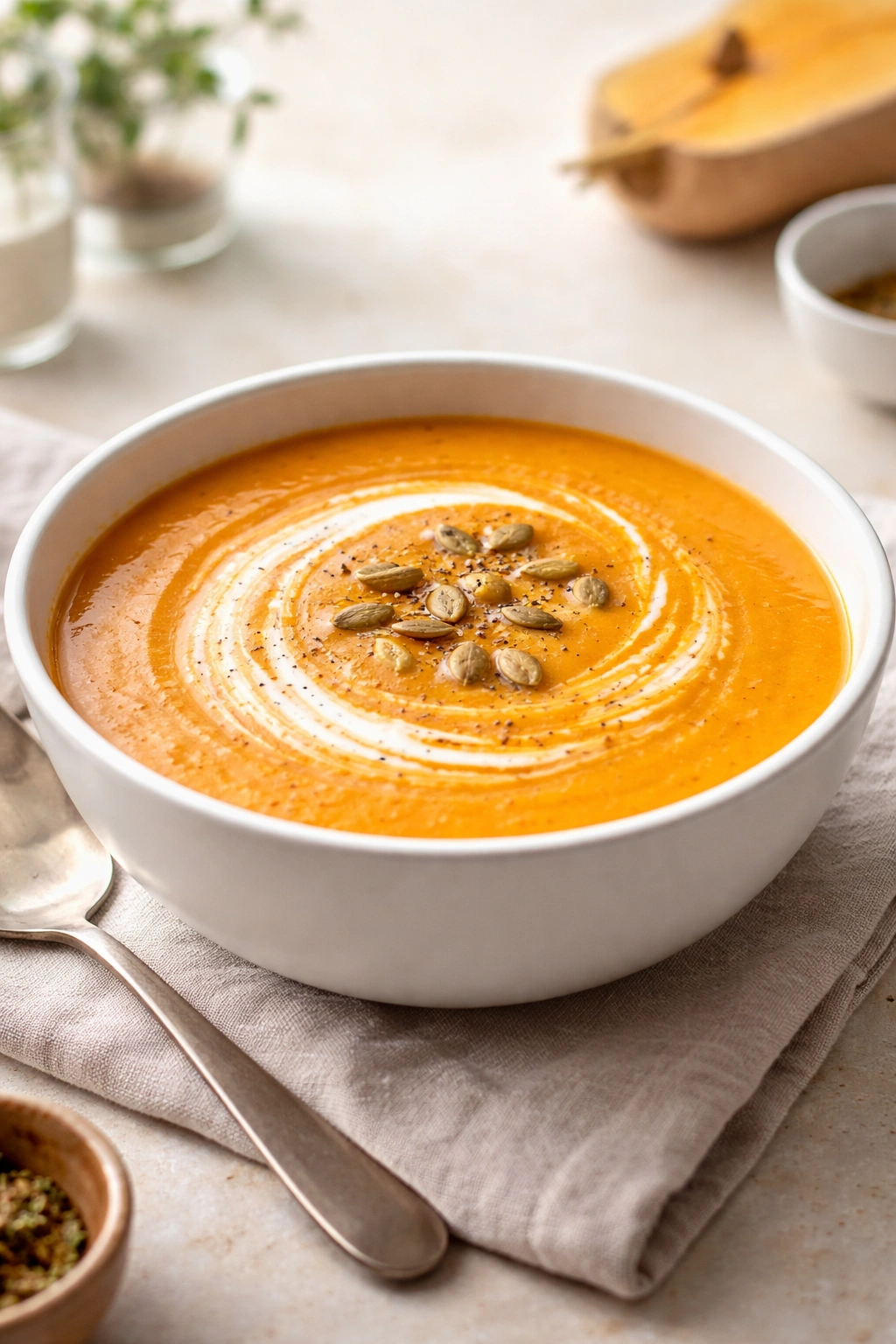
Creamy, naturally sweet butternut squash soup benefits enormously from sitting overnight. On the first day, the flavors can feel slightly separate—the squash somewhat distinct from the broth, the spices announcing themselves rather than whisper. After twelve to twenty-four hours in the refrigerator, the squash’s natural sweetness melds with the savory broth in a way that feels almost dessert-like without actually being sweet. The spices—warm ginger, toasty sage, maybe a hint of nutmeg or curry—distribute throughout, creating layers of complexity.
How Puréed Soups Develop Overnight
The beauty of puréed soups like butternut squash is that they continue to thicken and intensify as they rest. Starches in the squash absorb the surrounding liquid, making the soup feel even creamier without any cream added. If you blended in toasted seeds, nuts, or cashew cream for richness, these fats continue to integrate with the liquid, creating a more harmonious mouthfeel. The flavor concentration intensifies as water content redistributes, making every spoonful taste more cohesive and refined.
Best Serving Practices
Reheat butternut squash soup gently in a pot over medium-low heat, stirring often and adding broth or water if it’s thickened too much. Finish with a generous drizzle of quality olive oil, which not only adds richness but helps the flavors sing. Serve with a crispy sage brown-butter drizzle, spiced pepitas, or a dollop of tangy yogurt. The soup’s natural sweetness pairs beautifully with something acidic or savory on top—think pomegranate seeds, shredded bitter greens, or crispy bacon if you’re not vegetarian.
4. Lentil Soup

Lentil soup is practically designed to taste better the next day. Lentils are little sponges that absorb broth and flavors as they cook, but they truly shine after an overnight rest. Fresh lentil soup often has a slightly grainy texture and distinct vegetable flavors—carrots taste like carrots, celery like celery. Give it twenty-four hours and the soup becomes unified. The lentils have absorbed so much broth that they’re nearly creamy, and the vegetables have broken down enough to contribute their essence rather than standing out as separate components.
The Role of Acid and Seasonings
Many lentil soup recipes include a splash of vinegar or lemon juice for brightness, and this acidity plays a different role on day two. Rather than cutting through the flavors sharply, the acid has time to integrate, softening and enriching the overall taste profile. If your lentil soup contains tomatoes, they become more pronounced on day two as their natural acids mellow and their sweetness emerges. Add fresh herbs like parsley or dill just before serving to maintain some brightness, but don’t skip the overnight rest—it’s essential to the soup’s final character.
Freezing and Meal Prep Potential
Lentil soup freezes beautifully for up to two months, making it one of the best soups for advanced meal prep. Portion it into individual containers, cool completely, then freeze. When you want dinner, thaw overnight in the refrigerator and reheat slowly in a pot, adding broth if needed. The soup’s textures hold up better than some other varieties during freezing and thawing, maintaining that perfect balance between tender lentils and smooth broth.
5. Creamy Mushroom Soup
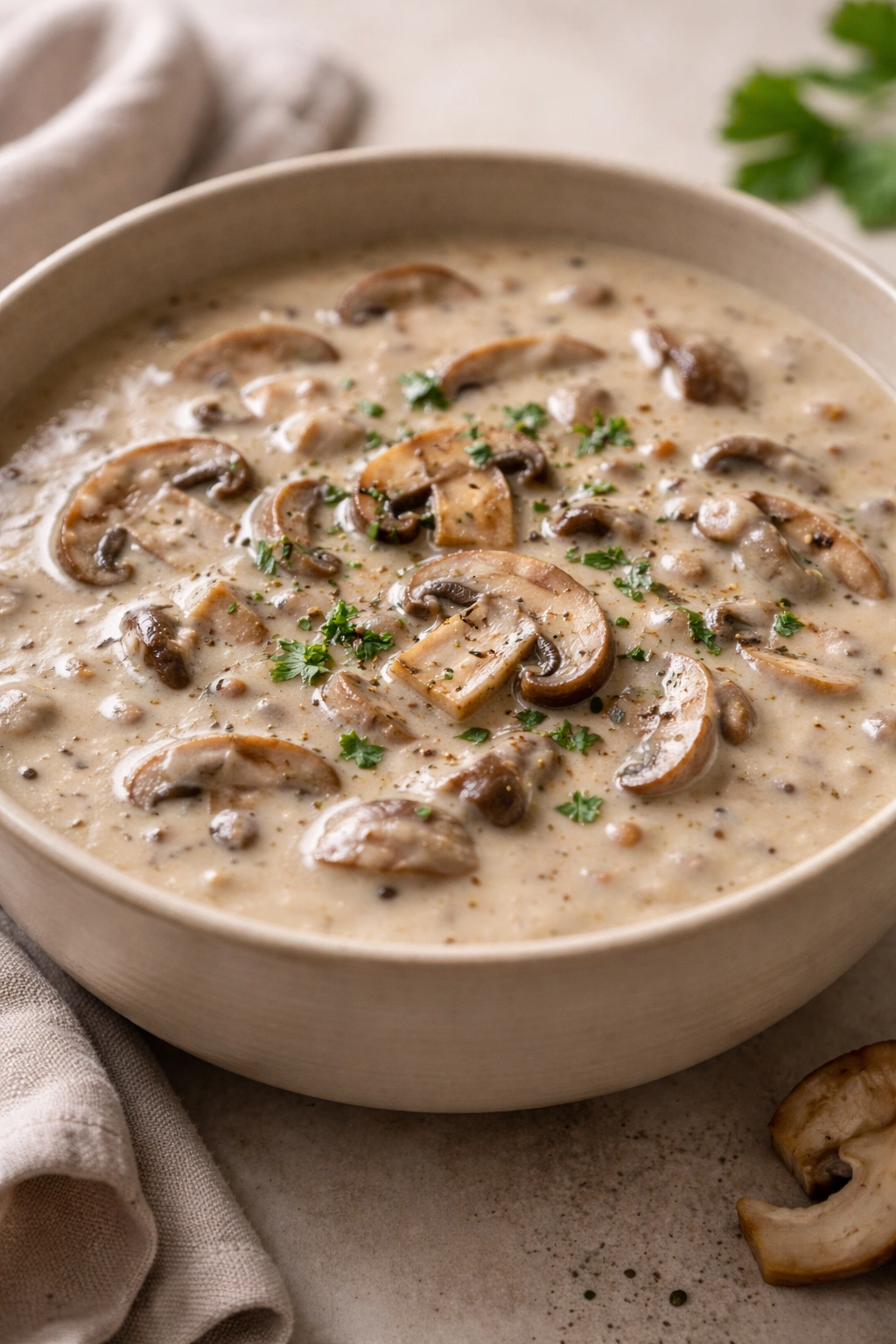
Mushroom soup is deceptively simple—mushrooms, broth, maybe some aromatics and cream—yet it becomes something transcendent overnight. Fresh mushroom soup is earthy and satisfying, but the flavors can feel one-note, with the mushroom taste dominating everything. After a night of rest, the umami compounds from the mushrooms have diffused throughout the entire soup, creating a savory, deeply satisfying depth that feels almost meaty. If you haven’t added cream or dairy, the soup becomes creamier as starches and broken-down cell walls create a naturally luxurious texture.
Maximizing Mushroom Umami
The secret to extraordinary mushroom soup that improves overnight is starting with a well-developed base. Sauté your mushrooms long enough to caramelize them—don’t just cook them until soft. Brown them hard, really coax out the deep, savory flavors. Then let them sit in good broth overnight and those caramelized, umami-rich bits continue releasing their essence. Fresh garlic, thyme, and a squeeze of lemon juice are essential, but add them in layers during cooking and save a little thyme for finishing.
Texture and Serving Suggestions
You can make creamy mushroom soup without any dairy whatsoever by blending in a handful of cooked white beans, or by swirling in a spoonful of nut butter. These add creaminess and body while the soup sits, creating a mouthfeel that rivals the cream-heavy versions. Reheat gently, taste for seasoning (it might need more salt and pepper than you think), and serve with crispy fried garlic, fresh thyme, or crème fraîche. The soup’s savory depth deserves a sophisticated finish.
6. Chicken and White Bean Soup

This rustic Italian-inspired soup exemplifies why overnight rest matters. Fresh from the pot, it’s hearty and warming—shredded chicken, creamy white beans, aromatic broth with garlic and herbs. It’s already delicious. But wait twenty-four hours and the beans have absorbed so much broth that they’re barely distinguishable from the liquid itself, creating a naturally creamy, luxurious texture without a drop of actual cream. The chicken has released its collagen into the broth, thickening and enriching it. The herbs—rosemary, thyme, maybe some oregano—have fully infused every component.
How Beans Transform Overnight
Beans are the secret weapon in any soup that improves with time. They’re absorbent by nature, soaking up surrounding liquid and flavors as they sit. On day one, they taste like seasoned beans in broth. On day two, they’ve absorbed so much of the flavorful liquid that they become almost indistinguishable from a creamy sauce. The starch they release into the broth creates additional body and thickening without any thickening agents. This is why bean-based soups invariably taste better the next day—the beans are actively working overnight to improve the overall dish.
Make-Ahead and Storage
Chicken and white bean soup is perfect for Sunday meal prep. Make a big batch while you have time, cool it completely, then divide into portions for the week. Store in the refrigerator for up to four days or freeze for up to two months. The soup’s texture and flavor actually improve as it sits, so make it Thursday and eat it Friday—you’ll be happier with the result. When reheating, do so slowly in a pot over medium heat, stirring occasionally and adding broth if it’s become too thick.
7. Tomato Soup
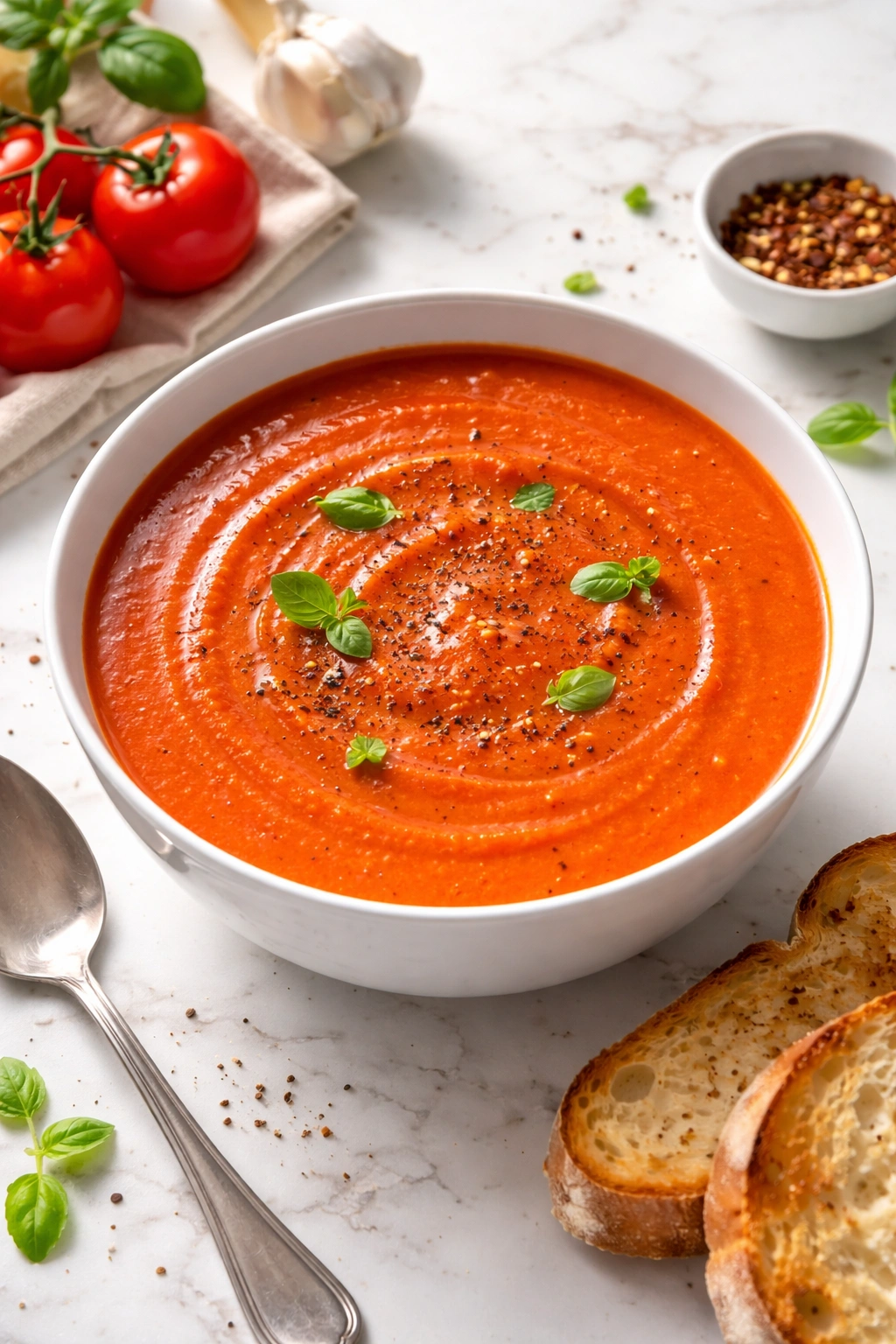
This might seem counterintuitive—tomato soup is bright and vibrant, why would you want to mute that with overnight rest? But the tomato soups that truly benefit from aging are the rich, creamy ones (made with cream, cashew cream, or blended white beans) that develop deeper complexity overnight. Fresh tomato soup can taste almost sharp, with the acidity prominent. After a night in the fridge, the tomatoes’ natural sweetness emerges and balances the acidity beautifully. The spices—perhaps a bay leaf, black pepper, or garlic—distribute evenly instead of clustering in certain spoonfuls.
The Balance of Acid and Sweet
Tomato-based soups are interesting because they’re one of the few where fresh isn’t always better. The natural acids in tomatoes—citric and malic acid primarily—are harsh when the soup is hot and freshly made. Time and refrigeration mellow these acids, allowing the tomatoes’ inherent sweetness and umami to come forward. If your soup uses fire-roasted tomatoes or if you roast canned tomatoes before making the soup, this effect is even more pronounced. The caramelization creates additional umami that has time to fully develop overnight.
Fresh Herb Finishing
Here’s the key to serving tomato soup the next day without losing all brightness: finish with a big handful of fresh basil added right before serving. The contrast between the deep, mellow soup and the bright, fresh herb is exactly what the dish needs. Serve with a grilled cheese sandwich for the classic pairing, or with crusty bread for dunking. A drizzle of quality olive oil and a crack of fresh black pepper complete the picture.
8. Minestrone Soup

Minestrone is a triumph of vegetable-forward cooking, loaded with zucchini, celery, carrots, beans, and sometimes pasta or rice. Fresh minestrone is delightful—fresh-tasting, vegetable-bright, satisfying. But let it sit overnight and something profound happens. The vegetables continue to soften, releasing their flavors into the broth. The beans absorb surrounding liquid and become creamy. If the soup contains pasta or rice, those starches have had time to fully cook and absorb broth, thickening the overall dish. By day two, minestrone tastes like it’s been simmering all day—rich, integrated, deeply flavored.
Vegetable Flavor Diffusion
Minestrone benefits from the same flavor-diffusion principles that help all soups, but the sheer number of vegetables creates unique advantages. Each vegetable releases its own set of flavor compounds overnight—the carrots’ natural sweetness, the celery’s subtle bitterness, the zucchini’s mild earthiness. These compounds mix and mingle, creating a complexity that single-vegetable or two-vegetable soups can’t match. The broth becomes more savory and rounded, less vegetable-specific.
Storage Considerations with Pasta
If your minestrone contains pasta, store the soup with the pasta already incorporated—contrary to some advice, the pasta continues to absorb broth and becomes part of the thickened, cohesive dish rather than mushy and degraded. Rice similarly improves with overnight rest, becoming tender and absorbent. Reheat gently in a pot, stirring often, and add more broth if the consistency has thickened too much. Finish with a generous handful of fresh parsley and a drizzle of your best olive oil before serving.
9. Potato and Leek Soup
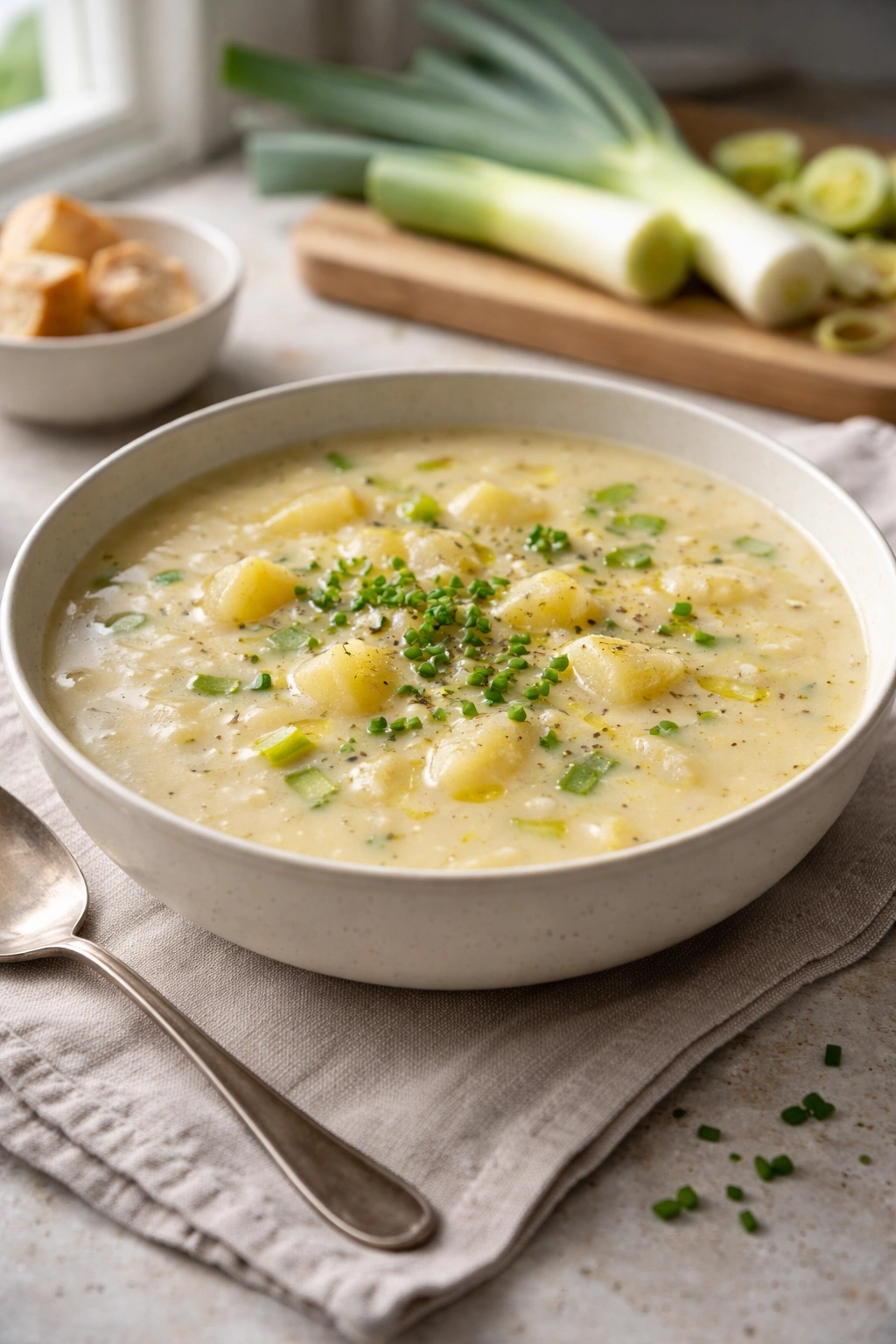
Potato and leek soup—the basis for vichyssoise and countless rustic preparations—is another soup that demands overnight rest to reach its potential. Fresh from the pot, it’s creamy (if made with cream or blended potato), with distinct leek and potato flavors. The next day, the potatoes have absorbed so much of the broth that they’ve essentially become part of the liquid itself, creating a naturally velvety texture that feels luxurious without being heavy. The leeks, which were just starting to surrender their flavor when the soup was first made, have now fully infused into every component.
Potato’s Role in Texture Development
Potatoes are remarkable vegetables for soup-making precisely because of how they behave overnight. Starches break down, creating a silky texture. The potato cells release pectin and other compounds that thicken the broth without any added thickener. If you’ve cut the potatoes into small pieces rather than leaving them in chunks, they practically dissolve into the soup by day two, becoming nearly indistinguishable from the liquid but vital to its creamy texture. This is why good potato soup tastes so fundamentally different on day two—the potatoes have done their work.
Leek Preparation and Flavor
The leeks themselves must be thoroughly cleaned to remove any sand between their layers, then gently cooked until they’re completely soft. On day one, the leek flavor is present but not fully developed. Overnight, the leeks release their allium compounds—a complex, slightly sweet, somewhat onion-like flavor that deepens and mellows. When you reheat the soup, these flavors have had time to fully express themselves. Serve hot or chilled (for vichyssoise), topped with crispy bacon bits, fresh chives, or a drizzle of truffle oil.
10. White Bean and Sausage Soup
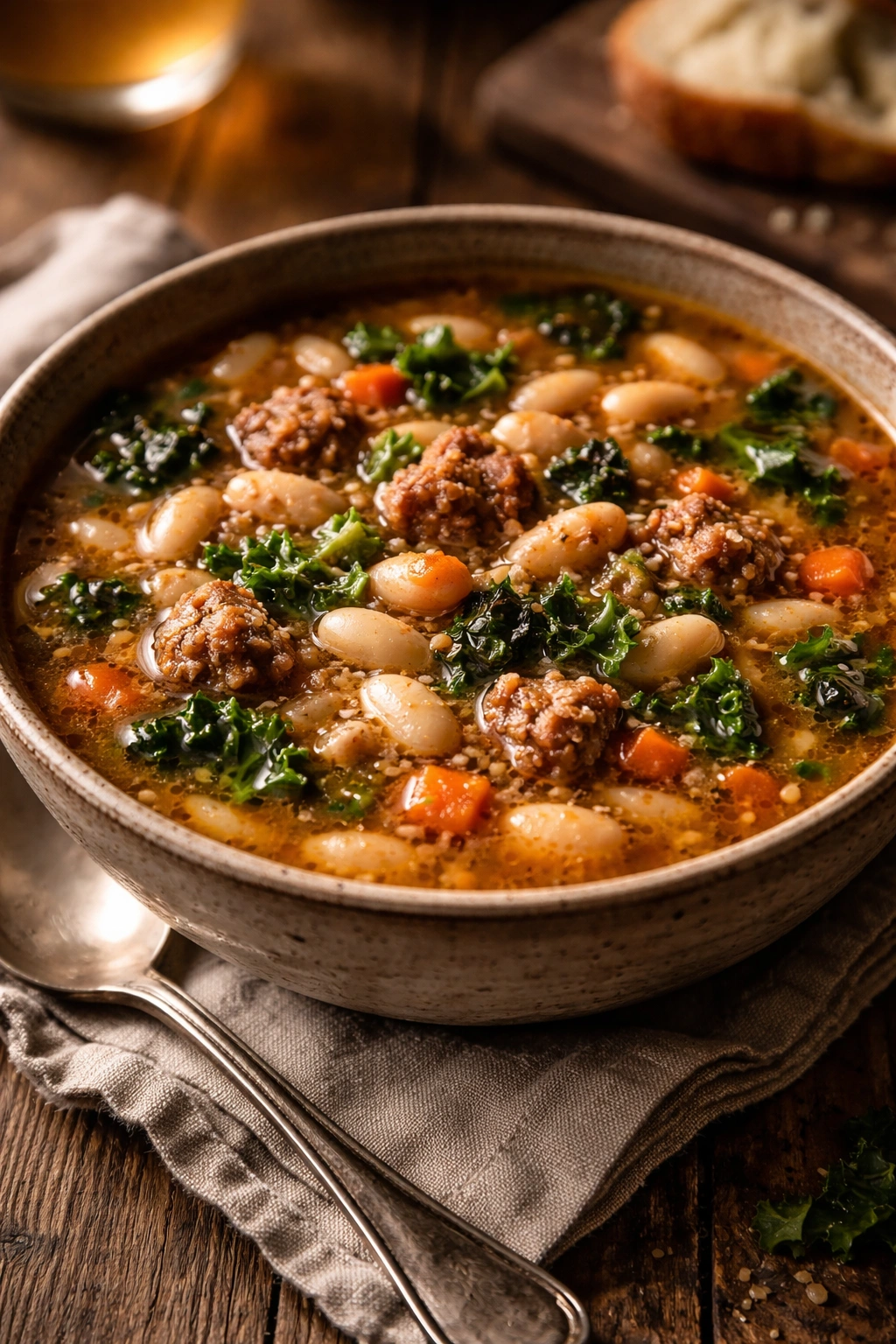
This rustic Italian-style soup is all about savory, satisfying flavors that deepen overnight. Spicy Italian sausage, tender white beans, maybe some kale or spinach, all in a deeply savory broth flavored with tomato, garlic, and herbs. Fresh from the pot, it’s robust and warming. By the next day, the sausage has released its fat and spice into the broth, which has turned a rich, caramel color and tastes almost meaty in its depth. The white beans have absorbed so much of this flavored liquid that they’ve become creamy and rich. The greens have softened to the point where they contribute their flavor without any texture—they’ve essentially dissolved into the broth.
Fat and Flavor Development
Sausage soup benefits enormously from overnight rest specifically because of how fat works in a liquid environment. The sausage’s fat doesn’t fully emulsify into the broth immediately—it takes time. As the soup sits, this fat, along with the spice and meat compounds, gradually infuses into the entire dish. The flavor becomes rounder, richer, less assertively spicy and more deeply savory. The white beans, being absorbent, drink up this flavorful fat-infused broth, becoming richer and creamier with every hour that passes.
Serving and Flavor Adjustments
Reheat slowly in a pot over medium heat, stirring occasionally to ensure even warming. You might find the soup has thickened considerably—feel free to add more broth or even a splash of water to reach the consistency you prefer. Taste for seasoning before serving; the flavors will have mellowed and you might want to add more salt, pepper, or a pinch of red pepper flakes for heat. Serve with crusty bread for dunking and a generous handful of fresh parsley or a basil chiffonade. A chunk of aged Parmesan on the side isn’t wrong either.
Final Thoughts
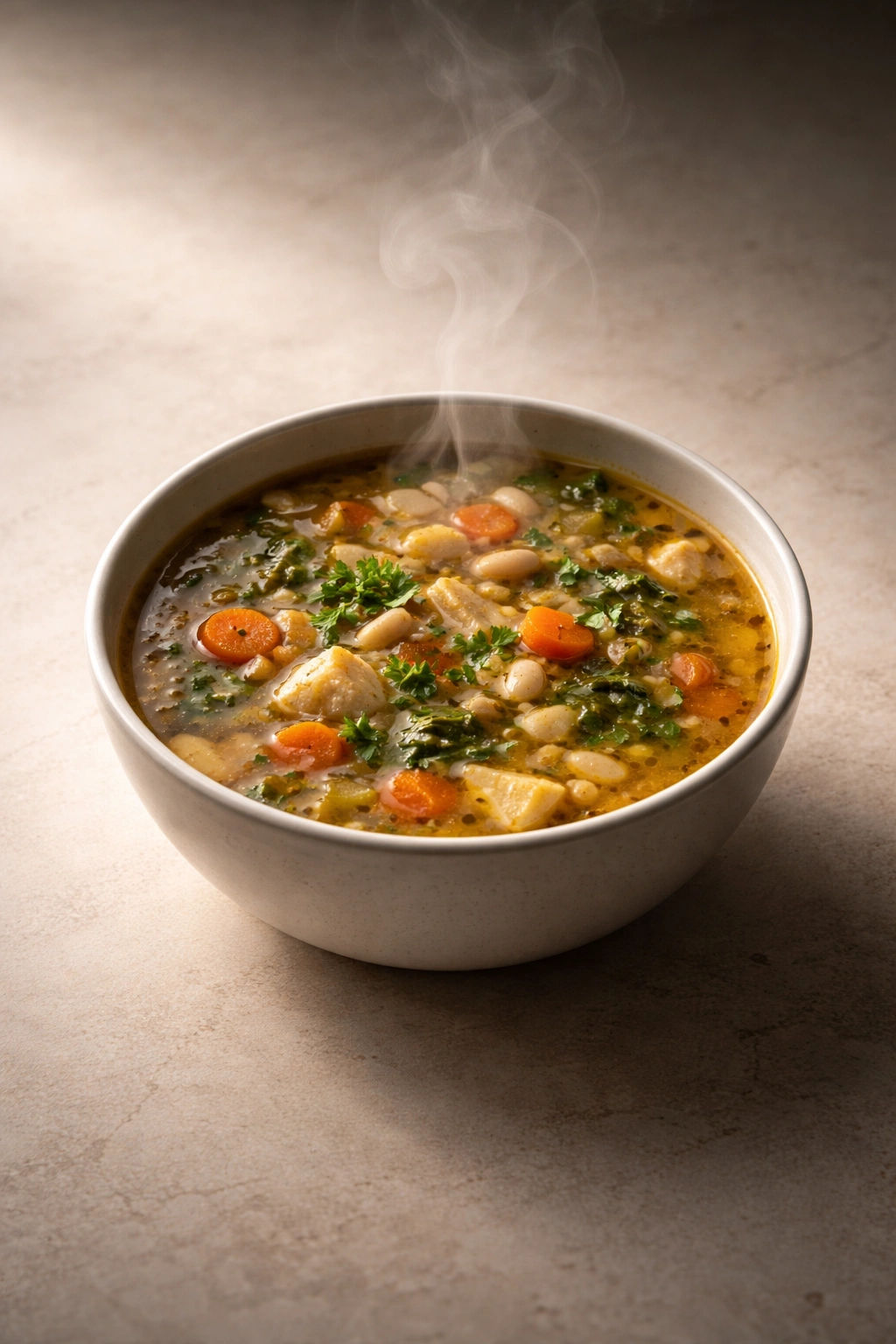
The soups that truly transform overnight share certain characteristics: they’re built on flavorful broths, they contain absorbent ingredients like beans or potatoes, they feature multiple layers of flavor rather than single-note dishes, and they benefit from time spent developing and integrating those flavors. When you make these soups, you’re not just cooking dinner for tonight—you’re actually creating something better for tomorrow.
This knowledge changes how you approach soup-making entirely. Rather than rushing to eat a freshly made soup, you’ll find yourself cooking a big pot on Sunday and planning to enjoy the best version on Monday. Your meal prep becomes smarter and more delicious. You’ll always have something deeply satisfying and ready to reheat for busy weeknight dinners. And every time you pull a container from the fridge, warm it gently, and taste those fully developed, deeply integrated flavors, you’ll understand exactly why every cook should master the art of next-day soup. The best meal is often the one you made yesterday.
