



If you’re looking for a pasta dish that comes together in under 30 minutes, impresses everyone at the table, and actually tastes better when you make it from scratch, homemade alfredo is your answer. There’s something almost magical about how just four basic pantry staples—butter, cream, garlic, and Parmesan cheese—transform into the silkiest, most indulgent sauce that coats every strand of pasta with pure comfort. The beauty of this dish isn’t just in the final result; it’s in how ridiculously simple the whole process turns out to be once you understand a few key techniques that separate restaurant-quality alfredo from the watery, grainy versions that disappoint.
Most families discover that making alfredo at home is actually faster and tastier than opening a jar of store-bought sauce. The sauce comes together while your pasta cooks, you don’t need any special equipment or obscure ingredients, and unlike so many “quick dinners,” this one actually tastes like you spent hours in the kitchen. Whether you’re feeding picky kids who seem to reject everything, hosting a casual dinner for friends, or simply craving something creamy and satisfying on a weeknight, this alfredo delivers every single time.
What makes this particular approach different from generic recipes floating around is the attention to the small details that actually matter. Things like how to prevent the sauce from breaking, why freshly grated cheese makes an enormous difference, the exact moment to add pasta water to get the consistency just right, and how to troubleshoot the occasional mistake so nothing goes to waste. By the end of reading this, you’ll understand not just how to make alfredo, but why each step works the way it does, which means you’ll be able to adjust it confidently based on your own preferences and what’s in your pantry.
What Makes Alfredo Sauce So Irresistibly Good
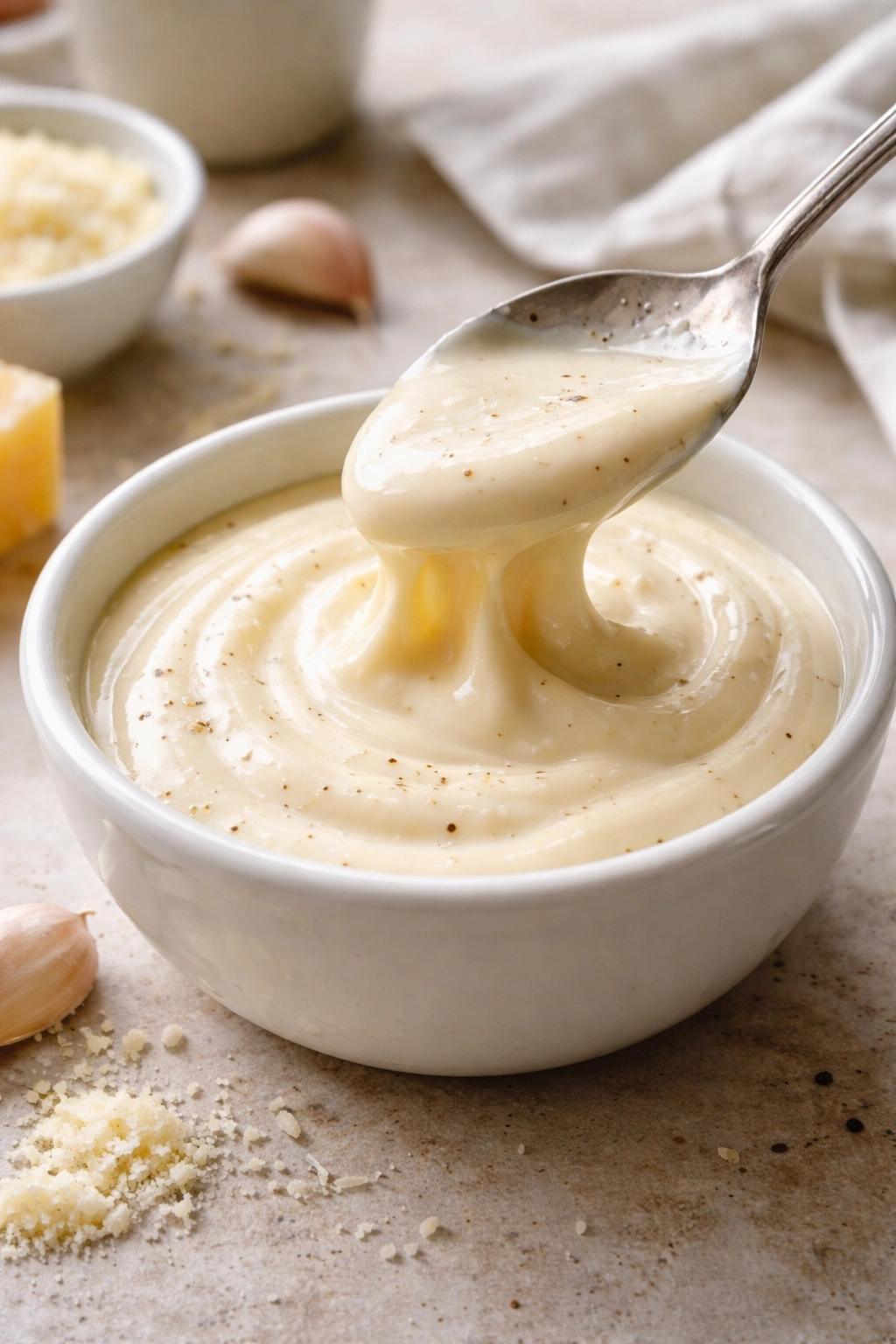
Real alfredo sauce is fundamentally an emulsion—a smooth, stable blend of fat (butter and cream) and a dry ingredient (Parmesan cheese) that all comes together into something creamy and thick. What’s remarkable is that it doesn’t contain flour, cornstarch, or any traditional thickening agents. Instead, the starch from the pasta water itself helps stabilize the sauce and keeps it silky rather than heavy or gluey. This is also why you absolutely need to reserve some pasta cooking water before you drain—that starchy liquid is your secret weapon for getting the consistency perfect.
The flavor profile is deceptively simple but deeply satisfying. Butter brings richness, garlic adds aromatic depth and a subtle sharpness, cream mellows everything out and carries the flavors, and Parmesan provides that sharp, salty, umami punch that makes you want another bite. Some versions add just a whisper of nutmeg, which doesn’t make the sauce taste “nutmeggy” at all—instead, it adds a subtle warmth and complexity that makes people say “wow, this is amazing” without being able to pinpoint why.
The real magic happens when the pasta itself becomes part of the equation. The starch released during cooking doesn’t just thicken the sauce; it actually helps the cream and cheese cling to every single noodle. This is why overrinsing your pasta with cold water would be a disaster—that starch layer is exactly what you want. Toss the hot, drained pasta directly into the warm sauce and keep tossing for a minute or two, and you’ll watch the whole thing come together into something luscious and perfectly clingy.
Why Homemade Alfredo Beats Store-Bought Every Time
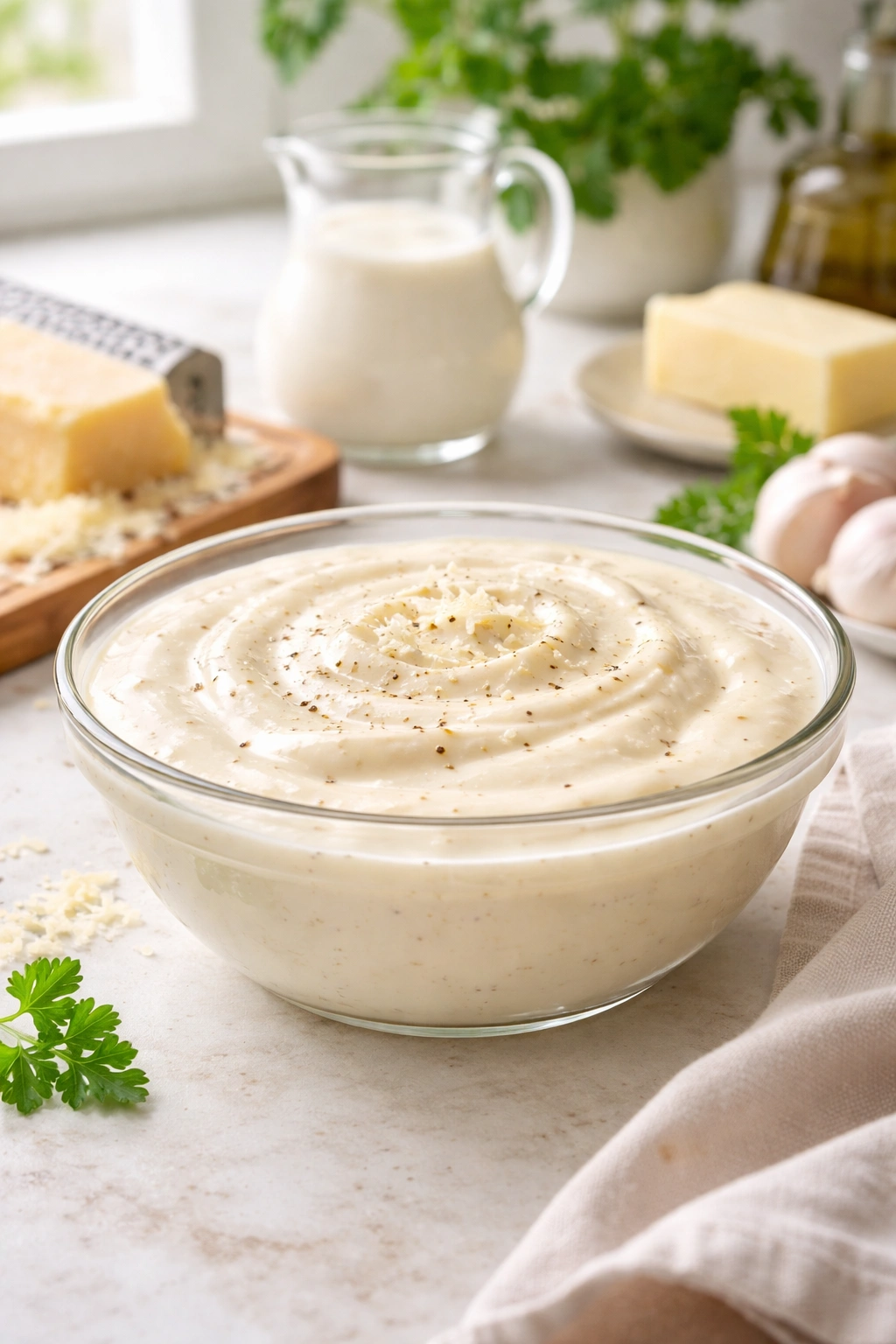
Walk past the pasta aisle at any grocery store and you’ll see multiple shelf-stable jars of alfredo sauce, each one promising convenience and restaurant-quality results. What they deliver instead is usually a sauce that tastes vaguely of cheese and salt, with an oddly thick or thin consistency that never quite matches what you’re imagining. The ingredients lists often read like a chemistry experiment rather than food—xanthan gum, various gums and stabilizers, ingredients you can’t pronounce, and very little actual cream or cheese.
Making your own takes about 10 minutes of actual active cooking time, uses only real food, and costs roughly a third of what you’d spend on those jars. The flavor difference is stunning—rich, garlicky, genuinely creamy, and tasting unmistakably like butter, cream, and real Parmesan rather than a product designed to sit on a shelf for two years. Homemade alfredo is also endlessly customizable. Want it thinner because you prefer a lighter sauce? Add more pasta water. Want it richer? Use all heavy cream instead of mixing in any milk. Want it slightly spiced? Add nutmeg, white pepper, or a pinch of cayenne.
The texture is another huge difference. Homemade sauce coats the pasta in this smooth, silky way that clings to every piece. Store-bought often ends up sliding off the noodles, pooling at the bottom of the bowl, and tasting slightly grease-separated by the time you’ve eaten halfway through. With homemade, every bite is equally creamy and flavorful from start to finish.
Choosing Your Ingredients With Intention
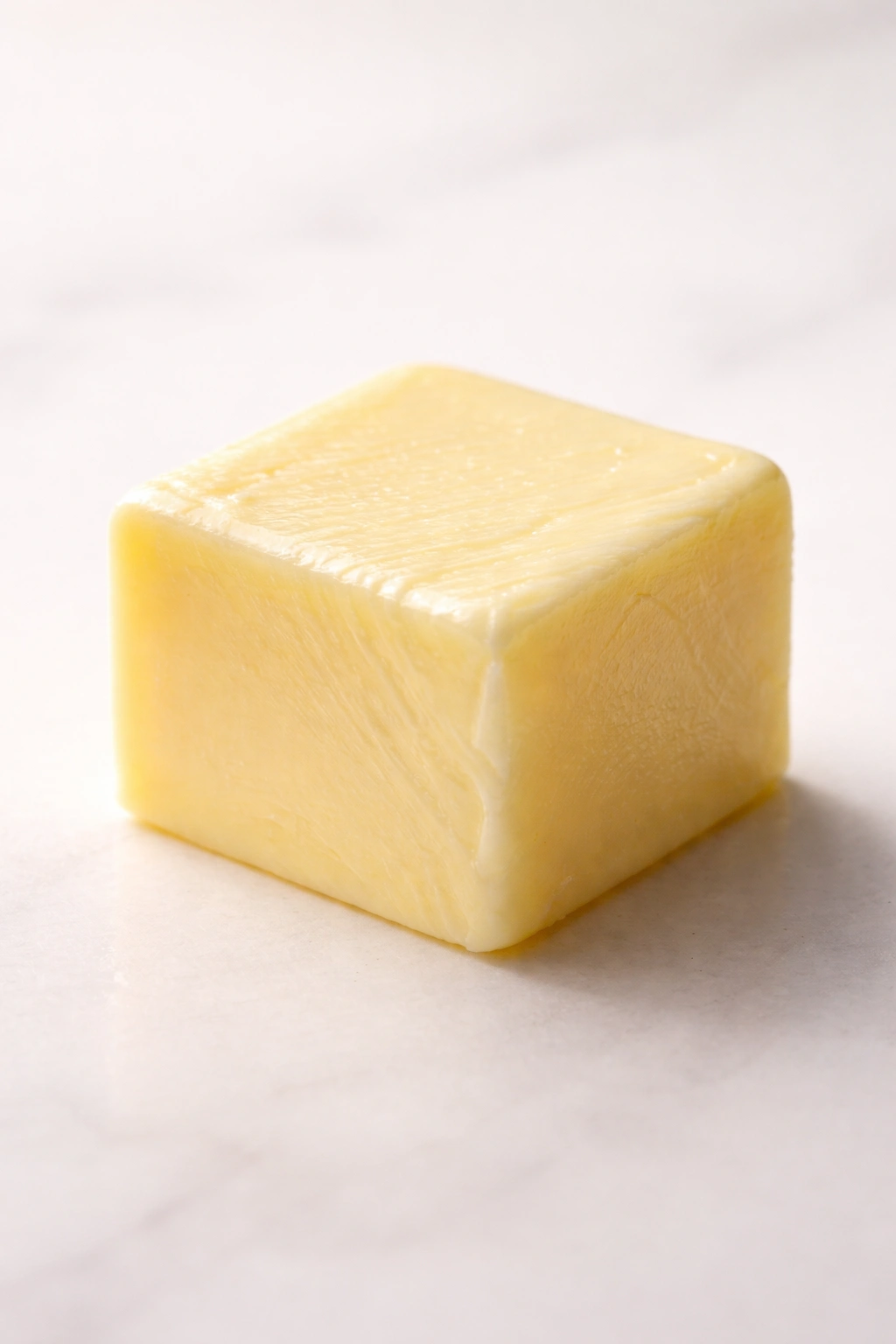
The magic of alfredo is that there are so few ingredients that each one actually matters. You can’t hide behind a long list or complex techniques. This means choosing the right components from the start makes the difference between good and truly exceptional.
Butter forms the foundation. Unsalted butter gives you control over the salt content, which matters more than you might think since Parmesan cheese is already quite salty. If all you have is salted butter, that’s fine—just go easy on adding extra salt at the end. Use real butter, not margarine or oil, because the milk solids in butter contribute to the sauce’s richness and texture in ways that other fats simply don’t replicate.
Heavy cream is not optional here, and this is where many lighter versions fall flat. Some recipes try to substitute milk or half-and-half to reduce calories, and while that technically works, the result lacks the luxurious mouthfeel that makes this dish special. Heavy cream has enough fat content to create a truly velvety sauce. If you genuinely want to lighten it, use a combination—maybe 1 cup heavy cream and 1 cup whole milk rather than going all the way down to skim milk, which will result in a thin, watery sauce that simply won’t satisfy.
Parmesan cheese is the most important ingredient to get right. Buy a wedge of real Parmigiano-Reggiano if possible—look for that name stamped on the rind. The pre-grated stuff in the green cans or bags is coated with anti-caking agents that prevent it from melting smoothly into the sauce. Instead, you’ll end up with a grainy, separated disaster. If you don’t have a box grater, use the small holes on a microplane grater, or just ask the person at the deli counter to grate it for you. Freshly grated cheese melts cleanly into the sauce in a way that pre-grated simply cannot match. This single choice makes more difference than any other decision you’ll make in this recipe.
Garlic should be fresh. Minced garlic from a jar is convenient, but fresh garlic cloves toasted briefly in butter develop a sweeter, more mellow flavor that works beautifully in this sauce. If you’re pressed for time, minced jarred garlic will work, but fresh is genuinely worth the 30 seconds it takes to mince a clove or two.
The Step-by-Step Process for Perfect Alfredo
Yield: Serves 4 to 6 | Makes approximately 2 cups of sauce
Prep Time: 10 minutes
Cook Time: 20 minutes
Total Time: 30 minutes
Difficulty: Beginner — no special equipment required and the steps are straightforward even for someone making this sauce for the first time.
For the Sauce:
- 4 tablespoons (½ stick) unsalted butter
- 4 to 5 cloves fresh garlic, minced (or 2 to 3 teaspoons minced garlic)
- 1½ cups heavy whipping cream, at room temperature
- 1 cup whole milk, at room temperature (or use 2 cups total heavy cream for a richer sauce)
- 1½ cups freshly grated Parmigiano-Reggiano cheese, packed lightly into the measuring cup
- ½ teaspoon kosher salt, plus more to taste
- ¼ teaspoon freshly ground white or black pepper
- Pinch of freshly grated nutmeg, optional but recommended
For the Pasta:
- 1 pound fettuccine, linguine, or penne pasta
- Kosher salt for the pasta water
- Additional grated Parmesan cheese for garnish
- Fresh parsley, finely chopped, for garnish (optional)
Prepare the Pasta:
-
Fill a large pot three-quarters full with water and add a generous pinch of kosher salt—the water should taste noticeably salty, almost like seawater. Bring it to a rolling boil over high heat. This takes about 10 minutes while you’re getting everything else ready.
-
Once the water is boiling, add the dried pasta and stir it immediately with a wooden spoon or pasta fork to prevent the noodles from sticking together. Do not add oil to the pasta water—this is a common myth that actually prevents the sauce from clinging to the noodles.
-
Cook the pasta according to the package directions, usually 9 to 12 minutes, until it’s al dente—tender but still with a very slight firmness when you bite into it. Before draining, reserve at least ¾ cup of the starchy pasta cooking water in a measuring cup or bowl. This water is essential for adjusting the sauce consistency and will be your safety net if the sauce becomes too thick.
-
Drain the pasta in a colander, but do not rinse it under cold water. The starch clinging to the noodles is what helps the sauce cling to each piece, so leave it right there.
Make the Alfredo Sauce:
-
While the pasta is cooking, melt the butter in a large skillet over medium-low heat. The butter should melt gently without sizzling aggressively—you’re not trying to brown it, just warm it through. This should take about 1 minute.
-
Add the minced garlic to the melted butter and stir constantly for about 30 seconds to 1 minute, until the garlic becomes fragrant and turns very pale golden. Be very careful not to let it brown—burnt garlic tastes acrid and will ruin the entire sauce. If your stove runs hot, remove the pan from the heat for a moment while stirring to prevent overcooking the garlic.
-
Pour the heavy cream and milk into the pan with the garlicky butter, stirring constantly to combine them smoothly. The mixture will look thin at this point—this is completely normal and exactly what you want.
Advertisements -
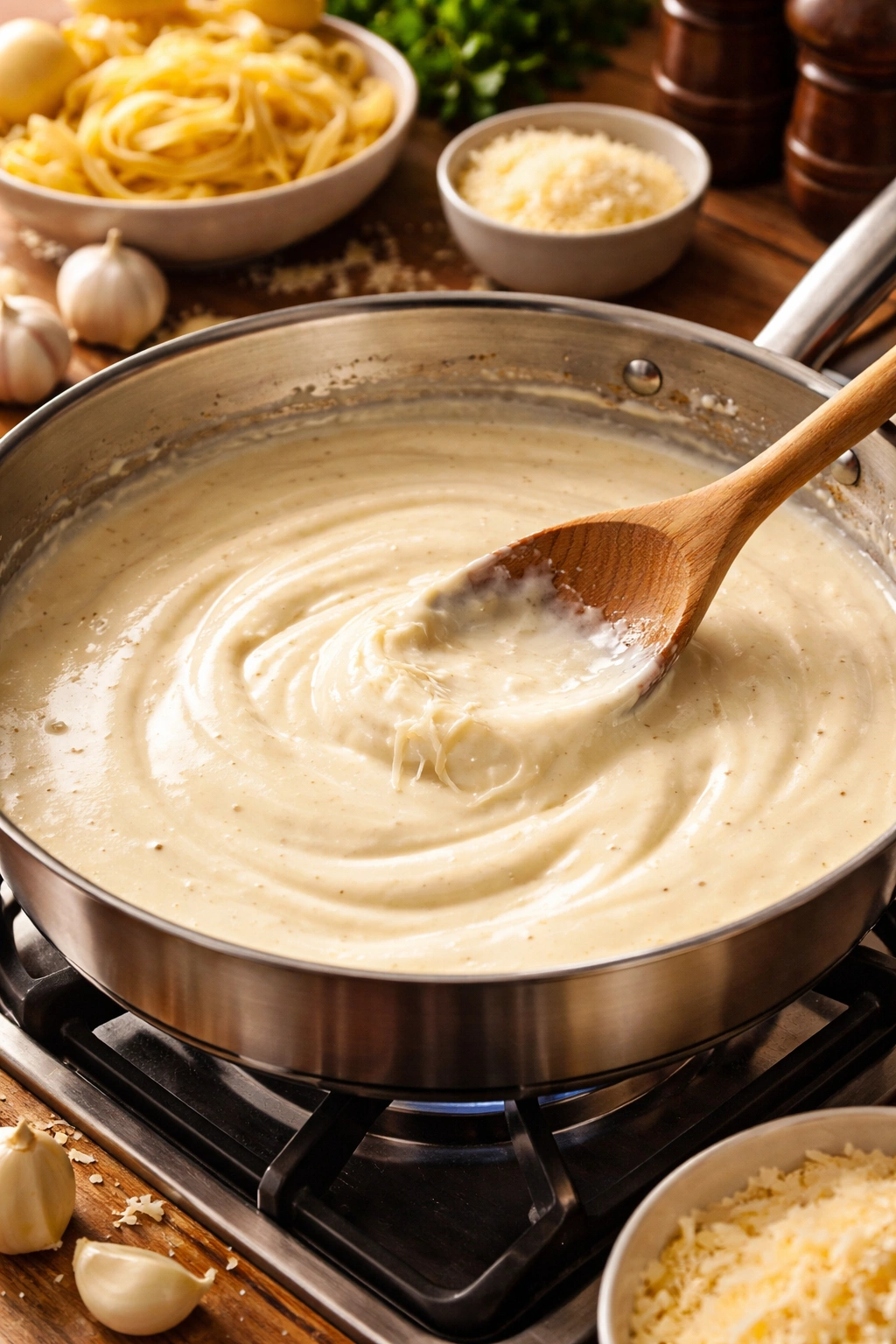
Increase the heat to medium and continue stirring constantly as the mixture gradually heats through. Do not let it come to a full rolling boil. You’re looking for it to reach a gentle simmer, where small bubbles form slowly around the edges and the center occasionally steams. This process usually takes 5 to 8 minutes. Stir constantly throughout to prevent the bottom from getting too hot and to distribute the heat evenly.
-
As the cream mixture heats, you’ll notice it gradually thickens slightly. Once it’s reached a gentle simmer, remove the pan from the heat. This is crucial—you will add the cheese off the heat to prevent it from becoming grainy or separating.
-
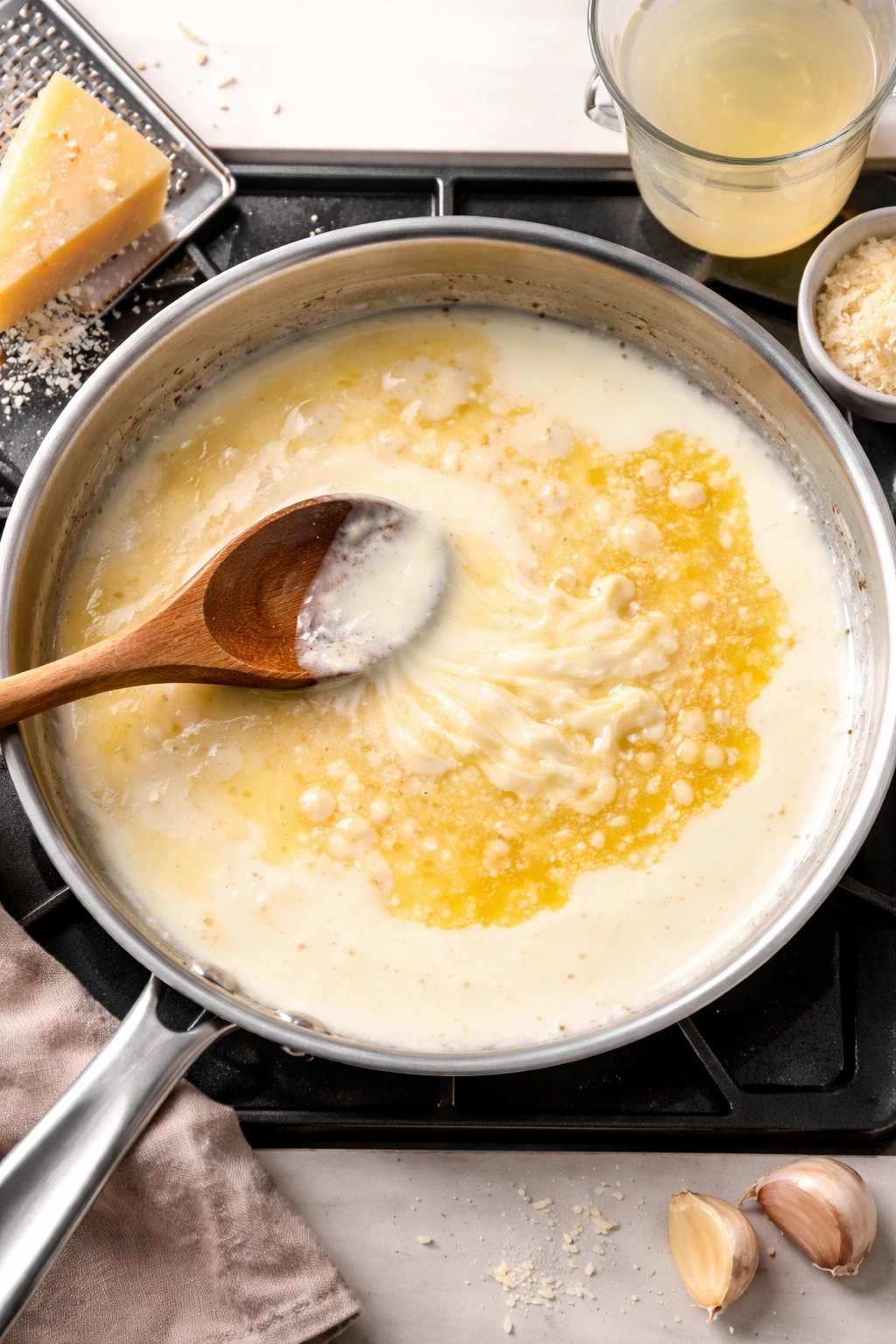
Add the freshly grated Parmesan cheese a handful at a time, stirring well after each addition until the cheese is completely melted before adding more. The heat from the pan is enough to melt the cheese smoothly without you needing additional heat. After all the cheese is added and melted, stir in the salt, pepper, and a pinch of nutmeg if you’re using it. Taste the sauce and adjust the seasoning—it should be noticeably creamy, garlicky, and savory.
Combine and Serve:
-
Add the hot drained pasta directly to the sauce pan with the alfredo sauce. Using tongs or two wooden spoons, toss the pasta continuously for 1 to 2 minutes, coating each noodle thoroughly with the creamy sauce. As you toss, the starch from the pasta will incorporate into the sauce, making it silkier and helping it cling beautifully to each noodle.
-
If the sauce seems too thick while you’re tossing—if it’s clumpy or doesn’t flow smoothly around the pasta—add the reserved pasta water one tablespoon at a time, tossing well after each addition until you reach the desired consistency. The sauce should coat the back of a spoon and flow slowly from a tilted fork, but it should definitely be loose enough to toss easily with the pasta.
-
Divide the dressed pasta among serving bowls or plates. Top each serving with a small handful of additional grated Parmesan cheese and a sprinkle of fresh parsley if desired. Serve immediately while everything is hot and creamy. Alfredo sauce begins to thicken and set as it cools, so don’t let it sit around after combining with the pasta.
The Most Common Mistakes and Exactly How to Fix Them
Nearly every alfredo disaster can be prevented by understanding what goes wrong. Armed with this knowledge, you’ll be able to course-correct in the moment and save any batch that’s heading toward trouble.
The sauce breaks and becomes separated or greasy. This happens when the cream gets too hot and the fat separates from the other components. The fix is prevention: keep your heat at medium or medium-low throughout the entire process, and absolutely do not let the cream mixture boil vigorously. If you notice it starting to separate (you’ll see grease pooling and the sauce looking curdled), remove it from the heat immediately and whisk in a splash of cold whole milk or even ice-cold pasta water, whisking vigorously. The cold liquid should bring it back together. In the future, watch your temperature more carefully and remember that you’re melting cheese off the heat, not cooking it actively.
The sauce is grainy instead of smooth. This is caused by pre-grated cheese or by adding the cheese while the heat is too high. Prevent this by always using freshly grated cheese and always adding cheese off the heat. If it happens, you can sometimes save it by straining the sauce through a fine-mesh sieve and starting fresh with better cheese, but it’s much easier to get it right the first time.
The sauce is too thin. This usually means the cream wasn’t rich enough to begin with, or you added too much pasta water. You can simmer it gently for another 3 to 5 minutes to let some of the liquid evaporate and concentrate the sauce. Keep the heat low and stir frequently so the bottom doesn’t scorch. If you’re adding pasta water, add it in very small amounts because a tablespoon goes a long way.
The sauce is too thick and doesn’t flow smoothly. This is actually easier to fix than thin sauce. Add more of that reserved pasta water, a tablespoon at a time, whisking it in smoothly. The starch in the water actually helps adjust the consistency perfectly. If you don’t have pasta water left, warm whole milk works, or even a splash of heavy cream.
The whole dish seems to be separating and getting oily or curdled as you sit and eat. This usually means the pasta is cooling down and the sauce is setting up too quickly, or it’s getting too thick. Add a tiny splash of warm water or milk, toss it in, and serve it immediately rather than letting it sit in the pan.
Pro Tips That Actually Make a Difference
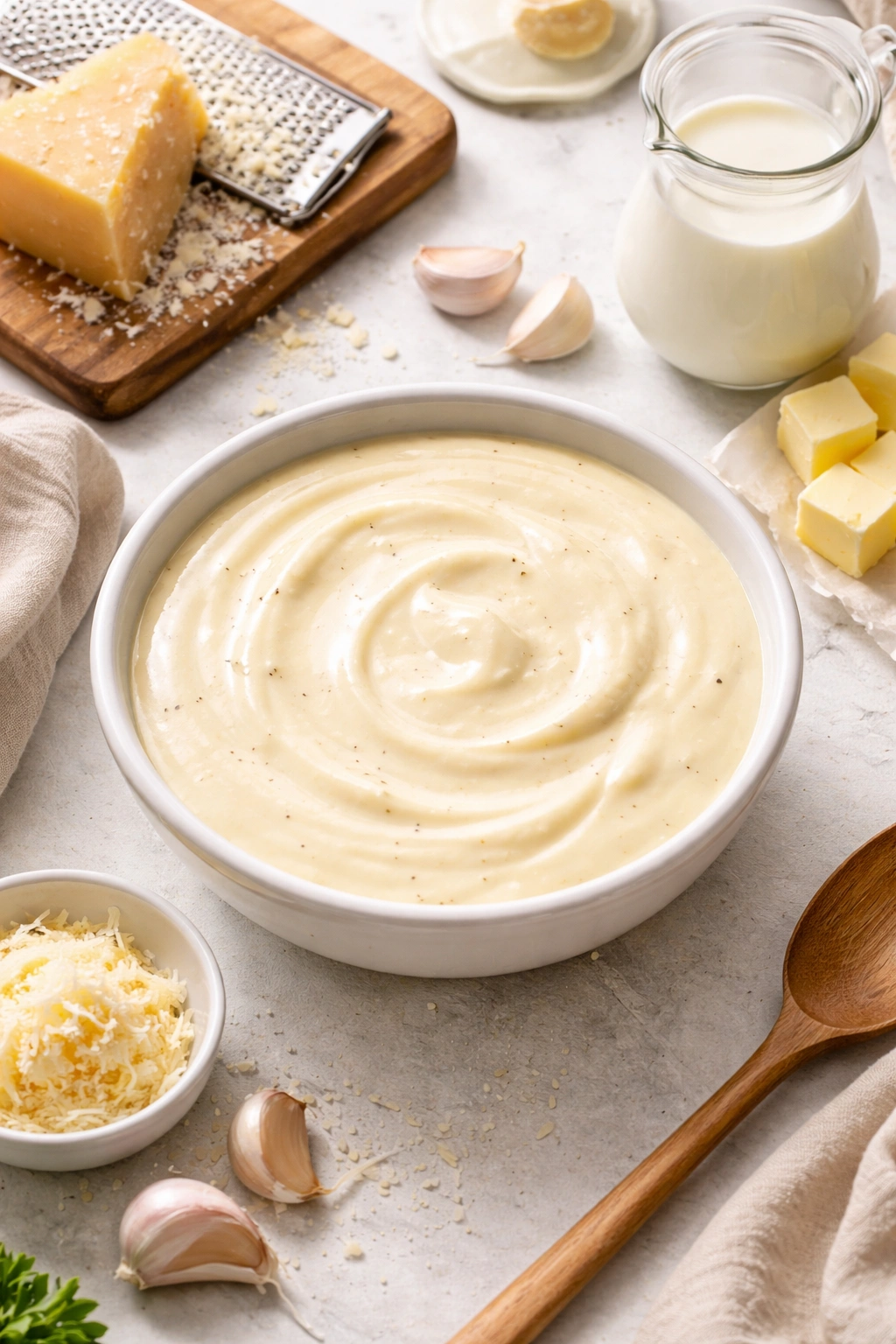
Bring your cream and milk to room temperature before you start. Cold cream added to warm butter and garlic can shock the temperature balance in the pan and potentially cause issues. Pull the cream out of the fridge 15 minutes before you cook, or at minimum let it sit while you’re preparing everything else. This small step prevents a surprising number of potential problems.
Toast your garlic just right. You want it fragrant and pale golden, not colorless and not at all browned. The difference between perfect and burnt is literally seconds, so if you’re nervous, mince the garlic, add it to the butter, stir it around for 30 seconds, and then remove it from the heat. The residual heat will finish cooking it gently.
Grate your cheese right before you use it. Freshly grated cheese melts more smoothly than cheese that’s been sitting in a container, even if it’s only been a few hours. If you’re planning ahead, grate it no more than an hour or two before cooking.
Reserve your pasta water before you drain, full stop. Even if you think you won’t need it, having it on hand means you can adjust the sauce consistency at the last second without any stress. Keep it in a measuring cup so you can add it in controlled amounts.
Taste as you go. After you’ve added all the cheese and seasonings, taste the sauce before you toss it with pasta. You might want it saltier or more peppery. It’s much easier to adjust seasoning now than after everything is combined.
Use a large pan for tossing the pasta and sauce together. A small, shallow pan makes tossing difficult and can cause splashing. The wider the pan, the easier it is to get every noodle coated evenly.
Variations That Transform This Into Something Different Every Time
The beauty of a perfect alfredo base is that it takes beautifully to all kinds of additions and adjustments. You never have to make it the same way twice.
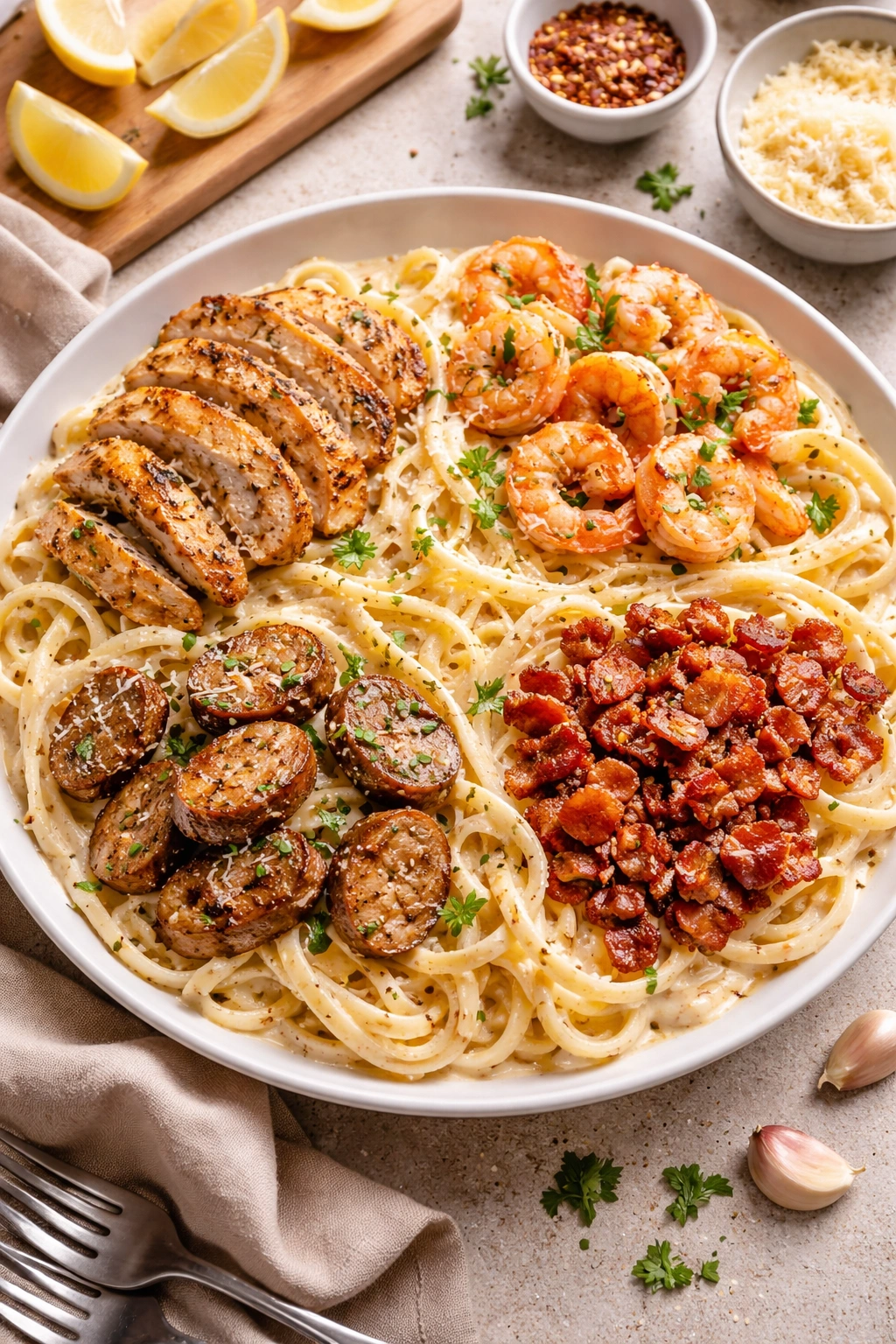
Protein-Packed Versions: Quickly pan-sear cubed chicken breasts seasoned with salt and pepper, cooking them until they’re golden brown and cooked through (about 5 to 7 minutes). Add them directly to the sauce. Alternatively, dice rotisserie chicken and stir it in off the heat, or layer it on top of the plated pasta. Large shrimp cook in just 2 to 3 minutes—toss them in olive oil, season with salt and pepper and a tiny pinch of garlic powder, sear them quickly until they turn pink, and add them to the finished sauce. Pan-seared bacon pieces add a smoky, salty contrast that’s absolutely magical with the creamy sauce. Even crumbled sausage, browned in a separate pan, creates an entirely different meal.
Vegetable Additions: Fresh or steamed broccoli florets added to the sauce transform this into a more complete meal with actual vegetables. Steam them separately until just tender, then stir them in gently. Wilted spinach adds earthiness and nutrition—wilt it in the pan with the butter and garlic before adding the cream. Roasted asparagus spears scattered on top add a bright, slightly bitter contrast. Sun-dried tomatoes (reconstituted in warm water if they’re dry) add sweetness and complexity. Even fresh peas stirred in at the last second add color and a pop of sweetness.
Flavor Variations: Add a touch of white wine (about ¼ cup) to the cream mixture before heating, which adds brightness and subtle depth. Fresh lemon zest stirred in at the very end adds a subtle citrus note without making it taste lemony. Red pepper flakes or a dash of cayenne transform it into spicy alfredo that maintains all the creaminess. A sprinkle of fresh thyme or basil in the cream mixture adds herbaceousness. Even a tablespoon of pesto stirred in after everything is done creates a completely different flavor profile.
Sauce Adjustments: If you want a lighter, thinner sauce, use equal parts milk and cream or even go up to 2 cups total of milk. The sauce will be less rich but still delicious. For an even richer version, use all heavy cream. For a slightly tangier sauce with more body, add a few ounces of cream cheese when you add the Parmesan—it melts smoothly and adds a subtle tang that’s really nice. A pinch of Dijon mustard or a tiny splash of hot sauce adds complexity without making it spicy.
How to Store, Reheat, and Make This Even Faster
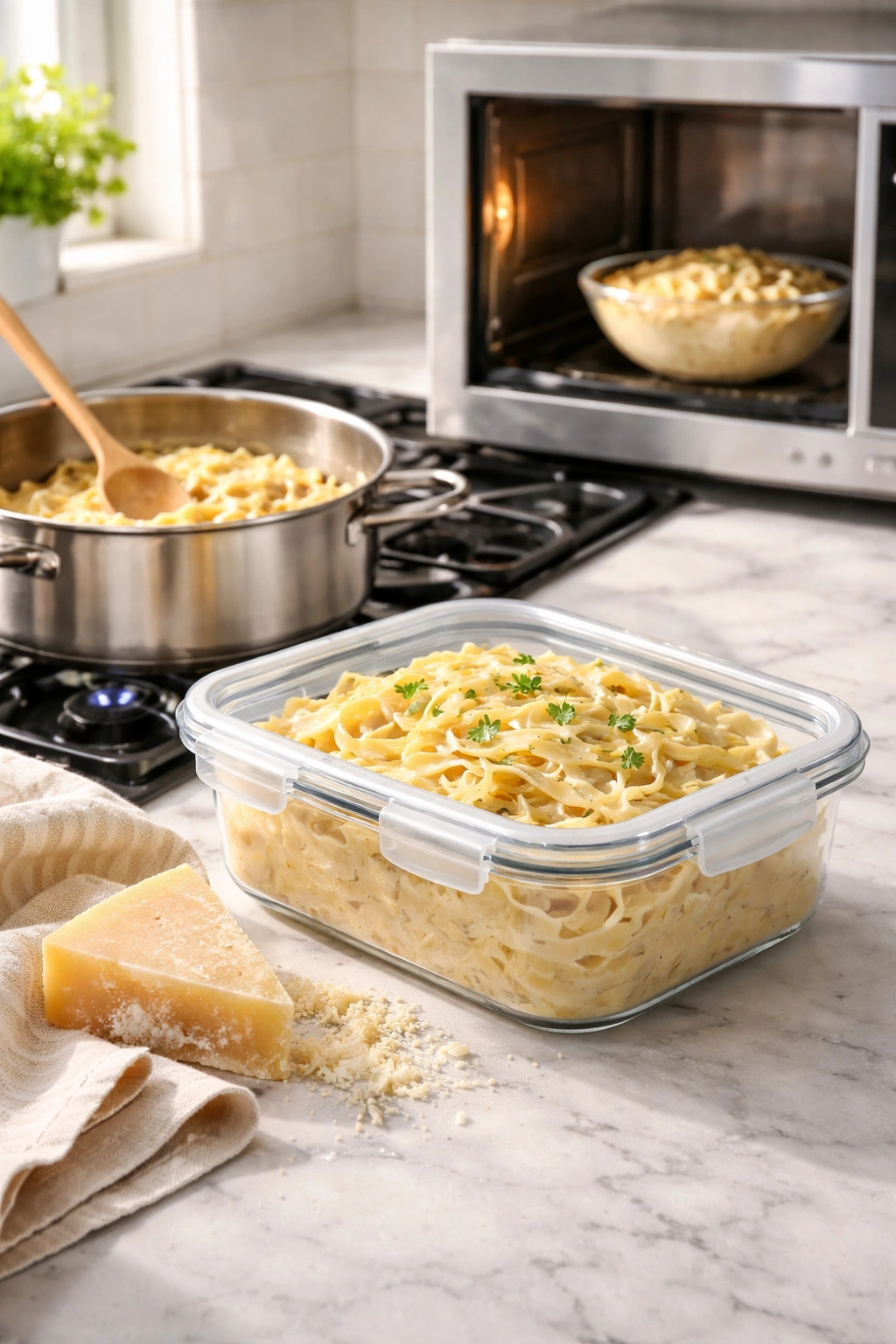
Storage of Leftover Alfredo: Transfer any leftovers to an airtight container and refrigerate them for up to 3 days. The sauce will firm up considerably as it cools, but that’s fine—it means it’s perfectly thick and creamy when it’s cold.
Reheating Without Disaster: This is where most people struggle. The biggest mistake is reheating alfredo on high heat, which causes the sauce to separate or become grainy. Instead, reheat gently on the stovetop over low heat, stirring constantly. Add a splash of heavy cream, whole milk, or warm pasta water (a few tablespoons) to loosen the sauce back to creamy consistency. Stir it frequently as it warms so the heat distributes evenly and nothing scorches on the bottom. It should take about 5 to 10 minutes to heat through completely. Microwave reheating works too—transfer to a microwave-safe bowl, add a splash of milk or cream, cover loosely with a paper towel, and microwave in 1-minute intervals, stirring between each one, until hot throughout. The low, slow approach is key.
Make-Ahead Strategy: The sauce itself can be made up to 1 day in advance and stored in an airtight container in the fridge. Cook your pasta fresh whenever you’re ready to eat, then quickly warm the sauce on low heat with a splash of milk to get it back to the right consistency, toss with the hot pasta, and serve. The pasta should always be cooked fresh—reheating cooked pasta tends to make it mushy and unpleasant.
Speed-Up Options: If you’re pressed for time, use a no-boil option like lasagna noodles instead of regular pasta, which cooks faster, or cook angel hair or thin spaghetti instead of thicker fettuccine, which takes less time. You can prep all your ingredients and have them measured out before you start cooking, which means the entire meal assembly takes just 20 minutes or so. Some people boil their pasta water while they’re getting dressed or handling another task, making multitasking work in their favor.
What to Serve Alongside This Creamy Pasta Dish
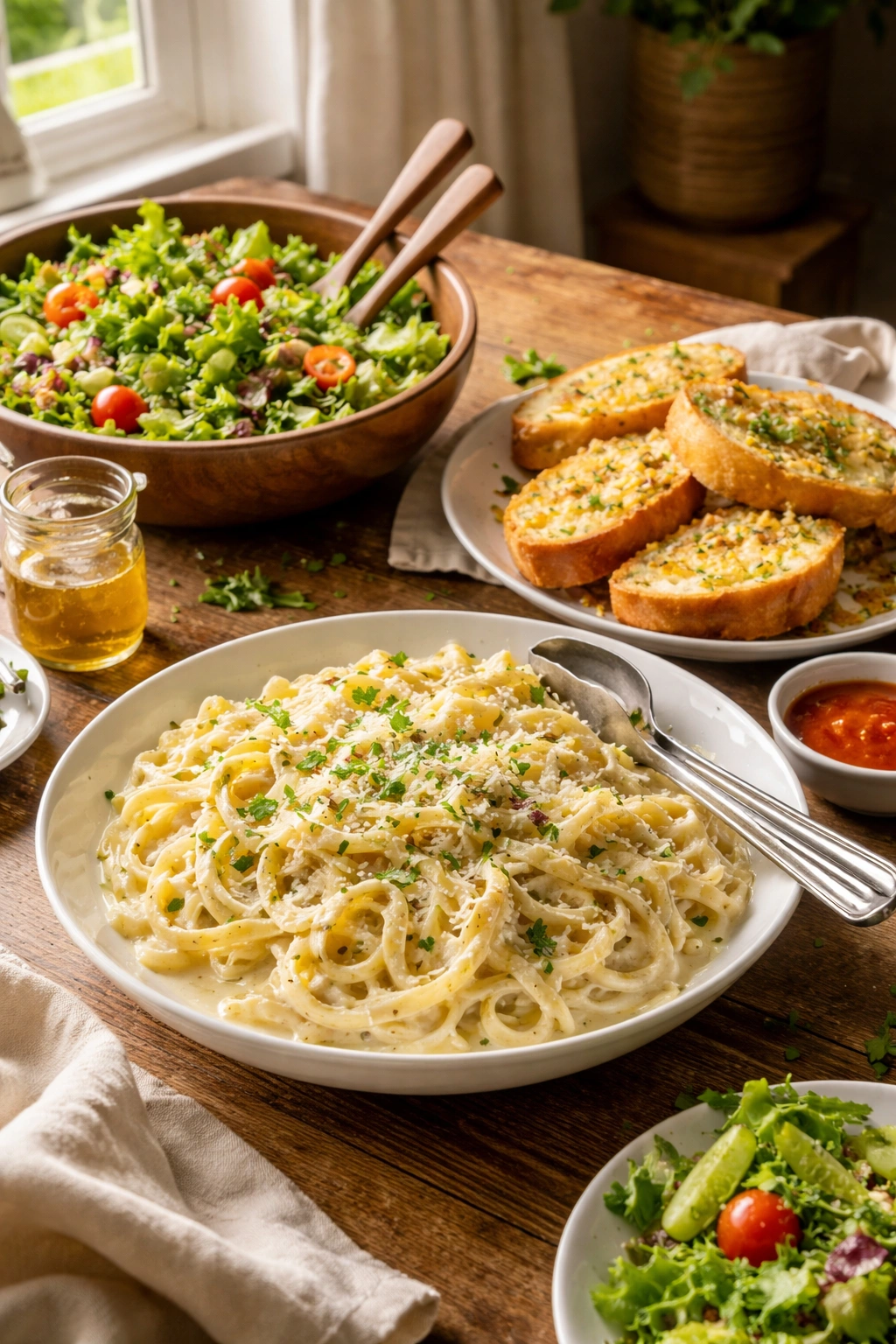
Alfredo is rich and filling, so it pairs best with bright, acidic, or fresh accompaniments that balance the creaminess rather than add to it.
Salad is the obvious choice. A simple green salad with a sharp vinaigrette—whether it’s red wine vinegar, balsamic, or lemon juice—cuts through the richness beautifully. Caesar salad works, as does a basic lettuce-based salad with a tangy dressing. The acid in the dressing is the key element.
Garlic bread is the classic pairing, though it does make the meal considerably more indulgent. Brush slices of crusty bread with butter mixed with minced garlic and fresh parsley, toast them until they’re golden and crispy, and serve alongside.
Roasted or steamed vegetables on the side add nutritional balance. Roasted asparagus, green beans, or broccoli florets with a squeeze of lemon juice all work beautifully. Even simple sautéed spinach or wilted greens add a pleasant bitter contrast.
A light soup as a starter works well before a rich main course. Tomato soup, minestrone, or a simple broth-based vegetable soup gives your meal structure without adding to the richness.
Fresh fruit for dessert is ideal after something this creamy. A light sorbet, fresh berries, or even just a few slices of citrus help cleanse the palate and provide a refreshing finish to the meal.
A crisp white wine or light beverage pairs beautifully. Pinot Grigio, Sauvignon Blanc, or even just sparkling water with lemon keeps things from feeling too heavy.
Why Your Family Will Actually Eat This

The reason alfredo consistently shows up on restaurant menus and dinner tables is because it hits something fundamental in how humans experience food. The combination of fat, salt, umami from the Parmesan, and the comforting warmth of pasta is basically irresistible. It tastes indulgent and special without actually being complicated.
Kids tend to love it because it’s creamy and mild without being bland—the garlic flavor is there but mellowed by the cream, so it’s approachable even for young palates. Adults love it because it tastes like restaurant food made at home, and there’s something deeply satisfying about that. The sauce clings to the pasta beautifully, so every single bite tastes equally good, which means nobody’s pushing their plate away halfway through because the flavor got inconsistent.
Making it at home also means you control exactly how garlicky, how salty, and how rich it is. You can adjust it to suit your family’s specific preferences rather than accepting whatever some distant manufacturer decided was the “standard” version. That personalization is part of what makes homemade taste better than anything store-bought.
Final Thoughts
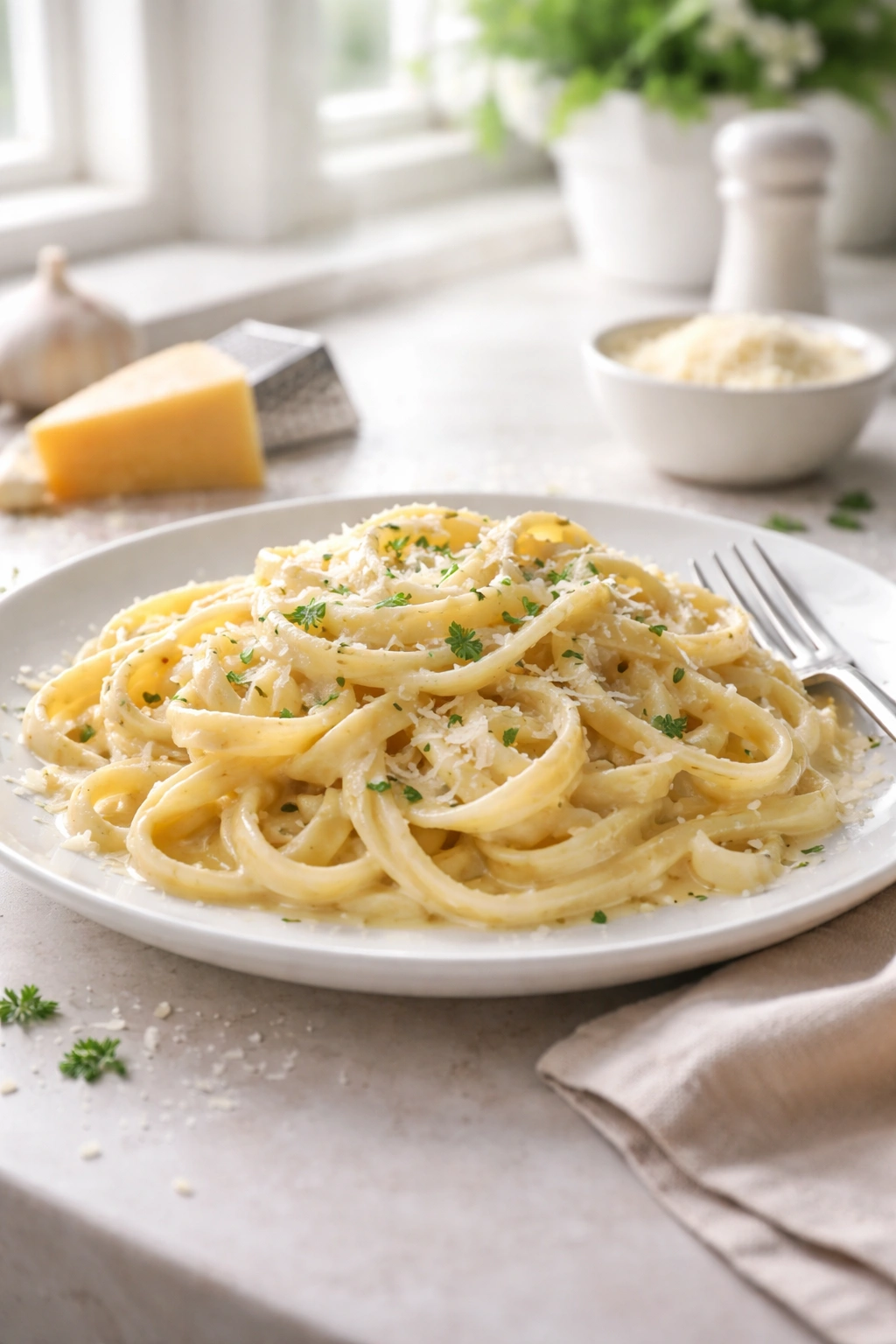
The path to becoming someone who makes alfredo pasta confidently is really just about understanding that there’s nothing tricky or mysterious happening here. Butter melts, garlic becomes fragrant, cream heats gently, cheese melts smoothly, and starch from the pasta creates a silky emulsion. These are all straightforward chemical processes that happen the same way every single time as long as you follow the same method.
The first time you make this, you might be slightly nervous. By the second time, you’ll realize it’s genuinely easier and faster than opening a jar of store-bought sauce. By the third time, you’ll be adjusting it confidently based on what sounds good that evening—maybe adding some protein, maybe throwing in vegetables, maybe trying a flavor variation you’ve been thinking about. That’s when you know you’ve got it, and from that point forward, this becomes one of your absolute go-to dinners for nights when you want something special but don’t have time for anything complicated.
The investment in learning to make this well pays dividends because you’ll make it regularly for the rest of your life. It’s the kind of recipe that sticks around in your rotation, that gets requested by family members, and that eventually becomes one of the things you’re known for cooking. And all you really need to make that happen is about 30 minutes, five ingredients, and the confidence that comes from understanding exactly why each step matters.
