



There’s a reason authentic Mexican guacamole is so prized, and it has nothing to do with complexity. The truth is, when you’re working with truly ripe avocados and fresh ingredients, you don’t need a grocery store’s worth of add-ins to create something extraordinary. This simple five-ingredient version isn’t a shortcut or a limitation—it’s the genuine article, the way guacamole is made in homes and taquerias across Mexico, where the focus stays entirely on showcasing the avocado itself.
Most guacamole recipes bloat the ingredient list with tomatoes, garlic, cumin, and a dozen other things that, while not necessarily wrong, often overshadow what should be the star of the show: the avocado. When you strip away everything except what truly belongs, you discover something remarkable—a guacamole that’s creamier, more focused, and far more memorable than the chunky restaurant versions most people know. This is the recipe that teaches you what guacamole is actually supposed to taste like.
The beauty of this approach lies in the discipline it demands. With so few ingredients, each one has to be exceptional. There’s nowhere to hide a mediocre avocado or stale cilantro. This recipe will teach you more about ingredient quality and technique than any complicated formula ever could, and once you master this five-ingredient version, you’ll understand the foundation upon which all other guacamole variations are built.
The Story Behind This Simple Recipe
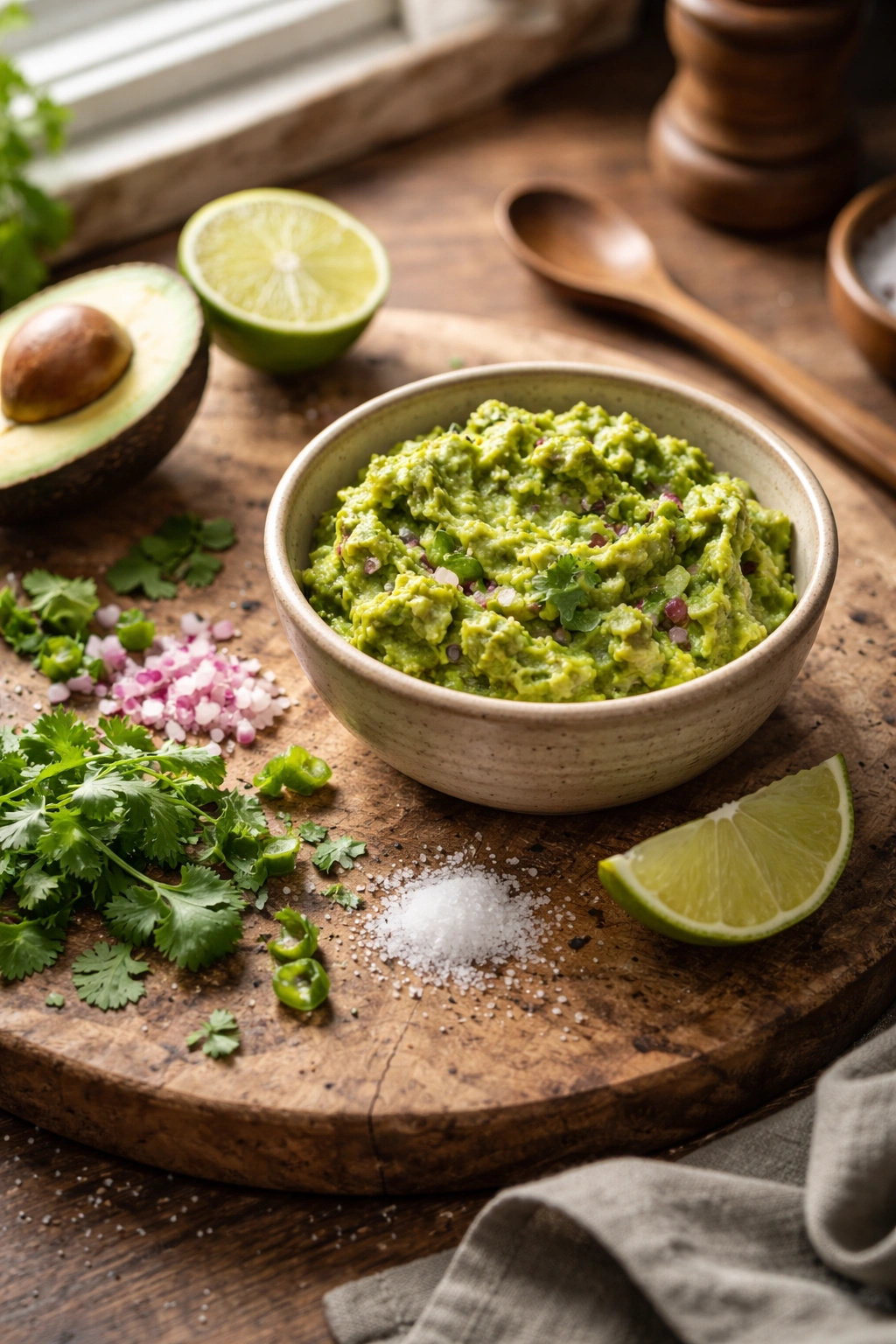
Guacamole wasn’t invented in a test kitchen. It emerged in Mexico over four centuries ago, born from the Aztec word “ahuacamolcatl”—a direct translation of “avocado sauce.” For most of that history, it has been exactly what you’re about to make: mashed avocados with salt, lime, and whatever fresh herbs and aromatics were on hand. The modern tendency to load guacamole with extraneous ingredients is largely a North American phenomenon, a response to the challenges of preserving guacamole’s color and texture for restaurant service and commercial distribution.
In Mexico, guacamole is made fresh, served immediately, and kept intentionally simple because when you’re eating it within minutes of preparation, there’s no need for additions meant to improve texture or prevent oxidation. The recipe reflects a philosophy of restraint—respecting ingredients rather than obscuring them. That’s what you’re honoring when you make guacamole with just five components.
This particular approach gained prominence in regions like Michoacán and Puebla, where avocados are such a fundamental crop that entire cuisines have evolved around them. Watch someone make guacamole in these regions, and you’ll see this exact method: a molcajete (lava rock mortar and pestle), perfectly ripe avocados, lime, salt, and fresh cilantro or white onion. That’s it. The precision comes not from a long ingredient list but from understanding when everything is ready, how to treat the avocado, and what each element contributes.
Why These 5 Ingredients Are All You Need
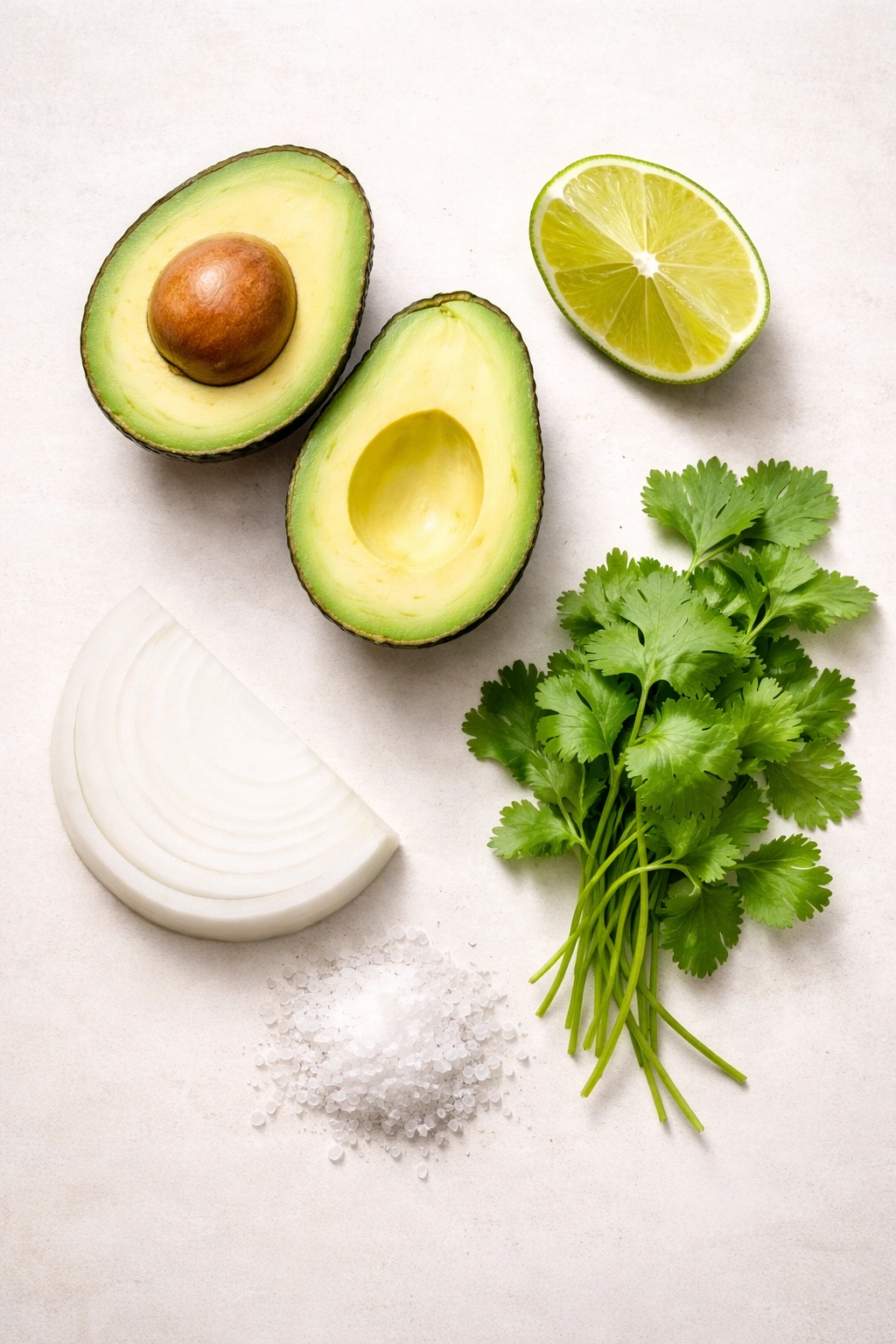
The conventional wisdom says more ingredients equal more flavor. That’s not actually how it works. What you want from guacamole is balance—the creamy richness of avocado, the brightness of lime, the subtle bite of salt, the aromatic herbal quality of cilantro, and the gentle sharpness of white onion. Each ingredient serves a specific function, and when you have the right amount of each, nothing is missing.
Avocado provides the base: creamy, buttery, and rich with healthy fat. It’s the ingredient that makes guacamole guacamole. Lime juice brightens the entire mixture, adds necessary acidity to prevent browning, and cuts through the richness. Salt doesn’t just add flavor—it actually intensifies the avocado’s natural taste and helps balance the other elements. Cilantro brings an aromatic, slightly peppery note that feels fresh and makes the whole thing taste alive. White onion adds a clean, sharp bite that provides textural interest and prevents the guacamole from tasting flat.
Some versions include jalapeño instead of onion, which is equally valid—jalapeño adds heat and a different kind of sharpness. The best decision here depends on your preference and what you’re serving the guacamole with. But between these five ingredients, you have a complete, balanced sauce that needs nothing else.
The advantage of this restraint is that the quality of each ingredient becomes immediately apparent. You can’t hide behind flavor complexity. This forces you to seek out the best avocados, the freshest cilantro, and the most flavorful lime available. You learn what really matters.
Selecting the Perfect Avocados for Guacamole
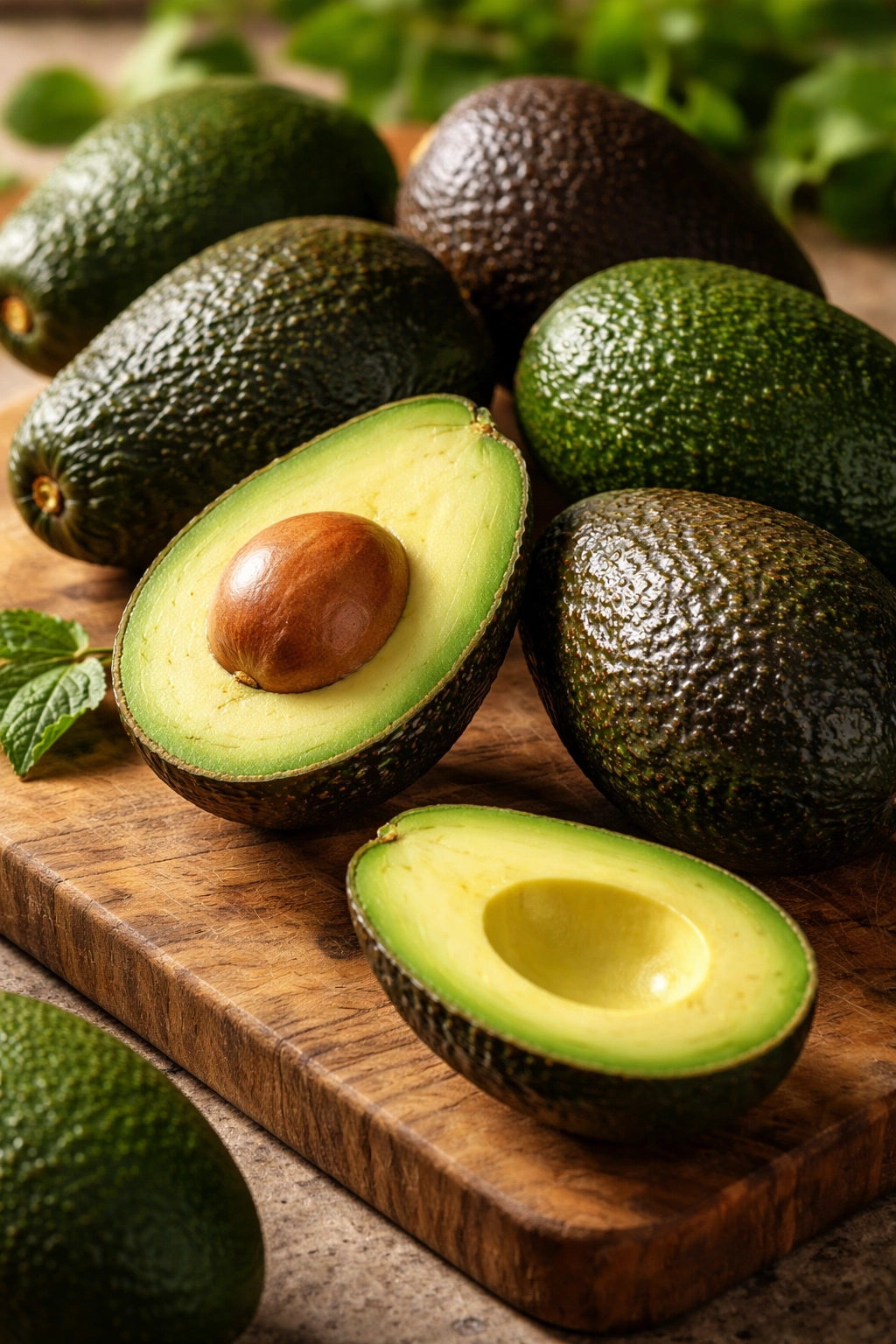
Avocado selection is the single most important factor in whether your guacamole succeeds or fails. With only five ingredients, you simply cannot overcome a bad avocado. This is where the discipline of this recipe forces you to become a better cook.
The ideal avocado for guacamole is ripe but not overripe—somewhere in that narrow window when the flesh yields gently to pressure but still has a slight firmness that will translate to a creamy, not mushy, texture. Press the avocado gently in the palm of your hand near the stem end. It should yield slightly under light pressure, but you should feel a subtle resistance. If it feels hard, it’s not ready. If it collapses under the lightest touch, you’ve waited too long.
The color doesn’t tell you as much as people think. Hass avocados (the dark, bumpy-skinned variety most commonly available) will be much darker than Florida avocados when ripe, but both types can be perfectly ready at different depths of color. Instead of relying on color, trust the gentle pressure test. If an avocado feels ripe, it almost certainly is.
Timing is everything when you’re buying avocados for guacamole. Don’t buy avocados and immediately make guacamole unless you know they’re already perfect. Most of the time, avocados you find at the grocery store need anywhere from 1 to 5 days to reach their prime. Buy them a few days in advance, store them at room temperature, and check the firmness daily. Once they’re ripe, you can slow further ripening by moving them to the refrigerator, where they’ll hold perfectly for several days.
If you’re buying avocados in the morning to make guacamole that evening, be honest about their current state. It’s better to buy avocados that still feel firm and give them a few hours to ripen on your counter than to end up with watery, overripe guacamole. For this recipe, you need 3 to 4 medium avocados—three if they’re large and creamy, four if they’re smaller or slightly less dense. You want about 1½ cups of mashed avocado.
The Role of Fresh Lime Juice
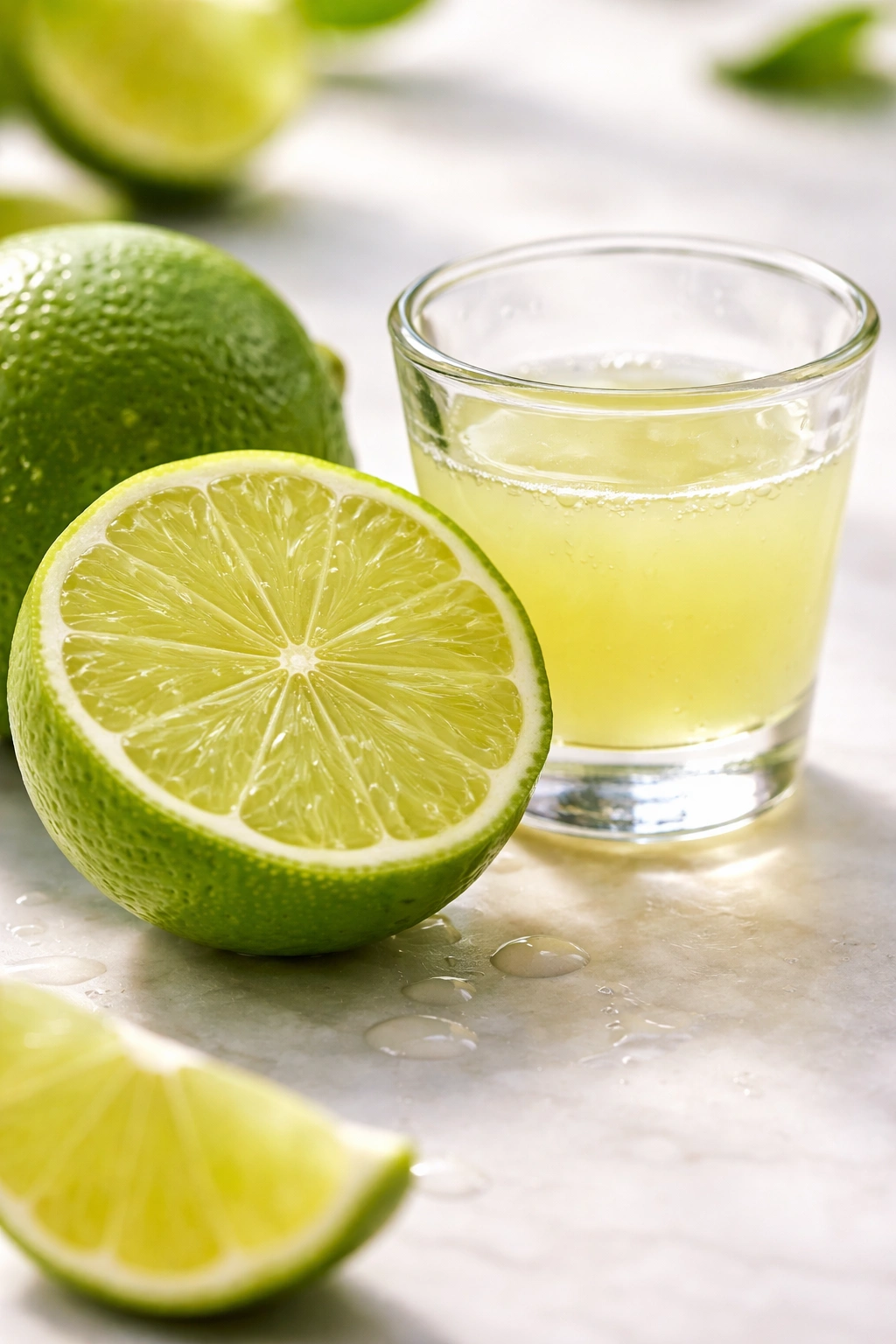
Lime isn’t just a flavor ingredient here—it’s a functional one, and that’s why the juice must be fresh. Bottled lime juice, even the “natural” kind, has a harsh, processed quality that stands out immediately in a five-ingredient recipe where everything is supposed to taste clean and fresh. The additional processing also means much of the bright aromatics have faded.
Fresh lime juice serves three critical jobs in guacamole. First, it adds the bright acidity that makes every other flavor pop and prevents the guacamole from tasting rich or one-dimensional. Second, the citric acid actually slows oxidation—the browning process that turns green guacamole brown when exposed to air. This is why lime is added right away and mixed throughout. Third, it contributes subtle floral notes that feel authentic and alive in a way bottled juice simply cannot.
Plan on about 2 to 3 tablespoons of fresh lime juice for the guacamole, which typically comes from 2 to 3 whole limes depending on their juiciness. Mexican limes (the small, thin-skinned variety, sometimes called key limes) are much juicier than Persian limes and will yield more juice. If you only have access to Persian limes, you’ll need more of them.
For maximum juice extraction, roll the lime firmly on your counter before cutting it in half, applying moderate pressure as you roll. This breaks down the internal cell structure and makes juicing easier. A handheld citrus reamer is ideal if you have one, but even a fork works fine. Strain the juice through a fine-mesh strainer or a piece of cheesecloth to catch any seeds or pulp, though a few small bits of pulp actually add character and texture.
The lime should be added gradually, tasted as you go. The amount you need depends on the juice’s intensity and your own taste preferences. Not all limes are equally acidic, and you might find you prefer slightly more or less brightness. This is where cooking becomes responsive rather than mechanical—you’re adjusting to the specific limes and avocados in front of you.
Cilantro: The Essential Herb
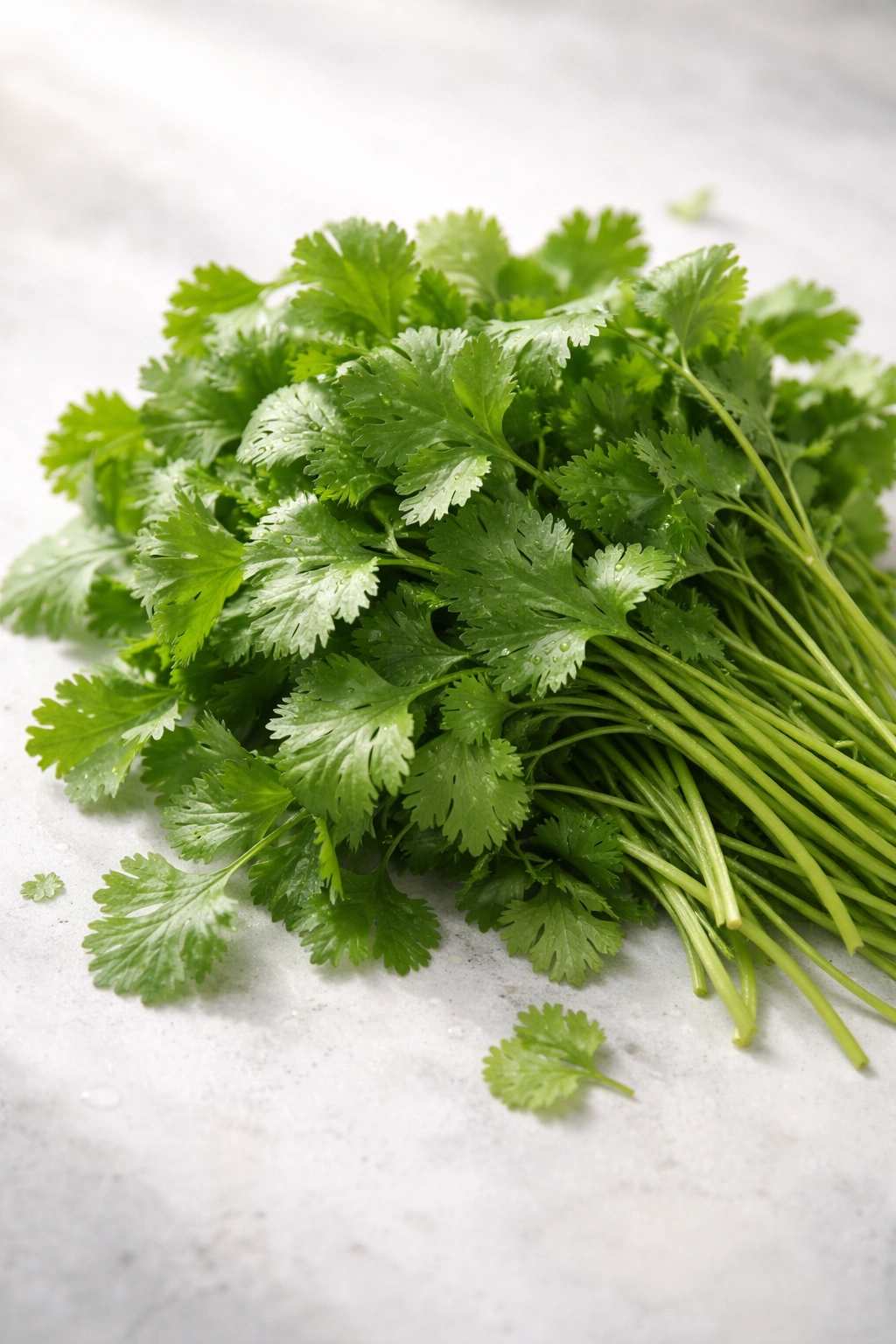
Cilantro is the green heartbeat of authentic Mexican guacamole, but it’s also highly polarizing—some people absolutely love its peppery, aromatic quality, and others find it tastes like soap due to a genetic variation that affects their perception. If you’re cooking for people who dislike cilantro, you have two options: make a version without it (perfectly valid) or include it and let them know it’s there so they can avoid it.
For those who love cilantro, use about ¼ cup of fresh cilantro leaves, loosely packed. Measure this by feeling, not by strict volume—what matters is roughly a small handful of leaves. Remove the thicker stems and use mainly the leaves and thinner upper stems, which are more tender and flavorful. The heavier lower stems can taste slightly bitter and fibrous if overworked.
Add the cilantro at the very end, just before serving, and fold it in gently rather than mashing it extensively. You want visible flecks of green cilantro, not a smooth green guacamole where the herb has disappeared into the background. This matters both for appearance and for preserving the herb’s fresh taste.
Cilantro flavor degrades quickly once the leaf is damaged, and it’s easily bruised. Even gentle cooking or excessive mashing can diminish that bright, peppery quality that makes cilantro worth including in the first place. Treat it gently, add it late, and you’ll preserve that fresh-picked flavor.
Salt: More Important Than You Think
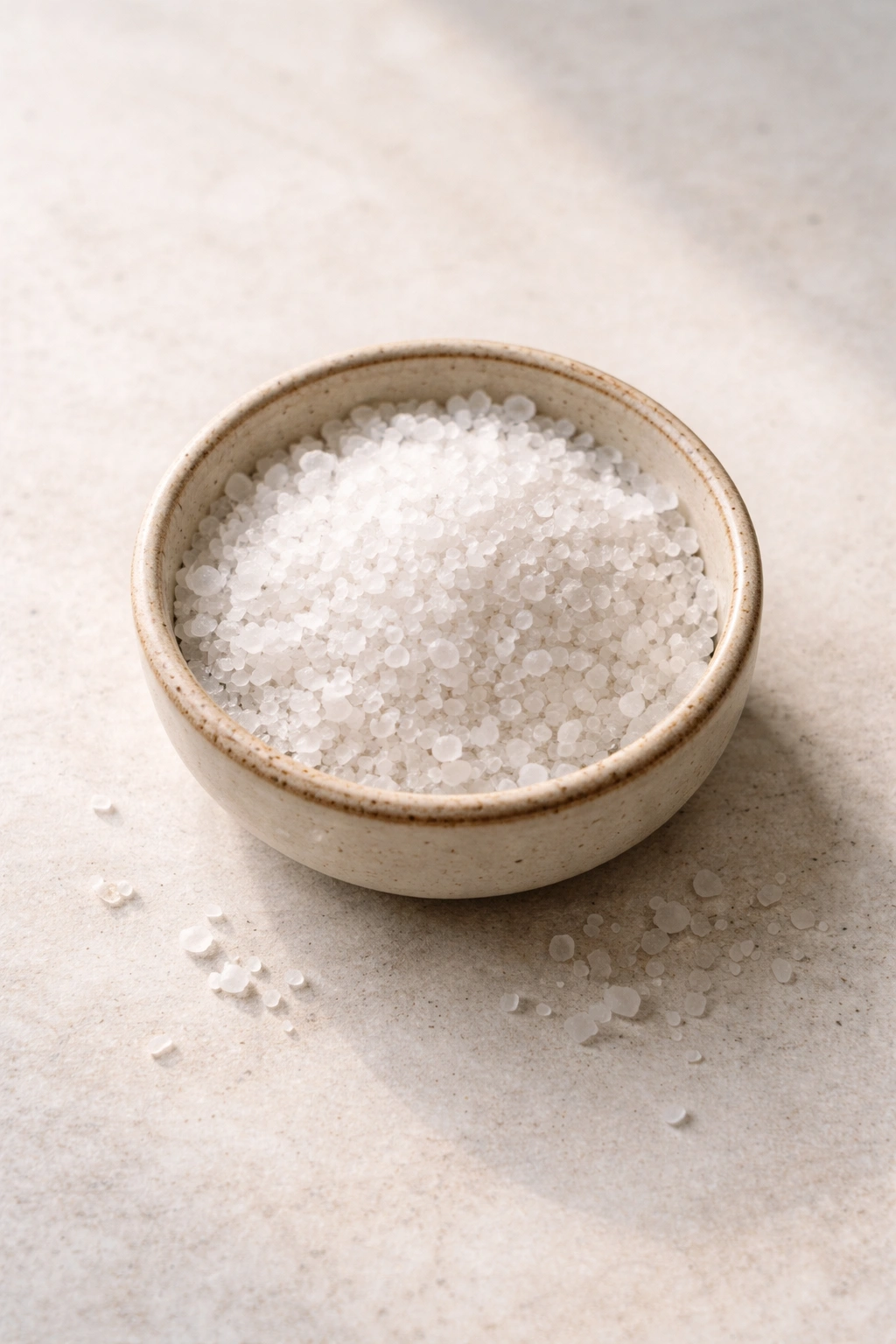
Salt isn’t just a seasoning in this recipe—it’s an ingredient that fundamentally changes how your palate experiences everything else. The right amount of salt doesn’t make the guacamole taste salty; instead, it enhances and clarifies the avocado’s inherent flavor, brings out the brightness of lime, and creates balance so nothing tastes flat.
Start with about ½ teaspoon of fine sea salt, preferably kosher salt or sea salt rather than table salt. Table salt has a chemical taste that becomes obvious in a recipe this simple and clean. The texture of kosher or sea salt also dissolves more evenly and feels better when you taste it in context of the creamy avocado.
Salt is best added in stages. Mix in the initial ½ teaspoon while you’re mashing the avocado and combining ingredients, then taste. The salt will taste quite strong at first, but as it distributes and dissolves, it will integrate better. Once everything is combined, taste again and decide if you need more. Most people end up adding another ¼ teaspoon or so, bringing the total to about ¾ teaspoon, but this varies based on the avocados and how much lime juice you’ve used.
Add salt carefully toward the end rather than all at the beginning. This gives you more control and helps you avoid over-salting, which is easily fixed by adding more avocado but impossible to undo. If you do over-salt accidentally, a small squeeze of lime juice can help restore balance.
Fresh White Onion and Optional Heat
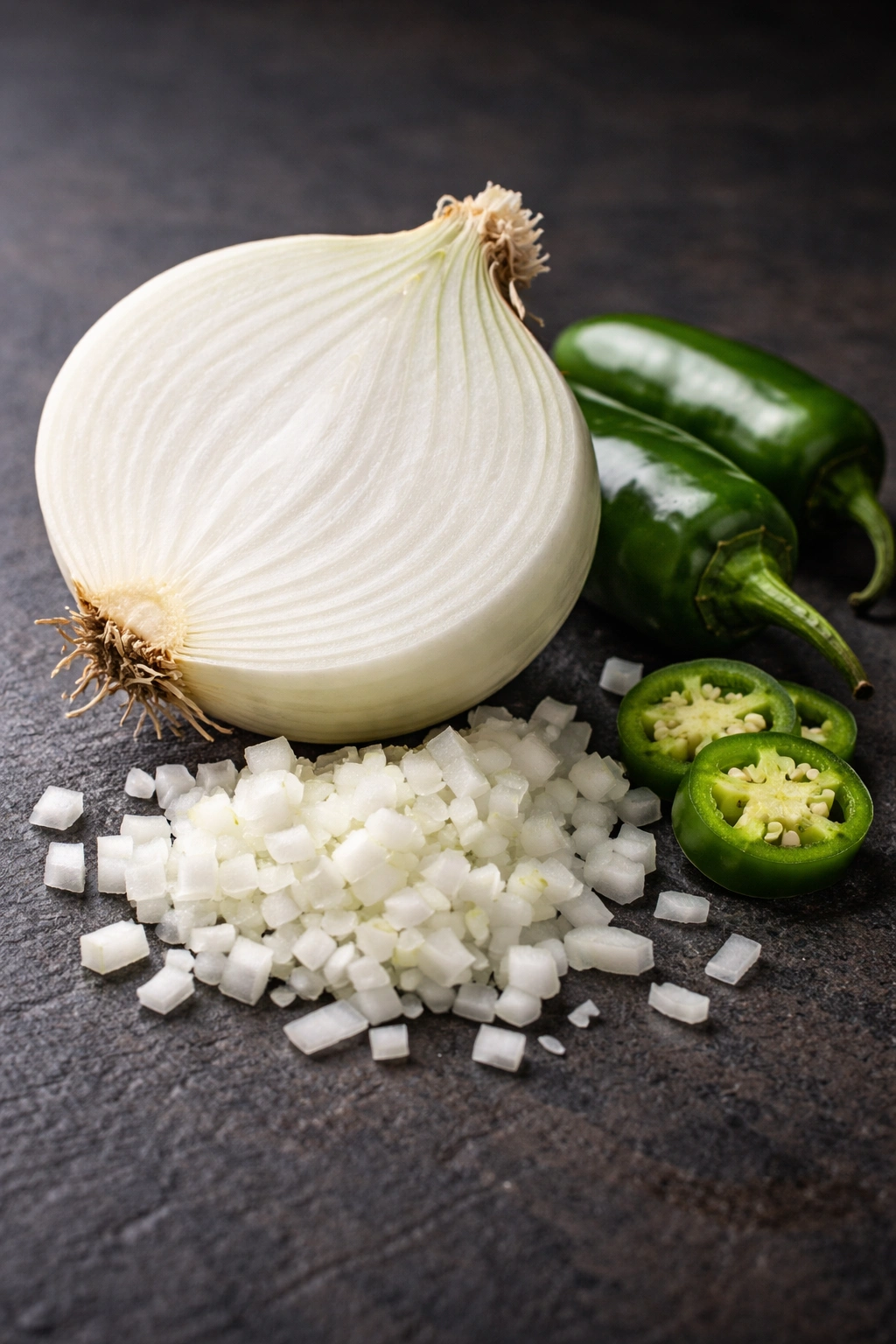
White onion brings a sharp, clean bite that prevents the guacamole from tasting one-dimensional. Use about ¼ cup of finely minced white onion—not so much that it overwhelms, but enough that you notice the subtle sharpness and texture it provides. Some recipes use red onion instead, which is milder and slightly sweeter; white onion is more traditional and more authentic to Mexican preparations.
Mince the onion as finely as you can, then add it directly to the avocado mixture. The mincing matters because large chunks of onion become unpleasant when you bite them, and they dominate rather than complement the other ingredients. Fine mincing distributes the onion’s flavor throughout the guacamole evenly.
If you prefer a spicy version, substitute a single fresh jalapeño for the white onion (or use both—it’s your guacamole). Seed the jalapeño if you want less heat, leave the seeds in if you prefer it spicier. Mince it extremely fine, the same way you would the onion. The heat should be a subtle undertone, not the dominant flavor. If you’re making guacamole for a group, it’s better to err on the side of milder and let people add hot sauce or fresh jalapeño slices on top if they want more heat.
Yield: Makes approximately 2 cups guacamole (serves 4 to 6 as an appetizer or side) Prep Time: 10 minutes Cook Time: None Total Time: 10 minutes Difficulty: Beginner — This recipe requires no cooking and relies on very basic knife skills and ingredient quality rather than technique. Even first-time cooks will succeed as long as they select ripe avocados.
Ingredients for Real Mexican Guacamole
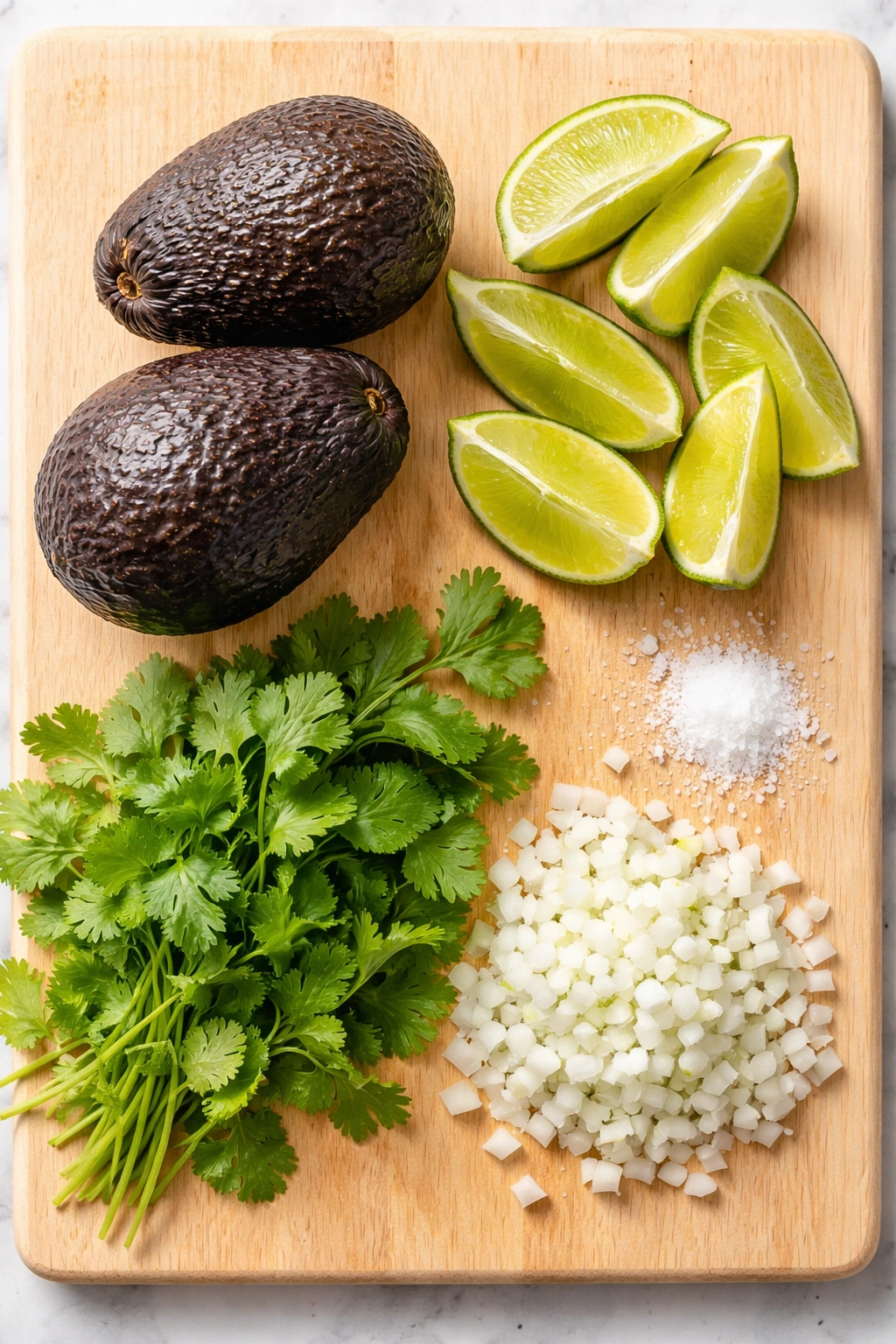
The Essential Five:
- 3 to 4 medium Hass avocados, perfectly ripe (about 1½ cups mashed)
- 2 to 3 fresh limes, juice extracted (about 2 to 3 tablespoons fresh lime juice)
- ½ to ¾ teaspoon fine sea salt or kosher salt, divided
- ¼ cup fresh cilantro leaves, gently packed
- ¼ cup white onion, finely minced (or 1 fresh jalapeño, minced, or both)
Optional but Worth Having:
- Hot sauce or additional fresh jalapeño slices for serving (optional)
- Extra sea salt for finishing
- Additional lime wedges for adjusting brightness at the table
Prepare Your Ingredients:
-
Remove the cilantro leaves from the stems, discard the thicker stems, and set the leaves aside on a cutting board.
-
Cut white onion in half and remove the papery outer skin. Finely mince one half—you need about ¼ cup—and set aside. (Save the remaining half for other uses.)
-
Squeeze your fresh limes, pressing each half firmly over a citrus reamer or with a fork. Strain the juice through a fine-mesh strainer to catch seeds. You should have 2 to 3 tablespoons of fresh juice.
-
Lay out a cutting board and a shallow bowl or molcajete (traditional Mexican mortar and pestle) if you have one. A regular bowl and fork works equally well.
Make the Guacamole:
-
Cut each avocado lengthwise around the large center pit. Gently twist the halves apart. Strike the pit firmly with the blade of a sharp knife (the blade will stick to the pit), twist to loosen it, and carefully remove it.
-
Using a spoon, scoop the avocado flesh from the skin directly into your bowl. Work quickly so the cut avocado doesn’t sit exposed for long.
-
Sprinkle the ½ teaspoon of salt over the avocado, and immediately begin mashing with a fork, a potato masher, or the base of a molcajete. Don’t mash it smooth—you want a chunky texture with some visible pieces of avocado, not a puree. This should take about 30 to 45 seconds of gentle pressure.
-
Add half the lime juice (about 1 to 1½ tablespoons) while still mashing gently, distributing it throughout. The lime will help prevent browning and begins the seasoning process.
-
Stir in the minced white onion, folding it in gently with a spoon or fork.
-
Taste the mixture. Add the remaining lime juice gradually, stirring after each small addition. The guacamole should taste bright and alive, with the lime balancing the richness of the avocado, but not tasting aggressively sour.
-
Taste again and add additional salt if needed—usually another ¼ teaspoon brings the total to about ¾ teaspoon, but this varies based on the lime and avocado you’re using. Stir well to distribute the salt evenly.
-
Immediately before serving, very gently fold in the fresh cilantro leaves with a spoon. Don’t stir extensively—visible cilantro looks and tastes better than cilantro that’s been worked into the mixture.
-
Taste one final time. This is your moment to adjust: add more lime if it needs brightness, more salt if it needs depth, or a pinch more cilantro if you want more herbal character. Remember that guacamole served with warm tortilla chips or fresh vegetables will taste less bright, so err on the side of generous seasoning while it’s plain.
-
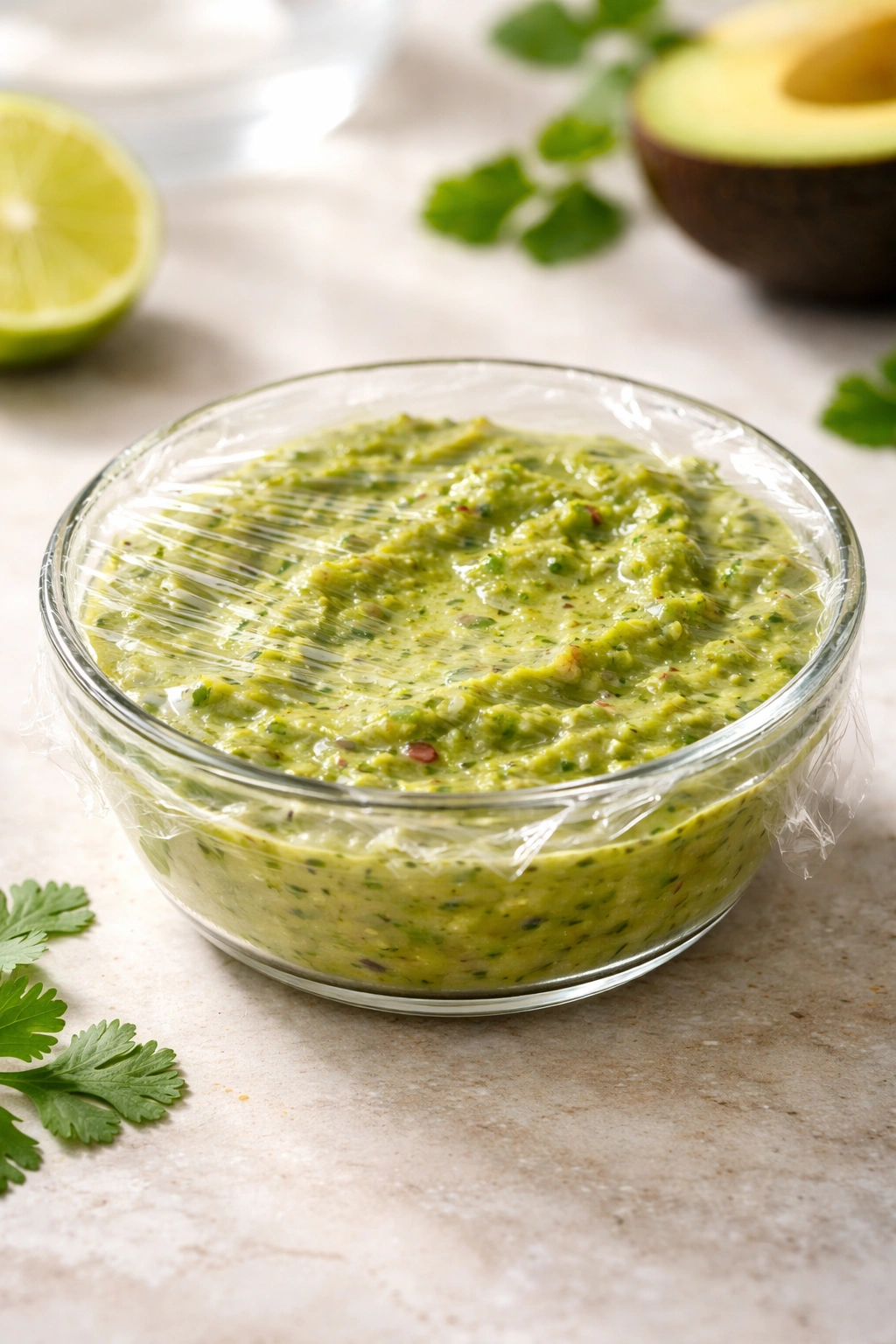
Transfer to a serving dish. If not serving immediately, press plastic wrap directly onto the surface of the guacamole—the barrier between the guacamole and air slows oxidation and browning. Refrigerate for up to 1 hour before serving.
Advertisements
How to Tell When Your Avocados Are Perfectly Ripe
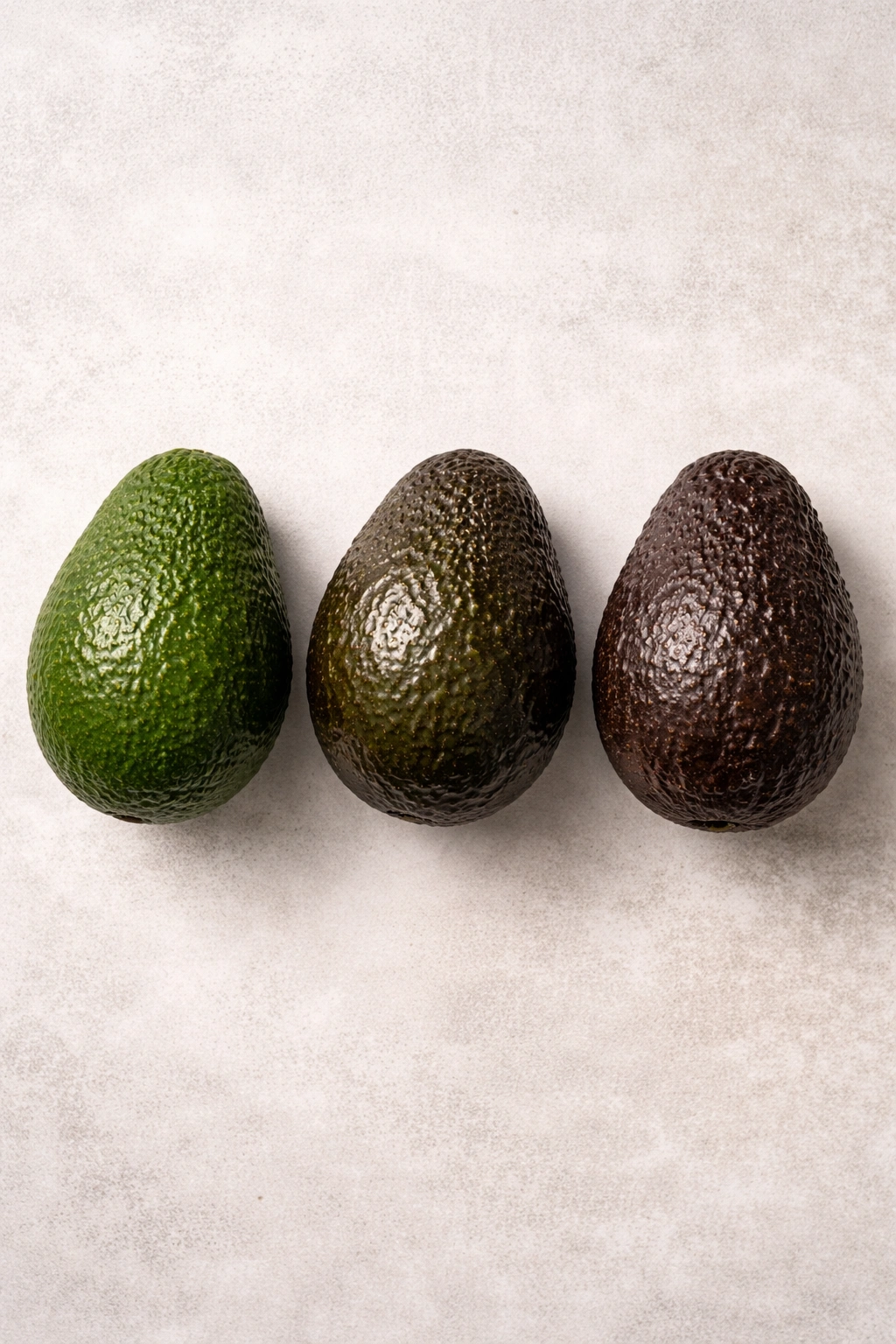
The difference between underripe and perfectly ripe avocado is obvious only if you know what you’re looking for. An underripe avocado will feel hard in your hand, almost like a rock, and will be difficult to mash. When you force the fork through it, the flesh tears and bruises rather than yielding smoothly. The guacamole made from underripe avocado will have a grainy, mealy quality and will lack the buttery creaminess that makes guacamole special.
An overripe avocado will be very soft, almost mushy, and when you cut into it, dark brown or black streaks will appear in the flesh. These are oxidized tannins—the avocado is past its prime. Overripe guacamole becomes watery and often has a slightly unpleasant, sulfurous flavor.
The perfect window is narrow but unmistakable: the avocado yields gently but with a tiny bit of resistance. You can press it lightly in your palm and feel it give way, but it doesn’t collapse. When you cut into it, the flesh is a vibrant green throughout, without brown streaks. When you mash it, the fork goes through smoothly without tearing the flesh apart.
If you’re buying avocados in the morning to use that evening, feel them carefully in the store. They should feel very slightly soft but still quite firm—you’ll be able to tell they’re on the way to ripeness but haven’t quite arrived. Bring them home and let them sit on the counter at room temperature for a few hours. Check them by pressing gently every couple of hours. You want to catch them at that perfect moment when they’re ripe but not starting to go over.
Some people refrigerate avocados once they’re ripe to slow further ripening. This works well—a ripe avocado in the refrigerator will hold for several days, allowing you to make guacamole whenever you want during that window. The cold doesn’t hurt the flavor; it just slows the ripening process.
Essential Tips for the Best Guacamole Every Time
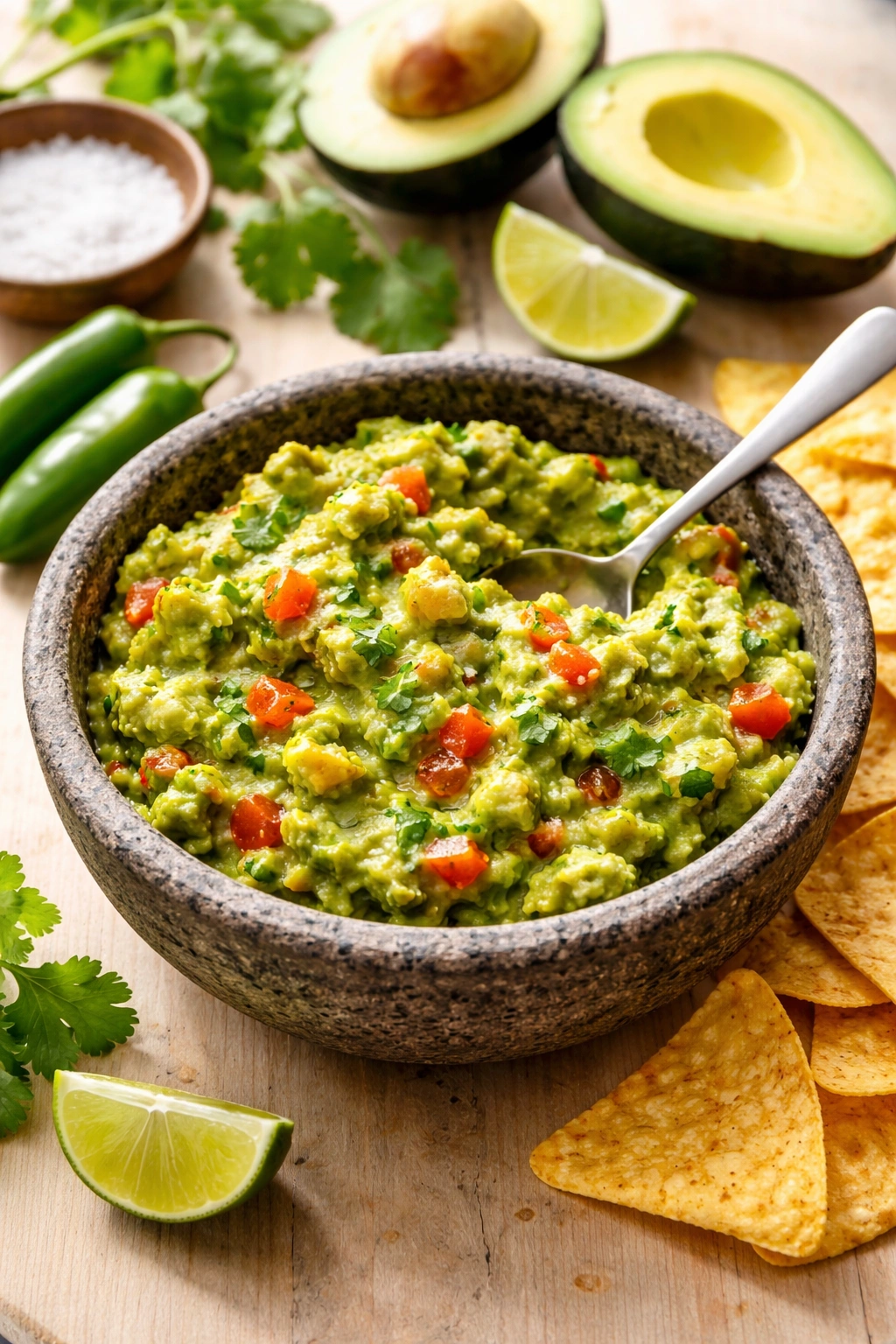
Make it just before serving. Guacamole is best eaten within 30 minutes of making it, when the flavors are brightest and the texture is perfect. If you must make it ahead, press plastic wrap directly onto the surface to minimize air exposure and keep it refrigerated for no more than an hour. Even with this precaution, it won’t taste as fresh as freshly made guacamole.
Don’t over-mash. The texture should be chunky and varied, with visible pieces of avocado, not a smooth puree. Use a fork or gentle potato masher rather than a food processor, which will over-work the mixture and create an unpleasant texture. A traditional molcajete is ideal if you have one—the rough interior naturally creates the right level of texture without bruising the fruit.
Add the lime juice immediately. The moment you cut into the avocado, it begins to oxidize (turn brown when exposed to air). The citric acid in lime juice slows this process significantly, so add it right away as you mash. This is why lime juice should be in the guacamole before it ever goes into a serving dish.
Taste constantly as you season. With only five ingredients, every adjustment is immediately noticeable. Salt the guacamole in stages, tasting after each addition, rather than dumping in all the salt at once. Lime should be added slowly, tasted after each addition. This active tasting makes you a better cook and ensures the guacamole tastes exactly the way you want it.
Use the freshest ingredients possible. This recipe has nowhere to hide poor ingredient quality. One-day-old cilantro, bottled lime juice, and mediocre avocados will produce disappointing guacamole. Seek out farmers market cilantro, squeeze fresh limes, and spend the time to select truly ripe avocados. The difference is dramatic.
Keep the guacamole cold. If you’re making guacamole more than 30 minutes before serving, refrigerate it until just before your guests arrive. Cold guacamole tastes brighter and fresher than room-temperature guacamole, and the cold slows browning. Remove it from the refrigerator just a few minutes before serving so it isn’t uncomfortably cold.
Common Mistakes That Ruin Guacamole
Using hard or overripe avocados. This is the number-one culprit in mediocre guacamole. There’s no fixing bad avocado. Even perfect technique can’t overcome a hard, mealy avocado or a watery, overripe one. Spend time learning to select properly ripe avocados, and most guacamole problems disappear.
Bottled lime juice instead of fresh. This is a non-negotiable shortcut that clearly damages the final product. Bottled lime juice tastes harsh and artificial in a recipe this simple. Fresh lime juice takes 3 minutes to extract and makes an enormous difference.
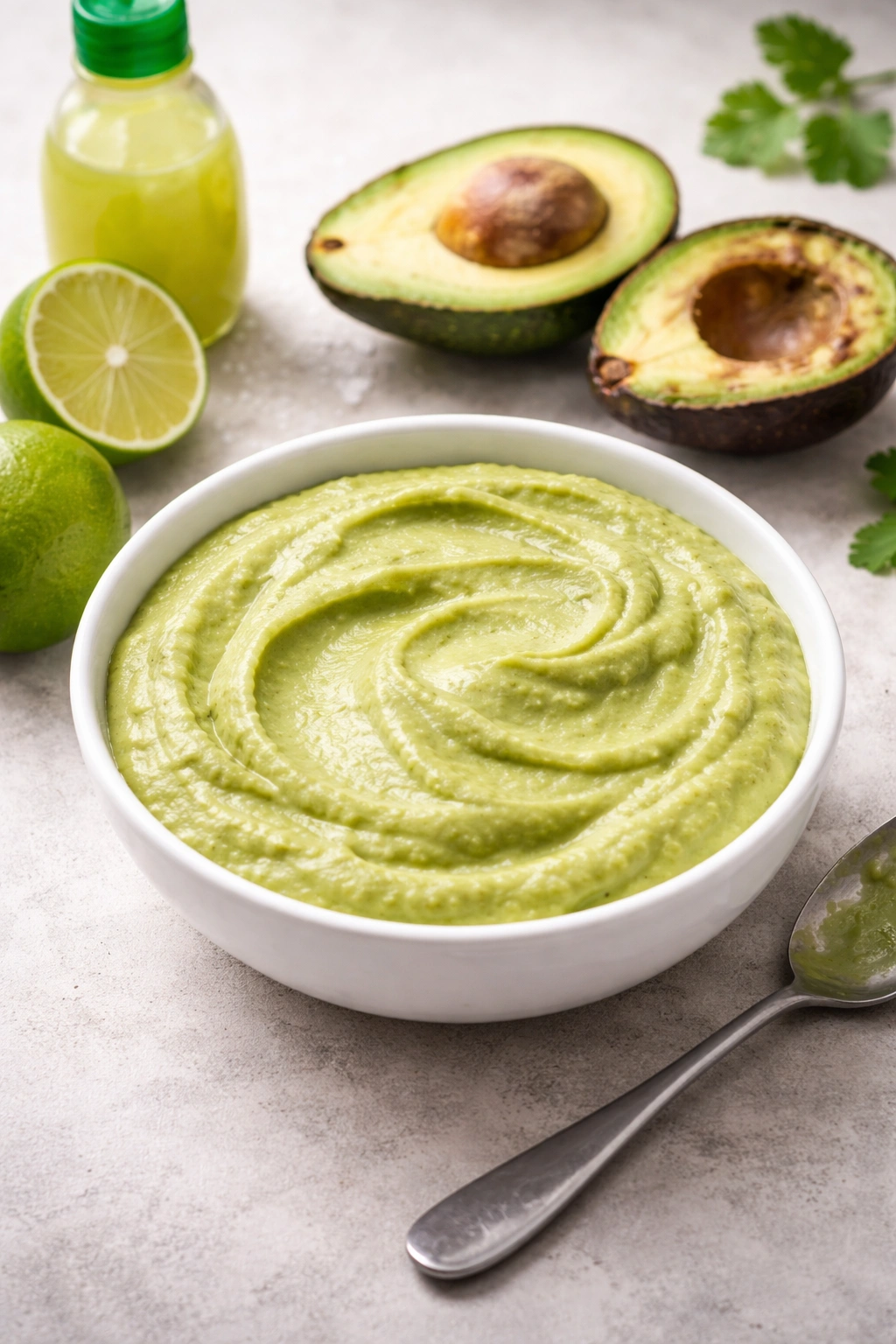
Over-mashing into a puree. Some guacamole recipes deliberately puree the mixture smooth, but that’s not how authentic Mexican guacamole is made. The chunky, uneven texture is part of what makes it appealing. Stop mashing once you’ve gently broken down the larger pieces of avocado. If you accidentally over-mash, fold in some diced fresh avocado at the end to restore texture.
Adding too much of any one ingredient. More salt doesn’t equal more flavor—it equals salty guacamole. More cilantro doesn’t equal more freshness—it equals herby guacamole that tastes like you’re eating leaves. More onion means sharp guacamole where onion dominates. Restraint is the point here. The five ingredients are all you need, in balanced proportions.
Making it too far ahead. While guacamole won’t spoil if refrigerated, it will brown and lose brightness with time. The flavor actually gets duller as the ingredients sit together. Make guacamole as close to serving time as is practical. If you’re hosting a party, make it 30 to 45 minutes before serving, cover it with plastic wrap, and refrigerate it. Uncover it and give it a gentle stir just before bringing it out.
Letting cut avocado sit exposed. The moment you cut into an avocado and expose the flesh to air, oxidation begins. Work quickly from cutting to mashing to serving. Don’t cut the avocados and set them aside while you prepare other things. And absolutely don’t make guacamole, then leave it uncovered on the counter, expecting to serve it in an hour.
Variations and Customizations
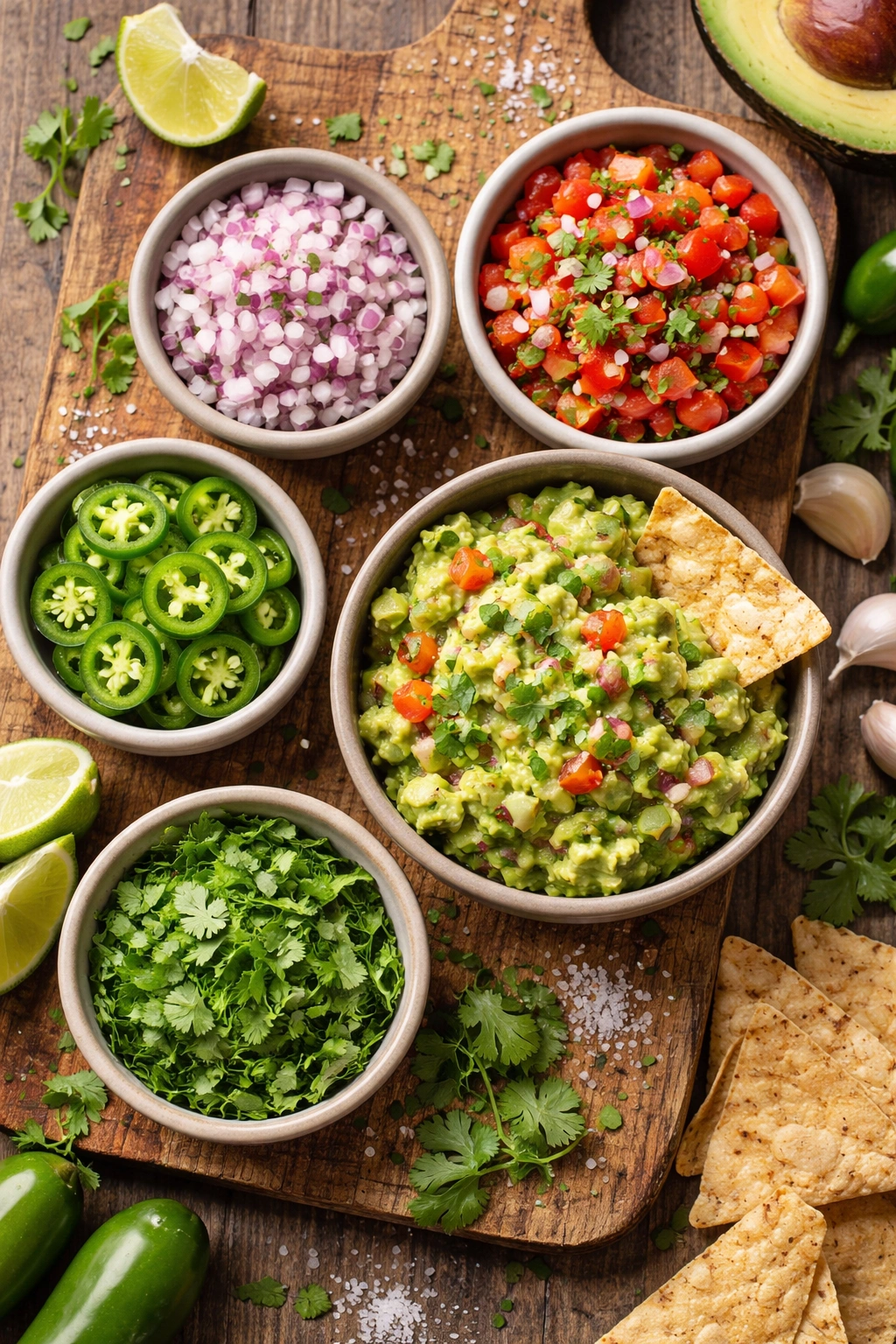
With jalapeño instead of onion. For a spicy version, use 1 jalapeño, minced fine, instead of the white onion. Seed it if you prefer less heat. The jalapeño adds bright heat rather than onion’s sharp bite, making for a different but equally authentic guacamole.
With both onion and jalapeño. If you’re serving a group with varied heat preferences, use both ⅛ cup minced white onion and ½ a minced jalapeño. This gives you both the onion’s brightness and the jalapeño’s heat, without either being overwhelming.
Cilantro-free version. If you’re cooking for someone who dislikes cilantro, simply omit it. The guacamole is perfectly delicious without it—you’ll lose the herbal note, but everything else remains balanced and fresh.
Without onion or jalapeño for purists. Some people make guacamole with just avocado, lime, and salt—truly minimal and letting the avocado shine completely. This works beautifully if your avocados are exceptional quality, though most people find the version with onion or jalapeño more interesting and complex.
With red onion. Mexican versions sometimes use red onion instead of white. It’s slightly milder and a bit sweeter. Use the same amount (¼ cup, finely minced). The guacamole will taste notably different—slightly softer on the palate, less aggressive in its brightness.
A tiny bit of garlic. If you want just a hint of garlic (not traditional, but delicious), mince ¼ of a small garlic clove extremely fine and add it with the onion. Don’t add more—the goal is a whisper of garlic, not a noticeable garlic flavor. This works beautifully with the jalapeño version.
How to Store Guacamole and Keep It Fresh
At room temperature. Guacamole is best eaten within 30 minutes of making, while it’s bright green and the flavors are at their peak. After that, the texture and color begin to change.
In the refrigerator. For storage beyond 30 minutes, press plastic wrap directly onto the surface of the guacamole—the plastic barrier between the guacamole and air is what prevents browning. Refrigerate and use within 1 hour for the best results. You can keep it up to 2 hours this way, but the flavor and color will begin to fade.
Freezing guacamole. Guacamole doesn’t freeze well, and we don’t recommend it. The texture becomes watery and separated when thawed, and while it’s still technically edible, it won’t taste or feel the way guacamole should. Make fresh guacamole instead.
The avocado pit trick. You may have heard that keeping the pit in the guacamole prevents browning. This is a myth—the pit does very little to prevent oxidation. Covering the guacamole with plastic wrap or a lid is far more effective.
Preventing browning. The single most effective way to slow browning is the lime juice already mixed in—the acid actively slows oxidation. Beyond that, minimize air exposure by covering the guacamole tightly and refrigerating it. If guacamole does brown on the surface, the layer underneath is usually still fresh and green. Simply scoop away the brown layer if you’re bothered by it.
Best Ways to Serve and Present Your Guacamole
With warm tortilla chips. This is the classic pairing, and for good reason. Warm corn or flour tortilla chips provide a crispy vehicle for the creamy guacamole, and the warmth of the chips contrasts beautifully with the cool guacamole. Make sure the chips are warm and fresh, not stale.
With warm flour tortillas. Flour tortillas draped over a clean kitchen towel to keep them warm pair wonderfully with guacamole. People can tear off pieces of tortilla and use them as scoops, a more elegant presentation than tortilla chips for a dinner party.
With fresh vegetables. Guacamole is delicious with cucumber slices, radish slices, jicama sticks, bell pepper strips, or cherry tomatoes. These vegetables provide crunch and clean flavors that complement the richness of the guacamole.
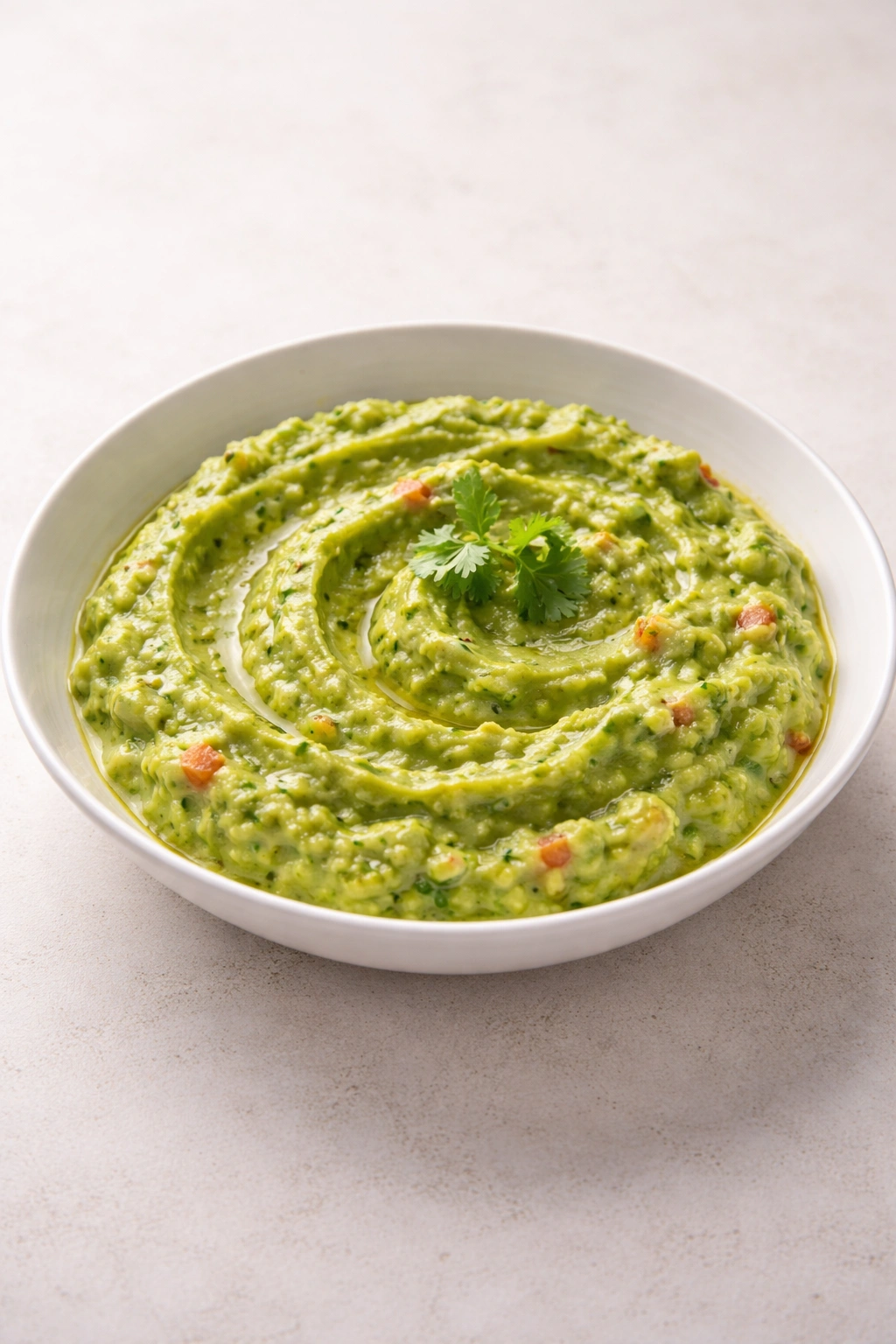
In serving bowl presentation. Pour guacamole into a shallow serving bowl, and use the back of a spoon to create a gentle wave pattern or simple design on the surface. Drizzle with a tiny bit of good olive oil, sprinkle with a few fresh cilantro leaves, and add a pinch of fleur de sel for visual interest. This elevates guacamole from a simple dip to something that feels intentional and special.
With lime wedges. Serve lime wedges alongside the guacamole. Guests can adjust the brightness by squeezing additional lime juice over the top if they prefer it more tart.
With hot sauce. Have a bottle of quality hot sauce on the table or nearby so people who want heat can add it themselves. This respects the base guacamole while offering customization.
As part of a taco setup. A dollop of fresh guacamole on a taco is far superior to guacamole that’s been sitting in a serving bowl. Make fresh guacamole and add it to tacos right before eating, so each taco gets its fair share and the guacamole tastes bright.
At room temperature, not cold. If you’ve refrigerated guacamole, remove it about 5 minutes before serving so it’s no longer ice-cold. Cold guacamole tastes muted compared to room-temperature guacamole. That said, it should still be cool—you’ve just removed the extreme chill.
Final Thoughts
Real guacamole is a lesson in restraint. When you make it with just five ingredients, you’re not being limited—you’re being disciplined. Every element has to matter. The avocado has to be ripe. The lime has to be fresh. The salt has to be balanced. The cilantro and onion have to be impeccable.
Once you’ve made this version a few times and understand how it works, you’ll grasp what guacamole is supposed to be. That’s when you can confidently make variations, add extra ingredients, or adapt the recipe to your personal preferences—because you’ll be building on a foundation of real knowledge rather than guessing.
The beauty of this recipe is that it delivers restaurant-quality guacamole at home in 10 minutes, without specialty equipment or hard-to-find ingredients. It tastes bright, fresh, and alive. It tastes like someone cared about what they were making. Most importantly, it tastes like authentic Mexican guacamole, and once you’ve tasted that, you’ll understand why this five-ingredient approach has endured for centuries.
Make this guacamole tonight with the best avocados and limes you can find. Pay attention to how the salt changes the flavor, how the lime transforms the richness of the avocado, how the cilantro and onion add life and character. You’re not just following a recipe—you’re learning why this recipe has remained unchanged while so many other food trends have come and gone.
