



We’ve all been there—it’s 5 p.m., you’re tired, hungry, and the last thing you want to do is spend an hour in the kitchen chopping vegetables and managing multiple pans. The idea of ordering takeout again feels inevitable until you realize that simple, genuinely easy dinners exist, and they don’t require exotic ingredients or advanced cooking skills. The key isn’t finding magical shortcuts; it’s choosing dinner approaches that are built on simplicity from the ground up.
The dinners in this guide aren’t about cutting corners on flavor or nutrition—they’re about recognizing that some cooking methods, ingredient combinations, and techniques are inherently less fussy than others. A sheet pan dinner, for instance, isn’t lazy cooking; it’s smart cooking. You’re using the oven’s heat to do most of the work while you step away. A stir-fry isn’t rushed cooking; it’s focused cooking where one hot pan handles everything in under 20 minutes. The difference between a dinner that feels like a chore and one that feels manageable often comes down to choosing the right method for a night when your energy is low.
What makes these eight dinners genuinely easy is that each one minimizes decisions, reduces active time at the stove, limits the number of dishes involved, and still delivers something you actually want to eat. None of them require you to have spent the day prepping ingredients or following complicated mise en place rules. They work on nights when you’ve barely had time to think about dinner until hunger hits.
1. Sheet Pan Proteins with Roasted Vegetables
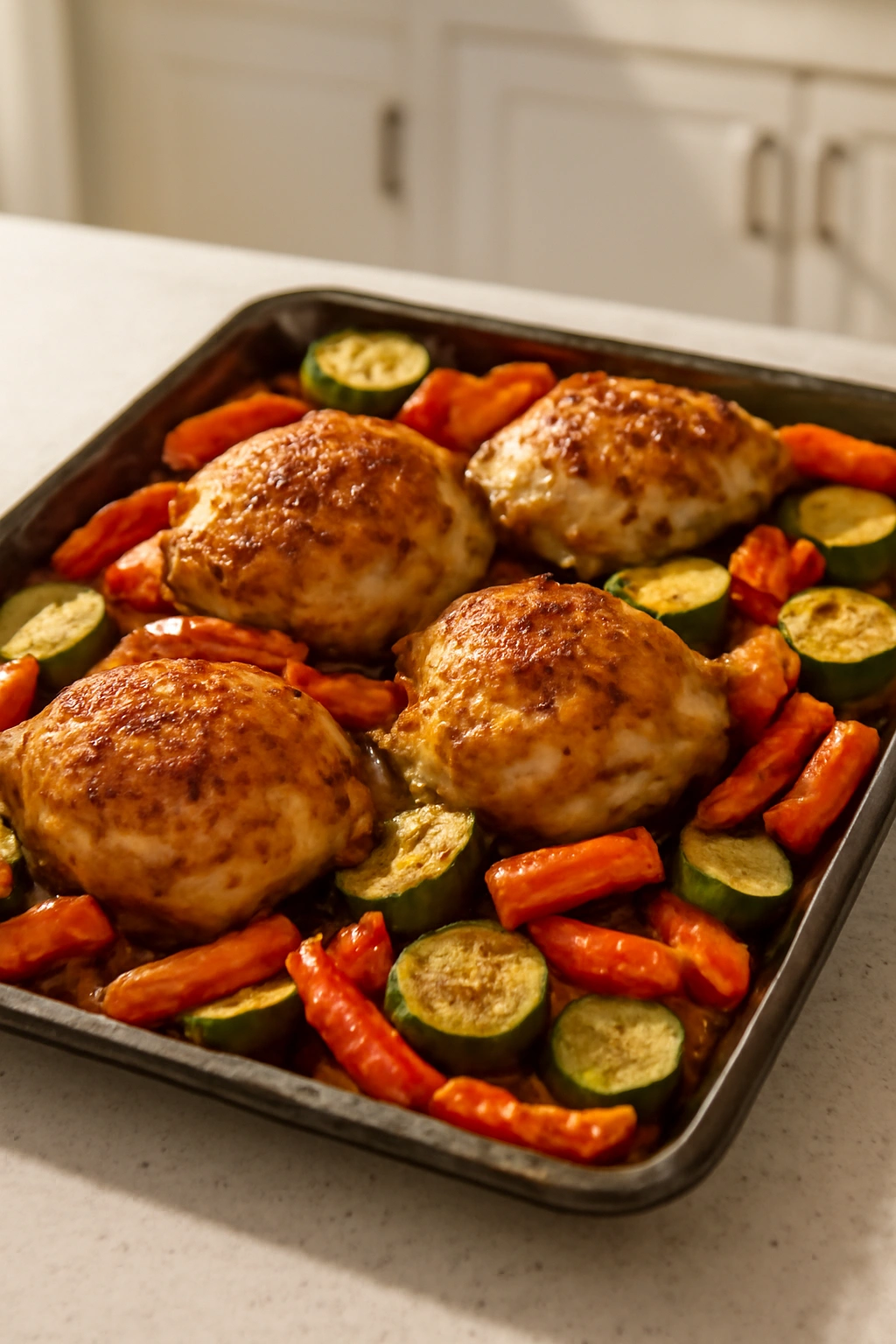
Sheet pan dinners are the workhorse of low-energy cooking because they consolidate your entire meal onto one piece of equipment and let the oven do almost everything. You scatter a protein and vegetables on a sheet pan, drizzle with oil and seasonings, and walk away for 25 to 35 minutes. The oven’s dry heat roasts everything evenly, and cleanup involves washing exactly one pan.
The beauty of this approach is how flexible it is. Chicken thighs work wonderfully because they stay juicy even if slightly overcooked, unlike breast meat. Salmon fillets roast beautifully and develop a crispy skin. Ground beef formed into loose patties or whole sausages cook through without needing to be stirred. Thick-cut pork chops or lamb chops all work the same way—season, roast, done.
Why It Works So Well
Sheet pan dinners succeed because they require almost no active cooking time. You spend maybe 10 minutes prepping your protein and chopping vegetables into roughly same-sized pieces (so everything finishes cooking at the same time), then the oven handles the actual cooking. You’re not standing at the stove monitoring heat levels or stirring anything. The hands-off nature makes these dinners feel genuinely easy, even on your most exhausted evenings.
What to Add and When
Pair your roasted protein with vegetables that cook in similar time frames. Broccoli florets, Brussels sprouts, green beans, bell peppers, zucchini, and red onions all roast in 25 to 30 minutes at 425°F (220°C). Root vegetables like potatoes and carrots need a 10-minute head start, so either cut them smaller or toss them on the pan first, then add faster-cooking vegetables halfway through. A squeeze of fresh lemon juice, grated garlic, or a drizzle of balsamic vinegar right before serving elevates the whole dish without adding complexity.
Pro tip: Crowd the pan but don’t completely cover it—vegetables need some space to brown rather than steam. If they’re packed too tightly, they’ll stay pale and soft instead of developing caramelized edges that make them actually taste good.
2. Stir-Fry with Pre-Cut Vegetables
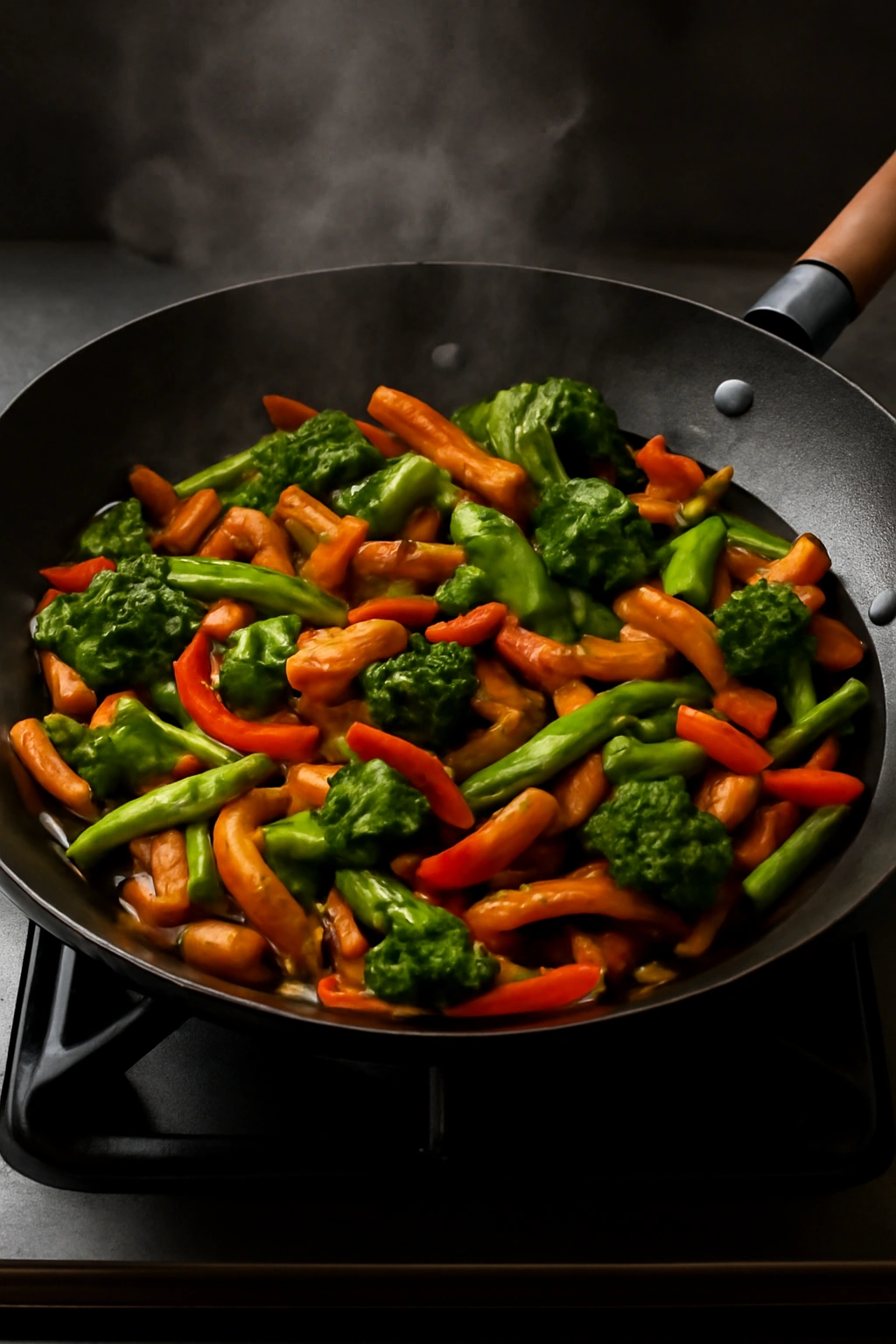
Stir-fries get unfairly labeled as complicated, but they’re actually some of the fastest dinners you can make—usually done in 15 to 20 minutes flat. The secret to making them feel easy on nights when you’re not up for much effort is buying vegetables that are already prepped. Most grocery stores now sell bags of pre-cut stir-fry vegetables, broccoli florets, snap peas, and sliced bell peppers. Using these means zero prep work.
You heat one large skillet or wok until it’s hot, add a bit of oil, then cook your protein (thin-sliced chicken, beef, shrimp, or firm tofu) just until it’s done. Push it to the side, add your pre-cut vegetables, and toss everything together with a simple sauce made from soy sauce, garlic, ginger, and a touch of honey or brown sugar. Serve over rice or noodles that you’ve been cooking while the stir-fry happens.
Why This Saves Evening Stress
The whole appeal of a stir-fry is speed and the complete absence of multiple pans. One hot surface, one protein cooking, one batch of vegetables—everything happens in sequence in the same pan. There’s no juggling between the stovetop and oven, no waiting for components to finish separately. The meal comes together in the time it takes to cook your rice, which means you can realistically have dinner on the table in 20 minutes from the moment you decide to cook.
Building Your Stir-Fry Sauce
A basic stir-fry sauce is roughly three parts soy sauce to one part honey or brown sugar, with minced fresh garlic and ginger to taste. Some heat from red pepper flakes or sriracha works if you like it spicy. A splash of rice vinegar adds brightness. Mix everything in a small bowl before you start cooking, then drizzle it in during the final minute of cooking. This takes the guesswork out of seasoning while you’re actively cooking and ensures balanced flavor.
Worth knowing: Don’t overcrowd the pan with vegetables at once—cook them in batches if needed so they actually sear and brown rather than release water and steam. Stir-fried vegetables should have some char and caramelization, not just heat through.
3. Slow Cooker or Instant Pot Meals
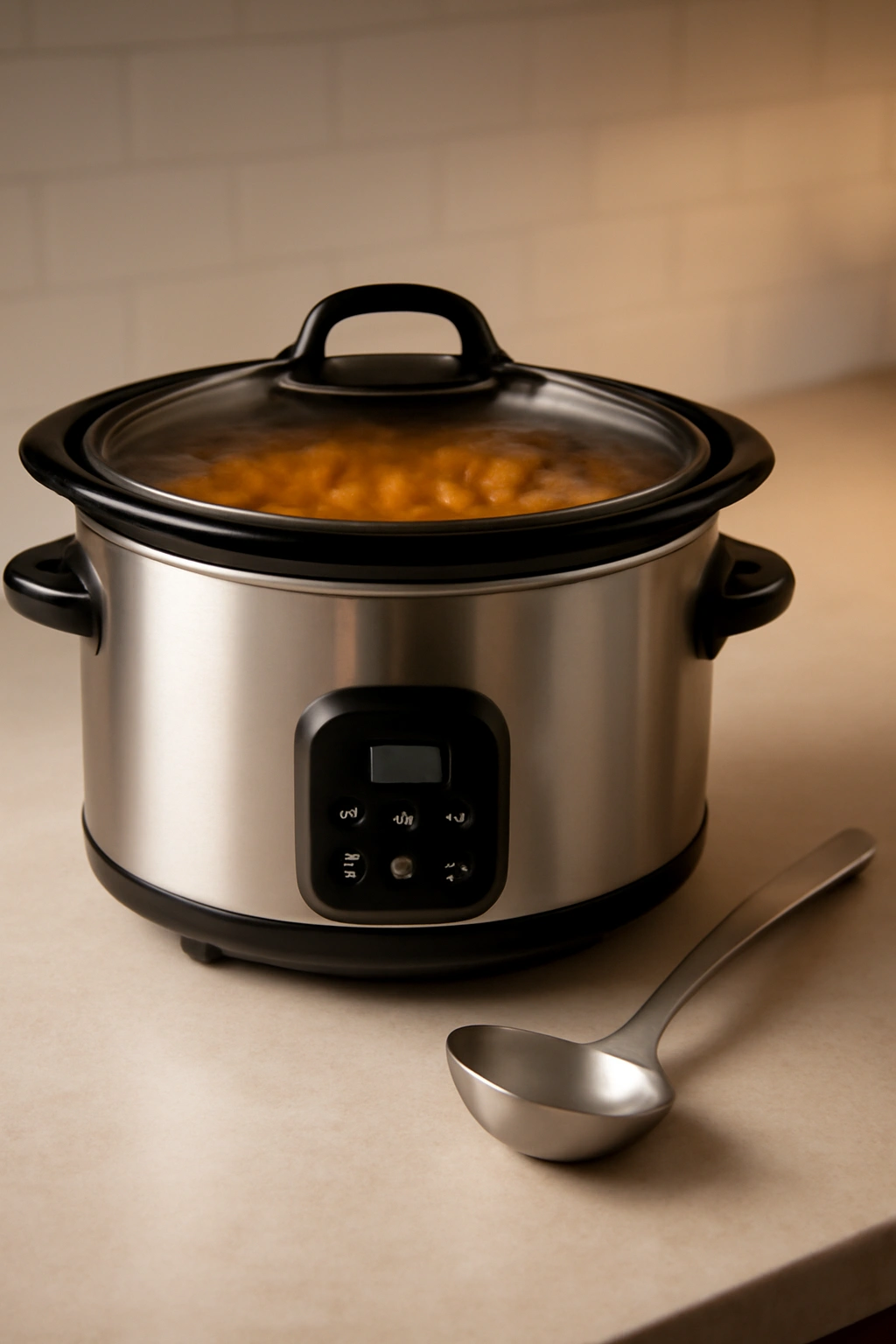
The magic of slow cooker dinners is that you do all the work in the morning (or at lunch), and dinner is ready when you walk through the door tired and hungry. You dump ingredients into the pot, set it, and your oven or heating element handles everything for 6 to 8 hours. When dinner time arrives, the meal is literally finished—you just ladle it into bowls.
Instant Pot meals work similarly but in a fraction of the time. You sauté aromatics, add your protein and braising liquid, lock the lid, and high pressure for 15 to 20 minutes depending on what you’re cooking. The quick release takes 10 minutes, and dinner is ready. Both approaches turn tougher, cheaper cuts of meat—chuck roasts, pork shoulders, chicken thighs, beef stew meat—into deeply flavored, fall-apart tender meals that taste like they’ve been simmering for hours.
What Works Best for Hands-Off Cooking
Beef stews, pork carnitas, chicken chili, lentil soups, and braised chicken thighs are all essentially impossible to mess up in a slow cooker or pressure cooker. You can’t really overcook them because the moist braising environment is forgiving. The tougher the starting meat, the better the result—cheap chuck roast becomes better in a slow cooker than an expensive steak ever could. Add hearty vegetables like potatoes, carrots, and onions that don’t break down into mush even after hours of cooking.
The Preparation Question
Yes, slow cooker meals require some upfront work—browning your meat, sautéing aromatics, measuring seasonings. But this work happens when you have time (morning or lunch), not when you’re exhausted at dinner time. If even morning prep feels like too much, you can skip browning the meat and sauté step for many recipes and still get a decent result, though you’ll lose some depth of flavor. The trade-off is usually worth it on nights you’re running on empty.
Insider note: Layer your ingredients intentionally—put potatoes and carrots on the bottom where they get maximum liquid contact, then your meat on top so it doesn’t end up waterlogged. Aromatics like garlic and spices go in the braising liquid so they distribute evenly throughout cooking.
4. Pasta-Based Dinner Solutions
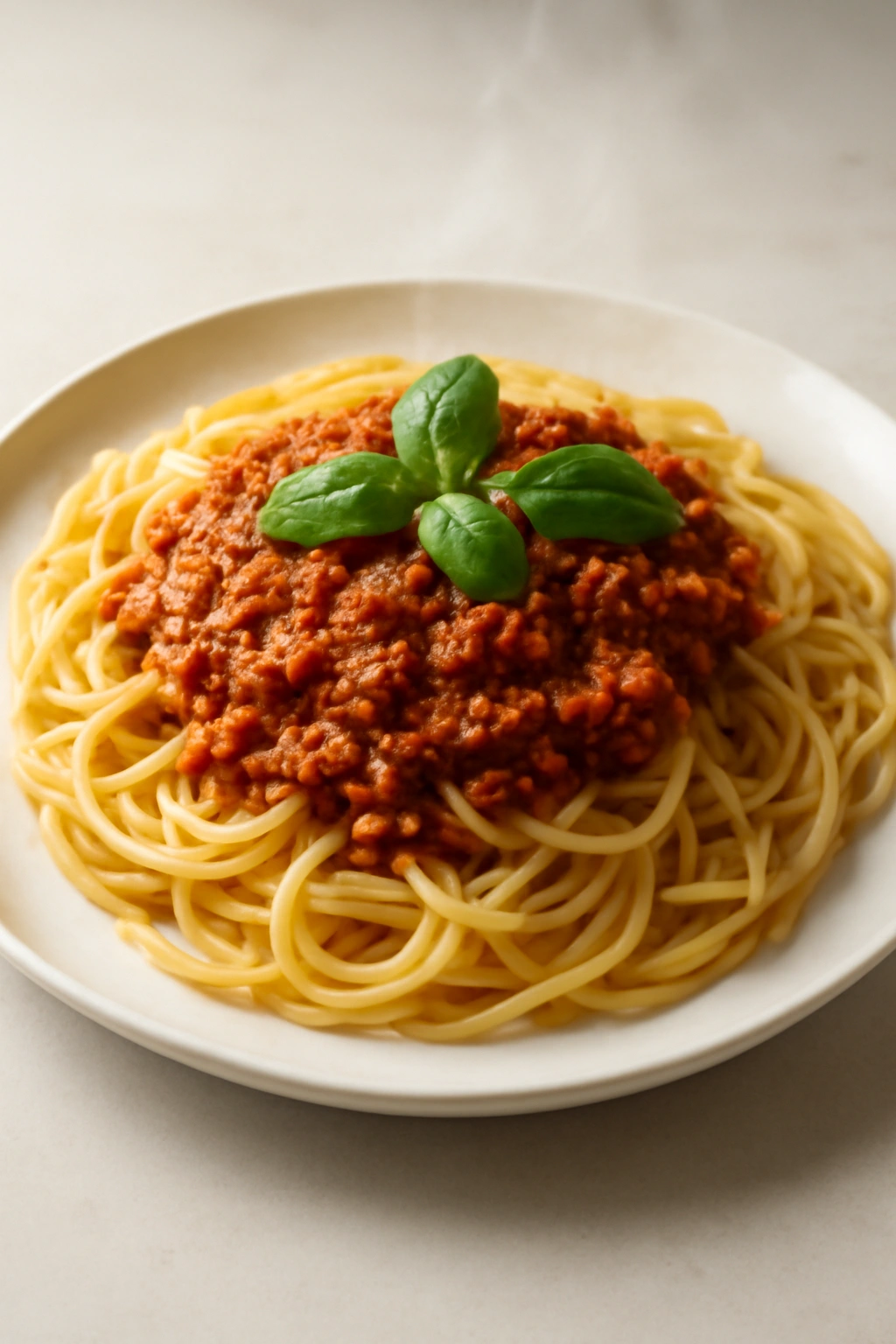
Pasta is the ultimate evening-when-you-don’t-want-to-cook dinner because it cooks in under 10 minutes, and most pasta sauces come together in the same timeframe. You’re not trying to create restaurant-quality pasta here—you’re just trying to get food on a plate with minimal effort and maximum palatability.
The easiest approach is a simple meat sauce made from ground beef or turkey, canned tomatoes, and seasonings. Brown your meat, add tomato sauce or crushed canned tomatoes, simmer for 10 minutes while your pasta cooks, and combine everything. Alternatively, a butter-garlic sauce with fresh basil takes 5 minutes and tastes better than it has any right to. Aglio e olio—pasta with nothing but garlic, olive oil, and red pepper flakes—is legitimately good and genuinely foolproof.
Fast Sauce Strategies
Jarred Alfredo sauce stirred with cooked pasta and some frozen peas is not fancy, but it’s ready in literally 10 minutes and satisfies that creamy, comforting dinner urge. A quick vodka sauce (vodka, tomato paste, heavy cream, and crushed tomatoes) tastes complex and comes together in 15 minutes. Even a simple oil and vinegar sauce with good quality olive oil, fresh lemon juice, and whatever fresh herbs you have keeps a pasta dinner from tasting boring.
The most important thing with low-effort pasta sauces is not apologizing for simplicity. Pasta with good-quality olive oil, fresh garlic, and dried red pepper flakes actually tastes great and took 10 minutes. Pasta with jarred pesto mixed with a bit of cream and some rotisserie chicken is genuinely delicious and required no actual cooking skill. You’re not trying to impress anyone—you’re trying to get adequate, tasty dinner on the table efficiently.
What to Pair With Your Pasta
A big green salad with good dressing takes a pasta dinner from quick meal to almost-balanced. Steamed or roasted vegetables on the side (frozen broccoli or green beans work perfectly) add nutrition without adding complexity. A handful of pine nuts or some fresh basil torn over the top costs almost nothing and makes the plate look more intentional than it is.
Pro tip: Save some pasta cooking water before draining—a splash mixed into your sauce at the end helps it coat the pasta better and brings all the flavors together. The starch in that water is actually useful, not something to waste.
5. Build-Your-Own Bowl Dinners
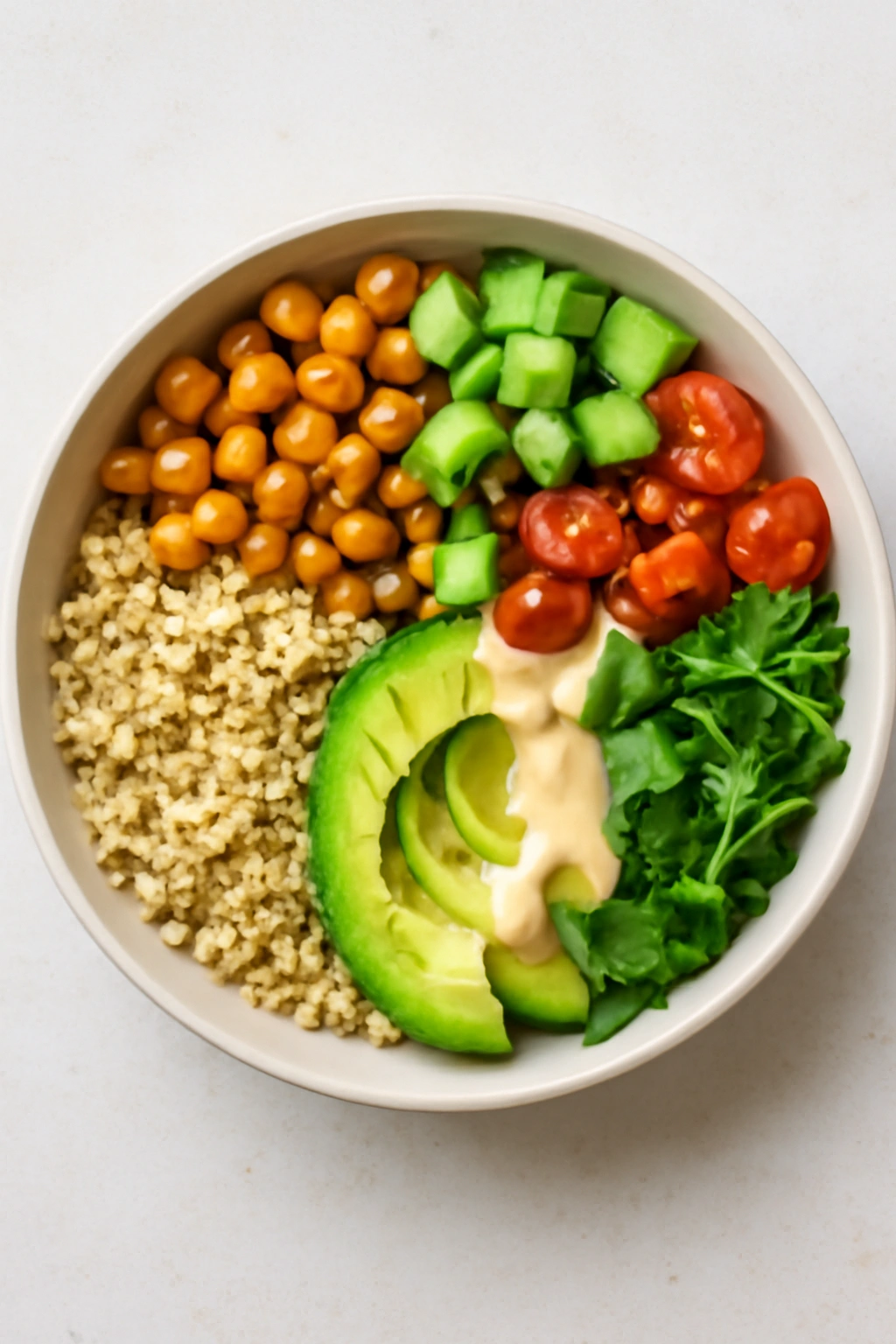
Bowl dinners—whether grain bowls, taco bowls, or Buddha bowls—work brilliantly on low-energy nights because you can build them from almost entirely prepared components. You’re not actually cooking; you’re assembling. This approach works especially well if you’ve got some precooked grains and proteins in your fridge already, but even if you haven’t, you can pull a bowl dinner together quickly.
Start with a base of cooked grain (rice, farro, quinoa), then add a protein (rotisserie chicken, canned beans, store-bought tofu, hard-boiled eggs, ground beef you’ve cooked earlier in the week). Add pre-cut vegetables (bell peppers, cucumbers, shredded carrots, cherry tomatoes, greens), something with healthy fat (avocado, nuts, seeds, tahini), and a sauce that pulls it all together. That’s dinner.
Making Bowls Feel Like Actual Meals
The key to bowl dinners not tasting like sparse, sad plates of separate ingredients is choosing a cohesive flavor direction and a sauce that brings everything together. A Mediterranean bowl with chickpeas, feta, cucumber, red onion, and a lemon-tahini dressing tastes intentional and complete. A Korean-inspired bowl with rice, cooked chicken or tofu, edamame, carrots, and gochujang mayo has clear flavor identity. A Mexican bowl with black beans, corn, shredded cheese, avocado, and lime crema is inherently satisfying.
The sauce is what transforms a collection of ingredients into an actual meal. A drizzle of tahini mixed with lemon juice and water, a spoonful of salsa mixed with sour cream, or a simple soy-ginger vinaigrette makes the difference between a bowl that tastes cohesive and one that tastes like a cafeteria line.
Bowl Assembly When You’re Tired
The beauty of this approach is that you can literally use whatever protein and vegetables you have on hand. Rotisserie chicken works, canned chickpeas work, yesterday’s ground beef works. Frozen vegetables thawed work. Lettuce from a bag, shredded carrots, store-bought hummus—it all works. You’re creating a meal from premade components, which is absolutely legitimate cooking on nights when you don’t want to cook.
Worth knowing: Warm your grain or at least take it out of the fridge for a few minutes so the bowl isn’t completely cold. A room-temperature or slightly warm grain base makes the whole experience feel more like a real meal than eating everything straight from the refrigerator.
6. Sandwiches and Wraps
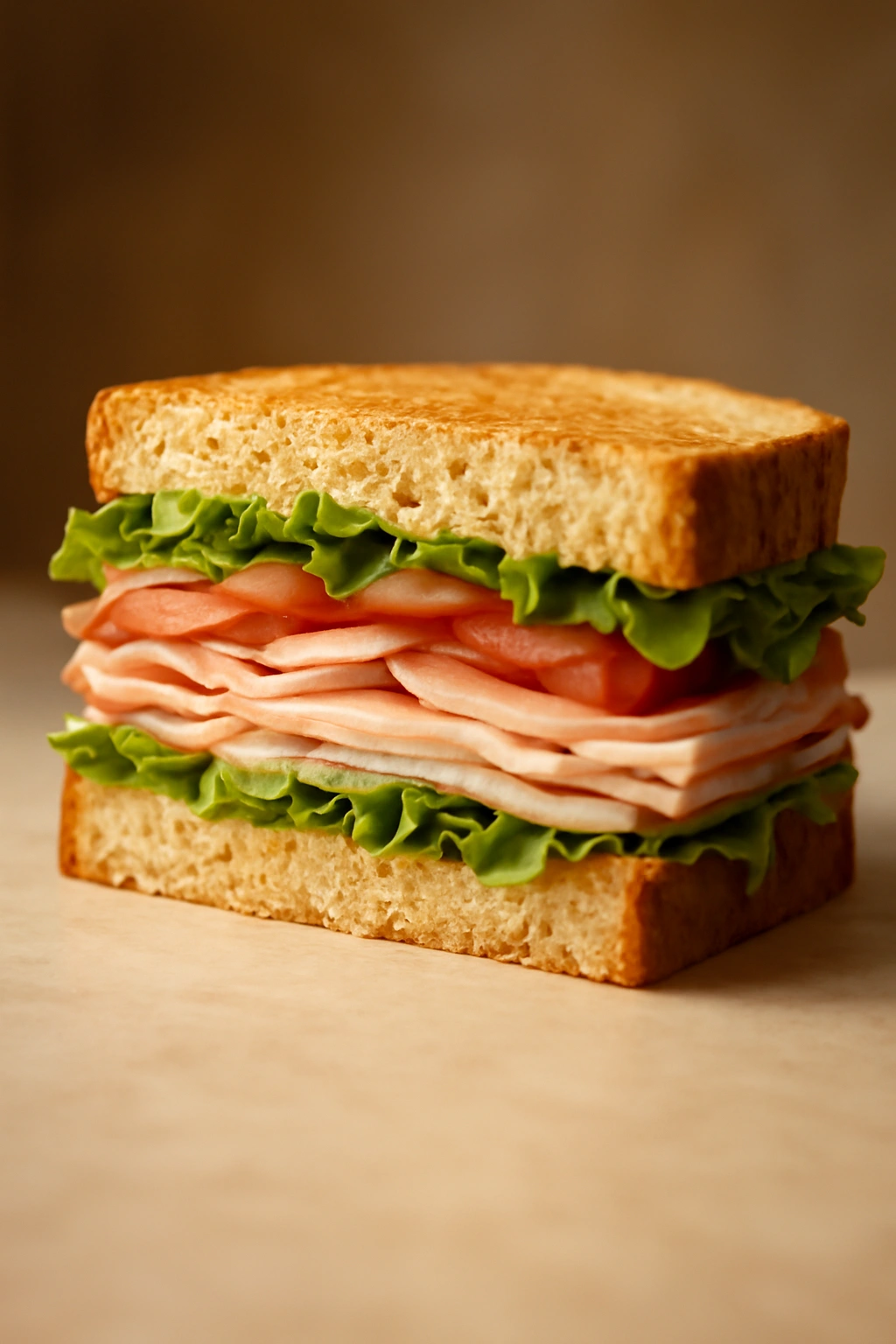
Sandwiches get overlooked as dinner options, but they’re genuinely one of the easiest meals to put together and can be genuinely satisfying when built with intention. You’re not making a sad desk lunch here—you’re making an actual dinner sandwich with proteins, vegetables, healthy fats, and enough substance that it feels like a real meal.
The foundation is good bread (a thick-sliced sourdough, a good quality wrap, focaccia, or even sturdy ciabatta) plus a protein layer (deli turkey or roast beef, canned tuna mixed with mayo, rotisserie chicken, a couple of hard-boiled eggs, grilled cheese with add-ins). Then vegetables that add texture and freshness—ripe tomato, cucumber, lettuce, red onion, bell peppers, shredded carrots. A sauce or spread pulls everything together: pesto mayo, hummus, a good mustard, or a simple oil and vinegar.
Sandwiches as Actual Dinner
The reason sandwiches work as dinner is because a good sandwich is structurally a complete meal. You’ve got carbs (bread), protein, vegetables, and healthy fat all in one package. It doesn’t feel like a cop-out if you build it thoughtfully. A smashed white bean sandwich with olive tapenade, roasted red peppers, and arugula is legitimately good. Turkey and avocado with tomato and pesto mayo on good bread is satisfying in a way that matters.
Wraps offer a similar advantage but feel even more casual and throw-together. You can fill a wrap with literally anything: roasted vegetables and hummus, shredded rotisserie chicken mixed with ranch dressing and lettuce, turkey and all your favorite condiments, even leftover pasta salad. The wrap contains everything so you can eat it without things falling apart.
Adding Sides That Matter
A sandwich dinner is complete with a simple side—raw vegetables with good dip, a simple salad, some fruit, a handful of chips. You’re not adding complexity, just things to make the meal feel substantial and balanced. A cup of soup on the side elevates the whole thing from quick lunch energy to actual dinner.
Pro tip: Toast your bread just before assembling, especially if you’re using wet ingredients. Warm bread is more sturdy and prevents the whole sandwich from turning into a soggy mess before you finish eating it.
7. Rotisserie Chicken Quick Meals
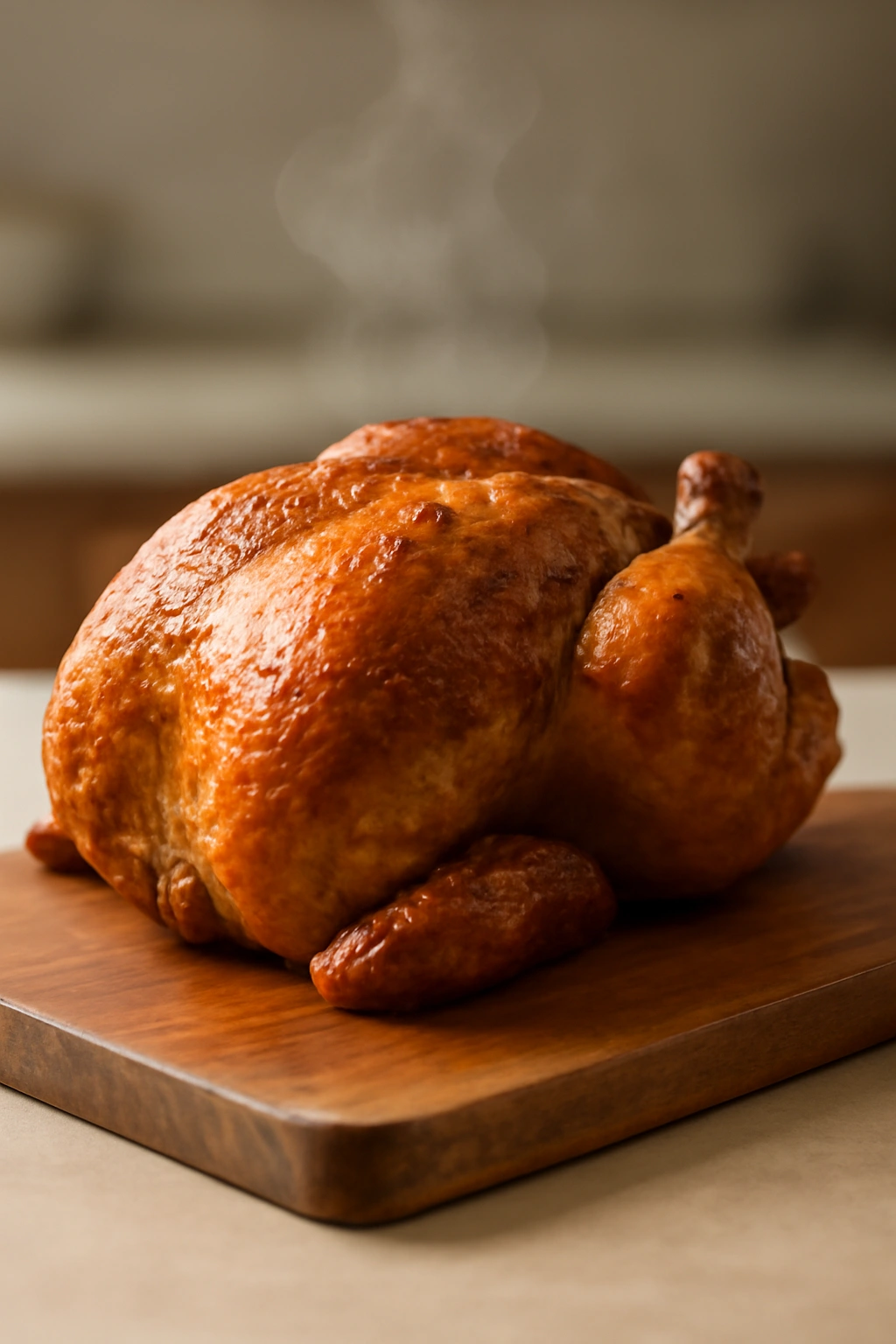
A store-bought rotisserie chicken is genuinely the most versatile ingredient for low-effort dinners. The protein is already cooked, literally warm, and needs nothing but shredding. This single item can become 4 or 5 different dinners throughout the week depending on what you pair it with, and it costs about the same as a fast-food meal for one person.
Shredded rotisserie chicken transforms into chicken tacos with just a can of beans, some corn (frozen is fine), and taco shells. It becomes chicken and vegetable stir-fry when tossed into the hot pan with pre-cut vegetables and sauce. Mixed with mayo, grapes, and pecans on toast, it becomes a sophisticated-feeling lunch or light dinner. Stirred into cooked pasta with cream, frozen peas, and Parmesan becomes a valid weeknight dinner in about 15 minutes.
Building Actual Meals Around Rotisserie Chicken
The key to making rotisserie chicken feel like intentional meals rather than just grabbing that chicken and eating it over the sink is combining it with enough supporting components that it feels balanced. Chicken quesadillas with cheese, bell peppers, and cilantro are quick and genuinely craveable. Chicken fried rice made with frozen vegetables and day-old rice comes together in 10 minutes. Chicken soup made by heating that chicken with store-bought broth, frozen vegetables, and some egg noodles is comforting and complete.
Using Every Part Efficiently
Don’t just shred the breast meat and abandon the rest. The thighs and legs have more flavor and texture than breast meat anyway. Every piece of this chicken can go toward your meal. Making broth from the leftover bones gives you even more cooking potential for the next day. Nothing gets wasted, and you’re getting multiple meals from one ingredient.
Insider note: Shred your rotisserie chicken while it’s still warm—it falls apart much more easily and uniformly. Trying to shred cold chicken is frustrating and results in irregular pieces that cook unevenly when reheated.
8. Minimal-Effort Skillet Dinners
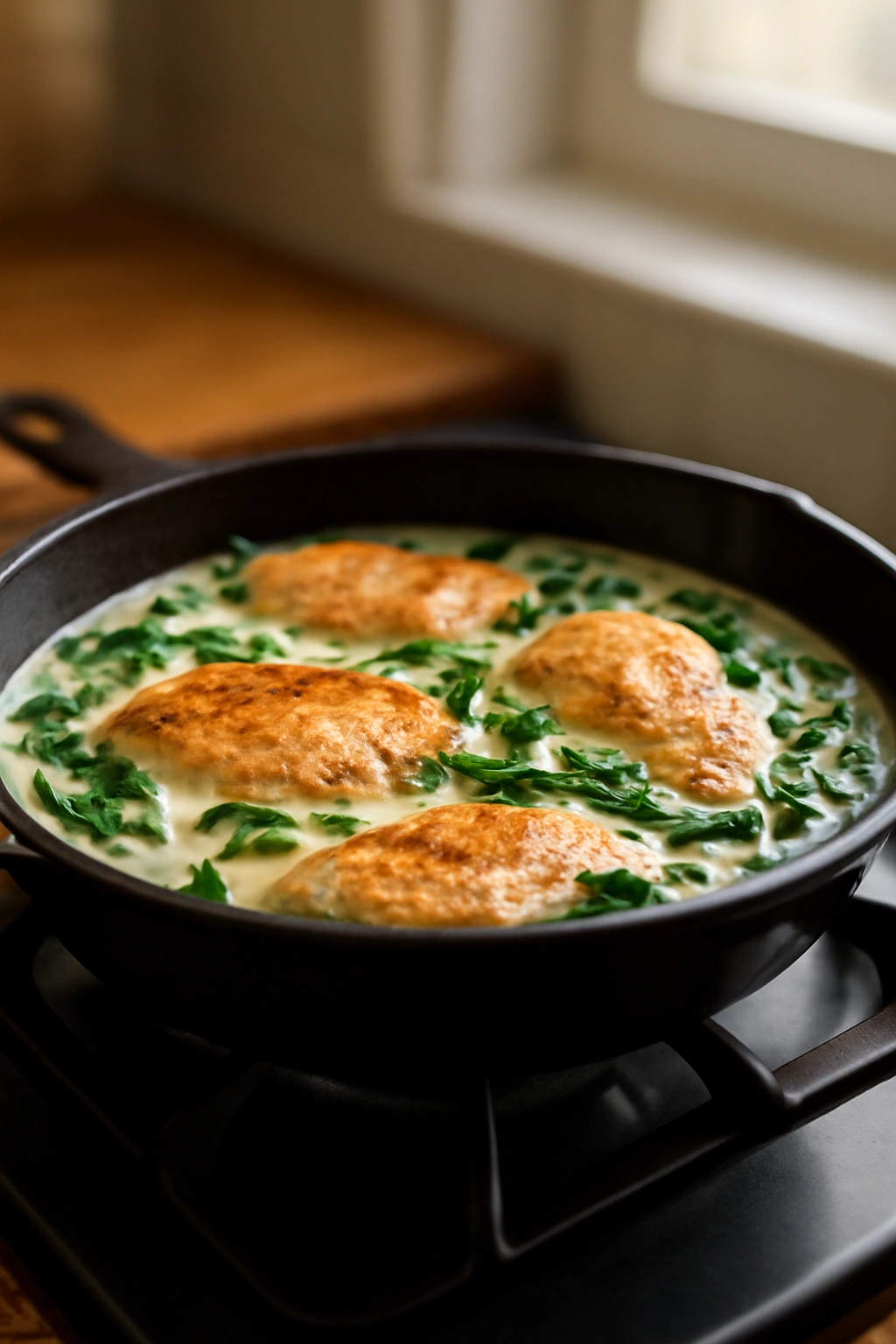
A skillet dinner—where you cook everything in one large pan on the stovetop—combines the speed of stir-fry with the comfort of a one-dish meal. You sauté a protein, remove it, cook some vegetables, then combine everything with a simple sauce or broth and let it all simmer together for 10 to 15 minutes. Cleanup is literally one pan.
Chicken and spinach in a cream sauce, ground beef and potato skillet with vegetables, sausage with peppers and onions, or shrimp with zucchini and tomatoes all follow the same basic framework. The protein cooks quickly, the vegetables follow, and a braising liquid (broth, cream, canned tomatoes) brings everything together. The beauty is that you’re building flavor as you go rather than juggling multiple components.
Why One-Pan Cooking Reduces Evening Stress
The psychological relief of cooking in one pan cannot be overstated when you’re tired. You don’t have to manage multiple heat levels, coordinate different cooking times, or clean multiple pans. One skillet, one stove burner, one cleanup. The meal finishes when you’re done cooking—no waiting for an oven or checking on something happening elsewhere. Everything you need is right in front of you.
Creating Simple Braising Liquids
The difference between a skillet dinner that tastes boring and one that tastes intentional is the liquid you’re braising in. Chicken broth with cream and fresh herbs makes a luxurious-tasting sauce. Canned tomatoes with garlic and Italian seasoning creates a simple marinara-style situation. Soy sauce mixed with a bit of water, honey, and ginger gives an Asian flavor direction. None of these requires any cooking skill—you’re just combining things that are already prepared.
Pro tip: Don’t cover the skillet while braising unless you want everything steamed and pale. Let it simmer uncovered so the liquid reduces and becomes more flavorful, and any vegetables on top get slightly caramelized edges instead of boiling.
Final Thoughts

Easy dinners don’t have to be elaborate or require skills you don’t have. They’re built on choosing methods that are forgiving, ingredients that mostly cook themselves, and flavor combinations that work together without fussy technique. The difference between a dinner that feels stressful and one that feels manageable often comes down to this: choosing the right approach before you even turn on the stove.
None of these eight dinners require exotic shopping or ingredients you don’t recognize. Sheet pans and basic vegetables, store-bought stir-fry mix and soy sauce, a slow cooker and a tough cut of meat—these are genuinely simple starting points. Pasta with jarred sauce isn’t cheating; it’s smart cooking for the night you don’t want to cook.
The real secret is giving yourself permission to stop trying and just eat something good. A rotisserie chicken with microwaved vegetables and a roll is a completely valid dinner. A bowl of grain and beans with pre-cut vegetables is a complete meal. A sandwich with thought behind it is genuinely dinner-worthy. Once you release the idea that you need to spend an hour cooking to have earned the right to eat, low-effort dinners stop feeling like failure and start feeling like exactly what you needed.
