



It’s the pasta salad that shows up at every steakhouse happy hour and special occasion — creamy, studded with crispy bacon and fresh vegetables, with that distinctive tangy-peppery dressing that makes people keep coming back for more. You know the one: it tastes like summer, celebration, and indulgence all at once. The frustrating part is that restaurants treat the recipe like a trade secret, and most of the copycat versions you find online are missing something crucial — either they’re too heavy, too bland, or they don’t capture that signature dressing quality that makes the original so craveable.
The good news is that you don’t need to reverse-engineer a steakhouse kitchen to recreate this at home. With the right combination of ingredients and a few technique adjustments, you can make a version that’s actually better than the original, because you control the quality of every component. No mystery ingredients, no cutting corners, just honest, delicious pasta salad that genuinely tastes like something a steakhouse would be proud to serve.
This copycat version uses a homemade dressing built on buttermilk and mayo, with anchovy paste and Dijon mustard adding that distinctive umami-forward flavor that makes people ask for the recipe. The pasta is dressed while still warm so it absorbs the flavors more effectively, and we’re using rotini or fusilli to maximize surface area for that creamy coating. Fresh ingredients matter here — quality bacon, crisp celery, juicy cherry tomatoes — because nothing masks mediocre components.
Why Restaurant Pasta Salad Tastes So Good
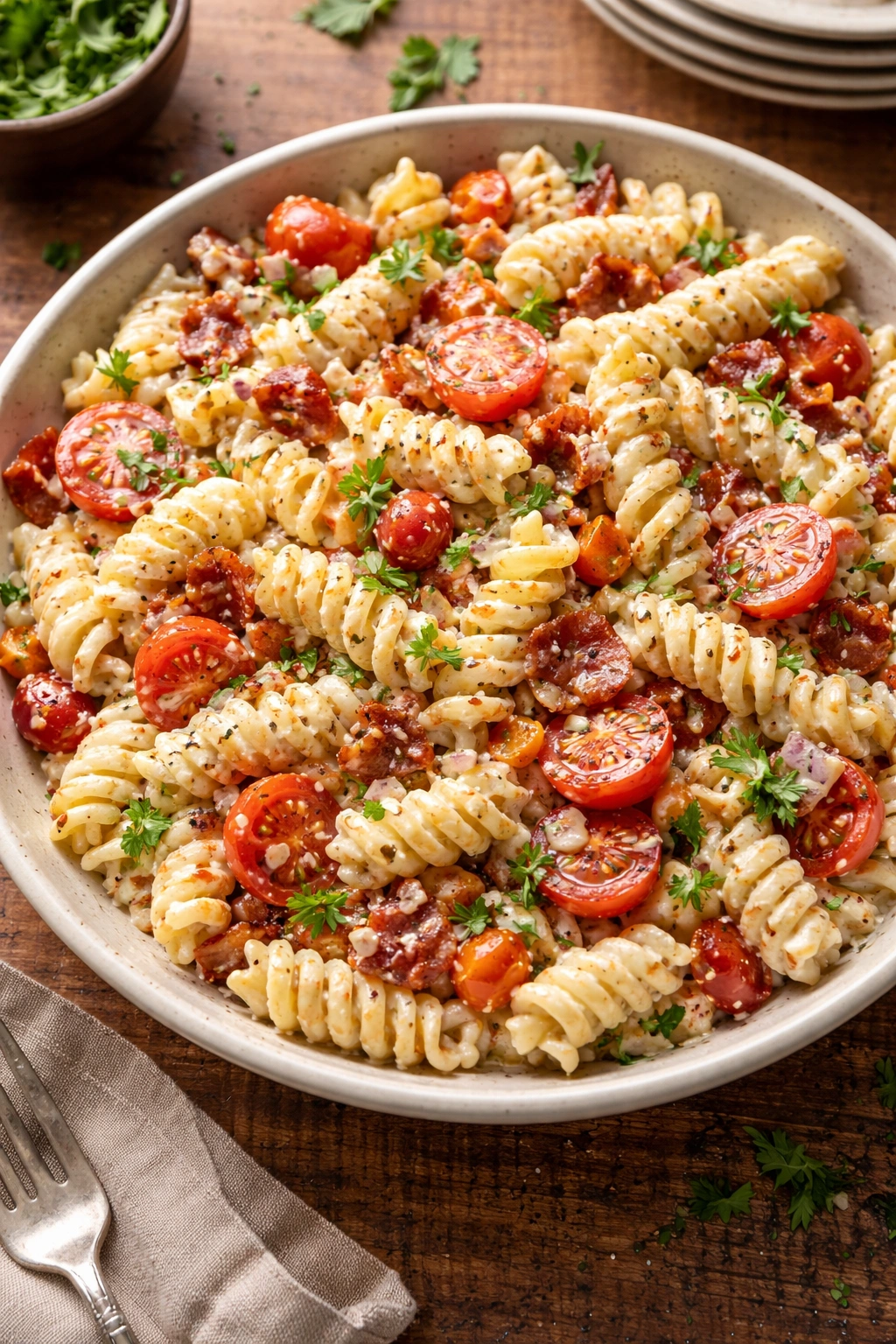
The key to understanding steakhouse pasta salad is recognizing that it’s not just a sum of its parts — it’s engineered for maximum flavor and texture contrast. The dressing combines acid, richness, and savory depth in proportions most home cooks skip entirely. Restaurants use buttermilk specifically because it adds tang and body without being aggressively sour like vinegar alone would be.
That savory undertone comes from anchovy paste or Worcestershire sauce, which sounds intimidating but dissolves completely into the dressing. You won’t taste “anchovies” — you’ll taste complexity and a subtle umami depth that makes people say the dressing tastes somehow richer than it actually is. The combination of Dijon mustard and black pepper adds sharpness that cuts through the cream and prevents the whole dish from feeling heavy.
The Texture Component
A proper steakhouse pasta salad has real textural variety — creamy pasta contrasted with crisp vegetables and crunchy bacon. This is what separates it from sad office potluck pasta salads where everything has the same mushy, sad texture. Cherry tomatoes add juicy sweetness, fresh parsley adds bright herbaceousness, and the combination of celery and red onion provides a sharp, fresh crunch that the creamy dressing surrounds without drowning.
The pasta choice matters more than most recipes acknowledge. Rotini and fusilli have ridges and spirals that trap dressing in every bite, while smooth pasta like penne or shells will slide around and leave you with dry bites and dressing pooling at the bottom of the bowl.
What Makes This Copycat Version Stand Out
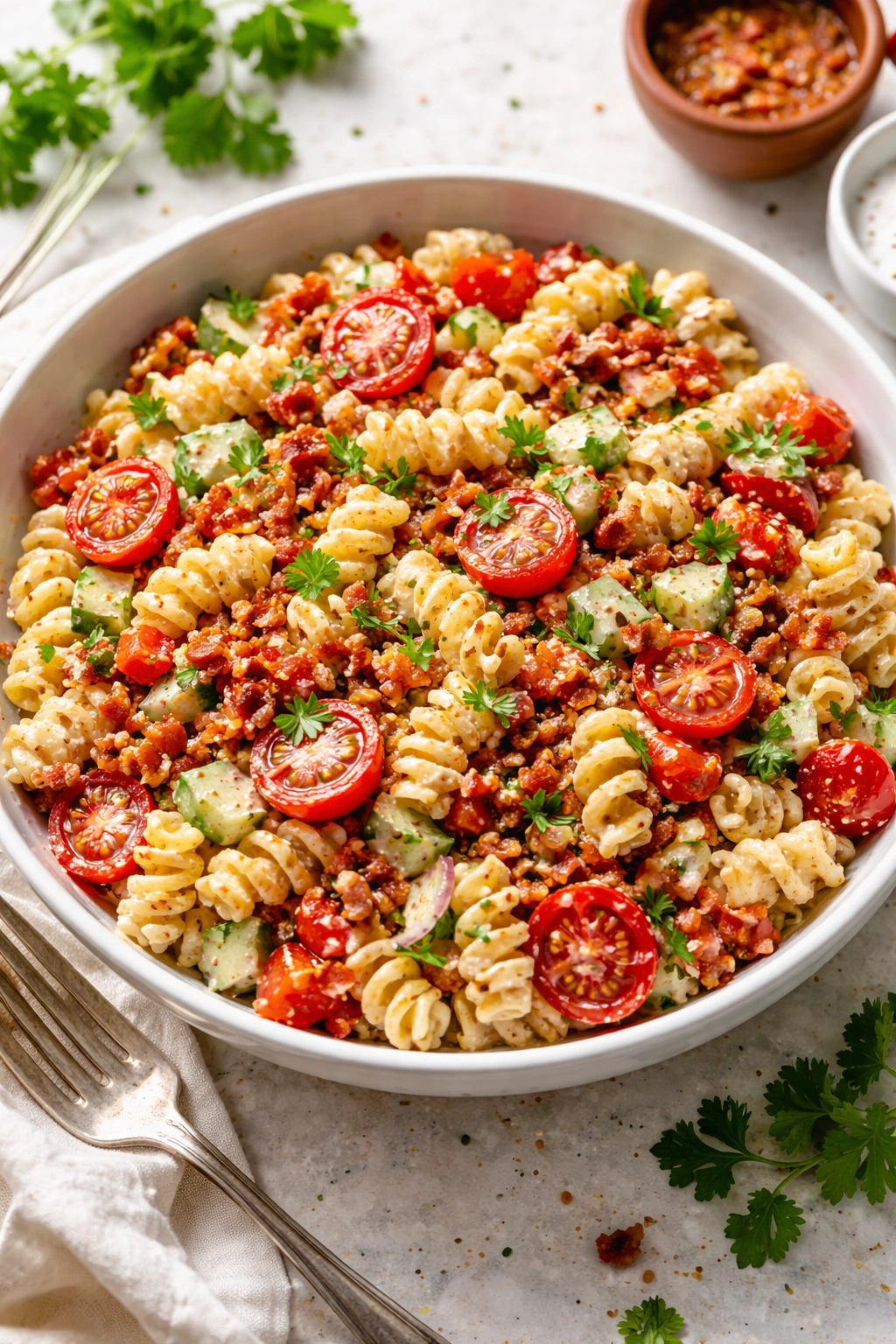
This isn’t just pasta mixed with vegetables and bottled ranch — it’s a carefully balanced dish that respects the engineering of the original while improving on a few key points. The dressing is made from scratch, which takes maybe five minutes and gives you complete control over the seasoning. You can taste as you go and adjust the tang or richness to your preference, something you can never do with a recipe that calls for “some store-bought dressing.”
The bacon is cooked until properly crispy, not just warm, because soggy bacon undermines the entire texture profile. Fresh herbs — parsley, specifically, though a small amount of dill works beautifully too — add brightness that prevents the salad from tasting one-dimensional. The vegetables are cut to a specific size: roughly half an inch to an inch, so they’re substantial enough to have presence without being so large that they dominate the dish.
Timing is also crucial. The pasta gets mixed with dressing while it’s still warm, which is the secret ingredient most recipes miss. Warm pasta absorbs the dressing flavors more effectively than cooled pasta, and you end up with every piece of pasta tasting like salad rather than tasting like plain pasta coated in dressing. You’ll chill it after it’s fully dressed, but that initial mixing with warm pasta makes all the difference.
Yield: Serves 8 to 10 as a side dish | Makes approximately 10 cups
Prep Time: 25 minutes (hands-on)
Cook Time: 15 minutes (pasta and bacon)
Total Time: 40 minutes active + 30 minutes chilling
Difficulty: Beginner — no special equipment required, and the steps are straightforward even for a first-time pasta salad maker.
Ingredients for the Salad
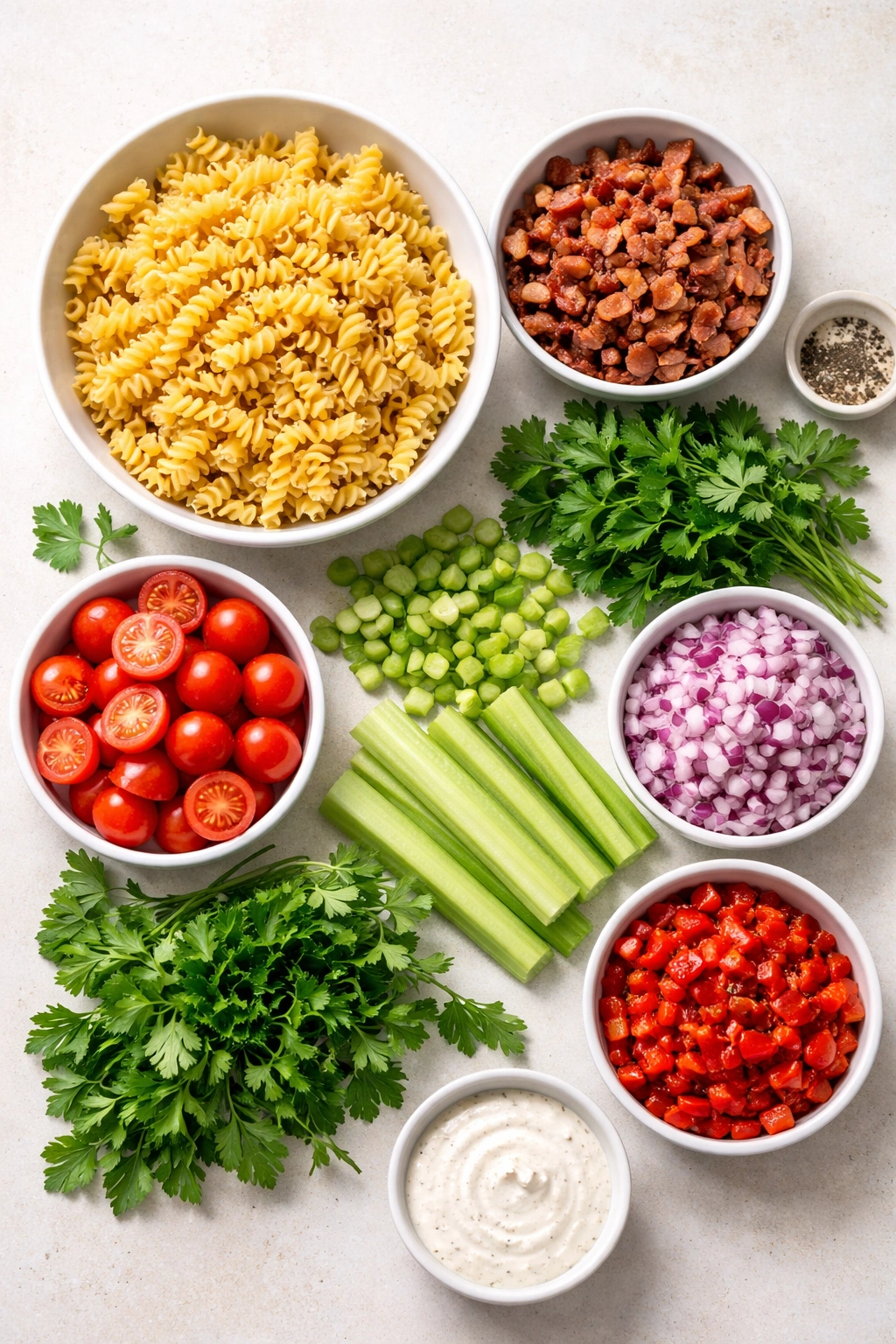
For the Pasta Base:
- 1 pound rotini or fusilli pasta
- 2 teaspoons fine sea salt (for pasta water)
- 8 ounces bacon, cut into ½-inch pieces
- 1 cup fresh parsley leaves, roughly chopped
- 1 cup cherry tomatoes, halved
- 1 celery stalk, cut into ¼-inch pieces (about ¾ cup)
- ½ medium red onion, finely diced (about ½ cup)
- ½ cup roasted red bell peppers from a jar, drained and chopped (or fresh if preferred)
For the Buttermilk Dressing:
- ¾ cup mayonnaise (full-fat, not light)
- ½ cup buttermilk
- 2 tablespoons fresh lemon juice
- 2 teaspoons Dijon mustard
- 1½ teaspoons Worcestershire sauce
- ½ teaspoon anchovy paste (optional but highly recommended — it adds savory depth and dissolves completely)
- ½ teaspoon garlic powder
- ¼ teaspoon freshly ground black pepper
- ¼ teaspoon cayenne pepper (optional, for subtle heat)
- ½ teaspoon fine sea salt, plus more to taste
Optional Additions for Extra Flavor:
- 2 tablespoons fresh dill, chopped (adds herbaceousness)
- 1 tablespoon fresh chives, chopped
- 2 tablespoons grated Parmesan cheese (stir in just before serving for freshness)
Make the Dressing and Prepare the Components
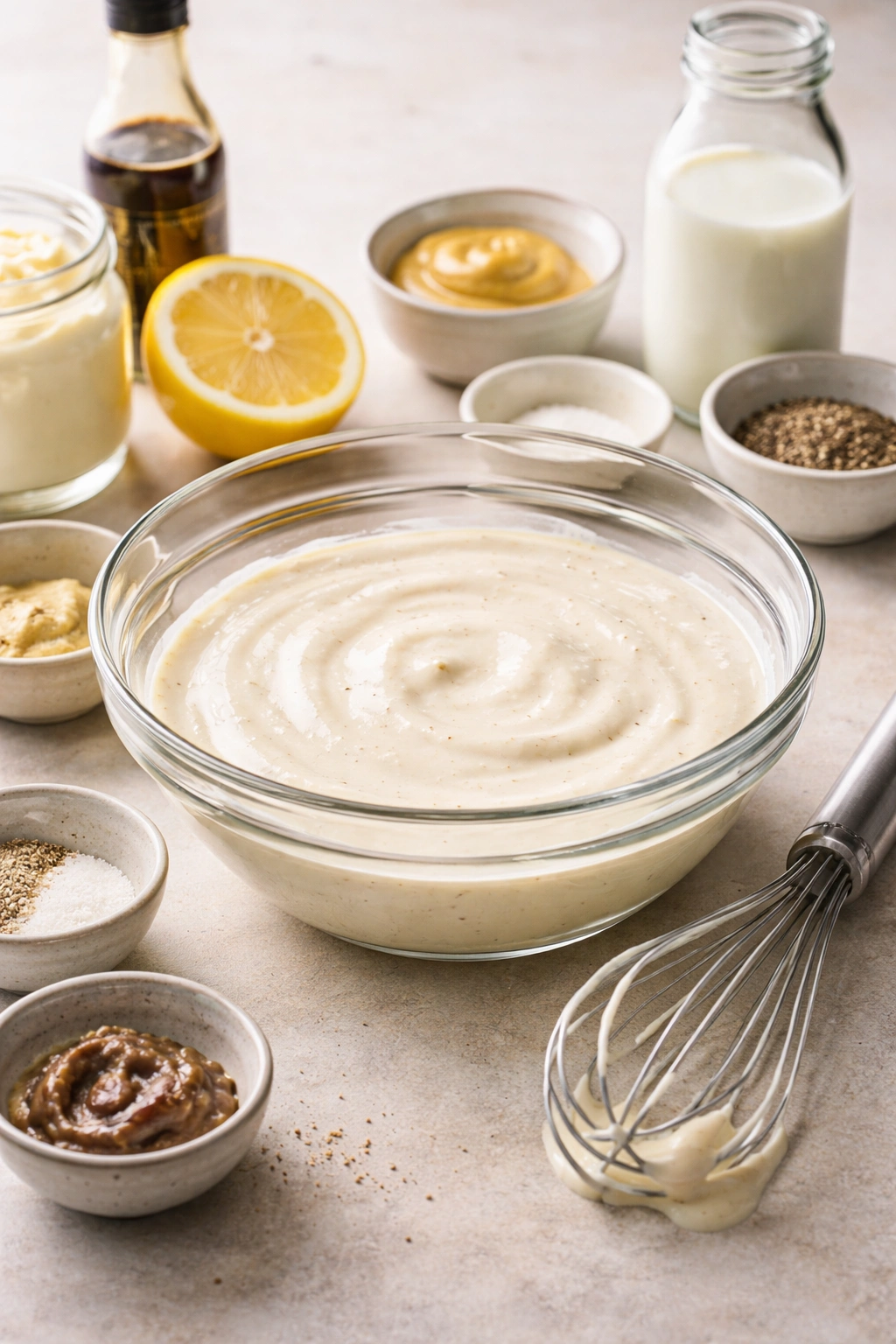
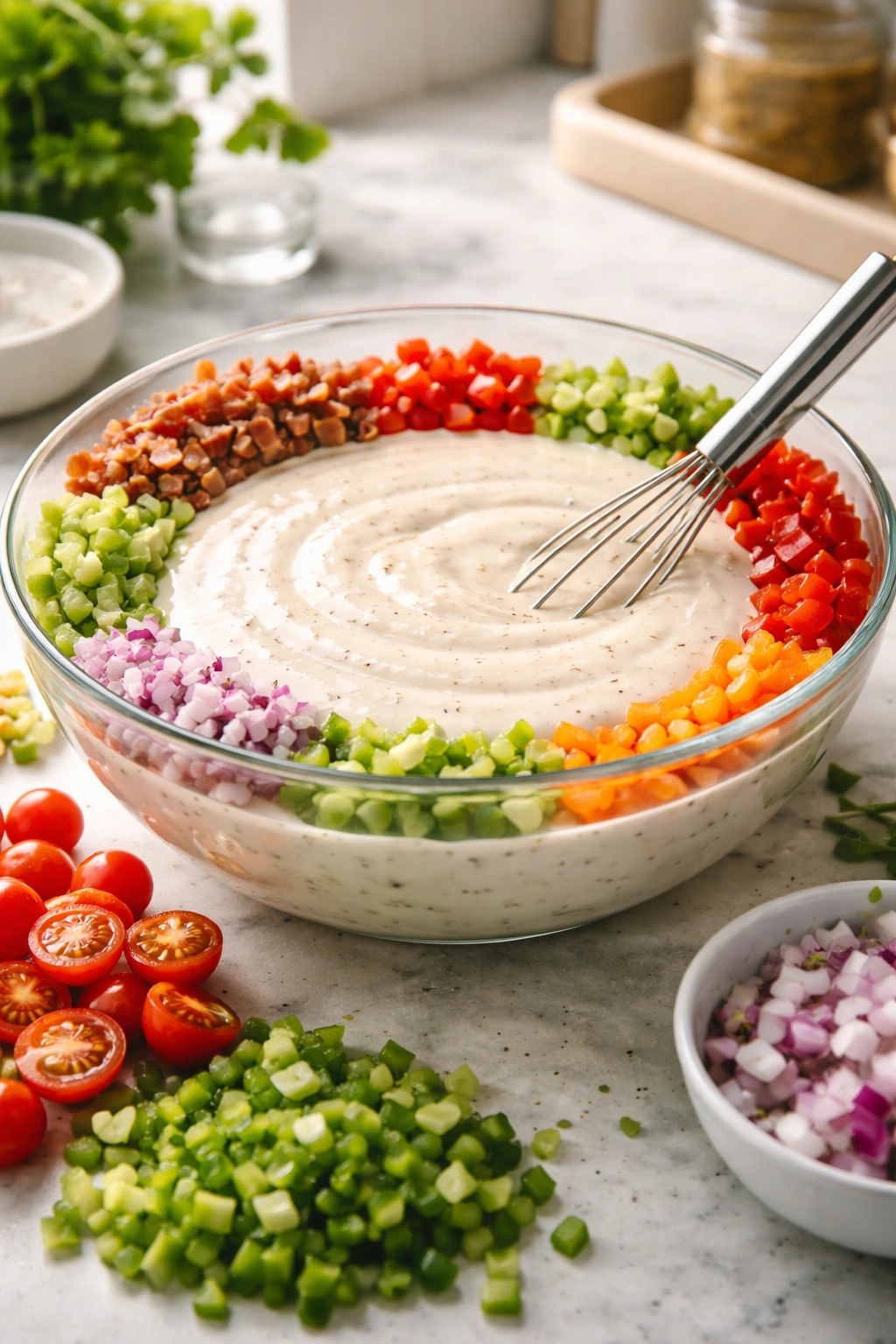
Start by making the dressing because it needs time to meld and it’s actually the easiest part. In a medium bowl, whisk together the mayonnaise, buttermilk, and lemon juice until smooth and no lumps of mayo remain. The mixture should look creamy and light, not separated or broken.
Add the Dijon mustard, Worcestershire sauce, and anchovy paste if you’re using it. Whisk thoroughly until the anchovy paste dissolves completely — there should be no visible specks, just a uniform, slightly darker-colored dressing. Add the garlic powder, black pepper, cayenne if desired, and salt. Taste the dressing at this point and adjust: does it need more tang? Add another squeeze of lemon juice. Does it need more salt? Add it ¼ teaspoon at a time. The dressing should taste slightly over-seasoned on its own because the mild, starchy pasta will mellow it.
Set the dressing aside and let it sit while you prepare the other components. Cover it and refrigerate if you’re making it more than an hour ahead.
Cook the bacon until it’s crispy enough to shatter when you bite it — not chewy, not just warm, but genuinely crispy. You can do this in a large skillet over medium-high heat, stirring occasionally, for about 10 to 12 minutes. Alternatively, arrange the bacon on a parchment-lined baking sheet and bake it at 400°F for 12 to 15 minutes. Don’t skip the crisping step — the texture of the bacon matters enormously. Drain it on paper towels and set aside.
While the bacon cooks, chop all your vegetables. The red onion should be finely diced so the flavor distributes evenly rather than making one big sharp bite. The celery should be cut small enough that it doesn’t dominate the salad — roughly ¼-inch pieces. The bell peppers should be in similarly sized pieces. The cherry tomatoes should be halved (or quartered if they’re particularly large). Roughly chop the fresh parsley just before using so it stays bright and fresh.
Cook the Pasta and Bring It Together
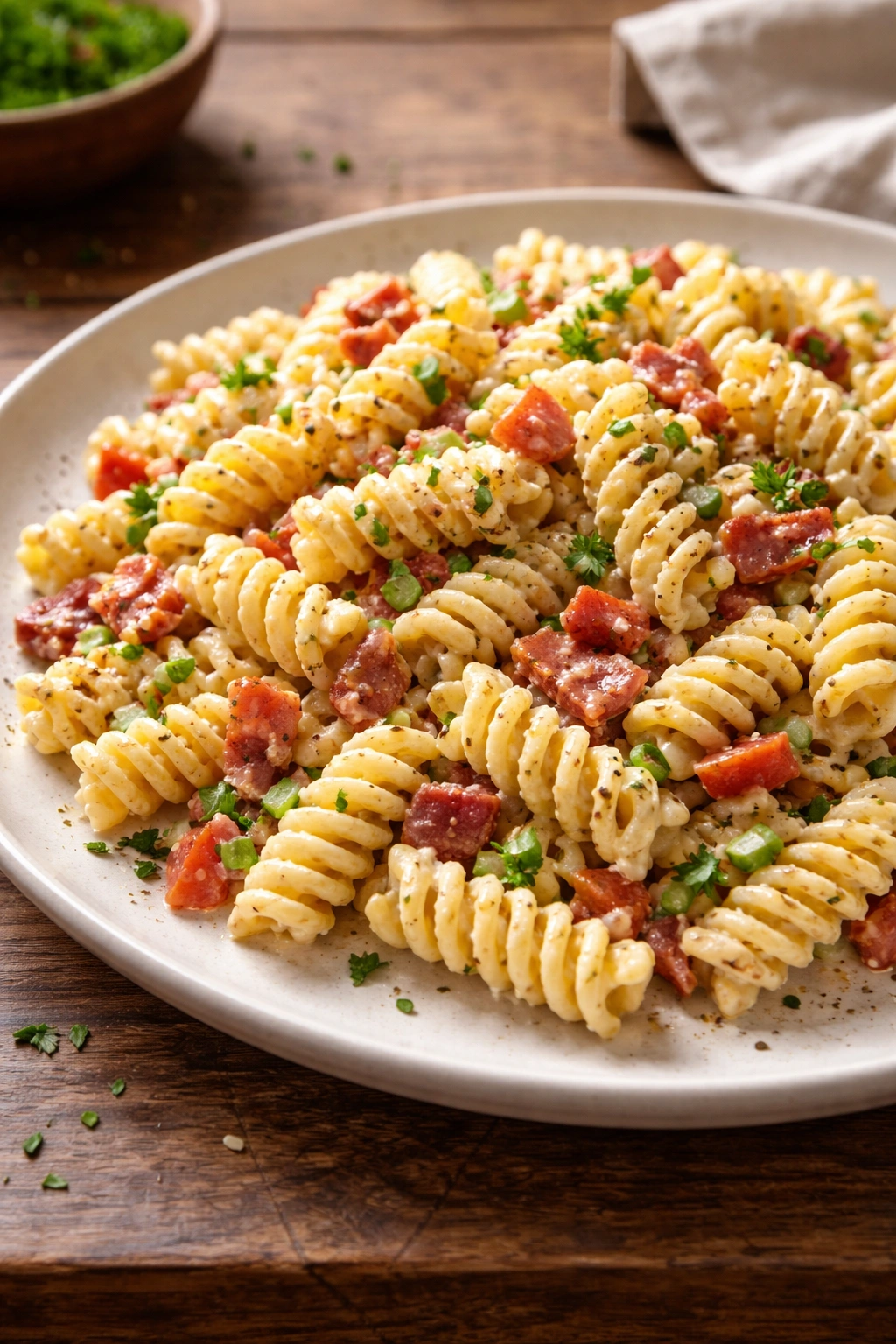
Bring a large pot of water to a rolling boil and add the salt — it should taste noticeably salty, like ocean water. This is your only chance to season the pasta itself, so don’t skimp. Add the rotini and cook according to the package directions, but aim to pull it at the al dente stage rather than fully soft. It should have a tiny bit of resistance when you bite it. If the pasta is fully soft when you drain it, you’ll end up with mushy pasta salad after chilling.
Drain the pasta in a colander but do not rinse it. The starch on the surface of the pasta helps the dressing cling to each piece. This is another secret that separates good pasta salad from mediocre versions.
While the pasta is still hot and steaming, transfer it to a very large bowl. Pour the dressing over the warm pasta immediately — about ¾ of it, reserving the final ¼ cup to adjust consistency if needed. Using a rubber spatula or large spoon, gently toss the pasta and dressing together until every piece of pasta is coated. The mixture will look creamy and every piece should glisten.
Add the bacon, celery, red onion, cherry tomatoes, roasted red peppers, and parsley to the dressed pasta. Toss everything together gently but thoroughly until the vegetables are evenly distributed. Add the reserved dressing if the salad looks too dry — it should be creamy but not swimming in dressing. The pasta will continue to absorb the dressing as it cools, so err on the side of slightly creamy rather than trying to make it look perfect at this stage.
Chill and Set the Flavors
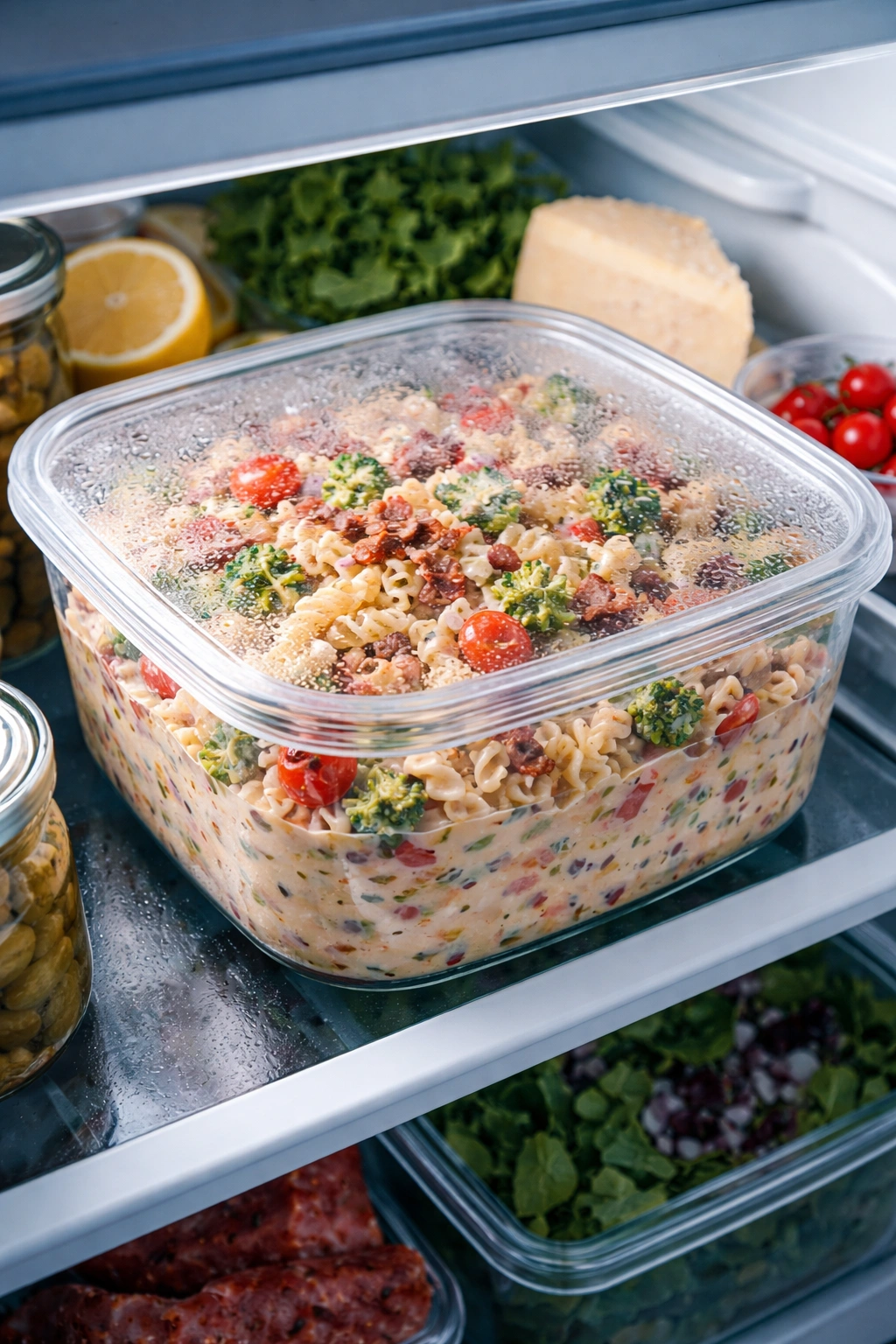
Transfer the pasta salad to a covered container and refrigerate for at least 30 minutes, though an hour is better. The cold temperature helps the dressing set, and the resting time allows all the flavors to meld together. What tastes slightly separate when it’s warm will become cohesive and integrated after chilling.
Before serving, taste the salad and add more salt and pepper if needed. The chilling process will have muted some of the seasoning, so you’ll almost certainly need a small adjustment. Add the Parmesan cheese at this point if you’re using it — stirring it in just before serving keeps it from getting soggy.
Tips for Perfect Results Every Time
Use real buttermilk, not milk and vinegar. That substitution works for baking, but here you need the actual bacterial culture and slight tang of true buttermilk. The flavor and body are different, and it matters.
Don’t use light mayo. It has water and thickeners instead of the richness and emulsifiers of full-fat mayo, and you’ll end up with a thinner, sadder dressing. This is not the place to cut calories.
Cut your vegetables roughly the same size. If the tomatoes are chunky and the onions are tiny, the salad will taste inconsistent. Everything should be the same order of magnitude so the texture and flavor feel balanced throughout.
Taste as you season the dressing. Seasonings vary wildly — different brands of Worcestershire sauce, different quality levels of buttermilk — so actually tasting and adjusting is infinitely better than blindly following quantities.
Don’t cut the vegetables and then forget about them. If the red onion and celery sit in the warm salad for an hour before chilling, they’ll lose their crunch. Ideally, prep them shortly before you’re ready to mix the salad together, or store them separately and add them just before dressing everything.
If you’re making this ahead, keep the pasta and dressing combined but store the bacon separately. The bacon will soften over time if it’s sitting in dressing, and soft bacon defeats the entire textural purpose. Stir the crispy bacon in an hour or two before serving, or garnish it on top just before bringing the salad to the table.
Common Mistakes to Avoid
The biggest mistake is using store-bought ranch dressing or a bottled dressing substitute. It will never taste like steakhouse pasta salad because the proportions and ingredient combinations are completely different. The dressing here takes five minutes to whisk together, so there’s no legitimate shortcut reason not to do it properly.
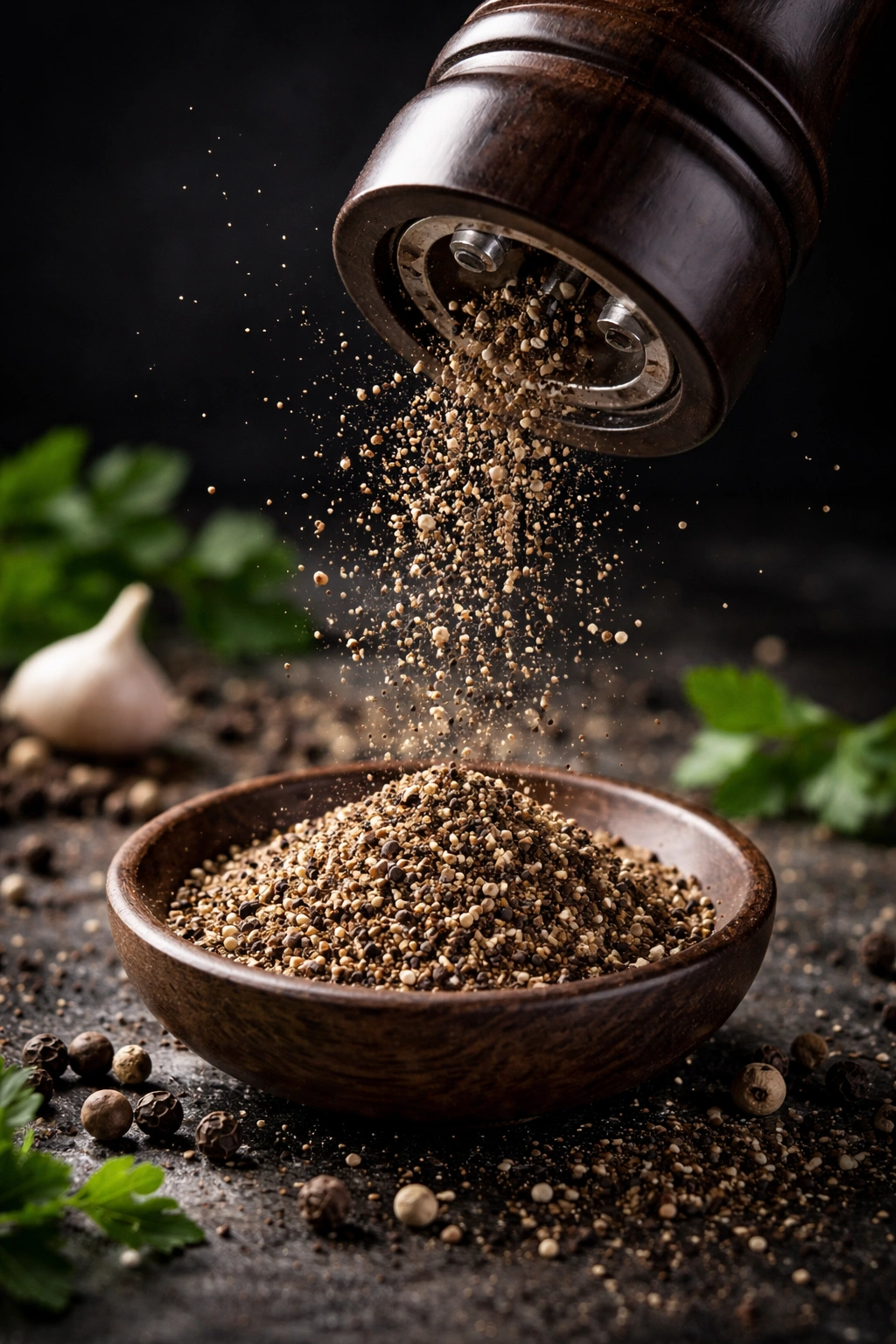
Another common error is using ground black pepper instead of freshly cracked. Ground pepper tastes dusty and flat compared to fresh peppercorns ground coarse, and the pepperiness is a key component of the flavor profile. Invest in a pepper mill if you don’t have one — it’s a worthwhile kitchen tool for this reason alone.
Don’t drain the pasta aggressively. A quick drain in a colander is fine, but if you’re wringing it out or running water over it, you’re removing the starch that helps the dressing adhere. Leave some of the pasta water clinging to the surface of the pieces.
Avoid making this more than about eight hours ahead if you’re serving it the next day. The longer it sits, the more the pasta absorbs liquid, and you may need to stir in a bit more dressing before serving just to refresh it. It’s still perfectly good, but it does lose some of that initial creamy shine if it sits too long.
Don’t skip the resting period. I know you want to eat it immediately, and you technically could, but waiting at least 30 minutes for the flavors to meld and chill is when this salad actually becomes great. Warm pasta salad is pasty and one-dimensional. Cold pasta salad with set dressing is creamy and complex.
How to Make It Ahead for Parties
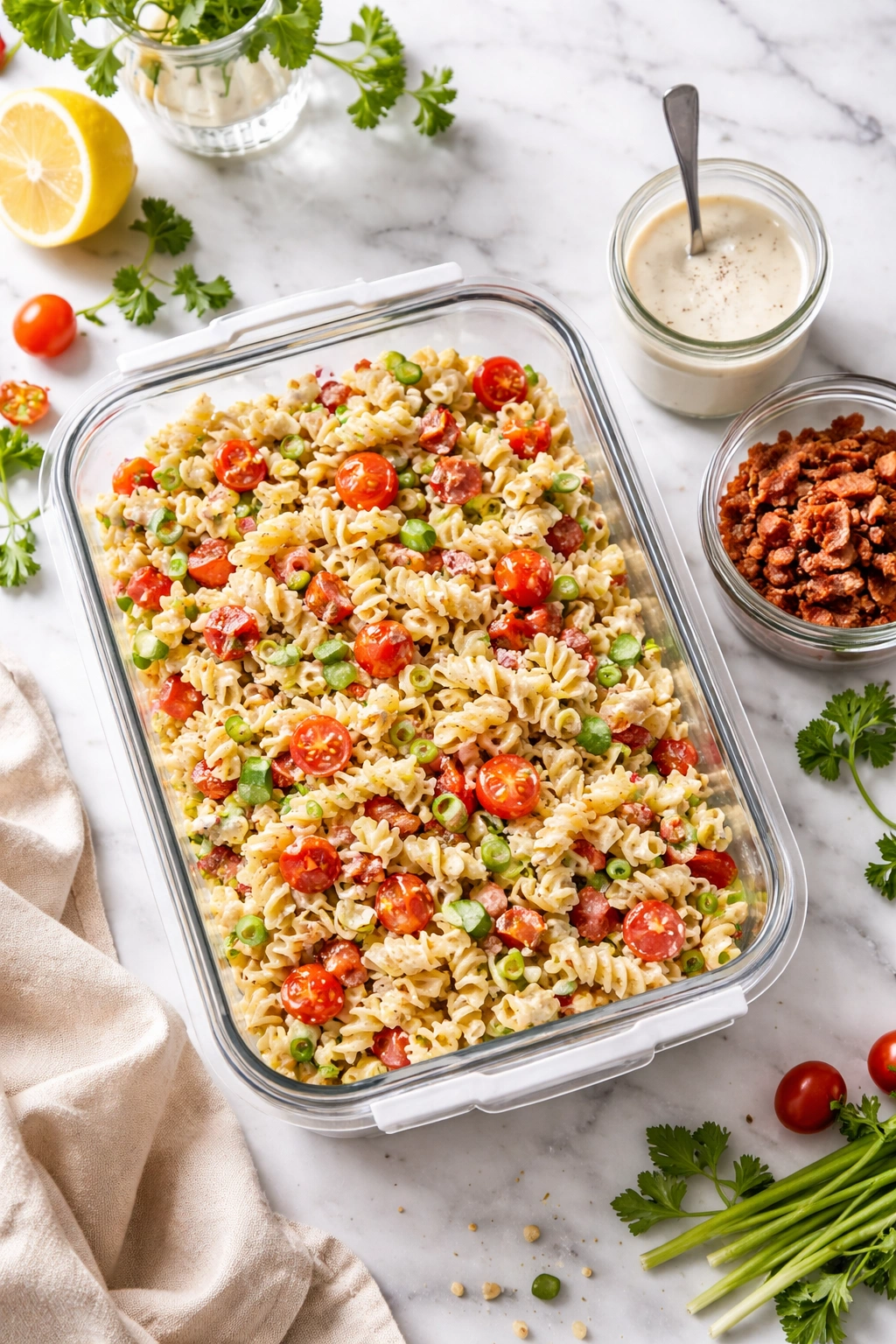
This is actually one of the best make-ahead side dishes for gatherings because it improves slightly the next day as flavors meld and the dressing permeates every piece of pasta. You can make it up to two days ahead of time.
Make the dressing completely and store it covered in the refrigerator. Cook the bacon a full day ahead and store it in an airtight container at room temperature (yes, room temperature is fine for cooked bacon, and it helps maintain the crispness better than refrigerating). Chop the vegetables and store them in separate airtight containers in the refrigerator so they stay fresh and don’t wilt.
On the day you’re serving, cook the pasta and while it’s still warm, toss it with the dressing. Add the vegetables and bacon, then cover and refrigerate. The salad will be at peak quality if you make it 2 to 4 hours ahead, but it’ll still be delicious if you make it up to a full day ahead. Just give it a stir and taste for seasoning before serving, and add a bit more dressing if it looks dry.
If you’re transporting the salad to a party, keep it in a covered container and transport in a cooler. It travels beautifully and doesn’t require reheating, which makes it a perfect contribution dish.
Flavor Variations Worth Trying
Dill and Lemon Version: Add 2 tablespoons of fresh dill to the dressing and increase the lemon juice to 3 tablespoons. This version tastes brighter and more summery, and it’s wonderful if you’re serving it alongside fish or seafood.
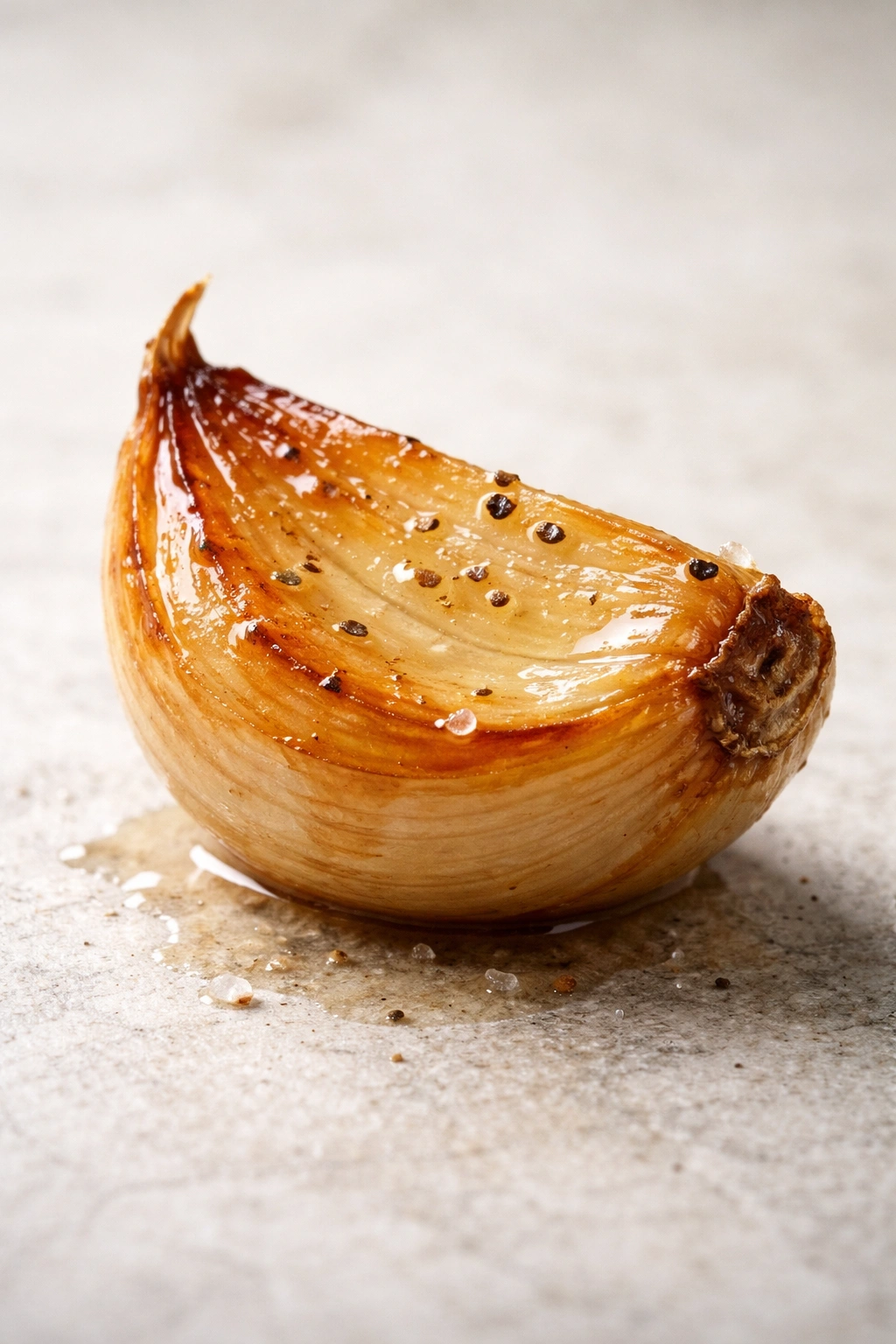
Roasted Garlic Version: Roast a head of garlic until completely soft and sweet, then squeeze the cloves out of their skins and add them to the dressing instead of the garlic powder. It gives a much richer, more complex garlic flavor that makes people ask what the secret ingredient is.
Bacon and Blue Cheese: Add 4 ounces of crumbled blue cheese to the salad and reduce the salt in the dressing slightly since cheese is salty. This version tastes more like a steakhouse side salad and is particularly good served alongside grilled steaks.
Creamy Herb Explosion: Add 1 tablespoon each of fresh chives, fresh tarragon, and fresh dill to the dressing, plus the regular parsley in the salad. This version is herbaceous and delicate, and it’s especially good in warmer months when fresh herbs are plentiful and flavor-forward.
Lighter Version with Greek Yogurt: Replace half of the mayo with plain Greek yogurt and use all buttermilk instead of half buttermilk. It’s still creamy but slightly less heavy, and the tang becomes more pronounced. The texture is a touch different, but it’s still genuinely delicious and perfect if you’re looking to reduce calories without sacrificing flavor.
Smoked Paprika and Red Pepper: Add ½ teaspoon smoked paprika to the dressing and ¼ cup roasted red peppers. The paprika adds subtle smokiness that makes people think there’s bacon flavor even if you accidentally (or intentionally) reduce the bacon amount.
Storage and How Long It Keeps
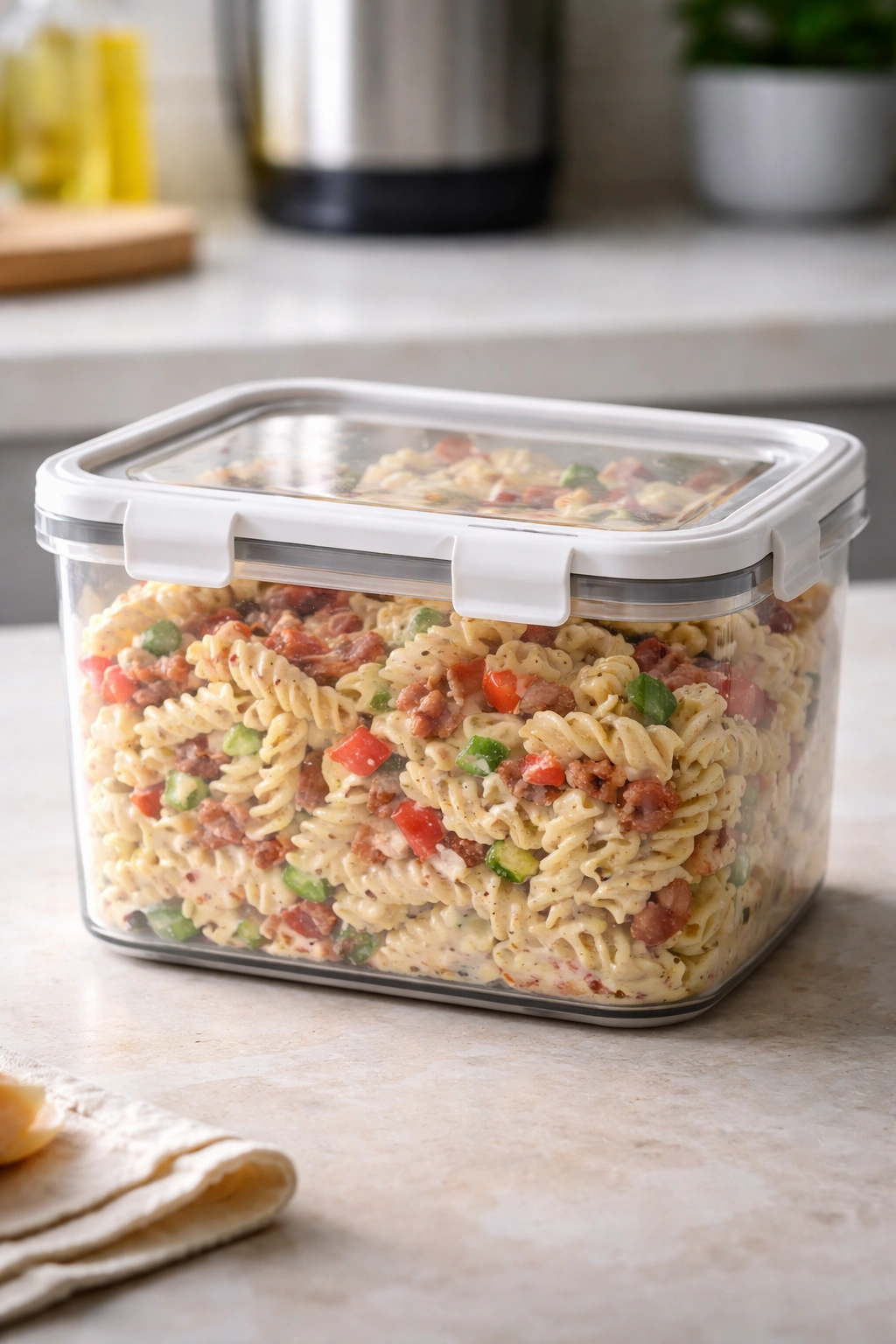
Properly stored pasta salad keeps in an airtight container in the refrigerator for three to four days. The pasta will continue to soften slightly and absorb dressing, but the salad actually benefits from a day or two of rest as flavors meld. If it looks dry before serving on day two or three, stir in a spoonful or two of additional dressing (buttermilk mixed with mayo in the same ratio) to refresh the texture.
Don’t freeze pasta salad. The texture of the pasta becomes mushy when thawed, and the vegetables lose their crispness. Freezing is one of those kitchen techniques that just doesn’t work for this particular dish.
Separating the crispy bacon from the finished salad if you’re storing it for more than a day helps preserve that crunch. Store the salad dressed and chilled in one container, and store the bacon separately in an airtight container or a zip-top bag. Stir the bacon back in right before serving.
If you notice the dressing has separated slightly or looks watery on the surface after sitting in the fridge, stir it well before serving. This is normal and doesn’t indicate anything is wrong — it just means some of the liquid separated while sitting. A good stir brings everything back together.
Serving Suggestions and Perfect Pairings
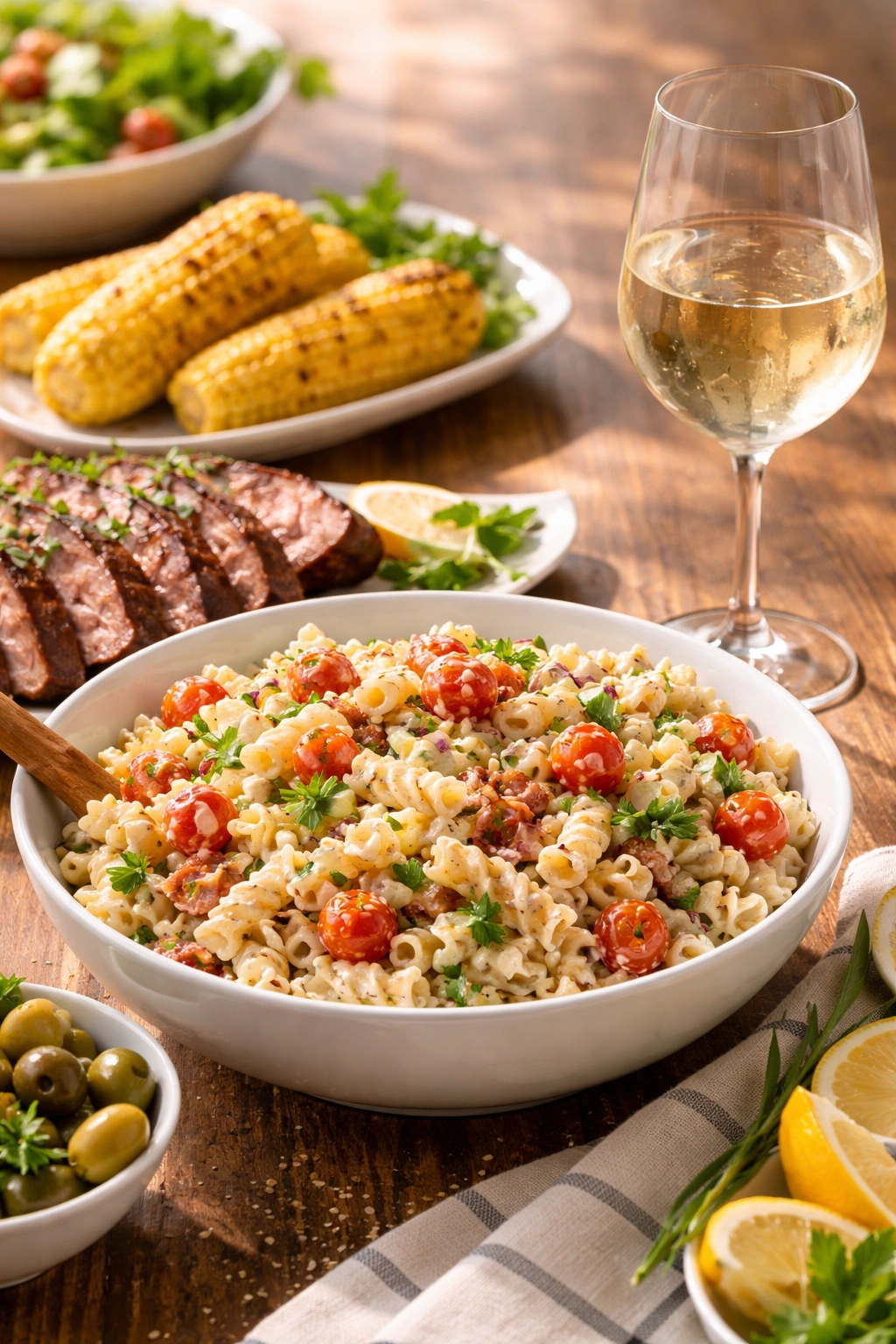
Steakhouse pasta salad is obviously at home served alongside grilled steaks, but it’s genuinely versatile. Serve it alongside grilled chicken thighs or grilled salmon. Serve it at picnics and potlucks where it stays fresh and delicious for hours in a cooler. Serve it alongside hamburgers and hot dogs as an elevated alternative to generic grocery store potato salad.
It’s also delicious as a light main course on warm days — pair it with some crusty bread and a simple green salad, and you have a complete, satisfying meal that doesn’t require any cooking once the pasta salad is made.
This salad pairs beautifully with crisp white wines like Sauvignon Blanc or unoaked Chardonnay. The buttermilk and bacon flavors are rich enough to call for something with acidity rather than a heavy red wine. For non-wine drinkers, cold iced tea or sparkling water with lemon is perfect.
If you’re serving it as part of a larger spread, it’s excellent alongside grilled vegetables, fresh corn, and simple tomato salads. The tangy dressing complements other summery sides without fighting for flavor dominance.
Final Thoughts
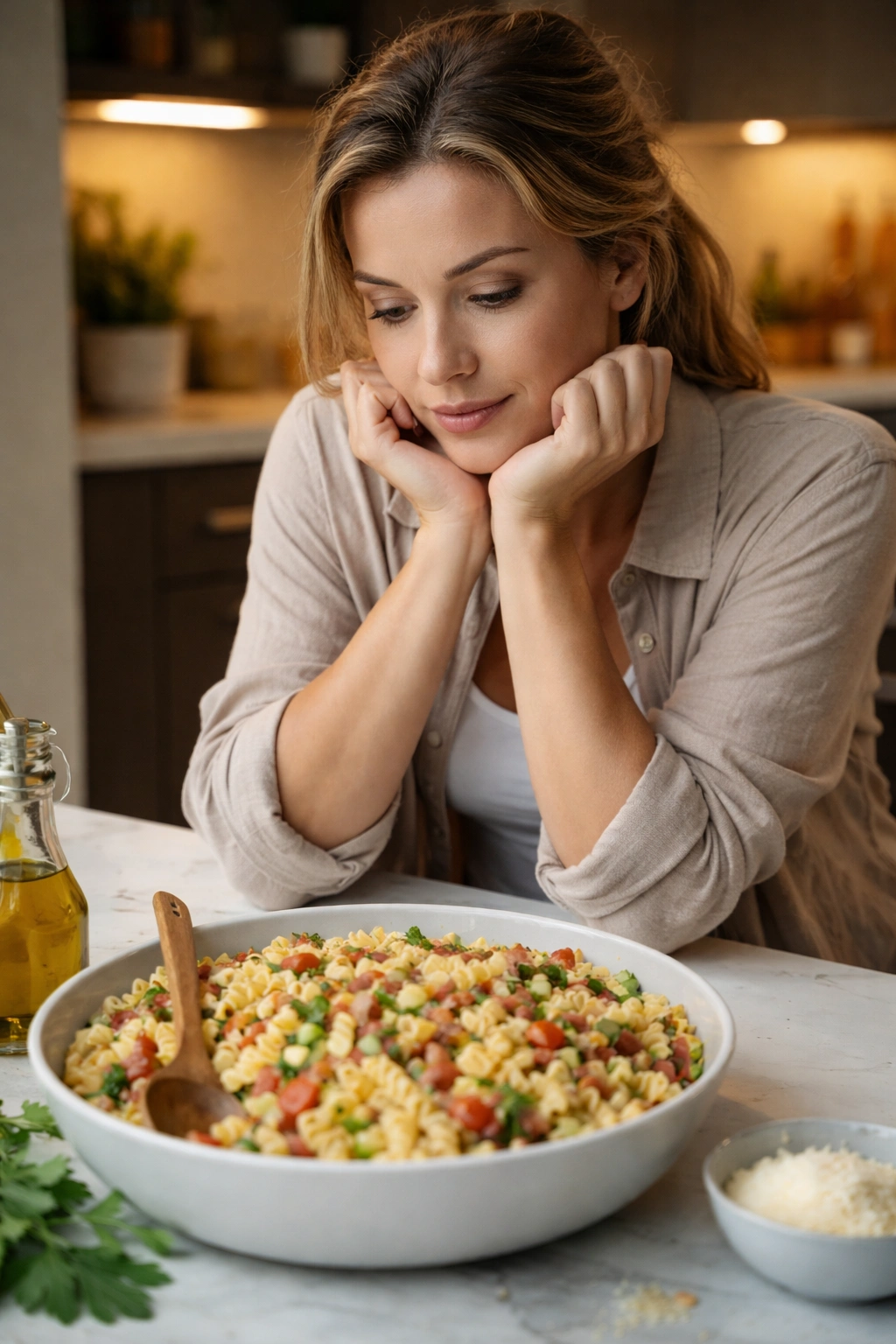
The best reason to make this steakhouse copycat at home is that you get to control every element and adjust it to exactly match your preferences. Maybe you like more lemon, so you add it. Maybe you prefer extra crispness in your vegetables, so you chill the salad longer. Maybe you’re obsessed with bacon, so you double it.
This recipe is genuinely worth making because it tastes indulgent and restaurant-quality while being completely straightforward. It’s ready in about 40 minutes, travels beautifully, keeps for several days, and consistently impresses people who think pasta salad is boring. Once you’ve made it once, you’ll understand why steakhouses guard this recipe and why people keep asking for it at every gathering.
Make it this week. Serve it cold, topped with the crispy bacon stirred in just before the bowl reaches the table, and watch people actually get excited about pasta salad. That’s how good this copycat version is.
