



There’s a magical thing that happens to certain foods overnight in the refrigerator—flavors deepen, textures improve, and what tasted great at the dinner table becomes genuinely craveable the next day. Most people think leftovers are a consolation prize, something to tolerate until you can cook fresh again. But if you choose the right dinners, you’re not eating yesterday’s meal; you’re eating a better version of today’s meal.
The secret lies in understanding how flavors work. Dishes built on slow-simmered sauces, braised meats, and layered ingredients actually benefit from time. As food sits refrigerated, spices continue to marry and meld, fats redistribute through sauces creating silkier texture, and acidic components soften any rough edges. A pot roast or curry tastes flat the moment it comes off the heat, but 12 hours of cold storage transforms it into something deeper and more complex. This isn’t luck—it’s chemistry. And once you recognize which dinners actually improve as leftovers, meal prep becomes less about resignation and more about strategy.
The dinners that follow have one thing in common: they all get measurably better when you eat them the next day. Some freeze beautifully for months, others hit their peak flavor window within 24-48 hours. All of them are the kind of food you’ll genuinely want to come home to, whether you’re pulling them from the fridge after work or thawing them from the freezer three weeks later.
1. Beef Chili
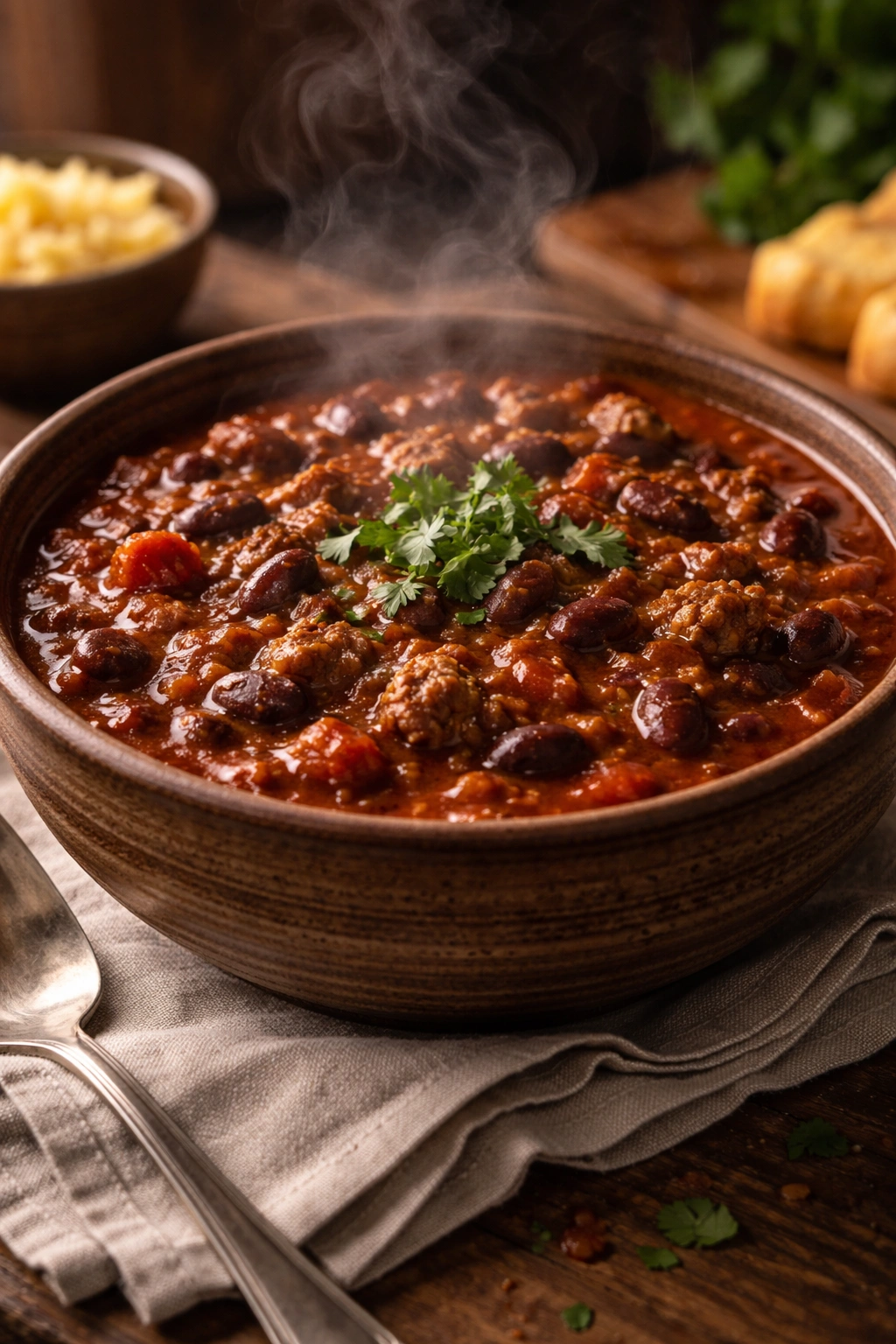
A proper beef chili is one of those rare dishes that practically demands to be made the day before. The moment it comes off the heat, it tastes good—but it doesn’t taste great. The spices are sharp, the flavors haven’t yet merged, and the overall experience feels slightly flat. Give it 24 hours in the fridge, and something remarkable happens. The chili develops a complexity and depth that wasn’t there at dinner time.
Why Chili Improves Overnight
Chili is built on slow heat and long cooking times, but the real magic happens during refrigeration. As the chili cools, the fat in the ground beef separates and coats every bean and chunk of meat, creating a silkier mouthfeel. More importantly, the spices—cumin, chili powder, paprika, garlic—continue their work even when heat is no longer applied. They infuse deeper into the sauce, their edges soften, and they stop tasting sharp or one-dimensional. This is true of any spice-forward dish, but it’s especially pronounced in chili where you’re using 2-3 tablespoons of spice per pot.
How to Make Chili That Peaks the Next Day
- Brown 2 pounds of ground beef in batches to develop real flavor, not just cook it through
- Toast your dried chilis and spices in the empty pot for 30-60 seconds before adding liquid—this deepens their flavor
- Use a combination of fresh tomato, tomato paste, and crushed canned tomatoes for layered acidity and umami
- Add a tablespoon of cocoa powder or coffee—these don’t make the chili taste like chocolate, they amplify the savory notes and add subtle sweetness
- Simmer for at least 90 minutes on very low heat, preferably 2 hours; longer cooking means the spices have time to fully integrate
- Cool completely to room temperature before refrigerating; this helps flavors set as the chili cools
Pro tip: The chili will thicken significantly as it cools—this is normal and happens because the fat congeals slightly and pulls moisture out of suspension. If it seems too thick when you reheat it, thin with a splash of beef broth or water, a teaspoon at a time.
2. Lasagna
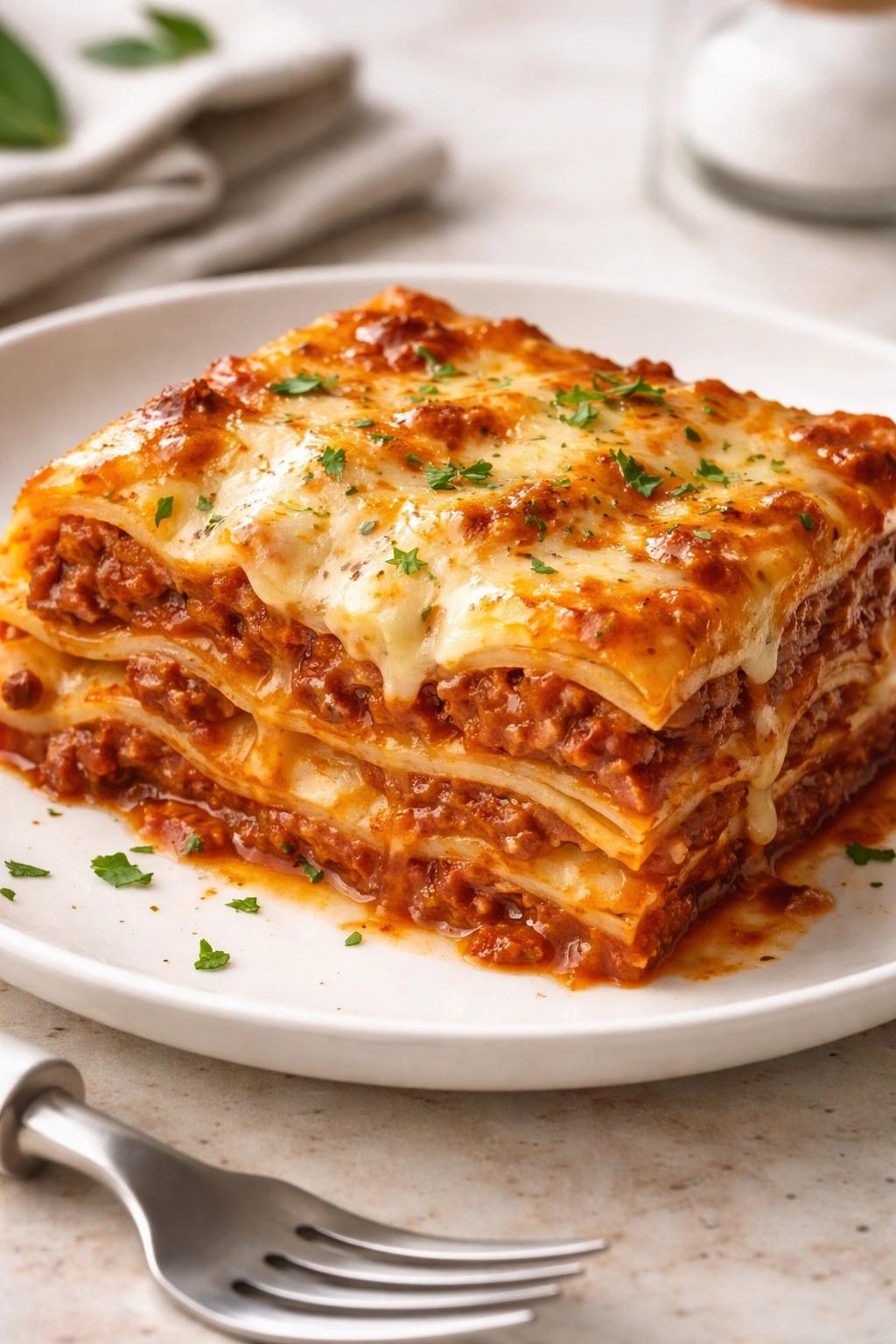
Lasagna might be the poster child for leftovers that surpass the original meal. It’s almost awkward to eat hot lasagna fresh from the oven because the layers haven’t had time to knit together. The cheese is still mostly separate from the pasta, the sauce hasn’t fully saturated the noodles, and the whole thing is structurally unstable—your first bite might pull the entire top layer off in a molten mess. Refrigerate it overnight, cut a piece cold, and then reheat it? That’s when lasagna becomes genuinely excellent.
What Happens to Lasagna During Cold Storage
Overnight refrigeration allows the pasta to absorb liquid from the sauce gradually, becoming tender and flavor-packed rather than just soft. The cheese layers fuse together slightly, creating a more cohesive structure that slices cleanly and holds together. The meat sauce distributes its flavors more evenly throughout, so every forkful tastes balanced instead of alternating between very saucy and relatively dry layers. And structurally, cold lasagna is infinitely easier to work with—you can cut neat, clean portions that look intentional rather than haphazard.
The Lasagna Method for Maximum Improvement
- Use a meat sauce that’s been simmered for at least 45 minutes—this develops body and allows spices to meld
- Don’t use watery ricotta filling; drain your ricotta in cheesecloth for 30 minutes before adding it to the mix, then season it assertively with salt, pepper, nutmeg, and fresh parsley
- Spread a thin layer of meat sauce on the bottom of the pan first so the pasta doesn’t stick to the pan itself
- Layer in this order: pasta, ricotta mixture, mozzarella, meat sauce—repeat. Finish with a layer of pasta, sauce, and mozzarella on top
- Cover with foil and refrigerate for at least 12 hours before baking, or bake immediately and refrigerate after
- Bake at 375°F (190°C) covered with foil for 25 minutes, then uncovered for 15-20 minutes until the top is bubbly and browned
- Let it rest for 10 minutes after baking before cutting—this helps it hold together
Worth knowing: Lasagna actually freezes better than it refrigerates. You can assemble it, wrap it tightly, and freeze for up to 3 months. Bake from frozen (add 15-20 minutes to the baking time) or thaw overnight and bake normally.
3. Thai Green Curry
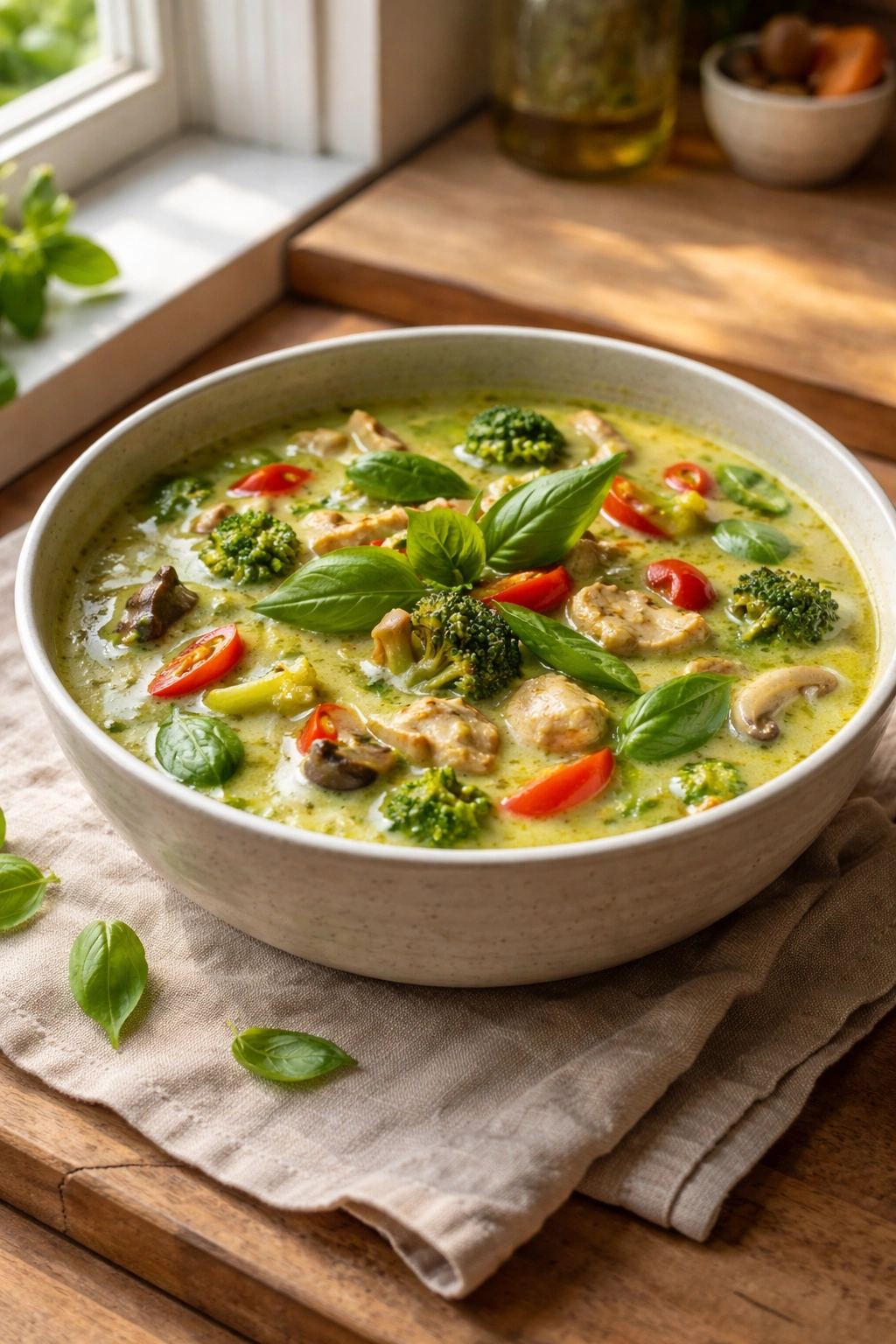
Curry is the opposite of dishes that need to cool down—it needs heat to extract and distribute all those volatile aromatic compounds. Yet Thai green curry specifically benefits enormously from a night in the refrigerator. The coconut milk thickens slightly as it cools, the Thai basil flavor (if you’ve used fresh basil) becomes less one-note and sharp, and the underlying complexity of the paste—garlic, galangal, lemongrass, Thai chiles—emerges from the background.
How Curry Flavors Develop in Cold Storage
A fresh curry can be delicious immediately, but it often tastes one-dimensional or even slightly harsh compared to the same curry 24 hours later. This is because coconut milk is high in fat, and fat doesn’t efficiently carry flavor when it’s hot and loose. As the curry cools, the fat firms slightly, which allows it to hold flavor more effectively. Additionally, if you’ve made the paste fresh (not from a jar), the individual aromatic components—which initially taste separate and almost competing—smooth out into a unified, complex flavor profile. The heat of fresh Thai chiles, which might feel sharp right after cooking, mellows to a pleasant warmth.
Building a Curry That Peaks Tomorrow
- Make your paste fresh if possible: toast 3-4 dried red chiles, pound with 2 tablespoons Thai green curry paste or a mix of fresh green chiles and garlic, add lemongrass, galangal, kaffir lime leaves, and a teaspoon of salt
- Fry the paste in coconut oil for 2-3 minutes to wake it up and infuse the oil before adding other ingredients
- Add chicken, fish, or vegetables, cook until just done (don’t overcook protein, it will continue cooking as the curry cools)
- Finish with coconut milk, fish sauce, lime juice, and fresh Thai basil
- Cool completely and refrigerate
- Reheat gently on the stove on low heat with the lid slightly ajar—this prevents condensation from diluting the sauce
Pro tip: Add fresh basil right before serving both times—the second-day version will taste noticeably more complex and fragrant because the basil flavor now plays against a more developed base sauce.
4. Beef Pot Roast
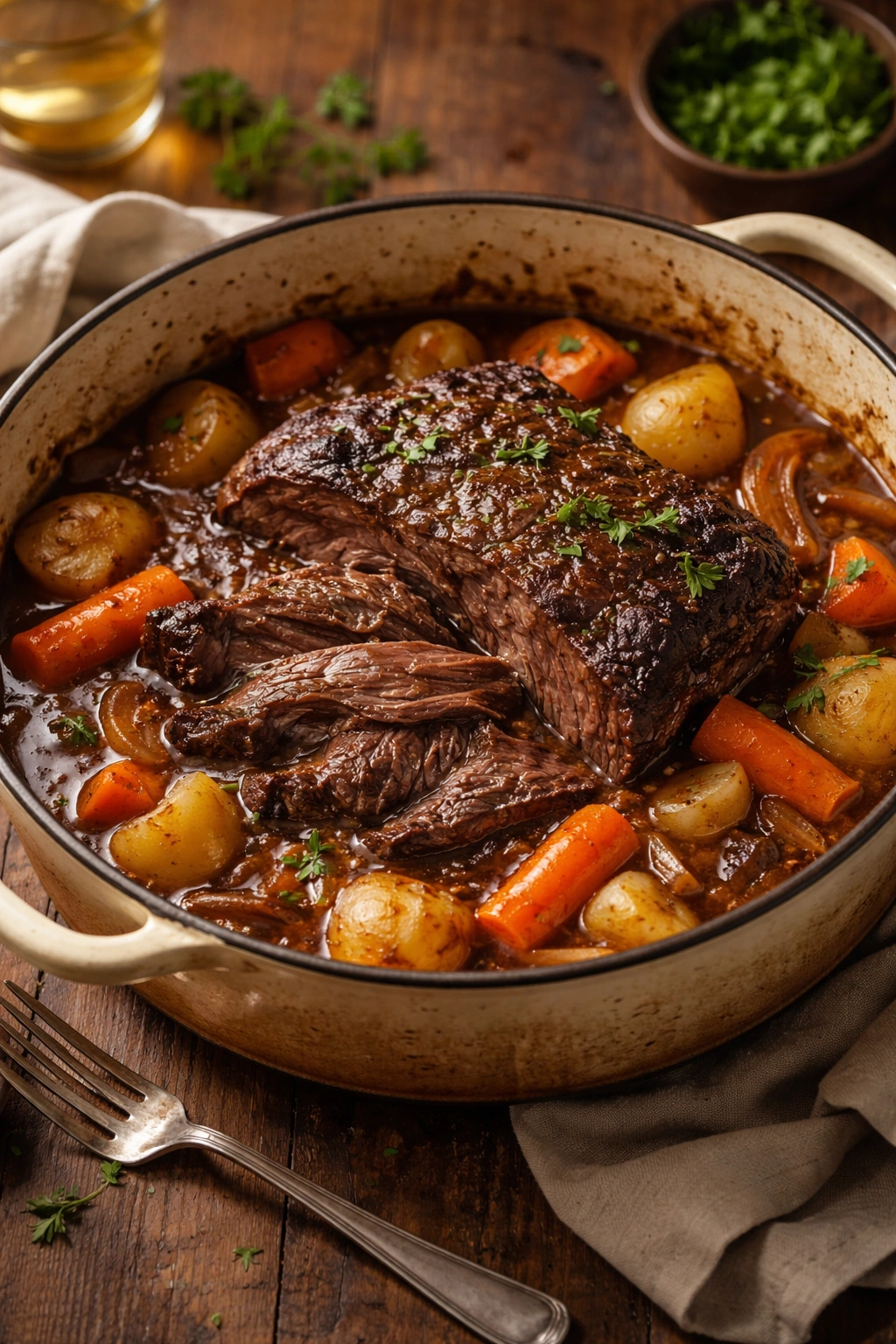
A pot roast is fundamentally a vehicle for demonstrating how time and low heat transform tough cuts of meat into something tender and delicious. But it’s also a perfect example of how time in the refrigerator can take something that was already good and make it revelatory. The meat itself doesn’t change much after cooking—what changes is the sauce. The gelatin that has leached out of the meat during braising thickens as the whole pot cools, and the flavor of the braising liquid becomes noticeably richer and more complex.
Why Pot Roast Tastes Noticeably Better Cold
When you braise meat for 3-4 hours, you’re extracting collagen from the connective tissue, which converts to gelatin. This gelatin creates body and mouthfeel in the sauce. However, when the pot roast is still hot, the gelatin is fully liquified in the surrounding broth—it’s present, but its effect is diluted. Overnight refrigeration allows this gelatin to set up slightly, creating a sauce that clings to the meat and vegetables rather than pooling at the bottom of the pan. The sauce tastes more luxurious, more intentional, more like something you’d serve to people you wanted to impress.
Pot Roast Technique for Maximum Leftover Appeal
- Use a chuck roast or brisket—cuts with significant marbling and connective tissue
- Sear the meat hard on all sides in a hot pot to develop crust and flavor compounds
- Build the sauce base with caramelized aromatics (onions, celery, garlic), tomato paste, beef broth, red wine, and a splash of vinegar for brightness
- Add the meat back, cover, and braise at 325°F (165°C) for 3 to 4 hours, until a fork shreds the meat easily
- Cool to room temperature, then refrigerate for at least 12 hours
- Skim the fat that solidifies on top during storage (you can use this for cooking vegetables the next day)
- Reheat gently on the stovetop with the lid on, or in a low oven at 300°F (150°C) for 20-30 minutes
Insider note: If your sauce seems too thin when you reheat, use that solid fat you skimmed off earlier. Whisk it with an equal amount of flour to make a beurre manié (butter-flour paste), whisk it into the simmering sauce a teaspoon at a time, and the sauce will thicken beautifully without becoming heavy.
5. Pulled Pork
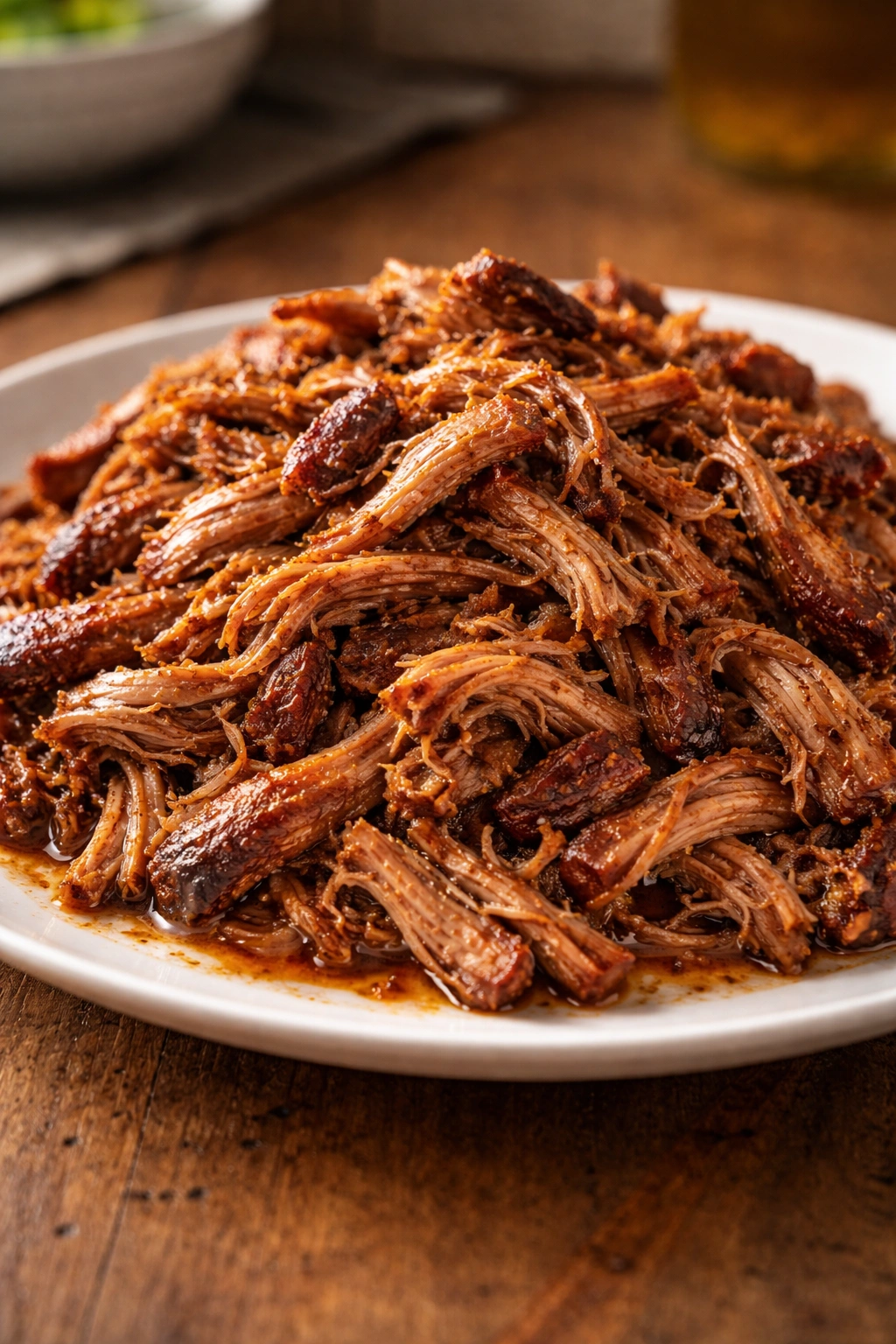
Pulled pork is perhaps the most straightforward example of why leftovers can be better than the original. When a pork shoulder comes off the heat after 8-12 hours of low-and-slow cooking, it’s tender and it tastes good. But the surface of the meat is often drier than the interior, the bark has slightly softened during the last hour of cooking, and the meat hasn’t yet fully absorbed the smoke flavor (if you’re smoking it) or the spice rub flavor. In the refrigerator, something remarkable happens: moisture redistributes throughout the meat, the flavors from the rub penetrate deeper, and the pork becomes noticeably more flavorful and tender.
The Science of Improved Pulled Pork
As pulled pork cools, the muscle fibers relax and reabsorb some of the moisture they expelled during cooking. This means day-old pulled pork is actually juicier than it was on day one, even though refrigeration would typically dry things out. Additionally, the rub ingredients—paprika, garlic, cumin, brown sugar—continue to infuse into the meat as it sits cold, intensifying with time rather than fading. Any smoke flavor (from smoking or liquid smoke) also becomes more pronounced and refined, less harsh and more integrated. This is why BBQ joints often cook brisket and pulled pork a day or two ahead.
How to Cook Pulled Pork for Peak Flavor Tomorrow
- Use bone-in pork shoulder (also called pork butt, confusingly) and score the fat cap in a crosshatch pattern
- Apply your rub generously at least 4 hours ahead, or overnight—this allows salt to penetrate and seasons the meat throughout
- Cook low and slow: 225-250°F (107-120°C) for 1.5 to 2 hours per pound, until the meat reaches 190-205°F (87-96°C) internal temperature
- You’ll know it’s done when a fork slides through with zero resistance and shreds easily
- Cool completely without shredding, then refrigerate whole
- The next day, shred and store in an airtight container, or gently reheat whole and shred then
- Serve with the sauce of your choice—pulled pork tastes better the second day whether you use vinegar-based sauce, spicy sauce, or sweet BBQ sauce
Pro tip: Don’t discard the cooking liquid that accumulates. Strain it, refrigerate it, and use it to moisten the pulled pork when you reheat it. This adds back some of the moisture lost during cooking and prevents the reheated pork from ever tasting dry.
6. Minestrone Soup
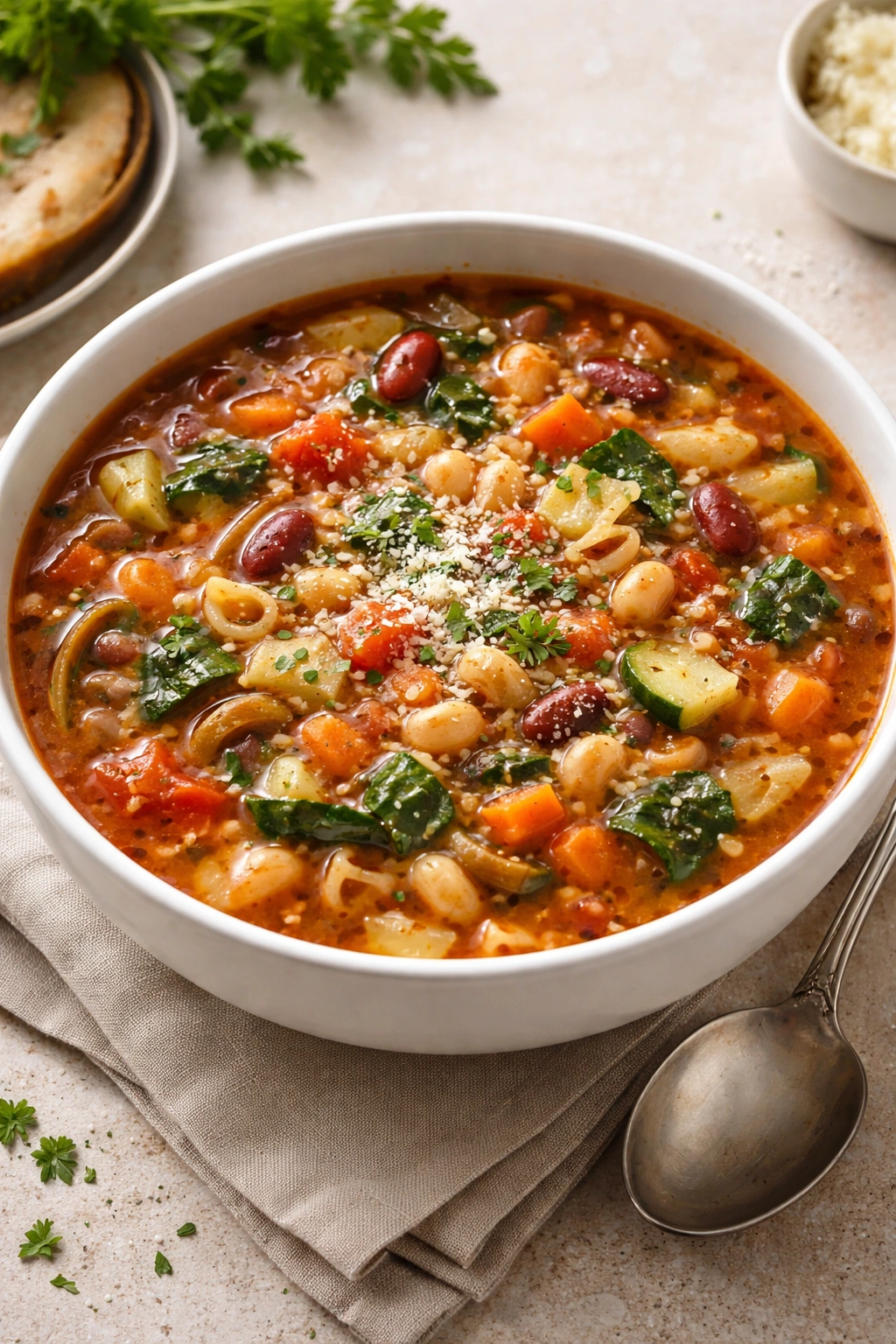
Minestrone is a vegetable soup with beans and pasta, and every element in it benefits from a night in the refrigerator. The beans soften further and absorb more broth flavor, the vegetables (which might be somewhat firm when hot) become more tender and take on a more developed taste, the pasta absorbs broth rather than floating separately in it, and the overall flavor profile shifts from a collection of distinct ingredients to a unified, complex whole. A minestrone that’s good on day one is genuinely excellent on day two.
Why Soup Improves in Cold Storage
Soup is built on broth and time, which means the longer it sits, the more those flavors develop and intermingle. When minestrone first comes off the stove, the vegetable pieces taste like themselves—tomato tastes tomato-ish, bean tastes beany, pasta tastes starchy. The broth hasn’t had time to fully extract and distribute the flavors from every ingredient. Overnight refrigeration allows the fat in any broth or olive oil to carry these flavors more effectively, allows the vegetables to continue breaking down slightly (becoming softer and releasing more of their essence into the broth), and allows the pasta to absorb broth rather than sitting separate. The result is a soup where every spoonful tastes intentional and complete.
Building Minestrone That Gets Better With Time
- Use a homemade vegetable broth if you have it, or a good quality store-bought broth—the quality of the broth is the foundation
- Start with a soffritto (celery, carrot, onion) caramelized in olive oil until very soft and the onions are golden, not just translucent
- Add diced tomatoes, white beans or chickpeas, diced zucchini and green beans, and broth
- Simmer for 30 minutes, then add small pasta (ditalini or small shells) and continue simmering for the time the pasta needs minus 2 minutes—the pasta will continue softening as the soup cools and refrigerates
- Season aggressively with salt and pepper; soup flavors mute significantly when cold
- Add fresh basil right before serving the day you make it
- Refrigerate and reheat the next day, adjusting the seasoning as needed (you’ll likely need more salt and pepper after chilling)
Worth knowing: Add the pasta the day you’re serving it rather than storing the soup with pasta already in it. The pasta will continue to absorb liquid and become mushy. If you’ve already made the soup with pasta, thin it with more broth when you reheat.
7. Beef Stew
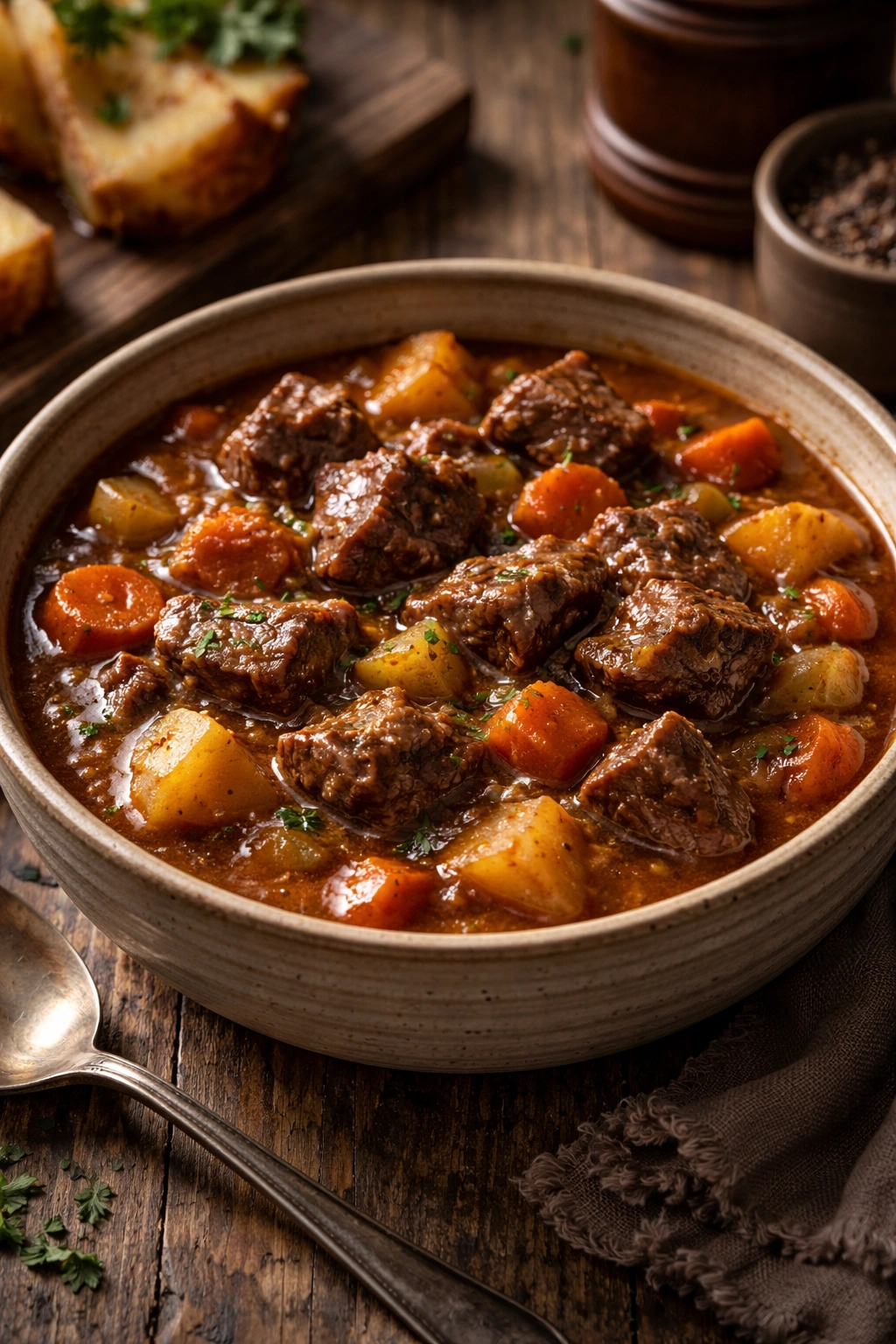
Beef stew is nearly identical to pot roast in terms of how it improves with refrigeration, but the difference in construction makes it worth treating separately. Where pot roast is a whole piece of meat surrounded by sauce, beef stew cuts the meat into chunks and maximizes surface area. This means more flavor compounds are extracted during braising, and there’s more opportunity for those flavors to redistribute and integrate during refrigeration. A beef stew that tastes good on night one tastes noticeably richer and more complex on night two.
How Chunks of Meat Benefit From Cold Storage
The diced meat in beef stew experiences even more surface-area contact with the braising liquid than a whole roast does. This means more gelatin is extracted into the sauce, more flavor compounds are pulled from the meat into the broth, and the sauce becomes exponentially richer over time. Additionally, the smaller pieces mean the meat and vegetables are more thoroughly integrated. Cold storage allows the flavors from the sauce to penetrate the meat pieces more completely, transforming what might taste like chunks of meat in gravy into a unified, cohesive dish.
Classic Beef Stew Process for Maximum Flavor Development
- Cut beef chuck or brisket into 1.5-inch cubes and pat very dry before browning
- Brown in batches in a hot, dry pot—do not skip this, it’s essential for flavor
- Remove the beef, add diced onion, carrot, and celery; cook until deeply caramelized
- Add tomato paste, cook for 2 minutes, then add beef broth, red wine, and a bay leaf
- Return the beef to the pot and cover
- Cook at 325°F (165°C) for 2 to 2.5 hours until the meat is extremely tender
- In the last 30 minutes, add potatoes cut into 1-inch chunks—you want them tender but not falling apart
- Cool completely, refrigerate for at least 12 hours
- Skim the fat on top, reheat gently on low heat, taste and adjust seasoning before serving
Real talk: Beef stew actually tastes better when you’ve reheated it. The first time you reheat it, the flavors taste more pronounced than they did fresh. This is true of most long-cooked stews and braises.
8. Chicken Marsala
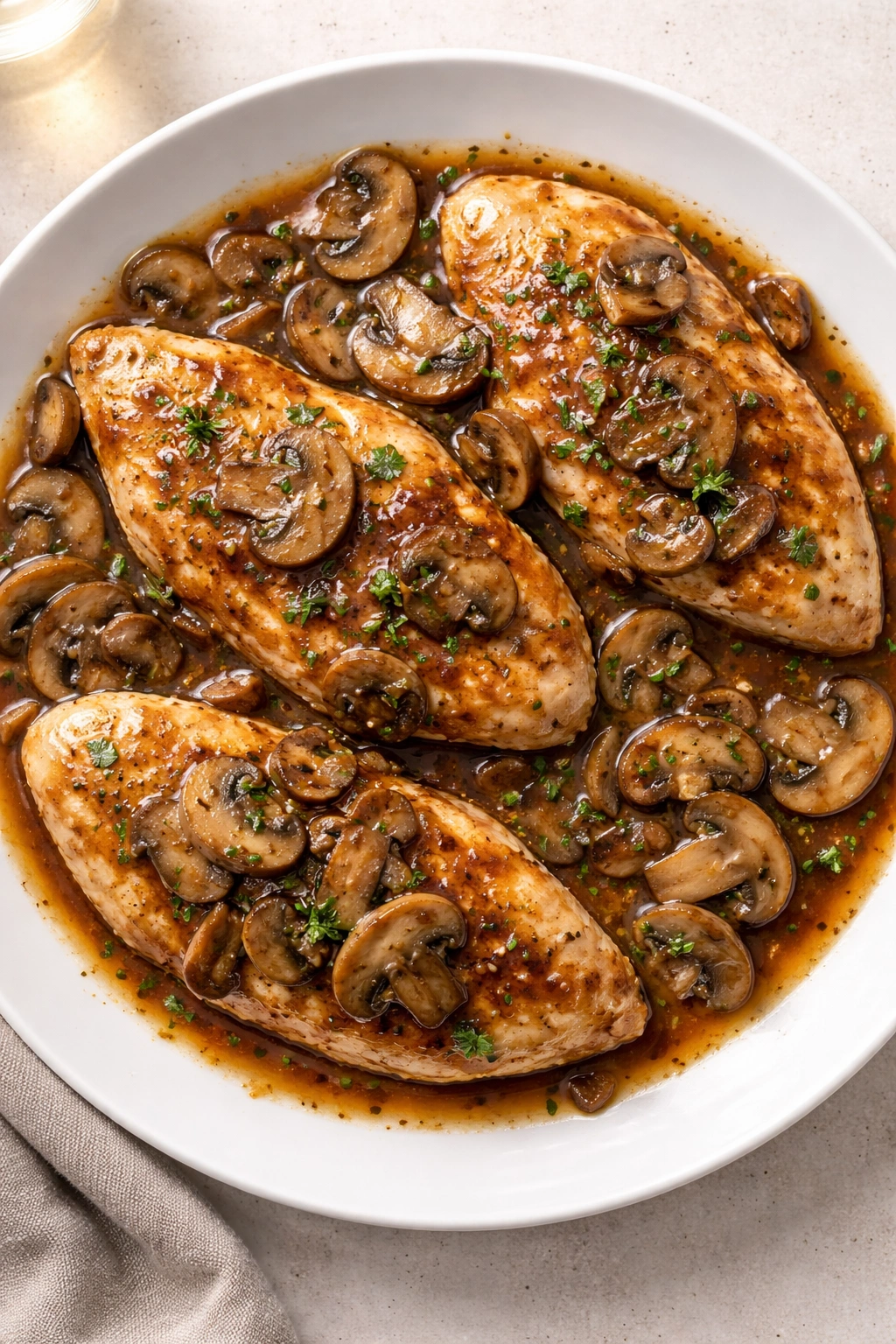
Chicken Marsala is a pan-seared dish finished with a wine reduction, and it seems like it should be best served immediately—after all, the chicken breast can dry out. Yet the sauce, which is the real star of the dish, absolutely benefits from refrigeration. The Marsala wine’s sweetness and depth become more pronounced as the sauce sits, the butter incorporates more fully into the reduction, and the overall flavor becomes noticeably richer and more elegant. The chicken, if you’ve cooked it properly to medium (not well-done), remains tender even after a night in the fridge.
Why Marsala Sauce Improves Overnight
Marsala is a fortified wine with notes of caramel, hazelnut, and dried fruit. When you reduce it with butter and mushroom essence (from sautéed mushrooms), you’re creating a deeply savory sauce with subtle sweetness. Hot sauce has a sharp alcohol bite and tastes somewhat one-dimensional. Cold Marsala sauce has had time for that alcohol to mellow, for the butter to fully emulsify with the wine and mushroom juices, and for all the subtle flavors—the umami from the mushrooms, the caramel notes from the wine, the richness from the butter—to emerge and integrate. It tastes more refined, more intentional, more sophisticated.
Chicken Marsala Technique for Better Leftovers
- Pound chicken breasts to ½-inch thickness so they cook quickly and stay moist
- Pat completely dry with paper towels before cooking—moisture is the enemy of browning
- Season generously with salt and pepper on both sides
- Heat olive oil and butter together in a large skillet over medium-high heat until foaming
- Cook the chicken for 3-4 minutes per side until golden brown and cooked through—the interior should read 160°F (71°C) on an instant-read thermometer
- Remove the chicken to a plate
- In the same skillet, sauté sliced mushrooms (cremini, cremini, or a mix) with shallots until golden and the mushroom liquid has evaporated
- Deglaze the pan with Marsala wine, scraping up all the browned bits
- Add chicken broth and reduce by half over medium-high heat
- Return the chicken to the pan, reduce heat to low, and simmer for 5 minutes
- Cool completely and refrigerate
Pro tip: When you reheat, do it very gently on low heat with the lid on, adding a splash of chicken broth to prevent the sauce from reducing further and becoming too thick.
9. Meatballs in Tomato Sauce
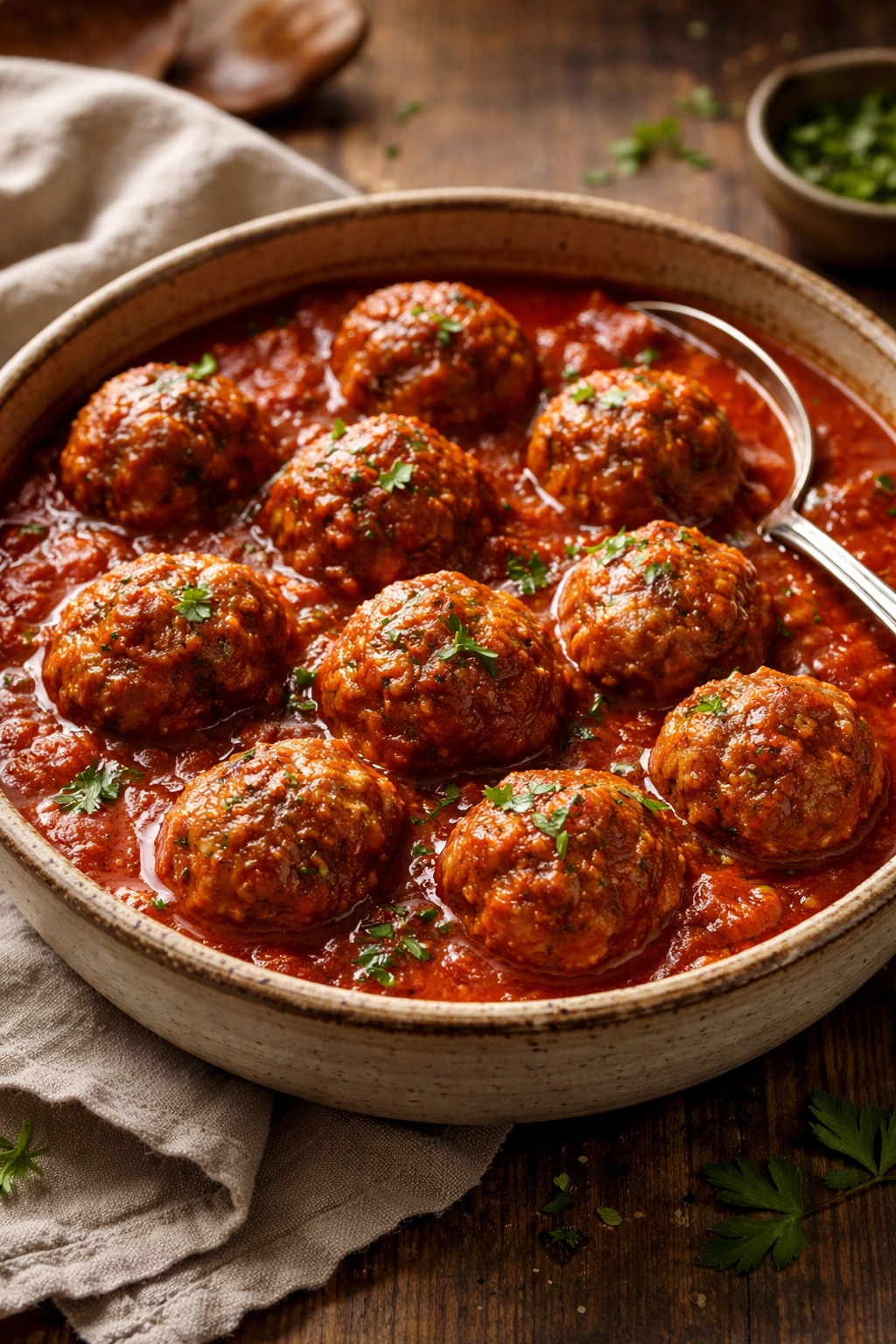
Meatballs improve dramatically in tomato sauce for the same reasons chili improves—the sauce develops, the spices integrate, and the overall flavor profile becomes more complex and sophisticated. Additionally, meatballs absorb tomato sauce flavor as they sit, becoming noticeably more flavorful than when they were first cooked. The sauce, in turn, infuses with the flavors of the meat and the aromatics inside the meatballs. It’s a two-way exchange where both the meatballs and the sauce benefit.
How Meatballs Transform in Tomato Sauce
When you first cook meatballs, they’re relatively neutral in flavor—they taste like meat with whatever spices you’ve added. The tomato sauce tastes fairly bright and fresh. Overnight refrigeration allows the spices from inside the meatballs (typically garlic, onion, herbs, breadcrumbs) to infuse into the sauce, while the meatballs themselves absorb the umami and acidity of the tomatoes. The meat also firms up slightly as it cools, then softens as it reheats, creating a more tender texture than it had fresh. The overall result is a dish that tastes far more developed and integrated than it did on day one.
Building Meatballs That Peak in Sauce
- Use a mix of ground beef and ground pork (or all beef if you prefer) for better flavor than either alone
- Include finely minced onion and garlic—mince them very fine or even grate them so they distribute evenly and don’t create pockets of flavor
- Add fresh breadcrumbs soaked in milk (about a quarter of the meat’s weight in breadcrumbs) to keep them moist
- Season with salt, pepper, dried oregano, and a pinch of cayenne
- Add a beaten egg to bind everything together, plus grated Parmigiano-Reggiano for umami
- Form into 1.5-inch balls and brown in olive oil until deeply golden on all sides
- Simmer in tomato sauce (a can of crushed tomatoes simmered with garlic, onion, olive oil, and herbs for 30 minutes, or marinara sauce) for at least 30 minutes
- Cool completely and refrigerate for 12 to 24 hours
- Reheat gently on the stovetop or in a 300°F (150°C) oven
Worth knowing: Meatballs freeze beautifully in sauce. Freeze up to 3 months and reheat from frozen at 325°F (165°C) for 45 minutes, or thaw and reheat for 20-30 minutes.
10. Paella
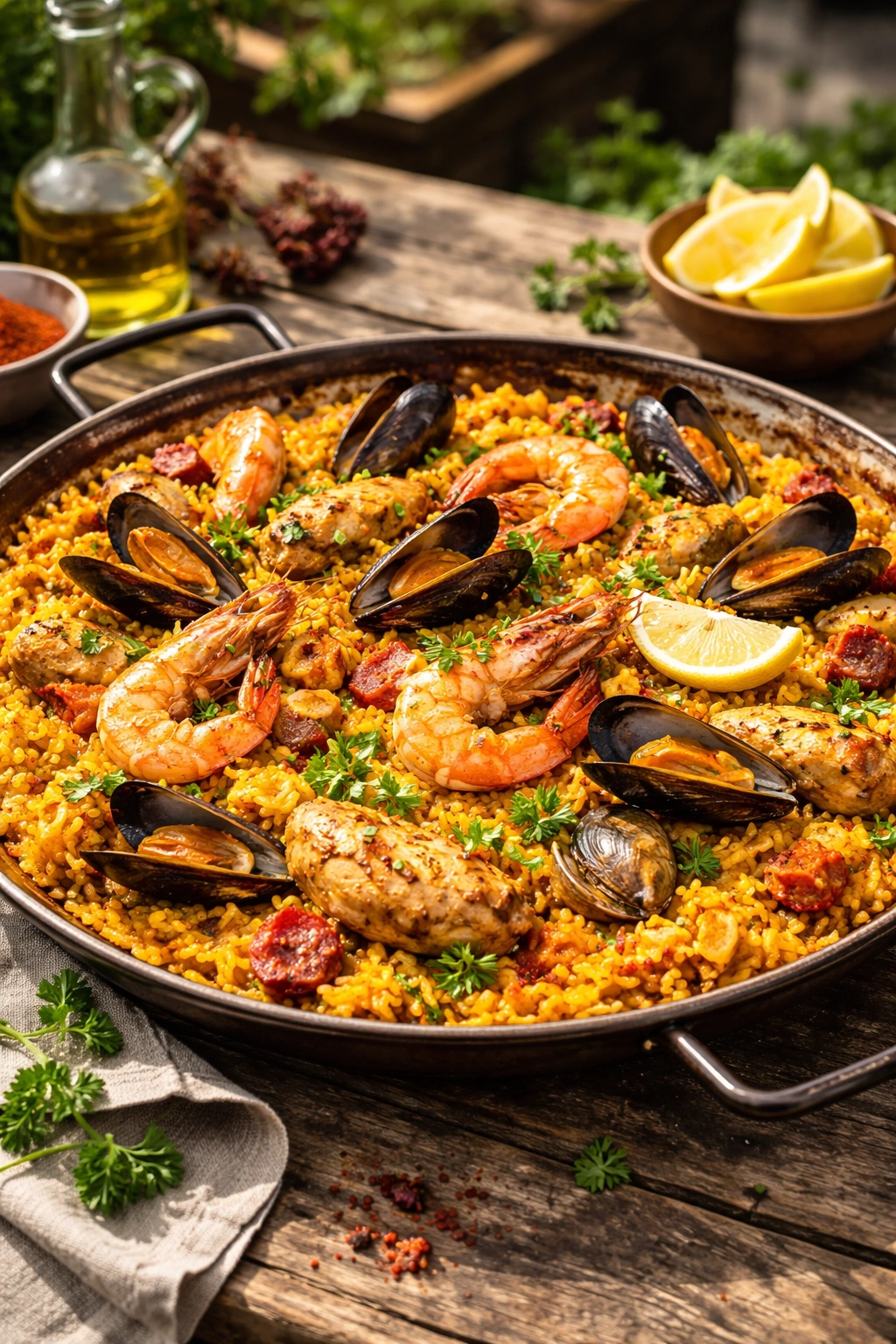
Paella might seem like an unusual choice for leftover improvement, but there’s a reason paella chefs are known for their overnight paella. A properly made paella, fresh from the pan, has a layer of crispy, caramelized rice at the bottom (called the socarrat, and it’s essential for flavor). The seafood or meat is tender, the saffron rice is fragrant, but the flavors are still largely separate. By day two, the saffron flavor has permeated every grain of rice, the seafood has infused its brininess and umami into the rice, and the entire dish has melded into something more complex and intentional than it was fresh.
Why Paella’s Flavor Profile Expands Overnight
Saffron is a delicate spice that needs time to fully distribute and for its subtle floral and earthy notes to emerge. Fresh paella, the saffron flavor is present but can feel slightly sharp or one-dimensional. Overnight refrigeration allows the saffron threads to fully infuse into the rice and cooking liquid, and allows its flavor to integrate with the other ingredients. If you’ve used seafood, the briny umami flavor of shrimp or mussels liquor continues infusing into the rice. The overall dish becomes noticeably more sophisticated, with saffron as the starring flavor rather than one voice among many.
Making Paella That Improves Overnight
- Use saffron threads, not powder—steep them in warm broth for 10 minutes before cooking to fully activate them
- Toast your short-grain rice (bomba or calasparra) in the pan with olive oil for 2-3 minutes before adding liquid—this helps the rice absorb liquid more evenly
- Use homemade seafood or chicken broth if you have it; the quality of the broth affects the overall flavor
- Add the saffron-infused broth and bring to a boil, then reduce to a gentle simmer
- Add your protein (seafood, chicken, sausage) and cover with foil
- Cook for 18-20 minutes without stirring—the rice should be tender and the broth mostly absorbed
- Increase heat to medium-high for the last 2-3 minutes to develop that crispy bottom layer
- Cool completely and refrigerate
- Reheat by warming in a covered pan on low heat with a splash of broth, which will revive the rice without drying it
Insider note: Paella actually tastes more authentic on day two. Paella chefs frequently cook for crowds at festivals, and they’ve learned that paella made hours ahead and gently reheated tastes more developed and sophisticated than paella served immediately.
Final Thoughts
The common thread connecting all ten of these dinners is time. Whether it’s time in the pot during cooking, time in the refrigerator allowing flavors to marry, or time during reheating allowing flavors to resurface, these are dishes that genuinely benefit from patience. They’re not meals you’re settling for when you don’t feel like cooking; they’re meals you’re actually looking forward to because you know they’ll taste better than they did fresh.
This changes how you approach meal prep. Instead of viewing leftovers as a consolation, you can strategically cook these specific dishes on purpose, knowing you’re building better meals for tomorrow and the day after. A pot of chili made on Sunday tastes markedly better on Monday and Wednesday than it does on Sunday night. Lasagna prepared ahead and baked the next day is genuinely superior to lasagna served immediately.
The other benefit to this approach is permission to cook confidently without worrying about perfection on the first serve. If a curry tastes slightly flat fresh because the flavors haven’t fully integrated, you know it’ll taste rich and complex tomorrow. If a beef stew seems a touch thin the first night, you know the sauce will coat a spoon beautifully once it’s had time to develop. These dishes give you built-in insurance that they’ll taste progressively better as they age, transforming meal prep from a chore into an advantage.
