



When you’re staring into a refrigerator that’s more empty than full, or when life has just gotten too hectic to make it to the grocery store in weeks, the thought of piecing together a real dinner might feel impossible. But here’s the truth: your pantry, freezer, and a few long-lasting fresh staples already contain everything you need to build satisfying, genuinely delicious meals that don’t feel like you’re making do with scraps.
The difference between a pantry that serves as a backup and a pantry that actually works comes down to strategy. It’s not about stockpiling random canned goods and hoping something edible emerges. Instead, it’s about understanding which ingredients work together, what flavors can carry a meal, and how to layer simple components into something that feels intentional and nourishing. Whether you’re snowed in, dealing with a schedule that doesn’t allow for shopping trips, or simply wanting to reduce food waste by using what’s already at home, pantry dinners can be the solution—not a compromise.
Why Your Pantry Is a Meal Solution
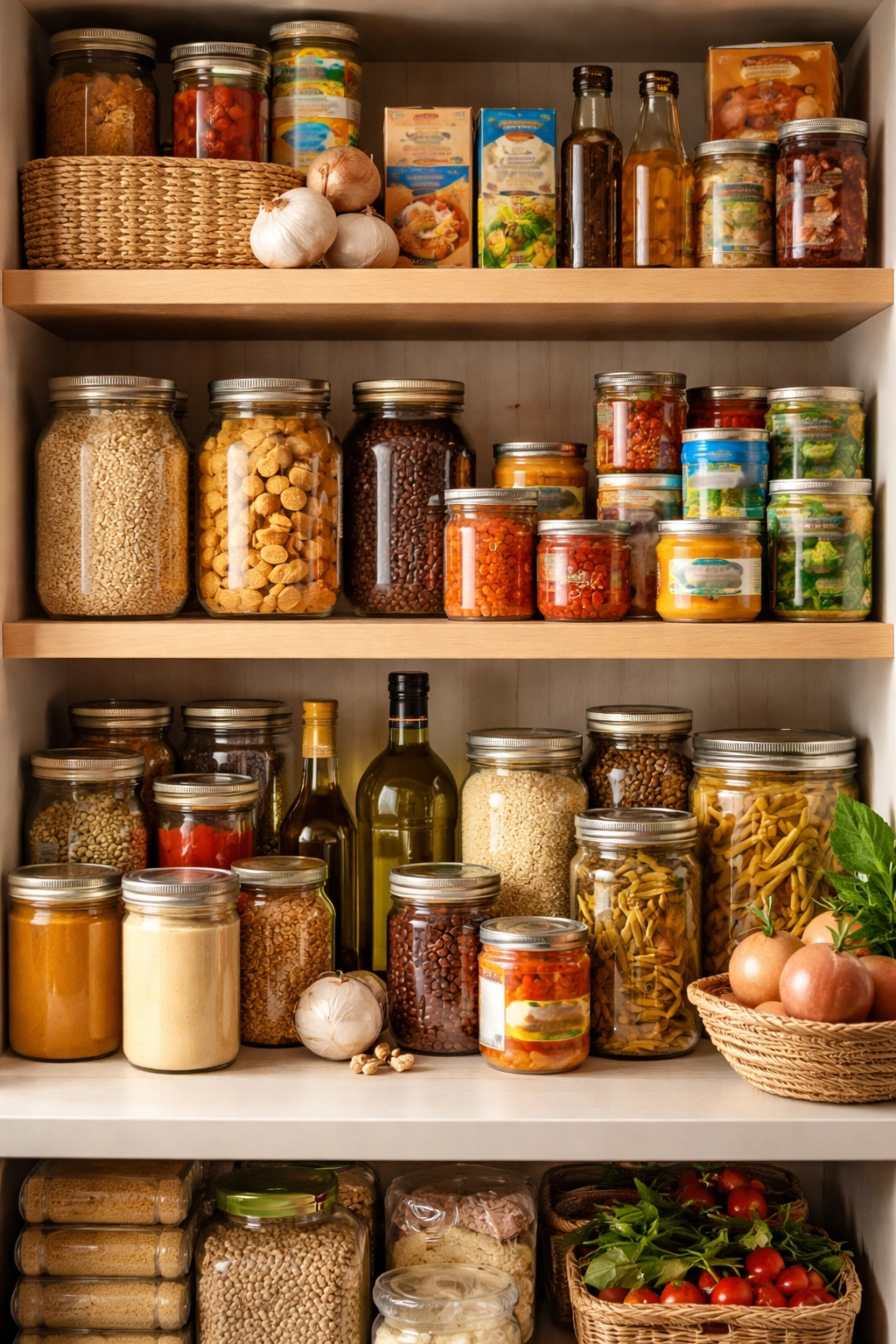
Most people think of pantry meals as a fallback when grocery shopping isn’t possible. But the real magic happens when you realize your pantry contains the building blocks for infinite meal combinations. The reason pantry cooking feels creative rather than restrictive is that shelf-stable and frozen ingredients are incredibly versatile by design—they’re meant to last, travel, and transform.
The foundation of pantry cooking is understanding substitution and adaptation. A can of chickpeas works as a protein base in curries, pasta dishes, soups, salads, or even as the base for a sauce. Canned tomatoes become marinara, salsa, curry broth, or soup depending on what you add. Frozen vegetables are picked and frozen at peak ripeness, often more nutritious than their supposedly fresh counterparts that have been sitting on shelves for days.
This isn’t settling for boring meals. Research and real-world cooking from food blogs and test kitchens consistently show that pantry-based dinners can be as flavor-forward and satisfying as anything you’d plan with a fresh grocery haul. The key difference is that you’re working backward from what you have rather than shopping for a specific recipe.
Building a Pantry That Actually Works for Real Meals
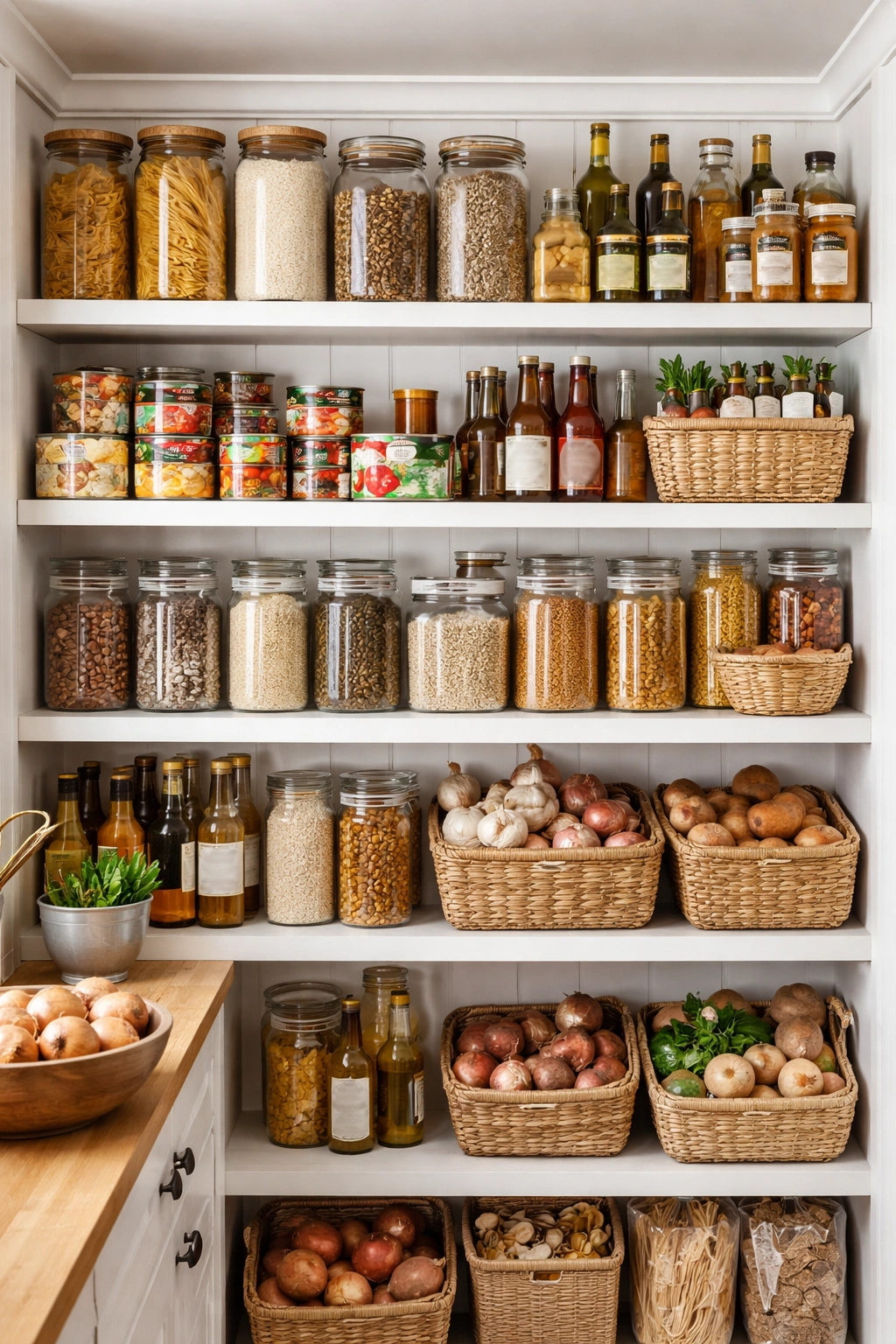
Before diving into what to cook, you need to know what deserves space in your pantry in the first place. A well-stocked pantry isn’t a random collection—it’s a curated set of ingredients that work together to create variety.
Start with your grains and starches. Keep several types on hand: long-grain white or brown rice, pasta in a couple of shapes, quinoa, farro, couscous, or polenta. These are the foundation that transforms beans and canned goods into a complete meal. Rice and pasta in particular should always be part of your pantry arsenal because they’re shelf-stable for months and can absorb almost any flavor you pair them with.
Your protein sources should be diverse and shelf-stable. This means canned beans (black, white, chickpeas, pinto), canned lentils, canned tuna, canned salmon, canned chicken, and ideally some shelf-stable plant-based proteins like chickpea flour if you bake. These proteins aren’t exciting on their own, but they’re the silent workhorses that make a meal substantive enough to actually satisfy.
Stock oils and vinegars that add real flavor—extra virgin olive oil, sesame oil, and red wine vinegar or balsamic vinegar should be non-negotiable. Condiments matter more than people realize: good quality soy sauce, fish sauce if you cook Asian-inspired food, Worcestershire sauce, mustard varieties, hot sauce, and marinara sauce all add dimension without requiring fresh ingredients.
Your spice cabinet is where pantry cooking gets exciting. Cumin, paprika, cinnamon, curry powder, oregano, coriander, garlic powder, onion powder, chili powder, smoked paprika, and red pepper flakes should live permanently in your pantry. A well-stocked spice collection means a can of beans or canned tomatoes can become completely different meals depending on what you choose to season it with.
The Freezer: Your Hidden Protein and Vegetable Reserve
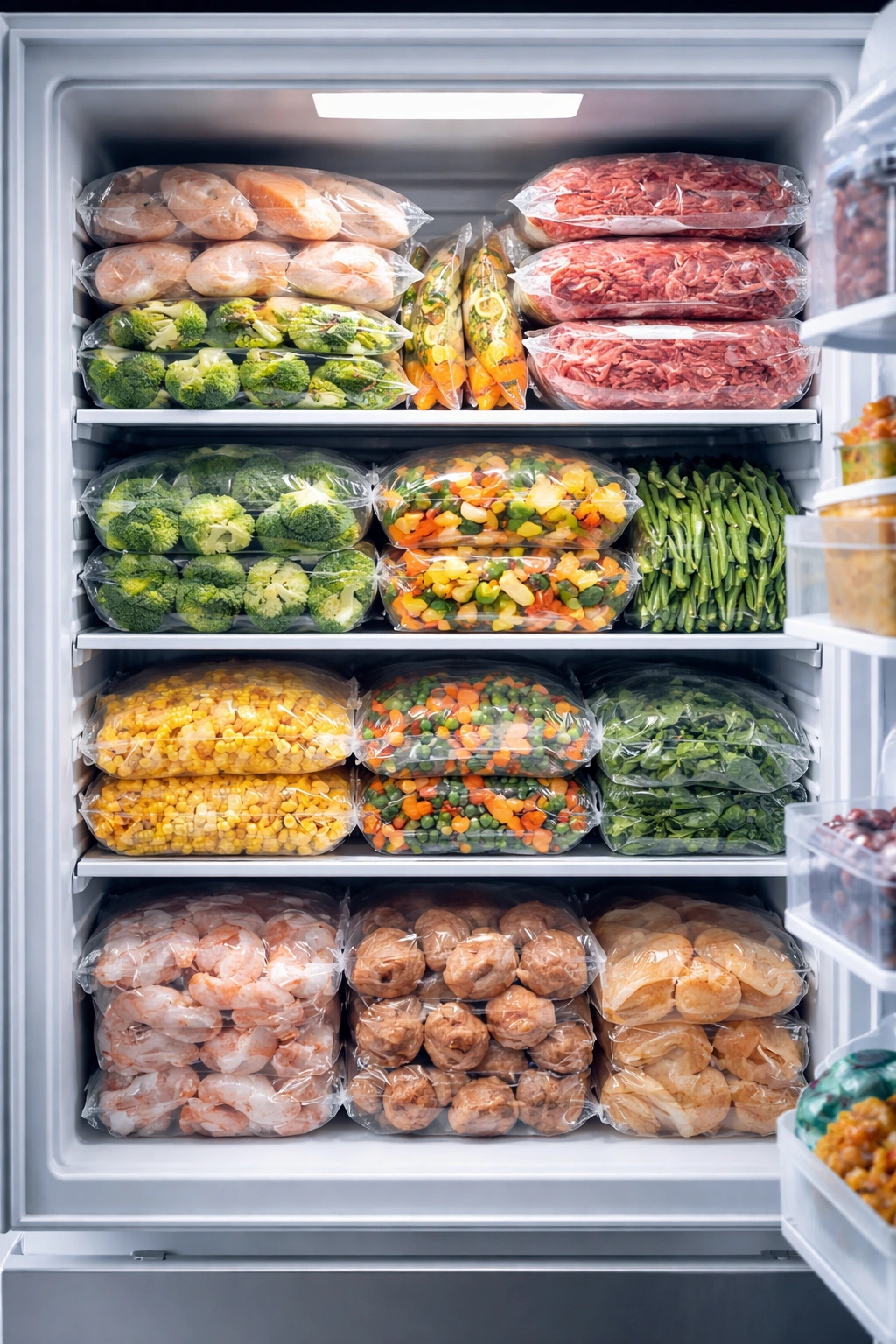
The freezer is where pantry meals go from possible to genuinely appealing. Frozen vegetables are underrated—they’re harvested at peak ripeness and frozen immediately, which means their nutritional content is often higher than fresh vegetables that have been shipped across the country and sitting in storage.
Stock frozen vegetables you actually eat. Broccoli, spinach, peas, corn, green beans, and mixed vegetables are the most versatile. These can go into soups, stir-fries, fried rice, casseroles, or served alongside grains as a simple side. Having frozen vegetables on hand means you’re never without something to add color, texture, and nutrition to a meal.
Frozen fruit works brilliantly in smoothies and baking, but berries especially are worth keeping stocked. If you enjoy breakfast-for-dinner, frozen berries can go into oatmeal pancakes or be warmed into a compote.
Proteins in the freezer extend your options dramatically. If you have space, keep chicken breasts, ground beef or turkey, shrimp, and fish fillets frozen. They thaw quickly and form the base for countless meals. Even if fresh meat isn’t an option for you, frozen versions work beautifully and were likely frozen immediately after processing, which preserves quality.
Frozen bread is an underrated secret weapon. A loaf in the freezer means you can make breakfast strata, panzanella salad, or garlic bread whenever you need it. Frozen tortillas, naan, and bagels also keep indefinitely and thaw quickly, providing structure for tacos, sandwiches, and grain bowls.
Canned and Shelf-Stable Proteins That Go the Distance
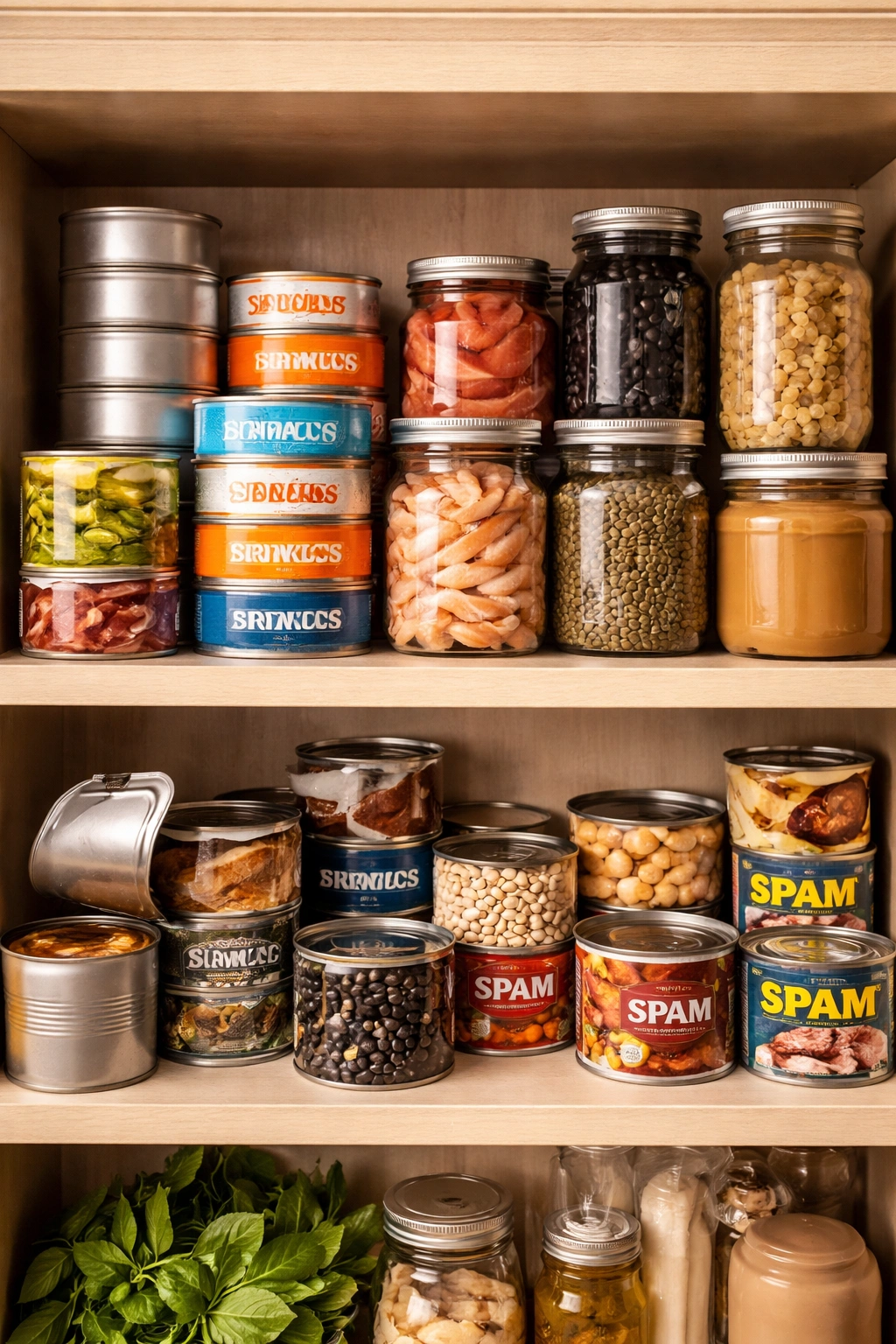
Canned proteins aren’t glamorous, but they’re the reason pantry cooking actually provides complete nutrition. The advantage of these ingredients is they require no prep time and no thawing—they’re ready to use the moment you open the can.
Canned beans are the MVP of pantry cooking. Black beans, chickpeas, white beans, pinto beans, and kidney beans are all kitchen essentials. A single can of beans contains fiber, plant-based protein, and enough substance to turn a simple rice bowl or pasta into something filling. The canning process actually makes beans easier to digest than dried beans for some people, and there’s no soaking or long cooking time required.
Canned tuna and salmon provide quick animal protein without needing refrigeration or thawing. A can of tuna becomes tuna pasta, a tuna salad sandwich, or mixed into fried rice. Canned salmon works in fish cakes, salads, or mixed into scrambled eggs. These aren’t luxury ingredients, but they’re reliable.
Canned chicken is less glamorous than fresh roasted chicken, but it shreds easily and absorbs flavors well. It works beautifully in tacos, over rice, in soups, or folded into pasta. The key to making canned chicken taste good is using bold seasonings and not pretending it’s something it’s not.
Dried beans and lentils deserve space too, even though they require cooking time. Red lentils cook in under 20 minutes and can be transformed into a creamy curry or soup. Yellow split peas become a comforting soup. Dried beans take longer but freeze beautifully once cooked, so you can batch-cook them and have cooked beans ready to use all week.
Grains and Starches as the Foundation
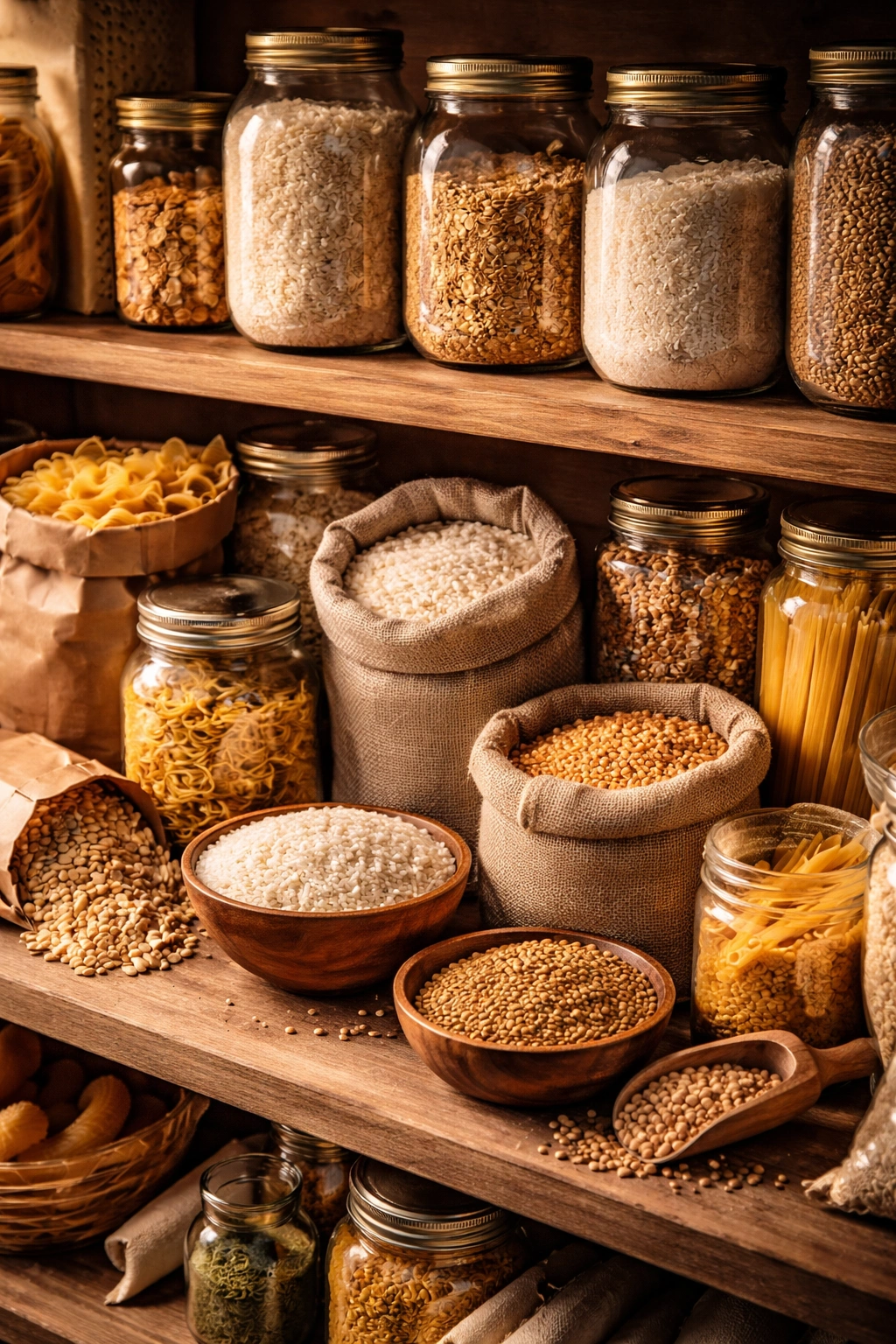
Every satisfying dinner needs something starchy or grainy to anchor it. Grains provide the bulk that makes a meal feel complete, and they’re virtually indestructible in your pantry.
Rice is the most versatile grain to keep on hand. Long-grain white rice cooks in about 15 minutes and serves as a blank canvas for any flavor profile. Brown rice takes longer but provides more nutrition and a nuttier flavor. Jasmine or basmati rice add their own subtle flavors. Keep at least two types on hand so you can match the grain to your meal’s flavor direction.
Pasta should be in multiple shapes—spaghetti, penne, short tubes like rigatoni or elbow, and maybe one specialty shape. Different sauces cling to different pasta shapes. Creamy sauces coat short, tube shapes better. Thin sauces work better with long, thin pasta. Having variety means you can match the pasta to whatever protein and sauce you’re making.
Dried grains like quinoa, farro, and couscous add nutritional diversity and texture. They’re not as essential as rice and pasta, but they prevent monotony if you’re really relying on your pantry for extended periods. Couscous cooks in five minutes and works beautifully with vegetables and any sauce or broth.
Potatoes and sweet potatoes are fresh starches that last for months in a cool, dark place. A regular russet potato becomes soup, hash, or a base for any toppings. Sweet potatoes are sweeter and more nutritious, and they work in both savory and slightly sweet dishes.
Beans and Legumes: The Quiet Nutritional Powerhouses
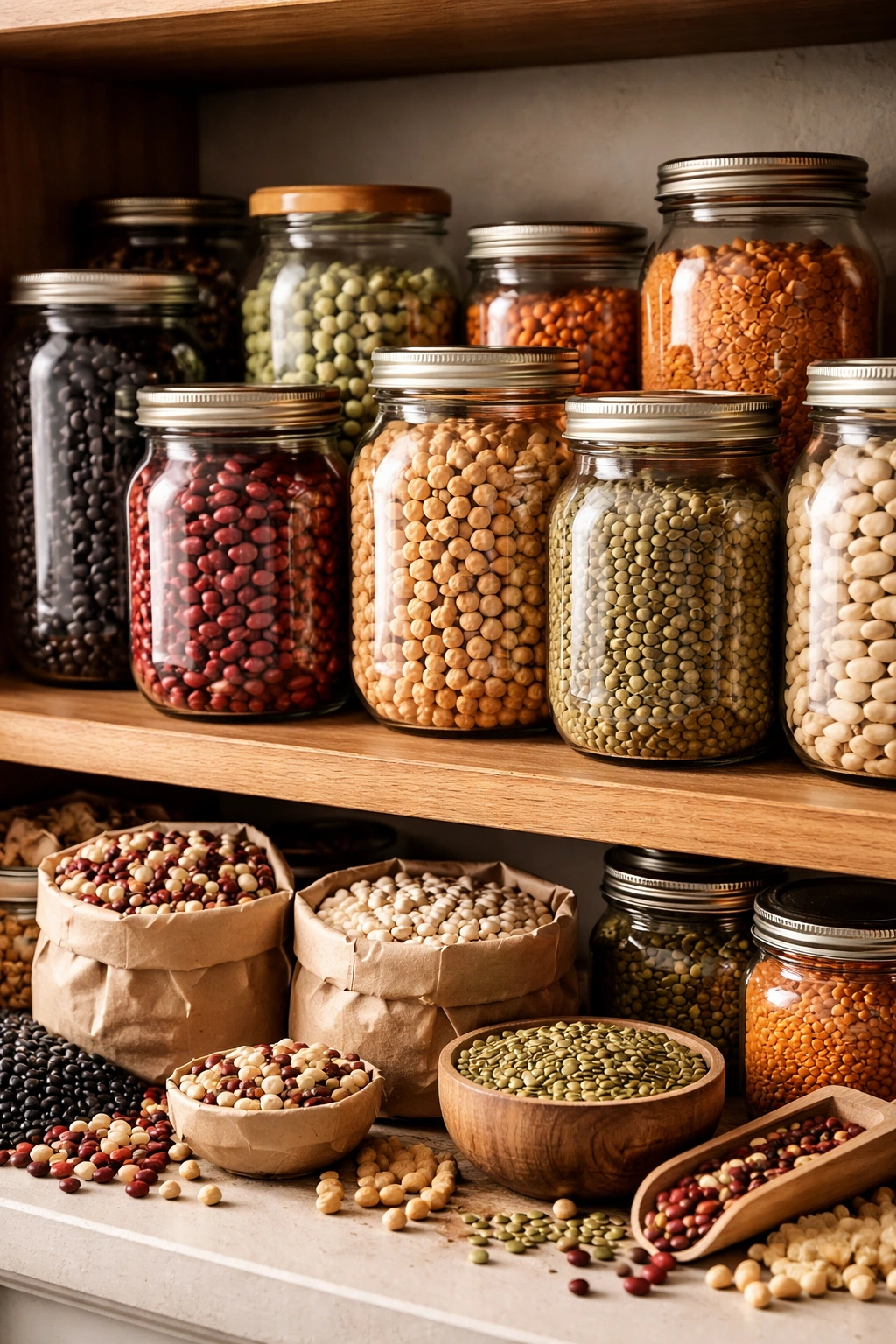
Beans and legumes deserve their own section because they’re genuinely transformative. A pantry without beans is a pantry missing its most important player. They provide plant-based protein, fiber, and a base of substance that turns vegetables and grains into an actual meal.
The variety matters because different beans work better in different dishes. Black beans bring an earthy, slightly sweet flavor that works beautifully in Mexican-inspired dishes, served over rice, or in soups. White beans (cannellini) are milder and creamy, perfect in Italian preparations or blended into creamy soups. Chickpeas are hearty and slightly nutty, working equally well in curries, salads, or Mediterranean preparations.
Lentils come in several varieties, and each behaves a bit differently. Green lentils hold their shape better during cooking and work beautifully in salads. Red lentils cook down into a creamy texture, perfect for curry or soup. Brown lentils fall somewhere in between. Canned lentils cook even faster than dried and require zero prep.
The transformation that happens when you combine beans with just three or four other ingredients is genuinely impressive. Beans plus tomato sauce plus spices becomes chili. Beans plus broth plus garlic becomes soup. Beans plus rice plus any seasoning becomes a complete meal. This isn’t boring filler—it’s nutrient-dense cooking.
Pantry Sauces and Seasonings That Do the Heavy Lifting
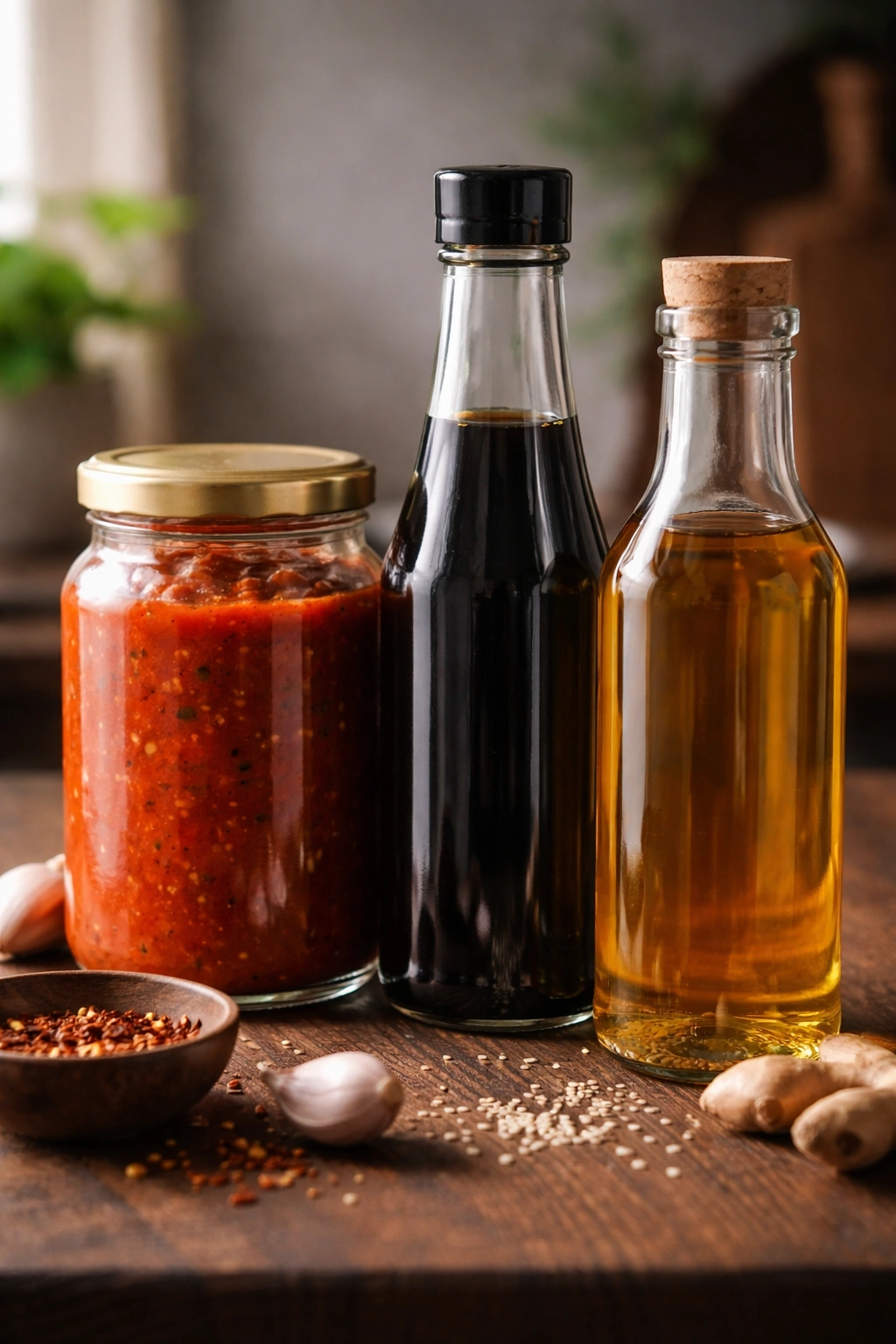
The difference between a pantry dinner that feels like you’re making do and one that tastes intentional comes down to sauce and seasoning. This is where your effort matters most.
Marinara sauce is the most useful canned ingredient to keep on hand. A good quality marinara means you can build pasta dinners, top rice, use as a soup base, or serve with beans. Jarred marinara isn’t fresh tomato sauce, but it’s developed over time and contains garlic and herbs. A quality brand makes a real difference, so find one you enjoy and keep several jars stocked.
Soy sauce, fish sauce, and sesame oil create entirely different flavor profiles from the same base ingredients. Rice with soy sauce, garlic, and eggs tastes Asian. The same rice with marinara and herbs tastes Italian. The same rice with coconut milk and curry powder tastes Indian. Your seasonings are what transform repetition into variety.
Make your own sauce base ahead of time if you have time. A basic stir fry sauce (soy sauce, rice vinegar, sesame oil, garlic, ginger) freezes beautifully in ice cube trays. A honey garlic sauce works on almost any protein or vegetable. Tomato-based sauces freeze for months. Having flavor bases prepared means your pantry meals come together even faster because the seasoning work is done.
Spice blends matter too. A good curry powder or garam masala can transform canned chickpeas and coconut milk into dinner in 20 minutes. Taco seasoning (or making your own with cumin, chili powder, and garlic powder) makes beans and rice feel intentional. Dried herbs—oregano, basil, thyme—add depth to canned tomato-based dishes.
The Produce That Lasts Weeks Without the Fridge
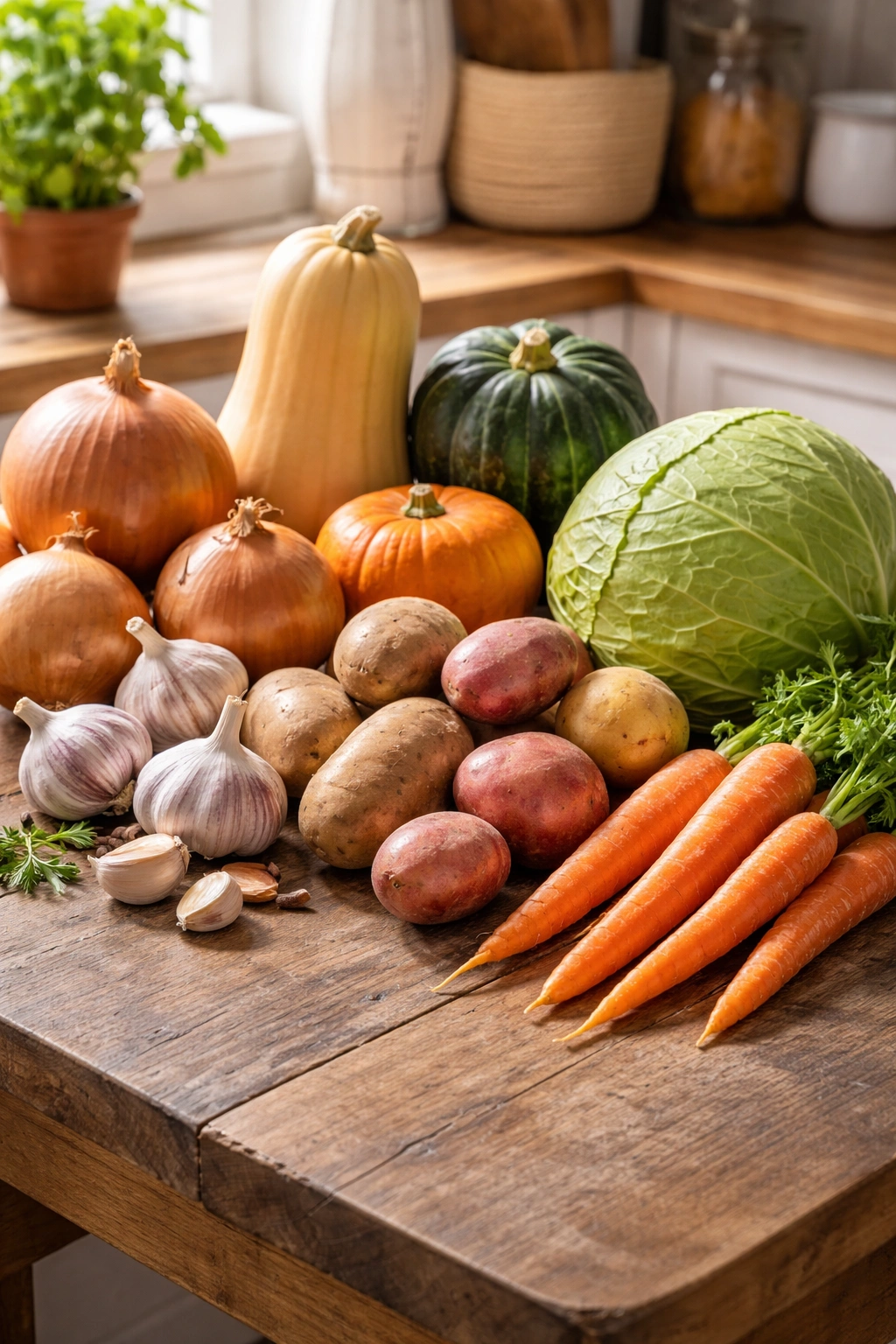
Not all fresh produce requires constant refrigeration or spoils within days. Understanding which vegetables and fruits keep naturally saves you from pantry-only cooking and adds freshness to meals.
Onions and garlic are the foundation of flavor in nearly every cuisine. A bag of yellow onions and a bulb of garlic should always be available. They last for weeks in a cool, dark place and become the aromatic base for soups, stir-fries, and sauces. Even when you’re relying entirely on your pantry, onions and garlic elevate a simple can of beans into something genuinely delicious.
Potatoes and sweet potatoes keep for weeks or even months. Winter squash like butternut or acorn squash lasts for months in cool storage. Carrots, beets, and other root vegetables have natural longevity. These aren’t just side dishes—they’re vegetables that can be the main event. A baked sweet potato topped with beans and hot sauce is a complete meal. Roasted carrots with spices and a squeeze of lemon become a vegetable side that feels special.
Cabbage might be the most underrated vegetable for pantry cooking. A head of cabbage lasts for weeks, slaws beautifully in salads, works in stir-fries, and can be sautéed as a simple side. Kale and other hardy greens also keep longer than delicate lettuces.
Citrus fruits keep in the fridge for weeks. A lemon or lime adds brightness to almost any meal and makes pantry ingredients taste more finished. Even if everything else is shelf-stable, a squeeze of lemon changes a bowl of beans and rice from functional to actually good.
Quick Dinner Formulas You Can Make With Your Eyes Closed
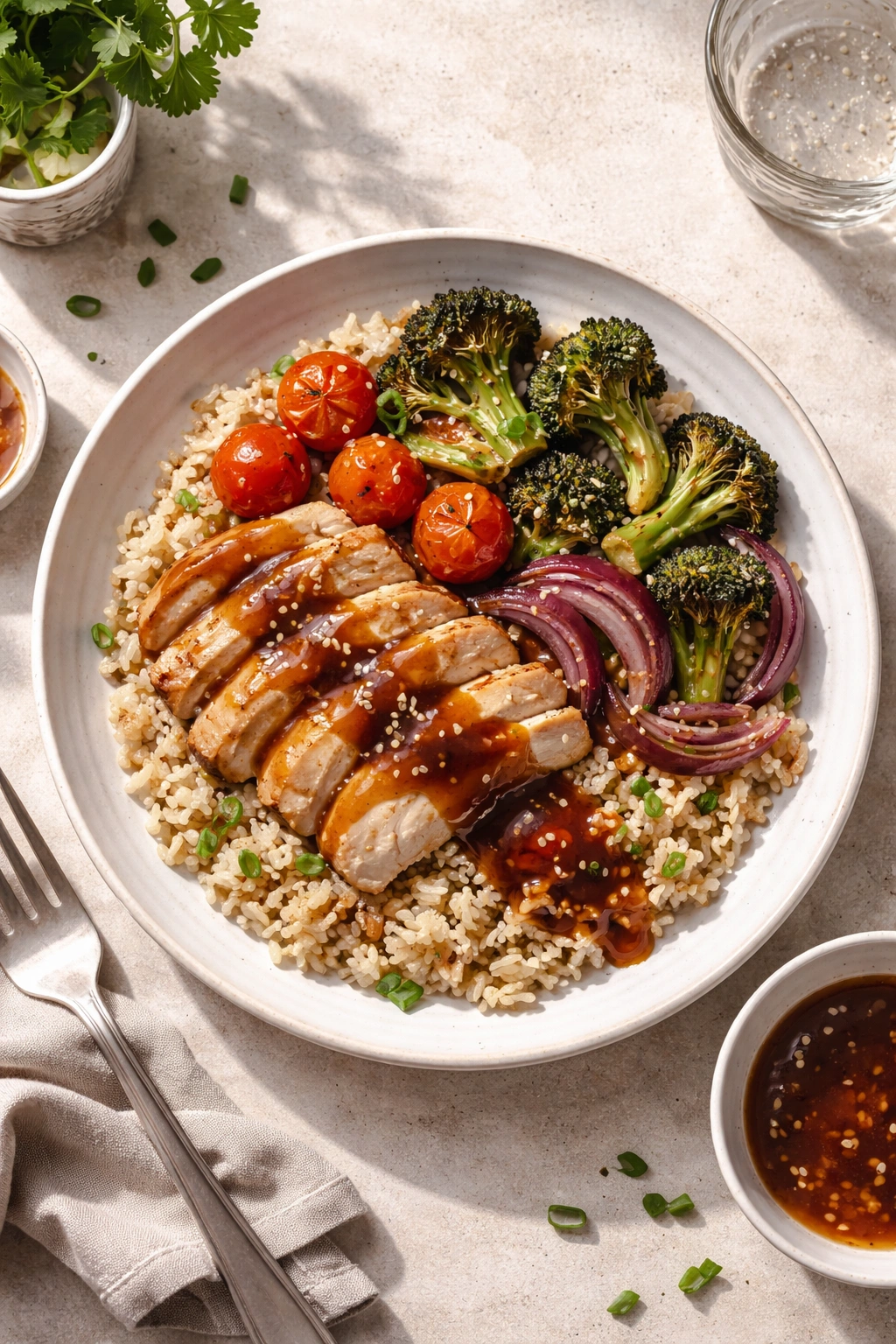
Once you stop thinking about recipes and start thinking about formulas, pantry cooking becomes intuitive. These are the templates that work with whatever you have on hand.
The grain + protein + vegetable + sauce formula is the foundation of countless meals. Cook your grain (rice, pasta, quinoa, couscous). Add your protein (canned beans, canned fish, frozen chicken, canned lentils). Toss in vegetables (fresh if you have them, frozen if you don’t, roasted root vegetables if that’s what’s available). Coat everything with sauce or dressing. This formula works for every flavor profile—Asian, Mexican, Mediterranean, Indian.
Soup is your friend when pantry cooking. Broth or stock plus canned tomatoes or canned vegetables plus beans plus whatever seasonings match your cravings creates a complete meal in one pot. Add pasta or rice if you want something heartier. A can of white beans plus chicken broth plus garlic, onion, and Italian herbs becomes a complete soup in 20 minutes.
One-pot rice dishes are phenomenally efficient. Sauté onion and garlic in oil, add rice, then add broth (double the volume of the rice), bring to a simmer, cover, and let cook until the liquid is absorbed. Before serving, stir in canned beans, frozen vegetables, or canned tomatoes. Season aggressively. This method produces a complete meal with almost no active cooking time.
Stir-fry is the fastest hot meal formula. Heat oil in a pan, add garlic and onion, add any vegetables (frozen works), add protein (canned, frozen, or shelf-stable meat), add sauce, toss with cooked grain. Total time: 15 minutes.
Sheet Pan Dinners Built Entirely From Pantry Staples
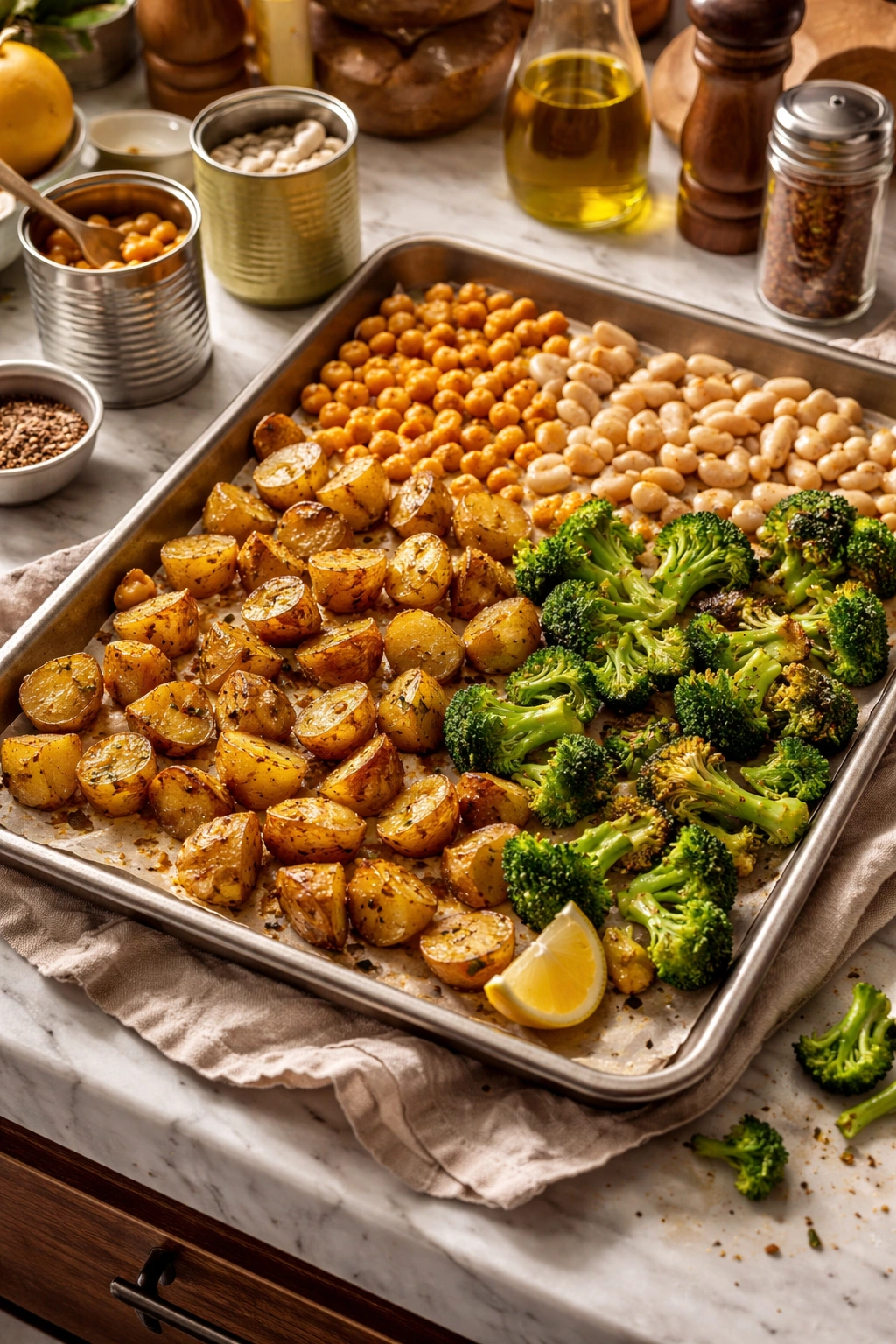
Sheet pan cooking is underrated in pantry meal planning. It requires minimal active work and produces a complete meal with clean-up that feels manageable.
Roasting transforms ordinary pantry ingredients into something special. Toss potatoes or sweet potatoes with oil and salt, roast at 425°F until golden (about 30 minutes), then top with canned beans that have been warmed with spices. Roast frozen broccoli or carrots with oil and garlic powder until caramelized. Add a drizzle of tahini or a squeeze of lemon and suddenly basic vegetables feel intentional.
Combine proteins and vegetables on one sheet pan. Frozen chicken thighs with canned tomatoes and frozen spinach, all drizzled with olive oil and seasoned, roast together. Canned chickpeas with frozen peppers (or fresh onions) and tomato sauce tossed together, roasted until everything caramelizes into something with actual depth.
Sheet pan nachos are chaos in the best way. Layer tortilla chips on a pan, top with canned black beans, frozen corn, cheese if you have it, and any other toppings (jalapeños from a jar, pickled onions, canned peppers). Broil until the cheese melts. Serve with salsa, sour cream, or hot sauce. It’s not fancy, but it feels celebratory.
One-Pot Wonders That Come Together in 30 Minutes
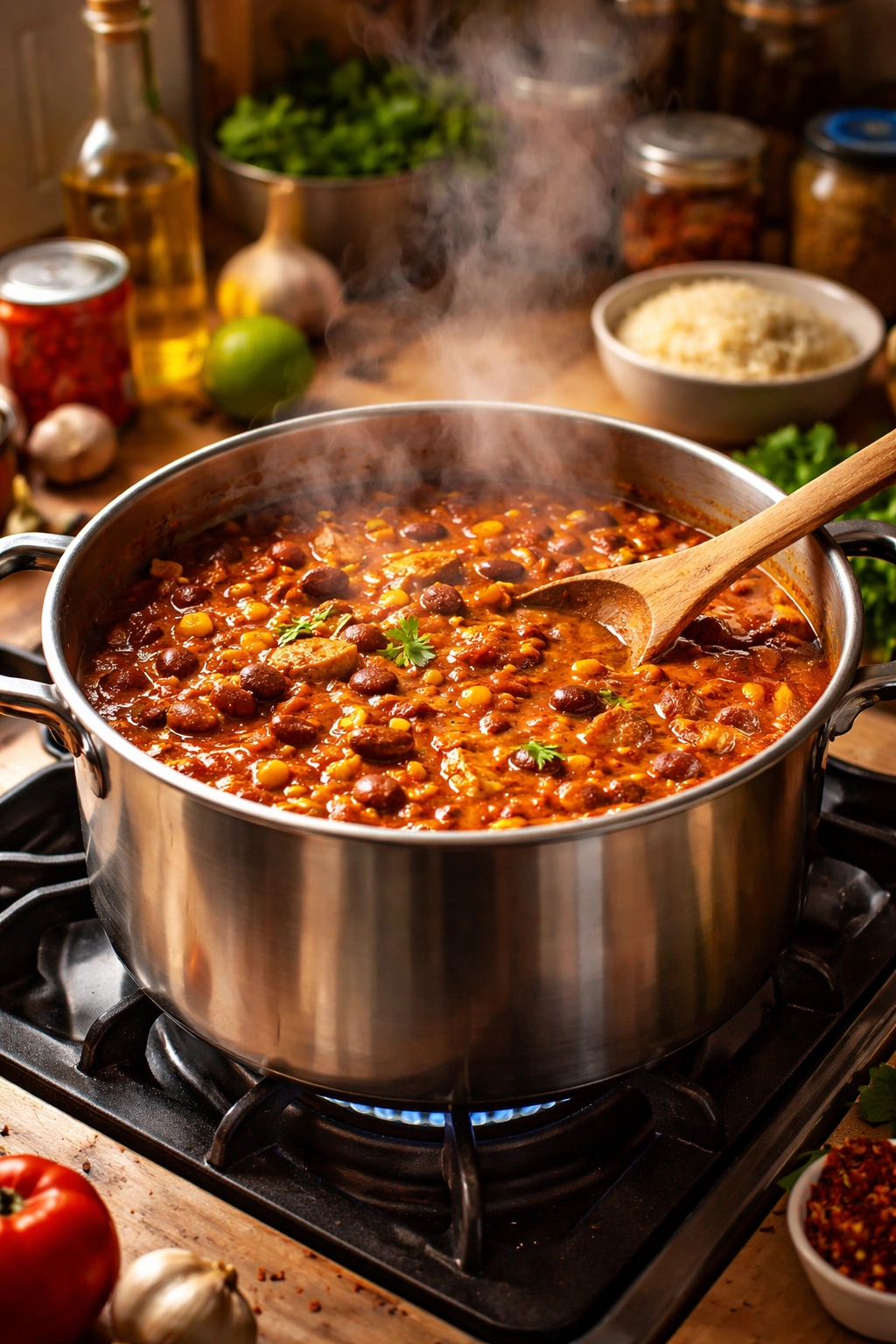
When your pantry is your only resource, one-pot meals eliminate the need for multiple pans and reduce the mental load of cooking.
Chili is perhaps the ultimate pantry dinner. Sauté onion, add canned tomatoes, add multiple cans of beans, add chili powder and cumin, and let simmer. If you have ground beef in the freezer, add it. If not, the beans provide enough substance. Serve over rice or with cornbread made from a box mix. This meal costs almost nothing and tastes genuinely good.
Curry becomes accessible when you have coconut milk and curry powder. Sauté onion and garlic, add curry powder, add canned tomatoes or coconut milk, add canned chickpeas or beans, add any vegetables (fresh, frozen, or canned), simmer until everything melds. Serve over rice. The entire meal comes from shelf-stable ingredients.
Pasta dishes are the fastest one-pot meals. Boil pasta in salted water. Drain most (not all) of the water, leaving about a cup. Add canned tomatoes, canned beans, garlic, olive oil, and dried herbs. Let the residual heat bring it together. The starchy pasta water emulsifies with the oil and creates a sauce. This technique is borrowed from Italian cooking and works beautifully.
Soup becomes a complete meal when you combine broth, protein, vegetables, and starch. Chicken broth plus canned white beans plus frozen spinach plus pasta plus garlic equals a complete meal in one pot. Beef broth plus canned tomatoes plus canned beans plus spices equals chili that’s a soup if you add more broth.
Make-Ahead Sauces and Flavor Bases to Keep on Hand
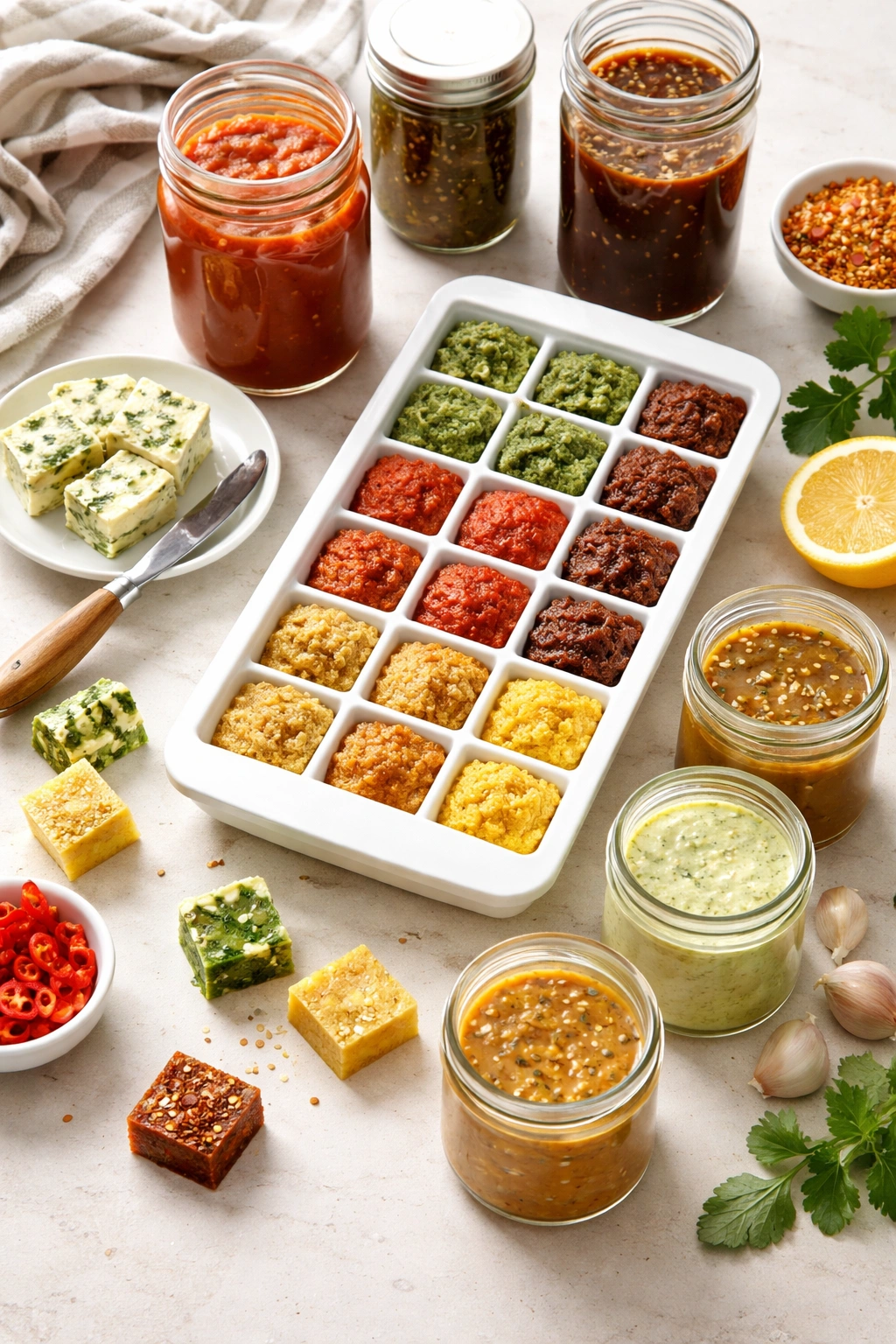
If you have any warning that you might be pantry-cooking, the best investment is making sauce and flavor bases ahead.
A basic tomato sauce made from canned tomatoes and garlic freezes indefinitely. Sauté garlic in olive oil, add canned crushed tomatoes, add dried herbs, simmer for 15 minutes. Cool and freeze in portions. This sauce becomes the base for pasta, pizza, shakshuka, or flavoring for beans.
A stir fry sauce frozen in ice cube trays gives you instant Asian-flavored meals. Soy sauce, rice vinegar, sesame oil, a touch of honey, and garlic frozen in portions means any combination of protein and vegetables becomes a satisfying stir-fry.
Compound butters (butter mixed with herbs and garlic, then chilled and sliced) add luxury to simple pantry meals. A slice of herb butter melting into hot rice or pasta transforms basic starches. These freeze beautifully and thaw quickly.
Salad dressings made ahead with quality olive oil, good vinegar, and simple seasonings remain in the fridge for weeks and make canned beans or roasted vegetables feel like a composed salad rather than leftovers.
Common Pantry Dinner Mistakes and How to Avoid Them
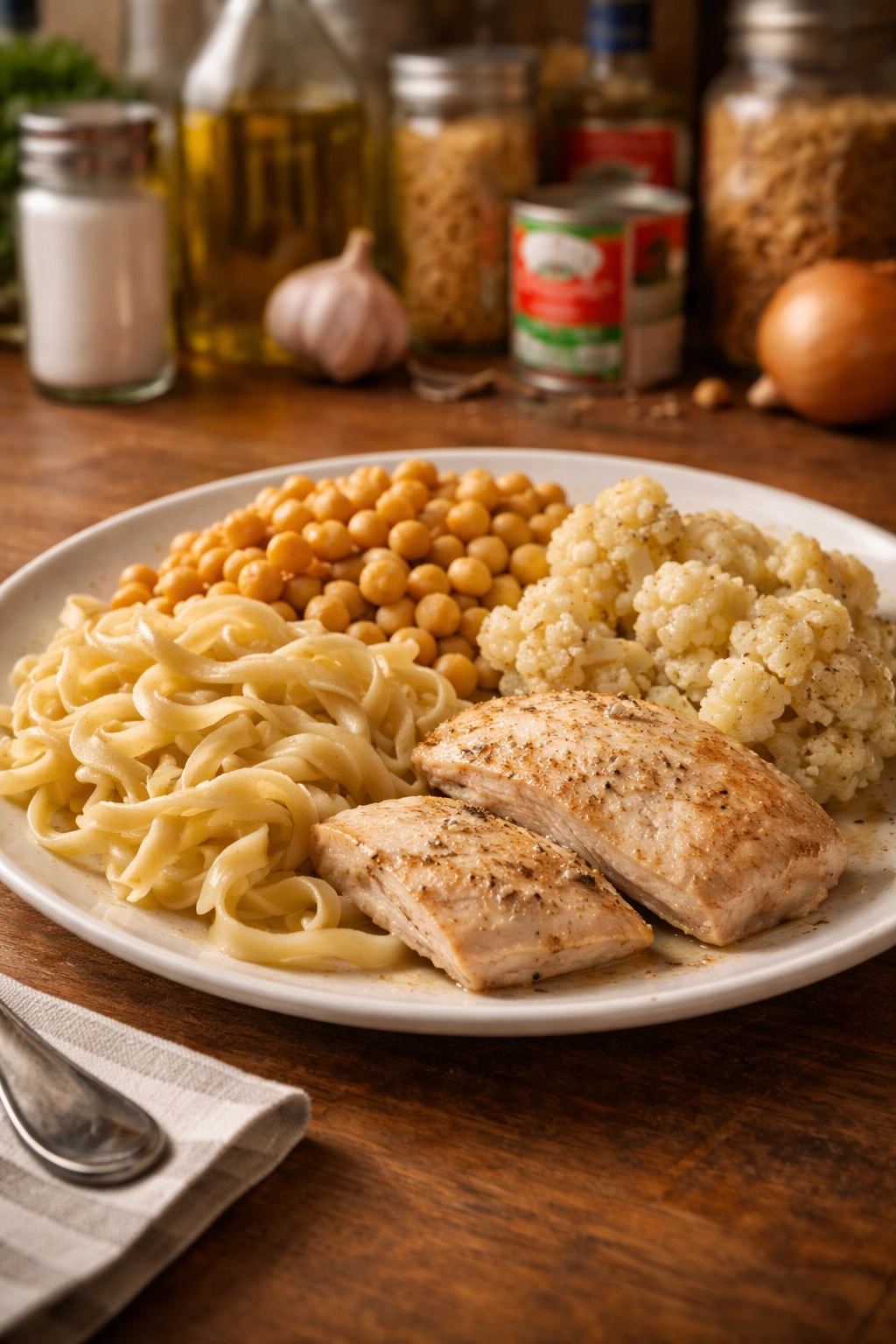
When you’re relying on what you have, certain patterns emerge as mistakes that make meals feel unsatisfying. Knowing these helps you course-correct.
The biggest mistake is under-seasoning. Canned and shelf-stable ingredients don’t have the complexity of fresh ingredients, so they need more aggressive seasoning to taste good. If you’re tasting food and it feels flat, it needs salt, acid (lemon juice or vinegar), or spice. Most pantry dinners need more seasoning than you’d think.
Not using acid is another common trap. A squeeze of lemon, a splash of vinegar, or a dash of hot sauce makes pantry meals taste fresher and more finished. Keep this in mind—acid is your friend.
Texture monotony happens when everything is soft. Canned beans are soft. Cooked grains are soft. Cooked vegetables can be soft. Counteract this with texture: nuts if you have them, toasted bread crumbs, crispy fried onions from a can. A little crunch changes everything.
Flavor monotony comes from using the same spices repeatedly. If you made curry yesterday, make tacos today, make Italian pasta tomorrow. The variety prevents pantry cooking from feeling boring.
Not reading what you have before cooking is another mistake. Take five minutes to assess your pantry, freezer, and fridge. What proteins are available? What vegetables? What grains? Once you see what you’re working with, meals suggest themselves.
Rethinking “Pantry Meals” as Real Cooking
The phrase “pantry meals” carries a connotation of making do, of cooking in absence rather than abundance. But the reality of pantry cooking is that it’s incredibly resourceful and creative. Some of the most interesting food comes from limitations—working with what’s on hand forces adaptation and prevents the rote repetition of recipes.
You’re not depriving yourself when you cook from your pantry. You’re exercising a genuinely valuable skill: the ability to assess ingredients, understand what flavors work together, and build a meal from components rather than following a specific recipe. This is real cooking—the kind cooks have done for generations before printed recipes existed.
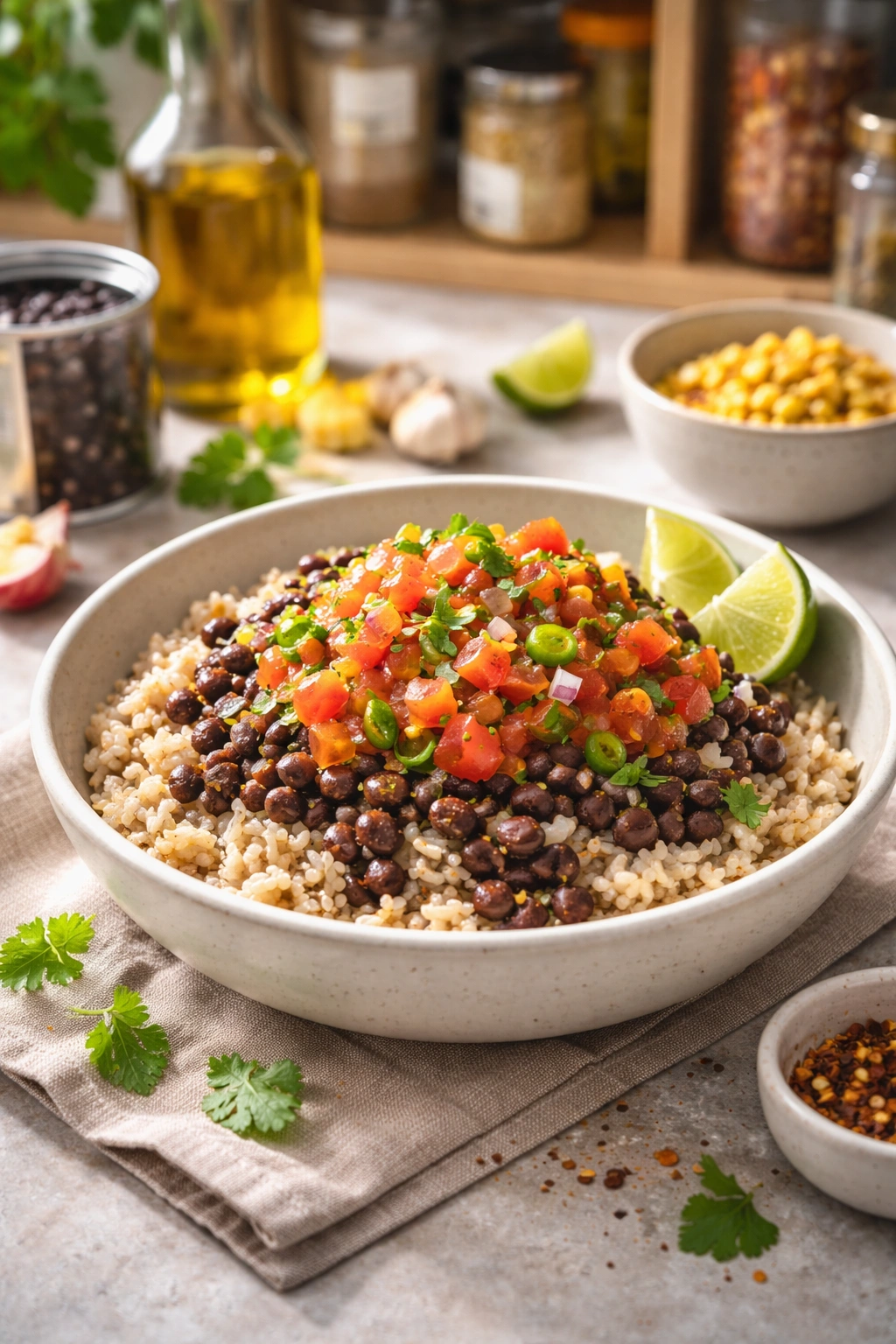
The meals you create from pantry staples might not be Instagram-worthy, but they’re real food that nourishes and satisfies. A bowl of rice with beans, topped with salsa and a squeeze of lime, is complete nutrition and genuine flavor. Pasta tossed with canned tomatoes, garlic, and whatever vegetables you have is recognizable as Italian cooking, not a compromise.
Pantry cooking also teaches you what’s actually worth storing. Over time, you’ll develop preferences for which canned brands taste best, which spices you use most, which grains you actually enjoy. Your pantry becomes personalized rather than generic, which means everything in it serves a real purpose.
Final Thoughts
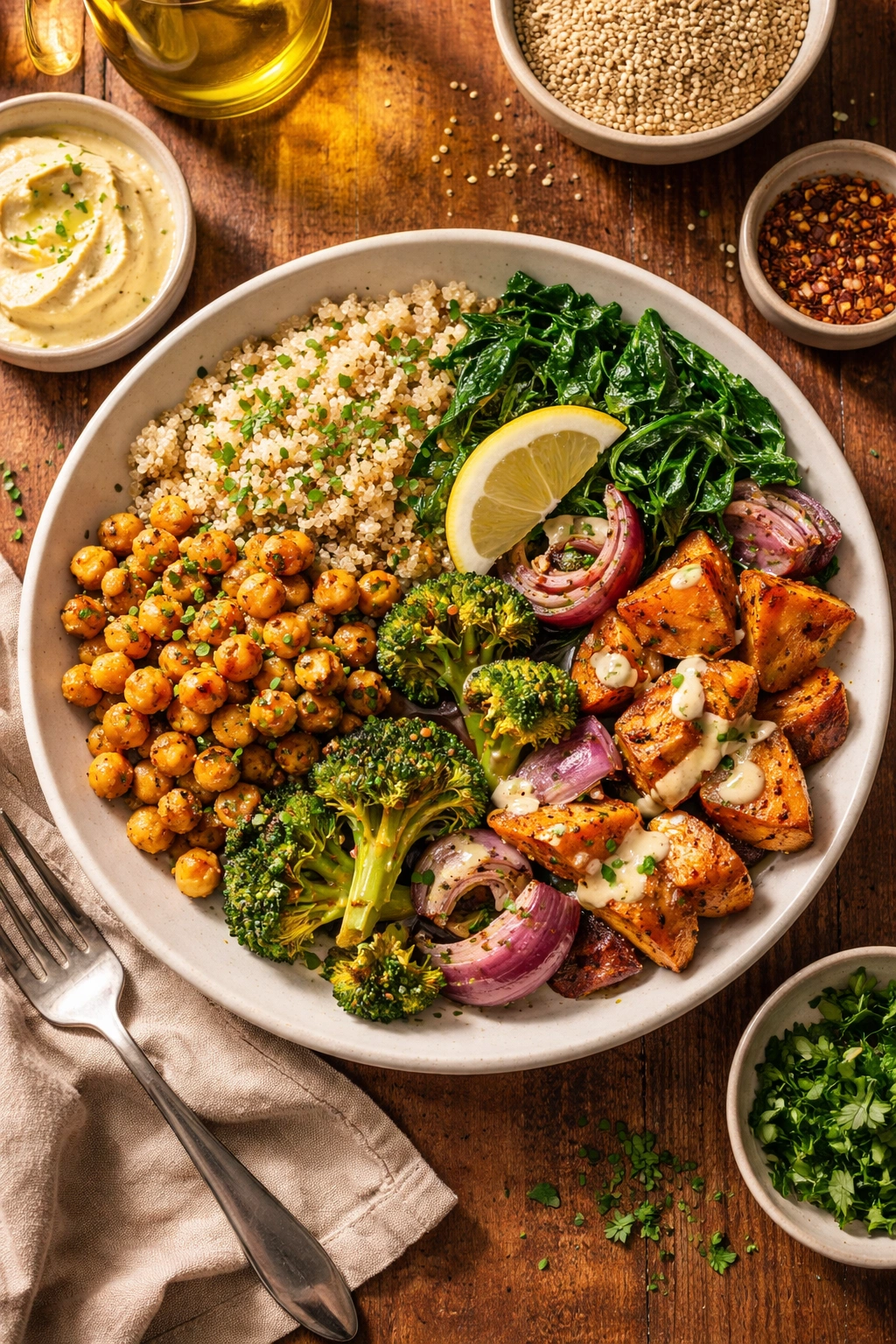
The meals you create when you haven’t been to the grocery store in weeks don’t have to be boring or feel like deprivation. A well-stocked pantry, freezer, and a few long-lasting fresh staples contain everything you need to build dinners that are genuinely satisfying, flavorful, and nourishing.
The key is shifting your perspective from “what recipe should I make?” to “what do I have, and what can I build?” This mindset—paired with understanding which ingredients work together and which seasonings transform simple components into real food—makes pantry cooking feel creative rather than restrictive.
Stock your pantry thoughtfully with grains, proteins, sauces, seasonings, and frozen vegetables. Keep onions, garlic, and citrus in long-term storage. Then trust that when you can’t get to the store, you can still put something delicious on the table. That’s not settling. That’s resourcefulness, skill, and the kind of real cooking that actually matters.
