



If there’s one universal truth about family dinners, it’s that the side dishes matter just as much as the main event. Walk into any gathering of relatives around the holiday table, and you’ll find the same beloved sides appearing year after year—the ones people expect, the ones that disappear first, and the ones everyone secretly judges a little if they’re missing. These aren’t fancy restaurant-quality dishes; they’re the comfort-food staples that define what family meals actually taste like. They’re familiar enough to feel like home, but there’s still room for small variations that let everyone add their own personality to the spread.
The beauty of these traditional sides is that they’ve earned their place through repetition and genuine deliciousness. They work with almost any main dish, they’re forgiving enough for beginner cooks to pull off successfully, and they actually taste better when made with a little love and attention rather than taken from a box. Most importantly, they create a shared experience—everyone has a version of these dishes from their own family kitchen, and that’s what makes them special.
Whether you’re the person responsible for bringing a side this year or you’re planning the menu and wondering what to expect on the table, these ten sides are the ones you’ll see at virtually every big family dinner. They’re tried-and-true favorites that have stood the test of time for excellent reasons.
1. Buttered Dinner Rolls or Homemade Yeast Bread
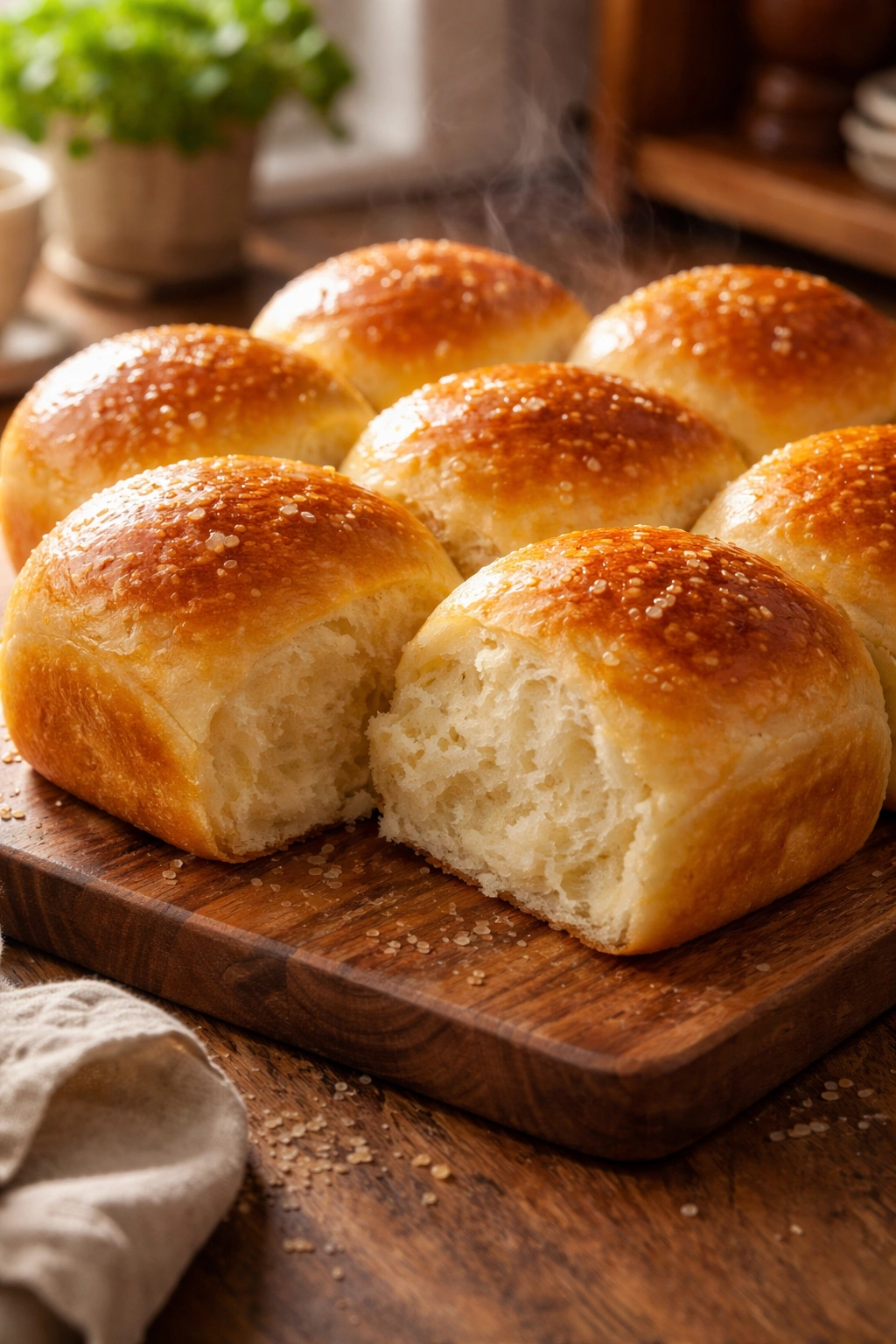
Soft, warm dinner rolls are the unspoken MVP of any family table, and there’s a reason half the guests will show up with a batch. These aren’t the sad, store-bought rolls that sit in plastic bags—we’re talking about actual yeast rolls, the kind that are still warm when they arrive and fill the car with an incredible smell the whole drive over. They’re golden-brown on top, impossibly soft on the inside, and designed specifically to soak up whatever gravy or sauce happens to be on the plate.
Why They’re Worth the Effort
Homemade rolls require a bit of planning (you need rising time), but the payoff is enormous. Nobody ever forgets good bread at a meal, and people will legitimately compliment the person who brought them. The texture difference between homemade and store-bought is the difference between a pillow and a brick. Fresh rolls are also incredibly practical—they’re the edible vehicle for getting food from plate to mouth when the main dish is saucier or messier than usual.
What Makes Them Stand Out at Dinner
- Homemade rolls brown beautifully and stay soft for hours, even after they cool down
- They freeze beautifully and can be made up to two days ahead, then warmed gently before heading to dinner
- The butter brushed on top while they’re still hot gets absorbed into the dough for maximum flavor
- People can eat them plain, use them as bread for leftovers, or pair them with literally any dish on the table
- The aroma alone makes people feel like they’re at a “real” family dinner
Pro tip: Make the dough the night before and let it rise slowly in the refrigerator—this actually improves the flavor and makes them even more tender. You can shape and do the final rise on the morning of the dinner, then just bake them an hour before you leave.
2. Mashed Potatoes (Usually Loaded or Creamy)
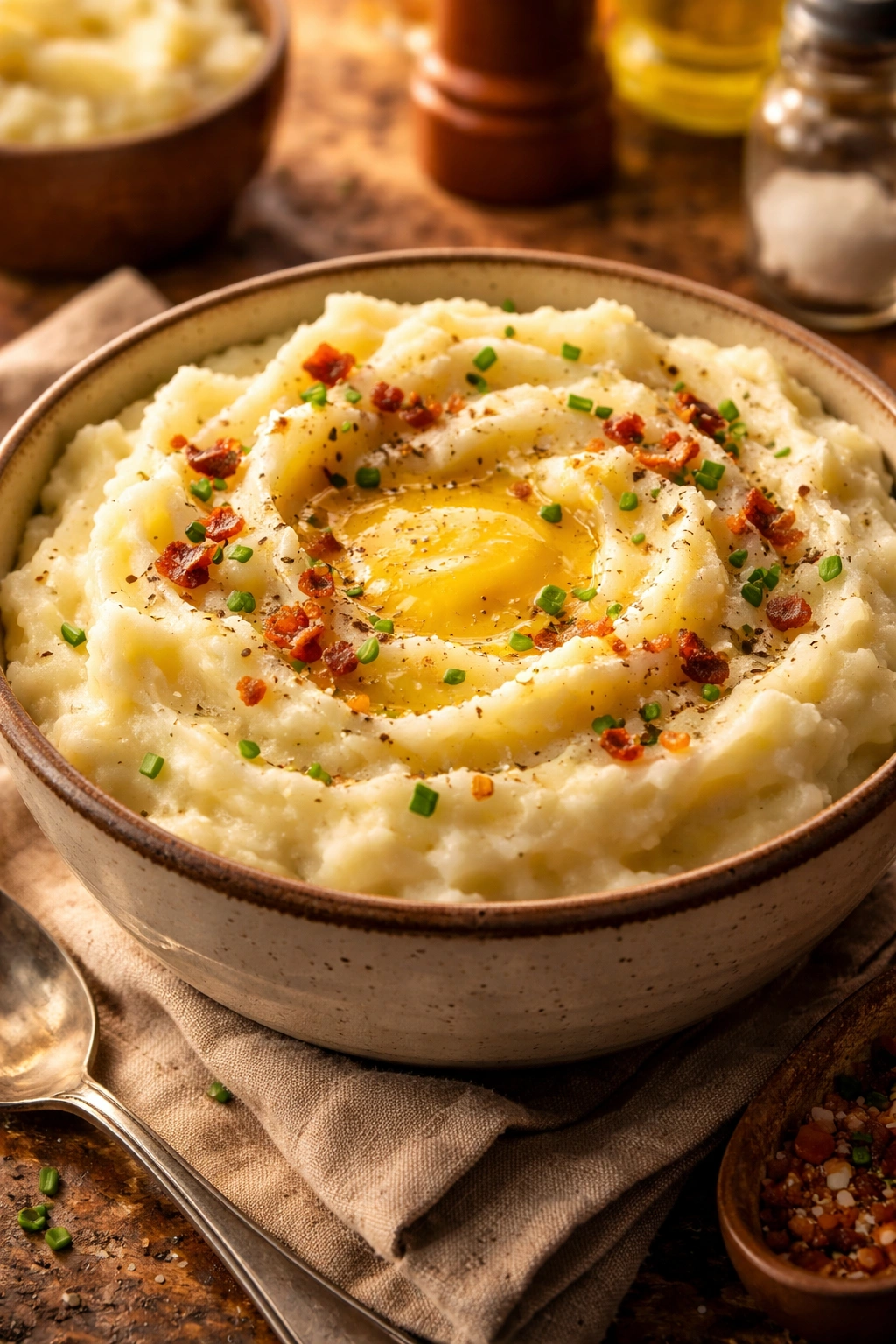
Mashed potatoes are the most reliable side at any family dinner, and at least one person is bringing them. The question isn’t whether someone will bring mashed potatoes—it’s how many versions will show up. Some will be fluffy and buttery, some will have cheese mixed in, some will have crispy bacon and chives, and some will be perfectly simple with just salt, pepper, and cream. There’s genuinely no wrong way to do mashed potatoes, which is why people feel confident bringing them.
Why This Side Never Goes Out of Style
Mashed potatoes are the ultimate comfort food that literally everyone eats. Kids like them, adults love them, and they pair with every main dish imaginable. They’re also incredibly forgiving—if you make them too far ahead, you can always warm them gently with more butter or cream. Unlike some sides that are temperature-sensitive or get watery sitting out, mashed potatoes actually improve if they sit in a warm spot for a while.
The Key Elements That Make Them Excellent
- Using Yukon Gold potatoes instead of russets creates a creamier, more buttery texture naturally
- Heating the cream and butter before mixing prevents the potatoes from getting gluey or cold
- A ricer or food mill creates the fluffiest texture, though a hand mixer works if that’s what you have
- Loaded versions (cheese, bacon, sour cream, chives) actually taste more interesting than plain
- They can be made completely ahead and reheated gently without losing quality
Pro tip: Reserve some of the potato cooking water before draining. A splash or two mixed back into the potatoes before mashing gives you more control over the texture and keeps them lighter and fluffier.
3. Sweet Potato Casserole with Marshmallow Topping
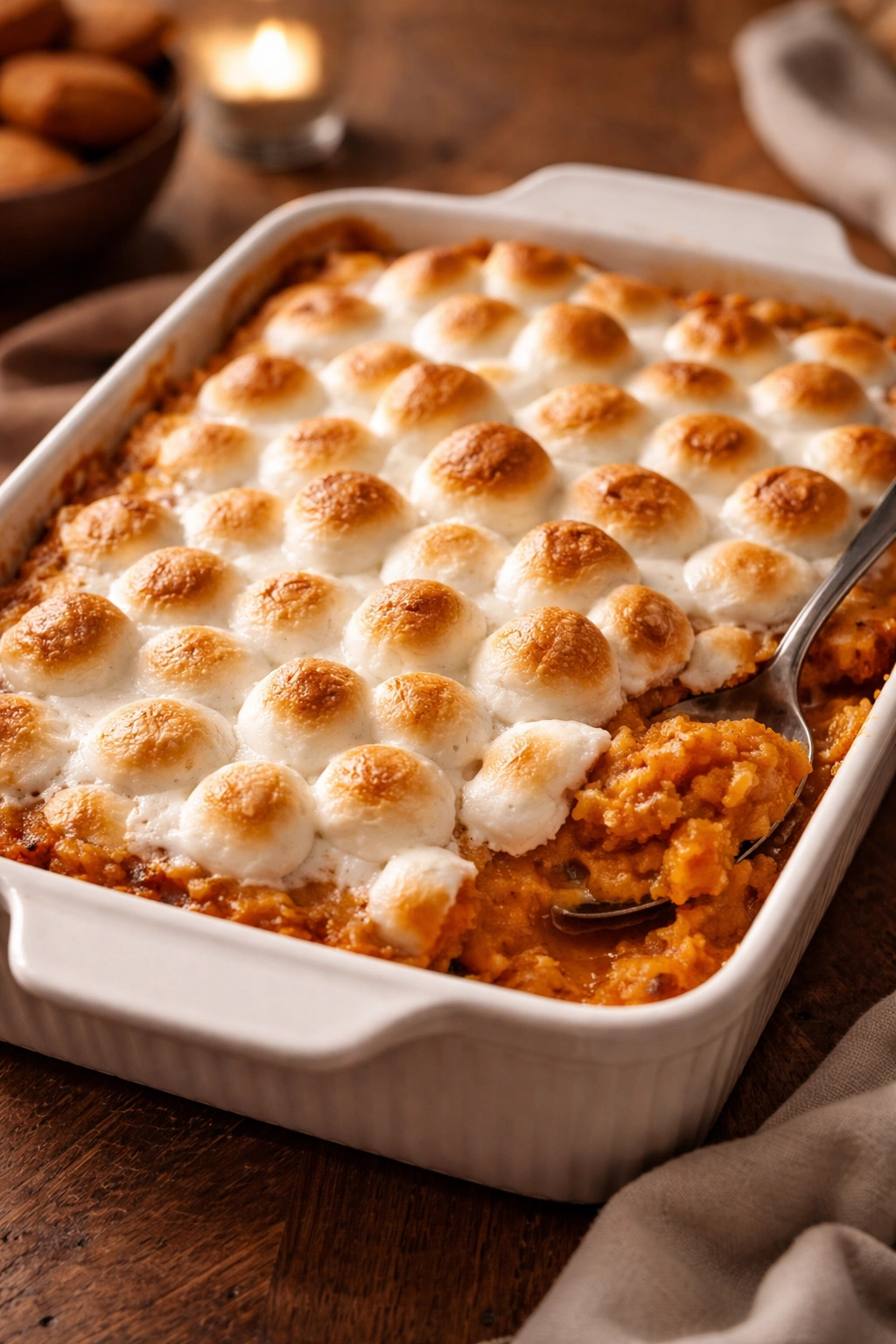
The sweet potato casserole with marshmallow topping is less of a side dish and more of an unspoken tradition. It shows up at virtually every family dinner, especially during the colder months, and everyone has a strong opinion about whether the marshmallows should be toasted until golden or left slightly pale. The sweet-savory combination shouldn’t work as well as it does, but it absolutely does—the creamy orange base, the slight spice, and those gooey marshmallows on top create something that’s both a vegetable and a dessert.
What Makes This Dish So Addictive
Sweet potato casserole walks a fascinating line between side dish and dessert, which is probably why it’s so popular. The sweet potatoes themselves are mild and buttery, and they pair beautifully with warming spices like cinnamon, nutmeg, and ginger. The marshmallow topping adds sweetness and a textural contrast that works even for people who don’t usually love candied vegetables. It’s also incredibly easy to prepare ahead—the casserole can be fully assembled a day in advance and just popped in the oven right before serving.
Elements That Keep People Coming Back
- The subtle spice flavoring makes it taste more sophisticated than just “sweet potatoes with marshmallows”
- A crunchy pecan or streusel layer under the marshmallows adds texture and prevents the bottom from getting soggy
- Canned sweet potatoes work perfectly fine and actually save preparation time without sacrificing quality
- The marshmallows get puffy and golden when broiled for just 2-3 minutes at the end of baking
- Leftovers are almost as good cold the next day as they are hot, making this great for ahead-of-time preparation
Pro tip: If you’re worried about the marshmallows burning before the casserole finishes cooking, add them only during the last 10 minutes of baking time, or skip them entirely and use them for toasting and adding right before serving.
4. Green Bean Casserole
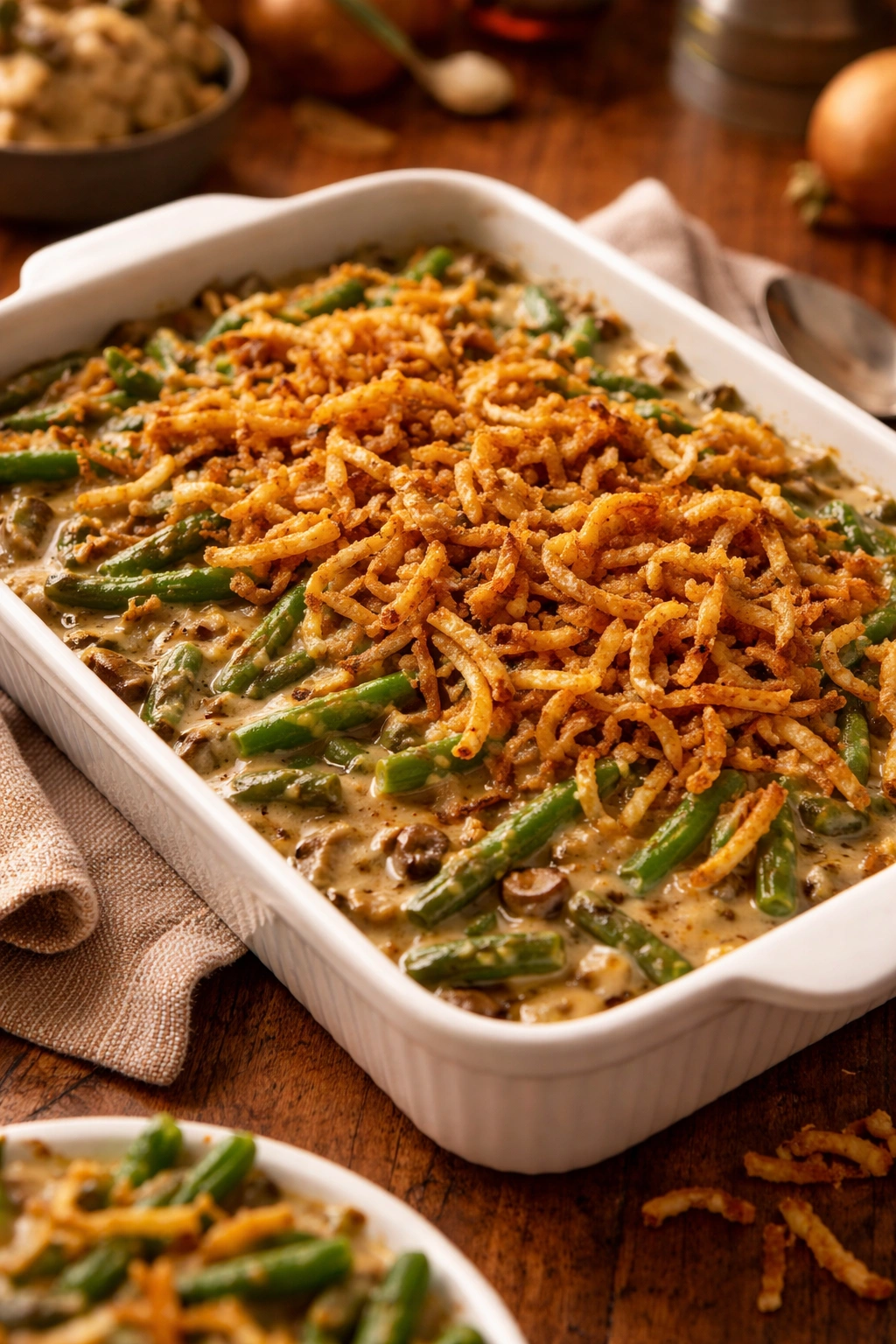
The green bean casserole is possibly the most reliable side dish at any family table because it hits so many important marks: it’s technically a vegetable, it’s warm and comforting, it doesn’t require any special cooking skills, and it tastes genuinely delicious. The combination of tender green beans, creamy mushroom sauce, and crispy fried onion topping creates layers of flavor and texture that work with absolutely any main dish. There’s a reason versions of this casserole have been popular for decades—it actually delivers on its promise of being both easy and delicious.
Why This Side Dish Is Practically Foolproof
Green bean casserole requires almost no real cooking skills because there’s very little that can go wrong. You’re essentially combining cooked green beans with cream of mushroom soup, mixing in a little seasoning, and topping it with crispy onions. Even if you’ve never made a casserole before, this is genuinely difficult to mess up. The biggest variable is whether you use fresh green beans or canned, and honestly, both work beautifully. Canned green beans are actually preferred by many families because they’re already cooked to the perfect tenderness and don’t require any prep work.
What Makes This Casserole Consistently Good
- The creamy mushroom base keeps the green beans moist and prevents them from drying out during baking
- Crispy fried onions on top provide texture contrast and a savory depth that lifts the entire dish
- It can be assembled hours ahead and just baked when needed, making it incredibly convenient
- The casserole reheats beautifully and tastes just as good the next day as it does fresh from the oven
- Adding a tiny bit of garlic powder, fresh thyme, or a splash of soy sauce adds sophistication without making it complicated
Pro tip: Reserve some of the crispy onions before mixing into the casserole, and sprinkle them on top after baking instead of only at the beginning. This keeps them extra crispy instead of getting softened by the steam during baking.
5. Buttered Corn (Fresh, Frozen, or Creamed)
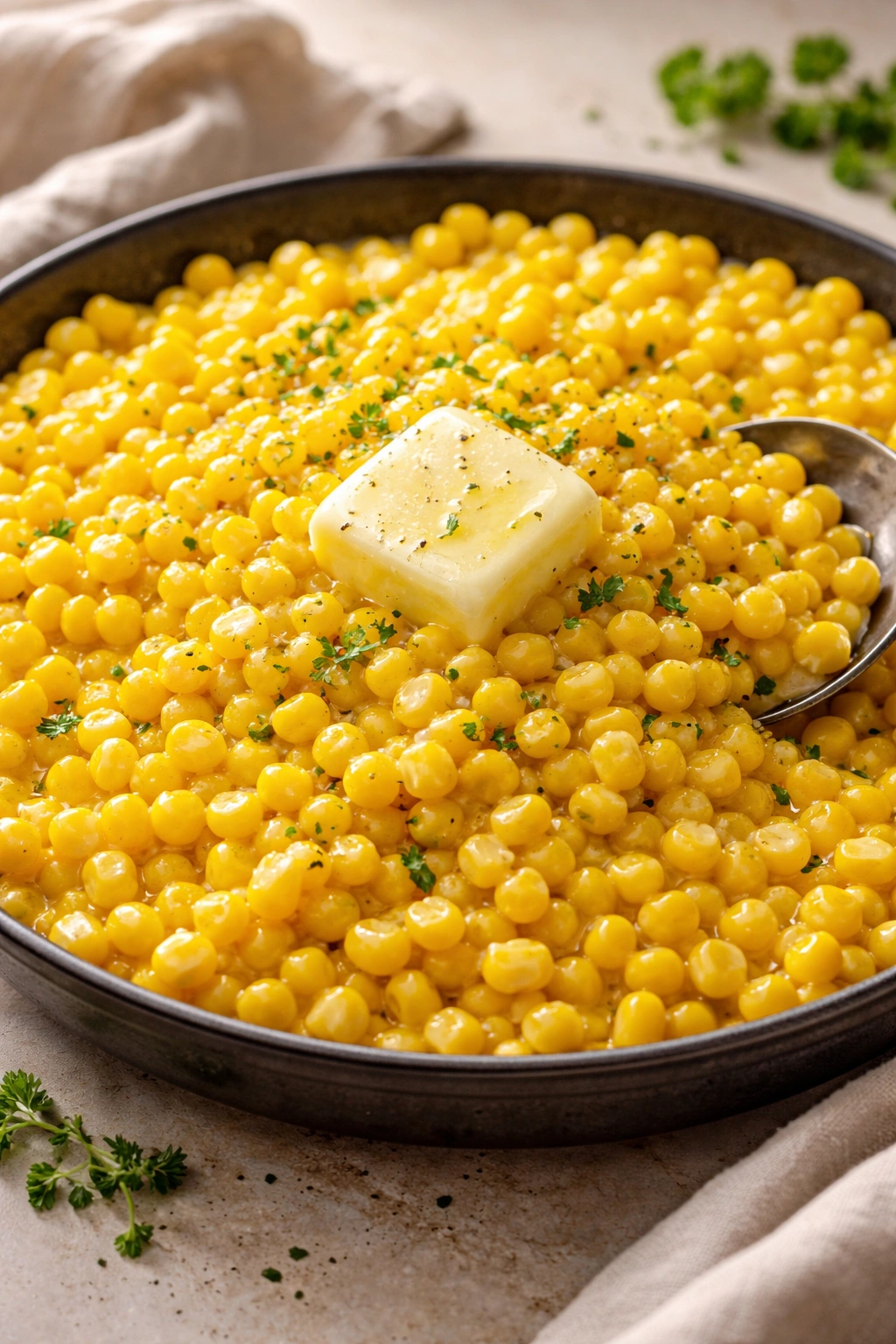
Corn is one of the most popular sides at family dinners, and it shows up in at least three different versions—buttered corn, creamed corn, and sometimes corn casserole. Whether it’s fresh corn off the cob with melting butter, frozen kernels warmed gently with salt and pepper, or a rich creamed version, corn is the side that appeals to literally everyone, including the pickiest eaters at the table. It’s sweet naturally without being dessert-like, it’s filling enough to matter, and it requires almost zero skill to prepare well.
Why Corn Is Always a Welcome Addition
Corn’s popularity comes partly from its universal appeal and partly from how easy it is to prepare without ruining it. You can’t really overcook corn in a way that’s dramatic or unrecoverable. Even if it sits in a warm pot for longer than ideal, it’ll still be perfectly edible and delicious. Fresh corn is wonderful during its season, but frozen corn is actually just as nutritious and flavorful as fresh, making it a year-round reliable option. The sweetness of corn also creates a nice flavor balance against savory proteins and richer sides.
What Makes Different Versions Shine
- Buttered corn with fresh thyme or tarragon feels simple but elevated without requiring extra effort
- Creamed corn with roasted garlic and sharp cheddar becomes almost indulgent while still being technically simple
- Corn with jalapeños, lime juice, and cotija cheese transforms the dish while keeping it straightforward
- Adding crispy bacon or pancetta to corn makes it feel like more of an event
- A touch of honey or brown butter brings out the natural sweetness and adds complexity
Pro tip: If you’re bringing corn and want it to stay warm but not become overcooked, prepare it in a slow cooker on low instead of on the stovetop. It’ll stay perfectly heated and tender for hours.
6. Coleslaw or Creamy Salad
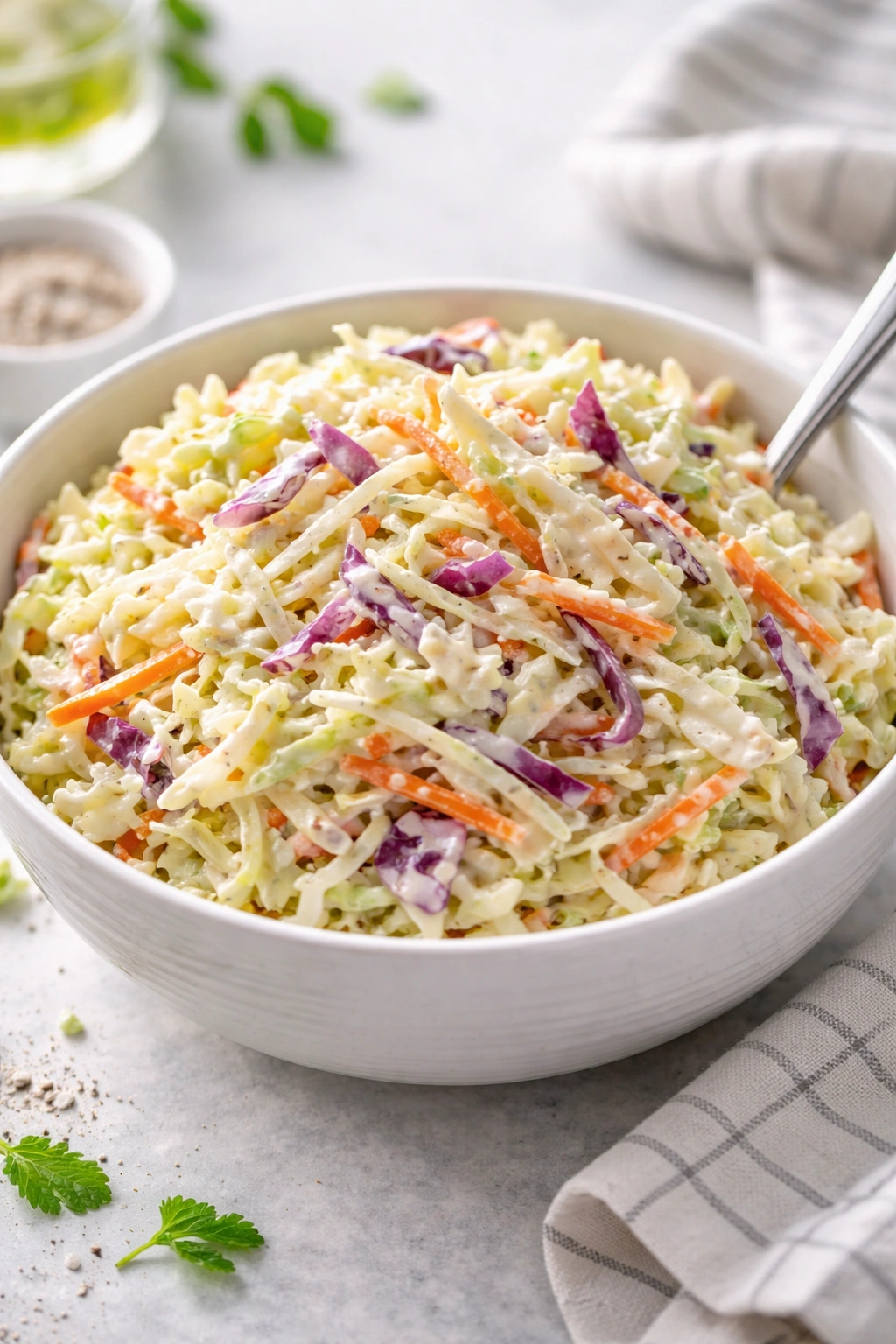
Coleslaw or some type of creamy vegetable salad is the side that brings a textural and temperature contrast to the table. Most family dinners are heavily weighted toward warm, cooked foods, so someone always brings something cold and crunchy. Whether it’s traditional creamy coleslaw with a tangy vinegar bite, a lighter vinegar-based slaw, or a creamy salad with mayonnaise, this category of side serves a crucial purpose—it cleanses the palate and provides a refreshing counterpoint to heavier dishes.
Why Cold, Crunchy Sides Matter at Dinner
A plate of only warm foods can feel heavy and one-dimensional, even when the dishes are delicious. A cold, crisp side provides sensory variety and makes the meal feel more complete. Coleslaw is also remarkably practical—it actually improves if made a few hours ahead because the dressing has time to soften the cabbage slightly while keeping it still crunchy. Unlike many sides, coleslaw doesn’t dry out or become difficult to reheat; you just serve it cold straight from the container.
Different Styles That All Work Well
- Traditional creamy coleslaw with cabbage, carrots, and a tangy mayo dressing is the classic for a reason
- Vinegar-based slaw is lighter and works beautifully with richer mains like pork or beef
- Asian-inspired slaw with sesame oil, rice vinegar, and ginger adds international flair and pairs with almost anything
- Broccoli slaw with a creamy dressing is technically a salad but functions beautifully as a side
- Adding dried cranberries, apples, or toasted nuts turns basic slaw into something more interesting
Pro tip: Make slaw an hour or two ahead rather than days ahead—the cabbage will soften slightly and absorb the dressing flavors, but if you wait too long, it becomes watery and limp instead of crisp.
7. Stuffing or Dressing (Either Savory Bread-Based or Cornbread)
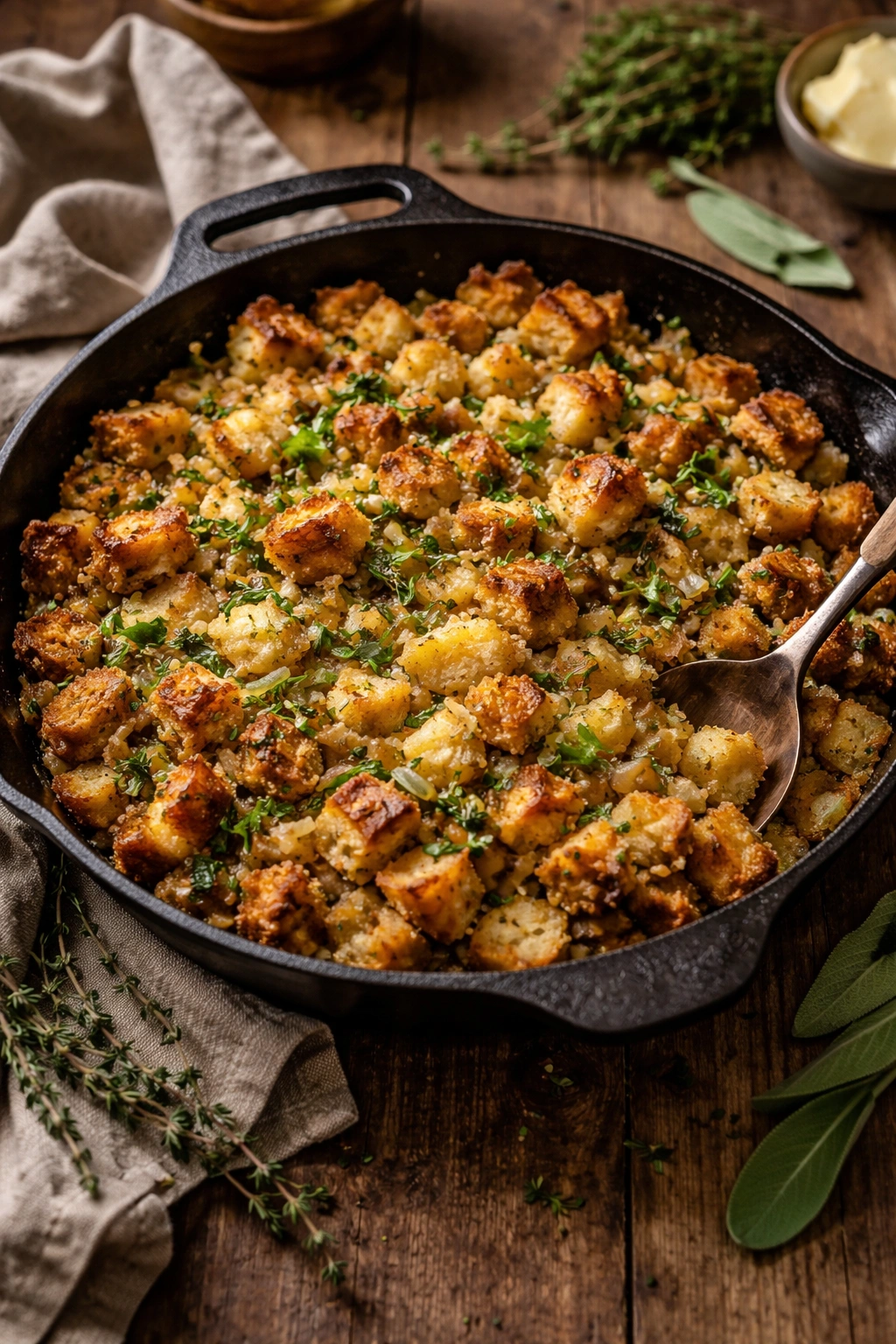
Stuffing or dressing is the side that people genuinely argue about—not in a mean way, but in the passionate way that signals how much they care. Every family has a version they consider the only correct way to make it, whether it’s traditional sage and celery stuffing, a more herbaceous version, or cornbread dressing. The beauty of this side is that it’s technically a bread-based dish, which means it soaks up all the juices and flavors around it and becomes more delicious in the context of a full dinner plate.
Why Stuffing Holds Such Strong Opinions
Stuffing is one of those dishes where the memories are deeply baked in. People remember exactly how their grandmother made it, whether she used oysters or sausage, what kind of broth, which herbs were essential. There’s no objective best way to make stuffing because it’s so personal and tied to family tradition. That said, the best versions start with good-quality bread (homemade or artisanal bakery bread beats packaged croutons), use plenty of herbs, and have a moisture level that’s somewhere between soggy and dry.
Key Elements That Make Great Stuffing
- Using a mixture of bread types (white, wheat, cornbread) creates better texture than one bread type alone
- Cooking the vegetables thoroughly before mixing into the bread allows them to release their flavors into the mixture
- Homemade broth (chicken or vegetable) tastes infinitely better than store-bought in this context
- Adding sausage, oysters, nuts, dried fruit, or mushrooms creates deeper flavor and makes it feel less like just bread
- Baking it uncovered at the end until the top gets crispy creates a textural contrast that elevates the whole dish
Pro tip: If you’re unsure about moisture level, err on the side of slightly wetter stuffing before baking. It dries out as it bakes, and you can always add more broth, but you can’t undo stuffing that’s turned into bread crumbles.
8. Glazed Ham or Roasted Root Vegetables
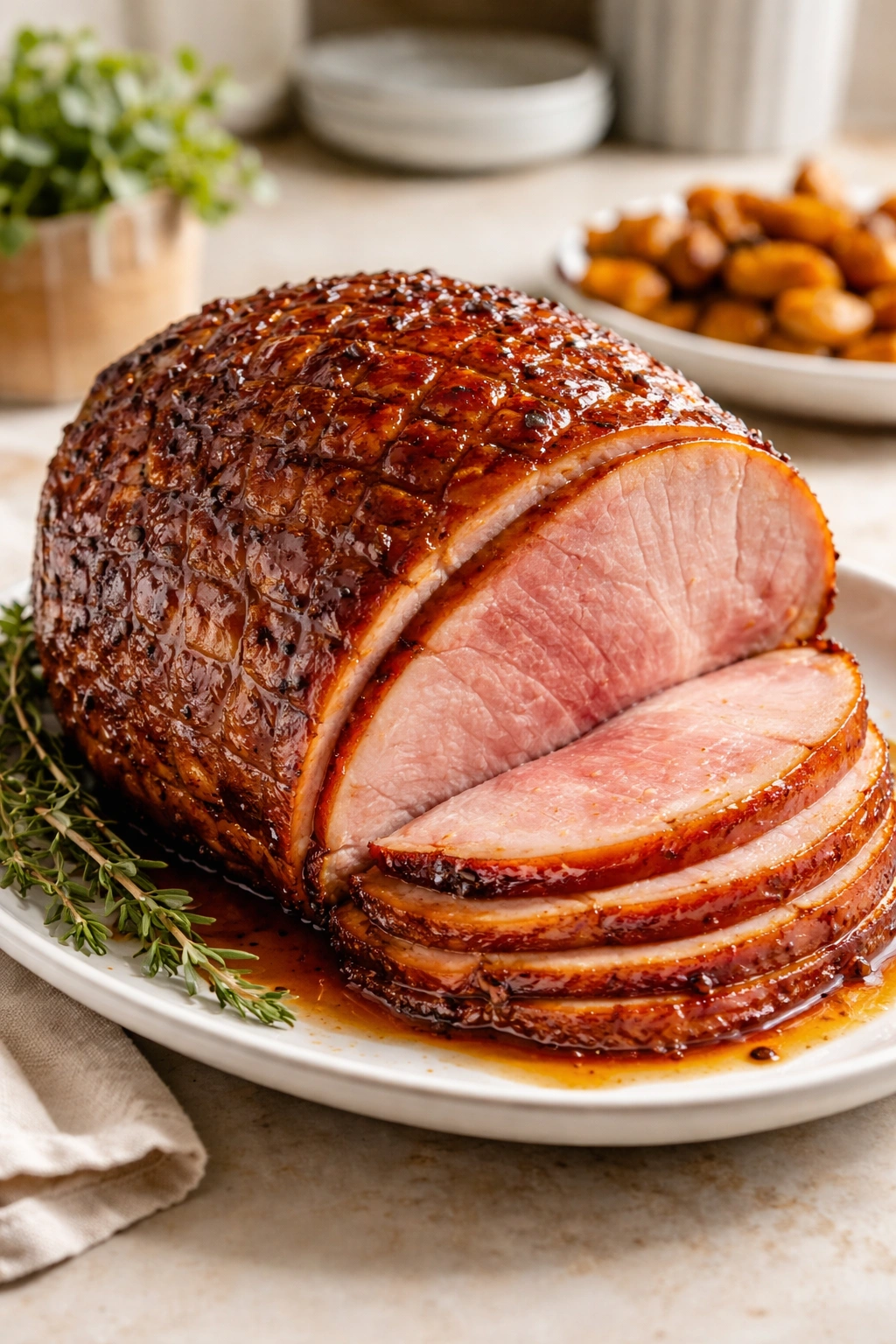
While this is technically a main dish in some contexts, it also functions beautifully as a major side when the primary protein is something lighter, or as a shared protein-forward side option. Glazed ham is relatively hands-off once it’s in the oven, and the sweet, sticky glaze works as both a flavor element and a beautiful presentation. Roasted root vegetables (carrots, parsnips, sweet potatoes, beets, turnips) are equally popular and versatile—they develop caramelized edges, intensified sweetness, and a tender interior that works with virtually any protein.
Why These Dishes Work as Dual-Purpose Elements
Both glazed ham and roasted vegetables are substantial enough to function as either a main or a major supporting side. They’re also beautiful on the table—the glossy mahogany ham or the caramelized edges of roasted vegetables make the spread look abundant and intentional. These dishes also benefit from being partially prepared ahead, which is crucial in a kitchen that’s already crowded with multiple dishes cooking simultaneously.
What Makes These Preparations Stand Out
- A glaze with brown sugar, mustard, and a touch of heat (cayenne or hot sauce) is more interesting than just sweet
- Scoring the ham’s exterior allows the glaze to penetrate and creates crispy, caramelized edges
- Roasted vegetables benefit from being tossed with good olive oil, fresh herbs, and sea salt rather than trying to make them fancy
- Different root vegetables cook at different rates, so cutting them to relatively uniform sizes matters
- Finishing roasted vegetables with a squeeze of fresh lemon or a sprinkle of fresh herbs adds brightness
Pro tip: For roasted vegetables, spread them in a single layer on the pan and give them space—crowding the pan creates steam and prevents browning. If you’re making a large quantity, use two pans rather than piling everything onto one.
9. Cranberry Sauce (Jellied or Whole Berry)
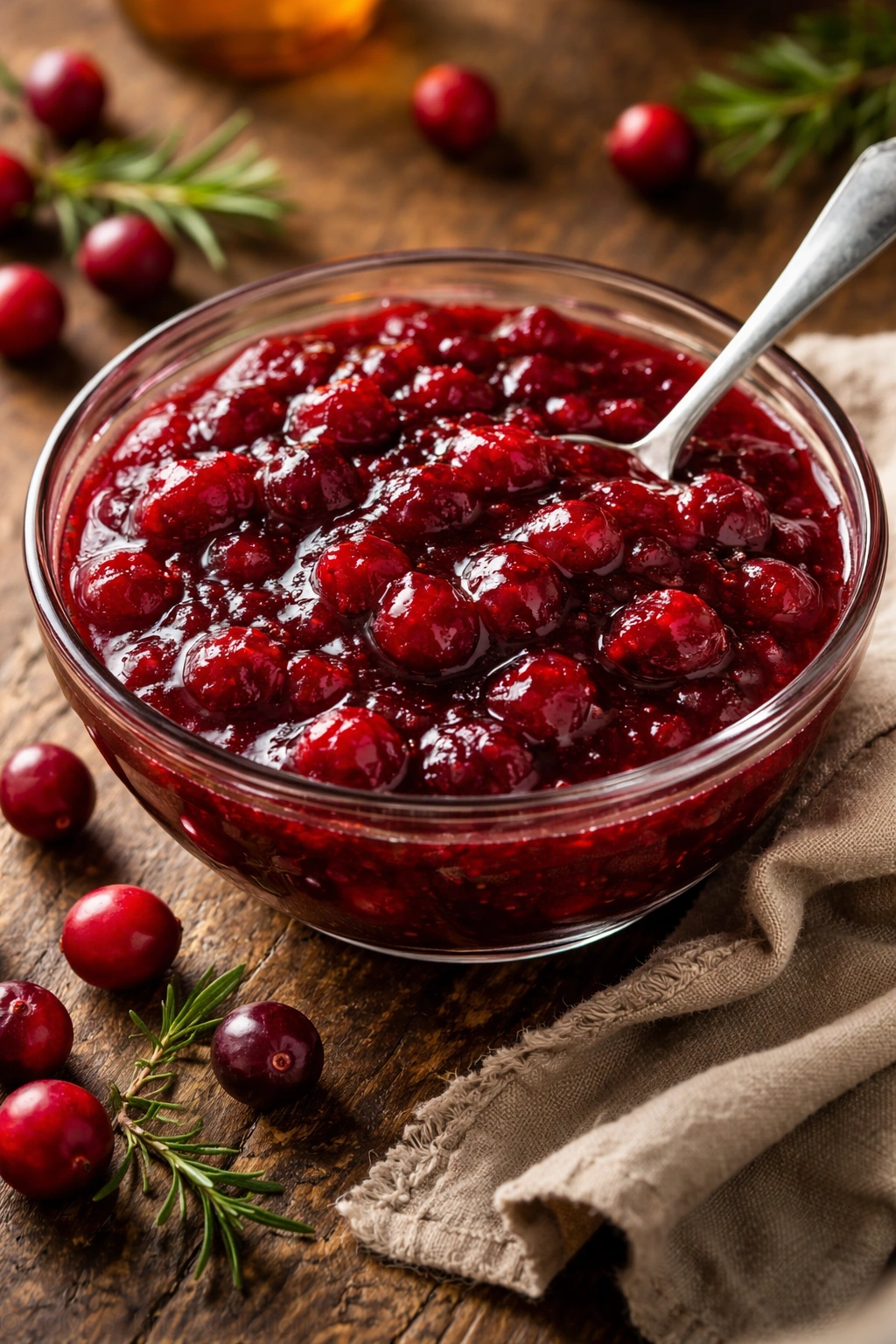
Cranberry sauce is divisive in a way that’s almost entertaining—some families are firmly committed to the canned jellied version that slides out of the can in one perfect cylinder, while others insist on making it fresh with whole berries. The truth is both versions are valid, and both have their place at the table. Homemade cranberry sauce is more textured and interesting flavor-wise, but the canned version is convenient and has a nostalgic appeal that’s hard to dismiss. Either way, someone is bringing cranberry sauce because it’s essential for balance—the tartness and slight bitterness cuts through richness and makes every other flavor on the plate taste better.
Why Cranberry Sauce Is Underrated
Cranberry sauce doesn’t get the respect it deserves because it’s so familiar that people often skip over it. But that tartness is actually crucial—it prevents the entire meal from feeling heavy and one-note. When you eat turkey or ham with cranberry sauce, the sauce makes the protein taste better. It’s not a coincidence that cranberry sauce appears at family dinners; it’s because it actually improves the eating experience, not just fills a spot on the table.
Simple vs. Fancy Approaches
- Basic homemade cranberry sauce is literally just fresh cranberries, sugar, and water simmered until the berries pop
- Adding orange zest, cinnamon, or a touch of ginger elevates homemade sauce without requiring extra effort
- Whole berry sauce has texture and a fresher taste than jellied, though jellied sauce creates neat slices
- Canned cranberry sauce is perfectly acceptable and tastes almost identical to homemade if nobody tells you it’s canned
- Making cranberry sauce days ahead is actually preferable because the flavors develop and meld
Pro tip: If you’re making cranberry sauce and want it slightly less tart, add a little more sugar than the recipe calls for—don’t be shy. The tartness is essential, but it should be balanced, not aggressive.
10. Desserts and Sweet Sides (Pecan Pie, Apple Crisp, or Brownies)
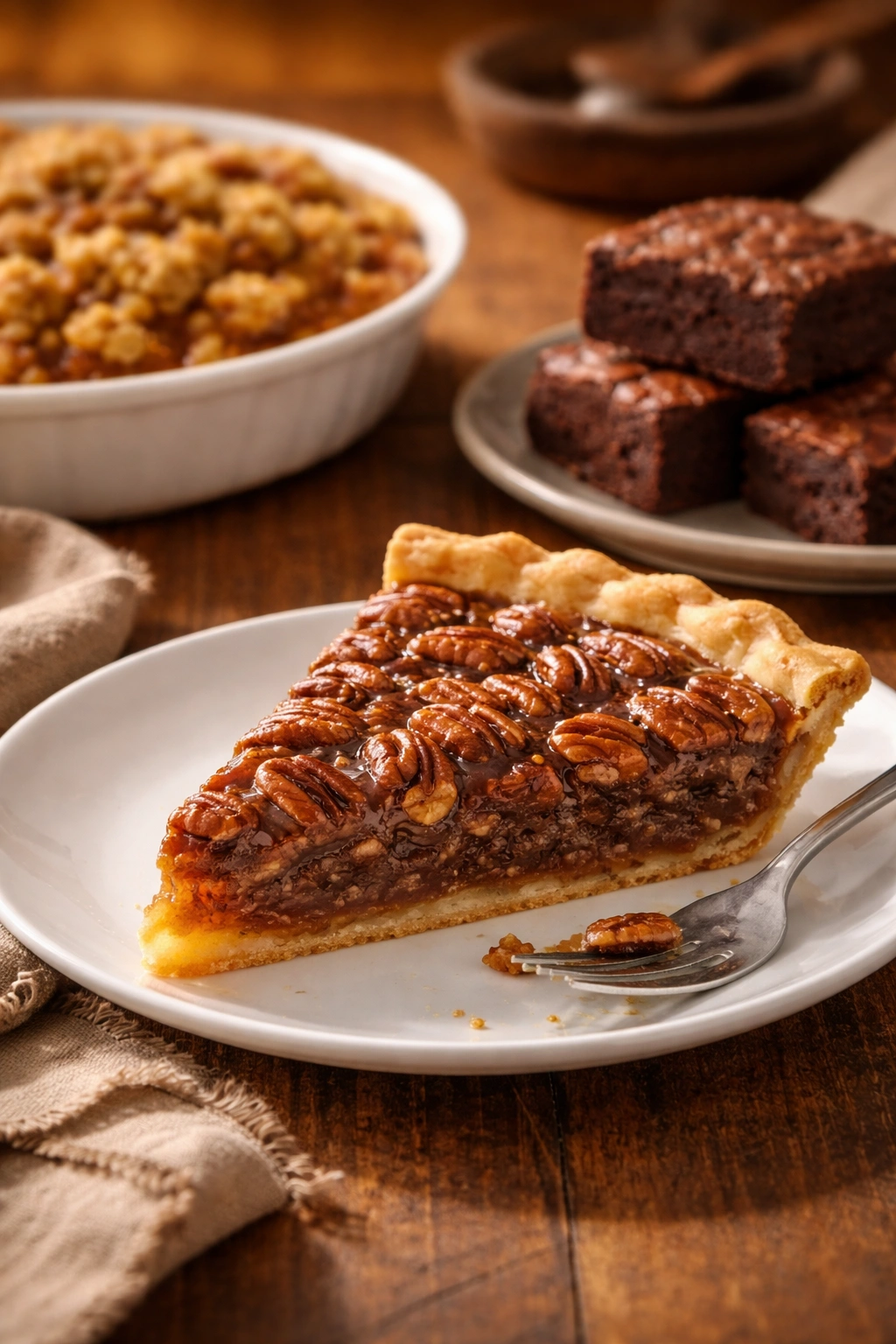
The final category of sides includes dishes that blur the line between side and dessert—pecan pie, apple crisp, brownies, sweet bread pudding, or various casseroles and cakes. These are the dishes people bring when they want to contribute something meaningful but they’re not quite confident enough to tackle a full dessert spread alone. They’re also popular because they address the reality that family dinners need something sweet, and not everyone has room in their schedule to prepare multiple desserts.
Why This Category Deserves a Spot on the Table
Pecan pie is technically a dessert, but at family dinners it often functions as a side because it’s served warm alongside the main meal rather than after. Apple crisp and other warm fruit-based desserts work similarly—they’re sweet enough to count as dessert but light enough to eat while the meal is still happening. These dishes are also practical because they can be made completely ahead and just warmed before serving, which removes stress from the kitchen timeline.
Crowd-Pleasing Options That Always Work
- Pecan pie with a flaky crust and a properly set (not runny, not rock-hard) custard filling is pure elegance
- Apple crisp with a buttery oat topping and warm spiced apples is easier than pie and equally delicious
- Brownies cut into squares are less formal than cake but satisfying and portable
- Sweet potato pie is similar to pecan pie but uses sweet potatoes instead of pecans
- Bread pudding with custard sauce is a way to use leftover bread and feels indulgent
Pro tip: If you’re making a dessert-side and worried about timing, remember that most can be baked earlier in the day and served at room temperature, or warmed gently just before serving. This takes pressure off trying to coordinate oven space with everyone else’s dishes.
Final Thoughts

The sides that show up at family dinners aren’t random—they’re there because they’ve earned their place through decades of repetition and genuine deliciousness. Each one serves a purpose beyond just filling plate space: they create texture contrast, temperature variation, flavor balance, and most importantly, they carry the weight of family tradition and memory. Understanding what makes these sides work, why people love them, and how to prepare them well is half the battle of hosting or contributing to a successful family meal.
The best part about these classic sides is that they’re forgiving. You don’t need fancy equipment, rare ingredients, or advanced cooking skills to execute them beautifully. They’re designed to be made by people who are busy, potentially stressed, and juggling multiple dishes at once. When you show up with a great version of any of these sides, you’re not just contributing a dish—you’re demonstrating that you understand what makes family dinner work, and you’re participating in a tradition that matters to the people at the table. That’s worth way more than showing up with something trendy or complicated that required a degree in molecular gastronomy.
