



Red wine brings out the best in certain flavors, and pairing it with the right appetizers can transform a simple gathering into something genuinely memorable. The key lies in understanding how tannins, acidity, and the wine’s inherent flavors interact with what’s on the plate. A bold, structured red wine needs robust flavors that can stand up to it—not delicate bites that get overwhelmed. Lighter reds work with more elegant appetizers that won’t clash with the wine’s subtler characteristics.
Most people default to cheese and crackers, which is fine but misses the real opportunity. When you think strategically about pairing, you unlock combinations that taste better together than either component tastes alone. The wine opens up flavors in the food, and the food balances the tannins or acidity in the wine. It’s a conversation between two things, not just two things happening at the same time.
What makes an appetizer work with red wine often comes down to fat content, umami depth, and whether there’s enough flavor intensity to hold its own. A rich, savory bite cuts through a wine’s tannins. Herbs like rosemary, thyme, and oregano naturally echo flavor notes in wine. Preparations involving caramelization, roasting, or slow cooking add complexity that red wine complements beautifully. Whether you’re hosting a formal tasting or an informal gathering, these twelve appetizers consistently deliver that sweet spot where wine and food elevate each other.
1. Bruschetta with Tomatoes and Garlic
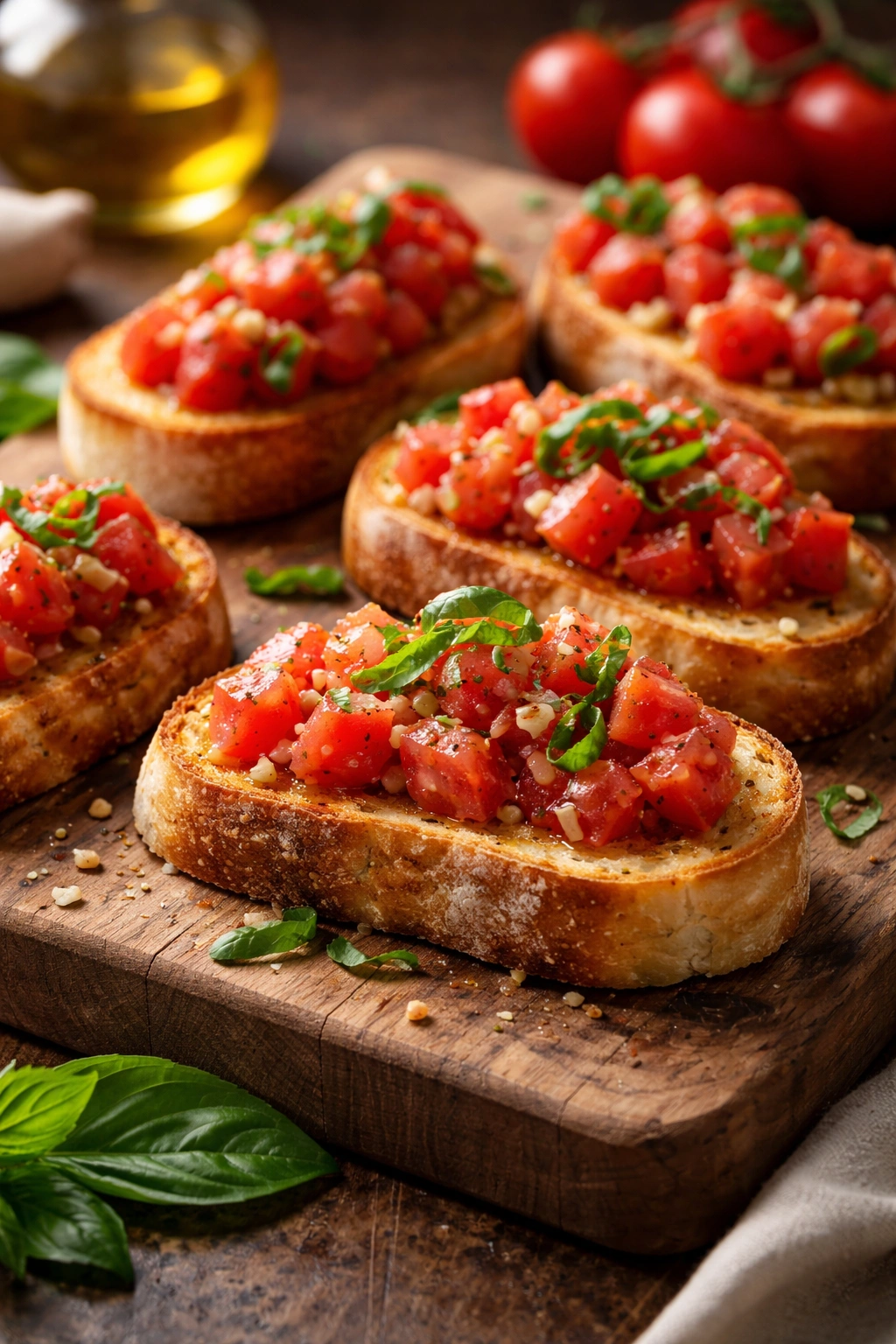
Bruschetta sits at the intersection of simplicity and elegance, and it’s one of the most reliable red wine partners. The key to success is understanding that you’re not just slapping tomato on bread—you’re building layers of flavor that echo what’s in the glass. A grilled or toasted baguette slice gets brushed with olive oil and garlic, then topped with fresh tomatoes that have been tossed with good vinegar, more garlic, fresh basil, and salt.
Why It Pairs So Well
Red wine’s acidity matches the vinegar and tomato acid, creating a unified flavor profile rather than competing elements. The garlic adds savory depth that complements mid-weight reds without overwhelming lighter varieties. The toasted bread provides enough body to balance the wine without heaviness. This is why bruschetta al pomodoro is a classic pairing—it’s not accidental.
What to Know Before Making It
- Use tomatoes at peak ripeness, not pale supermarket specimens that taste like water
- Cut tomatoes into small dice and salt them 15 minutes before serving so they release liquid and concentrate flavor
- Toast the bread just before serving—bruschetta with soggy bread is bruschetta ruined
- Whisk your base of olive oil and red wine vinegar (about 2:1 ratio) before adding the tomatoes
- Fresh basil goes on at the very last moment or it’ll turn dark and taste metallic
Pro tip: Make the tomato mixture 30 minutes to 2 hours ahead—it actually tastes better as flavors meld—but assemble on bread just before guests arrive.
2. Prosciutto-Wrapped Figs
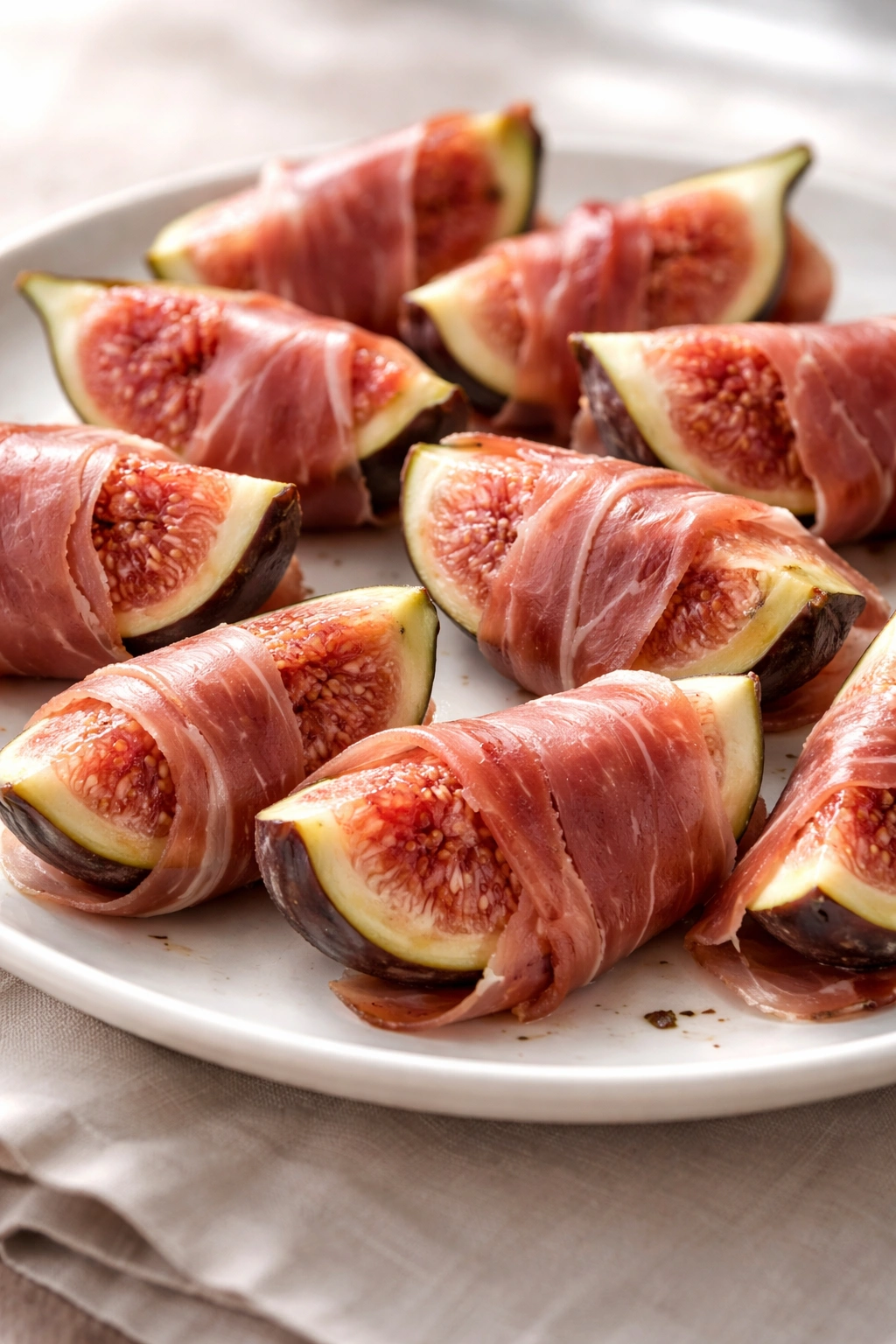
The combination of salty, thin-sliced prosciutto with the natural sweetness of figs is almost too easy, but it works with red wine because of the way these flavors interact with tannins. The fig’s sugar softens harsh tannins in bold reds, while the salt in the prosciutto brings out mineral notes in the wine. Each element does something the others can’t do alone.
Why This Combination Is Smart
Figs are high in natural sugars, which directly counter the astringent sensation some red wines leave in your mouth. Prosciutto adds umami and salt, engaging the palate between sips. The ratio of salty to sweet matters—you want genuine balance, not one flavor bullying the other. This pairing works across red wine styles because the mechanism is about balance, not complexity matching.
How to Execute It Properly
- Use fresh, ripe figs that yield slightly to pressure—mealy figs taste starchy and ruin the effect
- Slice figs in half lengthwise to create two flat surfaces for the meat to cling to
- Drape a thin slice of prosciutto di Parma (not the thick deli stuff) across each fig half
- Optional but excellent: add a tiny dollop of fresh goat cheese under the prosciutto
- Arrange on a plate just before serving so the prosciutto doesn’t have time to absorb moisture from the fig
Worth knowing: If you can source fresh figs, great. If not, dried figs plumped briefly in warm water work surprisingly well—the rehydration intensifies their sweetness.
3. Marinated Olives with Herbs and Citrus
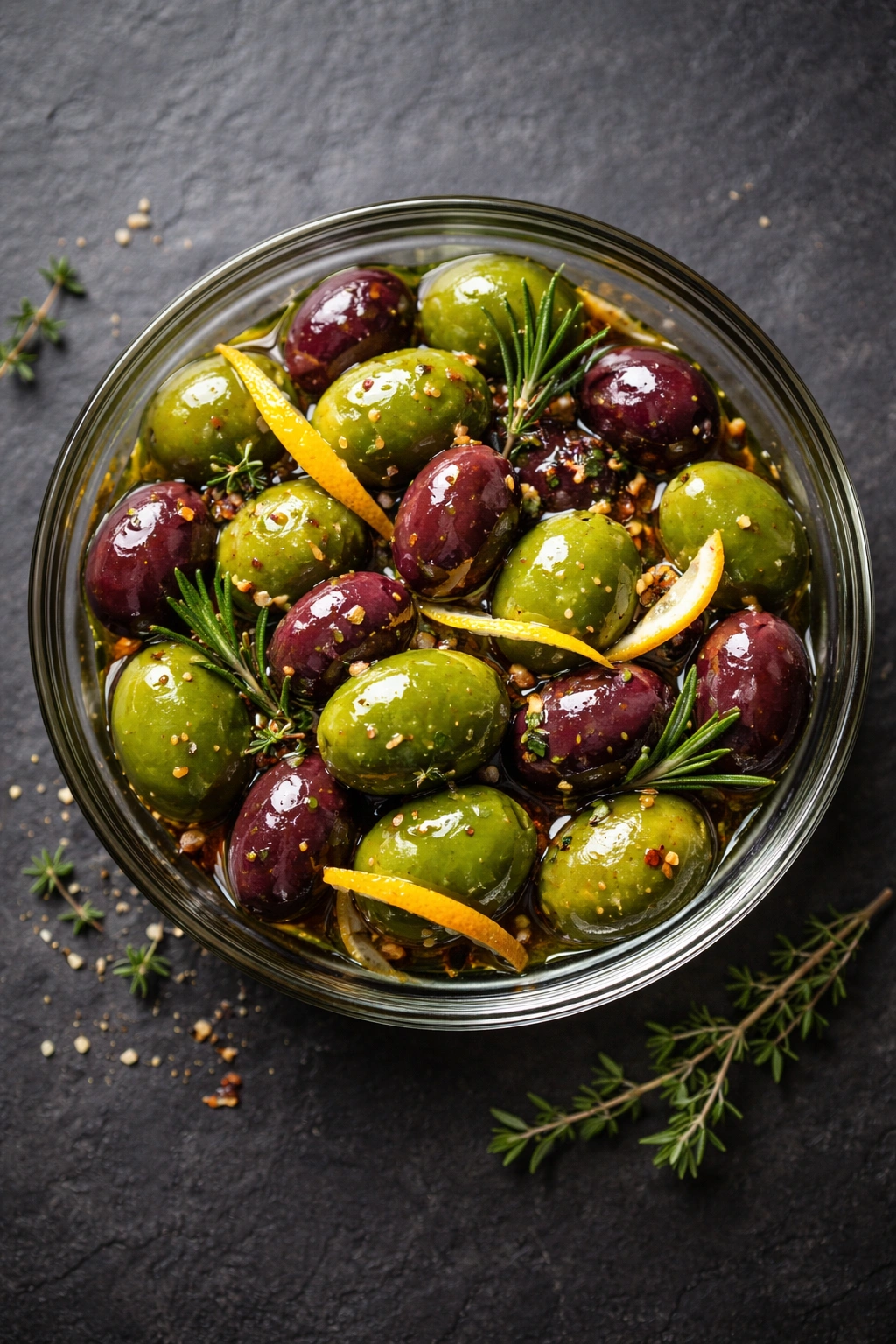
Olives are polarizing, but when you’re thinking about red wine pairing, they’re actually genius. The saltiness and slight bitterness in olives create a savory anchor that makes red wine taste more lively and fresh. They’re also one of the few appetizers that genuinely improve the more time you let them sit with their marinade.
The Mechanics of Why This Works
Olives contain polyphenols—the same compounds that give red wine its complexity and astringency. Rather than clashing, these compounds interact in ways that feel harmonious on the palate. The salt in olives also triggers saliva production, which resets your mouth between sips and lets you taste the wine fresh each time. This is why olives show up in wine bars everywhere.
Creating a Winning Marinade
- Start with good quality olives (Castelvetrano, Kalamata, or Cerignola—not canned pitted ones)
- Combine olive oil, red wine vinegar, citrus zest (lemon or orange), crushed garlic, and fresh herbs like thyme, rosemary, and oregano
- Add a few red pepper flakes for gentle heat, which actually complements tannins
- Let them marinate for at least 12 hours before serving—they taste exponentially better on day two or three
- Keep them in a cool place but not necessarily refrigerated, unless your kitchen is very warm
Insider note: Smash a few olives with the flat of a knife before marinating them slightly longer—the broken flesh absorbs marinade faster and tastes more intense.
4. Caramelized Onion and Goat Cheese Tartlets
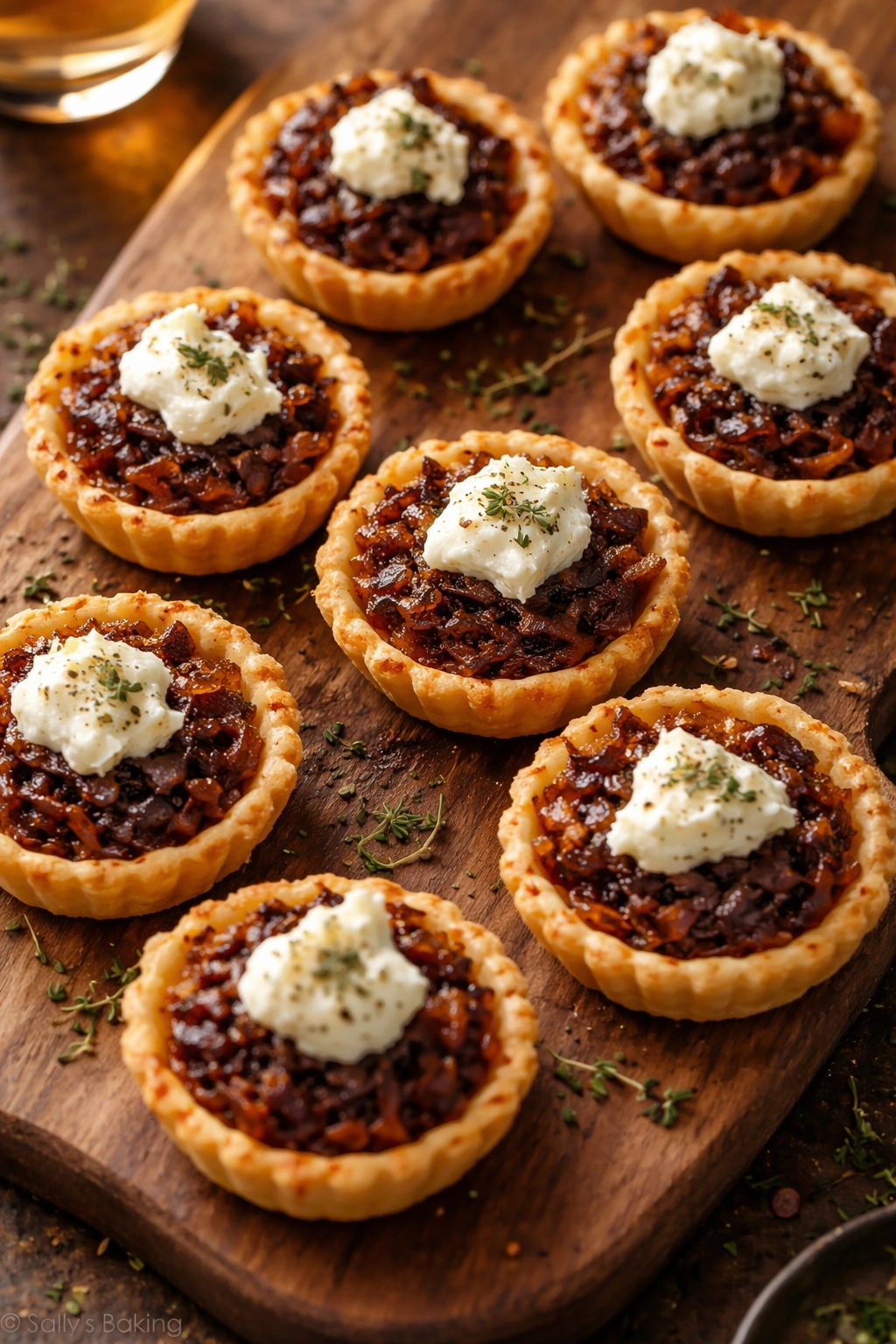
Caramelized onions develop deep, complex sweetness that few ingredients can match. Pair that with tangy goat cheese and you have an appetizer with serious flavor depth. The slow-cooked onions create a sauce that’s rich and concentrated, totally different from raw onions. This is the kind of appetizer that makes people pause and ask what they’re eating.
Why Caramelized Onions Excel With Red Wine
Caramelization creates hundreds of new flavor compounds through the Maillard reaction. These compounds add umami, which pairs beautifully with red wine’s body and structure. The sweetness of caramelized onions is genuine depth, not sugar—it comes from slow cooking, not added sweetness. Goat cheese’s tanginess cuts through tannins in ways that softer cheeses can’t. Together, they create complexity that a simple appetizer shouldn’t theoretically have.
Making Them Properly
- Slice onions thin and cook them low and slow—at least 45 minutes, ideally an hour
- Don’t rush the process by turning up heat. Medium-low heat lets moisture evaporate gradually and allows real caramelization
- Stir occasionally, every 10 minutes or so, scraping the bottom of the pan to prevent burning
- When they’re done, they should be dark golden, jammy, and almost paste-like in consistency
- Spread caramelized onion on small puff pastry squares or toasted bread, top with a small dollop of goat cheese, then add a few chopped fresh herbs
5. Beef Carpaccio on Toasted Crostini
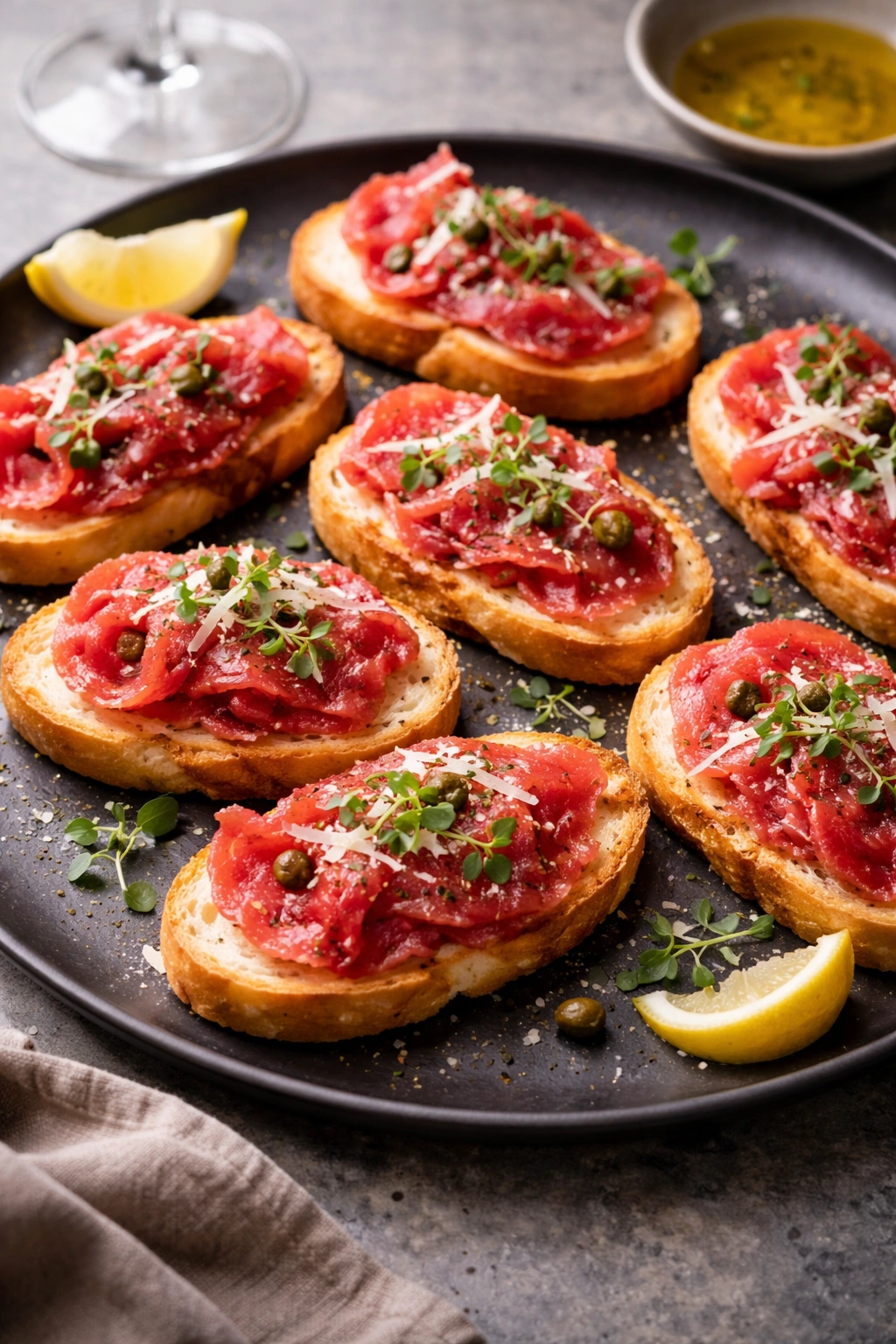
Carpaccio—paper-thin slices of raw beef—represents one of the most elegant appetizers in the red wine pairing world. The raw beef’s iron-forward mineral notes actually echo the tannins in red wine. When you add good olive oil, lemon, fleur de sel, and cracked pepper, you create an appetizer that feels sophisticated and tastes bold.
The Science Behind the Pairing
Raw meat contains amino acids and nucleotides that create intense umami. Red wine’s tannins are tamed by the fat in beef and the brightness of lemon. The crostini provides structure without being filling. This combination works across wine styles because the mechanism is about balancing intensity with brightness, which works whether you’re pairing with a light Pinot Noir or a heavy Cabernet.
What You Need to Know
- Source beef from a butcher you trust—carpaccio requires scrupulously fresh meat that’s been handled with care
- Ask the butcher to slice it paper-thin; your home knife won’t achieve the right thickness
- Arrange slices on a chilled plate just before serving—you want them as cold as possible
- Dress sparingly: best olive oil, fresh lemon juice, fleur de sel, and cracked black pepper
- Toast crostini from good bread (not white sandwich bread) until crispy, brush lightly with olive oil
- Serve immediately—carpaccio oxidizes quickly and loses its raw freshness
Pro tip: Ask your butcher if they’ll slice the meat to order rather than having it pre-sliced, which loses freshness.
6. Roasted Mushrooms with Garlic and Thyme
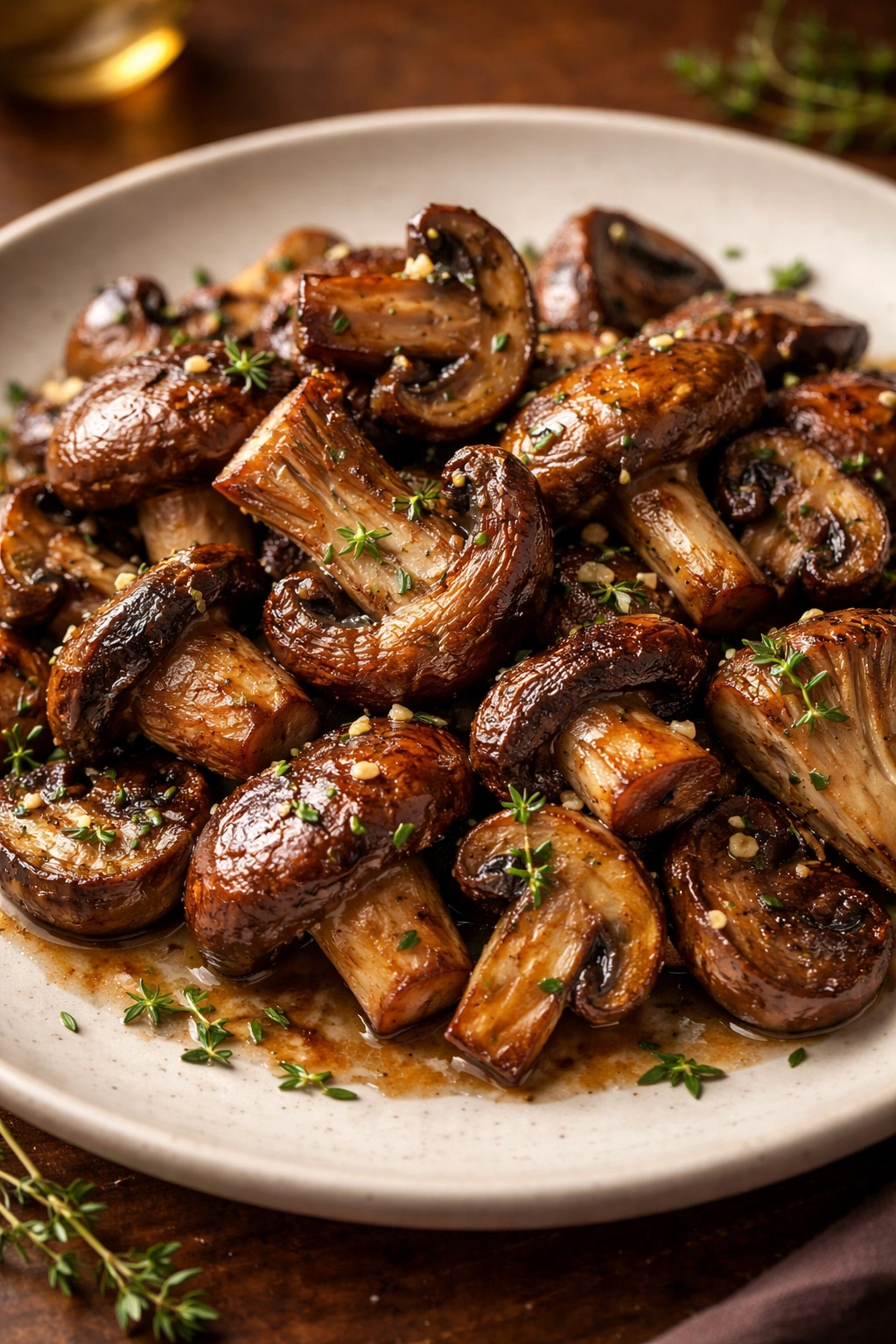
Roasted mushrooms might sound simple, but roasting concentrates their umami compounds dramatically. Mushrooms already contain glutamates—the same umami driver found in aged Parmesan and ripe tomatoes. Heat that, add fat, garlic, and herbs, and you have one of the most wine-friendly appetizers available. The earthiness in mushrooms harmonizes with the earthiness some red wines express.
Why Mushrooms and Red Wine Were Meant for Each Other
Umami is the flavor that makes wine taste better. Mushrooms are packed with it naturally. When you roast mushrooms, you’re intensifying glutamates and also creating new savory compounds through browning. These compounds interact with tannins in ways that make both taste better. A mushroom appetizer doesn’t compete with wine—it collaborates with it.
The Roasting Method That Works
- Use mushrooms with enough size and structure to hold up—cremini, portobello, or oyster mushrooms work well
- Clean them with a damp paper towel rather than washing, which makes them soggy
- Toss with olive oil, salt, pepper, minced garlic, and fresh thyme
- Roast at 425°F (220°C) for 15-20 minutes, stirring halfway through, until golden and tender
- Finish with a squeeze of fresh lemon juice and a sprinkle of fleur de sel
- Serve warm or at room temperature on small toasts, or simply as is in a bowl
Worth knowing: Don’t crowd the baking sheet—mushrooms need space to brown, not steam.
7. Baked Brie with Nuts and Fig Jam
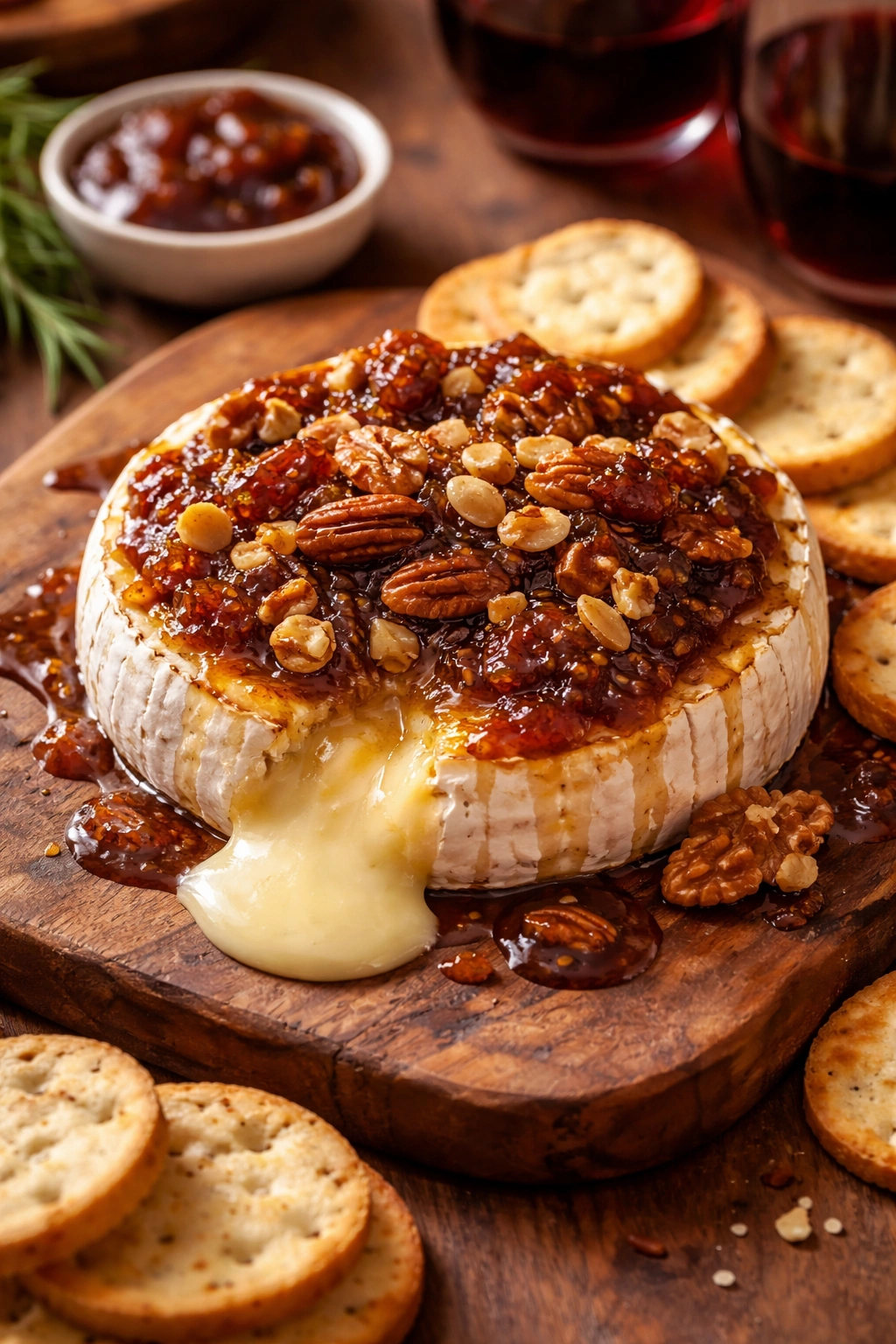
Warm, melted Brie with sweet and crunchy accompaniments represents comfort and elegance at the same time. When Brie is baked just until it starts to ooze, topped with candied nuts and fig or grape jam, you get texture, temperature contrast, and flavor complexity. The richness of Brie needs the brightness in red wine to feel balanced.
How Temperature and Texture Create Pairing Magic
Cold, firm Brie is pleasant but doesn’t pair as well as warm, unctuous Brie. Heat changes the cheese’s texture and makes its fat mobile, which creates a more luxurious mouthfeel. The nuts add crunch and tannins of their own (nuts contain polyphenols). The jam provides acidity and sweetness that complement tannins. Serve it warm and the flavors open up in ways that cool cheese can’t match.
Executing Baked Brie Correctly
- Use a wheel of Brie about the size of your palm—something that can bake through in 12-15 minutes
- Wrap it in puff pastry or leave it naked; both work
- Top with chopped toasted nuts (walnuts, pecans, or almonds all work)
- Add a layer of good-quality fig jam or grape jam
- Bake at 375°F (190°C) for 12-15 minutes until the cheese just starts to ooze at the edges
- Serve with water crackers, sliced baguette, or simply a small spoon for scooping
- Timing matters—it needs to still be warm when people eat it
8. Salami and Pecorino with Roasted Walnuts
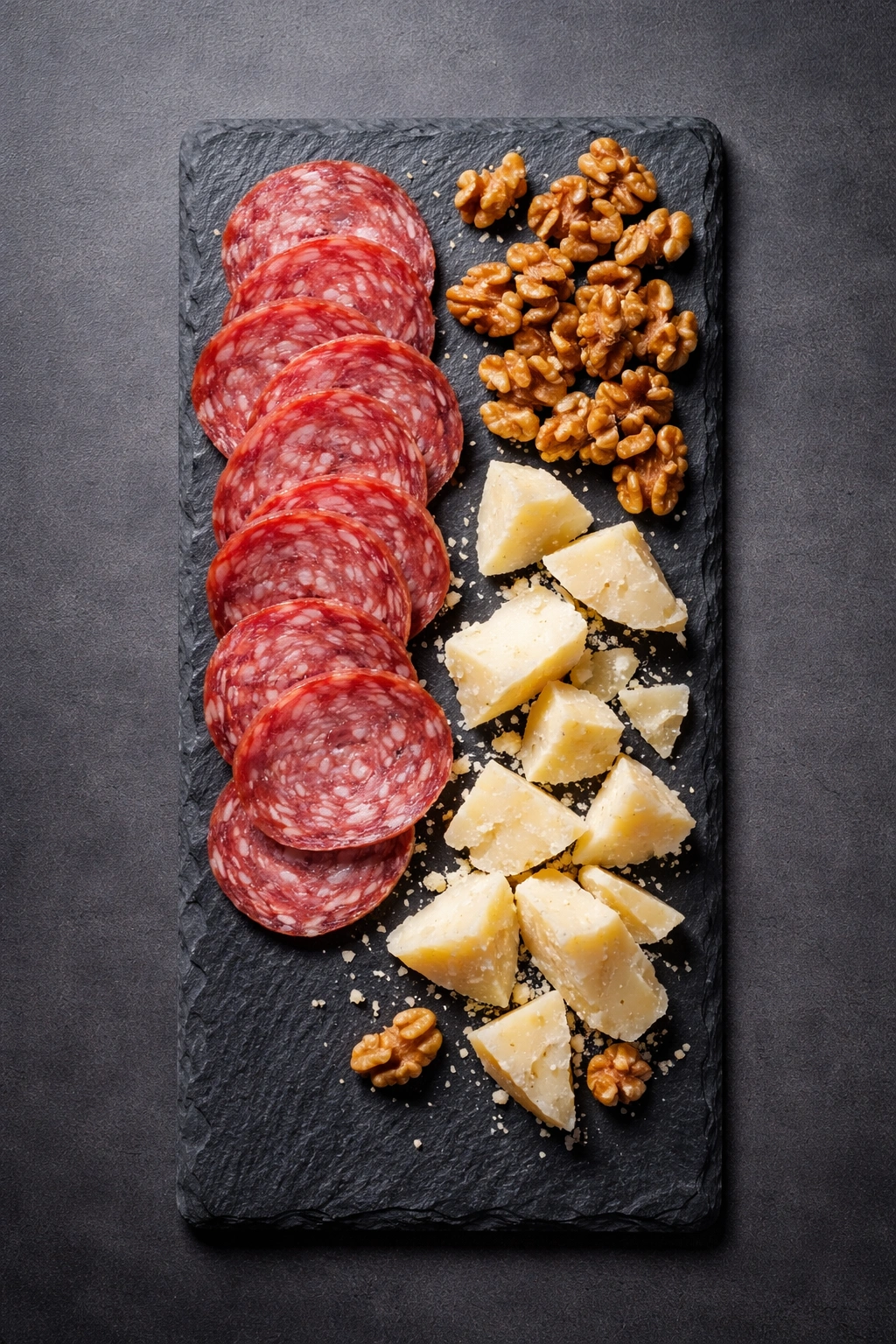
The combination of cured meat, aged sheep’s cheese, and roasted nuts is almost a cliché, but it’s a cliché because it works perfectly. Each element brings something different: the salami adds salt and fat, the Pecorino adds sharpness and umami, and the walnuts add textural contrast and their own earthy depth. It’s a study in why simple combinations often beat complex ones.
Understanding Why This Trinity Works
Salami contains salt, fat, and cured meat’s natural umami from amino acid breakdown. Pecorino Romano is sharp and mineral—it provides brightness that balances the richness of cured meat. Walnuts contain tannins that actually mirror compounds in red wine, creating a sense of unity on the palate. This isn’t accidental—it’s the result of how each ingredient interacts with red wine.
Building the Appetizer
- Select salami that’s been sliced thin enough to be pliable—thick chunks are heavy
- Break pecorino into irregular shards rather than cutting uniform pieces—texture variation is visual and tastes better
- Toast walnuts at 350°F (175°C) for 8-10 minutes until fragrant, then break into pieces
- Arrange on a board or plate with empty space between elements so flavors don’t mush together
- Add a small dish of good honey on the side—the sweetness works beautifully with all three components
- Optional: add some crispy breadsticks or grissini for textural contrast
Pro tip: Toast the walnuts no longer than a few hours ahead; they start to turn rancid as they cool if left too long before serving.
9. Grilled Shrimp with Garlic and Red Pepper Flakes
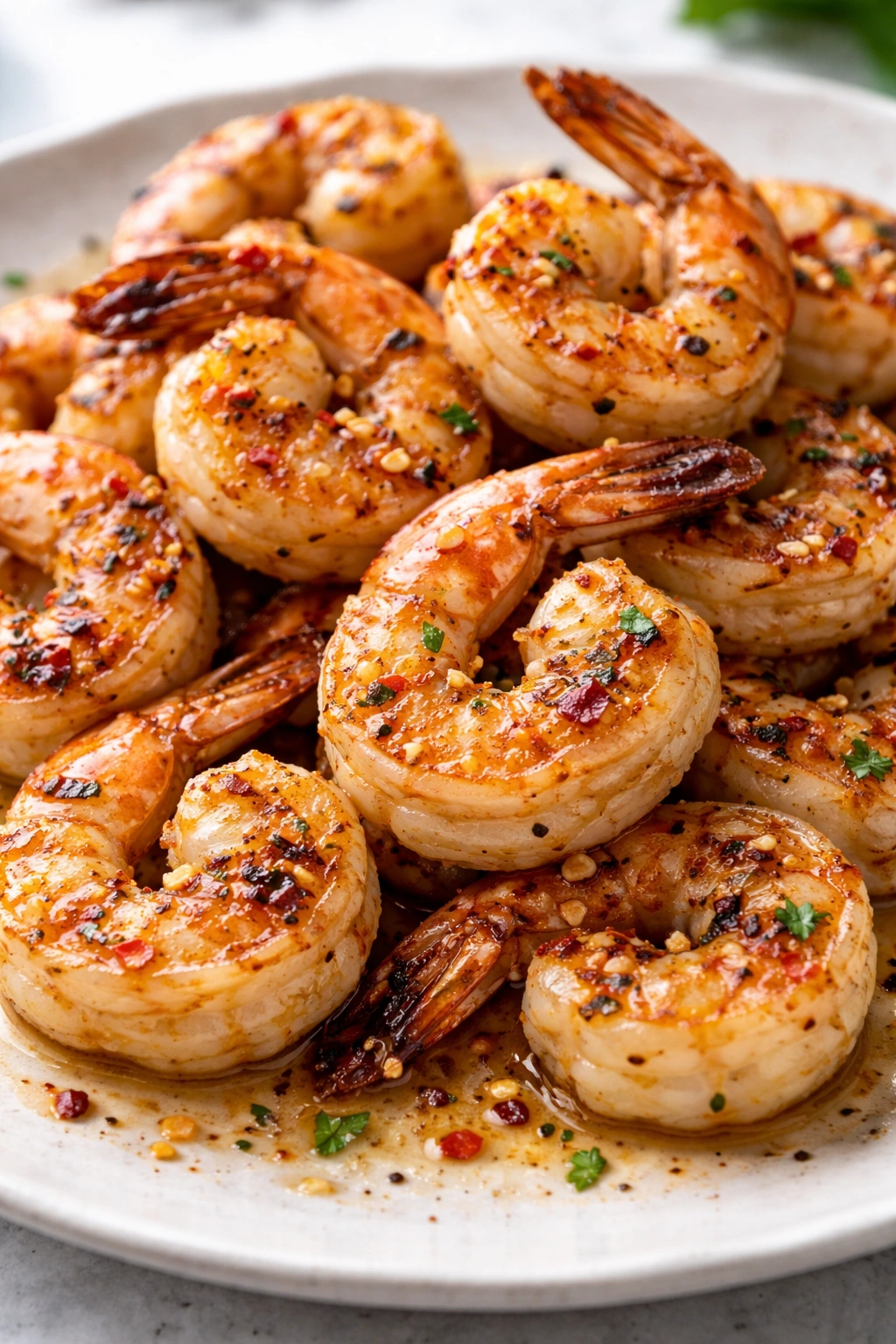
Grilled shrimp might seem obvious, but when executed properly—with nothing but high heat, good olive oil, garlic, and red pepper flakes—it becomes an exceptional red wine partner. The slight char from grilling adds complexity. The garlic and red pepper create savory heat that engages the palate in a way that makes wine taste fresher.
Why Shrimp and Red Wine Are an Underrated Pair
Shrimp has meaty umami depth when it’s grilled properly. The char creates new flavor compounds that have mineral, almost smoky qualities. Garlic adds savory intensity that doesn’t compete with wine but rather amplifies its structure. Red pepper flakes bring gentle heat, which actually softens the perception of tannins and makes wine taste rounder and smoother. Most people pair shrimp with white wine, but a properly cooked grilled shrimp appetizer works beautifully with reds.
Grilling Shrimp the Right Way
- Use large shrimp (16-20 count per pound) that you can handle easily and will develop char
- Pat them completely dry with paper towels before seasoning—moisture prevents browning
- Toss with olive oil, minced garlic, salt, pepper, and red pepper flakes
- Heat your grill to high and let it get properly hot—you want a good char, not steaming
- Grill shrimp for 2-3 minutes per side until they’re opaque and have dark char marks
- Remove from heat and finish with a squeeze of fresh lemon juice and fleur de sel
- Skewer on small picks for easy grabbing, or serve in a warm bowl
10. Whipped Feta with Roasted Red Peppers and Herbs
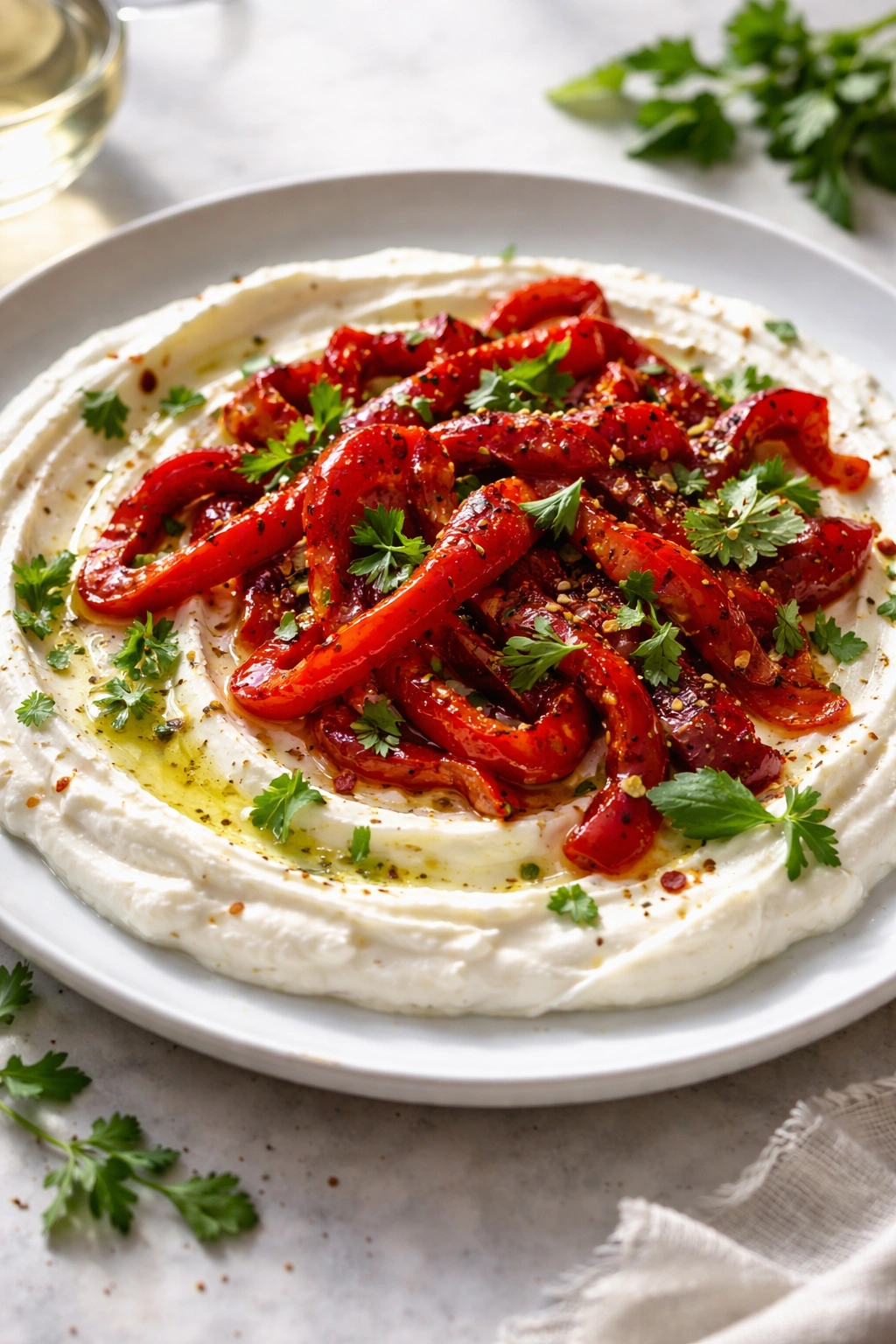
Whipped feta is a textural revelation—it’s creamier and more luxurious than feta’s natural crumbly state, and it marries beautifully with roasted red peppers’ sweetness and char. The brightness of feta’s salt cuts through red wine’s tannins, while the peppers’ sweetness balances any harsh edge. It’s one of those appetizers that tastes more sophisticated than its ingredient list suggests.
The Texture Transformation That Matters
Feta straight from its brine is crumbly and somewhat one-dimensional. Whipping it with a bit of olive oil and a splash of lemon juice aerates it, making it fluffy and almost cloud-like. This texture change completely transforms how it pairs with wine—it becomes richer, more luxurious, and more capable of balancing tannins. The whipping is a technique that takes two minutes and elevates the result dramatically.
Making Whipped Feta That Tastes Excellent
- Use good-quality feta, preferably one that’s not packed in vinegar
- Break it into chunks and add to a food processor with a generous glug of olive oil, fresh lemon juice, and a pinch of salt
- Pulse until smooth and aerated—you want it whipped, not liquefied
- Roast red bell peppers under the broiler or on a gas flame until the skin is blackened, about 10 minutes
- Place in a plastic bag for 5 minutes so the skin steams and releases from the flesh
- Peel away the blackened skin, remove the seeds, and cut into strips
- Toss the roasted pepper strips with olive oil, a splash of red wine vinegar, minced garlic, fresh oregano, and a pinch of red pepper flakes
- Spoon the whipped feta onto a plate, swirl it with the back of a spoon, and top with the roasted pepper mixture
- Serve with toasted bread or crackers for scooping
11. Aged Gouda with Dried Apricots and Pistachios
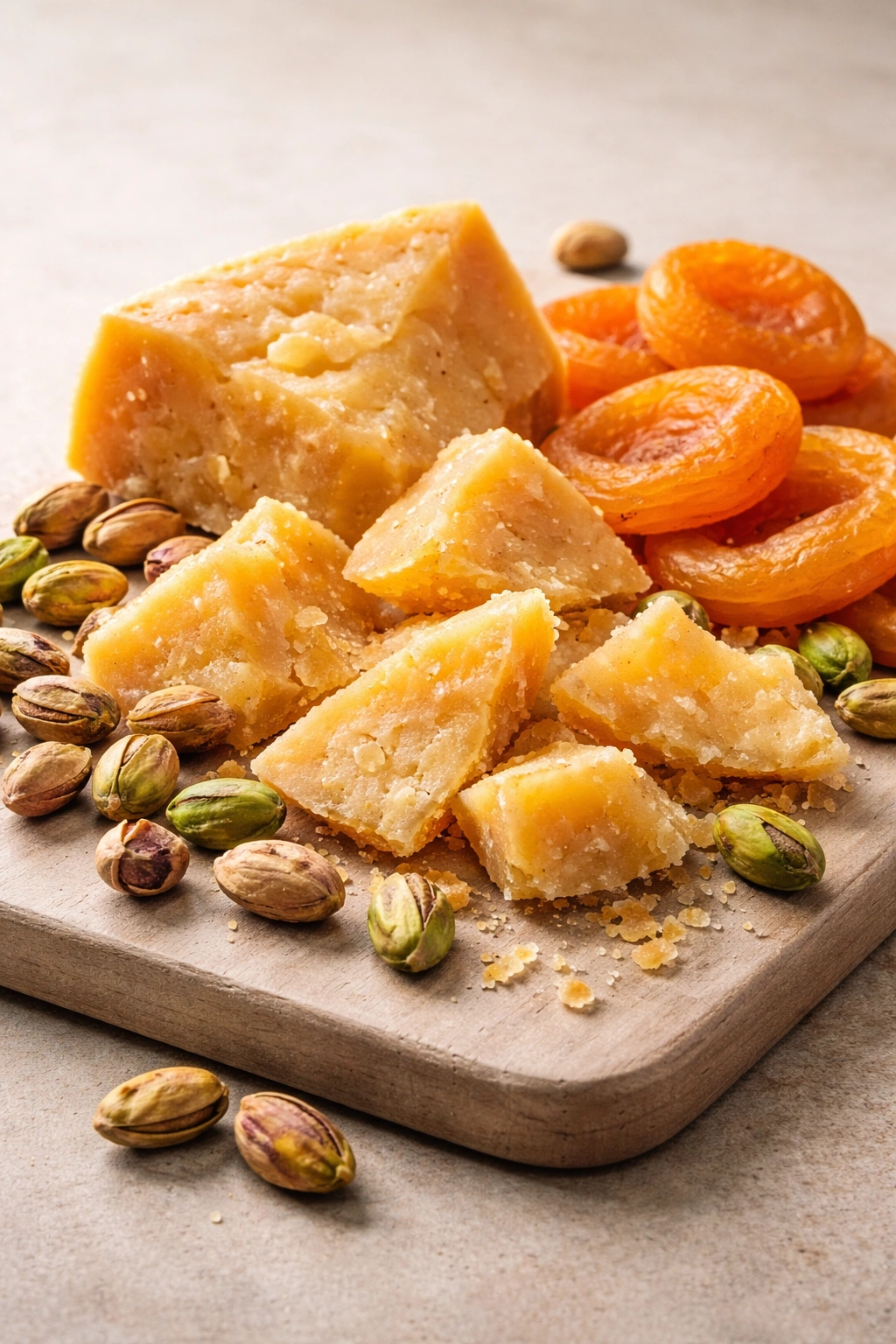
Nutty, caramel-forward aged Gouda pairs with the concentrated sweetness of dried apricots and the slight bitterness of roasted pistachios in ways that create genuine complexity. Gouda’s nuttiness echoes the oak or vanilla notes in aged red wines. The dried fruit’s sweetness softens tannins. The pistachios add their own subtle astringency that mirrors wine structure. It’s a combination that teaches you something about flavor balance.
Why Aged Cheese Elevates the Pairing
Young Gouda is pleasant but straightforward. Aged Gouda—matured for two years or longer—develops crystalline texture and caramel-like depth. These flavor compounds in aged cheese actually pair more thoughtfully with aged red wine than with any other beverage. The maturation process in both creates similar complexity that resonates on the palate. It’s not just two things that taste good; it’s two things that taste deeper together.
Building the Combination
- Select aged Gouda that’s at least two years old; one year isn’t enough maturation
- Break it into irregular shards rather than thin slices—the visual and textural variation matters
- Use dried apricots that are still chewy, not hard as rocks—they should still have moisture
- Chop pistachios roughly so they release oils and flavor, then toast them lightly
- Arrange all three elements on a board or plate with intentional spacing
- Optionally add a small dish of honeycomb or raw honey to round out the flavors
- Small breadsticks, crackers, or sliced baguette can accompany but aren’t necessary
12. Smoked Salmon on Rye Crisps with Crème Fraîche and Dill
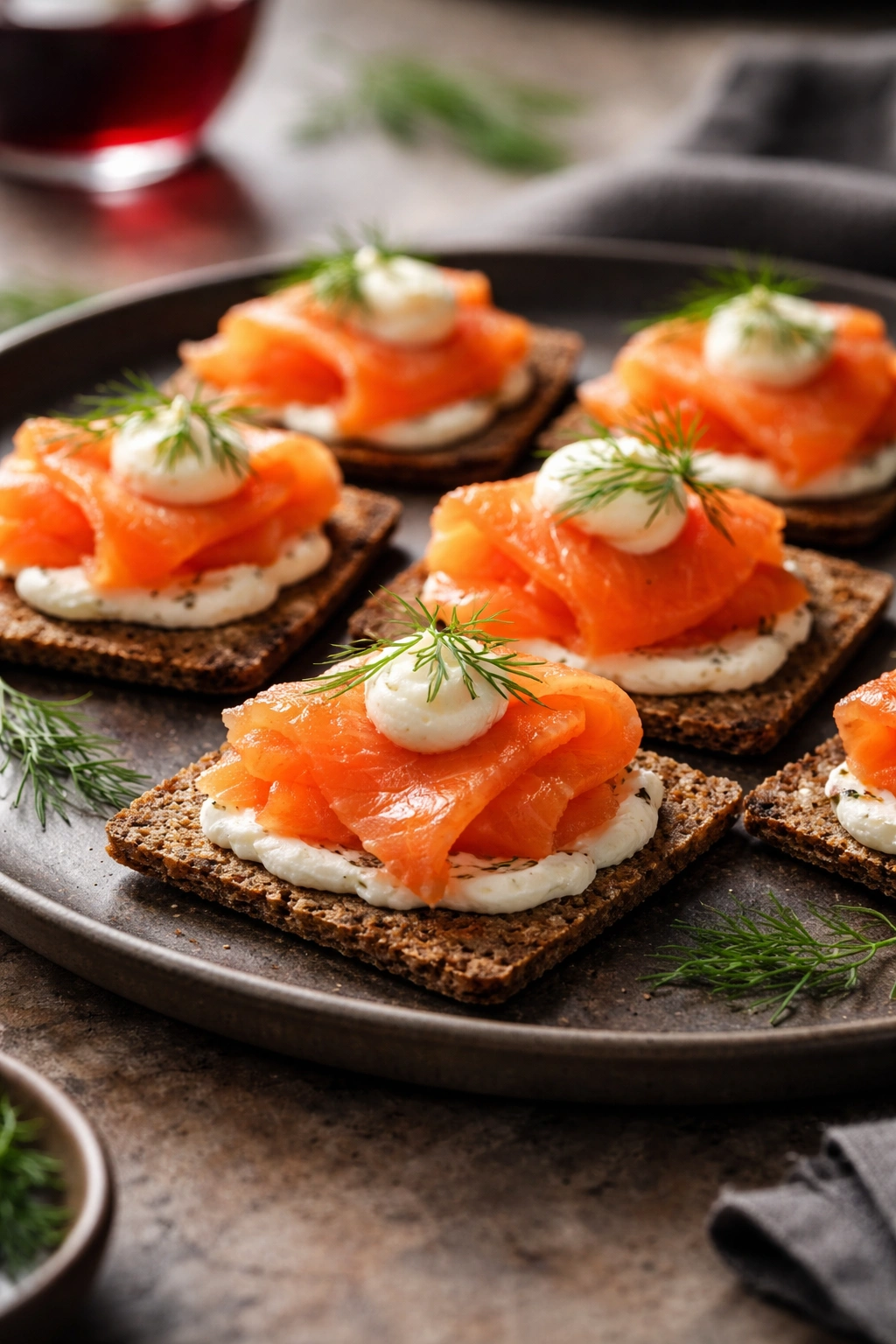
Smoked salmon’s richness, the rye crisp’s earthiness, the bright tanginess of crème fraîche, and fresh dill’s delicate herbal notes create an appetizer with surprising depth. Smoked salmon provides fat and umami, which pair beautifully with red wine’s structure. The dill adds an herbal note that some red wines express naturally, creating a sense of harmony rather than contrast.
The Umami Factor in Smoked Fish
Smoked salmon contains glutamates from the fish protein itself, plus additional umami from the smoking process, which concentrates these compounds through heat. It’s one of the few fish preparations that actually aligns well with red wine rather than white. The smokiness adds mineral, almost meaty notes that echo tannins. Rye provides earthiness that deepens rather than lightens the pairing. Crème fraîche’s tang balances the richness of the salmon.
Assembling It Properly
- Purchase smoked salmon that’s been properly cured and cold-smoked, not hot-smoked (which is drier)
- Slice it thin just before serving, or ask the fishmonger to do this for you
- Use sturdy rye crisps that won’t collapse under the toppings
- Dollop with crème fraîche, top with a folded piece of smoked salmon, and finish with fresh dill frond and a tiny squeeze of lemon
- Grind black pepper over the top
- Serve immediately so the rye stays crispy
- Optional but lovely: add a tiny pinch of fleur de sel or a single caper for extra brightness
Worth knowing: Don’t assemble these more than an hour ahead—the moisture from crème fraîche gradually softens the rye crisp.
Final Thoughts
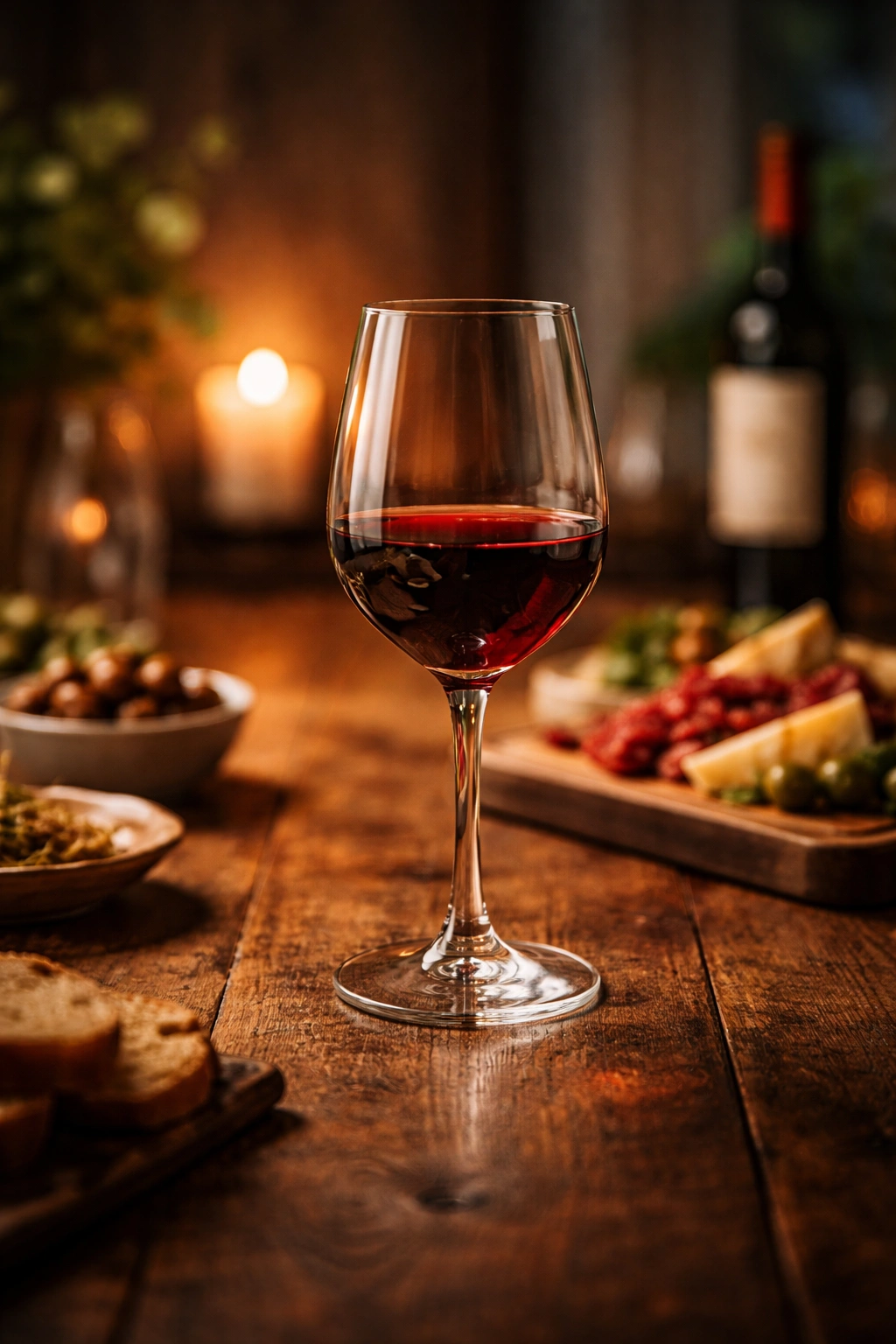
The common thread through all of these appetizers is intentionality. Each one works with red wine not because of luck but because of how its components interact with tannins, acidity, and the wine’s inherent flavors. Understanding this mechanism—that salt enhances wine, fat smooths harsh tannins, umami deepens pairing, and acid creates brightness—lets you build appetizers that feel thoughtful rather than random.
The beauty of these pairings is that they work across price points and wine styles. An inexpensive, fruit-forward red wine benefits from umami-rich appetizers just as much as an expensive, age-worthy Burgundy does. A bold, tannic wine needs the unctuous richness of Brie or the savory depth of mushrooms. A lighter, more delicate red wine wants the elegance of carpaccio or the balance of bruschetta. Choose your appetizers based on what you’re serving and why.
When you’re planning a gathering, think of the wine and food as partners doing a job together, not competing elements. Start with the wine you’re pouring, consider what it needs to taste its best, and build your appetizers from there. The effort of thinking through these combinations will pay dividends in how your guests experience both the food and the wine. That’s when appetizers stop being obligatory starters and become the memorable part of the evening.
