



Wings are the star of the show, but let’s be honest—they’re not complete without the right supporting cast. The best wing platters aren’t about throwing any random sides on the plate. The sides you choose can either elevate the entire experience or leave you with a disappointing meal that feels somehow incomplete, even when the wings themselves are perfectly sauced and crispy.
What makes a truly great wing side is something most people overlook. It’s about balance and contrast—you want something that cools your palate if the wings are spicy, or cuts through richness if they’re saucy. You want texture variety so you’re not just eating crispy fried food from start to finish. And you want flavors that complement the wing sauce, not compete with it. A creamy, cooling side with tangy undertones does something magic next to a spicy Buffalo wing that a generic bread roll simply cannot achieve.
The side dishes you pair with wings are the difference between a mediocre wing night and one people actually remember and request again. Whether you’re hosting a casual game-day gathering, catering a party, or just making wings for yourself, understanding how different sides work with different wing styles transforms the entire experience. Some sides work universally across all wing sauces, while others shine specifically with certain flavors. Once you understand these pairings, you’ll never serve plain wings again.
1. Blue Cheese Dressing
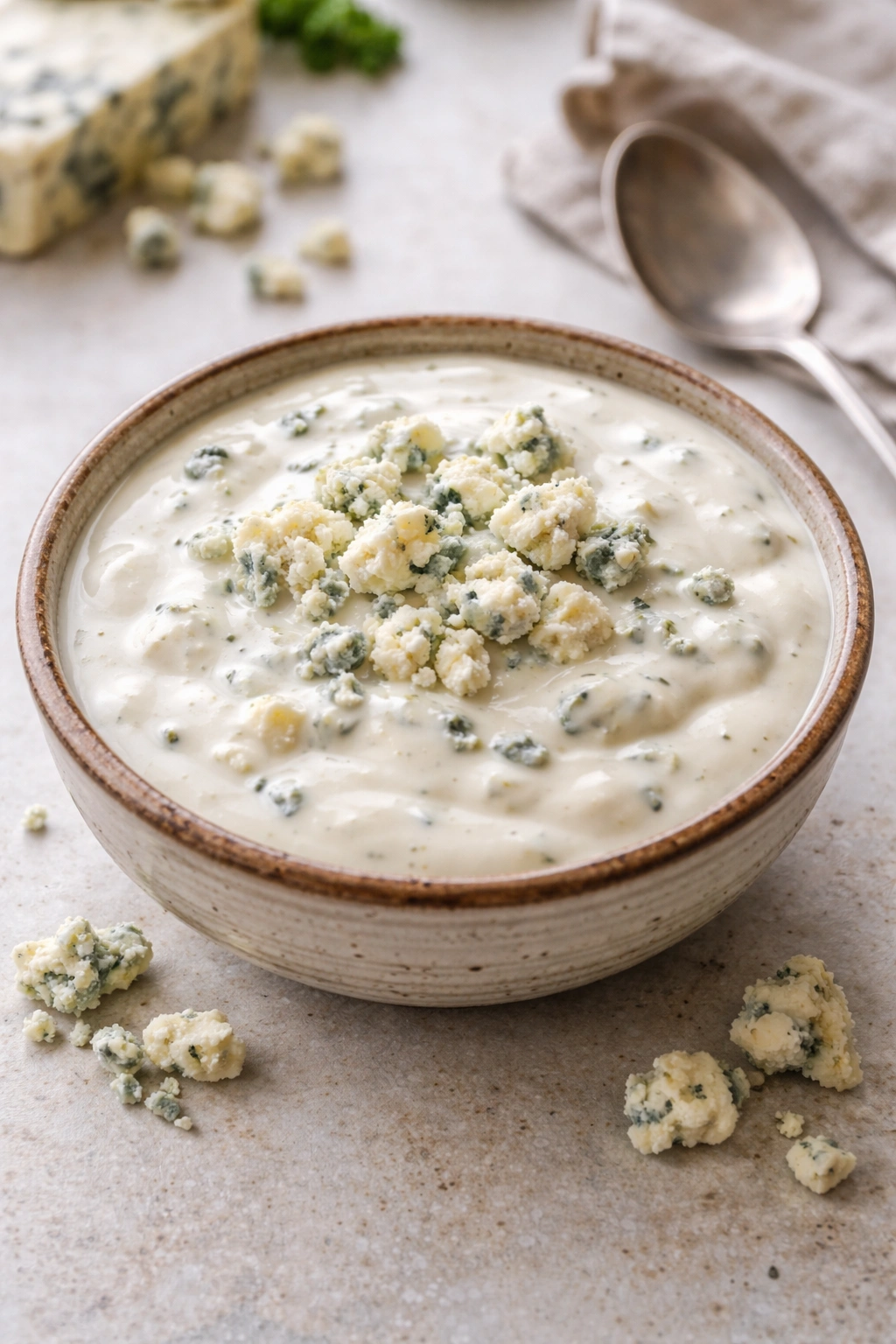
Blue cheese dressing is the classic wing pairing for a reason that goes deeper than tradition. The creamy, tangy richness of quality blue cheese dressing does something specific to your palate—it cools spicy heat instantly while adding a pungent, savory depth that makes both the wings and the dressing taste better together than they do apart.
Why It’s the Wing Side Standard
A real blue cheese dressing (not the bottled imitation) contains actual crumbled blue cheese, which brings funk, salt, and complexity that a ranch-based dip simply can’t replicate. When you dip a spicy wing into cold blue cheese dressing, the dairy fat coats your mouth and neutralizes capsaicin (the compound that creates heat), giving you relief without the flavors becoming boring. The umami-rich blue cheese actually enhances savory wing flavors rather than masking them. This is why Buffalo wings specifically evolved with blue cheese—the pairing is nearly alchemical in how well they work together.
How to Get It Right
- Make your own by crumbling quality blue cheese into sour cream or Greek yogurt, adding lemon juice, Worcestershire sauce, and black pepper for depth
- Choose pungent, crumbly cheeses like Roquefort or Gorgonzola if you want maximum flavor impact
- Serve it ice-cold, just pulled from the fridge—the temperature contrast matters as much as the flavor
- If you’re buying pre-made, read the label; many commercial versions use blue cheese flavoring instead of actual cheese, which changes the game completely
- Let homemade dressing sit in the fridge for at least 2 hours before serving so the flavors meld together
Pro tip: Make your blue cheese dressing thinner than you think you want it—wings have moisture from the sauce, and a thicker dip becomes heavy. You want something that coats your wing and drips slightly.
2. Celery Sticks with Ranch
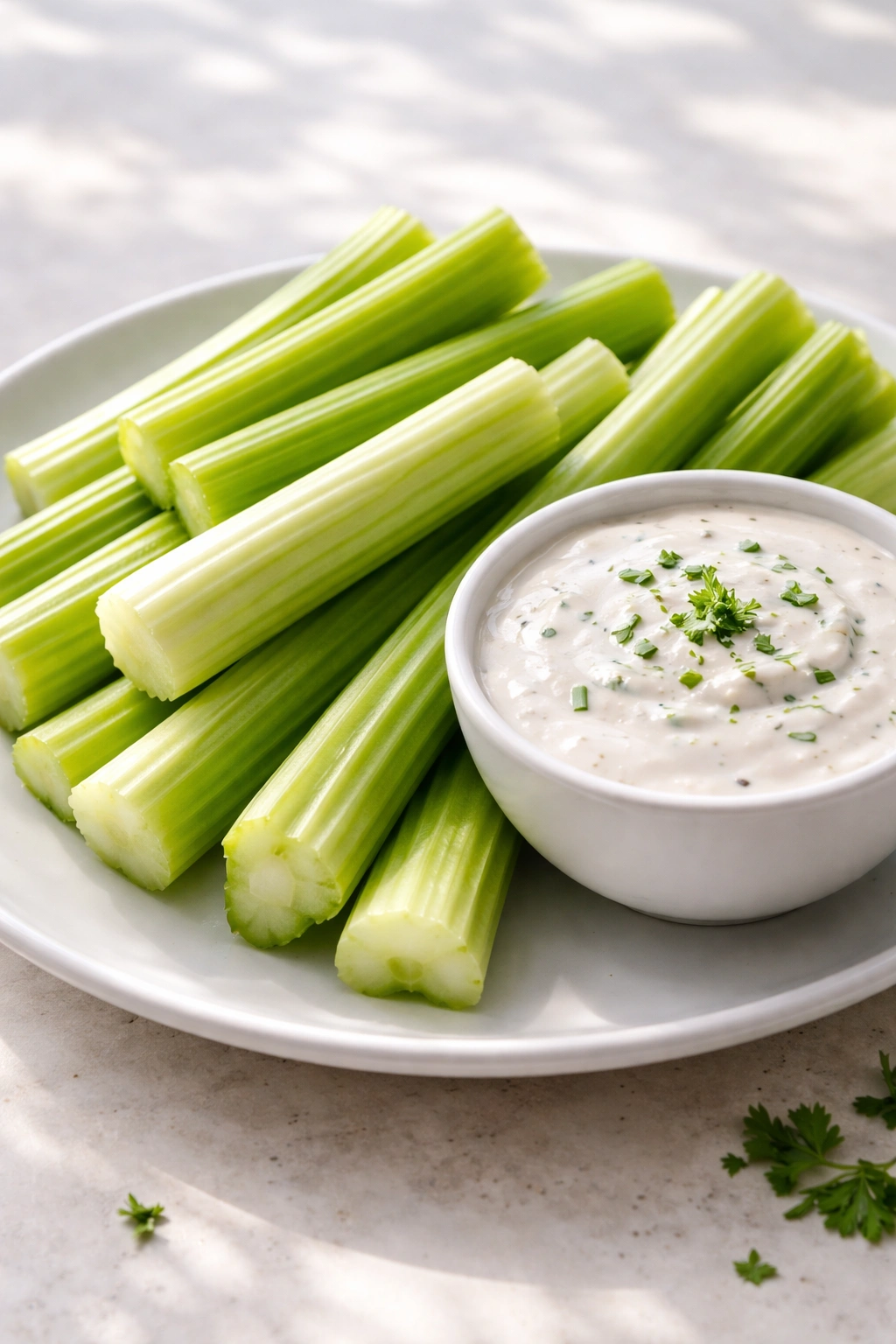
Celery isn’t trendy or exciting, but it’s on the wing-pairing list because it performs a job that nothing else does quite as well. Raw celery brings crisp, watery freshness that cleanses your palate between bites, and its mild, slightly sweet flavor gets better (not worse) when you’re eating savory, spicy wings all evening.
The Textural and Palate-Cleansing Role
Most people eat celery with wings and think “that’s what you’re supposed to do,” without understanding why it actually works. Celery is 95% water with barely any flavor of its own—which sounds boring until you realize that’s precisely what you need when your mouth is coated in rich sauce and spice. A crisp celery bite refreshes your mouth and resets your taste buds so the next wing tastes as flavorful as the first one did. Raw celery also provides structural contrast—everything else at the wing table is soft or creamy, and celery’s snap is genuinely satisfying in that context.
Making Celery Worth Eating
- Use the tender inner ribs from the heart of the celery bunch—they’re sweeter and less stringy than outer stalks
- Cut them into 3-4 inch sticks rather than rounds so they’re easy to grip and use as an edible utensil
- Keep them ice-cold; celery loses its satisfying crispness as it warms up
- Pair them with ranch, but also try blue cheese, garlic aioli, or a Buffalo-spiced Greek yogurt dip for variation
- If you have fresh celery that’s gone slightly soft, skip it and buy fresher bunches—sad celery defeats the purpose
- Consider serving some celery with the leaves still attached for visual appeal and extra flavor interest
Worth knowing: The strings in celery aren’t a flaw; they’re actually where much of the flavor lives. Leaving some intact (rather than removing every single one) gives better taste.
3. Carrot Sticks with Creamy Dip
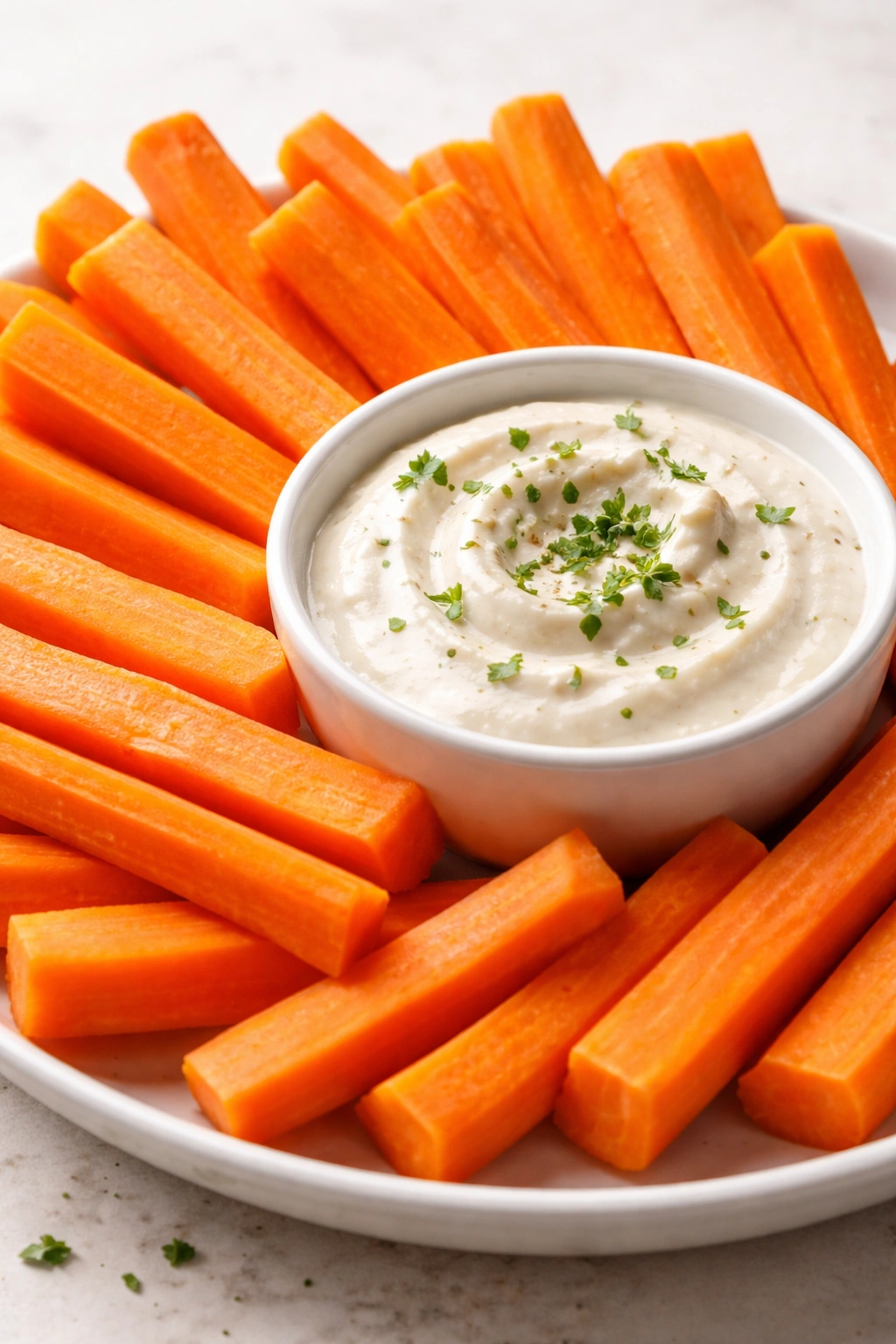
Carrots are the sweeter, friendlier cousin of celery in the wing-side lineup, and they bring something different to the table. Raw carrots have a natural sweetness and bright crunch that feels lighter than cooked sides while still being substantial enough to feel like you’re eating something real, not just a vegetable obligation.
Why Carrots Work Beyond Pure Refreshment
Carrots do the same palate-cleansing job as celery, but they add a subtle sweetness that actually complements spicy and savory wing sauces rather than simply interrupting them. The natural sugar in carrots creates a gentle flavor transition that makes the next wing taste fresher without the jarring contrast of celery’s pure refreshment. Carrots are also more filling and more nutritionally substantial than celery—they feel like you’re eating something that counts, which matters psychologically during a long wing session. They pair beautifully with cooling, creamy dips like ranch, blue cheese, or garlic-forward options.
Getting the Best Out of Carrots
- Buy whole carrots and cut them yourself into sticks; pre-cut baby carrots oxidize and go mealy within days
- Soak cut carrots in ice water for 15-20 minutes before serving to maximize crispness and sweetness
- Serve them at a 1:1 ratio with celery for color and flavor variety on the plate
- Try pairing them with garlic aioli, tahini-based dips, or a yogurt-herb mixture for something beyond standard ranch
- Choose medium-thick carrots; the tiny ones lack flavor, and the giant ones can be woody and tough
Quick pairing note: Orange and orange-red sauces (like Buffalo, barbecue, or hot sauce-based wings) look stunning next to bright orange carrots, creating visual appeal that matters when people are eating with their eyes first.
4. Coleslaw with Vinegar-Based Dressing
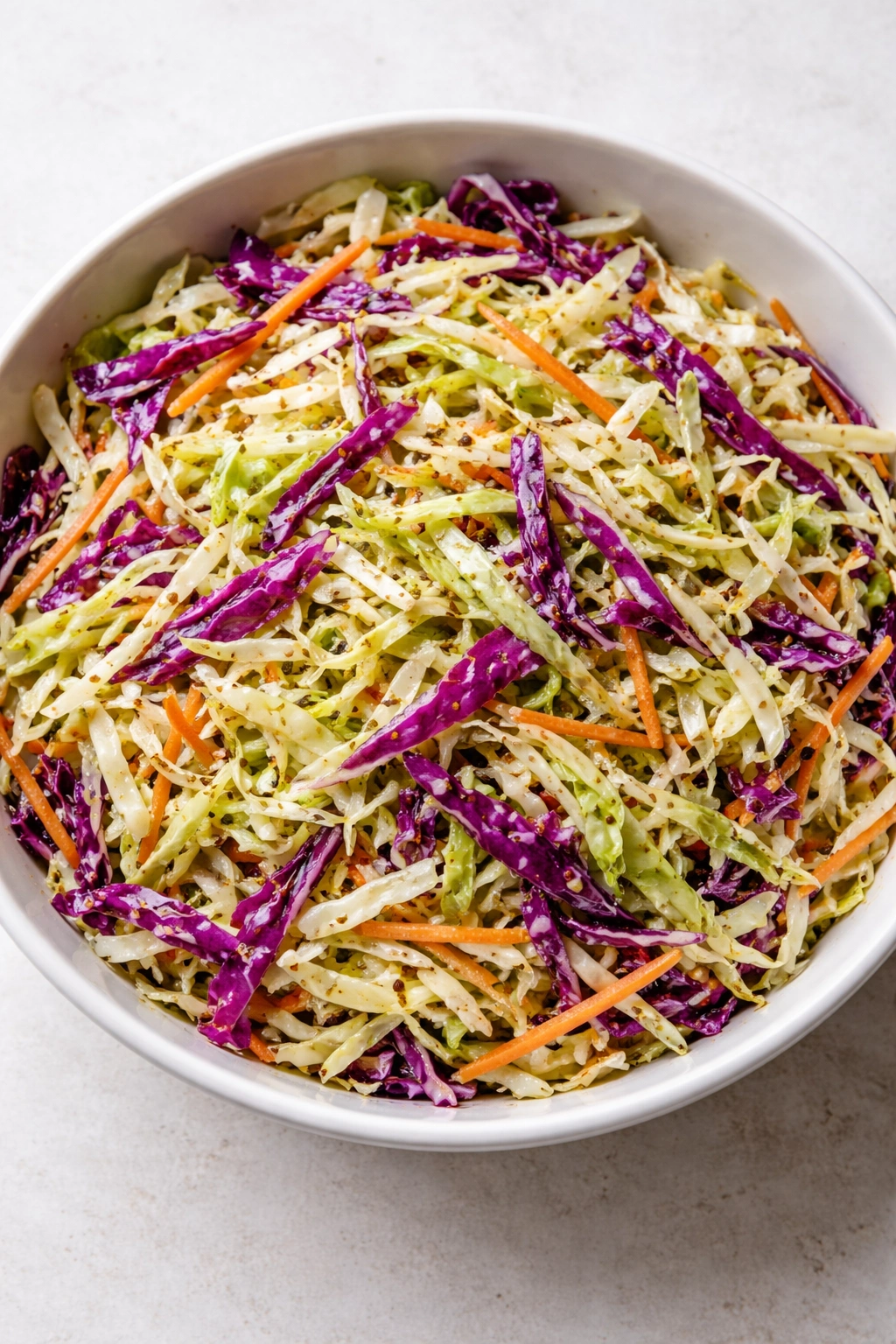
Coleslaw gets a bad reputation because so many places serve the heavy, mayonnaise-drenched version. But a proper vinegar-based coleslaw is one of the most underrated wing sides available—it brings textural contrast, flavor complexity, and a brightness that complements virtually every wing sauce you can make.
The Science of Acid and Richness
Coleslaw made with vinegar-based dressing (rather than mayo-based) acts as a flavor palate reset that’s more sophisticated than plain raw vegetables. The acidity from the vinegar literally breaks down the richness of the sauce-coated wings and cuts through fat on your tongue, much like how a squeeze of lemon brightens a heavy dish. The fermented, slightly funky undertones in vinegar-based dressing complement savory wings without clashing. Coleslaw also brings tender-crisp cabbage texture that’s different from celery’s raw snap, and it feels more substantial as a side dish rather than just a condiment vehicle.
Building the Best Wing-Friendly Slaw
- Start with a 3:1 ratio of green cabbage to red cabbage for both visual interest and flavor balance
- Make the dressing with apple cider vinegar, a touch of honey, Dijon mustard, and a light hand with oil (this isn’t mayo slaw)
- Shred cabbage thin enough to be tender but thick enough to maintain some chew and structure
- Let the slaw sit for 30 minutes before serving so the cabbage softens slightly and flavors marry
- Don’t dress it more than 2-3 hours before serving, or it becomes soggy and loses its appeal
- Add crispy elements like toasted seeds or a handful of crispy fried onions right before serving for texture
Pro tip: Slightly warm coleslaw (brought to room temperature, not actually heated) has a different textural appeal than cold slaw and feels more substantial alongside wings, though both work beautifully.
5. French Fries or Crispy Potatoes
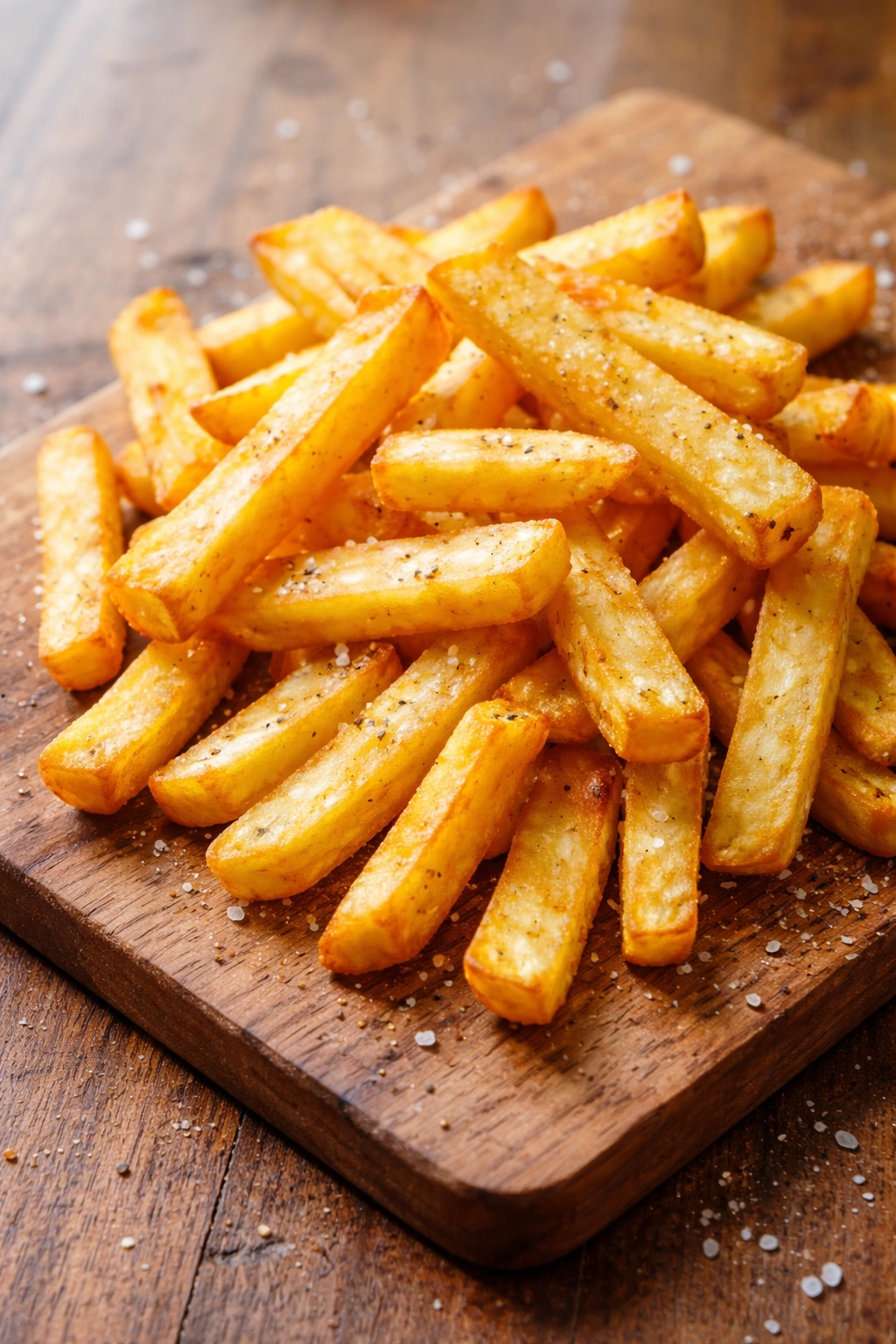
French fries seem obvious, but they actually require thought to work perfectly with wings rather than just adding empty calories to the plate. The best fries alongside wings are the kind that hold their crispness even after sitting under heat lamps or in a shared plate, with enough seasoning to taste like something intentional.
Why Fries Deserve Respect as a Wing Side
Fries aren’t just convenient carbs—they’re the only side that provides the exact same textural satisfaction as the wings themselves (that crispy exterior), which creates a cohesive eating experience rather than forcing your palate to shift between different textures constantly. Quality fries are also absorbent; they pick up dropped sauce and become even more flavorful as they sit alongside saucy wings. They’re the vehicle for double-dipping into wing sauce or dip, extending the flavors and making each bite feel indulgent. Fries are also the side that keeps people satisfied longest—they’re calorie-dense and filling, which extends the enjoyment of wing time without requiring constant eating.
Making Fries Exceptional Rather Than Forgettable
- Cut fries thick enough to stay crispy outside without becoming mushy inside (about ¼ inch is ideal)
- Double-fry for maximum crispness: a low-temperature fry first to cook through, then a quick high-temperature fry for shattering crispness
- Season fries aggressively while they’re still hot; salt won’t stick to cold fries
- Try truffle oil and Parmesan, Old Bay seasoning, or a five-spice blend instead of plain salt
- Keep fries in a warm spot but not under a heat lamp that dries them out (a low oven is better than a steam table)
- Serve them in a basket lined with parchment paper, which lets steam escape and keeps them crispy
Secret: Hand-cut fries from whole potatoes taste noticeably better than frozen fries, but if you’re using frozen, invest in the thicker-cut steak fries rather than thin ones—they’re more forgiving and stay crisp longer.
6. Garlic Bread or Warm Buttered Rolls
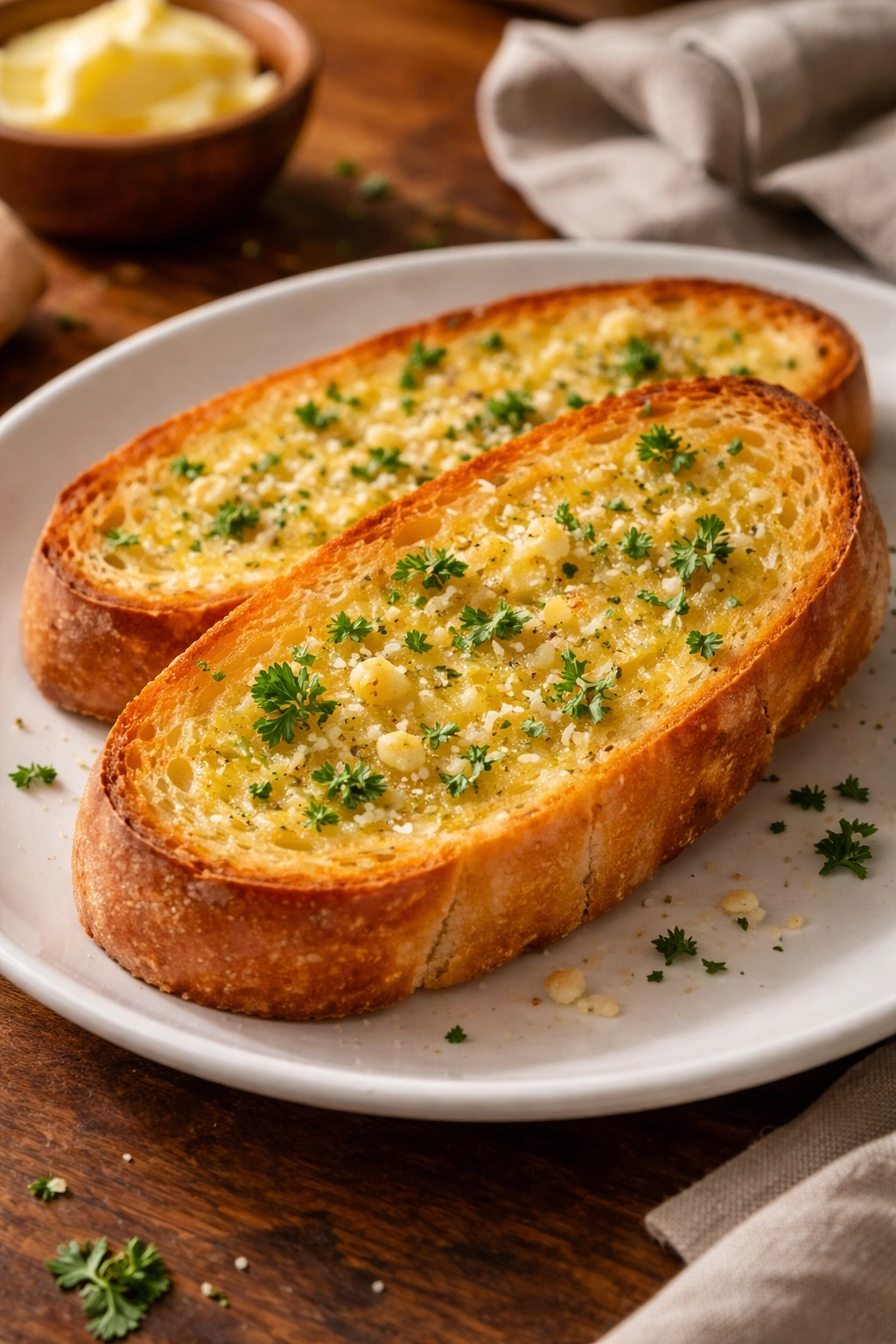
Garlic bread isn’t a traditional wing side, but it’s one of the most satisfying additions once you understand how to use it in context. Warm, buttery bread with garlic creates a counterbalance to sauce-heavy, crispy wings—it’s softer, richer, and acts as an edible napkin while tasting genuinely delicious.
The Comfort and Practicality Angle
Garlic bread transforms a wing meal from a casual finger-food experience into something that feels more like a real dinner—it adds sophistication and intentionality. The butter and garlic flavors are rich enough to complement spicy wings without competing for attention. Warm bread actually helps with the practical side of eating wings; it’s something to hold without getting covered in sauce, and it gives your fingers a break from the constant sauce-to-mouth action. The carbs in bread also slow the absorption of any alcohol you might be consuming, which is a genuine quality-of-life improvement during a long wing session.
Techniques for Garlic Bread That Works
- Use a good-quality loaf (ciabatta, Italian bread, or a sturdy sourdough work better than soft sandwich bread)
- Make your garlic butter fresh: softened butter, minced fresh garlic, chopped parsley, and fine sea salt
- Slice bread on a slight diagonal rather than straight across for more visual appeal and easier eating
- Toast or broil the bread until the butter is absorbed and the edges are crispy, not just soft and warm
- Apply garlic butter generously to the cut side only, letting it soak in rather than creating a slippery coating
- Keep it in a warm place but covered loosely with foil so it stays warm without drying out
Consider: Skipping the garlic bread if you’re serving it alongside creamy dips like blue cheese or ranch—the richness might feel overwhelming. It pairs better with vinegar-based sides or spicy wings on their own.
7. Macaroni and Cheese
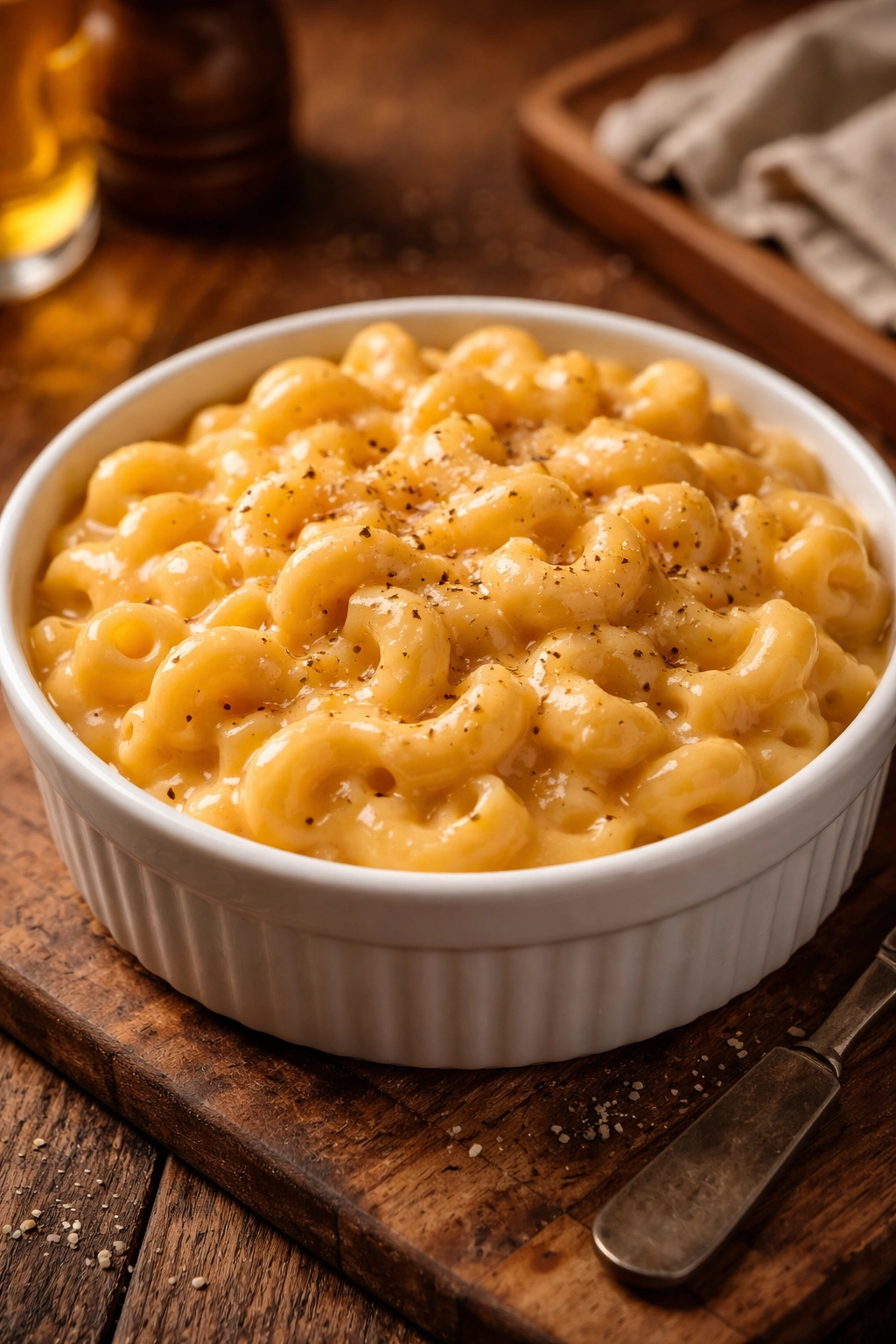
Creamy, cheesy mac and cheese seems like it would be too heavy to eat alongside wings, but when it’s done right, it becomes the most satisfying side dish that transforms the entire experience into something approaching a full meal.
Why Mac and Cheese Works Surprisingly Well
Mac and cheese brings umami richness that complements spicy wings rather than fighting them; the cheese-coated pasta actually cools spicy heat through fat and starch, similar to how blue cheese dressing works but with a more comforting, filling effect. The starch also helps manage the long-term effects of eating spicy food—carbs slow the sensation of capsaicin building in your system. Creamy mac and cheese provides a flavor bridge between the savory, saucy wings and any other sides on the plate. It also makes the entire meal feel more complete and indulgent, turning a wing plate into something approaching dinner rather than just appetizers.
Executing Mac and Cheese as a Wing Side
- Make it from scratch with a cheese sauce (béchamel base with added sharp cheddar, Gruyère, or smoked Gouda) rather than relying on boxed versions
- Use a short pasta shape like shells, elbows, or cavatappi that traps sauce throughout rather than hanging off long strands
- Season the sauce aggressively; it needs to taste amazing on its own because it won’t get help from wing sauce
- Mix in crispy breadcrumbs, crispy bacon, or fresh herbs to add texture and prevent it from feeling one-note
- Serve it warm but not piping hot (keep it around 150-160°F); it becomes even more flavorful at this temperature
- Store it in a shallow pan rather than a deep one so it stays warm and accessible during eating
Flavor combination: Mac and cheese works best with sauces that have depth rather than pure heat—try it with honey hot, garlic parmesan, or barbecue wings rather than straight Buffalo.
8. Buffalo Cauliflower Bites
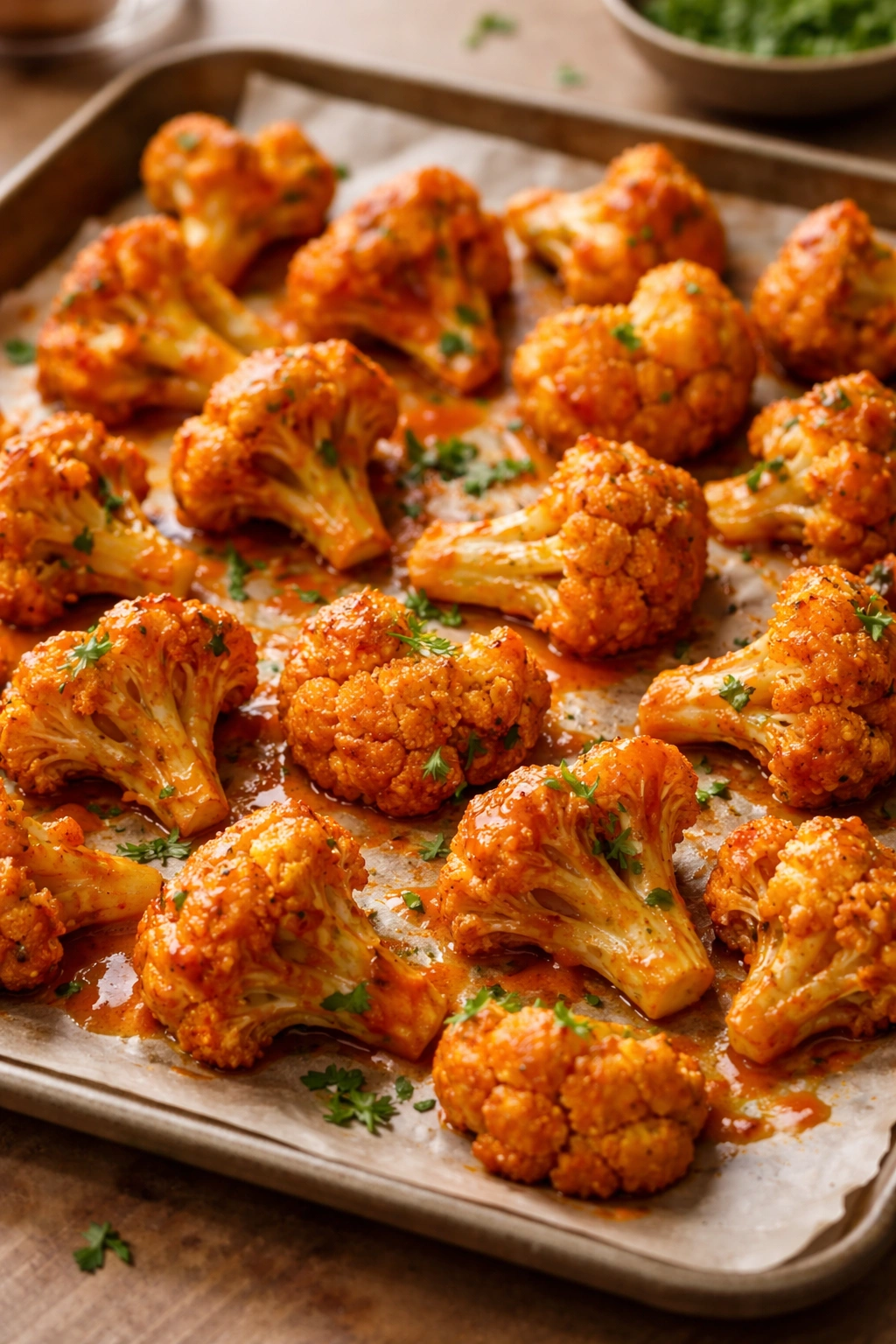
Buffalo cauliflower is the most clever side on this list because it blurs the line between side dish and appetizer—it’s basically wings made from roasted cauliflower tossed in Buffalo sauce, creating a lighter but equally satisfying flavor experience.
Why Buffalo Cauliflower Complements Rather Than Competes
Buffalo cauliflower doesn’t fight for dominance on the plate; instead, it echoes the wing flavors while providing a textural and flavor variation that keeps the meal interesting. Cauliflower is much lighter than meat, so eating buffalo cauliflower between wings doesn’t create palate fatigue the way eating multiple heavy foods would. The roasted, slightly caramelized exterior of the cauliflower brings nutty sweetness that contrasts beautifully with spicy Buffalo sauce. It’s also substantial enough to feel like real food rather than just a vegetable afterthought, making people feel genuinely satisfied without overindulging in only fried meat.
Making Buffalo Cauliflower Worth the Space on the Plate
- Cut cauliflower into florets roughly the size of a golf ball for the best sauce-to-vegetable ratio
- Toss in a light coating of seasoned flour or cornstarch (not wet batter) before roasting to help it crisp up
- Roast at high heat (450°F / 230°C) until the florets are deeply caramelized and crispy at the edges
- Toss the roasted cauliflower in hot Buffalo sauce while it’s still warm so it absorbs flavor
- Serve with ranch or blue cheese for dipping, just like you would with wings
- Season with a touch of salt and fresh pepper before serving; the sauce alone can be one-dimensional
Beyond Buffalo: Make buffalo cauliflower with other wing sauces too—try garlic Parmesan, honey hot, or barbecue for variety without losing the clever side-dish appeal.
9. Onion Rings
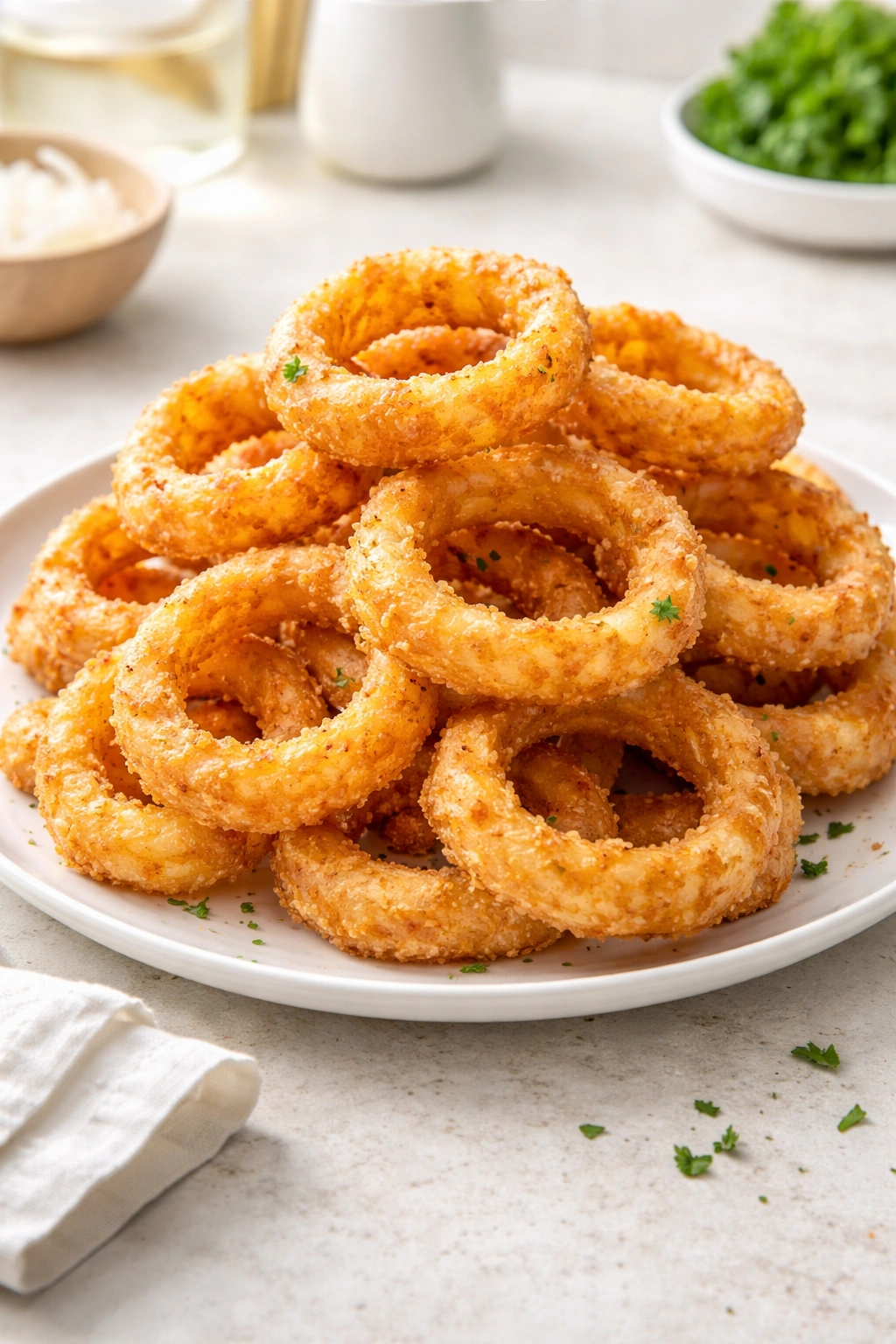
Crispy, golden onion rings are the indulgent side that unapologetically leans into comfort and satisfaction. They’re fried (which pairs thematically with fried wings), crispy (which creates textural variety), and delicious enough that they never feel like an afterthought.
The Textural and Flavor Role of Onion Rings
Onion rings provide a different kind of crispness than fries or wings; the exterior is shattering while the inside is soft and sweet, creating a textural experience that keeps eating interesting. The sweetness of caramelized onion inside the ring complements both spicy and savory wings without clashing. They’re also more forgiving than fries when it comes to maintaining quality; onion rings stay crispy longer as they cool because the onion inside insulates the exterior from steam. They feel indulgent and special in a way that simple fries don’t, which is important for elevating what could otherwise feel like casual eating into something more memorable.
Getting Onion Rings Right
- Cut onions into thin rings (about ¼ inch thick) rather than thick rounds; thin rings stay crispy all the way through
- Soak onion rings in ice-cold buttermilk for 15-30 minutes before coating (this makes them extra tender and flavorful)
- Use a light, crispy batter made with cold club soda or beer rather than milk; carbonation creates lift and crispness
- Season the coating flour itself before battering (salt, paprika, cayenne, garlic powder) so the flavor is built in
- Fry at 350°F (175°C) until golden and crispy, about 2-3 minutes, resisting the urge to crowd the pan
- Serve immediately in a basket lined with parchment, not stacked in a closed container where steam makes them soggy
Temperature note: Onion rings are one of the few sides that actually benefit from being slightly warm rather than piping hot; at around 140-150°F, the onion has set and they’re at peak crispness.
10. Loaded Nachos or Cheese Fries
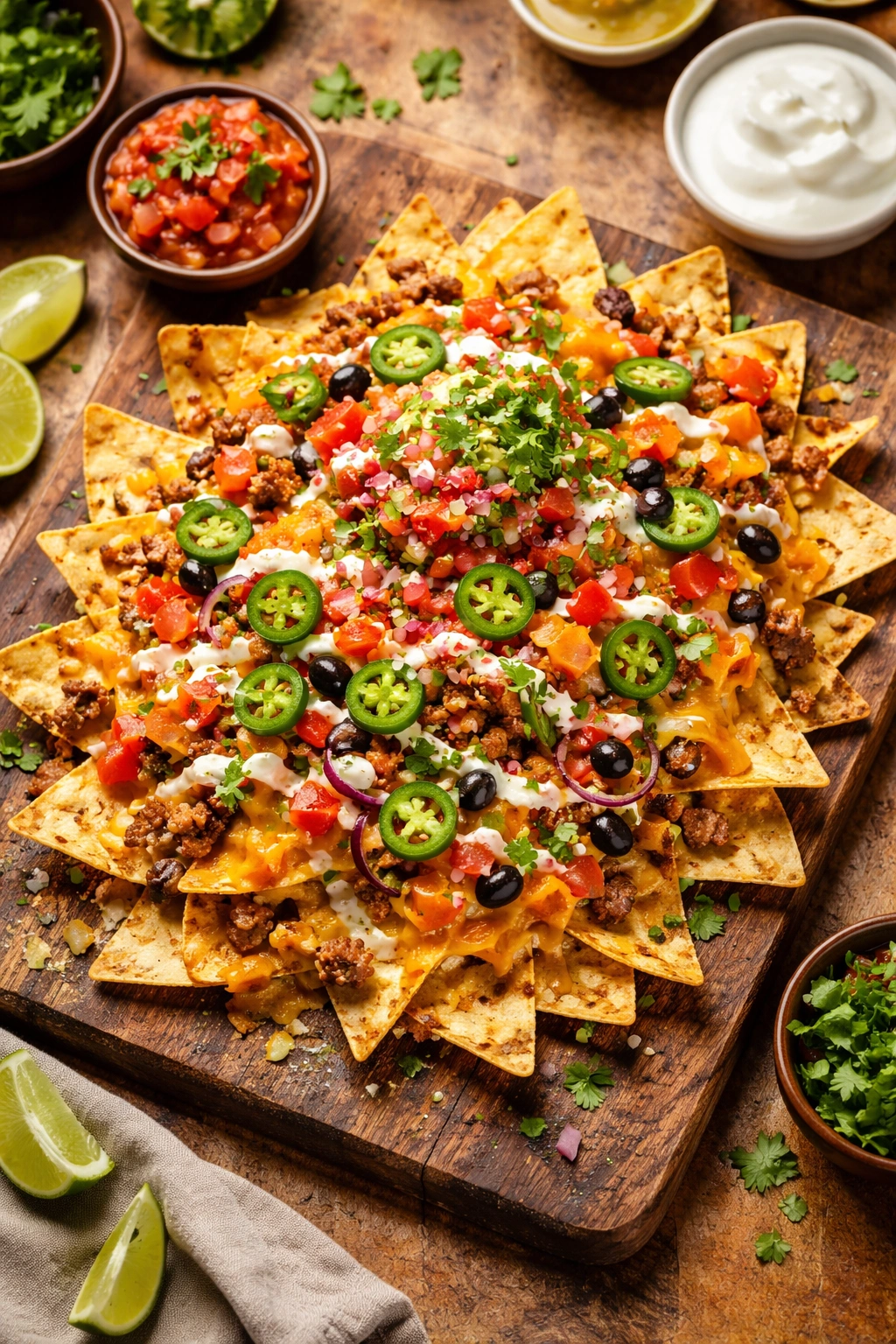
Loaded nachos or cheese fries transform wings from an appetizer into more of a substantial shared meal experience. They’re the side that encourages conversation and casual sharing, making them perfect for group settings where wings are the main event.
Why Loaded Sides Feel Like an Event
Loaded nachos or cheese fries do something psychological—they turn individual wing plates into a communal experience where people share sides, trade bites, and feel like they’re part of something more than just eating. The combination of crispy base (fries or chips), melted cheese, and toppings creates a more complex eating experience than wing-plus-simple-side. The loaded nature means you’re getting vegetables, protein, carbs, and dairy in a single satisfying bite. They also stay warm and interesting longer than plain fries because the toppings provide insulation and flavor continuity.
Building Loaded Sides That Elevate Rather Than Overwhelm
- Start with quality fries or sturdy tortilla chips that hold up to toppings and moisture
- Layer toppings gradually rather than dumping everything on at once; layering prevents sogginess and ensures even distribution
- Add melted cheese (real cheese, not processed sauce) as the first topping so it acts as glue for everything else
- Top with practical, flavorful additions: crispy bacon, jalapeños, fresh cilantro, sour cream, cotija cheese, or even pulled pork
- Avoid overly wet toppings like raw tomatoes or excessive sour cream that make everything soggy
- Build them just before serving rather than in advance—even 10 minutes makes a difference in texture
Flavor pairing: Loaded sides work brilliantly with milder wing sauces (barbecue, honey hot, teriyaki) rather than pure heat-focused options, since the toppings are often already complex.
11. Dips and Condiments (Beyond the Obvious)
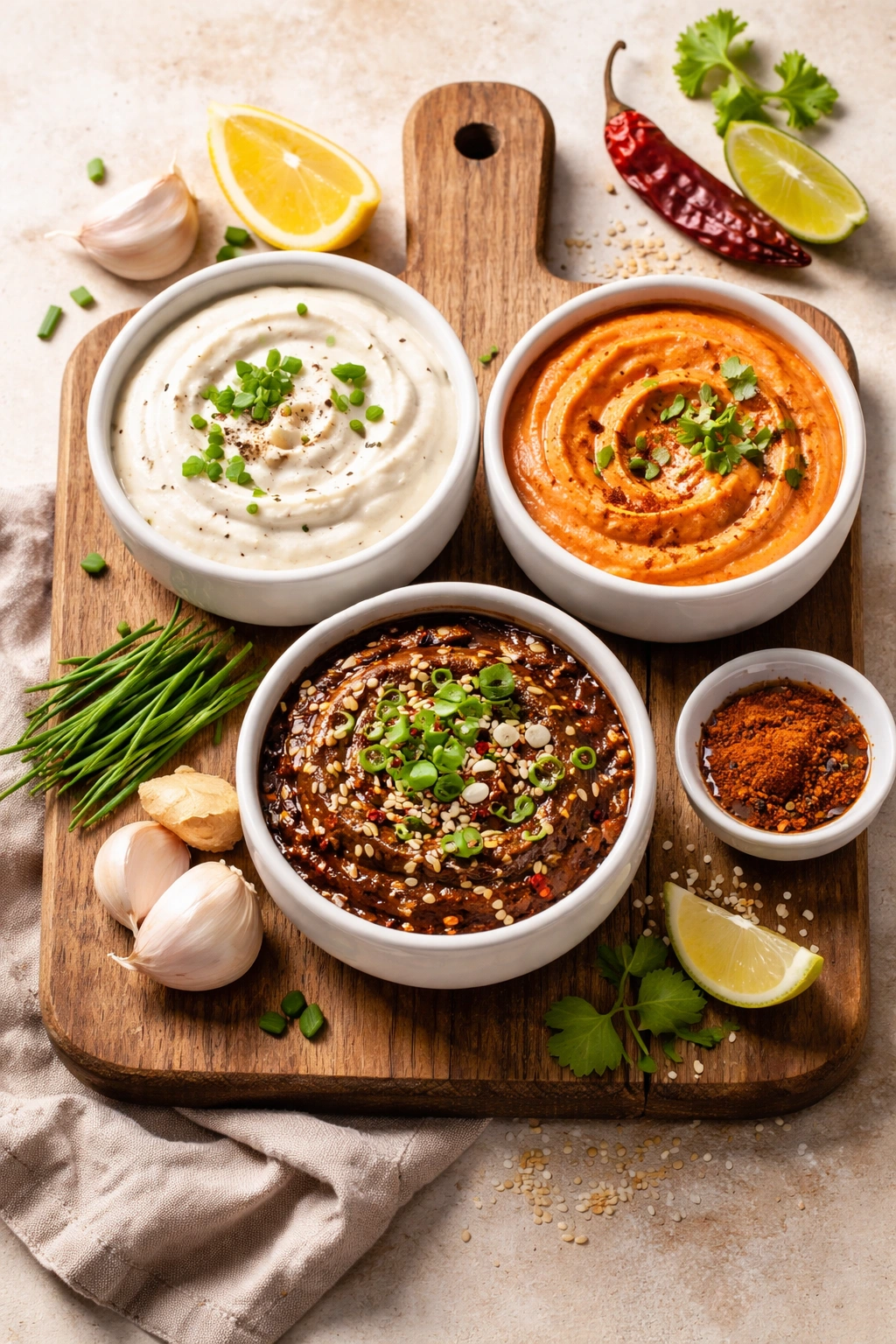
The right dips and condiments can transform a basic wing experience into something far more sophisticated. Beyond ranch and hot sauce, there’s a whole world of flavor-adding options that deserve space on the wing table.
Going Beyond Standard Dipping Options
Most wing experiences get stuck on the same three or four dips, missing the opportunity to layer in flavors that make each wing taste different. A spicy garlic mayo, a smoky chipotle sour cream, a sesame-ginger mixture, or a peanut dipping sauce opens up entirely new eating experiences without requiring any additional main dishes. The right dip can actually change how you taste the wing sauce itself; a cooling herb dip might mellow a spicy wing to the perfect level, while an acidic dip might brighten a rich, savory sauce that’s getting monotonous.
Building a Dip Station That Matters
- Make three dips maximum (more creates decision paralysis) but ensure they’re genuinely different flavor profiles
- Include one creamy-cooling option (ranch, blue cheese, or yogurt-based)
- Include one bright-acidic option (something with lemon, vinegar, or hot sauce)
- Include one unexpected option (peanut sauce, harissa mayo, or sesame-ginger)
- Label dips clearly so people know what they’re getting and don’t have to guess
- Put dips in small bowls rather than one large communal bowl; they stay cleaner and more appealing throughout the meal
- Refill dips with fresh bowls rather than topping off existing ones—presentation matters
Easy dip ideas: Whisk together mayo with grated garlic and lemon juice for garlic aioli; mix sour cream with hot sauce and honey for a sweet-spicy option; combine peanut butter, lime juice, and sriracha for an Asian-inspired dipper.
12. Simple Green Salad with Tangy Dressing
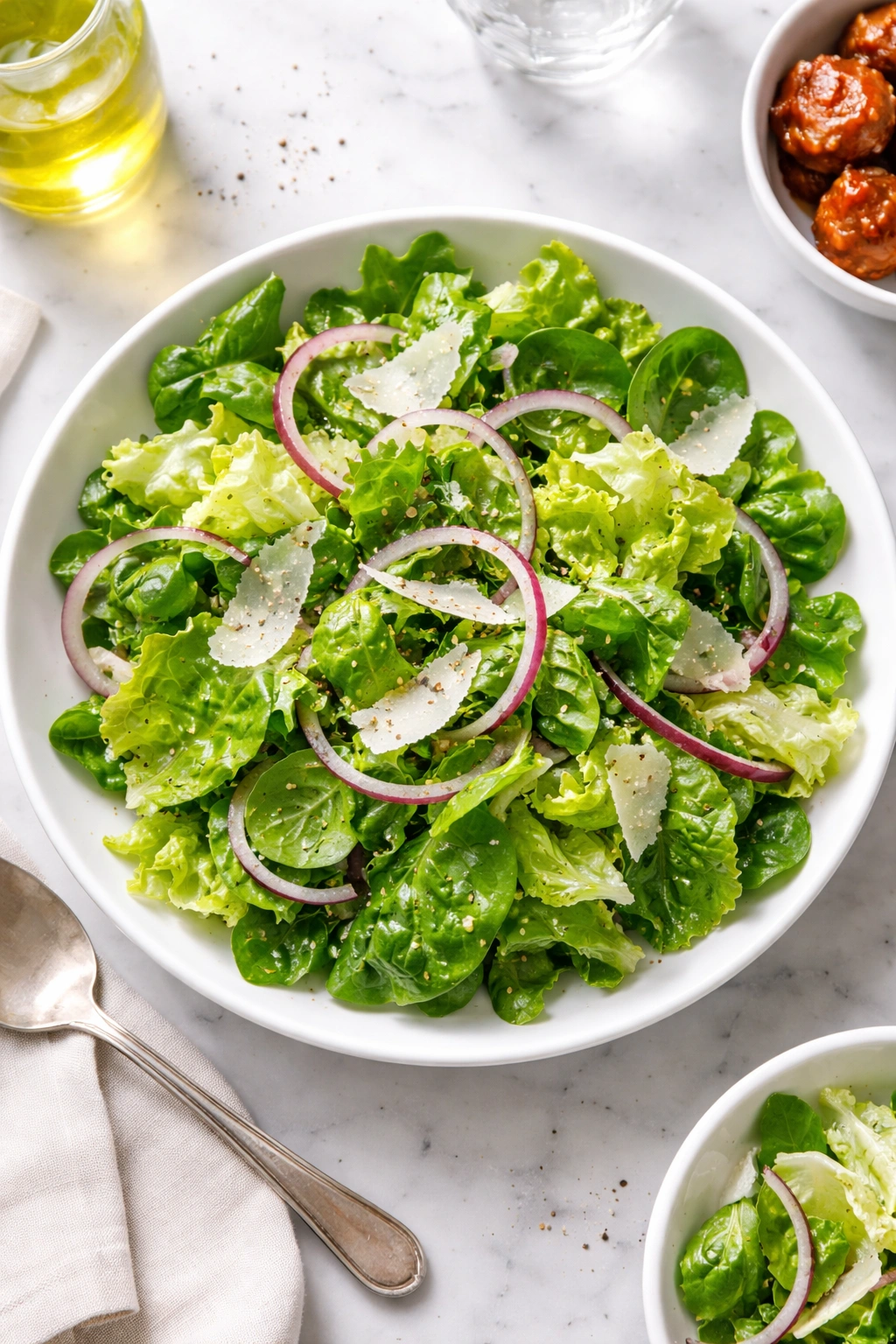
A simple green salad might seem like an unlikely wing side, but a well-made one with a bright, tangy vinaigrette is actually the secret weapon for making a long wing meal feel balanced and not overly heavy.
The Sophistication and Palate-Cleansing Role
A fresh green salad with vinaigrette performs a different function than raw vegetable sticks—it’s an actual dish rather than just a condiment vehicle, and it brings visual lightness and freshness that makes the entire plate look more complete. The acidity from the vinaigrette cuts through rich, buttery wing sauces in a more refined way than the bluntness of straight vinegar. Eating a bite or two of salad between wings actually makes you enjoy the next wing more because your palate feels refreshed and ready for more flavor. It also adds color and visual appeal to what could otherwise look like a monotonous plate of brown and red fried foods.
Making Salad Something People Actually Want to Eat
- Use tender, flavorful greens (butter lettuce, mesclun mix, or young spinach) rather than iceberg or tough romaine
- Keep the salad simple with one or two other ingredients maximum (thinly sliced red onion and fresh herbs, or shaved Parmesan and toasted nuts)
- Make the vinaigrette with a 3:1 oil-to-acid ratio, building it with good vinegar and a touch of Dijon mustard
- Dress the salad just before serving so greens stay crisp and don’t wilt from sitting in dressing
- Serve it in a separate bowl rather than on the plate with wings; it needs to stay fresh and doesn’t benefit from sauce splash
- Make it feel intentional and thoughtful rather than like a healthy obligation, through vibrant presentation and quality ingredients
The finishing touch: Add crispy elements just before serving—toasted breadcrumbs, crispy bacon, or fried shallots—to give the salad textural satisfaction that complements wings rather than competing with them.
Final Thoughts
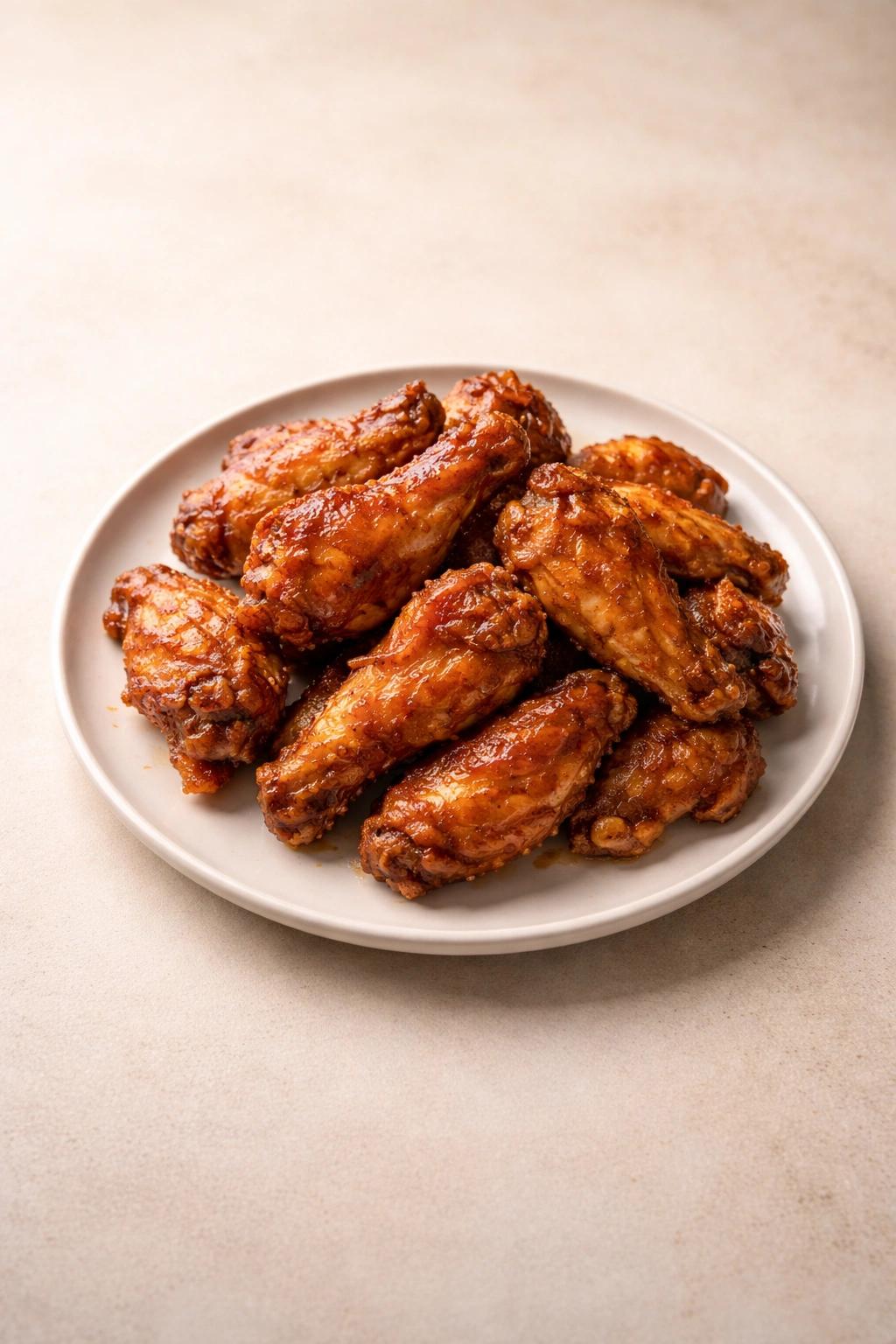
The wings themselves are the star, but every element on the plate matters more than most people realize. The right sides aren’t just filling space or meeting some imaginary food-balance requirement—they’re actively making the wings taste better, making the meal feel more complete, and transforming a casual eating experience into something genuinely memorable.
Start with the classic blue cheese and celery pairing because it exists for a reason; those flavors were designed for each other over decades of wing dining. But don’t stop there. Experiment with loaded sides, unexpected dips, and flavor combinations that make sense for your specific wing sauce. A spicy wing needs different support than a sweet barbecue wing, and understanding those distinctions is what separates ordinary wing meals from ones people talk about afterward.
The best wing meal isn’t about having the most sides or the fanciest options. It’s about choosing sides that genuinely complement your specific wings, creating a cohesive experience rather than a random assortment of foods on one plate. Pay attention to balance—texture variety, temperature contrast, and flavor complementarity. When those elements come together intentionally, wings transform from takeout food into a full, satisfying meal that feels thoughtfully assembled. That attention to detail is what makes people actually want to come back for wings at your table rather than just showing up because they have to.
