


Stretching groceries across an entire week on just fifty dollars might sound impossible—especially if you’re accustomed to shopping without a plan or buying whatever catches your eye. But it’s not only possible; it’s something real people do every single week without sacrificing nutrition or enjoyment. The difference between those who make it work and those who don’t isn’t luck or access to secret deals. It’s strategy, a clear meal plan, and the willingness to shop intentionally instead of impulsively.
The truth is that feeding yourself or a small family on a tight budget requires thinking differently about food. You stop asking “what do I want to eat?” and start asking “what can I make with these ingredients?” You buy the rotisserie chicken and stretch it across four meals instead of one. You stock your freezer with vegetables that cost half as much as fresh produce but deliver the same nutrition. You learn which pantry staples multiply your options and which conveniences drain your budget. Once you understand these principles, fifty dollars becomes not just doable but genuinely manageable—and you’ll likely discover your meals taste just as good, if not better, than when you were spending twice as much.
This approach works whether you’re living paycheck to paycheck, saving for something important, or simply curious about how efficiently you can feed yourself. The strategies outlined here aren’t about deprivation—they’re about resourcefulness. You’ll eat real food, prepared at home, with flavors you actually enjoy. You’ll have leftovers to carry you through days when cooking feels impossible. Most importantly, you’ll prove to yourself that financial constraints don’t have to mean compromising on what lands on your plate.
Why a $50 Weekly Budget Is Actually Achievable
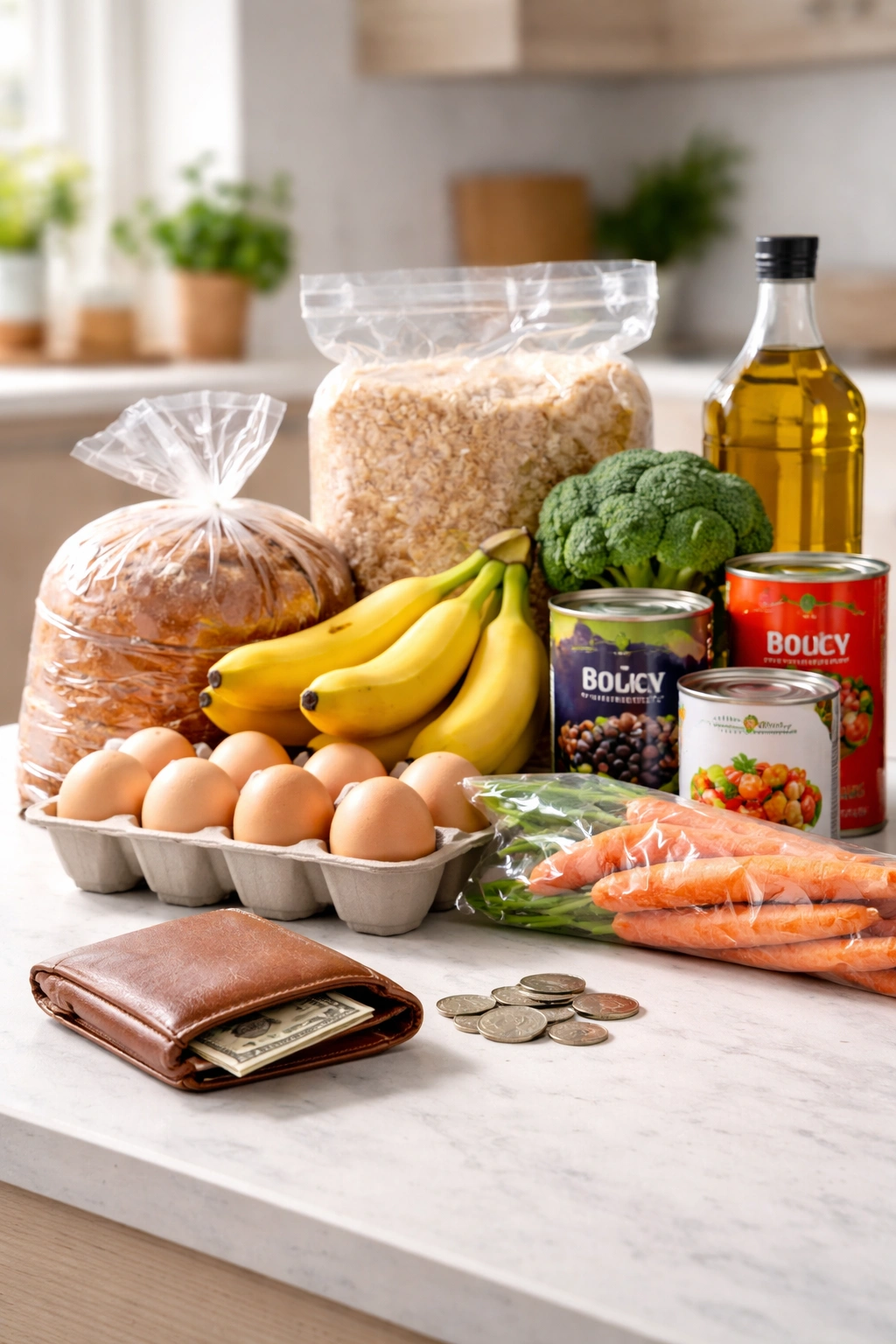
A fifty-dollar weekly grocery budget for one person works out to roughly seven dollars per day—less than a single restaurant meal. For a family of four, that’s about twelve dollars daily to feed everyone. These numbers sound tight because they are, but they’re not fantasy. The key is understanding that you’re not restricted to ramen and rice alone. Real people accomplish this regularly by working backward from what they already have, identifying versatile ingredients that do multiple jobs, and buying strategically.
When experienced budget shoppers talk about making their fifty dollars work, they’re not starting from zero every single week. Their pantries already contain staples like oil, spices, salt, and other seasonings. They have a freezer with basics they buy in bulk when prices drop. They’re not repurchasing these items constantly. This matters enormously for your budget math. If you genuinely are starting completely from scratch with an empty kitchen, your fifty dollars will go differently—possibly into building a foundation of pantry items rather than covering all meals. But if you’re maintaining a functional kitchen, fifty dollars absolutely covers a full week of three meals daily.
The other critical piece is meal planning that accounts for ingredient overlap. Instead of five completely separate dinners requiring different proteins and produce, you buy one whole chicken and transform it into four meals. You purchase one large batch of rice and divide it across multiple dishes. You buy peppers and use them in tacos one night, stir-fry another, and salad on a third night. This approach cuts waste dramatically and ensures every dollar goes toward food you’ll actually eat rather than produce that wilts in your crisper drawer.
Food prices do vary significantly by region and store, but the fundamental principles remain consistent. People following this budget at Trader Joe’s, Walmart, Aldi, Costco, and regional grocery chains all report similar success. The store matters less than the method.
The Strategic Approach to Meal Planning on a Tight Budget
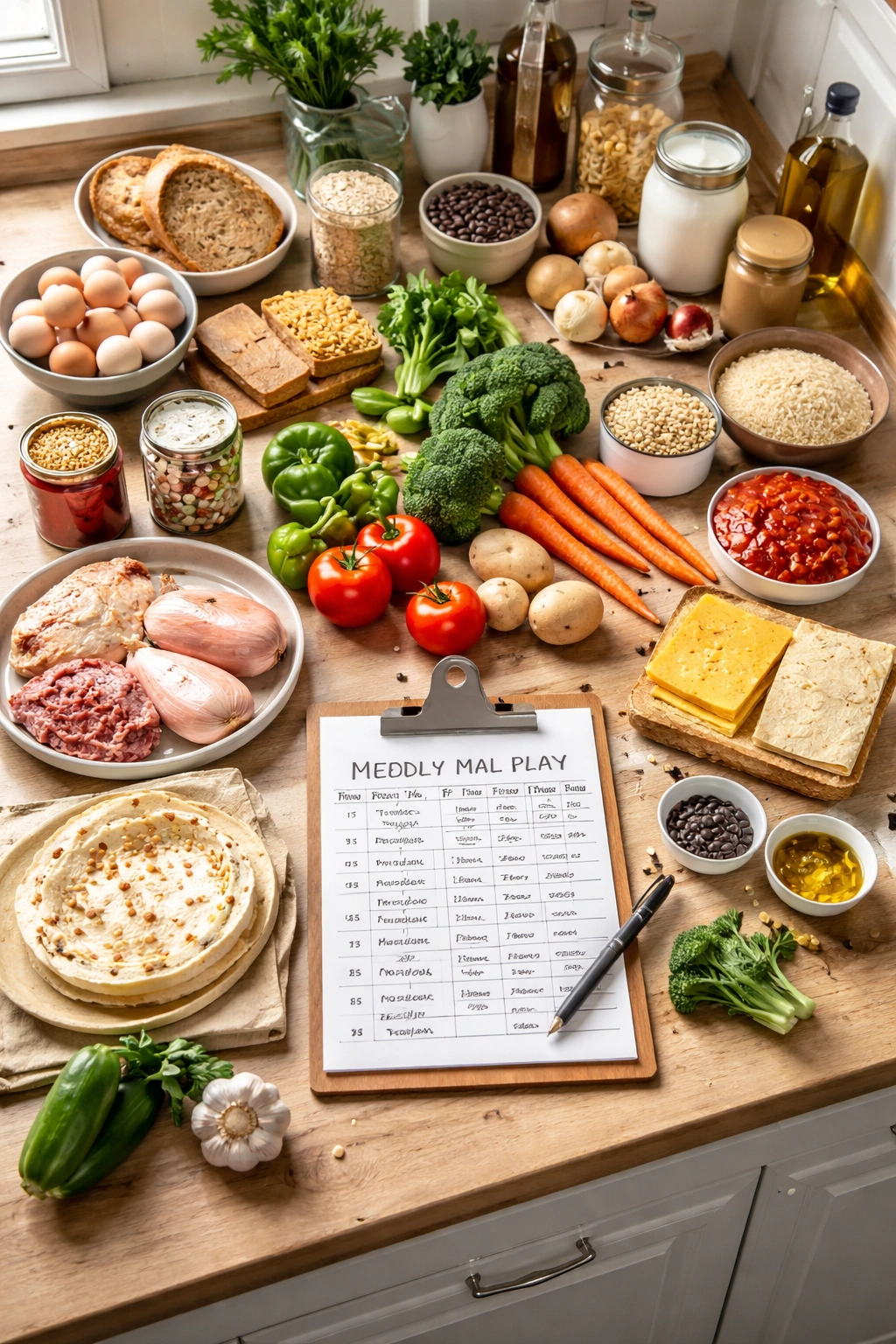
The difference between a budget meal plan that works and one that fails is planning backward instead of forward. Most people open a recipe app or think about what sounds good, then build a shopping list. Budget shoppers do the opposite: they look at what they already have at home, identify what’s about to expire or run low, and build their week around using those items first. This single shift in mindset transforms your entire approach to grocery spending.
Start by opening your fridge, freezer, and pantry. Write down everything that’s either about to go bad or that you’d like to use up. Got a half-used container of yogurt? A few frozen vegetables? Ingredients left from last week’s cooking? These become non-negotiable components of this week’s meal plan. Once you’ve identified what needs using, you build your other meals around leaving room for those items. If you have frozen broccoli taking up space, you plan a stir-fry. If you have milk and eggs, you build in breakfast for dinner or egg-based lunches.
Creating a written meal plan is non-negotiable for budget success. Without one, you’ll end up at the store hungry, tempted by sales on items you don’t need, or guessing about quantities. A written plan prevents those six-p.m. panic decisions to order pizza because you realize you have nothing to cook for dinner. You know exactly what you’re making every night, which means you buy exactly what’s needed—not more, not less. This eliminates the food waste that destroys grocery budgets more effectively than any other single factor.
When building your plan, aim for meals with significant ingredient overlap. If you roast a whole chicken on Sunday, plan to shred it for fried rice on Tuesday, add it to a creamy pasta Wednesday, and use the bones to make broth for soup Friday. If you’re buying peppers, use them in tacos, fajitas, stir-fry, and salad. The more times one ingredient appears across your week, the better your budget stretches. This approach also keeps you from buying small, specialized quantities that ultimately go unused.
Best Budget-Friendly Proteins to Buy
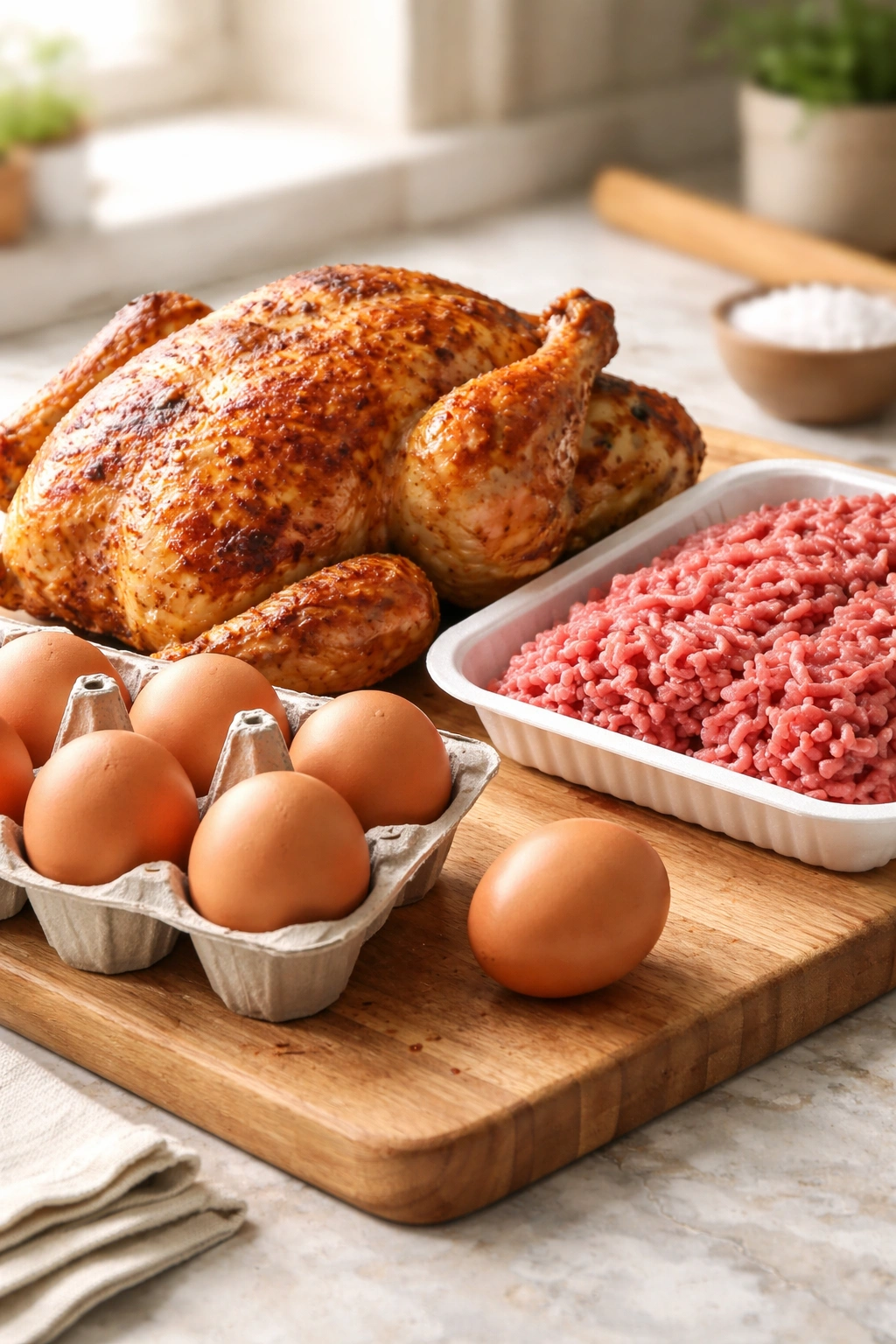
Protein is typically the most expensive line item in any grocery budget, which makes choosing the right proteins absolutely critical. A whole rotisserie chicken from stores like Costco or your local grocery chain offers extraordinary value. One five-dollar rotisserie chicken yields easily four cups of usable meat—enough for four separate meals when combined with other ingredients. You’re not eating plain chicken four nights in a row; you’re using that chicken as the protein component in completely different dishes. Shred it for tacos, dice it for fried rice, use it in pasta, or top a salad.
Eggs deserve their reputation as the budget shopper’s best friend. A dozen eggs costs less than three dollars in most areas and provides twelve servings of complete protein plus fat for satiety. Eggs work for breakfast, lunch, dinner, and even baked goods. They don’t require any special cooking skills. They keep for weeks. If you buy eggs once per week, you have a reliable protein source for scrambles, fried rice, shakshuka, breakfast for dinner, frittatas, or simply boiled and added to salads.
Ground meat—particularly ground beef and ground turkey—offers excellent value compared to individual cuts or premium proteins. Buy in the three to five-pound range rather than individual portions, which means paying less per pound. Brown a large batch on your stovetop, then portion it into smaller containers for the freezer. Use ground meat for tacos, chili, pasta sauce, rice bowls, and stuffed peppers throughout the week. One package of ground meat stretches across three to four different meals when properly planned.
Beans and lentils represent the best value proteins available. Canned beans cost under a dollar per can and deliver fiber, protein, and complex carbohydrates. A single can of black beans becomes the base for bean and rice bowls, goes into chili, gets mixed into tacos, or becomes part of a salad. Dried beans cost even less but require advance planning and longer cooking times. Lentils cook faster than dried beans and don’t require soaking, making them ideal for busy people on tight budgets.
Frozen fish—particularly budget options like tilapia or canned tuna—provides a complete protein at a reasonable cost. A bag of frozen tilapia runs five to seven dollars and contains multiple fillets. Canned tuna costs under a dollar per can. These options work well for experienced budget shoppers building seasoned meals, though they’re less forgiving than chicken or eggs for absolute beginners.
Pantry Staples That Make Everything Work
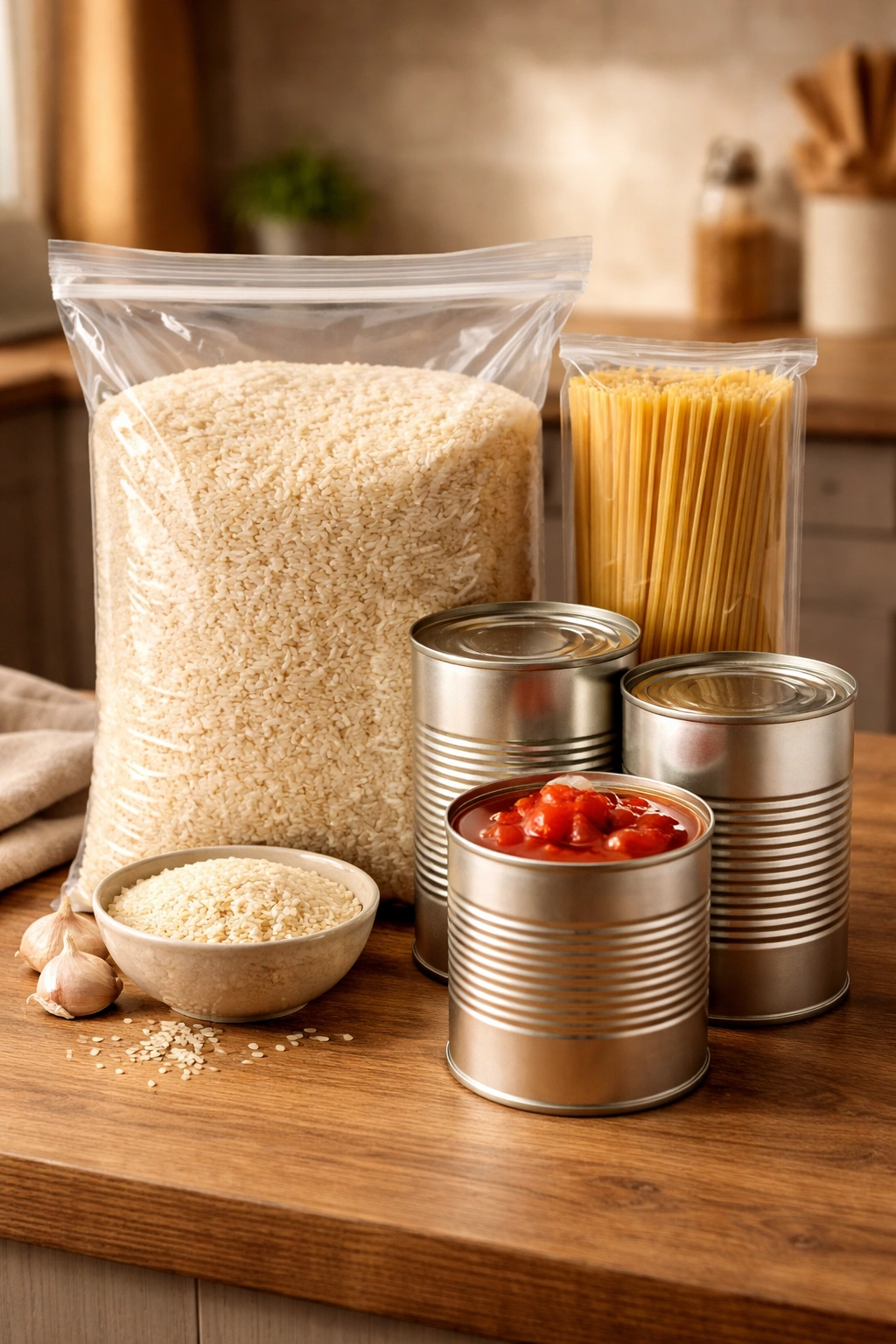
Your pantry foundation determines how much money you actually need to spend on groceries each week. If you maintain essential basics, your fifty dollars stretches exponentially further. These items typically don’t need replacing every single week; they last weeks or months depending on your cooking volume. The investment in building this foundation pays constant dividends.
Rice and pasta form the carbohydrate base for countless budget meals. A large bag of jasmine, basmati, or brown rice costs under three dollars and lasts through multiple weeks of cooking. The same applies to dried pasta in various shapes. These staples cost pennies per serving and transform small amounts of protein and vegetables into filling, satisfying meals. Cook a large batch of rice at the beginning of the week and divide it among multiple meals. The same strategy works for pasta.
Canned tomatoes—crushed, diced, or sauce—provide the flavor base for dozens of budget dishes. Pasta sauce, chili, shakshuka, rice bowls, and soups all start with canned tomatoes costing less than a dollar per can. A strategic shopper buys tomato products on sale and stockpiles them because they keep indefinitely in the pantry and never go to waste.
Dried beans and lentils offer unmatched protein value. A one-pound bag of dried beans costs around a dollar and yields six to eight cups of cooked beans—that’s roughly twelve servings of protein for less than ten cents per serving. While dried beans require planning ahead and longer cooking times, the investment pays enormous dividends for budget-conscious cooks. Lentils are faster, cooking in thirty minutes without soaking, making them more accessible for rushed schedules.
Oils, salt, and basic spices round out your pantry foundation. Olive oil or whatever cooking oil you prefer will run you six to eight dollars per bottle but lasts weeks or months. Salt costs a dollar. Basic spices—cumin, chili powder, garlic powder, black pepper, oregano, cinnamon—cost one to two dollars each but deliver flavor for months. These items represent your biggest upfront pantry investment but essentially become free after that initial purchase since you’ll replace them only occasionally. Existing pantry items like these ones mean your fifty-dollar budget goes entirely toward proteins, produce, and items you’ve actually run out of.
Frozen Vegetables: Your Secret Budget Weapon
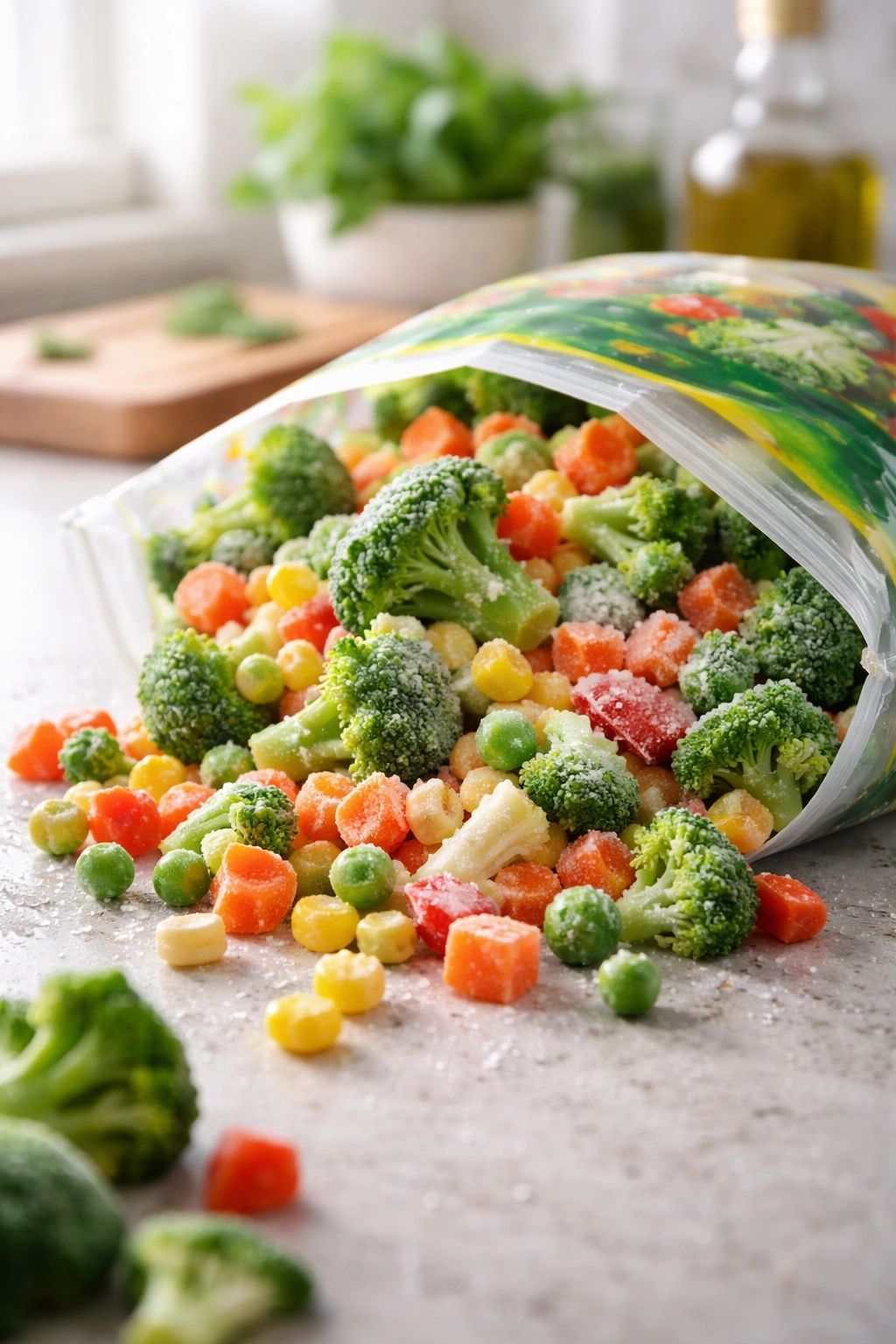
Frozen vegetables are one of the most underrated budget tools available. They cost less than fresh produce, last indefinitely without wilting or rotting, and deliver identical nutritional value because they’re frozen at peak freshness. For budget shoppers, frozen vegetables should be a dietary staple, not an occasional convenience. A five-pound bag of mixed vegetables costs around two dollars, and you can portion it exactly as needed for cooking. Nothing goes to waste because you’re not watching an entire head of broccoli turn brown before you finish using it.
Buy frozen broccoli, mixed vegetables, spinach, peas, carrots, peppers and onions, cauliflower rice, and whatever other frozen vegetables your store carries. These become your automatic add-ins for fried rice, pasta, curry, stir-fry, soups, and rice bowls. Instead of purchasing fresh produce and watching some wilt before you use it, you control portions precisely. A single frozen vegetable bag provides components for multiple meals throughout the week.
Frozen fruit works similarly. Frozen berries, bananas, and mixed fruit cost less than fresh and last indefinitely. Add them to oatmeal, yogurt, smoothies, or baked goods. Frozen bananas become ice cream when blended. The budget advantage is enormous because frozen fruit never spoils and there’s no pressure to use it immediately—you pull out exactly what you need when you need it.
The biggest frozen vegetable advantage for budget cooks is elimination of the produce waste that silently destroys grocery budgets. When you buy fresh broccoli and it sits unused while you work late three nights in a row, you’ve wasted two dollars. When you buy a bag of fresh spinach and half wilts before you use it, that’s waste. Frozen vegetables eliminate this problem entirely. You use exactly what you need and return the rest to the freezer. Over a month, this single change alone can save ten to fifteen dollars through waste elimination.
Smart Shopping Strategies That Stretch Your Money
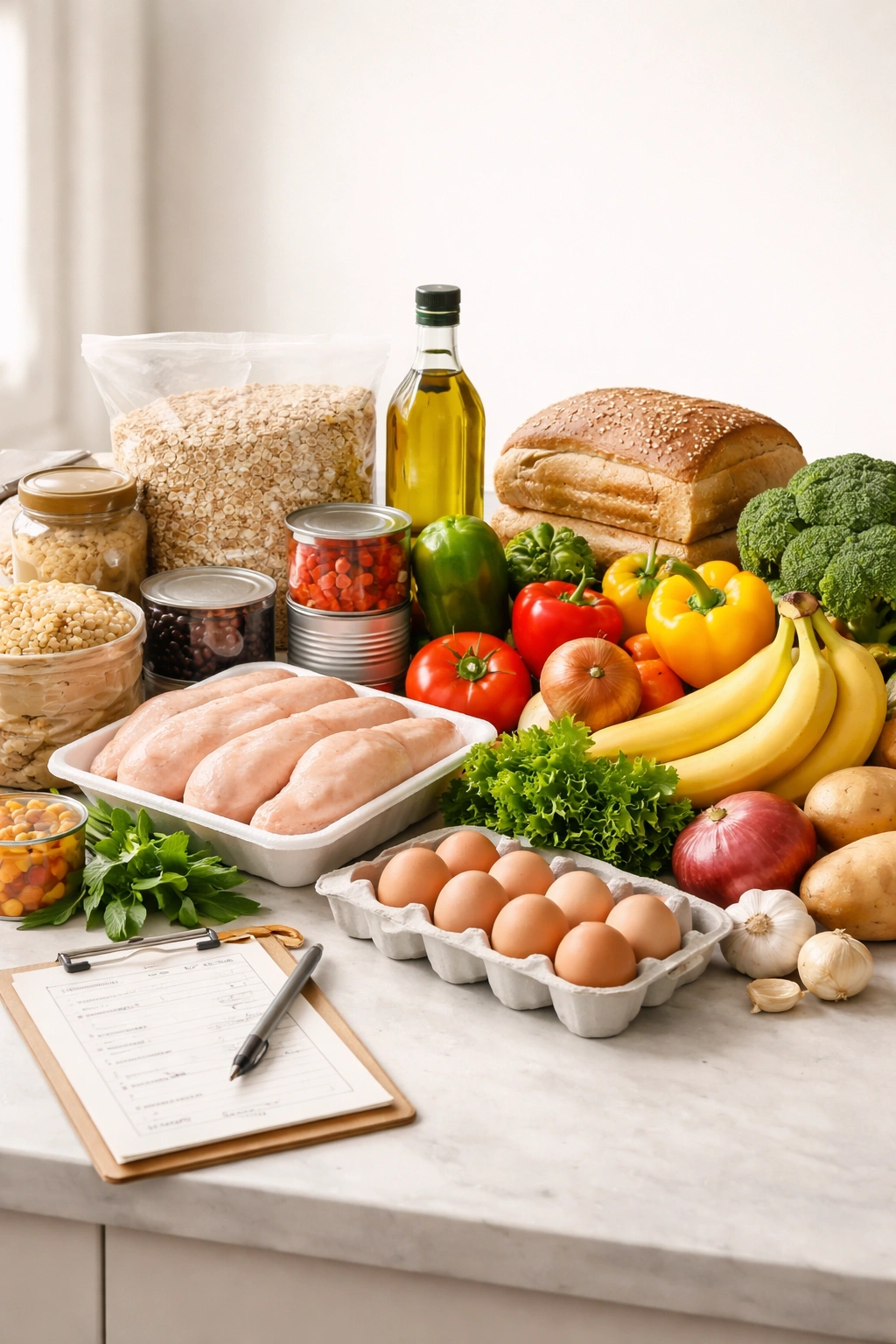
Shop your fridge, freezer, and pantry before making your grocery list. This single practice prevents buying duplicate items and helps you build meals around what you already have. You might discover half a container of plain yogurt, some frozen corn, leftover rice, and a block of cheese—perfectly serviceable lunch bowl ingredients that cost nothing because you already bought them. When you plan meals around existing inventory first, your fifty dollars goes further.
Buying in bulk when prices are favorable represents another critical strategy. This works best for non-perishable items and things with long shelf lives. If rice is on sale at a lower-than-usual price, buy multiple bags. If eggs are discounted, stock your fridge. If canned beans are on sale, grab extras. Your upfront spending increases that week, but you’re banking ingredients for future weeks, which means your actual food budget stretches across multiple weeks. Over time, this strategy significantly reduces your average weekly spending.
Shopping sales and using weekly store circulars cuts your costs without complicated coupon strategies. Most stores publish weekly ads either online or in-store. Spend five minutes reviewing what’s on sale before making your meal plan. If chicken is on sale, plan chicken-heavy meals that week. If ground beef is discounted, build around chili and tacos. If bananas are cheap, plan breakfasts featuring bananas. This flexibility—planning around sales rather than rigid menus—dramatically impacts your total spending.
Avoid shopping when hungry. This isn’t just common advice; it’s financially critical. Hungry shoppers buy impulse items, overestimate quantities needed, and add unnecessary conveniences to their carts. Shop after eating a meal. Bring a list and stick to it ruthlessly. Some people find it helpful to physically separate cash equal to their budget and leave cards at home—once the cash is spent, shopping stops. This hard boundary prevents overspending.
Buy store brands instead of name brands. The quality difference is often nonexistent, and you’ll save twenty to thirty percent on most items. Store-brand rice, beans, pasta, and canned vegetables are identical to name-brand versions at substantially lower prices. Store-brand cheese is indistinguishable from premium brands. For most grocery items, the primary difference is packaging and marketing, not quality.
How to Prioritize Ingredients for Maximum Value
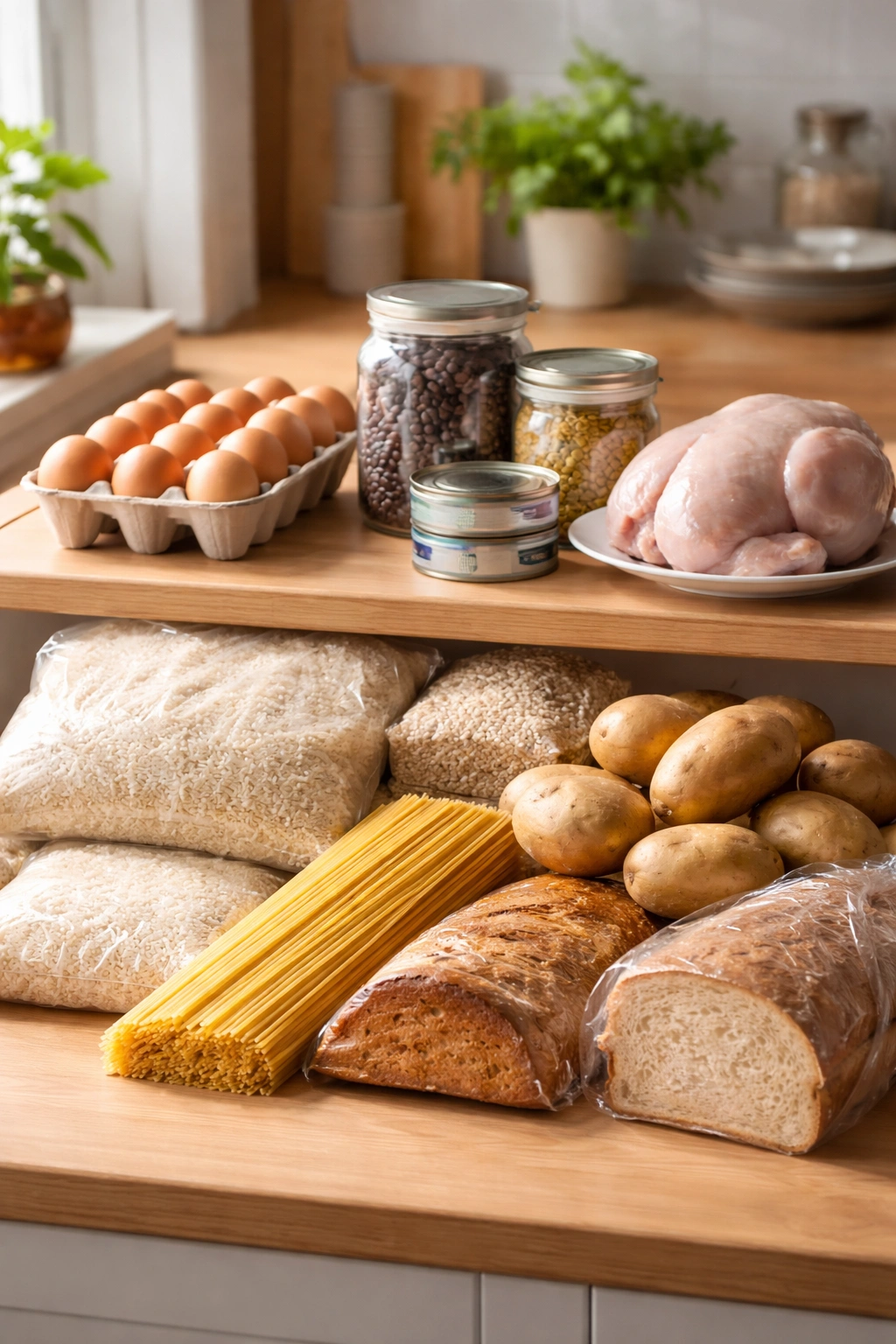
When your budget is tight, every single dollar must work harder than it would at higher spending levels. Prioritization becomes essential. You’re not buying convenient pre-packaged items or premium versions of basic ingredients. You’re buying ingredients that deliver the most meals, the most nutrition, and the most satisfaction per dollar spent.
Proteins take priority because they’re expensive and nutritionally non-negotiable. If your budget forces choices, you buy the most economical proteins first: eggs, dried beans, canned tuna, and whole chickens before buying ground meat or premium cuts. These items go into your cart before vegetables because without adequate protein, your meals won’t keep you satisfied, and you’ll end up buying additional food to supplement.
Carbohydrates come next: rice, pasta, bread, and potatoes deliver enormous caloric value cheaply. These staples transform small amounts of proteins and vegetables into filling, complete meals. A cup of rice costs pennies. Potatoes are incredibly inexpensive and versatile. Bread, while sometimes tempting toward more expensive artisanal varieties, has budget-friendly options costing under a dollar per loaf. These items form your meal foundation.
Fresh produce enters your budget after proteins and carbohydrates are secured. You’re not buying expensive vegetables; you’re buying what’s cheapest that week. Cabbage, carrots, onions, and potatoes cost less than most other produce. Frozen vegetables often cost less than fresh and eliminate waste. Buy strategically rather than comprehensively. You don’t need ten different vegetables; you need enough variety to avoid boredom while maintaining budget discipline.
Oils, spices, and flavor-building ingredients get lower priority initially because many budget shoppers already have them at home. But if you’re building from scratch, these items are essential purchases that pay dividends for months. A five-dollar bottle of olive oil lasts weeks. Two-dollar spices last months. These items improve food quality enough that they’re worth prioritizing before buying convenient processed foods.
One-Week Sample Meal Plan on $50
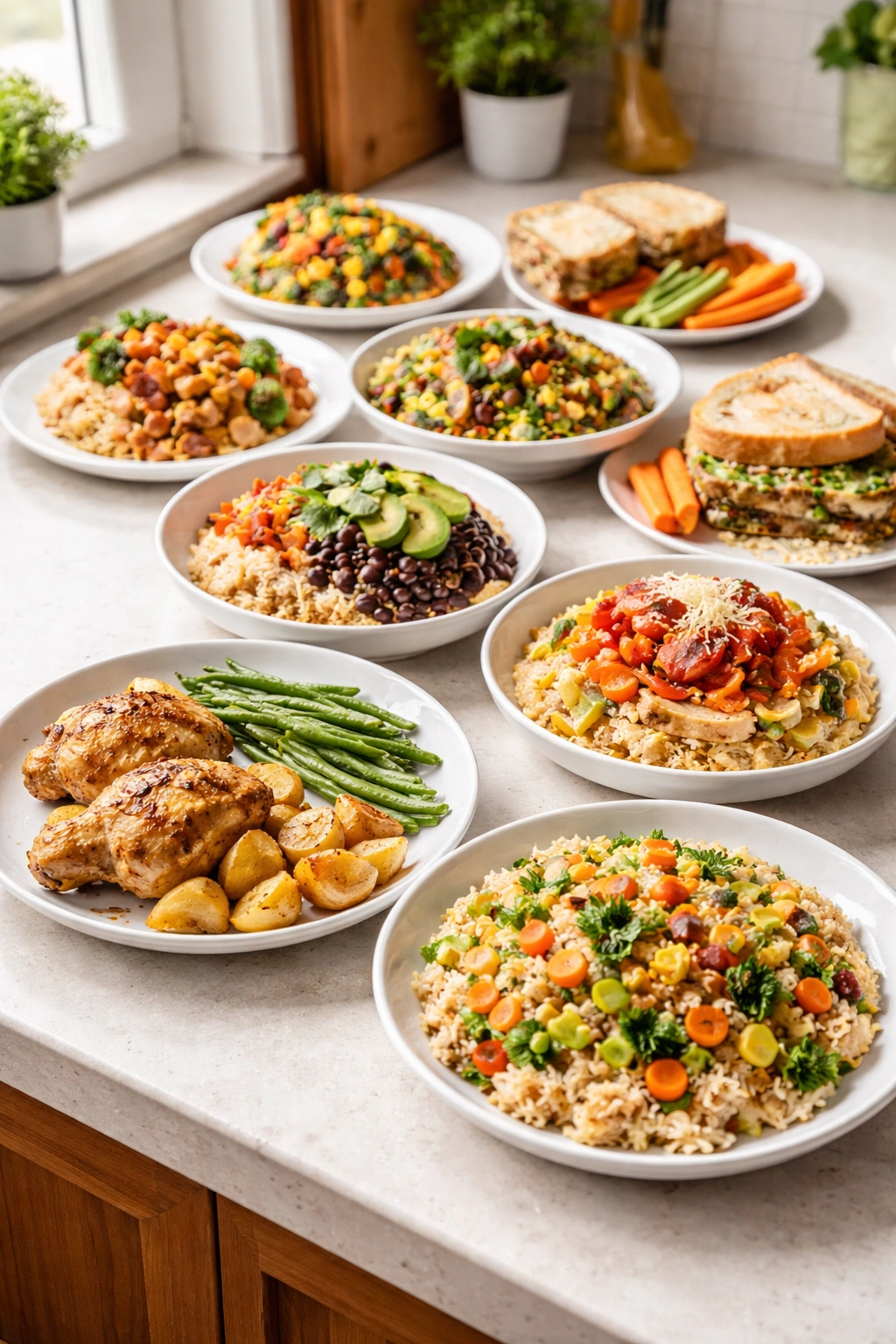
Understanding the theory behind budget meal planning becomes practical when you see a real week mapped out. This plan works for one person and assumes you have basic pantry staples like oil, salt, spices, and condiments already at home. The focus is on proteins, carbohydrates, and vegetables you’ll actually purchase this week.
Sunday: Roasted Chicken, Potatoes, and Greens — Buy a five-dollar rotisserie chicken, spend two dollars on potatoes, and two dollars on frozen or fresh greens. Eat a quarter of the chicken with roasted potatoes and greens for dinner, setting aside the remaining meat for future meals. The bones go into a container for broth-making later in the week.
Monday: Chicken Fried Rice — Use shredded leftover chicken, two cups of cooked rice, frozen vegetables (peas and carrots or mixed vegetables), eggs, and soy sauce or coconut aminos. This meal costs essentially nothing because all ingredients either came from Sunday’s dinner or your pantry.
Tuesday: Bean and Rice Bowls — Open two cans of black beans, reheat your homemade rice, add sautéed onions and peppers, top with cheese if you have it. A can of beans costs seventy cents; this meal feeds you twice.
Wednesday: Pasta with Simple Tomato Sauce and Vegetables — One pound of pasta (ninety cents), one can of crushed tomatoes (seventy cents), frozen broccoli, and shredded leftover chicken from Sunday. Dinner and leftovers for lunch the next day cost under three dollars.
Thursday: Shakshuka — Simmer tomato sauce with frozen spinach and peppers, create wells in the sauce, crack eggs into them, cover and cook until eggs set. Serve with bread. This meal costs under three dollars and provides incredible flavor with minimal effort.
Friday: Chili — Brown ground beef (spend two dollars on a small amount), add two cans of beans, one can of crushed tomatoes, spices from your pantry, and frozen diced peppers and onions. This meal easily stretches to three servings and improves the next day. Cost: under four dollars.
Saturday: Leftover Chili or Repurposed into Chili Dogs — Use remaining chili in bowls or over hot dogs if you have them, or simply eat it as-is. No new cooking required.
Approximate Spending Breakdown:
- Rotisserie chicken: $5
- Potatoes and greens: $4
- Frozen vegetables (multiple bags): $3
- Eggs (if not already stocked): $3
- Pasta and sauce: $2
- Ground beef: $2
- Additional beans and canned tomatoes: $3
- Bread: $1
- Miscellaneous produce (onions, peppers): $2
Total: approximately $25-30 in new purchases, leaving room for flexibility or higher food costs in certain regions.
This plan demonstrates that even with modest spending, meals contain real proteins, multiple vegetables, and satisfying flavors. Nothing here is deprivation food; it’s simply planned, intentional eating instead of improvised, expensive food shopping.
Best Stores and Where to Find Deals
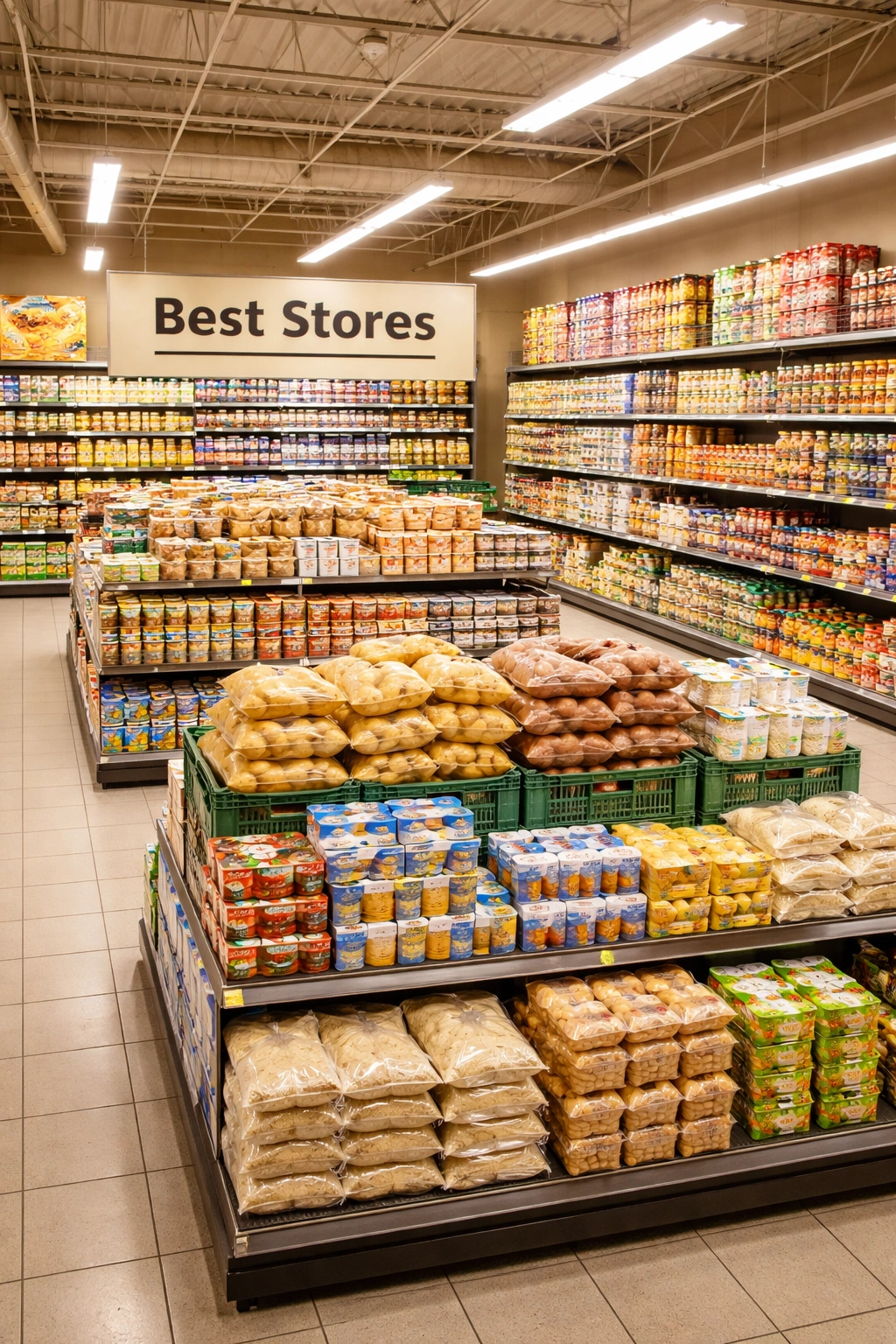
Store selection matters less than many assume, but certain retailers offer particular advantages for budget shoppers. Trader Joe’s consistently appears in budget grocery discussions because their private-label prices compete effectively with bulk warehouse clubs while offering smaller package sizes. You get good prices without buying enormous quantities, which matters for single people or small households where bulk purchases lead to waste.
Walmart, Kroger, Aldi, and regional chains offer comparable budget-friendly products. Aldi particularly excels at budget shopping because they carry limited SKUs (stock keeping units), meaning fewer choices but lower prices across the board. Less shelf space dedicated to brand proliferation means lower operational costs passed to consumers. Their private-label products are genuinely competitive in quality and price.
Costco and Sam’s Club offer bulk purchasing advantages but require membership fees and purchasing larger quantities. For some items—like rotisserie chickens, eggs, and certain frozen vegetables—the bulk prices are unbeatable. For others, smaller quantities from regular grocery stores work better for budget shoppers buying for one or two people.
Don’t overlook ethnic markets, discount grocers, and local produce stands. Many neighborhoods have Asian, Latino, or Middle Eastern markets where rice, beans, lentils, and produce cost significantly less than mainstream grocers. Building relationships with local farmers markets near closing time sometimes yields discounts on produce to avoid waste.
The best store is whichever one is most convenient to shop and stick to your list in. If you overspend at Trader Joe’s because their snack aisle tempts you, that store isn’t your budget ally regardless of their prices. If you stay disciplined at Walmart, that becomes your store. Know yourself and shop accordingly.
Preventing Food Waste (The Real Budget Hero)
Food waste kills grocery budgets more effectively than any other factor. Buying expensive ingredients that spoil before you use them wastes money more directly than almost any poor shopping decision. A ten-dollar bunch of cilantro rotting in your crisper drawer is a ten-dollar budget failure. Five dollars worth of fresh spinach wilting is a five-dollar loss. Over a month, accumulating waste can easily add fifteen to twenty dollars to your effective grocery spending.
The antidote to waste is meal planning that uses every ingredient before it spoils. When you buy cilantro, you plan three meals using cilantro so you finish the bunch before it goes bad. When you buy spinach, you use it in fried rice, add it to pasta, and cook it down into eggs so it’s gone before wilting occurs. This requires thinking ahead but eliminates waste completely.
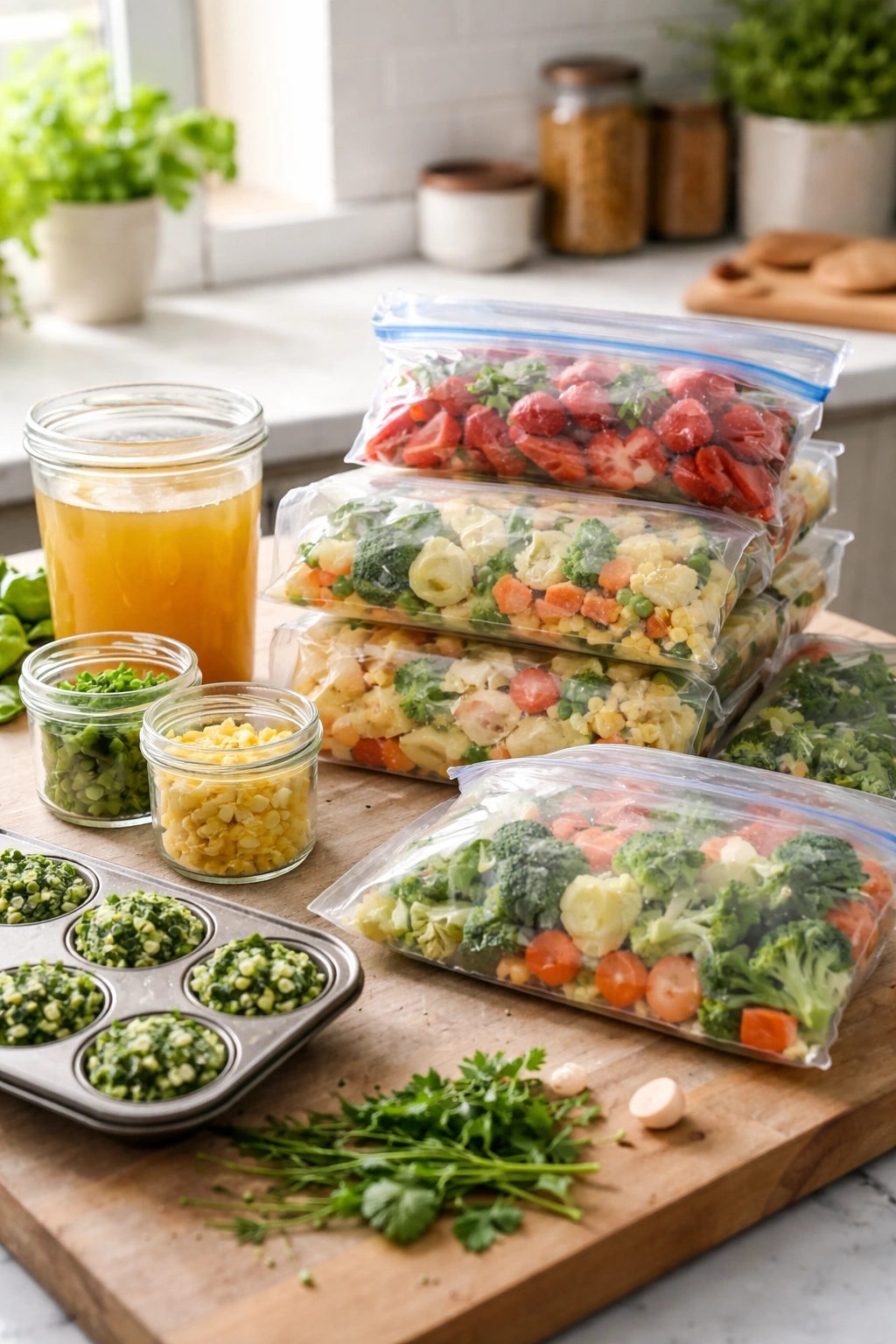
Using frozen vegetables addresses waste through the simple fact that frozen items keep indefinitely. You portion exactly what you need and return the rest to the freezer. Nothing spoils. Nothing goes to waste. A five-pound bag of frozen mixed vegetables costing two dollars represents tremendous value precisely because zero waste occurs.
Cooking in batches and freezing portions prevents waste while creating convenience. If you’re browning ground beef for chili, brown five pounds and freeze portions in labeled containers. When Friday arrives and you’re exhausted, reheat ground beef for tacos instead of ordering delivery. Batch cooking simultaneously saves money and prevents stress-driven spending on convenience food.
Using every part of whole animals matters for budget shoppers. Buy whole chickens and use the bones for broth, the meat for multiple meals, and save any scraps for soup. A whole chicken costs less per pound than individual breasts. You eat the same chicken but save money while extending its use across more meals.
Building Your Meals for Nutrition and Satisfaction
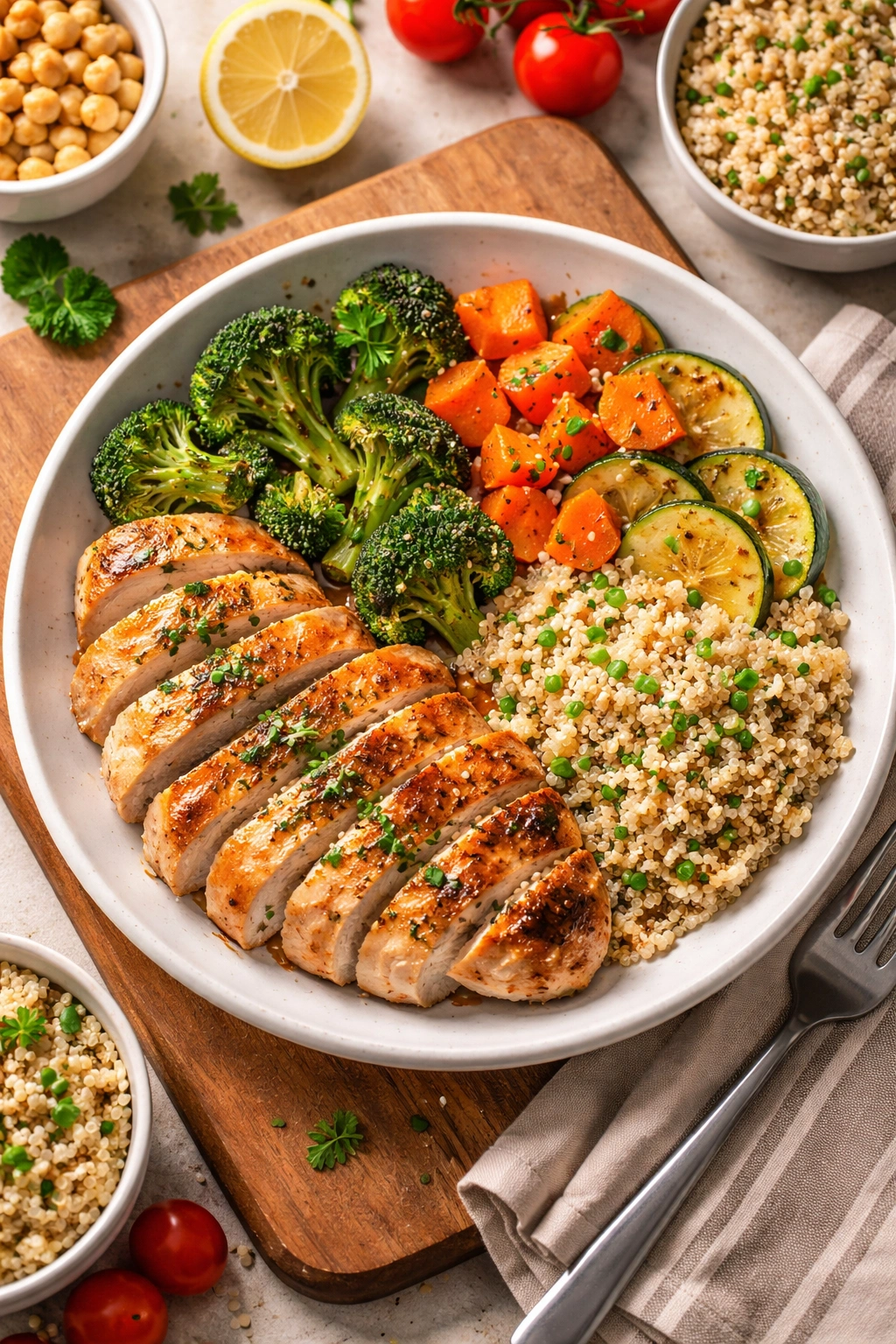
Tight grocery budgets sometimes attract criticism that they compromise nutrition, but proper planning creates meals that are genuinely nutritious. You’re not surviving on ramen; you’re eating complete meals with proteins, vegetables, and carbohydrates in reasonable proportions.
Each meal should include protein for satiety and muscle maintenance. Eggs, beans, chicken, and ground meat all deliver complete or complementary proteins. Rice and beans together form a complete protein, as does meat with any grain. Planning these combinations intentionally ensures your meals keep you satisfied throughout the day.
Vegetables provide essential micronutrients, fiber, and volume without excessive caloric density. Frozen vegetables get the job done as effectively as fresh. Aim for variety across the week—different colors provide different nutrients—but don’t stress about having ten vegetables on hand. Rotational variety across weeks works fine for budget shoppers.
Whole grains and legumes provide fiber, complex carbohydrates, and sustained energy. Brown rice costs slightly more than white rice but offers more nutrients. Whole wheat pasta is slightly pricier than regular pasta but delivers more fiber. These differences are minimal in percentage terms—a few cents per serving—and the nutritional gains make them worthwhile additions to a budget plan.
Adequate calories matter for satiety. Undereating because you’re trying to stretch your budget leads to constant hunger, making it harder to stick to your plan. A proper meal includes enough food to keep you satisfied four to five hours. This typically means combining protein, vegetables, and carbohydrates in reasonable proportions rather than tiny restriction-style portions.
Common Budget Grocery Mistakes to Avoid

The path to budget grocery success is paved with avoidable mistakes that many people learn the hard way. Shopping without a list is perhaps the most pervasive mistake. Lists keep you accountable and prevent impulse purchases. Even a mental list is better than walking into a store with no plan and leaving with twice what you need.
Buying too much fresh produce without a solid plan guarantees waste. Fresh greens particularly wilt rapidly. Buying a two-pound head of lettuce when you’re only one person and you eat out twice that week sets you up for waste. Buy smaller quantities more frequently, or commit to specific meals using that produce before purchasing.
Shopping while hungry leads to overbuying and purchasing convenience items you don’t actually need. Eat something substantial before grocery shopping. Your cart will reflect more deliberate decisions and less emotional purchasing.
Ignoring your pantry inventory leads to duplicate purchases. Opening a cupboard after grocery shopping to discover you already had three cans of beans at home is a budget failure. Maintain awareness of what you have. A handwritten pantry inventory sheet updated weekly takes five minutes and prevents expensive duplicates.
Prioritizing convenience and pre-packaged items over whole ingredients makes budget-friendly eating impossible. A bag of pre-cut vegetables costs double the price of whole vegetables. Rotisserie chickens cost more than raw chicken (though still remain budget-friendly). Buying convenience items occasionally is fine, but building your budget around them makes hitting fifty dollars impossible.
Refusing to adapt your meals based on sales and what’s available sets you up for overspending. Rigidly insisting on specific recipes regardless of ingredient prices costs more than flexibility. If you want chicken but ground beef is discounted fifty percent, buy ground beef and plan chili instead of chicken tacos. This flexibility is what makes tight budgets actually work.
Making It Work for Different Family Sizes

A fifty-dollar budget for one person differs substantially from a fifty-dollar budget for a family of four, though both are achievable with proper planning. The key difference is that families have economies of scale—certain costs like seasonings and oils spread across more people, lowering per-person spending.
For families, buying larger quantities becomes economically sensible rather than wasteful. A five-pound bag of chicken costs less per pound than individual breasts. A bulk bag of rice feeds an entire family weeks of meals. Buying in bulk for single people risks waste; for families, it enables better deals. Bulk warehouse clubs make particular sense for families, where the membership pays for itself through quantity discounts and lower per-unit costs.
Family meal planning benefits from similar overlap strategies as single-person planning but scales up ingredient quantities. Instead of one chicken breast, buy three or four. Instead of one can of beans, buy two or three. The flavor profiles and meal planning remain identical; the volume simply increases.
Children sometimes require additional planning around preferences and picky eating. Building meals with components people can customize (taco bars, rice bowls with various toppings) keeps everyone happy without buying separate ingredients. A taco bar meal costs nearly identical whether it feeds one person or four because you’re buying the same ingredients in different quantities.
For families with multiple adults and children, food stretches further than the mathematics suggest because children typically eat smaller portions than adults. A meal planned for four people might actually feed five with proper portions.
Final Thoughts
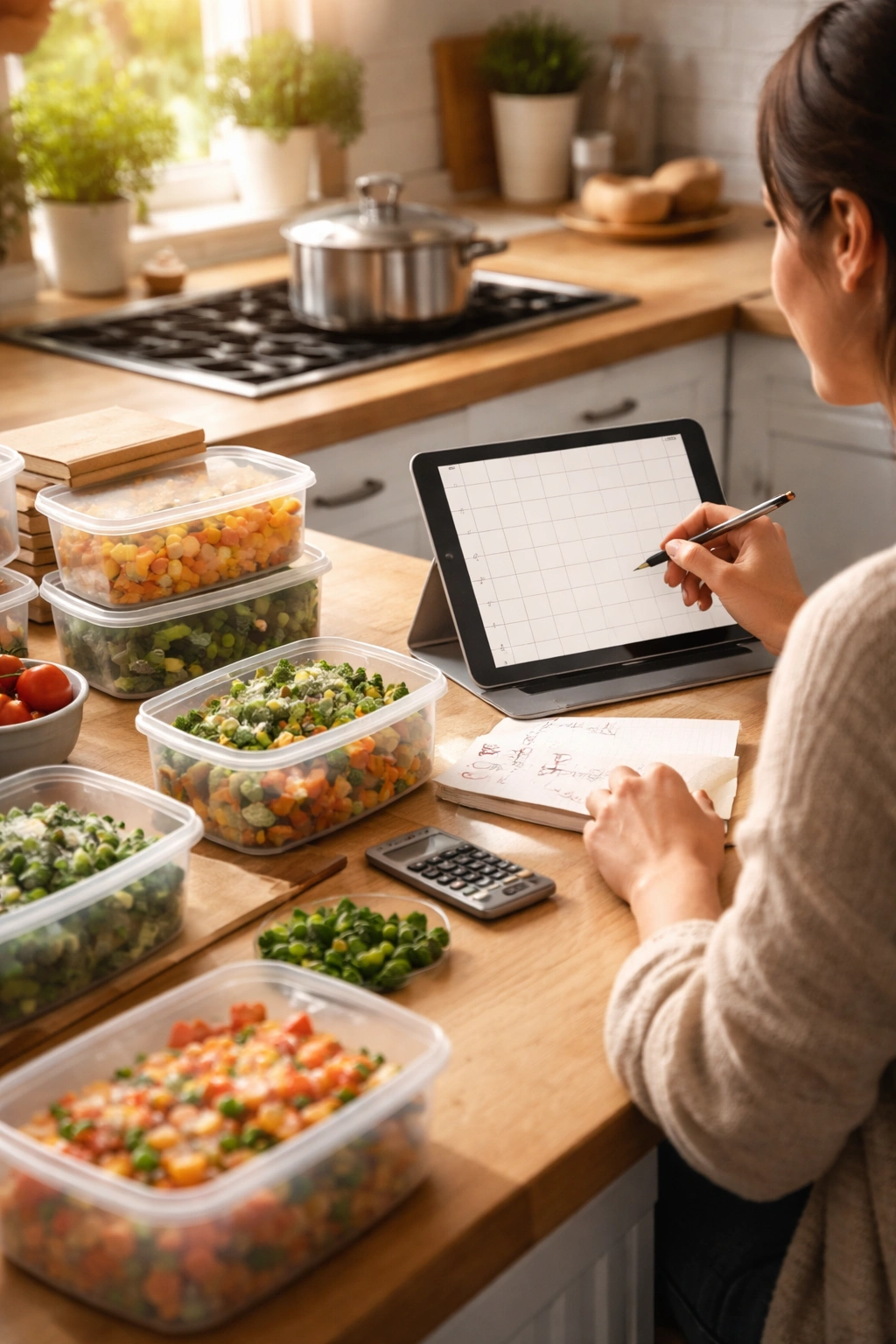
Eating well on fifty dollars weekly requires abandoning the idea that good food comes expensive. The best meals come from intentional planning, strategic shopping, and eliminating waste—not from spending more money. People across different regions, different income levels, and different food preferences prove weekly that this budget is achievable. The question isn’t whether it’s possible. It’s whether you’re willing to spend thirty minutes planning and stick to your list when shopping.
Start with a single week. Choose simple meals you already know how to cook. Plan around a good protein deal you find. Use frozen vegetables without apology. Prep one batch cooking session on your day off. Track what you spend and observe where your money actually goes. Most people are shocked to discover how much waste they’ve been unconsciously accepting—produce spoilage, half-finished containers, impulse purchases that never get used.
Once you’ve completed one successful week on budget, the second week becomes easier. You’ve proven it’s possible. You’ve learned what meals genuinely satisfy you. You’ve discovered which stores work best for your discipline level. You’ve experienced the relief of finishing your week with money left over and no waste in your trash can. That momentum carries you forward into sustainable budget eating that doesn’t feel like deprivation but rather like control and intentionality.
