



Nothing brings back school lunch nostalgia quite like opening a thoughtfully packed bento box. There’s something special about compartmentalized meals — they’re tidy, they travel well, and honestly, they just look more appealing than a sandwich squished in a plastic bag. If you’re packing lunch for a student in your life, bento boxes eliminate decision fatigue while delivering actual nutrition and flavors kids genuinely want to eat. The best school lunch bento boxes balance protein, fresh vegetables, whole grains, and a touch of something fun — all in portions that actually fit a kid’s appetite without creating waste.
The beauty of bento-style packing is that you can build on whatever you’ve got in the kitchen. You’re not locked into a single formula or complicated prep. Once you understand the basic compartment system, you can mix and match endlessly. These eight ideas span flavor profiles from Mediterranean to Asian to Mexican, so there’s something for every palate. Each one travels safely, reheats easily (or doesn’t need reheating at all), and holds up through a full school day without the components getting soggy or mixing together.
1. Mediterranean Veggie & Hummus Bento
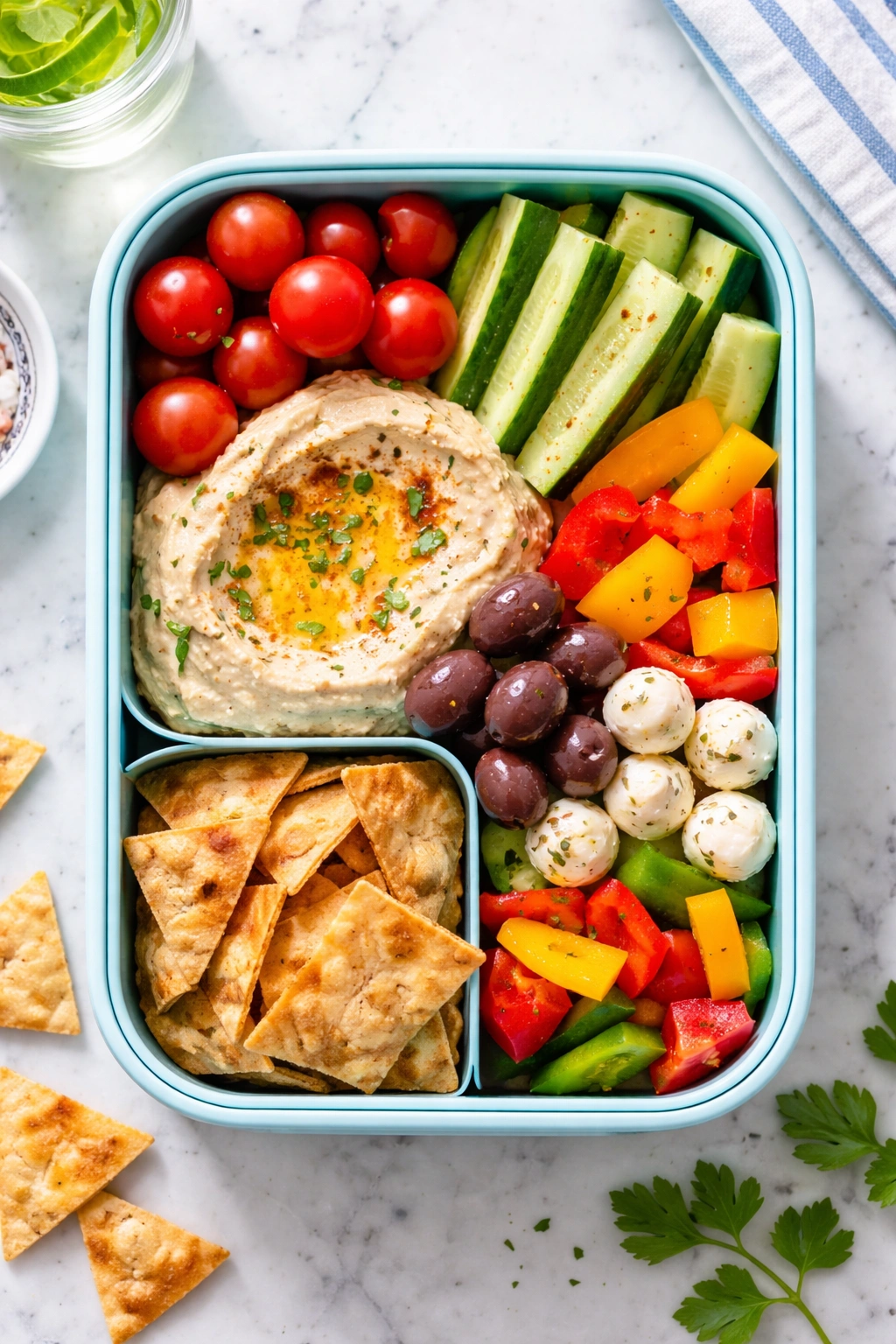
This bright, colorful bento celebrates fresh vegetables and healthy fats in a way that feels more like snacking than eating lunch. Mediterranean flavors resonate with kids because they’re not heavily spiced or complicated — it’s really just good ingredients tasting like themselves.
Why It’s a Winner for School Days
Mediterranean bento boxes stay fresh without refrigeration better than many others because the components are naturally shelf-stable or don’t wilt quickly. Hummus acts as both a protein and a satisfying vehicle for vegetables, making each bite feel more substantial. The flavors are bold enough to be interesting but familiar enough that picky eaters often surprise themselves by actually enjoying it.
What Goes Inside
- Hummus in the largest compartment (about 1/3 cup, enough for dipping all the vegetables)
- Cherry tomatoes, halved (a generous handful — roughly 12-15)
- Cucumber slices, cut into spears (about 1.5 inches long)
- Bell pepper chunks, in bright colors if possible (about 1 cup mixed red, yellow, and orange)
- Kalamata olives (a small handful, about 10-12, which gives that salty pop)
- Mini mozzarella balls or cubed feta (about ¼ cup)
- Whole-grain pita chips or small pita wedges (about 1 cup)
- A small handful of fresh grapes for a touch of sweetness
Pro tip: Pack the hummus in a separate small container with a secure lid to prevent it from seeping into the vegetables. Everything else can sit directly in the compartments.
Assembly and Storage Tips
Keep the vegetables separate from the hummus until lunchtime if you can, but if space is tight in your fridge, pair them together. The compartmentalized nature of the bento box naturally keeps everything from getting soggy. If you’re packing this the night before, store it in the refrigerator and it’ll stay crisp and cold through the morning. The best part is that nothing in this bento requires heating, so your kid can eat it immediately without waiting for anything to cool down.
2. Asian-Inspired Teriyaki Chicken Bento
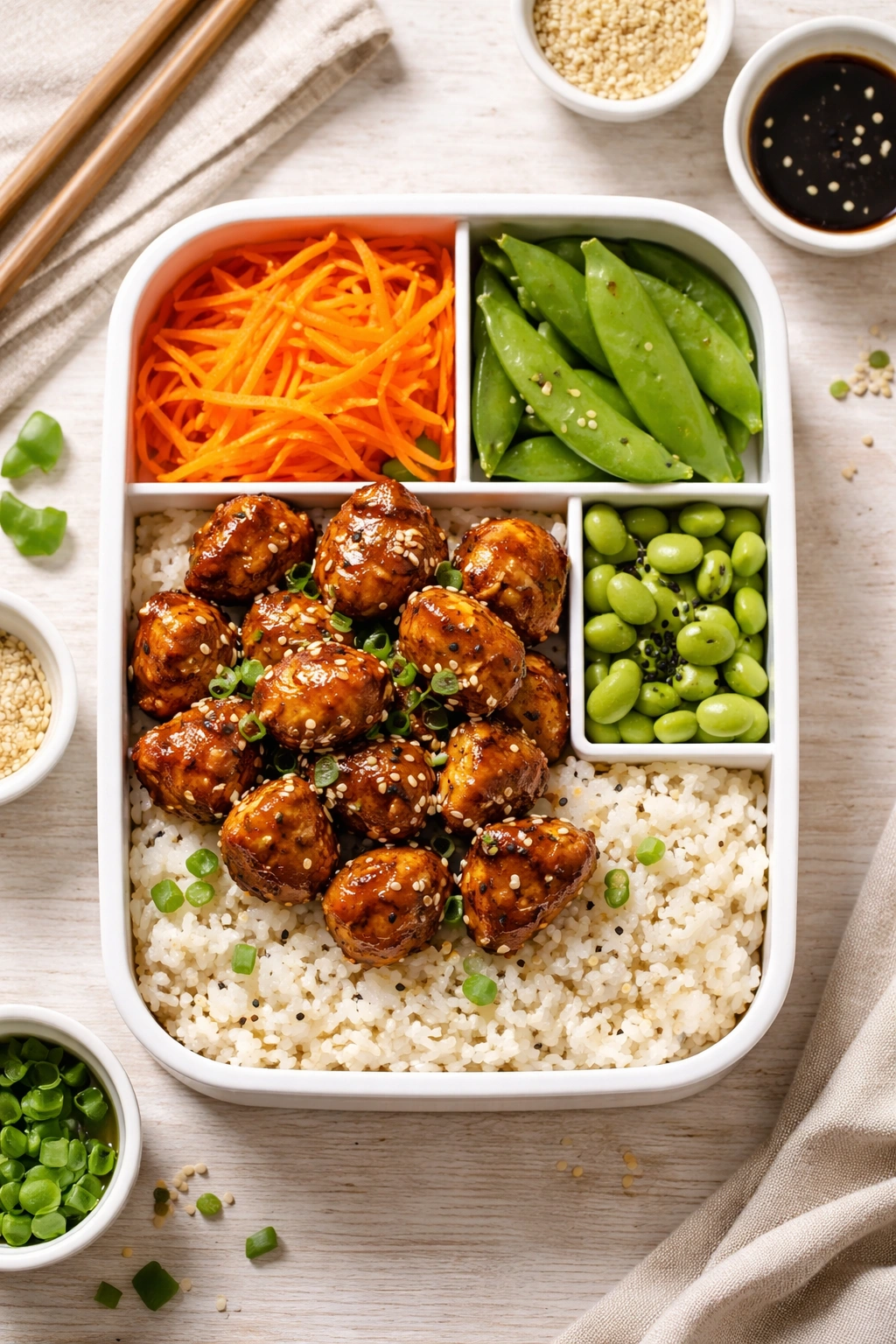
Teriyaki chicken feels fancy and restaurant-like, which makes kids genuinely excited to open their lunch box. This bento works because the chicken is already flavorful and doesn’t need sauces or condiments — it stands on its own, which means less mess and fewer accidental spills inside a backpack.
Why This Combination Works
Teriyaki-glazed chicken is tender, slightly sweet, and a total crowd-pleaser. Combined with steamed rice or quinoa and some crisp vegetables, you’ve got a balanced meal that covers all the nutritional bases. The sweetness from the glaze means your kid isn’t looking for candy after lunch, and the protein keeps them satisfied through the afternoon.
Main Components
- Teriyaki chicken chunks (about 4-5 oz, cooked and cooled completely before packing)
- Steamed white or brown rice or quinoa (about ¾ cup, cooled)
- Shredded carrots (about ½ cup, which stay crisp for hours)
- Snap peas or snow peas (about 1 cup, so satisfying to crunch)
- Edamame (about ½ cup, shelled — include these cold straight from the fridge)
- A small handful of sesame seeds (just a sprinkle over the top)
- Optional: a few pieces of dried mango or fresh pineapple chunks for sweetness
Worth knowing: If you’re using a purchased rotisserie chicken, shred the meat and toss it gently with a store-bought teriyaki sauce before packing. It’ll reheat or eat perfectly cold.
Preparation and Temperature Tips
Cook the chicken and rice the night before, refrigerate them separately, and assemble the bento the morning of school. The chicken will be perfectly safe to eat cold or can go into a thermos of hot water for a few minutes if your kid prefers it warmed. Keep the sesame seeds in a separate small container and sprinkle them just before eating — this keeps them from absorbing moisture. Everything stays separate and distinct rather than becoming a mixed-together mush by lunchtime.
3. Build-Your-Own Taco Bento
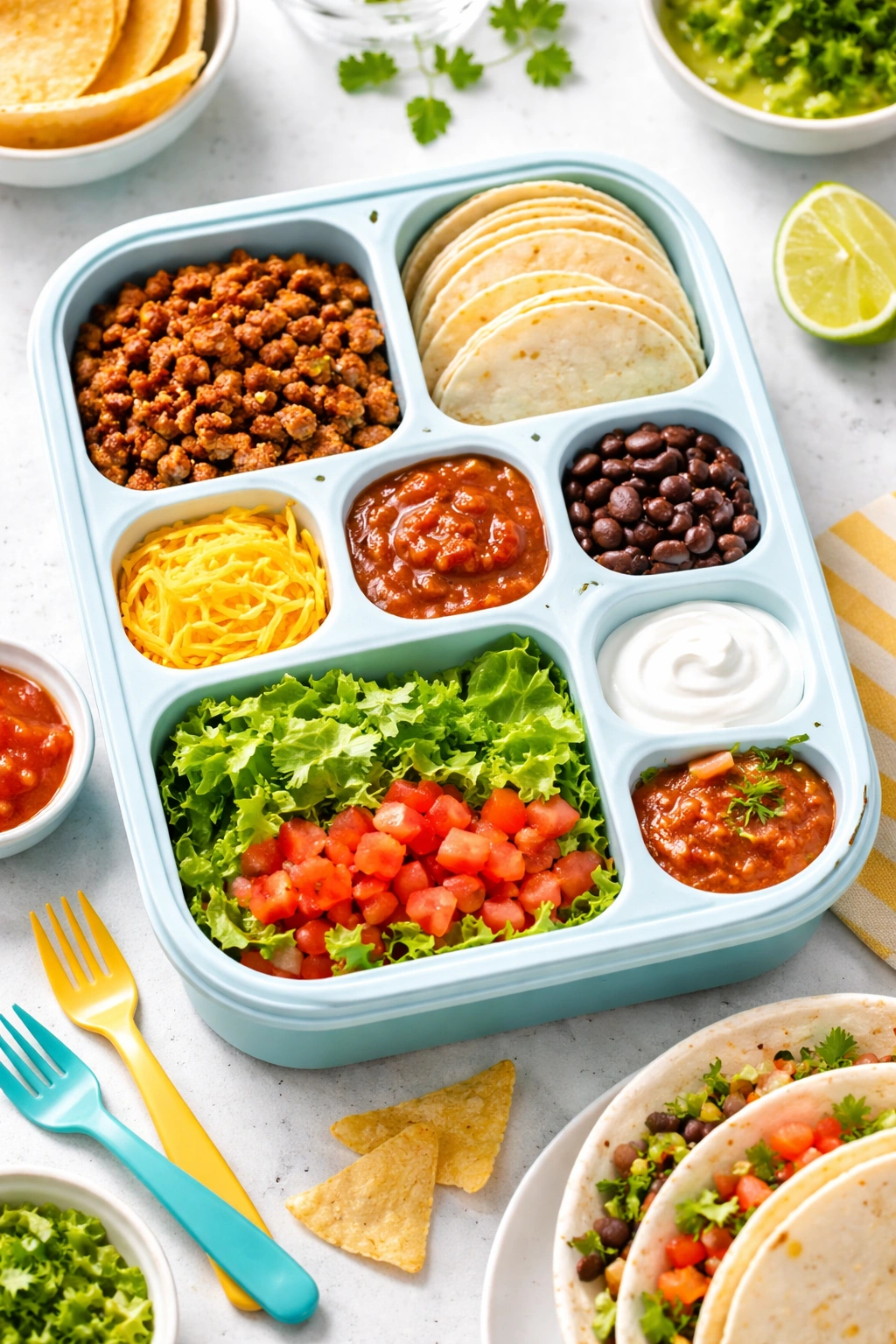
Tacos in a bento box? Absolutely. Instead of wrestling with a soft shell that falls apart, pack the components separately and let your kid assemble their own tacos right at the lunch table. This level of customization and hands-on fun significantly increases the odds that your kid will actually eat every component.
Why Kids Love This Approach
Building their own food is inherently engaging. Your kid gets to decide how much of each topping goes into each taco, which makes them invested in actually finishing the meal. Plus, the novelty of assembling food at school feels special and different from home meals, which counts for a lot in the school lunch world.
Components You’ll Need
- Seasoned ground beef or shredded chicken (about 1 cup cooked, cooled, and lightly seasoned with mild taco spices)
- Small corn or flour tortillas (about 4-5, which gives them options)
- Shredded cheddar cheese (about ½ cup)
- Shredded lettuce (about 1 cup of the crisp green kind, not iceberg)
- Diced tomatoes (about ½ cup, pat them dry so they don’t make the tortillas soggy)
- Black beans (about ½ cup, drained and rinsed)
- Sour cream (about ¼ cup in a small lidded container)
- Salsa (optional, about ¼ cup in its own small container)
Pro tip: Pack the tortillas in their own compartment or wrapped in a small zip-top bag to keep them from getting crushed by the weight of other ingredients.
Packing Strategy
Keep warm components in one section and cold components in another. The tortillas should stay at room temperature, the meat can go cold, and the fresh toppings (lettuce, tomato) should be well-separated from any damp ingredients. If you’re making this in the morning and it’ll sit in a backpack for several hours, pat the tomato pieces extra-dry and pack them on top, where they’re less likely to soak into the tortillas from below.
4. Classic Sandwich & Sides Bento
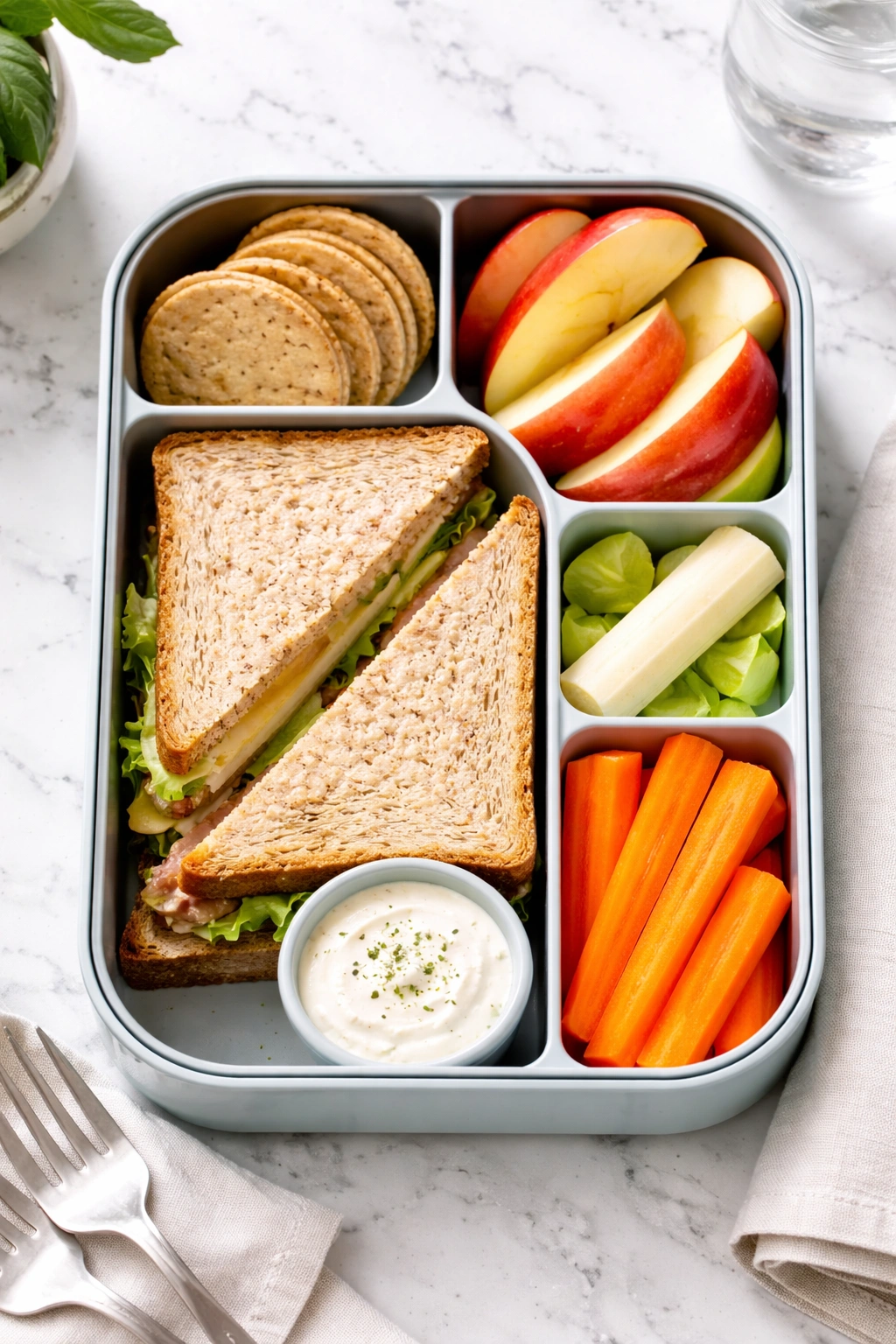
Sometimes the most reliable bento box is a well-executed version of the basics. A thoughtfully made sandwich paired with simple, kid-friendly sides hits that sweet spot of comfort and nutrition. The compartments keep everything organized and prevent that sad, soggy bread situation.
Why This Never Fails
You already know what flavors your kid likes, so you can dial in the sandwich exactly right. There’s no exotic ingredients or complicated prep — just good bread, quality protein, and vegetables that taste like they’re supposed to. The bento box format lifts this above a standard brown-bag lunch because everything is visible and appealing.
Build Your Sandwich Box
- One sandwich made with whole-grain bread, your choice of lean protein (turkey, roast beef, chicken), cheese, and fresh vegetables like lettuce and tomato (cut in half to fit the box better)
- Apple slices or a small apple (toss slices in a tiny squeeze of lemon juice to keep them from browning)
- String cheese or a small container of cheese cubes (about 1.5 oz)
- Whole-grain crackers (about 1 cup, the thicker kind that hold up better)
- Carrot sticks and a small container of ranch dip (about 2 tablespoons)
- A small handful of grapes or a banana
- A few almonds or mixed nuts (about ¼ cup, skipped if there’s a nut allergy at school)
Worth noting: Toast the bread lightly before making the sandwich — this creates a slight barrier that keeps condiments from soaking in, so the bread stays firm and the sandwich holds together through the day.
Storage and Freshness
Assemble this bento the morning of school so the bread stays from getting stale and the vegetables stay crisp. Keep it in a cool spot (lunch box with an ice pack) and it’ll stay perfectly fresh through dismissal time. The beauty of this bento is its simplicity — there’s very little that can go wrong.
5. Sushi Roll & Edamame Bento
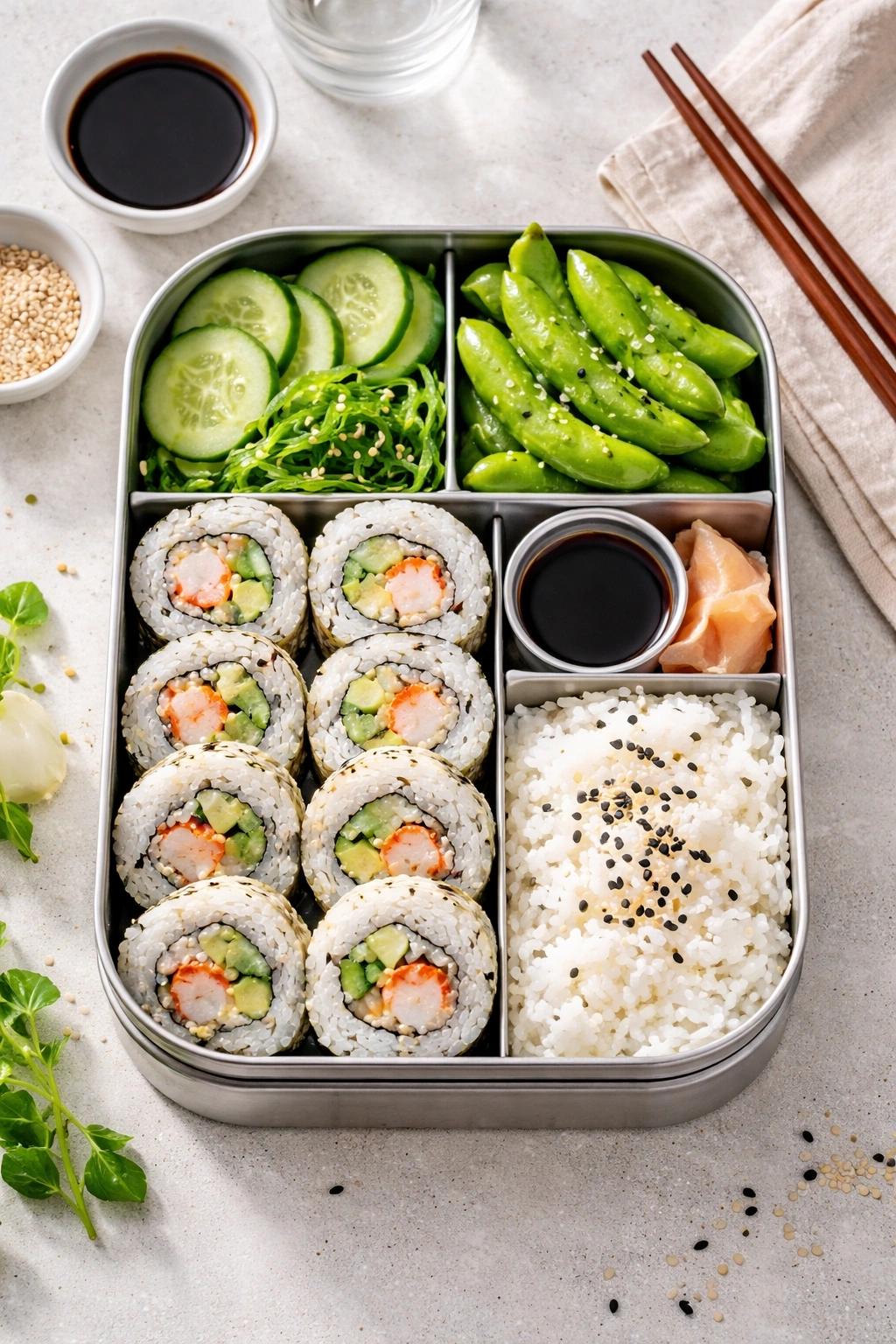
Sushi bento boxes look elegant and feel special, but they’re surprisingly straightforward to assemble at home. Your kid doesn’t need fancy culinary skills to enjoy sushi at lunch — you just need decent ingredients and clean hands.
Why Sushi Works as School Lunch
Sushi is portable, it doesn’t require reheating, and it travels well when packed properly. The combination of rice, protein, and vegetables is naturally balanced. Kids find sushi exciting because it feels different from typical lunch fare, which means they’re more likely to be enthusiastic about eating it.
Your Sushi Bento Lineup
- Sushi rolls (about 6-8 pieces, made with cooked shrimp, cucumber, or imitation crab — raw fish is tricky for school lunch storage)
- Edamame (about ¾ cup, shelled and salted, served cold)
- Steamed rice or sushi rice (about ½ cup, packed in a small container if needed for the compartments)
- Cucumber slices (about 1 cup, raw and crisp)
- Seaweed salad (optional, about ¼ cup, in its own small container)
- Pickled ginger (optional, about 2 tablespoons, in a small sealed container)
- A small cup of soy sauce (about ¼ cup in a tiny sealed container, as dipping sauce)
- Fresh strawberries or melon cubes (about 1 cup, for a light sweet finish)
Pro tip: Buy pre-made sushi rolls from the grocery store if you’re not confident rolling them yourself. Quality matters less than confidence here — store-bought works great for lunch.
Packing Without Spoiling
Keep the sushi rolls in a covered container within the bento box to prevent them from drying out. Pack the dipping sauce and pickled ginger separately so the rice doesn’t absorb too much moisture. Everything can go straight into a regular lunch box with a small ice pack — you don’t need a specialized sushi bag. The sushi will be perfectly fresh and appetizing by lunchtime.
6. Italian Pasta Salad Bento
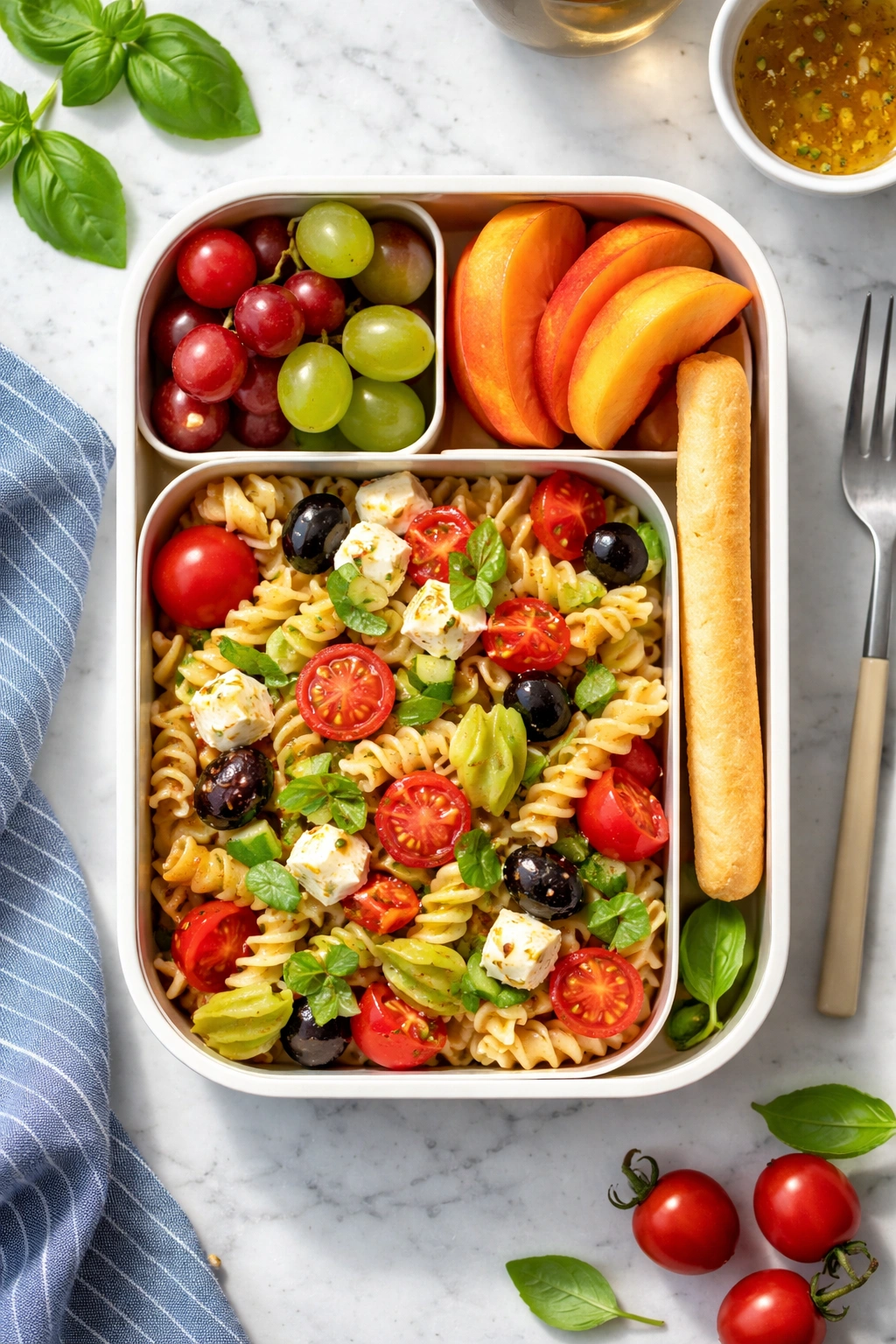
Pasta salad is inherently kid-friendly, travels beautifully, and tastes even better the next day after the flavors have time to meld. A thoughtfully made pasta salad bento box transforms what could be boring into something genuinely crave-worthy.
Why Pasta Salad Packs Well
Cold pasta salad sits happily at room temperature or in a cool lunch box without concern for food safety. It doesn’t separate or get soggy — in fact, it improves as it sits. You can make it the night before, which means less rush in the morning. It’s filling enough to satisfy, but light enough that kids aren’t dragging in the afternoon.
Pasta Salad Bento Contents
- Cooked pasta (about 1.5 cups, cooled — use fun shapes like rotini or penne that kids find more interesting than plain spaghetti)
- Cherry tomatoes, halved (about ¾ cup)
- Cucumber, diced (about ¾ cup)
- Bell pepper, diced (about ½ cup, any color)
- Mozzarella cubes (about ½ cup, the small kind)
- Black or kalamata olives (about ¼ cup, pitted)
- Fresh basil leaves (optional but genuinely good, about 2 tablespoons chopped)
- Italian vinaigrette dressing (about ¼ cup, tossed with the pasta before packing)
- Fresh grapes or sliced peaches (about 1 cup)
- Breadsticks or focaccia cubes (optional, about 1 cup, for crunch)
Worth knowing: Make the pasta salad the night before and let it sit in the fridge overnight. The flavors will develop beautifully, and it’ll be ready to pack in the morning.
Tossing and Packing Tips
Use just enough dressing to coat the pasta lightly — you want it flavorful, not soggy and swimming in oil. If you’re packing this alongside other components in a bento box, keep the pasta salad in its own compartment to prevent it from mixing with other items. Everything holds perfectly fine at room temperature or slightly cool, so don’t stress about ice packs unless your school sits in direct sunlight.
7. Mexican-Spiced Rice Bowl Bento
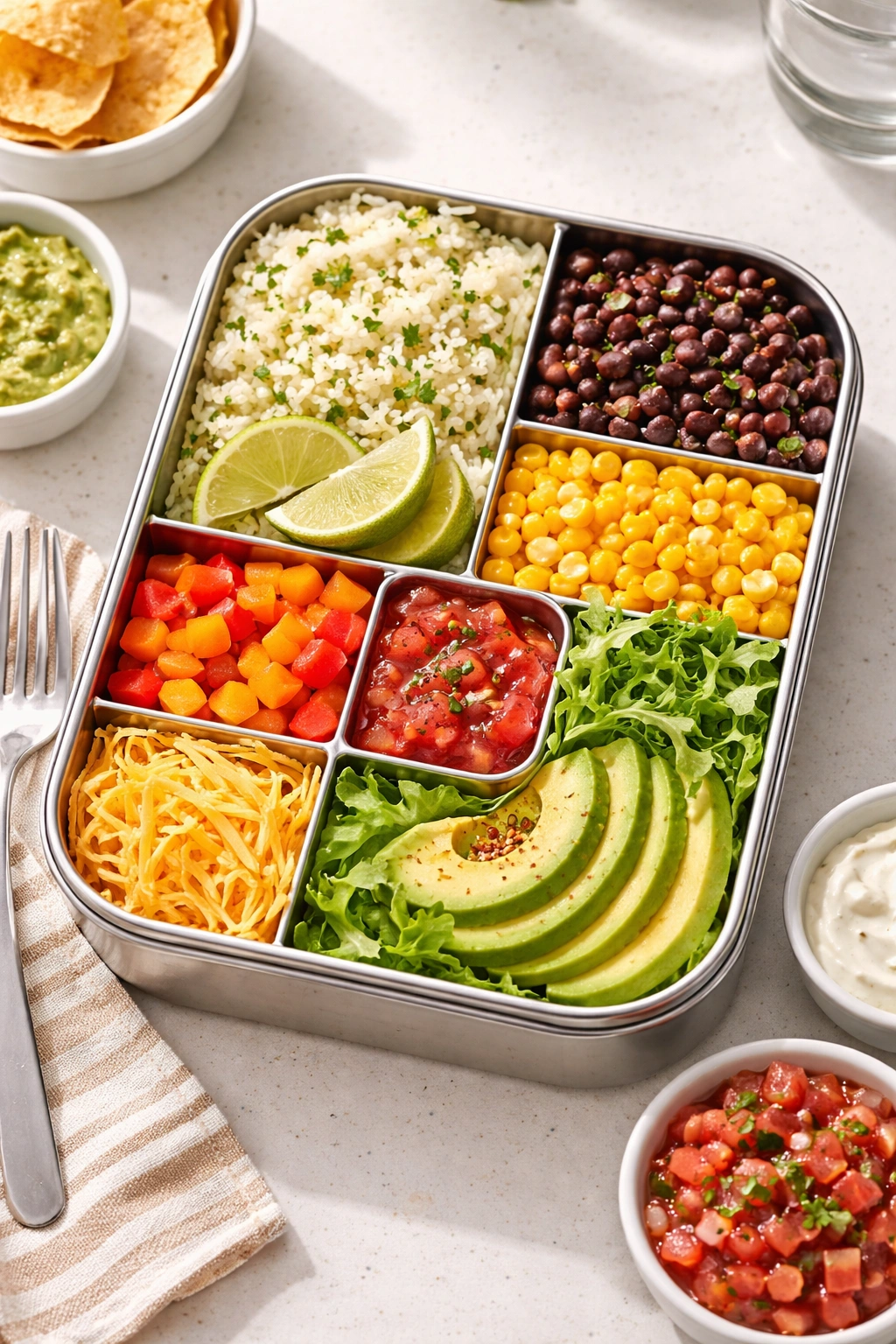
A rice bowl bento is essentially a deconstructed burrito — all the flavors and texture you want, none of the mess. Pack the components in compartments, and your kid can eat them mixed together or separately, depending on preference.
Why This Works for Lunch
Rice-based meals are naturally filling and satisfying. The mild spicing means it appeals to kids who get overwhelmed by heat, but the seasonings are interesting enough to keep adults happy too. It’s inexpensive to make, which means you can pack it multiple times a week without stretching your budget.
Your Rice Bowl Bento Box
- Cilantro lime rice (about 1 cup cooked and cooled, seasoned with lime juice and fresh cilantro)
- Seasoned black beans (about ¾ cup cooked, drained, rinsed, and warmed with cumin and salt)
- Corn kernels (about ¾ cup, fresh or frozen then thawed)
- Diced bell pepper (about ½ cup, in bright colors if possible)
- Shredded cheddar cheese (about ⅓ cup)
- Salsa or pico de gallo (about ¼ cup in a small sealed container)
- Shredded lettuce (about ¾ cup, kept separate to prevent wilting)
- Lime wedge or lime juice in a small container
- Optional: avocado slices (about ¼ avocado, tossed in a touch of lime juice to prevent browning)
Pro tip: Cook the rice and beans the night before so they’re completely cold before packing. Cold rice is actually ideal for lunch boxes because it won’t sweat and create condensation that makes other foods soggy.
Flavor and Storage Strategy
The beauty of this bento is that every component is completely shelf-stable and safe at room temperature. You could theoretically pack it Monday morning and it would be fine by Tuesday afternoon, though same-day packing is ideal for maximum freshness. The lime juice brightens everything and prevents browning in any component that might oxidize. Let your kid mix everything together at lunchtime or eat each component separately — both approaches work equally well.
8. Greek Yogurt & Granola Breakfast Bento
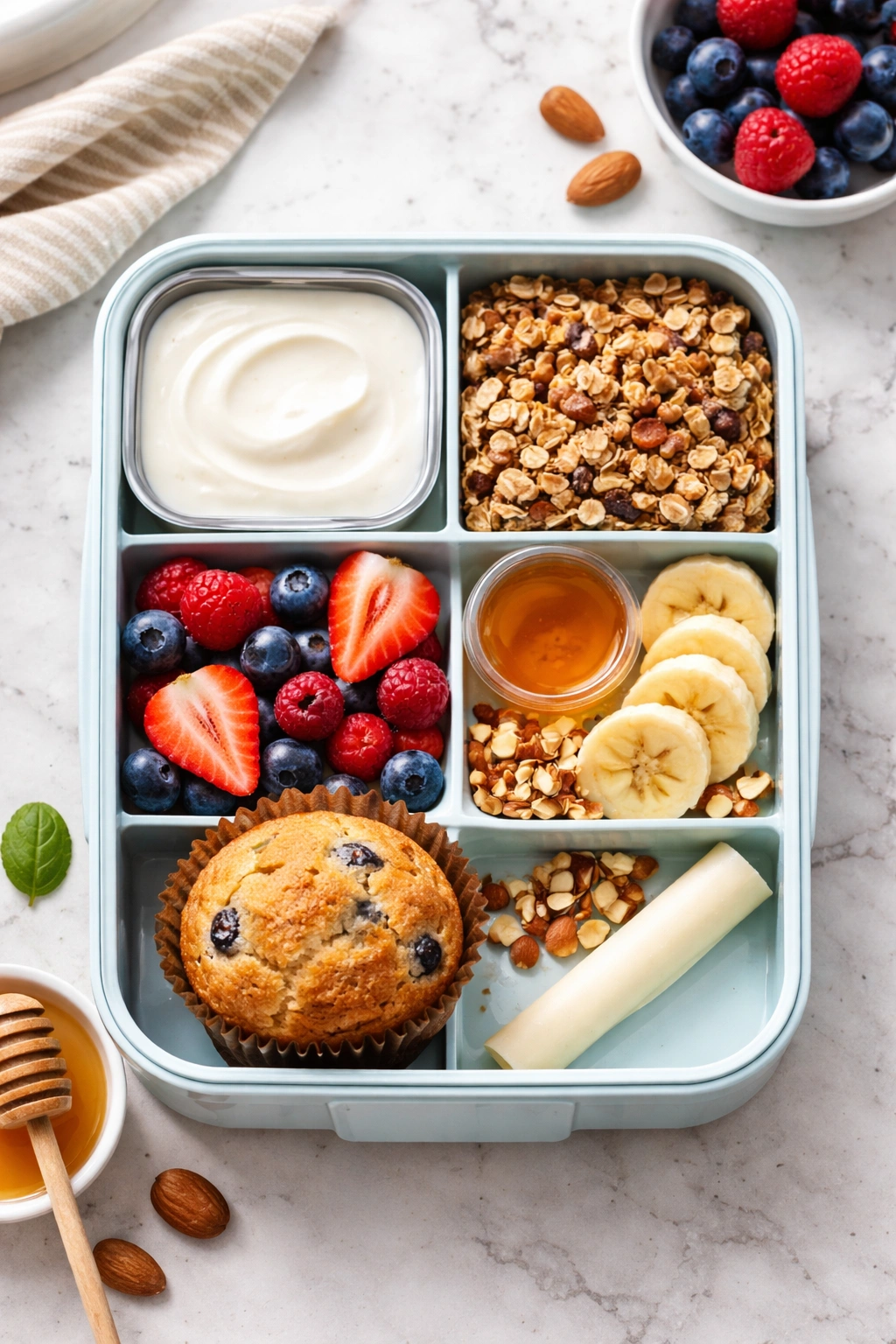
If your kid’s school day starts early or lunch doubles as breakfast, a yogurt-based bento box is ideal. It’s light, it’s nutritious, and it feels indulgent in the way kids find compelling about breakfast foods.
Why Breakfast Works at School
Breakfast-for-lunch is actually a legitimately smart option for kids who rush out the door without eating. A yogurt bento provides protein, probiotics, and carbs in one tidy package. The compartments keep granola from going soggy in the yogurt until the moment your kid eats it, which is a major texture win.
Your Breakfast Bento Lineup
- Plain or vanilla Greek yogurt (about 1 cup, in a small sealed container)
- Granola (about ¾ cup, in a separate compartment or small sealed bag)
- Fresh berries (about 1 cup — a mix of blueberries, raspberries, and strawberries works beautifully)
- Sliced banana (about 1 medium banana, keep separate and pack just before leaving to prevent browning)
- Honey (about 2 tablespoons in a small sealed container, as drizzle)
- Almonds or walnuts (about ¼ cup chopped, in a separate compartment)
- A small muffin or banana bread slice (optional, about 2 oz)
- A string cheese (about 1.5 oz, to add protein and satiety)
Worth knowing: Pack the yogurt, granola, and toppings completely separately in their own compartments. Your kid can assemble everything at lunchtime, keeping the granola crispy and the textures distinct.
Assembly and Timing
This bento box is best assembled 30 minutes to an hour before eating so the yogurt stays cold and nothing has time to get soggy. If you’re packing it the night before, keep absolutely everything in the fridge and don’t assemble until your kid is actually ready to eat. The banana goes in last — literally right before the bento box goes into the backpack — so it doesn’t brown. You could even pack the banana separately and have your kid add it at school if that works better for your morning routine.
Final Thoughts
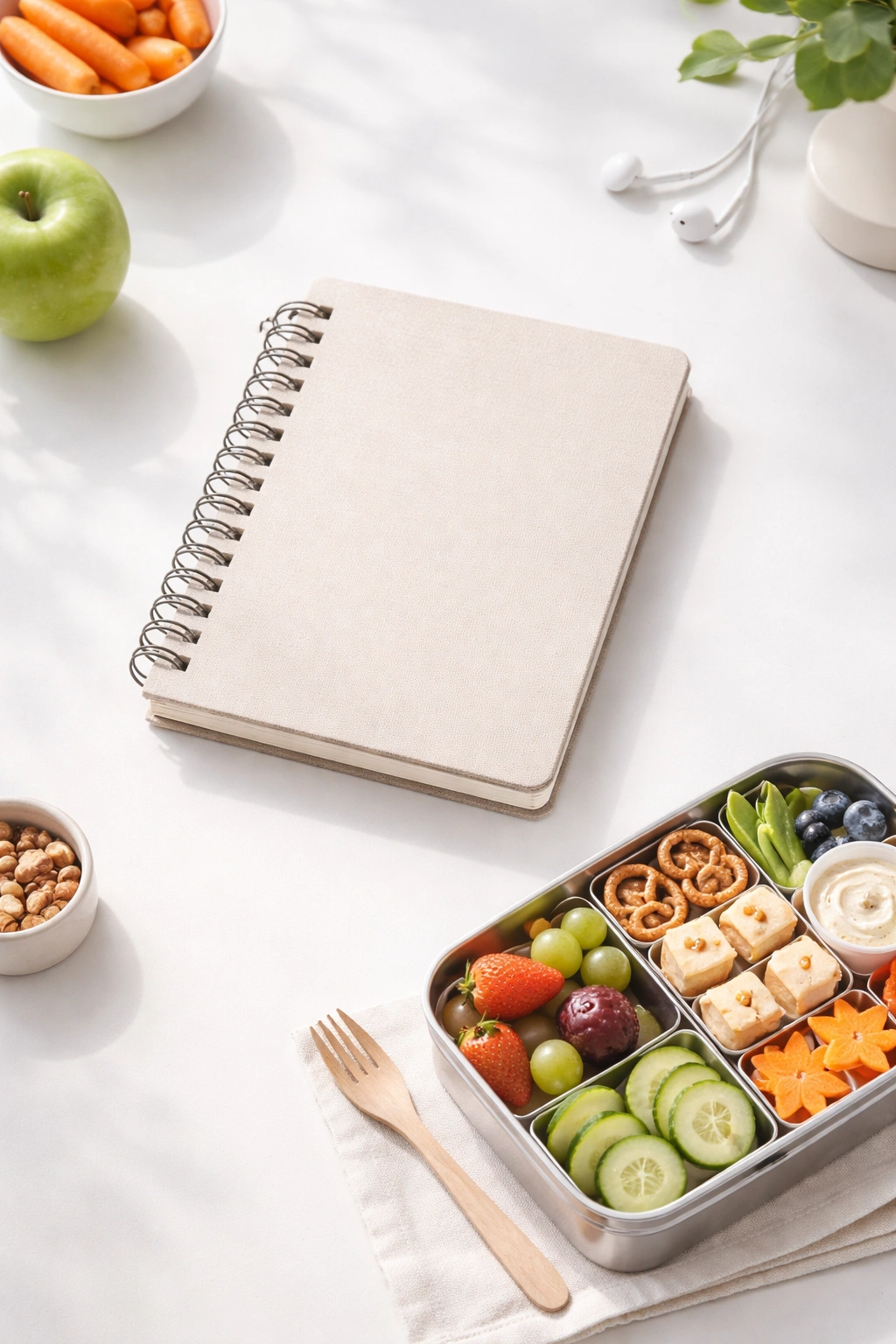
The most reliable school lunch is one your kid will actually eat, and bento boxes practically guarantee that outcome. The compartmentalized format makes even simple ingredients look appealing, the individual components prevent flavors from muddling together, and the portioning naturally prevents waste. You’re not locked into any single approach — these eight ideas are springboards for endless variations based on whatever you have on hand and whatever your kid’s current tastes demand.
Start with whichever bento box sounds most achievable for your life right now. Once you’ve made it once, you’ll find yourself making it repeatedly because you’ve got the system down. The real magic happens when you rotate through two or three favorite bento combinations — your kid gets excited about variety without you needing to invent something completely new every single day. That’s when packing lunch stops feeling like a chore and starts feeling like something you’ve actually got covered.
