



When the thermometer climbs and the days stretch long, firing up the grill becomes less of a chore and more of a lifestyle. There’s something almost magical about stepping outside when the sun’s still high, striking a match, and knowing that dinner—something delicious and satisfying—is just minutes away. The beauty of summer grilling isn’t that it requires hours of labor or complicated techniques; it’s that the freshest ingredients of the season need surprisingly little help to shine. A perfectly ripe tomato, fresh corn in its husks, a quality piece of fish, some vibrant peppers—these ingredients speak for themselves once they hit the grate.
If you’ve been stuck in a grilling rut, making the same burgers and chicken breasts week after week, it’s time to shake things up. The eight dinners in this guide prove that easy doesn’t mean boring, and quick doesn’t mean you’re sacrificing flavor. Whether you’re a seasoned grill master who’s looking for fresh inspiration or someone who’s still figuring out the difference between direct and indirect heat, these recipes deliver restaurant-quality results in the time it takes for your grill to preheat. Most come together in under 30 minutes of active cooking, which means you’ll spend more time enjoying your summer evening and less time tied to the kitchen.
Why Grilling Makes Summer Cooking Effortless
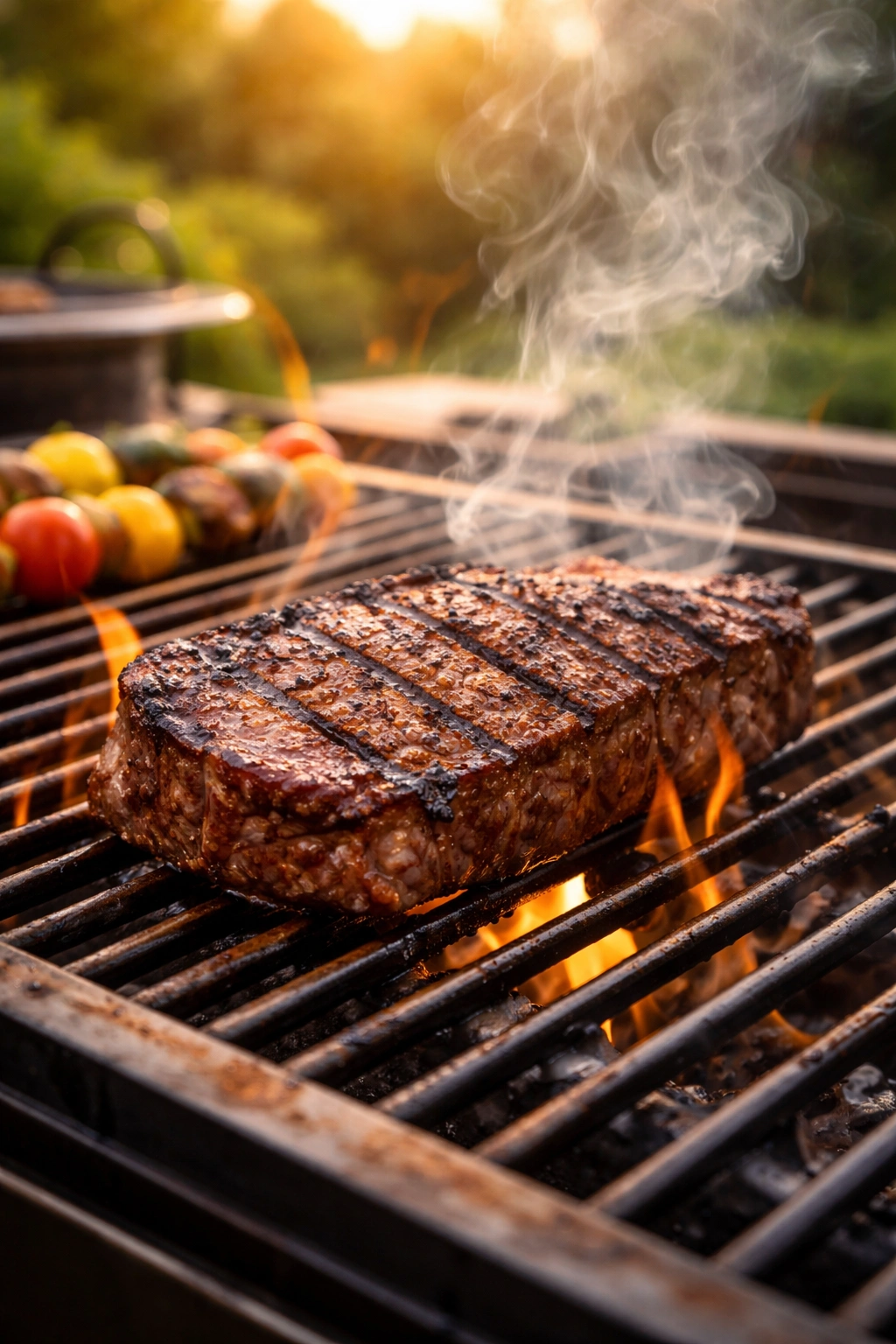
The grill does something remarkable: it cooks food from the outside in while simultaneously building deeply complex flavors in minutes. That smoky char, the caramelization on the surface, the tender juiciness locked inside—these are all byproducts of high-heat cooking that you simply can’t replicate indoors without heating up your entire kitchen. On warm nights, that’s not just convenient; it’s essential.
The other reason grilling becomes your best friend in summer is the cleanup factor. No pots and pans piling up. No greasy stovetop to wipe down. Everything cooks in one spot, and most of the time, you’re not even using a plate until the food’s already cooked. Toss your ingredients on the grate, check them occasionally, and transfer them to a platter. Done.
Essential Grilling Strategies for Success
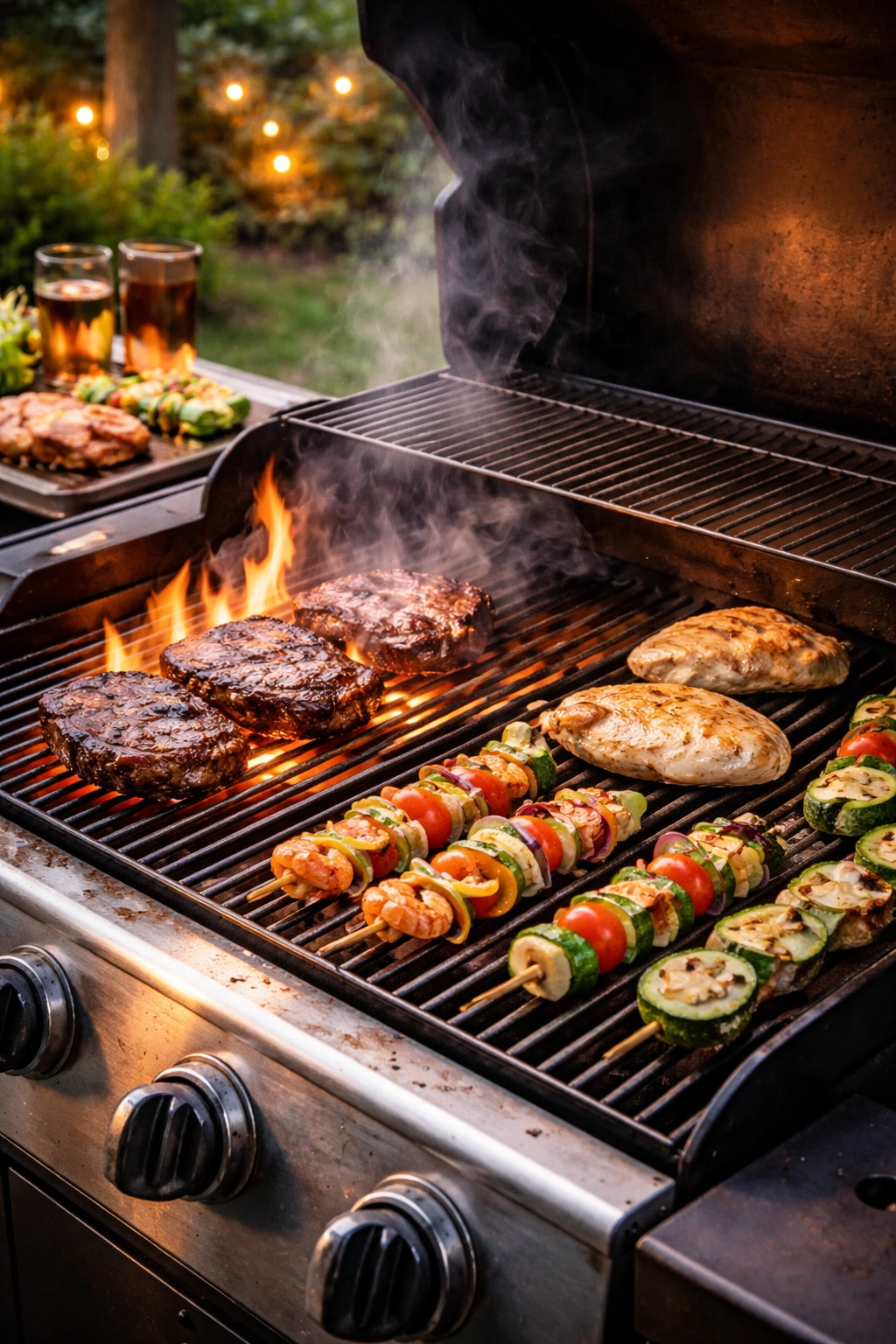
Before you dive into these recipes, understand a few foundational principles that’ll make every single one come out perfectly. First, preheat your grill properly—whether it’s gas or charcoal, you want steady, consistent heat. For gas grills, run it on high with the lid down for 10 to 15 minutes until the grates are screaming hot. For charcoal, wait until the coals are covered in white ash, which usually takes about 20 minutes.
Second, oil your grates, not your food. A well-oiled, clean grate prevents sticking better than anything else. Use a folded paper towel dipped in oil and held with tongs to swipe across the grates right before cooking. Third, respect the principle of direct and indirect heat. Protein benefits from that initial sear over direct flame, while vegetables and more delicate items often finish better on a cooler part of the grill. And finally, let your food rest. A three-minute rest on a warm plate lets the juices redistribute instead of running out onto your cutting board.
Ingredient Selection Makes All the Difference
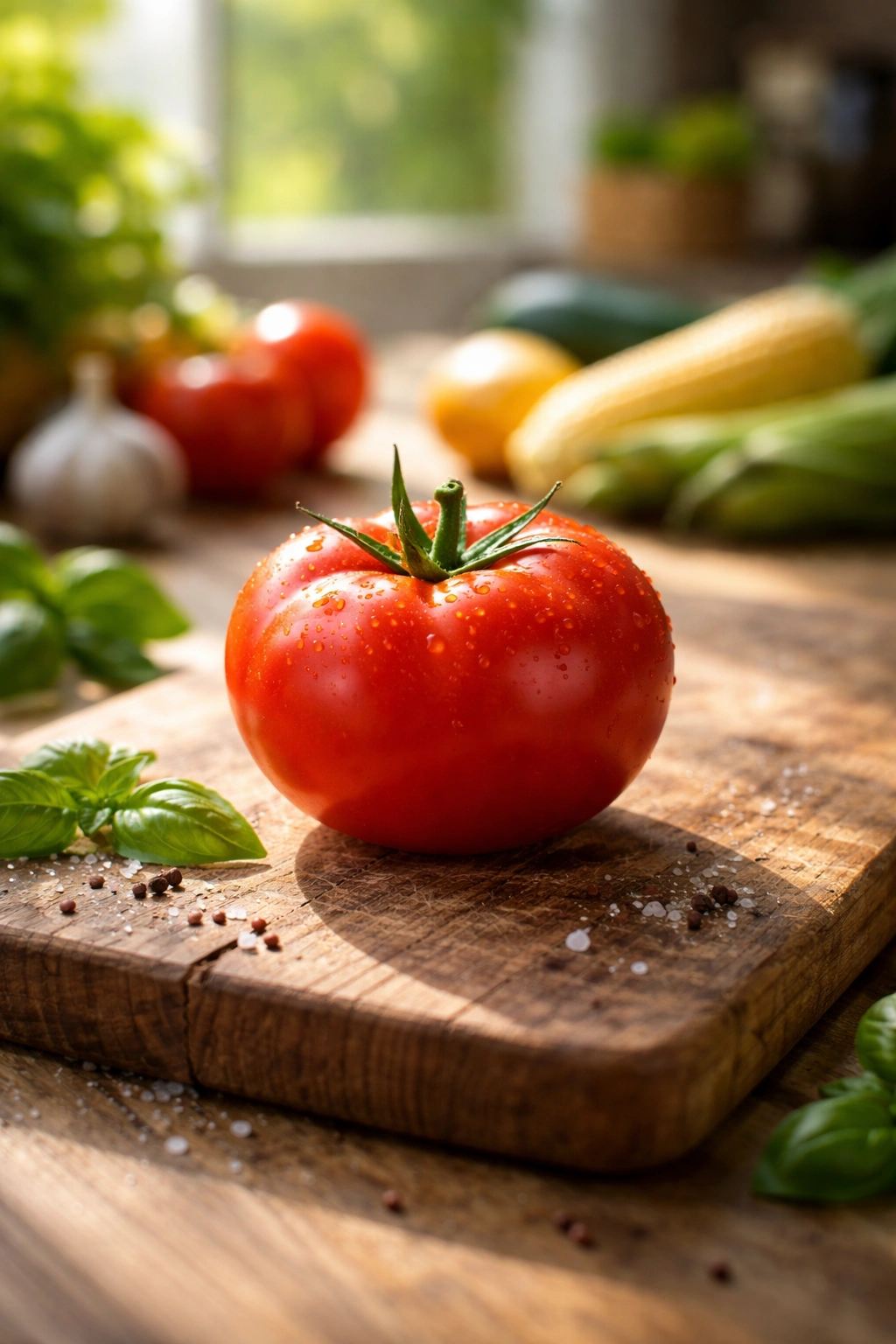
Summer produce isn’t just fresher; it’s fundamentally different from what you’ll find the rest of the year. Tomatoes taste like actual tomatoes. Corn is sweet without any added sugar. Peppers have an almost fruity brightness. Stone fruits like peaches and nectarines are at peak ripeness. Take advantage of this window by choosing the very best ingredients at your farmers’ market or grocery store.
When selecting fish or meat, look for color and firmness. Fish should smell like the ocean, not “fishy.” Steaks should have good marbling. Chicken should be pale pink with no off-odors. Quality proteins don’t need heavy marinades or complicated sauces; they just need salt, pepper, heat, and confidence.
1. Grilled Lemon-Herb Salmon With Garlic Butter
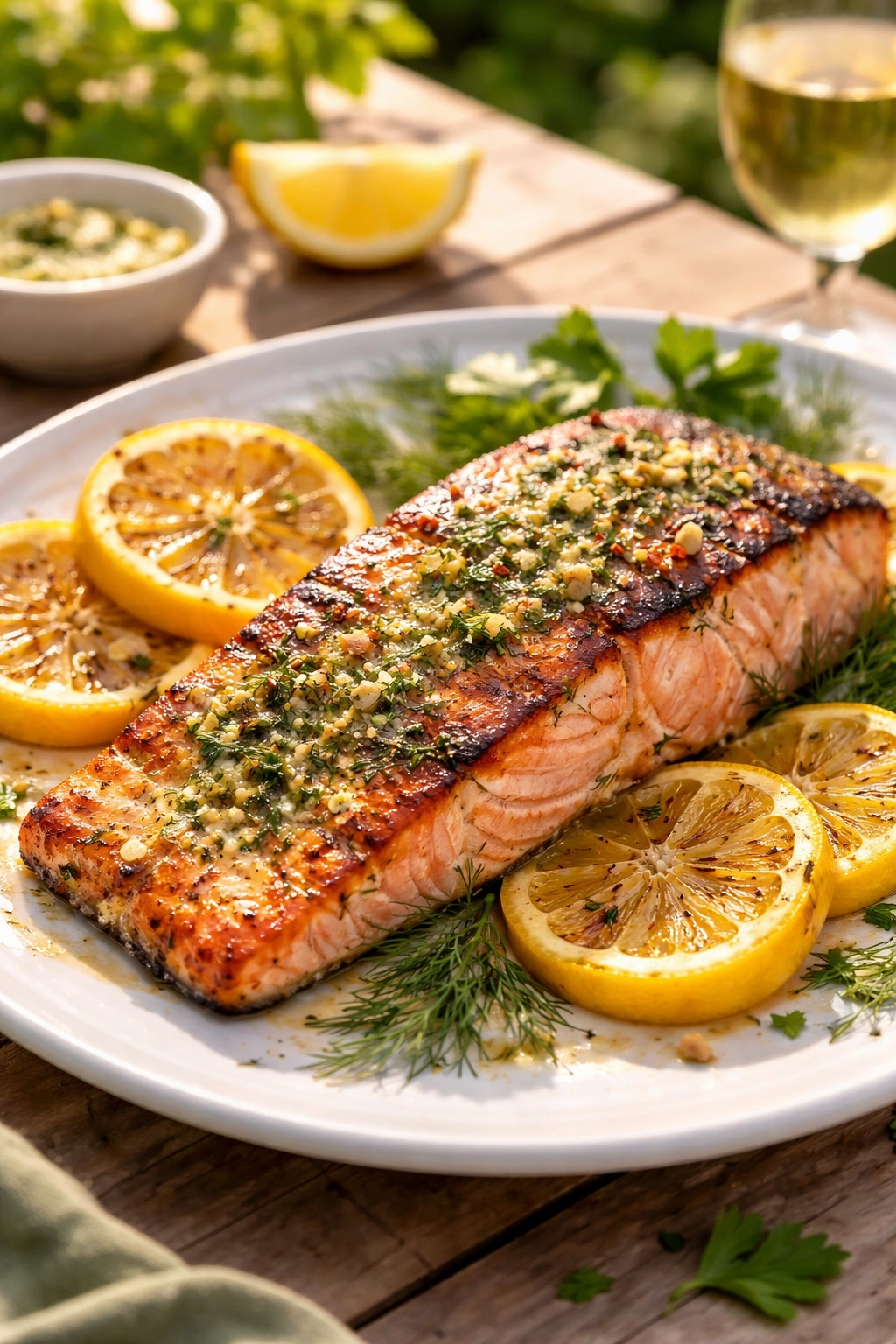
Salmon on the grill sounds intimidating until you realize it’s actually one of the easiest proteins to nail. The key is using skin-on fillets—that skin acts as a protective barrier, keeping the delicate fish from sticking while ensuring you get that gorgeous, crispy exterior. Brush your fillets with a simple mixture of melted butter, minced fresh garlic, chopped dill or parsley, and a generous squeeze of fresh lemon juice.
Place the salmon skin-side down on a well-oiled, medium-hot grate and don’t move it. Leave it there for about six to eight minutes, depending on thickness. You’re looking for an internal temperature of 145°F (63°C) at the thickest part. The flesh should be opaque and just barely flaking when you press it gently with a fork. If you flip it before it’s ready, you risk the skin sticking and tearing—so resist the urge to fuss.
Why This Works Every Time
The skin-on approach completely changes the game. That rendered fat underneath becomes crispy and flavorful, while the fish cooks gently and stays impossibly moist. Leaving it undisturbed means the skin has time to crisp up and develop that golden-brown color that signals proper doneness.
Serving Suggestions That Elevate It
Serve your salmon with grilled corn, a simple arugula salad with lemon vinaigrette, or thick slices of grilled zucchini. A cold grain salad with cucumber, cherry tomatoes, and fresh herbs makes an excellent side that doesn’t require any last-minute cooking.
Pro tip: If you’re worried about fish sticking, try grilling it on a cedar plank soaked for at least an hour beforehand. The wood imparts subtle smoke, and the plank prevents any direct contact with the grate.
2. Greek Chicken Souvlaki With Tzatziki
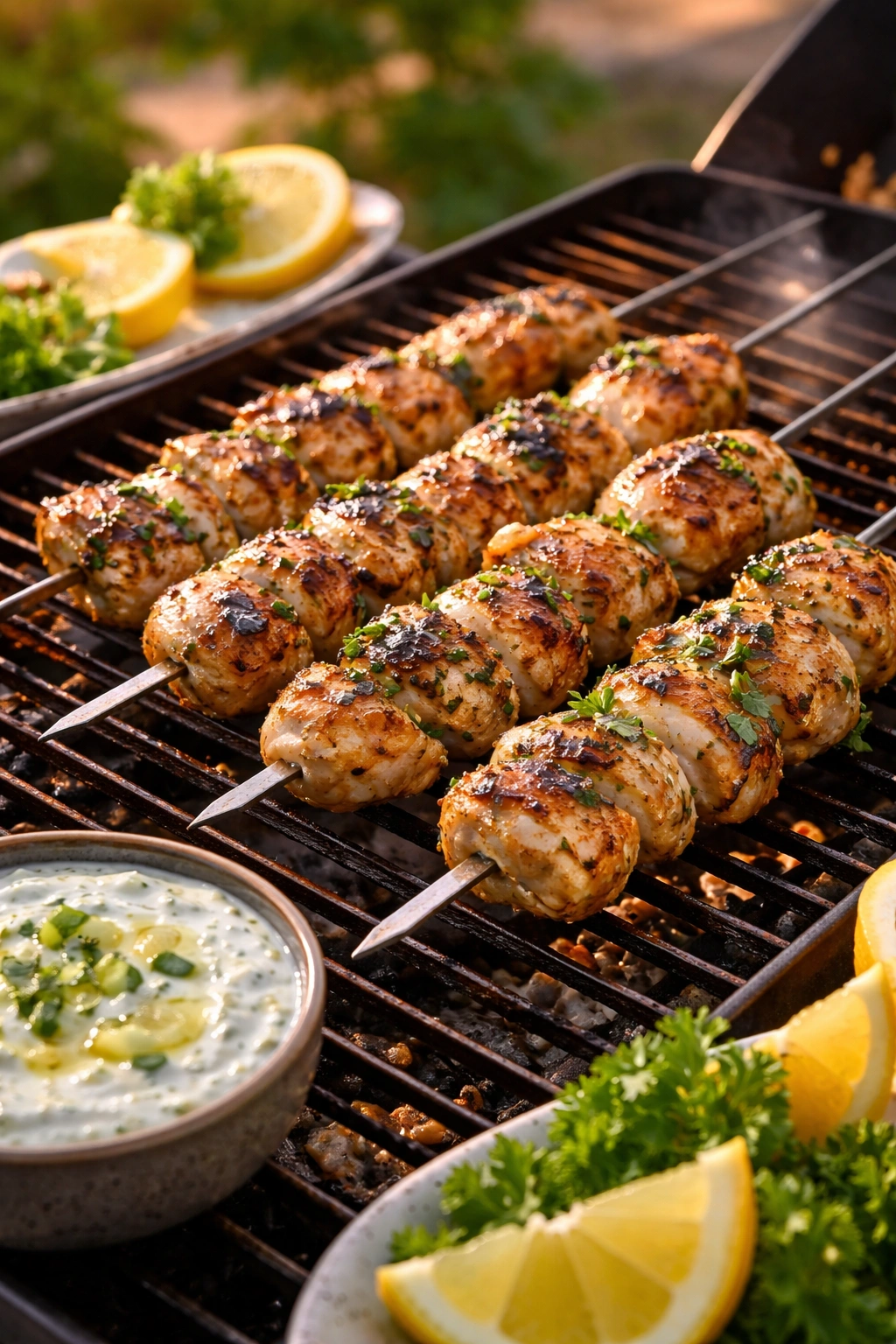
This is the grilled chicken recipe that converts people who claim they don’t like grilled chicken. The magic lies in two things: marinating in a mixture that includes both acid and fat, and using chicken thighs instead of breasts. Those thighs stay juicy even if you accidentally overcook them by a few minutes, and they develop a gorgeous golden crust on the grill.
Combine fresh lemon juice, extra-virgin olive oil, minced garlic, dried oregano, and salt in a shallow dish. Toss in bite-sized chunks of boneless, skinless chicken thighs and let them marinate for at least 30 minutes, but preferably a few hours. Thread the chicken onto skewers alternating with chunks of red onion and bell pepper. Grill over medium-high heat for about 10 to 12 minutes, turning occasionally, until the chicken reaches 165°F (74°C) internally.
The Mediterranean Magic
The combination of lemon, garlic, and oregano is as close to foolproof as Mediterranean cooking gets. These are bright, assertive flavors that don’t fade even after grilling’s high heat transforms them. The acid in the lemon juice also helps tenderize the chicken, ensuring every piece stays tender.
Pairing Ideas
Serve alongside homemade tzatziki—a mixture of Greek yogurt, grated cucumber, garlic, dill, and lemon juice. Warm pita bread, a simple salad of tomatoes and cucumbers with crumbled feta, and some grilled lemon wedges complete the experience. This feels like dinner in a Greek island taverna, but it comes together in under 40 minutes at home.
Worth knowing: If you’re using wooden skewers, soak them in water for 30 minutes before threading. This prevents them from charring and breaking during grilling.
3. Grilled Tri-Tip Steak With Chimichurri
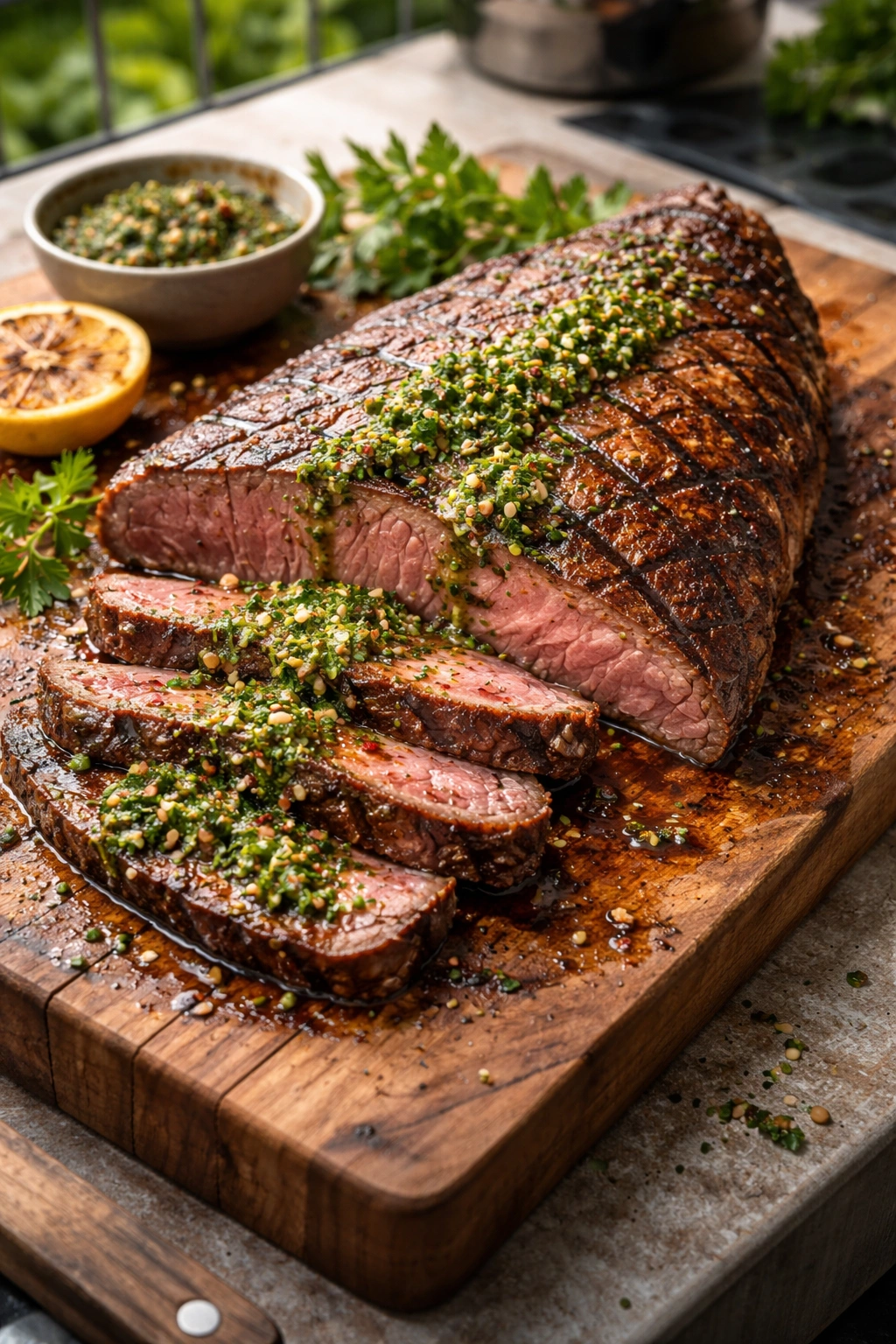
Tri-tip isn’t as celebrated as a ribeye or New York strip, but it should be. This cut is beautifully marbled, deeply flavorful, and significantly more affordable than premium steaks. It benefits from a bold dry rub and high-heat grilling, followed by a proper rest that lets the muscle fibers relax and retain their juices.
Create your rub by combining kosher salt, black pepper, garlic powder, smoked paprika, and a pinch of cayenne. Pat a two to three-pound tri-tip dry and coat it generously on all sides. Let it sit at room temperature for 30 minutes—this helps it cook more evenly. Grill over direct, high heat for about three minutes per side until you’ve got a dark crust, then move it to indirect heat and continue cooking until it reaches 130°F (54°C) for medium-rare. Let it rest for at least five minutes before slicing against the grain.
The Chimichurri Difference
Make a quick chimichurri by combining a full cup of fresh parsley, a quarter cup of olive oil, three tablespoons of red wine vinegar, minced garlic, crushed red pepper, and salt. The herbaceous, acidic brightness of chimichurri is the perfect counterpoint to the smoky, fatty richness of grilled beef.
Complete the Plate
Grill some thick-cut potato slices or halved sweet potatoes alongside the steak. Add a simple salad of mixed greens with a red wine vinaigrette. Fresh bread for mopping up those juices is non-negotiable.
Real talk: Let that meat rest. It’s the difference between dry, disappointing steak and perfectly juicy slices that taste like you paid for a professional chef.
4. Garlic-Butter Grilled Shrimp Skewers
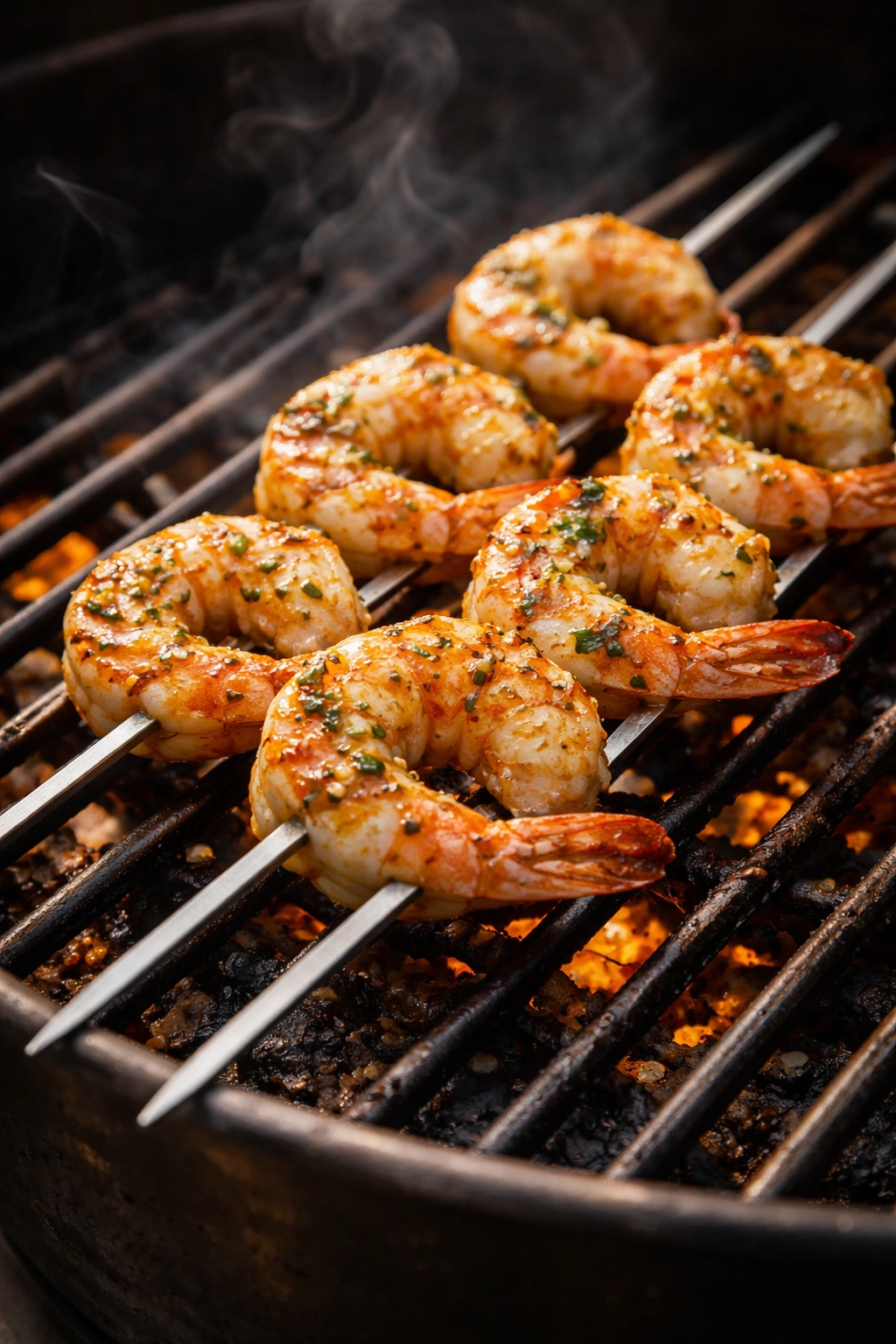
Shrimp cooks so quickly on the grill—usually in under five minutes total—that you need to be paying attention, but that speed also makes it perfect for weeknight dinners. The trick is not skewering individual shrimp, which turns grilling into a frustrating flipping game. Instead, thread four to five shrimp onto two parallel skewers, which stabilizes them and makes turning a breeze.
Pat large, peeled shrimp completely dry and toss them with melted butter, minced garlic, fresh lemon juice, a pinch of crushed red pepper, and fresh herbs like parsley or tarragon. Let them marinate for just 15 minutes—longer than that and the acid begins breaking down the delicate meat. Grill over medium-high heat for about two to three minutes per side until they’re pink and just cooked through. They’ll be opaque and firm but not rubbery.
Why Two Skewers Matter
A single skewer tends to rotate as you flip, leaving one side charred and the other undercooked. Two skewers create enough surface area contact that they stay put, giving you even cooking and beautiful golden color on both sides.
Flavor Combos Worth Exploring
Swap the garlic-butter base for a spicy chili-lime mixture with cilantro. Or go Asian-inspired with a combination of soy sauce, ginger, garlic, and sesame oil. The beauty of shrimp is that it’s a blank canvas for whatever flavor profile you’re craving.
5. Grilled Corn With Compound Herb Butter
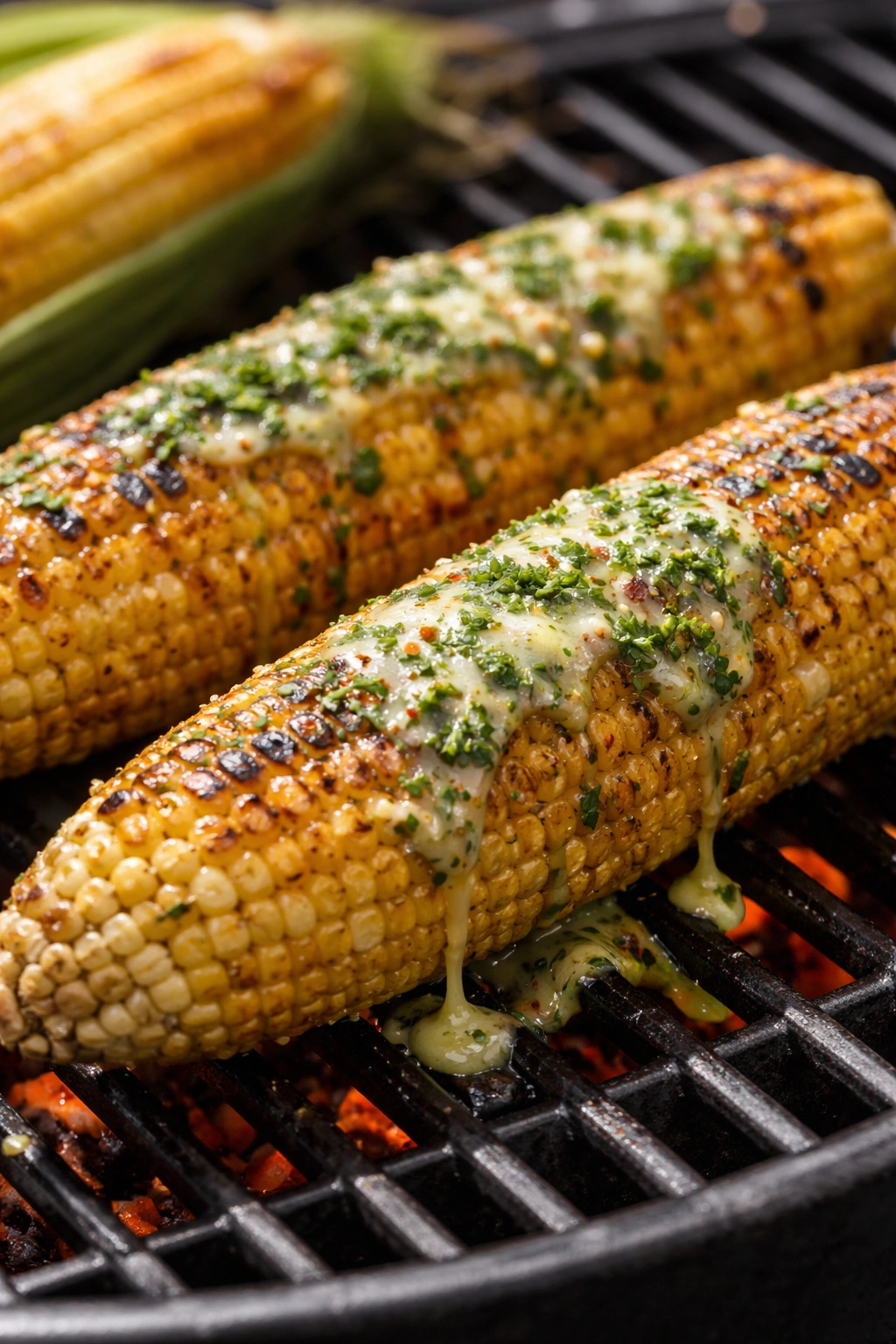
Corn is summer personified, and grilling brings out a sweetness and smokiness that boiling or steaming simply cannot match. Shuck your corn and place the ears directly on the grate over medium-high heat. Turn them every few minutes until they’ve got light char marks and the kernels are tender—this usually takes about 10 to 15 minutes depending on the size and grill temperature.
While the corn cooks, prepare a compound butter by softening butter at room temperature and mixing it with fresh herbs (basil, parsley, chives, or tarragon all work beautifully), minced garlic, and a pinch of salt. You can make this hours ahead and keep it in the fridge. When the corn comes off the grill, brush or rub this herb butter all over while it’s still hot, and finish with a sprinkle of flaky sea salt.
The Science of Caramelization
Grilling corn creates a chemical reaction on the kernels’ surface that deepens the natural sugars and creates complex, toasted flavors that you simply can’t get any other way. The char is intentional and absolutely delicious.
Beyond Plain Corn
Make a charred corn salad by cutting kernels off the cob and tossing them with cherry tomatoes, diced red onion, crispy bacon, crumbled cotija cheese, fresh cilantro, and a lime vinaigrette. This keeps in the fridge for days and makes an excellent side or lunch component.
Pro tip: If you’re feeding a crowd and want to prep ahead, you can grill corn earlier in the day and refrigerate it, then warm it through in a foil packet on the grill just before serving.
6. Mediterranean Grilled Vegetable Platter With Balsamic
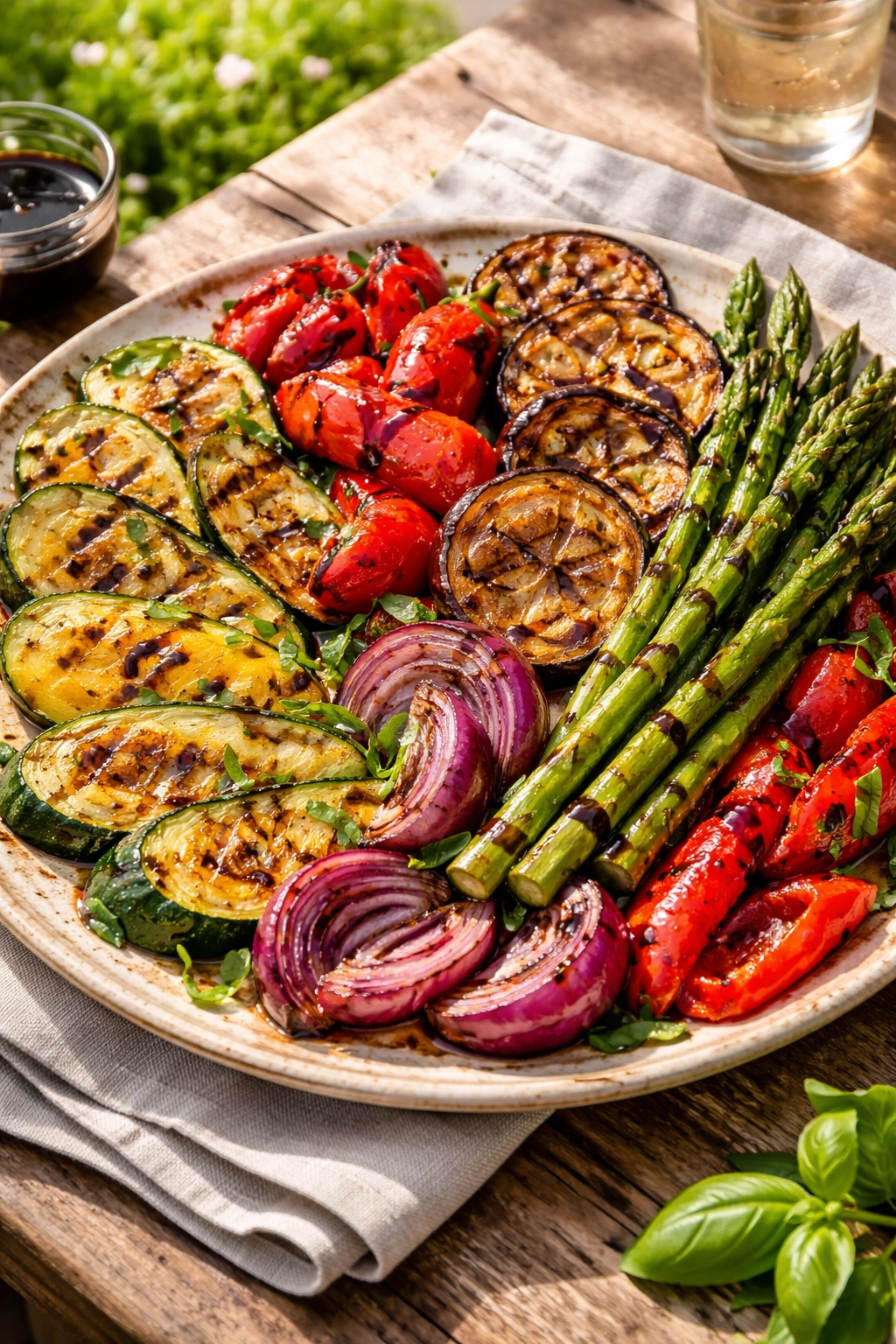
This is the recipe that convinces people grilling isn’t just for carnivores. A combination of grilled vegetables—zucchini, yellow squash, red bell peppers, eggplant, red onion, and asparagus—becomes something genuinely exciting when you add a honey-balsamic marinade that doubles as a finishing sauce.
Whisk together balsamic vinegar, honey, minced garlic, Dijon mustard, and extra-virgin olive oil. Cut your vegetables into grill-friendly sizes (lengthwise for zucchini and peppers, halved for onions, kept whole or halved for asparagus). Toss everything in the marinade and let it sit for at least 30 minutes. Grill vegetables over medium-high heat, turning occasionally, until they’re deeply charred and tender—timing varies by vegetable, so arrange them on the grill strategically.
The Flavor Development
The balsamic glaze caramelizes on the hot grate, concentrating its sweet-tart flavors and creating those gorgeous dark edges. The honey adds a touch of sweetness that balances the vinegar’s punch, while the garlic and mustard provide savory depth.
Making It a Meal
Serve alongside grilled bread rubbed with garlic and olive oil, fresh mozzarella, and a simple tomato salad. Or toss the cooled grilled vegetables with cooked farro or quinoa, chickpeas, and a bright lemon dressing for a grain bowl that’s substantial enough for dinner.
Insider note: Don’t cut your vegetables too small. Thin slices fall through the grate, and tiny pieces cook too quickly on the outside before the inside softens.
7. Grilled Jerk Chicken Thighs With Mango Glaze
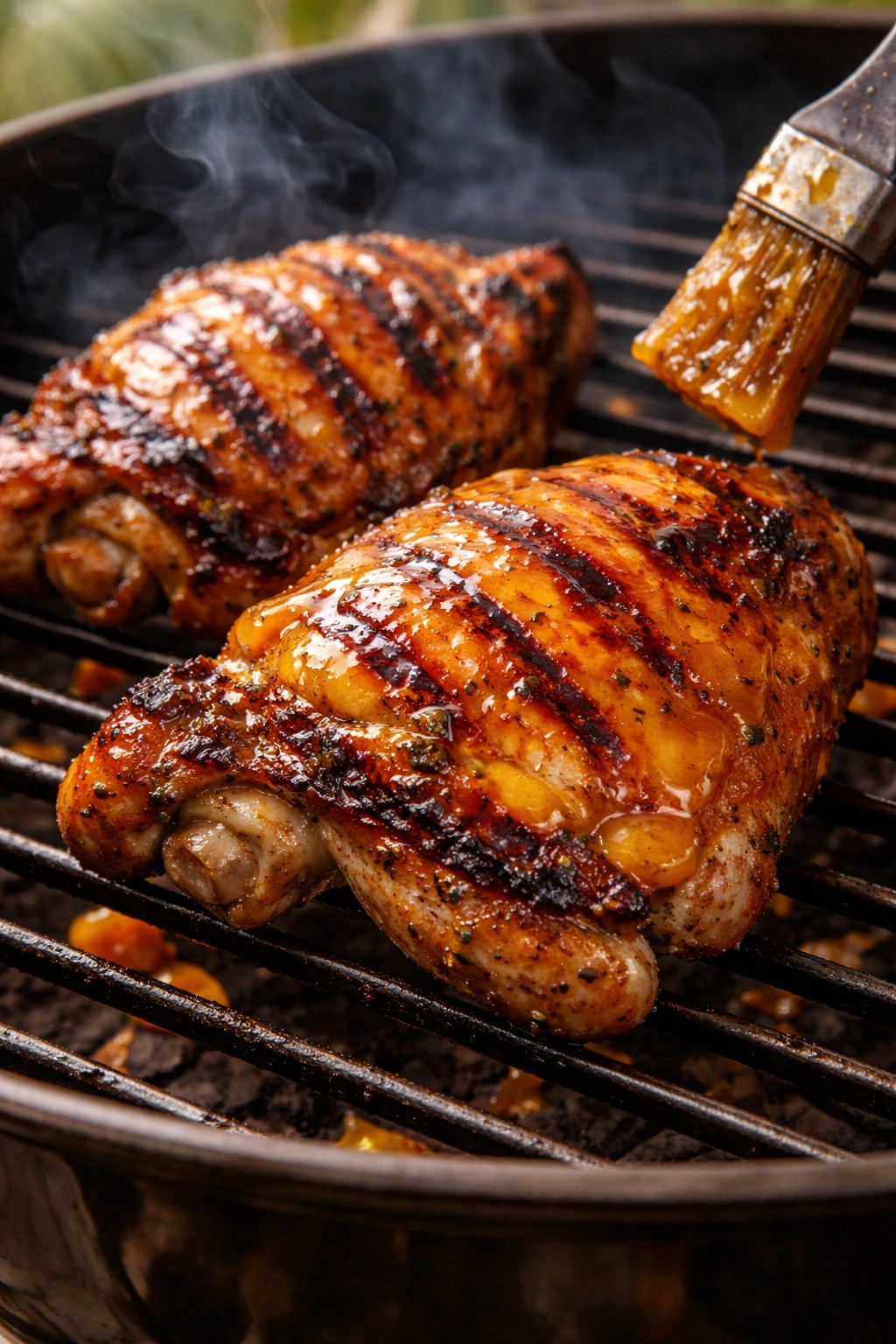
Jerk seasoning brings incredible depth and complexity to chicken, and it’s surprisingly simple to make at home. Combine fresh ginger, Scotch bonnet peppers (or habanero if you want slightly less heat), garlic, scallions, thyme, cumin, cinnamon, nutmeg, and lime juice in a food processor and blend until you’ve got a paste. Rub this liberally over bone-in, skin-on chicken thighs and let them marinate for at least one hour, though overnight is even better.
Grill over medium heat, skin-side down initially, for about five minutes until the skin begins to render and crisp. Flip and continue cooking for another eight to ten minutes until the internal temperature reaches 165°F (74°C). During the last few minutes, brush with a glaze made from mango puree, honey, lime juice, and a pinch of the jerk spice mixture.
Complex Spice Profile
Jerk seasoning isn’t actually spicy in the way a jalapeno is—it’s warm and aromatic, with those warming spices like cinnamon and nutmeg creating a sensation that’s inviting rather than punishing. The heat builds slowly.
Accompaniments
Serve with rice and beans, grilled pineapple rings, and a cool slaw made with cabbage, cilantro, lime juice, and a touch of sour cream. The bright acidity and coolness of the slaw provides an excellent contrast to the rich, spiced chicken.
Quick fact: Bone-in, skin-on chicken thighs are dramatically more forgiving than breasts. Their higher fat content means they stay moist and flavorful even if you accidentally grill them a few minutes longer than planned.
8. Grilled Fish Tacos With Charred Salsa Verde
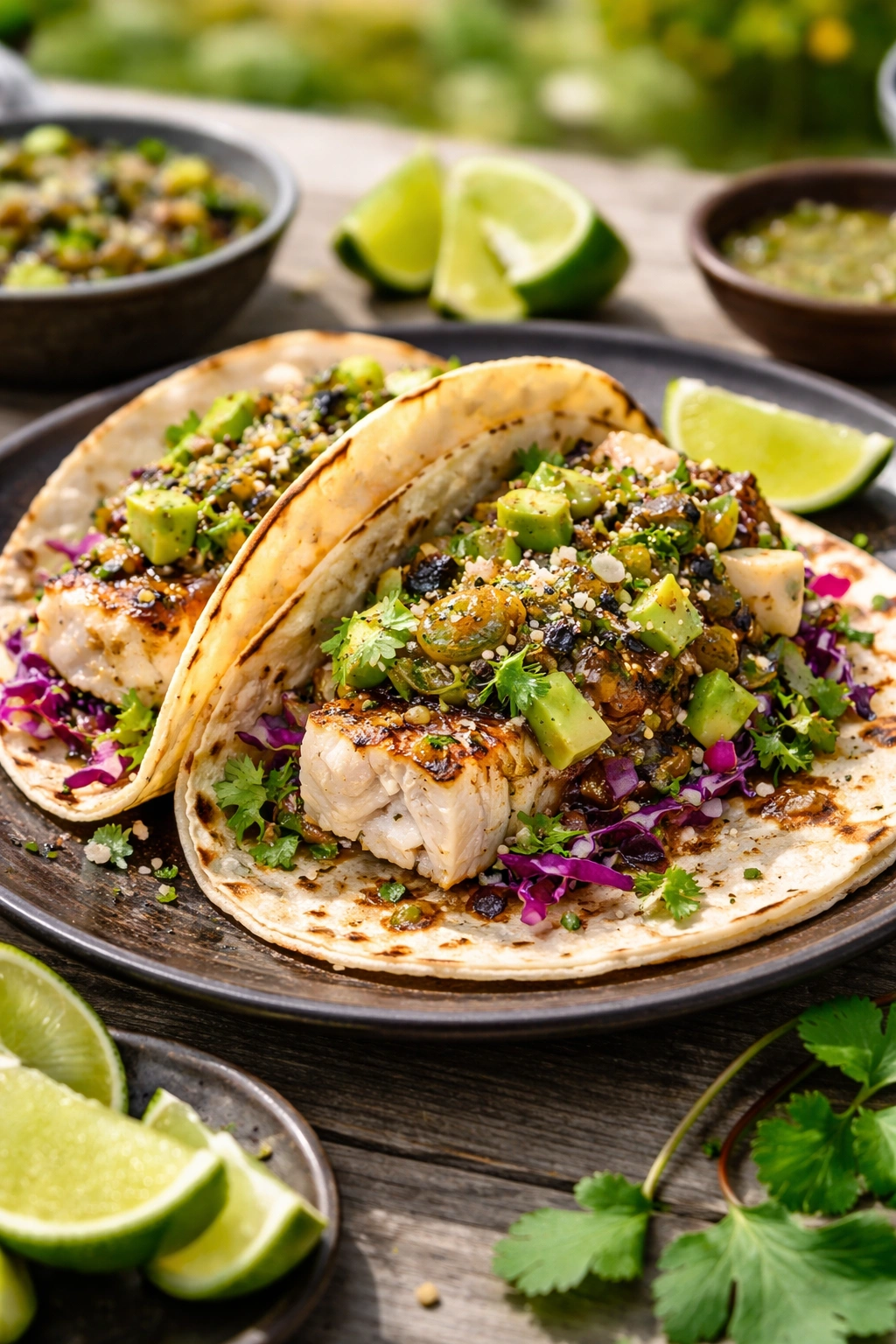
Fish tacos are summer eating at its finest—fresh, flavorful, and somehow elegant while still being completely casual. Choose a firm-fleshed fish like mahi-mahi, halibut, or even a sturdy white fish. Cut it into strips, pat dry, coat lightly with olive oil, and season generously with salt and pepper. Grill over high heat for two to three minutes per side until it’s just cooked through and flaking.
For the salsa verde, combine fresh tomatillos, jalapeños, garlic, and white onion, and char them directly on the grill. Once charred, blend with cilantro, lime juice, and salt for a smoky, tangy sauce that’s leagues ahead of jarred versions. Warm corn tortillas directly on the grate for 30 seconds per side, then fill with grilled fish, the charred salsa verde, sliced avocado, shredded cabbage, and fresh cilantro.
The Charring Transforms Everything
Those blackened spots on tomatillos, peppers, and onion aren’t burnt—they’re concentrated flavor. The high heat breaks down cell walls, concentrating sugars and creating bitter, smoky notes that balance the fresh cilantro and lime.
Building Your Taco Bar
Set up a simple station with warmed tortillas, grilled fish, salsa verde, sliced lime, diced avocado, shredded cabbage, cilantro, and crumbly cotija cheese. Let everyone build their own, which takes the pressure off you and makes it feel special.
Worth knowing: Don’t skip the avocado or the acid from the lime. These elements aren’t garnish—they’re essential to the flavor balance and texture of the finished taco.
Final Thoughts
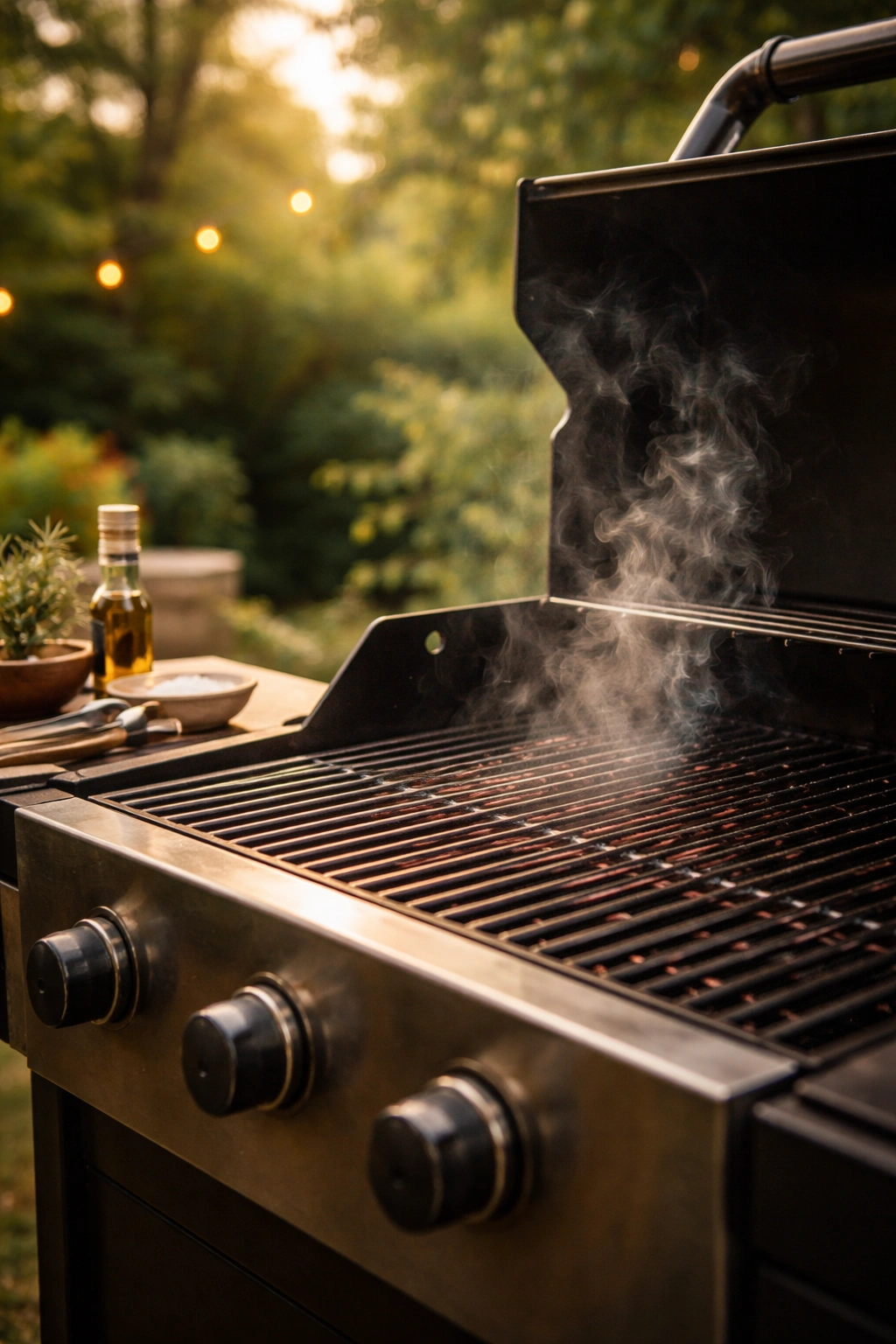
The eight dinners in this collection prove that summer grilling doesn’t require hours of prep, complicated ingredients, or advanced techniques. It requires confidence, good ingredients, proper grill management, and a willingness to trust the process. The most intimidating part is usually just lighting the grill and letting it preheat while you prep your vegetables or marinate your protein.
Start with whichever recipe calls to you—whether that’s the simplicity of grilled corn or the bold spices of jerk chicken—and trust that the grill will do most of the heavy lifting. You’re not creating something complicated; you’re simply applying heat to excellent ingredients and getting out of the way. The rest takes care of itself.
