



Easy Chicken and Rice for a Comforting Dinner
There’s something almost magical about a steaming bowl of chicken and rice. It arrives at the table with that unmistakable aroma—savory, buttery, herbaceous—and the moment you take a bite, everything else melts away. No fancy techniques required, no impossible-to-find ingredients, just straightforward comfort that tastes like someone genuinely cares about feeding you well. This is the kind of meal that works whether you’re tired, stressed, hungry after a long day, or simply craving something warm that feels like a hug.
The beauty of one-pot chicken and rice isn’t just the flavor (though that’s genuinely hard to beat). It’s that you can have dinner on the table in under an hour with virtually no cleanup. Everything cooks in a single pot—the chicken, the rice, the aromatics—releasing flavors that build on each other as they steam and simmer together. You’re not juggling multiple burners or washing a sink full of pans. Just one pot, a wooden spoon, and the kind of satisfying dinner that families have requested over and over for generations.
This recipe has been passed down through countless kitchens because it simply works, every single time. It’s affordable enough to feed a family without breaking the budget, flexible enough to adapt to whatever ingredients you have on hand, and consistently delicious in a way that feels almost impossible to mess up. Whether you’re cooking for yourself, your family, or unexpected guests, this is the kind of meal that makes you look like you spent hours in the kitchen when you really just assembled a few simple ingredients and let them work together.
What Makes This Dish So Comforting
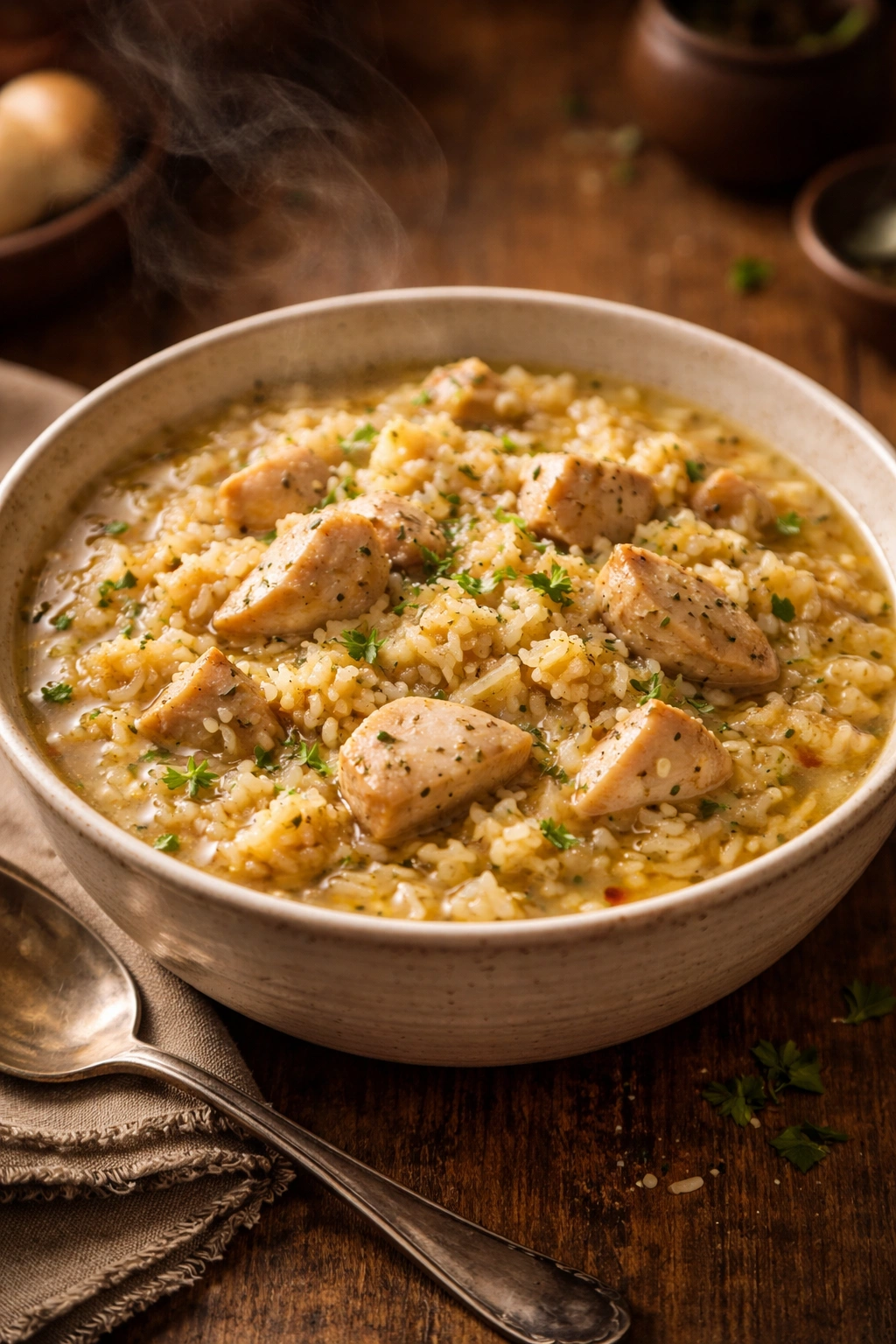
Comfort food isn’t really about calories or indulgence—it’s about the feeling a meal creates. Chicken and rice delivers that feeling every single time because it hits multiple sensory notes at once. The rice is tender but not mushy, each grain still distinct but creamy from absorbing all the buttery, savory broth. The chicken is moist and gentle on the palate, not tough or stringy. The vegetables have softened completely, melting into the dish rather than demanding your attention.
There’s also something deeply psychological about the way this meal sits in your stomach. It’s substantial without being heavy, comforting without being overwhelming. It’s the kind of food people reach for when they need solace, whether that’s from a cold day, a stressful week, or just the general exhaustion of adult life. It tastes like care, and it delivers exactly what it promises: genuine nourishment and satisfaction in the simplest possible form.
The one-pot aspect adds another layer of comfort. There’s something calming about watching everything cook together in one vessel, about the minimal cleanup afterward, about how efficiently the whole process unfolds. You’re not stressed about timing different components or worried about whether the sides will finish at the same time as the main dish. Everything is built into this single cooking vessel, which means you can set it on low heat and actually relax while dinner takes care of itself.
The History Behind This Classic One-Pot Meal
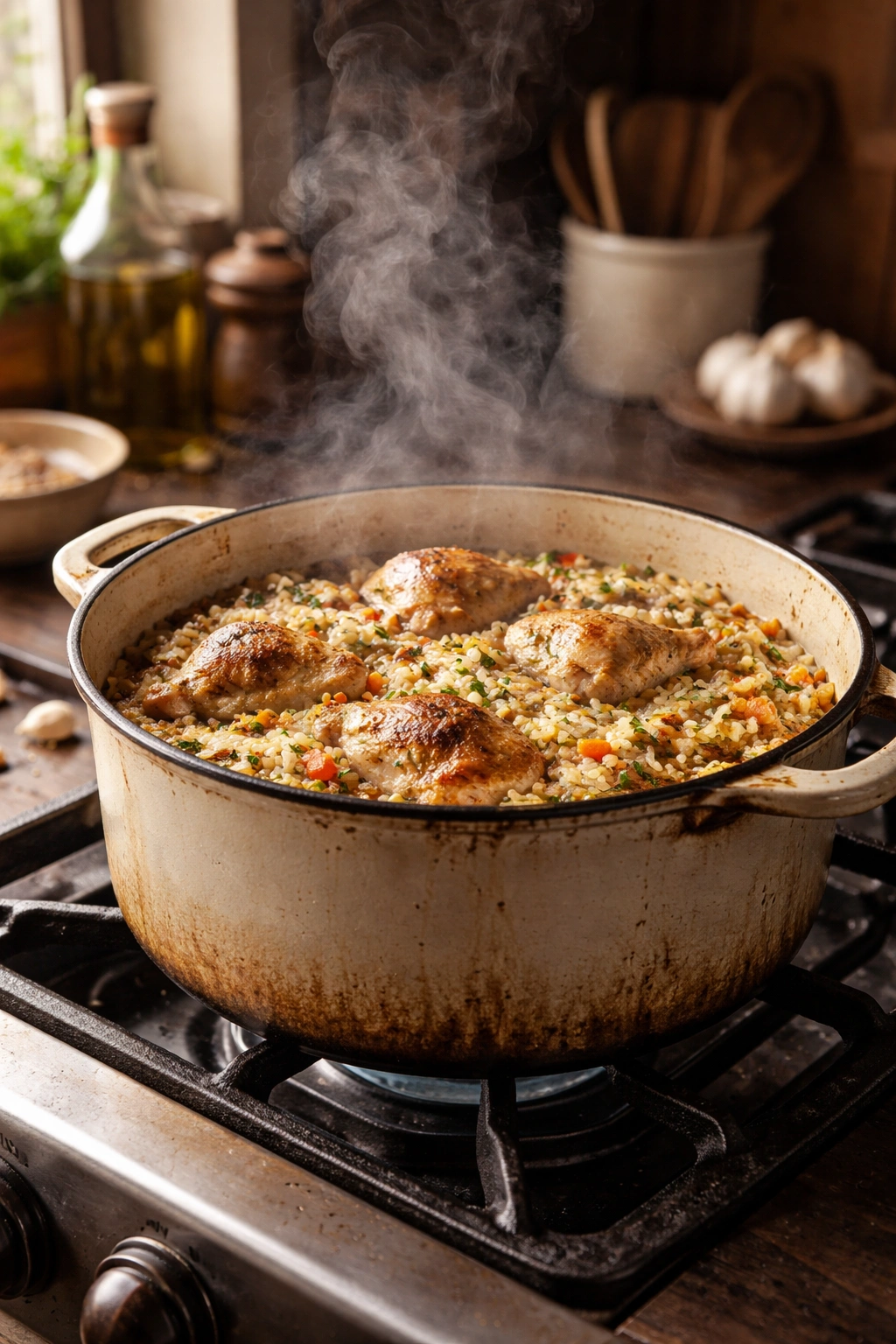
Chicken and rice combinations appear in cuisines all over the world, which tells you something important: this isn’t a trend or a modern invention. It’s a fundamental pairing that’s been feeding families for generations. In the American South, variations of this dish have been made since at least the early twentieth century, often with touches that reflect the region’s agricultural heritage and cultural influences.
Some versions lean toward the brothy side, almost soup-like, while others are drier and more rice-forward. The recipe that became popularized in Southern kitchens often included simple aromatics like celery and onion, a good quality chicken stock, and butter for richness—exactly the kind of cooking that values flavor and tradition over fussy techniques. The dish shows up under different names in different regions: chicken bog in some parts of the South, perloo in the Lowcountry (sometimes with seafood added), and simply chicken and rice in home kitchens everywhere.
What’s remarkable is how unchanged the essential formula remains. Decades later, home cooks are still making this same dish because it works. The technique is straightforward, the ingredients are accessible, and the results are reliably delicious. That kind of staying power suggests something genuine—not hype, not a passing fad, but a real meal that genuinely improves people’s lives. It’s the kind of recipe that gets passed from mother to daughter, that gets requested when people come home for the holidays, that somehow ends up in everyone’s rotation despite never being trendy.
Choosing the Right Ingredients for Best Results
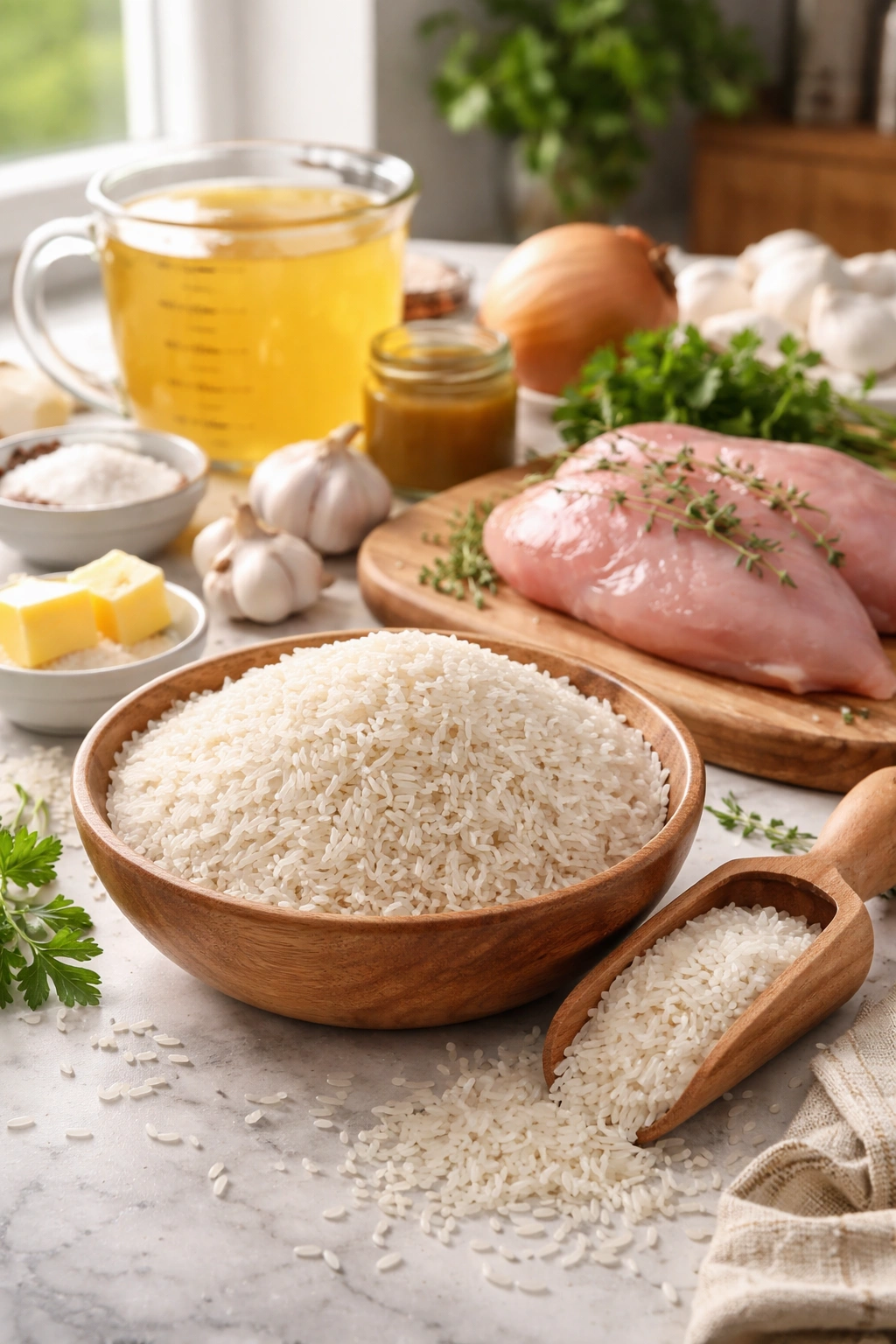
The ingredient list here is deliberately short, which means every single item matters. You can’t hide behind fancy components or technique when you’re working with just a handful of basic elements. This is actually liberating because it means you can focus on quality rather than quantity.
The rice is non-negotiable. Don’t use instant rice or low-quality varieties that tend to turn into mush. High-quality long-grain white rice—jasmine or basmati work beautifully—absorbs the broth evenly and finishes with the right texture: tender but with individual grains still slightly distinct. The rice is essentially the foundation of this entire dish, so it’s worth buying a brand you trust and upgrading from the cheapest option available.
The chicken stock matters more than you might think. Since the rice is literally cooking in this liquid, a flavorful, quality stock makes all the difference. If you have homemade stock on hand, use it without hesitation. It’ll deliver the kind of depth that makes people say “this is so rich and delicious” without understanding why. If you’re using store-bought stock, opt for the regular version over broth (stock has more body and depth), and choose one with quality ingredients and a savory flavor profile.
Butter is essential, not optional. This is what transforms simple rice into something genuinely creamy and luxurious. The butter emulsifies slightly with the liquid and coats the rice grains, adding both flavor and a silky texture. Some cooks add even more butter at the end, right before serving, and honestly, they’re not wrong. This isn’t the place to hold back on fat—that’s what makes it comforting.
Fresh aromatics make a measurable difference. While dried onion and garlic work in a pinch, fresh garlic and onion deliver a cleaner, brighter flavor. Fresh garlic releases oils that build flavor as it cooks, and fresh onion caramelizes slightly, adding subtle sweetness. These small vegetables aren’t just supporting players—they’re part of the flavor foundation that makes this dish work.
The Secret to Creamy, Flavorful Rice
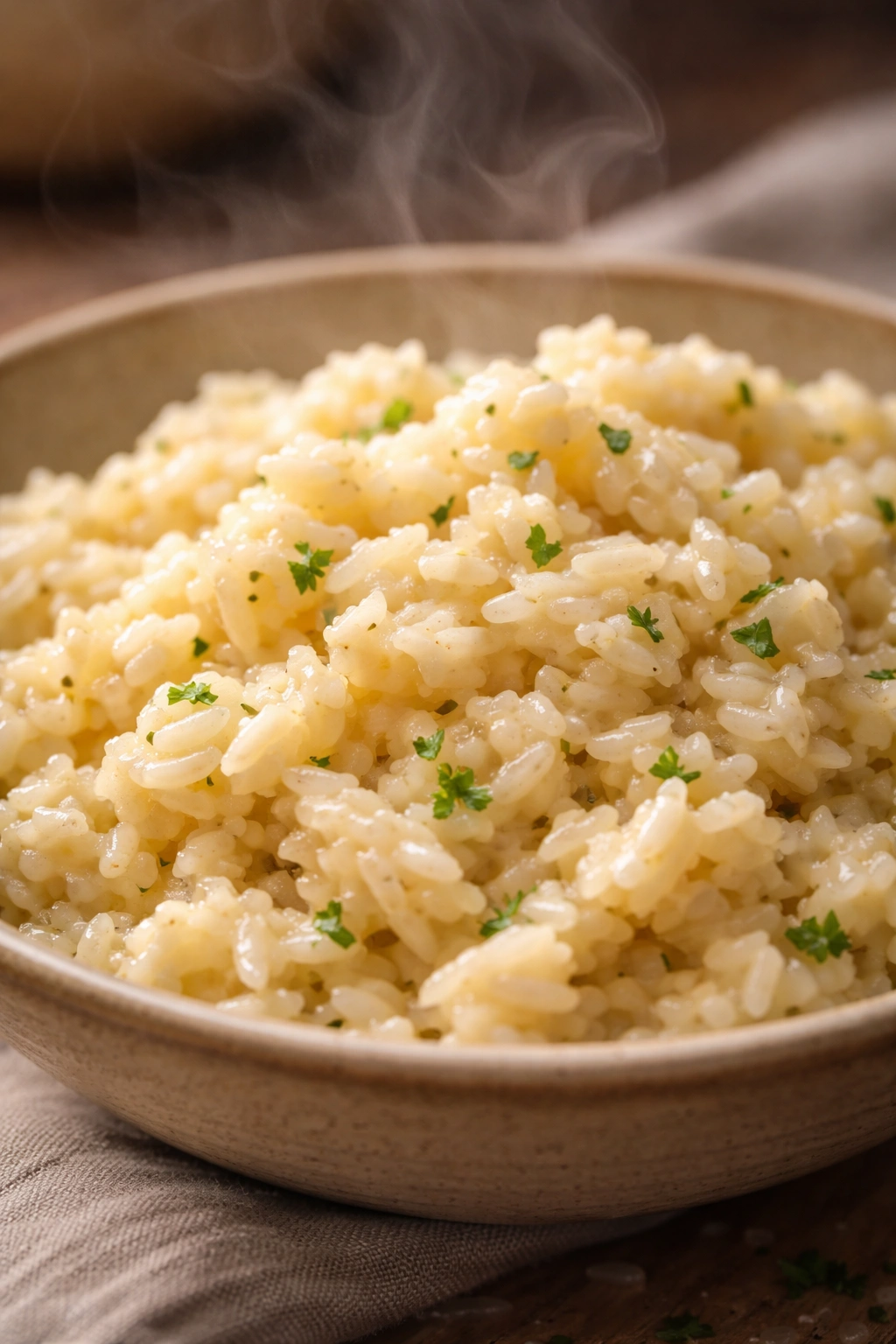
The real trick to achieving that luxurious, creamy rice texture isn’t complicated, but it does require understanding what’s happening in the pot. The rice grains need to absorb liquid slowly and evenly. If the heat is too high, the outside of the grains will soften before the inside is properly cooked, leaving you with a mushy exterior and a chalky center. If the heat is too low, the cooking takes forever and flavors don’t develop properly.
After bringing the rice and broth to a boil (which helps the rice absorb liquid efficiently), reduce the heat to low and resist the urge to lift the lid and stir constantly. Every time you lift the lid, you release steam, which disrupts the cooking process and leaves you with unevenly cooked rice. This is the hardest part for most cooks because the instinct is to check on things. Trust the process instead.
The key is that gentle, steady simmer—you should see just the slightest movement in the pot, but not vigorous bubbling. At this temperature, the rice cooks evenly and absorbs all the liquid without turning to mush. The result is rice that’s completely tender but still holds its shape, and more importantly, rice that’s infused with all the savory, buttery, chicken-flavored broth it’s been swimming in.
Letting the pot rest for five to ten minutes after cooking finishes is another secret-weapon move. During this resting period, any remaining moisture distributes evenly throughout the dish, and the rice firms up slightly, becoming less sticky. When you fluff it with a fork afterward, the grains separate nicely and the whole thing looks and tastes professional.
Why Boneless Chicken Works Best
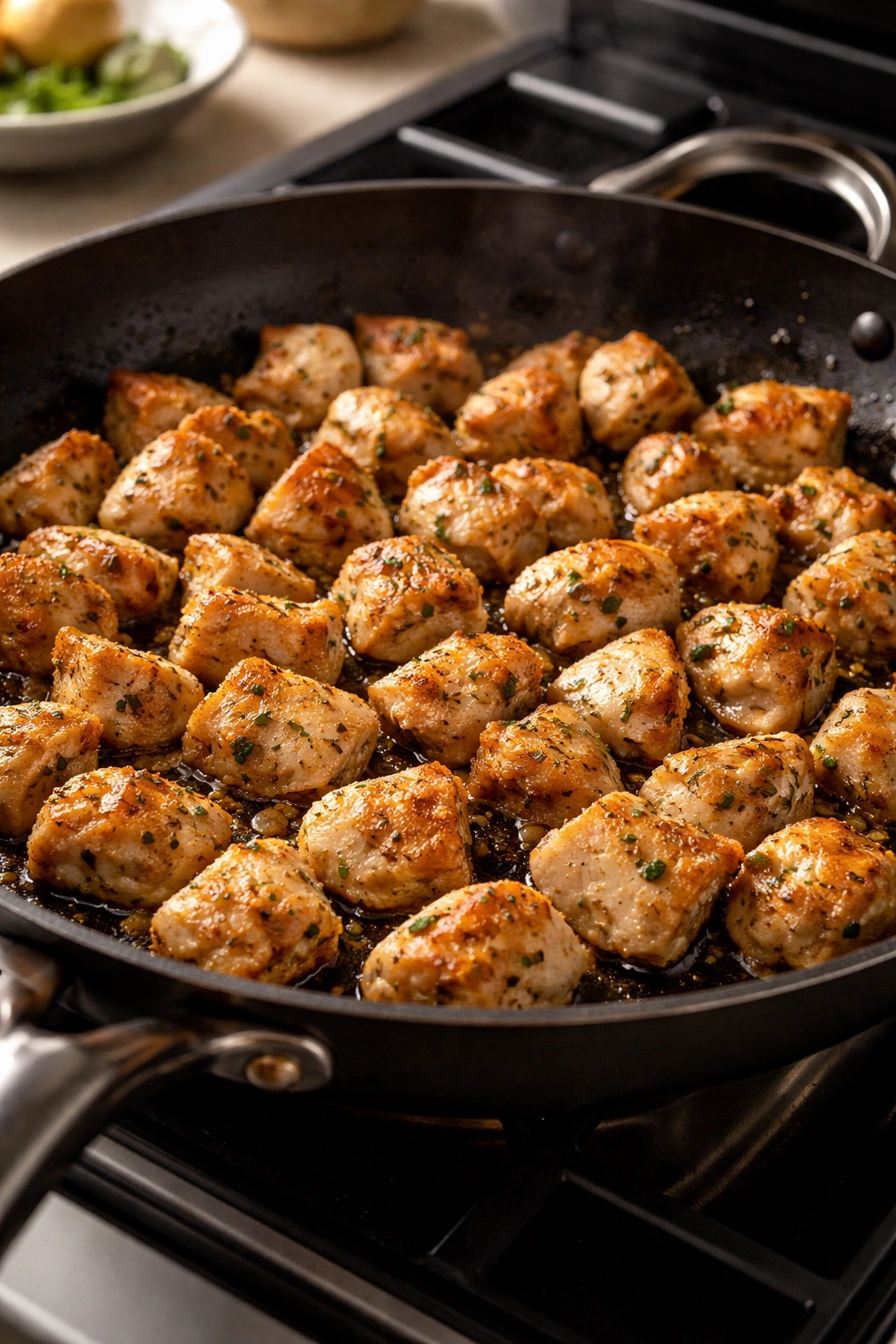
The original versions of this dish often used a whole chicken that you’d have to debone yourself, or bone-in chicken pieces that required longer cooking. Modern boneless, skinless chicken—whether thighs or breasts—cooks much faster and is infinitely more convenient while delivering equally delicious results.
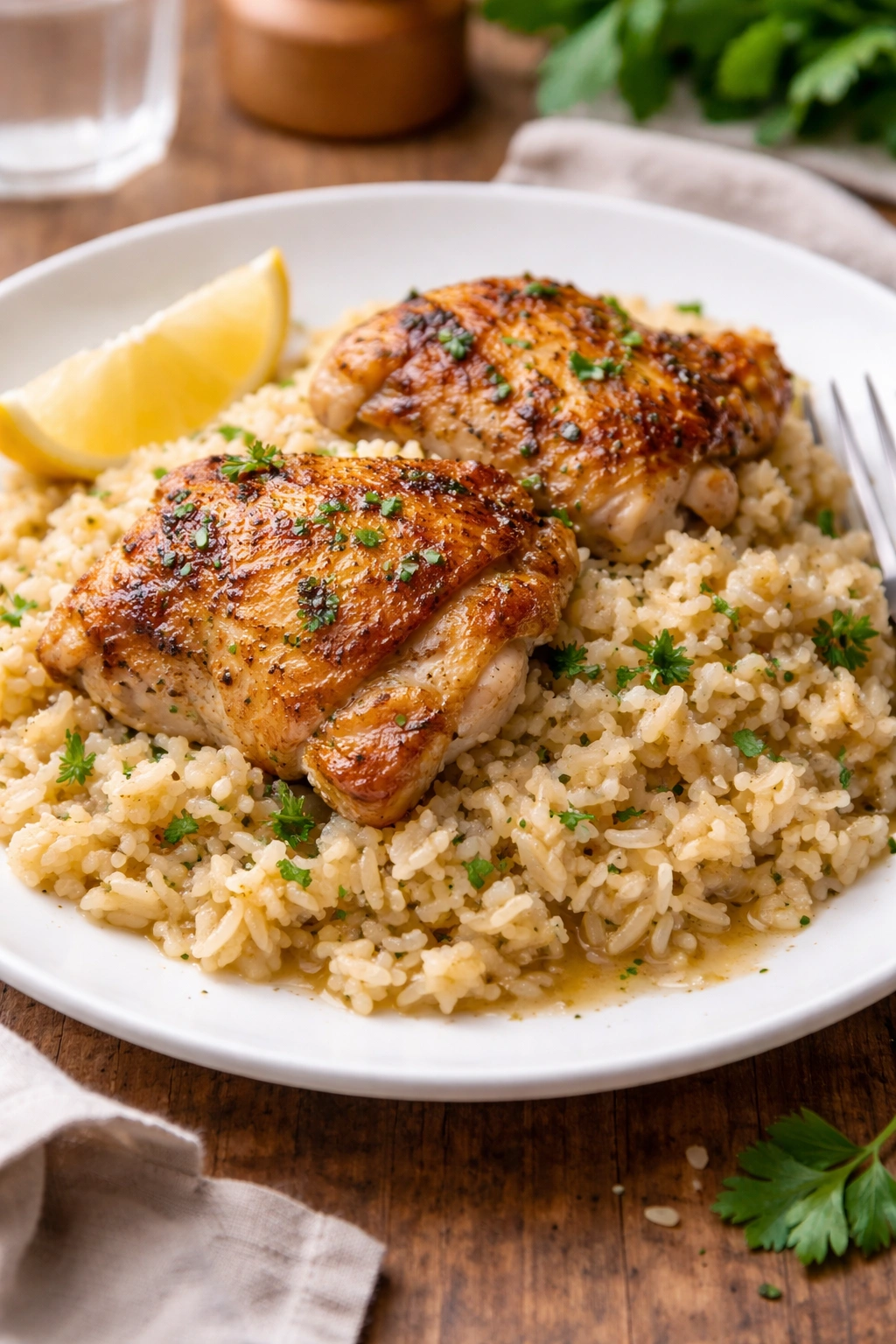
Chicken thighs are the superior choice here because they contain more fat, which means they stay juicy even if they cook slightly longer than intended. Dark meat also has more inherent flavor than white meat, so the final dish tastes richer and more savory. The fat renders into the broth as the chicken cooks, adding body and silkiness to the rice.
Chicken breasts work too, but they require more careful attention. They’re leaner, so they’ll become dry if they cook too long. If you’re using chicken breasts, cut them into smaller, more uniform pieces so they cook through at the same pace, and avoid any temptation to extend the cooking time unnecessarily.
Cut your chicken into bite-sized pieces—about one-inch cubes—rather than large chunks. Smaller pieces cook faster and more evenly, and they’re infinitely more pleasant to eat because you don’t have to cut through huge pieces at the table. The size consistency matters too, so aim for pieces that are roughly the same size so they all cook through at the same rate.
What the Numbers Tell You
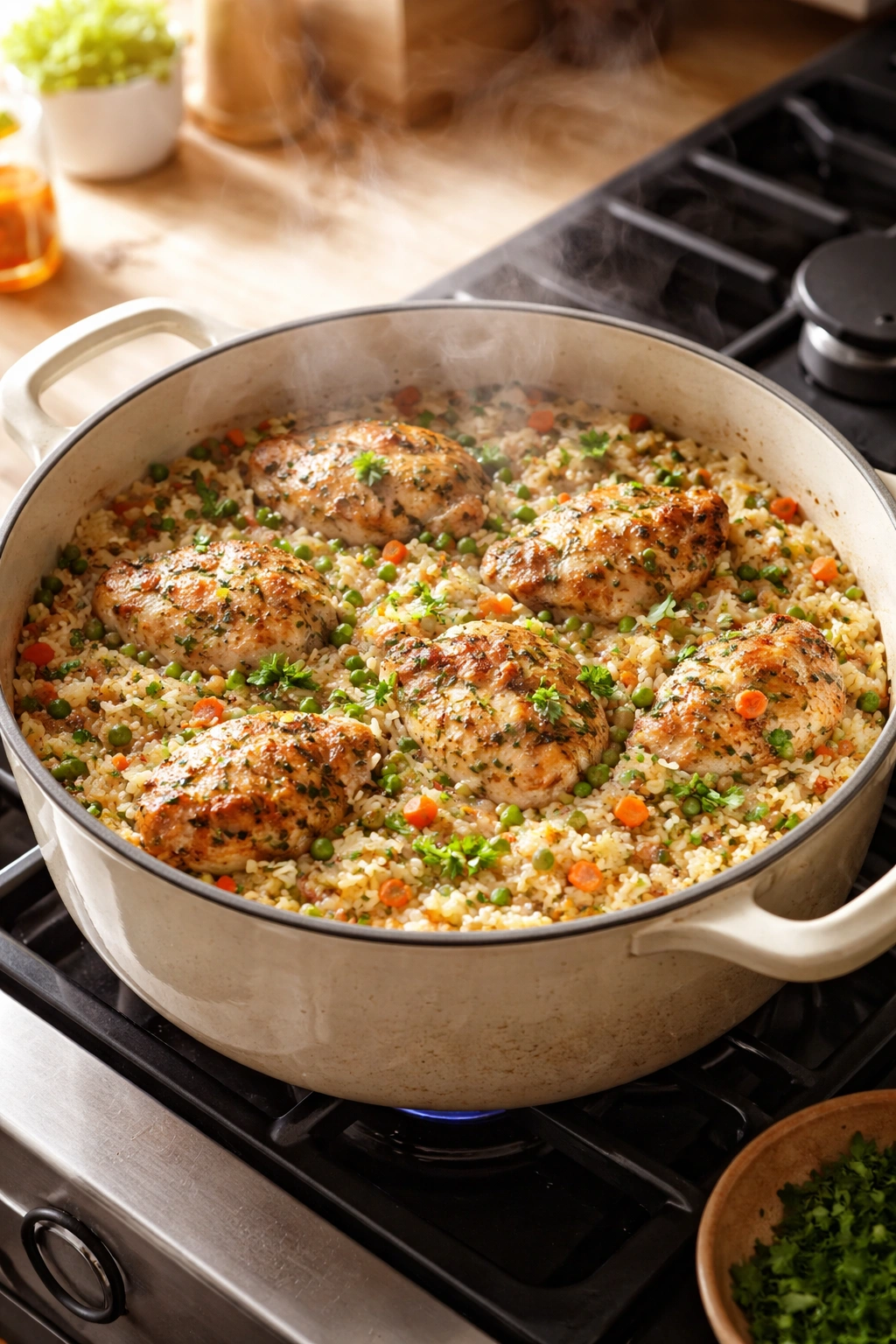
Yield: Serves 4 to 6 | Makes one large pot of comfort
Prep Time: 15 minutes
Cook Time: 35 to 40 minutes
Total Time: 50 to 55 minutes
Difficulty: Beginner — This recipe requires no special skills or equipment. If you can sauté vegetables, boil rice, and use a lid, you can absolutely make this. The steps are straightforward and forgiving.
Complete Ingredient List
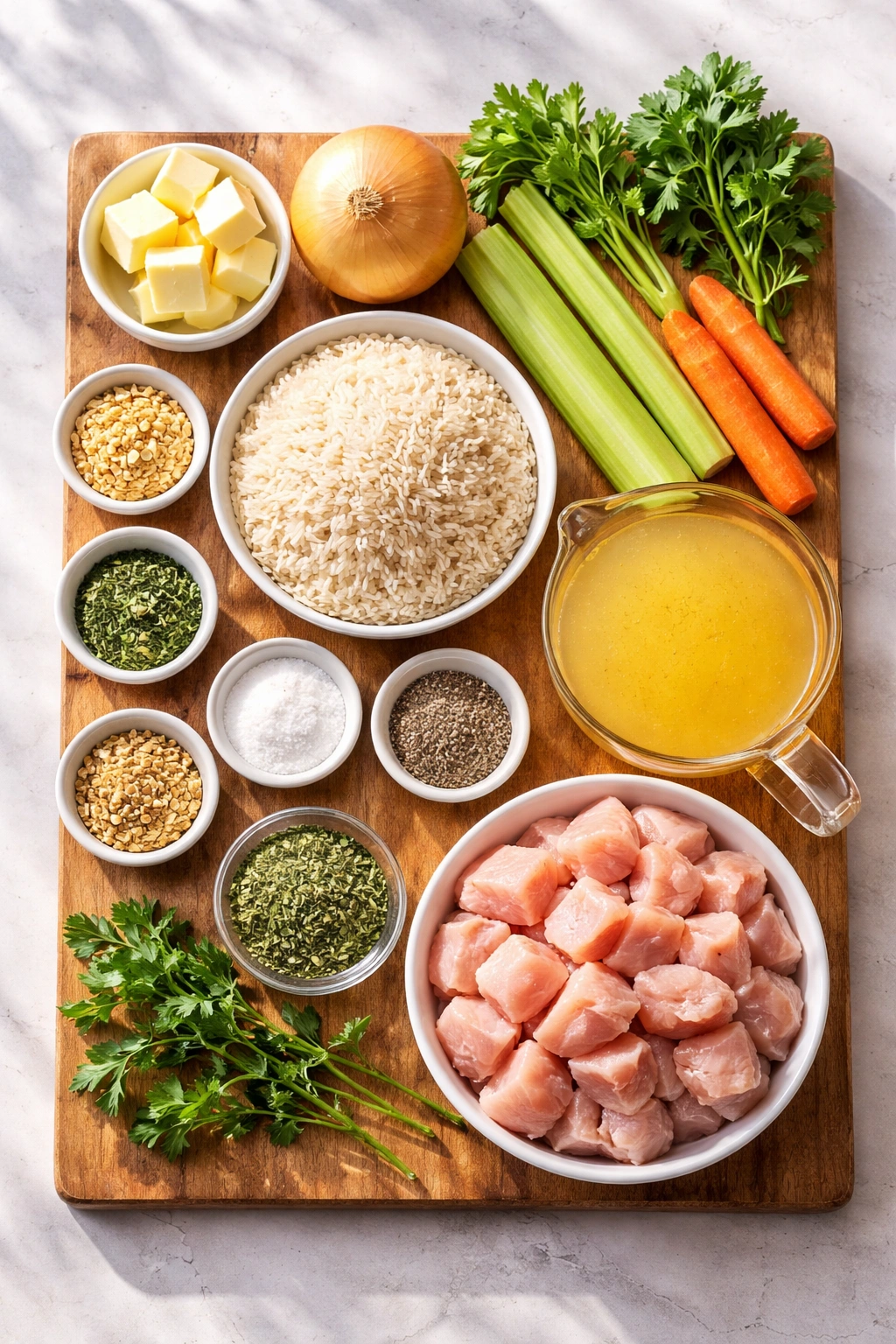
For the Base:
- 4 tablespoons unsalted butter, divided (2 tablespoons for cooking vegetables, 2 additional for finishing)
- 1 large yellow onion, finely diced
- 3 to 4 celery ribs, finely diced (about 1 cup)
- 1 heaping cup shredded or chopped carrots (about 2 large carrots, or use baby carrots sliced thin)
- 1 teaspoon kosher salt, plus more to taste
- ¼ teaspoon freshly ground black pepper, plus more to taste
For the Rice:
- 1½ to 2 cups long-grain white rice (jasmine or basmati rice work beautifully; avoid instant rice)
- 3½ to 4 cups good-quality chicken stock (homemade preferred, or a high-quality store brand)
- 1 tablespoon dried minced onion (or ½ cup freshly minced onion if you prefer)
- 1 teaspoon dried minced garlic (or 2 to 3 fresh garlic cloves, minced fine)
- 2 tablespoons fresh parsley flakes, or 3 tablespoons fresh chopped parsley
- 1 teaspoon salt
- ¼ teaspoon freshly ground black pepper
For the Chicken:
- 1¼ to 1½ pounds boneless, skinless chicken thighs or breasts, cut into bite-sized pieces (roughly 1-inch cubes)
- ½ teaspoon salt
- ¼ teaspoon freshly ground black pepper
- ½ teaspoon garlic powder (optional but recommended)
For Serving (Optional):
- Additional fresh parsley for garnish
- Cracked black pepper for finishing
- A squeeze of fresh lemon juice, if desired
Step-by-Step Cooking Instructions
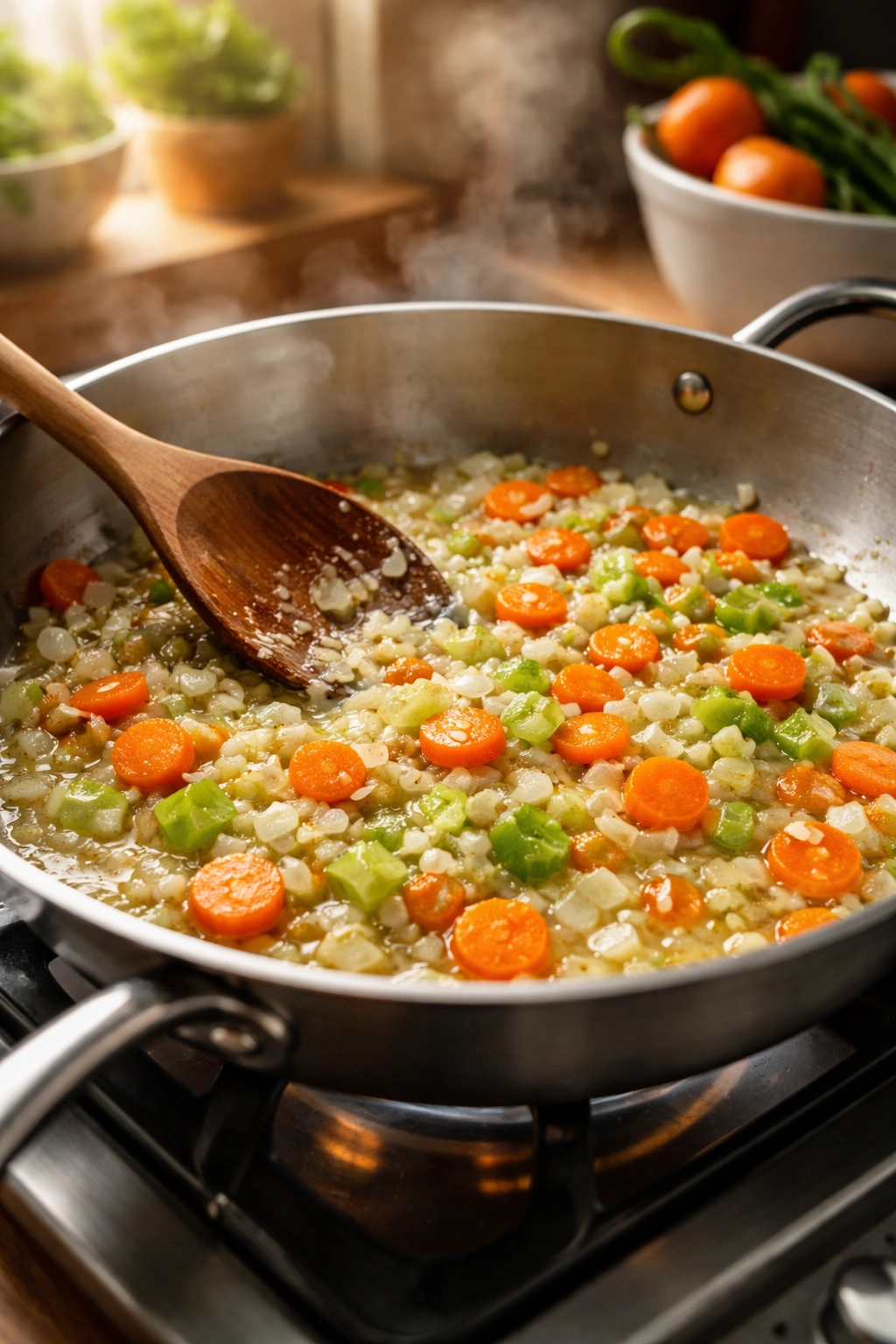
Prepare and Start the Aromatics:
-
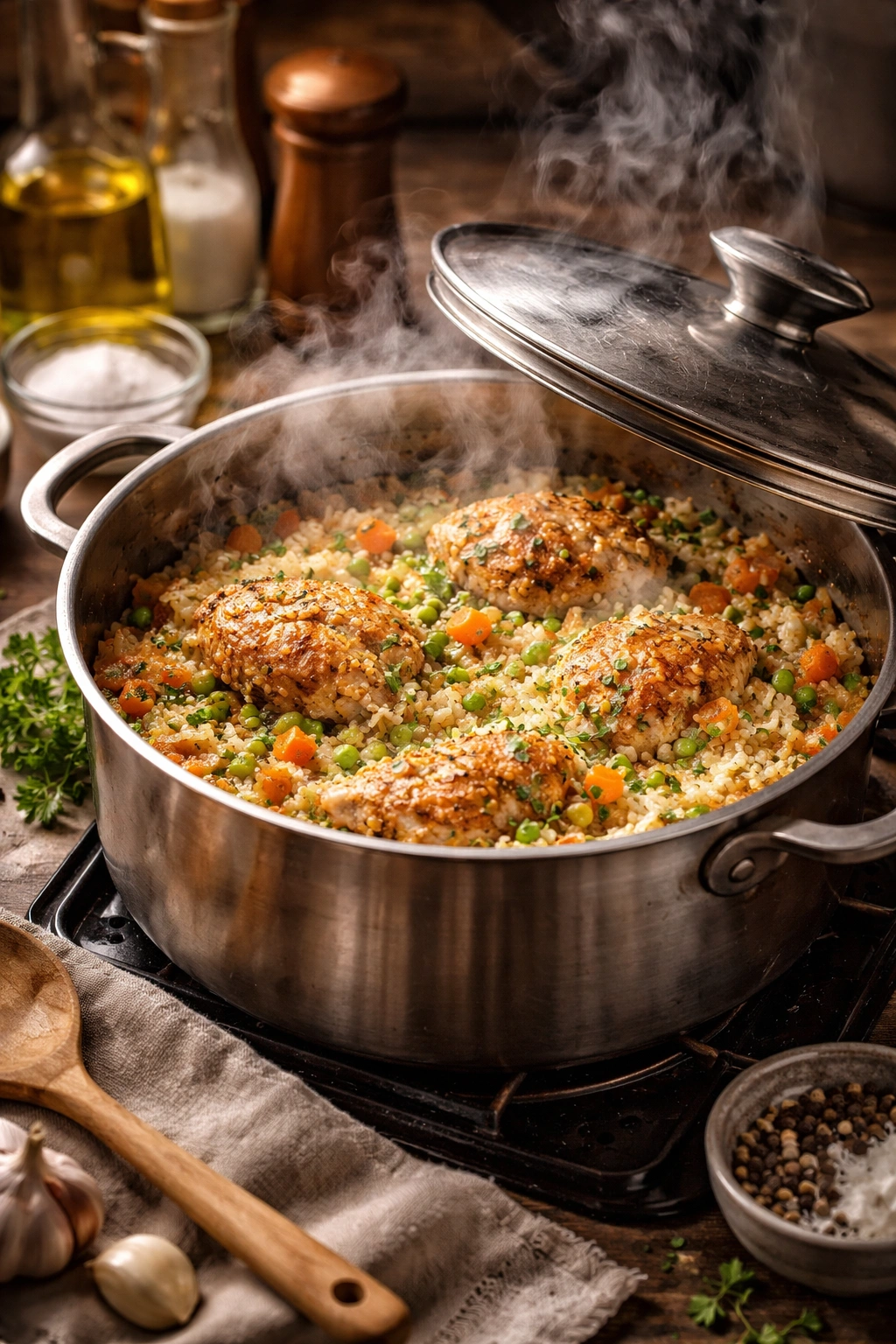
Melt 2 tablespoons of butter in a large, deep skillet, Dutch oven, or heavy-bottomed pot over medium heat. This should take about one minute, and you’ll know it’s ready when it’s foaming and fragrant but not browning.
-
Add the diced onion, celery, and carrots to the melted butter, then season generously with kosher salt and freshly ground black pepper. Don’t skip seasoning at this stage—it brings out the natural sweetness of the vegetables and builds flavor.
-
Cook the vegetables uncovered, stirring occasionally, until they’ve softened and the onion has turned translucent (about 5 to 7 minutes). The carrots don’t need to be completely tender yet—they’ll finish cooking with the rice. Some of the onion may start to color at the edges, which is actually desirable because it adds depth.
Toast the Rice and Add Liquid:
-
Stir in the uncooked rice along with the dried minced onion and dried minced garlic. Continue stirring gently for about one minute. You’ll hear the rice crackling slightly in the butter—this toasting step helps the grains stay separate and adds a subtle nutty flavor. It also helps the rice absorb liquid more efficiently.
-
Pour in the chicken stock and add the parsley flakes, salt, and pepper. Stir to combine everything and scrape the bottom of the pot to make sure nothing is sticking. The mixture should smell absolutely incredible at this point.
-
Turn the heat up to high and bring the liquid to a boil, stirring occasionally to ensure the rice isn’t sticking to the bottom. This usually takes 3 to 5 minutes. You should see active bubbling and steam beginning to rise.
Add the Chicken and Reduce Heat:
-
Once the liquid is boiling, add the seasoned chicken pieces, distributing them evenly throughout the pot rather than clumping them all in one spot. The heat will drop slightly when you add the chicken (which is cold), and that’s normal.
-
Stir the chicken in gently, then reduce the heat to low and place a tight-fitting lid on the pot. The liquid should return to a gentle simmer—you want to see just barely any movement, not vigorous boiling. This low, gentle heat is crucial for evenly cooked rice.
-
Without lifting the lid or stirring, let the pot cook undisturbed for 20 to 25 minutes. I know this is difficult—you’ll be tempted to peek because the aroma is incredible and you’re curious about progress. Resist. Every time you lift the lid, you release steam and disrupt the cooking process. Trust that everything is happening correctly inside that covered pot.
Finish and Rest:
-
After 20 to 25 minutes, carefully remove the lid (steam will rush out, so be careful of your face). The rice should be tender, the chicken should be cooked through and no longer pink inside, and most or all of the liquid should be absorbed. If there’s still standing liquid, let it cook covered for another 2 to 3 minutes.
-
Remove the pot from the heat and stir in the remaining 2 tablespoons of butter, which will add luxurious creaminess to the finished dish. Taste a spoonful and adjust the seasoning—add more salt and pepper if needed.
-
Place the lid back on and let the pot sit, undisturbed, for 5 to 10 minutes. This resting period is when the flavors really settle and meld together, and any remaining moisture distributes evenly. The rice will firm up slightly and become easier to fluff.
Serve:
- Remove the lid and use a fork to gently fluff the rice, breaking up any clumps that may have formed. Scatter fresh parsley over the top if desired, grind some fresh black pepper over everything, and serve hot in shallow bowls so the creamy broth can settle around the rice.
Common Mistakes and How to Avoid Them
Using low-quality rice results in mushy, unappetizing rice that falls apart rather than staying intact. Invest in a good brand of long-grain white rice—it truly makes a measurable difference.
Adding the chicken too early means it might overcook while the rice is still cooking. Adding it halfway through ensures the chicken finishes cooking right when the rice reaches the perfect doneness.
Constantly lifting the lid and stirring disrupts the steaming process and leaves you with unevenly cooked rice. The covered pot creates its own little ecosystem of heat and steam. Trust it.
Not seasoning the vegetables properly in the first step means the final dish tastes flat. The salt in step 2 brings out the natural flavors of the vegetables and builds a proper flavor foundation.
Skipping the rest period robs you of the creamy texture the dish is famous for. Those final five to ten minutes off the heat are essential for developing the right consistency.
Cutting the chicken into uneven pieces means some pieces will overcook while others are still slightly undercooked. Aim for consistent one-inch cubes so everything finishes at the same time.
Tips for Restaurant-Quality Results
Use good chicken stock, not broth. Stock has more body and gelatin, which creates a naturally silkier finish. If your stock is particularly strong, you might dilute it slightly with water so the salt content isn’t overwhelming.
Toast your rice for 30 to 60 seconds in the butter before adding liquid. This extra step creates a subtle nuttiness and helps keep the grains separate rather than sticking together.
Season at every stage of cooking. Don’t wait until the end to taste and adjust. Start by seasoning the vegetables, then season again when you add the chicken. This builds flavor cumulatively rather than relying on one final adjustment.
Use butter liberally. This is comfort food—butter is part of what makes it comforting. Don’t hold back. The fat carries flavor and creates the creamy mouthfeel that makes this dish special.
Add a parmesan cheese rind if you have one. Drop it in with the broth and let it simmer for the entire cooking time. It dissolves partially and adds incredible savory depth. Remove it before serving if you prefer, or leave it in if you like the slightly soft rind. The umami it adds is remarkable.
Finish with fresh garlic and a splash of acid. Just before serving, you can stir in a minced fresh garlic clove that’s been tossed with a squeeze of lemon juice. It adds brightness that cuts through the richness and makes everything taste more lively.
Easy Flavor Variations You Can Try
Creamy version: Stir in ½ cup heavy cream or sour cream right at the end, just before serving. This pushes the comfort-food factor even higher and makes the rice incredibly silky.
Herbed variation: Replace some of the parsley with fresh thyme or rosemary. Add these fresh herbs just before serving so they don’t lose their brightness during cooking.
With rotisserie chicken: Use a store-bought rotisserie chicken instead of raw chicken. Shred the meat and stir it in during the last 2 to 3 minutes of cooking, just long enough to warm through. This saves time and adds even more flavor.
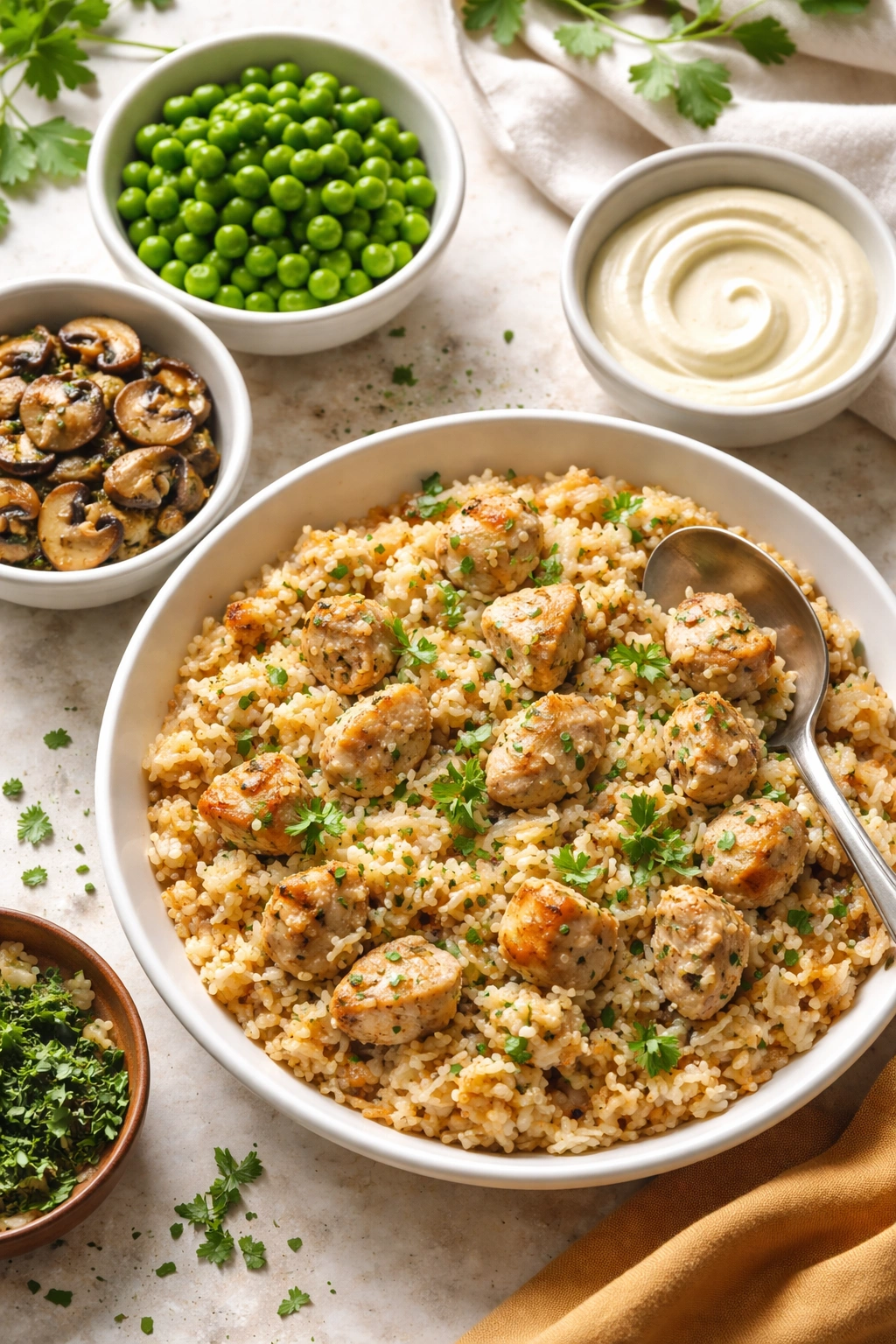
Vegetable-forward: After the rice is cooked, stir in frozen peas, corn, or diced frozen broccoli. These vegetables only need 2 to 3 minutes to warm through, and they add color, nutrition, and textural contrast.
Mushroom version: Sauté sliced mushrooms in a separate pan while the rice cooks, then stir them in at the end. Cremini, button, or oyster mushrooms all work beautifully and add an earthy, umami richness.
Spiced variation: Add ½ teaspoon turmeric and ½ teaspoon cumin to the rice-cooking stage. These warm spices add complexity and depth without overwhelming the dish.
With garlic and herbs: Use fresh garlic instead of dried—3 to 4 minced cloves cooked with the onion and celery. Add a pinch of dried thyme or oregano for additional herbaceous flavor.
How to Make It Your Own with Swaps
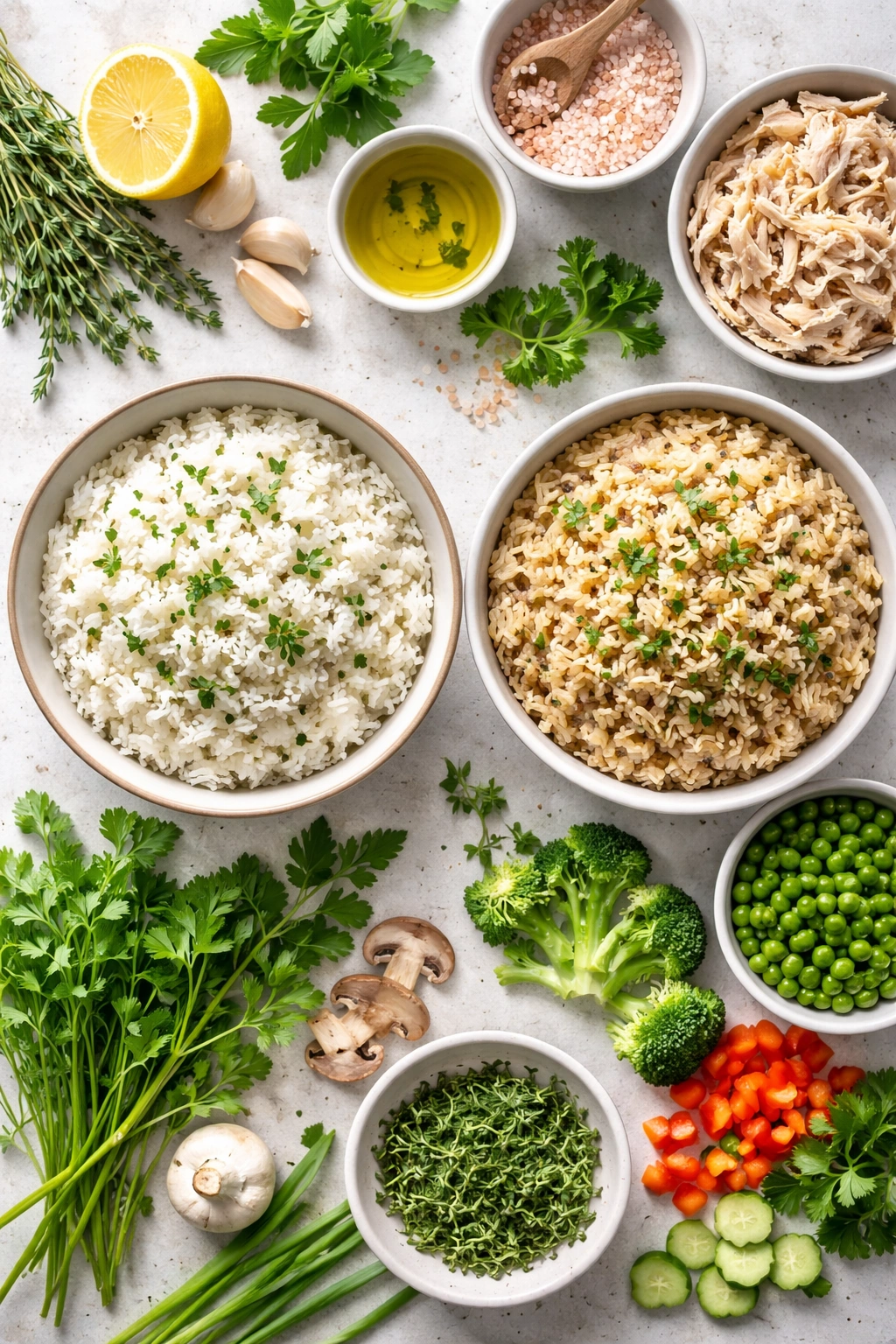
For brown rice: Use the same amount of brown rice but increase the chicken stock to 4½ cups and the cooking time to 30 to 35 minutes (instead of 20 to 25). Brown rice needs more liquid and longer cooking, but it adds nuttiness and extra nutrition.
For dairy-free: Use olive oil or vegan butter instead of regular butter, and use vegetable or chicken stock that’s certified dairy-free. The finished dish will be slightly less rich but still genuinely delicious.
For gluten-free: This recipe is already gluten-free as written, but make sure your chicken stock is certified gluten-free if you’re cooking for someone with celiac disease. Most brands are safe, but always verify.
With fresh herbs: Use fresh chopped parsley instead of dried, adding it in two stages—half during cooking for background flavor and half at the very end for brightness. Fresh thyme, dill, or tarragon also work beautifully.
With different proteins: Ground turkey works beautifully here—brown it in the initial butter step instead of chicken pieces, and follow the recipe as written. You can also use ground beef for a different take on comfort food.
With more vegetables: Add a diced bell pepper with the onion and celery. Dice it small so it softens completely by the time the rice finishes. Some people also add a diced zucchini or a handful of sliced mushrooms.
For a spicy kick: Add ¼ to ½ teaspoon red pepper flakes to the aromatics, or stir in a pinch of cayenne pepper with the salt and black pepper. This adds gentle heat without overwhelming the comforting nature of the dish.
Storage and Reheating for Delicious Leftovers
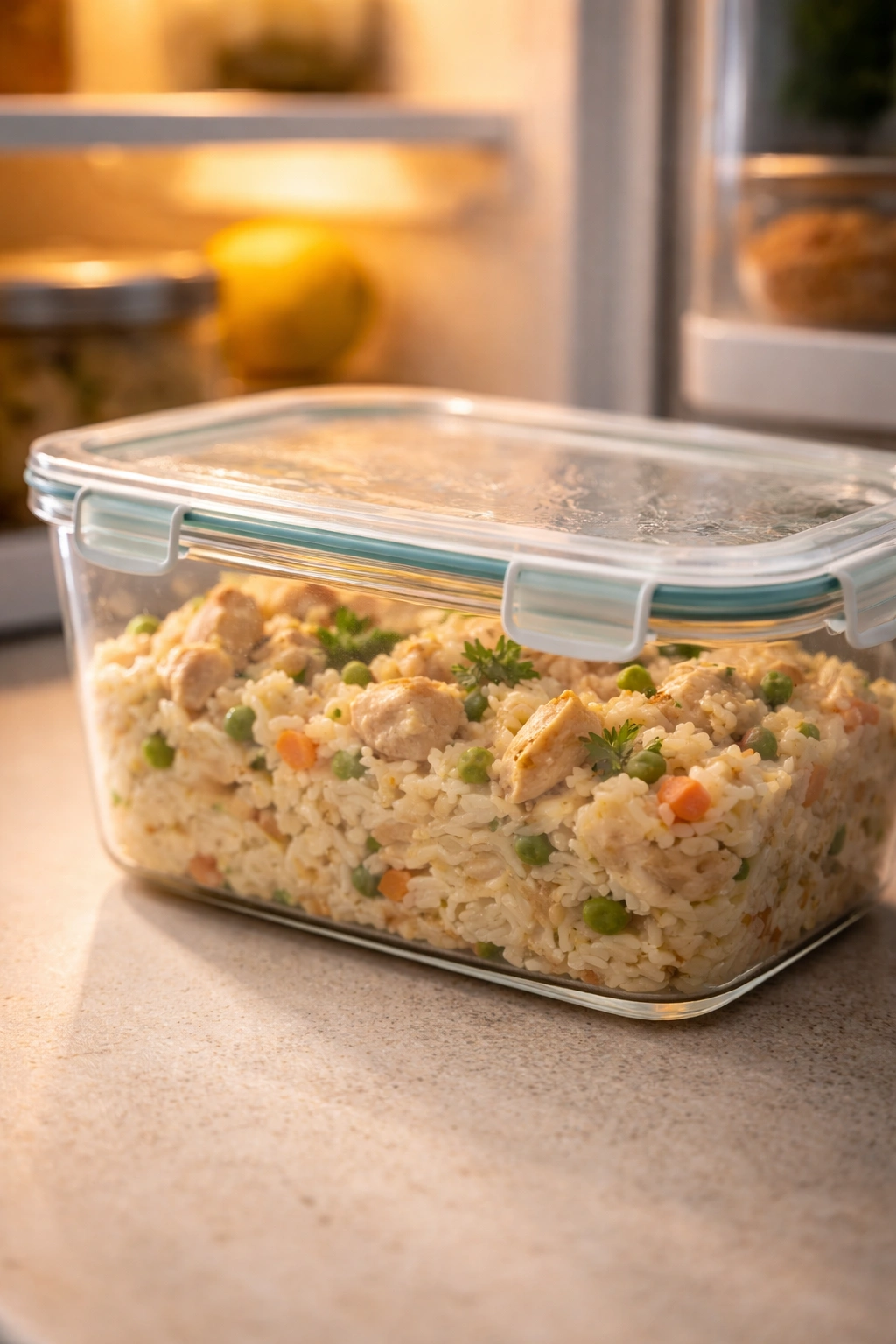
Chicken and rice is actually better the next day because the flavors have had time to meld and deepen. Store cooled leftovers in an airtight container in the refrigerator for up to four days. Unlike some rice dishes, this one reheats beautifully because of all the butter and broth keeping everything moist.
To reheat individual portions, scoop the cold chicken and rice into a bowl and microwave in 30-second intervals, stirring between each one, until heated through (usually 1 to 2 minutes total). Or reheat gently in a skillet over medium-low heat with a splash of chicken stock or water added to help steam everything back to life. Cover with a lid and warm for about 5 minutes.
I don’t recommend freezing this dish. While the components would technically survive freezing, the rice texture changes dramatically once thawed—it tends to become mushy or grainy rather than maintaining that creamy, cohesive quality that makes it special. If you do want to freeze it, do so in portions in an airtight container for up to three months, thaw overnight in the fridge, and reheat carefully with added stock to compensate for moisture loss.
Make-ahead tip: You can prepare the vegetables and cut the chicken the morning of cooking, store them separately in the fridge, and have everything ready to go when you get home. The actual cooking takes less than an hour, so even on busy weeknights this is totally manageable.
What to Serve Alongside Chicken and Rice
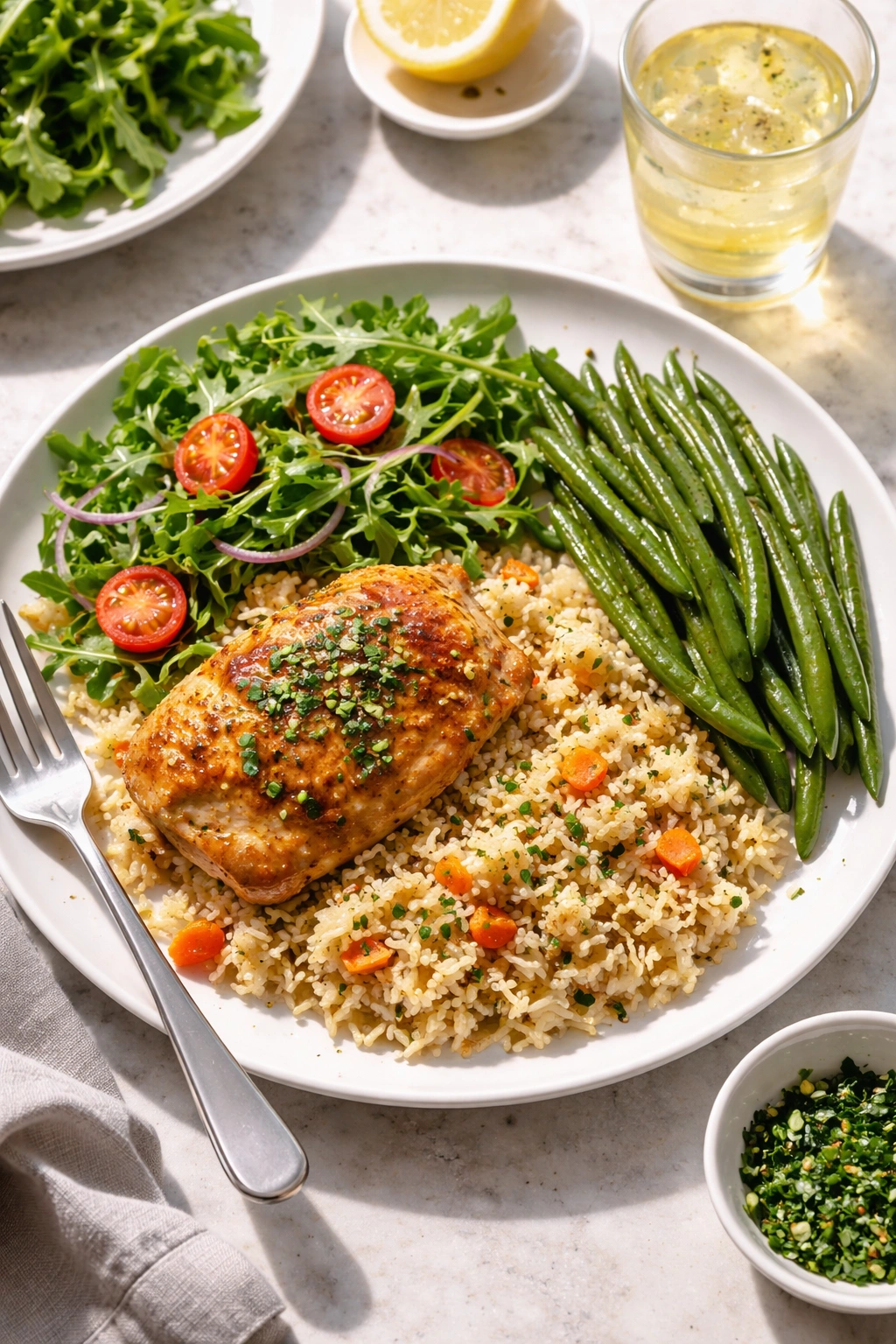
The beauty of this dish is that it’s genuinely a complete meal on its own—it has protein from the chicken, carbohydrates from the rice, and vegetables throughout. Many nights, there’s nothing else needed. But if you want to add something to the plate, here’s what works beautifully:
Simple salads with sharp vinaigrettes cut through the richness. A basic arugula salad with lemon dressing, a crisp iceberg lettuce salad with a bright balsamic vinaigrette, or even a simple cucumber and tomato salad adds freshness and textural contrast.
Steamed or sautéed green vegetables like green beans, broccoli, or kale add color and nutrition without competing with the main dish. A simple garlic-butter preparation lets the vegetable shine.
A slice of crusty bread is perfect for soaking up the creamy broth. Good quality artisan bread, a soft dinner roll, or even cornbread makes an excellent accompaniment.
Roasted vegetables like Brussels sprouts, carrots, or asparagus add another layer of flavor and make the plate feel more substantial. Roast them while the chicken and rice cooks so everything finishes around the same time.
For beverages, iced tea, lemonade, or water with lemon all work well. If you want something warm, a simple vegetable or chicken broth in a separate cup complements the meal beautifully.
Final Thoughts
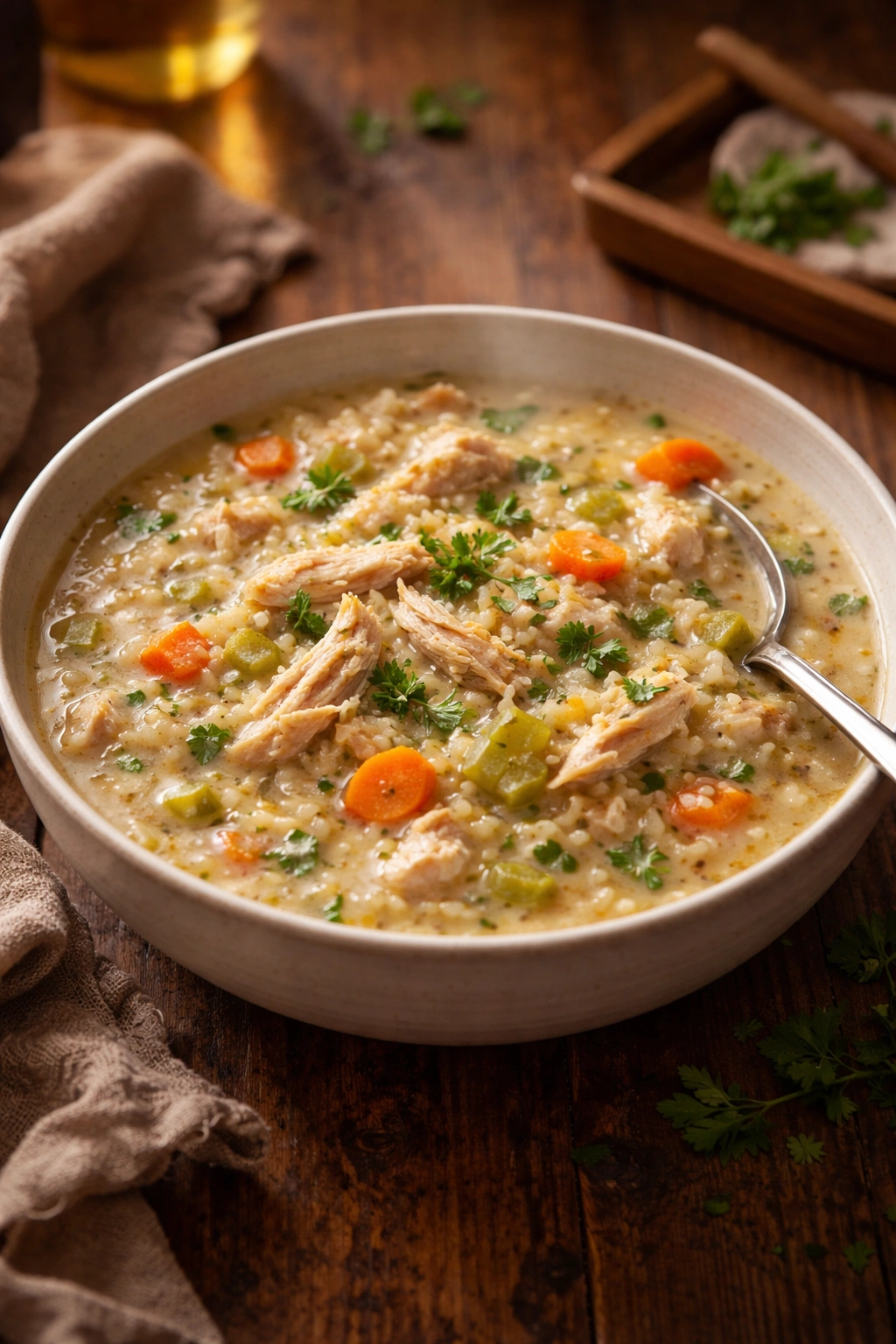
This one-pot chicken and rice exists in that magical space where food is simultaneously simple and deeply satisfying. There are no complicated techniques to master, no obscure ingredients to hunt down, no elaborate plating required. Just straightforward cooking that yields genuinely delicious results every single time.
What makes this dish work isn’t complexity—it’s understanding the fundamentals. Good ingredients matter, especially the rice and stock. The cooking process itself is forgiving as long as you respect the timing and don’t open the lid a hundred times out of curiosity. The final rest period might seem unnecessary, but it’s genuinely essential for achieving that creamy, luxurious texture.
Most importantly, this is the kind of meal that deserves to be in regular rotation, not saved for special occasions. It’s affordable enough to make multiple times per month, quick enough for weeknight cooking, impressive enough to serve to guests, and comforting enough to make you feel genuinely cared for. That combination of qualities is remarkably rare.
Keep the ingredient list this simple, respect the cooking process, and you’ll have dinner that tastes like someone with genuine expertise spent hours bringing it together. The real secret? That someone is you, and you just made one of the most reliable, delicious, soul-satisfying meals that exists. Serve it hot, enjoy every bite, and count on the fact that everyone at your table will be asking when you’re making it again.
