



Mexican soups represent some of the most soul-warming, deeply satisfying comfort food you can prepare, especially when the temperature drops and you crave something that warms you from the inside out. These aren’t quick-fix broths or thin consommés—they’re hearty, flavor-packed vessels loaded with vegetables, tender proteins, and aromatic spices that have been perfected over generations of family cooking. When winter nights settle in and the chill creeps into your bones, a steaming bowl of authentic Mexican soup is exactly what your body and spirit need.
The beauty of Mexican soup lies in its versatility and accessibility. Whether you’re cooking for a weeknight family dinner, preparing a meal for a special gathering, or simply wanting something nourishing to have on hand for lunch throughout the week, there’s a Mexican soup that fits the bill. Many of these recipes come together in less than an hour, require ingredients you likely already have in your pantry, and taste even better the next day as flavors deepen and meld. Some simmer gently on the stovetop while others come together quickly in a pressure cooker—meaning you can choose based on your schedule and available time.
What sets Mexican soups apart from other comfort foods is the intentional layering of flavors. You’ll find dried chiles contributing earthy, smoky depth. Fresh aromatics like garlic and onion build a savory base. Warm spices such as cumin and oregano add complexity. Fresh lime juice brightens everything at the end. And the toppings—crispy tortilla strips, creamy avocado, fresh cilantro, crumbly queso fresco, and zesty lime wedges—transform each spoonful into something special.
These eight soups represent the most beloved varieties you’ll find in Mexican home kitchens and restaurants alike. Each brings something different to the table, from the iconic hominy-studded pozole to delicate seafood caldos to simple but deeply satisfying bean-based broths. Master these recipes and you’ll have a winter arsenal that keeps your family warm, satisfied, and coming back for more.
1. Pozole Rojo: The Iconic Celebration Soup
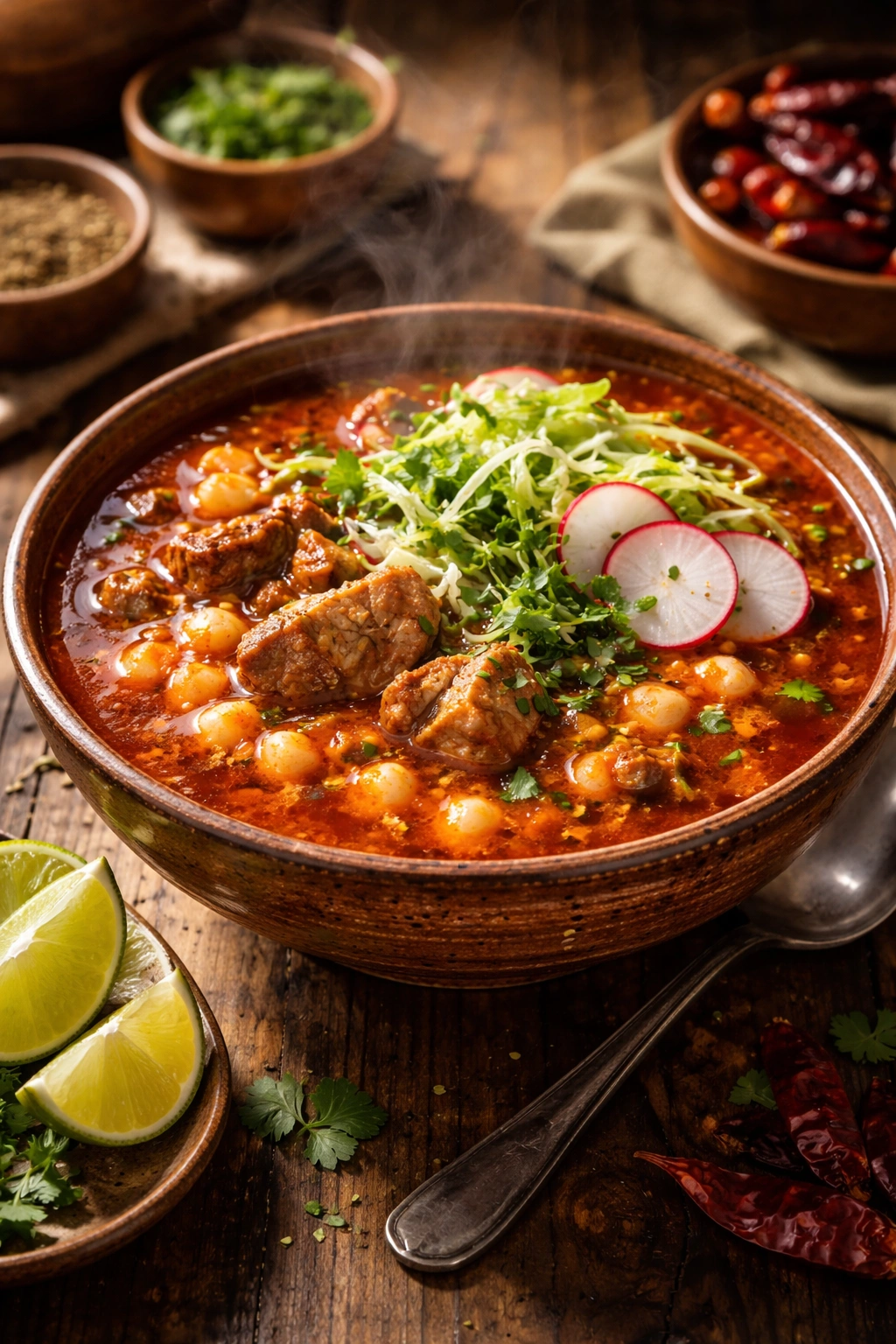
Pozole rojo stands as one of Mexico’s most revered soups, traditionally served during holidays and special celebrations to honor important life moments. This stunning crimson broth gets its color and personality from dried red chiles—typically guajillo or ancho varieties—which contribute a rich, complex warmth without being aggressively spicy. The real magic happens when you combine this chile-based broth with plump, tender hominy (dried corn kernels that have been treated through nixtamalization to become soft and chewy) and melt-in-your-mouth pork shoulder.
Why Pozole Rojo Stands Out
The preparation of pozole rojo has been passed down through Mexican families for centuries, with each region and household claiming their own version as the “authentic” one. What they all share is that meditative quality of watching the pork slowly break down into the broth over hours of gentle simmering, infusing every drop with incredible depth. The dried chiles must be properly toasted and rehydrated before blending into a smooth sauce—this step is non-negotiable if you want that characteristic velvety texture. The hominy provides contrast in texture and absorbs all the surrounding flavors while staying tender and satisfying.
Key Elements of Traditional Pozole
- Pork shoulder or pork ribs as the protein base, creating a rich, silky broth as collagen breaks down
- Dried hominy, which you can find canned for convenience or dried if you’re seeking traditional texture
- Guajillo and ancho chiles, toasted and blended until smooth for the signature red color
- Abundant toppings served on the side: shredded cabbage, sliced radishes, dried oregano, thinly sliced onions, lime wedges, and crispy tostadas
Pro tip: Make your pozole a day or two ahead—the flavors become exponentially better as everything sits together overnight, and the pork becomes even more tender.
2. Caldo de Pollo: The Healing Everyday Soup
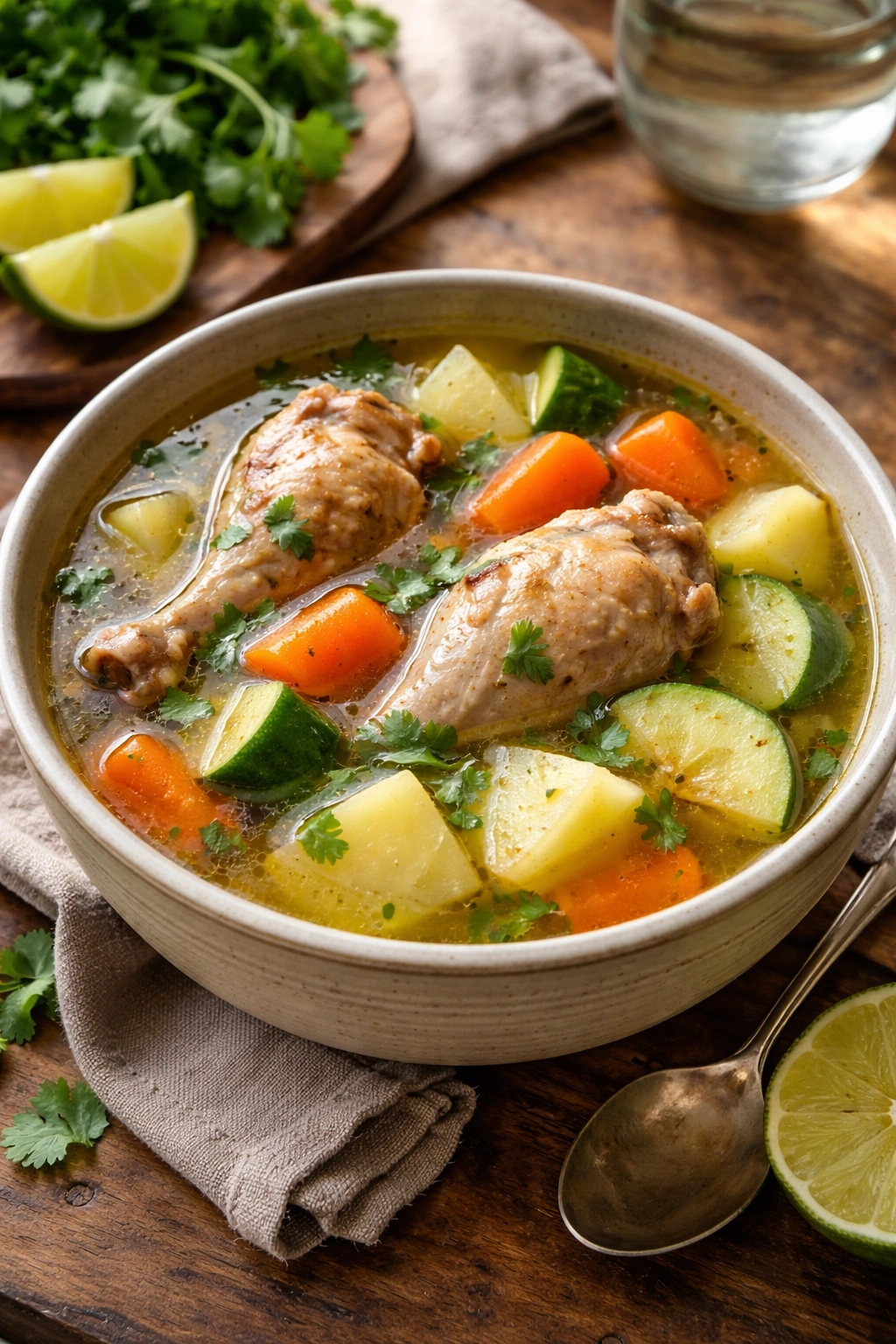
Caldo de pollo represents pure comfort in its simplest form. This light yet nourishing chicken broth loaded with vegetables has appeared on Mexican dinner tables for generations, served both as an everyday meal and as a gentle remedy when someone in the family isn’t feeling well. Unlike heavy cream-based soups, caldo de pollo achieves its satisfaction through the deep, clean flavor of homemade chicken broth enriched by vegetables like carrots, zucchini, potatoes, and chayote squash.
Why It’s a Kitchen Essential
The magic of caldo de pollo comes from using the right parts of the chicken. Dark meat—thighs and drumsticks—contributes far more flavor than white meat and becomes beautifully tender during the long simmer. You’re essentially making a complete meal where the broth is built from the chicken itself rather than starting with store-bought stock. Fresh vegetables add their own subtle sweetness and texture, and fresh cilantro finishes everything with brightness. This is the soup people request when they want to feel taken care of.
What Makes Caldo de Pollo Special
- Whole chicken or chicken pieces that create a naturally rich broth full of gelatin and body
- Fresh vegetables including corn, carrots, potatoes, zucchini, and celery for varied textures
- Fresh herbs like cilantro and oregano added near the end to preserve their fresh quality
- Simple seasonings that let the quality of your ingredients shine through—salt, pepper, cumin, maybe a bay leaf
Worth knowing: Caldo de pollo freezes beautifully, so make a double batch and freeze portions in ice cube trays for quick future meals.
3. Chicken Tortilla Soup: The Crowd-Pleaser
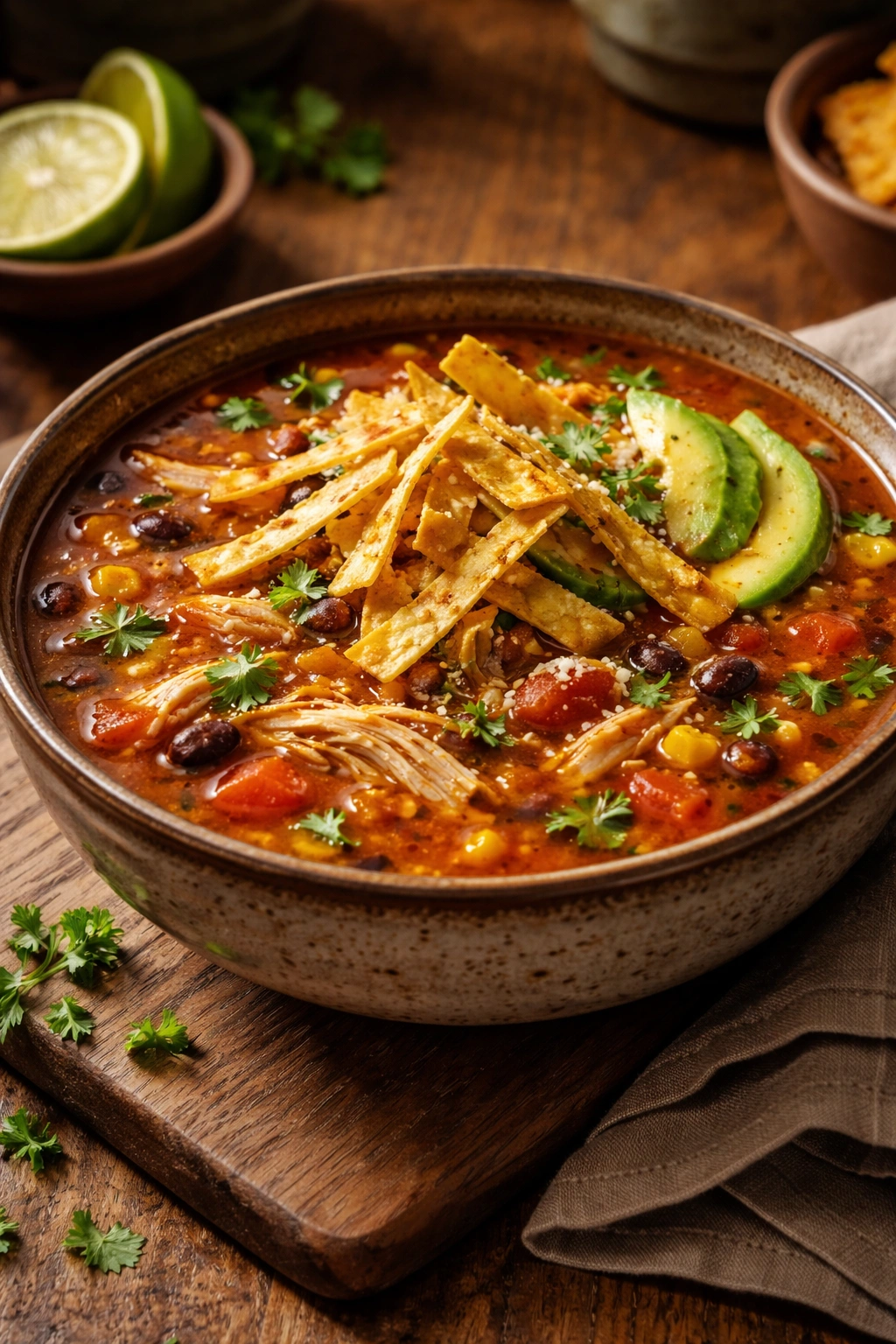
Chicken tortilla soup, or sopa de tortilla, has become beloved far beyond Mexico’s borders because it hits every note perfectly: aromatic broth, tender chicken, fresh vegetables, and a contrast of textures from crispy fried tortilla strips. The broth itself is built on a foundation of tomatoes, onions, garlic, and sometimes chipotle peppers, creating something both light and deeply satisfying. Each spoonful becomes a complete experience when you’ve got all the toppings assembled.
What Makes This Soup Stand Out
The tortilla strips represent the soul of this soup—they’re not just a garnish but an essential component that provides that satisfying crunch and absorbs broth while softening slightly. The broth should be bright and flavorful, never overshadowed but actually complemented by the toppings. Many home cooks make this with a simple tomato-based broth, while restaurants often use enchilada sauce for extra depth. Either approach works beautifully; it just depends on how bold you want the flavors and how much time you’re willing to invest.
Essential Components for Perfect Chicken Tortilla Soup
- Shredded chicken from thighs or breasts, cooked separately for better control
- Tomato-based broth seasoned with garlic, cumin, and sometimes a touch of chipotle
- Fresh corn tortillas, fried until crispy in oil for authentic texture and flavor
- Finishing toppings: sliced avocado, fresh cilantro, diced white onion, crumbled queso fresco, lime wedges, and a dollop of sour cream
Insider note: Make the broth and cook the chicken ahead of time, then fry fresh tortilla strips right before serving so they stay supremely crispy.
4. Sopa de Fideo: The Simple Noodle Soup
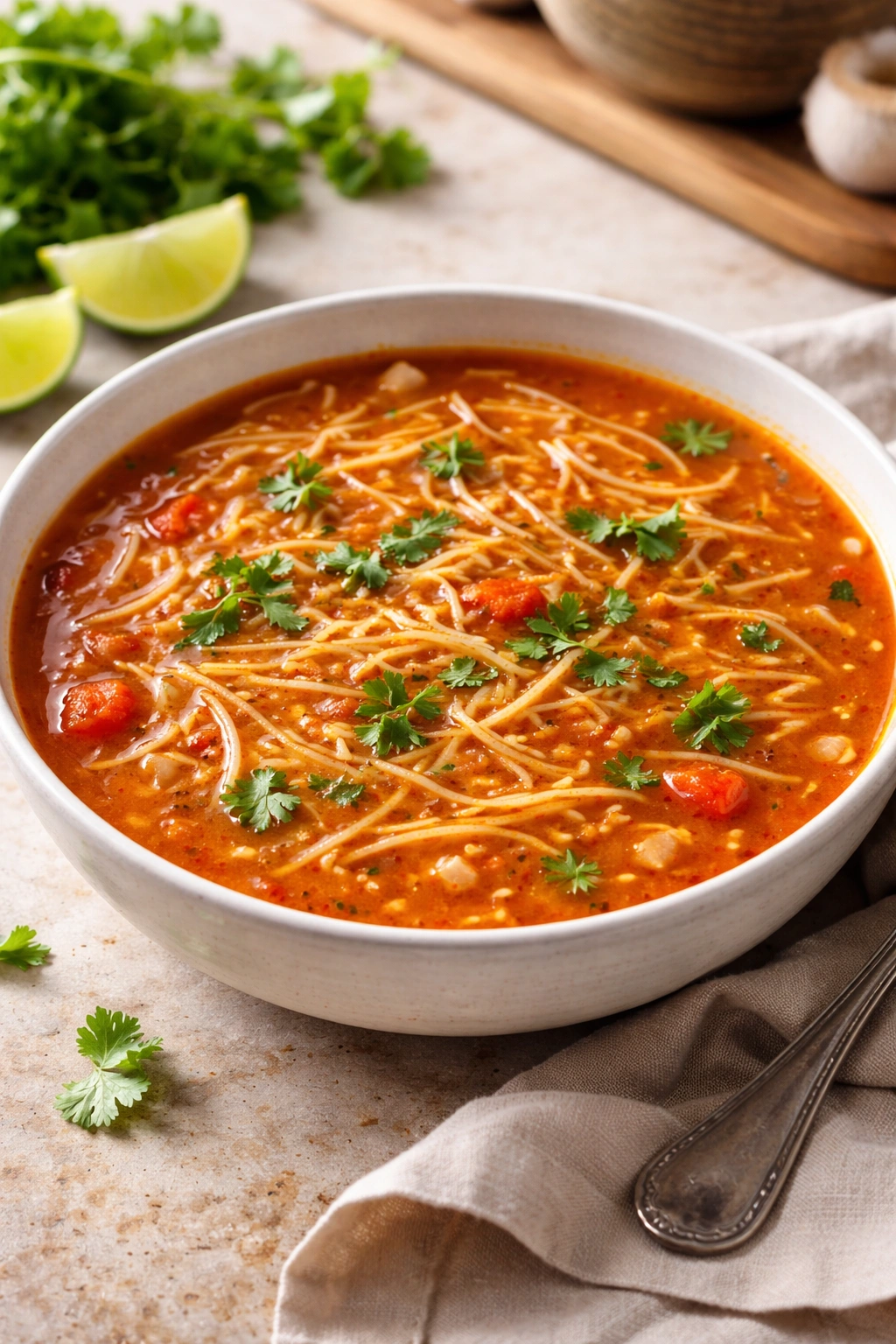
Sopa de fideo represents the intersection of simplicity and satisfaction—just thin Mexican noodles in a light tomato broth, yet somehow it becomes one of the most crave-worthy soups you can make. This is the soup that appears at Mexican family lunch tables, loved equally by toddlers and grandparents. The secret to great sopa de fideo lies in one distinctive technique: toasting the noodles in hot oil before adding the broth, which creates a subtle nutty flavor and helps them maintain their texture.
Why It Works So Well
The genius of sopa de fideo is its elegant restraint. There’s no need for complicated techniques or extensive ingredient lists—just fideo noodles, tomatoes, onion, garlic, and broth. Yet the combination creates something deeply comforting that speaks to something primal about how we want to eat when we’re tired or cold. The toasted noodles cook directly in the broth, absorbing flavors as they soften. Everything comes together in about twenty minutes, making this perfect for nights when you need dinner fast but still want something homemade and nourishing.
The Building Blocks of Perfect Sopa de Fideo
- Fideo noodles (thin Mexican pasta), toasted in oil before adding liquid to develop flavor
- Canned tomatoes blended smooth for the base, or fresh tomatoes if available in quality
- Garlic and onion forming the essential aromatic foundation
- Good quality broth, whether chicken or vegetable, as this simple soup really depends on broth quality
- Optional additions: a pinch of cumin, fresh cilantro, or a squeeze of lime at the end
Pro tip: If you can’t find authentic fideo, angel hair pasta works beautifully as a substitute—just remember to toast it in oil before adding the broth.
5. Caldo de Camarón: The Elegant Seafood Broth
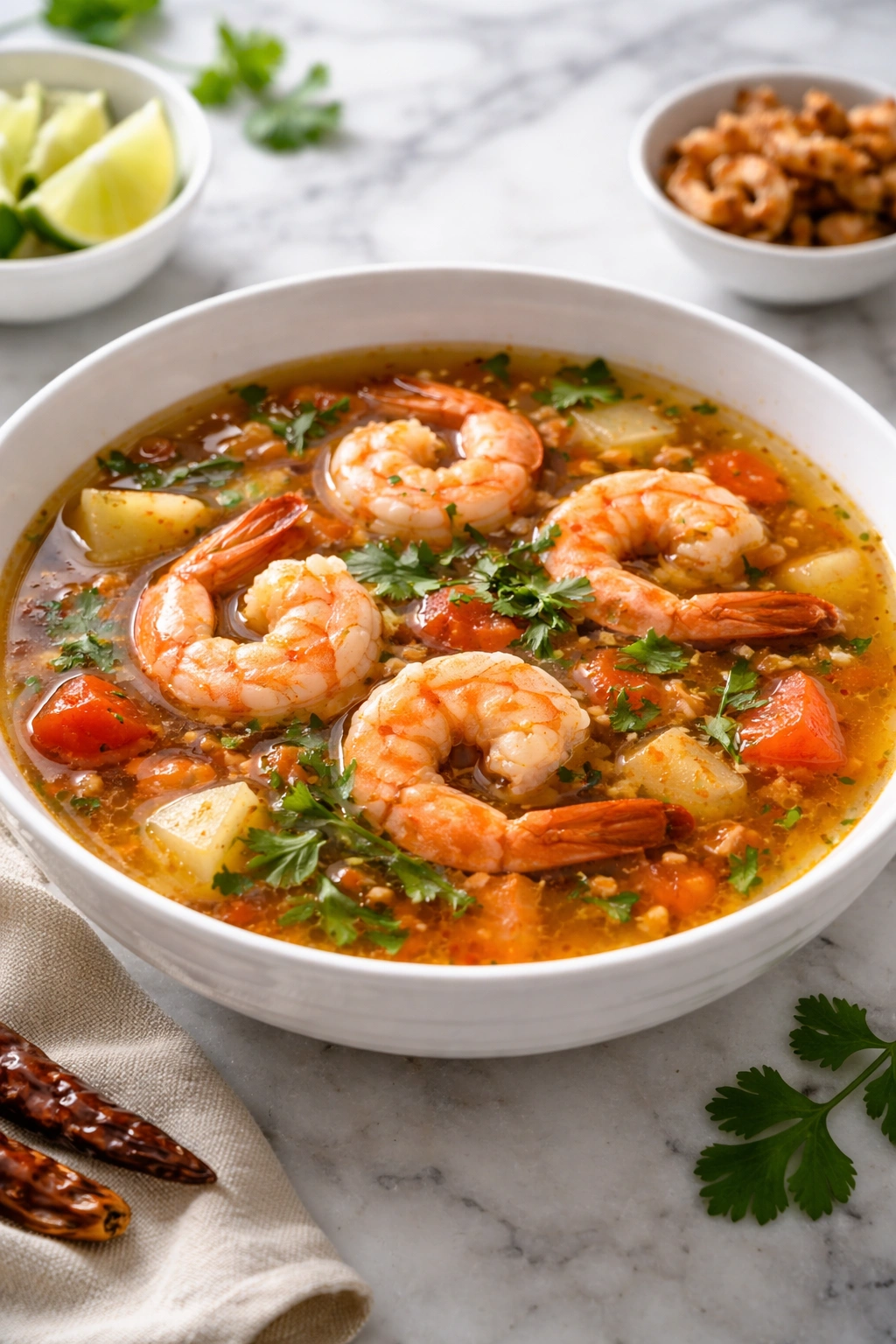
For those who love seafood, caldo de camarón brings sophisticated flavors to winter soup season. This aromatic shrimp broth offers something lighter than beef or pork soups yet deeply satisfying, with the natural brininess of shrimp creating a broth that’s complex and clean all at once. The soup traditionally combines fresh shrimp with dried shrimp (which intensifies the seafood flavor dramatically), creating layers of umami depth that seem impossible from such humble ingredients.
Why Seafood Soups Deserve Your Attention
Shrimp caldo stands out because it manages to be both elegant enough for entertaining and simple enough for weeknight cooking. The broth develops its character from toasted dried shrimp and shells, fresh shrimp meat, aromatic vegetables like tomatoes and chiles, and sometimes a touch of tender vegetables like chayote squash or zucchini. Fresh lime juice added at the end brightens everything perfectly. This is not a heavy soup that leaves you feeling weighed down—instead, it nourishes while remaining light and refined.
Components of Authentic Caldo de Camarón
- Fresh shrimp and dried shrimp, creating layered oceanic depth
- Aromatic base of onion, garlic, and tomatoes, sometimes with dried chiles like guajillo
- Tender vegetables such as chayote squash, zucchini, or carrots for variety
- Fresh cilantro and lime juice finishing with brightness and acidity
- Optional: avocado slices served on top for richness and contrast
Worth knowing: Save your shrimp shells when peeling fresh shrimp—you can toast them to make an even more flavorful broth base if you’re willing to invest the extra effort.
6. Black Bean Soup: The Vegetarian Star
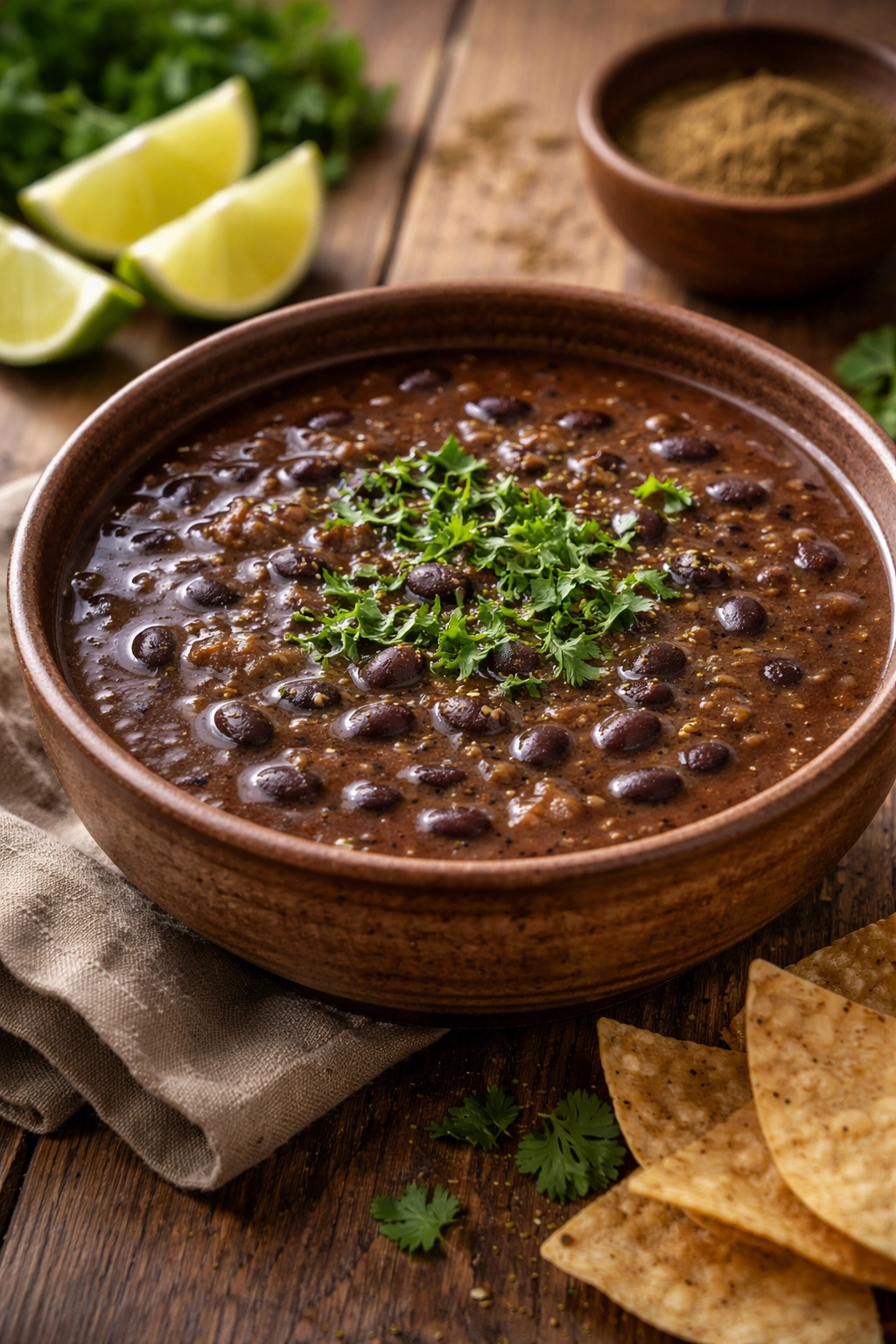
Black bean soup represents comfort food that just happens to be completely plant-based. This creamy, deeply satisfying soup needs nothing more than beans, aromatics, and good broth to shine, though a poblano pepper, some cumin, and fresh cilantro certainly don’t hurt. The beans themselves create a naturally creamy texture as they break down in the broth, so there’s no need for cream or other dairy unless you’re in the mood to swirl some in as a garnish.
What Makes Bean Soup Extraordinary
Great bean soup comes down to respecting the beans themselves. Whether you’re using dried beans (which require cooking ahead) or canned beans (which are perfectly acceptable for modern cooking), the quality of your broth matters tremendously. A homemade vegetable or chicken broth makes all the difference compared to water alone. The careful toasting of cumin before it hits the broth releases its essential oils and deepens its flavor. The poblano pepper adds subtle heat and complexity without dominating everything else. This soup improves significantly over time, making it ideal for make-ahead meals.
Essential Ingredients for Black Bean Soup
- Dried or canned black beans, cooked until completely tender but not falling apart
- Garlic, onion, and fresh herbs for the aromatic foundation
- Cumin, preferably toasted before adding for maximum impact
- Poblano peppers or jalapeños for subtle heat and flavor complexity
- Good quality broth as the liquid base that carries all other flavors
- Toppings: shredded cheese, avocado, cilantro, lime juice, and sour cream
Pro tip: Mash some of the beans against the side of the pot to create a creamier texture while leaving some whole beans for textural contrast.
7. Albondigas Soup: The Comfort Upgrade
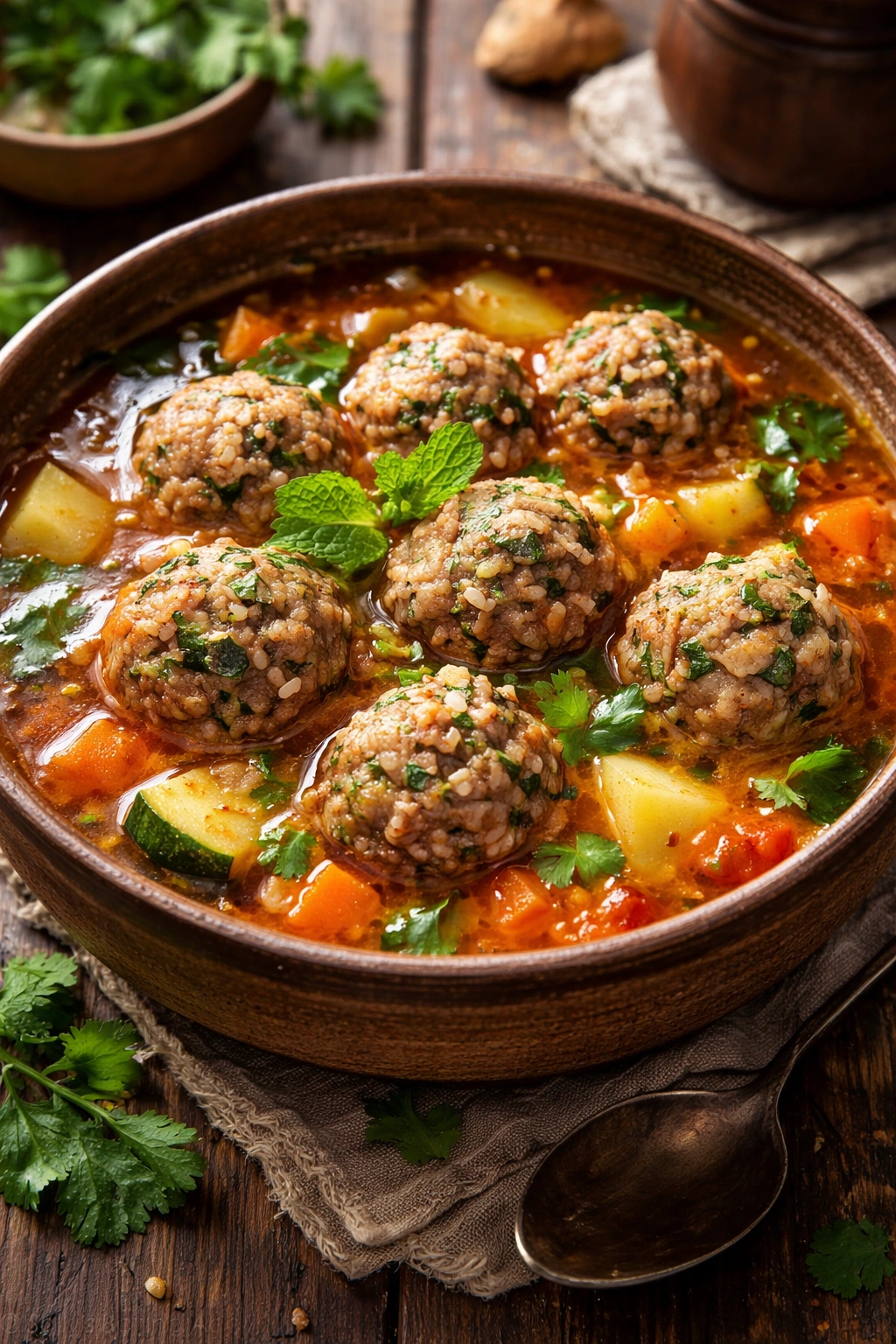
Sopa de albondigas delivers tender meatballs in a savory tomato broth—essentially homemade comfort food elevated to restaurant quality. The meatballs themselves are the star here, infused with surprising ingredients like fresh mint, which adds a subtle vibrancy that keeps everything from tasting heavy. The broth is straightforward: tomatoes, garlic, onion, and spices forming a clean backdrop that lets the seasoned meatballs shine.
Why Albondigas Soup Feels Special
There’s something about homemade meatballs that makes people feel cared for. These aren’t the dense, tough meatballs you might make for pasta—they’re bound with rice and fresh herbs, designed to stay tender and flavorful even as they simmer in broth. The mint is the secret ingredient that most people can’t quite identify but know makes everything taste better. Each spoonful combines the savory richness of ground beef with the comfort of soft meatballs floating in warming broth.
What Goes Into Authentic Albondigas
- Ground beef (or a mix of beef and pork) as the meatball base
- Rice, fresh cilantro, and fresh mint mixed into the meat for texture and flavor
- Tomato-based broth with garlic and onion as the simple foundation
- Optional additions: potatoes, spinach, or zucchini cooked in the broth alongside the meatballs
- Fresh lime juice and cilantro finished just before serving
Worth knowing: Form meatballs and refrigerate them before cooking—they’ll hold their shape better and cook more evenly than room-temperature meatballs.
8. Roasted Poblano Soup: The Creamy Favorite
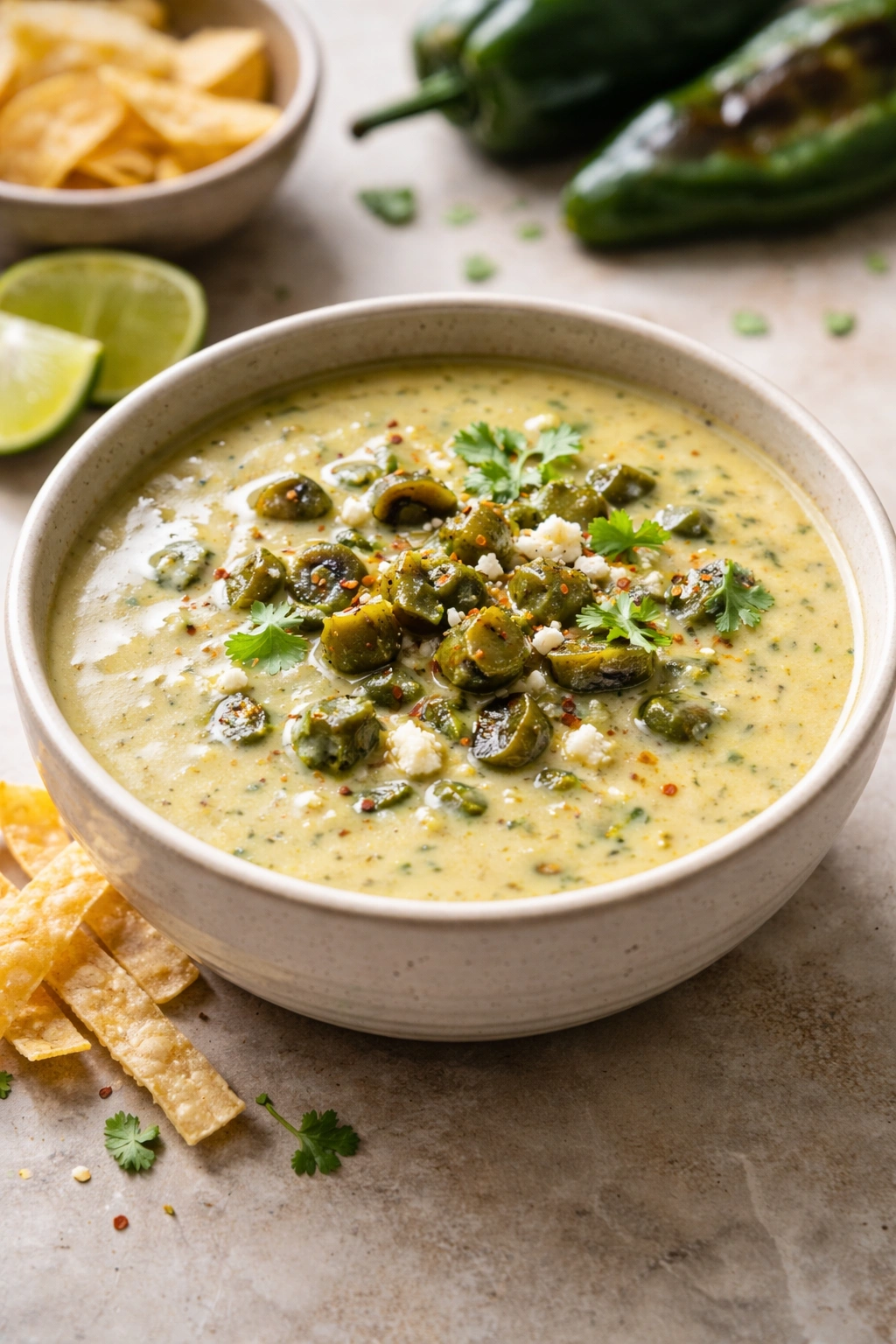
Roasted poblano soup brings smoky, mild heat in a luxuriously creamy package, creating something that feels restaurant-quality but requires minimal effort. Poblano peppers, when roasted until their skins char and blister, develop a wonderful depth that transforms into something almost sweet. The combination of roasted poblanos with cream creates a soup that’s both comforting and sophisticated—perfect for elegant dinners or casual weeknight meals alike.
Why This Soup Deserves a Spot in Your Rotation
Roasted poblano soup teaches you an important cooking lesson: roasting vegetables before adding them to soup concentrates their flavors and creates complexity that raw vegetables simply cannot match. The charring process develops sugars and creates bitter-sweet notes that balance beautifully with cream. Unlike other creamy soups that can taste one-dimensional, roasted poblano soup maintains interesting depth throughout. The heat level is perfect for those who like flavor without serious spice—poblanos are genuinely mild compared to jalapeños or serranos.
Building Your Roasted Poblano Soup
- Fresh poblano peppers, roasted until blackened, then peeled and seeded
- Potatoes cooked in broth to add body and substance
- Garlic and onion sautéed before adding other ingredients
- Cream or Mexican crema stirred in at the end for luxurious texture
- Queso fresco crumbled on top, along with crispy tortilla strips and fresh cilantro
Insider note: If poblanos aren’t available, you can substitute Anaheim peppers or even bell peppers for a milder soup, though the flavor profile will be less complex.
Make-Ahead Tips for Mexican Soups
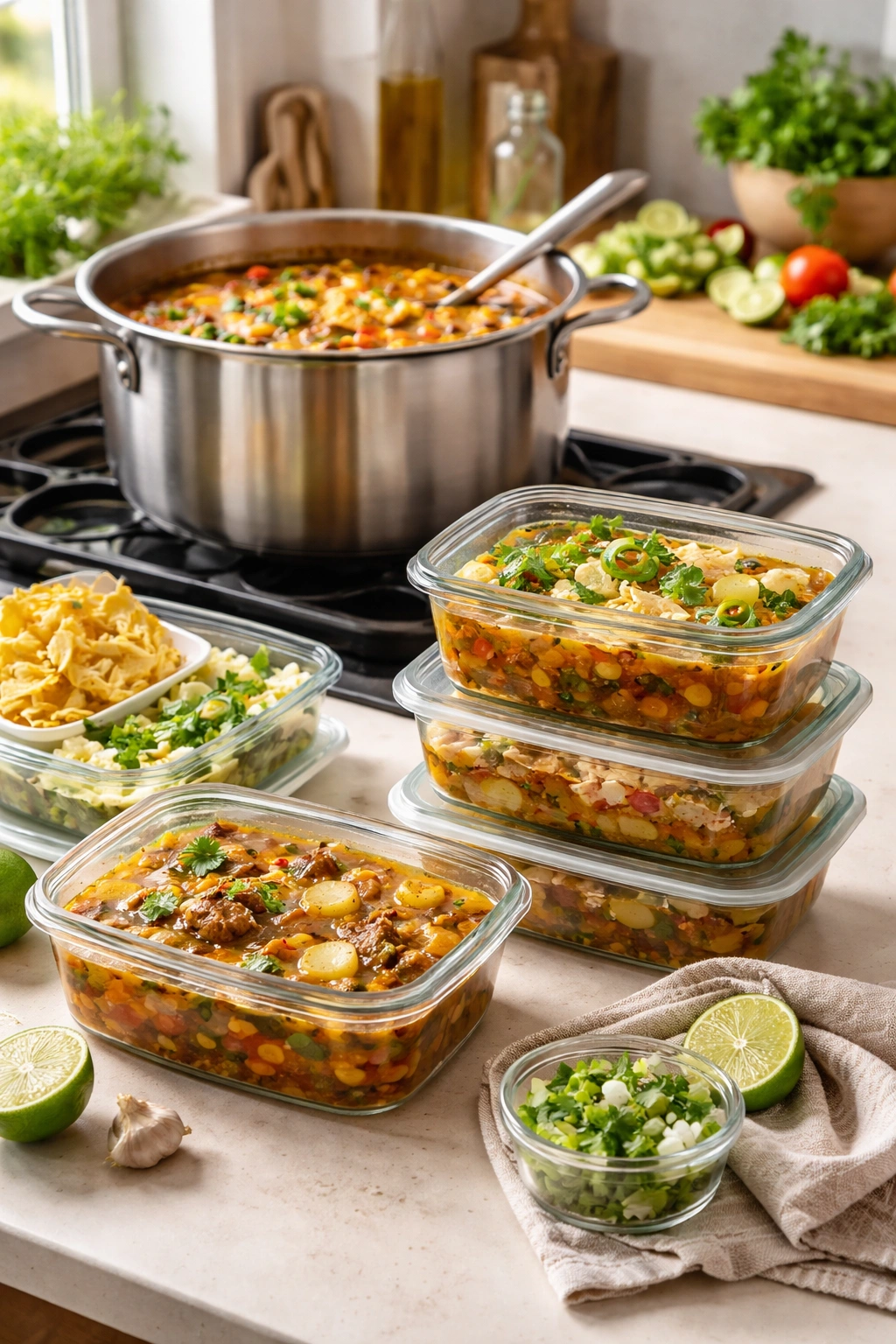
Most of these soups actually improve when made a day or two before serving, as flavors have time to meld and deepen. Store soup in an airtight container in the refrigerator for up to four days, making it perfect for meal prep or unexpected cold snaps. When reheating, add the soup gently to a pot over medium-low heat, stirring occasionally, to prevent scorching on the bottom. If your soup has thickened significantly while sitting in the fridge (beans and starches continue to absorb liquid), thin it back to your preferred consistency with additional broth or water.
For longer storage, most soups freeze beautifully for up to three months. Cool the soup completely before transferring to freezer-safe containers, leaving a bit of headroom for expansion. Leave garnishes and fresh toppings separate from the base soup—keep those in the fridge and add them fresh when serving. Thaw frozen soup in the refrigerator overnight before reheating, which prevents the shock of sudden temperature changes that can affect texture.
Toppings and Garnishes That Transform Your Soup
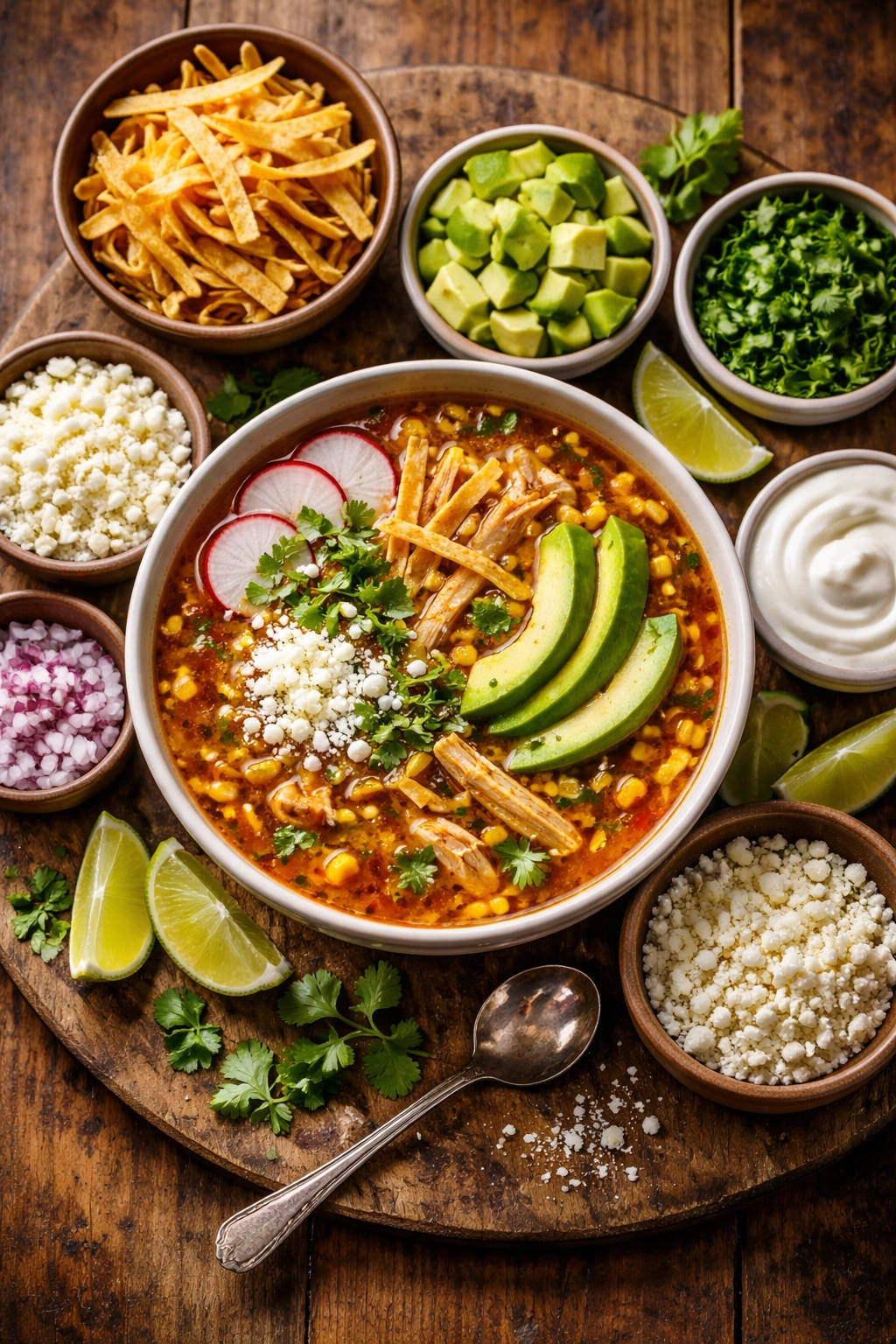
The toppings you choose determine the final character of your soup, turning a good base into something memorable. Crispy tortilla strips provide essential contrast of texture, whether you fry them yourself from fresh corn tortillas or use good-quality store-bought versions. Fresh avocado slices add richness and beautiful color. Lime wedges allow each person to adjust the brightness to their preference. Fresh cilantro adds herbaceous notes. Crumbly queso fresco provides salty contrast. Diced white onion brings sharpness. A dollop of sour cream or Mexican crema adds luxury.
Set up a toppings bar when serving soup to guests, allowing everyone to customize their bowl. This transforms soup from a simple weeknight meal into something more interactive and special. The combination of hot broth with cool, fresh toppings creates contrast that keeps every spoonful interesting. Don’t skip the toppings thinking they’re optional—they’re truly essential to the complete experience of Mexican soup.
Choosing Your Broth Wisely
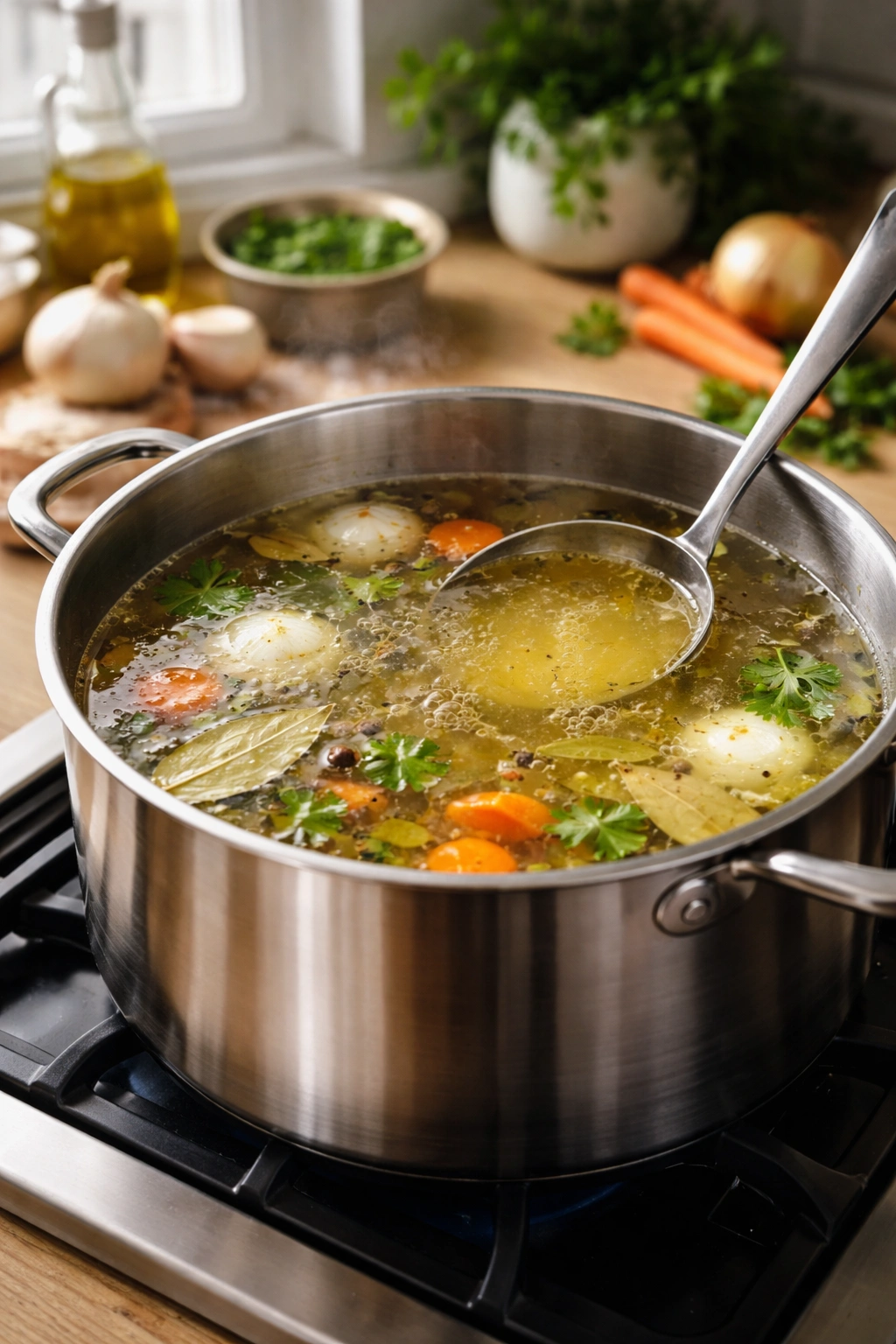
Great soup starts with great broth, and this is the one area where taking shortcuts significantly impacts the final result. Homemade broth will always taste better than store-bought, but quality store-bought broth beats water any day. If making your own broth, simmer chicken bones or beef bones with aromatics for at least two to three hours to extract maximum flavor and gelatin. For vegetable-based soups, a combination of vegetable broth and water often works better than broth alone, which can sometimes taste too strong.
When choosing store-bought broth, read the ingredients list and avoid anything with extensive additives or excessive sodium. Low-sodium options give you control over the final salt level, which matters tremendously in a soup where salt is often the only seasoning besides aromatics and spices. Some people prefer chicken broth even in vegetable soups for the added depth it provides. Others respect the pure vegetable flavor by using vegetable broth. There’s no wrong choice—just make sure whatever broth you use tastes good to you on its own.
Final Thoughts
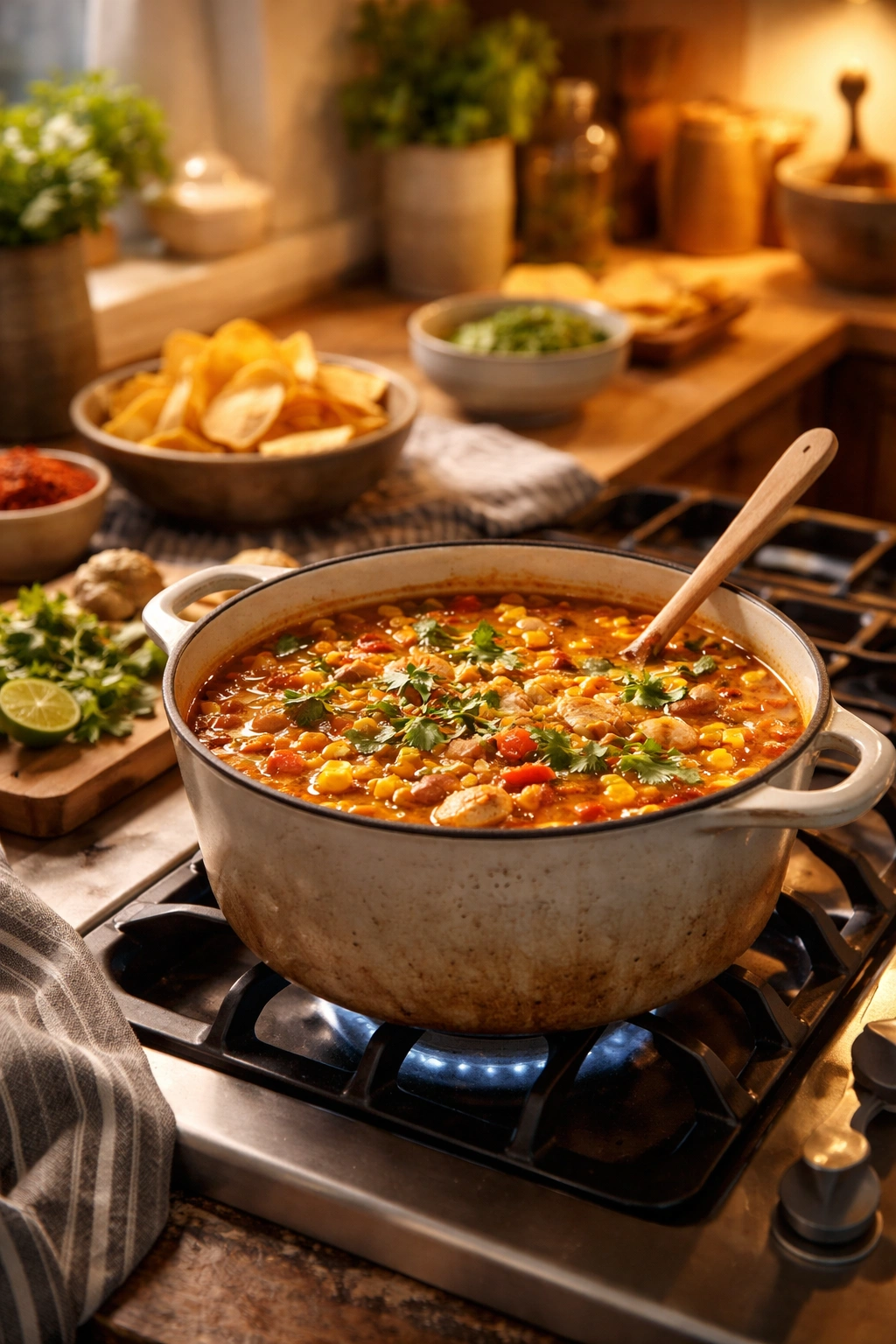
Mexican soups offer everything you could want from winter comfort food: deep, satisfying flavors, nourishing ingredients, ease of preparation, and the ability to feed a crowd or provide leftovers for the week ahead. Each of these eight soups brings something different to your table, whether you’re in the mood for seafood, meat, beans, or vegetables. Some come together in under thirty minutes with a pressure cooker, while others reward slow simmering with increasingly complex flavors.
The best part about mastering these soups is how they transform your relationship with cold-weather cooking. Instead of dreading winter nights, you’ll look forward to the excuse to make a big pot of something warm and comforting. Your family will request their favorites. You’ll find yourself making double batches to freeze for future emergencies. These aren’t just recipes—they’re the kind of dishes that become part of your cooking legacy, the ones you’ll eventually teach to others. Start with whichever sounds most appealing to you right now, then work your way through the others over the coming weeks. Before you know it, you’ll have a complete arsenal of Mexican soups ready for whenever the temperature drops.
