



Salmon is one of those proteins that practically begs for accompaniment. On its own, it’s rich, buttery, and deeply satisfying—but paired with the right side dish, it transforms into something genuinely restaurant-quality. The key is understanding what each side brings to the plate: some highlight salmon’s delicate, slightly sweet flavor through brightness and acidity; others ground it with earthiness and texture; still others add a layer of richness that makes the entire meal feel more luxurious.
The challenge most home cooks face isn’t a lack of options—it’s knowing which sides actually work. Some pairings feel disconnected, leaving you with a plate where nothing quite speaks to the others. The best sides don’t just exist on the same plate; they create a conversation. They amplify what’s already great about the salmon while adding complexity and balance to every bite.
What makes a truly outstanding salmon side? It needs to respect salmon’s delicate structure without competing for attention. It should add textural contrast—whether that’s crispy, creamy, crunchy, or tender. Color matters too; salmon’s coral-pink deserves vibrant greens, golden potatoes, or rich jewel tones that make the whole plate visually compelling. And practically speaking, most of these sides can be prepped while the salmon cooks, keeping your weeknight dinner stress-free and elegant.
Here are eight sides that don’t just complement salmon—they elevate it into something worth planning dinner around.
1. Roasted Lemon Asparagus
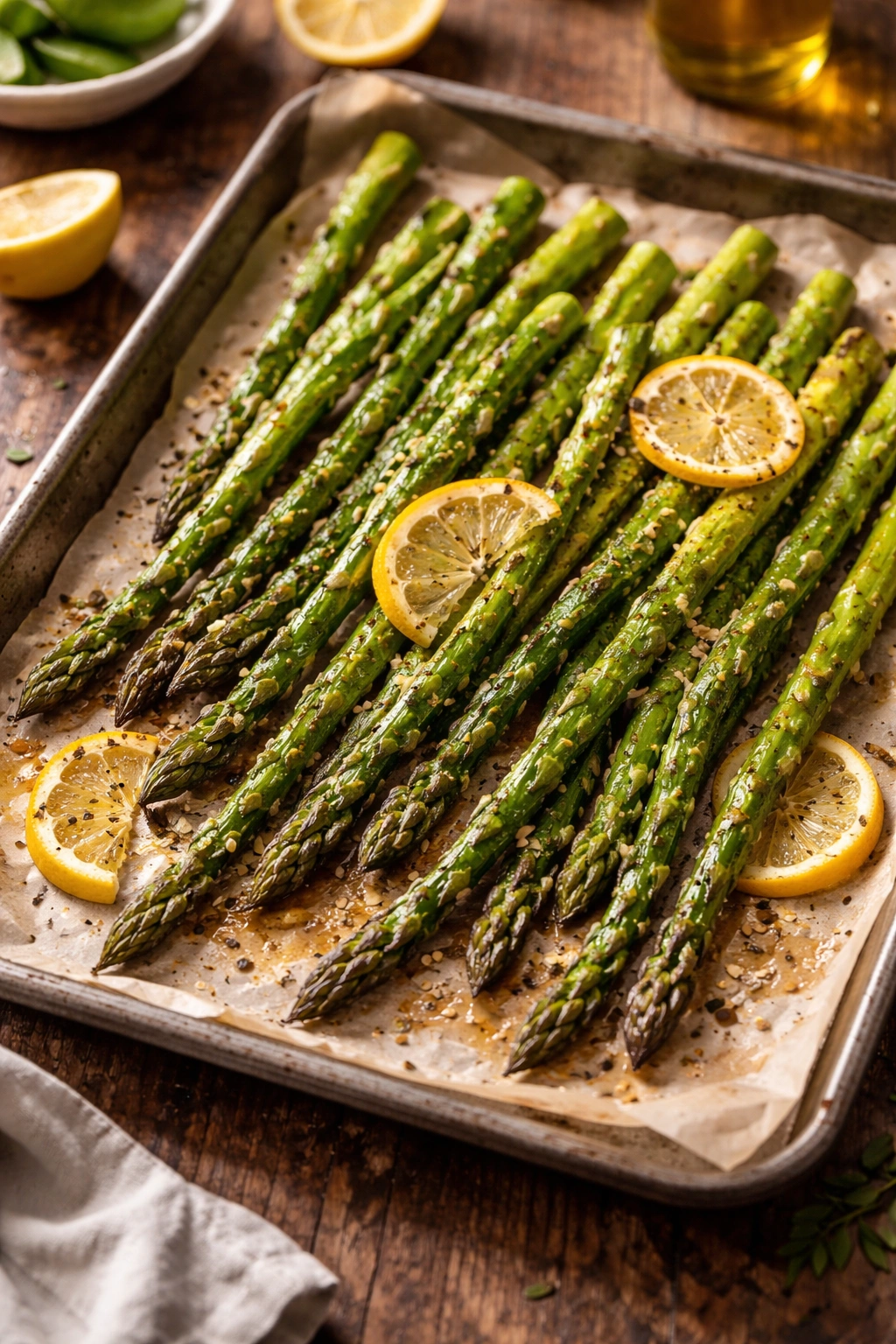
Roasted asparagus is the classic salmon pairing for a reason: it’s almost criminally simple to make, yet tastes anything but basic when you nail the technique. The char and caramelization that happens in a hot oven brings out natural sweetness in the asparagus while softening it to tender-crisp perfection. Fresh lemon juice added at the end doesn’t just taste bright—it actually cuts through salmon’s richness in a way that makes every bite feel lighter and more elegant.
Why This Works So Well With Salmon
The delicate, slightly grassy flavor of roasted asparagus creates a natural flavor bridge with salmon. Neither ingredient overpowers the other, and together they feel refined without trying too hard. The acidity from lemon is the real MVP here; it cleanses your palate between bites and prevents the meal from feeling heavy, even with a protein as rich as salmon. The textural contrast between the tender asparagus and crispy, caramelized edges also adds dimension to your plate.
How to Make It Perfect
- Toss fresh asparagus with good olive oil, sea salt, and cracked black pepper
- Spread in a single layer on a baking sheet and roast at 400°F for 12-15 minutes, shaking the pan halfway through
- Finish with fresh lemon juice, a sprinkle of fleur de sel, and optional fresh garlic or almonds for crunch
- The asparagus should be tender inside with charred tips and slightly caramelized edges
Pro tip: Cut thicker asparagus spears in half lengthwise so they roast evenly and develop more surface area for caramelization. Thin asparagus cooks through before browning, which misses the whole point.
2. Garlic Herb Butter Green Beans
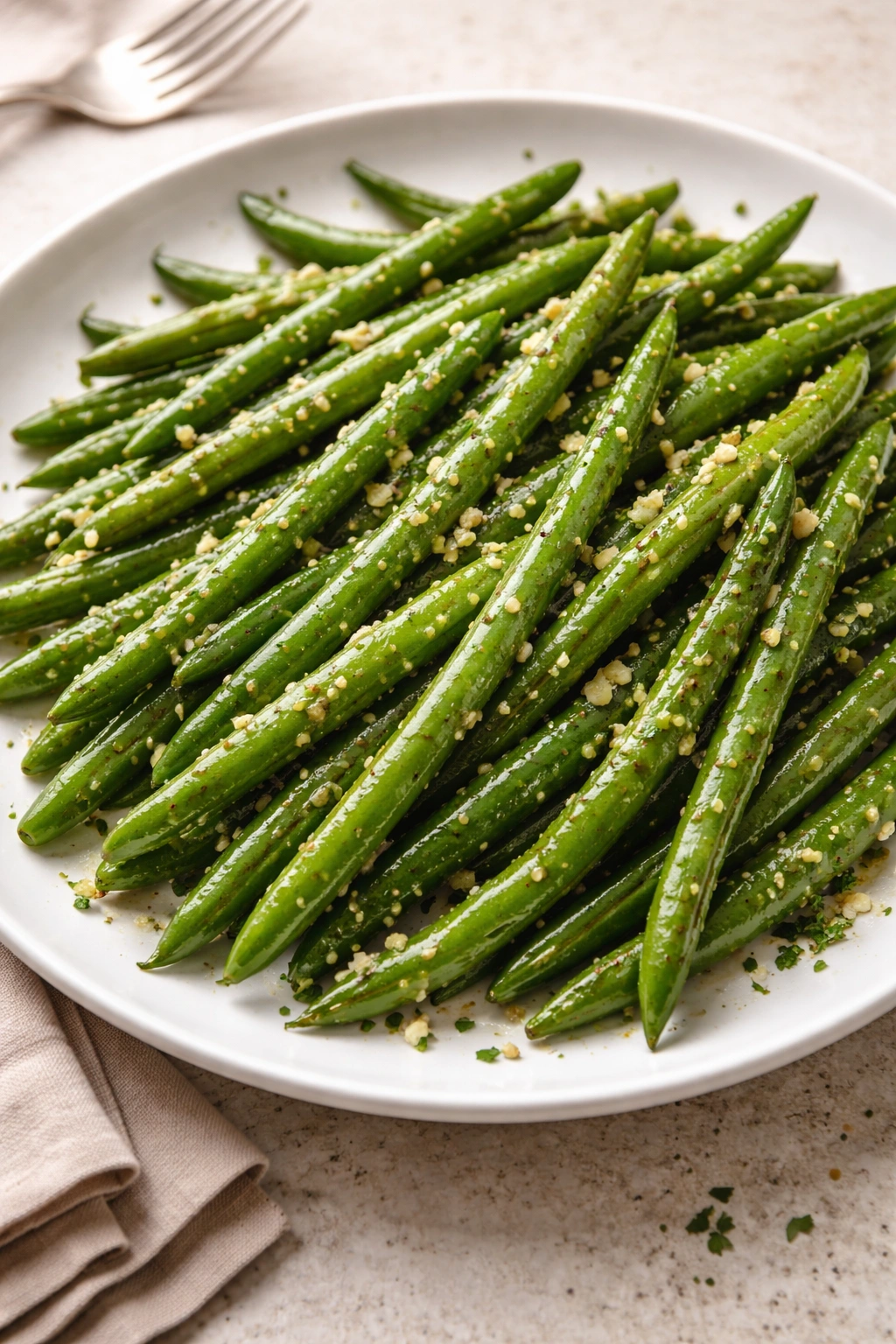
If roasted asparagus feels understated, garlic herb butter green beans are its richer, more indulgent cousin. Crisp green beans tossed with aromatic garlic, fresh herbs, and real butter create a side that’s simultaneously light and decadent. The butter melts into every crevice, making each bean taste like a small luxury, while the garlic and fresh herbs add depth that pulls out similar flavors in the salmon itself.
Why It’s a Perfect Match
Green beans have a natural sweetness that mirrors salmon’s subtle sweetness, while their snappy texture provides contrast to the salmon’s tender flake. The garlic and herbs create aromatic bridges—herbs like dill, tarragon, or parsley naturally pair with salmon and work beautifully in the butter coating. Unlike heavy cream-based sides, buttered green beans feel rich without making the meal feel heavy.
Building This Side Right
- Bring a pot of salted water to boil and blanch fresh green beans for 4-5 minutes until they’re bright green and just tender
- Drain well and immediately toss with butter, minced garlic, fresh herbs (dill, tarragon, parsley, or thyme), and a squeeze of lemon juice
- Season with sea salt and cracked pepper to taste
- The blanching step is critical—it sets the color, and then the quick toss in hot butter finishes the cooking and coats every piece
Worth knowing: Don’t skip the blanching step in favor of roasting raw—green beans need moisture and acid to cook properly, and this method keeps them vibrant green rather than dull olive-colored.
3. Creamy Dill Cucumber Salad
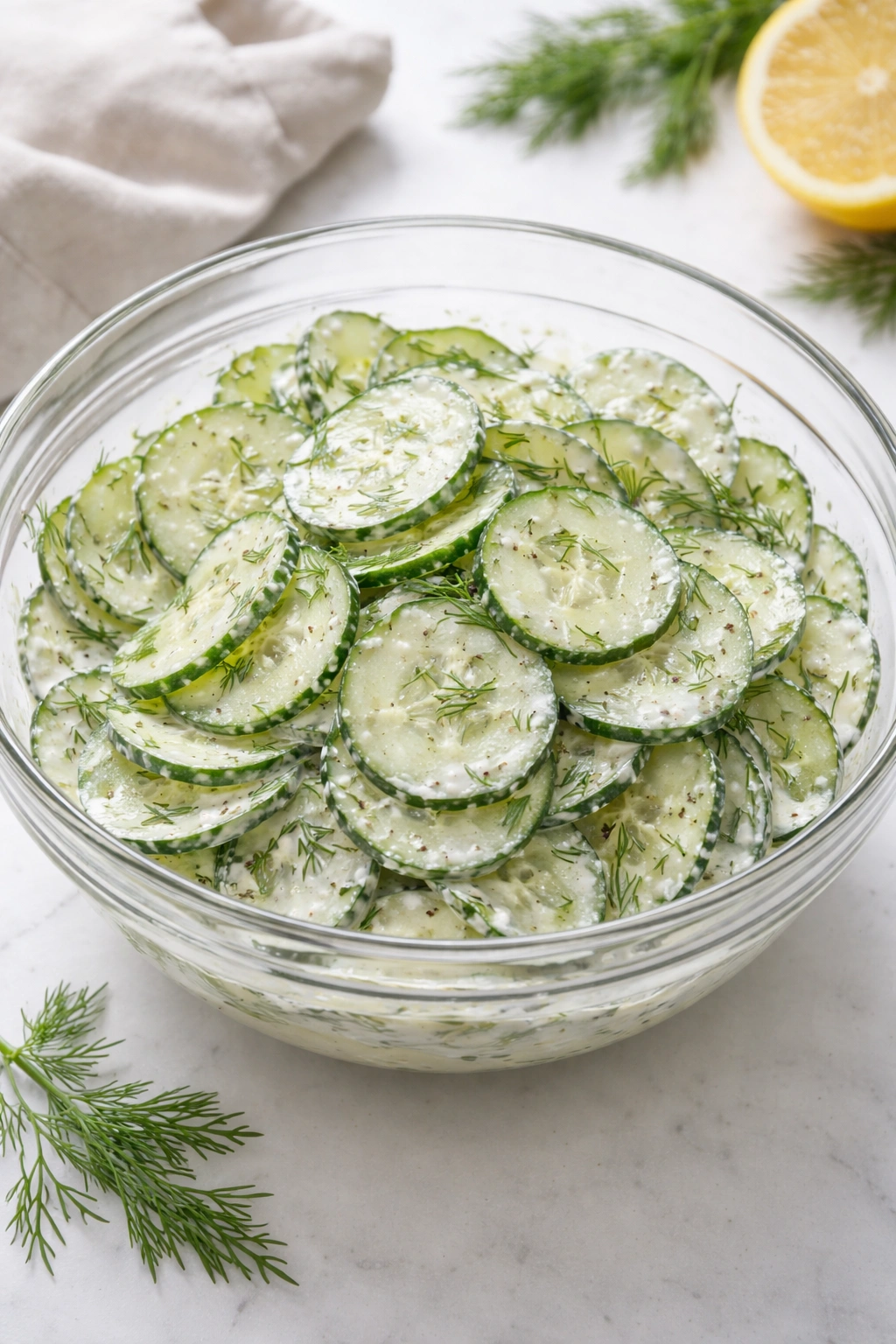
Sometimes salmon needs a cool, refreshing counterpoint rather than another hot side. A creamy dill cucumber salad brings brightness, crunch, and tangy coolness that balances salmon’s richness perfectly. This isn’t a heavy cream-based salad; it’s more of a quick pickled situation where cucumber gets coated in a light sour cream dressing with fresh dill and a touch of vinegar.
The Flavor and Texture Magic Here
Salmon and dill are such a classic combination that they practically call out for each other. Add cool, crisp cucumber and a tangy, creamy dressing, and you’ve created something that feels restaurant-caliber while requiring absolutely no cooking skill. The cool temperature of the salad provides textural contrast to warm salmon, and the acidity cuts through richness in the most refreshing way possible.
Making It Taste Restaurant-Quality
- Slice cucumbers thinly and toss with salt; let sit 10 minutes to draw out excess moisture, then pat dry
- Make a simple dressing: sour cream or Greek yogurt, fresh lemon juice, fresh dill, a touch of white wine vinegar, minced shallot, and salt and pepper
- Fold the cucumbers into the dressing gently so they’re coated but not drowning
- Let it sit for at least 15 minutes before serving so flavors meld
- Garnish with a few fresh dill fronds and a tiny pinch of smoked paprika for color
Quick tip: The salt on the cucumber isn’t just seasoning—it draws out water that would otherwise dilute your dressing. This step makes all the difference between watery and properly balanced.
4. Roasted Root Vegetables with Thyme
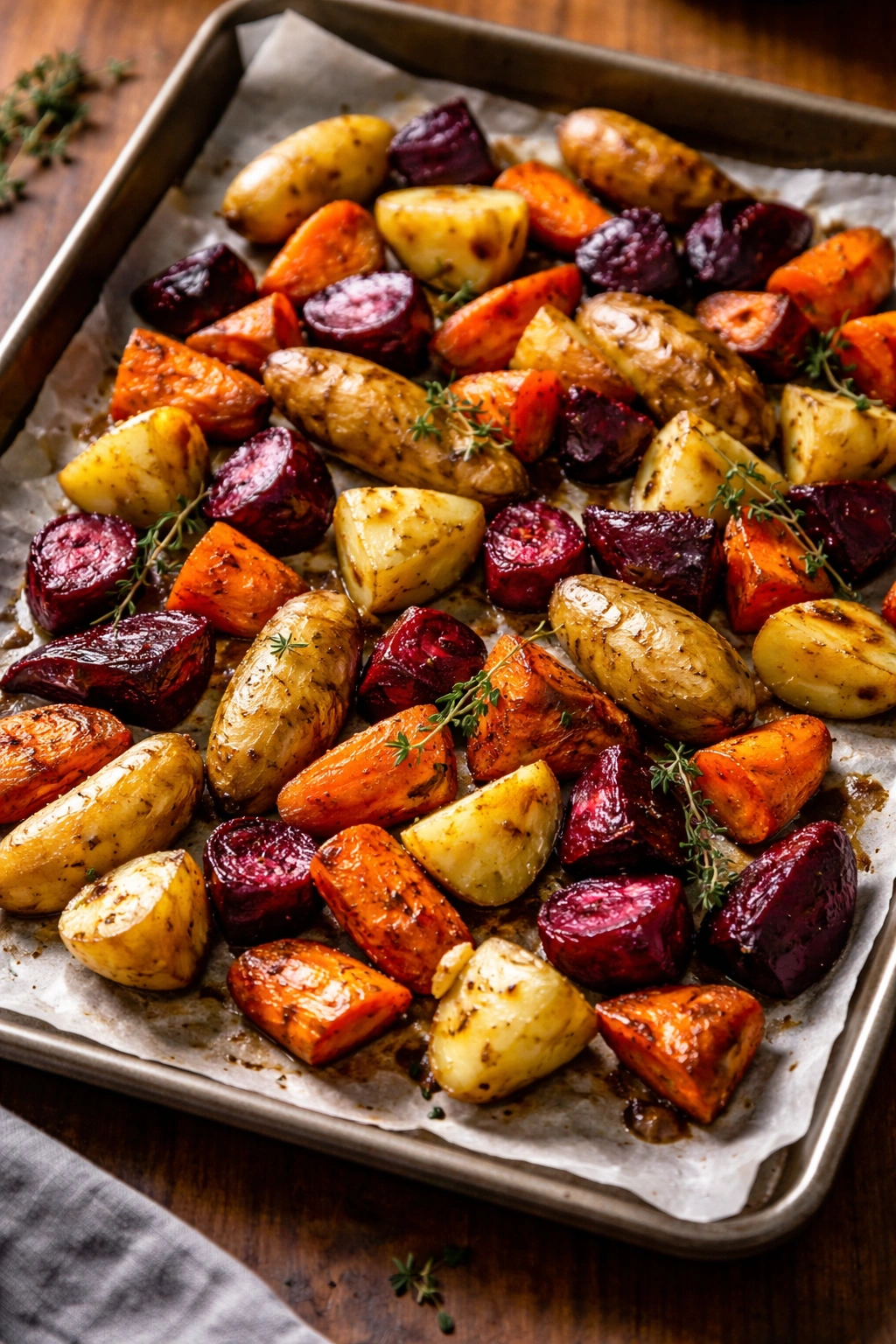
Roasted root vegetables bring earthy grounding to salmon’s delicate flavor profile. Carrots, beets, parsnips, and fingerling potatoes caramelize in the oven, their natural sugars concentrating into deep, sweet flavor. Fresh thyme adds herbaceous complexity, while the roasting process creates crispy, caramelized edges on every piece. This is the side that makes salmon feel like a complete, satisfying meal.
Why Roots Pair So Beautifully With Salmon
Root vegetables have a natural sweetness that complements salmon without clashing. Their earthiness adds grounding richness that prevents a salmon plate from feeling one-dimensional or too delicate. The textural variety—some pieces get crispy edges while others stay tender inside—keeps things interesting. Plus, roasting happens completely hands-off in the oven alongside your salmon, making timing seamless.
Roasting for Maximum Flavor
- Cut a mix of root vegetables (carrots, beets, parsnips, potatoes) into roughly ¾-inch pieces
- Toss with olive oil, fresh thyme sprigs, salt, and pepper
- Roast at 425°F for 25-30 minutes, stirring halfway through, until deeply caramelized and tender inside
- The exterior should be dark golden and slightly crispy; this is where all the flavor lives
- Finish with a squeeze of fresh lemon juice and a touch more fresh thyme if desired
Insider note: Don’t cut your vegetables too small or they’ll roast before browning. Aim for roughly even, ¾-inch pieces so they finish cooking right when they’re properly caramelized.
5. Wild Rice Pilaf with Mushrooms
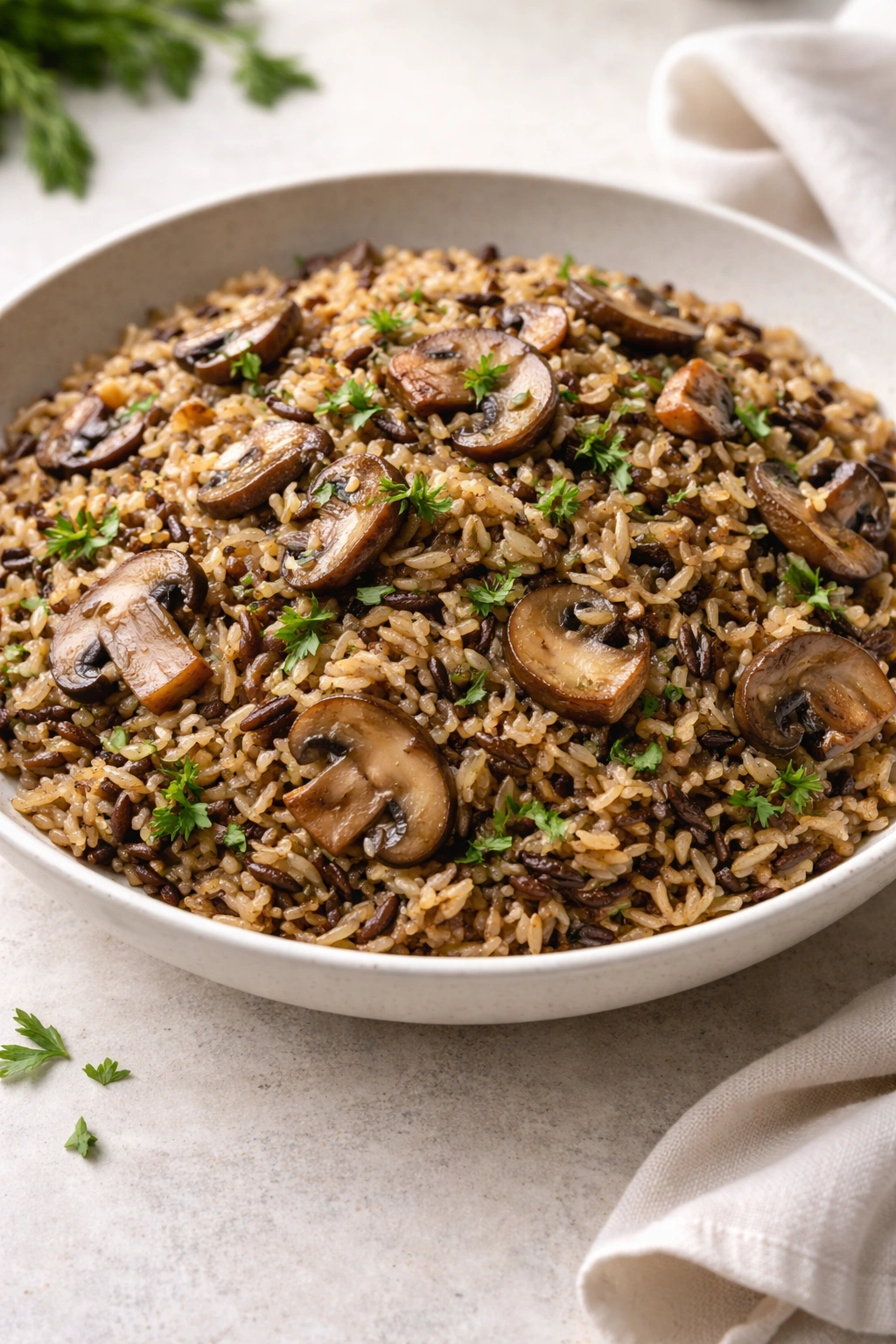
If you want a side that makes salmon feel like the centerpiece of a truly special meal, wild rice pilaf is your answer. Nutty wild rice combined with sautéed mushrooms, aromatic vegetables, and fresh herbs creates something with real depth and substance. It’s hearty enough to feel like a complete meal but refined enough to elevate rather than overpower your salmon.
Why This Combination Works
Wild rice has a distinctly earthy, slightly chewy texture and nutty flavor that doesn’t compete with salmon—instead, it creates a sophisticated flavor foundation. Mushrooms add umami depth and meaty texture that makes the entire plate feel more substantial and luxurious. Fresh herbs and a splash of white wine or broth bring brightness and cohesion, tying everything together without heaviness.
Building the Pilaf
- Cook wild rice according to package directions (usually about 45 minutes; you can prep this ahead)
- Meanwhile, sauté diced mushrooms and shallots in butter until golden, adding minced garlic near the end
- Toss the cooked rice with the mushroom mixture, fresh herbs (parsley, thyme, tarragon), a splash of white wine or vegetable broth, and salt and pepper
- Everything comes together in one bowl and can sit warm on the back of the stove while your salmon cooks
- Optional: add a handful of dried cranberries or toasted pecans for texture and subtle sweetness
Pro tip: Make the rice a few hours ahead if you want a stress-free dinner. Just reheat gently with a splash of broth before serving, and the pilaf will taste freshly made.
6. Herb-Crusted Potatoes
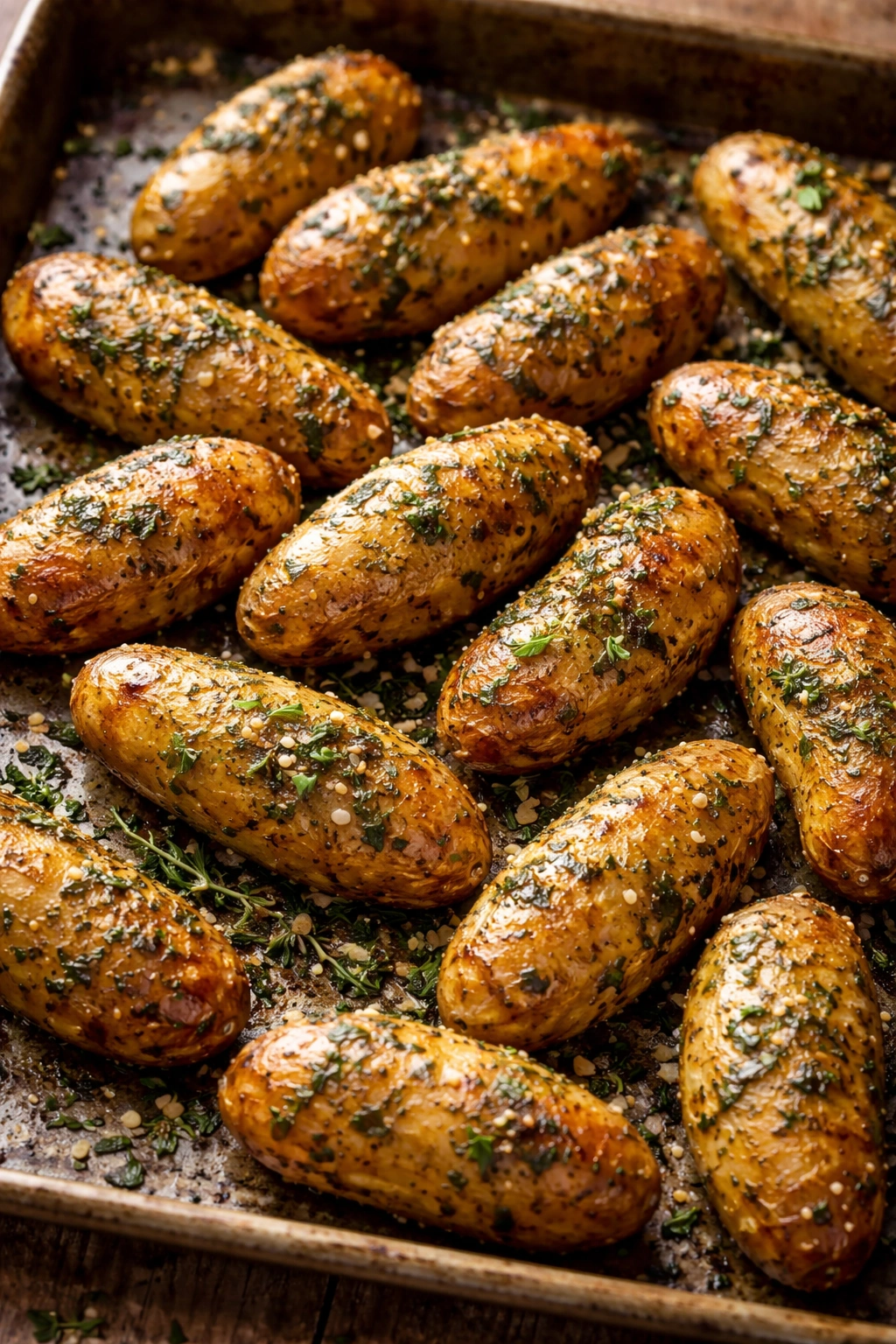
Potatoes are comfort food, and when they’re properly seasoned and roasted until golden and crispy on the outside, they’re absolutely irresistible alongside salmon. Herb-crusted potatoes provide textural contrast and richness that grounds a meal while still feeling lighter than cream-based potato dishes. The crispy exterior and buttery interior create the kind of comfort that makes you want to go back for seconds.
The Appeal of Potatoes With Salmon
Potatoes and salmon are different enough to be interesting together, but familiar enough to feel natural on the same plate. The starch and richness of potatoes balance salmon’s delicate flavor and provide the kind of satisfying substance that turns a nice dinner into a memorable one. Roasting with herbs rather than heavy cream keeps things elegant without sacrificing that luxurious, buttery element.
Achieving Crispy, Golden Perfection
- Cut small potatoes (fingerlings or new potatoes) into roughly 1-inch pieces or halves
- Toss generously with olive oil, fresh herbs (rosemary, thyme, and parsley work beautifully), minced garlic, fleur de sel, and cracked black pepper
- Spread in a single layer on a baking sheet and roast at 400°F for 25-30 minutes, stirring halfway through
- They’re done when the exterior is deeply golden and crispy and a fork easily pierces the inside
- Finish with a sprinkle of fleur de sel and fresh herbs right out of the oven
Worth knowing: Don’t move the potatoes around too much in the first half of roasting. They need uninterrupted time on the hot pan to develop that crispy, caramelized exterior. The stir halfway through is really all they need.
7. Mediterranean Couscous
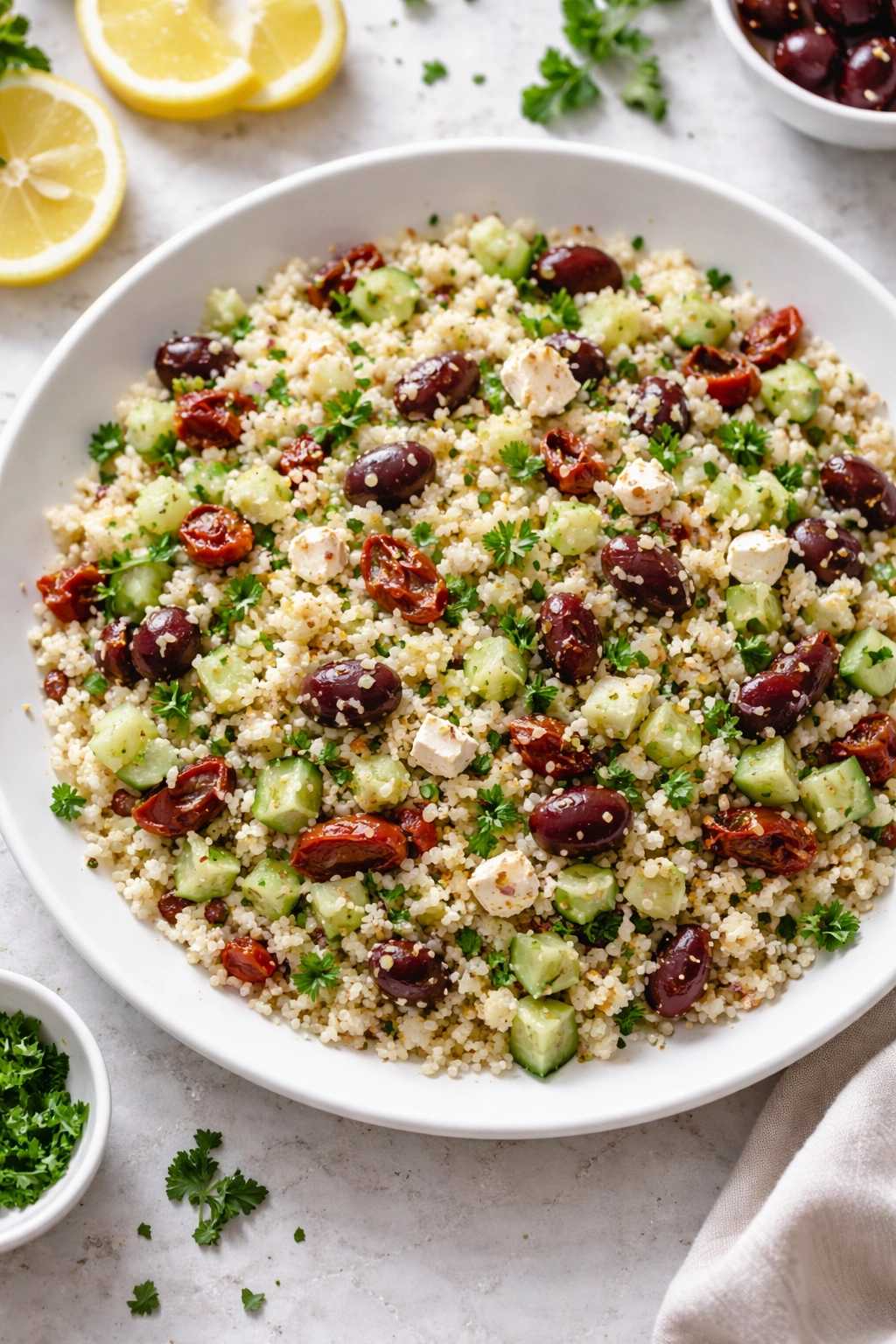
For something a bit lighter and more herbaceous, Mediterranean couscous brings bright, complex flavors without weighing down your salmon. Fluffy couscous is studded with sun-dried tomatoes, Kalamata olives, fresh herbs, crumbled feta, and a bright lemon-olive oil dressing. It’s technically a salad, but it’s hearty and substantial enough to feel like a true side rather than just greens.
Why Mediterranean Flavors Elevate Salmon
The herbs and acidity in Mediterranean cooking create a natural affinity with salmon. Sun-dried tomatoes add umami depth, olives bring briny complexity, and feta adds a creamy contrast without heaviness. Fresh herbs like basil, oregano, and parsley bridge flavors between the couscous and the salmon beautifully. The whole thing tastes sophisticated and restaurant-quality while being completely approachable to make at home.
Building the Perfect Couscous
- Prepare couscous according to package directions (usually a 1:1.5 ratio of couscous to broth, 5 minutes off heat)
- While it’s still warm, stir through extra virgin olive oil, fresh lemon juice, minced garlic, and fresh herbs
- Fold in sun-dried tomatoes, Kalamata olives, diced cucumber, and crumbled feta
- Season with salt, pepper, and a touch of red pepper flakes if you like
- This can be made ahead and served at room temperature or gently warmed before serving
Quick tip: Use warm broth (vegetable or chicken) rather than water when cooking couscous—it absorbs more flavor and results in more delicious grains.
8. Charred Bok Choy with Sesame
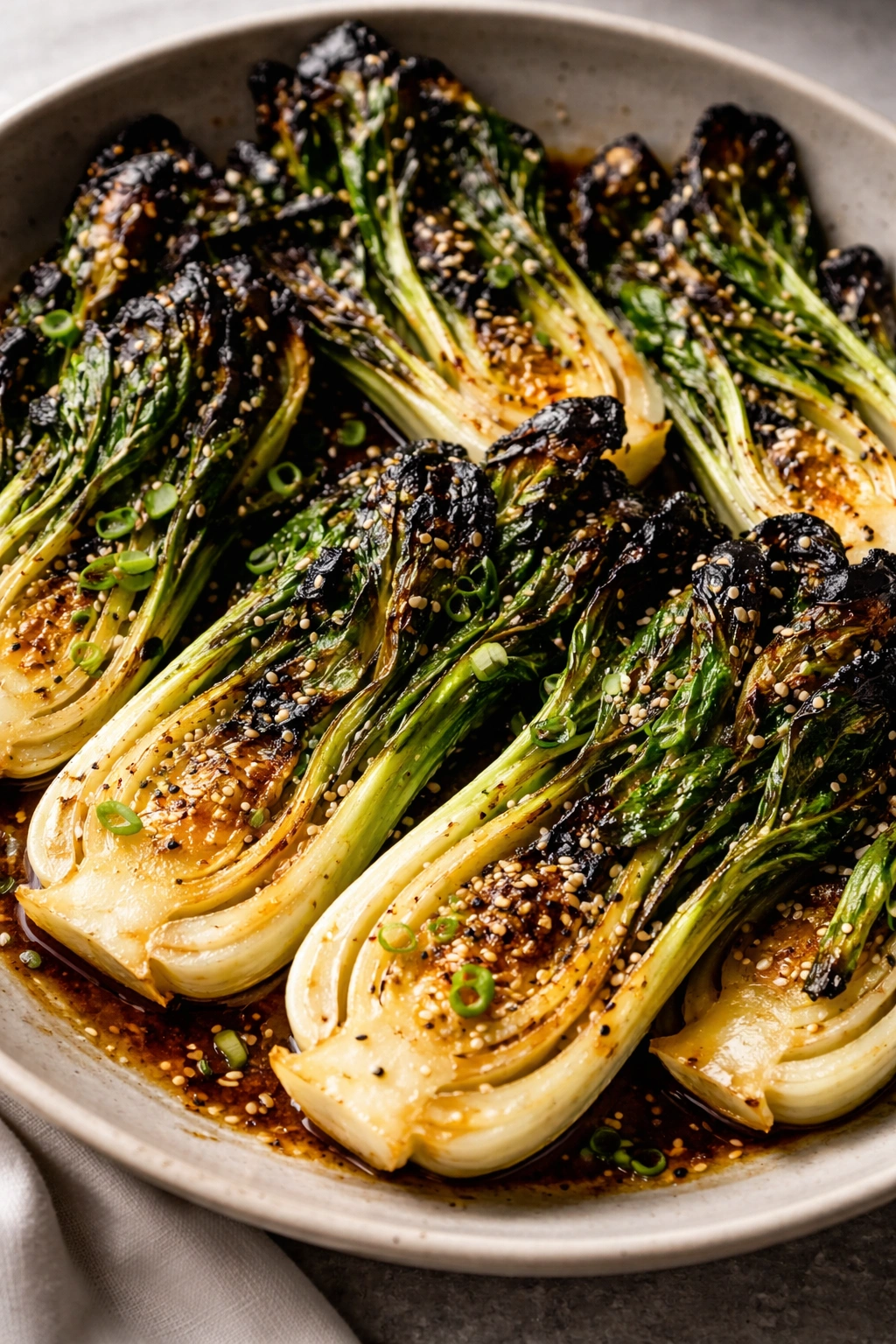
If you’re looking for something unexpected and a bit more adventurous, charred bok choy with sesame brings Asian-inspired brightness and a wonderful textural contrast to salmon. Crispy-edged, tender leaves coated in sesame seeds, with a touch of garlic and soy, create something that feels fancy and globally inspired without requiring any special technique or hard-to-find ingredients.
The Flavor Bridge This Creates
Bok choy has a subtle sweetness and tender-crisp texture that works beautifully with salmon’s delicate flavor. Sesame adds nutty depth, while soy and garlic bring umami richness that makes everything taste more savory and complete. The charred leaves provide textural contrast and a hint of bitterness that balances salmon’s richness. If your salmon has any Asian-inspired preparation (miso glaze, soy marinade), this side amplifies those flavors perfectly.
Creating Crispy, Charred Perfection
- Cut baby bok choy in half lengthwise (or quarter larger ones)
- Heat a large skillet or wok over high heat with a touch of neutral oil (sesame oil can burn at this temperature)
- Place bok choy cut-side down and don’t move it for 3-4 minutes until the flat side is deeply charred and crispy
- Flip, add minced garlic, and cook another 2-3 minutes until the other side softens
- Finish with a splash of soy sauce, sesame oil (just a drizzle—it’s strong), and a generous sprinkle of sesame seeds
- Lime juice and fresh cilantro add brightness if you want to take it further
Pro tip: Don’t crowd the pan. Work in batches if needed so each piece gets direct contact with the hot skillet and develops proper char. Crowding creates steam, which prevents that beautiful crispy exterior.
Building Your Salmon Plate
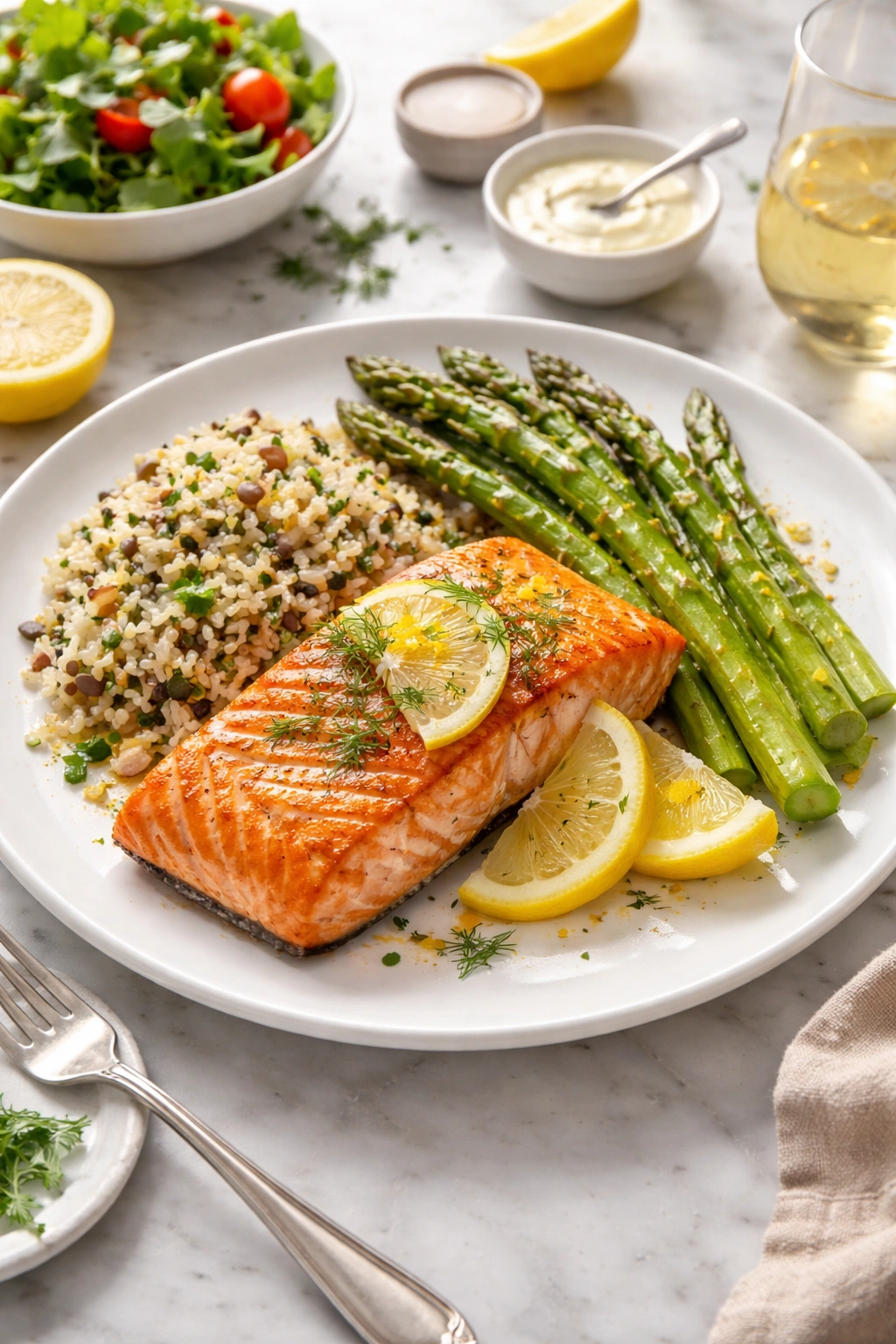
Choosing the right side comes down to what you’re craving alongside the salmon and what flavors you want your meal to emphasize. If your salmon is simply prepared—pan-seared or roasted with just salt, pepper, and a bit of lemon—you have more flexibility to choose sides that create the overall flavor profile. If your salmon has a glaze, sauce, or marinade, choose a complementary side rather than something that competes.
Think about balance across your plate: combine something warm with something cool, something rich with something bright, something hearty with something light. You don’t need all three, but having at least one from each category creates a meal that feels complete and interesting. Root vegetables and wild rice are the “hearty” options; cucumber salad and couscous are the “bright” ones; asparagus and green beans bridge both beautifully.
Season everything properly, and don’t be shy with salt and acid (lemon juice, vinegar, soy sauce). These are what make sides taste vibrant and restaurant-quality rather than flat and one-dimensional. Finish hot dishes with fresh herbs right before serving—the aroma and brightness make a real difference.
Final Thoughts
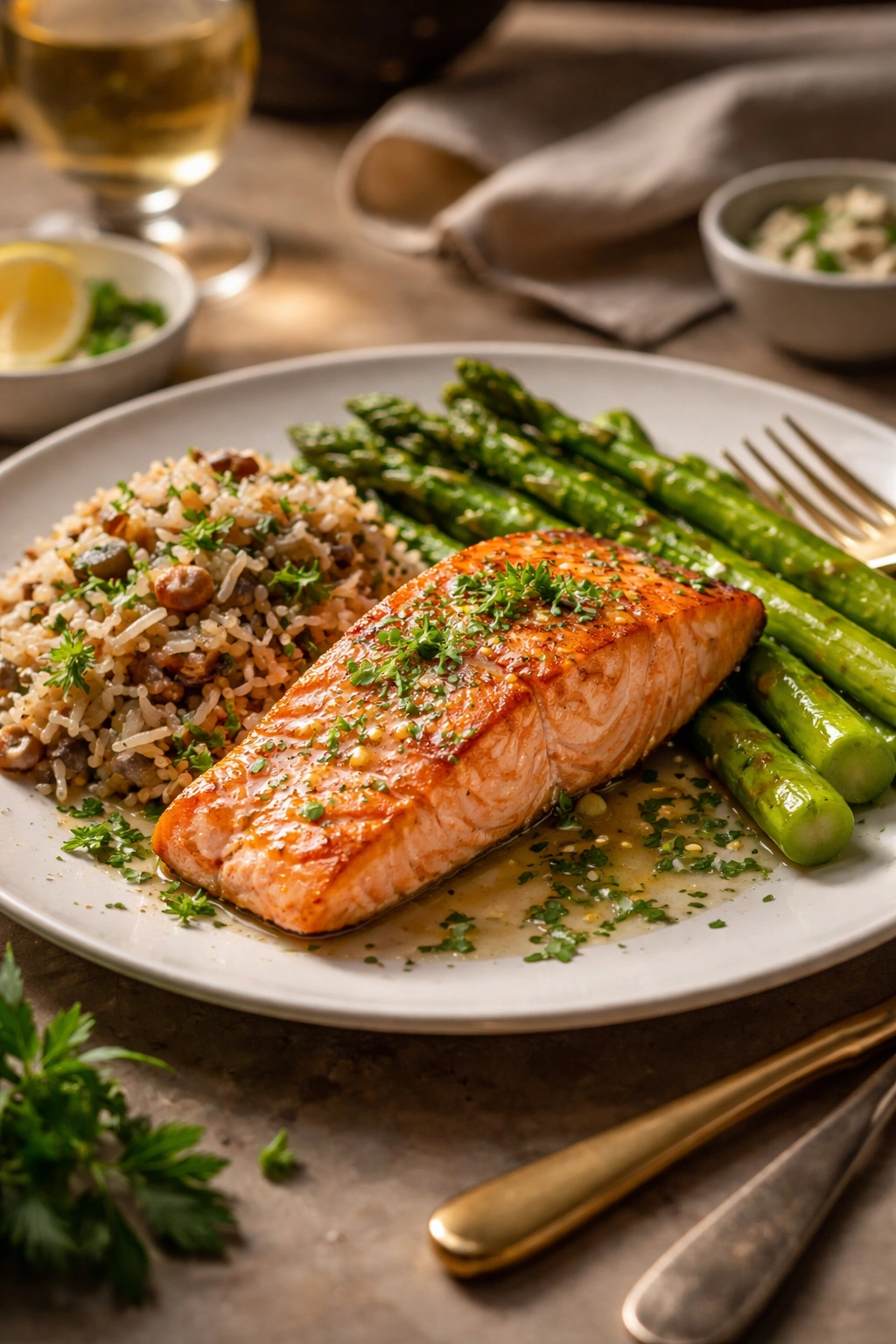
The side you choose transforms not just the plate but the entire experience of eating salmon. A thoughtfully paired side acknowledges the salmon’s delicate richness while bringing its own flavor story and textural interest. Whether you’re drawn to the classic elegance of roasted asparagus, the sophisticated earthiness of wild rice and mushrooms, or the bright surprise of charred bok choy, any of these eight options will elevate a simple salmon dinner into something genuinely special.
The beautiful thing about these sides is that most require no special skills—just good ingredients, proper seasoning, and the confidence to let flavors speak for themselves. Make them ahead, prep them while your salmon cooks, or combine sides and salmon on the same sheet pan for truly effortless cooking. The result either way is a meal that tastes like you spent hours in the kitchen without actually demanding much of your time or attention. That’s the kind of everyday elegance worth cooking for.
