



Tequila has come a long way from the reputation it had decades ago. What was once relegated to party shots and overly sweet margaritas served in sugar-rimmed glasses at chain restaurants has transformed into a sophisticated spirit worthy of craft cocktails and careful consideration. The diversity of tequila styles — from bright, agave-forward blanco to rich, vanilla-kissed añejo — means there’s a cocktail for nearly every palate and occasion.
The magic of tequila cocktails lies in how the spirit’s natural characteristics shine through when paired thoughtfully with complementary ingredients. Tequila’s peppery, sometimes herbal notes, combined with the agave’s subtle sweetness, create a foundation that works beautifully with citrus, spice, herbs, and even smoke. Whether you’re a seasoned cocktail enthusiast or someone who’s ready to move beyond the standard margarita, these eight tequila cocktails showcase the spirit’s incredible range and versatility.
What makes these drinks worth exploring isn’t just their flavor complexity — it’s also the stories behind them, the techniques that make them sing, and the joy of discovering new favorites. Some are classics that have stood the test of time; others represent creative modern takes that prove tequila can hold its own in any cocktail category. Let’s dive into eight tequila cocktails that deserve a spot on your home bar rotation.
1. Margarita
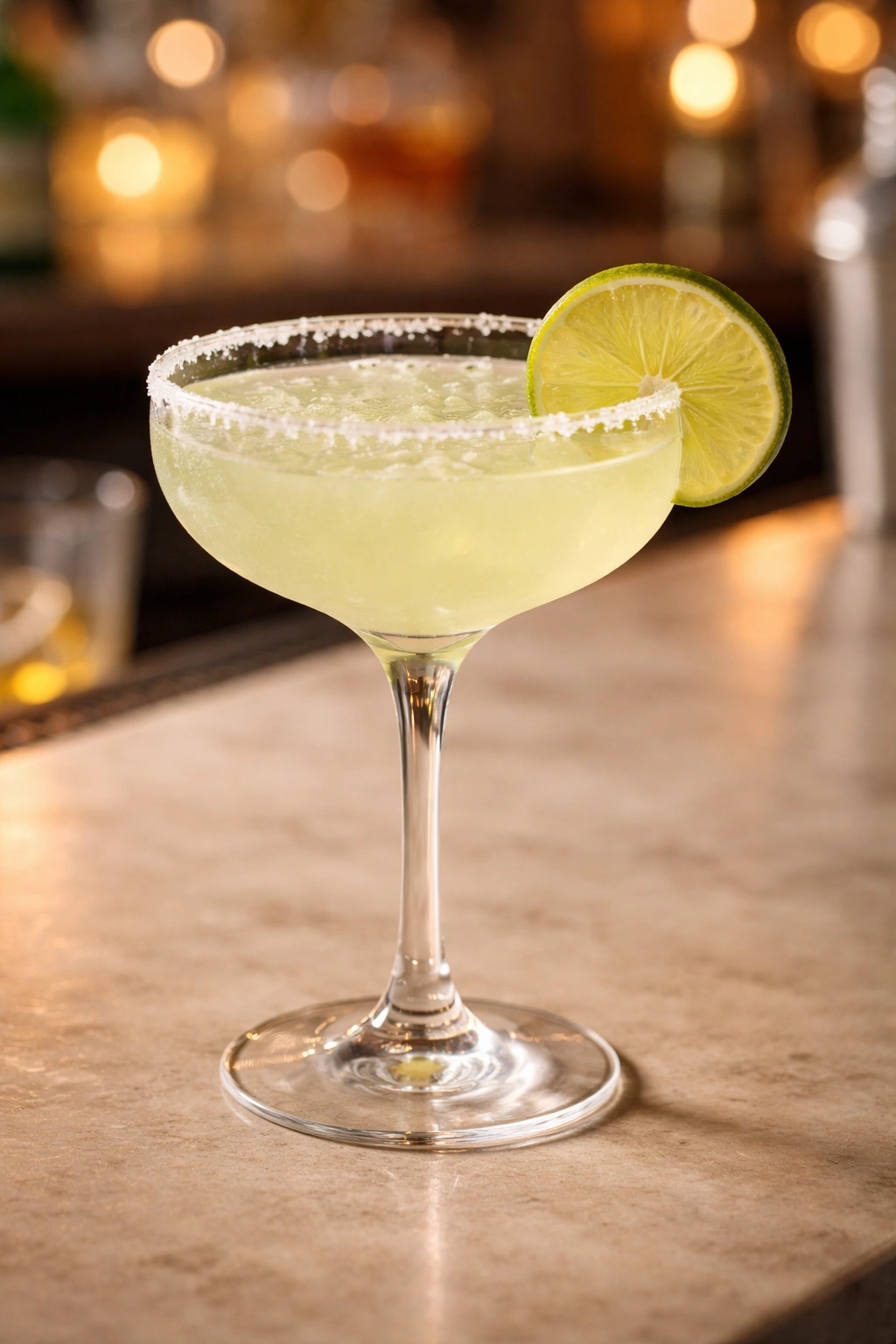
The margarita is the drink that introduced countless people to tequila, and for good reason. When executed well, it’s a perfectly balanced cocktail that lets quality tequila shine without overwhelming it. The interplay between tequila’s agave sweetness, fresh lime juice’s acidity, and Cointreau’s subtle orange character creates something greater than the sum of its parts.
The classic ratio — 2 ounces of tequila, 1 ounce of fresh lime juice, and ½ ounce of Cointreau — is tried and true. The key is using fresh lime juice, never bottled, and choosing a quality blanco tequila that has character and depth. Many bars use a 100% agave tequila rather than a mixto (which can contain up to 49% non-agave sugars), and this choice absolutely matters in the final drink.
The Right Way to Make One
The technique matters as much as the ingredients. Shake everything vigorously with ice for 10-12 seconds until the shaker is frosted on the outside, then strain into a chilled coupe glass with a salted rim. Some bartenders salt only half the rim so drinkers can choose whether to taste salt with each sip, which is a thoughtful touch.
Flavor Profile and Variations
- Perfectly balanced between sweet, sour, and spirit-forward
- Naturally refreshing without being overly sweet
- Works as an aperitif or paired with Mexican cuisine
- On the rocks with a salt rim feels more casual and beachy
- Try a jalapeño margarita for a spicy kick, or a frozen version for poolside drinking
- Experimenting with different tequila styles changes the entire character of the drink
The margarita’s enduring popularity isn’t because it’s boring — it’s because when made properly with quality ingredients and technique, it’s nearly perfect.
2. Paloma
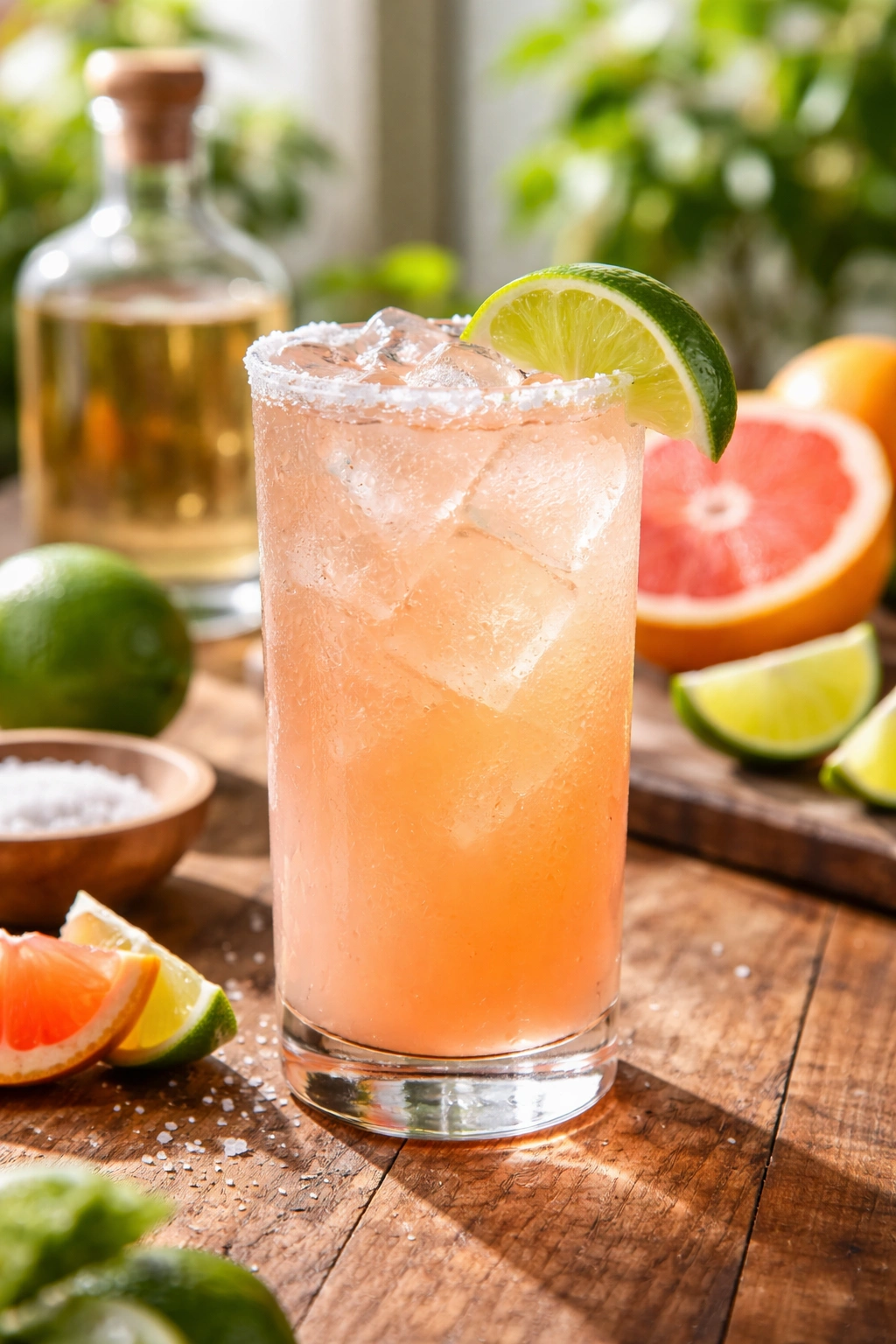
The paloma often gets overlooked in favor of the margarita, which is a genuine shame because it’s arguably more delicious and refreshing. This cocktail builds tequila’s peppery notes with grapefruit juice’s bitter-sweet character, creating something complex yet incredibly drinkable. It’s become increasingly popular in the last decade, and bars that take cocktails seriously almost always have a stellar paloma on the menu.
A traditional paloma uses 2 ounces of tequila, ½ ounce of fresh lime juice, ½ ounce of fresh grapefruit juice or grapefruit nectar, and a pinch of salt. Some recipes add a touch of simple syrup, though this depends on whether you’re using sweet or pink grapefruit juice. The salt is crucial — it doesn’t just sit on the rim; it’s part of the flavor equation, which is why some bartenders rim the glass with Tajín (a chili-lime seasoning) for extra dimension.
What Makes It Better Than You’d Expect
The beauty of a paloma is how grapefruit’s natural bitterness plays against tequila’s sweetness. This contrast creates a drink that feels both sophisticated and approachable. It’s less sweet than a margarita, which makes it a better aperitif and pairs beautifully with seafood, Mexican appetizers, or charcuterie.
The Citrus Factor
- Fresh grapefruit juice is non-negotiable — never use bottled versions
- Pink or ruby grapefruit adds a slight sweetness that balances well
- Some versions use a float of Topo Chico or Jarritos grapefruit soda for extra fizz and flavor
- The lime juice brightens the entire drink and prevents it from feeling too thick
- Serve it in a tall glass over ice, often in a salt-rimmed highball
Order one at a good Mexican restaurant or craft bar, and you’ll understand immediately why tequila connoisseurs often choose paloma over margarita.
3. Tequila Sunrise
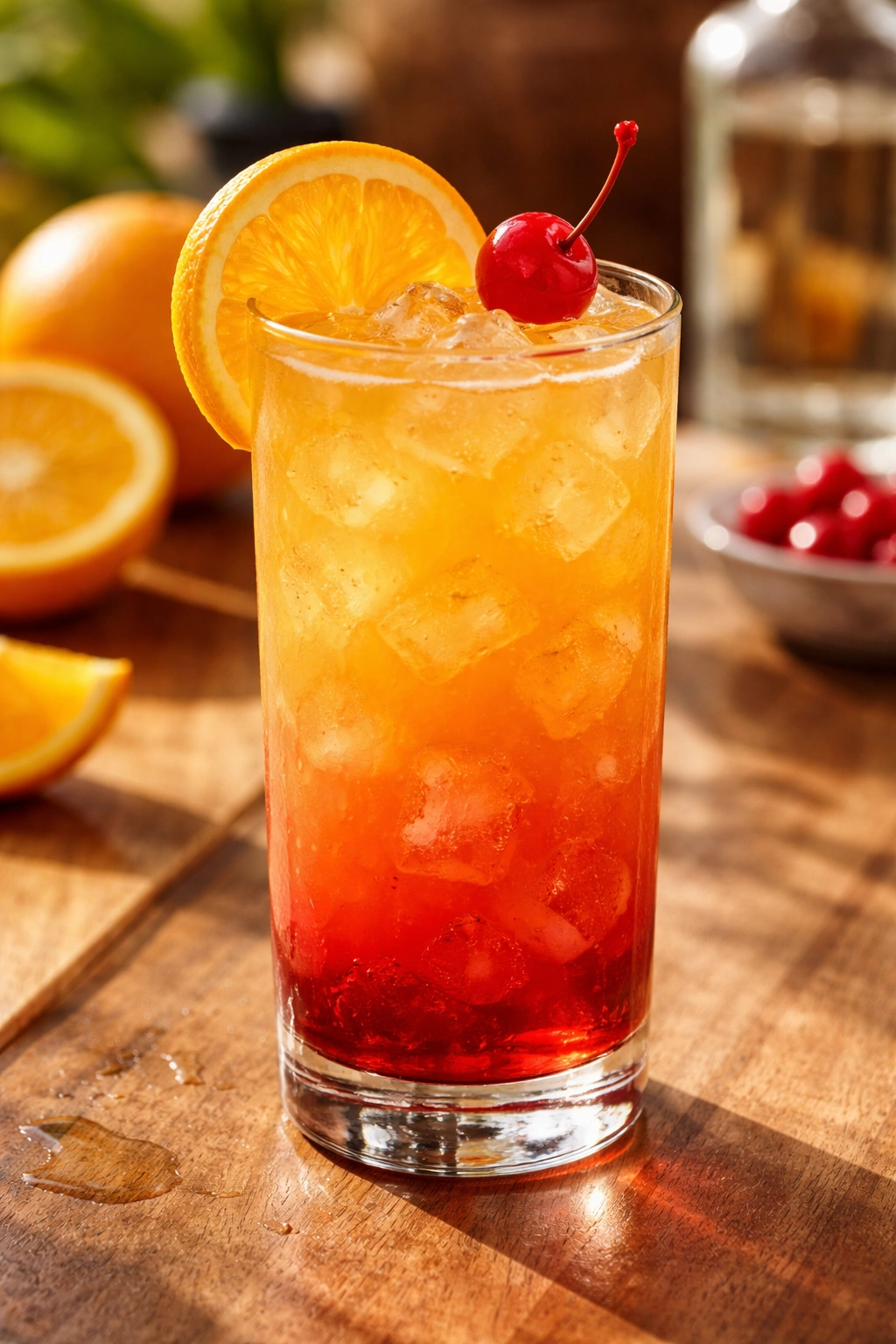
The tequila sunrise is a visually stunning cocktail that became iconic in the 1970s, though it’s experienced something of a renaissance as bartenders have rediscovered its charms. The drink’s signature gradient — golden orange at the top, deep ruby at the bottom — comes from the grenadine settling through the other ingredients, literally mimicking a desert sunrise.
This cocktail isn’t complicated: 2 ounces of tequila, 4 ounces of fresh orange juice, and ½ ounce of grenadine poured over ice in a tall glass. Stir briefly, let the grenadine sink to the bottom, and garnish with an orange wheel and a cherry. The simplicity is part of its appeal, though many people make disappointing versions by using sweetened orange juice cocktail mix instead of freshly squeezed juice.
Why It’s Still Worth Making
The tequila sunrise occupies an interesting space — it’s sweet enough to appeal to people who don’t usually drink spirits, yet quality tequila shines through clearly. The grenadine adds a pomegranate tartness that prevents the drink from feeling cloying, and the orange juice’s natural citrus complements tequila beautifully. It’s less challenging than many cocktails, which makes it perfect for afternoon drinking or introducing someone to tequila.
Execution Details That Matter
- Fresh-squeezed or high-quality bottled orange juice makes a genuine difference
- Grenadine should be real pomegranate grenadine, not corn syrup–heavy versions
- The visual presentation is half the appeal — the sunrise effect matters
- Serve it over ice in a tall glass to keep it properly chilled
- A cocktail cherry and orange wheel are essential garnishes, not optional
The tequila sunrise proves that sometimes a simple, straightforward cocktail can be deeply satisfying.
4. Jalapeño Tequila Smash
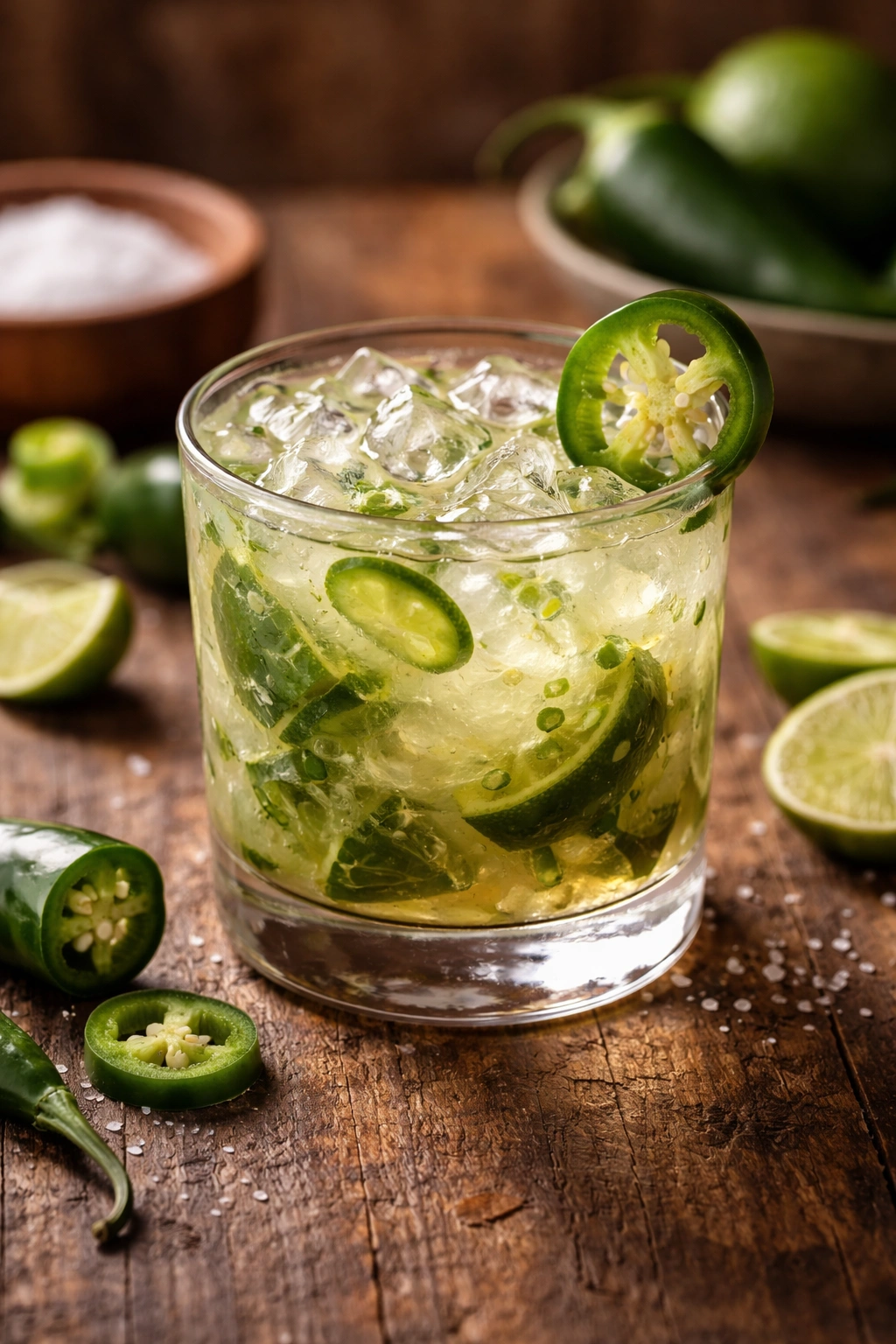
If you enjoy spicy food and drinks, the jalapeño tequila smash is your gateway to recognizing tequila’s versatility beyond the standard citrus cocktails. This drink embraces tequila’s peppery nature and amplifies it with fresh jalapeño, creating something that’s spicy without being punishing. The smash format means the drink is built with freshly muddled fruit or herbs, giving it a rustic, vibrant quality.
A jalapeño tequila smash typically combines 2 ounces of tequila, 1 ounce of fresh lime juice, ½ ounce of simple syrup, and 4-5 fresh jalapeño slices that are gently muddled at the bottom of the mixing glass. The muddling is crucial — you want to bruise the peppers to release their oils and flavors, but you don’t want to pulverize them into tiny bits that will cloud the drink. Shake everything with ice, double-strain into a rocks glass over fresh ice, and garnish with a thin jalapeño wheel.
The Flavor Experience
This cocktail strikes a fascinating balance between refreshing and intense. The initial sip is citrus-forward with a smooth agave sweetness, but the jalapeño’s heat builds with each sip, warming the back of your throat and creating a lingering finish. It’s not a one-dimensional spice drink — it’s layered and evolving.
Key Techniques for Success
- Gentle muddling releases flavor without creating pulp and bitterness
- Double-straining ensures no jalapeño seeds make it into the glass
- Fresh jalapeños are non-negotiable; dried or jarred versions won’t work
- The heat level depends on how spicy your jalapeños are; taste first
- Rim the glass with Tajín or a chili-lime salt for extra kick
- Tequila’s peppery nature compounds the heat, so this isn’t for heat-averse drinkers
The jalapeño smash demonstrates that tequila cocktails can be adventurous and flavorful without sacrificing balance.
5. Tequila Old Fashioned
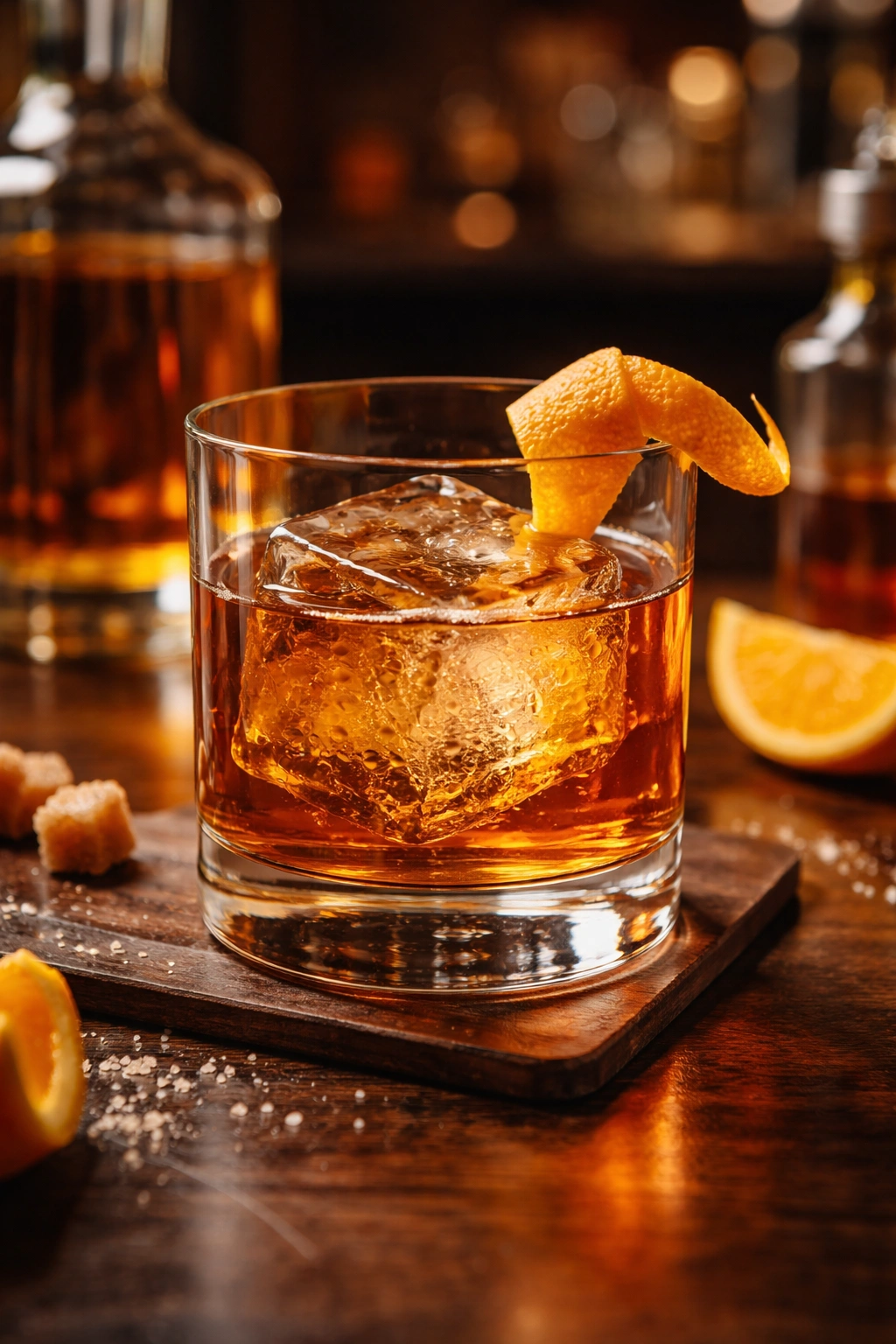
An Old Fashioned made with tequila instead of bourbon reveals surprising similarities between the two spirits. Both have warm, slightly sweet notes; both have peppery, spicy undertones; and both develop wonderful complexity when aged in wood. The tequila old fashioned is slightly brighter than its bourbon cousin thanks to agave’s particular sweetness, and the result is a sophisticated, sipping cocktail that demands attention and respect.
The formula is deceptively simple: 2 ounces of tequila (preferably an aged expression like reposado or añejo), one sugar cube, 2-3 dashes of Angostura bitters, and a splash of water. Muddle the sugar cube with the bitters and water until the sugar dissolves, add a large ice cube or several smaller ones, then pour in the tequila. Stir gently for about 30 seconds, then express a piece of orange peel over the drink for aromatics. The orange peel becomes your garnish.
Why Aged Tequila Shines Here
A blanco tequila will work, but an aged expression truly elevates this cocktail. Reposado (aged 2-11 months) brings vanilla and oak notes that complement the drink’s structure, while añejo (aged 1-3 years) adds dried fruit, caramel, and spice characteristics that deepen the entire experience. The wood-aging mellows tequila’s edges while amplifying its warm, sweet notes.
The Sipping Ritual
- Serve this cocktail at a deliberate pace; it’s meant for contemplation
- The ice slowly melts and slightly dilutes the drink, which opens up new flavor notes
- The orange peel adds an aromatic component that changes how you perceive the spirit
- This is an excellent choice after dinner with a cigar or as a nightcap
- The drink improves slightly as it sits and the ice melts, so don’t rush
The tequila old fashioned proves that tequila deserves space in spirit-forward cocktails alongside whiskey and cognac.
6. Tequila Gimlet
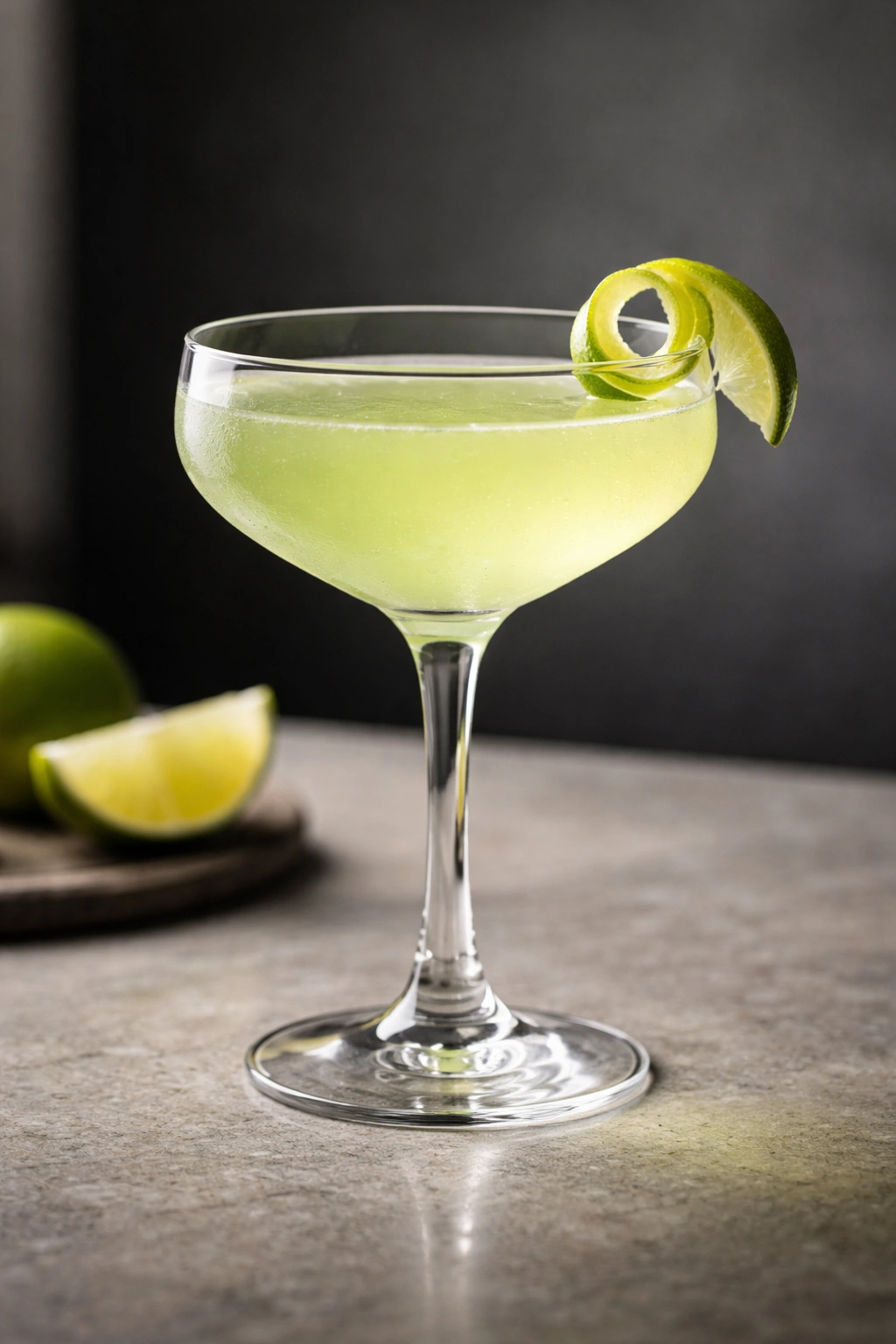
A gimlet is one of the most elegant cocktails ever created — just three ingredients, each one playing a specific role, creating something that’s greater than the sum of its parts. Traditionally made with gin, the tequila gimlet is a more recent innovation that swaps the gin for tequila, resulting in a spirit-forward drink that’s bright, clean, and incredibly refined.
The gimlet formula is timeless: 2½ ounces of tequila, ¾ ounce of fresh lime juice, and ½ ounce of lime cordial (like the traditional Rose’s, though craft bartenders often use homemade versions). Shake with ice and strain into a coupe glass, then express a lime peel over the top. The simplicity is the point — when there are only three ingredients, each one must be excellent, and each one must contribute meaningfully.
The Elegance of Simplicity
The tequila gimlet removes all distraction and lets you taste tequila, lime, and nothing else. The lime cordial provides a slight sweetness that balances the lime juice’s acidity, while the blanco tequila’s peppery, agave-forward character provides the backbone. This is a drink where the quality of tequila genuinely matters — a mediocre tequila will result in a mediocre gimlet.
What Makes It Special
- Perfect for those who prefer spirit-forward, less sweet cocktails
- The lime cordial adds subtle complexity that prevents it from tasting thin
- This is an excellent aperitif before dinner
- Making it at home is straightforward if you have good ingredients
- The bright, citrus-forward profile makes it refreshing in warmer weather
- It’s a drink that requires patience and attention to appreciate fully
The gimlet category proves that tequila’s clean, bright character works beautifully in refined, minimalist cocktails.
7. Cantarito
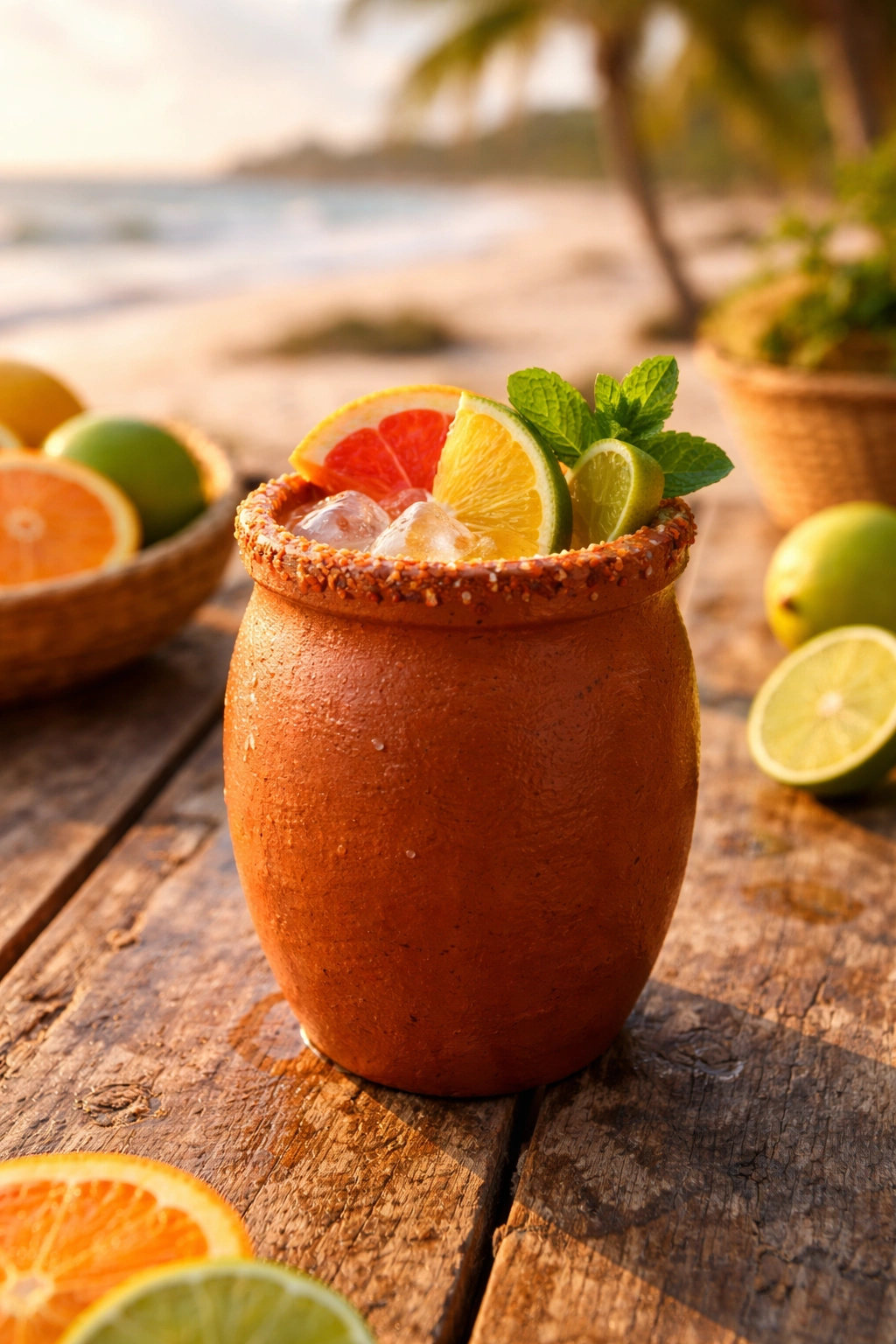
The cantarito is a traditional Mexican drink that falls somewhere between a cocktail and a refreshing beverage, embodying the spirit of casual, communal drinking in Mexico. It’s rustic, unpretentious, and absolutely delicious — the kind of drink you’d encounter at a beachside bar or a family gathering on a hot afternoon. The cantarito isn’t one standardized recipe; it varies by region and bartender, which is part of its charm.
A basic cantarito combines 2 ounces of tequila, 2 ounces of fresh lime juice, 1 ounce of fresh orange juice, a pinch of salt, and a splash of hot sauce (often Valentina or Tabasco). Some versions add a touch of simple syrup or agave nectar, while others include a squeeze of Maggi seasoning or even a spicy Chamoy. It’s served in a clay cup (traditionally) or a rocks glass, filled with ice and sometimes topped with a splash of Mexican beer like Corona or Modelo.
The Communal Spirit
What makes a cantarito special is how it embodies the Mexican philosophy of drinks — spirited, flavorful, and meant for sharing. It’s less about precision and more about taste preference and availability. Some people make theirs sweeter, others spicier, and some add fruit juices or liqueurs. The framework is flexible.
Regional and Personal Variations
- Some versions use tamarind paste for tartness and complexity
- Watermelon juice is popular in certain regions during summer
- A splash of beer adds carbonation and a malty note
- Lime and salt represent the drink’s essential character
- Fresh citrus is non-negotiable; bottled versions won’t work
- The hot sauce level varies wildly based on personal tolerance
The cantarito represents tequila as an everyday spirit — not precious, not overly complicated, just delicious and unpretentious.
8. Tequila Sour
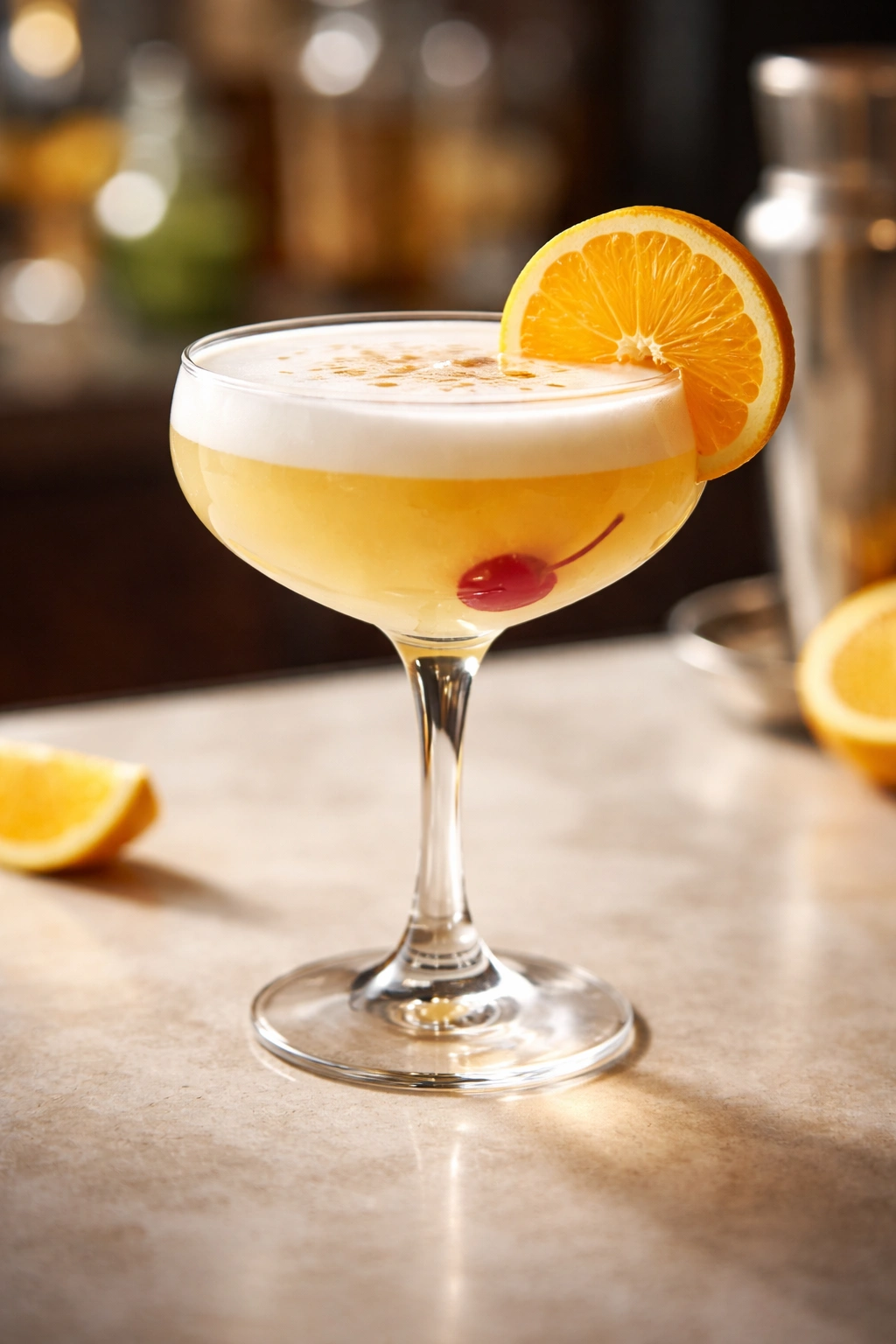
The sour category is one of the most important in cocktail making because the formula — spirit, citrus juice, and sweetener — is so versatile and forgiving that it works with nearly every spirit. The tequila sour doesn’t get as much attention as whiskey sours or pisco sours, but a well-made version is absolutely stellar. It’s bright, balanced, and showcases tequila beautifully while remaining accessible to people new to craft cocktails.
The classic ratio is 2 ounces of tequila, 1 ounce of fresh lemon or lime juice (your choice), and ½ ounce of simple syrup. Many modern bartenders add an egg white for a silky texture and a luxurious foam top, which requires a vigorous dry shake followed by a wet shake with ice. The result is stirred or strained into a coupe glass and garnished with a citrus wheel and a cherry. Without egg white, it’s simply shaken and strained into an ice-filled rocks glass.
The Sour Formula’s Power
What makes a sour so effective is how the formula balances spirit, acid, and sweetness into something greater than each component alone. With tequila, you get the spirit’s peppery notes, the citrus’s brightness, and the syrup’s smoothing effect, creating a drink that’s both sophisticated and approachable. The sour formula also scales beautifully — batch a sour for a party, and it becomes a crowd-pleasing punch.
Variations and Additions
- Egg white creates a luxurious mouthfeel and dramatic foam layer
- Aquafaba (chickpea liquid) works as a vegan alternative to egg white
- Adding a touch of spicy bitters or jalapeño adds complexity
- Different citrus choices (lemon vs. lime) create different vibes
- Some bartenders add a splash of mezcal for smoke and depth
- A pinch of salt in the drink itself elevates the flavors
The tequila sour proves that sometimes the simplest formulas, executed with care and quality ingredients, create the most rewarding cocktails.
Choosing the Right Tequila for Your Cocktails
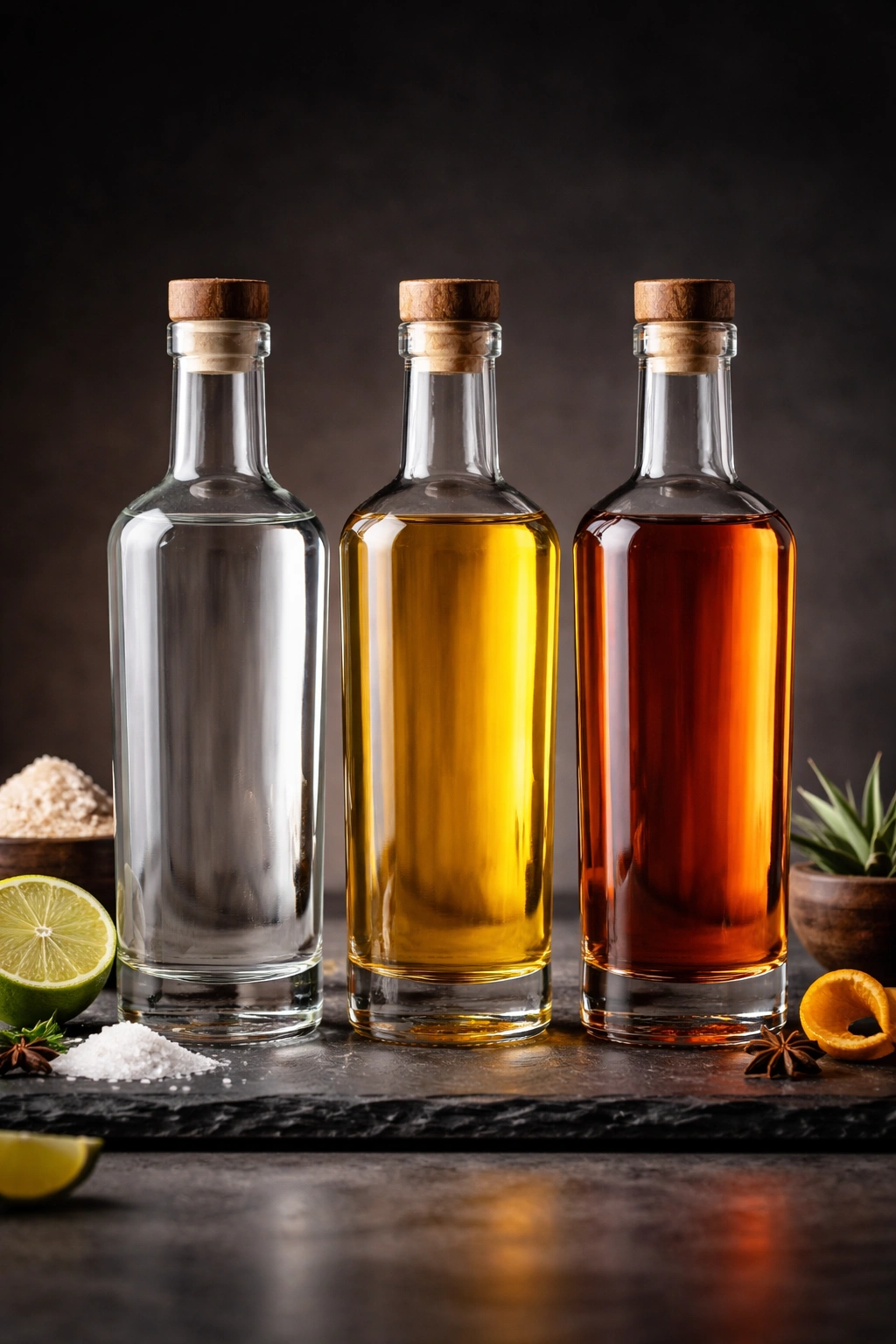
The tequila you select will shape every cocktail’s character, so understanding the basic categories helps you make informed choices. Blanco (also called silver) tequila is unaged and bottled shortly after distillation, which means it carries the bright, peppery, agave-forward character that shines in margaritas, palomas, and gimlets. These are your go-to cocktail tequilas because their clarity and intensity come through even when mixed with other ingredients.
Reposado tequila is aged in wood for 2 to 11 months, during which it develops vanilla, caramel, and oak notes. This aged character makes reposado excellent for tequila old fashioneds and other spirit-forward cocktails where you want warmth and complexity. It’s a bridge between the brightness of blanco and the richness of aged expressions.
Añejo tequila, aged for 1 to 3 years, becomes increasingly smooth, with dried fruit and spice notes developing. While delicious sipped straight, it’s often too expensive and complex to use in mixed drinks where its subtleties might be lost. Save añejo for neat pours or very simple cocktails where it can shine.
100% agave tequila means the spirit is made entirely from blue agave, with no added sugars or grain spirits. This designation matters because mixto tequila (which contains up to 49% non-agave sugars) often tastes thinner and more one-dimensional. For cocktails, 100% agave blanco is your best investment — it costs more than mixto but makes noticeably better drinks.
Quality matters in tequila more than in many spirits because cheap tequila often tastes rough, chemically, or one-dimensional. A $25 bottle of quality blanco creates genuinely excellent cocktails, while a $12 bottle might require extra simple syrup to mask harsh notes. Taste matters, and your bartenders will taste the difference.
Essential Tools and Techniques for Making Great Tequila Drinks
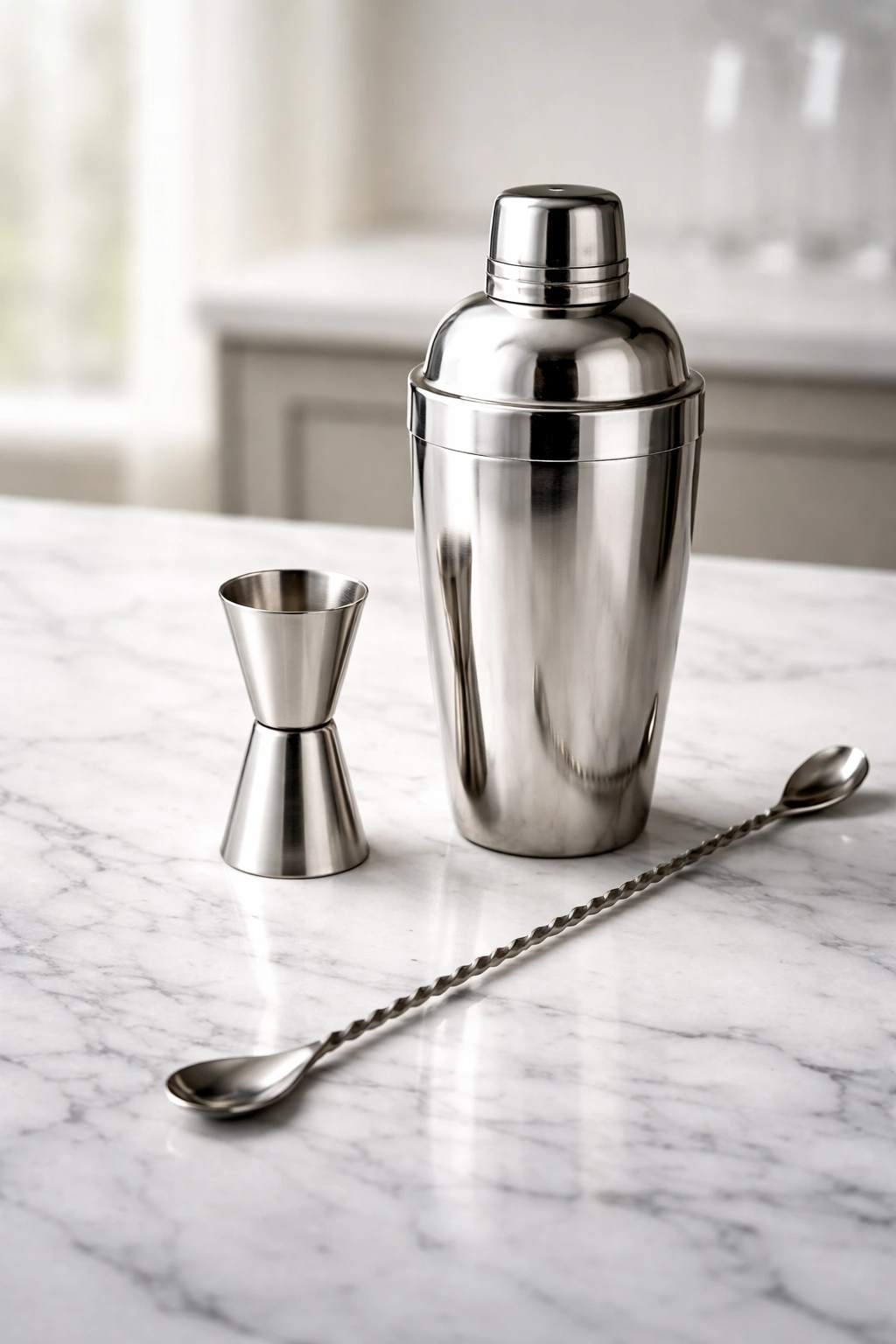
Making excellent tequila cocktails at home requires minimal equipment, but the right tools make a dramatic difference in consistency and quality. A cocktail shaker is essential — either a Boston shaker (two-part metal shaker favored by bartenders) or a cobbler shaker (three-part with built-in strainer). Learn to shake vigorously for at least 10-12 seconds until the shaker is frosted on the outside, which indicates you’ve properly chilled and diluted the drink.
A jigger (measuring cup with two sides, usually 1½ and 1 ounce) ensures you’re pouring consistent proportions. Free-pouring looks impressive but leads to inconsistent drinks and wasted alcohol. Measure everything, especially when you’re still learning.
Fresh citrus juice cannot be overstated in importance. Invest in a quality citrus juicer or reamer, and always squeeze your juice fresh — never use bottled versions, which taste flat and chemical. Lime and lemon juice oxidize and lose flavor within 30 minutes of being squeezed, so make fresh juice as you build each drink.
A bar spoon (long-handled spoon with a twisted handle) is used for stirring cocktails, which is different from shaking. Stirred drinks are slower and more elegant; shaken drinks are faster and more vigorous. Know which method each cocktail calls for.
A jigger and strainer or a bar strainer prevents ice and muddled ingredients from ending up in the glass. Two-part strainers work with Boston shakers, while single strainers work with any shaker. Learn to hold it properly so you’re pouring cleanly.
Muddling (crushing herbs or fruit) requires a wooden muddler — a pestle-like tool that gently bruises ingredients rather than pulverizing them. For jalapeño smashes and other muddled drinks, use gentle pressure and proper technique to extract flavor without creating pulp.
A mixing glass is used for drinks you’re stirring (like the Old Fashioned). It’s simply a sturdy glass that holds the ice and ingredients while you stir, then you strain into the serving glass.
These tools seem minor until you actually use them — they’re what separate sloppy home drinks from genuinely excellent cocktails.
Hosting a Tequila Cocktail Tasting at Home
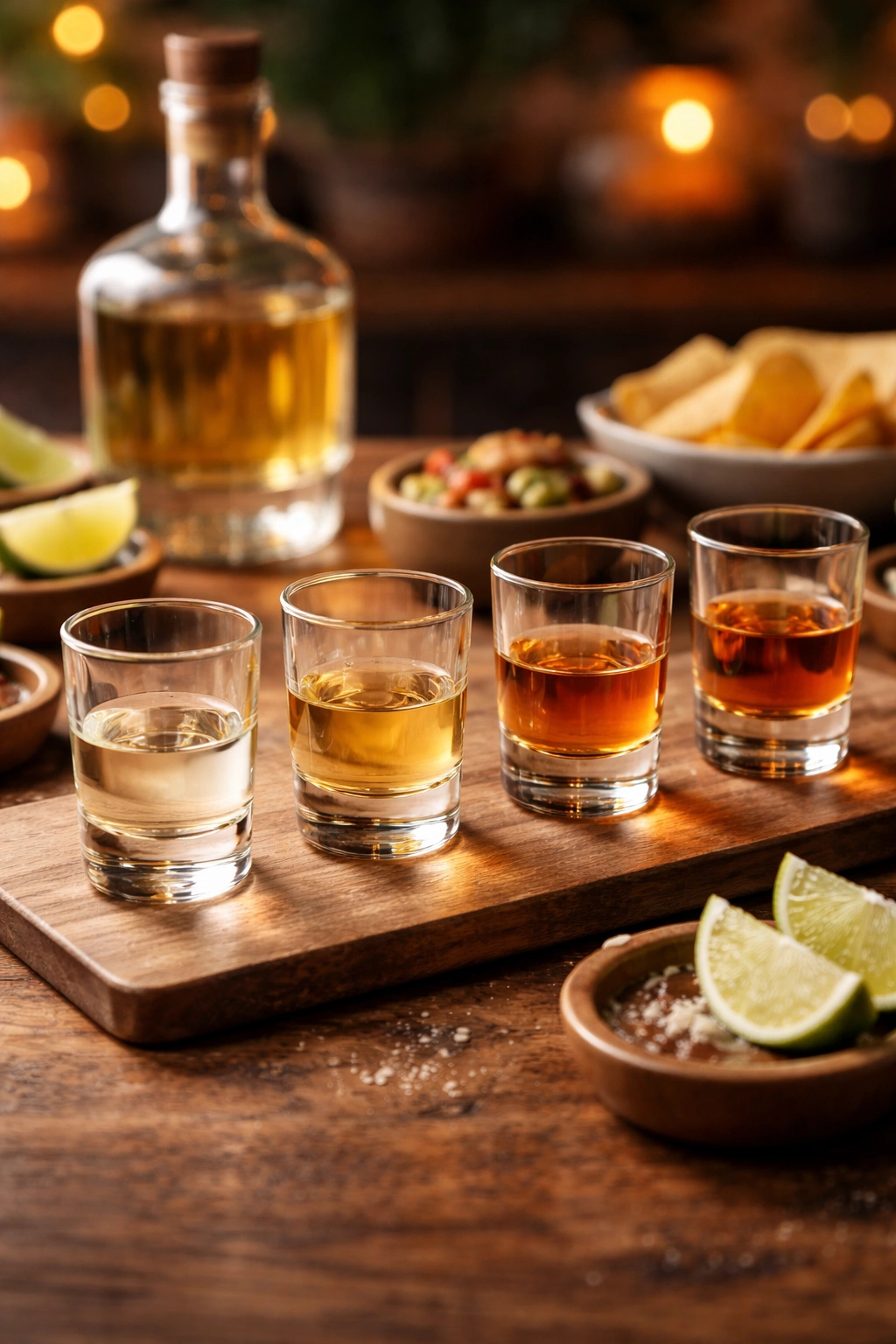
If you’re genuinely interested in tequila and want to deepen your knowledge while sharing the experience with friends, hosting a tasting is an excellent approach. Select 3-4 different tequilas (blanco, reposado, and one aged expression), set up a clean glassware station, and build a specific cocktail with each one so guests can taste how the tequila type changes the drink’s character.
For example, make a margarita with blanco, then with reposado, then with añejo. Let guests taste and discuss the differences — the blanco will be bright and peppery, the reposado warmer with vanilla notes, and the añejo rounder and more complex. This comparative approach teaches more than any explanation alone.
Provide tasting notes for each tequila (from the label or online), and encourage guests to notice the flavors as they sip. Is there citrus? Pepper? Vanilla? Earthiness? Creating a vocabulary for what you taste deepens appreciation and makes the experience interactive rather than passive.
Set out small appetizers that pair with tequila and cocktails — lime-forward foods like ceviche, chips and guacamole, or carnitas tacos work beautifully. Keep the tasting to 2-3 hours maximum so palates don’t become fatigued, and follow tequila tasting with cocktails so guests understand how the spirit behaves in mixed drinks.
A tequila tasting at home is a wonderful way to explore the spirit’s range and introduce friends to quality tequila beyond margaritas.
Final Thoughts
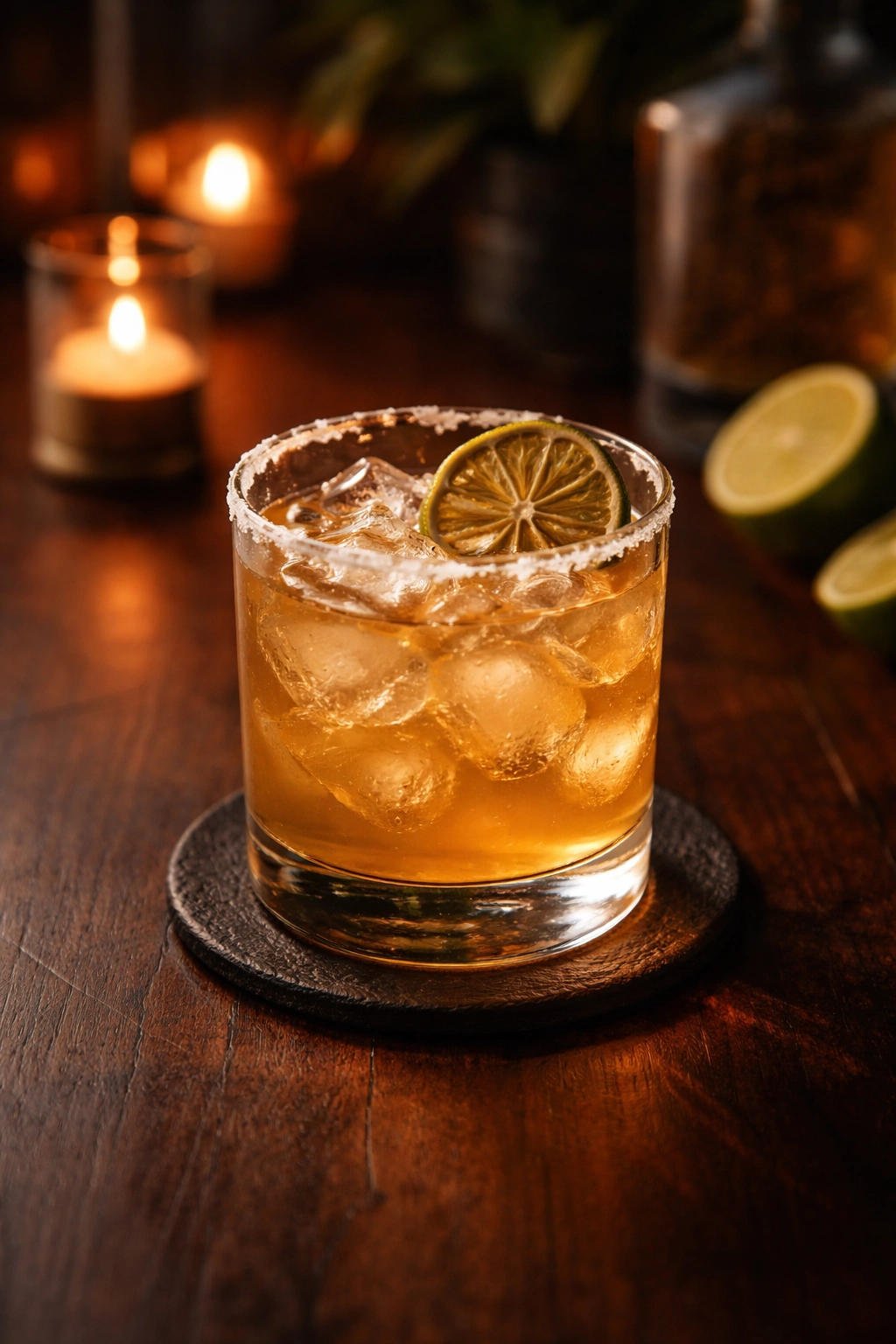
Tequila’s versatility as a cocktail spirit is genuinely impressive. These eight cocktails represent just a fraction of what’s possible when you combine quality tequila with thoughtful ingredients, proper technique, and imagination. Whether you’re drawn to the bright simplicity of a gimlet, the comforting warmth of an old fashioned, or the rustic unpretentiousness of a cantarito, there’s a tequila cocktail that will become a favorite.
The journey from thinking of tequila as a party spirit to appreciating it as a nuanced, sophisticated ingredient is incredibly rewarding. Start with whichever of these cocktails sounds most appealing to you, invest in quality tequila and fresh citrus, and build from there. Each drink you make teaches you something about how tequila behaves and what combinations work beautifully.
The best part about exploring tequila cocktails is that they’re genuinely delicious, not difficult to make once you understand the fundamentals. Build a few at home, order them at craft bars when you’re out, and notice how small changes in technique, ingredient quality, or tequila style shift the entire experience. Your taste preferences will evolve, and you’ll discover that tequila belongs in your regular rotation alongside other beloved spirits.
