



Game day without wings is barely game day at all. Whether you’re hosting a watch party, throwing a casual gathering, or just want an excuse to make a massive batch of crispy, saucy chicken wings, these 10 recipes deliver the kind of flavor that’ll disappear from the platter before the first quarter ends. Each one is built around a different flavor profile—from fiery classic buffalo to sweet-and-savory Asian glazes to unexpected spice blends—so you can either pick your favorite or make a few and let people choose their own adventure.
The beauty of wings is that they’re genuinely forgiving to cook. Bake them, fry them, or grill them, and as long as they’re crispy on the outside and cooked through, the sauce is what makes them memorable. The recipes below all share a winning approach: get your wings truly crispy first, then coat them in a flavorful glaze or sauce that sticks without sliding off. Serve them with ranch, blue cheese, or cooling cucumber-lime yogurt on the side, and you’ve got a spread that works for any gathering.
1. Classic Buffalo Wings
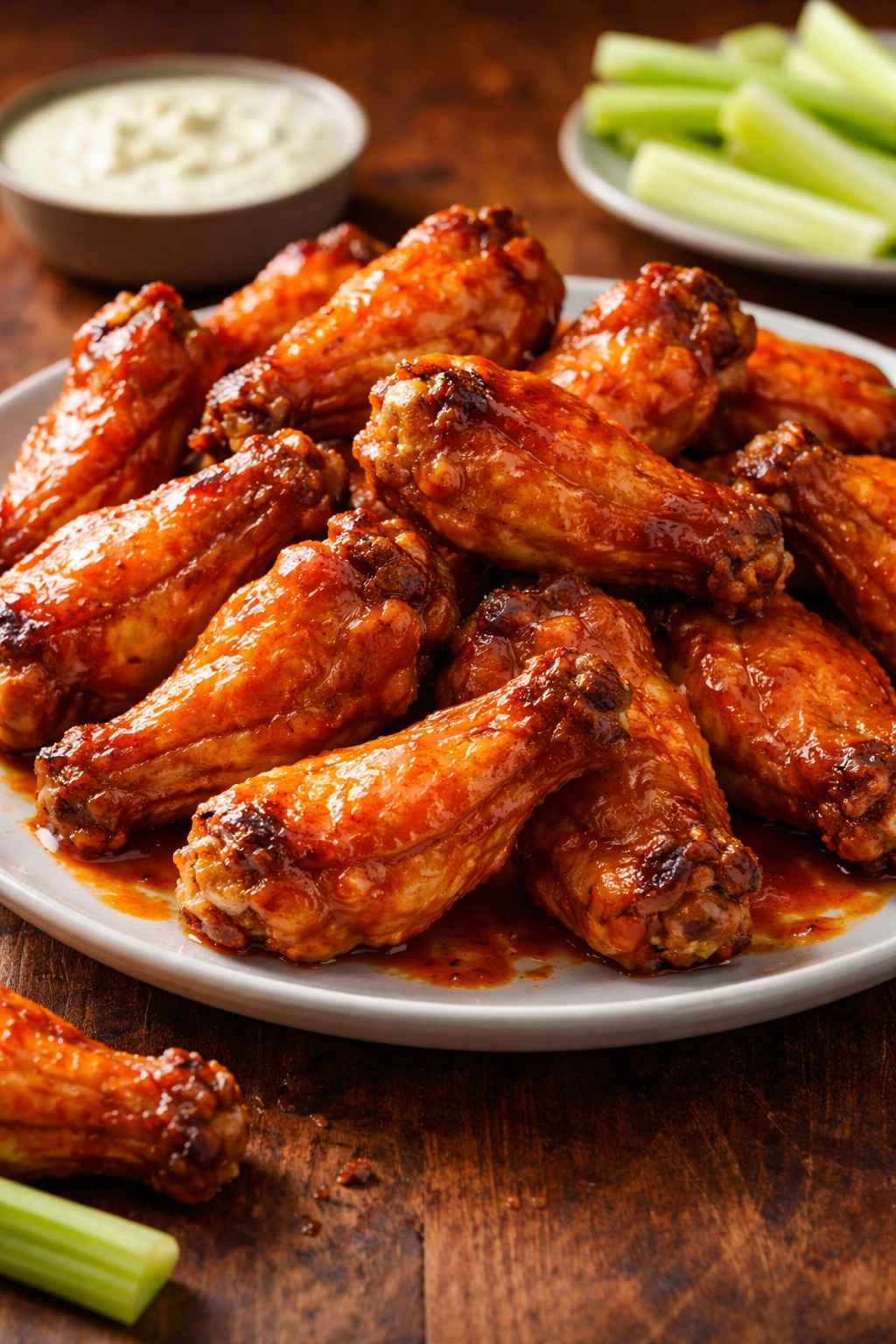
Buffalo wings are the MVP of game day for a reason—the balance of hot sauce, butter, and vinegar creates an addictive, tangy heat that keeps people coming back for more. This is the foundation, the gold standard that everything else gets compared to. When done right, they’ve got a crispy exterior, a little char on the edges, and a sauce that coats your fingers and your mouth in the best way possible.
The Winning Formula
The secret to authentic buffalo wings is using actual Frank’s RedHot sauce (or a direct equivalent), which has a distinctive flavor and lower heat level than generic hot sauces. Combine it with melted butter and a hit of vinegar, then toss your baked or fried wings until every surface is coated. The sauce should be thin enough to cling but not so thick it gloops off when you pick up a wing.
How to Build the Perfect Buffalo Wing
- Bake wings at 425°F (220°C) for 30-35 minutes, rotating halfway through, until skin is tight and beginning to crisp
- Make the sauce by melting ½ cup butter with ¾ cup Frank’s RedHot sauce and 2 tablespoons apple cider vinegar in a small saucepan
- Toss hot wings in the sauce immediately after baking, coating thoroughly but not drowning them
- Sprinkle with finely chopped fresh celery leaves for color and freshness if you want to get fancy
- Serve alongside generous bowls of ranch dressing and crisp celery sticks for cooling relief
The secret many home cooks miss: make your sauce in advance and let it sit for an hour. The flavors meld and deepen, giving you a more complex, rounded heat that’s less one-note than freshly made. Also, if you’re baking instead of frying, pat the wings completely dry before seasoning—this is what gets you the crispiest skin.
2. Korean Gochujang Wings
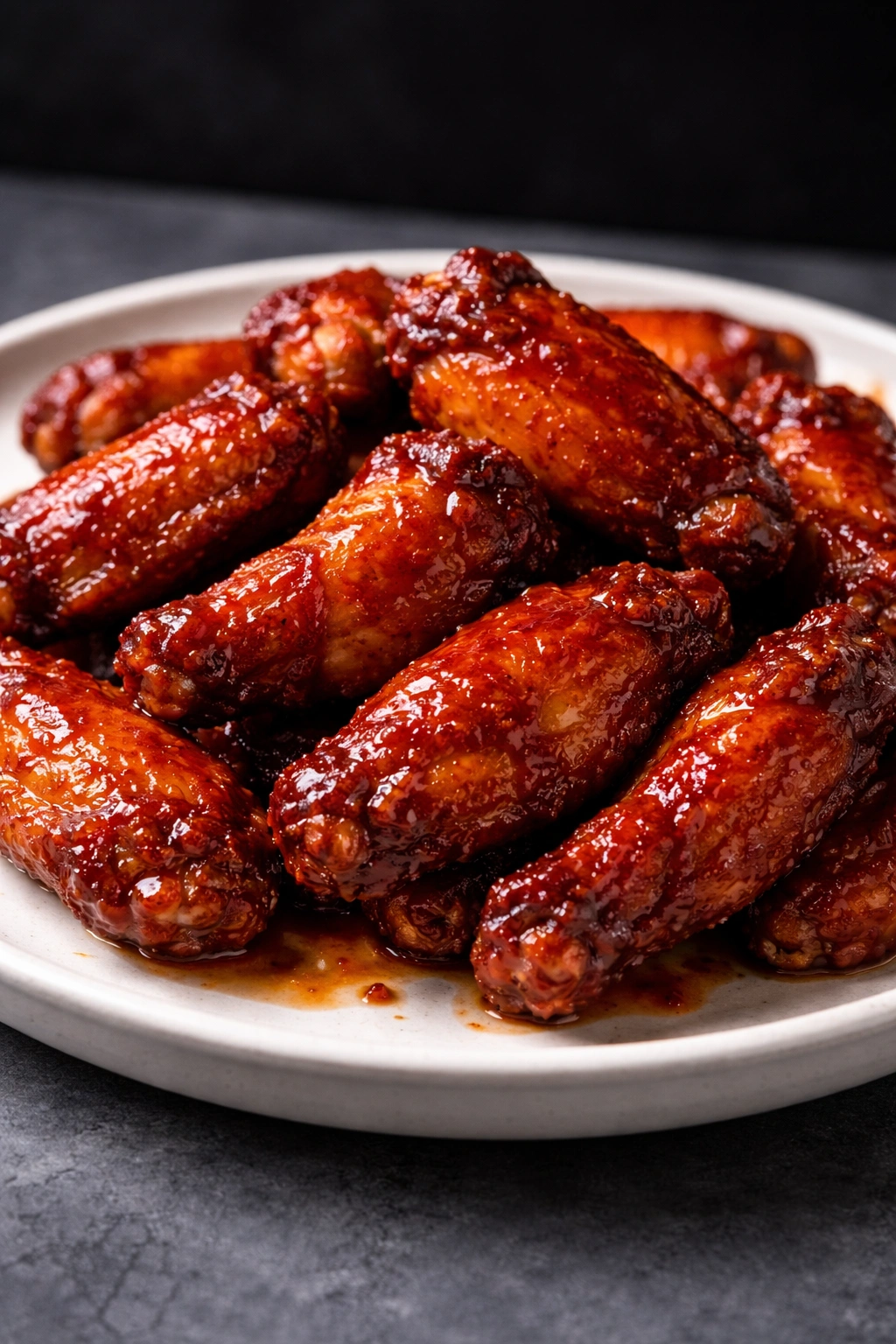
Gochujang, the fermented red chili paste that anchors Korean cooking, brings a complex sweet-spicy-umami depth that’s nothing like American buffalo heat. These wings have a sticky-sweet glaze with serious depth, and they disappear faster than any other variety at a gathering. The combination of gochujang, soy, and a touch of honey creates layers of flavor that feel sophisticated without any pretension.
What Makes Gochujang Wings Different
Gochujang paste adds fermented funk and natural sweetness that you can’t get from hot sauce alone. When you combine it with soy sauce, sesame oil, garlic, and a pinch of brown sugar, you’re building a glaze that’s just as addictive as buffalo but pulls from a completely different flavor tradition. These taste nothing like your grandmother’s chicken wings, which is exactly why people are so surprised when they taste them.
Building the Gochujang Glaze
- Mix 3 tablespoons gochujang paste, 2 tablespoons soy sauce, 2 tablespoons brown sugar, 1 tablespoon sesame oil, 1 tablespoon rice vinegar, and 3 minced garlic cloves in a bowl
- Brush or toss this glaze onto wings during the final 5 minutes of baking at 425°F (220°C)
- Add a second coat if desired—gochujang glaze actually improves with layering
- Garnish with sesame seeds (white or black), thinly sliced green onions, and a light drizzle of gochujang mayo
- Serve with pickled daikon radish strips and white rice if you’re going full Korean restaurant vibes
Pro tip: Gochujang paste varies wildly in heat level by brand. Start with 2 tablespoons if you’re unsure, taste it, and add the third tablespoon only if you want more intensity. This isn’t a recipe that needs to be five-alarm spicy to be delicious.
3. Honey Garlic Soy Wings
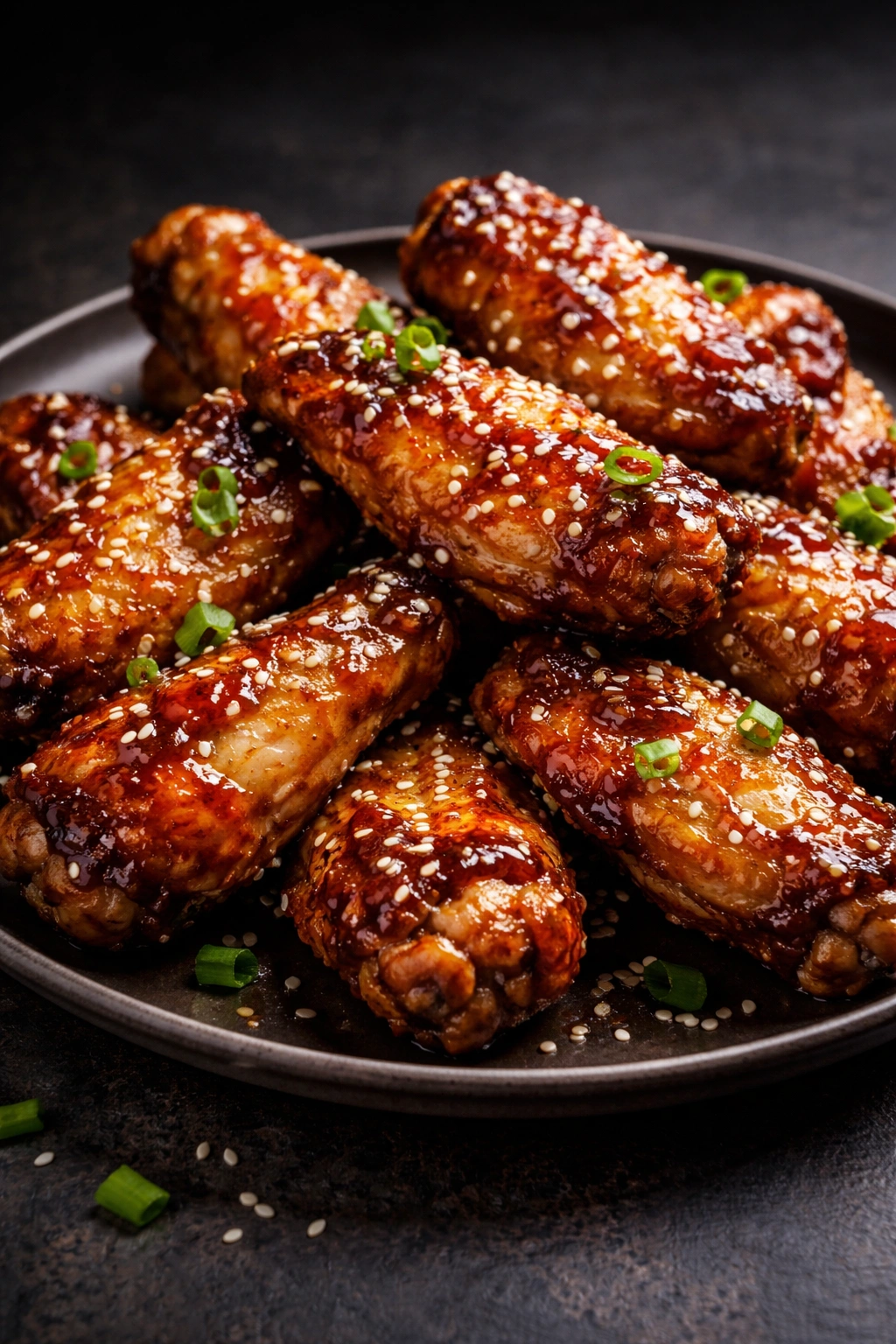
Honey garlic wings occupy the sweet spot between comfort food and restaurant-quality sophistication. They’re less about aggressive heat and more about glossy, caramelized surfaces and complex umami flavor. This is the recipe that converts wing skeptics and makes people ask for the recipe before they even finish eating.
The Caramelization Factor
The magic happens when you let honey hit high heat—it caramelizes slightly, develops depth, and creates a shiny glaze that looks professional enough for a restaurant. Soy sauce adds saltiness and umami that prevents these wings from tasting one-dimensionally sweet, while garlic provides aromatic backbone. The result feels elegant despite being completely unpretentious.
Creating the Glaze and Application
- Combine ½ cup honey, 4 tablespoons soy sauce, 6 minced garlic cloves, 1 tablespoon rice vinegar, and ½ teaspoon ginger powder in a saucepan
- Heat gently just until the honey becomes thinner and ingredients combine—don’t let it boil aggressively or burn
- Bake wings at 425°F (220°C) for 25 minutes until they’re mostly cooked, then brush with glaze and return to oven for final 8-10 minutes
- Add a second glaze coat in the final 3 minutes of baking so it gets sticky and glossy
- Finish with a shower of sliced green onions, sesame seeds, and a light sprinkle of red pepper flakes for visual interest and a subtle heat thread
Real talk: these wings taste even better if you let them sit for 10 minutes after coming out of the oven. The residual heat continues to caramelize the glaze, and it’ll set into a gorgeous lacquered finish rather than staying wet.
4. Lemon Pepper Dry-Rub Wings
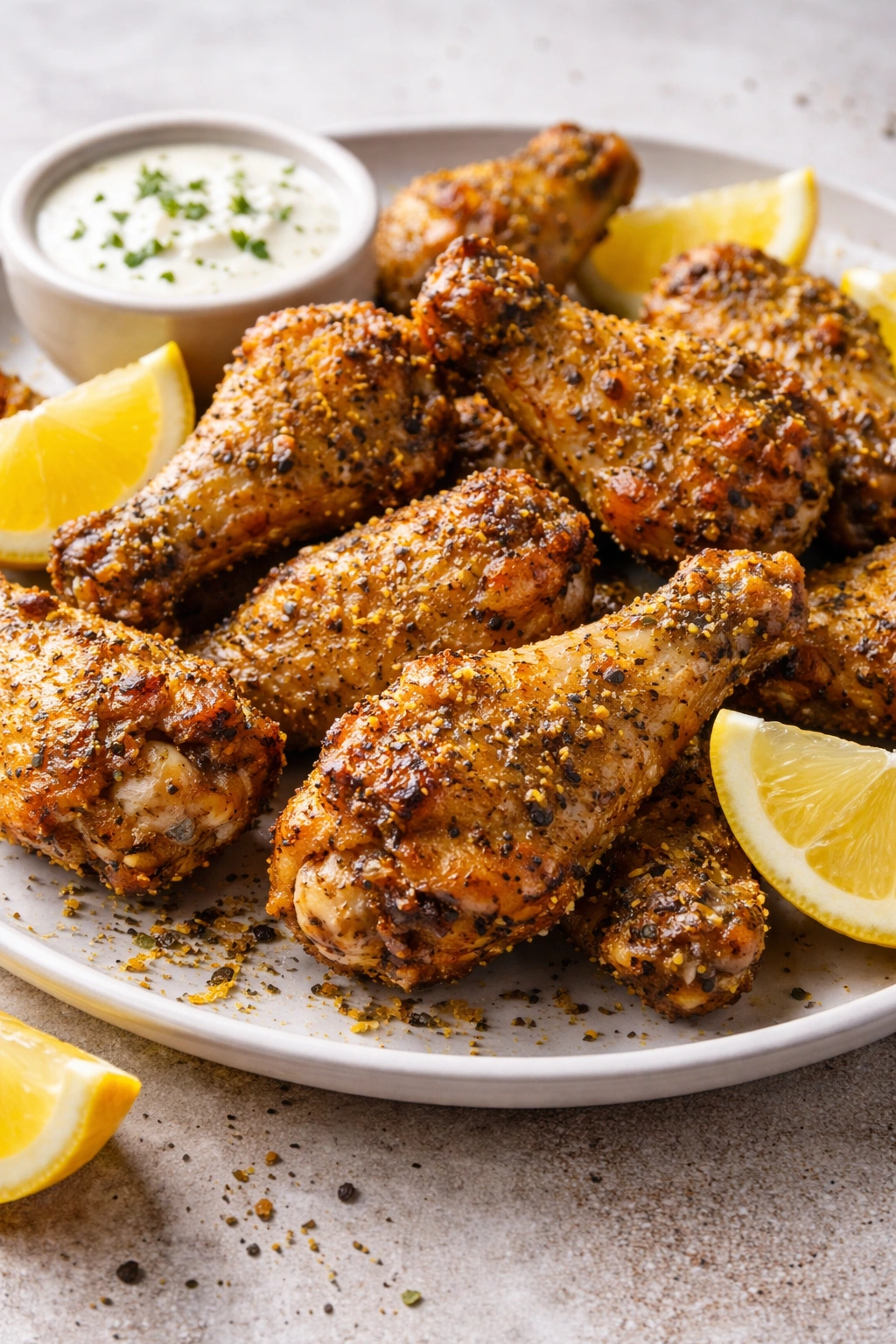
Sometimes you don’t want a sticky sauce situation—you want something crispy, punchy, and easy to grab without ending up with glaze all over your clothes. Lemon pepper dry rub wings deliver exactly that. They’re bright, garlicky, citrusy, and they actually get crispier because there’s no wet glaze to soften the skin. These are the most underrated wing style at most game day spreads.
Why Dry Rub Wins for Certain Crowds
Dry rubs cling to the wing surface, creating a flavorful crust rather than a glaze. The lemon and pepper combination is endlessly appealing—not spicy enough to exclude anyone, bright enough to cut through richness, and totally craveable. These work especially well if you’re feeding a mixed group where some people find traditional buffalo wings too hot.
The Dry Rub Mix and Cooking Method
- Combine 2 tablespoons finely ground black pepper, 2 tablespoons lemon zest, 1 tablespoon garlic powder, 1 tablespoon onion powder, 1 tablespoon kosher salt, and ½ teaspoon cayenne pepper
- Pat wings completely dry, then toss with 2 tablespoons olive oil to help the rub stick
- Roll wings in the dry rub mixture, coating thoroughly on all sides
- Bake at 425°F (220°C) for 35-40 minutes, tossing halfway through, until skin is extremely crispy and beginning to char lightly at the edges
- Finish with a squeeze of fresh lemon juice and extra lemon zest right before serving
- Serve with a simple garlic aioli or ranch for people who want something to dip into
The advantage of wings without sauce: you can make the dry rub hours ahead, coat the wings in the morning, and bake them whenever you’re ready. No last-minute sauce making necessary.
5. BBQ Bourbon Wings
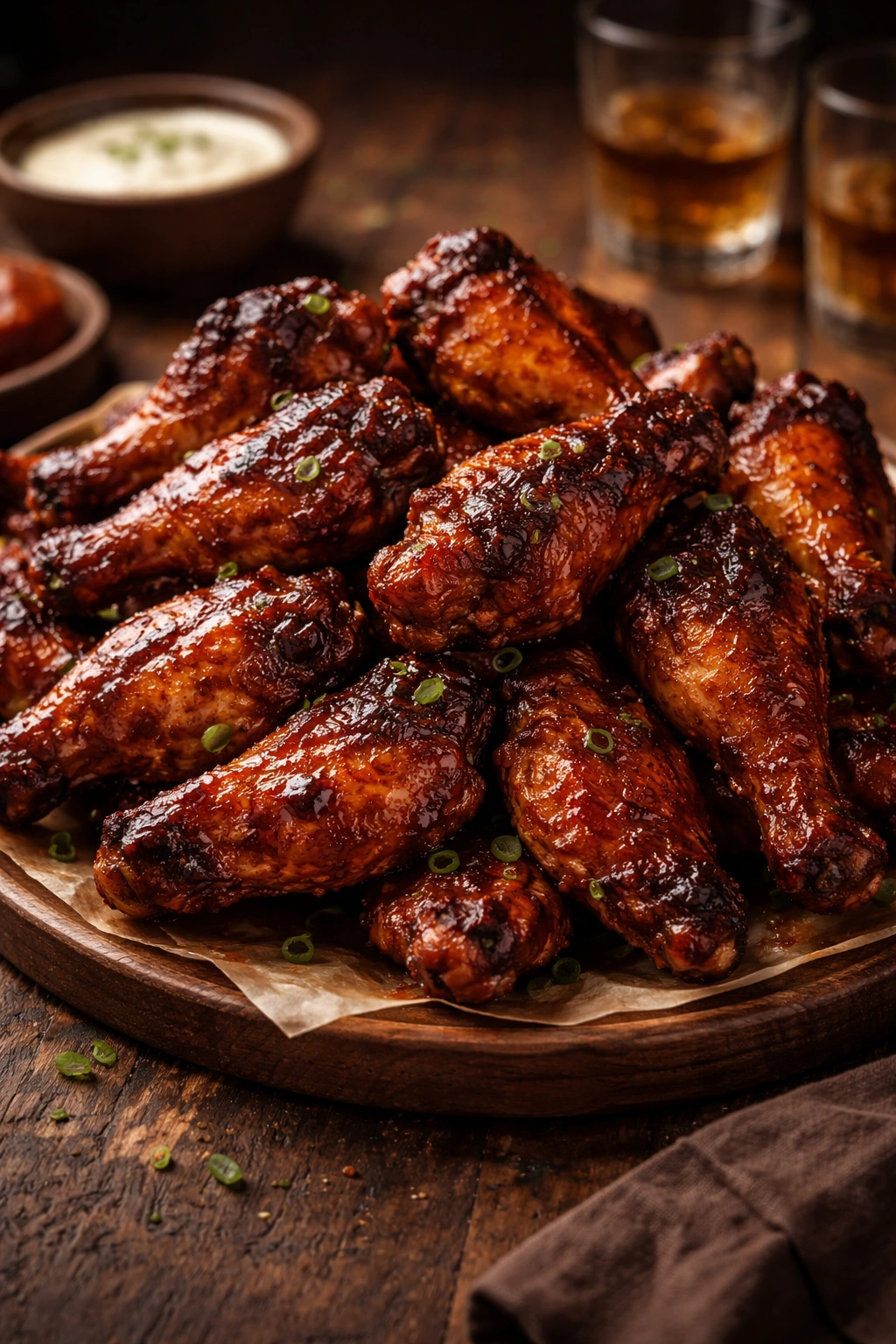
Bourbon-spiked BBQ sauce brings smoky depth, a touch of caramel sweetness, and a subtle heat that comes through without dominating. These wings feel fancy but taste like ultimate comfort food. The bourbon mellows out into the background rather than tasting boozy—it just adds complexity to the barbecue flavor profile and a subtle warmth.
The Bourbon BBQ Sauce Base
Make your sauce from scratch by combining 1 cup of your favorite BBQ sauce (or make it from tomato sauce, brown sugar, vinegar, and spices), 3 tablespoons bourbon, 1 tablespoon butter, 1 tablespoon Worcestershire sauce, and ½ teaspoon smoked paprika. Heat gently until the butter melts and flavors marry. Taste as you go—some bourbons are sweeter, some spicier, so adjust to your preference.
Cooking and Coating Strategy
- Bake wings at 400°F (200°C) for 30 minutes until nearly cooked through
- Brush generously with bourbon BBQ sauce and return to oven for final 8-10 minutes, allowing the sauce to set
- Add a second coat in the final 3 minutes if desired—the sauce should be tacky and glossy, not drippy
- Garnish with crispy crumbled bacon bits, thinly sliced red onion, and fresh cilantro for contrast
- Serve with cooling coleslaw on the side to cut through the richness
A note on the bourbon: never use something you wouldn’t drink. Cheap bourbon tastes cheap in the sauce. A mid-range bottle ($20-30) makes a noticeable difference and you’ll have leftover bourbon for other recipes. And don’t worry about the alcohol content—heat burns off the alcohol and leaves behind the flavor.
6. Thai Chili Lime Wings
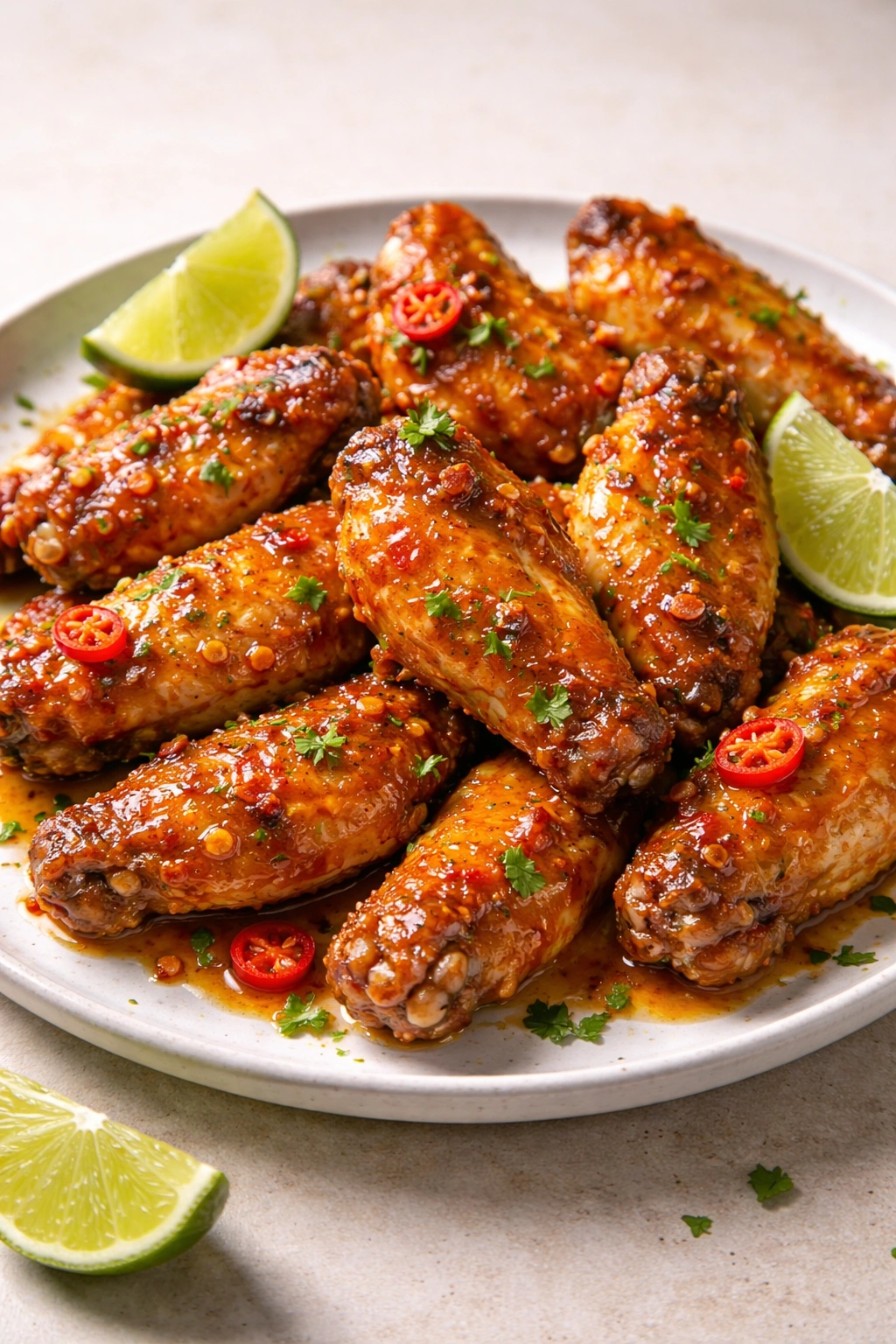
Thai chili lime wings deliver bright, hot, and complex flavor in one addictive bite. These pull from the sweet-sour-salty-spicy flavor profile of Thai cooking, creating wings that taste genuinely different from any other variety on your platter. They’re crispy, they’re saucy, and they’ve got enough personality to make guests actually remember them.
The Thai Flavor Trinity
The magic is in balancing Thai bird’s eye chilies (or dried red chilies), fresh lime juice, and fish sauce (yes, fish sauce—trust the process). Add some honey for sweetness, garlic for depth, and a touch of ginger, and you’ve got a sauce that tastes authentically Thai without requiring obscure ingredients. These are hot and punchy, but in a different way than buffalo—it’s a cleaner, brighter heat.
Making and Applying the Sauce
- Slice 3-4 Thai bird’s eye chilies (seeds removed if you want less heat, kept in for maximum fire) and mince them finely
- Combine the minced chilies, ⅓ cup fresh lime juice, 3 tablespoons fish sauce, 2 tablespoons honey, 3 minced garlic cloves, and 1 teaspoon minced fresh ginger
- Let this sauce sit for 15 minutes so flavors meld—it should smell funky but taste amazing
- Bake wings at 425°F (220°C) for 30 minutes, then toss with the Thai chili lime sauce in the final 5 minutes
- Serve immediately garnished with fresh cilantro, thinly sliced red onions, and extra lime wedges
- Pair with a cooling yogurt-based dip (Greek yogurt, lime juice, a pinch of salt) for heat relief
These wings actually improve if you have them the next day—the flavors deepen and the chili heat becomes rounder and more integrated rather than fresh and sharp.
7. Tandoori Spiced Wings
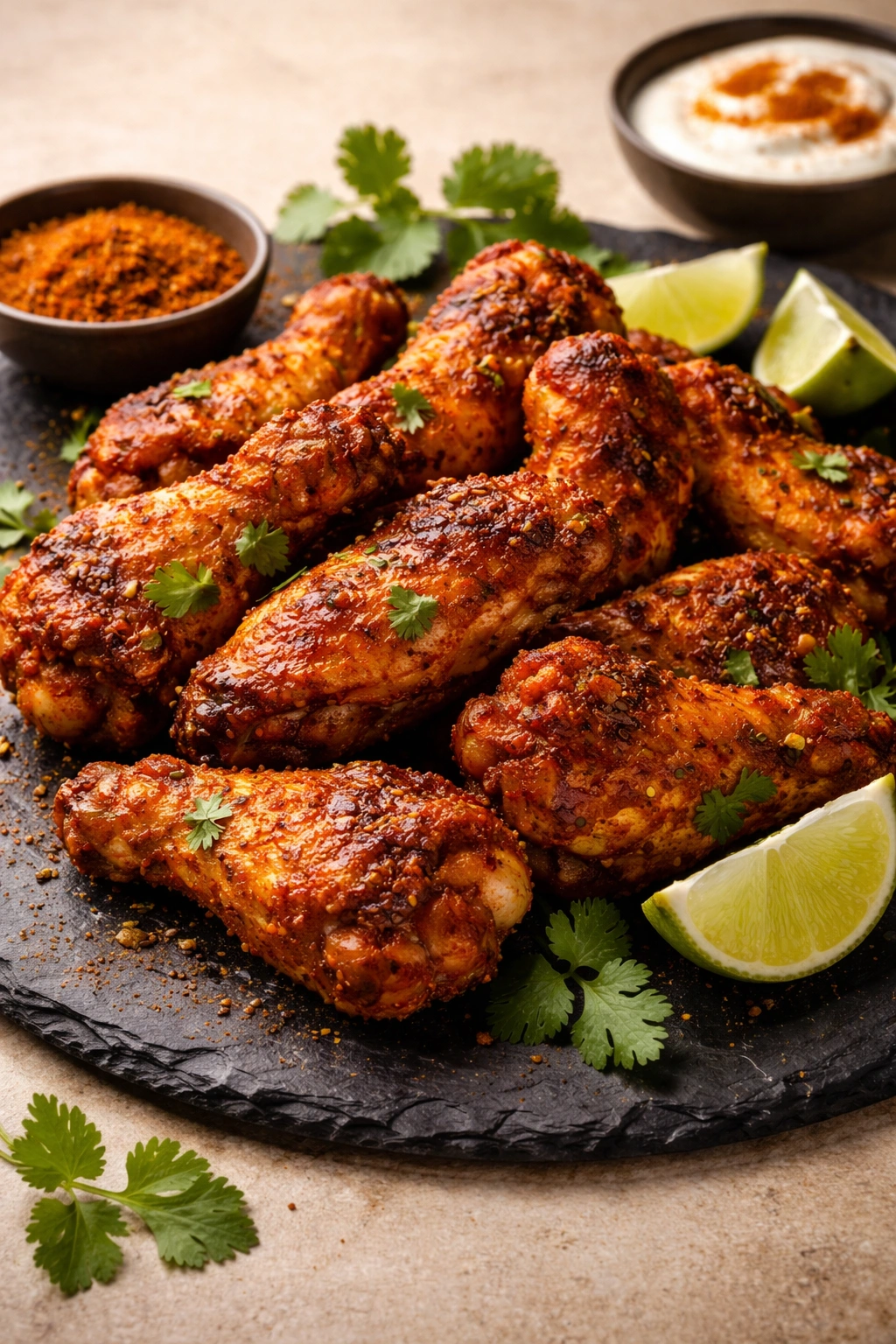
Tandoori spices bring warm, aromatic Indian flavors to crispy wings, creating something that tastes restaurant-quality but requires just a simple dry rub and a yogurt marinade. These wings have built-in depth from cumin, coriander, paprika, and chili, plus a cooling yogurt coating that makes them easier to eat than saucier versions. They’re a conversation starter because most people don’t expect Indian-spiced wings, which makes them memorable.
The Tandoori Spice Profile
Tandoori masala (a blend of cumin, coriander, paprika, turmeric, ginger, garlic, cayenne, and fenugreek) is the flavor foundation. You can buy tandoori masala powder, or make your own by toasting and grinding whole spices. The yogurt marinade isn’t just for cooling—it’s also an acid that helps tenderize the wings and carry spice flavors deep into the meat.
The Marinade and Cooking Process
- Mix 1 cup plain yogurt, 3 tablespoons tandoori masala, 2 tablespoons fresh lemon juice, 2 minced garlic cloves, 1 teaspoon minced ginger, and ½ teaspoon salt
- Coat wings thoroughly in this mixture and refrigerate for at least 30 minutes (or up to overnight)
- Bake at 425°F (220°C) for 35-40 minutes until the yogurt coating is set and wings are crispy
- Finish with a drizzle of cilantro chutney and a squeeze of fresh lime juice
- Serve with cooling cucumber raita (yogurt, cucumber, mint) as a dip and fresh lime wedges
Pro tip: the yogurt coating will look slightly curdled and unappetizing coming out of the oven—this is completely normal and actually means the spices have set properly. It tastes way better than it looks.
8. Parmesan Truffle Wings
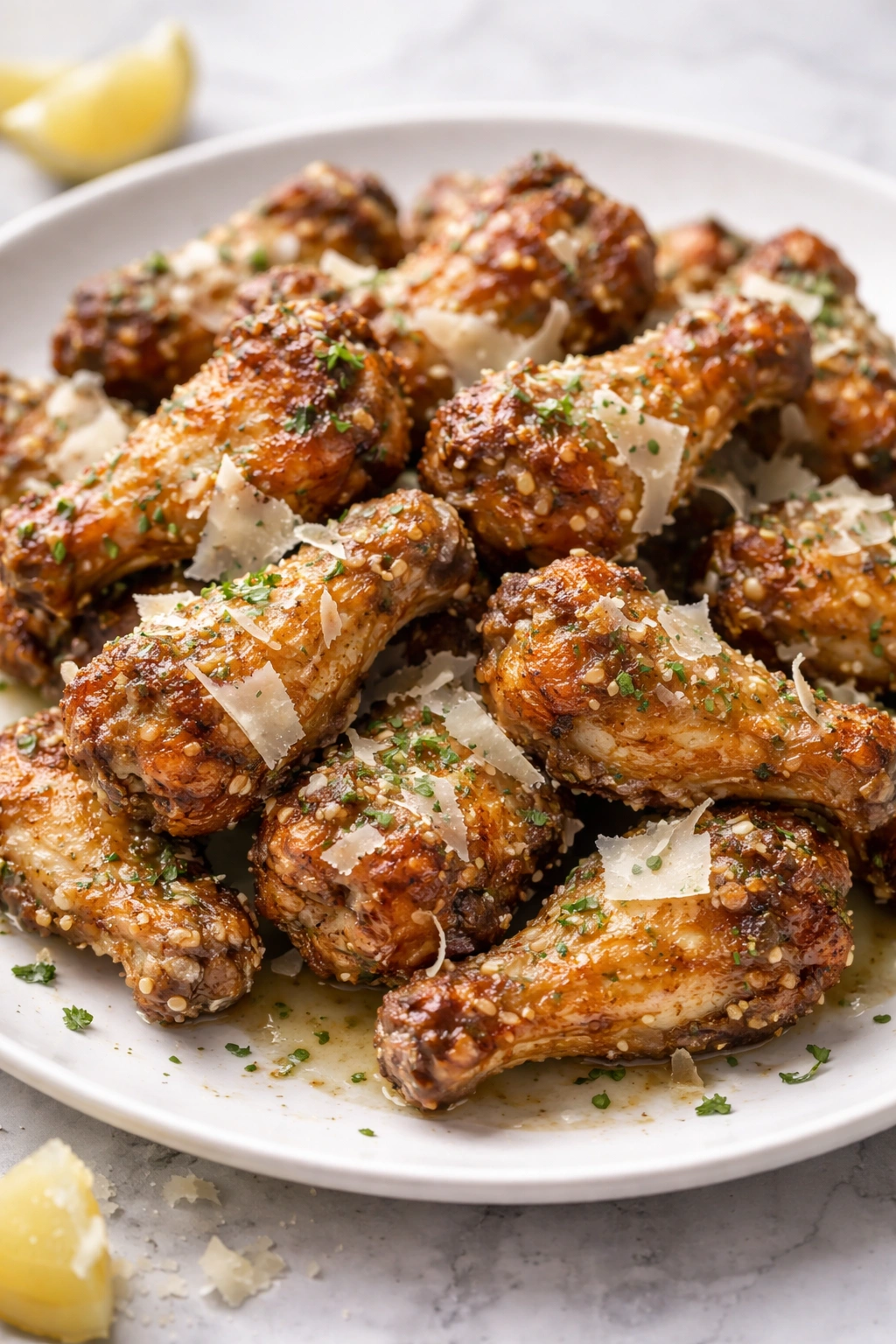
Parmesan truffle wings live in the realm of restaurant appetizers and special occasions, but they’re actually simple to execute at home. They taste indulgent without being complicated—crispy wings tossed in melted butter, garlic, fresh herbs, real Parmigiano-Reggiano, and a light drizzle of truffle oil create something that feels fancy but comes together in minutes. These are the wings to make when you want to impress without breaking a sweat.
Why Quality Ingredients Matter Here
With fewer components, each one matters more. You need real Parmigiano-Reggiano cheese (not pre-grated), good quality truffle oil (or truffle salt if you prefer to skip the oil), and actual butter. The combination of umami from the Parmigiano, earthiness from the truffle, and richness from the butter creates something genuinely special. These aren’t wings for everyday eating—they’re celebration wings.
The Finishing Approach
- Bake wings at 425°F (220°C) for 35 minutes until crispy
- While wings bake, melt 6 tablespoons butter with 4 minced garlic cloves, ½ teaspoon salt, and ¼ teaspoon black pepper
- Toss hot wings in the garlic butter, coating evenly
- Immediately add 1 cup freshly grated Parmigiano-Reggiano and ½ cup fresh parsley, tossing to coat
- Transfer to a serving platter and drizzle lightly with truffle oil
- Add a small grind of black pepper and a final sprinkle of Parmigiano over the top
Worth knowing: truffle oil is expensive and a little goes a long way. You can skip it if you prefer and use truffle salt instead (½ teaspoon sprinkled over the finished wings), which delivers the flavor with less expense. Some truffle oils taste plastic-y, so choose carefully.
9. Sriracha Honey Mustard Wings
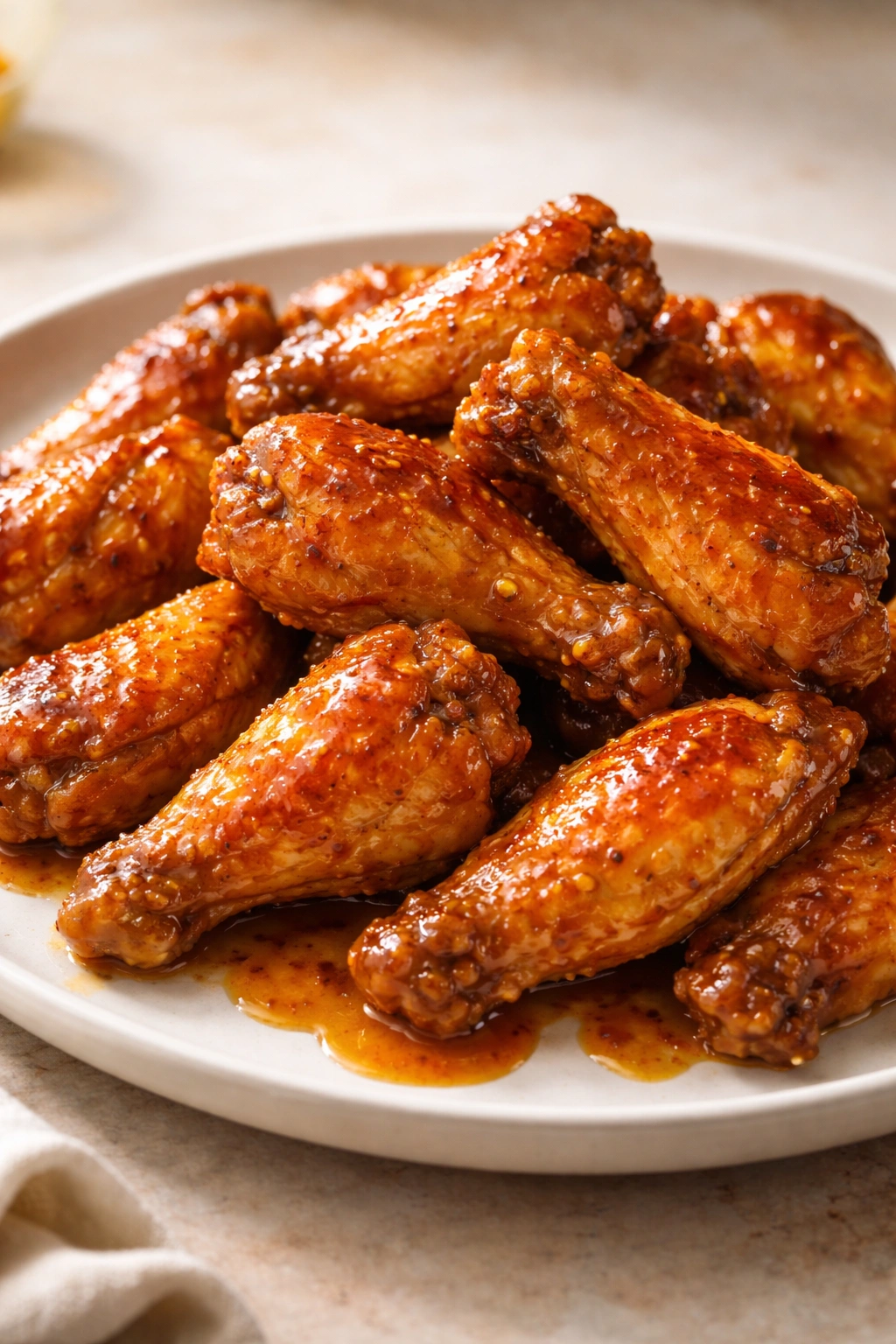
Sriracha honey mustard wings balance heat, sweetness, tanginess, and creaminess in a single bite. The Dijon mustard provides tang and helps hold the glaze together, honey brings smooth sweetness, sriracha delivers a confident heat with garlic backbone, and a touch of butter creates richness. These work for guests who like a little heat but don’t want their mouth completely on fire—they’re approachable and delicious.
The Balanced Heat Approach
Sriracha gets a reputation for being one-dimensionally hot, but when you add it to a mixture that includes sweet (honey), tangy (mustard), and rich (butter), it becomes a supporting player rather than the whole show. The result is wings that taste complex and intentional, not just spicy for spice’s sake.
Building and Baking with the Glaze
- Combine ⅓ cup honey, ⅓ cup Dijon mustard, 3 tablespoons sriracha, 2 tablespoons butter, and 2 minced garlic cloves in a saucepan
- Heat gently until the butter melts and ingredients combine smoothly—you want a thick, pourable consistency
- Bake wings at 425°F (220°C) for 28 minutes until mostly cooked, then brush with glaze and return to oven for final 8-10 minutes
- Toss wings in any remaining glaze right before serving
- Top with sliced green onions, toasted sesame seeds, and a light sprinkle of crushed roasted peanuts for texture contrast
- Serve with ranch or a peanut-based dipping sauce if you want to layer the flavors further
This is the wing sauce that works for almost any crowd. It’s not aggressively spicy, it’s not boring, and it appeals to people who normally find saucy wings too much.
10. Crispy Cajun Wings
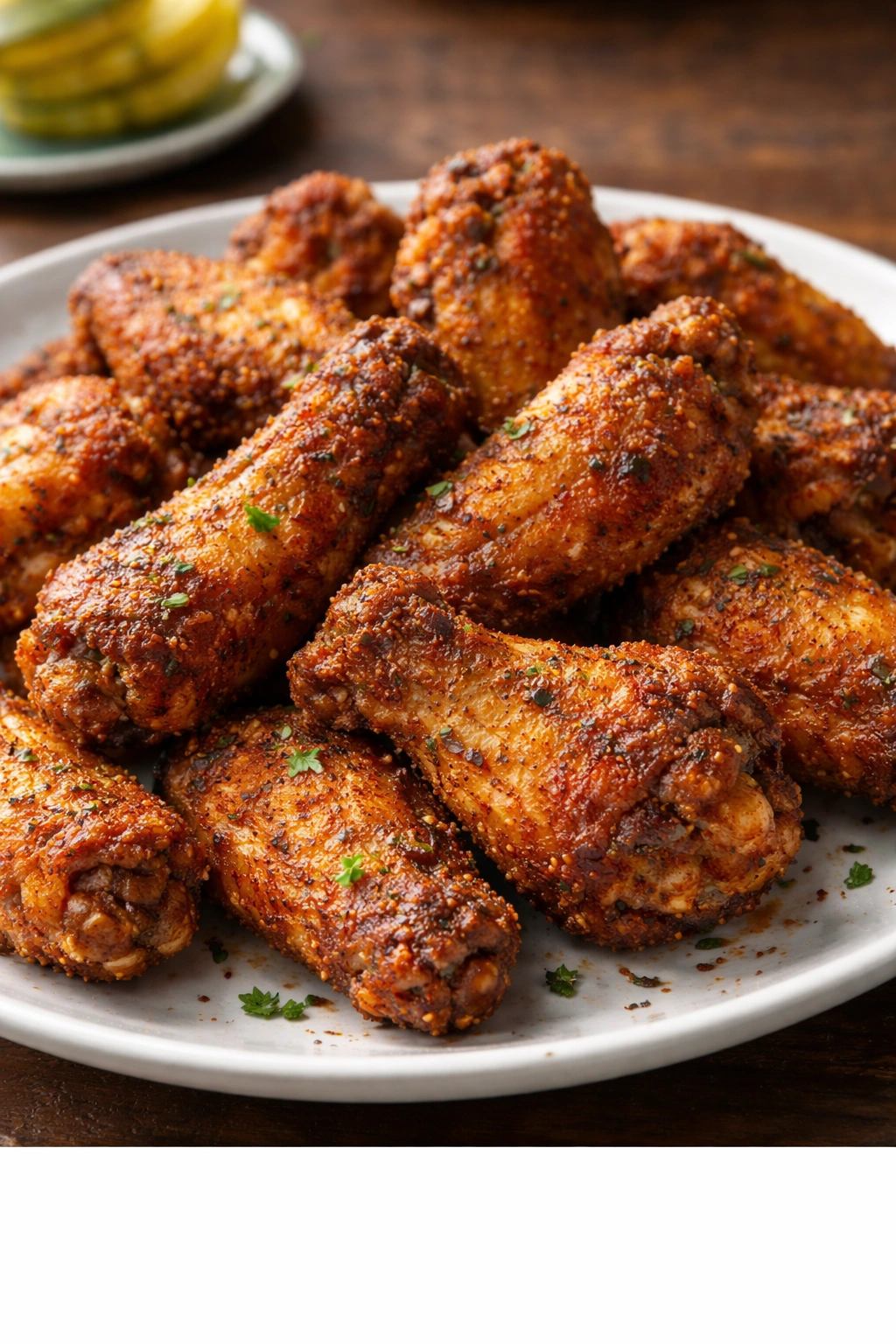
Crispy Cajun wings bring New Orleans-inspired seasoning to the wing game—earthy, spicy, and incredibly flavorful without any sauce required. The Cajun spice blend includes paprika, cayenne, garlic, onion, and herbs, creating a crust that’s crunchy and full of personality. These wings taste smoky, savory, and gently hot, with enough depth that you don’t need anything else—though hot sauce or ranch nearby never hurts.
The Cajun Spice Philosophy
True Cajun seasoning isn’t about one dominant heat—it’s about layering warm spices (paprika), herbs (thyme, oregano), sharp aromatics (garlic, onion), and controlled heat (cayenne). The combination tastes sophisticated despite being completely unpretentious. These are the wings that people reach for third and fourth time because something keeps pulling them back to the plate.
Creating the Crust and Cooking
- Mix 1 tablespoon paprika, 1 tablespoon garlic powder, 1 tablespoon onion powder, 2 teaspoons cayenne pepper, 1 teaspoon dried oregano, 1 teaspoon dried thyme, ½ teaspoon black pepper, and ½ teaspoon salt
- Pat wings completely dry, then coat lightly with cornstarch (this helps create extra crispiness)
- Toss wings with the Cajun spice blend, ensuring every surface is covered
- Bake at 425°F (220°C) for 40-45 minutes, tossing halfway through, until skin is extremely crispy and darkened slightly
- Finish with a squeeze of fresh lemon juice and fresh herbs (parsley or green onions) if desired
- Serve with remoulade sauce (mayonnaise, Dijon mustard, hot sauce, Worcestershire sauce, lemon juice) for authentic Cajun style
The cornstarch trick makes a real difference—it absorbs surface moisture and helps the spice crust get crispier. This is a strategy that works for any dry-rub wing.
Final Thoughts
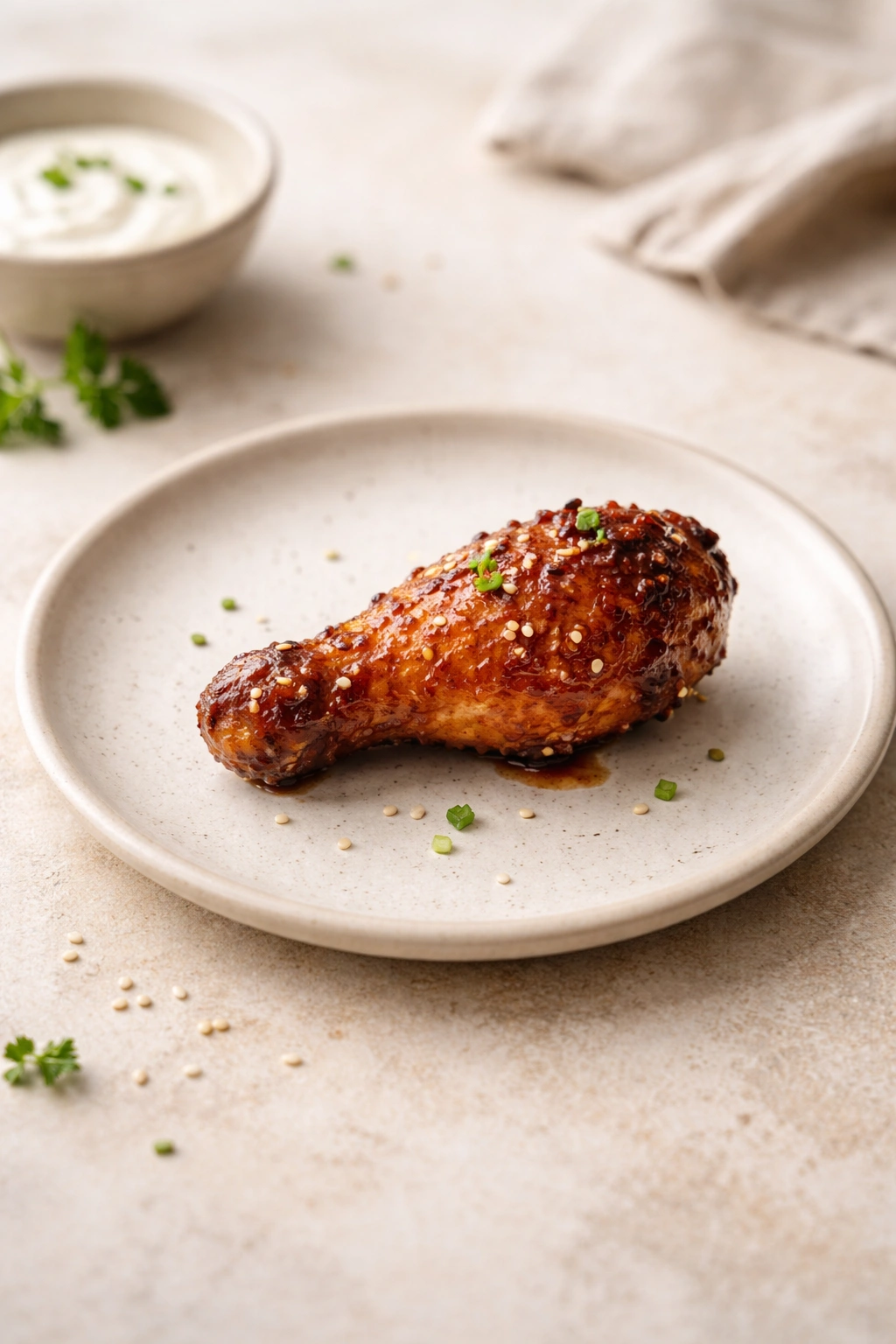
The best game day wing platter includes two or three different varieties so guests can mix and match flavors. The beauty of these 10 recipes is that they span every taste preference—from classic buffalo comfort to Asian-inspired glazes to European sophistication to global spice blends. You can pick your absolute favorite and go deep with it, or make a smaller batch of three or four different ones and create a wing flight that shows off your range.
Here’s the practical secret most home cooks overlook: pat your wings completely dry before cooking or seasoning them. This single step elevates your crispy-skin game more than anything else. Also, don’t overcrowd your baking sheet—wings need space to get air on all sides, so use two sheets if necessary and rotate them halfway through cooking.
Make your chosen wings 20-30 minutes before you want to serve them. They taste best when still warm but not piping hot straight from the oven, and the glaze or spice crust sets during that rest period, becoming crunchier and more flavorful. Set out cool dipping sauces, fresh lime wedges, pickled vegetables, and plain celery and carrots for balance. With any of these recipes in rotation, you’re not just feeding people—you’re creating the centerpiece of the gathering, the thing everyone remembers and asks you to make again next time.
