



There’s something deeply satisfying about a pasta dish that comes together in under 20 minutes yet tastes like you’ve been cooking all day. Black bean pasta with garlic and fresh greens hits that sweet spot perfectly—it’s the kind of weeknight dinner that feels both nourishing and indulgent, with enough sophistication to serve to guests without any apology. The earthiness of black bean pasta creates a natural, protein-packed foundation that absorbs the pungent warmth of garlic while the fresh greens add brightness, texture, and a nutritional punch that transforms a simple carb-and-legume combination into something genuinely craveable.
This isn’t a heavy, sauce-laden pasta dish. Instead, it’s a celebration of clean flavors and quality ingredients working in harmony. When you coat tender black bean noodles with garlic-infused olive oil and toss them with vibrant greens like spinach, arugula, or kale, you’re creating layers of flavor that feel both elegant and approachable. The black bean pasta brings its own subtle, earthy sweetness, the garlic adds pungent aromatics that make your kitchen smell incredible, and the greens provide a peppery or slightly bitter edge that keeps every bite interesting.
What makes this dish particularly brilliant is its versatility. You can make it vegan by skipping the cheese, add protein with a poached egg or chickpeas, customize the greens based on what’s in your crisper drawer, and adjust the spice level to match your mood. Whether you’re meal-prepping for the week ahead, feeding a family on a tight schedule, or creating a nutritious dinner after a long day, this recipe delivers without requiring any fancy techniques or hard-to-find ingredients.
Why Black Bean Pasta Works So Well for Quick Dinners
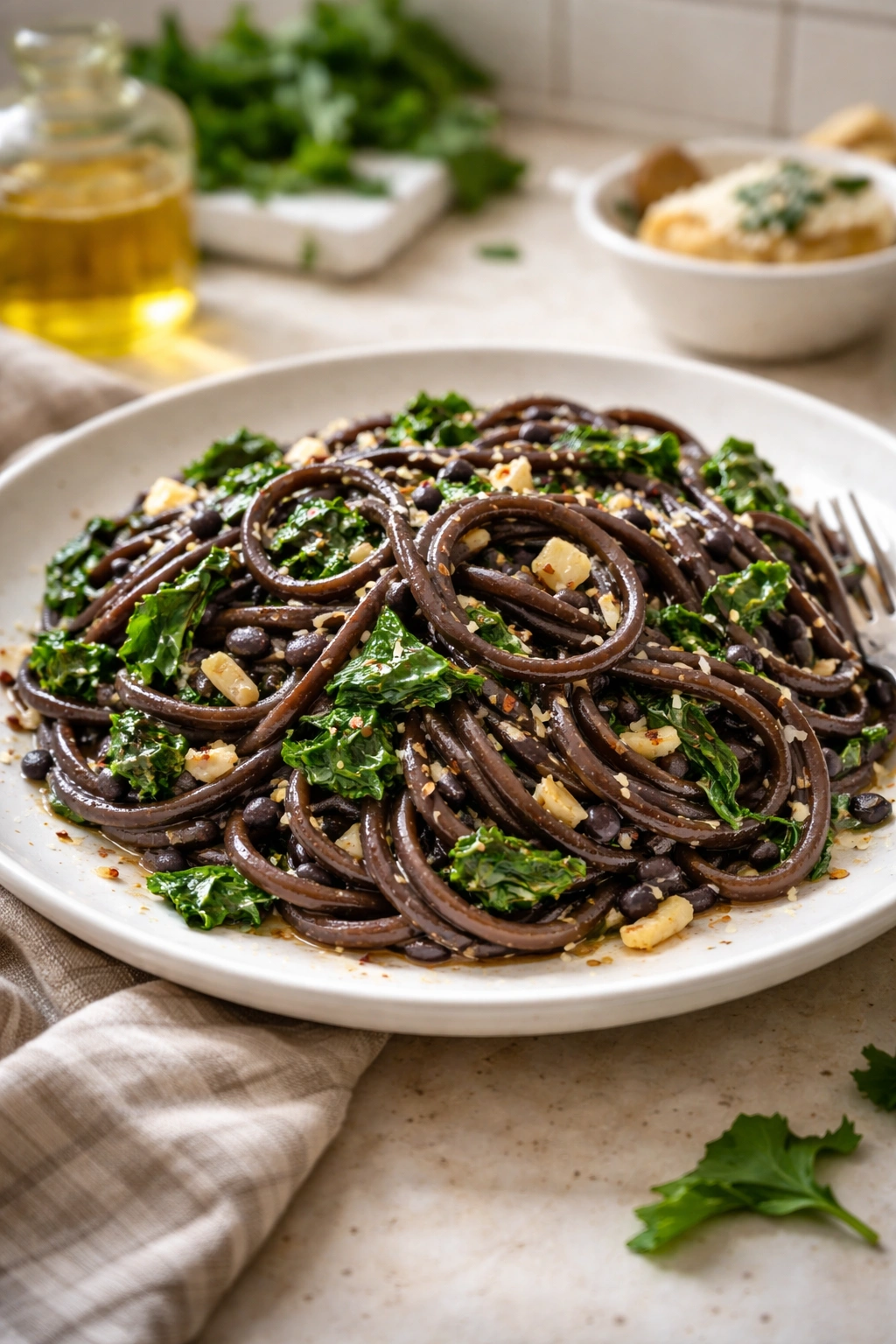
Black bean pasta has quietly revolutionized weeknight cooking for anyone seeking more nutritious noodle options. Unlike regular semolina pasta, which is essentially refined carbohydrates, black bean pasta packs approximately 12-15 grams of protein and 9-10 grams of fiber per serving—numbers that keep you satisfied for hours and help stabilize blood sugar levels. This means you’re not just eating comfort food; you’re nourishing your body with legumes in a format that feels indulgent rather than virtuous.
The flavor profile of black bean pasta is surprisingly neutral, which is why it works beautifully with this simple garlic-and-greens approach. Unlike some specialty pastas that taste strongly of their primary ingredient, black bean pasta has an understated earthiness that plays well with bold seasonings without overpowering them. You get the textural satisfaction of traditional pasta with a nutritional upgrade that makes the entire dish feel lighter and more substantial simultaneously.
Cooking black bean pasta is also straightforward—it typically requires 7-9 minutes of boiling and doesn’t require any special techniques or equipment. The noodles hold their shape well, cooking al dente without becoming mushy or falling apart, which is something that genuinely impressed me when testing various brands. You’re not sacrificing quality or texture for nutrition, which is the promise that specialty pastas often fail to deliver on.
The Magic of Garlic in Pasta Dishes
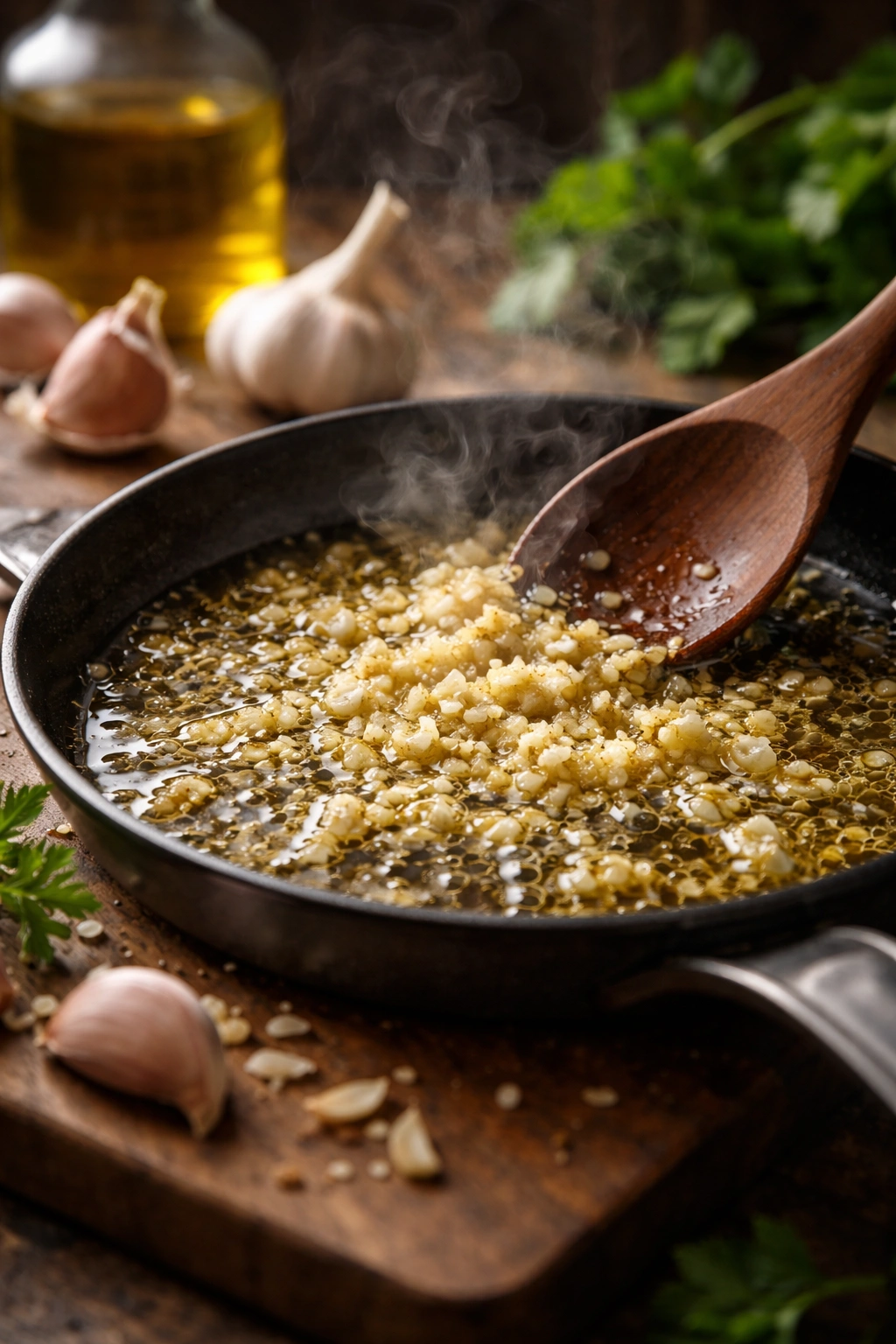
Garlic is one of those ingredients that transforms a simple bowl of noodles into something restaurant-worthy, yet it’s so common that we often overlook its remarkable chemistry. When you heat garlic slowly in olive oil, the sulfur compounds responsible for its pungent bite break down into sweet, mellow, savory notes that permeate everything they touch. This gentle infusion is completely different from raw garlic, which would be harsh and overwhelming—it’s the difference between a whisper and a shout.
The key to getting garlic right in this dish is timing and temperature. You want the oil hot enough that the garlic becomes fragrant and golden but not so hot that it browns and turns bitter. Minced garlic is ideal here because it distributes evenly throughout the dish and creates more surface area to absorb and release its oils. Fresh garlic—not jarred or powdered—makes a noticeable difference in flavor depth, and the few seconds it takes to mince a clove is time well spent.
Garlic also acts as a flavor enhancer that magnifies everything around it. When garlic-infused oil coats black bean pasta and mixes with tender greens, each component tastes more vibrant and complete. It’s why so many Italian dishes rely on this combination as their foundation—it’s simple enough to master but complex enough to never feel boring, no matter how many times you make it.
Fresh Greens That Transform Your Plate
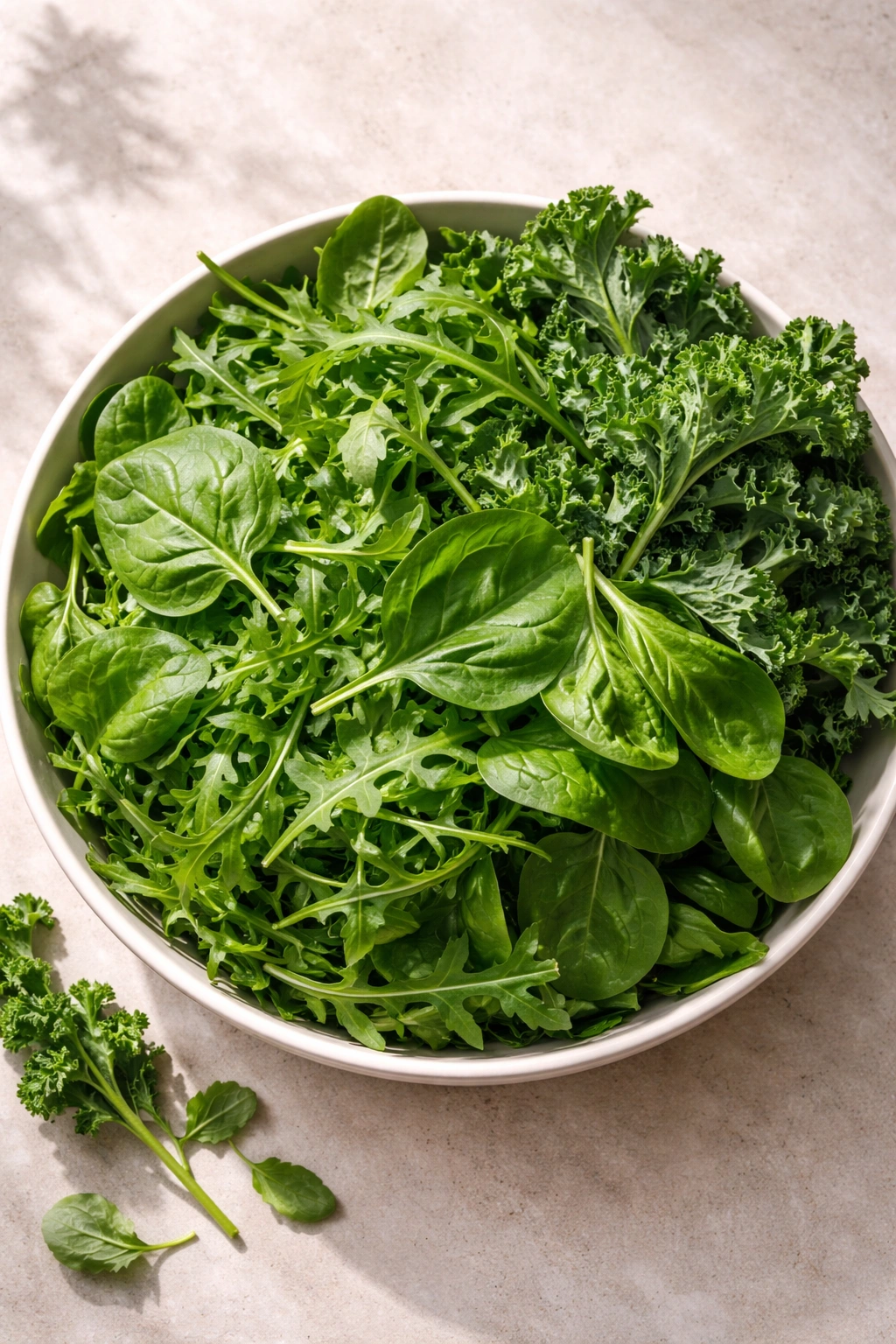
The green element in this pasta is where personality and nutrition intersect. Spinach is the most approachable choice—its mild flavor won’t challenge anyone’s palate, it wilts quickly into the warm pasta, and it adds iron, magnesium, and vitamins A, C, and K without any bitterness. If you’re cooking for people who are hesitant about vegetables, spinach is your secret weapon because it becomes almost invisible while contributing real nutritional value.
Arugula brings a peppery bite that adds sophistication and keeps the dish from feeling one-note. The spice of arugula plays beautifully against the warmth of garlic and the earthiness of black bean pasta, creating a more complex eating experience. Because arugula is peppery raw but mellows somewhat when exposed to heat, you get the best of both worlds—some greens will wilt while others retain their snap and character.
Kale is the heartier choice, better suited to longer cooking times and sturdier dishes. If you’re using kale, chop it more finely than you would other greens and consider adding it to the pan a minute or two before the spinach or arugula so it has time to soften. The nutritional density of kale is remarkable—it’s packed with calcium, fiber, and antioxidants that make every serving feel genuinely good for you.
The beauty of using fresh greens is that they add volume and nutrition without adding calories or fat. A couple of handfuls of raw spinach collapses to almost nothing when heated, meaning you can load your pasta with vegetables without making the dish feel heavy. The chlorophyll in these greens also adds visual vibrancy that makes the finished dish look abundant and appealing, even though the ingredient list is refreshingly simple.
Choosing Your Black Bean Pasta
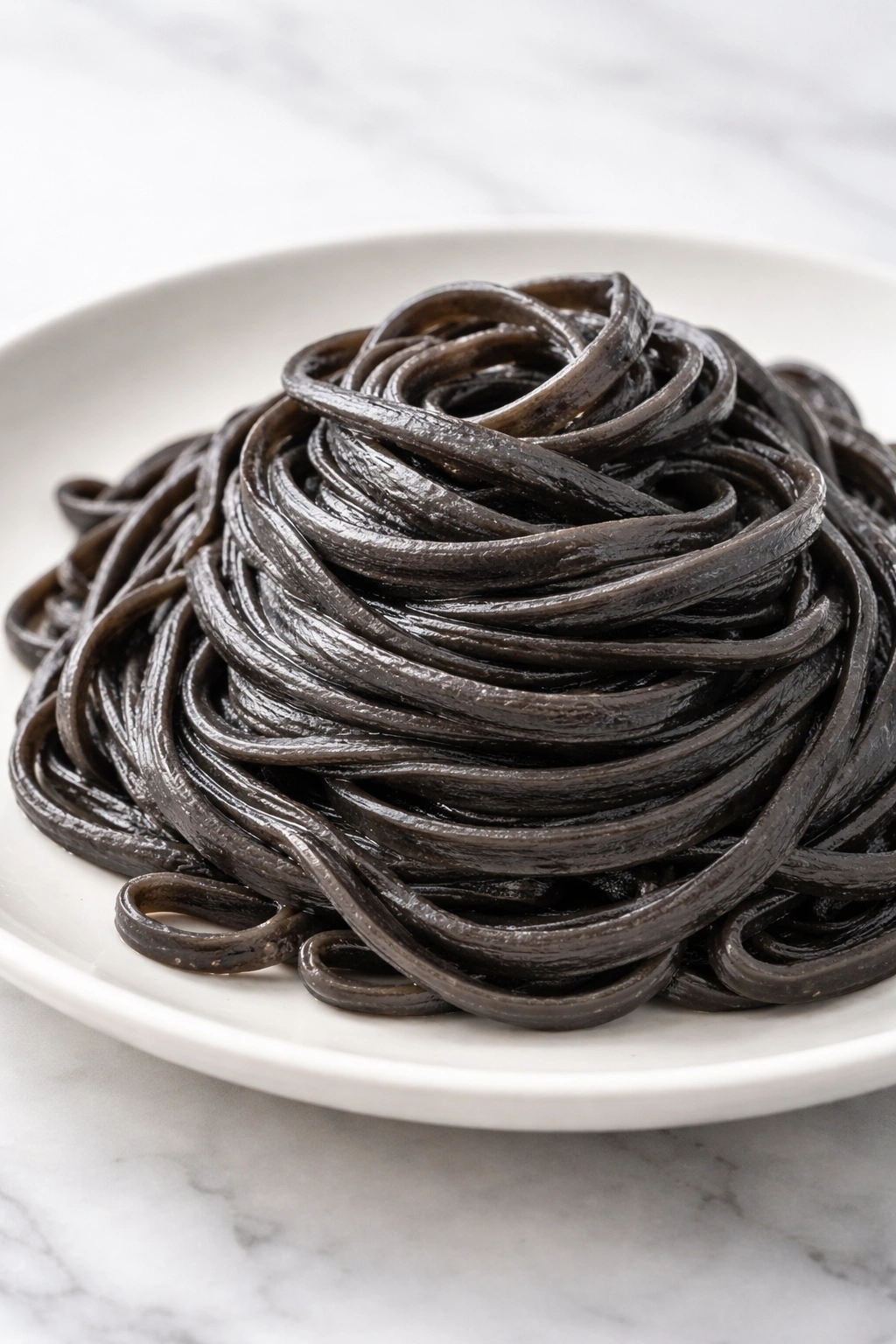
Not all black bean pastas are created equal, so understanding the options helps you make an informed choice. Some brands use black beans as the primary ingredient with just enough wheat or corn flour to bind them, while others incorporate more grains than legumes. Reading ingredient labels matters here—you want the first ingredient to be black beans, followed by minimal fillers.
Some black bean pastas are gluten-free, made entirely from black beans and water, which appeals to anyone avoiding gluten for dietary or preference reasons. These cook quickly (often in 7-8 minutes) and have a slightly firmer texture than traditional pasta, but they’re absolutely delicious and hold their shape beautifully. Other brands combine black bean flour with whole wheat or other grains, which affects both the nutritional profile and the cooking time, so checking package directions is important.
The texture of black bean pasta varies slightly between brands. Some are delightfully chewy with a tender bite, while others are slightly firmer and require a bit more bite-through. Testing a brand once or twice helps you understand what you’re working with—after that, you’ll know exactly how to cook it to your preferred texture. Most brands cook between 7-10 minutes, so starting to test for doneness around the 7-minute mark is smart.
Cost-wise, black bean pasta typically runs 50-100% more than regular pasta, but the nutritional upgrade and the satisfying nature of the finished dish make the price worthwhile. You’ll eat less pasta and feel more satiated, which means the cost per meal is often comparable to regular pasta when you factor in portion sizes. Buying from bulk bins or in larger formats can reduce the per-serving cost significantly.
Serving and Timing Block
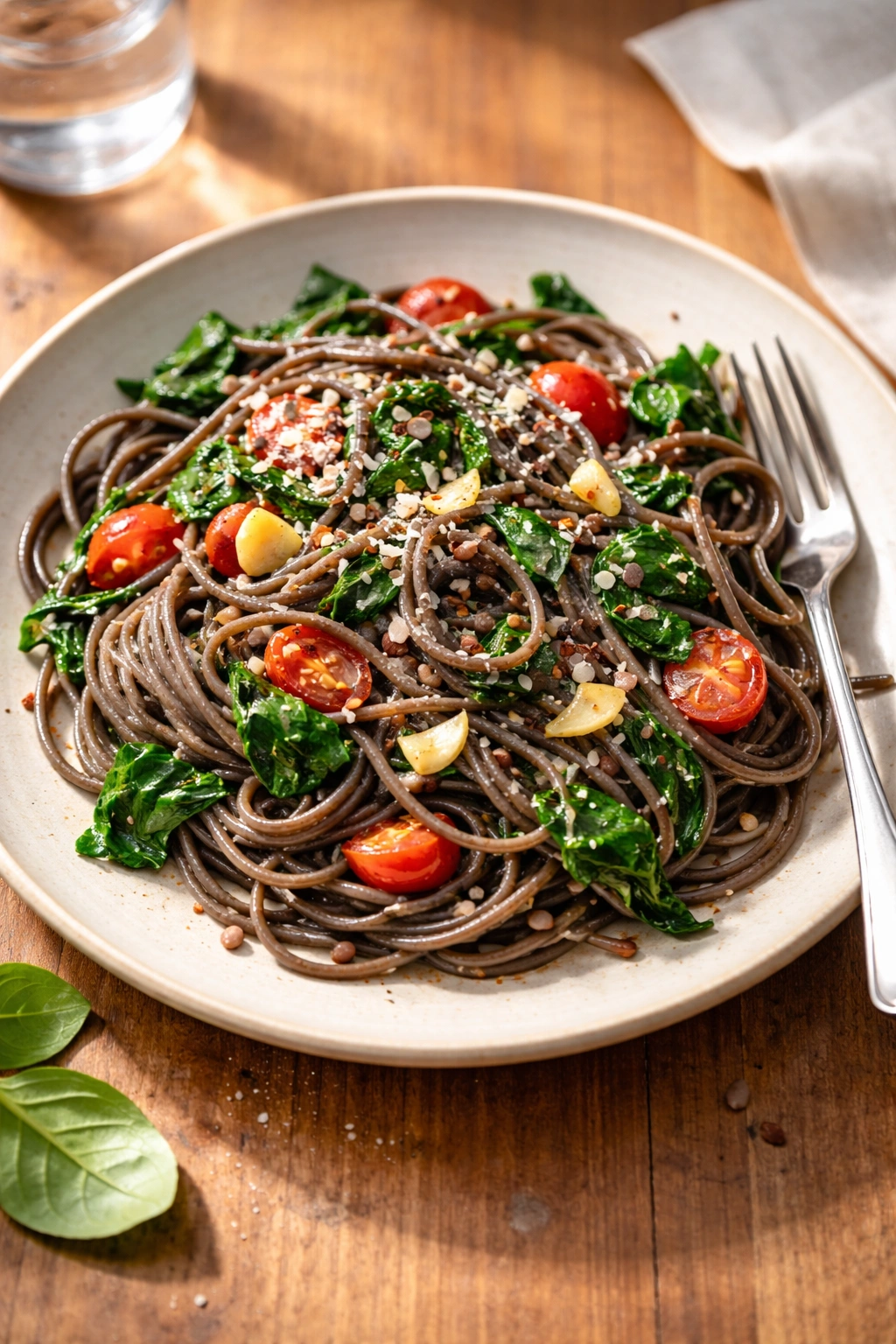
Yield: Serves 4 as a main course | Makes 4 generous single servings
Prep Time: 10 minutes
Cook Time: 12 minutes
Total Time: 22 minutes
Difficulty: Beginner — no special skills or equipment required, and every step is straightforward even for someone who rarely cooks.
For the Black Bean Pasta With Garlic and Fresh Greens:
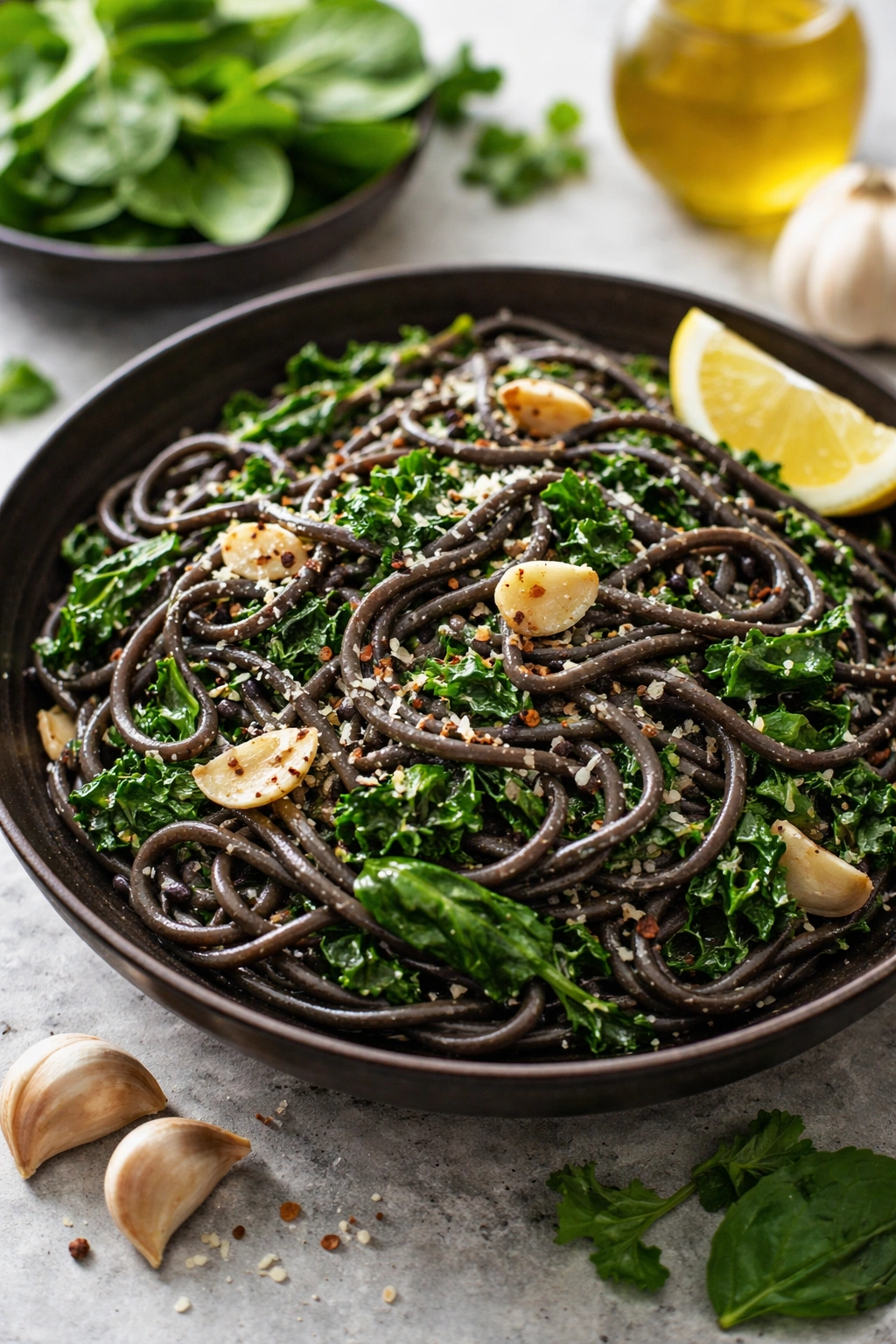
- 10 ounces black bean pasta (or regular pasta if preferred)
- 3 tablespoons extra-virgin olive oil, divided
- 4 large garlic cloves, minced (about 2 tablespoons)
- 1/4 teaspoon red pepper flakes (optional, or more if you like heat)
- 4 cups fresh spinach, arugula, or kale (loosely packed), or a combination
- 1/2 teaspoon fine sea salt, plus more to taste
- 1/4 teaspoon freshly ground black pepper, plus more to taste
- Juice of 1/2 lemon (about 1 tablespoon), optional but recommended
- 1/4 cup reserved pasta cooking water
- Freshly grated Parmesan cheese, for serving (optional)
- Red pepper flakes, for garnish (optional)
- Lemon wedges, for serving
Step-by-Step Instructions
Prepare and Cook the Pasta:
-
Bring a large pot of salted water to a rolling boil—add enough salt that the water tastes noticeably salty, like seawater. This seasons the pasta from the inside as it cooks, and it makes an enormous difference in the final flavor.
-
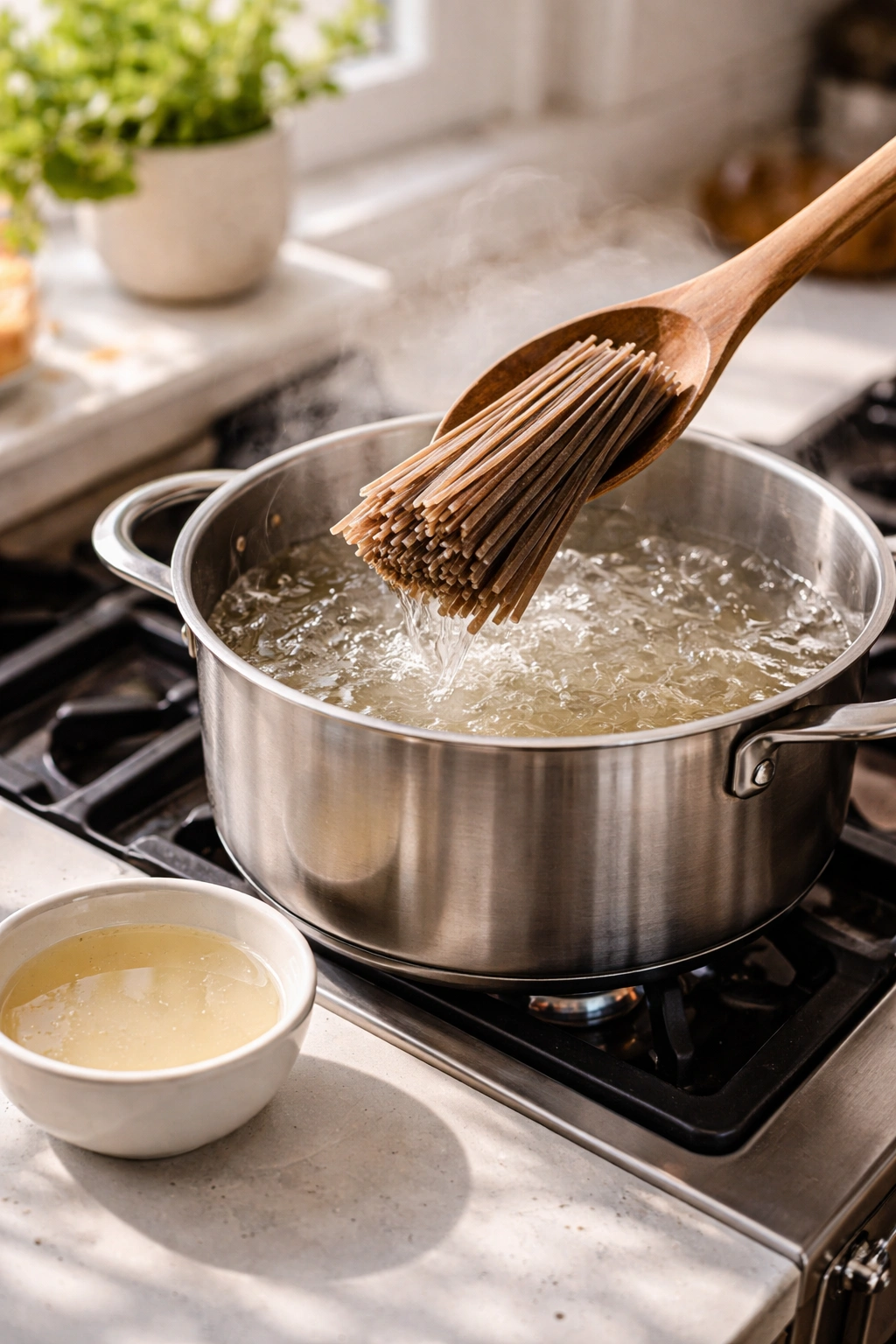
Add the black bean pasta to the boiling water and stir immediately to prevent sticking. Do not walk away here—stir for the first minute or two to ensure even cooking and to prevent any sticking.
-
Cook for 7-9 minutes, depending on your pasta brand and your preferred texture. Test a strand at the 7-minute mark; it should be tender enough to bite through easily but still have a slight resistance when you chew it—this is al dente. You want the pasta firm enough that it holds its shape when tossed but soft enough that it’s pleasant to eat.
-
Before draining, reserve 1/4 cup of the starchy cooking water in a small bowl or measuring cup—this liquid gold will help the oil and greens cling to the pasta and create a silky, light sauce.
-
Drain the pasta in a colander, shaking it gently to remove excess water. Do not rinse the pasta—the starch on the surface helps sauce adhere.
Make the Garlic Oil Base:
-
While the pasta cooks, warm 3 tablespoons of extra-virgin olive oil in a large skillet over medium heat. Give it 30 seconds to heat—you want it warm and fragrant but not hot enough to smoke.
Advertisements -
Add the minced garlic and the red pepper flakes (if using) to the warm oil and cook, stirring constantly, for 1-2 minutes. Your kitchen will smell absolutely incredible right now—that’s your signal that you’re on the right track. The garlic should be fragrant and just starting to turn golden at the edges, not brown. If the garlic browns, it will taste bitter, so pay attention here.
-
Remove the skillet from the heat and let it sit for 30 seconds—this prevents the garlic from cooking further and allows the flavors to settle into the oil.
Combine Everything:
-
Add the fresh greens to the warm garlic oil. Don’t panic if the greens look like they won’t fit—they’ll wilt down substantially in just a minute or two. Toss gently with a wooden spoon or pasta tongs, helping the greens come into contact with the warm oil.
-
Return the skillet to medium heat and cook for 1-2 minutes, stirring occasionally, until the greens are wilted but still vibrant. Spinach wilts almost immediately, while kale might need the full 2 minutes. You’re looking for the greens to turn dark and tender while retaining their bright color—don’t cook them until they’re olive-drab.
-
Add the cooked pasta directly to the skillet with the greens and garlic oil. Pour in the reserved pasta water and toss everything together for 30 seconds to 1 minute over medium heat. The starchy water will emulsify with the oil, creating a light, silky coating that clings beautifully to the pasta.
-
Season generously with the salt and black pepper, tasting as you go. Add the lemon juice if using—it brightens everything and adds a subtle acidity that makes the other flavors pop. Taste before serving and adjust the salt, pepper, or lemon to your preference.
Plate and Serve:
-
Divide the pasta between four bowls or plates, twirling it with a fork to create an attractive presentation. Drizzle any remaining oil from the pan over the top.
-
Top each serving with a generous grating of fresh Parmesan cheese if desired, a pinch of red pepper flakes for color and heat, and serve immediately with lemon wedges on the side for anyone who wants extra brightness.
Advertisements
Pro Tips and Common Mistakes to Avoid
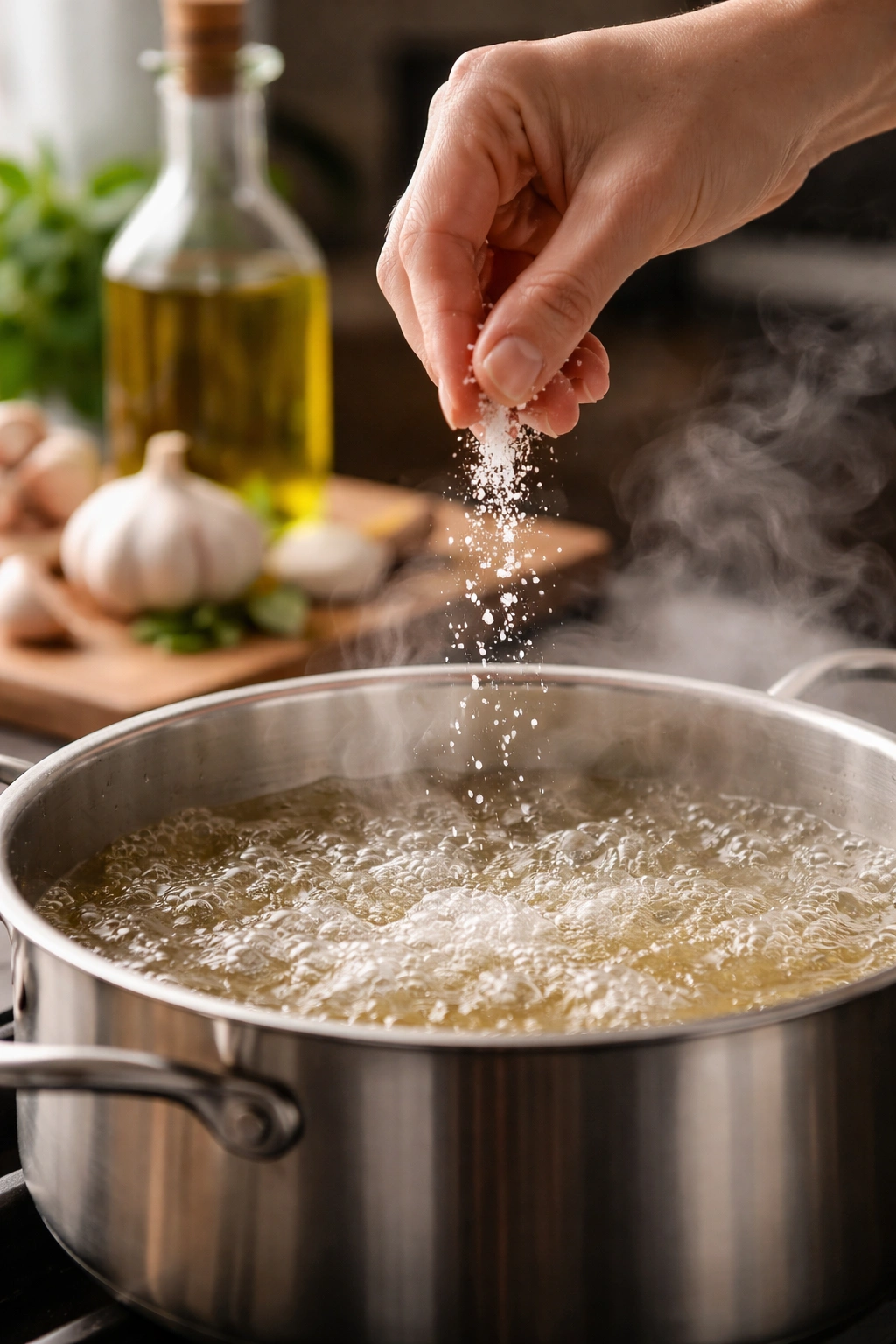
Salt your pasta water generously. This is the only opportunity you’ll have to season the pasta itself from the inside out. If your pasta water isn’t salty enough to taste like the sea, your finished dish will taste flat no matter how much salt you add at the end. Use about 1-2 tablespoons of salt for a large pot of water.
Don’t skip the reserved pasta water. Those 1/4 cup of starchy liquid transform a pile of separate ingredients into something cohesive and silky. The starch acts like an emulsifier, helping the oil coat everything evenly and creating a light, luxurious mouthfeel that makes the dish feel more indulgent than it actually is.
Use fresh garlic, not pre-minced. Jarred minced garlic oxidizes and loses flavor compounds that make fresh garlic so magical. Fresh garlic takes 10 seconds to mince, and that small effort pays dividends in flavor. If you’re short on time, use a microplane to mince it even faster.
Toast the garlic gently—don’t brown it. This is where timing and temperature awareness matter. Medium heat is your friend here; if your heat is too high, the garlic will brown quickly and taste bitter and burnt. If it’s too low, the garlic won’t release its oils and the dish will taste flat. That sweet spot where the garlic becomes fragrant and just barely golden is where the magic lives.
Don’t overcook the greens. They should turn dark and tender but still retain their bright color and some structural integrity. Overcooked greens become gray and mushy, losing both visual appeal and the pleasant texture that makes them interesting to eat. One to two minutes is typically all you need.
Taste before serving and adjust seasonings. Everyone’s salt tolerance and acid preference is different, so the final seasoning should always be to your taste. What feels balanced to one person might feel too salty or too lemony to another. Keep lemon wedges at the table so people can add extra brightness if they want it.
Flavor Variations and Adaptations
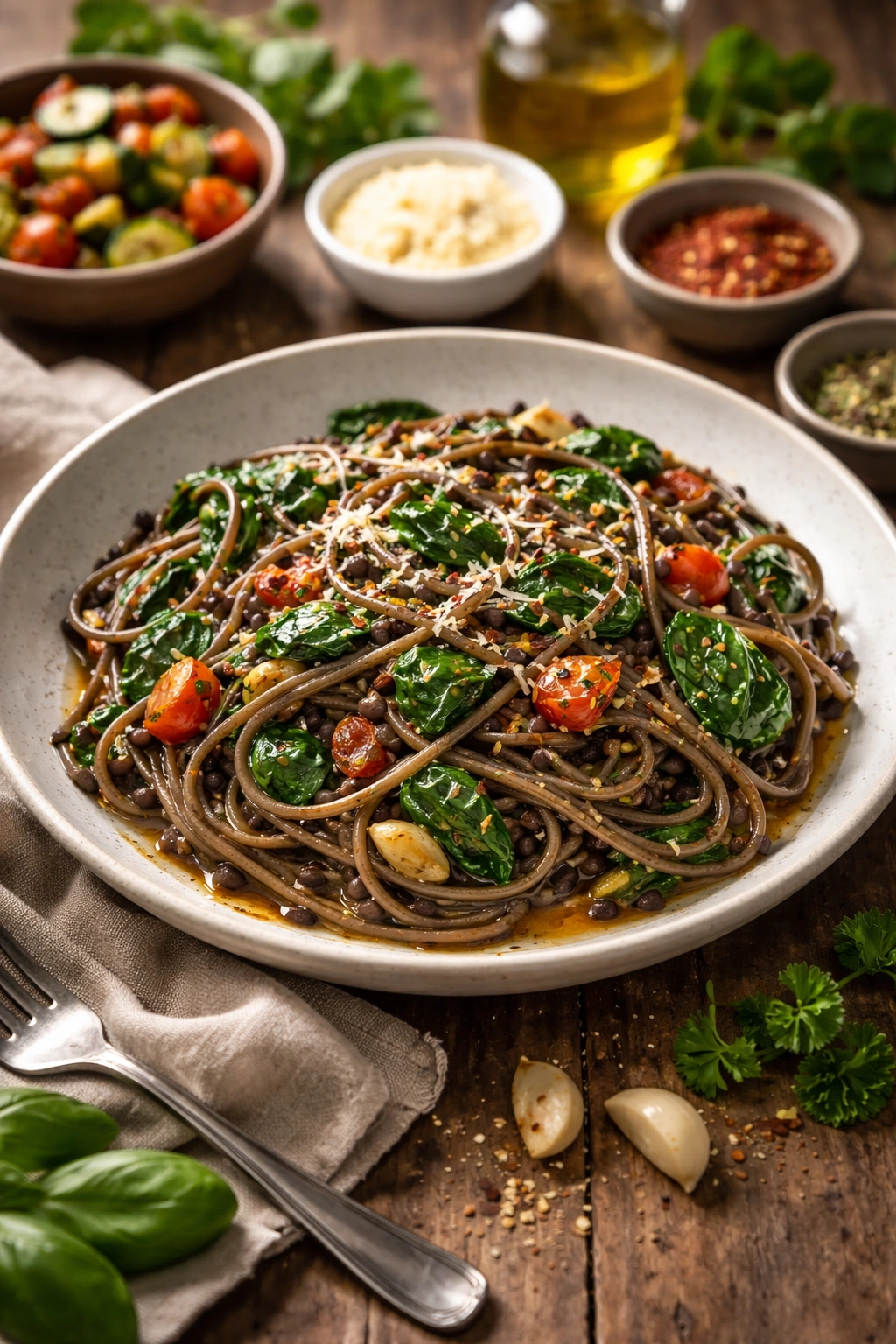
Italian herb version: Add 1 teaspoon of dried Italian seasoning or 1 tablespoon of fresh basil when you add the greens. This pushes the dish toward a more Mediterranean flavor profile and pairs beautifully with a drizzle of aged balsamic vinegar before serving.
Roasted vegetable addition: Toss in 1 cup of roasted vegetables—cherry tomatoes, zucchini, bell peppers, or mushrooms—at the same time as the greens. The contrast between the warm pasta and the roasted vegetables creates textural variety and adds more substance to the dish.
Creamy version: Stir in 1/4 cup of heavy cream or full-fat coconut milk after the greens are wilted. This transforms the dish into something richer and more luxurious, though it’s less necessary than it sounds since the pasta water and oil already create a silky coating.
Protein boost: Top the finished pasta with a poached egg, grilled chicken, roasted chickpeas, or crispy tofu. The protein transforms this from a side dish into a more substantial main course, and the yolk from a poached egg creates additional richness when you break it into the warm pasta.
Spicy adaptation: Increase the red pepper flakes to 1/2 teaspoon or add fresh sliced chili peppers when you cook the garlic. For even more heat, finish with a drizzle of hot sauce or a shake of cayenne pepper just before serving.
Dairy-free version: Skip the Parmesan cheese entirely, or use a nutritional yeast instead for a savory, umami-rich finish without any dairy. The pasta and garlic oil stand beautifully on their own without cheese.
Gluten-free adaptation: Black bean pasta is already gluten-free if you choose the right brand, but if you prefer a different pasta, use your favorite gluten-free option and adjust the cooking time according to package directions. Brown rice pasta, chickpea pasta, or lentil pasta all work beautifully with these flavors.
Storage and Make-Ahead Guidance
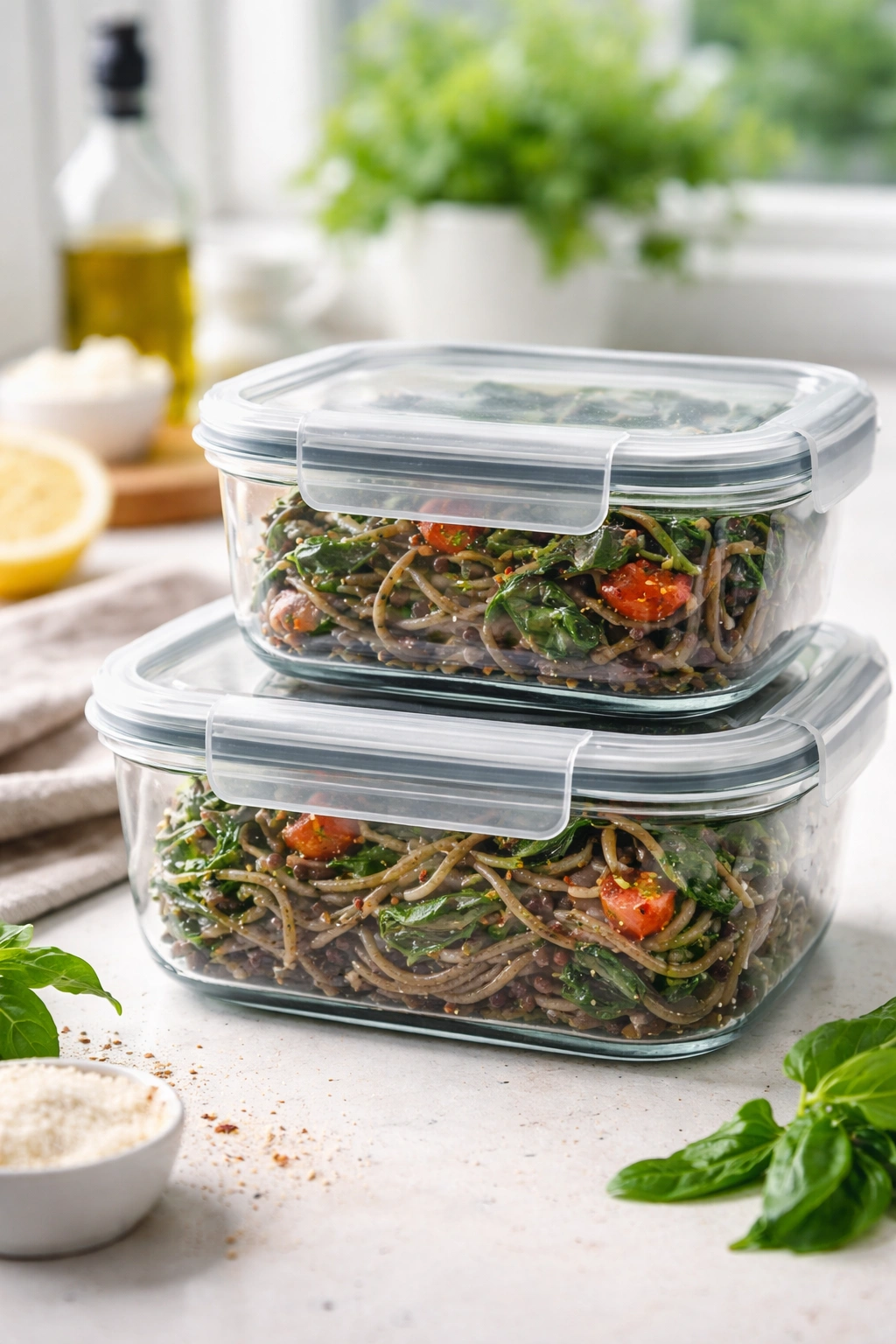
Room temperature storage: This pasta tastes wonderful served warm right after cooking, but it’s equally delicious at room temperature within an hour or two. If you’re packing it for a picnic or lunch box, let it cool slightly first and store in an airtight container.
Refrigerator storage: Leftover pasta keeps beautifully for 3-4 days when stored in an airtight container in the refrigerator. The flavors actually meld and deepen overnight, making your next-day lunch unexpectedly delicious. The greens will darken and soften further, but that’s normal and doesn’t diminish the taste.
Freezing: While you can freeze this pasta, the texture of the greens suffers, becoming mushy upon thawing. If you want to freeze it, freeze the pasta and garlic oil separately from the greens—add fresh greens when you reheat. Alternatively, freeze just the garlic oil and pasta, then wilt fresh greens into it when reheating. The pasta-and-garlic component keeps well for up to one month in the freezer.
Reheating: To reheat, place a portion in a skillet over medium-low heat with a splash of olive oil or pasta water, stirring gently until warmed through—about 2-3 minutes. You can also microwave it in a covered bowl for 1-2 minutes, stirring halfway through, though the stovetop method gives you more control over the texture. If the pasta seems dry when reheating, add a splash of reserved pasta water or vegetable broth to restore the silky consistency.
Make-ahead components: You can prepare most of this dish in advance. Cook the pasta up to 8 hours ahead and store it in an airtight container. Mince the garlic 2-3 hours ahead and store it in a small covered container. Wash and dry your greens ahead of time. When you’re ready to eat, you’re just 5-7 minutes away from a finished dinner.
Batch cooking: This recipe doubles beautifully if you’re cooking for more people or doing meal prep. Cook the pasta in a larger pot, scale up the garlic oil accordingly, and use more greens. The timing remains essentially the same—the pasta just takes the same 7-9 minutes, and everything comes together just as quickly.
Serving Suggestions and Pairings
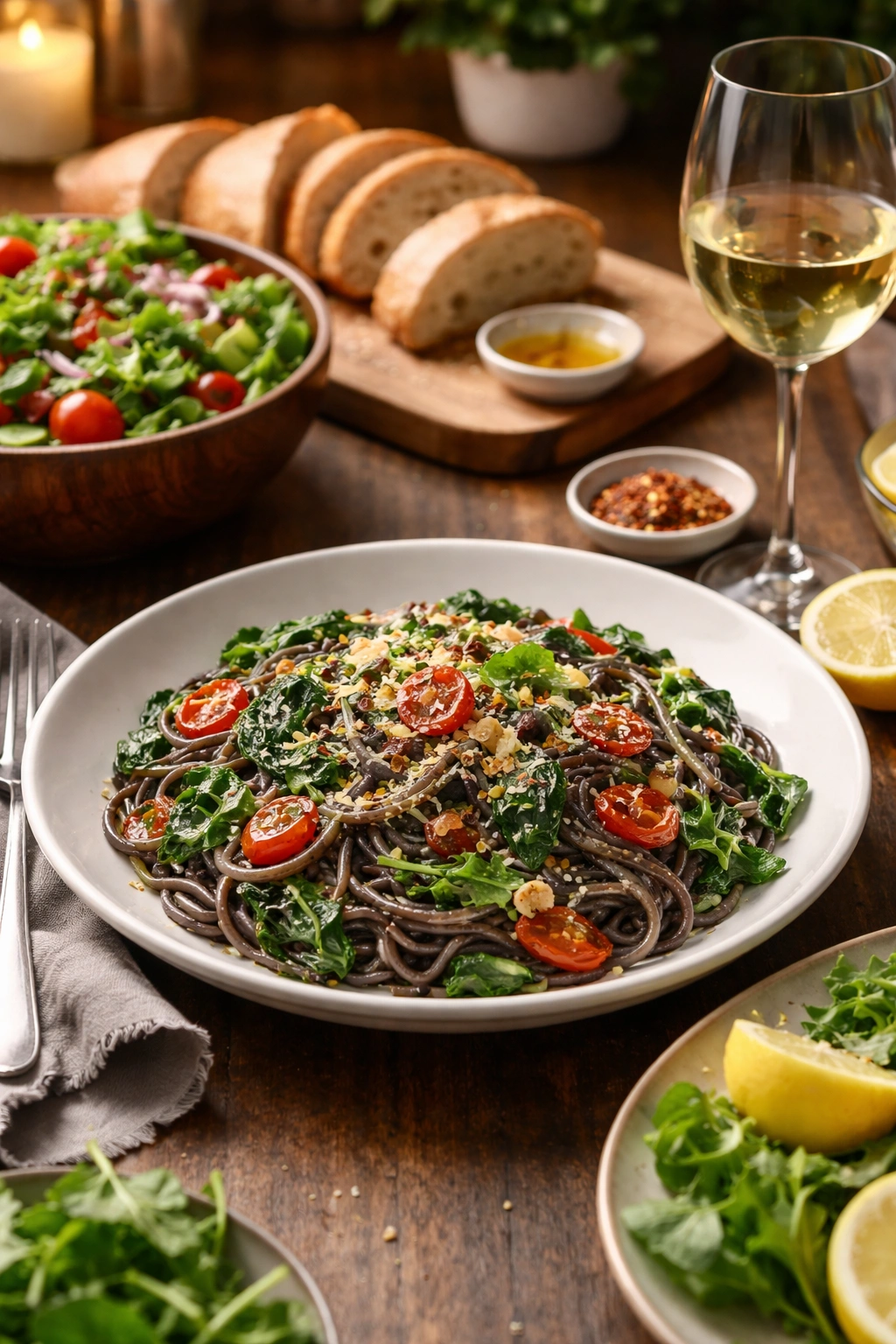
Alongside: This pasta works beautifully as part of a larger meal. Serve it with a crisp mixed green salad dressed with lemon vinaigrette, or alongside crusty bread for soaking up any remaining garlic oil. A simple tomato salad with fresh basil, olive oil, and balsamic vinegar complements the pasta’s earthiness.
Wine pairing: If you’re enjoying this with wine, crisp white wines work beautifully—think Sauvignon Blanc, Pinot Grigio, or Vermentino. The acidity cuts through the richness of the garlic oil and complements the greens. If you prefer red wine, a lighter-bodied option like Pinot Noir won’t overpower the delicate flavors.
Cheese options: Beyond Parmesan, consider topping with ricotta salata for a saltier, crumblier texture, or with fresh burrata for pure indulgence. A dusting of Pecorino Romano adds a more pungent saltiness if you prefer bolder cheese flavors. For a vegan approach, nutritional yeast adds umami richness without any animal products.
Garnish ideas: Beyond the red pepper flakes and Parmesan, consider topping with toasted breadcrumbs mixed with garlic and olive oil, crispy capers, toasted pine nuts, or a drizzle of high-quality aged balsamic vinegar. Fresh herbs like basil, oregano, or parsley add brightness. A shower of thinly shaved lemon zest adds aromatic punch.
Occasion appropriateness: This is simultaneously a perfect weeknight dinner and elegant enough for entertaining. Serve it to yourself and your family on Tuesday night when you need something nourishing and quick, or present it to guests as a vegetarian main course with confidence. The simplicity reads as sophistication rather than laziness.
Portion flexibility: This recipe makes four generous servings as a main course, but you can easily adjust portions. For a lighter meal, reduce quantities by a quarter. For a heartier appetite, add protein like grilled chicken or a poached egg on top. The recipe scales up beautifully if you’re cooking for more people.
Final Thoughts
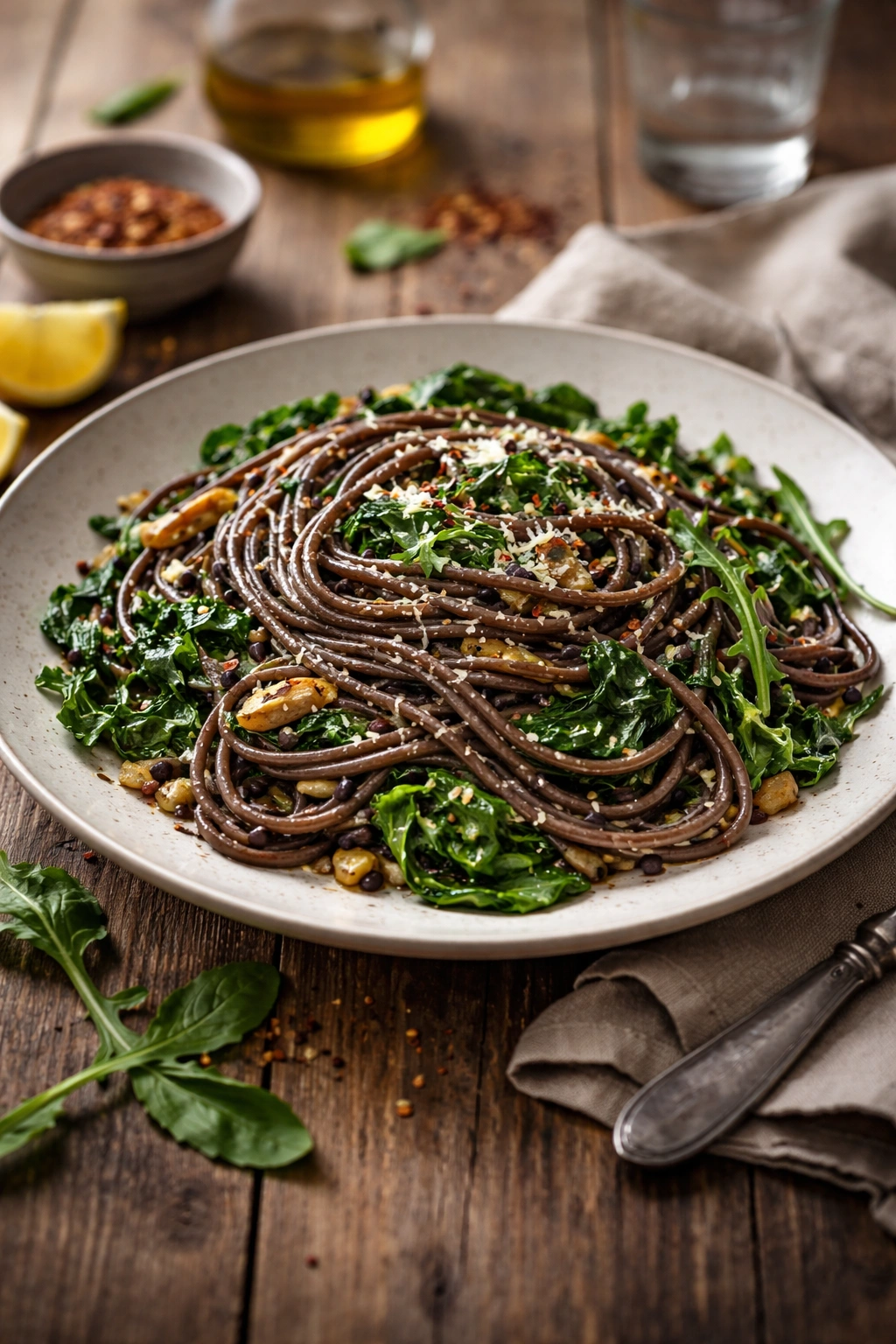
This black bean pasta with garlic and fresh greens is proof that you don’t need complicated techniques, expensive ingredients, or extensive ingredient lists to create something genuinely delicious and nourishing. The beauty lies in respecting simple components and giving each one space to contribute its own character. When pasta, garlic, greens, good olive oil, and salt come together with intention, the result is something far greater than the sum of its parts.
The real magic of this dish is its reliability—it works every single time, tastes better than you expect it to, and leaves you feeling satisfied without feeling stuffed. Whether you make it weekly for busy weeknights or rotate it into your meal plan whenever you need something dependable and good, it becomes the kind of recipe you return to repeatedly. It’s the dish you cook when you want comfort without heaviness, nutrition without deprivation, and flavor without fuss. That’s worth holding onto.
