



Rice is one of those ingredients that deserves a starring role on your dinner table far more often than it typically gets. It’s affordable, endlessly versatile, and capable of transforming simple pantry staples into meals that feel both comforting and special. Whether you’re cooking for a busy weeknight or planning ahead for meal prep, rice-based dinners offer the kind of flexibility that fits any schedule, dietary preference, or flavor craving.
The beauty of these recipes lies in their simplicity and reliability. Once you understand how to build a rice dinner—starting with a flavorful base, adding protein, incorporating vegetables, and finishing with the right seasonings—you’ll find yourself reaching for them constantly. These aren’t complicated dishes that require hours of prep work or hard-to-find ingredients. Instead, they’re the kind of meals you can assemble with what’s likely already in your kitchen, often finished in less than 45 minutes from start to finish.
What makes rice dinners especially smart for your rotation is that they naturally create their own complete meal. The rice absorbs all the flavors simmering around it, so every bite carries the full impact of your seasonings and sauces. You don’t need complicated side dishes or multiple components cooking simultaneously. Everything happens in one pot, one skillet, or one casserole dish, which means minimal cleanup and maximum flavor payoff.
The ten recipes ahead showcase the incredible range of what rice can do, from Mexican-inspired comfort food to Asian-influenced bowls to creamy, savory one-pot meals. Each one is designed to become a regular in your weeknight rotation—the kind of recipe you’ll make again and again.
1. One-Pot Garlic Butter Chicken and Rice
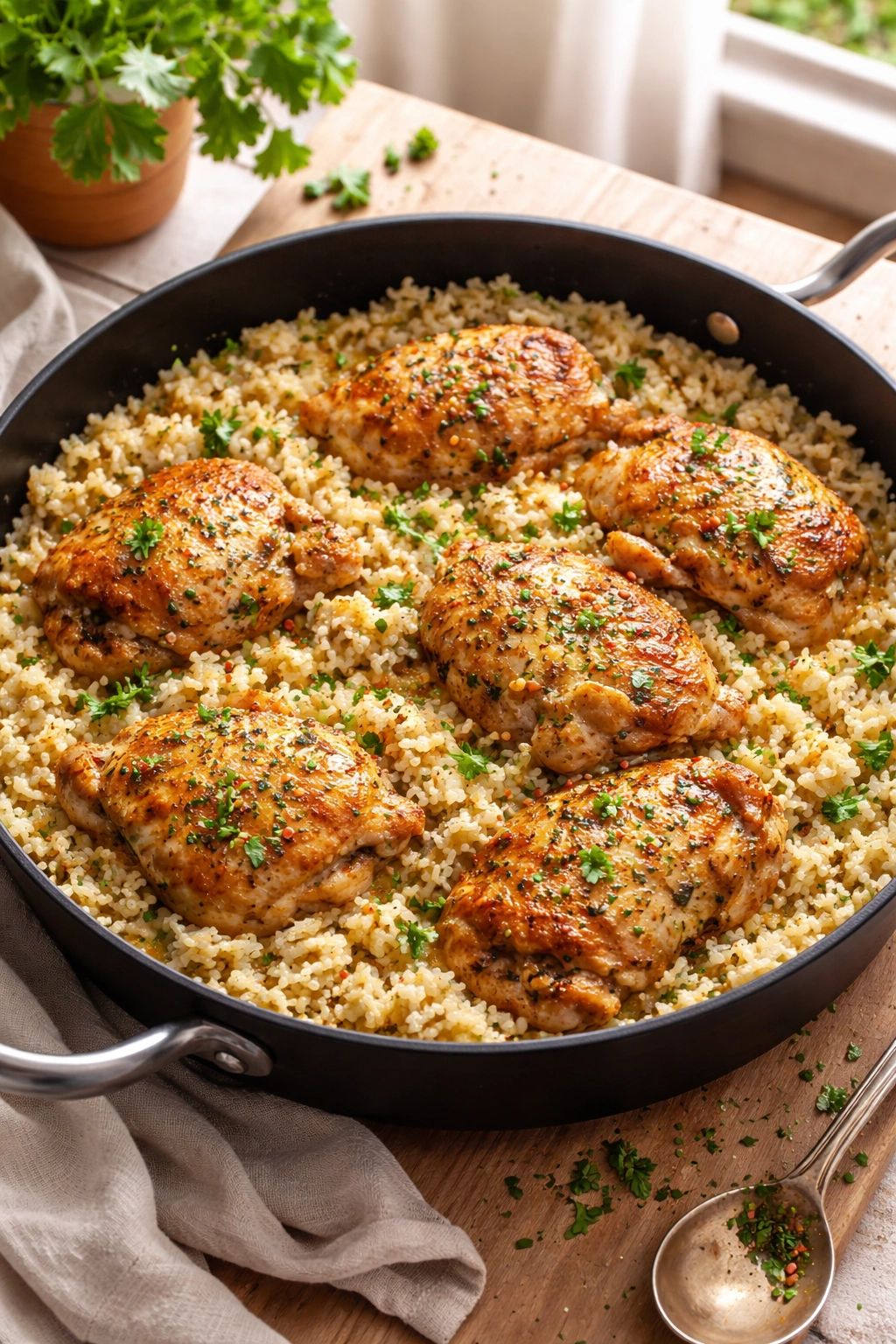
There’s something almost magical about how chicken and rice naturally belong together. In this version, boneless chicken thighs cook directly in a garlic-forward butter sauce with white rice, creating a dish where every grain absorbs those rich, savory flavors. The chicken stays incredibly tender because it’s poaching gently in the same liquid that cooks the rice, and by the time everything’s done, you have a complete meal that tastes far more impressive than the effort required to make it.
Why This Dish Works So Well
The key to this recipe’s success is starting with chicken thighs instead of breasts. Thighs have more fat and connective tissue, which means they stay moist and flavorful even when cooked alongside rice. The butter and generous amount of garlic create a silky sauce that coats every grain, while fresh herbs—if you have them—add brightness without requiring any additional cooking step. This is the kind of dish that tastes like you spent hours in the kitchen when you actually spent about thirty minutes total.
What to Know Before You Cook
- Use a heavy-bottomed skillet or Dutch oven so the heat distributes evenly and prevents scorching on the bottom
- Don’t skip browning the chicken first—this step builds flavor through caramelization
- The rice should be long-grain white rice; brown rice will need additional liquid and cooking time
- Slice the chicken into bite-sized pieces before adding the rice so it distributes throughout the dish
Pro tip: Make this ahead and store it in the refrigerator for up to four days. It actually tastes better the next day as the flavors meld, and you can reheat it gently on the stovetop with a splash of chicken broth to restore the creamy texture.
2. Sausage, Peppers, and Rice Skillet
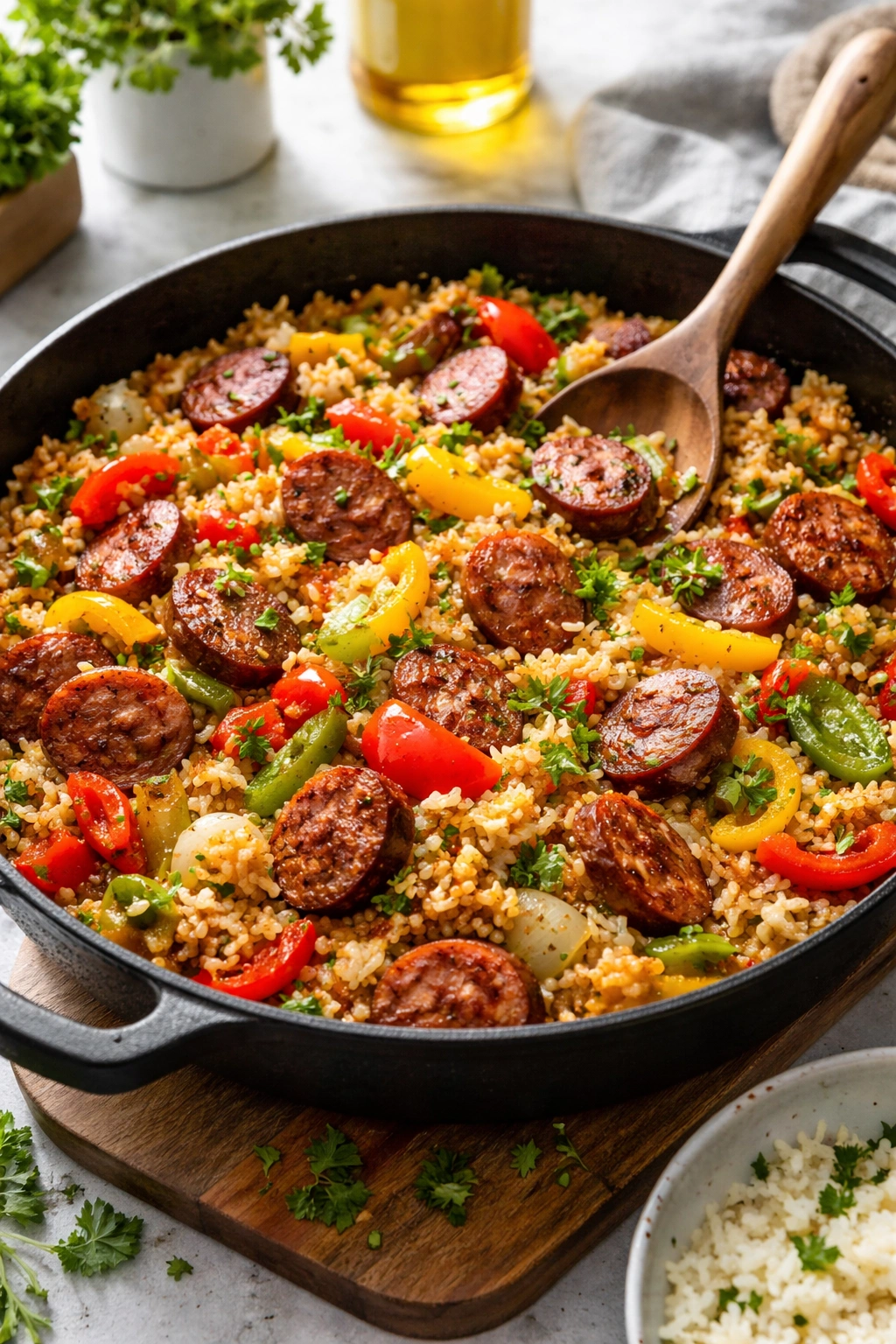
If you’re looking for a dinner that genuinely tastes like you put in effort but comes together in under thirty minutes, this is it. Smoked sausage browns quickly and releases its flavorful oils into the pan, creating an instant base for rice. Bell peppers soften just enough to become sweet and tender while maintaining some bite, and the combination is endlessly satisfying. This is the kind of weeknight dinner that makes your family ask if you’re ordering takeout—except you’re serving them something you made from scratch.
Building Layers of Flavor
The technique here is straightforward: slice the sausage into rounds, brown it until the edges are slightly caramelized, then remove it temporarily. Sauté your diced peppers and onions in that rendered sausage fat (this is where so much of the flavor lives), then add the rice and toast it briefly. The toasting step is crucial because it gives the rice a slightly nutty flavor and helps the grains stay separate rather than getting sticky. From there, add your liquid, return the sausage to the pan, and let everything simmer together.
Ways to Make It Your Own
- Add diced tomatoes and a pinch of smoked paprika for a more Spanish-influenced version
- Stir in cream at the end for a richer, more indulgent dish
- Use chicken sausage if you prefer a lighter option
- Add frozen corn, diced zucchini, or bell peppers in different colors for more vegetables
- Top with grated cheese and fresh herbs after cooking
Pro tip: This dish is excellent for meal prep because it holds up beautifully in the refrigerator and actually tastes fresher than many rice dishes do the next day. Pack it into containers and grab it throughout the week.
3. Arroz Con Pollo (Chicken and Rice)
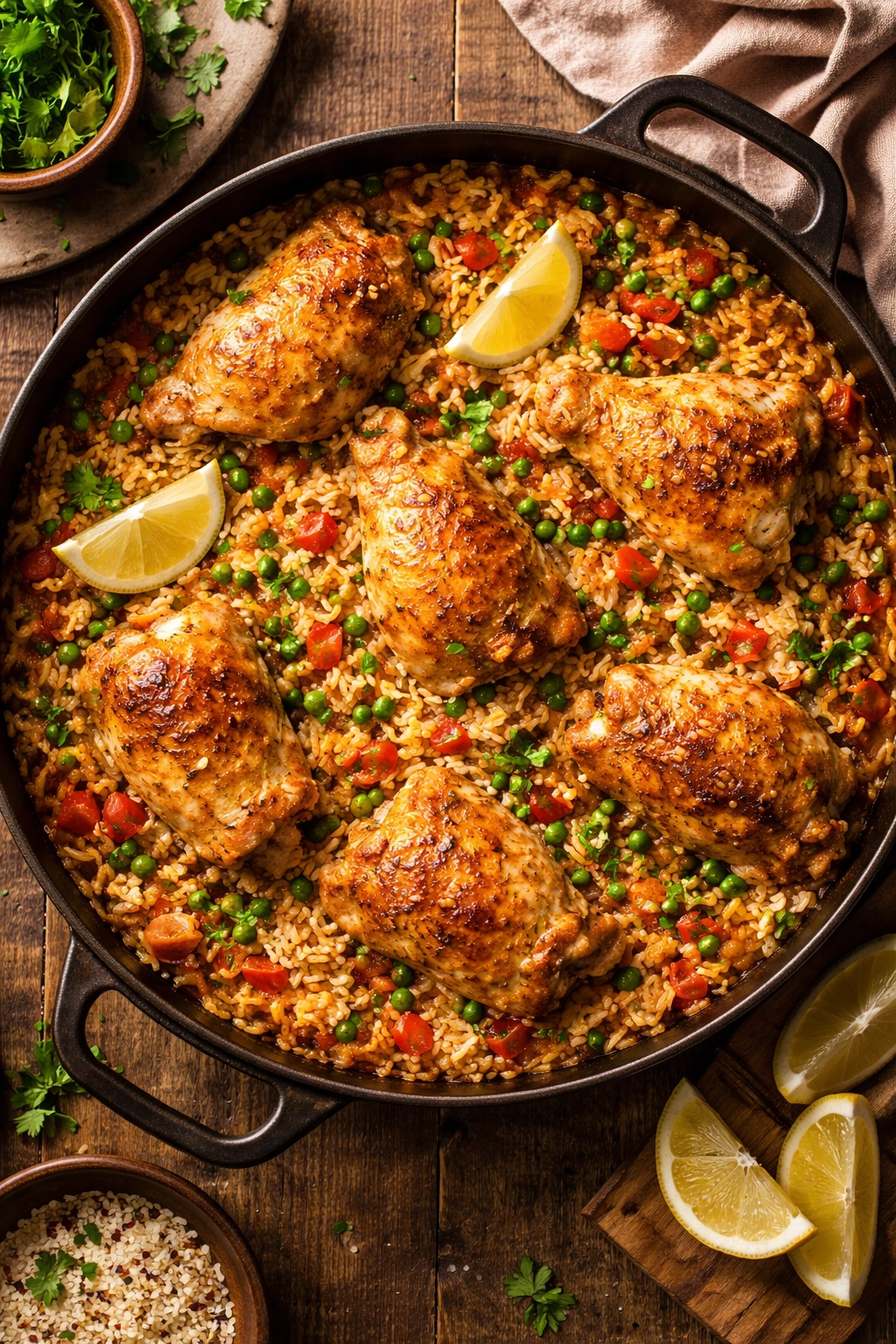
This Latin American classic has earned its reputation for good reason. Chicken pieces, rice, vegetables, and seasonings cook together in one pot until everything is infused with the same warm, savory, slightly tomato-tinged flavor. The beauty of arroz con pollo is its flexibility—you can make it exactly as traditional as you like, or adapt it with whatever vegetables and seasonings appeal to you. It’s a dish that translates across so many different cuisines and regions that there’s truly no single “right” way to prepare it.
The Technique That Makes This Work
Browning the chicken first is non-negotiable. This step creates fond on the bottom of the pot—those flavorful browned bits—that will eventually dissolve into your cooking liquid and season the entire dish. After removing the chicken, you’ll sauté onions, garlic, and bell peppers in the same pot, building a flavor foundation. The rice toasts briefly, then you add your liquid (chicken broth or sometimes tomato-based mixtures), return the chicken, and let everything simmer together until the rice is tender and has absorbed all the flavors.
Ingredient Swaps and Variations
- Use boneless thighs, bone-in thighs, or even leftover rotisserie chicken (add it at the very end so it doesn’t overcook)
- Add peas, carrots, diced tomatoes, or olives depending on your vegetable preferences
- Use saffron, cumin, paprika, and cilantro for Spanish flavors
- Try turmeric and bay leaves for a different spice profile
- Vegetable broth works perfectly if you’re making this meat-free with beans and extra vegetables
Pro tip: This freezes beautifully, which makes it perfect for batch cooking. Freeze in individual portions or family-sized containers for grab-and-reheat weeknight ease.
4. Teriyaki Chicken Rice Bowls
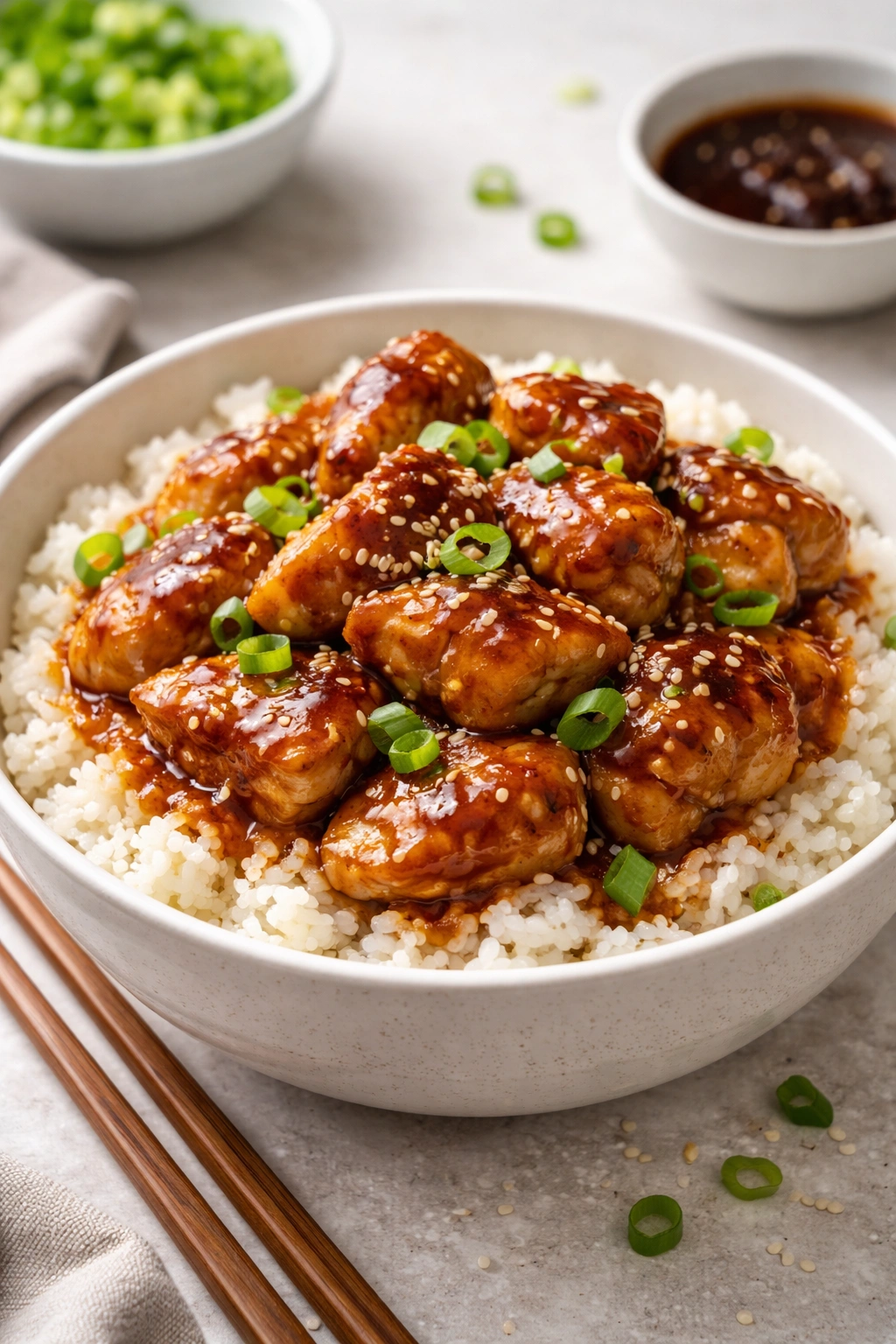
When you’re craving that restaurant takeout flavor at home without the price tag or the wait, teriyaki chicken rice bowls deliver. Chicken cooks in a glossy, slightly sweet, deeply savory sauce that’s become such a beloved flavor profile that it appears in cuisines across the world. The rice acts as a perfect platform for this sauce, soaking it up completely so you get that umami-rich coating on every single grain. These bowls are equally good eaten immediately or packed for lunch tomorrow.
Creating the Perfect Teriyaki Glaze
The glaze is where all the magic lives in this dish, and fortunately, it’s ridiculously simple to make. Soy sauce provides the deep, salty-savory foundation, while a touch of sugar balances that salinity and creates that glossy shine. Garlic and ginger add aromatic warmth and complexity, and a small amount of cornstarch thickens everything into a proper sauce rather than a thin liquid. Some versions add rice vinegar or mirin for additional depth. The entire glaze comes together in a bowl in less than five minutes, and then it’s just a matter of cooking the chicken in that glaze until the sauce reduces and coats the meat beautifully.
Perfect Pairings and Toppings
- Serve over white rice, brown rice, or jasmine rice depending on what you have
- Add steamed broccoli, sliced snap peas, or shredded carrots for vegetables
- Top with sliced scallions, sesame seeds, and a squeeze of fresh lime
- Add a soft-boiled egg on top for extra richness
- Serve with cucumber slices or a quick pickled vegetable slaw on the side
Pro tip: Make a double batch of the teriyaki glaze and keep it in a jar in your refrigerator. It’ll keep for weeks and works beautifully on shrimp, beef, tofu, or roasted vegetables.
5. Mediterranean Chicken and Rice
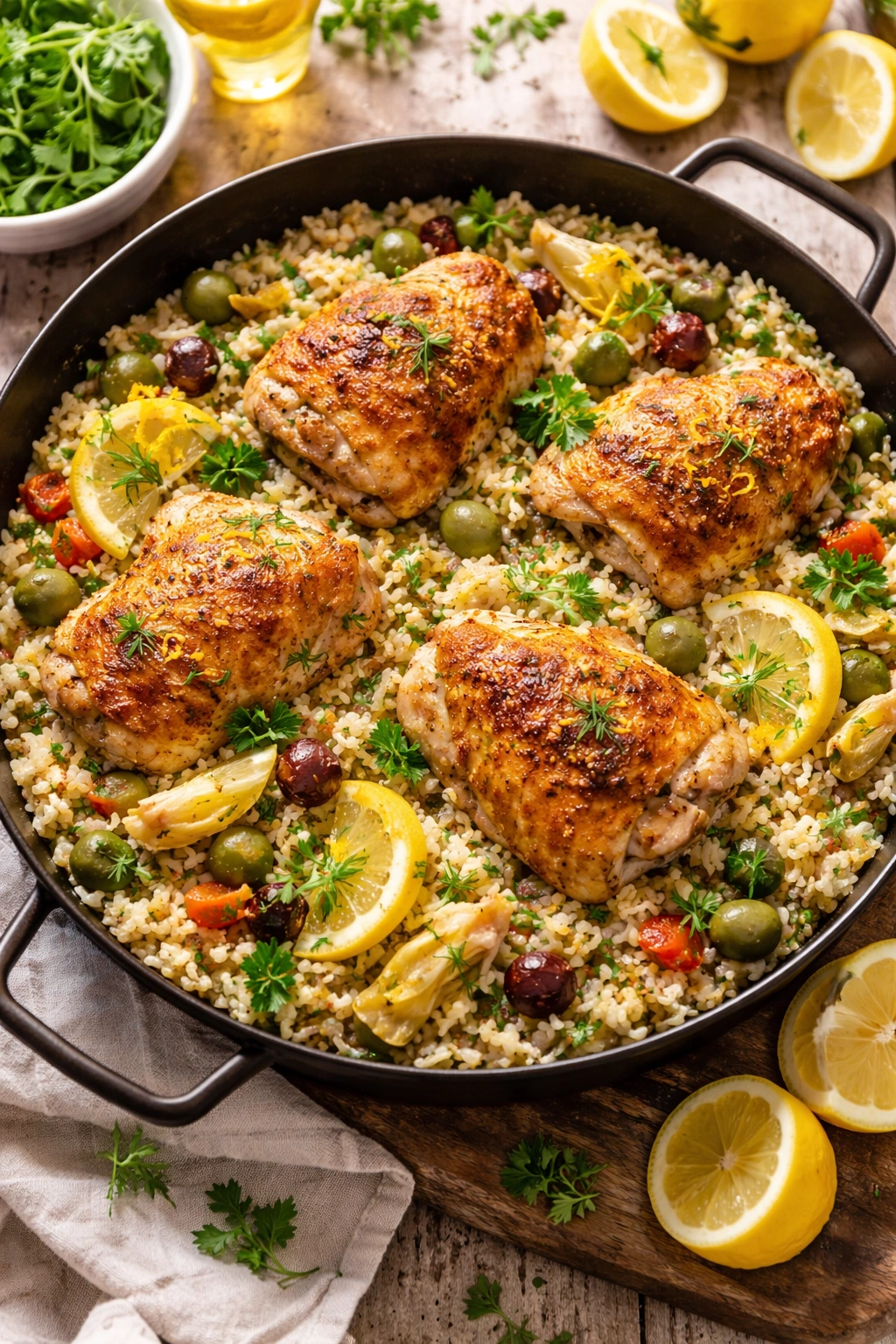
Mediterranean flavors—bright lemon, briny olives, aromatic herbs, and fresh vegetables—transform rice into something that feels both light and deeply satisfying. Chicken thighs cook with cherry tomatoes, Kalamata olives, artichoke hearts, and garlic in one pan, creating a sauce that’s both lemony and herbaceous without being acidic or overwhelming. This is the kind of dinner that makes you feel like you’re sitting somewhere on the coast, even if you’re in the middle of winter in a landlocked state.
Building Mediterranean Flavors
Start by browning chicken thighs until the skin is golden and crispy—this is important for texture and flavor. While the chicken rests, sauté diced onions, mashed garlic, and any fresh herbs you have on hand (oregano and thyme are traditional, but basil or dill work beautifully too). Add diced tomatoes, olives, artichoke hearts, and a generous squeeze of lemon juice, then nestle the chicken back into that mixture along with the rice. Everything simmers together until the rice absorbs all those Mediterranean flavors and becomes something truly special.
Ingredient Flexibility
- Use white rice, brown rice, or wild rice depending on your texture preference
- Add spinach, kale, or other hearty greens at the end
- Include roasted red peppers or sun-dried tomatoes for deeper flavor
- Add a handful of fresh parsley or cilantro at the end for brightness
- Substitute chicken with white fish, shrimp, or even tofu
- Use green olives instead of Kalamata olives, or skip them entirely if you prefer
Pro tip: This dish is naturally dairy-free and can easily be gluten-free if your rice and other ingredients are certified. It’s a wonderful option for anyone with dietary restrictions.
6. Mexican Rice with Black Beans and Chicken
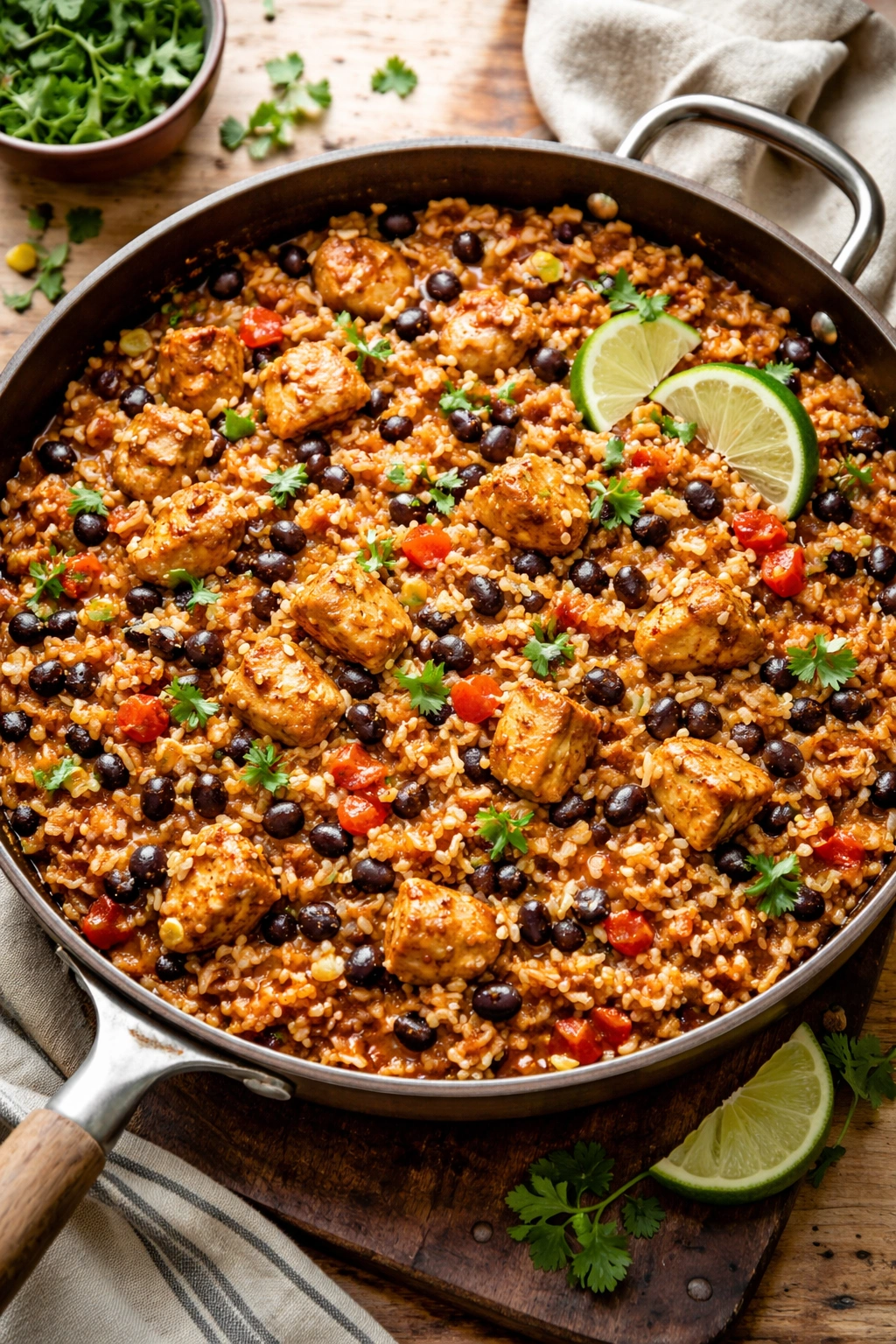
Sometimes called Spanish rice or even a deconstructed burrito bowl, this combination of seasoned rice, tender chicken, and protein-packed black beans is the definition of a complete meal. Tomato-based broth flavors the rice as it cooks, while warm spices like cumin and chili powder create that distinctive Mexican flavor profile. The black beans add fiber and richness without requiring additional cooking, since they can simply be stirred in from the can. What makes this version special is how the flavors layer—none of them dominates, and they all work in harmony.
Why Black Beans Matter
Beyond just being an excellent source of plant-based protein, black beans contribute an earthy richness to this dish that chicken alone can’t provide. They absorb the surrounding flavors beautifully, and their slight creaminess (especially if you mash a few beans against the side of the pan) gives the dish body and substance. This is why adding black beans transforms a simple chicken and rice dinner into something more substantial and satisfying.
Customization Options
- Add corn, diced bell peppers, diced tomatoes, or zucchini
- Use fresh cilantro, jalapeños, and lime juice for brightness
- Top with shredded cheese, sour cream, avocado, or fresh lime wedges
- Serve with tortillas on the side for a more hands-on eating experience
- Add salsa, hot sauce, or pico de gallo as a topping
- Use lime juice instead of regular juice or vinegar for a brighter flavor
Pro tip: Cook a large batch of this and portion it into containers with the toppings on the side. You can customize each serving based on what your family members prefer, and everyone gets a fresh, delicious bowl without you having to cook four different dinners.
7. One-Pot Coconut Chicken and Rice
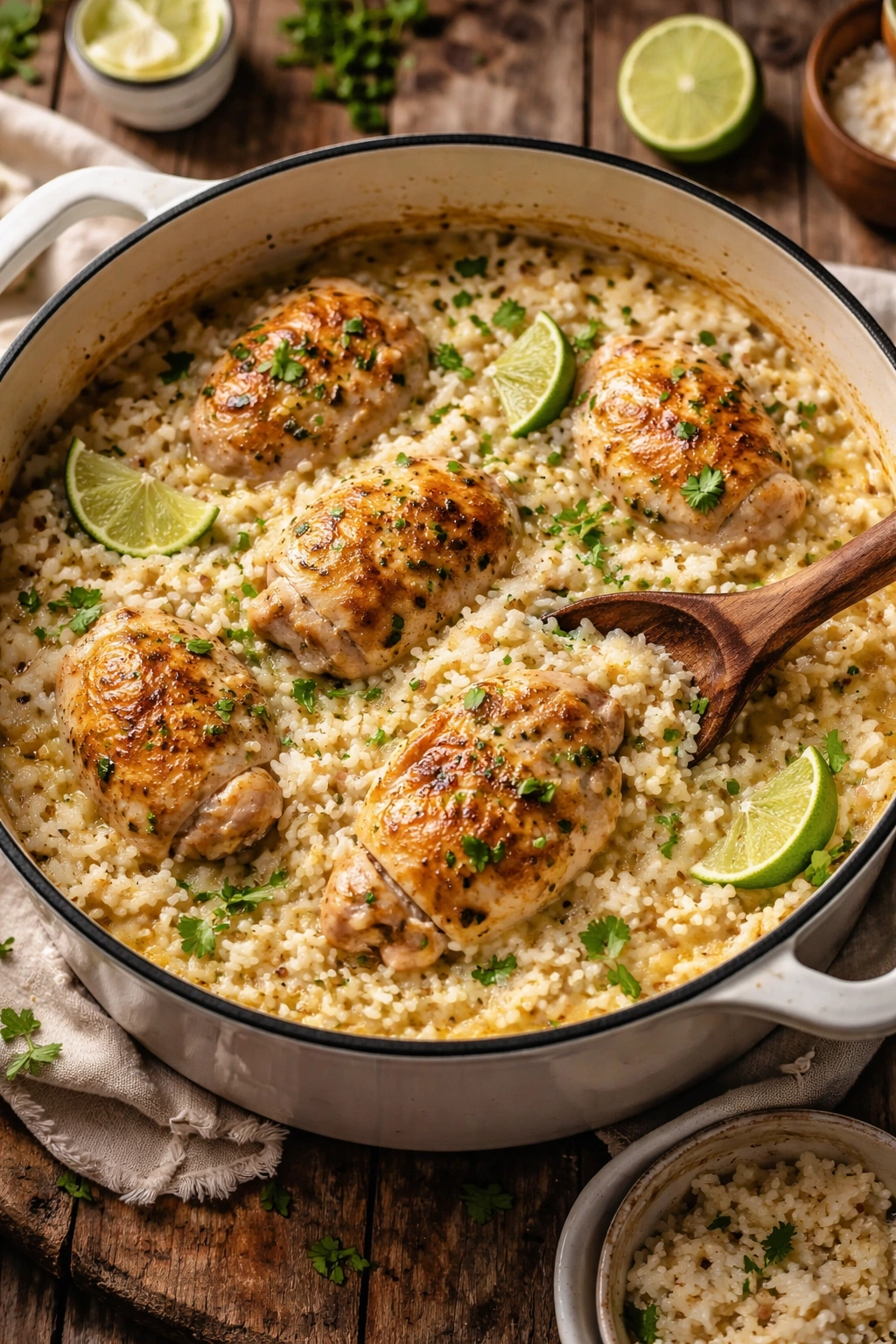
Coconut milk transforms rice into something almost luxurious without requiring any additional effort. When you cook rice in a mixture of coconut milk and broth, the grains become creamy and rich while maintaining their individual texture. Chicken cooks gently in this same liquid, becoming incredibly tender and infused with subtle coconut flavor. This is comfort food with an exotic twist—the kind of meal that feels indulgent even though it’s simple enough to make on any weeknight.
The Magic of Coconut Milk
Full-fat coconut milk is what you want here; don’t skip it or substitute it with the lighter version. The fat is where the flavor lives, and it’s also what creates that silky mouthfeel that makes the rice feel special. The coconut flavor is subtle rather than overwhelming, especially when balanced with lime juice, garlic, and perhaps a touch of ginger. This isn’t a dessert-like sweetness—it’s a savory, umami-driven comfort dish that just happens to use coconut milk as one of its primary ingredients.
Flavor Additions and Variations
- Add fresh ginger, garlic, and a touch of lime juice for brightness
- Stir in green curry paste for a more complex spice profile
- Add bell peppers, snap peas, baby bok choy, or spinach
- Use jasmine rice for even more aromatic results
- Serve with fresh cilantro, sliced jalapeños, and lime wedges
- Top with toasted coconut flakes and chopped cashews for texture contrast
Pro tip: This recipe actually improves if you make it a day ahead, allowing all the flavors to meld together beautifully. Reheat gently on the stovetop with a splash of broth to restore the creamy texture.
8. Jambalaya
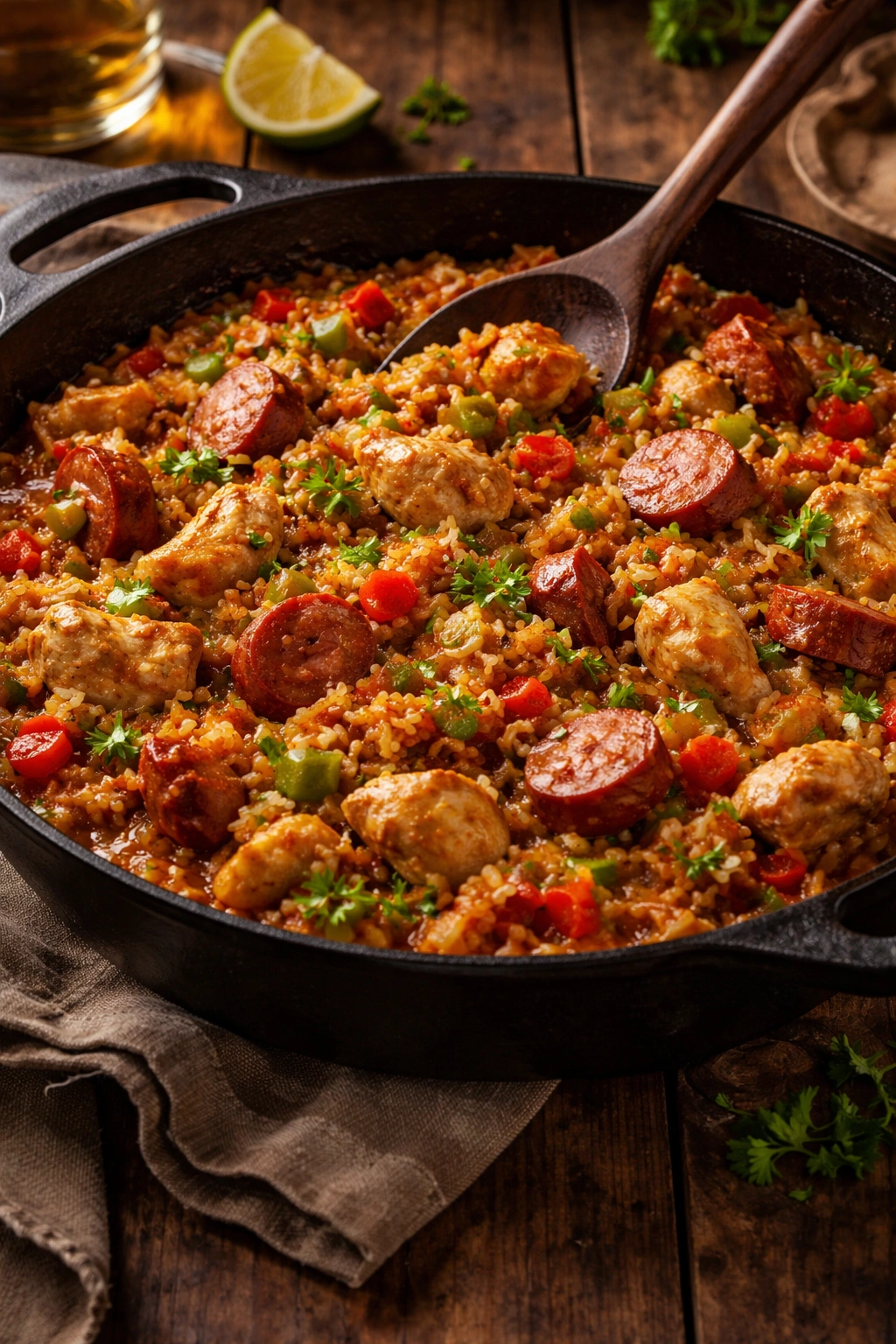
This Creole one-pot classic combines chicken, sausage, vegetables, and rice in a single pot, where everything cooks together and flavors meld into something deeply satisfying and complex. Jambalaya is the kind of dish that tastes like someone spent hours cooking, but it comes together surprisingly quickly when you understand the basic technique. The warmth from the Cajun spices, the richness from the sausage, and the slight textural contrast from the vegetables all work together to create a dinner that feels special enough for guests but simple enough for any weeknight.
Understanding the Jambalaya Foundation
Begin by browning the sausage and chicken, which creates the flavor base. The rendered fat from the sausage will cook your vegetables (the holy trinity of onions, celery, and bell peppers in Creole cooking), building layer upon layer of savory depth. Tomatoes add acidity and brightness, while rice absorbs all these flavors as it cooks. Cajun spices—paprika, cayenne, thyme, oregano—create that characteristic warmth and complexity. The result is a complete meal where every ingredient contributes equally to the final flavor.
Ingredient Variations and Heat Levels
- Use andouille sausage for the most authentic flavor, or substitute with chorizo or kielbasa
- Add shrimp at the end for a surf-and-turf version
- Include okra for authenticity and thickening properties
- Make it vegetarian by skipping the meat and doubling the vegetables and beans
- Adjust heat level with more or less cayenne pepper and jalapeños
- Add extra tomatoes if you prefer a saucier jambalaya
Pro tip: Jambalaya makes enormous quantities, which is perfect for meal prep. Make a large pot and freeze portions for grab-and-reheat meals. It freezes beautifully and often tastes even better after the flavors have had time to develop in the freezer.
9. Lemon Herb Risotto with Shrimp
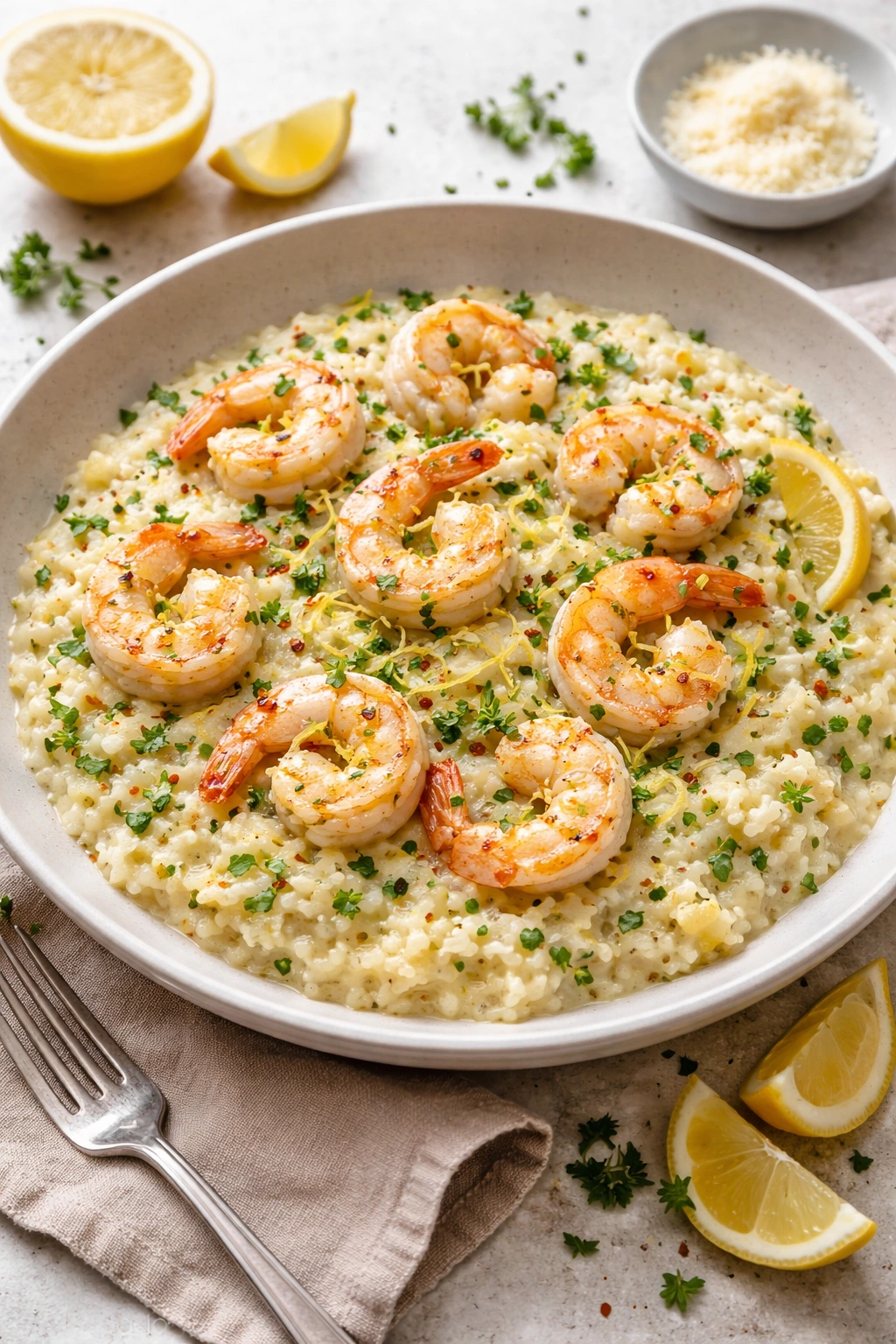
Risotto feels fancy enough to serve at a dinner party, yet it’s surprisingly simple to make once you understand the technique. The key is patience and constant stirring—you’re gradually adding warm broth to rice while stirring constantly, allowing the starch to release and create a naturally creamy sauce. Unlike regular rice dishes where you add all the liquid at once, risotto is an interactive process that takes about twenty minutes from start to finish. The result is rice that’s creamy without any cream, with a slight al dente texture at the center of each grain.
Mastering the Risotto Technique
Start by toasting your arborio rice in butter with shallots and garlic, coating each grain in fat before you add any liquid. Then, add warm broth one ladle at a time, stirring almost constantly and waiting until each addition is mostly absorbed before adding the next. This gradual process allows the rice to cook evenly while releasing its starches into the cooking liquid, creating that signature creamy texture. After about eighteen to twenty minutes, the rice should be tender but still have a slight bite in the center—this is al dente, the ideal texture for risotto. Finish with butter, Parmesan cheese, fresh lemon juice, and herbs.
Shrimp and Other Protein Options
- Add cooked shrimp at the very end so it doesn’t overcook
- Stir in cooked scallops for an equally elegant option
- Use diced cooked chicken for a heartier version
- Make this completely vegetarian by using vegetable broth and adding sautéed mushrooms
- Include roasted asparagus, peas, or diced bell peppers for vegetables
- Finish with fresh herbs like parsley, basil, or chives
Pro tip: Have all your ingredients prepared and your broth warming on the stovetop before you start cooking. Risotto demands your attention for the entire cooking time, and cold broth will interrupt the cooking process and throw off your timing.
10. Slow Cooker Teriyaki Pork with Rice
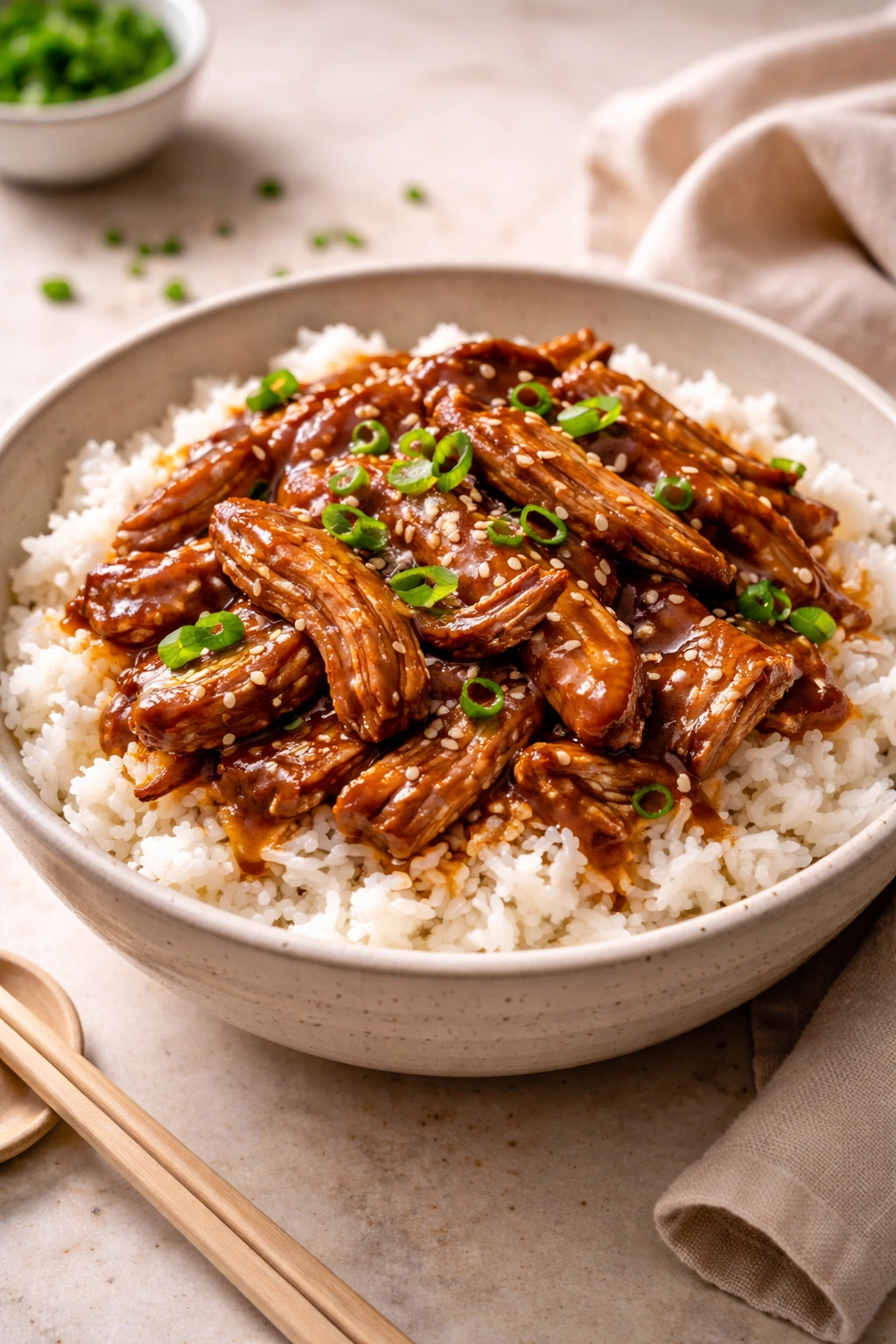
When you want dinner ready the moment you walk through the door, slow cooker meals are absolute lifesavers. Pork tenderloin cooks gently in a teriyaki-style sauce all day, becoming incredibly tender and infused with sweet and savory flavors. By the time your household is ready for dinner, all you need to do is cook some rice (or use instant rice for even faster results) and you have a complete meal. This is strategic cooking at its finest—letting your slow cooker do the work while you go about your day.
Why Pork and Slow Cooking Work So Well Together
Pork tenderloin has a naturally mild flavor that absorbs surrounding tastes beautifully. When it cooks low and slow in a flavorful sauce, it becomes exceptionally tender while that sauce reduces and intensifies. The long, gentle cooking time allows the meat to break down slightly, creating an almost fall-apart texture that’s incredibly satisfying. By the time dinner time arrives, you have tender, flavorful pork and a reduced sauce that’s thick, glossy, and absolutely delicious spooned over rice.
Building Your Slow Cooker Meal
- Use a 2-3 pound pork tenderloin and a slow cooker on the low setting
- Combine soy sauce, ginger, garlic, a touch of sugar, and rice vinegar for your sauce
- Add sliced onions and peppers for vegetables that cook alongside the pork
- Cook on low for 6-8 hours, or on high for 3-4 hours
- Slice the pork and return it to the slow cooker with the sauce for the last hour
- Serve over white rice, brown rice, or jasmine rice with a sprinkle of sesame seeds
Pro tip: This meal is perfect for meal prep and freezes beautifully. Cook pork, portion it with sauce into containers, and freeze. When you’re ready to eat, thaw in the refrigerator and reheat gently on the stovetop with cooked rice.
Final Thoughts

These ten rice dinners represent the kind of reliable, delicious meals that belong in every cook’s rotation. They prove that dinner doesn’t have to be complicated to be satisfying, and that rice—far from being a boring side dish—can be the star of a meal that feels both comforting and exciting. The beauty of building a rotation around rice-based dishes is the flexibility they offer. Once you understand the basic technique of building flavor in one pot, you can adapt these recipes endlessly based on what you have on hand, what your family enjoys, and what vegetables are in season.
What makes these dinners especially valuable for real-world cooking is how forgiving they are. Rice-based meals naturally handle slight variations in ingredients, cooking times, and heat levels. Whether you’re feeding a family of four or cooking for one, these recipes scale beautifully. Whether you have thirty minutes or an hour, you’ll find options that fit your timeline. The techniques translate across cuisines and flavor profiles, so once you master one, you’ve essentially mastered them all.
Start with the recipes that appeal to you most based on flavors you already love. Make each one at least twice so you understand the timing and can adapt it confidently. Before long, you’ll find yourself reaching for these dinners automatically when you’re planning your week’s meals. They’re the recipes that work, the ones that satisfy, and the ones that prove that simple, delicious food doesn’t require complicated techniques or hard-to-find ingredients.
