



There’s a moment in every busy weeknight when you realize dinner needs to happen in minutes, not hours. That’s when a truly excellent creamy garlic sauce becomes your secret weapon—a silky, garlicky condiment that transforms whatever you’re cooking into something restaurant-quality without requiring any special equipment or techniques. What makes this version special isn’t just speed; it’s that it tastes like you’ve been coaxing flavors out of butter and cream for ages, when really you’ve spent just 10 minutes at the stove. The sauce clings to pasta, nestles into grilled vegetables, drowns a piece of fish in luxury, and makes roasted potatoes feel like an occasion. Best of all? It’s made from pantry staples you probably already have on hand—no unusual ingredients, no confusing ratios, just straightforward technique and timing that delivers results every single time.
Why This Creamy Garlic Sauce Changes Everything
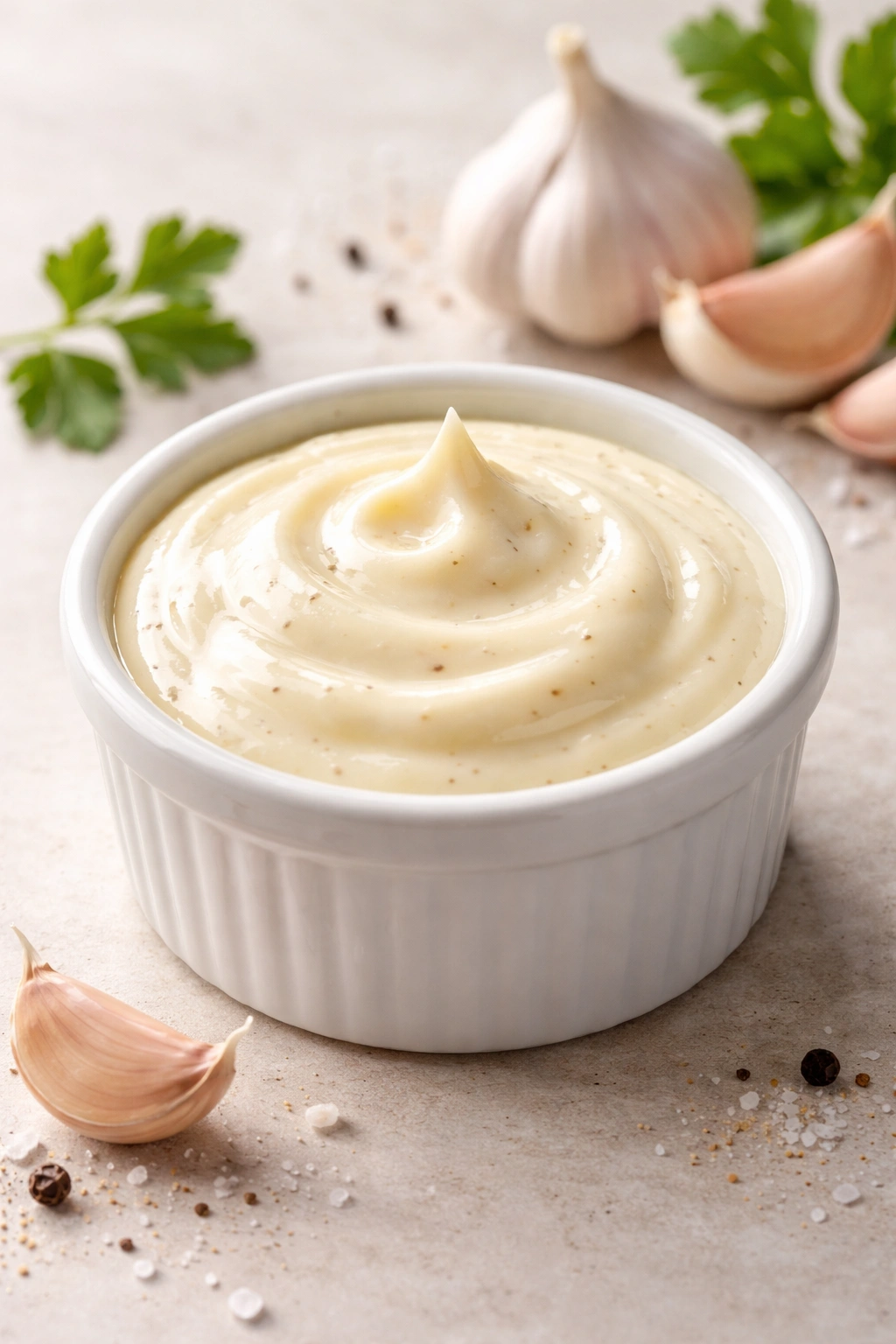
A great creamy garlic sauce solves a surprisingly common cooking problem: you have something good to cook, but nothing to serve it with. Plain pasta feels lonely. Grilled chicken needs something to drink into. Roasted vegetables beg for richness. This sauce does what restaurant versions do—it creates a bridge between the main ingredient and the plate—but without the skill level or time investment that usually comes with that kind of finish. What separates this approach from slower versions is the technique itself. Instead of simmering garlic slowly to soften and sweeten it over long minutes, you’ll be leveraging high heat and the emulsifying power of cream to build complexity fast. The butter and cream become the vehicle for deep garlic flavor, and the heat does the work of mellowing the raw edge while keeping everything light and luxurious. This isn’t a heavy, stodgy sauce; it’s one that feels almost delicate on the tongue despite being absolutely rich in every way that matters.
The other secret is understanding that 10 minutes isn’t the time limit—it’s the genuine finish time. From the moment you turn on the burner to the moment you pour the sauce onto your plate, only 10 minutes will have passed. That means spending your kitchen time on technique, not on waiting. You’re actively cooking the entire time, watching, tasting, adjusting. The reward is a sauce so good that people will ask for the recipe, convinced there must be some restaurant trick you’re hiding. There’s no trick. It’s just clarity about what matters: proper garlic preparation, the right heat level, and understanding the moment when cream transforms into sauce.
Understanding the Secret to Ultra-Fast Preparation
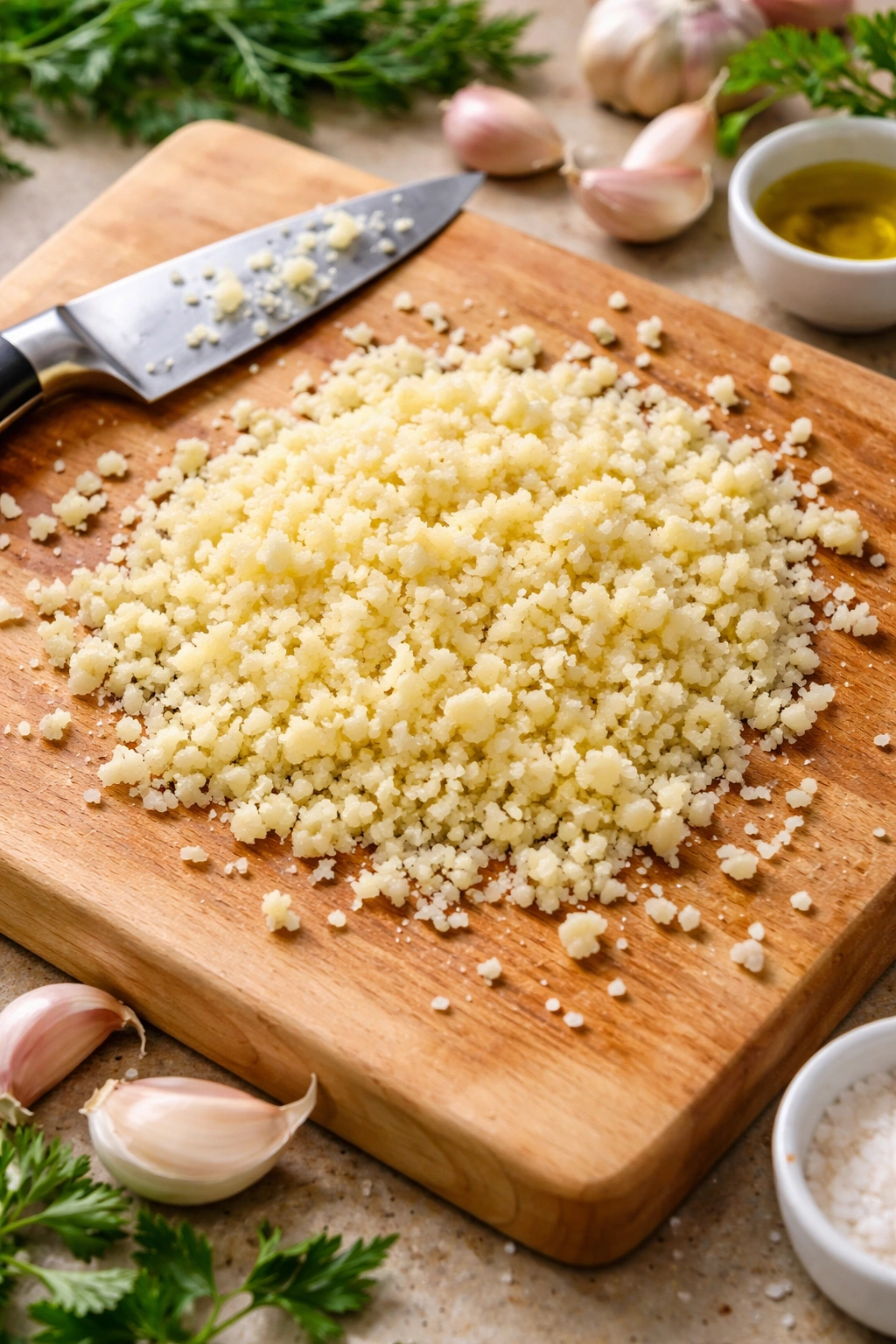
The speed of this sauce comes down to one critical technique: the garlic gets bruised and broken down into small pieces before it ever hits the pan. This might seem like an extra step, but it’s actually the shortcut that makes everything else fast. When garlic is minced or sliced super finely and then hit with high heat in butter, the pieces cook and dissolve into the fat incredibly quickly. You’re not steeping whole cloves or large pieces waiting for them to soften; you’re creating surface area so that heat can do its work immediately.
The other time-saver is using heavy cream, which has enough fat that it won’t break or split under high heat the way lighter creams might. When you add cream to hot garlic butter, it immediately creates an emulsion—a silky, thick sauce—without any need for thickening agents or extended simmering. The cream’s fat molecules disperse evenly throughout the liquid, creating the texture and mouthfeel of a sauce that tastes like it took hours to develop.
Temperature control is your final time advantage. You’re using high heat to move fast, but not so high that you risk scorching the garlic or breaking the cream. The sweet spot is medium-high, where butter foams immediately, garlic releases its flavor in minutes rather than half an hour, and cream thickens from the carry-over heat and emulsification without ever reaching a hard boil. This is why a watch matters less than your eyes and ears—you’re looking for visual cues (the way the sauce moves in the pan, the point at which it coats the back of a spoon), not a timer.
What You’ll Need
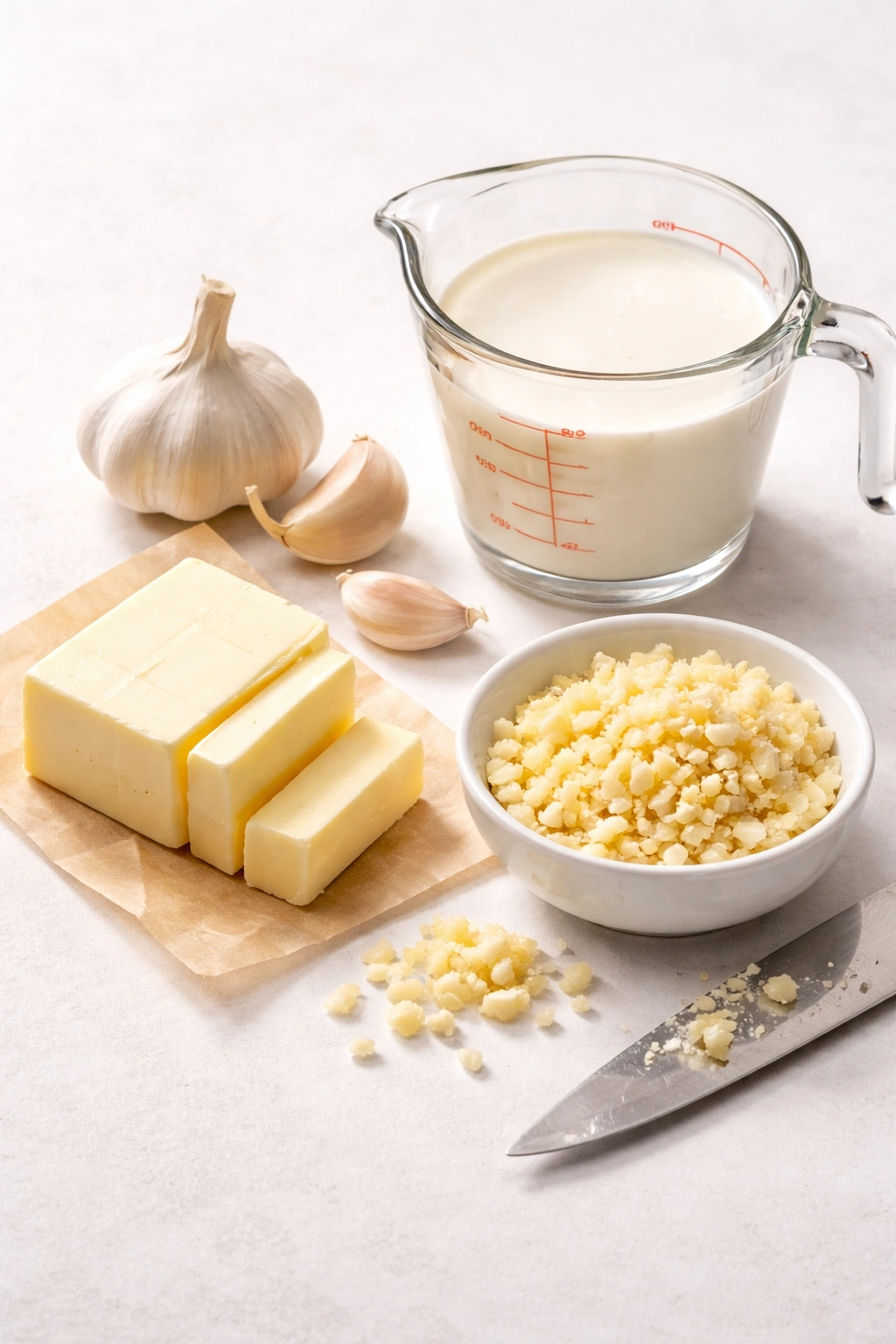
For the Sauce:
- 4 tablespoons (½ stick) unsalted butter
- 6 to 8 cloves fresh garlic, peeled and minced very finely (about 3 tablespoons minced)
- ½ cup heavy cream (whole cream with at least 35% fat)
- ¼ cup whole milk (this extends the cream without diluting richness too much)
- ½ teaspoon fine sea salt
- ¼ teaspoon freshly ground black pepper
- Pinch of freshly grated nutmeg (optional but genuinely transforms the sauce)
- ½ teaspoon fresh lemon juice (brightens everything and prevents the sauce from feeling one-dimensional)
- 2 tablespoons finely grated Parmigiano-Reggiano cheese (optional, adds depth)
Equipment You’ll Need:
- One 10- to 12-inch stainless steel skillet or heavy-bottomed saucepan (a wide pan allows more surface area for faster evaporation and better emulsification)
- A wooden spoon or silicone spatula for stirring
- Measuring spoons and a ¼-cup measure
- A microplane or fine grater for the nutmeg and cheese (if using)
- A small cutting board and sharp chef’s knife for mincing the garlic
Yield: Makes about 1 cup of sauce, enough to coat 1 pound of pasta, dress 4 portions of vegetables, or accompany 4 pieces of protein
Prep Time: 5 minutes (mincing garlic, measuring cream and milk)
Cook Time: 5 minutes (from butter hitting the pan to finished sauce)
Total Time: 10 minutes active time (no resting or chilling required)
Difficulty: Beginner — There’s no precision required beyond basic knife skills and following heat cues. Nothing can really go wrong, and the steps are intuitive even for someone cooking for the first time.
How to Make This Garlic Sauce in 10 Minutes Flat
Prepare Your Ingredients:
-
Peel 6 to 8 cloves of fresh garlic by placing the flat side of your chef’s knife over each clove and pressing down firmly until the papery skin falls away. Cut away any brown spots or bruised areas—these can taste bitter when cooked at high heat.
-
Mince the garlic very finely by first slicing it into thin slivers, then rotating the pile 90 degrees and slicing again to create tiny pieces about the size of grains of rice. This size is crucial: small pieces cook almost instantly, but pieces large enough to see will stay raw or bitter no matter how long you cook them. If using a microplane garlic grater, simply grate the garlic directly over a small bowl—it will be uniformly fine and require almost no additional mincing.
-
Measure your cream and milk into separate small bowls or a liquid measuring cup. Have the salt, pepper, lemon juice, and nutmeg close to the stove—you won’t have time to hunt for anything once cooking begins.
Cook the Garlic:
-
Place your skillet over medium-high heat and add the 4 tablespoons of butter. Let the butter melt completely—this should take about 1 minute. Watch the butter as it melts; it will transition from bright yellow to clear, then to a golden color as the milk solids begin to brown slightly. You want it at that golden point, but not dark brown or nutty—that signals the heat is getting too aggressive.
-
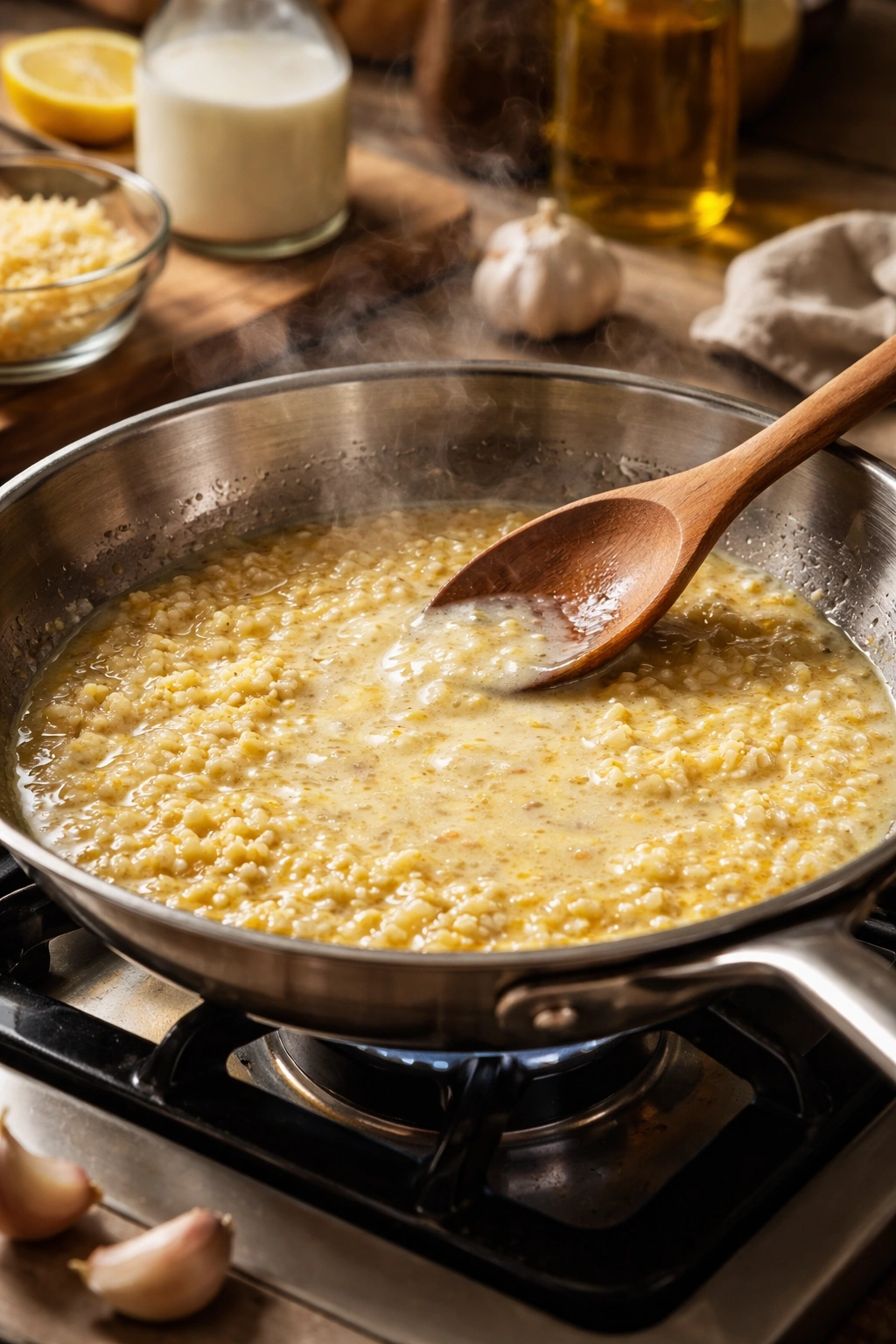
Immediately add your minced garlic and stir continuously with a wooden spoon. The garlic will smell amazing almost instantly—that first surge of aroma means it’s breaking down and releasing flavor. Keep stirring constantly for 2 to 3 minutes. You’re looking for the garlic to turn from raw white to pale golden and to begin smelling sweeter and less sharp. This is the point where raw, harsh garlic notes transform into sweet, mellow, complex flavor. If the garlic ever seems to be darkening too quickly or you smell something burnt, immediately reduce heat to medium.
Advertisements
Create the Emulsion:
-
Pour in the heavy cream slowly while stirring constantly. Don’t dump it all in at once; add it in a thin stream so it incorporates smoothly without cooling the pan too drastically. The moment cream hits the hot garlic butter, it will begin to thicken visibly. This happens because the heat and the fat are beginning to emulsify the cream—breaking down the fat molecules so they disperse evenly, creating a thick, silky texture rather than a thin liquid.
-
Reduce the heat to medium and add the whole milk in the same slow stream, still stirring constantly. The milk serves two purposes: it extends the sauce so you have enough to coat your eventual dish, and it keeps the sauce from becoming too dense or heavy. As you stir, the sauce will continue to thicken, and the color will shift from the white of the cream to a pale golden tone as the garlic’s color and flavor distribute throughout.
Season and Finish:
-
Add the ½ teaspoon of salt, ¼ teaspoon of pepper, and the pinch of nutmeg. Nutmeg might seem unusual in a garlic sauce, but it adds a subtle warmth and complexity that makes people say “what’s in this?”—it never reads as nutmeg-y if used sparingly, just makes the sauce more sophisticated.
-
Remove the pan from heat and stir in the ½ teaspoon of fresh lemon juice. The acid from the lemon brightens the sauce immediately; without it, the sauce can taste slightly flat or one-dimensional despite being rich. Taste the sauce and adjust seasoning: does it need more salt? More lemon? If you’re adding the Parmigiano-Reggiano, stir it in now and let it melt into the warm sauce. The total cooking time should be no more than 5 minutes; if you’ve been stirring constantly and watching closely, you’re exactly on schedule.
-
Use the sauce immediately while it’s warm and at its silkiest. If the sauce thickens more as it cools, you can thin it with a splash of milk or pasta water (if serving with pasta) to bring it back to the right consistency.
The Techniques That Make It Work
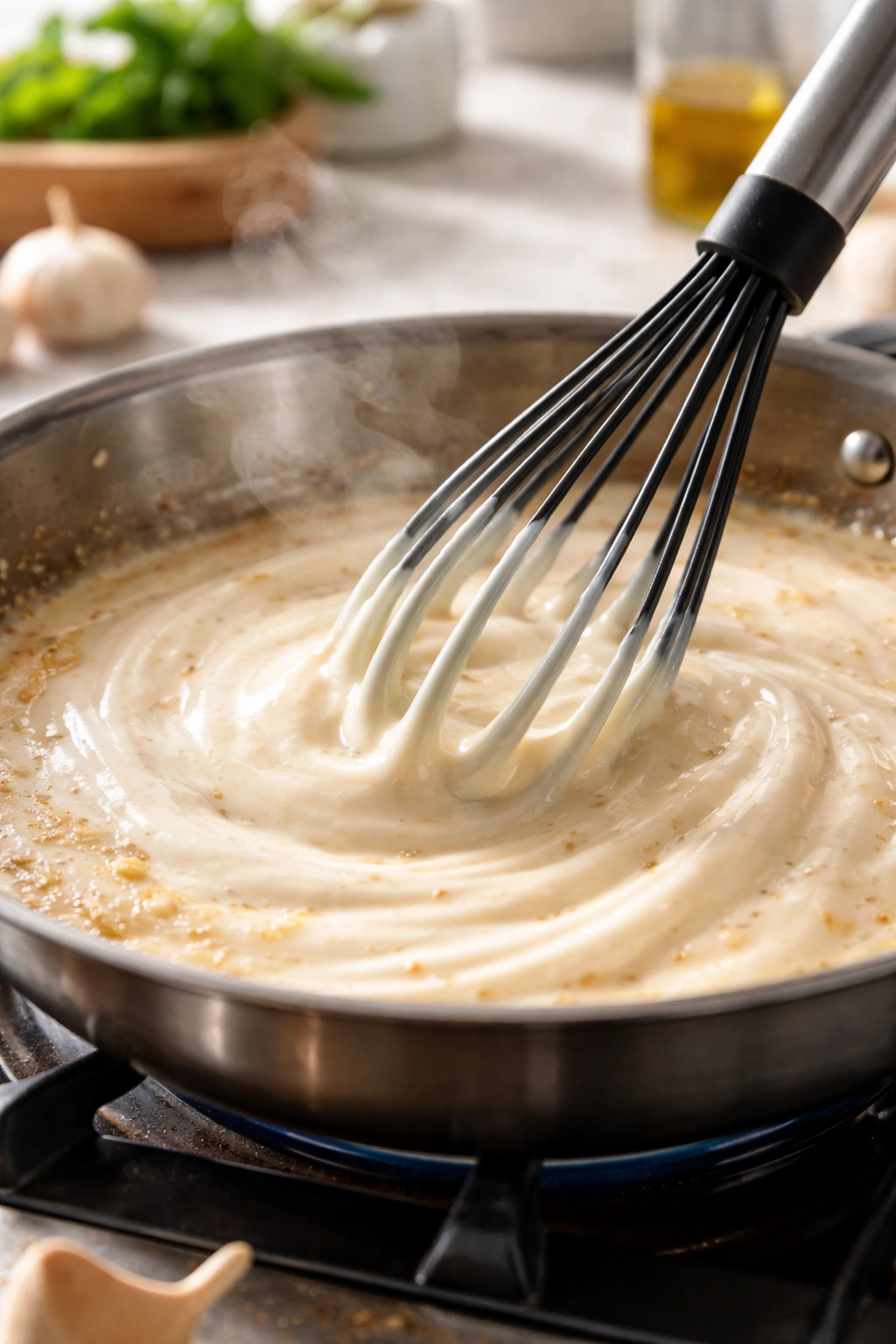
The single most important technique in this recipe is the emulsification process. This is the culinary magic that makes cream and butter come together into a unified sauce rather than curdled or broken components. Emulsification happens because fat molecules (from the butter and cream) surround water molecules, holding them in suspension in a stable structure. When you whisk constantly while adding cream to hot garlic butter, you’re helping this process along by ensuring every bit of cream gets in contact with the hot fat, creating maximum surface area for the emulsion to form. The faster and more thoroughly you stir, the smoother and silkier your final sauce will be.
Heat plays an equally crucial role. Medium-high heat is hot enough to cook the garlic quickly and thick the cream fast, but not so hot that it causes the fat to separate or the cream to break into a grainy, curdled mess. If you’ve ever made a cream sauce that became lumpy or greasy instead of smooth, the culprit was usually heat that was too high. The goal is to see gentle movement in the pan—a slight bubble here and there—not a rolling boil. The residual heat from the warm pan and the hot liquid keeps the cooking process going even after you reduce to medium and eventually turn off the heat.
The order of ingredients matters, too. Starting with butter gives you a medium through which to cook the garlic quickly. Garlic alone, without fat, would scorch or burn. Adding cream to the hot butter-garlic base immediately stops the cooking process from accelerating and gives you the foundation of your sauce. If you reversed the order and poured cream over raw garlic, you’d be trying to cook garlic in a cool, watery medium—it would take ages and never develop full flavor. This is why following the sequence exactly gives you the speed and the results.
Finally, resist the urge to taste the sauce while it’s still very hot straight from the pan. Taste it after about 30 seconds of cooling—hot foods taste less flavorful and can burn your mouth before you have accurate feedback. Once it’s cooled to just warm, you’ll taste the true flavors and be able to adjust salt or lemon juice properly.
Common Mistakes to Avoid
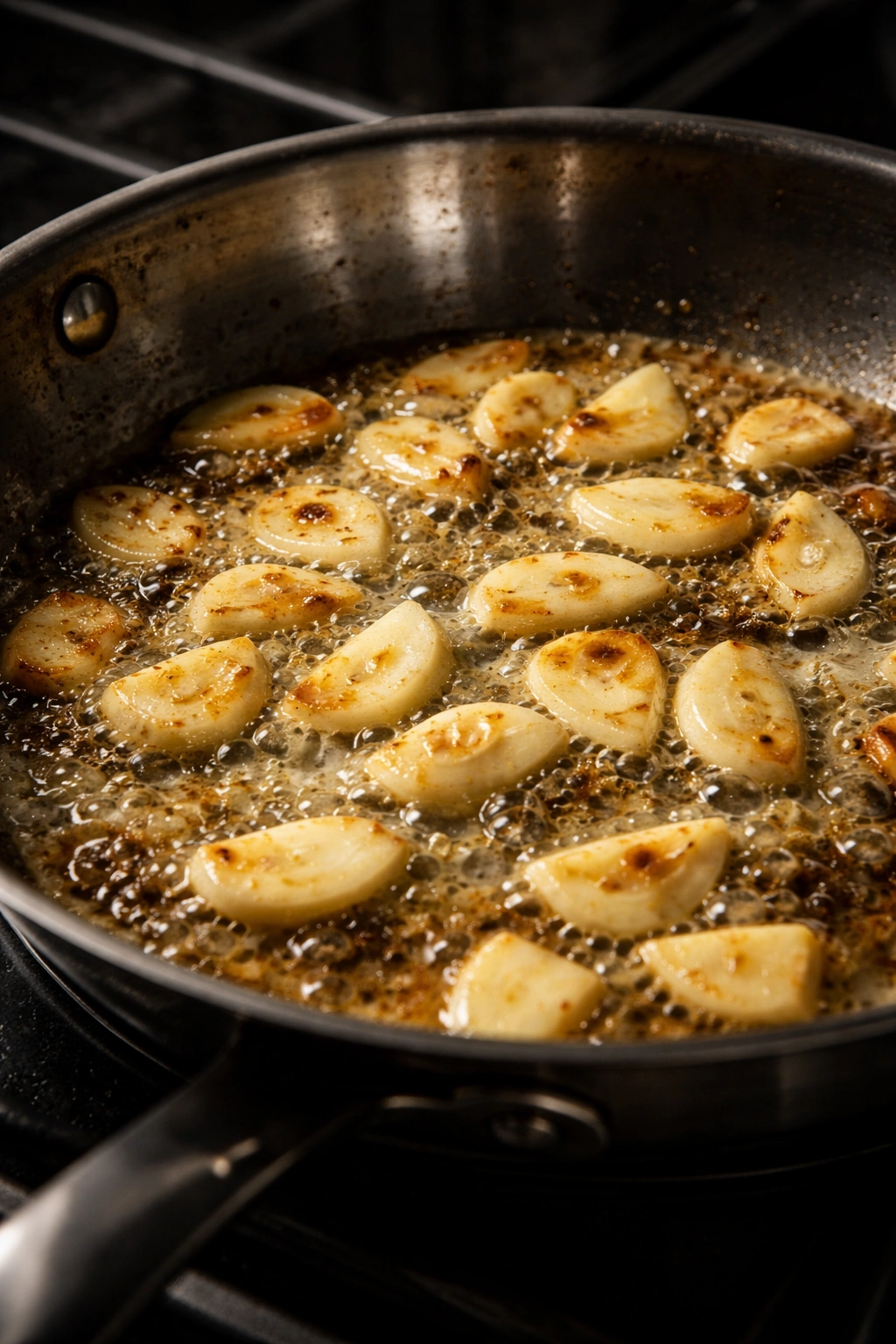
Using Garlic That’s Been Sitting Exposed for Days — Garlic that’s been peeled or cut ahead of time loses volatile compounds and becomes sulfurous and harsh when cooked. Always mince your garlic fresh, right before cooking. If you must prep ahead, keep unpeeled garlic cloves in an airtight container in the fridge; they’ll stay fresh for weeks. Peeled garlic should be used within a day or two.
Skipping the Mincing and Using Garlic Powder Instead — Garlic powder tastes nothing like fresh minced garlic and will result in a sauce that tastes dusty and one-dimensional. The point of this sauce is the fresh, sweet, complex flavor that only comes from freshly minced garlic cooked in real time. Don’t skip the step.
Turning Your Back and Getting Distracted — This sauce cooks incredibly fast, which is wonderful for speed but risky if you step away to check your phone or chat with someone. The moment you stop stirring and paying attention is when the garlic can scorch or the cream can break. Stay at the stove, keep stirring, and watch the sauce transform in real time. This is active cooking, not passive cooking.
Using Milk Instead of Cream — This might seem like a reasonable substitution to save calories or fat, but it absolutely won’t work the same way. Cream’s high fat content is what creates the emulsion and that silky texture. Milk alone won’t thicken; you’d be left with a thin, watery sauce. If you’re trying to use less cream, use more butter instead—butter is pure fat and will give you better results than trying to dilute with milk.
Adding the Cream Cold from the Fridge — If you pour cold cream directly into the hot pan without letting the cream sit out for a few minutes, the temperature shock can cause the cream to seize and create little grainy bits instead of a smooth emulsion. Pour room-temperature or just-slightly-cool cream into the hot butter, or at least use cream that’s been sitting on the counter for 15 minutes. This minor temperature adjustment prevents emulsion disasters.
Overseasoning Before Tasting — Salt makes a big difference in this sauce, but you can always add more salt while the sauce cooks. You can’t take it out once it’s in. Start with ½ teaspoon, taste, and add more if needed. The same goes for lemon juice; it’s easy to add more, but you can’t remove it. Go conservative with seasoning and taste as you go.
Letting the Sauce Sit Without Stirring — Once the cream is in the pan and the sauce is forming, you need to keep stirring. Stopping allows the bottom to heat faster than the rest and risk scorching. Even once you remove from heat, a few more stirs ensure even temperature distribution throughout.
Easy Flavor Variations to Try
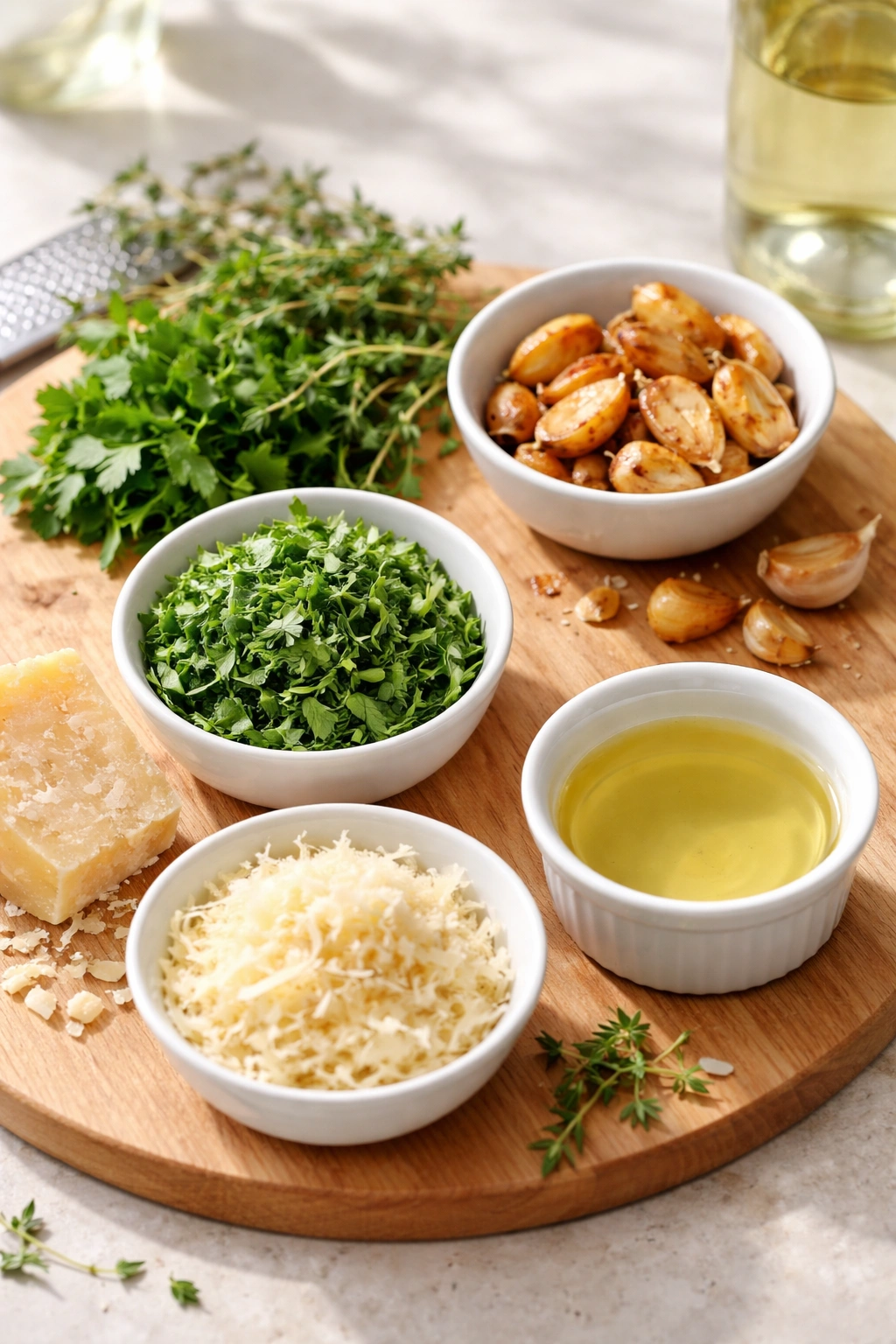
Fresh Herb Version — About 30 seconds before serving, stir in 2 tablespoons of fresh chopped parsley, 1 tablespoon of fresh thyme leaves (or ½ teaspoon dried), and a few torn basil leaves if you have them. Fresh herbs add brightness and make the sauce feel even more restaurant-quality. Never cook the herbs into the sauce for this long; they should be fresh and vibrant, added just at the end.
Roasted Garlic for Milder Flavor — If you love the idea of creamy garlic sauce but find raw garlic too intense for your taste, use roasted garlic instead. You can buy jarred roasted garlic, or roast garlic cloves yourself ahead of time (whole bulbs roasted in a 400°F oven for 35-40 minutes until soft). Use the same amount and follow the same method, but the sauce will be sweeter, less sharp, and more deeply savory instead of bright.
Sharper Version with Aged Parmesan — Add 3 to 4 tablespoons of finely grated aged Parmigiano-Reggiano or Pecorino Romano instead of the mild amount suggested in the base recipe. The stronger cheese creates a sauce that’s more pronounced and sharper, perfect for vegetables and bold dishes.
Wine-Reduced Variation — Before adding the garlic, add ¼ cup of dry white wine to the hot butter and let it simmer for about 1 minute, stirring, so some of the alcohol cooks off. Then proceed with the garlic as normal. The wine adds acidity and complexity that takes the sauce from simple to sophisticated.
Mustard and Garlic Version — Whisk 1 tablespoon of Dijon mustard into the cream before adding it to the pan. The mustard creates a subtle tang and pairs beautifully with the garlic, especially if you’re serving the sauce with chicken or vegetables.
Lemon-Focused Version — Increase the lemon juice to ¾ teaspoon and add the zest of half a lemon (about 1 teaspoon) right at the end. The bright citrus flavor becomes the star, with garlic playing a supporting role. This version is particularly good with fish and light pasta dishes.
Creamy Garlic and Bacon Sauce — Cook 3-4 slices of bacon in your skillet first, then remove and set aside. Chop the bacon finely and reserve it. Proceed with the butter, garlic, and cream using the bacon grease as part of your butter quantity. Stir the chopped bacon back in at the end. You’ve just made a sauce that’s luxurious but with a subtle smoky undertone.
How to Store and Reheat Your Sauce
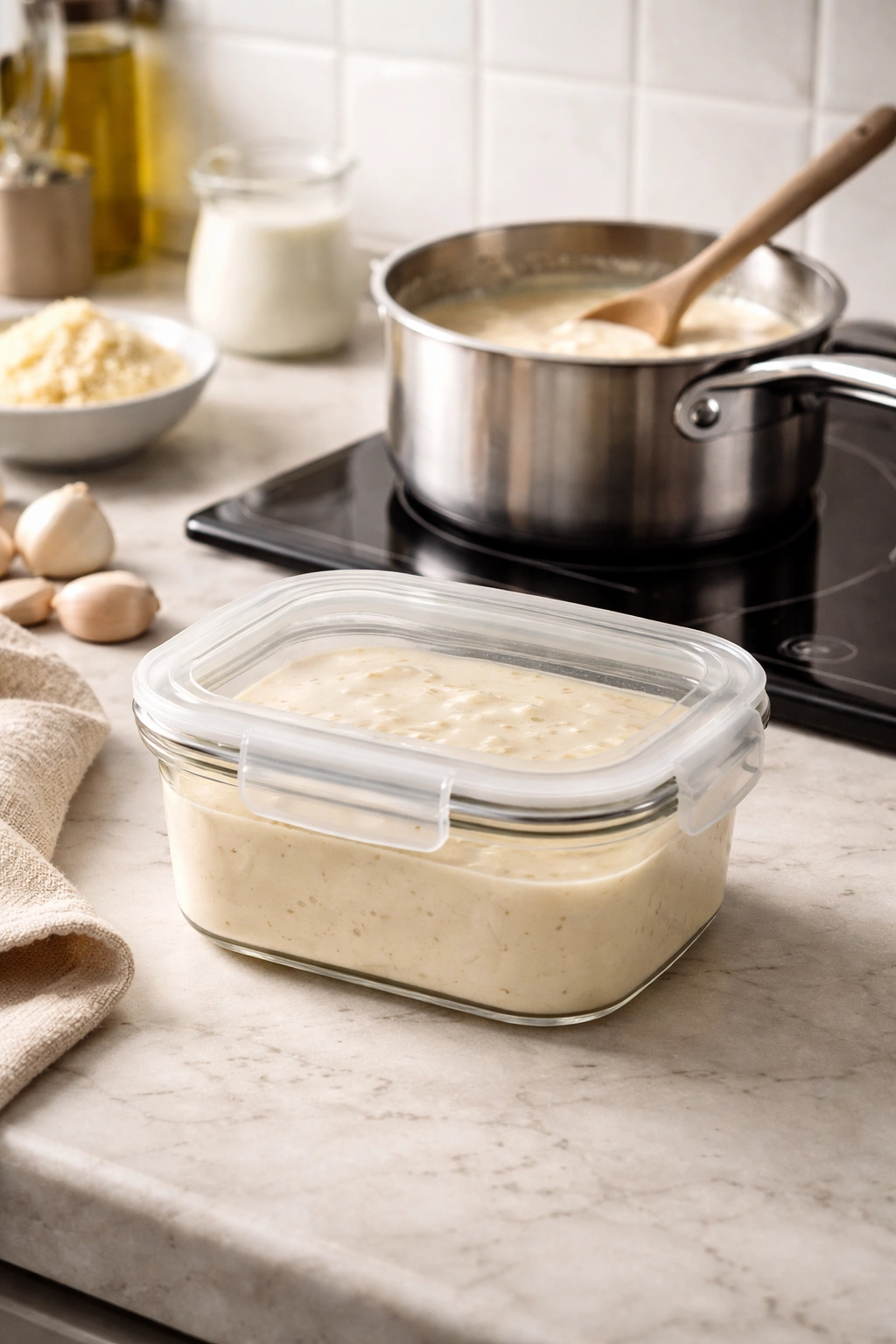
This sauce is best served immediately while it’s fresh and at ideal consistency. However, leftovers keep beautifully for up to 3 days in an airtight container in the refrigerator. The emulsion is stable enough that it won’t break or separate during storage, though the sauce will thicken slightly as it cools because the fats become more solid.
To reheat, pour the sauce into a small saucepan and warm it over low to medium-low heat, stirring constantly. The sauce will thin back out as it warms. If it thickens too much or seems too dense, thin it with a splash of milk or cream (about a tablespoon at a time) until you reach the right consistency. Never reheat in the microwave if you can avoid it—the uneven heating can break the emulsion.
You can also freeze the sauce in an airtight container for up to 1 month. Thaw overnight in the refrigerator, then reheat using the same low-heat method described above, adding a bit of milk to restore the proper consistency if needed.
If your sauce has separated or broken during storage or reheating (it looks grainy or greasy rather than smooth), you can often rescue it by beating it with an immersion blender or a whisk, or by warming it slowly over very gentle heat while stirring constantly. The emulsion can often be reformed even if it looks hopeless.
The Best Ways to Use Creamy Garlic Sauce
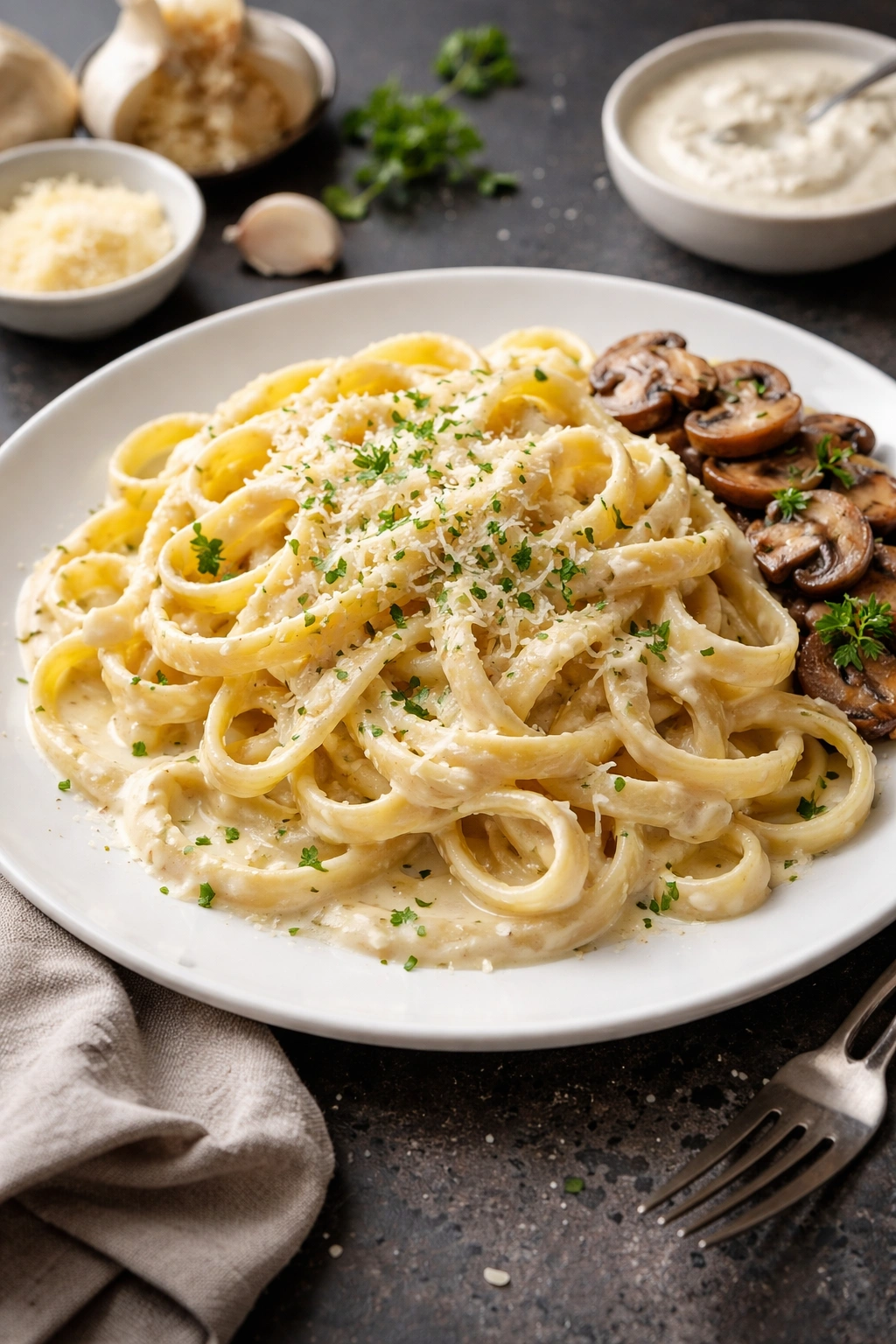
This sauce is endlessly versatile, but it shines brightest with certain pairings. With pasta, a pound of any shape—fettuccine, penne, spaghetti, even short shapes like rigatoni—becomes an elegant dinner with just this sauce and a handful of grated cheese. The sauce clings to the pasta and doesn’t require any other component. If you want to dress it up, add sautéed mushrooms, caramelized onions, cooked shrimp, or crispy pancetta before tossing the sauce with the pasta.
Over roasted or grilled vegetables, this sauce transforms even simple zucchini, bell peppers, or broccoli into something you’d order at a nice restaurant. The richness of the cream complements the slight char of grilled vegetables perfectly. Roast your vegetables at high temperature until they have some color and caramelization, then drizzle the warm sauce over the top just before serving.
With grilled or pan-seared chicken breasts, creamy garlic sauce is a classic pairing that never disappoints. Cook your chicken however you prefer—pan-seared until golden, grilled, or baked—and serve a spoonful of sauce over the top. The sauce adds moisture to the chicken and prevents it from feeling dry, no matter the cooking method.
As a dipping sauce for bread or breadsticks, this sauce is luxurious and simple. Serve it warm in a small bowl alongside crusty bread or grilled bread brushed with olive oil. It’s perfect as an appetizer or alongside soup.
With roasted root vegetables like potatoes, carrots, or parsnips, the sauce creates a dish that feels like comfort food elevated. Toss the roasted vegetables with the warm sauce, add a handful of fresh herbs, and you have a side dish worthy of a special dinner.
Over fish or seafood, particularly white fish like halibut, cod, or sole, creamy garlic sauce provides richness that balances the delicate, lean protein beautifully. The garlic flavor is bold enough to complement fish without overwhelming it.
As a component in lasagna or baked pasta, use this sauce in place of béchamel or mixed with tomato sauce to create layers of richness and flavor. It’s particularly good in vegetarian lasagna, where the creamy garlic flavor becomes the star instead of a supporting player.
Over gnocchi, this sauce is nearly perfect. The tender, pillowy gnocchi cradled in silky garlic cream creates a dish that tastes special but comes together in minutes.
Final Thoughts
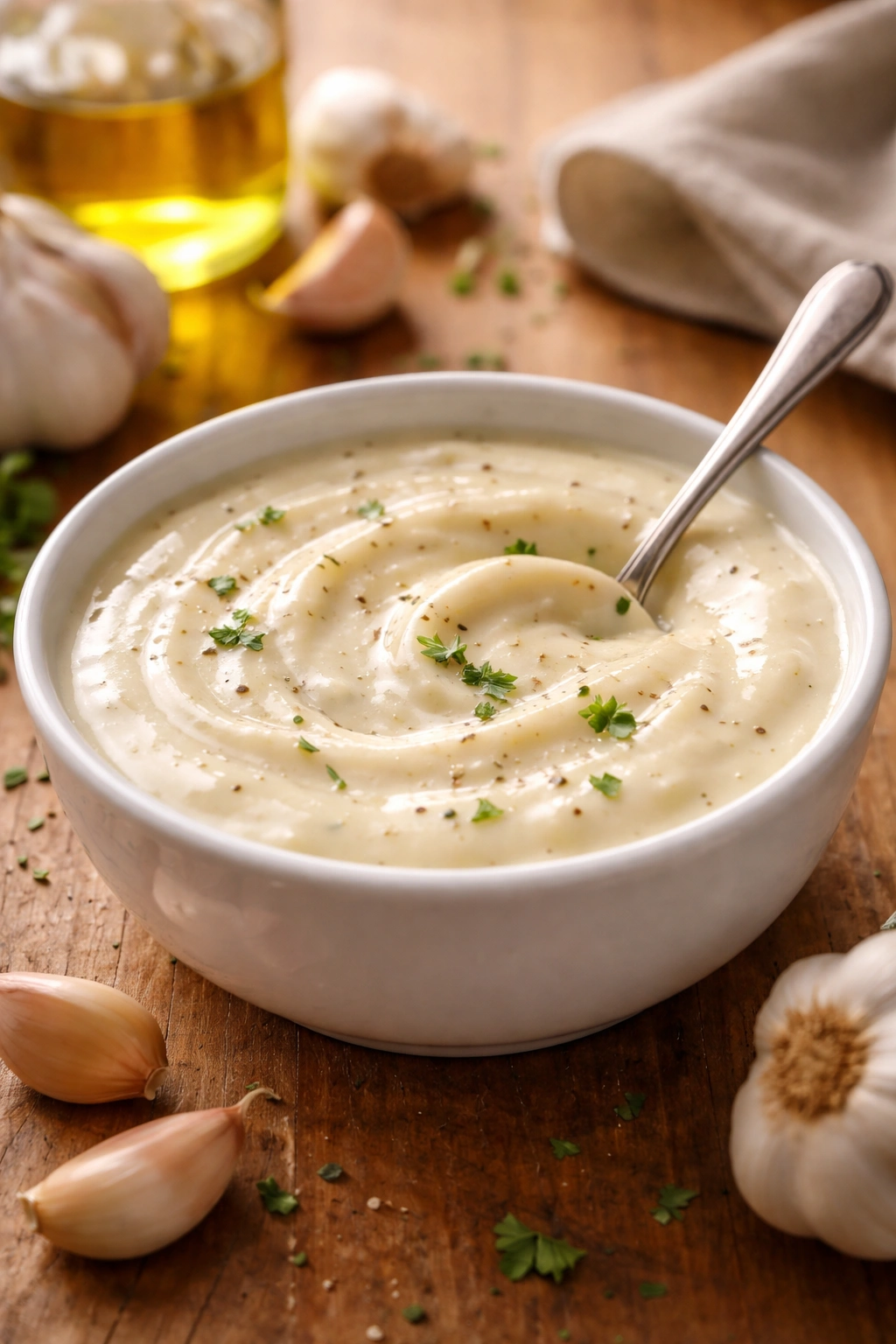
A sauce this good, made this fast, should be in your regular rotation. It requires nothing unusual—garlic, butter, cream, and salt are things you likely always have on hand. It teaches you a real cooking skill (emulsification) without the pressure of a complicated recipe. And it solves the eternal dinner-time question: what do I serve with this protein or vegetable? The answer is creamy garlic sauce, and you’ll have it ready before the rest of dinner finishes cooking.
The speed is a benefit, but it’s not the real magic. The real magic is that this sauce tastes like you’ve been coaxing flavors out of butter and cream for an hour, when you’ve actually just been paying close attention for 10 minutes. That’s the lesson here—good cooking isn’t always about time or complexity. It’s about technique, heat control, and knowing the exact moment when your ingredients come together into something greater than their parts. Once you make this sauce a few times, you’ll develop an intuition for the process that’ll let you make it without thinking, which is when it becomes truly indispensable.
