



When your schedule is packed and the idea of standing over a stove feels impossible, your slow cooker becomes a lifesaver. There’s something almost magical about the promise of the crock pot: dump your ingredients in the morning, go about your day, and come home to a hot, complete meal waiting for you. Easy crock pot chicken embodies this promise better than almost any other dish. It’s forgiving, it’s affordable, it’s versatile, and it somehow makes even the most straightforward preparation taste like you’ve been cooking all day.
The beauty of this approach is that slow cooker chicken isn’t just about tossing some chicken breasts into a pot with random liquids and hoping for the best. There’s genuine technique involved—knowledge about which cuts cook best, how to season properly, what liquids create the most flavorful results, and exactly when your chicken reaches that perfect tender, juicy texture without drying out. The difference between mediocre crock pot chicken and exceptional crock pot chicken often comes down to understanding a few key principles that seem simple but make all the difference.
Unlike roasting, grilling, or pan-searing, slow cooking removes most of the guesswork from chicken preparation. You’re not standing in the kitchen monitoring temperatures or stirring constantly. The moist heat environment of a slow cooker is actually ideal for chicken—it prevents the kind of drying out that happens in an oven, and it allows flavors to develop deeply and meld together over hours. This is why slow cooker chicken often tastes more flavorful than chicken cooked using faster methods, even when you use the exact same seasonings.
Why Slow Cookers Transform Ordinary Chicken Into Something Special
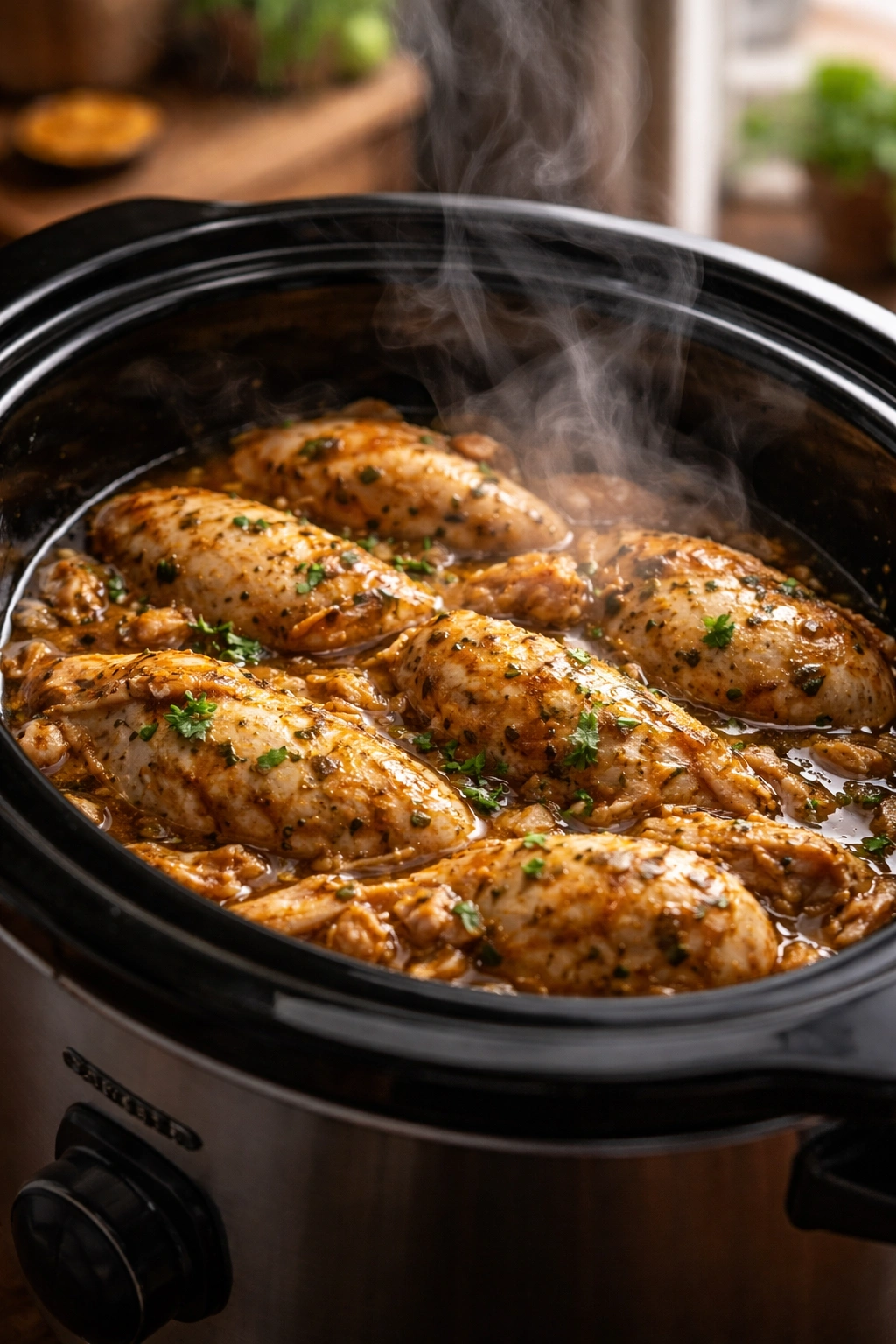
The slow cooker works by surrounding food with gentle, consistent heat in a moist environment. This is fundamentally different from dry-heat cooking methods. When you roast chicken in an oven, the exterior can dry out while you’re waiting for the interior to finish cooking. With a slow cooker, the enclosed pot traps steam, which keeps the chicken moist throughout the entire cooking process. That steam bastes the chicken continuously, making it nearly impossible to overcook in the traditional sense.
Temperature control in a slow cooker is incredibly stable. A properly functioning slow cooker on low heat will hold a steady temperature—typically around 190°F—for hours. This allows chicken to cook through completely without ever reaching the point where proteins become stringy and tough. The long, gentle cooking also breaks down connective tissues in the chicken, which contributes to that fall-apart tenderness that makes slow cooker chicken so craveable.
The time factor matters more than you might realize. Slow cooking gives flavors hours to meld and intensify. A sauce that would taste thin and one-dimensional after 20 minutes of simmering becomes rich and deeply seasoned after 4-6 hours in the slow cooker. Garlic becomes mellower and sweeter, tomato flavors deepen, herbs infuse every fiber of the chicken, and any cream-based sauce achieves a silky, integrated quality that’s hard to replicate any other way.
Perhaps most importantly, slow cooking accommodates real life. You’re not timing dinner around when you arrive home. You’re not scrambling at 5 p.m. wondering what to make. You’ve already made the decision, assembled the ingredients, and set the slow cooker that morning. By the time you walk through the door, dinner is literally ready to serve.
Selecting the Best Chicken Cuts for Your Slow Cooker
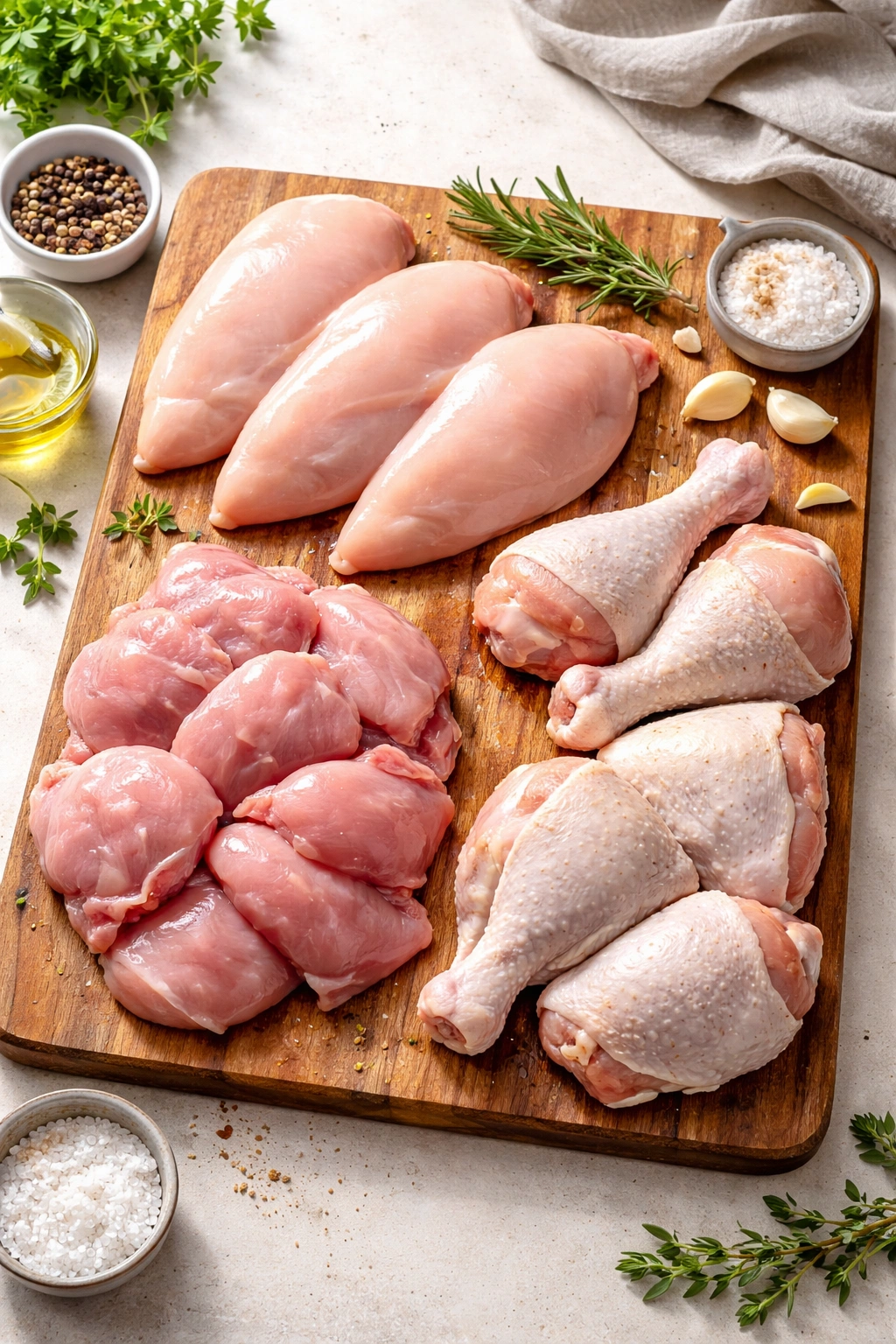
Not all chicken cuts perform equally well in a slow cooker, and understanding these differences will dramatically improve your results. Boneless, skinless chicken breasts are the most popular choice for slow cooker recipes, and for good reason—they’re lean, affordable, widely available, and familiar to most home cooks. However, they’re also the trickiest cut to cook perfectly in a slow cooker because they’re so low in fat that they can become dry if you’re not careful.
Boneless, skinless chicken thighs are genuinely superior for slow cooking, though fewer people reach for them. Thighs contain roughly three times as much fat as breast meat, which means they stay moist and tender even with longer cooking times. The flavor is also notably richer and more chickeny. If you find slow cooker chicken breasts turning out dry or stringy, switching to thighs will solve the problem. They cost slightly more per pound but often come out cheaper overall because they have better yield—less waste, and the fat keeps them from shrinking as much.
Bone-in, skin-on chicken pieces—whether breasts, thighs, drumsticks, or a mix—are excellent slow cooker candidates. The bone conducts heat slowly, insulating the meat and preventing overcooking. The skin adds fat, which contributes flavor and keeps the meat moist. These cuts also tend to be cheaper than boneless varieties. The downside is that slow cooking won’t give you crispy skin—the moist environment prevents browning—but the meat itself will be outstanding.
A whole chicken is actually one of the best slow cooker options if you want to maximize value and flavor. Whole birds are usually cheaper per pound than individual pieces, and you get usable drippings for making stock, plus potentially two meals from one bird. The cooking time is longer (typically 4-8 hours depending on size), but the hands-on effort is minimal. The meat comes out incredibly tender, practically falling off the bone.
Frozen chicken requires special handling. The FDA doesn’t recommend cooking frozen chicken in a slow cooker because it spends too long in the “danger zone” temperature range where bacteria can multiply. Always thaw chicken completely before using it. If you forget to thaw, a quick thaw method—submerging sealed chicken in cool water for 30-45 minutes, changing the water every 15 minutes—takes less time than slow cooking.
Seasoning Your Chicken for Maximum Flavor
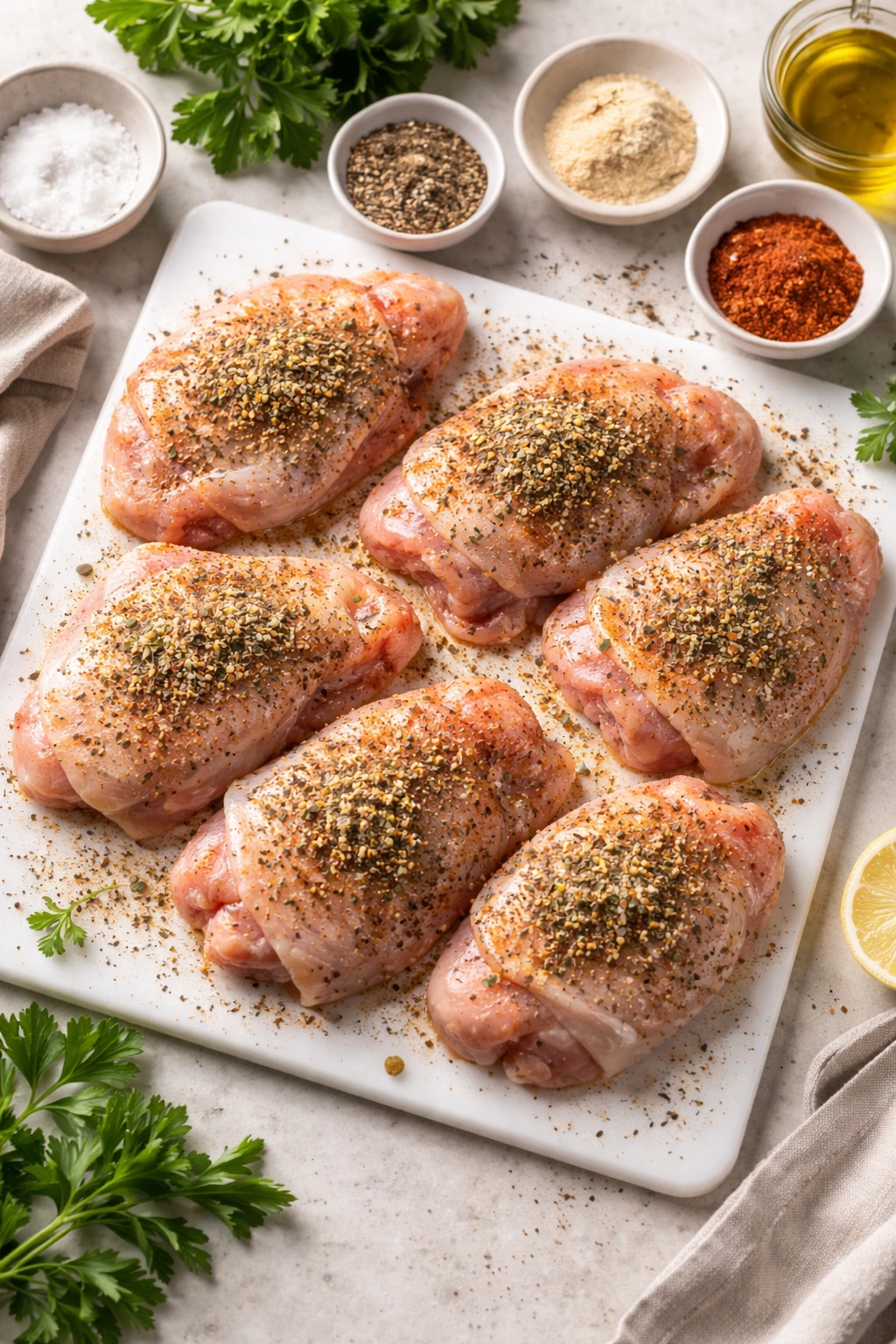
This is where many home cooks fall short with slow cooker chicken. Because the cooking time is so long, and because slow cookers work in a moist environment, seasonings need to be applied thoughtfully. The good news is that slow cooking actually enhances flavors over time, so you don’t need excessive amounts of salt or spices to get great results.
The simplest approach is to season the chicken directly before putting it in the slow cooker. Salt, pepper, garlic powder, onion powder, and dried herbs create a solid foundation. A light dusting of paprika adds color and a subtle depth. Dried Italian seasoning is forgiving and works with almost any other flavor profile. The key is to distribute seasonings evenly—sprinkle on both sides of chicken pieces, get under the skin if you’re working with bone-in chicken, and don’t shy away from the seasoning blend. What seems like adequate seasoning at the start actually becomes subtle after hours of cooking.
Many traditional slow cooker chicken recipes build flavor through the cooking liquid. Instead of just water or broth, you might use a combination of chicken broth, cream, sun-dried tomatoes, fresh garlic, and herbs. This liquid becomes a sauce that flavors the chicken from all directions. As the chicken cooks, it gives up its own flavorful proteins to the liquid, which then infuses the chicken further—a beautiful cycle that creates deeply flavored, restaurant-quality results.
Cream-based sauces deserve special attention. Heavy cream or sour cream should be added toward the end of cooking time, not at the beginning. If cream cooks for hours on low heat, it can separate or break, resulting in a greasy, unpleasant sauce. Most recipes call for adding cream in the last 30-60 minutes of cooking, which gives it enough time to warm through and meld with other flavors without compromising the texture.
Fresh herbs shine when added at the very end. Cilantro, parsley, basil, and chives lose their brightness with long cooking times. But if you add them in the last few minutes, they provide a fresh contrast to the deep, slow-cooked flavors. You can use fresh herbs as garnish too—their vibrant flavor and color make a visual difference that elevates the final dish.
Understanding Cooking Times and Temperature Safety
The eternal question with slow cookers is low versus high. The low setting typically cooks food at around 190°F, while high runs around 280°F. A general rule is that high takes roughly half the time of low. Most chicken recipes work beautifully on low for 4-6 hours, or on high for 2-3 hours. Low and slow is almost always the superior choice for chicken because it allows more even cooking and gives flavors more time to develop.
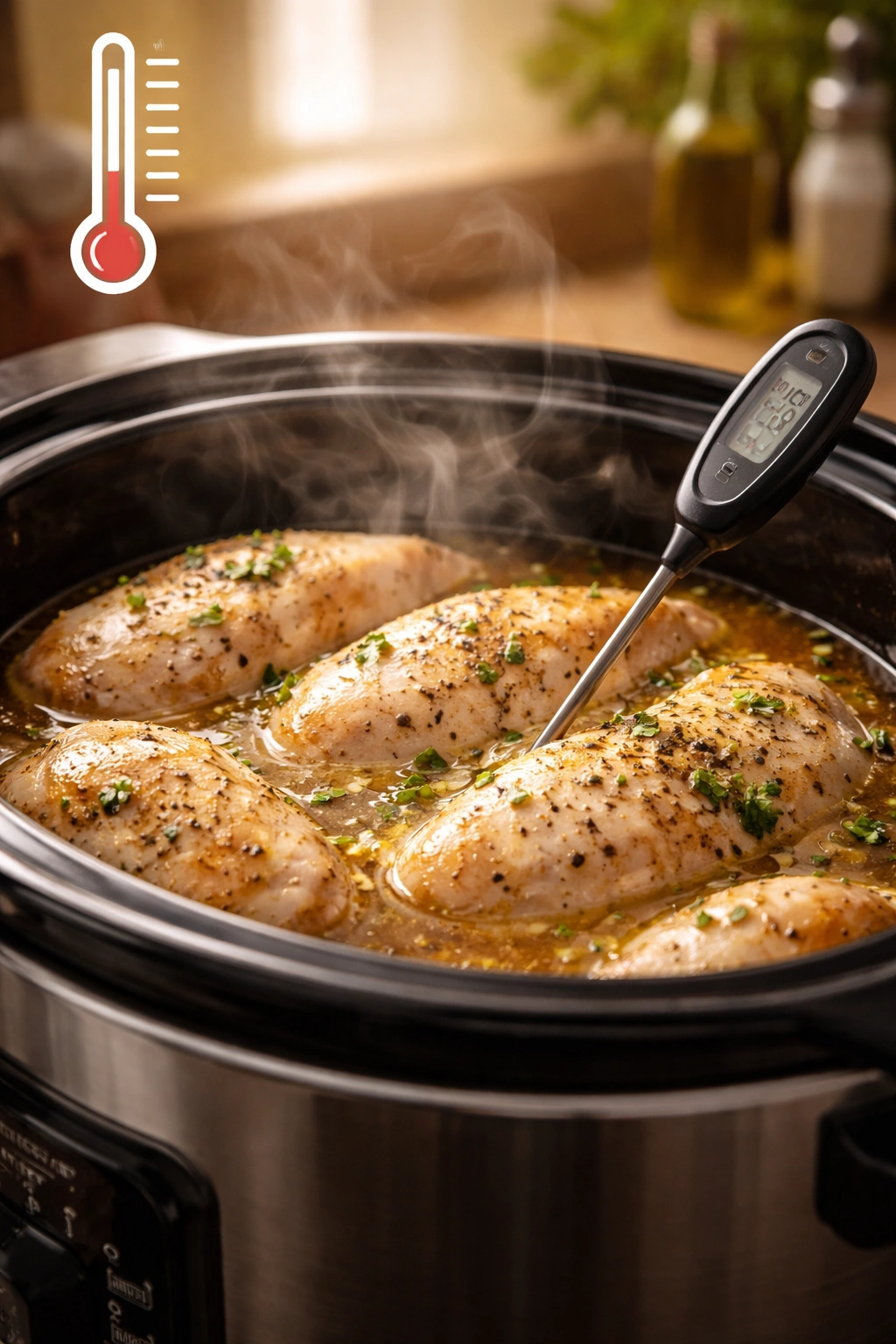
The minimum safe internal temperature for chicken is 165°F, measured at the thickest part without touching bone. An instant-read thermometer is your best friend here—it takes the guesswork out of doneness. Many slow cooker chicken recipes are done when they reach 165°F, but the meat often continues cooking even after you turn off the heat due to carryover cooking. This is fine—the meat will be tender and juicy, not tough and overcooked.
Don’t rely solely on time recommendations. Slow cooker sizes and heating performance vary significantly. A 3-quart slow cooker cooks faster than a 6-quart model. A slow cooker that’s half full cooks faster than one that’s nearly full. The amount and temperature of ingredients added to the pot affects cooking time. Rather than trusting a specific time, check the chicken’s internal temperature—that’s the only truly reliable indicator of doneness.
For boneless, skinless chicken breasts specifically, many experienced cooks aim to remove them from heat right when they hit 165°F internally. A few minutes longer won’t hurt, but if you want maximum juiciness, catching them at this exact moment matters. Bone-in pieces and thighs are far more forgiving—they can cook until 170-175°F internally and still be delicious and moist.
Creating Sauces and Liquids That Make the Dish
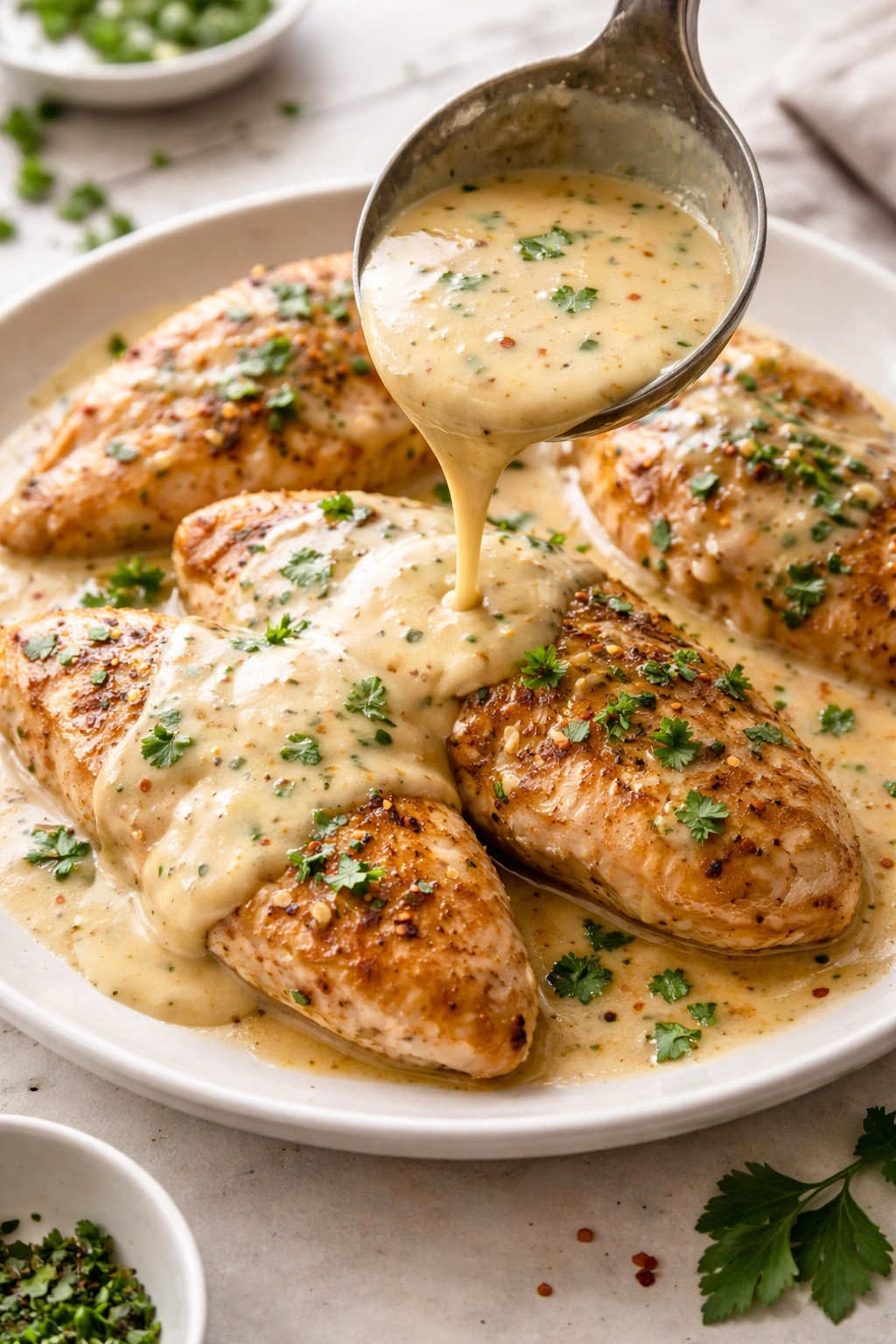
The cooking liquid is essentially what separates merely cooked chicken from a complete meal. Even the simplest slow cooker chicken benefits from an intentional liquid that adds flavor, creates a sauce for serving, and keeps everything moist. Chicken broth is the baseline—it keeps chicken moist while adding a subtle savory flavor. But you can build from there.
Many excellent slow cooker chicken recipes use a combination of broth and cream, which creates a silky sauce perfect for serving over pasta or rice. A ratio of about 1 cup broth to 1 cup heavy cream works well, though this varies by recipe. The combination gives you the savory depth of broth with the richness and smoothness of cream.
Tomato-based sauces are another excellent option. Canned crushed tomatoes, tomato paste, or tomato sauce combined with garlic, herbs, and broth create a sophisticated sauce reminiscent of Italian cuisine. Sun-dried tomatoes add concentrated tomato flavor and a slight sweetness that pairs beautifully with chicken. These tomato-based options are naturally lighter than cream sauces while still being deeply flavorful.
Vinegar-based glazes bring brightness and complexity. Balsamic vinegar creates a slightly sweet, tangy sauce with depth. Rice vinegar or white vinegar combined with soy sauce and honey creates an Asian-inspired sauce. Apple cider vinegar works wonderfully with barbecue sauce for a tangy, smoky option. The acidity from vinegar helps balance rich ingredients and prevents the sauce from tasting one-dimensional.
Broth-based sauces thickened with cornstarch create a glossy coating that clings to chicken beautifully. A slurry made by whisking cornstarch with a small amount of cold water, then stirring it into the hot liquid, thickens the sauce smoothly without lumps. This technique transforms thin cooking liquid into a professional-looking sauce in just a few minutes.
For a foolproof approach, consider using jarred sauces as your base. Quality marinara sauce, Alfredo sauce, salsa, or peanut sauce can become the foundation of your slow cooker chicken. You’re not cheating by using these—you’re being smart about your time. A quality jar sauce combined with fresh garlic, herbs, and chicken creates something that tastes homemade and delicious.
Avoiding Common Slow Cooker Chicken Mistakes
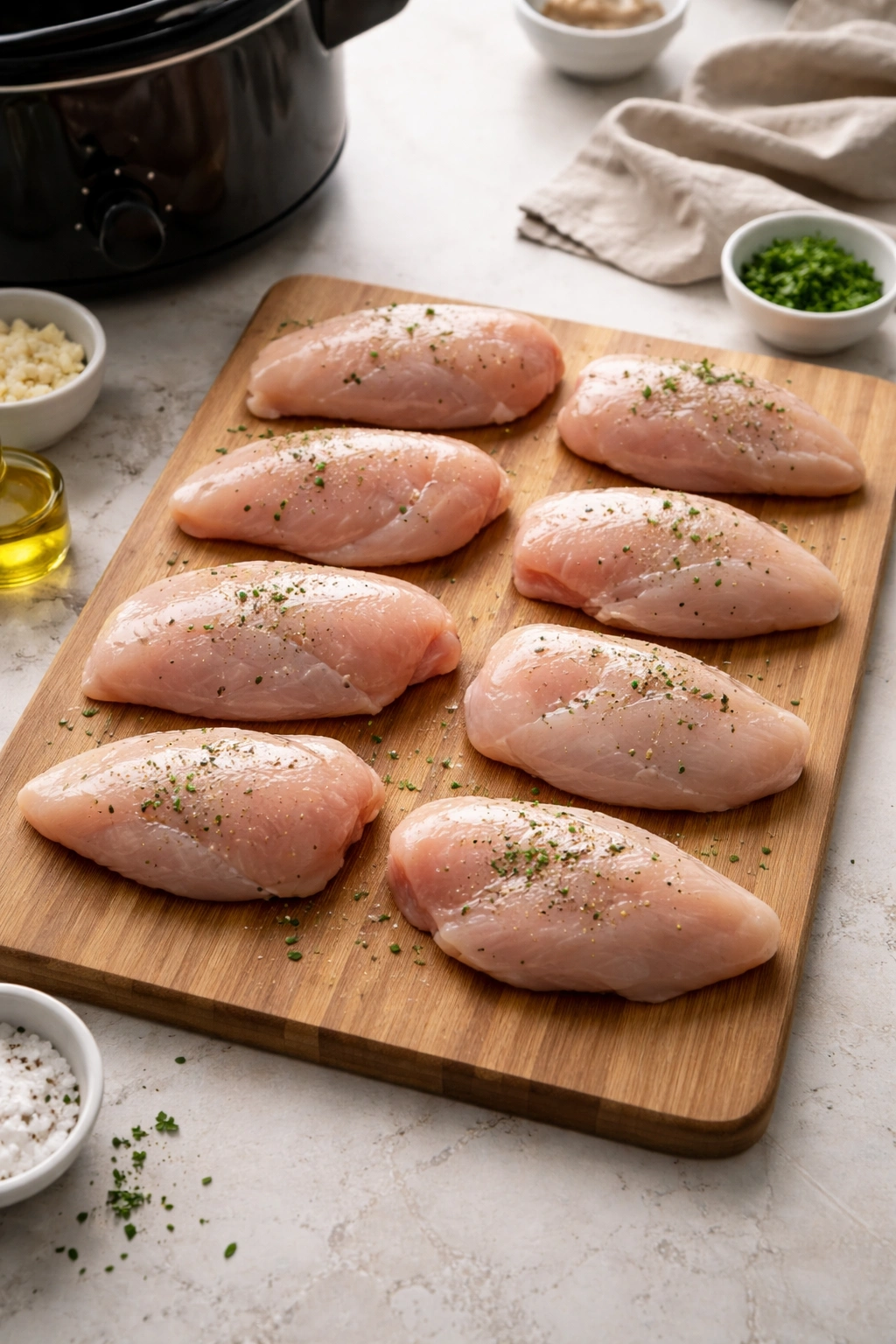
The most frequent mistake is overcrowding the slow cooker. If you pack chicken pieces tightly with no space between them, the ones in contact with the walls cook faster than those in the center, creating uneven cooking. Ideally, chicken should be in a single layer with a bit of room between pieces. If you need to cook a large batch, use a second slow cooker or cook in batches.
Overfilling the pot is another common error. A slow cooker should be filled between half and three-quarters full for optimal cooking. If the pot is too full, the liquid takes longer to heat properly, and the chicken may not cook evenly. If the pot is too empty, chicken can cook too quickly and dry out. The sweet spot is having enough liquid to partially submerge the chicken while leaving a few inches of headspace.
Starting with frozen chicken creates food safety issues and uneven cooking. The exterior might reach unsafe temperatures while the interior remains frozen, creating conditions where bacteria can multiply. Always thaw chicken first. An exception is ground chicken, which can sometimes be cooked from frozen in a slow cooker, but whole pieces should always be thawed.
Many people add vegetables to the slow cooker at the beginning of cooking alongside chicken, expecting them to maintain their texture. By the time the chicken is done, vegetables are usually mushy and overcooked. Add hardy vegetables like carrots and potatoes about halfway through cooking. Add tender vegetables like spinach, zucchini, or fresh herbs in the last 15-30 minutes. This preserves their texture and color.
Neglecting to adjust seasoning at the end is another mistake. Slow cooking can dull or mellow some flavors, and evaporation can concentrate salt. Taste the finished dish and adjust seasoning as needed—add more salt, a splash of vinegar for brightness, fresh herbs for complexity, or a pinch of spice for heat. Those final adjustments transform good chicken into exceptional chicken.
Preparation Strategies That Save Time During the Week
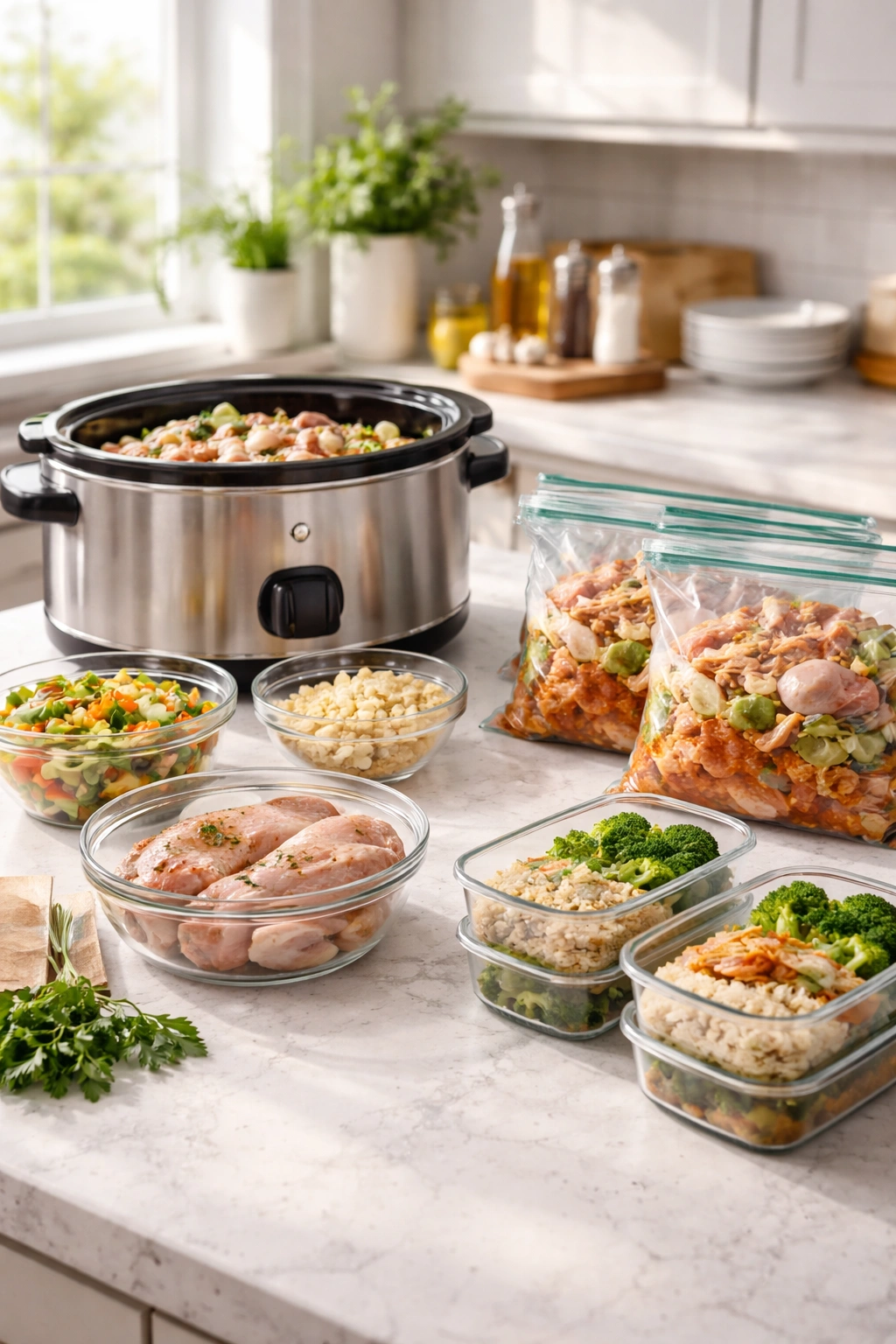
The beauty of slow cooker chicken is that it works perfectly for meal prep. You can prepare the ingredients in the morning, leave the house, and return to cooked chicken ready to be divided into storage containers. Or you can assemble the slow cooker insert the night before, refrigerate it overnight, and pop it into the slow cooker base first thing in the morning.
Some people use the “freezer bag method” for ultimate convenience. Combine seasonings, liquids, and any non-chicken ingredients in a gallon-size freezer bag. Label it, freeze it, and when you’re ready to cook, thaw the bag overnight in the refrigerator, add the thawed chicken to the slow cooker insert, pour in the bag contents, and set it cooking. This turns slow cooker cooking into a completely hands-off operation.
The basic formula for easy success: Season chicken generously, pour in about 1-2 cups of liquid (depending on slow cooker size), add any aromatics like garlic and onions, cover, and cook on low for 4-6 hours. This reliable approach works with boneless, skinless breasts, thighs, or bone-in pieces. It produces moist, tender chicken almost without fail.
For busy mornings, keeping ingredients pre-measured is a game-changer. Store dried herbs, spices, and garlic powder in small containers so you can quickly assemble a dry spice blend. Keep cans of broth and cream in the pantry. Buy pre-minced garlic from the refrigerated section if it saves you time. These shortcuts make the preparation phase so quick that you can have the slow cooker running in under five minutes.
Storage, Reheating, and Make-Ahead Tips
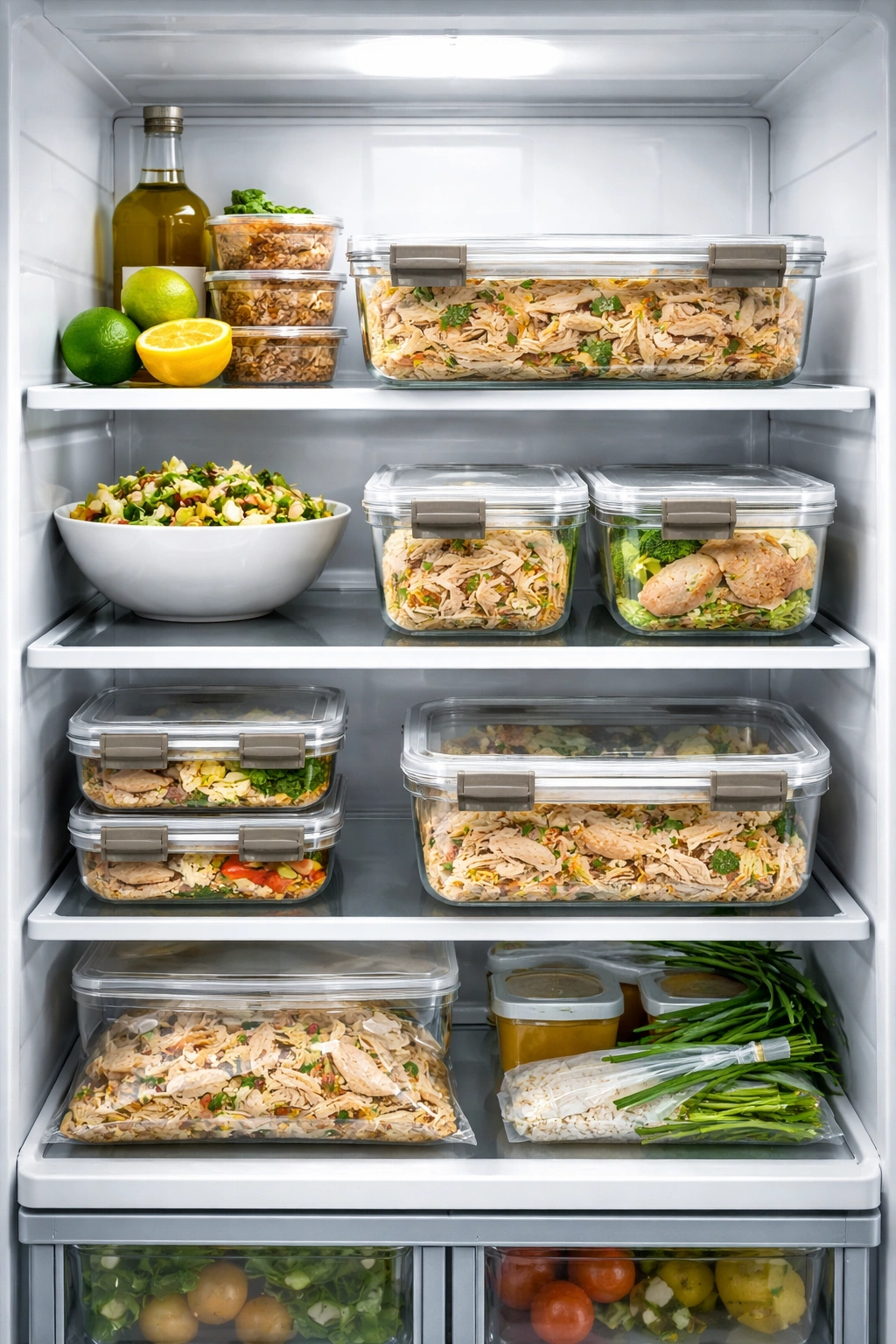
Cooked slow cooker chicken keeps in an airtight container in the refrigerator for 3-5 days, depending on how much sauce it’s sitting in—sauces generally help preserve the chicken. Freeze cooked chicken for up to 3 months in freezer-safe containers or bags. Freezing actually helps preserve moisture because the chicken doesn’t dry out further during frozen storage.
Reheating slow cooker chicken requires a gentle touch, especially if it’s in a cream sauce. Reheat on low heat on the stove top or in the oven, not at high heat. Microwaving works in a pinch—heat in 30-second increments, stirring between bursts. With cream sauces, avoid overheating because cream can separate, creating an oily, unpleasant texture. The goal is warming everything through without pushing the temperature higher than necessary.
Slow cooker chicken also works beautifully for “cook once, eat twice” strategies. Make a large batch of simple, lightly-seasoned slow cooker chicken, divide it into portions, and then use those portions in different ways throughout the week. Monday night might be chicken with rice and vegetables. Tuesday could be chicken tacos. Wednesday might be chicken salad. Chicken pot pie, chicken soup, chicken wraps, chicken pizza—the possibilities multiply when you have pre-cooked chicken on hand.
Serving Suggestions That Transform Simple Chicken
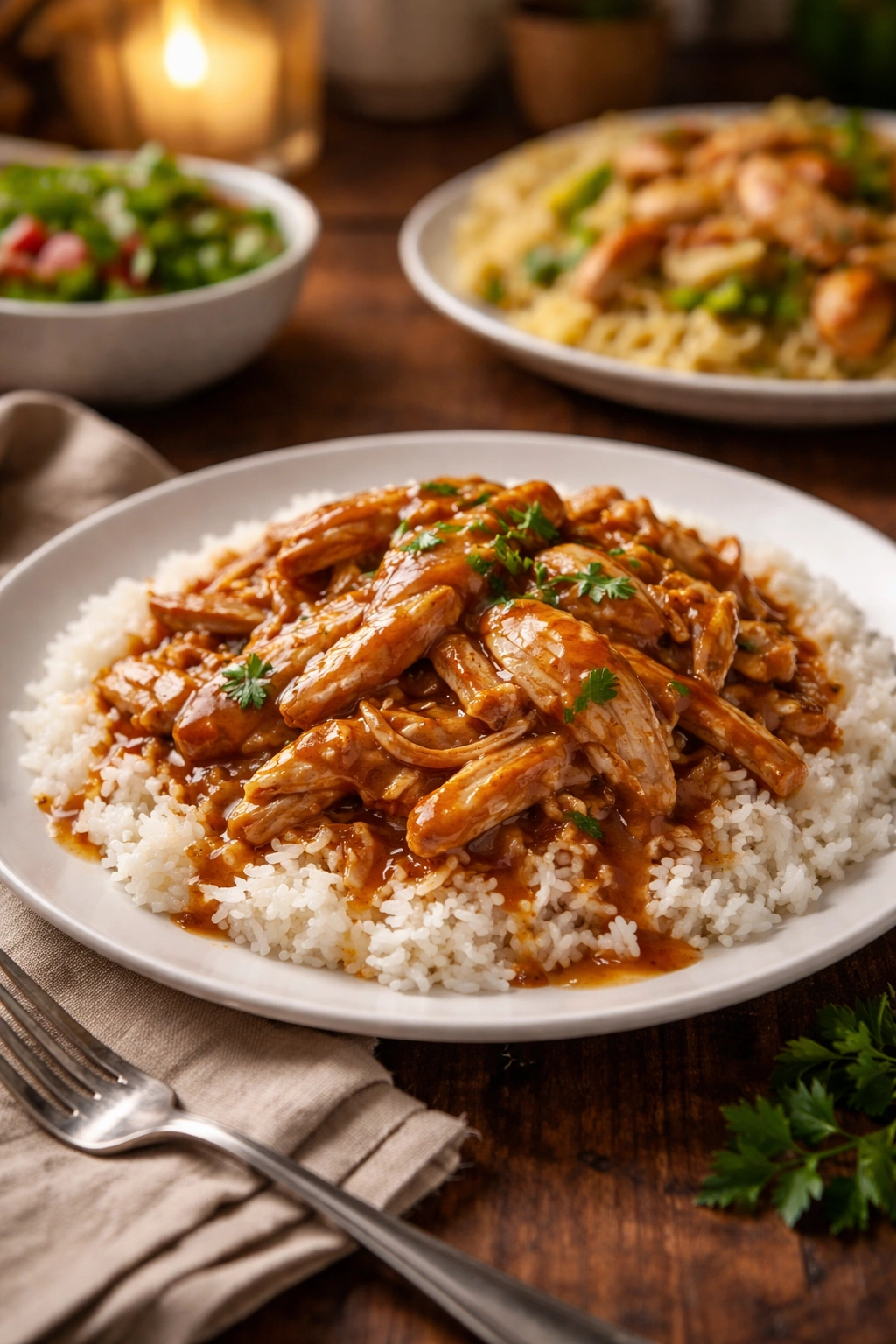
The most traditional serving is slow cooker chicken over steamed or cooked rice. The rice soaks up the flavorful sauce, creating a complete, satisfying meal. Brown rice adds nutty flavor and fiber. Jasmine rice adds subtle floral notes. For gluten-free diners, cauliflower rice works beautifully and carries sauce well.
Pasta is another classic pairing. Egg noodles have a tender richness that complements creamy chicken sauces. Penne or rigatoni works well with tomato-based sauces. Angel hair or linguine is delicious with lighter sauces. Serving slow cooker chicken over buttered noodles is pure comfort food.
Mashed potatoes are perfect for capturing all the flavorful sauce. The creamy, buttery texture of mashed potatoes complements both cream and tomato sauces beautifully. For a lighter version, try cauliflower mash or herb-seasoned mashed root vegetables. Polenta—creamy cornmeal—is an underrated option that provides similar comfort while being slightly different from potatoes.
Slow cooker chicken also works wonderfully in tacos. Shred or chop the chicken and serve it in warmed tortillas with your favorite toppings—salsa, sour cream, avocado, cilantro, lime juice. This transforms a simple slow cooker meal into something interactive and fun, and it’s an excellent way to use up leftovers.
For salads, cold slow cooker chicken is excellent. Shred or chop it and combine with fresh greens, vegetables, and a vinaigrette. The chicken’s tender texture and built-in flavor from the slow cooking make it superior to typical salad chicken. This is an especially good use for leftover slow cooker chicken—a completely different meal from the original serving.
Hearty vegetable sides round out a slow cooker chicken dinner. Roasted broccoli, steamed green beans, sautéed spinach, or roasted root vegetables all pair well. A simple side salad with vinaigrette provides brightness and freshness that balances rich, creamy chicken dishes. Don’t underestimate the importance of acidity—a squeeze of lemon juice or a splash of vinegar lifts the flavors of the entire meal.
Flavor Variations That Keep Things Interesting
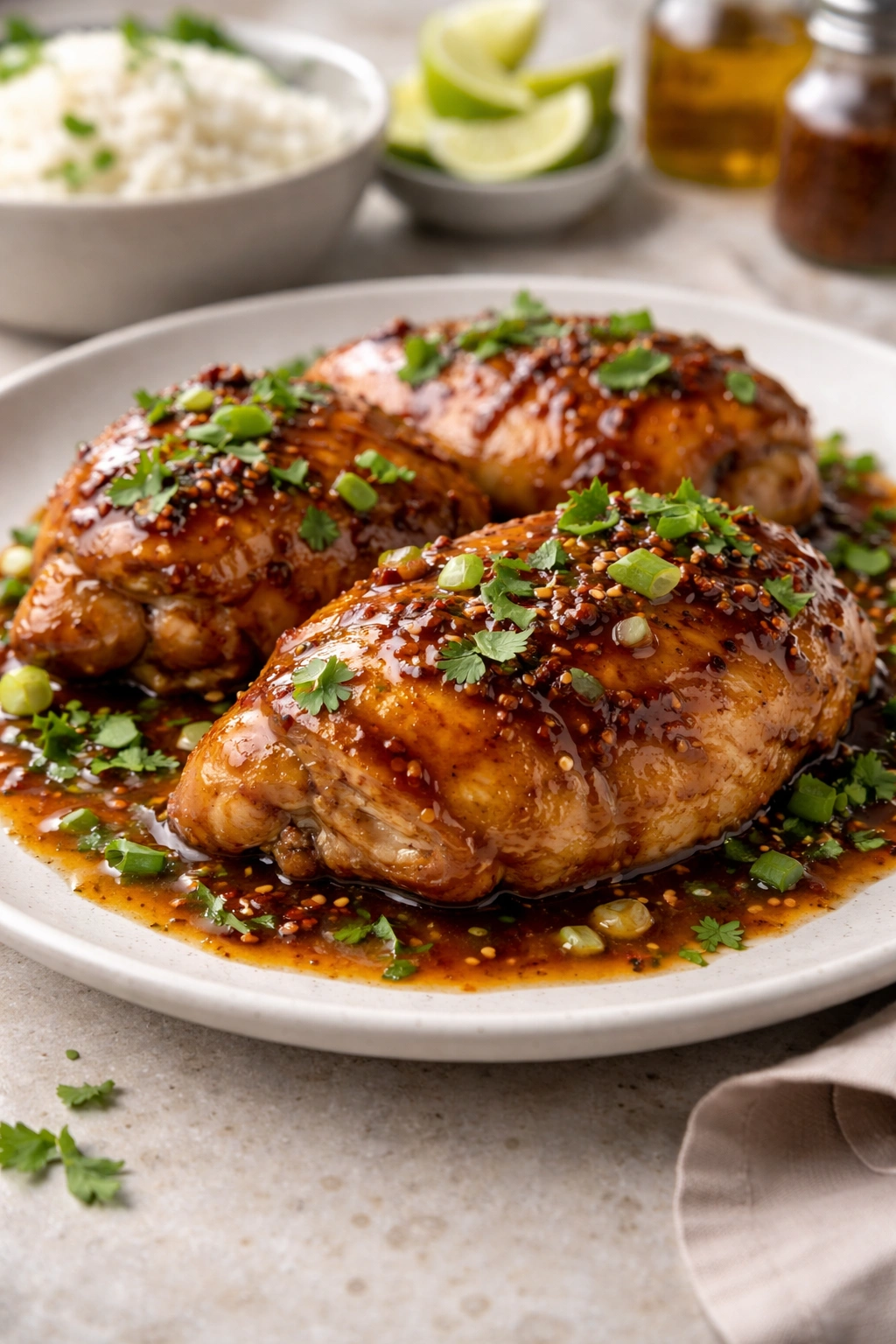
Italian-inspired slow cooker chicken combines chicken with sun-dried tomatoes, fresh basil, garlic, and parmesan. The sauce becomes rich and complex with tomato and cream, and serving it over pasta makes an elegant weeknight dinner. This is the approach used in recipes like Tuscan chicken—deeply satisfying and tasting like you spent hours cooking.
Asian-inspired versions use soy sauce, ginger, garlic, and honey. Orange juice or orange zest adds brightness. Sesame oil provides nutty depth. Serving over rice with fresh cilantro, sliced green onions, and sesame seeds transforms slow cooker chicken into something that tastes restaurant-quality. This approach works beautifully with boneless thighs or breast meat.
Mexican-inspired slow cooker chicken gets flavor from salsa, cumin, chili powder, and lime. Serving it in tortillas with cheese, sour cream, and fresh toppings creates tacos. Or serve it over rice with black beans and corn for a burrito bowl situation. The flavors are bright and approachable, and it’s incredibly forgiving if you adjust spices to your preference.
BBQ chicken comes from slow cooking chicken with barbecue sauce, optionally adding brown sugar, Worcestershire sauce, and vinegar for complexity. Shredded slow cooker BBQ chicken is perfect on buns for sandwiches or served over coleslaw. It’s casual, family-friendly, and absolutely delicious.
Cream sauce variations are endless. French versions might include Dijon mustard and tarragon. Greek versions feature lemon and oregano. Thai versions use coconut milk, curry paste, and lime. Indian versions incorporate yogurt, ginger, and warm spices. The basic technique remains the same—slow cook chicken in a flavorful liquid, add cream toward the end, adjust seasonings—but the flavor profile changes dramatically based on your spices and aromatics.
Making It Work for Different Dietary Needs
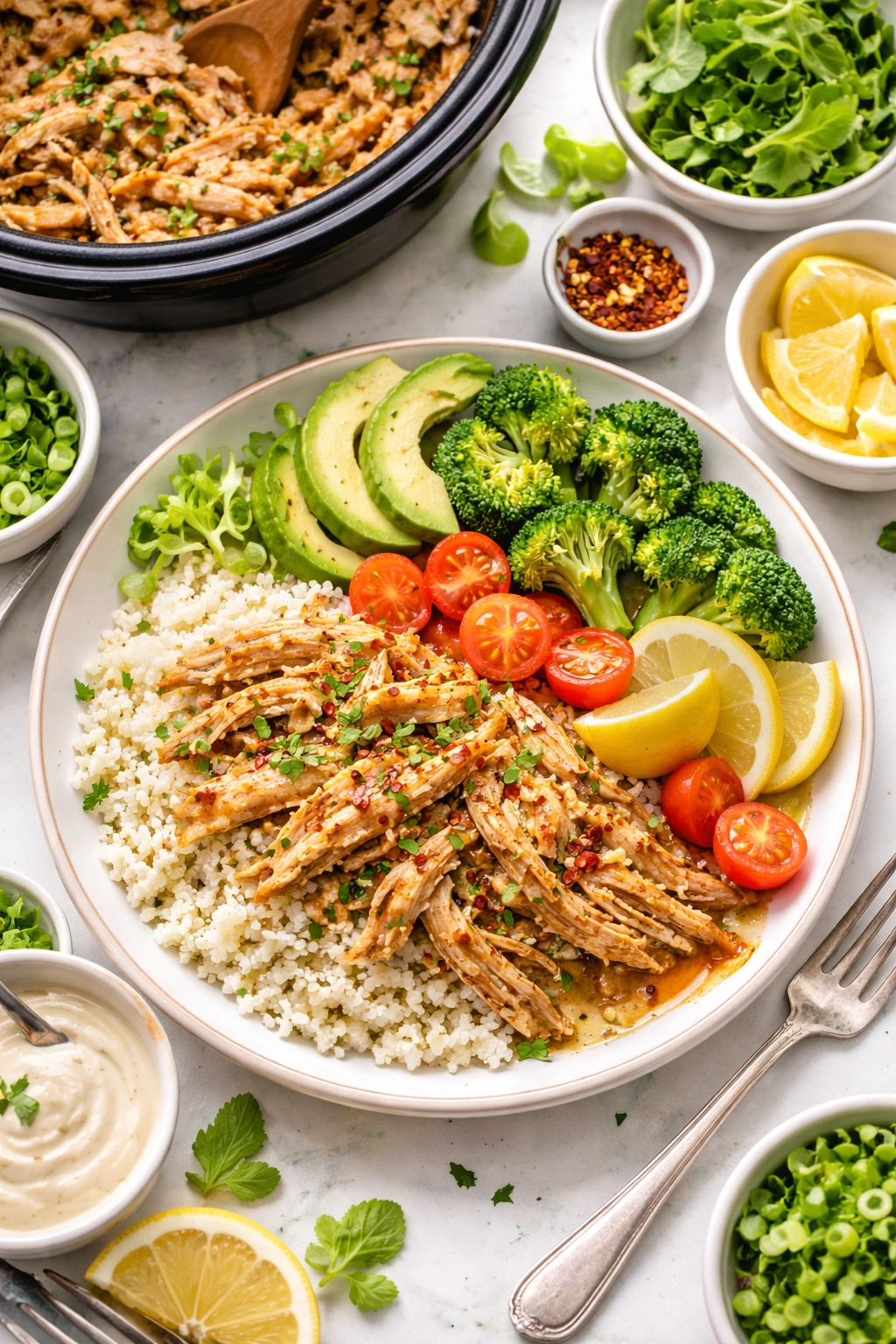
Slow cooker chicken is naturally gluten-free if you use gluten-free ingredients. Check that any sauce, broth, or seasoning blend is certified gluten-free. Many slow cooker chicken recipes are naturally gluten-free because they rely on basic whole ingredients rather than flour-based thickeners. If you need to thicken a sauce, cornstarch works perfectly and is gluten-free.
Low-carb and keto diets benefit tremendously from slow cooker chicken. Serve it over cauliflower rice instead of regular rice, use heavy cream and eliminate sugar-containing sauces, and focus on fat-rich preparations. Cream sauces with butter, cheese, and bacon are perfect for low-carb eating. The slow cooker makes it easy to prepare satisfying, filling meals that fit these dietary approaches.
Dairy-free cooking is possible by substituting coconut milk or cashew cream for heavy cream. These alternatives work beautifully in slow cooker chicken—they absorb flavors well and create creamy, satisfying sauces. Coconut milk is particularly good in Asian-inspired recipes where it’s an expected ingredient. Make sure broth and other prepared ingredients don’t contain hidden dairy.
Whole30 and paleo diets work with slow cooker chicken when you stick to approved ingredients. Basic slow cooker chicken with broth, garlic, herbs, and ghee is fully compliant. Focus on whole ingredients and avoid processed sauces or creams. The slow cooker actually makes paleo/Whole30 cooking easier because you can make large batches of seasoned chicken and use it throughout the week.
The Simple Formula for Foolproof Results
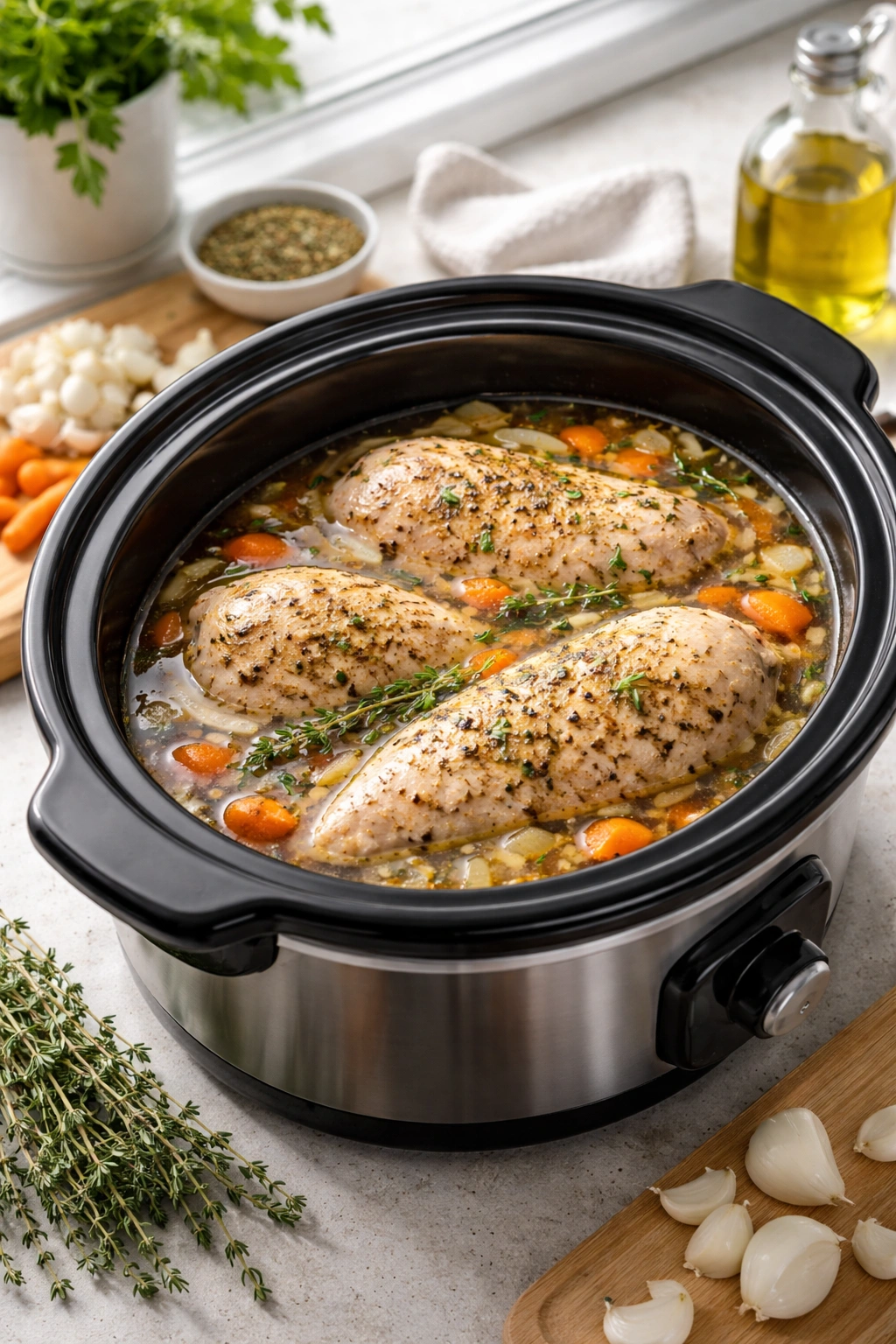
If all this seems overwhelming, remember that slow cooker chicken doesn’t require complexity. The simplest formula—boneless, skinless chicken breasts, 1 cup chicken broth, salt, pepper, garlic powder, cover, and cook on low for 4-6 hours—produces perfectly acceptable chicken that you can use in countless ways. This baseline version is forgiving, reliable, and genuinely delicious.
Once you’re comfortable with this basic approach, you can start experimenting. Add cream to make it richer. Add soy sauce and honey for Asian flavors. Add salsa for Mexican-inspired preparations. Add marinara for Italian flavor. Add pesto for something sophisticated. Each variation uses the exact same basic technique with different seasonings.
The magic of slow cooker chicken really does come down to the promise that started this conversation: it practically cooks itself. You spend maybe five minutes preparing ingredients and setting the slow cooker. Then for the next 4-6 hours, it requires nothing from you. No monitoring, no stirring, no timing. You go to work, run errands, pick up kids, or simply enjoy your afternoon. And when you return, a fragrant, delicious, ready-to-eat meal is waiting.
Final Thoughts
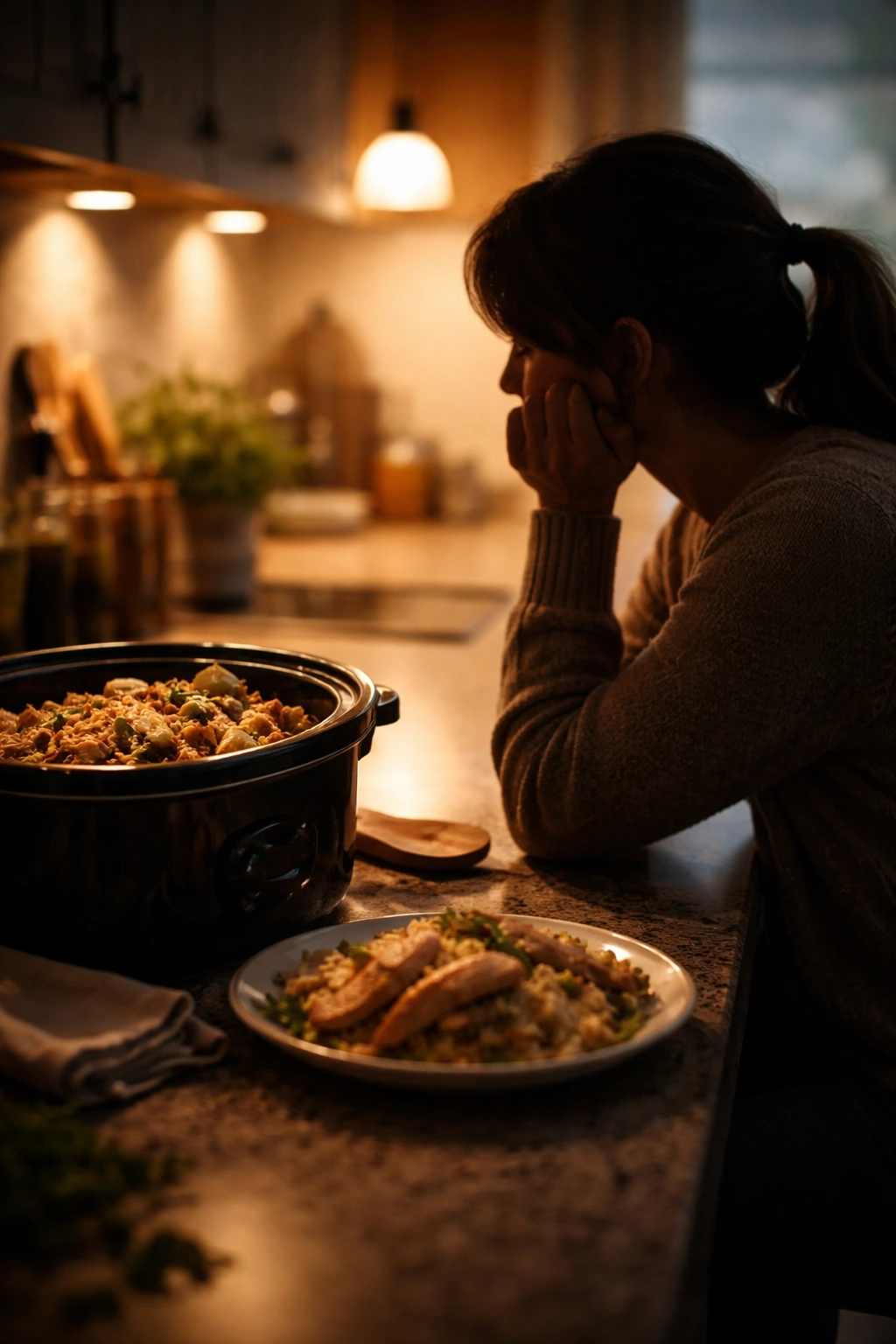
Easy crock pot chicken has earned its place as one of the most reliable, weeknight-friendly meals you can make. It’s affordable, it’s nutritious, it’s versatile, and it requires almost no active cooking time. Whether you’re cooking for yourself, feeding a family, or preparing meals to get through a hectic week, slow cooker chicken delivers consistently good results with minimal effort.
The best slow cooker chicken recipe isn’t necessarily the one with the most ingredients or the most complicated sauce—it’s the one you’ll actually make repeatedly. Start with basic versions you’re comfortable with, and expand from there as you gain confidence. Notice which cuts and cooking methods work best in your particular slow cooker. Learn how your slow cooker heats—is it on the hotter or cooler side? This knowledge makes you a better slow cooker cook.
The beauty is that once you’ve mastered a couple basic slow cooker chicken approaches, you can adapt them endlessly. Change the seasonings, change the sauce, change the serving method, but the core technique remains reliable. That’s why slow cooker chicken has become such a staple for busy people, meal preppers, and anyone who wants genuinely delicious chicken on their table without spending hours in the kitchen. It truly does practically cook itself.
