



There’s something magical about pasta night—it’s the ultimate comfort meal that brings people to the table without keeping you in the kitchen for hours. Whether you’re juggling a demanding work schedule, managing a household full of hungry kids, or simply don’t have the energy to spend the evening cooking, quick pasta dishes are absolute lifesavers. The beauty of these recipes is that they don’t sacrifice flavor or satisfaction for speed. In fact, some of the most beloved Italian pasta dishes are built on simplicity and speed, relying on just a handful of quality ingredients to create something truly memorable.
What makes these ten recipes so special is that they prove you can eat like you spent all day in the kitchen without actually doing so. Each recipe comes together in 30 minutes or less—many taking just 15 to 20 minutes from start to finish. They use pantry staples and common ingredients you likely already have on hand, and they showcase different flavor profiles and cooking techniques so you never get bored with your weeknight rotation. These aren’t shortcuts that taste cheap or rushed; they’re time-honored cooking methods that highlight what good ingredients and smart technique can achieve.
The secret to pulling off these quick pasta dinners is understanding that simplicity is the foundation of great pasta cooking. You don’t need complicated sauces or dozens of ingredients. What you need is quality pasta, good olive oil, fresh garlic, and the confidence to trust that these basics, combined with fresh vegetables, proteins, or aromatic herbs, will create something genuinely delicious. Let’s dive into ten pasta recipes that will transform your weeknight dinners and remind you why pasta is one of the most reliable, satisfying meals you can make.
1. Creamy Garlic Pasta with Fresh Herbs
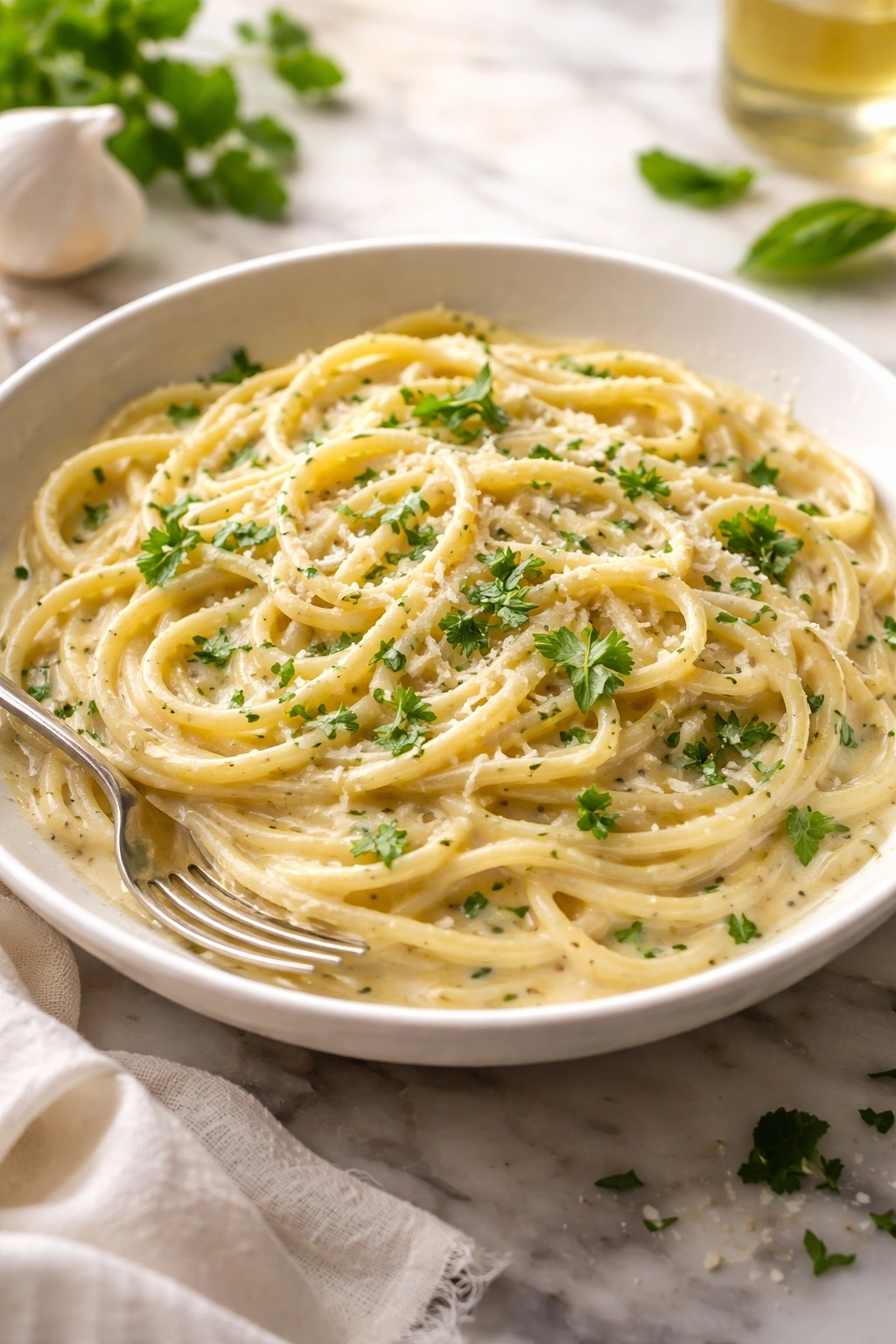
This is the pasta recipe you return to again and again—it’s elegant enough to serve to guests, yet so simple you can make it on your busiest Tuesday night. The sauce comes together in the same pot where your pasta cooks, which means minimal cleanup and maximum flavor. Heavy cream combines with butter, fresh garlic, and Parmesan cheese to create a silky, luxurious coating that hugs every strand of pasta.
Why This Recipe Works Every Time
The magic happens because you’re building the sauce directly in the pasta cooking water, which means the starch from the pasta water emulsifies with the cream and butter, creating an incredibly velvety texture without any flour or cornstarch. Fresh herbs—particularly parsley, thyme, or basil added at the end—brighten the richness of the cream sauce and prevent it from feeling heavy. The lemon juice is essential; just a squeeze cuts through the cream and adds a subtle brightness that elevates the entire dish.
How to Make It
Start water boiling and add your pasta. While that cooks, melt butter in a large skillet over medium heat and add thinly sliced or minced garlic—don’t let it brown, just cook until fragrant, about 1 minute. Pour in heavy cream and bring to a gentle simmer. When your pasta is al dente (still with a slight bite), reserve about 1 cup of the starchy cooking water, then drain the pasta and add it to the cream sauce. Toss continuously while the pasta absorbs the sauce, adding pasta water as needed to reach your desired consistency. Stir in grated Parmesan cheese and fresh herbs, finish with a squeeze of lemon juice, and serve immediately.
Pro tip: Don’t overcook the garlic at the beginning—you want it infused into the butter and cream, not browned and bitter. Fresh garlic has a completely different character than cooked garlic, so restraint here pays off.
2. Aglio e Olio (Pasta with Garlic and Oil)
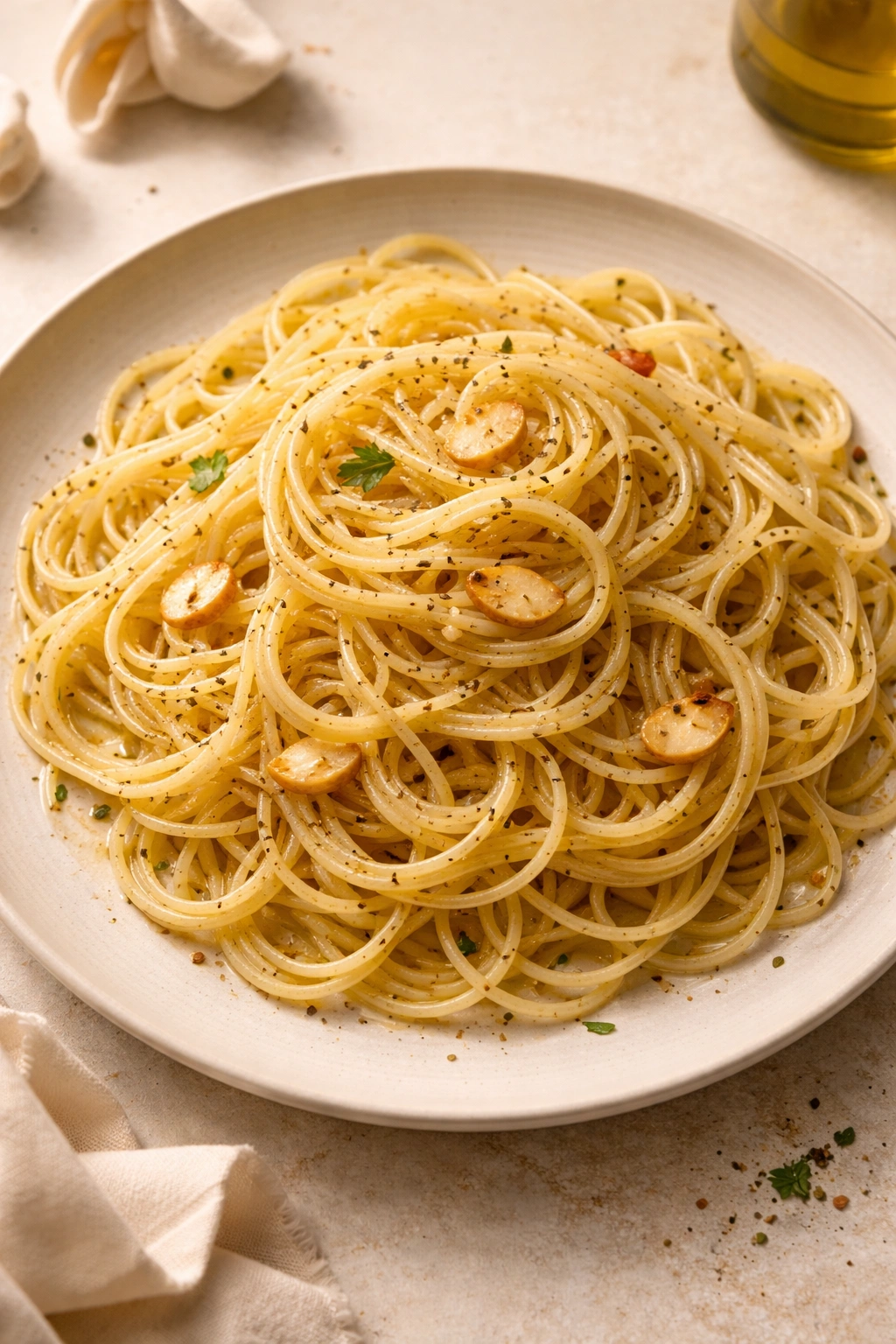
Aglio e olio might be the most elegant argument for the power of simplicity in cooking. This Roman classic proves that you don’t need cream, cheese, or tomatoes to create a deeply satisfying pasta dish. It’s pure garlic, pure olive oil, and pure pasta, elevated by technique and timing. Despite its minimalist ingredient list, it’s one of the most flavorful pastas you can make.
The Secret to Perfect Aglio e Olio
The magic is entirely in how you treat the garlic. Thin slices cook slowly in good olive oil, releasing their essence gradually so they become sweet and mellow rather than harsh or bitter. Many people rush this step, but patience here is what separates transcendent aglio e olio from mediocre attempts. You’re aiming for golden, fragrant slices that have given all their flavor to the oil. Some recipes add red pepper flakes for heat, which adds a nice textural and flavor contrast.
Step-by-Step Instructions
Bring a large pot of salted water to boil. While the water heats, slice 6 to 8 garlic cloves very thinly—uniform thickness ensures even cooking. Pour about ¾ cup of your best extra-virgin olive oil into a wide skillet and add the garlic slices. Cook over medium heat, stirring frequently, until the garlic is golden but not brown—this takes about 5 to 7 minutes. Add red pepper flakes if you like heat, then add the cooked, drained spaghetti directly to the garlic oil. Toss constantly while adding reserved pasta water a tablespoon at a time until the pasta is glossy and coated. Taste and adjust salt, finish with fresh parsley, and serve immediately.
Worth knowing: This pasta is best eaten immediately—it doesn’t hold well because there’s no sauce to reheat gently. Plan to serve it straight from the pan.
3. Cacio e Pepe (Creamy Cheese and Pepper Pasta)
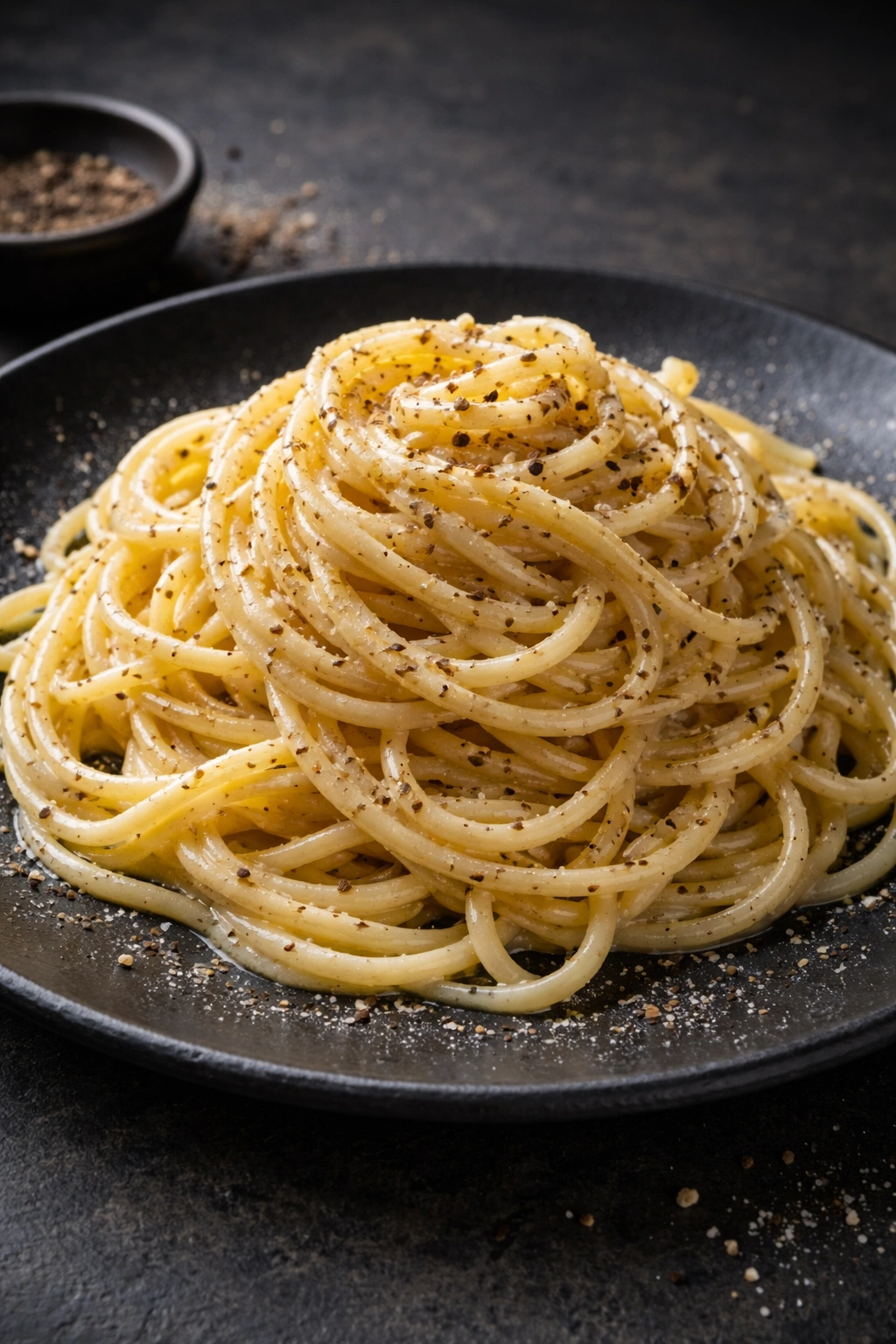
Cacio e pepe is the Roman pasta that somehow transforms just cheese and black pepper into an impossibly creamy sauce. No cream is added—the magic comes from emulsifying the starch in the pasta water with the fat in the cheese, creating something that tastes decadent and rich even though it’s made entirely from pasta, Pecorino Romano cheese, and freshly ground black pepper. Once you understand this technique, you’ll make this pasta constantly.
Understanding the Emulsion
The technique here is temperature-sensitive, which is why some home cooks struggle with cacio e pepe. You need to create an emulsion between the hot pasta water’s starch and the cheese’s fat, and this only works if the temperature stays in a specific range. Too hot and the cheese seizes into clumps; too cool and it won’t emulsify properly. The solution is to work quickly, use plenty of reserved pasta water, and keep your hands moving—constant tossing maintains the temperature and keeps the emulsion together.
Proper Execution
Bring a large pot of very salty water to boil and cook spaghetti or another long pasta until al dente. While the pasta cooks, toast 1 tablespoon of freshly ground black pepper in a large bowl to wake up its flavor. Reserve about 2 cups of pasta water before draining the pasta. Add the hot pasta to the bowl with the pepper and toss. Start adding pasta water slowly—about ¼ cup at a time—while tossing constantly. Add the finely grated Pecorino Romano cheese in handfuls, continuing to toss constantly, adding more pasta water as needed. The sauce should be creamy and glossy, clinging to every strand of pasta. Serve immediately before it sets up and becomes clumpy.
Insider note: Freshly ground black pepper makes an enormous difference here—the coarser pieces release more flavor than pre-ground pepper. Grind it just before you cook.
4. Fresh Tomato Pasta Pomodoro
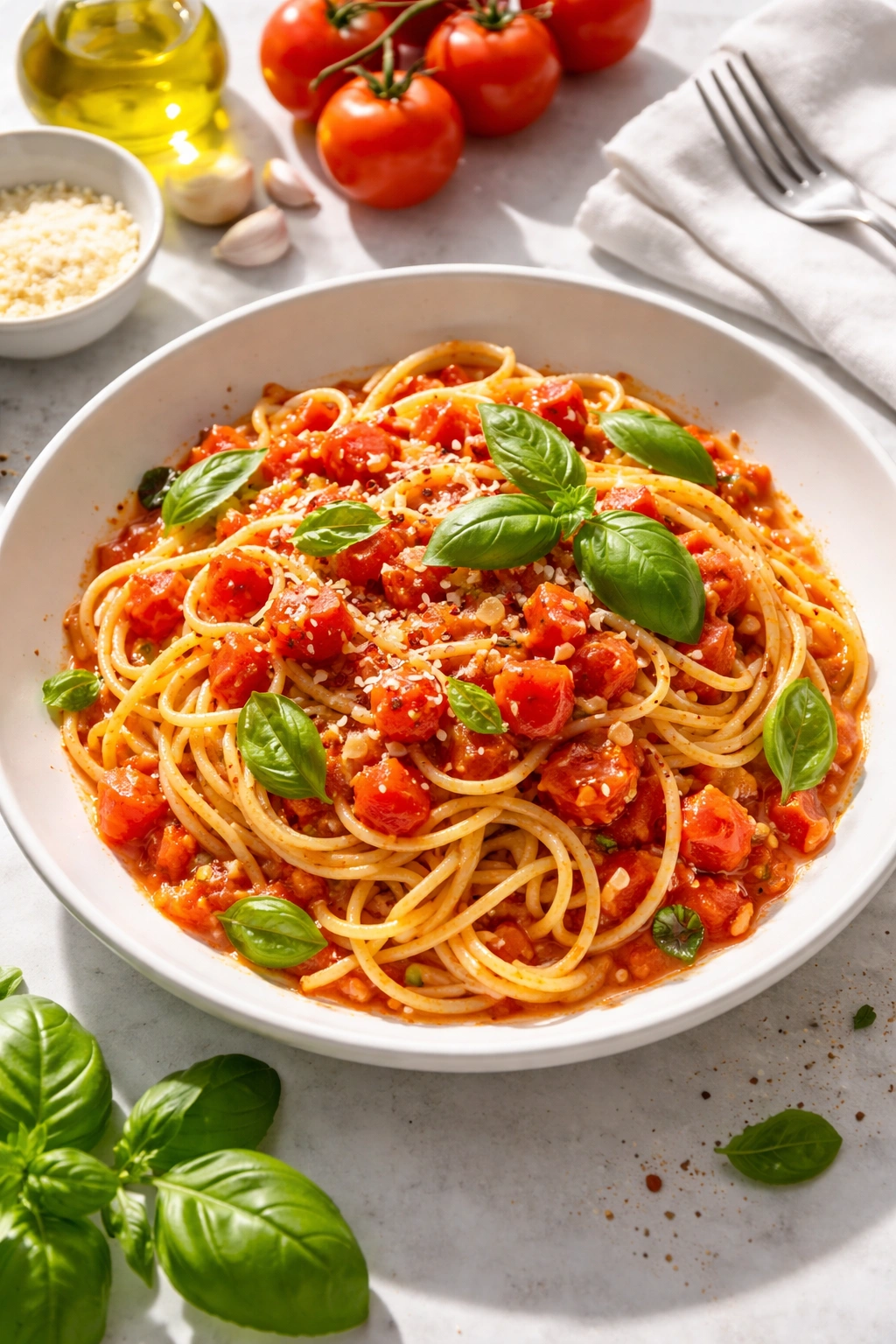
When you have ripe tomatoes and nothing else sounds good, pasta pomodoro is the answer. This Neapolitan classic celebrates tomatoes at their best, combining them with garlic, olive oil, and fresh basil into a sauce that’s somehow both bright and deeply satisfying. It comes together in about 15 minutes and tastes like summer on a plate, regardless of when you’re cooking it.
Building Flavor in Just 15 Minutes
The key is using quality tomatoes—either fresh ripe ones during peak season or canned San Marzano tomatoes when fresh ones aren’t at their best. You’re not making a slow-simmered sauce here; you’re creating a quick sauce where the tomatoes stay somewhat chunky and the flavors remain fresh and immediate. Garlic infuses the olive oil, and fresh basil added at the very end provides aromatic brightness that no amount of simmering can replicate.
Quick Preparation Method
While pasta water comes to a boil, heat ¼ cup good olive oil in a large skillet over medium heat. Add 4 to 5 minced garlic cloves and cook for about 1 minute until fragrant. Add 2 pounds of chopped fresh tomatoes (or one 28-ounce can of crushed tomatoes) along with a pinch of salt and a small pinch of sugar to balance acidity. Simmer for 10 to 12 minutes while your pasta cooks, stirring occasionally. The tomatoes will break down and create a loose sauce. When the pasta is al dente, add it to the sauce along with a splash of pasta water to reach your preferred consistency. Tear in fresh basil leaves, taste, adjust salt and pepper, and serve immediately with grated Parmesan if desired.
Quick fact: The sugar isn’t meant to make the sauce sweet—it balances the acidity of the tomatoes and lets their natural sweetness come through. Start with just a pinch and taste as you go.
5. Shrimp Scampi with Lemon Butter
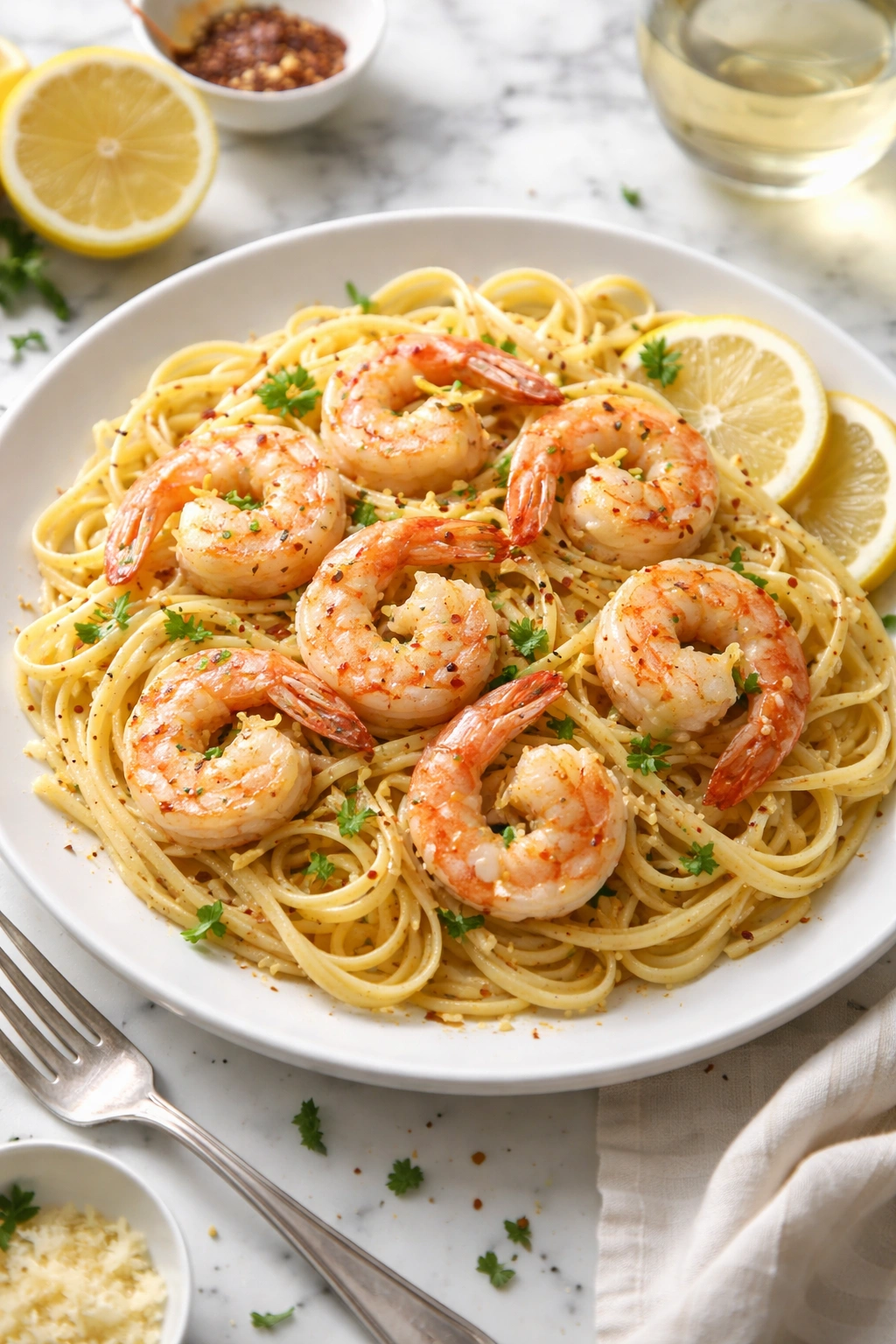
Shrimp scampi is a showstopper pasta that tastes like you cooked for hours but requires barely 20 minutes of actual work. Tender shrimp cook in a white wine and lemon butter sauce that’s both elegant and comforting, all served over tender pasta. This is the dish you make when you want to impress someone (or yourself) without the stress.
The Art of Cooking Shrimp Properly
Shrimp is forgiving if you understand one simple principle: it cooks very quickly and becomes rubbery if overdone. One minute it’s translucent, the next minute it’s done, the next minute it’s tough. The solution is to not overcrowd the pan, cook at medium-high heat, and remove the shrimp as soon as it’s opaque—which takes about 2 to 3 minutes per side. You can always finish cooking it gently in the sauce if needed, but you can’t uncook overcooked shrimp.
Recipe Steps
Cook your pasta according to package directions. While it cooks, heat 3 tablespoons each of butter and olive oil in a large skillet over medium-high heat. Add 1 pound of peeled large shrimp (pat them dry first—this helps them sear properly), season with salt and pepper, and cook for 2 to 3 minutes per side until just opaque. Remove the shrimp and set aside. In the same pan, add minced garlic and cook for about 30 seconds until fragrant. Pour in ½ cup dry white wine and let it simmer for 1 to 2 minutes to reduce slightly. Add the juice of 2 lemons and return the shrimp to the pan. Add cooked, drained pasta and toss everything together, adding a splash of pasta water if needed. Finish with fresh parsley and a knob of butter.
Pro tip: Reserve pasta water before draining—this starchy water helps emulsify the butter and lemon juice into a silky sauce that coats the pasta beautifully.
6. Carbonara with Pancetta and Eggs
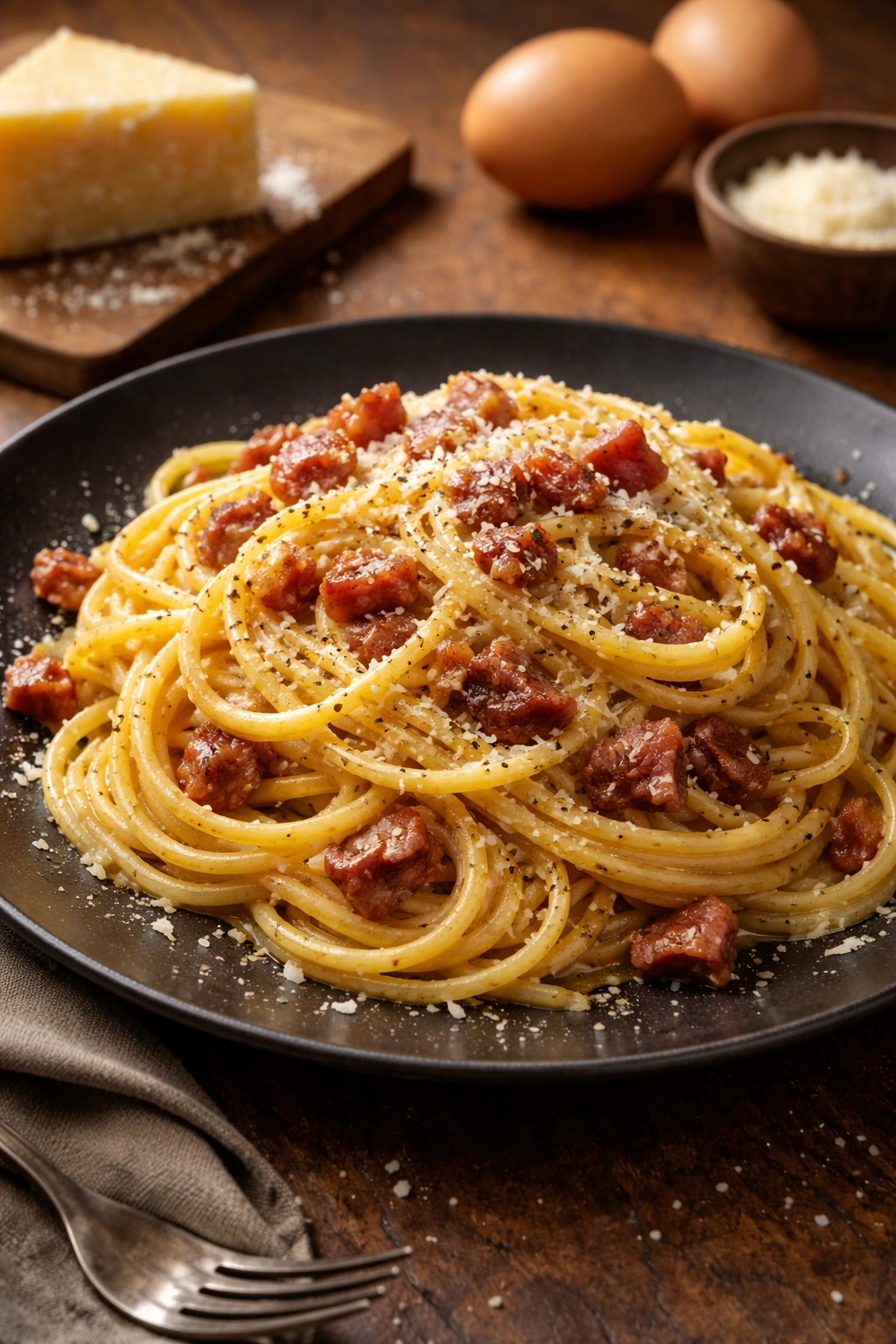
Carbonara is the Roman pasta that’s traveled the world and spawned countless variations, many of them incorrect. The authentic version contains only pasta, eggs, Pecorino Romano cheese, black pepper, and guanciale (cured pork jowl), though pancetta or bacon makes an excellent substitute when guanciale isn’t available. Despite its rich reputation, carbonara is actually dairy-free; the creaminess comes entirely from the emulsion of eggs, cheese, and pasta water.
The Temperature Balance in Carbonara
The biggest challenge in carbonara is preventing the eggs from scrambling while achieving a creamy sauce. This requires keeping the pasta warm enough to cook the eggs but not so hot that they curdle. The trick is to reserve a generous amount of pasta water, work quickly, and keep the pan moving. Remove the pan from the heat, add the egg mixture, and toss constantly while gradually adding pasta water until you achieve a creamy consistency.
Carbonara Instructions
Fry 6 ounces of diced pancetta in a large skillet over medium heat until crispy, about 8 minutes. While that cooks, whisk 4 egg yolks and 1 whole egg together with 1 cup finely grated Pecorino Romano cheese and plenty of freshly ground black pepper. Cook 1 pound of spaghetti according to package directions, reserving 2 cups of pasta water. Remove the pancetta pan from heat and add the hot, drained pasta, tossing to combine. Working quickly, add the egg mixture while tossing constantly, adding pasta water by the splash until the sauce becomes creamy and glossy. The residual heat cooks the eggs gently without scrambling them. Serve immediately, topping with additional pepper and cheese.
Critical warning: Temperature control is essential here. If the eggs start to look like scrambled eggs, remove the pan from heat immediately and add more pasta water to cool everything down while you continue tossing.
7. One-Pot Sausage and Orzo
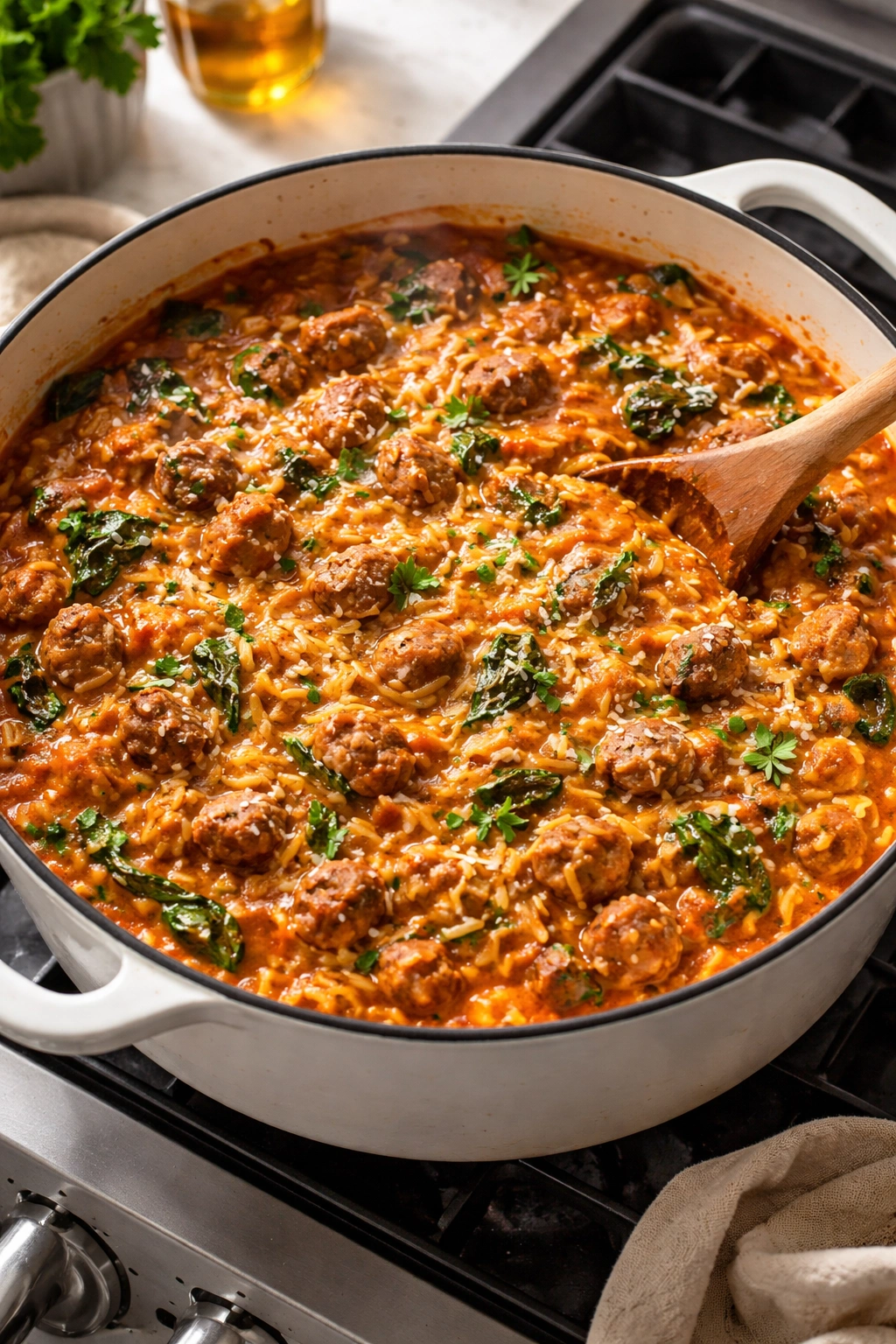
Orzo—that small, rice-shaped pasta—cooks directly in the same pot as the sauce, which means everything comes together in one vessel and the pasta absorbs the flavorful cooking liquid. Italian sausage browns in the pot first, building a flavorful foundation, and then everything simmers together until the orzo is tender and creamy. This is the definition of weeknight comfort food.
Why Orzo Works Perfectly Here
Orzo’s small size and soft texture make it perfect for one-pot cooking because it cooks quickly (usually in 8 to 10 minutes) and readily absorbs the broth around it. Unlike longer pasta shapes that need plenty of water and careful attention to timing, orzo essentially braises in the liquid, picking up every ounce of flavor from the sausage and tomatoes. The result is a dish where every bite has flavor throughout.
One-Pot Method
Heat 1 tablespoon of olive oil in a large pot or wide skillet over medium-high heat. Crumble and brown 1 pound of Italian sausage until cooked through, breaking it into small pieces as it cooks—this takes about 8 minutes. Add diced onion, garlic, and bell pepper, cooking for about 3 minutes until soft. Pour in one 14-ounce can of diced tomatoes (with juice), 2 cups of chicken or vegetable broth, and 1½ cups of orzo pasta. Bring to a simmer, cover with a lid, and let cook for about 10 to 12 minutes until the orzo is tender and has absorbed most of the liquid. Stir in fresh basil or parsley, finish with grated Parmesan cheese, taste, and adjust seasoning.
Worth knowing: Keep the lid on while the orzo cooks so it actually cooks in the steam and broth rather than evaporating all the liquid. Stir once halfway through to ensure even cooking.
8. Creamy Mushroom Pasta
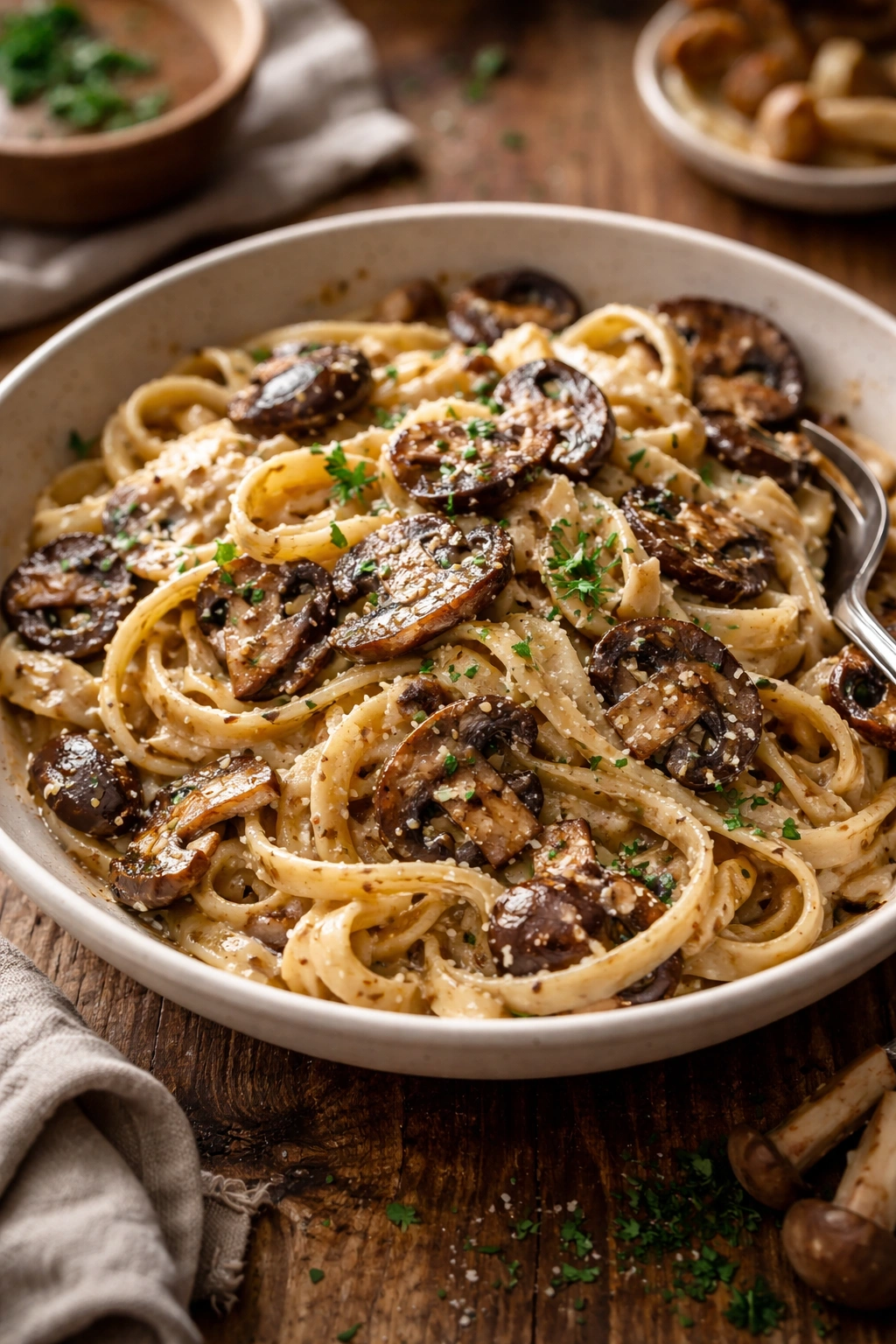
Sautéed mushrooms create an earthy, deeply savory sauce when cooked with cream and a touch of garlic. This pasta is vegetarian, elegant, and tastes like something you’d be served in a nice restaurant, yet it’s entirely approachable for a weeknight dinner. The key is using good mushrooms—cremini, shiitake, or a mix—and letting them brown properly before adding liquid.
Building Umami Through Browning
Mushrooms contain natural umami compounds that intensify when the mushrooms are properly browned. This means not crowding the pan, cooking at a high enough temperature to develop color, and resisting the urge to stir constantly. Let them sit undisturbed for a minute or two to develop a golden crust, then stir. This browning is what transforms mushrooms from mild and soft into something with real depth and flavor.
Mushroom Pasta Steps
Heat 3 tablespoons of butter in a large skillet over medium-high heat. Add 1 pound of sliced mushrooms (cremini, shiitake, or a mix) and cook without stirring for 2 to 3 minutes until they’re golden on the bottom. Stir and continue cooking until all mushrooms are browned and tender—about 8 to 10 minutes total. Add minced garlic and cook for about 30 seconds. Pour in ¾ cup of heavy cream and let it come to a gentle simmer, then add 2 tablespoons of dry sherry or white wine if you have it. Add cooked pasta and toss everything together, adding a splash of pasta water if needed. Finish with fresh thyme, salt, pepper, and grated Parmesan cheese.
Pro tip: If you want to add a bit more veggie content, stir in a handful of fresh spinach or peas just before serving—they’ll wilt into the sauce and add color and nutrition.
9. Pesto Pasta with Chicken
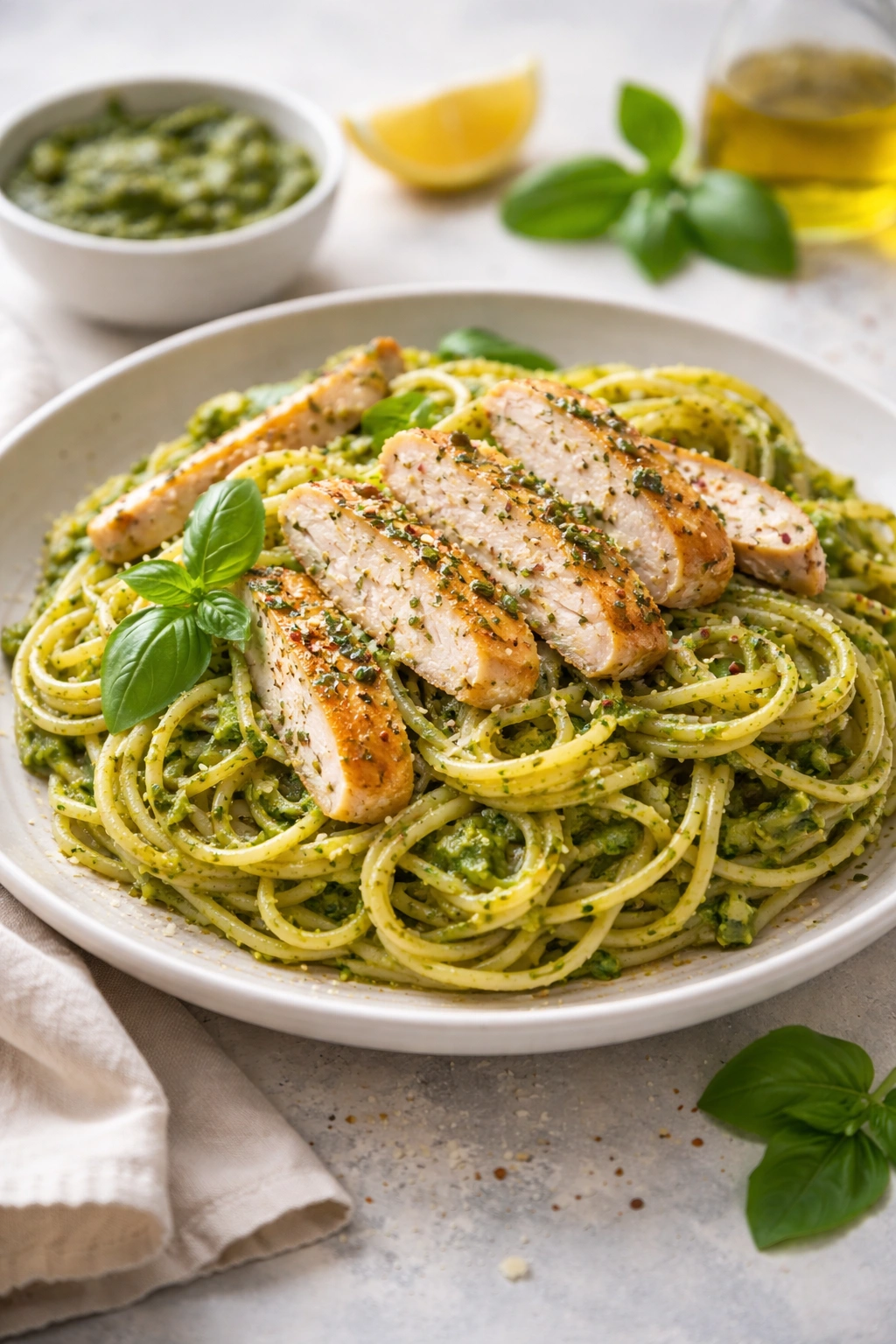
Pesto—that vibrant, herbaceous sauce—transforms simple pasta into something special. When combined with cooked chicken, it becomes a complete, satisfying meal that feels fresher and lighter than cream-based pastas despite being just as filling. This recipe is endlessly adaptable; you can use store-bought pesto to cut time even further, or make fresh pesto if you have basil on hand.
Pesto as a Flavor Foundation
Pesto’s magic is that it’s both bold and versatile. Its bright basil flavor stands up beautifully to chicken but doesn’t overpower it. Garlic and pine nuts (or walnuts as a budget alternative) add depth, while the olive oil makes everything silky. If you’re making fresh pesto, you only need 5 minutes—just pulse fresh basil, garlic, nuts, Parmesan, lemon juice, and olive oil in a food processor until it reaches your desired consistency.
Assembly Instructions
Cook 1 pound of pasta according to package directions. While that cooks, quickly brown 1 pound of diced chicken breast in a large skillet over medium-high heat, cooking until just cooked through—about 10 minutes. Add the hot, drained pasta to the skillet along with ¾ to 1 cup of fresh or store-bought pesto, tossing gently to coat everything. Add a splash of pasta water to loosen the pesto and coat the pasta evenly. If you’re using fresh spinach, add a couple of handfuls and let it wilt into the heat of the pasta. Taste, adjust seasoning, finish with additional Parmesan cheese if desired, and serve immediately.
Insider note: Fresh pesto can be made ahead and refrigerated for up to a week, or frozen in ice cube trays for up to 3 months. Having it on hand means you can assemble pesto pasta in minutes whenever you need it.
10. Pasta with Broccoli and Garlic
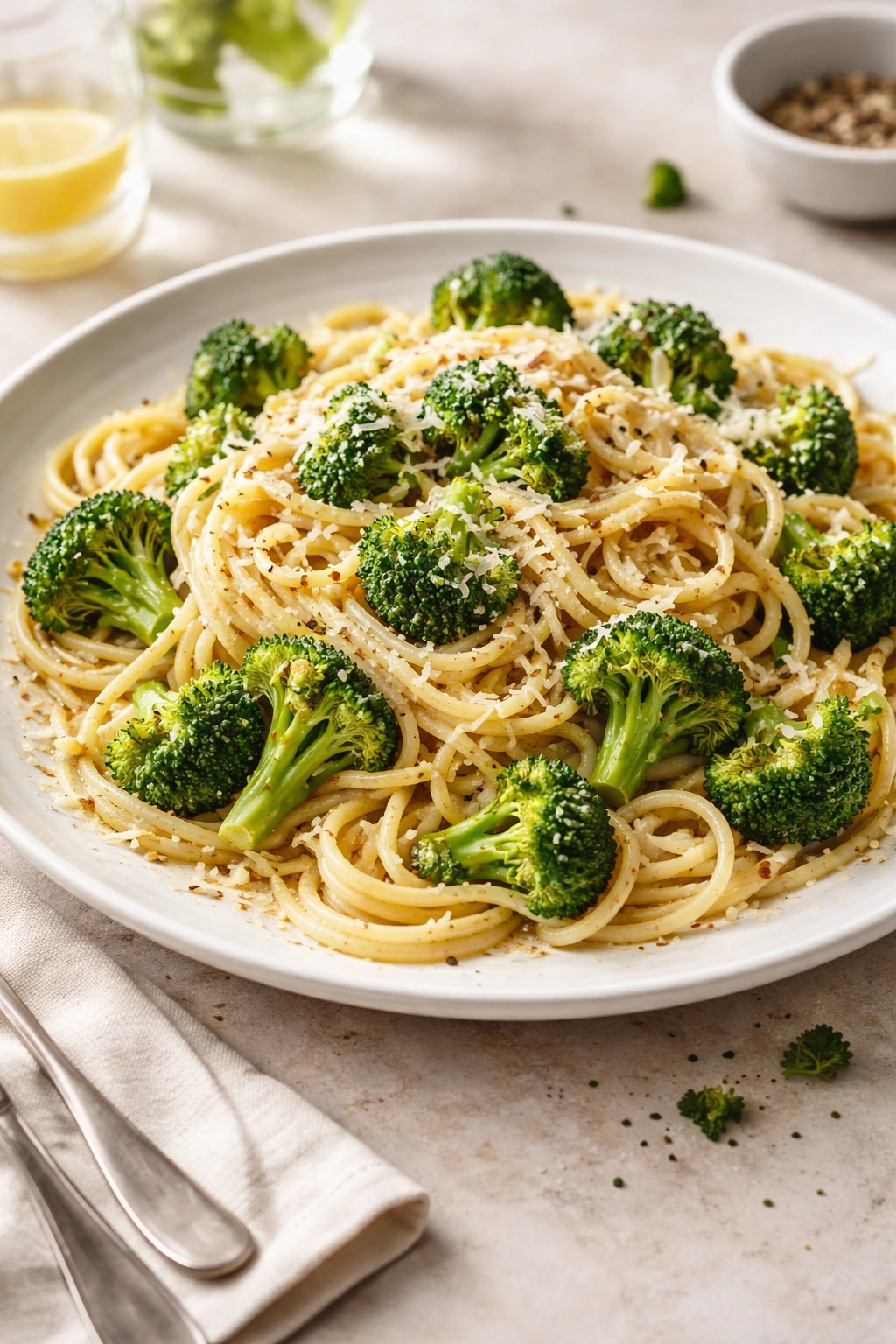
This simple vegetable-based pasta proves that you don’t need meat or heavy cream to create something deeply satisfying. Fresh broccoli florets cook alongside the pasta in the same pot, then everything gets tossed with garlic-infused olive oil, a squeeze of lemon, and plenty of Parmesan cheese. It’s the kind of dish where quality olive oil becomes the star of the show.
Cooking Broccoli Perfectly
The trick to broccoli in pasta is cooking it just until tender but still with a bit of bite—completely soft broccoli falls apart and becomes mushy. If you add it to the pasta pot about 4 to 5 minutes before the pasta is done cooking, it’ll finish right alongside the pasta with perfect texture. You want the broccoli to have some color and texture, not be melted into the sauce.
Simple Preparation
Bring a large pot of salted water to a boil and add 1 pound of pasta and 4 cups of broccoli florets cut into bite-sized pieces. The broccoli should go in about 5 minutes after the pasta so everything finishes cooking at the same time. While that cooks, heat ¼ cup of good olive oil in a large bowl with 4 to 5 minced garlic cloves and red pepper flakes if you like heat. When the pasta and broccoli are tender, drain them (reserve 1 cup of pasta water) and immediately toss them with the garlic oil. Add pasta water as needed to create a light, glossy coating, then squeeze the juice of 1 lemon over everything. Add grated Parmesan cheese, taste, adjust salt and pepper, and serve immediately.
Quick fact: This pasta is wonderfully versatile—you can add white beans for extra protein, use a different vegetable like zucchini or asparagus, or stir in a handful of fresh herbs like basil or parsley.
Final Thoughts

These ten pasta recipes represent the best of weeknight cooking—they’re fast without being rushed, flavorful without being complicated, and satisfying enough that you’ll come back to them again and again. The beautiful thing about mastering quick pasta dishes is that you’re not actually limiting yourself; you’re giving yourself permission to cook more often because the barrier to entry is so low.
The real secret to these recipes succeeding is understanding that speed doesn’t have to mean sacrifice. Some of the world’s most beloved pasta dishes were designed to come together quickly because Italians, like everyone else, have busy lives. They understood that good technique, quality ingredients, and respect for simplicity create meals worth remembering. That same philosophy is what makes each of these dishes work so beautifully.
The next time you’re standing in front of your pantry wondering what to make for dinner, remember that you can have a genuinely delicious, restaurant-quality pasta dish on the table in less time than it takes to order and wait for delivery. Pick whichever recipe matches your mood and whatever proteins or vegetables you have on hand, and trust that the fundamentals work. That’s the real magic of pasta cooking.
