
When the work day ends and you’ve got maybe 20 to 30 minutes before everyone’s hungry, you need a dinner that doesn’t ask for much. Shrimp stir-fry is exactly that kind of meal — fast, adaptable, genuinely delicious, and impressive enough that it doesn’t feel like a shortcut. Tender shrimp cooks in minutes, vegetables stay crisp and colorful, and a simple sauce pulls everything together without requiring any special skill or exotic ingredients. What makes it even better is that once you understand the basic technique, you can customize it endlessly based on what you have in the fridge, what you’re craving, or what fits your dietary preferences.
This isn’t takeout-quality cooking that demands a wok you don’t have or techniques you’ve never learned. It’s straightforward home cooking that produces restaurant-worthy results because it respects timing, heat, and the inherent flavor of good ingredients. The secret isn’t complicated — it’s actually the opposite. By keeping things simple and staying present while you cook, you’ll understand exactly why shrimp stir-fry has become the weeknight go-to for countless home cooks.
Why Shrimp Is Perfect for Quick Dinners
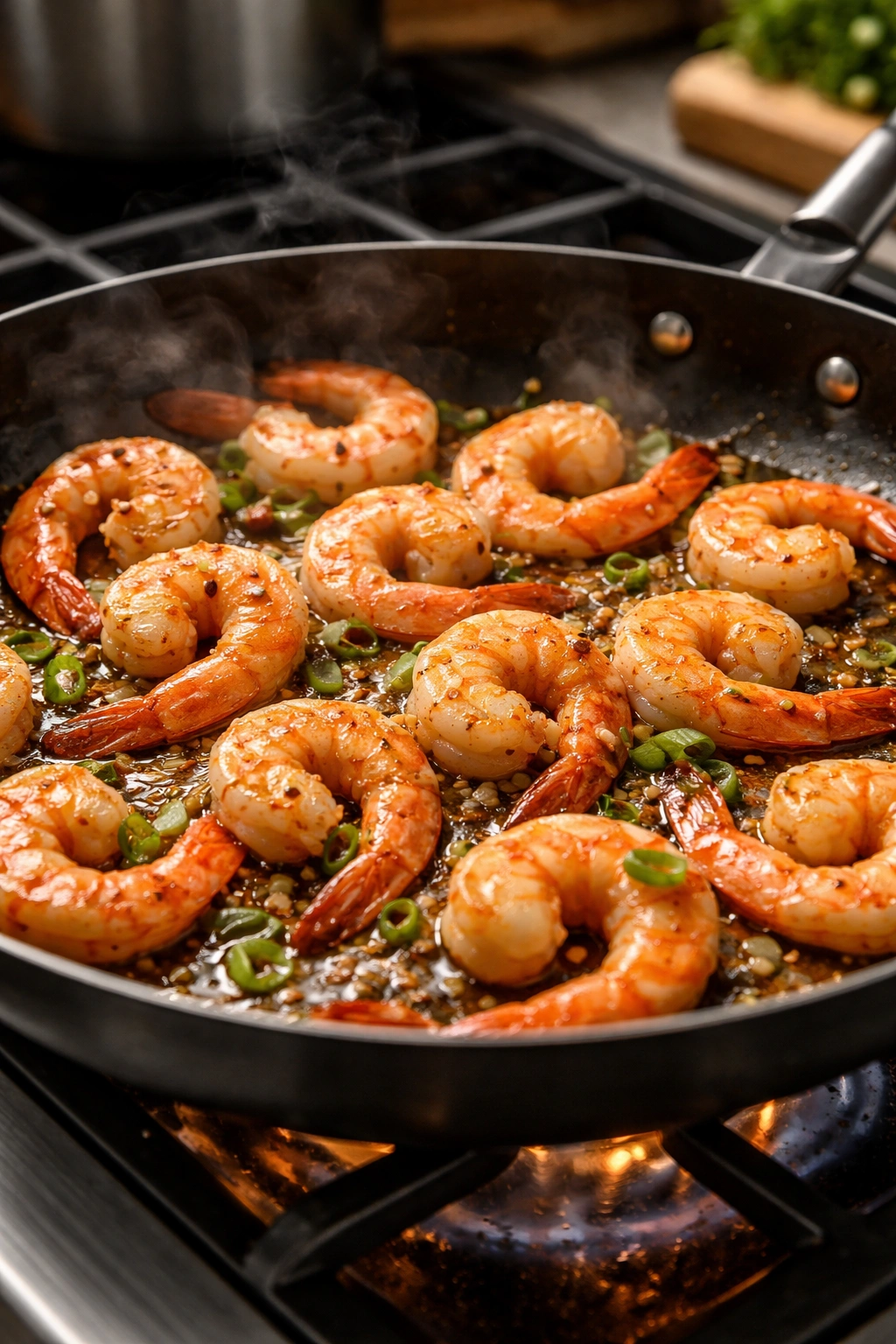
Shrimp might be the fastest-cooking protein you can buy. Unlike chicken breasts that need proper temperature checks to avoid dryness, or beef that benefits from resting, shrimp is done the moment it turns pink and opaque — typically 2 to 3 minutes per side depending on size. This speed isn’t a drawback; it’s the entire point. You can have protein cooked through before your vegetables finish crisping up.
Beyond speed, shrimp brings clean flavor without heaviness. It pairs beautifully with bold Asian-inspired sauces without overwhelming them, absorbs seasoning readily, and looks elegant on the plate without requiring any plating skill. If someone’s tired from a long day, shrimp stir-fry feels like you made an effort while your actual hands-on time was minimal.
Shrimp is also leaner than most other proteins and packed with protein — about 20 grams per 3-ounce serving. It’s naturally gluten-free and works in dairy-free, paleo, and keto approaches without modification. When you’re juggling multiple dietary preferences at the dinner table, shrimp stir-fry adapts easily.
Choosing and Storing Shrimp Like a Pro
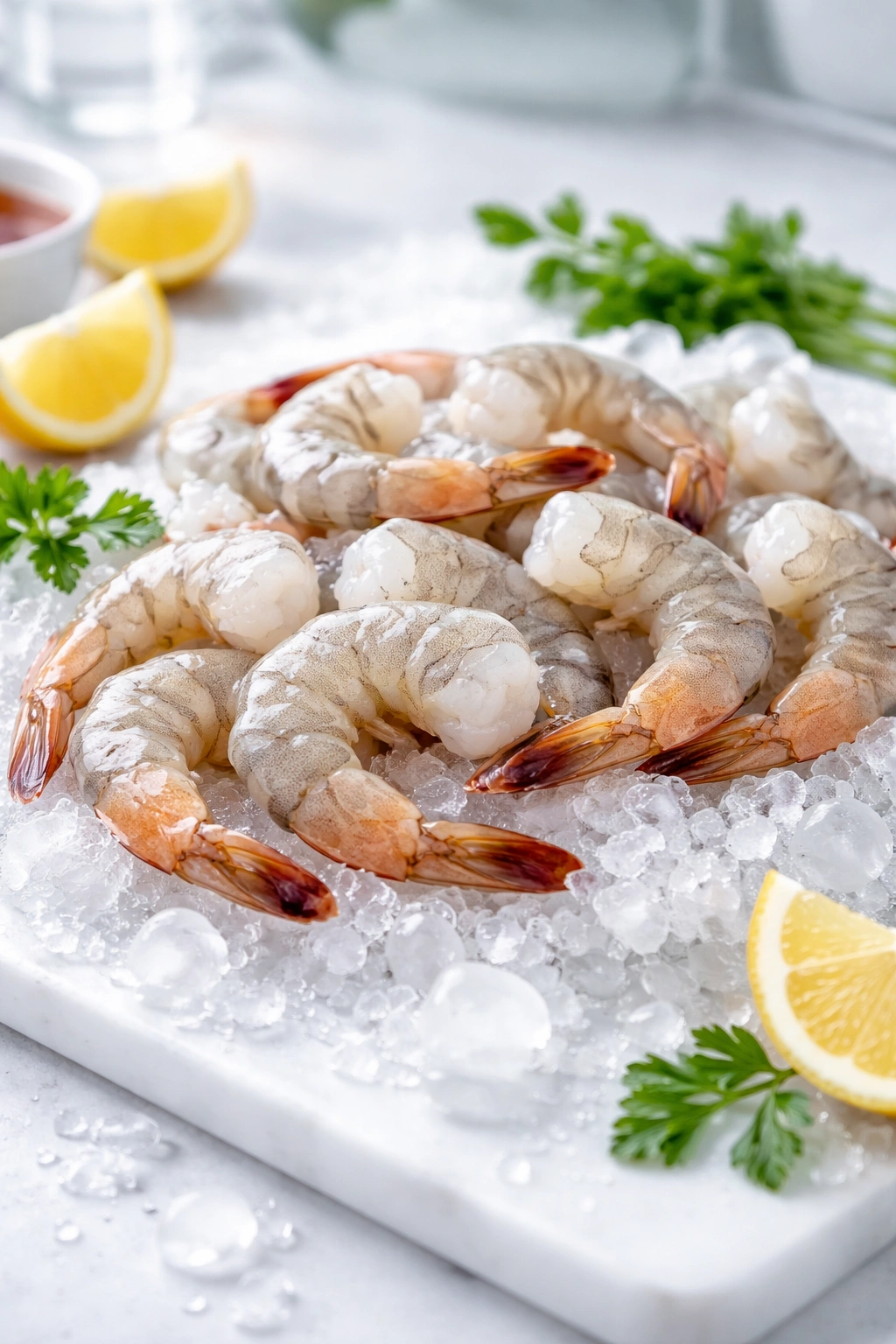
The quality of your shrimp matters more than most ingredients because it’s so prominent in the finished dish. Wild-caught shrimp tends to have better flavor and texture than some farmed options, though responsibly farmed shrimp with Best Aquaculture Practices certification are solid choices too. Check the Seafood Watch app if you want to verify sustainability before purchasing.
Size matters more than you might think. Medium shrimp (labeled 41-50 count, meaning that many shrimp per pound) are ideal for stir-fries — they’re bite-sized, cook evenly, and don’t overwhelm the vegetables. Large shrimp (31-40 count) work fine too and feel more substantial, but jumbo varieties can dominate the dish. Go with what’s available; just adjust your cooking time slightly. Smaller shrimp need less time; larger ones need more.
Regarding tails, it’s entirely your choice. Tail-on shrimp look more impressive and add a touch more flavor if you’re making a stock or sauce from the shells later, but tail-off shrimp are easier to eat, especially in a stir-fry where you’re mixing everything together. Most recipes call for peeled and deveined, which saves significant prep time.
Fresh versus frozen is less important than you’d think. Most shrimp sold as “fresh” was actually frozen on the boat and thawed at the store. Frozen shrimp that you thaw yourself is often just as good, sometimes better because you control the thawing process. If using frozen, move them to the refrigerator the night before, or thaw them quickly by placing the sealed bag under cold running water for 10 to 15 minutes. Pat them completely dry with paper towels before cooking — excess moisture causes splattering and prevents proper browning.
Essential Equipment for Stir-Frying Success
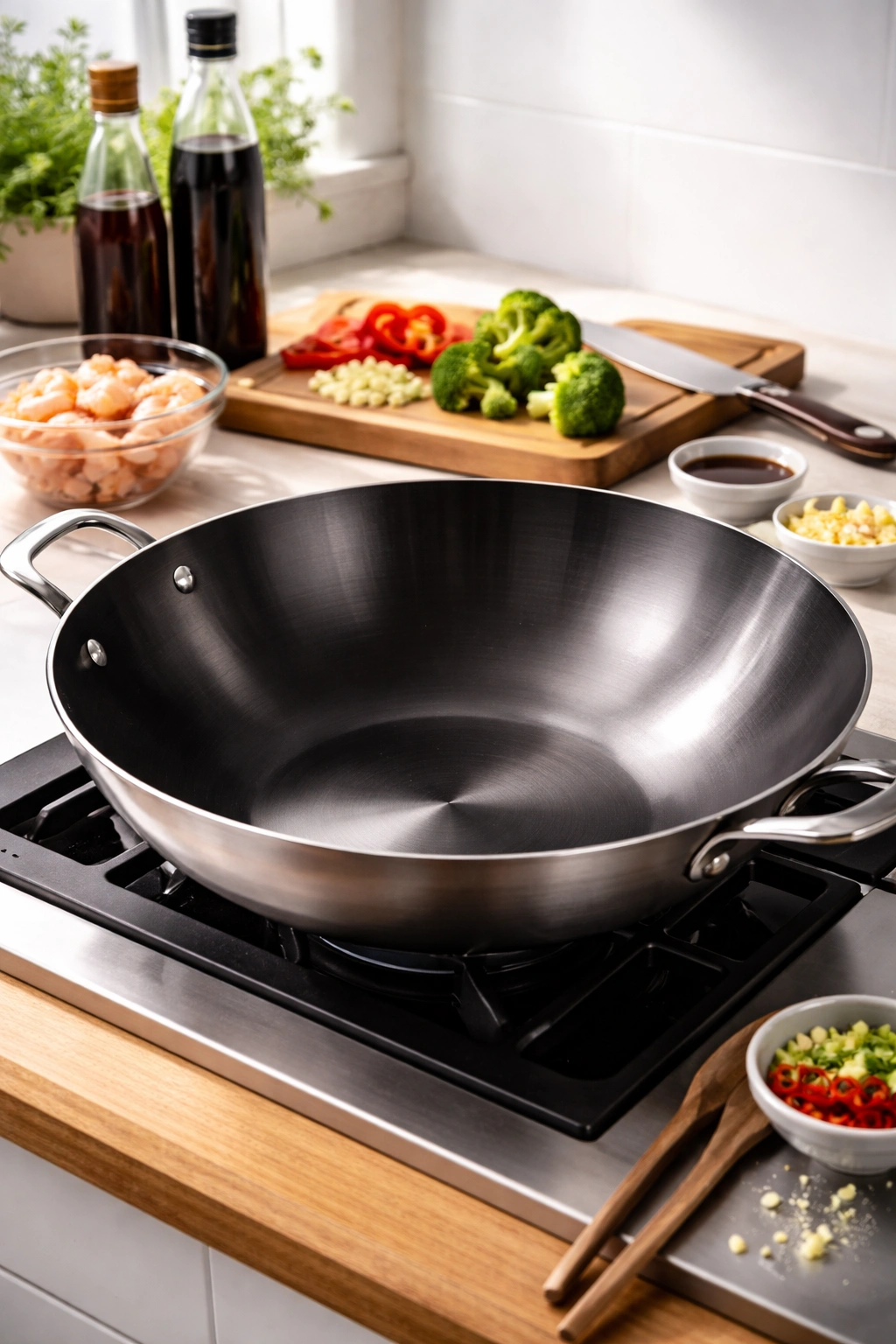
You don’t need special equipment to make excellent stir-fry, but certain tools genuinely help. A large skillet or wok is your most important investment. Ideally, it should be 12 inches or larger so ingredients spread in a single layer rather than stacking. A crowded pan steams vegetables instead of searing them, resulting in soggy texture and pale color. If your skillet is small, cook in batches — it takes a few extra minutes but produces far better results.
Nonstick or well-seasoned cast iron makes stir-frying more forgiving because ingredients won’t stick as easily while you’re stirring constantly. Stainless steel works too, though it requires a bit more attention. The pan should have high sides to prevent splashing oil.
Heat matters enormously. A burner that reaches genuine medium-high or high heat is essential. Gas stovetops give you immediate heat control, which is why many cooks prefer them for stir-frying. If you have an electric stove, preheat the pan thoroughly before adding oil and ingredients.
Beyond that, you’ll want a sharp knife (vegetables that are cut evenly cook evenly), a small bowl for mixing the sauce, a spoon or spatula for stirring, and paper towels for drying the shrimp and cleaning spills. That’s truly all you need.
Preparing Vegetables for Even Cooking
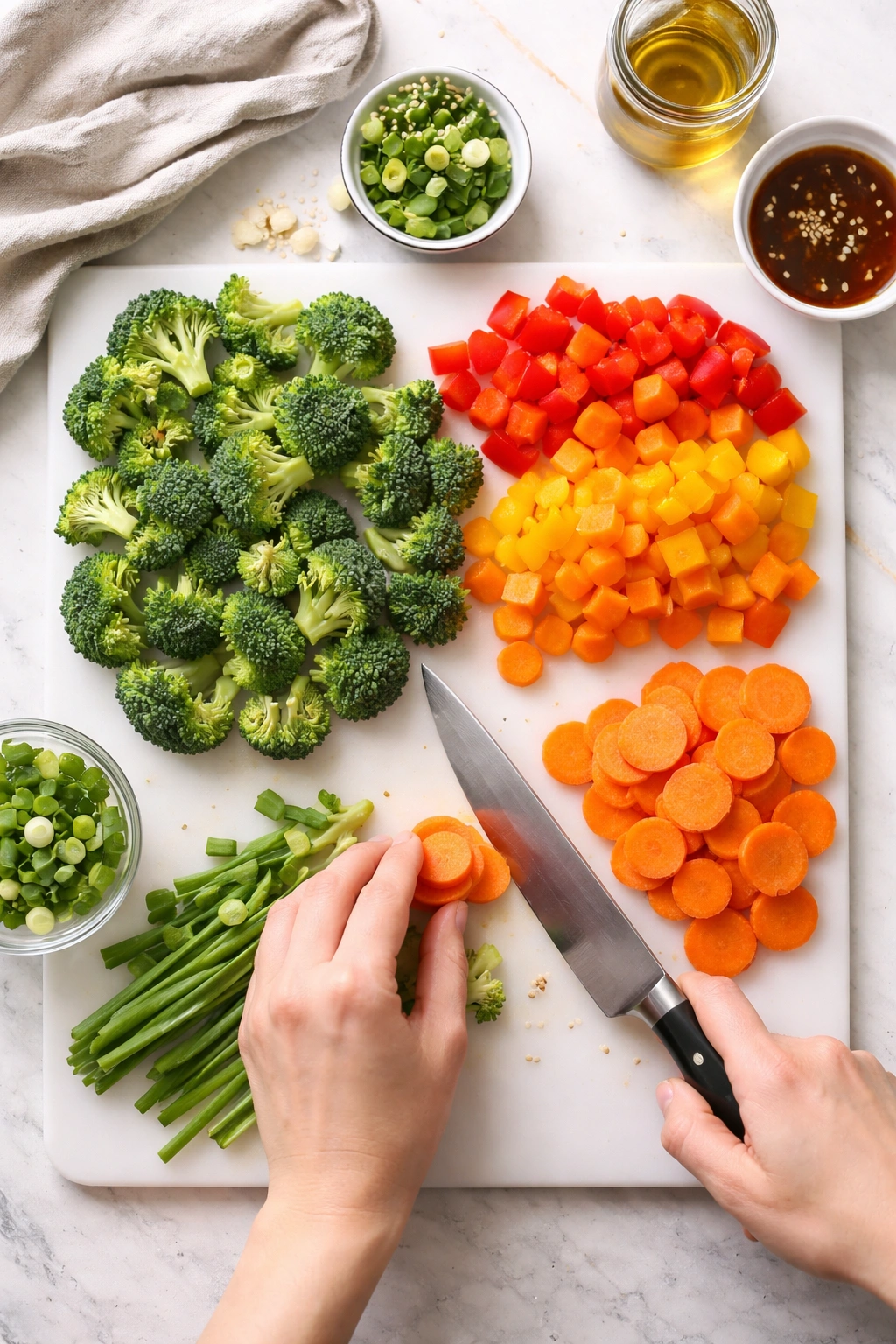
The vegetables you choose determine texture more than anything else. Sturdy vegetables that hold their shape — broccoli, bell peppers, snap peas, green beans, carrots — work beautifully. Softer vegetables like mushrooms, zucchini, and asparagus are wonderful too but cook faster, so add them later.
Cut vegetables into bite-sized pieces of roughly equal size. This isn’t just for elegance; uniform pieces cook at the same rate. If you cut peppers into large chunks and carrots into thin slices, the peppers stay crunchy while the carrots turn to mush. Aim for roughly 1-inch pieces for vegetables like broccoli florets, and thin slices (about ¼ inch) for peppers and carrots.
Prep everything before you turn on the heat. Stir-frying moves fast — once the pan gets hot, there’s no time to chop. Have all vegetables in separate piles (you’ll add them in batches based on cooking time), the sauce mixed in a bowl, and the shrimp patted dry on a plate. This setup is called “mise en place” (everything in its place), and it’s genuinely the difference between a smooth, enjoyable cook and a frantic scramble.
Some vegetables benefit from a quick pre-cook. If you’re using particularly thick broccoli florets or hard carrots, a 1-minute microwave steam before stir-frying helps them finish at the same time as the shrimp. This is optional but useful if you prefer very tender vegetables rather than crisp-tender.
Building a Flavorful Stir-Fry Sauce
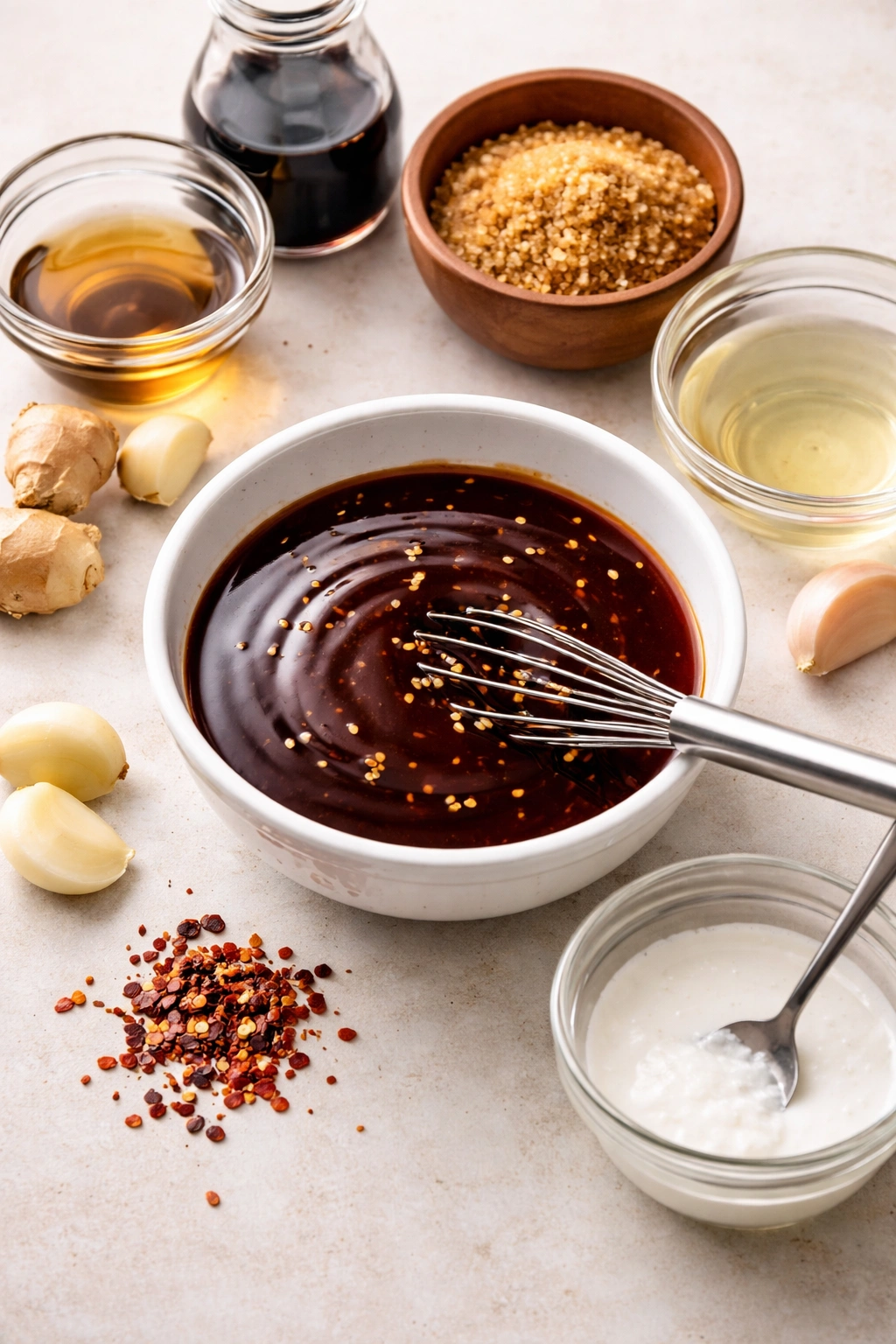
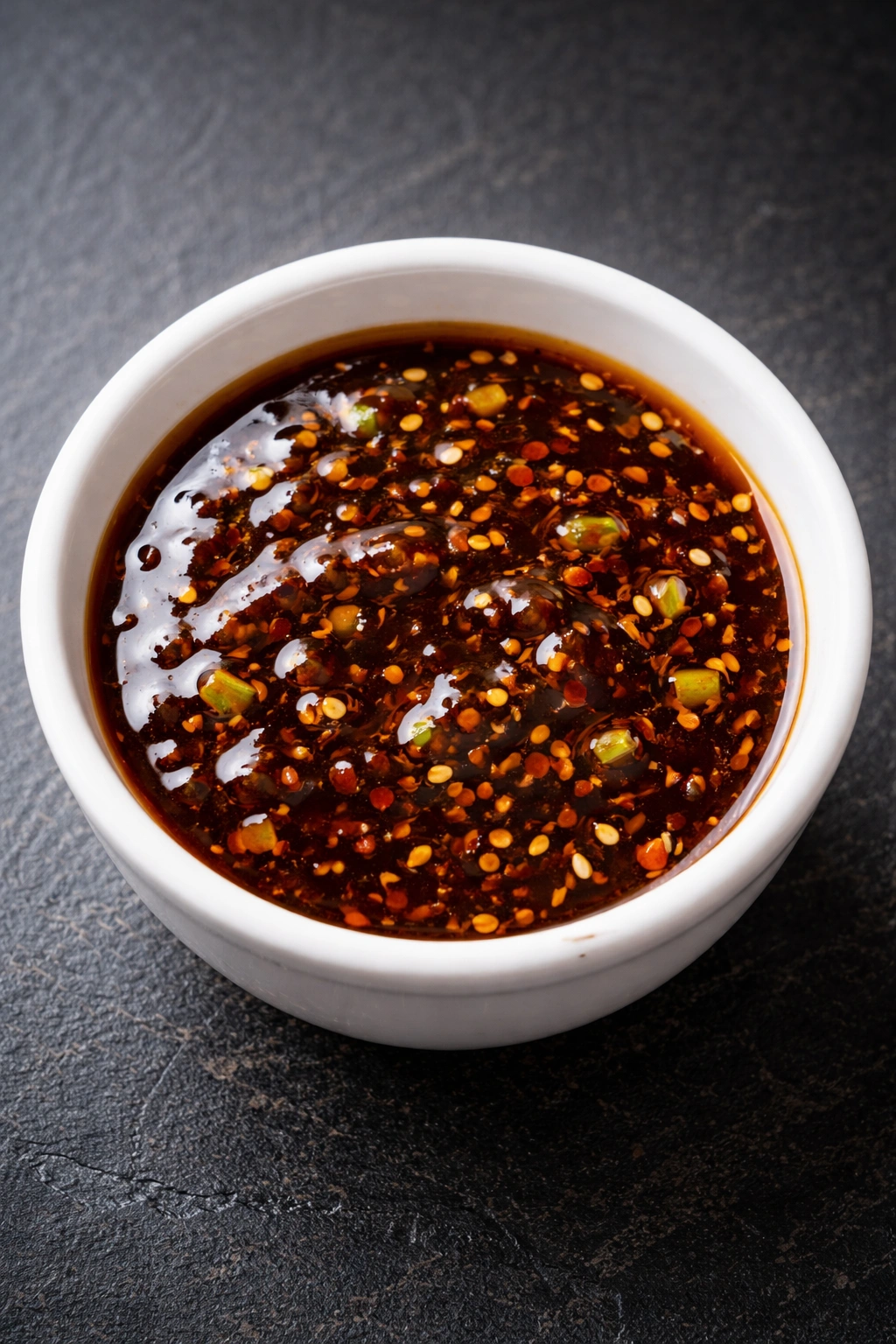
The sauce is what transforms simple shrimp and vegetables into something memorable. A basic stir-fry sauce typically balances salty, sweet, tangy, and savory in equal measure. The salty component usually comes from soy sauce (use low-sodium to control salt levels). Sweet can be honey, sugar, or mirin. Tangy comes from rice vinegar, rice wine vinegar, or sometimes lime juice. Savory depth comes from garlic, ginger, or a touch of sesame oil.
Most sauces follow a ratio: ¼ cup soy sauce, 3 to 4 tablespoons water or broth, 1 to 2 tablespoons sweetener, 1 tablespoon vinegar, and 1 to 2 teaspoons cornstarch to thicken. Aromatics like minced garlic (2-3 cloves) and fresh ginger (1-2 teaspoons) go directly into the sauce. This creates roughly ¾ cup sauce, enough for 4 servings.
Cornstarch is your thickening agent. It creates that glossy coating that clings to the shrimp and vegetables. Mix the cornstarch with a bit of cold liquid before whisking it into the rest of the sauce — this prevents lumps. Some recipes use arrowroot powder or tapioca starch if you need to avoid corn or want a slightly different texture.
Mix the sauce at least 5 minutes before cooking — this allows the cornstarch to fully hydrate. Give it a quick whisk right before pouring it into the hot pan. If you forget to thicken a sauce or it doesn’t set properly, you can always make a quick slurry: mix 1 teaspoon cornstarch with 2 tablespoons cold water, stir it into the pan, and cook for 1 more minute.
Mastering the Cooking Technique
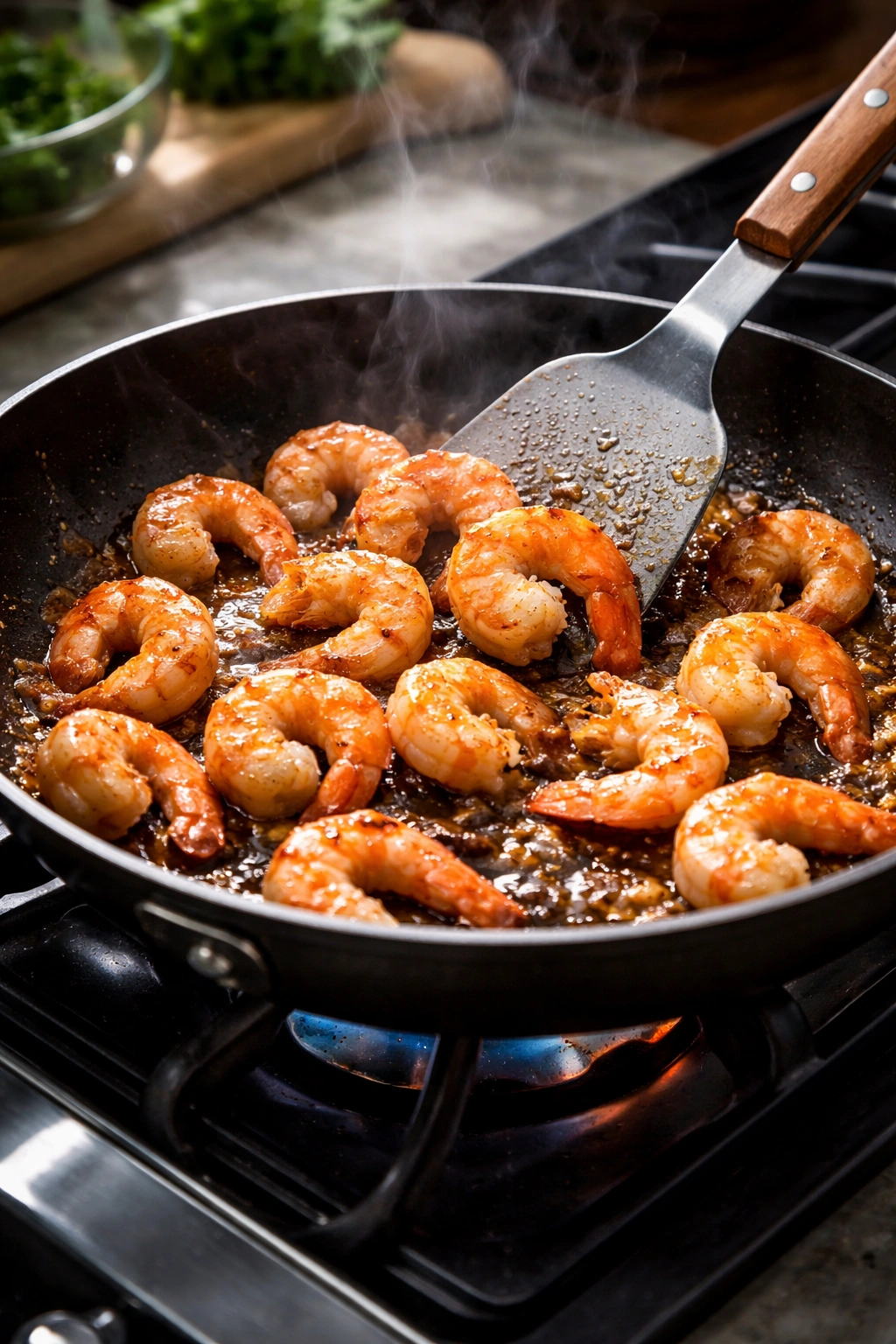
Step one: Cook the shrimp first. Heat about 1 tablespoon of oil in your pan over medium-high heat until it shimmers and moves freely. Pat your shrimp absolutely dry — moisture is the enemy of browning. Add them in a single layer (don’t stir for the first minute). Let them develop color on one side, about 1 to 2 minutes. Flip and cook the other side until they’re just turning opaque throughout. This takes roughly 1 to 2 minutes more depending on size.
At this point, the shrimp isn’t quite fully cooked, and that’s intentional. Remove them to a clean plate. They’ll finish cooking when they go back in with the sauce.
Step two: Cook the vegetables. Add another tablespoon of oil to the same pan (it’s loaded with shrimp flavor now). Add your firmest vegetables first — broccoli, carrots, peppers. Cook undisturbed for 1 to 2 minutes to develop browning, then stir frequently for another 3 to 5 minutes. You want color and a bit of browning, but the vegetables should still have crunch when you bite them.
Step three: Add aromatic vegetables. When the firm vegetables are almost done, add minced garlic and ginger. Stir constantly for about 30 seconds — this is the moment when they release their aroma. Be careful not to burn the garlic; if your pan is very hot, reduce the heat briefly to medium.
Step four: Return the shrimp and add the sauce. Pour the sauce into the pan and bring it to a gentle bubble. Stir constantly for about 1 to 2 minutes as the cornstarch activates and the sauce thickens. You’ll see it go from glossy liquid to a coating that clings to everything. Once it’s noticeably thicker, add the shrimp back in and toss everything to coat.
Cook for just 1 more minute — this finishes the shrimp cooking and ensures the sauce clings evenly. Taste and adjust seasoning with salt, pepper, or a splash of soy sauce if needed.
Common Mistakes and How to Avoid Them
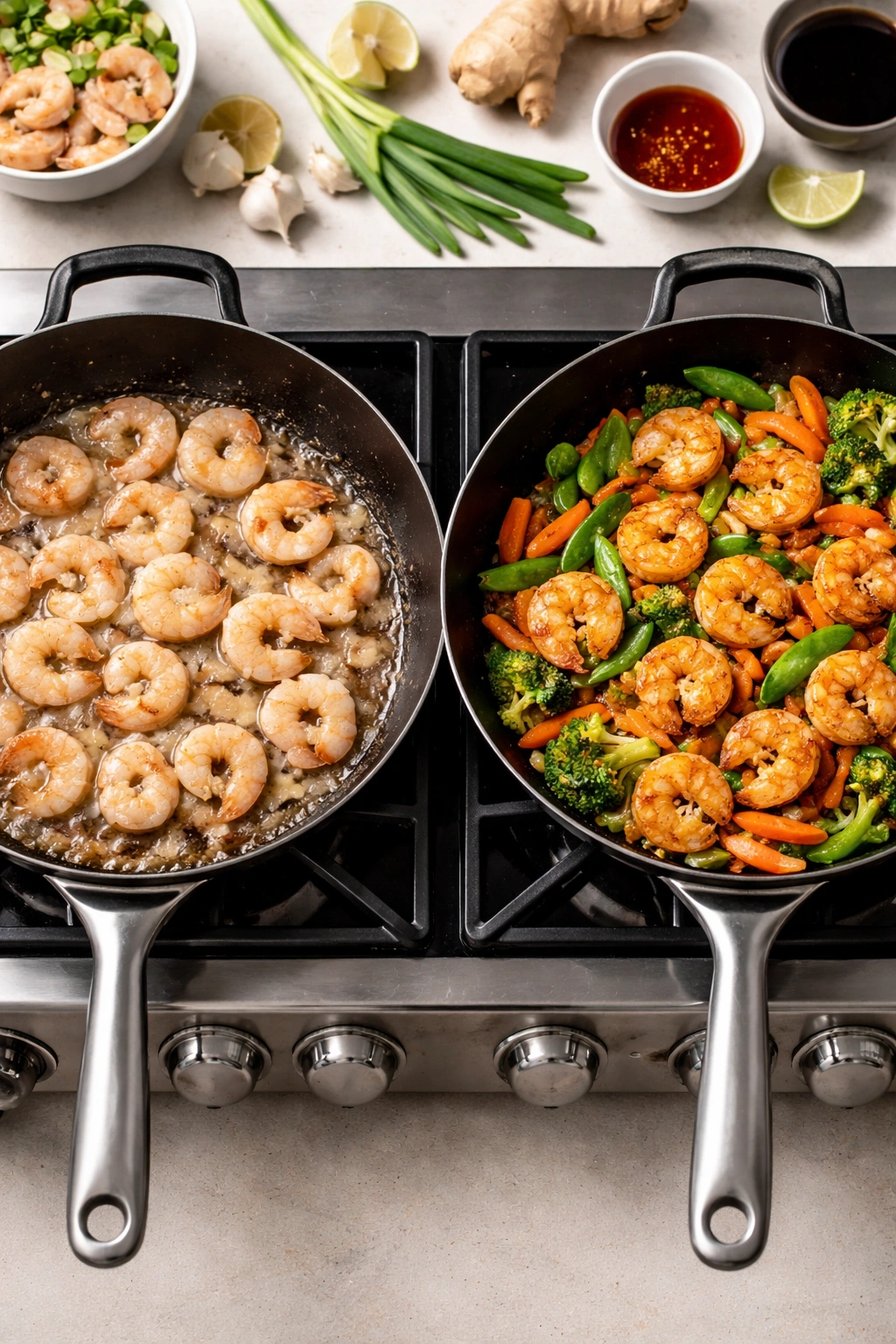
Overcooking the shrimp is the most frequent mistake, and it makes them rubbery and sad. Remember: the moment shrimp turns opaque and pink, it’s done. If it’s sitting in a hot pan, it continues cooking even if you’re not actively cooking it. This is why removing the shrimp before finishing the vegetables is brilliant — you control when it goes back in.
A crowded pan is the second biggest issue. When you cram too many ingredients into too small a space, nothing browns properly. The vegetables release steam and sweat instead of caramelizing. The shrimp cooks unevenly. If your pan is full after adding vegetables and shrimp, you’ve added too much. Make the stir-fry in two batches, which actually takes less total time than struggling with an overcrowded pan.
Wet shrimp prevents browning and causes splashing oil. Pat them thoroughly dry before they go near the hot pan. Even a little surface moisture interferes with the searing process.
Failing to prep ahead turns cooking into a stressful experience. Once heat is on, things move fast. If you’re still chopping vegetables while shrimp cooks, you’ll likely overcook the shrimp or burn the aromatics. Spend 10 minutes prepping everything, and the actual cooking is effortless.
Using old soy sauce or stale spices mutes the final flavor. If your soy sauce has been open for more than 6 months, it’s losing potency. Fresh garlic and ginger make a tangible difference compared to jarred versions. These aren’t expensive upgrades.
Variations That Keep Things Interesting
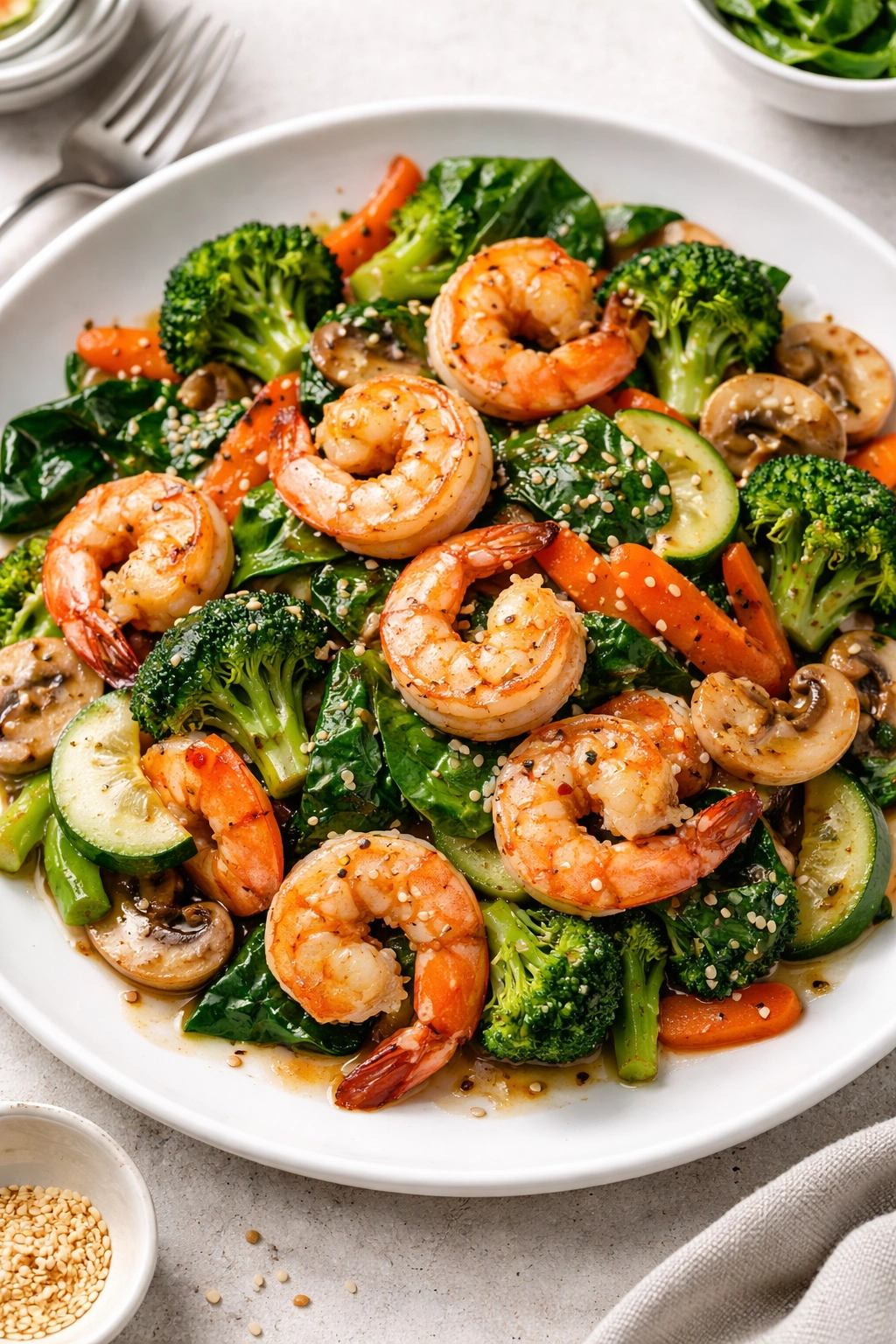
Once you’ve made basic shrimp stir-fry a few times, customization becomes intuitive. Vegetable combinations are endlessly flexible as long as you respect cooking times. Hearty vegetables like broccoli and carrots go in first. Softer vegetables like mushrooms, zucchini, and spinach go in near the end so they don’t turn mushy.
Add different proteins by using the same sauce and technique. Chicken breast (cut into bite-sized pieces) works beautifully and takes about 6 to 8 minutes. Beef like flank steak (thinly sliced) takes about 4 to 5 minutes. Tofu (extra-firm, pressed to remove excess moisture) takes about 5 to 6 minutes. Pork (thinly sliced) takes about 5 to 7 minutes. The sauce works with all of them.
Make it spicy by adding ½ to 1 teaspoon red pepper flakes to the sauce, or serve with sriracha drizzled on top. Fresh hot chilies minced into the sauce work wonderfully too. You control the heat level completely.
Change the sauce profile. Add a splash of coconut milk to the basic sauce for richness and sweetness. Use tamari instead of soy sauce for a gluten-free version. Swap honey for maple syrup or brown sugar. Add a teaspoon of sesame oil at the end for nutty depth. Use Shaoxing wine or mirin if you have them. Each tweak shifts the flavor without requiring major changes to technique.
Try different bases. Traditional stir-fries go over rice, but try jasmine rice for floral aroma, brown rice for nuttiness, or cauliflower rice if you’re going lower-carb. Serve over noodles — rice noodles, ramen, soba, or even pasta work beautifully. The sauce clings to noodles and becomes part of the dish rather than a separate element.
Storage, Reheating, and Meal Prep Strategy
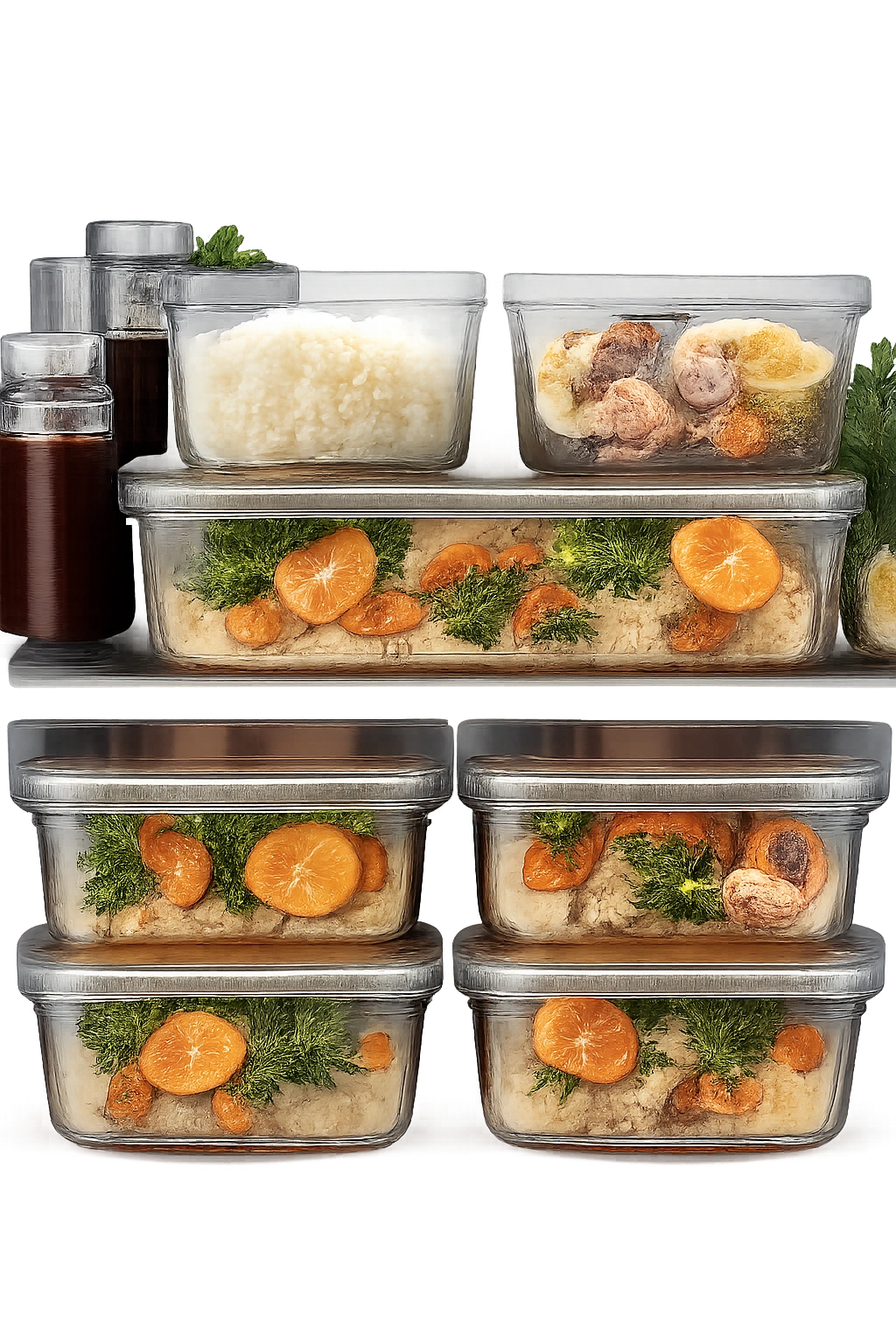
Shrimp stir-fry is best served immediately while the vegetables are still crisp and the shrimp is at perfect texture. That said, leftovers keep well and reheat beautifully. Store in an airtight container in the refrigerator for up to 3 days. The texture will soften slightly, but the flavor improves as everything melds together overnight.
To reheat, warm gently in a skillet over medium heat rather than using the microwave. This preserves vegetable texture much better. Add a splash of water if the mixture seems dry — a tablespoon or two helps prevent sticking. Heat just until warmed through, about 3 to 4 minutes, stirring occasionally.
For meal prep, consider storing components separately. Keep cooked rice or noodles in a separate container from the stir-fry. This prevents the rice from absorbing all the sauce and becoming mushy. Assemble fresh when you’re ready to eat, or give everything a good toss and reheat together — either works fine.
The stir-fry freezes exceptionally well for up to 2 months. Cool completely before freezing to prevent condensation. Thaw overnight in the refrigerator before reheating. Or reheat directly from frozen in a skillet (it’ll take a few extra minutes). The texture holds up better than you’d expect because everything was already cooked before freezing.
Serving Suggestions and Flavor Additions
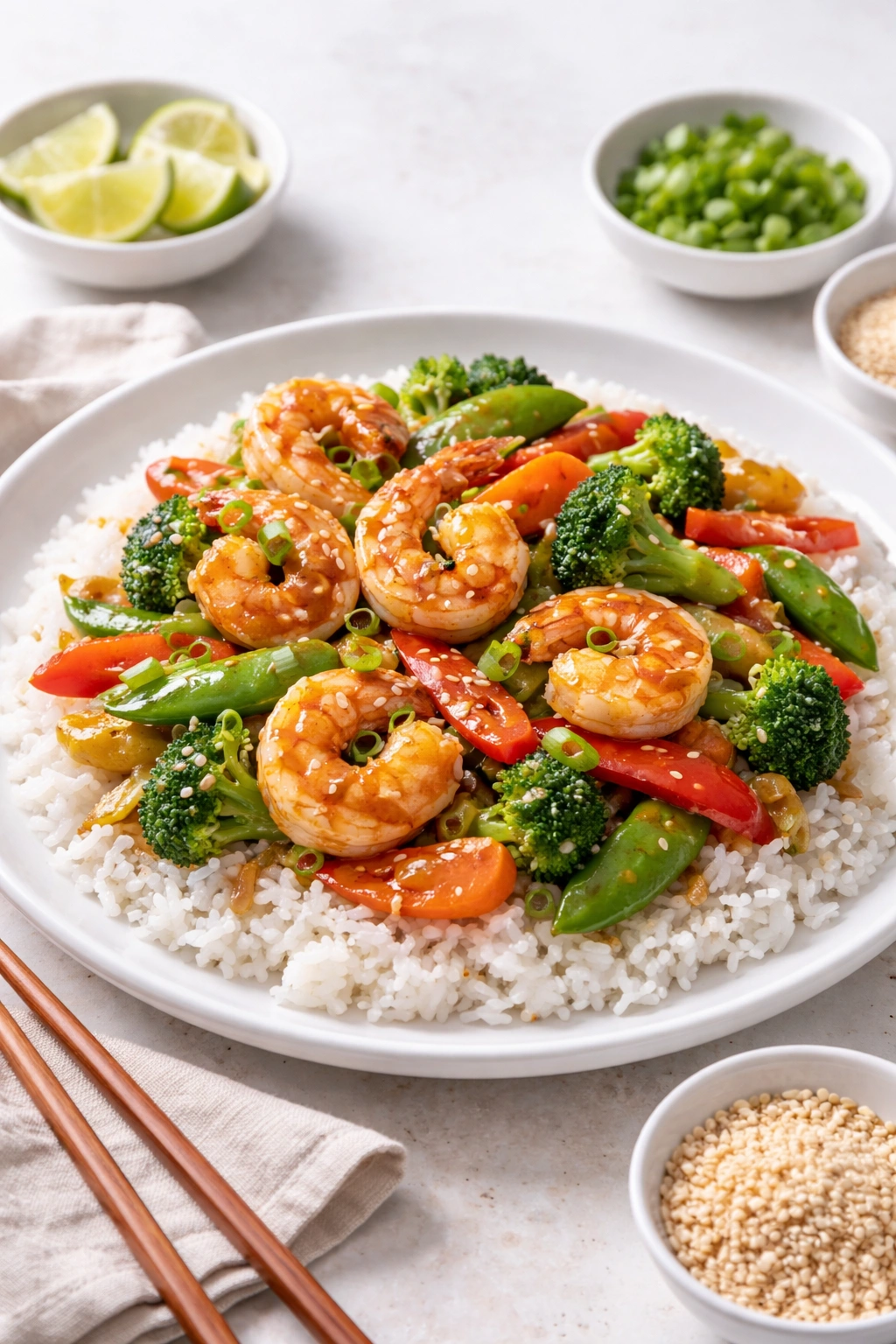
Serve your shrimp stir-fry over rice or noodles, or enjoy it solo in a bowl as a lighter meal. Jasmine rice is my preferred companion because its subtle floral notes complement the savory sauce beautifully. Brown rice adds a nutty richness. Cauliflower rice works perfectly if you’re lowering carbohydrates.
Fresh garnishes add brightness and texture. Sprinkle toasted sesame seeds over the top for crunch and nutty flavor. Chopped green onions (scallions) add sharpness. Fresh cilantro brings herbal notes. A squeeze of lime juice just before eating brightens everything. A sprinkle of crushed red pepper flakes lets people adjust heat to their preference.
Serve with a simple side salad — shredded cabbage tossed with rice vinegar and a pinch of sugar makes a crunchy, acidic counterpoint to the richness of the stir-fry. A few cucumber slices provide cooling contrast. These simple sides make the meal feel more substantial without adding much cooking time.
Consider the occasion. Quick weeknight stir-fry is casual and unpretentious. If you’re serving guests, you can elevate the presentation with carefully arranged garnishes and a thoughtfully chosen serving vessel. The flavor is the same, but the visual presentation transforms the experience.
Yield: Serves 4 | Prep Time: 15 minutes | Cook Time: 10 minutes | Total Time: 25 minutes | Difficulty: Beginner — all steps are straightforward, and timing is short enough that nothing has time to burn.
For the Stir-Fry Sauce:
- ¼ cup low-sodium soy sauce
- 3 to 4 tablespoons water or chicken broth
- 2 tablespoons honey or brown sugar
- 1 tablespoon rice vinegar (white vinegar works if you don’t have rice vinegar)
- 2 to 3 cloves garlic, minced
- 1 teaspoon fresh ginger, minced (optional but recommended)
- 1 to 2 teaspoons cornstarch (to thicken the sauce)
- ¼ teaspoon sesame oil (optional, adds nutty depth)
For the Shrimp Stir-Fry:
- 2 tablespoons neutral oil (vegetable, canola, or avocado oil), divided
- 1 pound medium shrimp, peeled and deveined (thawed if frozen)
- 3 to 4 cups vegetables of your choice — suggestions below
- Salt and black pepper to taste
- Optional garnishes: sesame seeds, chopped green onions, fresh cilantro, lime juice
Suggested Vegetable Combinations (use roughly 3 to 4 cups total):
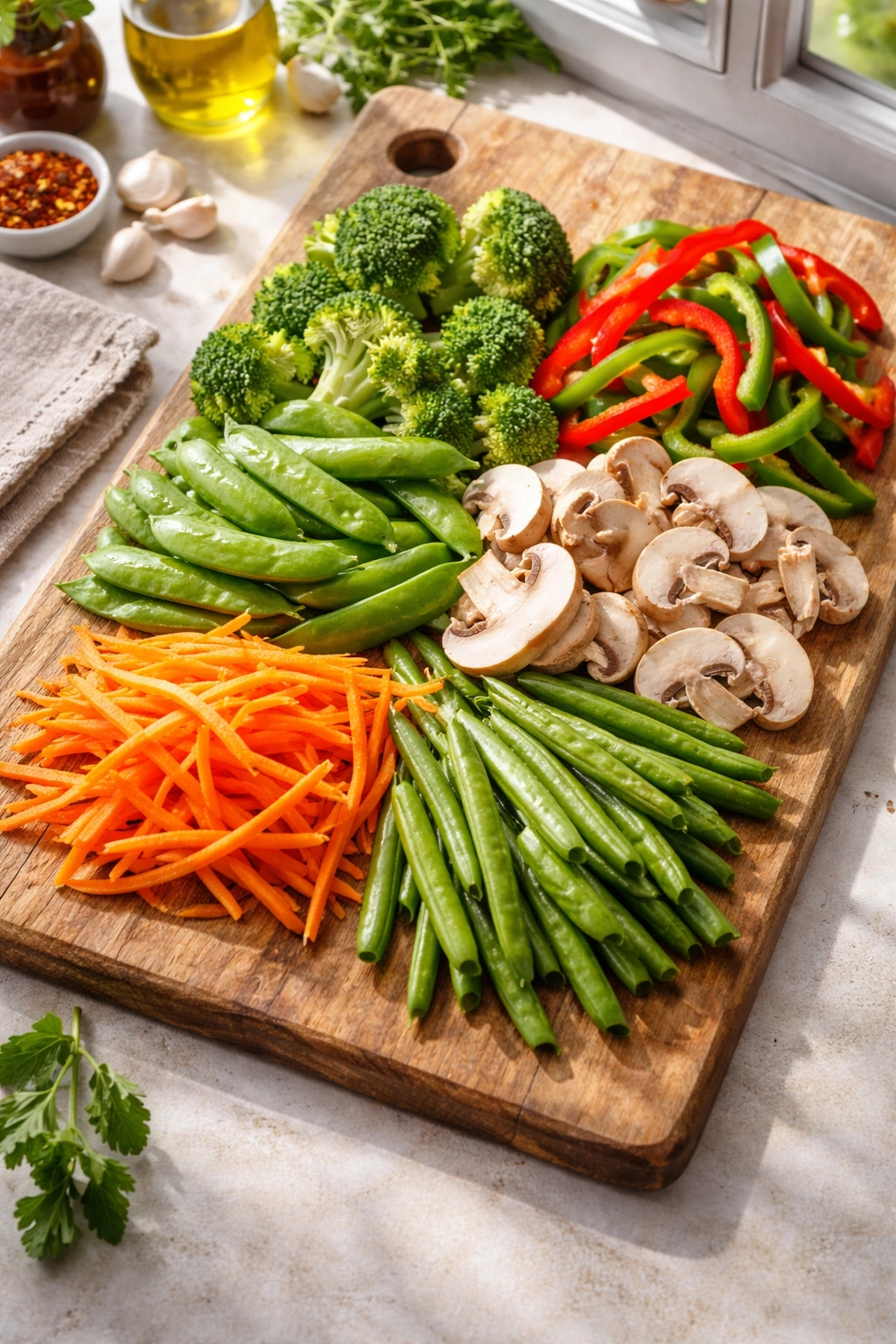
- 2 cups broccoli florets + 1 bell pepper, thinly sliced + 1 cup snap peas
- 1½ cups broccoli florets + 1 red bell pepper, thinly sliced + ½ cup thinly sliced carrots + 1 cup mushrooms
- 12 ounces green beans + 1 bell pepper, thinly sliced (any color)
- 2 cups broccoli florets + 1 cup shredded carrots + 1 red bell pepper, thinly sliced + 2 cups snap peas
Prep Everything First
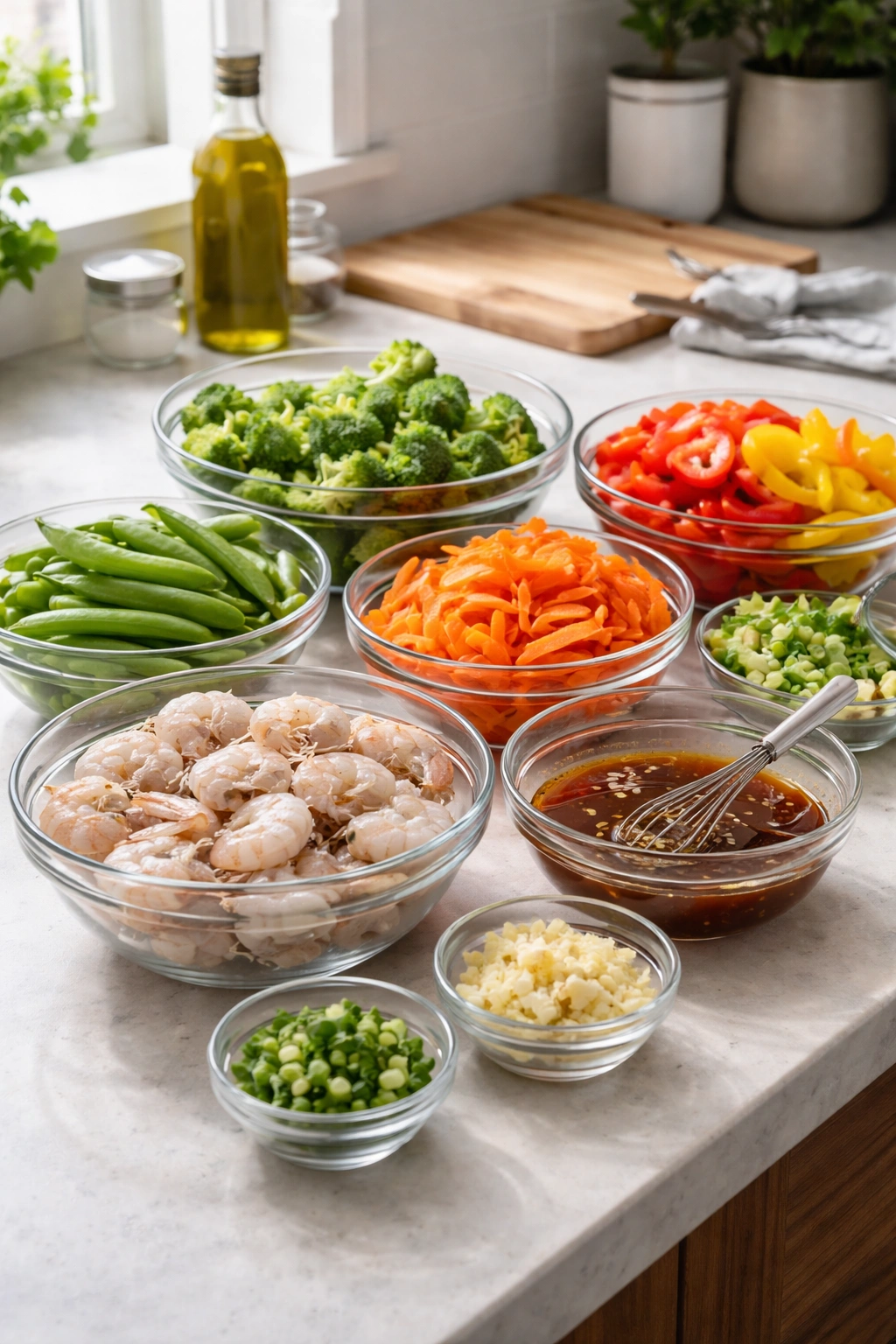
Before you turn on any heat, gather all your ingredients in one place. Chop vegetables into bite-sized pieces of roughly equal size so they cook evenly. Pat the shrimp completely dry with paper towels — this is crucial for browning and prevents oil splatter. In a small bowl, whisk together all the sauce ingredients until smooth. Set everything within arm’s reach of your stove.
Cook the Shrimp Until Just Opaque
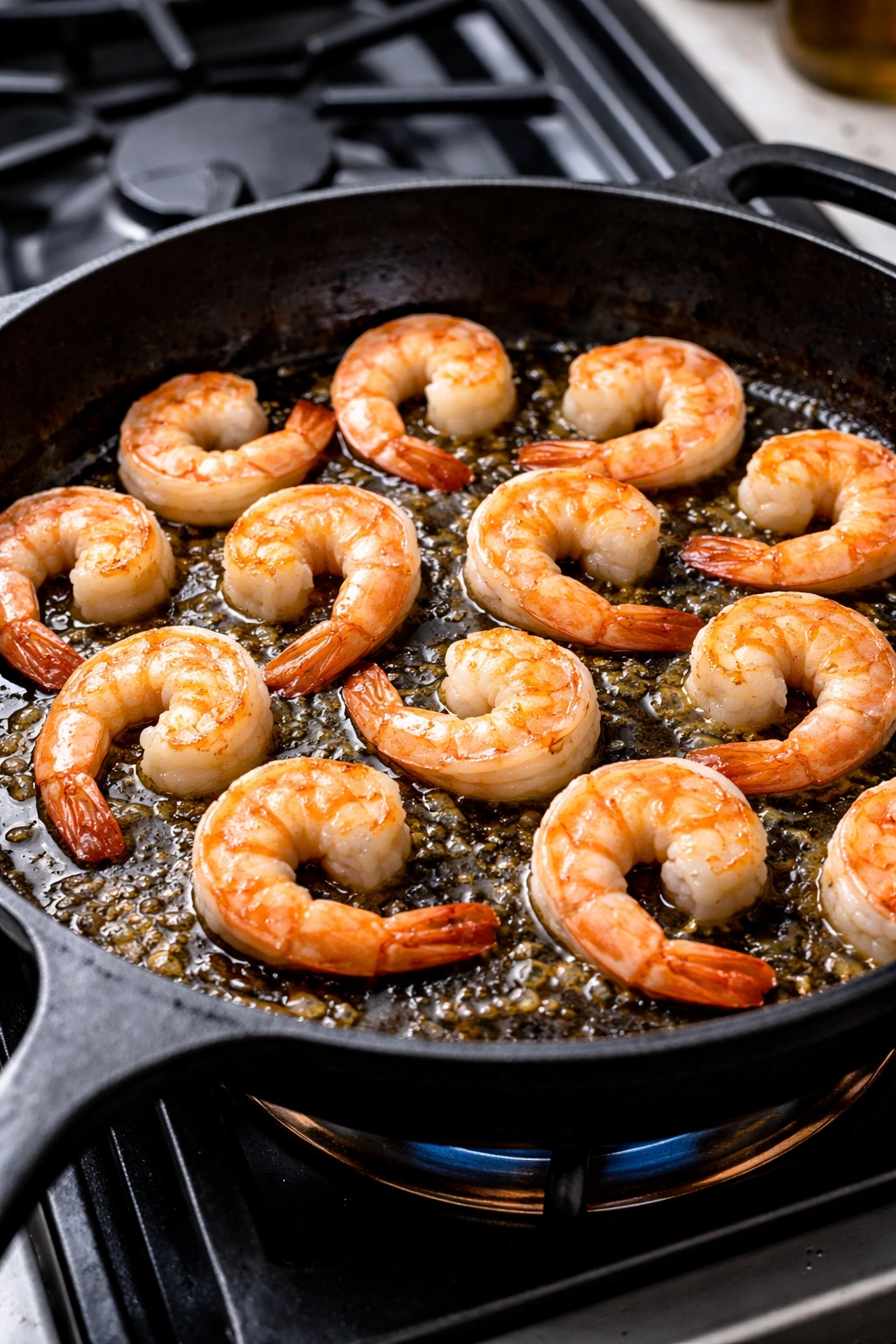
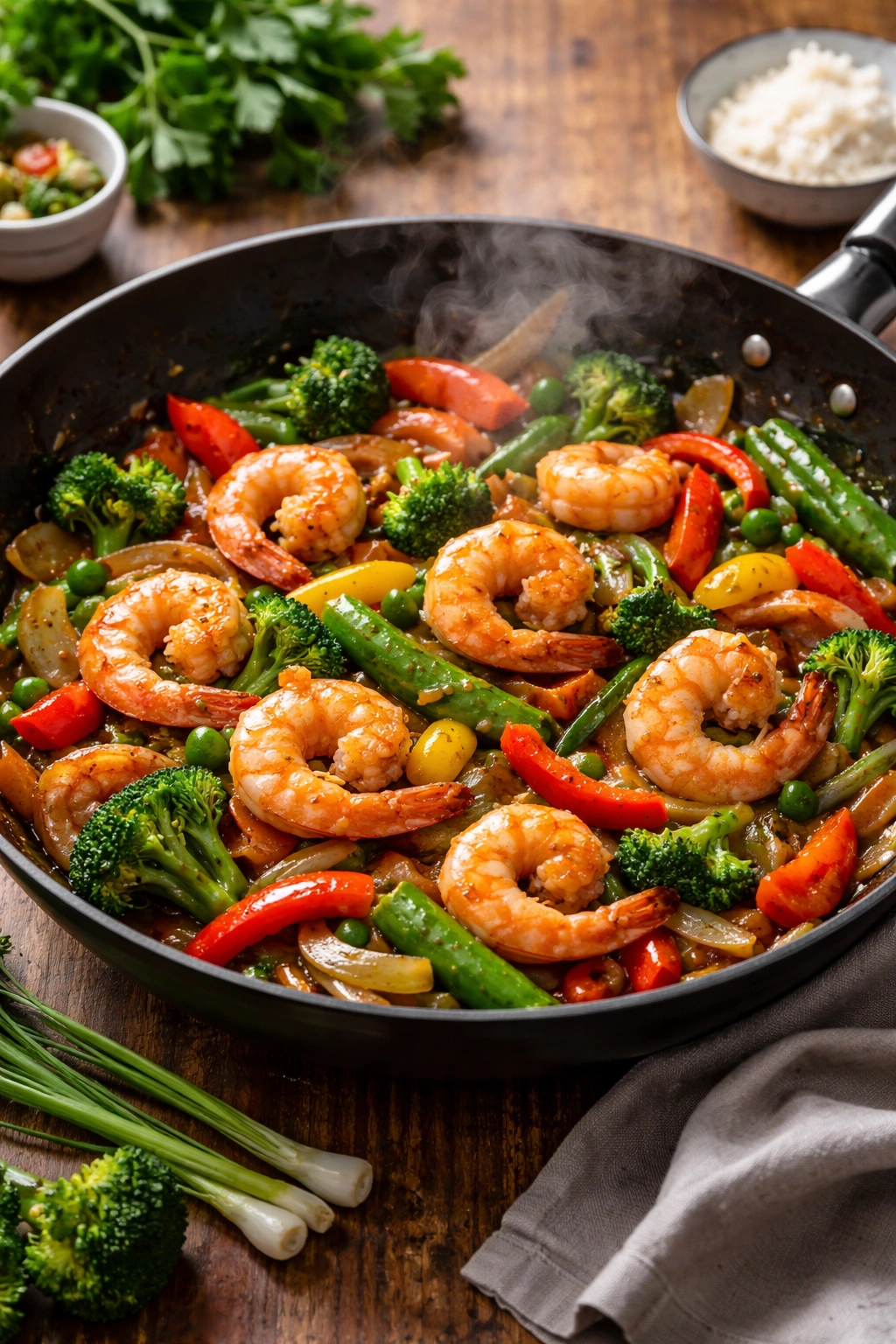
Heat 1 tablespoon of oil in a large skillet or wok over medium-high heat. When the oil shimmers and moves freely across the pan, add the shrimp in a single layer. Do not stir yet. Let them sit undisturbed for 1 minute so they develop color on the bottom. Flip each shrimp and cook for another 1 to 2 minutes until they’re just turning opaque throughout. The shrimp should still be slightly translucent in the very center — they’ll finish cooking when they go back in with the sauce, so don’t overcook them at this stage.
Remove the cooked shrimp to a clean plate and set aside.
Sauté the Vegetables in Batches
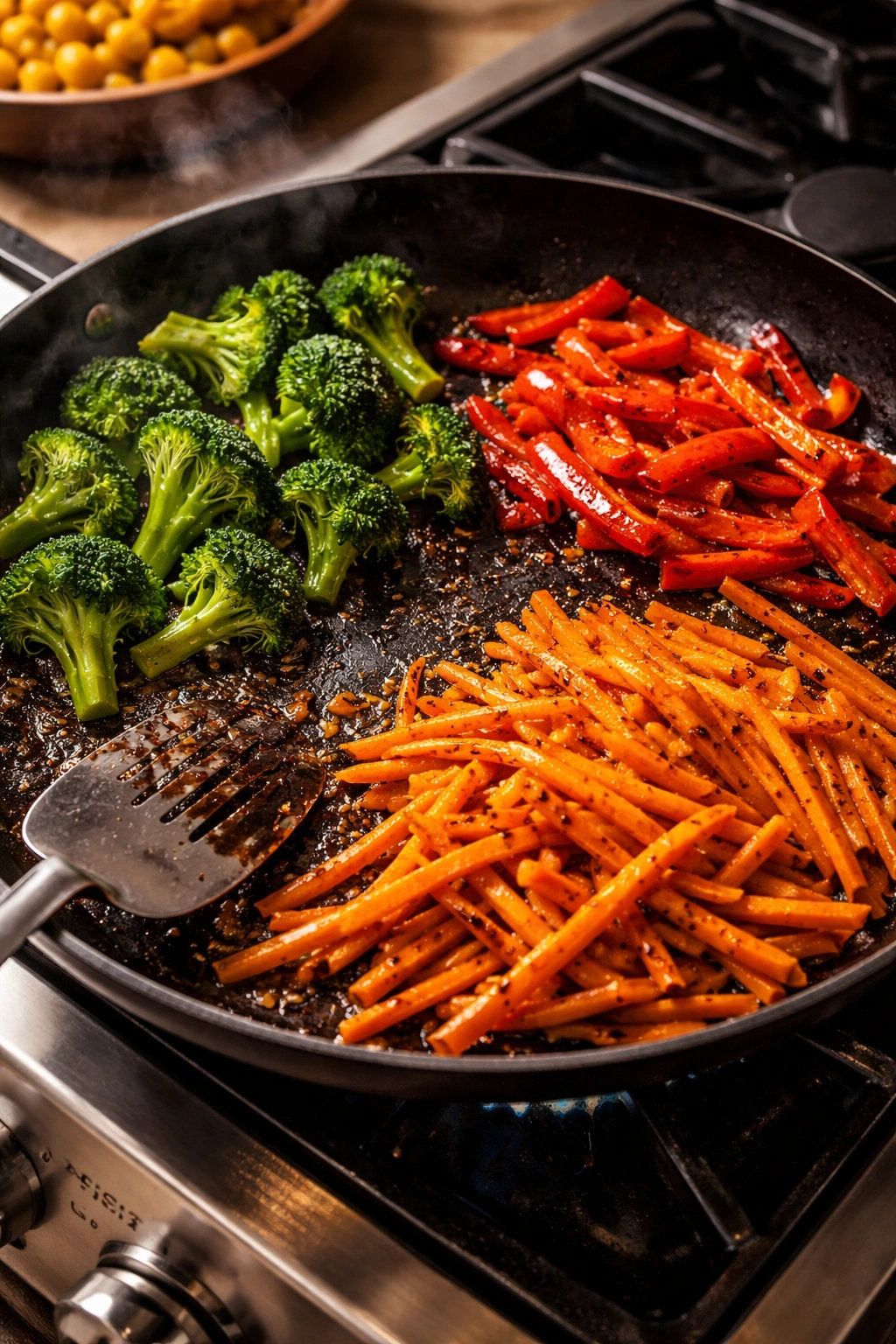
Add the remaining 1 tablespoon of oil to the same hot pan. Add your firmest vegetables first — if you’re using broccoli, bell peppers, and carrots, add those now. Let them sit for 1 to 2 minutes without stirring so they develop some browning and color. Then stir frequently for another 3 to 5 minutes until the vegetables are tender-crisp (they should still have a pleasant crunch when you bite them, and you should see some browned or charred spots on the edges).
If you’re using softer vegetables like mushrooms or zucchini, add them in the last 2 minutes of cooking so they don’t turn mushy.
Add Aromatics and Bring the Sauce Together
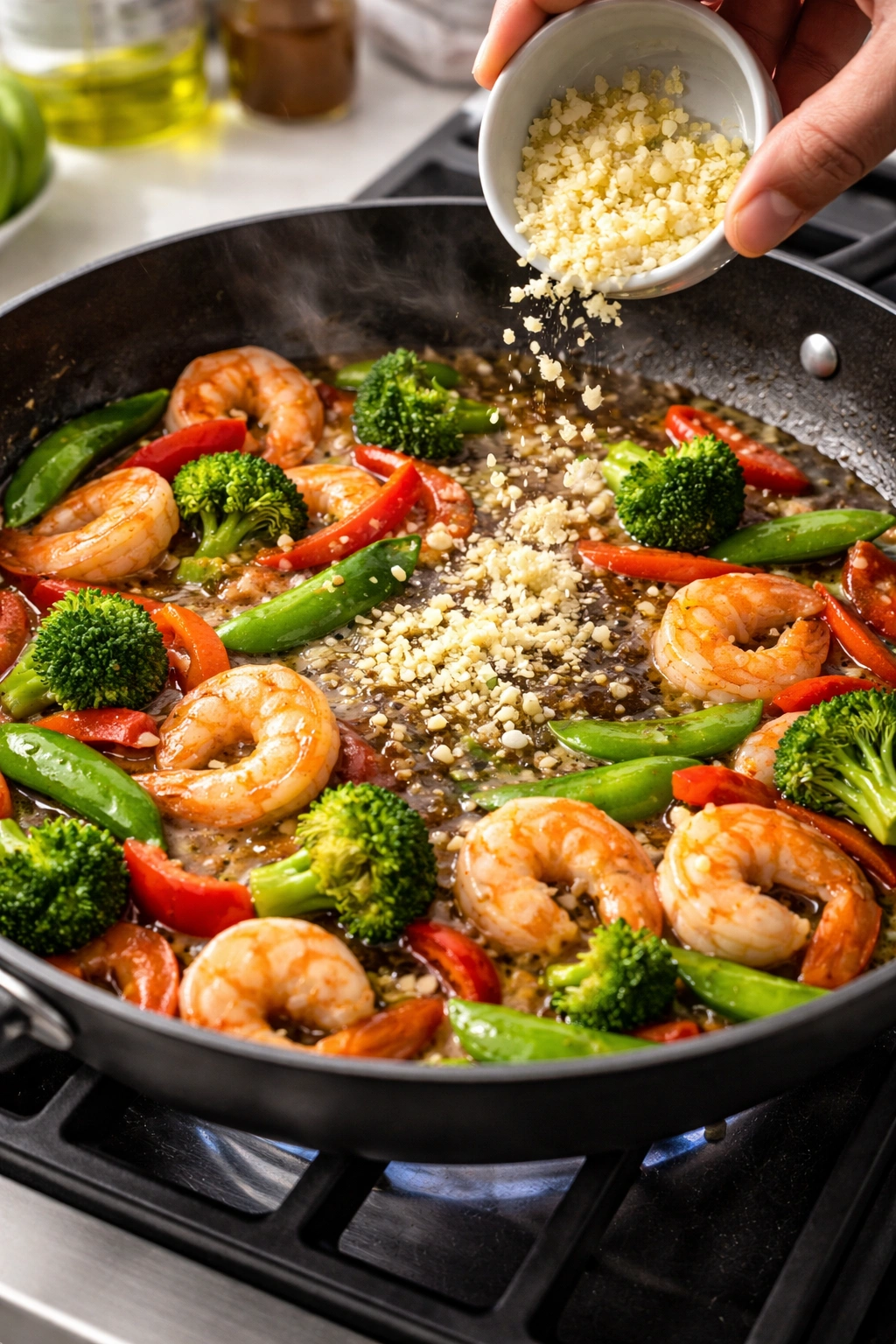
Once the vegetables are nearly done, add the minced garlic and ginger to the pan. Stir constantly for about 30 seconds until fragrant. The hot pan will cook the garlic quickly, and you want it golden and fragrant, not burned.
Give your sauce one final whisk to fully incorporate the cornstarch. Pour the sauce into the hot pan and stir constantly. You’ll see it transform from a glossy liquid into something noticeably thicker as the cornstarch activates with the heat. This takes about 1 to 2 minutes. Once the sauce has thickened enough to coat the vegetables, immediately add the shrimp back to the pan.
Finish Cooking and Serve
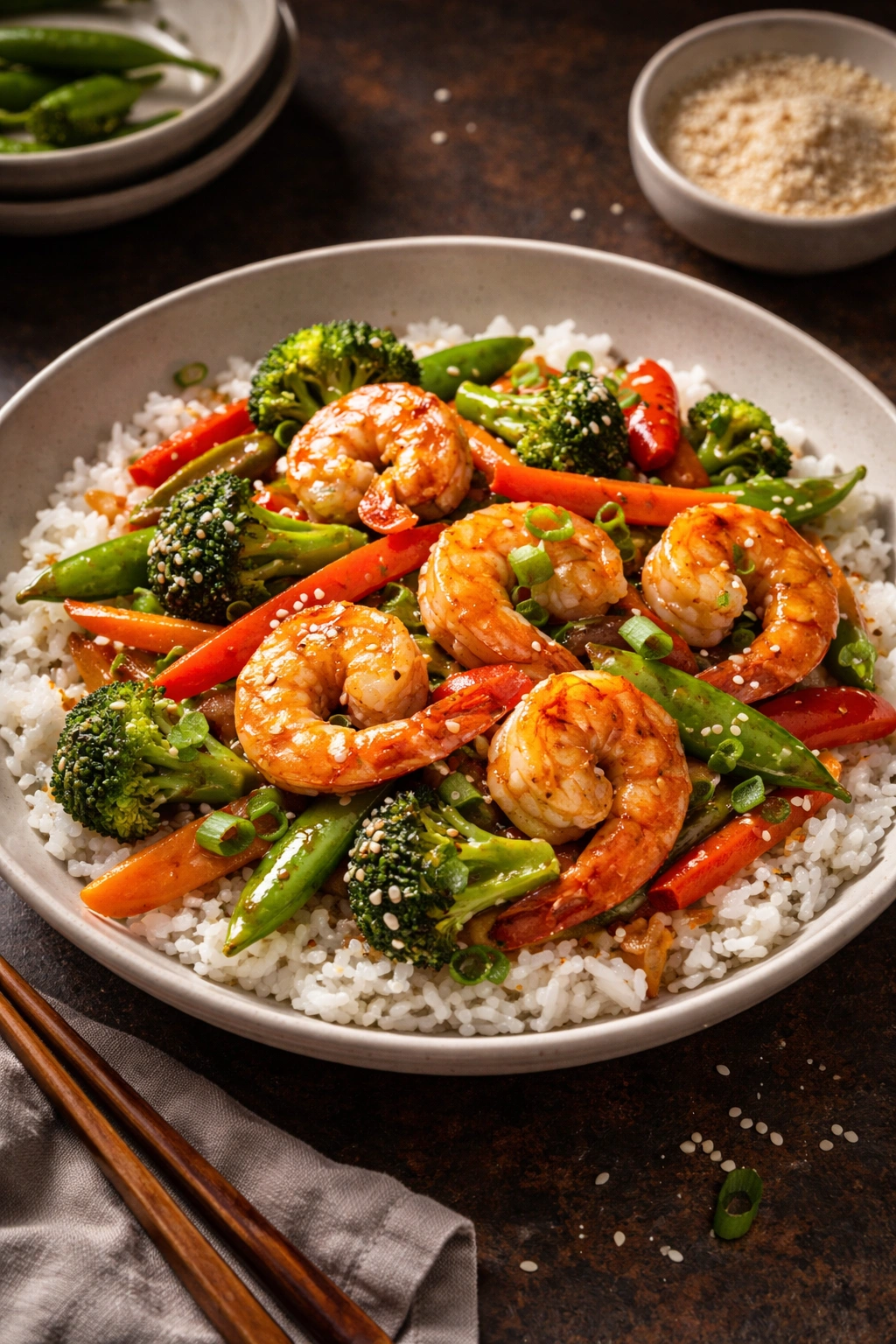
Toss everything together so the shrimp and vegetables are evenly coated in the glossy sauce. Cook for 1 more minute just to warm the shrimp through. Taste and adjust seasoning with salt, pepper, or a touch more soy sauce if needed.
Remove from heat and divide among bowls or plates. If serving over rice or noodles, spoon the stir-fry on top. Garnish with sesame seeds, green onions, cilantro, and a squeeze of lime juice if desired.
Tips for Perfect Results Every Time
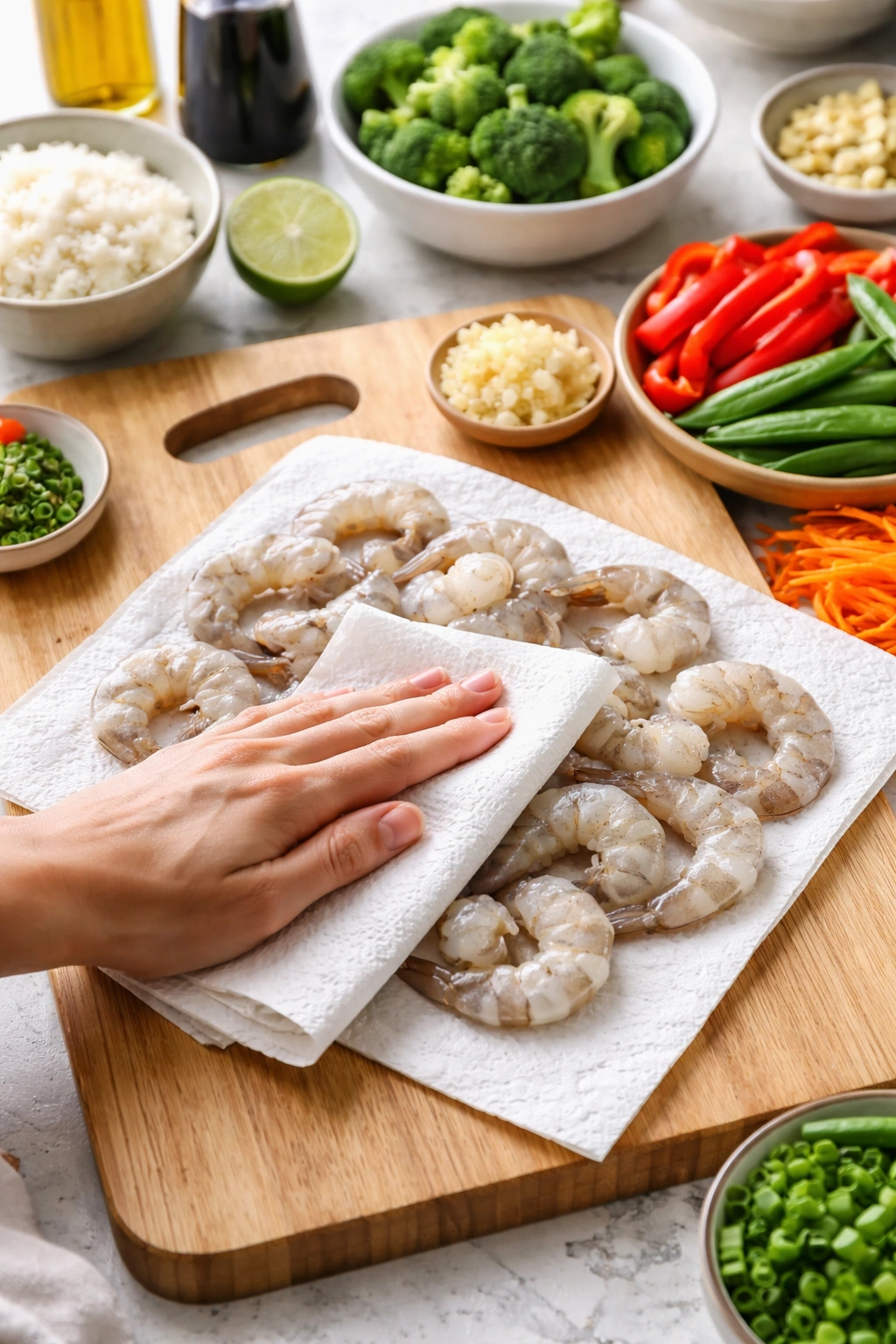
Pat the shrimp dry, without exception. Even a little moisture prevents browning and causes hot oil to splatter. This single step makes an enormous difference in the final texture and flavor of the shrimp.
Don’t skip the prep work. Chopping vegetables and mixing the sauce before cooking takes maybe 10 minutes but transforms the experience. Once heat is on, stir-frying moves fast, and there’s no time to be dicing peppers while shrimp cooks.
Use a large skillet. A 12-inch or larger pan gives ingredients space to sear properly. If your skillet is crowded, vegetables steam instead of browning, and everything ends up soft rather than crisp-tender. It’s better to make two smaller batches than to overcrowd one pan.
Don’t overcook the shrimp. This is the most common mistake. Shrimp continues cooking even after you remove it from direct heat, so pull it out when it’s just opaque, not when it’s fully cooked. The residual heat and the sauce will finish the job.
Keep the heat high enough. Medium-high heat is your baseline. You want to hear a subtle sizzle when ingredients hit the pan, which tells you the temperature is right for browning. If nothing sizzles, increase the heat.
Add vegetables in order of cooking time. Firmer vegetables go in first, softer ones later. This ensures everything finishes at roughly the same time, so nothing ends up mushy or undercooked.
Make the sauce ahead if time is tight. Mix the sauce up to 3 days in advance and store it in a covered container in the refrigerator. This means on a busy evening, you just chop vegetables, which is the fastest part of prep.
Questions People Ask About Shrimp Stir-Fry
Can I use frozen shrimp?
Absolutely. Most shrimp sold as “fresh” was actually frozen on the boat and thawed at the store, so frozen shrimp is just as good. Thaw overnight in the refrigerator (ideal) or under cold running water for 10 to 15 minutes. Pat dry completely before cooking. Never add frozen shrimp directly to the hot pan — it releases water and steams instead of browning.
What size shrimp works best?
Medium shrimp (41-50 count per pound) are ideal for stir-fries because they’re bite-sized and cook evenly. Large shrimp (31-40 count) work beautifully too and feel more substantial. Smaller shrimp cook faster (1-2 minutes per side), so adjust timing accordingly. Jumbo shrimp can work but may overwhelm the vegetables.
Can I make this ahead?
You can prep everything in advance. Chop vegetables the morning of cooking and store in the refrigerator. Mix the sauce up to 3 days ahead. The actual stir-frying needs to happen fresh right before eating because vegetables lose their crunch if cooked more than a few hours in advance.
How do I avoid mushy vegetables?
Keep the heat high, don’t overcrowd the pan, and cook vegetables just until tender-crisp rather than soft. Add softer vegetables later so they don’t overcook. If you’re using particularly firm vegetables like carrots, a 1-minute microwave steam before stir-frying helps them cook through without turning mushy.
What if my sauce doesn’t thicken?
Make a quick slurry: mix 1 teaspoon cornstarch with 2 tablespoons cold water, whisk until smooth, pour it into the simmering sauce, and cook for 1 minute. Alternatively, if you’ve already served the stir-fry, just note for next time that you may have added too much liquid or cooked the sauce at too low a temperature.
Can I use other proteins besides shrimp?
Yes. Chicken breast (cubed, about 6-8 minutes), beef like flank steak (thinly sliced, about 4-5 minutes), pork tenderloin (thinly sliced, about 5-7 minutes), and extra-firm tofu (pressed and cubed, about 5-6 minutes) all work beautifully. Use the same sauce and follow the same technique, adjusting cooking time based on the protein.
Should I use a wok or a regular skillet?
Either works fine. A traditional wok has sloped sides that make tossing easier, but a large flat-bottomed skillet is more practical for most home stoves and honestly works just as well. What matters is size — ideally 12 inches or larger.
How spicy is this?
The basic recipe isn’t spicy at all. If you want heat, add ½ to 1 teaspoon red pepper flakes to the sauce, drizzle finished stir-fry with sriracha, or add minced fresh hot chilies. You control the heat level completely.
Can I make it gluten-free?
Yes. Use tamari or coconut aminos instead of regular soy sauce — both are gluten-free and work beautifully in the sauce. Everything else in the recipe is naturally gluten-free. Verify that any sauces or oils you use are certified gluten-free if you have celiac disease.
Final Thoughts
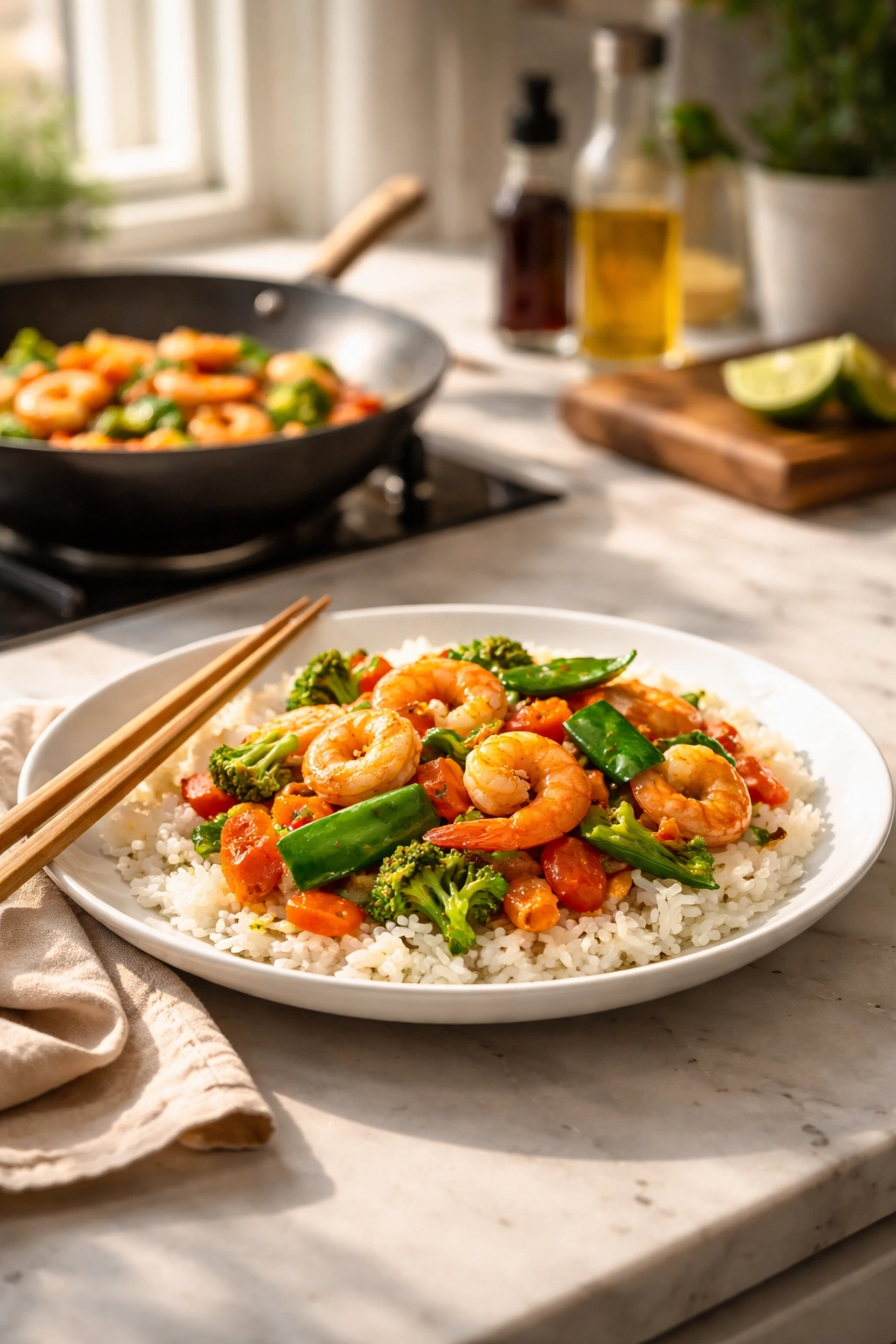
Shrimp stir-fry deserves a place in your regular rotation not because it’s fancy or impressive, but because it respects your time while delivering genuine flavor. Once you’ve made it two or three times, the technique becomes second nature, and you’ll intuitively understand how to adapt it based on what’s in your refrigerator and what you’re craving that day.
The real magic is in respecting the fundamentals: pat the shrimp dry, prep everything ahead, use high heat, don’t overcrowd the pan, and remove the shrimp before it overcooks. Those aren’t complicated rules, but they’re the difference between shrimp that’s tender and sweet versus rubbery and off-putting.
Start simple — broccoli, bell peppers, and a basic sauce — and once that feels comfortable, branch into different vegetables, sauce variations, and protein swaps. You’ll discover that shrimp stir-fry isn’t a single recipe but a framework for countless variations, all of which come together in the time it takes to boil water for rice. That’s the real appeal for busy weeknights: reliability, speed, and the confidence that whatever you make will taste genuinely good.