



There’s something almost magical about the moment you flip on your slow cooker in the morning, knowing that hours later—without lifting a finger—a complete, delicious dinner will be waiting. No last-minute scrambling. No takeout boxes scattered across the counter. No scrambled eggs because you forgot to plan. Just tender, juicy food that practically cooks itself while you’re busy with everything else life throws your way. Whether you’re managing a hectic work schedule, juggling family obligations, or simply want to reclaim your evenings from the tyranny of dinner prep, slow cooker meals have become the secret weapon that transforms chaos into calm.
The beauty of this approach lies in its simplicity and reliability. Modern slow cookers are far more sophisticated than the dated appliances your grandmother might have used, yet they operate on the same proven principle: low heat over extended time creates fall-apart tender results that short, high-heat cooking simply cannot match. The science is straightforward. Tough cuts of meat and fibrous vegetables need time to break down. Flavors need hours—not minutes—to develop and meld. Collagen converts to gelatin. Proteins become tender instead of tough. Moisture stays locked inside instead of evaporating away. When you understand this, you realize that a slow cooker isn’t just convenient; it’s actually the superior cooking method for an entire category of meals.
What sets truly effortless crock pot cooking apart from the merely easy is the “dump and go” principle. You’re not hunting for thirty minutes to assemble ingredients. You’re not standing over the stove browning meat or sautéing aromatics. You’re literally adding everything to the pot, setting the timer, and leaving. This article walks you through exactly how to master this approach, with real strategies that work whether you’re gone for eight hours or twelve, and regardless of whether your slow cooker runs hot, cold, or somewhere in between.
Why Slow Cookers Deliver Consistently Tender Results
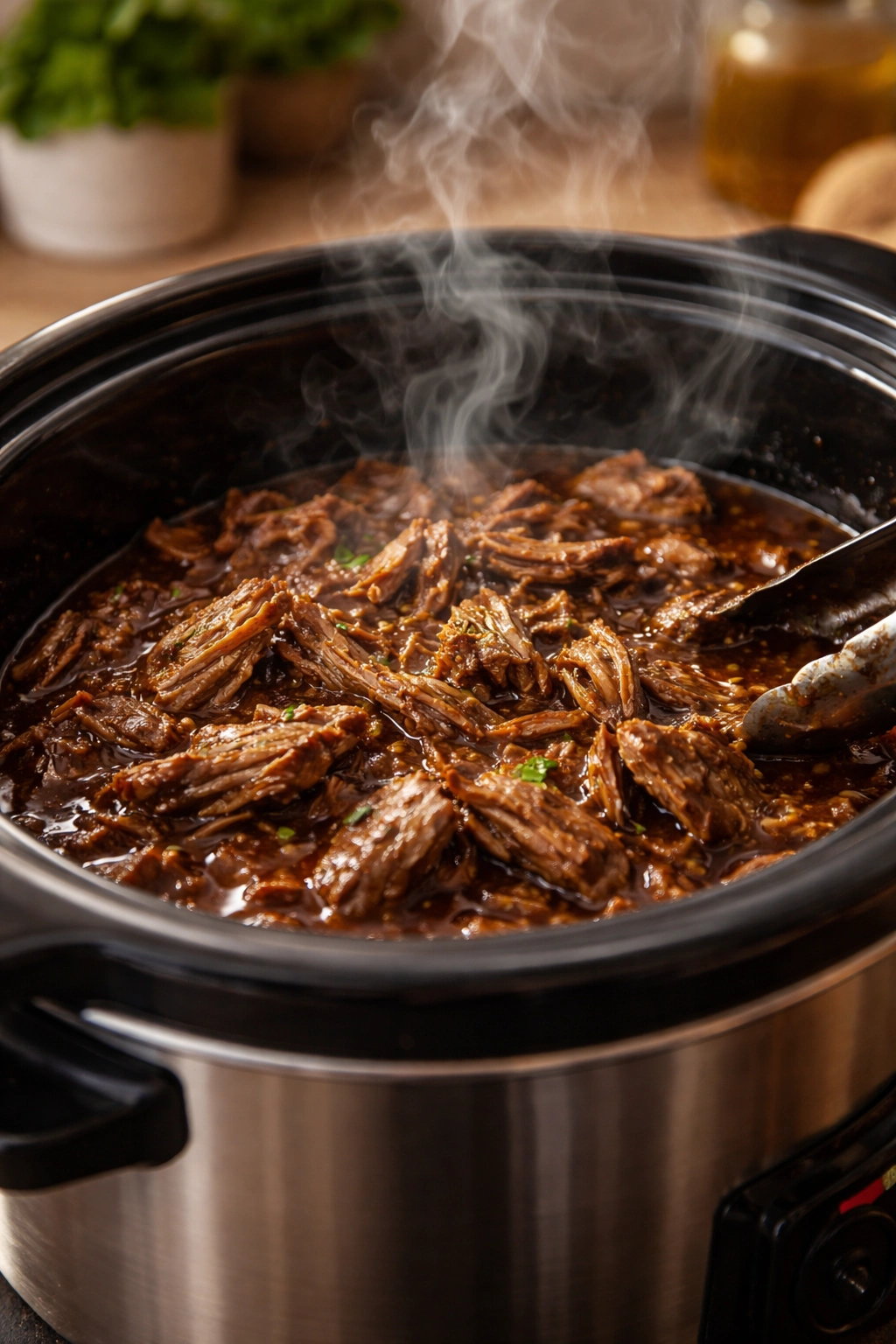
The slow cooker’s magic comes from the way it applies heat. Instead of the blast of a hot oven or stovetop, your food sits in a moist environment at a gentle temperature—usually between 190°F and 210°F on the low setting—for hours on end. This gentle approach does something remarkable to tough cuts of meat that would otherwise require special techniques or extended braising times in the oven.
When muscle fibers heat slowly and gently, the proteins don’t contract aggressively the way they do under high heat. This means the meat stays moist instead of squeezing out its juices. At the same time, the collagen in connective tissue gradually hydrates and converts into gelatin, which makes everything luxuriously tender. A chuck roast that would be rubbery and disappointing pan-seared becomes literally fall-apart tender after eight hours in a slow cooker.
The sealed environment matters too. Unlike an oven or stovetop where moisture can escape, a slow cooker creates a closed system where steam condenses and falls back into the food. This constant moisture keeps everything from drying out, which is why slow cooker chicken stays juicy even when you cook it longer than you’d normally dare. It’s essentially braising, and braising is one of the most forgiving cooking methods out there.
The flavor development is equally important. When ingredients simmer together for this length of time, flavors fully develop and integrate. Spices bloom. Aromatics become mellow and sophisticated rather than harsh. If you’re cooking a soup or stew, the broth becomes rich and complex, far more so than anything you could achieve on the stovetop in an hour. This is why slow cooker chili tastes noticeably better than quickly made chili—the beans absorb the sauce, the spices penetrate everything, and you get genuine depth instead of just surface seasoning.
What Happens When You’re Not in the Kitchen
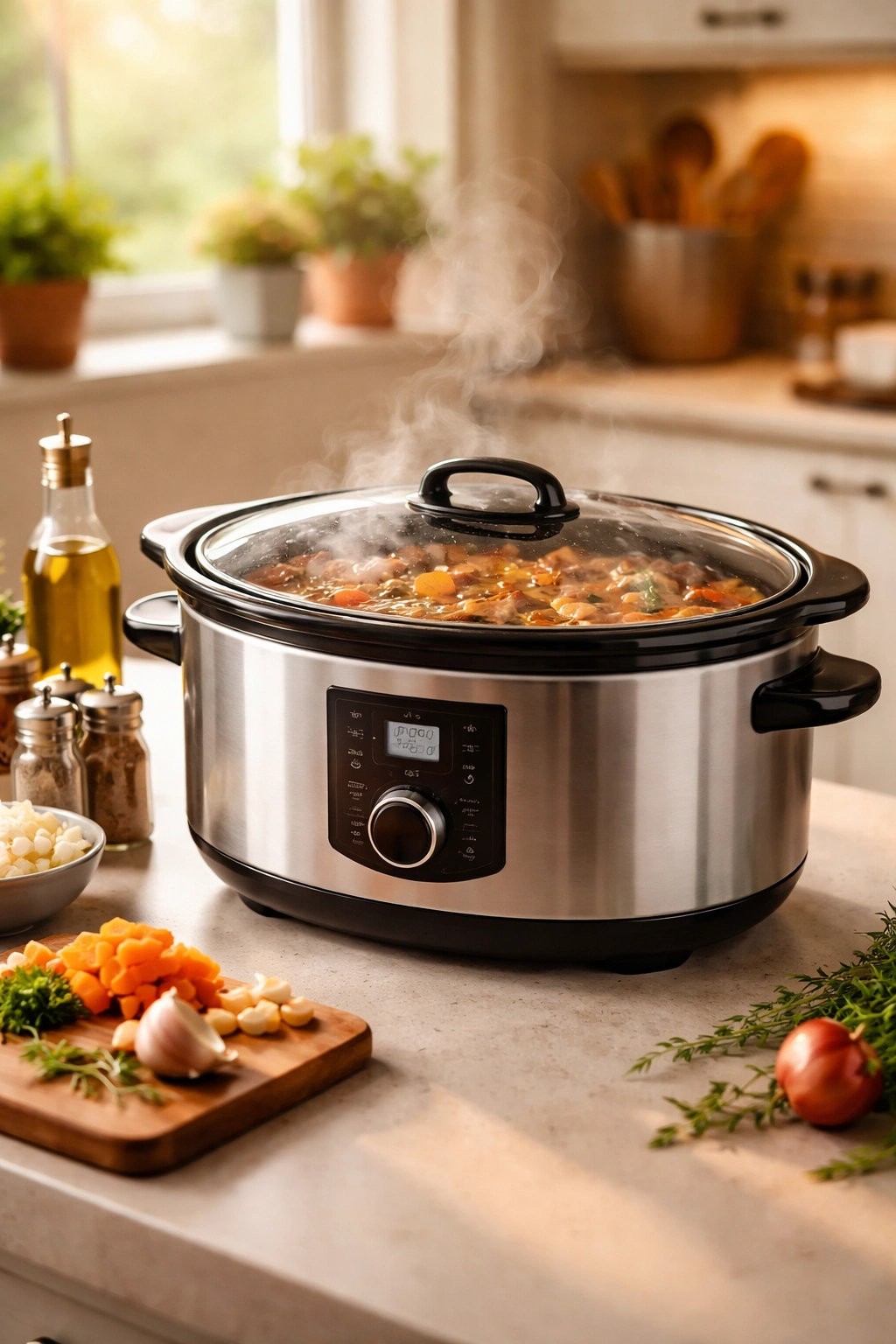
One of the most underappreciated aspects of slow cooker cooking is the permission it gives you to completely ignore dinner. You wake up, spend ten or fifteen minutes assembling ingredients, flip the switch, and then you’re genuinely done. You can work your full shift without stress. You can take the kids to activities. You can actually sit down and rest for once. The meal cooks itself.
This mental break matters more than most people realize. Dinner anxiety—that background hum of “what are we eating tonight?” that runs through many people’s minds in the afternoon—just disappears. You’ve already solved the problem. By the time you’re home and tired, the hardest part is done. All that remains is serving it up, which feels like a gift when you’ve had a long day.
The practical advantage is equally real. You get to use the slow cooker for its intended purpose: cooking while you’re not home. Most slow cooker recipes are designed for six to eight hours on low, which aligns perfectly with a standard work schedule. Pop everything in before you leave, come home to something ready to eat. No reheating required. No “I need to cook dinner” stress at 6 p.m. when everyone’s hungry and tired.
This also means you can buy better quality ingredients and still save time. Instead of picking up something quick and convenient, you’re using fresh vegetables, quality cuts of meat, and seasonings you actually enjoy. The price per serving ends up being lower than takeout, yet the food is genuinely better. You’ve essentially outsourced the cooking effort while keeping full control over the quality.
How to Choose the Right Cuts of Meat for Slow Cooking
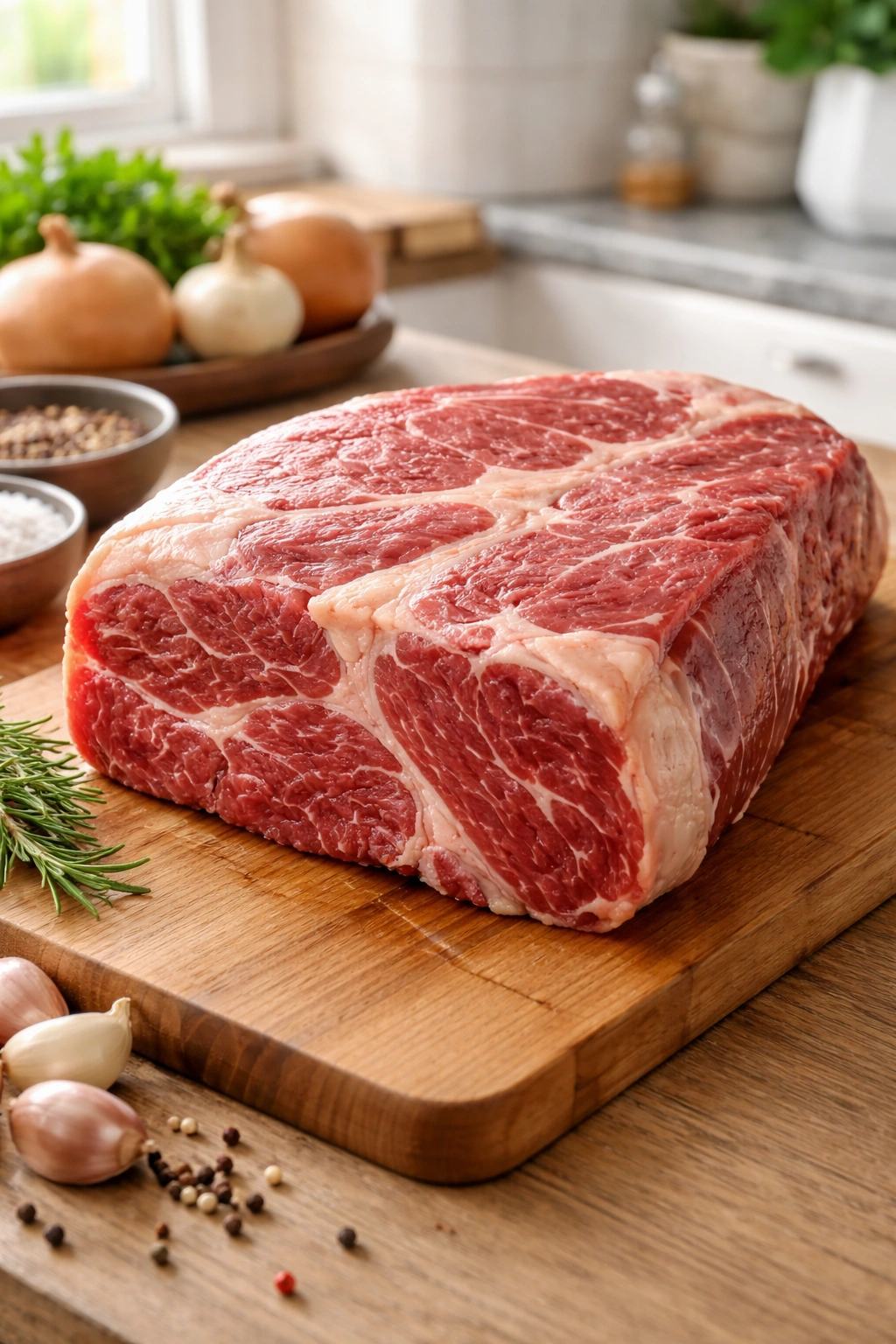
Not all cuts work equally well in a slow cooker, and understanding this saves you from disappointment. The best slow cooker meats are tough cuts with significant fat and connective tissue. This seems counterintuitive—why would you want tough meat?—but in a slow cooker, these characteristics are exactly what you want. The long, gentle cooking converts that toughness into tenderness and that fat into rich flavor.
Chuck roast is the gold standard for beef slow cooking. The marbling and connective tissue make it substantially more flavorful than lean cuts, and it holds together beautifully over hours of cooking. Brisket works equally well for similar reasons. Short ribs deliver incredible flavor, especially when you can sear them first for even deeper taste (though that’s optional). Ground beef works too, though you typically do cook it briefly on the stovetop first to break it up and avoid a clumpy texture.
Pork shoulder is the equivalent for pork cooking. It’s fatty enough to stay moist and flavorful over long cooking times, and the collagen converts into gelatin that makes the finished dish luxuriously textured. Pork tenderloin is leaner and cooks more quickly, so you need to watch it carefully to avoid drying it out—this is the exception rather than the rule for successful slow cooker pork.
Chicken breasts are actually trickier than people expect. They cook quickly and can dry out if you’re not careful, especially if you’re cooking for longer than four to six hours. Chicken thighs are a much safer choice because the higher fat content keeps them moist even during extended cooking. Bone-in thighs are even better because the bones add flavor and help you know when the meat is truly done.
For lamb, shoulder cuts work beautifully. They have the same fat and connective tissue profile as beef chuck, so they behave similarly in the slow cooker. Turkey works, but again you want darker meat (thighs and legs) rather than white meat, unless you’re keeping the cooking time short.
Building Flavor Without Pre-Cooking
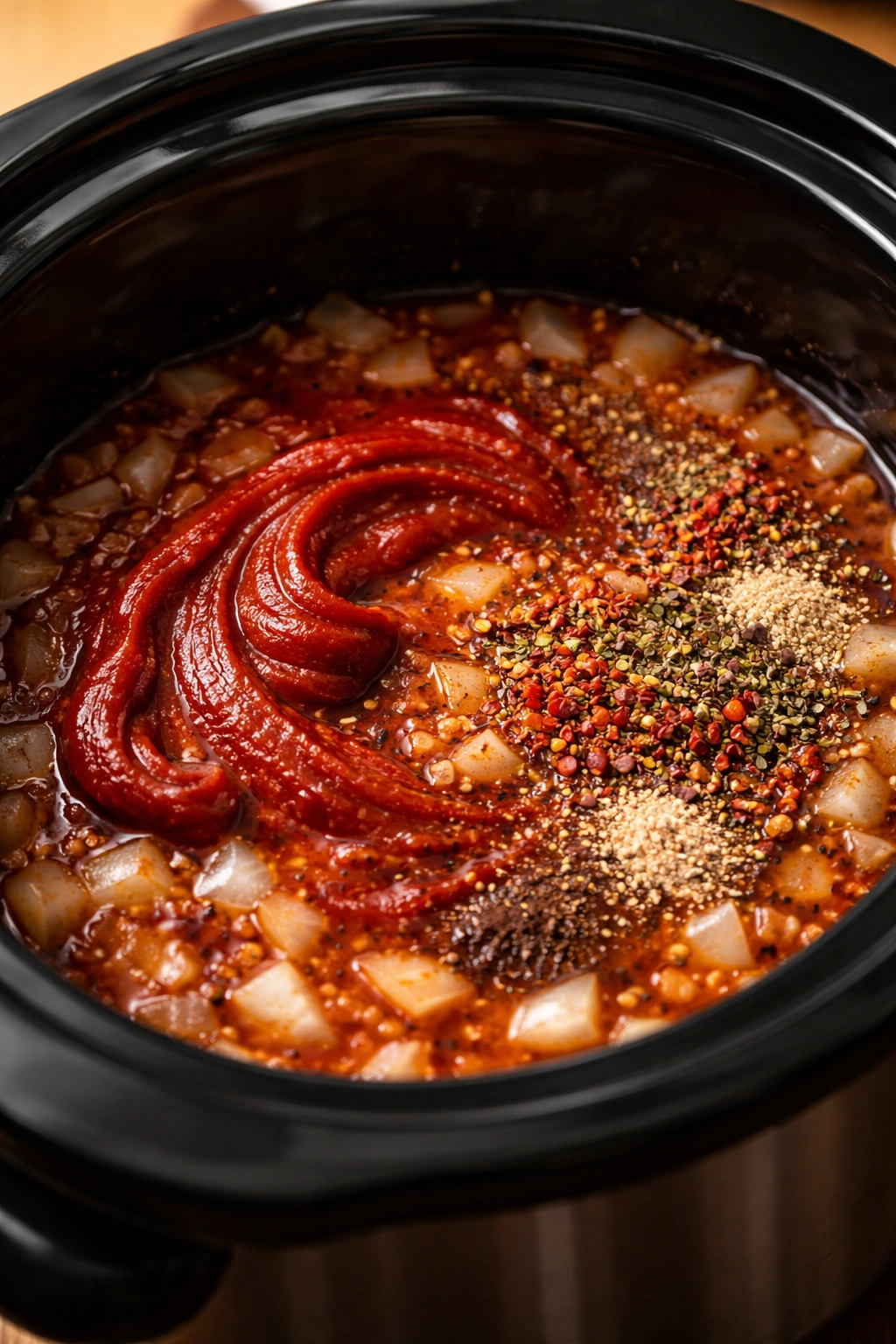
The traditional slow cooker criticism is that food tastes bland because you’re not browning meat first. That’s absolutely valid for some preparations, but it’s also completely avoidable. You can build deep, complex flavor without any pre-cooking stovetop steps. It just requires strategy and the right ingredients.
Tomato paste is your secret weapon here. Even if you’re not making Italian food, a small amount of tomato paste adds umami depth and richness that makes the entire dish taste more developed. It works in chili, in beef stew, in pork dishes—anywhere you want more savory complexity. Just don’t add it raw and expect it to work; it needs a bit of time in the slow cooker to fully develop.
Spices matter enormously. Fresh spices bloom beautifully in slow cooking and have time to fully infuse the food, so you can be generous with things like cumin, smoked paprika, or chili powder. Garlic and onions should go in raw if you’re truly doing a dump-and-go meal, and they’ll soften and sweeten as they cook. The raw bite mellows into something sophisticated and integrated.
Worcestershire sauce, soy sauce, and fish sauce might seem like unusual additions, but they add savory depth and amino acid complexity that makes food taste like it’s been slowly simmered for hours—because it has. A small amount goes a long way. Likewise, a splash of red wine, apple cider, or even vinegar adds acidity that balances rich, slow-cooked flavors beautifully.
Stock matters too. Homemade stock is wonderful, but quality store-bought stock works just fine. Avoid the super salty versions if you can, since slow cooking will concentrate flavors and you can always add salt at the end. Broth-based meals develop better flavors than dry or nearly-dry meals because the liquid carries flavor throughout and creates the moist environment where things become tender.
Simple Chicken Dishes That Stay Juicy
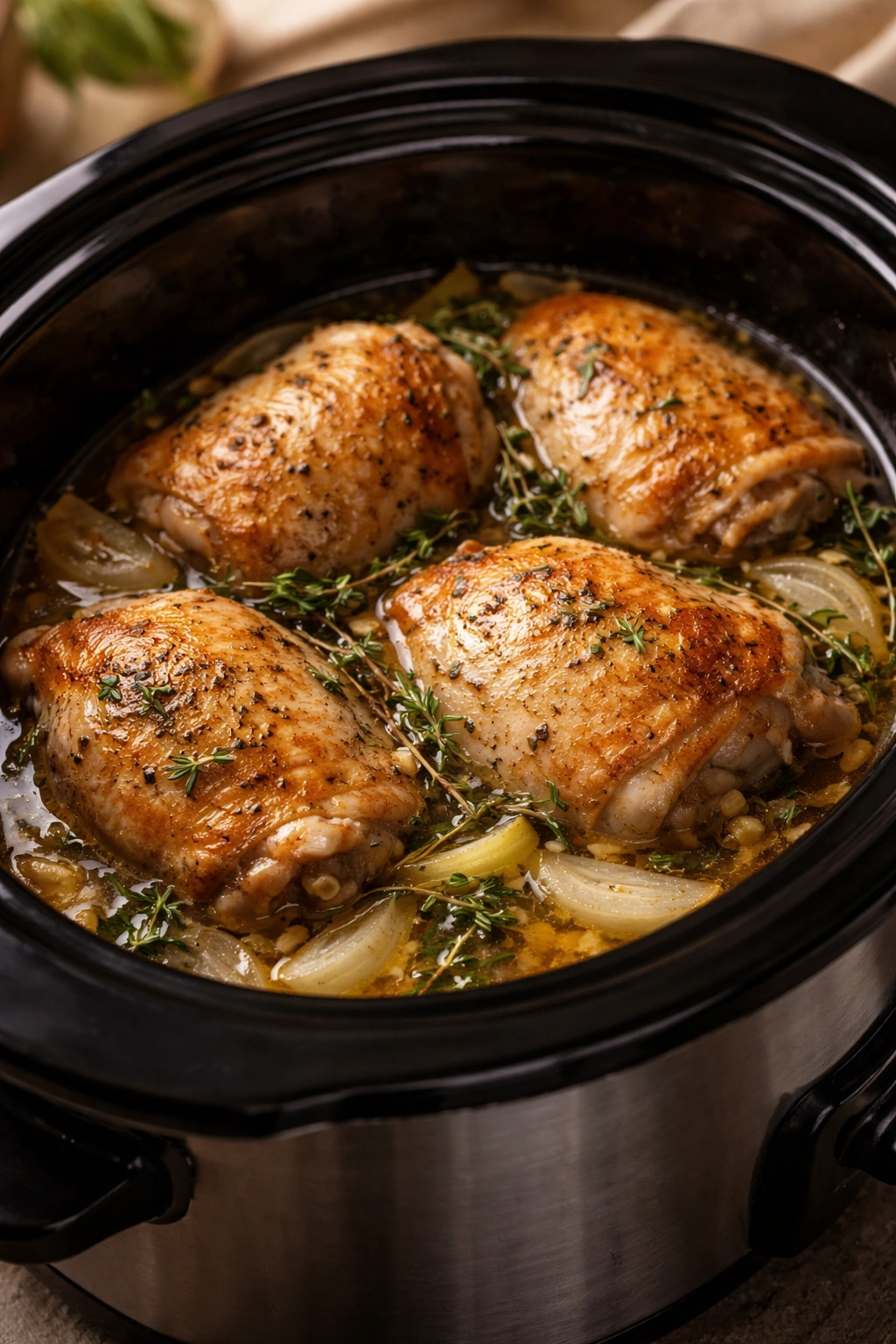
Chicken is probably the most versatile meat for slow cooking, despite the reputation that it dries out. The key is choosing the right cut and not overcooking. Bone-in chicken thighs with skin intact are genuinely foolproof. They stay juicy and flavorful even if you cook them longer than intended, and they develop rich, savory results without any pre-cooking.
A basic approach: put thighs in the slow cooker with half a cup of stock, add some aromatics (diced onion, minced garlic), season with salt and pepper, and cook on low for four to five hours. You’ll have tender, juicy, perfectly cooked chicken that can go into absolutely any direction you want. Shred it for tacos. Serve it over rice with the pan juices. Make chicken salad. Pile it on sandwiches. One simple batch of slow-cooked chicken becomes multiple meals.
Adding flavor is straightforward. Honey lemon chicken is just chicken, stock, garlic, lemon juice, and a touch of honey—sweet and tangy and delicious over rice. Buffalo chicken works by adding hot sauce and butter at the end. Creamy garlic chicken gets a splash of cream and some garlic (lots of garlic). Taco-seasoned chicken requires just taco seasoning and a can of diced tomatoes. Each version takes five to ten minutes of prep and delivers completely different flavors.
Whole chickens work beautifully in a slow cooker too, though you lose some of the height advantage. They take longer to cook through (six to seven hours on low) but come out incredibly moist and flavorful. A whole chicken with just salt, pepper, and some vegetables cooked alongside becomes a complete meal with minimal effort.
Chicken breasts work if you’re careful. The trick is using bone-in breasts if you can find them—they hold together better and stay moister. Cook them on low for just three to four hours, not longer. Many people wrap them in foil to keep them from drying out. Honestly, though, if you’re using chicken breasts, thighs are usually a better choice because you don’t have to stress about timing them perfectly.
Beef Dishes That Fall Apart at the Fork
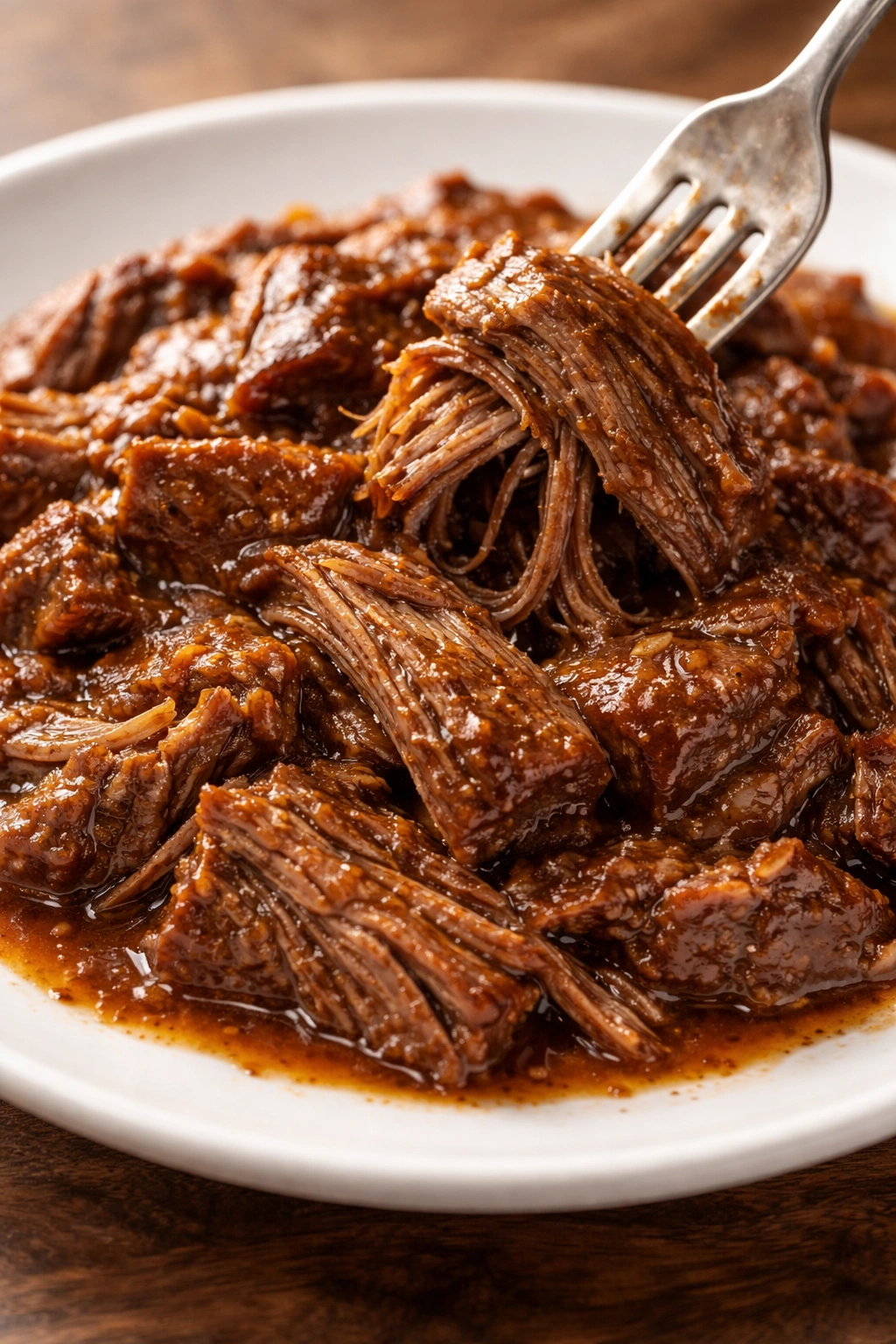
Beef slow cooking is where this cooking method really shines. A tough, inexpensive cut transforms into something so tender and flavorful that you honestly wouldn’t believe it started as a cheaper option.
Pot roast is the classic: chuck roast, carrots, potatoes, onions, stock, salt, and pepper. Cook it for eight hours on low, and you have a complete meal that tastes like you’ve been working in the kitchen all day. The broth becomes rich and delicious, perfect for serving alongside everything else or soaking into crusty bread. The beauty of this approach is that it’s genuinely impossible to mess up. You can cook it eight hours or ten hours, and it’ll be good either way.
Beef stew follows a similar pattern but gets more liquid and starts as smaller chunks rather than a whole roast. You can add red wine for deeper flavor, tomato paste for complexity, and extra vegetables for color and nutrition. Cooking time is usually six to eight hours, and again, the results are forgiving. Whether people prefer chunkier stew or fall-apart-tender stew, slow cooking handles both beautifully.
Chili is somewhere between soup and stew, and slow cooking is genuinely the superior method for chili. The beans absorb the sauce and flavors instead of remaining separate. The spices fully develop and integrate. The meat becomes incredibly tender. A basic chili is ground beef, beans (canned is fine), crushed tomatoes, onion, and chili powder or a chili blend. Cook it for four to six hours, and you have something that tastes far better than quickly made chili.
Short ribs are the fancy option that happens to be incredibly easy. They’re expensive enough to feel special but cheap enough that you’re not worried about messing them up. A few hours on low with just stock, garlic, and onions yields incredible results. The meat pulls from the bone with the gentlest pressure. You can add red wine and herbs to make it feel restaurant-quality, but honestly, keeping it simple works beautifully.
Shredded beef for tacos, sandwiches, or bowls is endlessly versatile. A chuck roast with some seasoning, a splash of liquid, and six to eight hours of cooking becomes tender meat that practically dissolves at the slightest pressure. Shred it with two forks, serve it however you want, and you have the building block for multiple meals throughout the week.
Pork That Becomes Luxuriously Tender
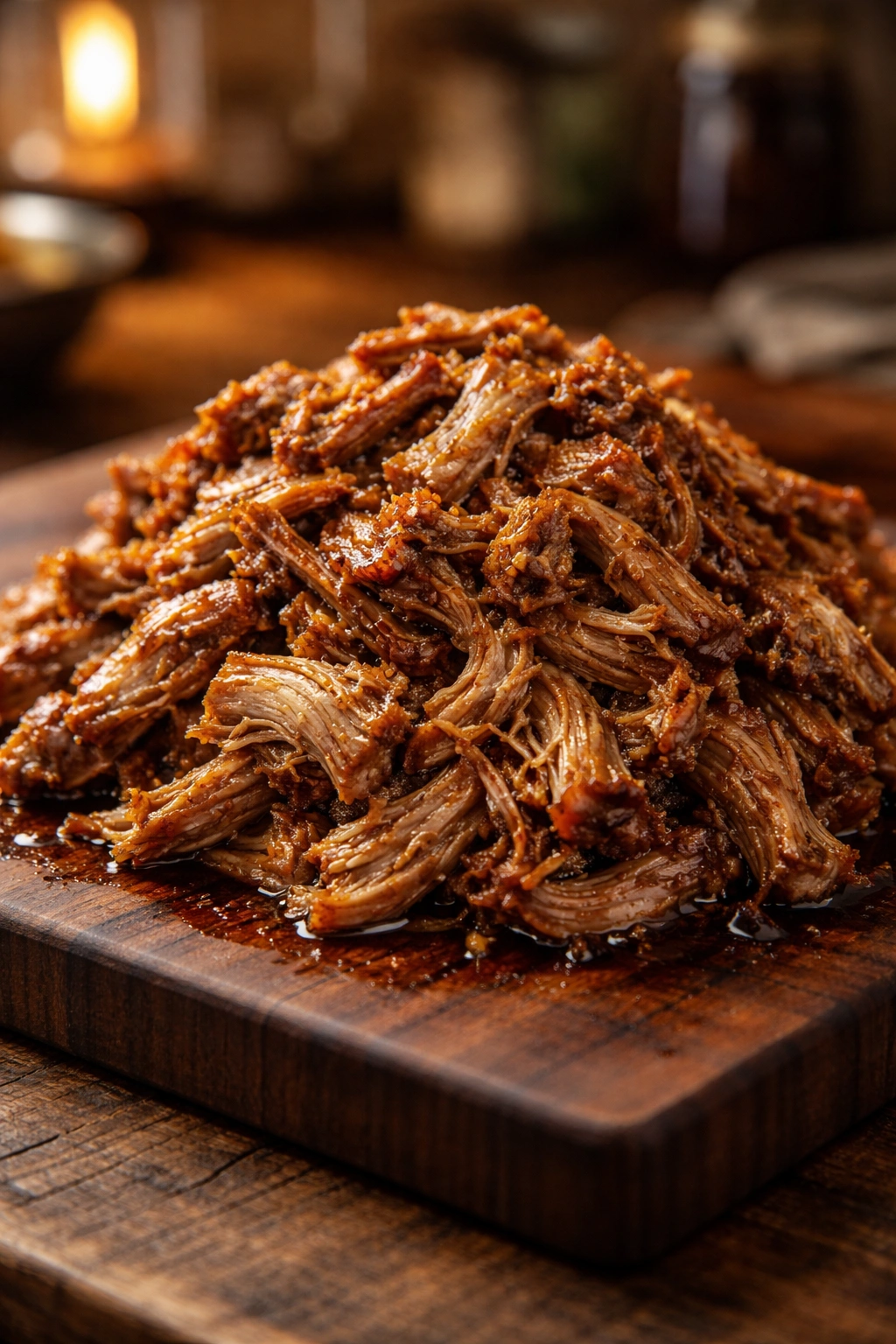
Pork shoulder is the perfect slow cooker protein. It’s fatty enough that you can’t dry it out, flavorful enough that it needs minimal seasoning, and inexpensive enough that you can buy larger pieces without guilt. A three to four pound shoulder yields enough meat for multiple meals for most families.
Pulled pork is the most straightforward preparation. Rub the shoulder with whatever spices appeal to you—cumin and chili powder for carnitas-style, smoked paprika and garlic for a different direction, or just salt and pepper for pure simplicity. Add a splash of liquid (stock, apple juice, or even beer all work), and cook on low for eight to ten hours. The meat shreds easily and can be piled onto buns with coleslaw, stuffed into tacos, or served over rice.
The beauty of slow cooker pulled pork is that it becomes the foundation for so many different meals. Make it once, and you can serve it three different ways throughout the week. Day one might be pulled pork sandwiches. Day two might be carnitas tacos with pickled onions. Day three might be pork fried rice or pulled pork nachos. One slow cooker meal, multiple dinners.
Pork loin is leaner and cooks more quickly, which actually makes it nice for situations where you don’t have eight hours. A pork loin with apple juice, a touch of mustard, and some onions cooks in four to five hours and comes out tender and juicy if you don’t overcook it. The apple juice adds a subtle sweetness that pairs beautifully with pork.
Pork ribs work beautifully too, though they need less time than you’d think—usually just five to six hours on low, or even less on high if you’re short on time. They don’t need to be falling off the bone to be delicious; actually, meat that pulls from the bone with gentle pressure is ideal.
Ham is underrated as a slow cooker protein, especially if you have leftover ham or find it on sale. A ham with a glaze of brown sugar, mustard, and a splash of something acidic creates something special with minimal effort. It works great for holidays or whenever you want something slightly fancy without actual fanciness.
Soups and Stews That Become Whole Meals
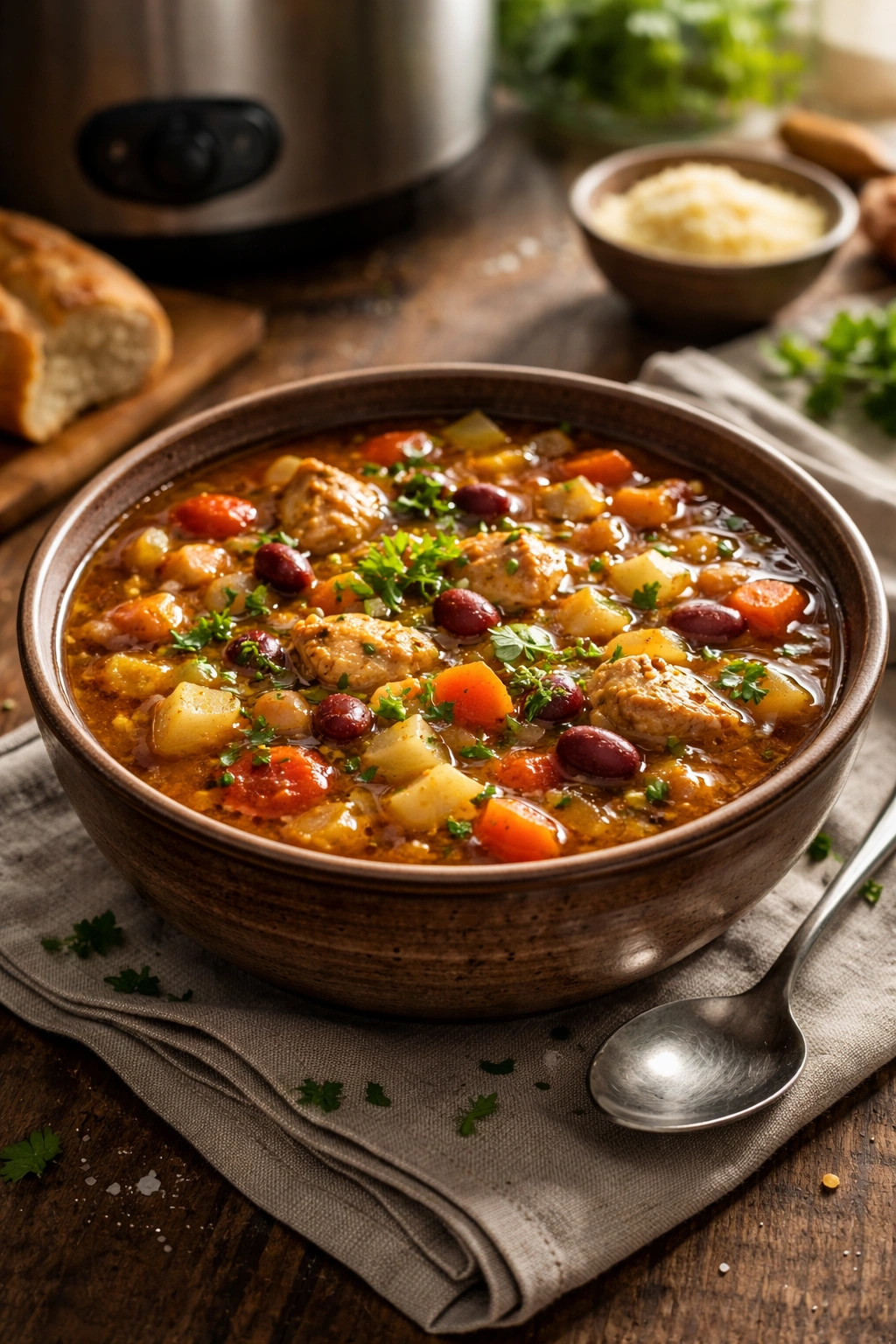
Soup in a slow cooker is where the appliance truly earns its place in your kitchen. The liquid base allows everything to cook evenly, flavors develop fully, and you end up with something infinitely better than the same soup made on the stovetop.
A basic vegetable soup is just chopped vegetables, stock, some beans or lentils for protein, and seasoning. Let it cook for six to eight hours on low, and you have something hearty and warming. You can chop the vegetables the night before and refrigerate them in the slow cooker insert, then just pop the insert into the slow cooker base in the morning. Total active time: maybe ten minutes.
Chicken and noodle soup gets cooked chicken (rotisserie works perfectly), stock, noodles (added near the end so they don’t turn to mush), and vegetables. It’s comfort in a bowl, and because the chicken is already cooked, it only needs two to three hours of total time.
Beef barley soup combines tender beef, pearl barley, and vegetables in a rich broth. The barley absorbs liquid and becomes creamy, and the beef becomes incredibly tender. It’s filling, warming, and the kind of soup that tastes even better a day or two after making it because flavors continue to develop in the refrigerator.
Split pea soup with ham uses ham bones or leftover ham, dried split peas, vegetables, and stock. The peas break down partially and create a naturally creamy texture without adding any cream. It’s nourishing and inexpensive, and the depth of flavor comes entirely from slow cooking.
Minestrone in a slow cooker becomes a vegetable-loaded soup that’s much better than the quick stovetop version. White beans, pasta (again, added near the end), plenty of vegetables, and a tomato base cook together into something genuinely nourishing.
Creamy soups in the slow cooker require a slight adjustment: you add heavy cream or sour cream near the end of cooking rather than at the beginning, because extended cooking can cause cream to break down. A creamy tomato soup, a creamy broccoli cheddar soup, or a creamy potato soup all follow this pattern: cook vegetables and stock for most of the time, then add cream, cheese, or sour cream in the final thirty minutes.
Flavor Tricks That Transform Basic Ingredients
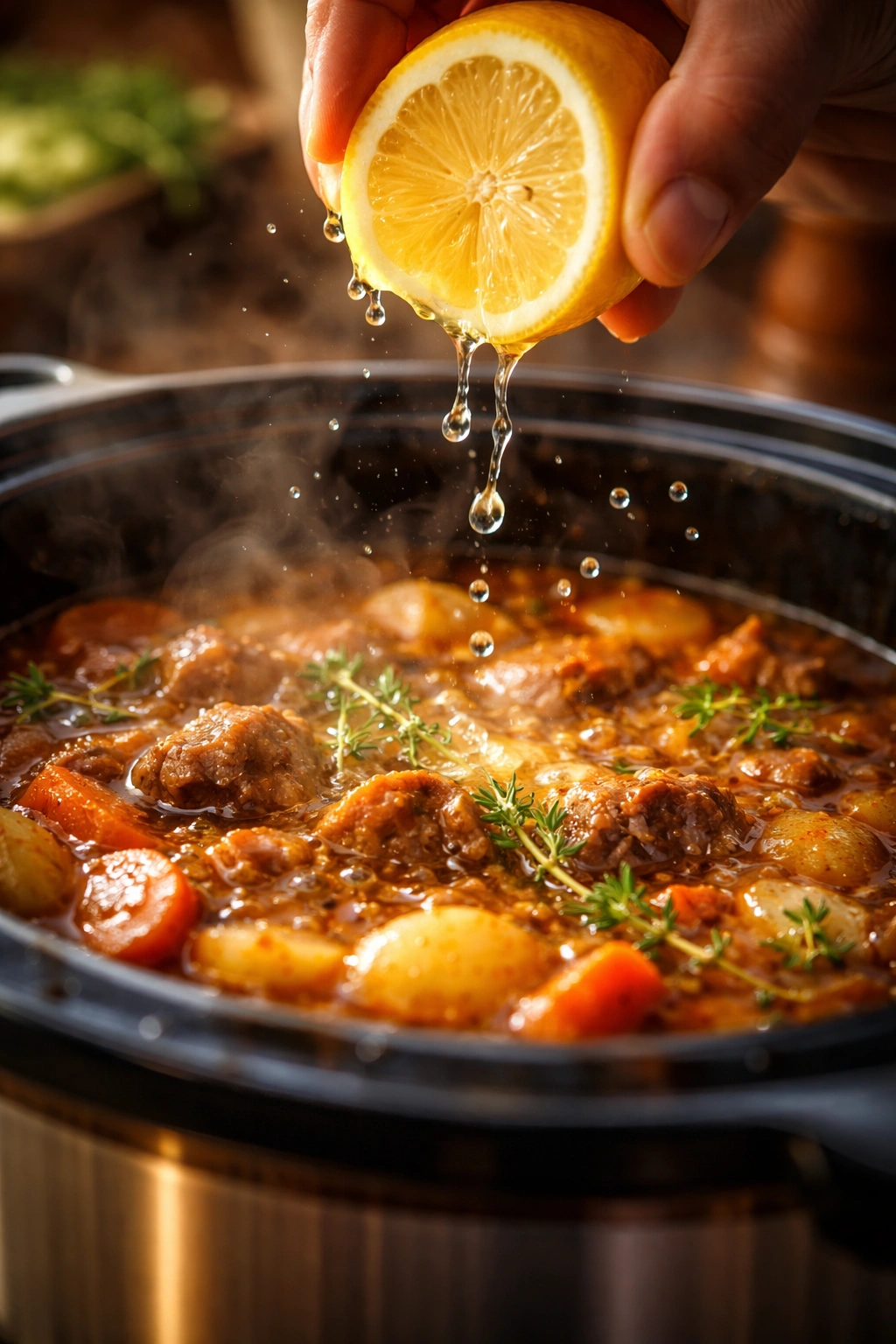
Getting delicious results from a slow cooker doesn’t require fancy ingredients or complicated techniques. It requires understanding which flavoring methods work in this environment and which ones don’t.
Acids are crucial. Because slow cooking is moist and the ingredients essentially braise, everything can taste a bit dull without acidity to brighten and balance the richness. A splash of vinegar, lemon juice, lime juice, or wine added near the end of cooking (or even at the beginning if it’s wine) adds complexity. This is why many slow cooker recipes benefit from a squeeze of fresh lemon or lime right before serving.
Umami ingredients like soy sauce, fish sauce, Worcestershire sauce, miso paste, or anchovy paste seem weird in slow cookers until you realize they’re adding savory depth that makes food taste like it’s been slowly simmered for hours (because it has). Just a tablespoon makes a noticeable difference. These don’t have to fit the cuisine you’re making—a small amount of fish sauce in beef stew adds depth without making anything taste fishy.
Fresh herbs at the end are transformative. Cilantro, parsley, basil, or chives added just before serving brighten everything and add a freshness that contrasts beautifully with the deep, slow-cooked flavors. During cooking, hardy herbs like thyme and bay leaves are fine, but delicate herbs should be added at the very end.
Onions and garlic in raw slow cooker recipes cook down and lose their harsh edge, becoming mellow and sweet. If you want more garlic punch, add some minced garlic five minutes before serving. This raw garlic stays punchy rather than becoming mild, and you can control the intensity exactly.
Spices bloom beautifully in slow cooking and have time to fully infuse the liquid, so you can be generous. Whole spices work too, though ground spices mix more evenly throughout. Toasted spices (quickly warmed in a dry pan) add extra depth, though this is an optional step if you’re being truly lazy about prep.
Making Your Slow Cooker Work Perfectly for Your Schedule
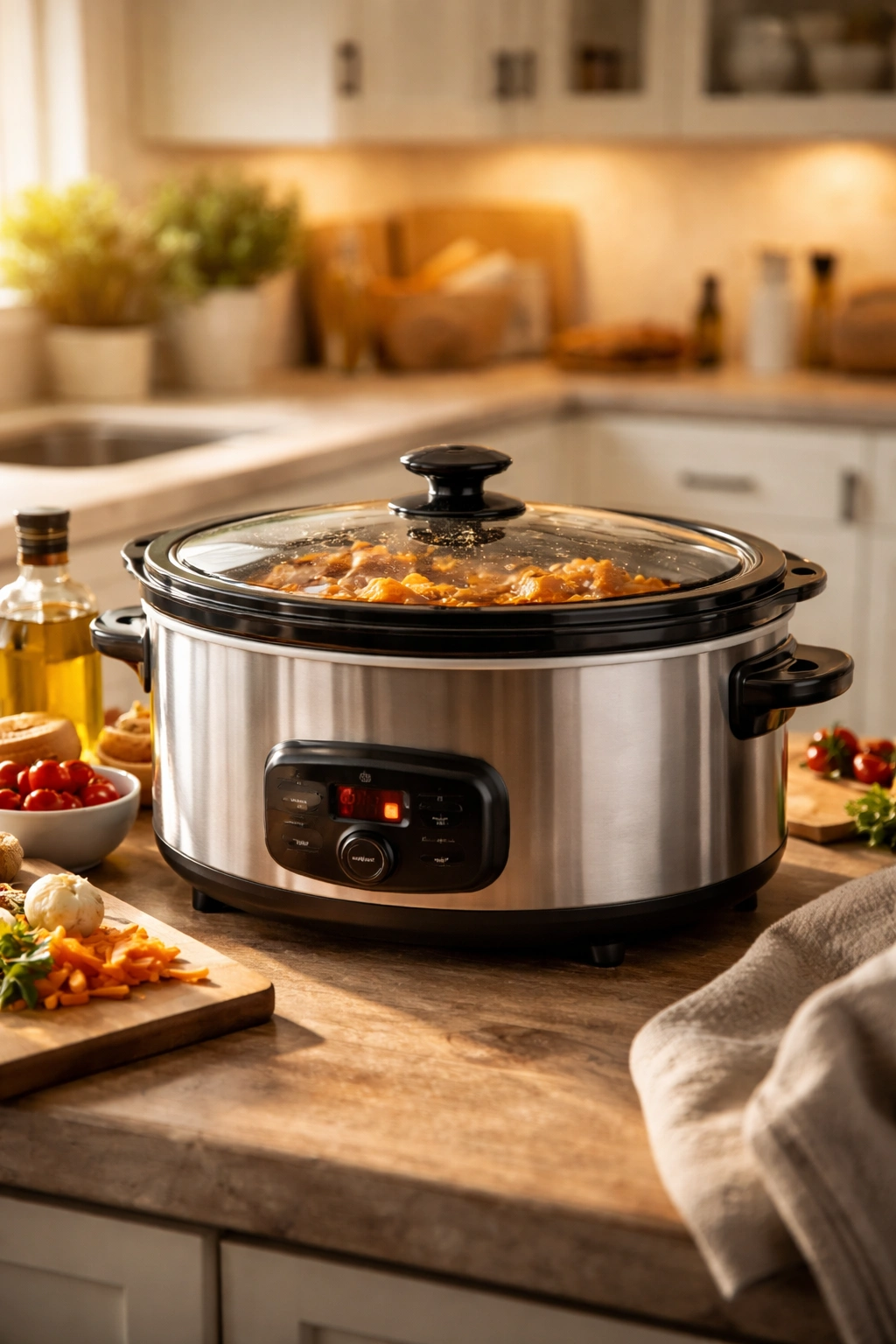
Different slow cookers run at different temperatures, and this affects timing in noticeable ways. Some slow cookers run hot and finish recipes in less time than stated. Others run cool and need longer. You’ll figure out your cooker’s personality within a few uses, but there are strategies to hedge against uncertainty.
If you need dinner at a specific time, use your slow cooker’s warm setting if it has one. Many modern slow cookers automatically switch from cooking to warm once the timer reaches zero, which means you can leave them on all day without worry. Low-and-slow cooking is remarkably forgiving; a few extra hours on warm won’t ruin anything.
If you’re concerned about something overcooking, start checking it a bit before the recipe suggests. A pot roast that’s supposedly ready at eight hours might be perfect at seven and a half in your particular cooker. You learn by doing. Once you know your cooker’s personality, you can adjust recipes accordingly.
Frozen meat is a consideration. The USDA officially recommends thawing meat before slow cooking because frozen meat spends too long in the temperature danger zone as it thaws. This is a valid food safety concern, though many home cooks freeze-to-slow-cooker without issues. If you’re comfortable with the risk, frozen meat adds a bit of time to cooking (usually an hour or two). If you want to follow official guidelines, thaw overnight in the refrigerator.
The size and shape of your slow cooker matters. A 2.5-quart slow cooker is perfect if you’re cooking for two to four people and want meals that cook quickly. A 4-quart slow cooker is the sweet spot for most families. A 6-quart slow cooker is bigger but can run cool, meaning meat sometimes needs to be cut smaller for it to cook through in a reasonable time. Generally, you want your slow cooker between half and three-quarters full for best results.
Avoiding Common Mistakes That Ruin Slow Cooker Meals
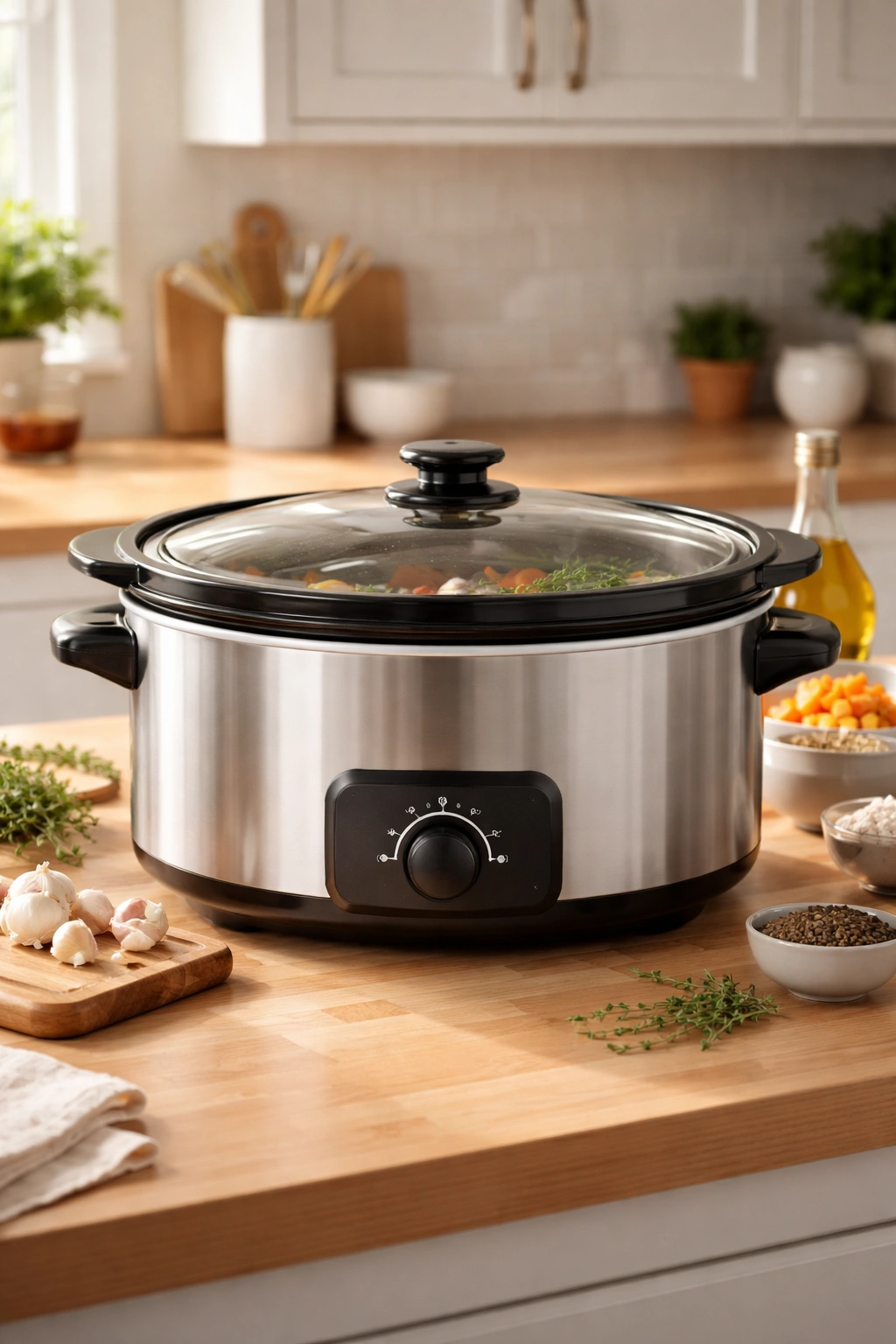
Lifting the lid constantly is the number one slow cooker sin. Every time you peek, you release heat and extend cooking time by roughly fifteen to twenty minutes. Resist the urge. Trust the process. Peek once at the halfway point if you’re nervous, but otherwise, don’t open it until it’s supposed to be done.
Overcrowding is the next issue. If you pack too much into your slow cooker, the liquid doesn’t circulate evenly, and things cook unevenly. You might have overcooked meat on the edges and undercooked meat in the center. Fill to about two-thirds full, and if you have more ingredients, skip them or accept that you’ll need a longer cooking time.
Adding too much liquid is a common mistake because people assume slow cooking needs lots of water. In fact, liquids don’t evaporate much in a slow cooker, so you need substantially less liquid than you’d use in regular cooking. Use roughly the amount of liquid you’d expect in the finished dish, not the amount you’d use for regular braising.
Adding dairy too early causes it to break down or scorch. Cream, sour cream, cream cheese, and milk should be added in the final thirty minutes of cooking (or even at the end, after you’ve turned off the slow cooker). If a recipe seems to call for dairy early, it was probably meant for the stovetop, not the slow cooker.
Leafy greens should be added at the very end too, just long enough to wilt. Otherwise, they become bitter and turn into mushy disappointment. Similarly, fish cooks quickly and shouldn’t go in raw from the beginning; add it near the end or use cooked fish if you want to avoid mushiness.
Pasta added at the beginning becomes gluey and falls apart. If your recipe includes pasta, cook it on the stovetop while the slow cooker is finishing, then add it at the end. Or use rice or another grain that actually improves with the extended cooking time.
Storage and Making Meals Last Through the Week
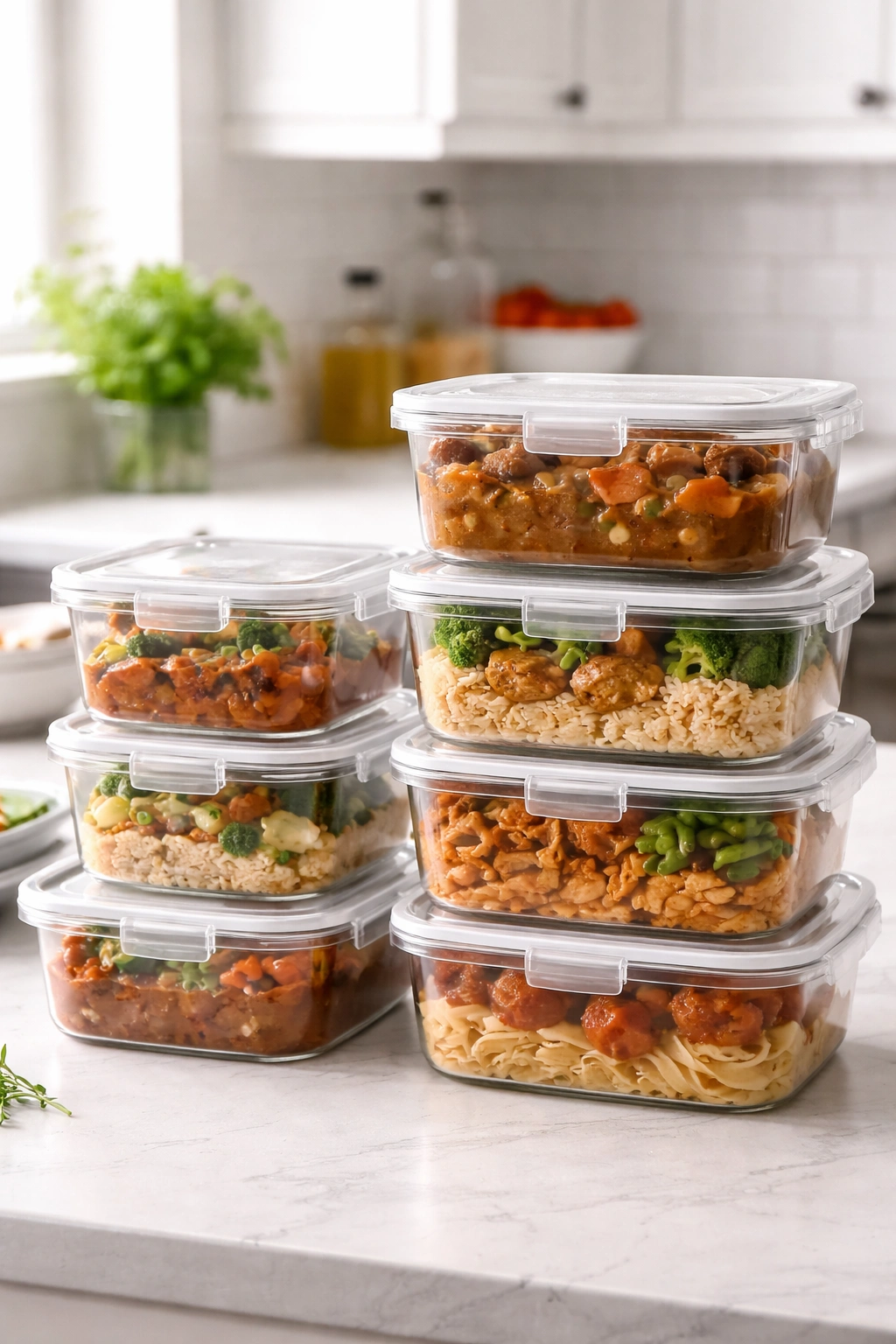
Slow cooker meals are genuinely excellent for meal prep because they make large quantities easily, and the results actually improve after a day or two as flavors continue to develop and integrate. This is not a problem with slow cooking; it’s a feature.
Let food cool completely before refrigerating. Putting a hot slow cooker meal directly into the fridge is inefficient and can mess with your refrigerator’s temperature. Cool it on the counter for an hour or so, then transfer it to storage containers.
Most slow cooker meals keep in the refrigerator for three to four days in airtight containers. Chili, stews, and soups often keep closer to four days because the acidity helps preserve them. Ground beef mixtures are more perishable and are better eaten within two to three days. Pulled meat keeps for three to four days easily.
Freezing is where slow cooker meals really shine. Virtually everything freezes beautifully. Soups, stews, chilis, and pulled meats all freeze for two to three months without quality loss. Let them cool completely first, then transfer to freezer bags or containers, leaving a little headspace for expansion.
Reheating is straightforward. On the stovetop, gentle heating over medium heat with a lid on prevents splattering and reheats evenly. In a slow cooker (which feels redundant but works if you’re not in a hurry), set it to low and reheat for an hour or so until warm throughout. The microwave works if you’re in a rush, though stovetop is better for even heating.
The beauty of making a large batch on the weekend is that you have multiple meals waiting during the week. You’re not cooking every single evening. You’re reheating. This is where slow cooking truly becomes a game-changer for busy people.
Getting Creative With What Your Slow Cooker Can Do
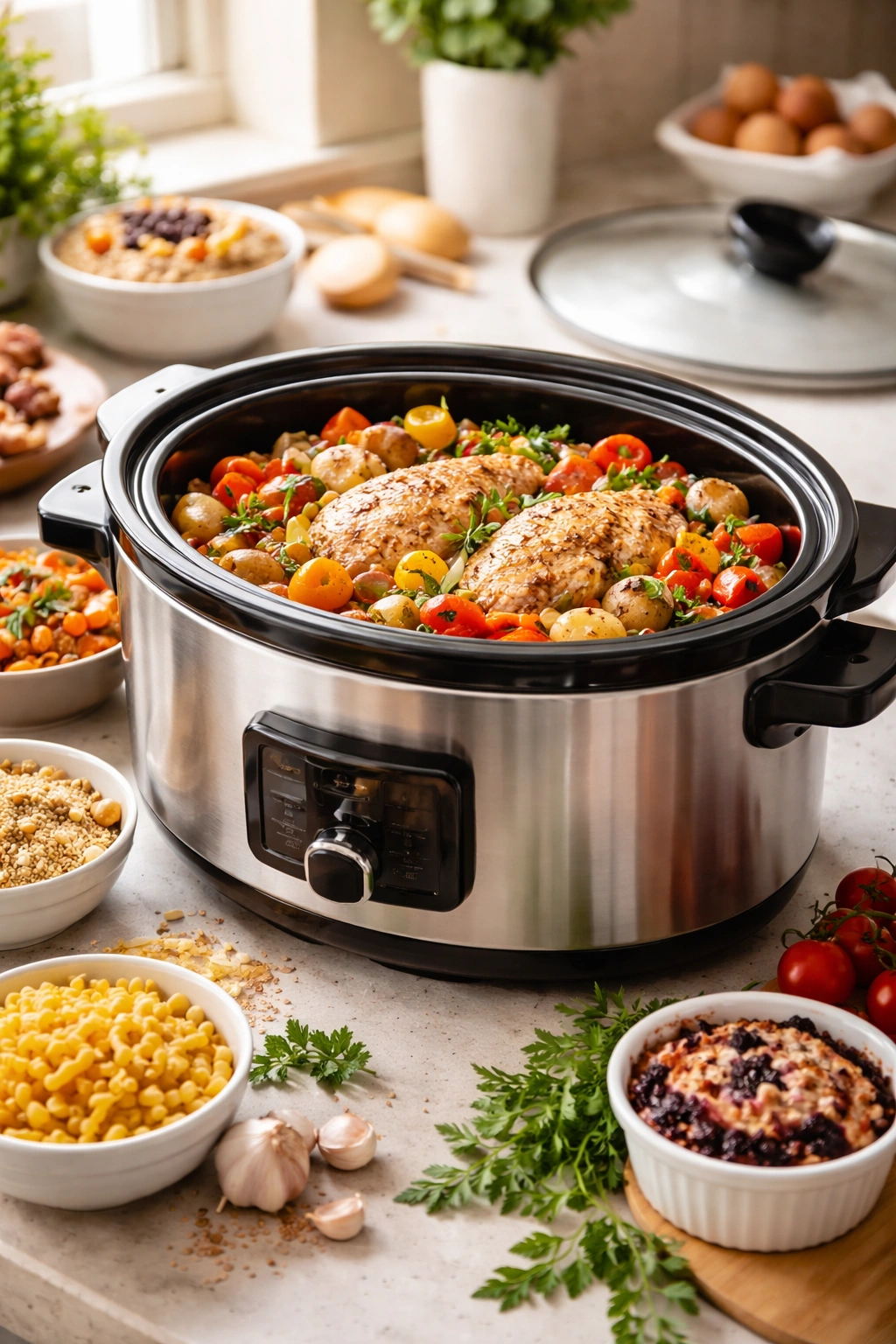
Most people think of slow cookers as just for stews and roasts, but they’re remarkably versatile. You can make breakfast casseroles, which cook while you sleep and are ready to eat when you wake up. Oatmeal cooks overnight into creamy, thick porridge. French toast casserole, breakfast burritos, and scrambled egg mixtures all work beautifully.
Pasta dishes work if you add the pasta near the end. Baked ziti, creamy pasta sauces, and even mac and cheese can be made entirely in a slow cooker. The pasta doesn’t get mushy if you’re careful about timing—add it in the final twenty to thirty minutes rather than at the beginning.
Whole grains like rice, barley, and quinoa cook slowly and evenly. A slow cooker makes rice cooking genuinely hands-off—no watching for boiling over, no worrying about the heat being too high.
Desserts are possible too. Chocolate lava cake, brownies, cobbler, and bread pudding all work beautifully. There’s something wonderful about having dessert ready alongside dinner.
Mashed potatoes, creamed corn, and other sides can be made in a small slow cooker or in a corner of your large one, allowing you to have complete meals without using your stovetop at all.
Beverages work—warm cider, hot chocolate, and mulled wine all keep at perfect serving temperature in a slow cooker for hours.
Final Thoughts
The slow cooker isn’t just a convenience appliance; it’s a different cooking method entirely, one that creates results impossible to achieve any other way. Tough cuts become fall-apart tender. Flavors develop into something complex and layered. Food becomes moist and forgiving instead of easily dried out. And most importantly, you get to reclaim your evening by doing the hard part in the morning and then walking away.
The real magic isn’t in the appliance itself—it’s in the permission it gives you. Permission to start dinner before work instead of thinking about it at 5 p.m. Permission to choose nutrition and quality instead of whatever’s fastest. Permission to rest, knowing that dinner is handling itself. Once you understand this, slow cooker cooking stops being about convenience and becomes about quality of life. You’re not saving time; you’re reallocating it. You’re spending ten minutes in the morning so you don’t have to spend an hour in the evening. That’s a trade that pays dividends every single day of the week.
