



Mexican street corn—or elote, as it’s called in Mexico—is one of those rare dishes that tastes far more complicated than it actually is. You’re looking at fresh corn topped with a tangy, creamy sauce, crumbly cheese, and fresh herbs that somehow transforms a simple vegetable into something crave-worthy enough to stop you mid-conversation. The magic isn’t in fancy techniques or hard-to-find ingredients; it’s in the combination of textures and flavors hitting at the exact same moment: the sweetness of charred corn, the coolness of a lime-infused mayo, the slight saltiness of cotija cheese, and the brightness of cilantro and tajín spice.
What makes this dish so universally beloved is that it works anywhere. Bring a batch to a summer barbecue and watch people come back for seconds. Serve it at a casual weeknight dinner and suddenly everyone’s relaxed and happy. The street vendors in Mexico City have understood this for decades—they’ve perfected the formula because they make it dozens of times a day. The good news is you don’t need a street cart or any special equipment to nail this at home. Whether you grill your corn over flames, cook it in a cast iron skillet, or even boil it in a pinch, the toppings are what make it sing.
You’ll find that homemade Mexican street corn beats any restaurant version because you control the cream-to-cheese ratio, you can adjust the spice level to your preference, and you can use the freshest corn available at your local market. This isn’t a difficult recipe—it’s a building-block dish where understanding each component is more important than following rigid instructions. Once you know why the sauce is made the way it is and how to toast the cheese just right, you’ll be making this every time sweet corn season rolls around.
What Makes Mexican Street Corn So Irresistible
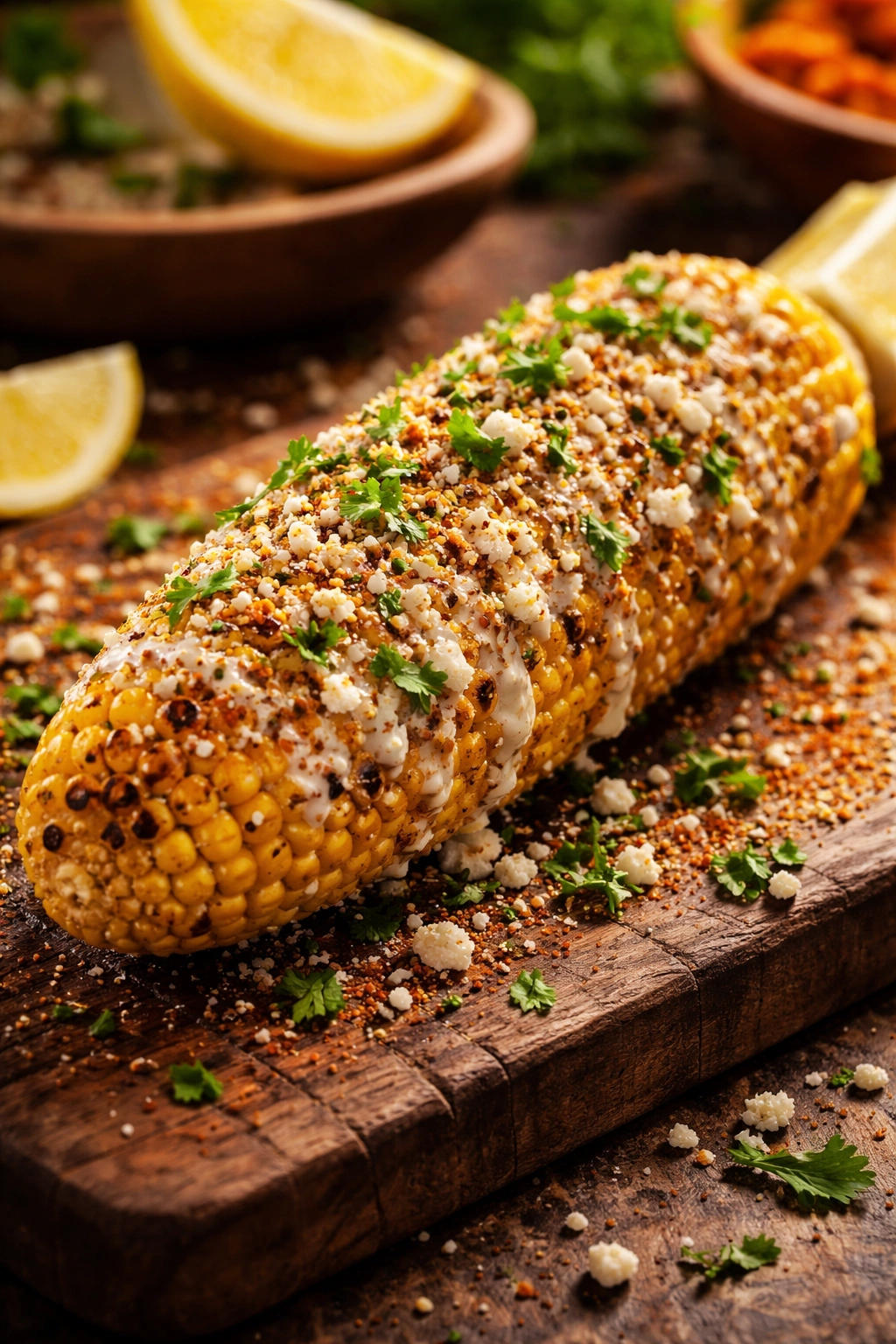
The appeal of Mexican street corn lies in its perfect balance of contrast. Charred corn provides a sweet, almost nutty backbone, while the creamy coating adds richness without being heavy. The crumbly cheese brings a salty punch that cuts through the richness, and the fresh cilantro and lime juice keep everything bright and balanced.
The texture contrast is equally important. You get the tender bite of corn kernels, the smooth creaminess of the mayo coating, the slight grit of cheese against your teeth, and the delicate chew of cilantro. Each bite feels different from the last, which keeps you reaching for another piece. This is why a well-made street corn tastes so much better than just corn with mayo on top—it’s the thoughtfulness of the assembly.
The spice element is what many people underestimate. Tajín, a Mexican seasoning blend made from dried chiles, lime, and salt, adds a subtle heat and depth that doesn’t register as spicy-hot but rather as complexity. If you’ve never used tajín before, this is the perfect introduction. It’s not aggressively fiery; it’s more like a flavor enhancer that makes you say “what is that?” with admiration.
There’s also something primal about eating corn on the cob. It’s interactive, a little messy, and social in a way that plated food rarely is. People bond over street corn because eating it requires you to engage with your food, to work for each bite, and to accept that you might get a little sauce on your face. That’s part of the charm.
Where Elote Comes From and Why It’s Worth Your Time
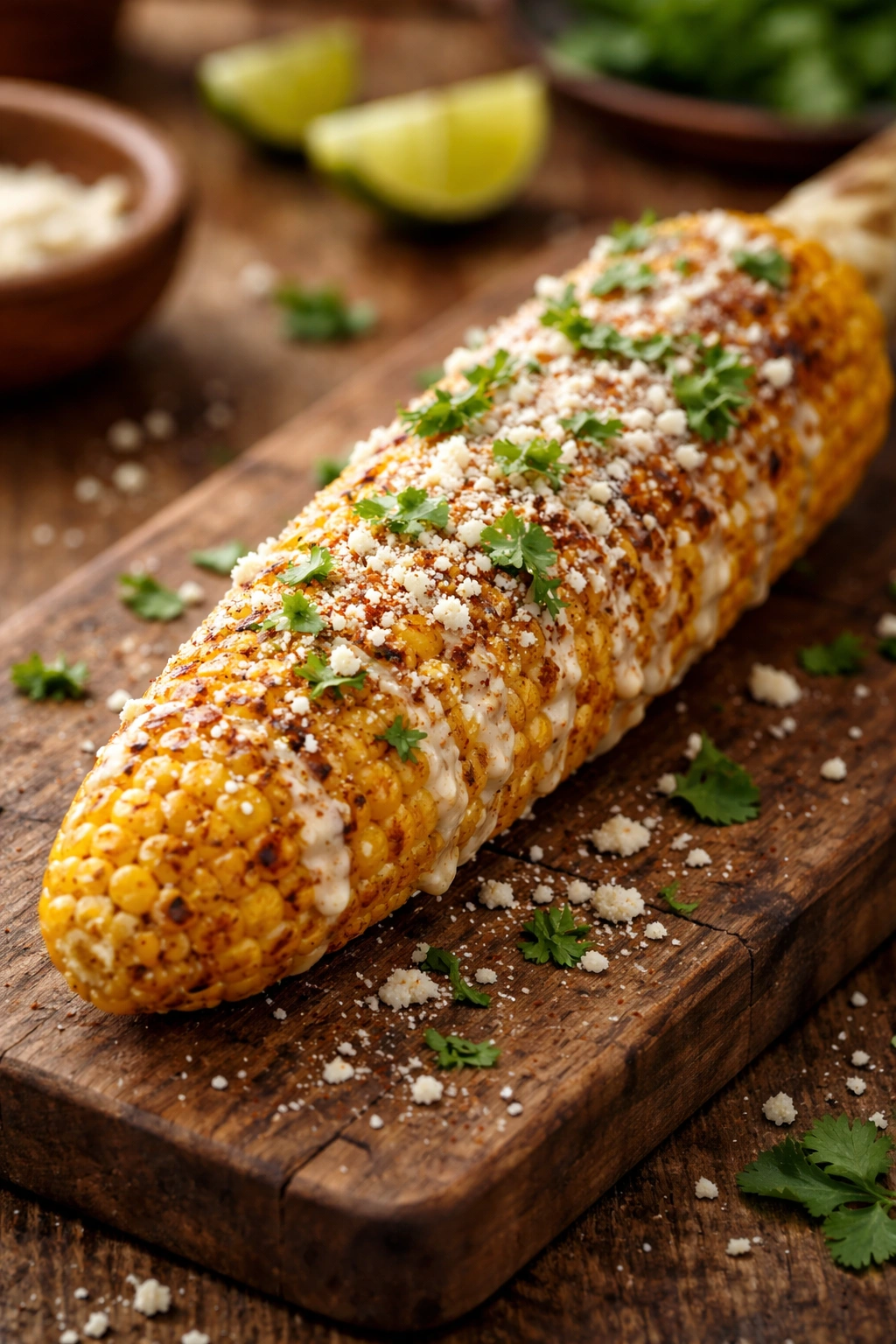
Mexican street corn has been a fixture in Mexico City, Oaxaca, and Veracruz for generations. Vendors set up stands with fresh corn, a pot of sauce, and containers of toppings, selling to office workers on lunch breaks, students grabbing a snack, and families celebrating small moments. It’s affordable, fast, filling, and absolutely delicious—the kind of food that solves a hunger problem while also being genuinely enjoyable.
The beauty of this dish is that it’s infinitely adaptable to what you have on hand. While the traditional version uses cotija cheese, fresh corn, mayo, and cilantro, you can build variations using similar flavor principles. The core concept—sweet corn plus a creamy, spiced coating plus cheese and herbs—works across dozens of interpretations.
In North America, elote has become increasingly popular over the past decade or so, showing up at farmers markets, food trucks, and home kitchens. What’s appealing is that it feels special and restaurant-quality while being entirely within reach for a weeknight dinner. You’re not roasting multiple vegetables or building complicated sauces. You’re focusing on doing one thing really well.
Ingredients You’ll Need
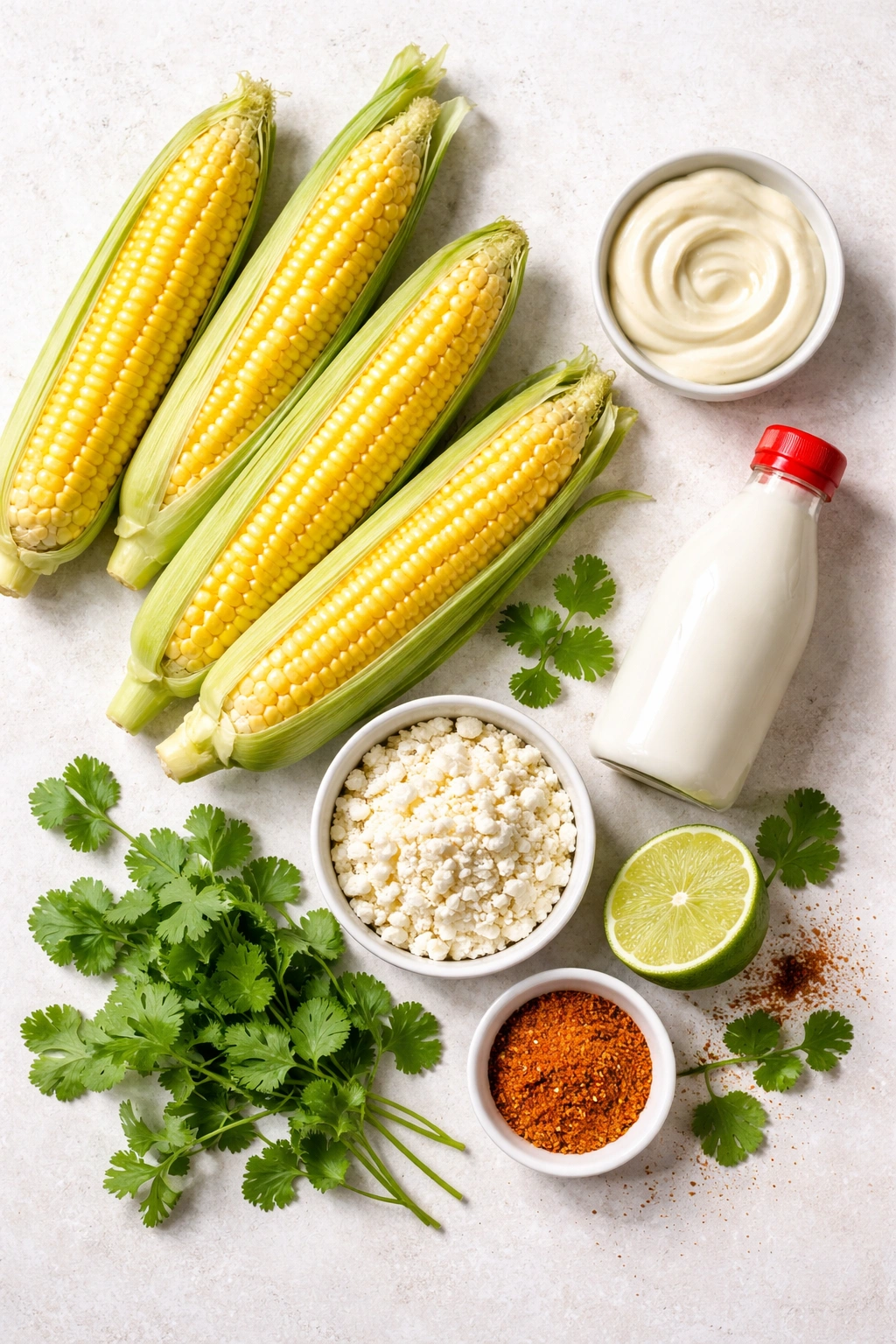
For the Corn:
- 4 ears of fresh corn, husked and cleaned
- 2 tablespoons olive oil or melted butter
- Fine sea salt and freshly ground black pepper to taste
For the Creamy Coating:
- ½ cup mayonnaise (full-fat works best here—it coats more richly)
- ¼ cup crema Mexicana or sour cream (crema is thinner and tangier; sour cream works fine as a substitute)
- 2 limes, zested and juiced (you want both the zest for brightness and juice for tang)
- ½ teaspoon fine sea salt
- ¼ teaspoon garlic powder
- ¼ teaspoon cayenne pepper (optional, for a subtle heat)
For the Toppings:
- ¾ cup cotija cheese, crumbled into small pieces (if you can’t find cotija, use a combination of feta and Parmesan—it’s not identical but the salty, crumbly texture works)
- ¼ cup fresh cilantro leaves, roughly chopped
- 1 tablespoon tajín seasoning (or more to taste—this is not spicy-hot, just flavorful)
- 2 times, cut into wedges for serving and additional garnish
- Optional: minced jalapeño for extra heat, crispy bacon bits for smokiness, or fresh epazote if you can find it
Yield: Serves 4 as a side dish, or 2 as a full meal | Prep Time: 15 minutes | Cook Time: 10-12 minutes (grilled) or 8-10 minutes (skillet) | Total Time: 25-30 minutes | Difficulty: Beginner — no special cooking skills required, and the components are mixed together before serving, so there’s no pressure to execute complicated technique.
The Best Way to Cook the Corn
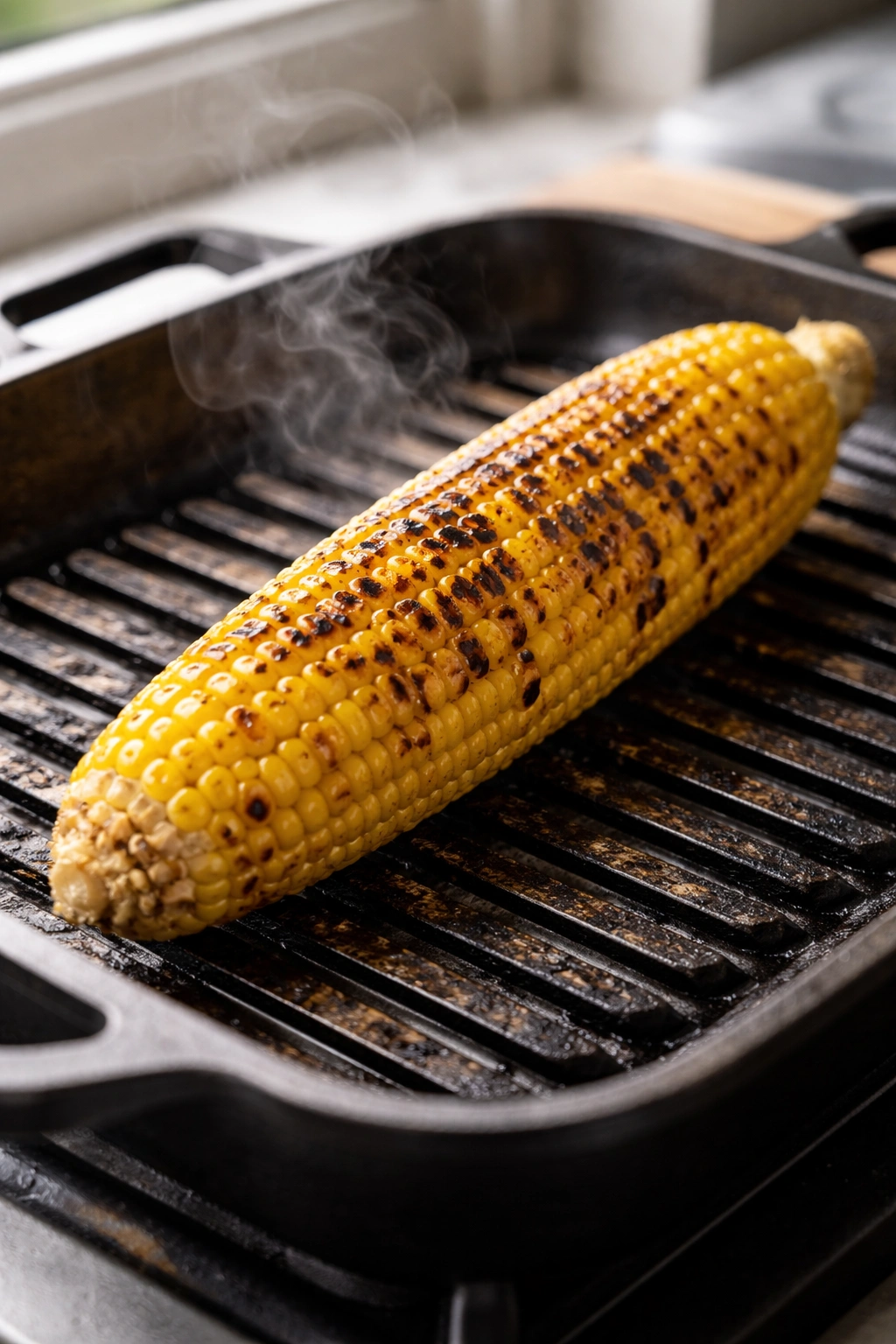
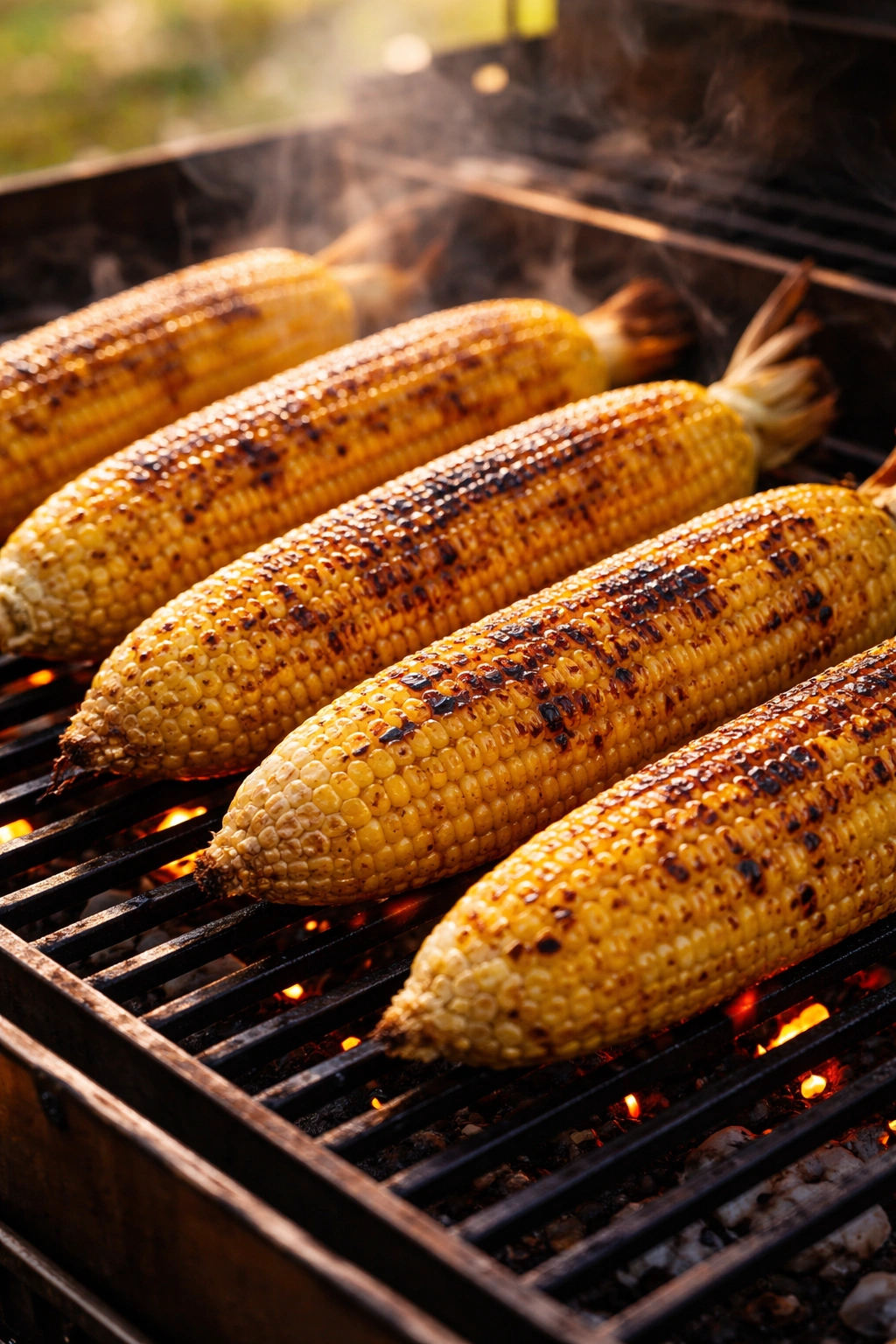
Grilling brings out the sweetness and creates those beautiful charred spots that make street corn memorable. If you have access to a grill, use it. The direct heat caramelizes the corn’s natural sugars and adds a subtle smokiness that elevates the entire dish. You’re not cooking it until it’s soft—you want it to stay slightly firm with a bit of chew, so timing matters.
Boiling is the fastest method if you’re short on time, though it produces a different texture. Boiled corn is tender and juicy but lacks the complexity that grilling or pan-cooking develops. That said, boiled corn topped with the right sauce still tastes fantastic. Many street vendors actually use boiled corn because it’s faster and more consistent than grilling.
A cast iron skillet is underrated for corn. You get some charring and caramelization without needing a grill, and the even heat from cast iron cooks the corn more uniformly than you might expect. This is your best option if you’re cooking on a weeknight and don’t want to fire up the grill.
Creating the Perfect Creamy Coating
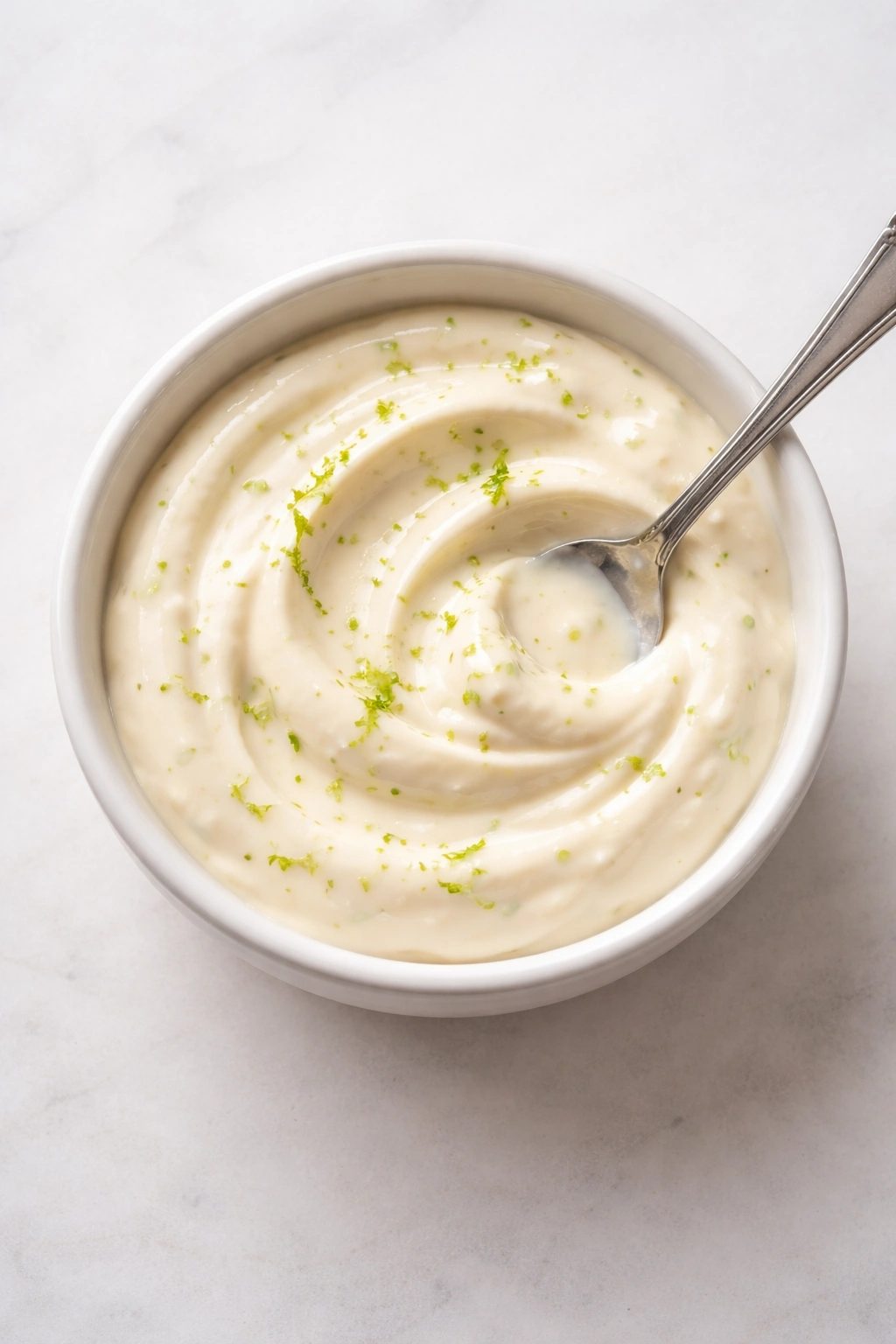
The sauce is where individual preference really matters, so think of these measurements as guidelines rather than gospel. The foundation is mayo and crema (or sour cream), which creates a coating that’s spreadable but also slightly loose—you want it to pool in the corn’s crevices, not sit on top like frosting.
Lime juice adds tang and brightness that keeps the sauce from feeling heavy. Fresh lime zest contributes an herbal quality that bottled lime juice can’t replicate, so don’t skip this step. The combination of juice and zest does the work that garlic powder and a tiny pinch of cayenne pepper support—they’re not the main flavor, just gentle background notes that make you wonder what’s different.
The ratio matters slightly. Too much mayo and your sauce is cloying; too much crema and it’s thin. The sweet spot for most people is equal parts mayo and crema, though if you prefer a heavier, richer coating, go 2:1 mayo to crema. If you like something thinner and more spreadable, reverse it. You can also thin it with a little additional lime juice if needed.
Some people make the sauce ahead and refrigerate it, which actually works beautifully because the flavors have time to meld. Others make it right before serving while the corn is still cooking. Both approaches work; it’s purely about your schedule.
Choosing Your Cheese and Garnishes
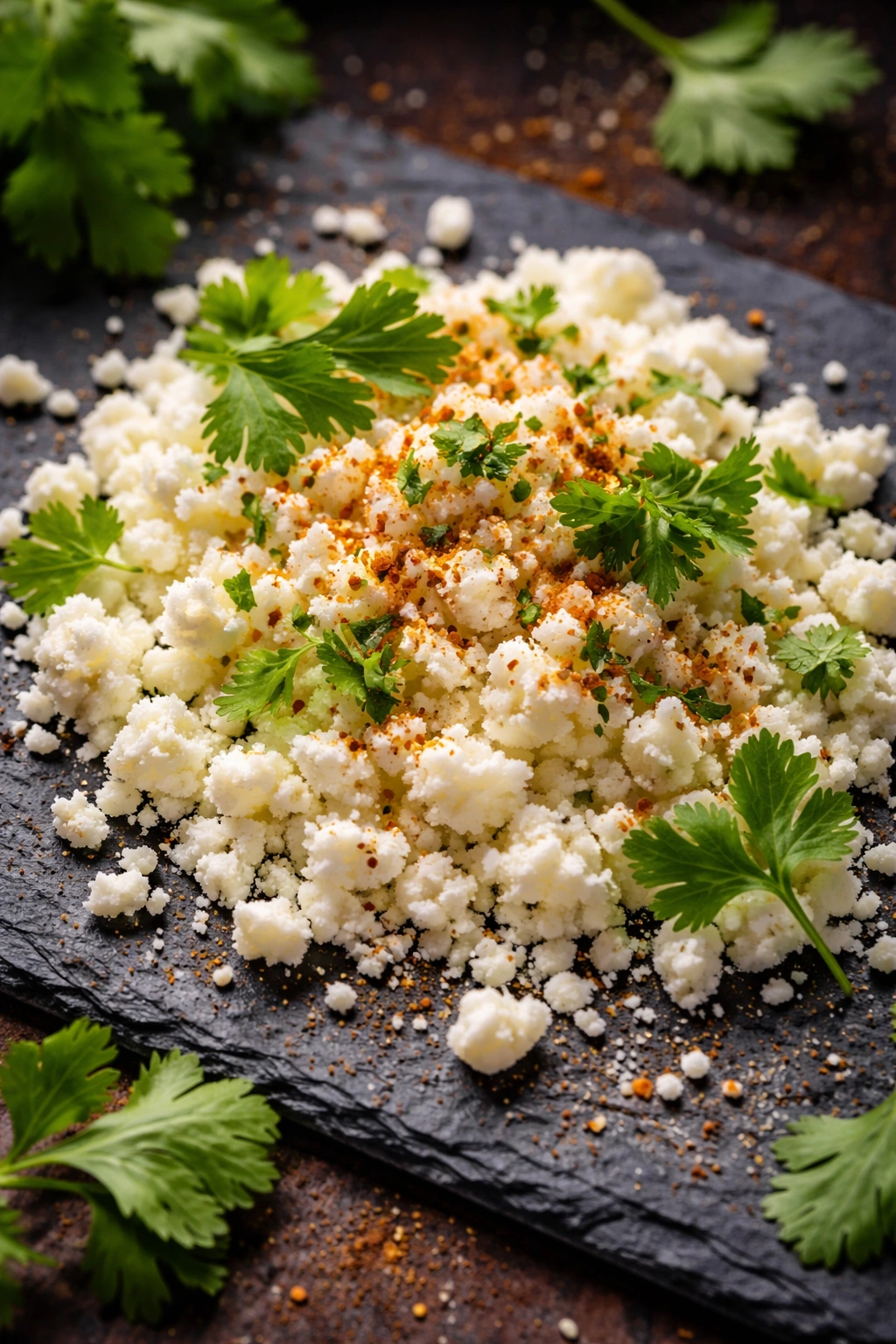
Cotija cheese is traditional, and for good reason. It’s a dry, crumbly Mexican cheese with a sharp, salty flavor that doesn’t melt when warm, so it stays distinct and textural against the creamy sauce. If your grocery store doesn’t carry cotija, a combination of crumbled feta and grated Parmesan approximates the flavor profile surprisingly well—feta brings saltiness and crumble, Parmesan adds that sharp, aged quality.
Fresh cilantro is non-negotiable for authentic flavor, though if you genuinely dislike cilantro, you can substitute fresh parsley. Cilantro adds an herbal, slightly peppery note that feels bright and clean against the richness of the mayo coating. Use it generously—don’t hold back thinking it might overpower the dish. It won’t.
Tajín is the secret ingredient that makes homemade street corn taste restaurant-quality. This dried chile blend includes lime, salt, and ground chiles in proportions that create a complex, slightly spicy, slightly sour flavor. It’s not aggressively hot; it’s more like a flavor multiplier. If you can’t find tajín, you can approximate it by mixing chili powder, ground cumin, lime zest, and salt, though it won’t taste identical.
Beyond the traditional toppings, consider what would make your version special. Crispy bacon bits add smokiness. Minced jalapeño adds fresh heat. A tiny sprinkle of Tajín mixed into the mayo before spreading adds flavor depth. Microgreens or fresh herbs like dill or tarragon create unusual but delicious variations. The formula is flexible—keep the core (corn, creamy coating, cheese, fresh herbs) and play with everything else.
Step-by-Step Instructions for Grilled Corn
Prepare the Corn:
-
Preheat your grill to medium-high heat (around 400°F / 200°C). If you’re using charcoal, you want a hot fire—you should be able to hold your hand over the grate for only 2-3 seconds before it’s uncomfortably hot. Lightly oil the grill grates with a high-heat oil to prevent sticking.
-
Pat the husked corn dry with paper towels—moisture prevents browning and charring. Rub each ear lightly with olive oil or melted butter, then season generously with fine sea salt and a small grinding of black pepper. Don’t be timid with the salt; it seasons the corn kernels directly.
Grill the Corn:
-
Lay the corn directly on the grill grate. You’ll hear it sizzle immediately. Don’t move it for 2-3 minutes. Resist the urge to turn it constantly. You want some kernels to char and brown—those brown spots are where the flavor is hiding.
Advertisements -
Turn the corn one quarter turn (90 degrees). Grill for another 2-3 minutes without moving. Continue turning every 2-3 minutes until all four sides have some light charring and browning. Total grilling time is about 10-12 minutes. The corn should smell sweet and caramelized, and the kernels should feel tender when you press them lightly with a finger.
-
Transfer the grilled corn to a cutting board or serving platter to cool for just 2-3 minutes—you want it still warm but not so hot that the creamy coating slides right off.
Assemble Your Street Corn:
-
While the corn rests, whisk together the mayo, crema, lime juice, lime zest, salt, garlic powder, and cayenne pepper in a small bowl. The mixture should be smooth and easily spreadable, roughly the consistency of thick ranch dressing.
-
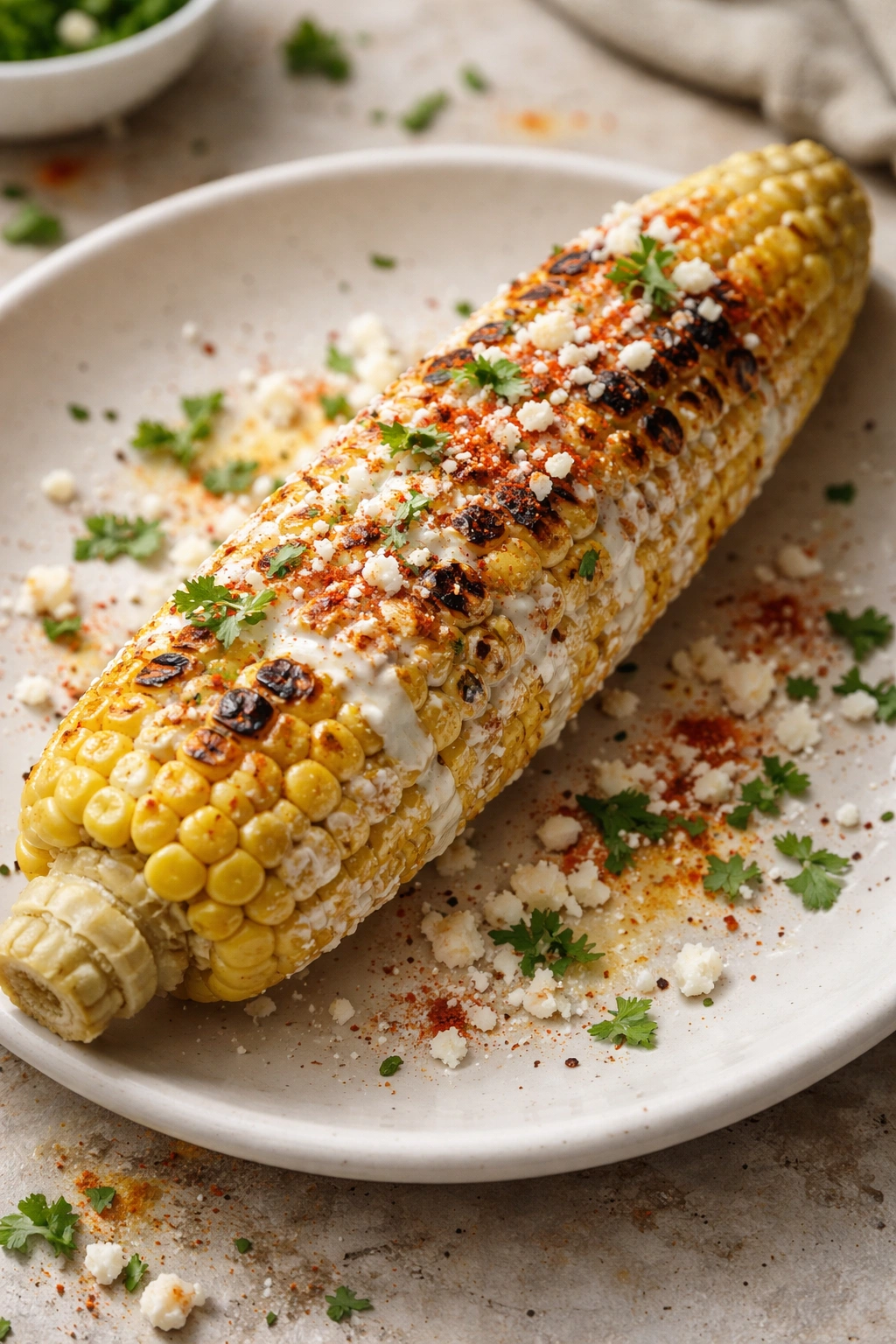
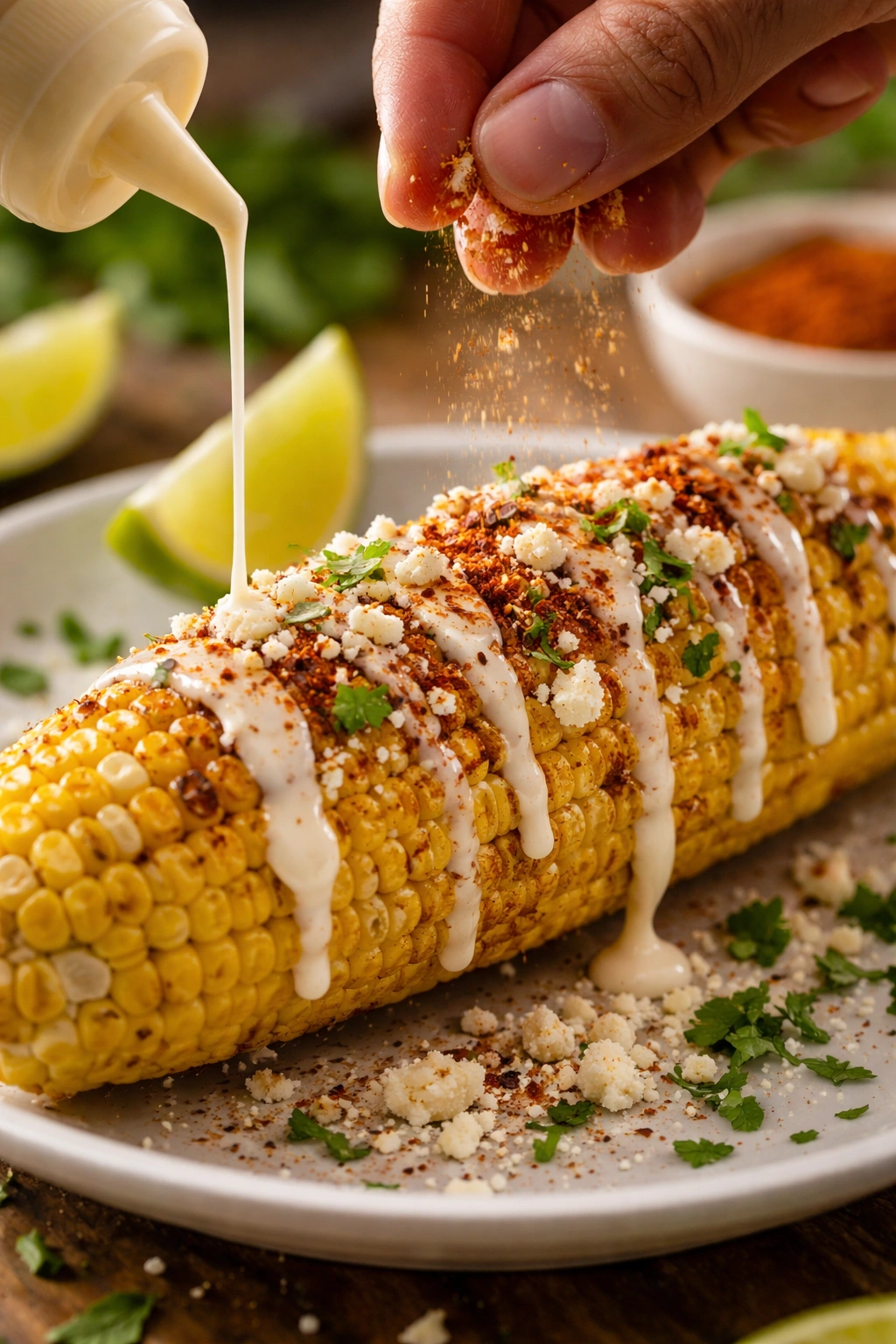
Spread or brush the creamy coating over each ear of corn, rotating it as you work to cover all sides. Use about 2 tablespoons of sauce per ear. Don’t worry about being perfectly neat—this is rustic food. The sauce will pool and drip, and that’s exactly right.
-
Sprinkle the crumbled cotija cheese over the coated corn, turning it gently to coat all sides. Use about 3 tablespoons of cheese per ear. Press the cheese gently so it adheres to the creamy layer.
-
Finish with a sprinkle of fresh cilantro and a dusting of tajín seasoning. Taste one for salt level—if you want more tajín, add it now. The tajín should be clearly flavored but not overwhelming; it should taste like a complement, not the main event.
-
Serve immediately while still warm, with lime wedges on the side. People can squeeze extra lime juice over their corn if they like additional tang.
Making Elote in a Skillet or Cast Iron Pan
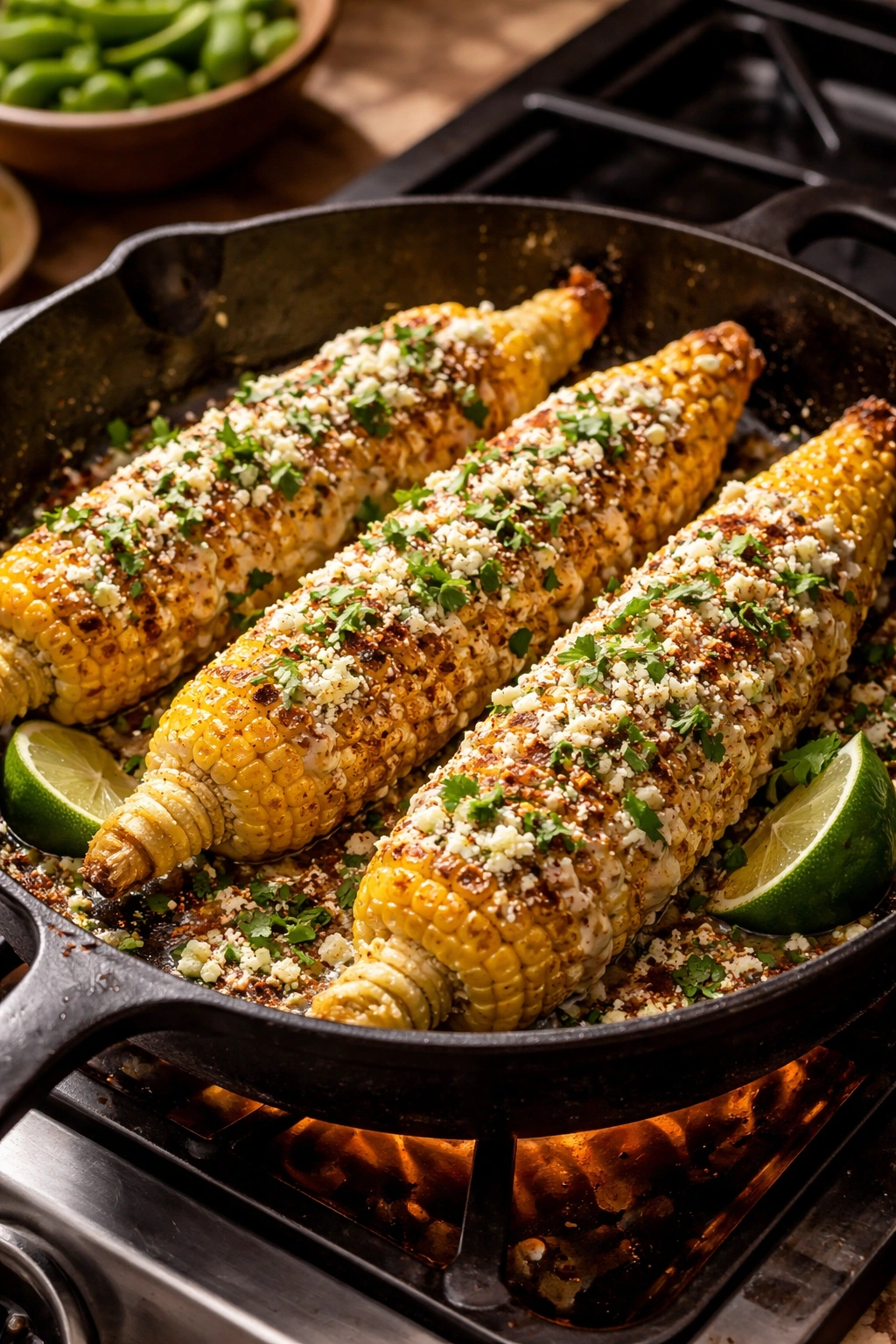
If you don’t have access to a grill or prefer not to use one, a cast iron skillet or regular heavy-bottomed skillet works beautifully. The method is nearly identical to grilling, just indoors and slightly more controlled.
Heat your cast iron skillet over medium-high heat for 3-4 minutes until it’s genuinely hot (you should feel radiating heat when you hold your hand above it, but it shouldn’t be smoking). Add 1 tablespoon of oil with a high smoke point—avocado oil or refined vegetable oil work better than olive oil here because they won’t burn.
Place the oiled corn in the hot skillet. Don’t move it for 3-4 minutes. The longer you leave it still, the better the browning and charring. Rotate one quarter turn and leave it for another 3-4 minutes. Continue this process until all four sides are lightly charred and browned, about 8-10 minutes total.
The advantage of skillet cooking is that you have more control over the heat and can easily manage it if things are browning too quickly. The disadvantage is that you can only fit one or two ears at a time, so it takes longer if you’re feeding a crowd. For two to four people, though, it’s perfect.
You can also cut the corn in half lengthwise before pan-searing it, which creates more surface area for browning and reduces cooking time significantly. Lay the flat side down first for 4-5 minutes to get a really dramatic char, then flip and cook the rounded side for another 2-3 minutes. This variation is especially good if you’re trying to achieve maximum caramelization.
Common Mistakes That Ruin Street Corn
The most common error is using mayo that’s been sitting in a thin layer for so long it’s dried out or separated. Mix your sauce fresh and apply it while the corn is still warm so it adheres properly and tastes fresh. Dried-out, separated mayo tastes rancid and ruins the whole thing.
Undercooked corn is another frequent problem. If you’re boiling corn, it needs 5-7 minutes of rolling boil to be properly tender—and then it continues cooking in residual heat for a minute or two after you remove it from the water. If you pull it out too early, the kernels stay slightly hard and starchy-tasting. If you grill it, the same applies: you need enough time for the kernels to soften and the sugars to start caramelizing.
Over-charring is also possible. If your grill is too hot or you leave the corn on too long, you end up with kernels that are burnt rather than caramelized—they taste acrid and bitter instead of sweet. Medium-high heat and attention are your friends here. Watch the corn. When you see golden-brown spots appearing, you’re on the right track. When you see black spots, you’re past the point of no return.
Skimping on the cheese is tempting if you don’t love cotija, but don’t abandon the ingredient entirely. That crumbly, salty cheese is essential to the flavor balance. If cotija isn’t available, find another crumbly cheese with similar sharpness. Feta and Parmesan together genuinely work. Crumbled feta alone works in a pinch. Just don’t skip this component thinking the mayo coating is enough—it’s not.
Forgetting to zest the lime before juicing it is a small mistake with a big impact. The zest contains the essential oils that give the sauce its brightest, most aromatic quality. Juice alone tastes acidic and flat by comparison. Always zest before juicing.
Pro Tips for Maximum Flavor
If you can find Mexican crema (sometimes labeled “crema Mexicana”) instead of sour cream, buy it. It’s thinner, tangier, and more authentic, and it spreads more easily than sour cream. That said, American sour cream works perfectly fine and is often easier to find.
Make the sauce slightly ahead of serving and let it sit for 5-10 minutes. The lime juice will soften the mayo slightly and distribute the flavors evenly. This is a small step that creates noticeably better results.
If you’re cooking corn for a crowd, apply the sauce and cheese to each ear right after cooking and plate it immediately. Street corn is best eaten warm or at room temperature, and the toppings stay fresher-tasting if you don’t assemble everything more than 5-10 minutes before eating.
For extra depth, try mixing a tiny pinch of cumin and smoked paprika into your mayo before spreading. These additions are optional and not traditional, but they create a more complex, smoky flavor that many people find irresistible.
If you have access to fresh epazote (a Mexican herb with a peppery, almost gasoline-like aroma), a small torn leaf on top of each ear is authentic and delicious. It’s not essential, but it’s stunning if you can find it at a Latin market.
Tajín varies slightly in intensity depending on the brand. Start with a light dusting, taste, and add more if you want. It’s easier to add more tajín than to remove it if you go overboard.
Easy Variations and Creative Toppings
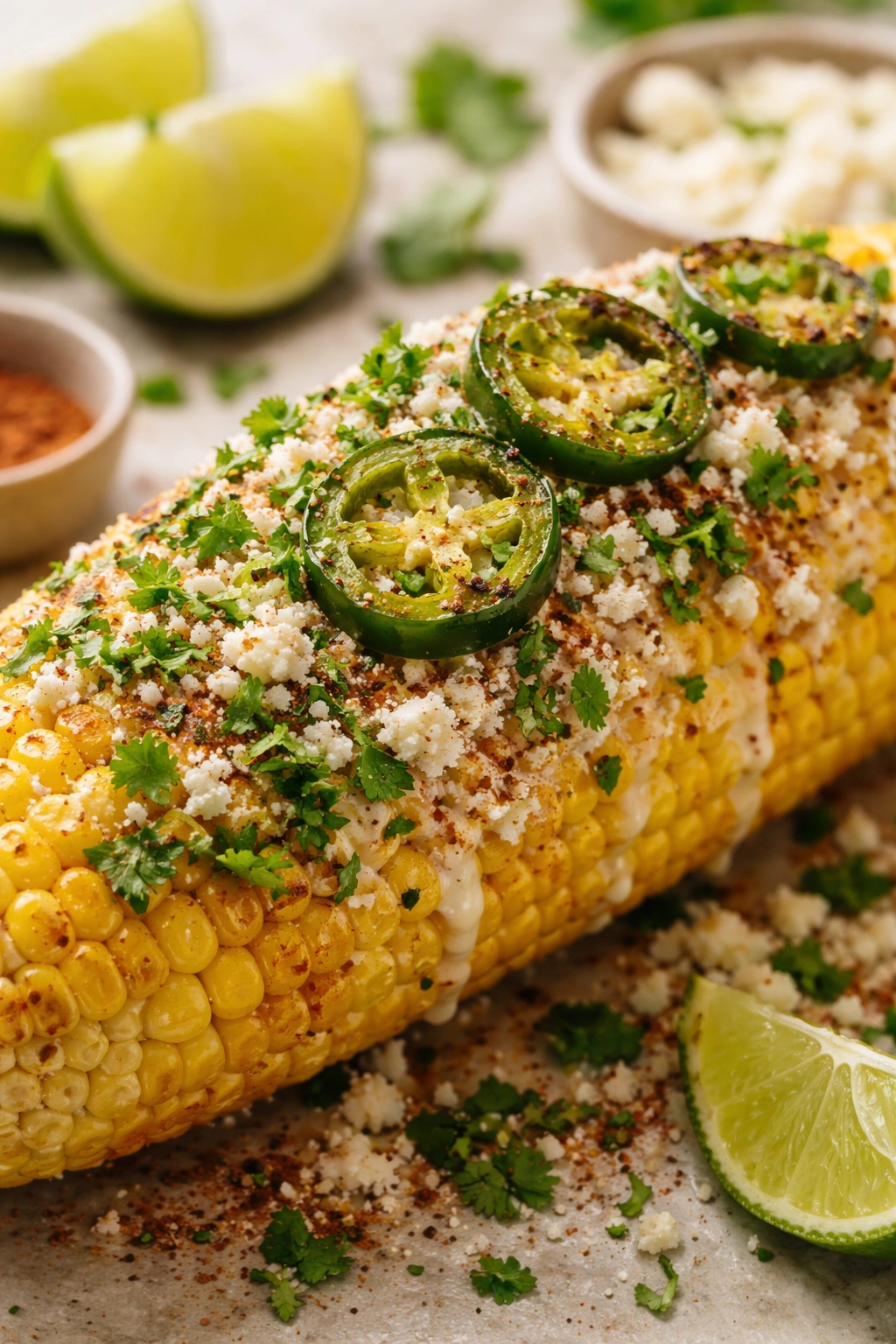
Charred Jalapeño Elote — Add minced charred jalapeños to the creamy coating and sprinkle a few more sliced jalapeños on top. This brings a fresh, bright heat that complements the sweetness perfectly.
Cotija and Bacon Elote — Toss a handful of crumbled crispy bacon into the creamy coating or sprinkle it over the top. Bacon adds smokiness and a savory depth that transforms the dish toward something richer.
Herb Garden Variation — Replace some of the cilantro with fresh mint, tarragon, or dill. Each herb creates a completely different flavor profile while maintaining the overall structure of the dish.
Lime and Chili Powder Version — If you can’t find tajín, combine chili powder, cumin, lime zest, and salt in the same ratio and dust it on top. This creates a slightly different flavor but remains true to the spirit of the dish.
Vegan Street Corn — Substitute the mayo and crema with vegan mayo and cashew crema (soaked cashews blended with lime juice, garlic, and water). Use a plant-based Parmesan or nutritional yeast instead of cotija. Everything else remains the same, and the result is genuinely delicious.
Corn Salad Version — Cut the kernels off the cob and toss them with the creamy coating, cheese, cilantro, and tajín to create a composed salad. This works beautifully as a cold side dish at a summer gathering and is easier to eat than corn on the cob in a casual setting.
Sweet Corn with Cotija and Lime — Skip the tajín and instead add a tiny pinch of sweet paprika and a touch of honey to the mayo. This creates a subtly sweeter, less spicy version that some people prefer.
Storage and Make-Ahead Strategies
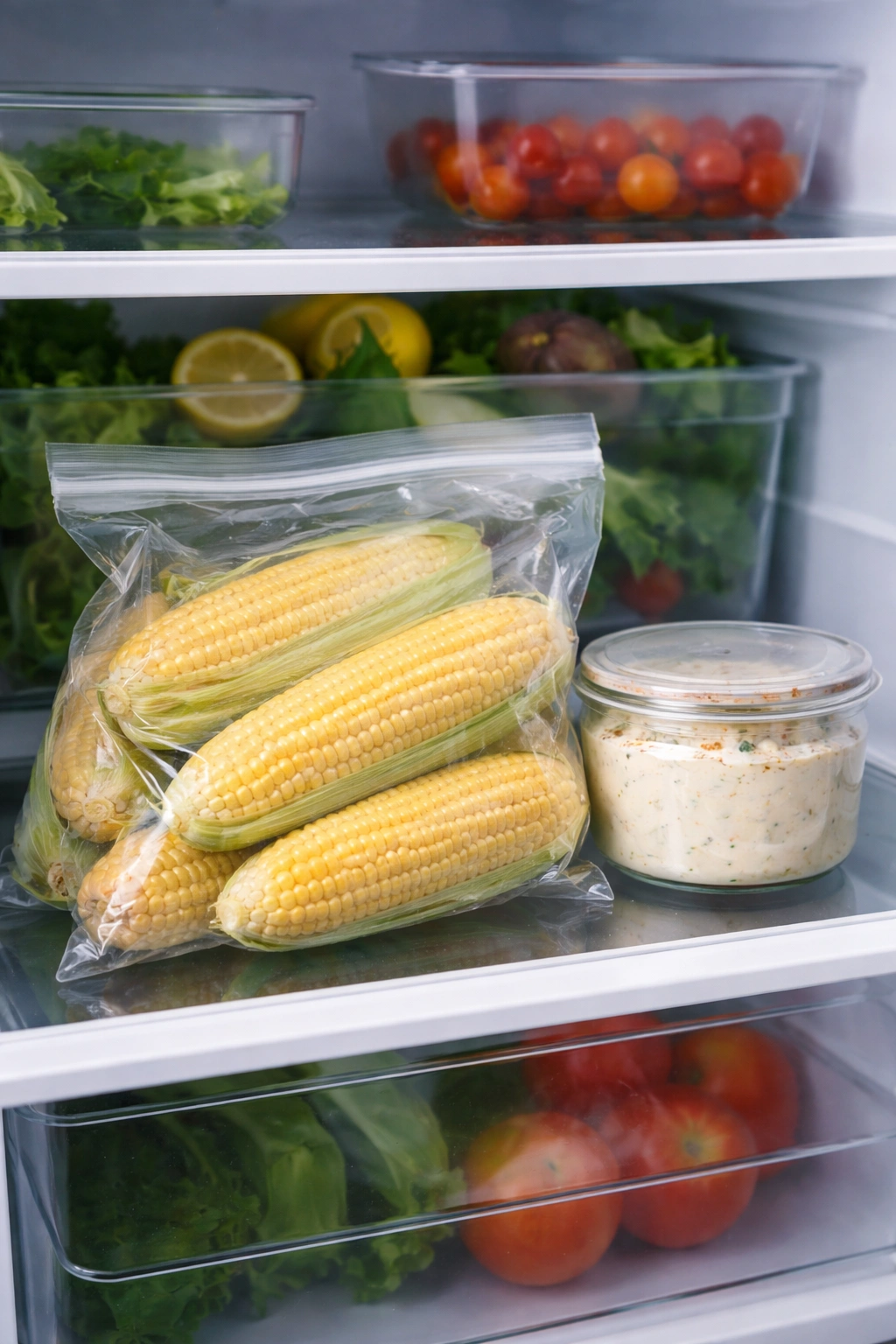
Uncooked, husked corn keeps in the refrigerator for 2-3 days. Store it in a plastic bag to prevent it from drying out. If you’ve already applied the coating, eat it within a few hours—the sauce gets watery over time as the corn releases moisture.
The creamy mayo coating can be made up to 2 days ahead and stored in a covered container in the refrigerator. Let it come to room temperature for 10 minutes before applying it, as cold mayo doesn’t spread as easily.
You can grill or cook the corn ahead (up to 4 hours before serving), then reheat it gently in a 350°F / 175°C oven for about 5 minutes before topping. This works well if you’re planning a gathering and want to minimize last-minute cooking.
The crumbled cotija cheese, cilantro, and tajín are best applied right before serving. These toppings don’t keep well once applied and their texture degrades if they sit on moist corn for more than a few minutes.
If you have leftover coated elote, store it in an airtight container in the refrigerator for up to 2 days. Reheat gently in a 300°F / 150°C oven for about 8 minutes before eating. The mayo may separate slightly during storage and reheating—stir it gently to re-emulsify it before eating.
Serving Suggestions and Pairings
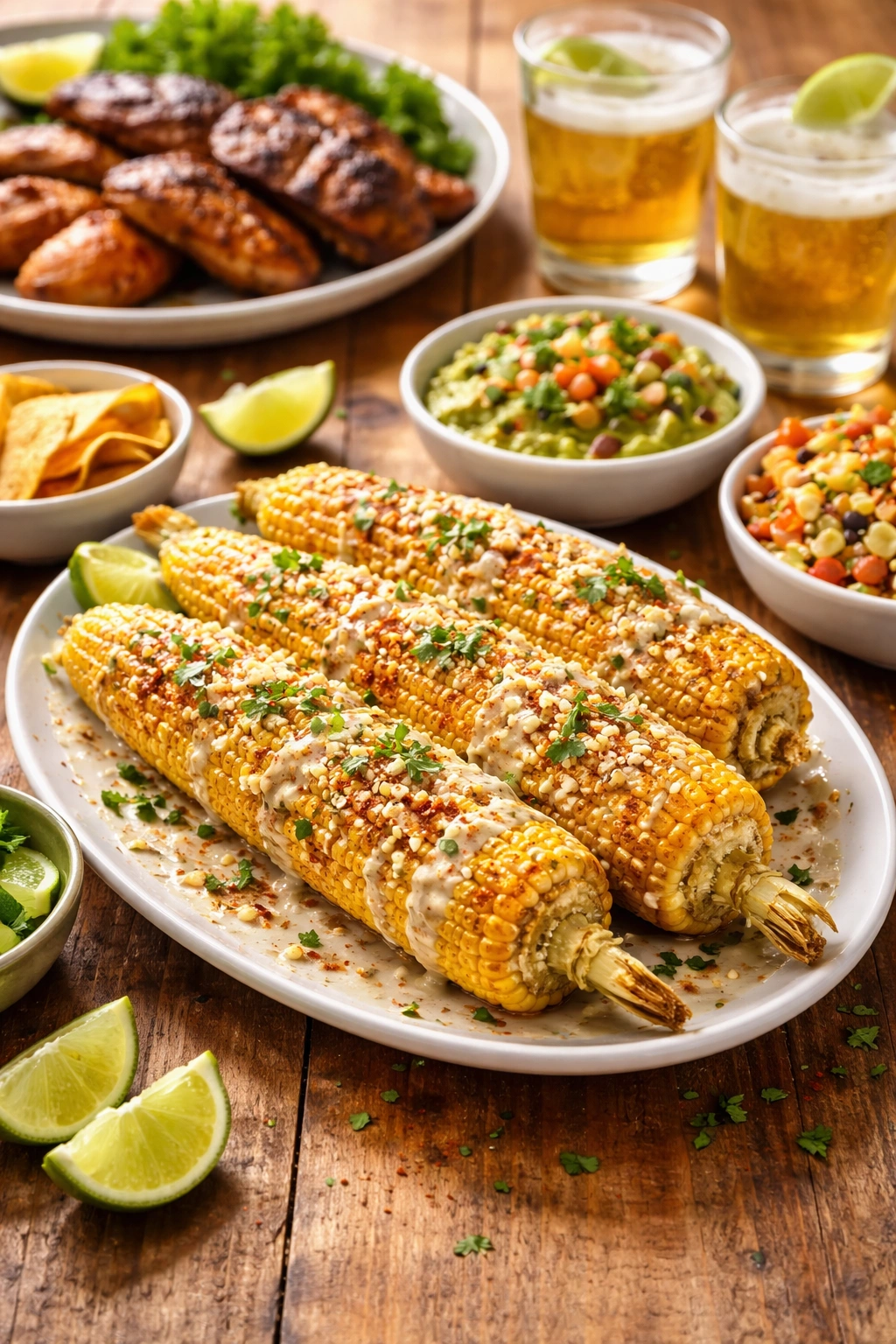
Mexican street corn is essentially a complete side dish, but it pairs beautifully with grilled meats. Serve it alongside grilled chicken, carnitas, carne asada, or simply seasoned fish. The bright, creamy sauce acts as a palate-cleanser between bites of richly seasoned protein.
For a vegetarian meal, pair it with black bean rice, roasted poblano peppers, or a simple tomatillo salad. The corn becomes the protein anchor of the plate in this context, and it’s substantial enough to feel satisfying.
As an appetizer or snack, elote is perfect with a cold Mexican beer, aguas frescas (traditional fruit drinks), or even a crisp white wine. The acidity in these beverages complements the creamy sauce and cuts through its richness beautifully.
Serve it at casual outdoor gatherings on its own—with napkins readily available. Street corn is inherently messy, social food. People expect to get a little sauce on their hands. That’s part of the charm.
For a buffet, place grilled corn ears on a platter with the creamy coating in a small bowl alongside. Let guests assemble their own, choosing how much sauce and cheese they want. This works especially well at a large gathering where people have different spice or richness preferences.
As a side at a taco night, cut the kernels off the cob and serve the corn salad version in small bowls. It’s easier to eat, feels less redundant alongside other Mexican dishes, and tastes equally delicious.
Final Thoughts
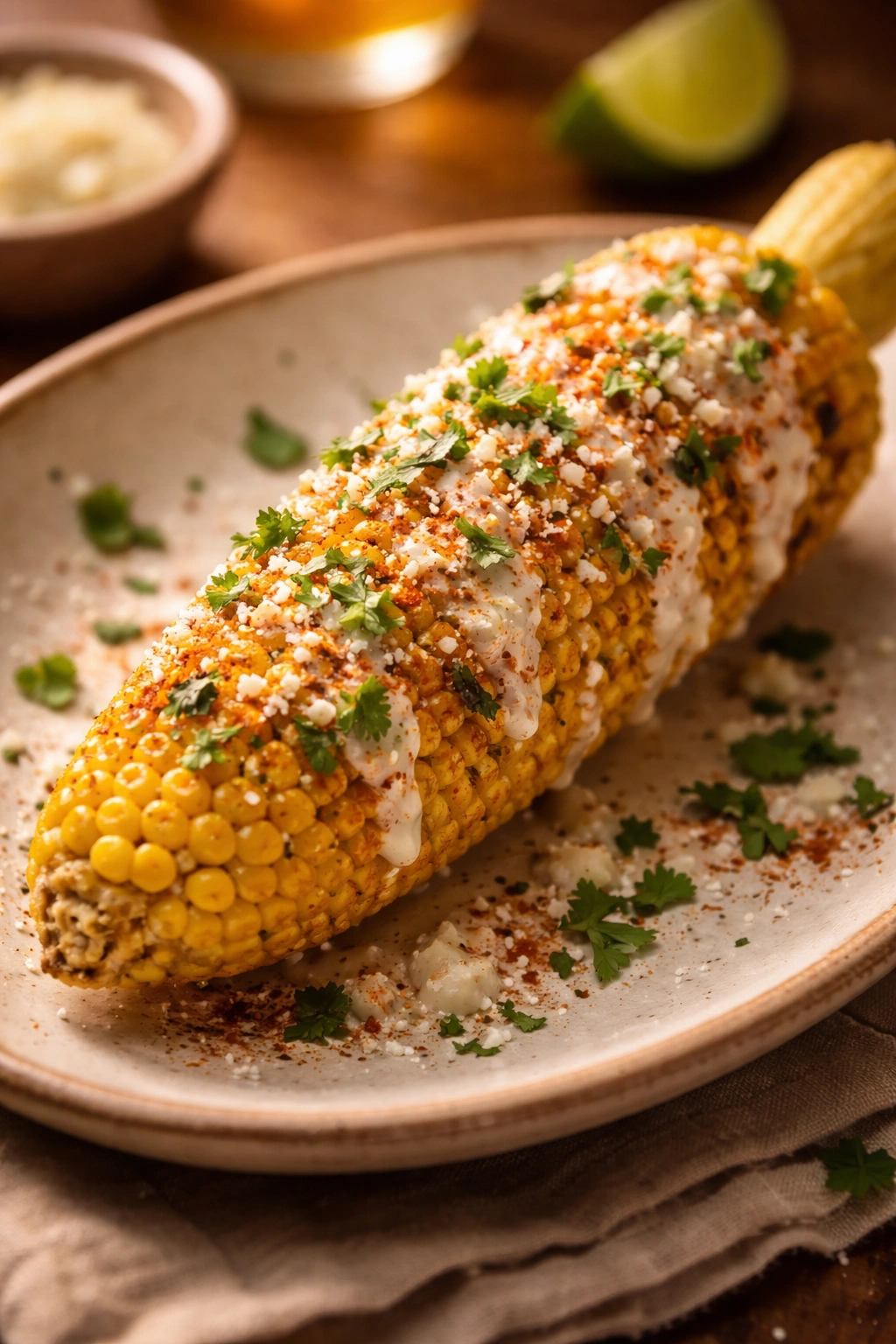
Mexican street corn succeeds because it’s simple but not simplistic. Every component has a job: the corn provides sweetness and substance, the creamy coating adds richness and tang, the cheese brings salt and texture, the cilantro brings brightness, and the tajín brings subtle heat and complexity. Together, they create something far more interesting than the sum of their parts.
The beauty of this dish is that it requires no special skills or equipment. Whether you grill, pan-sear, or boil your corn, whether you use cotija cheese or approximate it with feta and Parmesan, whether you follow the sauce recipe exactly or adjust it to your taste—you’ll end up with something delicious that’s worlds better than what you’d buy from a street vendor (though you won’t tell them that).
Make this when corn is at its peak, when the ears feel heavy and the husks are still slightly damp. Make it for a crowd or just for yourself. Make it a dozen times until you know the flavor by heart and can adjust it without thinking. The more you make it, the more you’ll understand why people crave it, seek it out, and come back for more. That’s the power of food done simply and thoughtfully—and that’s what Mexican street corn actually is.
