



The best marinades don’t require hours of planning or complicated ingredient lists. A quick marinade—one that works in just five minutes—can transform even the most basic cut of meat into something genuinely delicious. The secret isn’t time; it’s understanding how acid, salt, fat, and aromatics work together to penetrate the meat’s surface and infuse flavor fast.
Most home cooks believe marinading is an all-day commitment. You don’t have to soak chicken breasts overnight or leave a steak in a mixture for 24 hours to get real, noticeable flavor. What actually matters is the balance of your ingredients and how you apply the marinade. A well-designed five-minute marinade can deliver results that rival overnight soaks because it’s built with punchy flavors and acidic components that immediately start working on the meat’s exterior.
The difference between a good quick marinade and a mediocre one comes down to knowing what each component does. Acidic ingredients like citrus juice, vinegar, or wine start breaking down proteins instantly, allowing flavor molecules to migrate into the meat. Salt seasons the surface while helping the exterior absorb aromatics. Fat—whether from oil, coconut milk, or tahini—carries flavors and keeps the meat moist during cooking. Aromatic ingredients like garlic, ginger, herbs, and spices create the actual taste experience. When these elements are balanced correctly, they don’t need hours to work their magic.
1. Asian-Style Ginger and Soy Marinade
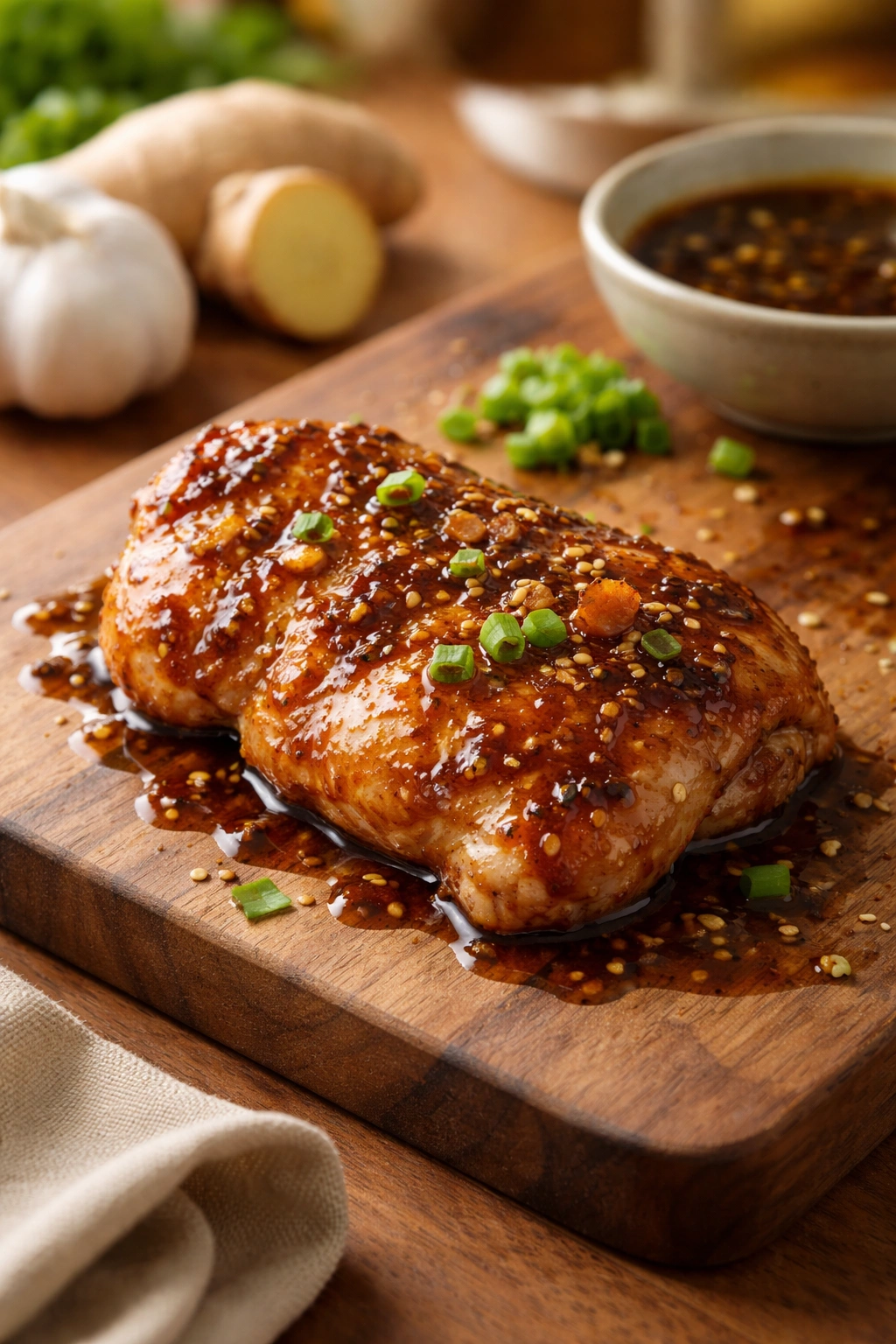
This is the fastest way to add complex, umami-rich depth to any protein. The combination of salty soy sauce, bright ginger, and aromatic garlic hits your palate with multiple flavor dimensions at once—the kind of taste that makes people ask what you did differently.
Why It Works So Well
Soy sauce is built for speed. It’s already salty and flavorful, so it seasons while it infuses rather than requiring a separate soaking period. The saltiness helps the meat’s exterior become receptive to the ginger and garlic oils. Fresh ginger adds a subtle heat and brightness that cuts through rich meat beautifully, whether you’re working with beef, pork, chicken, or even fish. Garlic brings savory depth, while a touch of honey creates subtle sweetness and helps with browning during cooking.
What Makes It Better Than the Bottled Stuff
Store-bought marinades often rely on preservatives and cornstarch to create body, which muddles the actual flavors. When you make this at home, you taste clean ginger, real soy, actual garlic—no fillers. The ratio matters too. Use a small amount of soy sauce combined with fresh ginger and oil so the flavors are concentrated rather than watered down.
The Exact Recipe
- ¼ cup soy sauce (low-sodium works perfectly)
- 2 tablespoons rice vinegar or rice wine
- 1 tablespoon honey or maple syrup
- 2 tablespoons sesame oil or neutral oil
- 1½ tablespoons fresh ginger, minced very fine
- 3 cloves garlic, minced
- ½ teaspoon white pepper
- 1 teaspoon sesame seeds (optional but adds texture)
Combine everything in a bowl and whisk until the honey dissolves completely. The mixture should smell intensely aromatic and ginger-forward. Pat your meat dry, rub the marinade all over the surface—paying special attention to any crevices—and let it sit for exactly five minutes. If you’re cooking thinner pieces like chicken breasts or fish fillets, five minutes is genuinely sufficient. For thicker cuts like steak or pork chops, you could push to seven or eight minutes, but the real work happens during cooking as the heat causes the surface flavors to further develop.
Best For
Chicken breasts, beef short ribs, pork tenderloin, salmon fillets, or shrimp. This marinade also works beautifully with vegetables—toss zucchini or bell peppers in it for grilling.
Pro tip: Reserve a tablespoon of the marinade before adding the raw meat, then drizzle it over the cooked protein just before serving for an extra punch of fresh flavor.
2. Mediterranean Herb and Lemon Marinade
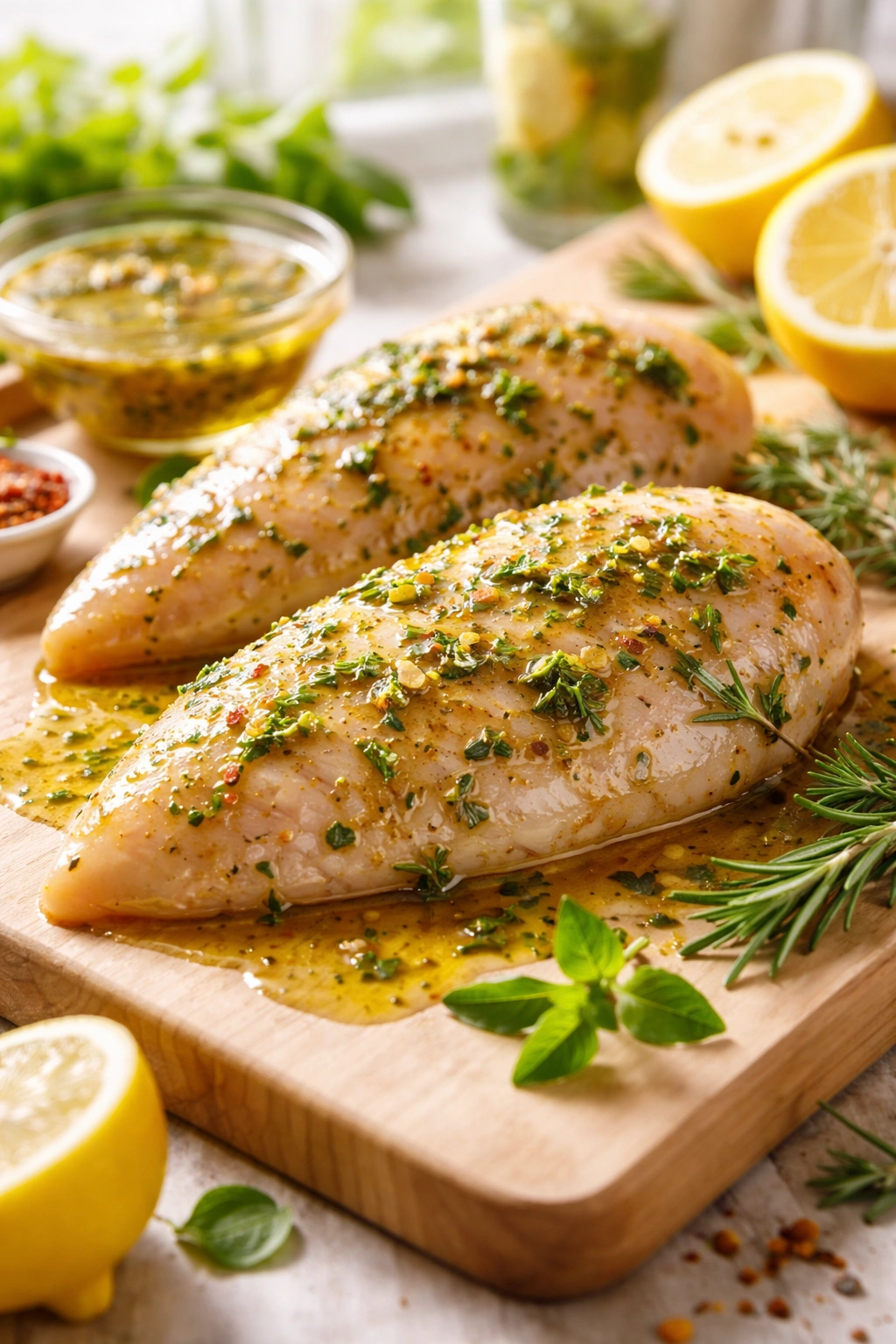
This one tastes like a sunny coastline. The brightness of lemon combined with oregano, rosemary, and thyme creates a marinade that feels sophisticated without requiring any special techniques or hard-to-find ingredients. It’s the kind of flavor profile that works whether you’re making a casual weeknight dinner or something you’d serve to guests.
Why Lemon Works Better Than Lime Here
Both are acidic, but lemon’s flavor profile aligns differently with Mediterranean herbs. The sharpness of lemon juice activates oregano and thyme in ways that feel herbaceous rather than citrusy. There’s a reason Greek and Italian cooks reach for lemon with these particular herbs—the flavors were built to work together over centuries of cooking tradition. Lime would pull the flavor in a different, equally valid direction, but you’d lose that distinctive Mediterranean character.
The Exact Recipe
- ⅓ cup extra virgin olive oil (don’t waste premium oil on this; a mid-range option works fine)
- 3 tablespoons fresh lemon juice
- 1 tablespoon red wine vinegar
- 4 cloves garlic, minced
- 1 tablespoon fresh oregano (or 1 teaspoon dried)
- 1 teaspoon fresh rosemary, finely chopped (or ½ teaspoon dried)
- ½ teaspoon fresh thyme (or ¼ teaspoon dried)
- ½ teaspoon crushed red pepper flakes
- Generous pinch of fine sea salt
- ¼ teaspoon black pepper
- Optional: 1 teaspoon Dijon mustard for extra depth
Whisk everything together until the salt dissolves. The mixture should smell earthy and herbaceous with bright lemon cutting through. For tougher cuts of meat or thicker chicken pieces, apply liberally and let it sit for the full five minutes. For delicate fish, three minutes is actually enough—any longer and the acid will start cooking the outer layer of flesh before you even apply heat.
Best For
Lamb chops, chicken thighs, pork shoulder, thick-cut beef steaks, swordfish, or halibut. This marinade also transforms grilled vegetables—brush it on eggplant, zucchini, or red onions.
What to Watch For
Fresh herbs are noticeably better than dried in this marinade, but dried herbs work in a pinch. If using dried herbs, reduce the quantity by half and let the meat sit in the marinade for the full five minutes (dried herbs need slightly more time to release their oils). If using fresh herbs and you’re in a real hurry, even two minutes makes a difference—this particular combination is potent enough that you’re not starting from zero with quick timing.
3. Latin-Inspired Citrus and Cumin Marinade
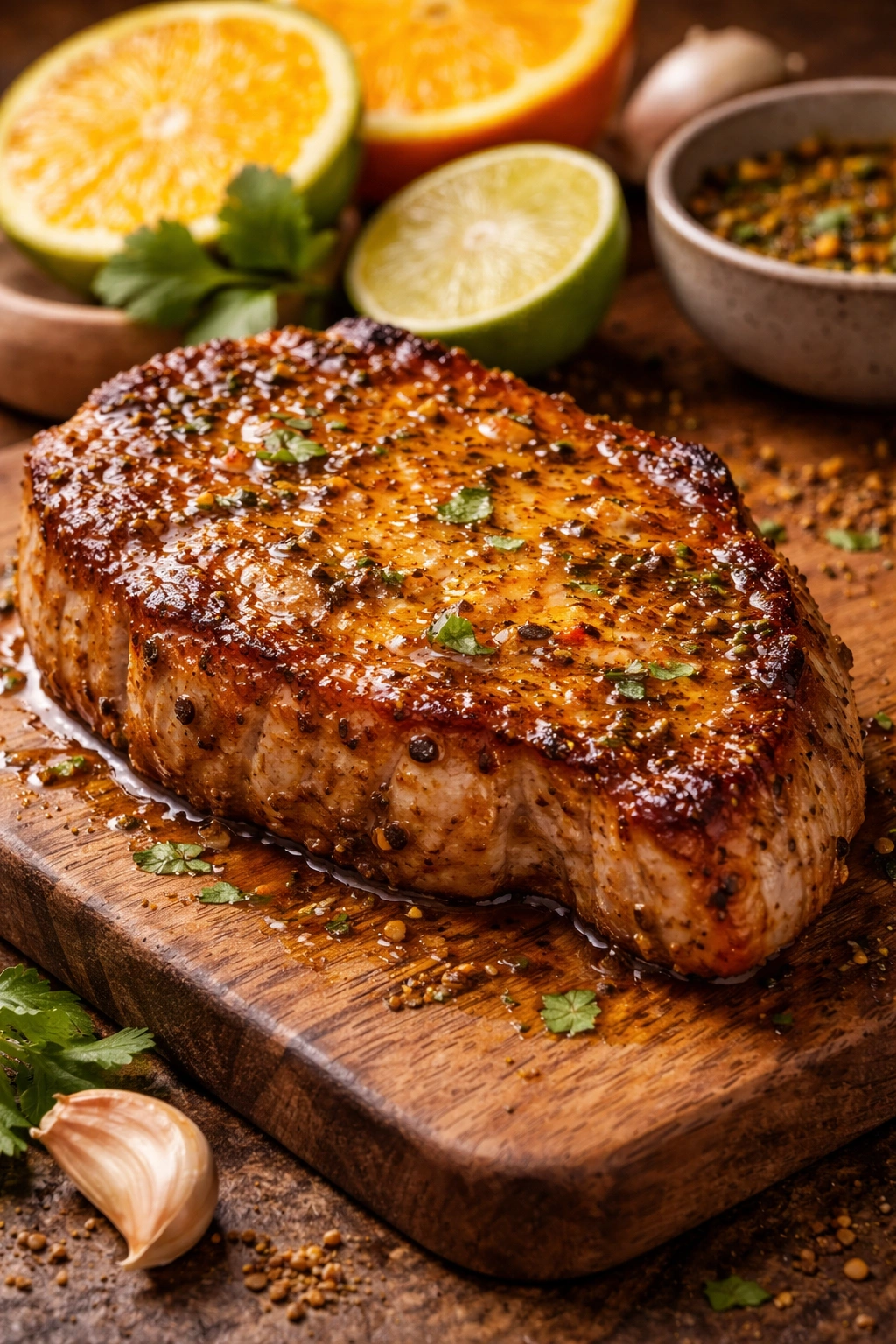
This is the flavor profile of mojo, the Cuban-inspired marinade that’s been perfected over generations. The combination of orange, lime, and cumin creates something warm, bright, and complex all at once. It’s particularly powerful because the acid from both citrus juices works simultaneously, meaning the surface of the meat gets aggressive flavor penetration in a short window.
The Science Behind the Citrus Combination
A single citrus juice works fine, but combining orange and lime creates a broader spectrum of acid and flavor compounds. Orange brings body and subtle sweetness, while lime adds sharp brightness. Together, they create a marinade that feels rounded rather than one-dimensional. Cumin ties everything together with its earthy warmth, preventing the citrus from feeling overly bright or thin.
The Exact Recipe
- ¼ cup fresh orange juice (juice a fresh orange; bottled tastes hollow)
- 3 tablespoons fresh lime juice
- ¼ cup olive oil
- 6 cloves garlic, minced
- 1½ teaspoons ground cumin
- ½ teaspoon dried oregano
- ¼ teaspoon cayenne pepper (less if you’re heat-sensitive)
- ½ teaspoon fine sea salt
- Pinch of black pepper
Combine everything and let it sit for a minute or two so the cumin can start releasing its oils into the liquid. The marinade should smell warm, citrusy, and slightly spicy. Apply generously to your meat, getting the mixture into every crevice, then cook immediately or wait up to five minutes. This particular combination is aggressive enough that you genuinely see color development and flavor deepening even within that short window.
Best For
Pork shoulder, pork chops, chicken thighs, beef skirt steak, shrimp, or even firm white fish like mahi-mahi. It’s also exceptional on plant-based proteins like tofu or cauliflower steaks.
Real-World Application
This marinade is especially useful when you’re short on time but cooking for a crowd. Apply it to your protein, get your grill or pan heating, and by the time your cooking surface is ready, the meat has absorbed maximum flavor. The cumin and garlic create such concentrated taste that five minutes genuinely delivers noticeable results—you won’t feel like you’re cutting corners.
4. Spicy Garlic and Red Pepper Marinade
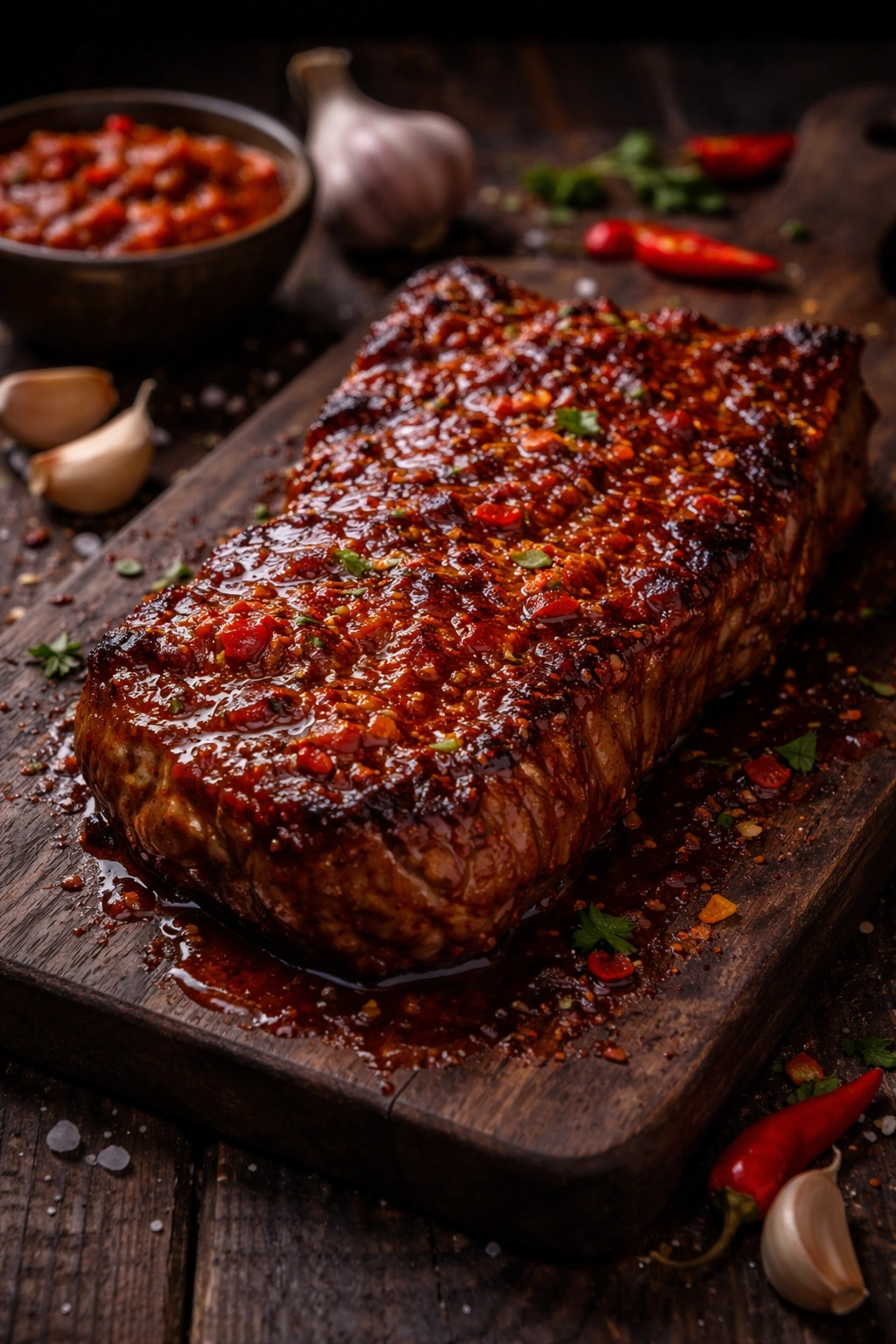
If you love bold, assertive heat paired with savory depth, this is your marinade. It’s built on roasted red peppers and fresh garlic, which means the flavor hits immediately without any waiting. The heat isn’t overwhelming (though you can adjust it), and the sweetness of the red peppers prevents it from becoming sharp or one-note.
Why Roasted Red Peppers Create Better Flavor Than Raw
Roasting peppers concentrates their sugars and breaks down their cell walls, making them sweeter and more flavorful than raw versions. When you blend roasted red peppers into a marinade, you get a naturally thick, rich base that clings to the meat better than a thin liquid would. The flavors also feel more integrated into the marinade rather than tasting like you added garlic and heat separately.
The Exact Recipe
- ½ cup roasted red peppers (from a jar is absolutely fine; quality is consistent and you’re saving 10 minutes)
- ¼ cup olive oil
- 3 tablespoons red wine vinegar
- 5 cloves garlic, minced
- 1 tablespoon paprika (smoked or regular, both work)
- 1 teaspoon crushed red pepper flakes (adjust based on your heat tolerance)
- ½ teaspoon cayenne pepper (optional, for extra heat)
- ½ teaspoon fine sea salt
- ¼ teaspoon black pepper
- Optional: 1 teaspoon honey to balance the heat
Blend the roasted red peppers with a quarter of the oil until smooth, then whisk in the remaining oil, vinegar, garlic, and spices. The result should be thick, intensely red, and smell like roasted peppers with serious garlic and heat notes. Because this marinade has body (from the peppers), it clings to the meat even better than thinner marinades, meaning the five-minute window is genuinely sufficient for serious flavor transfer.
Best For
Chicken thighs, beef steak, pork chops, lamb, or firm fish like swordfish. It’s also exceptional on grilled vegetables, particularly bell peppers and zucchini—the pairing of roasted red pepper marinade on fresh grilled peppers creates a beautiful flavor echo.
Heat Management
The crushed red pepper flakes are where the heat lives in this marinade. If you prefer milder flavors, reduce them to ½ teaspoon. If you love serious heat, go up to 1½ teaspoons. The paprika and cayenne add depth and warmth rather than sharp spiciness, so you can adjust those separately from the flakes depending on what kind of heat profile you want.
5. Classic Teriyaki Marinade
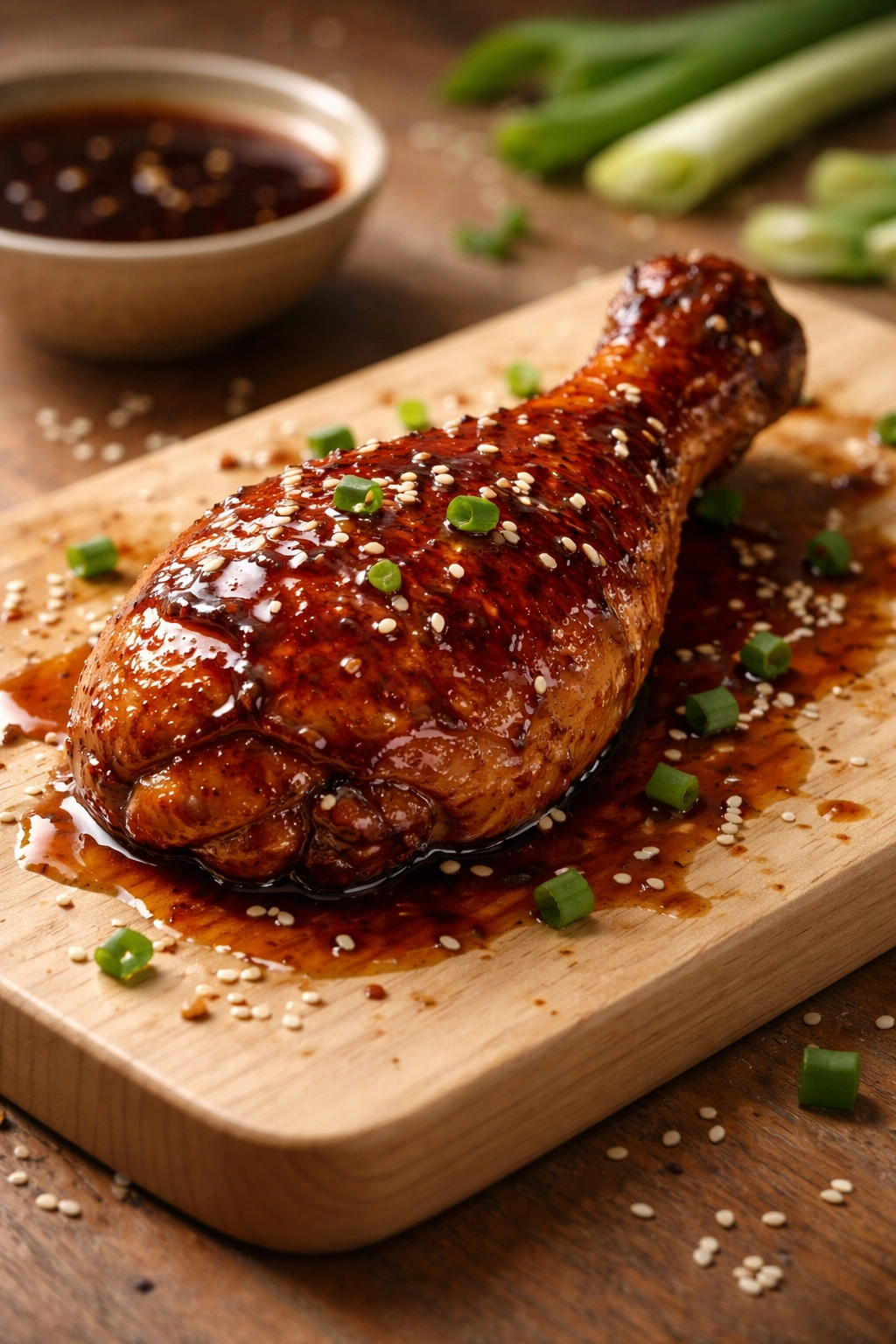
This is the fastest path to restaurant-quality glazed meat. Teriyaki balances sweetness, saltiness, and umami in such a precise way that five minutes genuinely feels luxurious. The magic is understanding that teriyaki isn’t just soy sauce with sugar—it’s a carefully proportioned combination where each ingredient plays a specific role.
Understanding the Balance
Teriyaki marinade is built on equal parts salt (from soy sauce) and sweetness (from mirin or brown sugar), with depth coming from garlic and ginger. Too much sweetness and it becomes cloying; too much salt and it becomes harsh. The ideal ratio creates a glaze-like quality that caramelizes beautifully during cooking, creating a shiny, flavorful exterior. The key is measuring correctly rather than eyeballing, because the proportions are what make teriyaki actually work.
The Exact Recipe
- ¼ cup soy sauce
- 3 tablespoons mirin (sweet rice wine) or brown sugar mixed with 1 tablespoon water
- 1 tablespoon rice vinegar
- 2 tablespoons neutral oil (vegetable or sesame)
- 1 tablespoon fresh ginger, minced
- 3 cloves garlic, minced
- ½ teaspoon white pepper
- Optional: ½ teaspoon cornstarch mixed with 1 teaspoon water for thicker consistency
Whisk everything together until the sugar dissolves completely. If using mirin, it’ll dissolve easily. If using brown sugar, you may need to whisk for 30 seconds. The marinade should taste simultaneously salty, sweet, and savory—no single flavor dominates. Apply to your meat, let it sit for five minutes, then cook. As the meat hits the hot pan or grill, the sugars will start caramelizing, creating that signature glossy brown finish that makes teriyaki so visually appealing.
Best For
Beef short ribs, chicken thighs, pork chops, salmon, or shrimp. Teriyaki also works beautifully on grilled pineapple or eggplant if you’re incorporating vegetables into your meal.
The Make-Ahead Advantage
Of all five marinades, teriyaki actually improves slightly if you make it a few minutes ahead and let the flavors meld. If you have time, mix it while your grill is preheating, and by the time your cooking surface is ready, it’ll taste even better. This isn’t necessary—five minutes works perfectly fine—but it’s a nice option if you’re multitasking.
How to Choose the Right Marinade for Your Meat
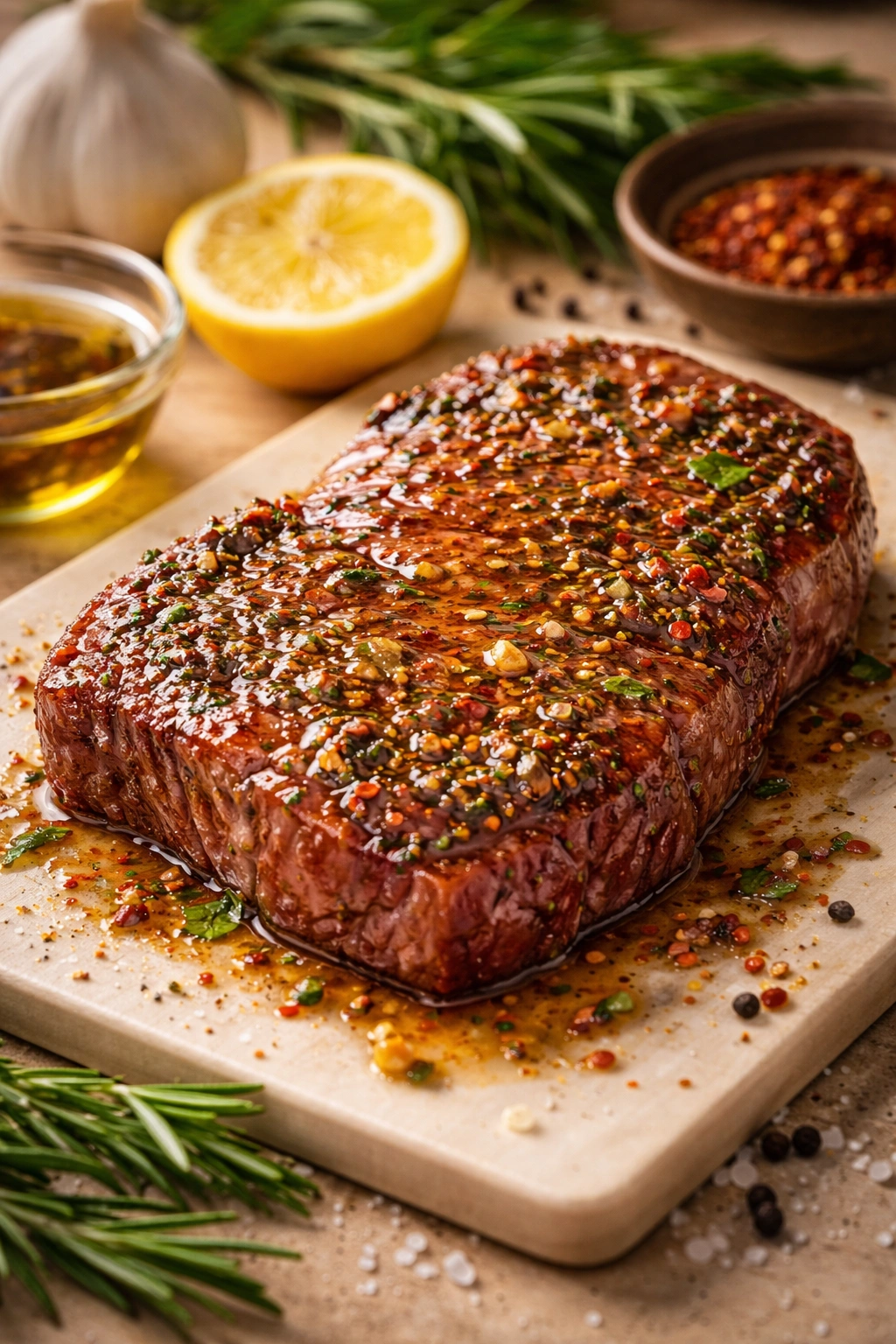
Each marinade works with any meat, but certain pairings feel more natural because the flavor profiles align with how we typically cook and serve those proteins. Understanding these pairings helps you make confident choices rather than second-guessing yourself.
Asian-style marinades (ginger-soy and teriyaki) pair naturally with chicken, pork, and beef because these meats absorb the umami and aromatic flavors intensely. Fish works too, but the delicate nature of fish means these marinades can sometimes overpower. Mediterranean herb marinades love lamb and pork because the earthiness of the herbs matches these meats’ natural richness. The Latin-inspired citrus marinade is brilliant with pork because the acid cuts through the meat’s fat while the cumin adds warmth that pork naturally carries. The spicy garlic pepper marinade works equally well with everything—it’s aggressive enough to stand up to beef and lamb, but bright enough not to overwhelm chicken or fish.
Think about what you’re serving alongside the meat too. If you’re making rice or grains, the Asian marinades create beautiful flavor harmony. If you’re serving bread and vegetables in a Mediterranean setting, the herb lemon marinade feels like it belongs. If you’re building a warm-weather meal with fresh sides, the citrus or spicy marinades add energy without feeling heavy.
The cut of meat matters more than the type. Thicker cuts—steaks, chops, large chicken pieces—benefit from the full five minutes because they need more surface exposure to develop flavor. Thinner cuts like fillets, thin chicken breasts, or shrimp can actually work in just two or three minutes because they have less surface area to penetrate. The toughest, fattiest cuts (like beef short ribs or pork shoulder) are most forgiving with quick marinades because their natural characteristics are bold enough to absorb flavor aggressively.
The Science of Quick Marinades: Why 5 Minutes Actually Works
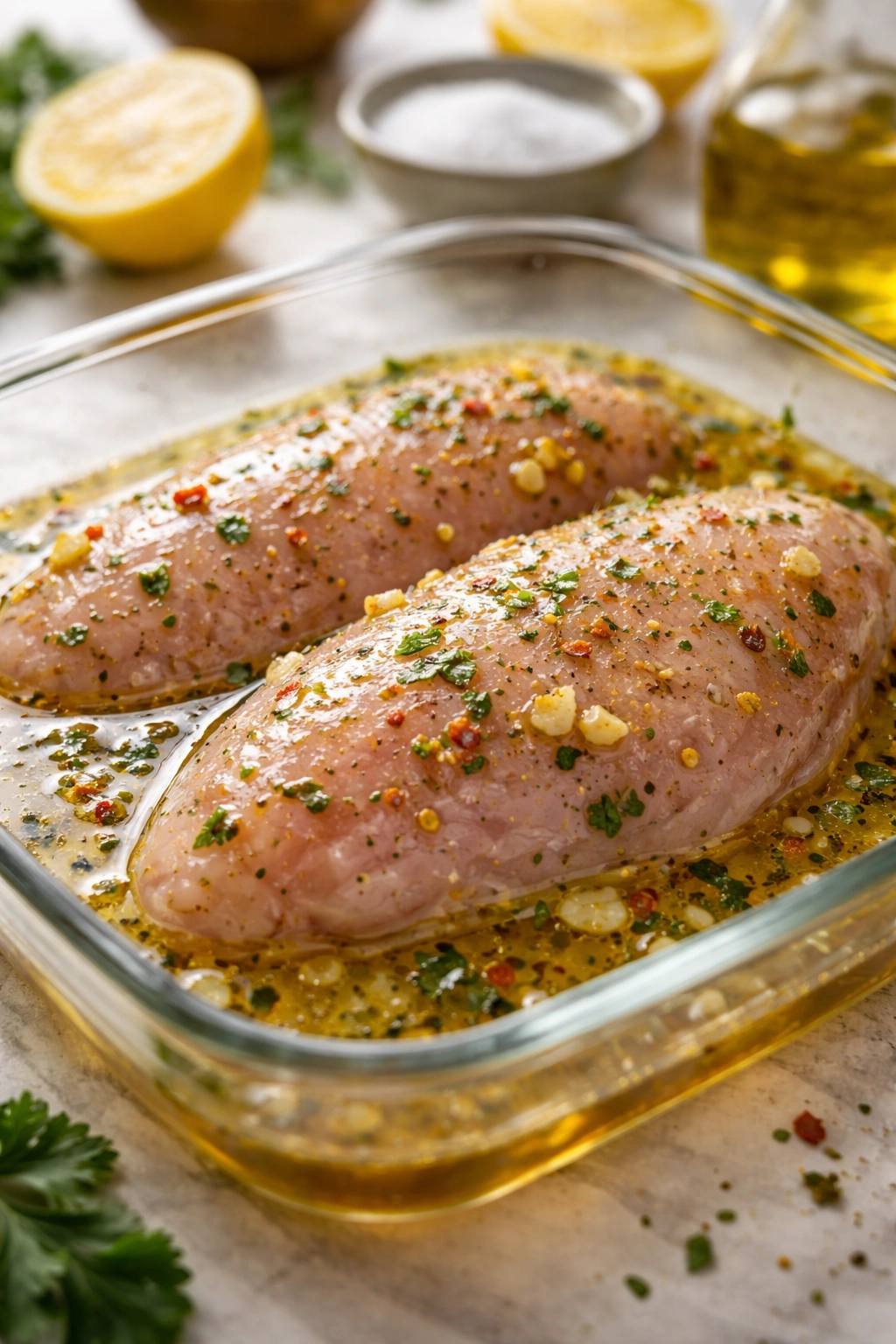
Understanding how marinades work chemically makes it clear why five minutes is genuinely sufficient for meaningful flavor development. You’re not marinating meat to make it tender—that’s a common misconception that leads people to think you need hours. Marinades season and add flavor; time is only one variable, and it’s not the most important one.
When the acid in a marinade (lemon juice, vinegar, soy sauce) hits the meat’s surface, it immediately starts denaturing proteins on the exterior layer. This process happens fast—we’re talking minutes, not hours. The surface of the meat becomes more porous, allowing flavor molecules from the marinade to penetrate and stick. Salt in the marinade accelerates this process by breaking down muscle fibers and making them more receptive to absorbing liquid.
The oil component of marinades carries fat-soluble flavor compounds—like the essential oils in garlic, ginger, and herbs. These oils don’t travel deep into meat, but they cling to the surface aggressively, meaning five minutes is genuinely all you need for them to make an impact. Thick, slow marinades that rely on time alone to work are actually less efficient than quick marinades built with potent ingredients and proper proportions.
One reason long marinades have become tradition is that they’re forgiving. You can throw meat in a marinade, forget about it for six hours, and it’ll still taste good because the flavors have had time to develop even if the marinade wasn’t perfectly balanced. Quick marinades require better proportions because you don’t have time to waste. But when you get the proportions right, five minutes delivers results that equal or exceed what you’d get from eight hours with a mediocre marinade.
The heat of cooking also matters. When you place a marinated protein on a hot pan or grill, the surface temperature rises dramatically. This triggers the Maillard reaction—a chemical process where proteins and sugars combine and brown, creating deep, complex flavors. A five-minute marinade creates the perfect foundation for this reaction. The meat’s surface is already seasoned and flavorful, so when it hits heat, that flavor deepens rather than starting from a blank slate.
Proper Technique for Applying Marinades Quickly
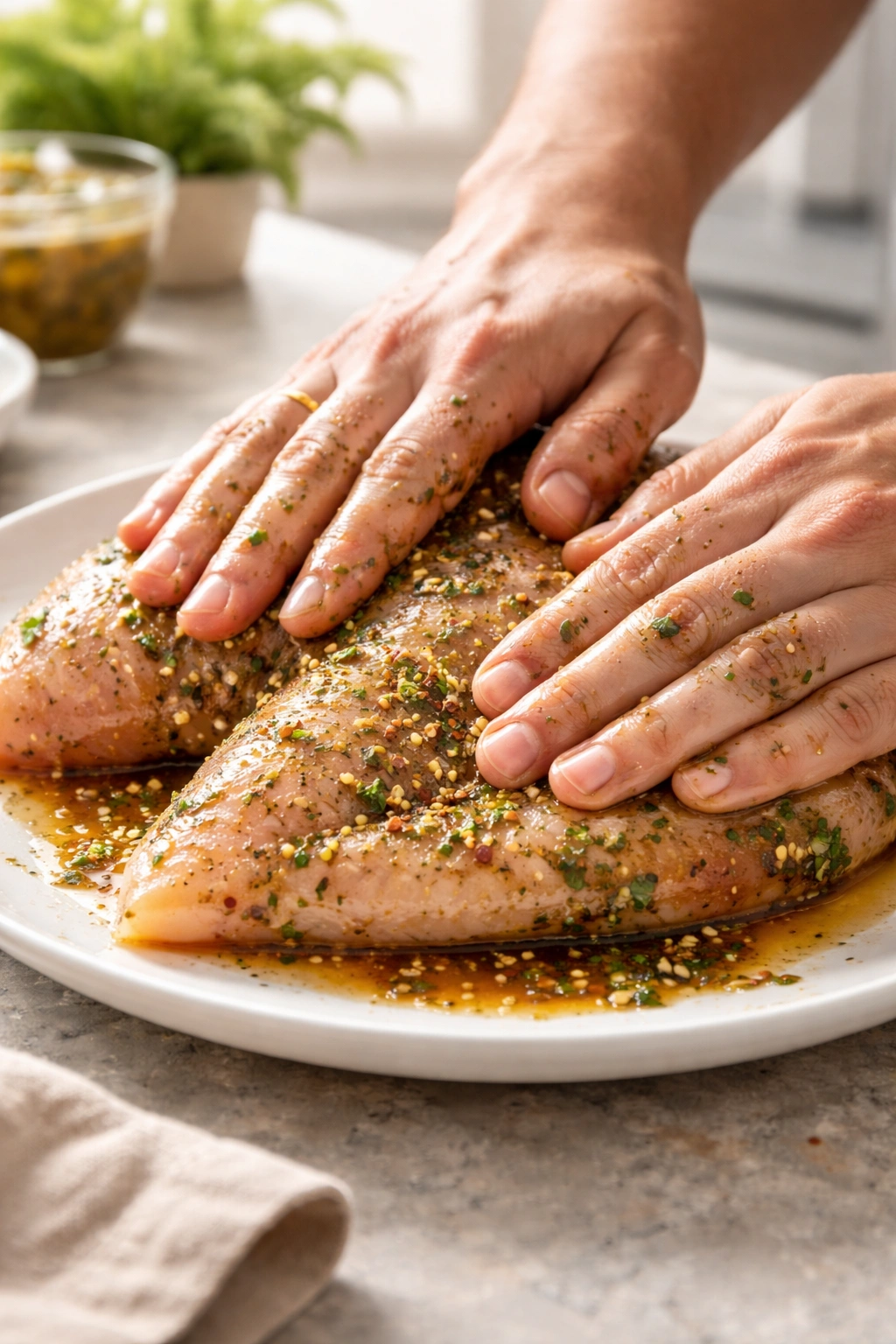
How you apply the marinade determines how effectively it works in your five-minute window. Simply dunking meat into a bowl and fishing it out isn’t enough—you want the marinade to actually coat every surface thoroughly.
Start with meat that’s as dry as possible. Pat it down with paper towels before marinading. Moisture on the surface dilutes the marinade, creating a barrier between the concentrated flavors and the meat. You’re not removing all surface moisture—that’s impossible and unnecessary—but you’re removing excess water that would weaken your marinade’s effectiveness.
Use your hands to apply the marinade. This seems obvious, but many people pour marinade onto meat in a pan and call it done. Instead, use your hands to massage the marinade into the meat, pressing it into any crevices, coating the sides, making sure every surface gets direct contact with the concentrated flavor mixture. This takes maybe 30 seconds but dramatically increases how much flavor actually transfers.
For thin cuts like chicken breasts or fish fillets, apply the marinade, let it sit for your five minutes, then cook immediately. For thicker cuts, you can apply the marinade while your cooking surface preheats. By the time the pan or grill is hot enough, your five minutes are up and you’re ready to cook.
The temperature of the meat when you apply the marinade doesn’t matter much for a five-minute window. Cold meat is fine; room temperature meat is fine. The marinade works equally well either way. Don’t worry about bringing meat to room temperature before quick marinading—that’s advice for longer marinades where you’re trying to ensure even penetration. Five minutes is too short for temperature to be a significant factor.
Common Mistakes That Ruin Fast Marinades
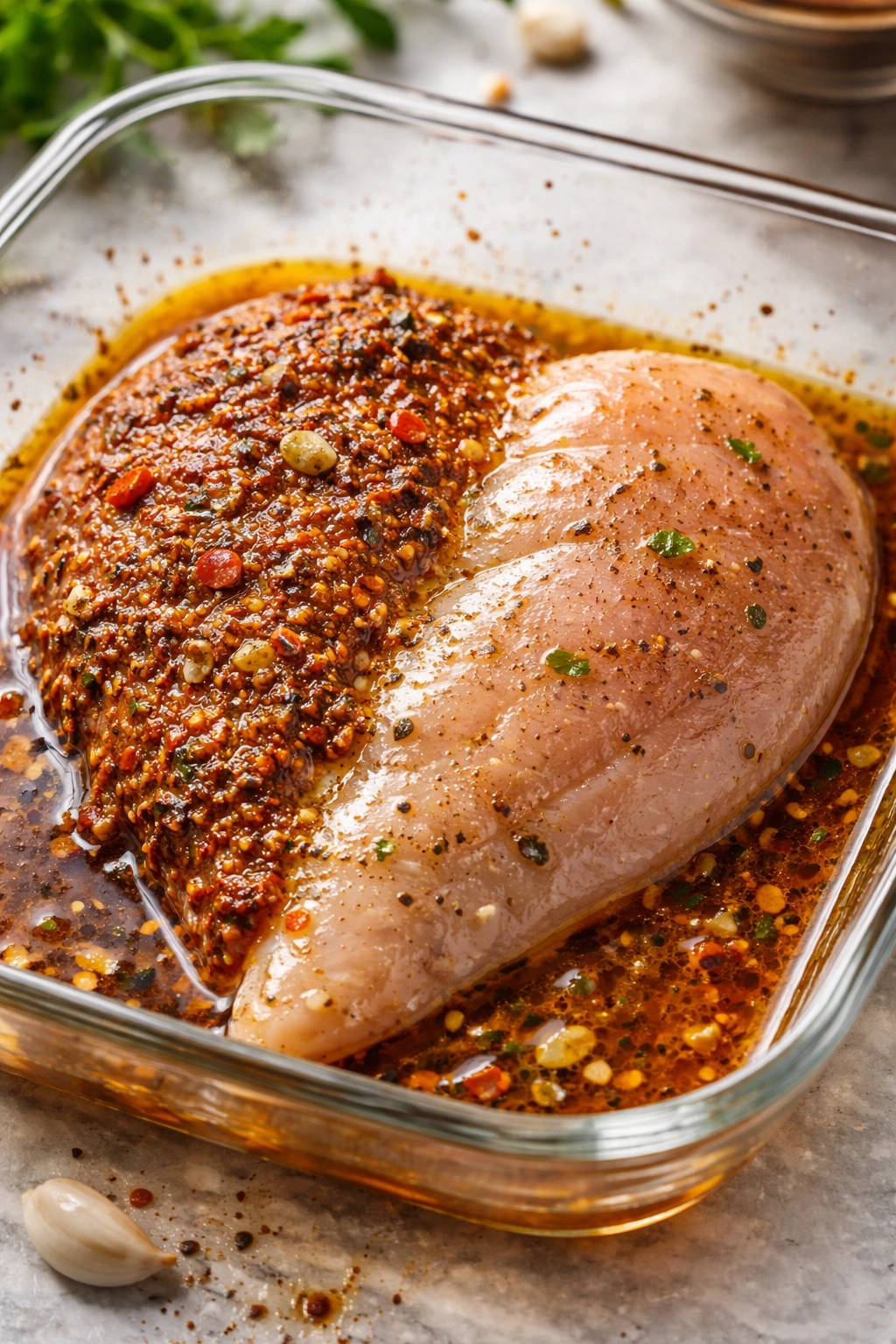
The most dangerous mistake is under-seasoning your marinade because you think five minutes won’t be enough time. If you’re making a weak, diluted marinade hoping that extending the soaking time will help, you’ve already lost. Build marinades with bold, concentrated flavors. The acid, salt, and aromatics should be assertive enough that you notice the intensity immediately when you smell the mixture. That intensity is what creates impact in a short window.
Over-marinading is also possible, particularly with acidic mixtures. If you leave meat in a very acidic marinade for longer than ten minutes, the acid starts breaking down the muscle proteins so aggressively that the exterior becomes mushy rather than beautifully seared. A five-minute window avoids this problem entirely, but it’s worth knowing as you experiment. If you decide to push past five minutes with a particular marinade, monitor the texture—if it starts feeling slimy or overly soft, you’ve gone too far.
Another common mistake is marinating meat that’s already wet. Water from rinsing, thawing, or sitting in the refrigerator dilutes your marinade and creates a weak solution. Pat the meat dry. Seriously. This single step makes a bigger difference than you’d expect.
Using pre-minced garlic from a jar instead of fresh is tempting when you’re in a hurry, but it genuinely affects the quality of your marinade. Jarred garlic has been sitting around for weeks or months, and the pungent, fresh aromatics you need have dissipated. Fresh garlic takes maybe 20 seconds to mince and makes a noticeable difference. Similarly, pre-made marinades from bottles often contain too much vinegar or salt, making them harsh rather than balanced. Spending two minutes to make your own creates far superior results.
Finally, don’t skip the oil component. Oil isn’t filler—it’s how fat-soluble flavors get absorbed into meat. Marinades without enough oil taste thin and acidic rather than balanced and flavorful. Aim for roughly one part acid (citrus juice or vinegar) to one part oil. This ratio creates a marinade that’s flavorful but not greasy or overwhelming.
Make-Ahead Tips and Storage Solutions
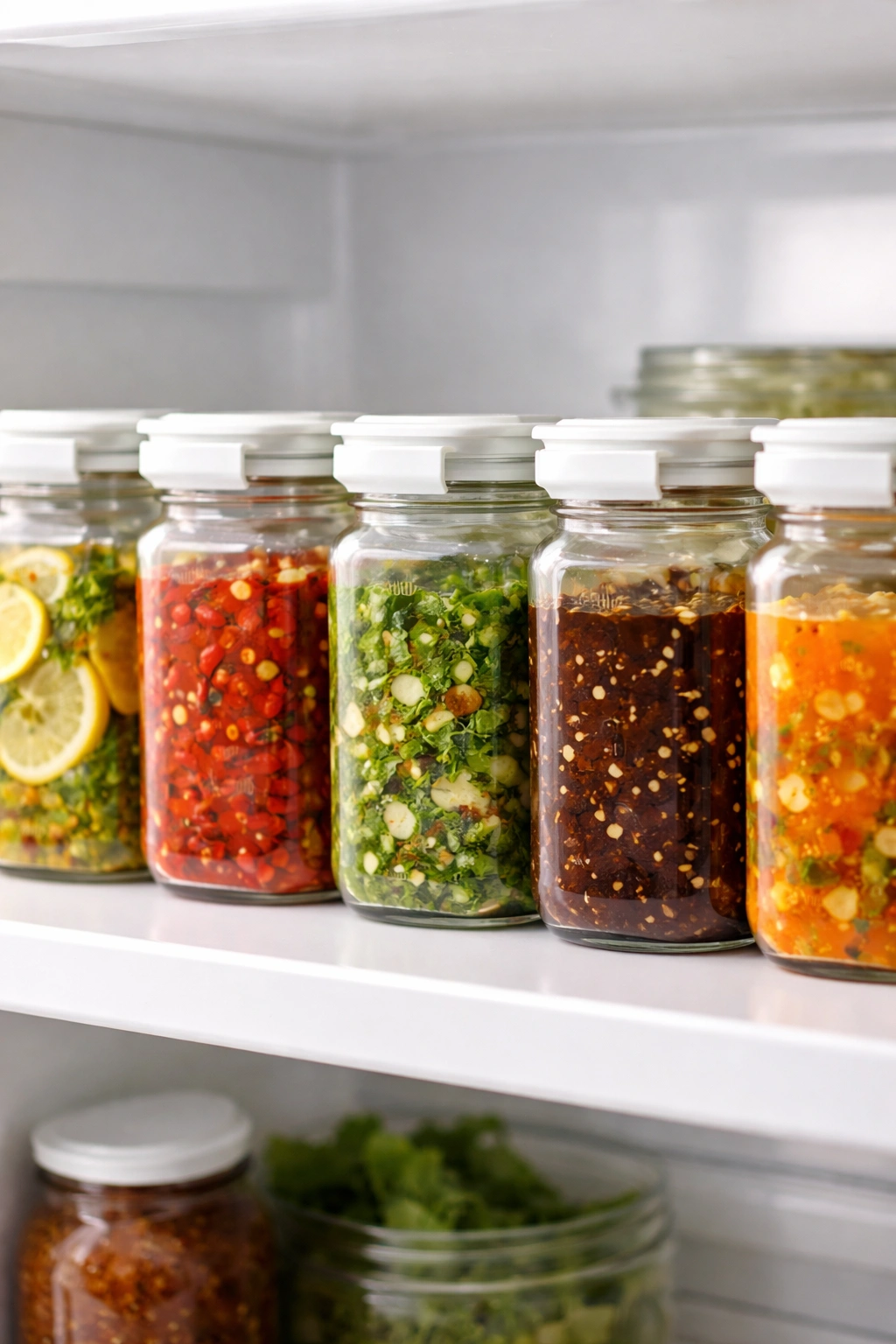
The beauty of these five-minute marinades is that you can make them ahead and store them, ready to use whenever you need them. All five marinades keep refrigerated in an airtight container for up to two weeks, which means you can batch them on a Sunday and have quick marinades available throughout the week.
Some marinades actually improve as they sit because the flavors have time to meld and develop more depth. The teriyaki and Asian-style marinades in particular taste noticeably better after sitting for a day or two than they do immediately after mixing. The Mediterranean herb marinade is slightly less improved by sitting—the fresh herbs stay brighter if used within a few days—but it still stores beautifully.
Label your containers with the marinade name and the date made. This prevents confusion and helps you keep track of what you have. If you make multiple marinades, a simple label system saves time when you’re deciding what to cook.
When you’re ready to marinate meat, you don’t need to use the whole batch. A quarter or a third of your stored marinade works perfectly for a meal for two or three people. Unused marinade that’s had raw meat in it should be discarded—don’t reuse it for another batch of meat because of food safety concerns. But unused marinade that’s been stored separately can be used multiple times before it’s depleted.
For frozen meat that’s thawing, you can actually start the marinading process while the meat is still partially thawed. The acid in the marinade will help finish the thawing process while simultaneously starting to season the meat. This is a useful shortcut on busy weeknights when you forgot to plan ahead. The meat will take a bit longer to cook as it’s slightly colder when it hits the pan, but the flavor development is identical to starting with completely thawed meat.
Scaling Up Your Marinades for Larger Batches
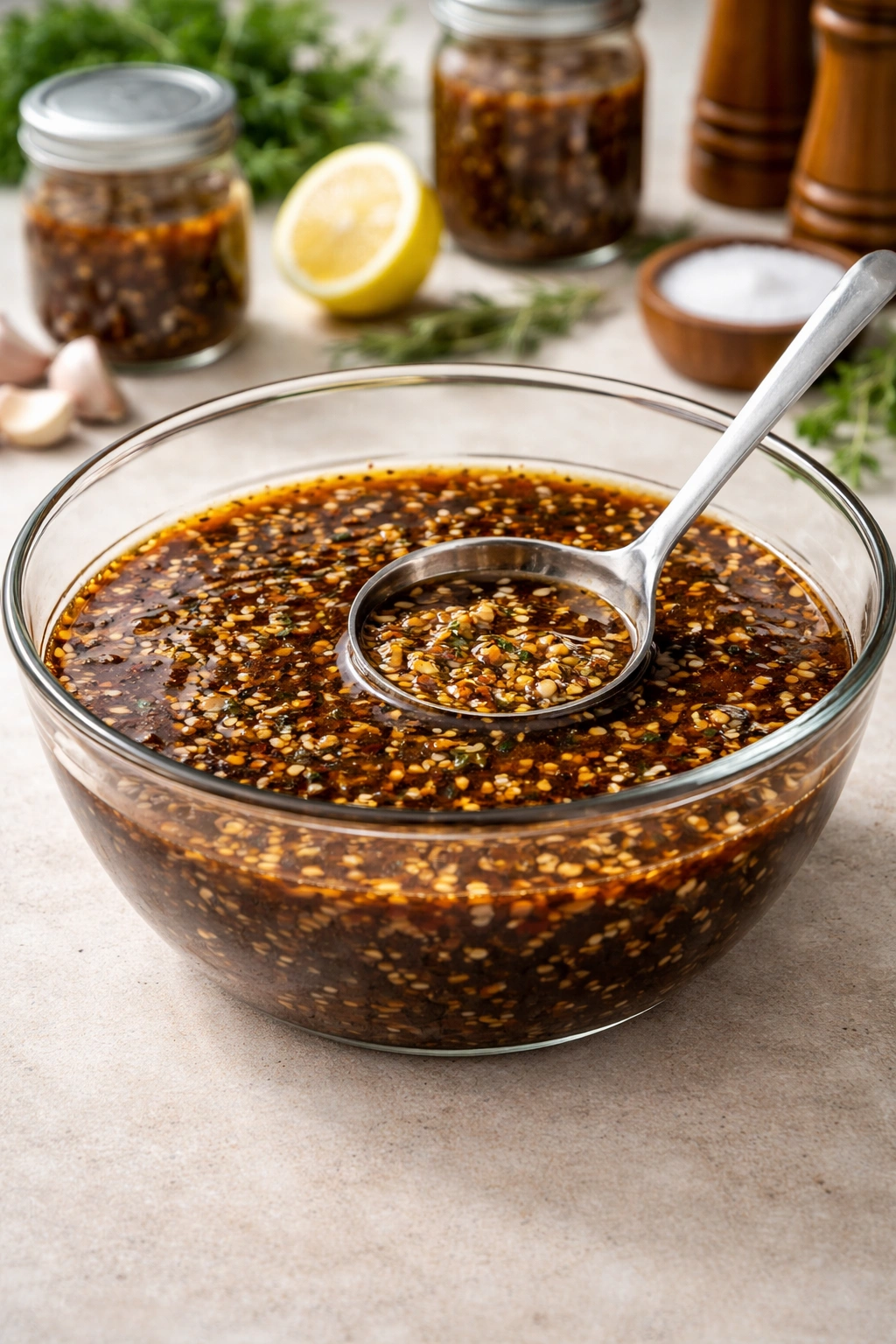
These recipes are designed for four to six servings—the amount of marinade you need for a weeknight dinner for a family or a small gathering. If you’re cooking for a larger group, simply multiply the recipe. Double the amounts if you’re feeding eight to ten people, triple for fifteen to twenty.
The proportions stay exactly the same when you scale up—don’t alter the ratio of acid to oil or salt to sweet elements. Only the total volume changes. A scaled-up batch keeps the same flavor intensity and the same five-minute timeline works.
Storage is the only thing that changes with larger batches. A full batch of marinade for twenty people takes up more room in your refrigerator. Use a large glass bowl with a plate or plastic wrap covering it instead of a container, or divide the marinade between a couple of smaller containers. Dividing actually works better because you can marinate meat in one container while keeping a backup container of unused marinade for later.
For even larger events where you’re marinating a truly massive amount of meat, you might need two hours instead of five minutes because of the sheer volume. But if you’re doing that kind of quantity, you’re probably planning ahead anyway—apply the marinade the morning of your event, let it sit for two hours while you prepare other components, and your results will be outstanding.
Final Thoughts
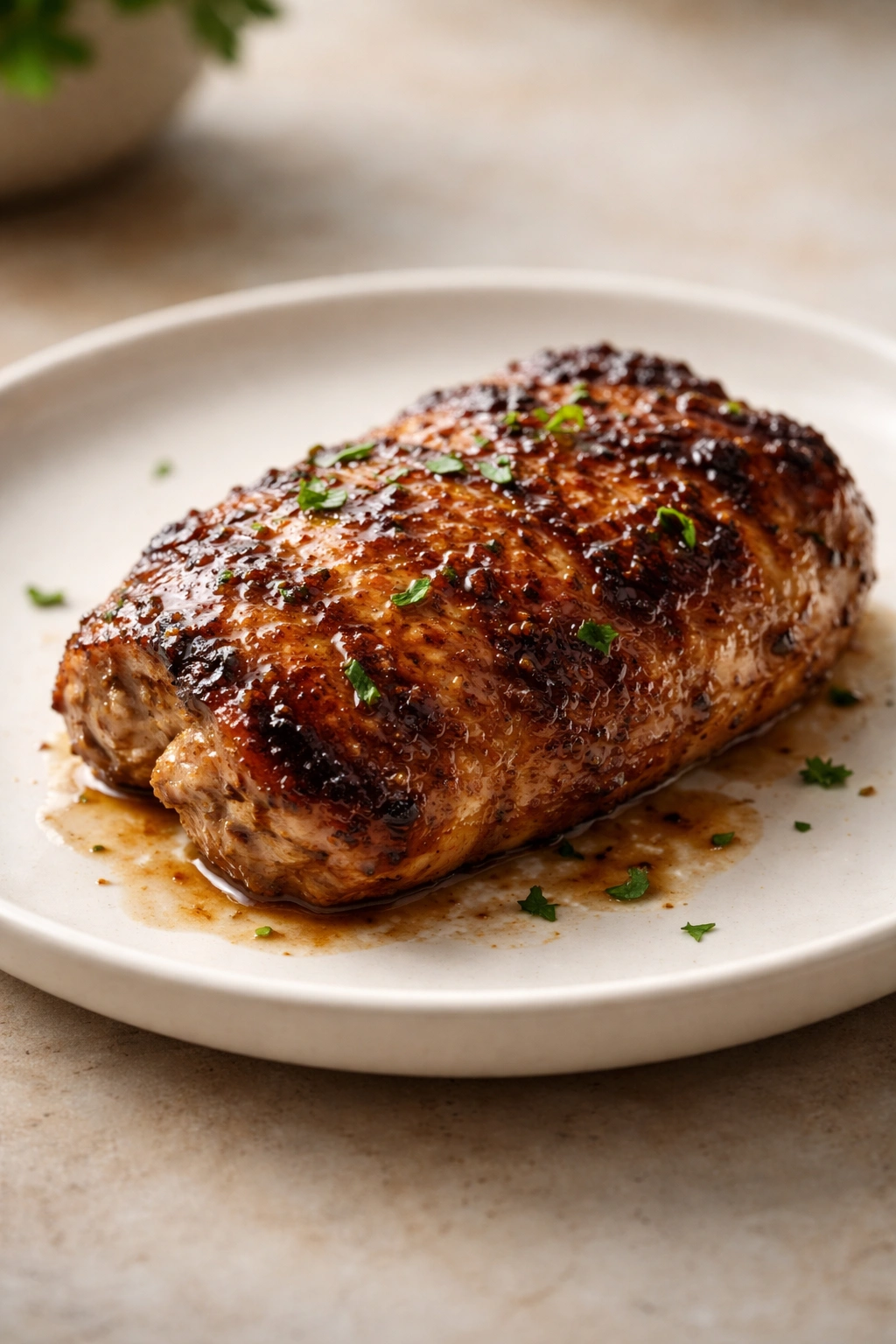
Quick marinades aren’t a shortcut that sacrifices quality—they’re a smarter approach to seasoning meat when you understand how marinades actually work. These five recipes represent different flavor profiles from around the world, and each one genuinely delivers restaurant-quality results in just five minutes.
The real takeaway isn’t that you should always rush through marinading. It’s that you don’t need to wait hours to get serious, complex flavor. An aggressively seasoned, well-proportioned marinade applied directly to dry meat works fast. If you have more time and want to marinate longer, that’s fine—these recipes hold up beautifully even if you forget about them for a few hours. But if you’re pressed for time, five minutes is genuinely all you need.
Pick the marinade that matches the meat you’re cooking and the flavors you’re craving. Keep a batch in your refrigerator at all times so you’re never caught without options when inspiration strikes. Once you internalize how these five marinades work, you can confidently improvise variations and create new combinations using the same balance of acid, salt, fat, and aromatics. That’s when quick marinading becomes not just convenient, but genuinely exciting.
