



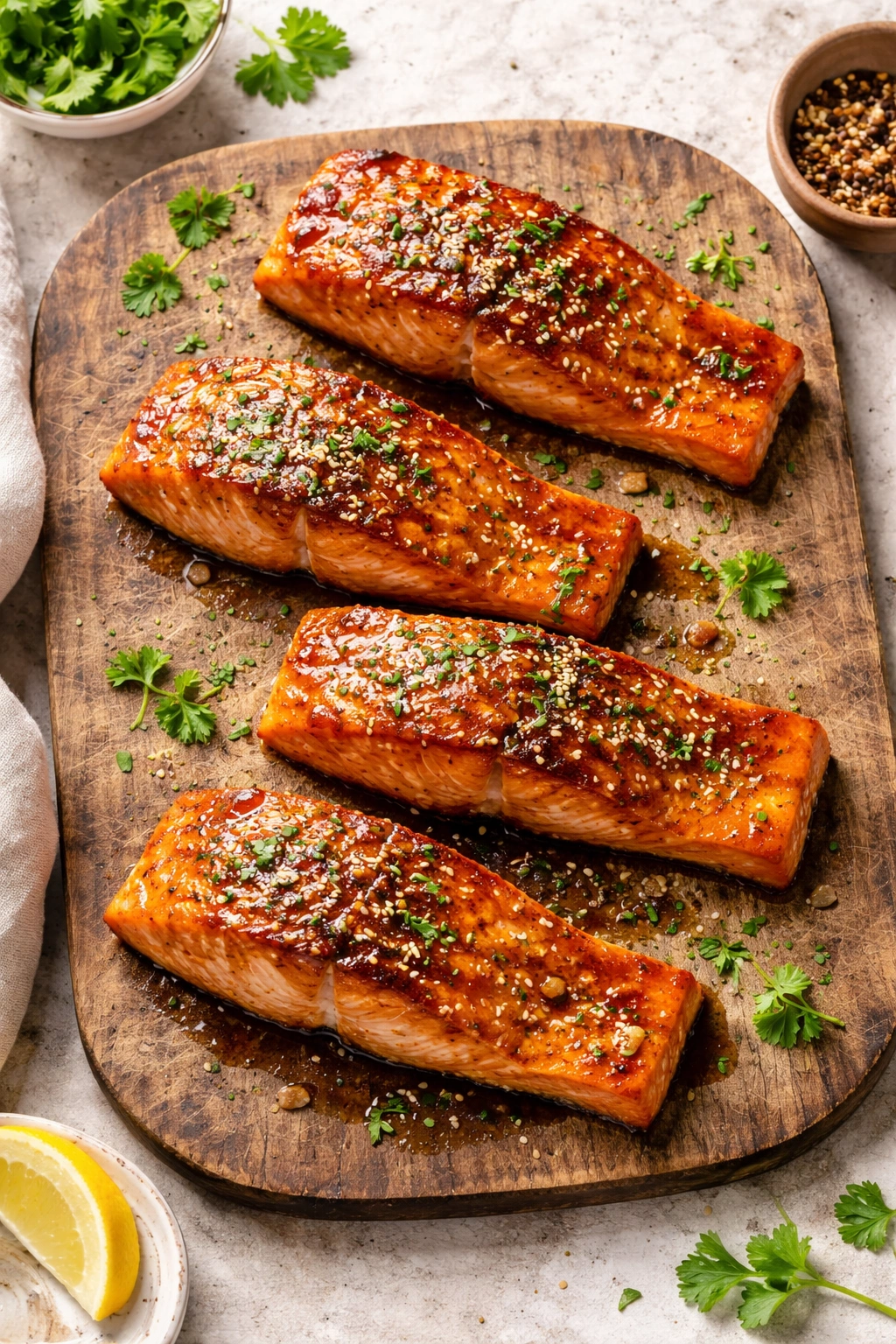
Imagine sitting down to restaurant-quality salmon—the kind with a glossy, caramelized honey-garlic glaze, perfectly flaky flesh inside, and crispy edges—except you made it at home in less time than it takes to order takeout. This honey garlic salmon delivers exactly that experience, and it’s become the kind of weeknight dinner that feels too good to be true until you actually make it. The magic lies in one thing: a simple honey-soy-garlic glaze that transforms basic salmon fillets into something genuinely impressive.
What makes this recipe work so brilliantly is the balance. The honey provides natural sweetness that caramelizes beautifully under heat, the soy sauce brings umami depth and saltiness, and the garlic adds aromatic complexity that makes people ask what your secret is. You’re not spending twenty minutes on complicated techniques or hunting down exotic ingredients—you’re working with pantry staples that probably already live in your kitchen. The entire process, from seasoning to plating, can happen in under twenty minutes without feeling rushed or compromised.
This isn’t one of those recipes that promises speed but delivers subpar results. The salmon stays moist and tender because you’re not overcooking it, the glaze thickens to the right consistency naturally as the soy and honey reduce, and every element works together rather than fighting for attention. Whether you’re cooking for yourself on a Tuesday night, impressing a date, or putting dinner on the table for a skeptical family, this salmon does the work for you.
The Story Behind This Honey Garlic Salmon
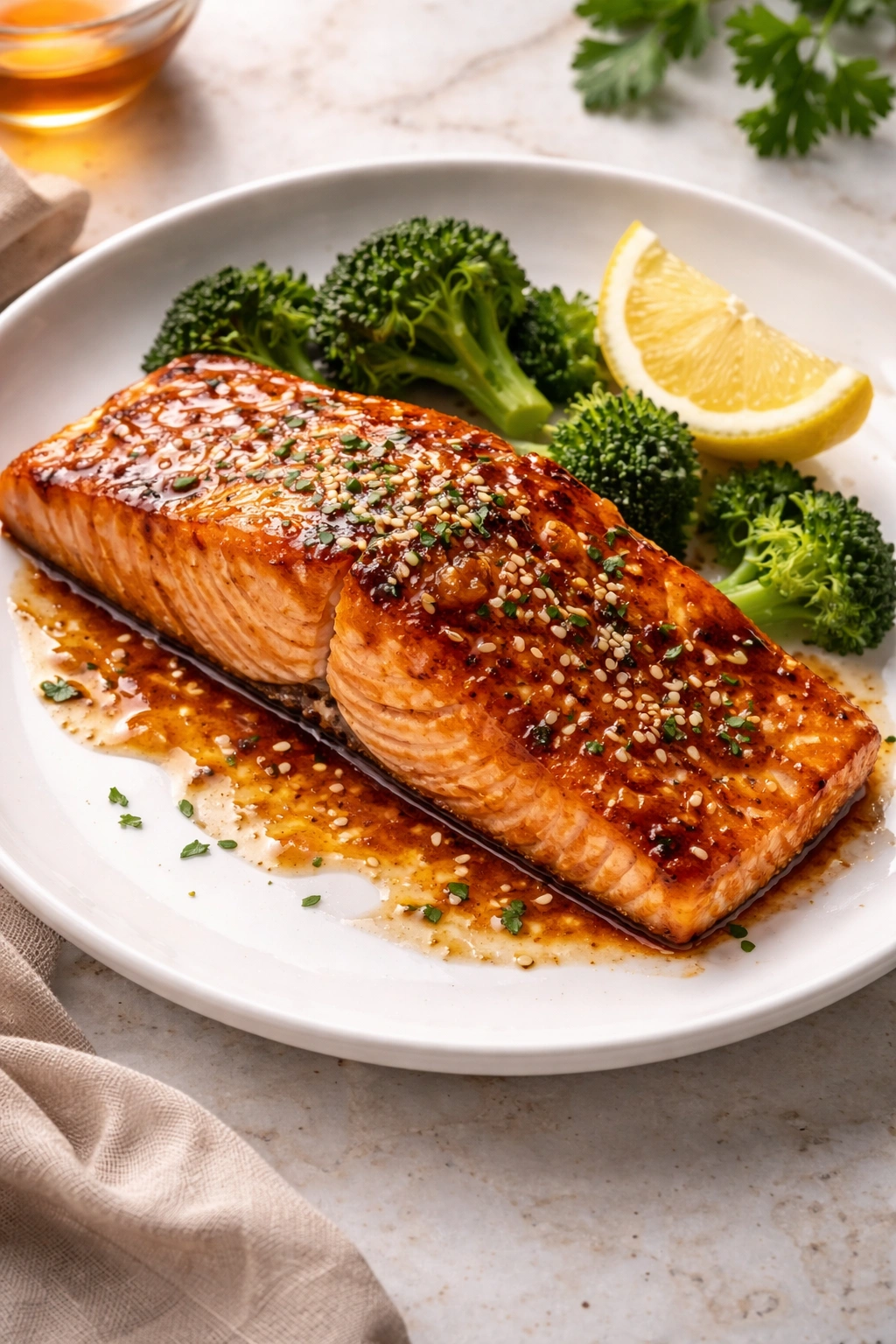
Honey garlic combinations have a long culinary history, appearing across different cuisines from Asian stir-fries to modern fusion cooking. The reason it’s so popular isn’t trendy—it’s because the pairing just works. Honey provides sweetness that caramelizes when exposed to heat, creating complex flavors that taste more sophisticated than simple sugar ever could. Garlic brings savory, aromatic qualities that prevent the sweetness from becoming cloying.
The combination found its way onto salmon relatively recently in home cooking, but it’s become one of the most beloved preparation methods. This probably happened because cooks realized that fatty fish like salmon can handle bold, assertive flavors without getting overwhelmed. Unlike delicate white fish that needs gentle treatment, salmon’s richness actually calls for something with real personality. The honey-garlic pairing delivers exactly that kind of personality.
What elevates this particular version is keeping it simple. Rather than adding too many competing flavors, we’re letting the core trio of honey, garlic, and soy sauce do what they do best. Some versions add ginger for warmth, a touch of acid from lemon or vinegar for brightness, maybe a whisper of heat from sriracha. But the foundation stays clean and straightforward, which is why it works so well on busy weeknights.
Why This 20-Minute Recipe Works So Well
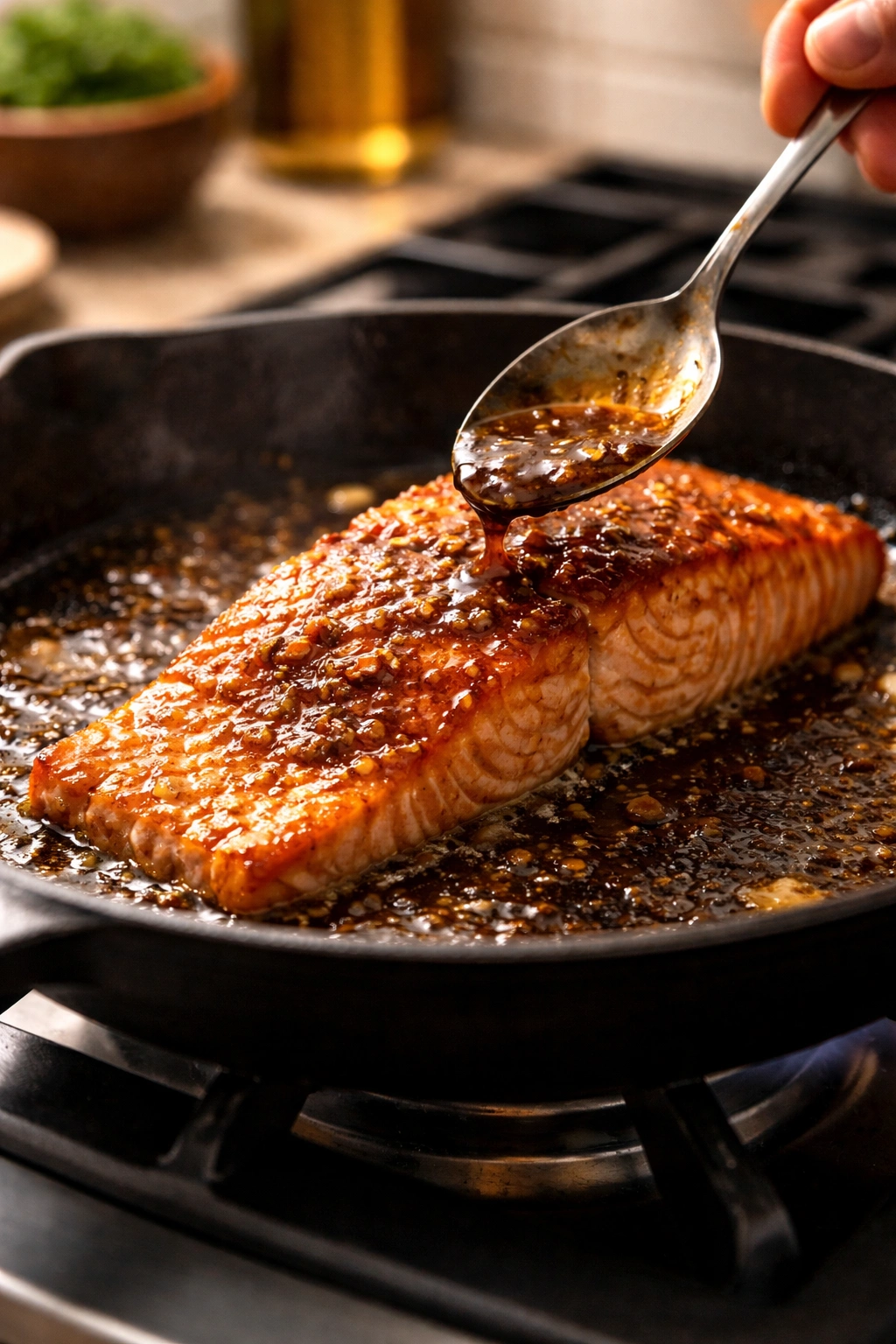
Speed comes down to understanding what actually takes time when you’re cooking salmon. The salmon itself needs only twelve to fifteen minutes of actual cooking time—that’s not negotiable if you want it cooked through without drying out. The glaze doesn’t need hours to develop; it comes together in the minutes before you add the fish to the pan. Prep work is genuinely minimal because you’re not slicing vegetables, making complicated components, or doing any technique that requires practice.
The real efficiency here comes from cooking method. By combining the marinade step with the basting step, you’re not waiting around for the fish to “marinate”—it’s marinating while it cooks. The same glaze that seasons the fish during cooking also reduces into a thick, glossy sauce that clings to every bite. You’re essentially doing three things (marinating, cooking, sauce-making) simultaneously, which is why the total time is so short.
The psychology of this recipe matters too. Nothing feels more defeating than standing in front of the stove wondering what to make, then realizing it’ll take forty-five minutes. This salmon removes that barrier. You can walk in the door and have dinner on the table before you’ve fully changed clothes. For families juggling work, kids, activities, and a thousand other commitments, that’s genuinely life-changing.
Selecting and Preparing Your Salmon
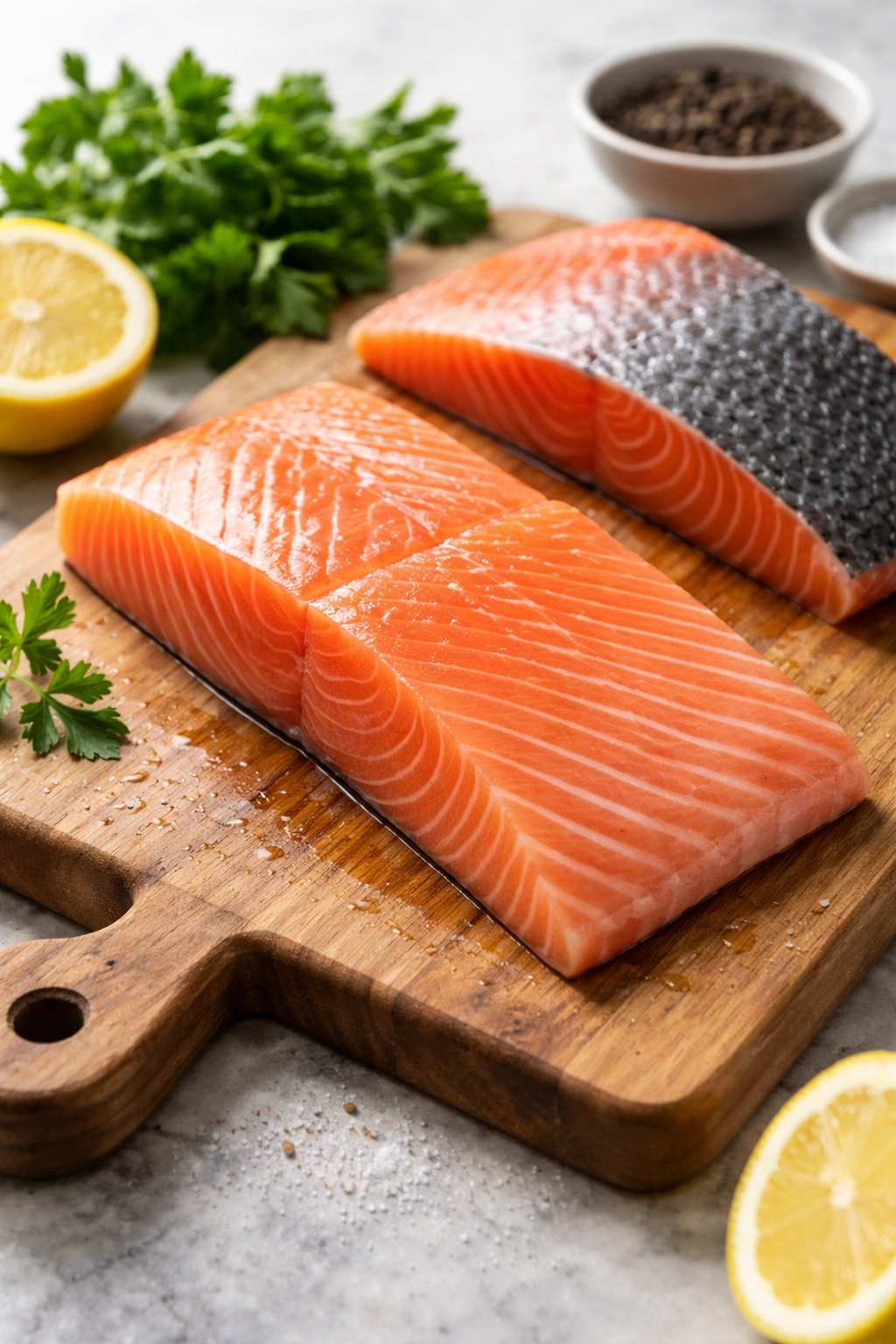
The quality of your salmon matters more here than in recipes where the fish is heavily spiced or sauced. When you’re working with a relatively simple glaze, the salmon itself becomes the main event. Fresh salmon has a bright orange or pink color (depending on the variety), a mild ocean smell without any fishy funk, and firm flesh that springs back when pressed.
Wild-caught salmon tends to have a richer flavor and firmer texture than farmed versions, though farmed salmon absolutely works fine and often costs less. If you’re buying farmed salmon, look for imports from Norway or Chile rather than other regions. The difference in farming practices affects both flavor and quality. Wild salmon typically has more omega-3 fatty acids and a more complex taste, which pairs beautifully with the honey-garlic glaze.
Shop for salmon on the days your grocery store restocks the seafood section. This guarantees you’re getting the freshest possible product. Buy it no more than one day before you plan to cook it—salmon deteriorates quickly once caught or harvested. If you need to use frozen salmon, that’s absolutely fine; just make sure to thaw it completely in the refrigerator, not on the counter.
Fillet thickness matters more than you might think. Aim for fillets that are roughly the same thickness throughout, ideally around one inch at the thickest part. If you get a thicker fillet, that’s okay—you’ll just need an extra few minutes in the oven. What you want to avoid is a fillet that’s thick on one end and paper-thin on the other, because the thin end will be dry before the thick end is cooked through.
Pat your salmon dry before it touches the pan. Moisture on the surface prevents proper searing and keeps the glaze from coating the fish evenly. Use paper towels and don’t be shy about it—the drier the surface, the better everything works. Season lightly with salt and pepper just before cooking. This timing matters because salt draws moisture out of the fish; if you season too far in advance, you’ll end up with a damper surface.
Understanding the Honey Garlic Glaze
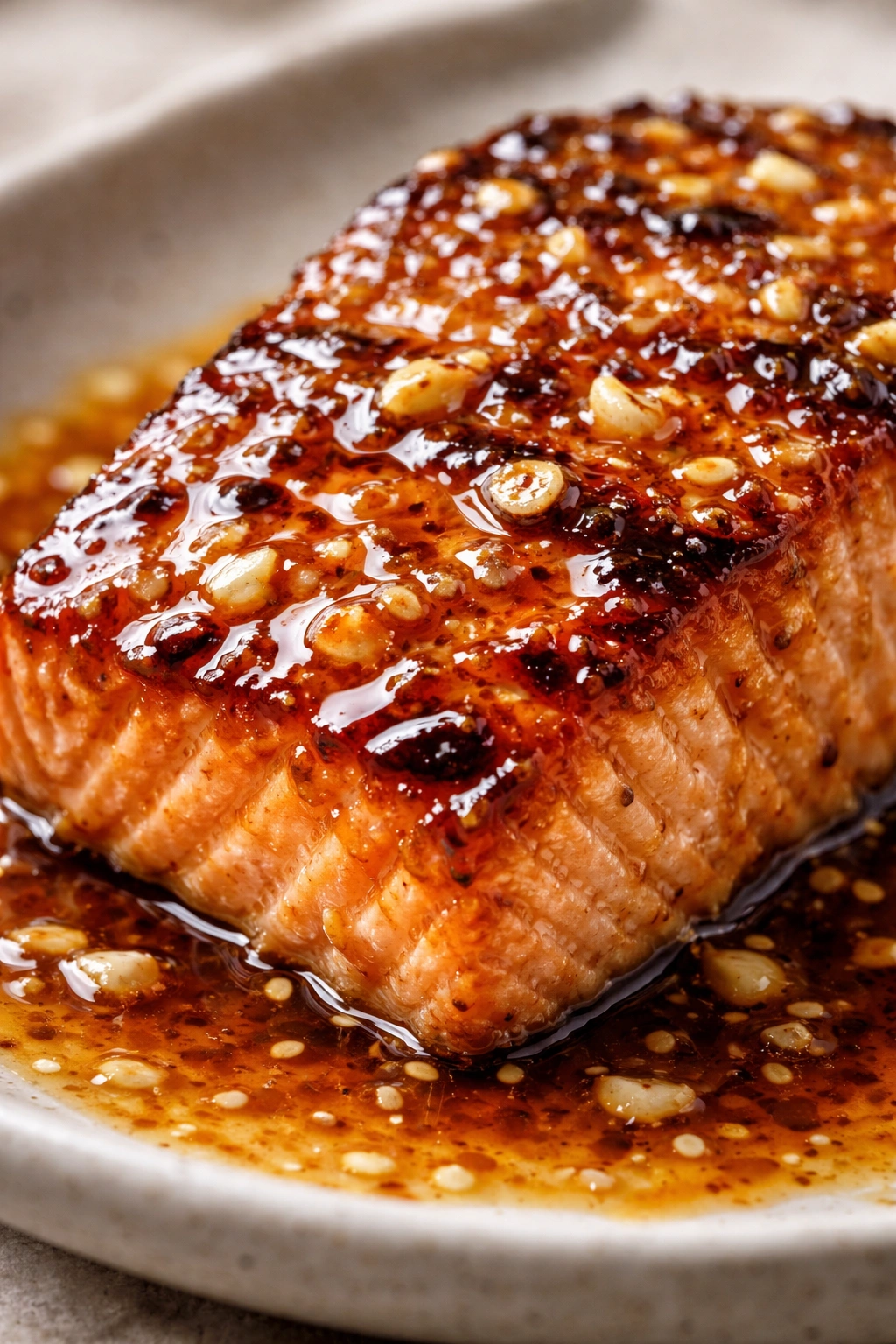
The glaze in this recipe is deceptively simple, but understanding how it works will make you a better cook. Honey contains sugars that caramelize when heated, creating deeper, more complex flavors than raw honey provides. At the same time, honey’s water content helps the glaze stay moist and glossy rather than becoming hard and candy-like.
Soy sauce adds umami—that savory, deeply satisfying flavor note that makes people say something is delicious without being able to name the specific taste. It also brings saltiness that balances the sweetness of the honey. The ratio matters here: too much soy sauce and the glaze becomes too salty; too little and it tastes more like sweetened fish. The recipes we’ve collected from trusted sources consistently use roughly equal parts honey and soy sauce for this reason.
Fresh garlic releases volatile oils when minced, and these oils carry intense flavor and aroma. Jarred minced garlic can work in a pinch, but fresh garlic truly elevates the glaze. If you’ve bought a bulb of garlic that’s starting to sprout, that’s actually perfect for cooking—the sprouts indicate the garlic has developed more complex flavors. Just remove the green sprout itself and use the rest normally.
Some versions of this recipe add ginger for warmth and complexity, a squeeze of lemon juice or a splash of rice vinegar for acidity that brightens the sweetness, or a tiny bit of sriracha or red pepper flakes for subtle heat. None of these are essential, but they’re worth experimenting with once you’ve made the basic version a few times. The core three components—honey, soy, garlic—are really all you need for spectacular results.
Yield: Serves 4 | Makes 4 salmon fillets (about 6 ounces each)
Prep Time: 10 minutes
Cook Time: 15 minutes
Total Time: 25 minutes
Difficulty: Beginner — No special techniques required, and the glaze comes together in a bowl. Even if you’ve never cooked salmon before, this will succeed.
For the Salmon:
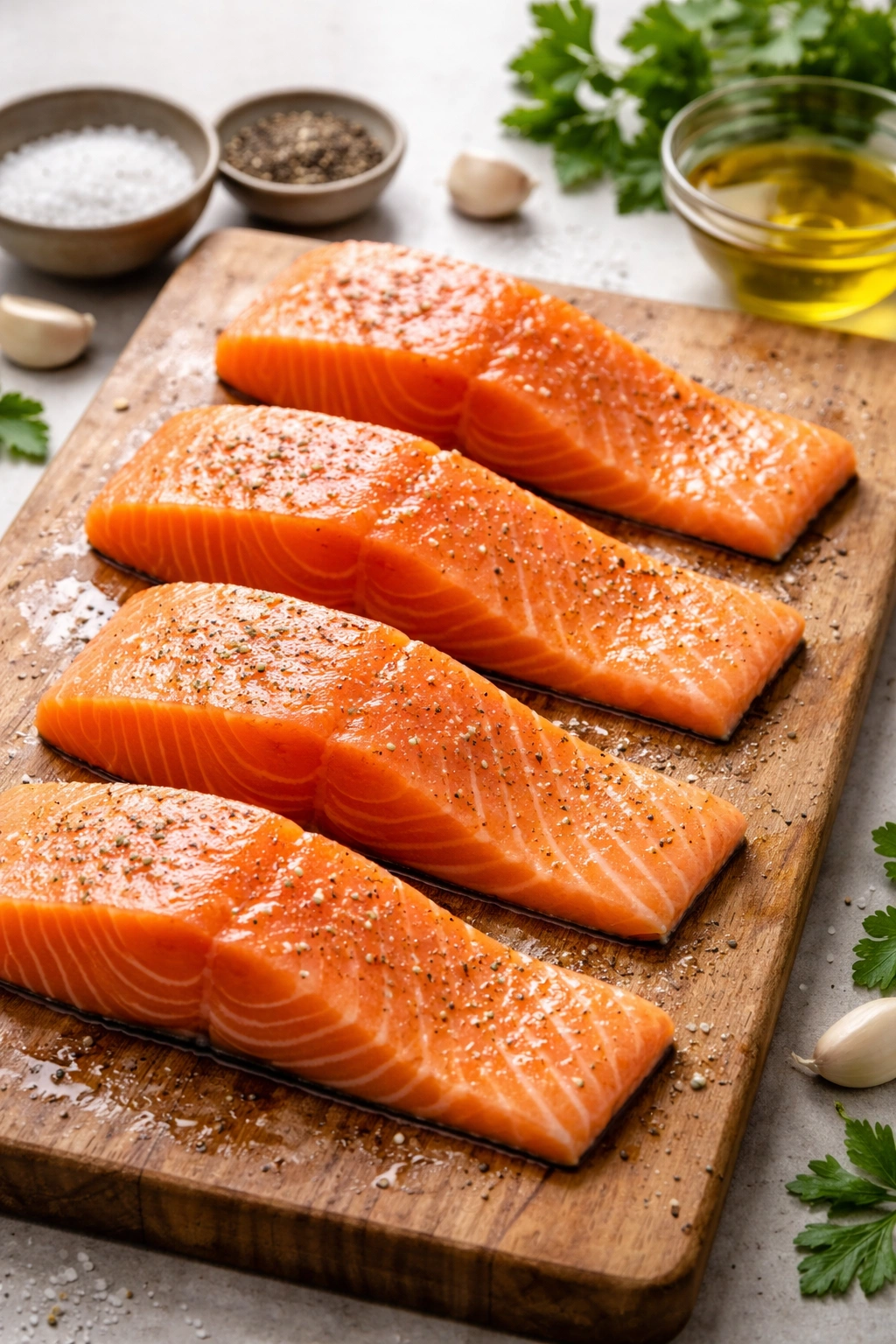
- 4 salmon fillets (6 ounces / 170g each), skin-on preferred
- ½ teaspoon kosher salt
- ¼ teaspoon freshly ground black pepper
- 1 tablespoon olive oil
For the Honey Garlic Glaze:
- ⅓ cup (80ml) honey (use pure honey, not blended varieties)
- ¼ cup (60ml) low-sodium soy sauce
- 4 cloves garlic, minced (about 2 tablespoons)
- 2 tablespoons fresh lemon juice (or 1 tablespoon rice vinegar)
- 1 teaspoon fresh grated ginger (optional, but adds wonderful warmth)
- Pinch of red pepper flakes (optional, for subtle heat)
For Serving:
- 2 tablespoons chopped fresh parsley or green onions
- Lemon wedges for squeezing
- Sesame seeds (optional garnish)
Step-by-Step Instructions to Perfect Salmon
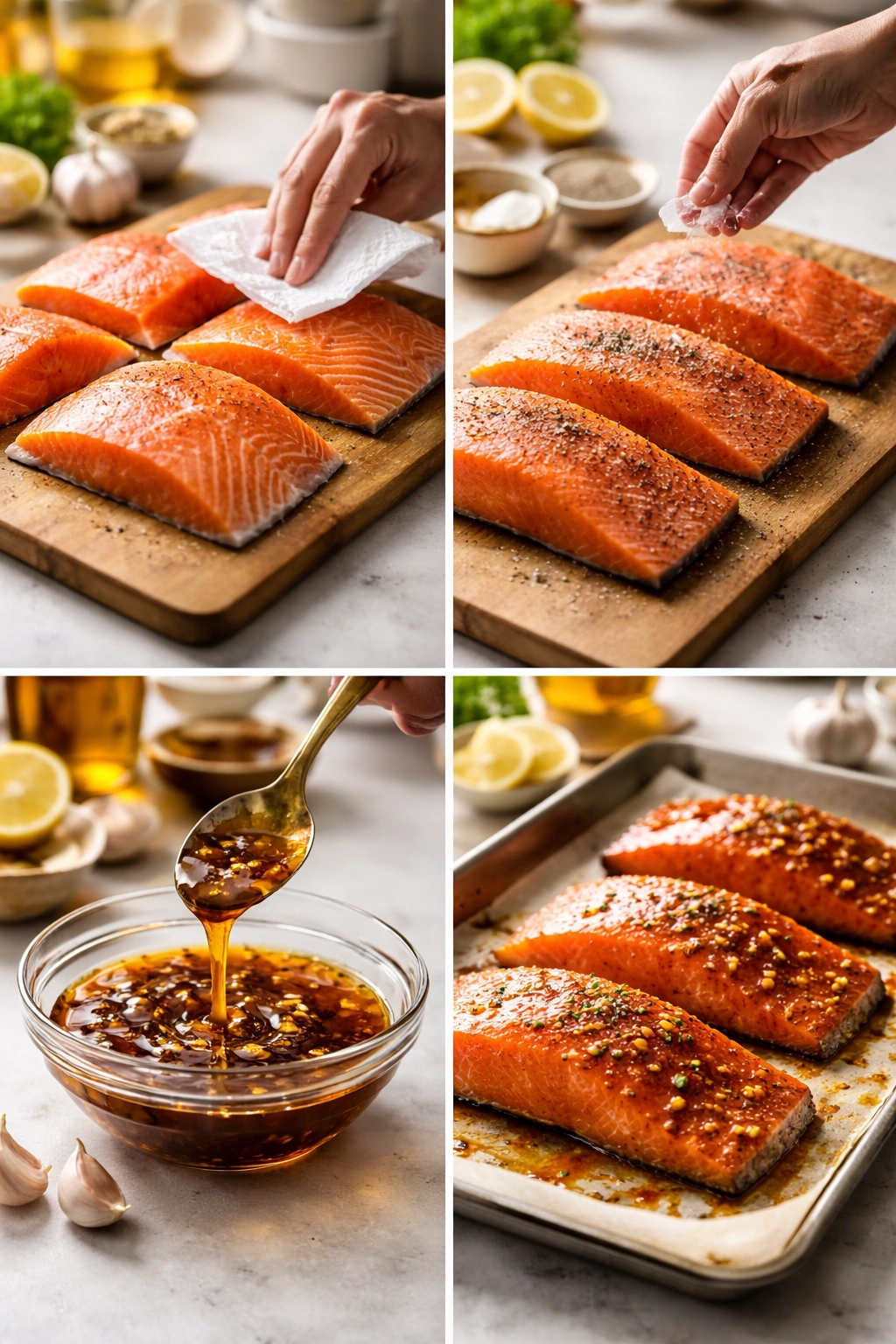
Prepare Your Workspace and Oven:
-
Position your oven rack to the middle of the oven and preheat to 400°F (200°C). Make sure the rack is in the center—if it’s too high, your glaze may burn under the broiler; too low and the salmon won’t cook through properly.
-
Line a baking sheet with parchment paper or lightly coat it with nonstick spray. This prevents sticking and makes cleanup effortless.
-
Pat the salmon fillets completely dry on both sides using paper towels. Moisture on the surface prevents the glaze from adhering properly and stops the skin from crisping. Don’t skip this step.
-
Sprinkle the salmon evenly with salt and pepper on all sides, paying particular attention to the flesh side where people actually taste the seasoning.
Make the Honey Garlic Glaze:
-
In a small bowl, whisk together the honey, soy sauce, minced garlic, lemon juice, and ginger (if using) until completely combined. The mixture should look glossy and slightly thick—don’t worry if it seems thin initially; it will thicken as it cooks.
-
If you’re adding red pepper flakes for heat, add just a pinch now and taste after cooking. You can always add more next time, but you can’t remove it once it’s in the glaze.
-
Set the glaze bowl aside within arm’s reach of your stove. You’ll need it in just a moment.
Sear the Salmon:
-
Heat the olive oil in a large, oven-safe skillet (cast iron or stainless steel work beautifully) over medium-high heat for about one minute. The oil should shimmer and move quickly across the pan—that’s your signal it’s hot enough.
-
Once the oil is hot, carefully place the salmon fillets in the pan, skin-side down if your fillets have skin (this side touches the heat first). If your salmon is skinless, it doesn’t matter which side goes down first. Resist the urge to move the fish around; let it sit undisturbed for three to four minutes.
-
You’ll know the salmon is ready to flip when it releases easily from the pan—try sliding a thin spatula underneath. If it resists, give it another thirty seconds. The skin side should be golden and slightly crispy, which creates textural contrast with the tender flesh.
-
Flip each fillet carefully, skin-side up (or the side that was facing up, if using skinless). Cook on this side for one to two minutes—just long enough to seal the other side briefly. Don’t overcook during this step; you’re not trying to fully cook the salmon on the stovetop, just develop color on both sides.
Add the Glaze and Build Flavor:
-
Pour the honey-garlic glaze around the salmon fillets in the pan, distributing it as evenly as you can. The glaze should sizzle when it hits the hot pan—that’s the sound of the honey beginning to caramelize.
Advertisements -
Using a spoon, baste the top of each salmon fillet with the glaze, spooning it repeatedly over the flesh for about thirty seconds. This coats the salmon with flavor and starts the reduction process.
-
Turn off the stovetop heat (the oven will handle the rest of the cooking) and carefully transfer the entire skillet to the preheated 400°F oven.
Finish Cooking:
-
Bake for ten to twelve minutes for standard one-inch-thick fillets. The salmon is perfectly done when it flakes easily with a fork and reaches an internal temperature of 145°F at the thickest part. The flesh should be opaque throughout, but still slightly soft in the center—this is when it’s most moist.
-
If your fillets are thicker than one inch, add two to three minutes to the baking time. If they’re noticeably thinner, subtract a minute or two. The key is watching for that moment when the top of the salmon just turns opaque and loses its glossy, translucent look.
-
Optional but highly recommended: turn your oven to broil and broil the salmon for the final minute to ninety seconds to caramelize the glaze further and create a slightly charred, glossy finish. Watch closely during broiling—the sugars in the honey can go from golden-brown to burnt in seconds, so set a timer and don’t wander away.
Plate and Serve:
-
Remove the skillet from the oven (use an oven mitt—the handle is extremely hot) and let it rest for two to three minutes. This resting period is crucial because the salmon continues cooking from residual heat, and it allows the glaze to thicken slightly and cling to the fish.
-
Carefully transfer each salmon fillet to a serving plate or bowl. Spoon the pan drippings and thickened glaze generously over the top.
-
Garnish with chopped fresh parsley or sliced green onions, and serve with lemon wedges on the side. The acidity brightens the rich glaze and adds a finishing pop of freshness.
Advertisements
Pro Tips and Common Mistakes to Avoid
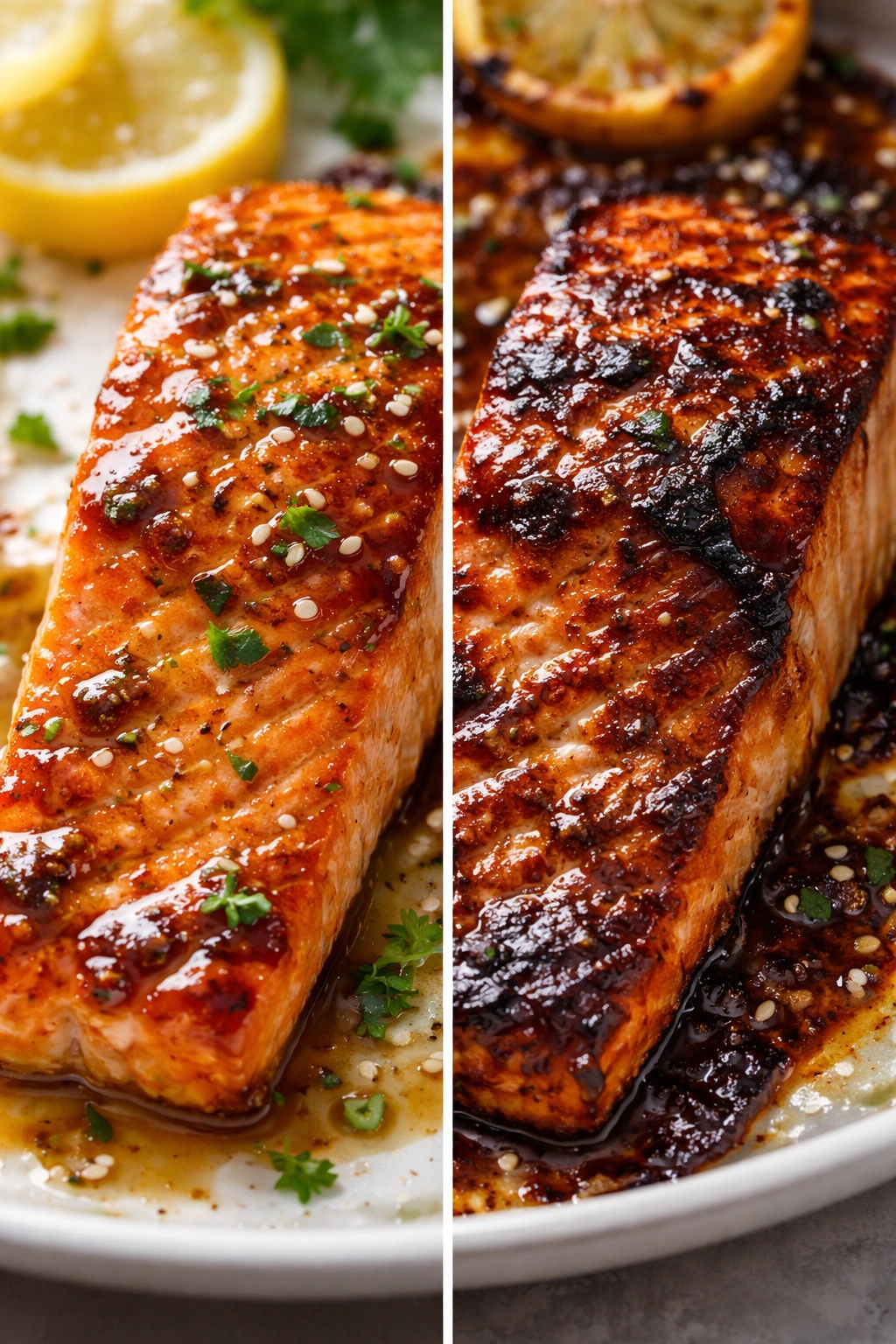
The Glaze Burns Every Time
If your glaze consistently turns dark brown or black before the salmon is done, your oven is running hot or your baking dish is too close to the heat source. Move the rack down one position so the salmon cooks in the middle of the oven rather than near the top. You can also cover the skillet loosely with foil during baking to shield the glaze from direct heat, removing the foil for the final three to four minutes so the salmon can brown slightly.
The Salmon Dries Out
This happens when either your fillets are too thin (so they overcook before the glaze fully reduces) or when you cook at too high a temperature. Use a meat thermometer and trust that number more than visual cues—145°F is the magic number for moist, properly cooked salmon. If your fillets are skinless and noticeably thin, reduce oven temperature to 375°F and add a couple minutes to cooking time. The slower cooking prevents the edges from drying out before the center is done.
The Glaze Stays Watery
If your glaze never thickens and the pan looks soupy, your soy-to-honey ratio might be off, or you might be using honey that’s cut with corn syrup (which doesn’t caramelize the same way pure honey does). Use pure, unblended honey from your grocery store’s regular honey aisle. Also make sure you’re reducing the glaze properly before adding the salmon—whisk it in the bowl for at least a minute so the honey and soy fully combine. The glaze will continue thickening slightly as the salmon rests, so don’t panic if it seems thin while cooking; check again after resting.
Fresh Garlic Burns and Tastes Bitter
This happens if the skillet temperature is too high when you add the glaze, or if the garlic cooks directly on the hot pan surface without being coated in liquid. Make sure the glaze ingredients are mixed together before the skillet ever touches heat. When you pour the glaze into the hot pan, the soy and honey immediately create a liquid that protects the garlic from direct heat damage. If you’re adding garlic directly to the hot pan (some variations do this), turn down the heat first.
The Skin Sticks and Tears
Let the salmon sit undisturbed for the full three to four minutes on the first side before attempting to flip. The skin will adhere to a cooler pan, but it releases naturally once it’s sufficiently seared. If you try to flip too early, the skin tears and the flesh falls apart. Be patient—the salmon will tell you when it’s ready to flip by releasing itself from the pan.
The Fillet Breaks Apart When Flipping
Use a thin fish spatula rather than a wider regular spatula; it slides under the fillet more easily and supports more of the fish surface. Let the skin-side cook completely before flipping—if it’s still sticking, it’s not ready. Move the spatula in one smooth motion rather than hesitating; hesitation can cause the fish to break. Skinless salmon is more fragile, so if you’re using boneless, skinless fillets, reduce heat slightly and cook a bit more gently.
Variations and Flavor Adaptations
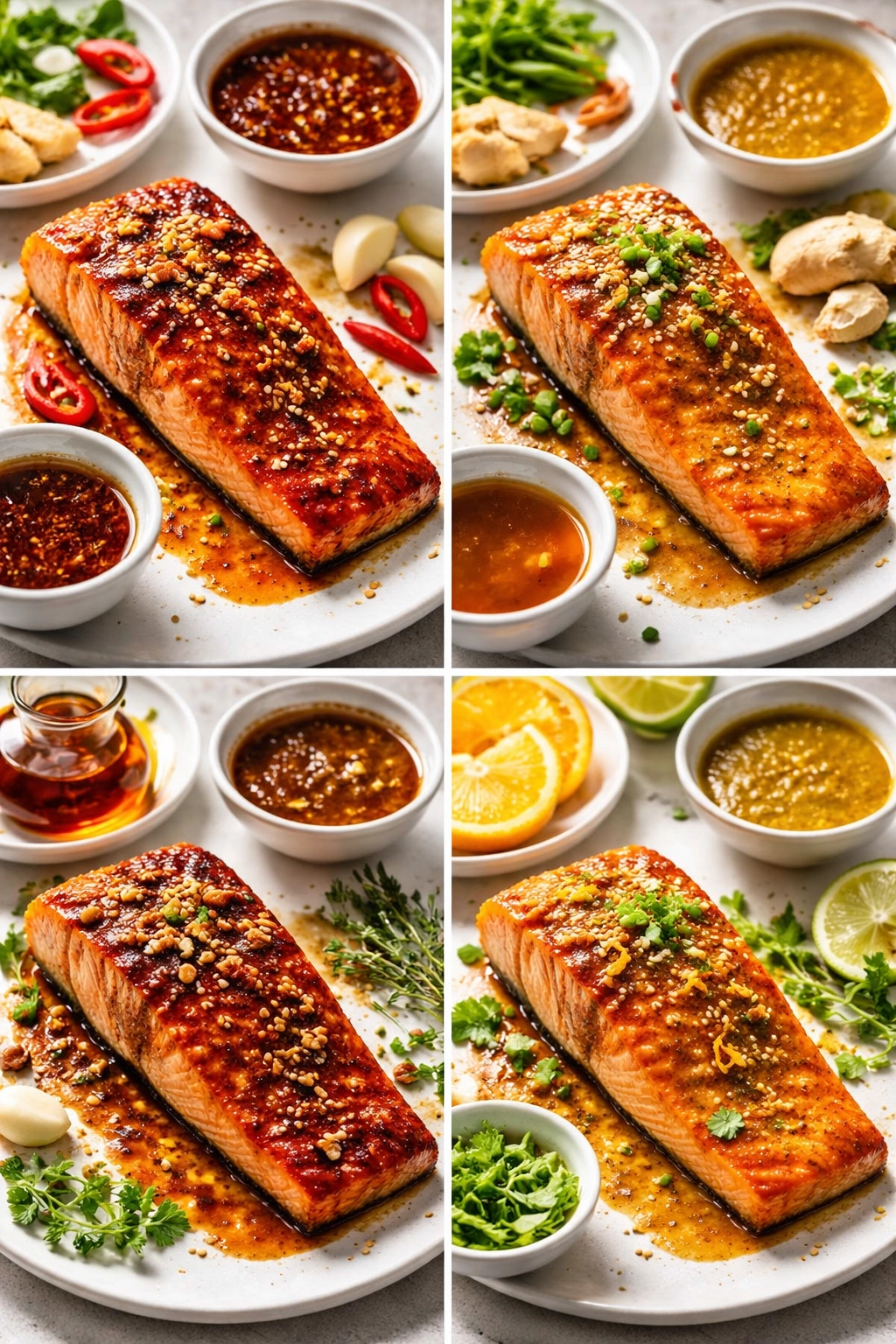
Spicy Honey Garlic Salmon
Add ½ to 1 teaspoon of sriracha or your favorite hot sauce to the glaze, or increase the red pepper flakes to ¼ teaspoon. The heat mellows slightly during cooking, so don’t be shy. If you like serious spice, add a tiny pinch of cayenne pepper along with the red pepper flakes. Serve with lime wedges instead of lemon for a brighter finish.
Ginger-Forward Version
Increase the fresh ginger to 2 teaspoons and add ¼ teaspoon white pepper to the glaze. The white pepper brings a slight floral note that complements ginger beautifully. Consider garnishing with fresh cilantro instead of parsley for an Asian-inspired profile.
Maple Salmon with Garlic
Replace the honey with pure maple syrup for deeper, more complex sweetness. Reduce the amount to ¼ cup because maple syrup is slightly thinner than honey and will reduce faster. The flavor becomes richer and almost savory in a different way than honey provides.
Citrus-Forward Glaze
Use equal parts orange juice and lemon juice instead of just lemon juice. Add a small strip of orange zest to the glaze for aromatic intensity. Orange and soy create an unexpectedly gorgeous combination that feels bright and sophisticated.
Reduced-Sodium Version
If you need to cut sodium, use low-sodium soy sauce and add an extra ½ teaspoon of honey to compensate for the reduced salt. You lose a tiny bit of depth, but the glaze stays balanced. Alternatively, use half soy sauce and half tamari with a pinch of extra salt to control the sodium content precisely.
Asian-Inspired with Sesame
Add 1 tablespoon of toasted sesame oil to the glaze and increase the garlic to 5 cloves. Top the finished salmon with toasted sesame seeds and sliced green onions instead of parsley. Serve with sticky rice and steamed bok choy for an authentic meal.
Mustard Honey Glaze
Whisk 2 tablespoons of whole-grain Dijon mustard into the honey-garlic mixture. The mustard adds sharpness that prevents the glaze from becoming cloying and creates interesting complexity. This version works especially well with wild salmon.
Storage, Reheating, and Make-Ahead Options
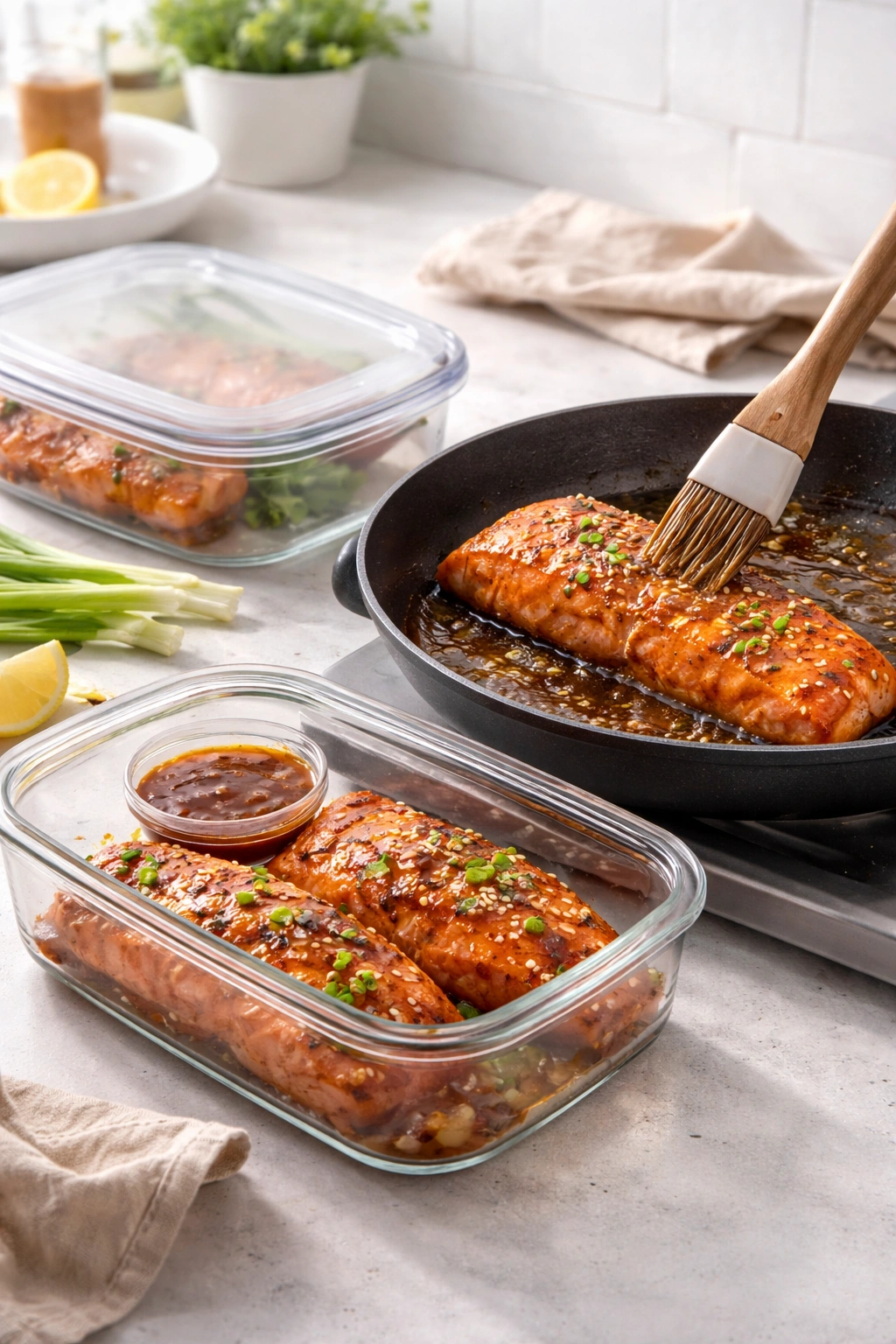
Storing Leftover Salmon
Leftover salmon keeps beautifully in the refrigerator for three to four days in an airtight container. Here’s a pro tip: store the salmon and glaze separately if possible. The glaze will continue to thicken as it cools, and if it fully sets around the salmon, the next-day version can taste a bit gluey. Keep them separate and recombine when reheating.
Actually, don’t let the separate storage idea discourage you from eating salmon today. Even stored together, leftover honey garlic salmon tastes fantastic. The flavors actually deepen overnight—day-two salmon often tastes better than day-one. Just don’t let it go longer than four days because it’s still fish, regardless of how good it tastes.
Reheating Without Drying Out
The gentlest reheating method is stovetop: place the salmon in a skillet over low heat with a splash of water or leftover glaze, cover loosely with foil, and warm for three to four minutes until heated through. This method preserves texture better than any other option.
Oven reheating also works well: wrap the salmon loosely in foil and place it on a baking sheet in a 300°F oven for eight to ten minutes. The low temperature prevents overcooking, and the foil creates a steamy microclimate that keeps the flesh moist.
Skip the microwave if you care about texture. Microwave radiation heats unevenly and can make salmon rubbery in minutes. If you must use a microwave, use the defrost setting at 30-second intervals, checking after each one, rather than full power.
Make-Ahead and Freezing
The honey-garlic glaze can be made up to five days in advance and stored in a jar in the refrigerator. The flavors actually marry and deepen over time, so making the glaze several days early isn’t a drawback—it’s an advantage.
You can marinate the salmon in the glaze up to twenty-four hours ahead of cooking. After that, the soy sauce begins breaking down the fish’s proteins too aggressively, and texture suffers. If you want to prep further in advance, freeze the glaze separately and marinate the salmon on the day you plan to cook.
Cooked salmon freezes acceptably for up to two months, though the texture becomes softer after thawing—still delicious, but not quite as firm as fresh-cooked. The honey-soy glaze freezes beautifully without separating. Thaw frozen salmon overnight in the refrigerator, then reheat gently using the methods above. Add fresh lemon juice when reheating to restore brightness.
Perfect Side Dishes and Pairings
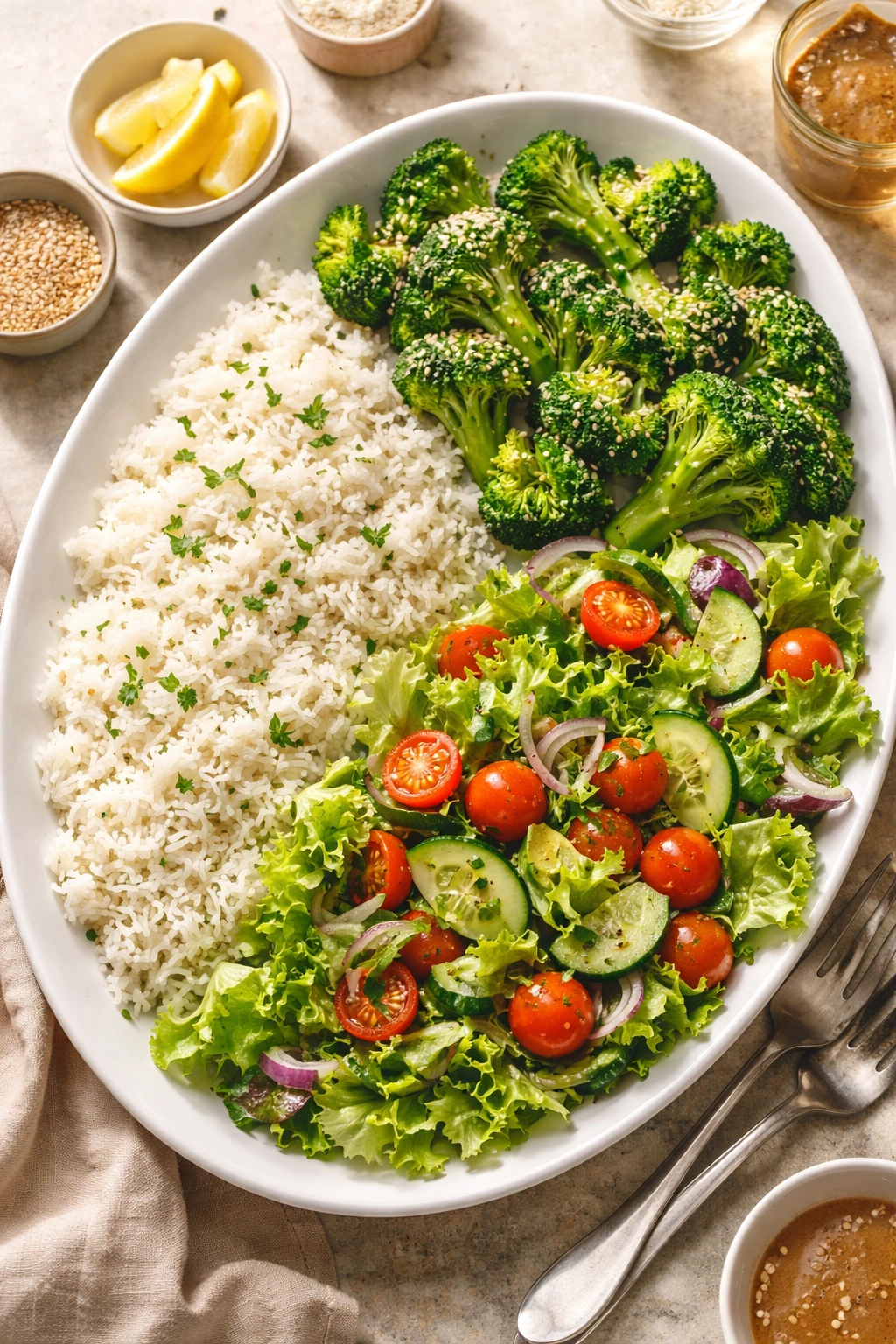
Rice and Grains
Jasmine rice is the obvious choice here—it’s fragrant, slightly sweet, and absorbs the glaze beautifully without becoming soggy. Brown rice works equally well if you prefer whole grains. Quinoa is a terrific protein-forward option that doesn’t compete with the salmon. Cook whatever grain you choose with a tiny bit of extra liquid so it stays tender; the glaze will continue reducing as your salmon rests, so you want the grains slightly moist to balance it.
Vegetables
Steamed broccoli with a touch of sesame oil is probably the single best vegetable pairing. The mild, slightly sweet broccoli doesn’t fight the glaze, and the sesame oil echoes the Asian notes in the salmon. Roasted asparagus seasoned with garlic brings earthiness that grounds the sweet glaze. Sautéed bok choy, snap peas, or green beans all work beautifully. Roasted carrots provide natural sweetness that echoes the honey in the glaze without creating overkill.
Salads
Serve the salmon over a bed of mixed greens with sesame-ginger dressing. The crispy lettuce and cool temperature contrast with the warm, sticky salmon. Asian slaw made with shredded cabbage, carrots, and a light sesame dressing is spectacular alongside honey garlic salmon, especially if you’ve made a spicy version.
Bread and Starches
Warm dinner rolls are perfect for soaking up every drop of glaze. Garlic bread works beautifully if you’re keeping everything Asian-inspired (just use garlic rather than herbs in butter). Roasted potatoes are an unexpected-but-excellent choice, especially if you’ve roasted them with a touch of garlic and sesame oil.
Beverage Pairings
White wine is the obvious choice—Pinot Grigio, Sauvignon Blanc, or a dry Riesling all pair beautifully with the sweet-savory glaze. The acidity in the wine cuts through the richness of the salmon and complements the garlic notes. For lighter options, try sparkling water with fresh lemon or a sake (which is actually rice wine and pairs incredibly well with honey-garlic flavors).
Final Thoughts
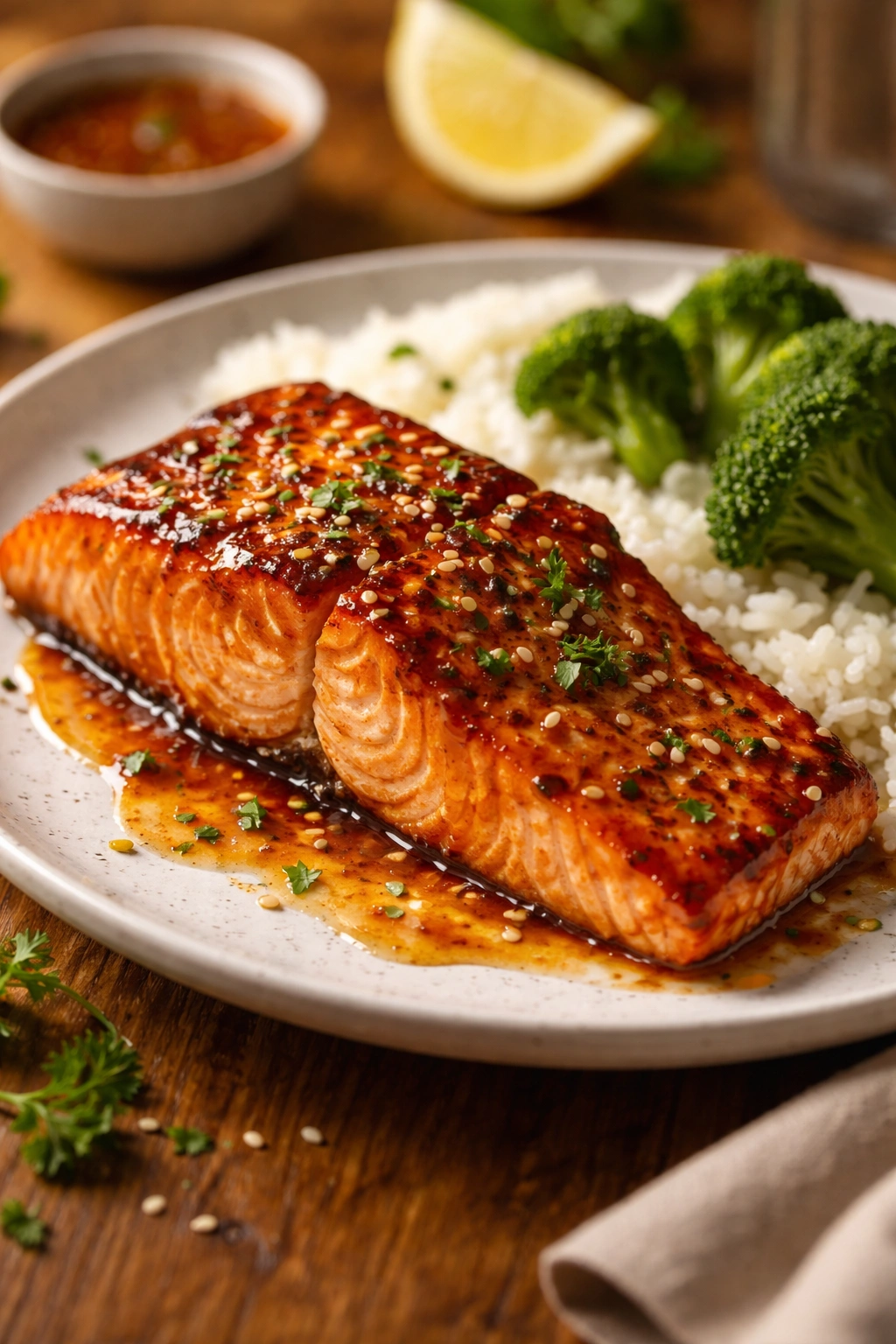
This honey garlic salmon has earned its place as a weeknight staple for a reason: it delivers restaurant-quality results without requiring you to be a skilled cook or spend your entire evening in the kitchen. Twenty minutes from decision to plate sounds almost impossible until you actually make it, and then it becomes routine.
The beauty of this recipe is that it works whether you’re cooking for yourself, your family, or guests. Nobody looks at this salmon and assumes you threw it together quickly—it looks and tastes intentional and carefully prepared. That gap between effort and perceived effort is where this recipe’s real power lives.
Once you’ve made this version several times, the variations open up naturally. You’ll start noticing which adjustments appeal to your taste, which side dishes make sense for your rotation, which times of day feel right for salmon. You’ll find yourself making it more often because you finally have a salmon recipe that actually works and actually fits your life. That’s when you know a recipe has truly earned its place in your kitchen.
