



Chicken rice bowls have become a weeknight staple in kitchens everywhere, and for good reason. They’re the kind of meal that feels like a complete dinner without requiring a complicated game plan or a trip to specialty stores. You get lean protein, whole grains, fresh vegetables, and a flavorful sauce all layered together in one satisfying bowl—and honestly, there’s something deeply comforting about that. The beauty of a chicken rice bowl is that it works for almost everyone. Kids love the familiar flavors and the fun of mixing it all together. Adults appreciate the nutrition and how it meal-preps beautifully for busy weeks. Picky eaters find something to love because you can customize every component.
What makes a truly great chicken rice bowl isn’t complicated—it’s about balance and quality in every layer. The chicken needs to be juicy and seasoned well, never dry or flavorless. The rice should be fluffy and fragrant, cooked just right so each grain stays distinct. The vegetables add color, crunch, and freshness. And the sauce or dressing is what ties everything together, transforming individual ingredients into something genuinely crave-worthy. I’ve made chicken rice bowls hundreds of times—some with Asian-inspired glazes, some Mediterranean with tzatziki, some with southwestern heat. The one I’m sharing with you here is a hybrid approach that captures the best of what I’ve learned from all of them. It’s flexible enough to work with what you have in your kitchen, reliable enough that it works every single time, and impressive enough that your family will ask for it constantly.
The real magic of this recipe is how little it demands while delivering maximum flavor and satisfaction. You can have everything ready in under 40 minutes, most of which is passive cooking time. Your hands are only actively busy for about 15 minutes total. And the components are so customizable that you’re never locked into one flavor profile—the same base works beautifully with Asian marinades, Mediterranean herbs, or southwestern spices depending on your mood and what’s in your pantry.
Why Chicken Rice Bowls Are Perfect for Busy Families
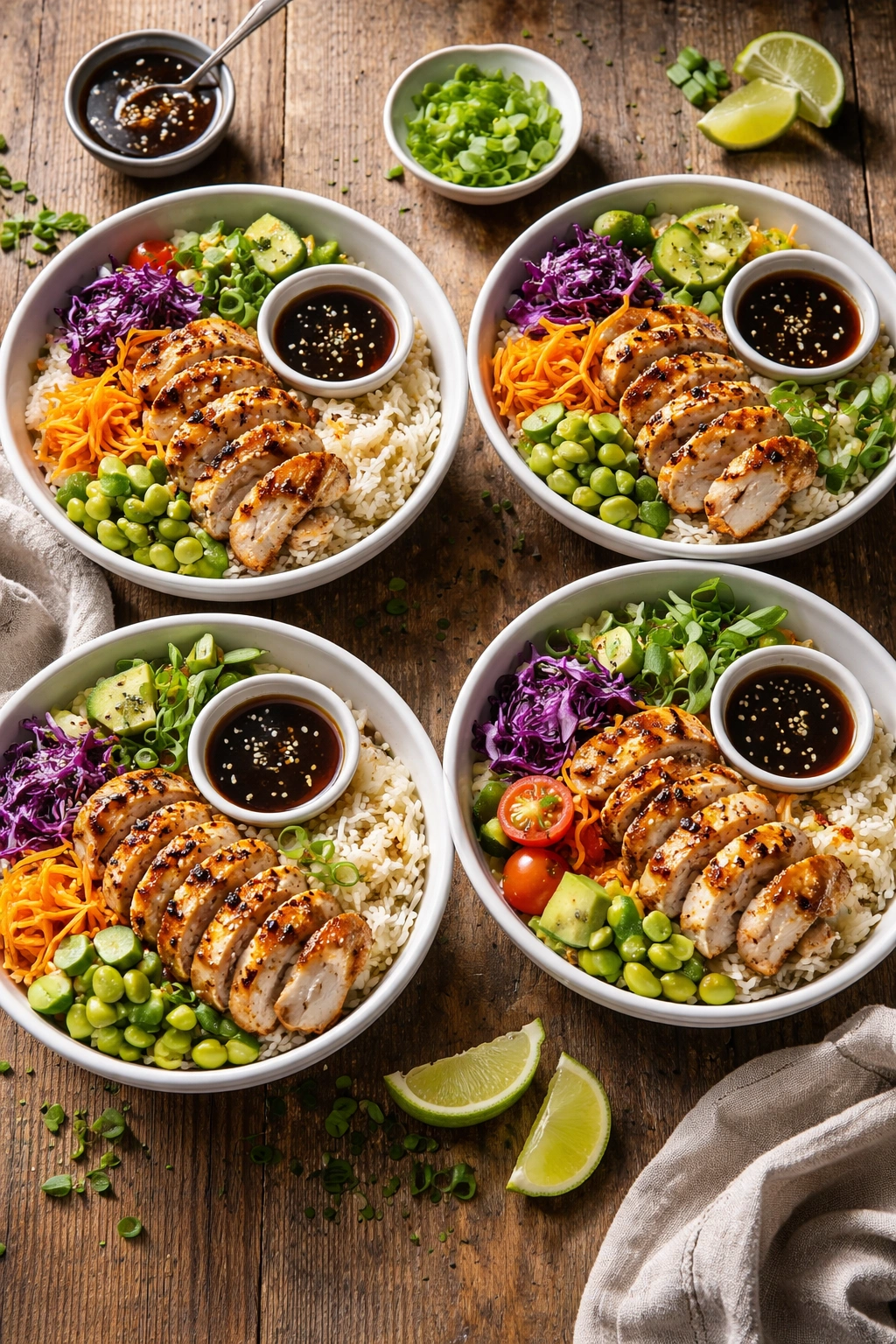
There’s a reason chicken rice bowls have become the go-to dinner for parents, meal-prep enthusiasts, and anyone trying to eat well without spending hours cooking. They check every box that matters to families juggling competing schedules and preferences.
Yield: Serves 4 to 5 | Makes 4–5 generous bowls
Prep Time: 15 minutes
Cook Time: 25 minutes
Total Time: 40 minutes
Difficulty: Beginner-friendly — This recipe requires only basic knife skills and standard stovetop cooking. Nothing burns easily, timing is forgiving, and even first-time cooks achieve great results.
These bowls solve the problem of feeding people with different tastes. Your teenager might want extra avocado and lime. Your partner might skip the vegetables. Your younger kids might enjoy it with mild seasoning while you add heat to your own portion. Everything stays separate until the bowl is assembled, so customization happens naturally without anyone feeling like they’re eating something “special.” There’s also something psychologically satisfying about building your own bowl—people eat more vegetables and feel more invested in the meal when they’ve had a hand in assembling it.
Nutritionally, these bowls deliver what modern families actually need. A serving of properly cooked chicken breast provides about 30 grams of protein. The rice gives you sustained energy from complex carbohydrates. Fresh vegetables add fiber, vitamins, and that crunch factor that keeps people engaged with their food. If you’re tracking macronutrients or following a specific eating approach, chicken rice bowls adapt seamlessly. They’re naturally gluten-free if you choose gluten-free soy sauce, dairy-free with simple swaps, and easy to portion for portion-control goals.
From a practical standpoint, these bowls are a meal-prepper’s dream. You can cook the components separately on Sunday and assemble throughout the week, or make entire bowls and reheat them in minutes. Leftovers stay fresh in the refrigerator for up to four days, and they actually improve as flavors meld together overnight. This means one batch of cooking feeds your family for multiple meals, freeing up mental space on days when cooking feels like too much.
The Best Chicken for Rice Bowls
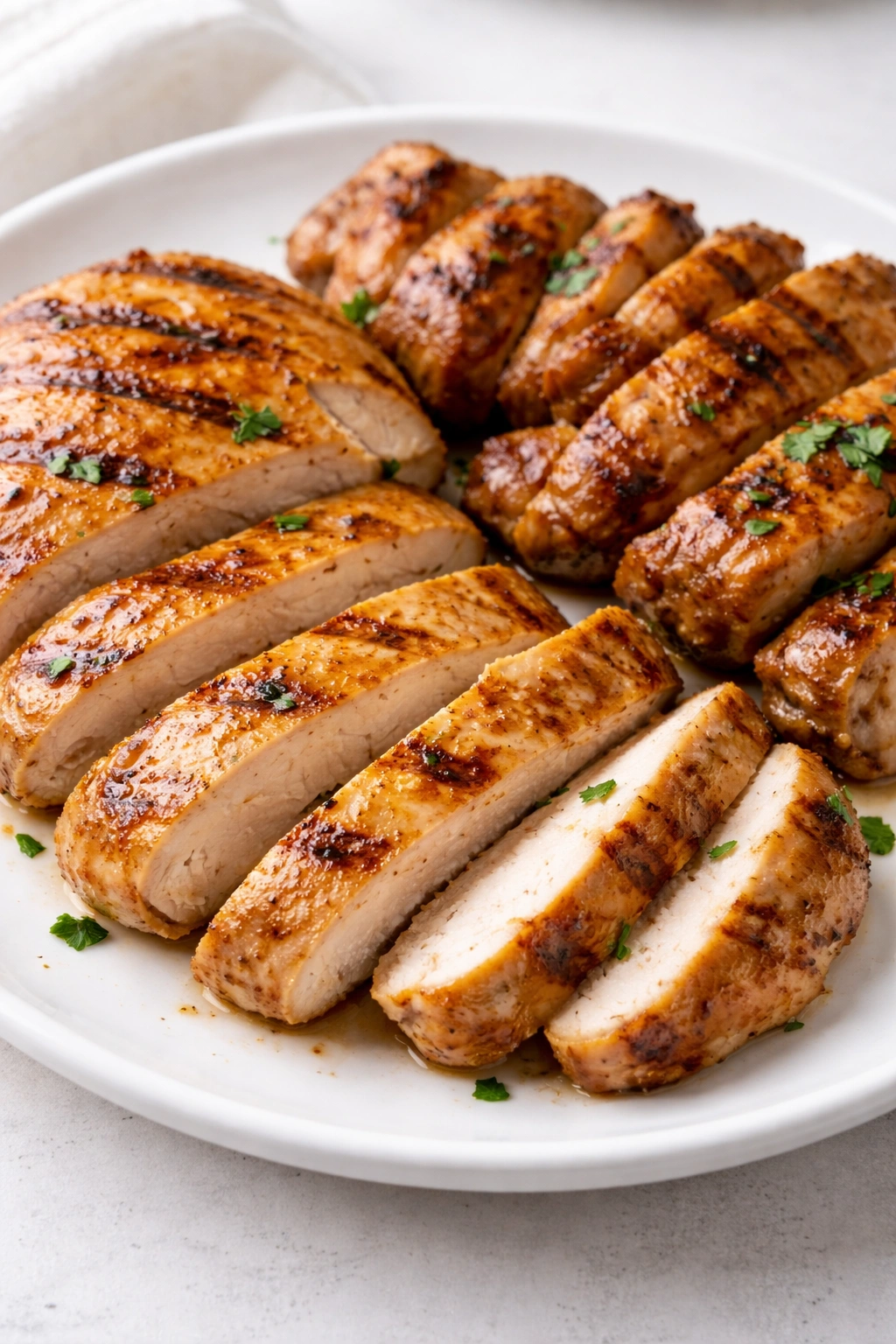
The chicken is the anchor of your bowl, and getting it right matters more than any other component. You need meat that’s flavorful, moist, and fork-tender—not dry or stringy.
Boneless, skinless chicken breasts are what I use because they’re lean, widely available, and cook relatively quickly. But there’s a critical technique that keeps them from drying out: you’re not cooking them all the way through on the stovetop. You’re cooking them until they’re just done, then letting them rest while everything else finishes. This residual cooking and the resting period keep them incredibly juicy even when they’re technically fully cooked to food-safe temperatures.
Chicken thighs work beautifully too, and honestly, they’re more forgiving because dark meat has enough fat that it’s harder to overcook. If you prefer thighs, use the same weight and reduce the cooking time by just a minute or two since they’re smaller pieces. Thighs also have more flavor, so if your family leans toward richer tastes, this is your move.
The seasoning strategy matters. Instead of plain salt and pepper, I’m using a blend that builds layers of flavor: garlic powder, onion powder, smoked paprika, dried oregano, and a pinch of chili powder. These spices toast slightly as the chicken cooks, developing deeper flavor without any fresh-herb prep. If you don’t have all of these, honestly, use what you have—garlic powder and salt alone creates a great chicken. The marinade does the heavy lifting, not the dry seasoning.
The Marinade That Changes Everything
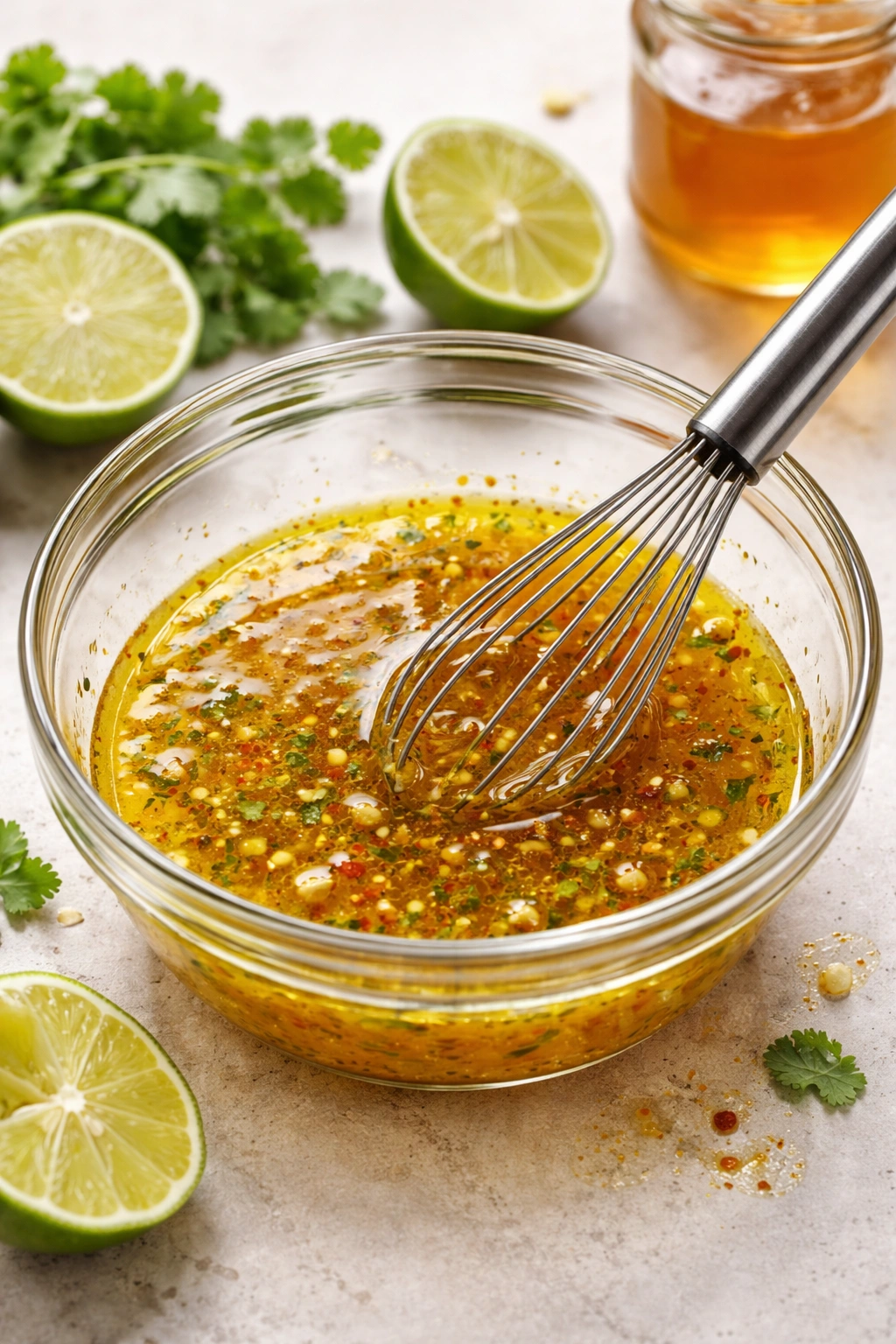
The marinade is where the magic happens. It does three critical things at once: it tenderizes the chicken, it adds flavor throughout the meat, and it takes almost no time to prepare. You’re not waiting overnight or dealing with complicated flavor combinations. This marinade comes together in the time it takes your oven to preheat.
The base is lime juice and a touch of honey—the acid from the lime begins breaking down the muscle fibers, making the meat more tender and helping it absorb the other flavors. The honey adds subtle sweetness that balances the acidity and helps create a golden crust when you cook the chicken. Then you’re adding garlic, cilantro, and a hit of jalapeño for brightness and a gentle kick. Olive oil carries the fat-soluble flavors and helps conduct heat evenly when you cook.
What’s brilliant about this approach is that even if you only have 10 minutes to marinate, you’ll get great results. The longer you marinate (up to 24 hours), the more flavorful the chicken becomes, but you’re never stuck with flavorless chicken if time is short. This is a practical marinade, not a finicky one. You can prep it while the rice cooks, then get the chicken in the oven immediately.
Making Fluffy, Fragrant Rice That Stays Separate
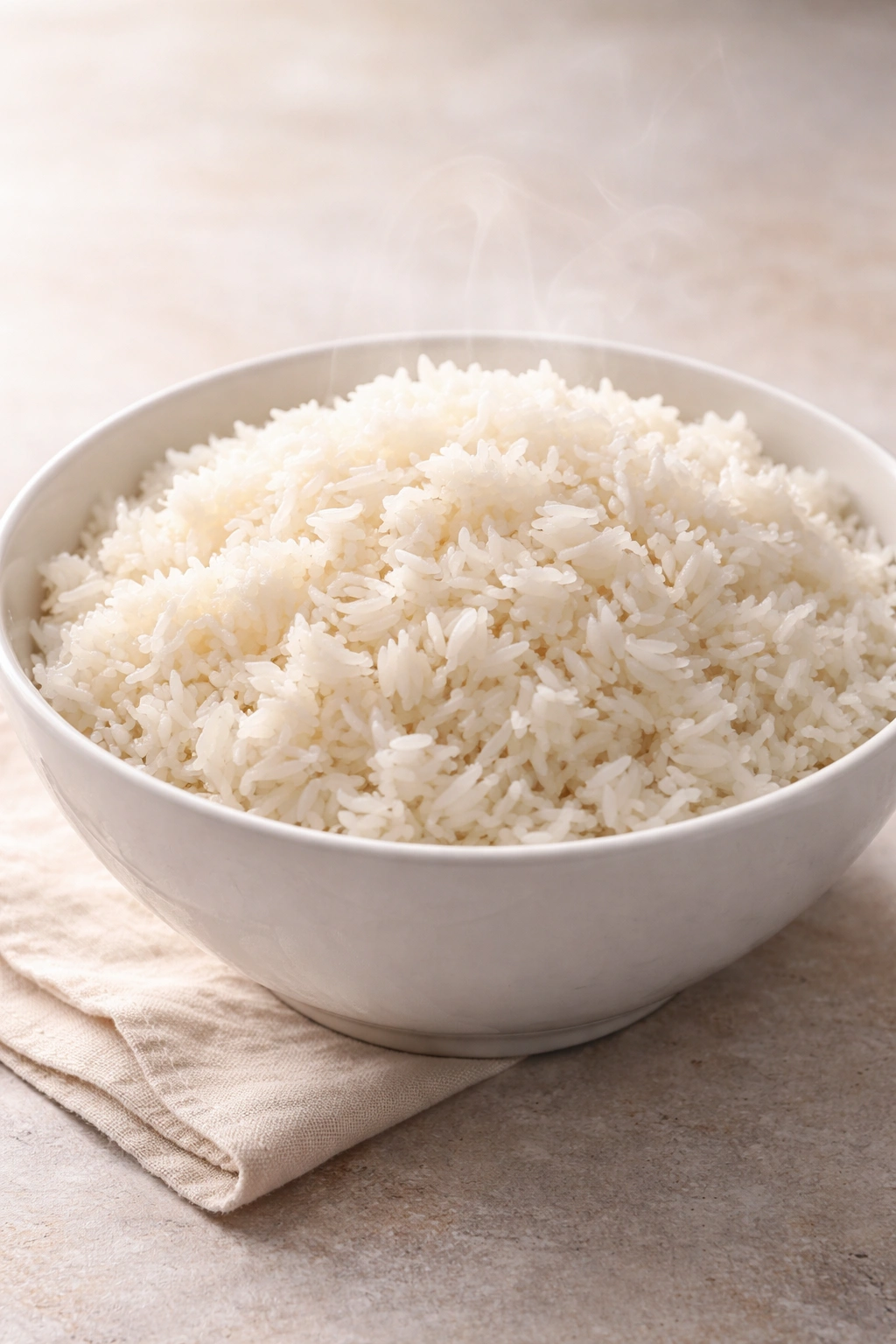
Rice is the foundation of your bowl, and if the rice is mushy or clumpy, the entire meal suffers. The secret to rice that stays separate and has a slightly tender bite is using the right type and respecting the water-to-grain ratio.
Jasmine rice is my top choice for these bowls because it has a naturally nutty, slightly floral aroma that pairs with almost any sauce or flavor profile. Basmati rice works equally well—it’s a bit more perfumed and also stays distinct. Long-grain white rice works fine too. What you want to avoid is short-grain sushi rice or arborio rice, which are intentionally starchy and will clump together by design.
The water-to-rice ratio for jasmine and basmati is approximately 1 cup rice to 1.5 cups water. Not quite 2-to-1, which is what you’d use for brown rice. You’re cooking it in a covered pot over medium heat for about 15 to 18 minutes, and the lid stays on the entire time—lifting the lid releases the steam and disrupts the cooking process. Once the timer goes off, you let it sit off heat with the lid on for another 5 minutes. This finishing time allows the remaining moisture to fully absorb without any additional heat.
If you want to add flavor directly into the rice, cook it in chicken broth instead of water, or add a pinch of turmeric for color and earthiness (this also hints at a curry direction without being a full curry). You can stir in a pinch of lime zest after it’s cooked, or leave it plain and let the sauce and toppings provide the flavor. All of these work equally well.
Cooking the Chicken Perfectly Every Time
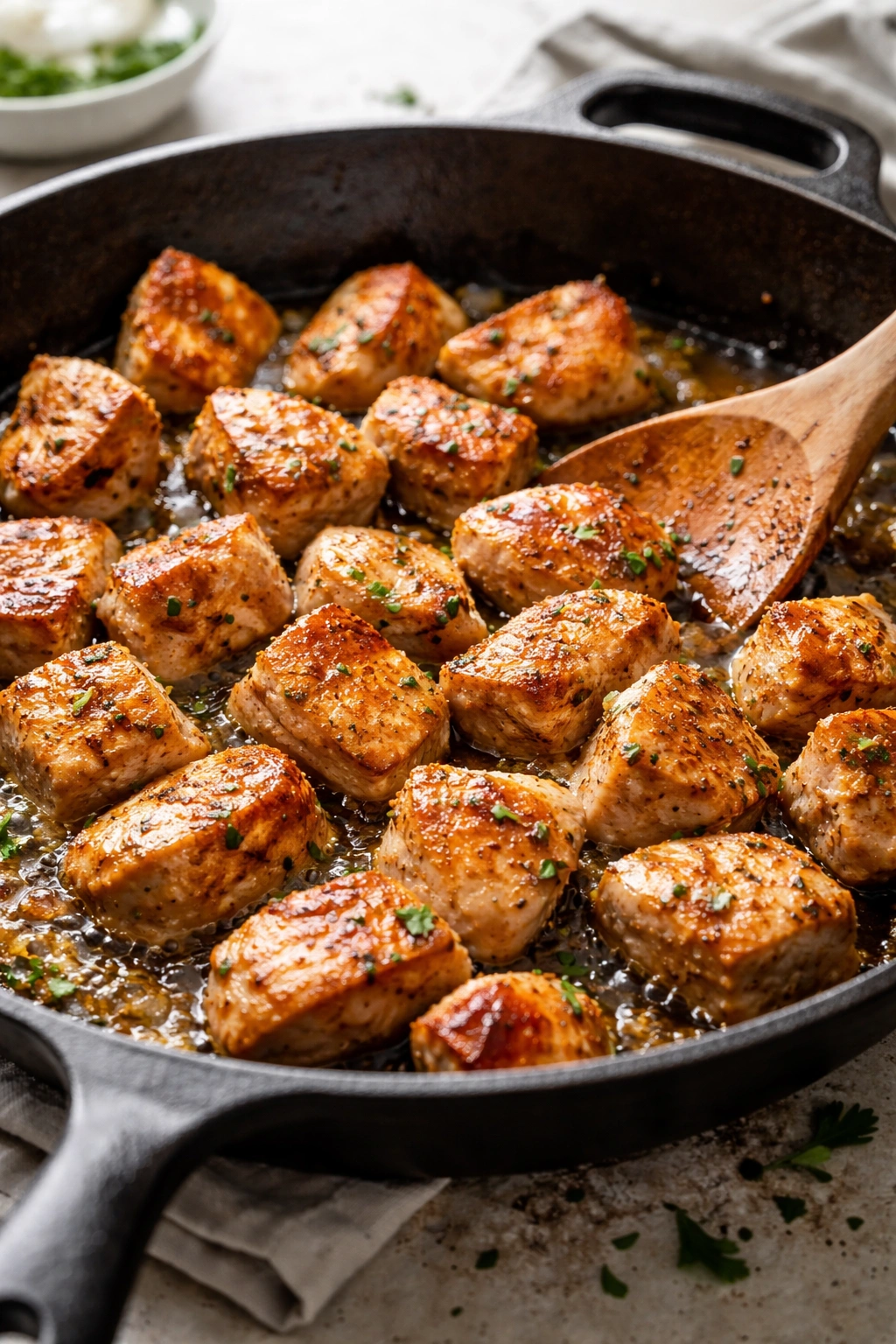
Getting golden, juicy chicken from your stovetop or oven is straightforward once you understand the method. I’m going to give you two ways because both work beautifully, and you get to choose based on what you have time for and what your kitchen setup allows.
For Skillet Cooking (Fastest Method):
Heat a large skillet over medium-high heat with a thin coating of olive oil. Once the oil is shimmering, you’re ready for the chicken. Remove the chicken from the marinade, letting excess drip back into the bowl—you want a light coating of marinade on the meat, not dripping wet. Place the chicken pieces in the hot skillet in a single layer. Don’t move them for about 3 to 4 minutes. This contact with the hot surface is what creates that golden crust and builds flavor through browning. Once you see golden edges, flip each piece and cook for another 3 to 4 minutes. The chicken should be golden all over and cooked through (165°F internal temperature). This method takes about 8 to 10 minutes total and gives you beautiful color and texture.
For Oven Roasting (More Hands-Off):
Preheat your oven to 400°F and line a sheet pan with parchment paper. Spread the marinated chicken pieces on the pan in a single layer, leaving a little space between each piece so they roast rather than steam. Roast for 15 to 18 minutes, stirring halfway through, until the chicken is cooked through and lightly golden at the edges. This method is more forgiving on timing and you don’t need to watch it like you would a skillet. The chicken comes out incredibly juicy because it’s roasting in its own moisture.
For Air Fryer (If You Have One):
Spray your air fryer basket lightly with oil, then spread the marinated chicken in a single layer. Cook at 400°F for 12 to 14 minutes, shaking the basket halfway through. This gives you the fastest cook time of all three methods and requires almost no attention—the chicken emerges with crispy edges and juicy centers.
No matter which method you choose, let the cooked chicken rest for 5 minutes before serving. This allows the juices to redistribute through the meat instead of running all over your bowl when you bite into it.
The Sauce That Brings Everything Together
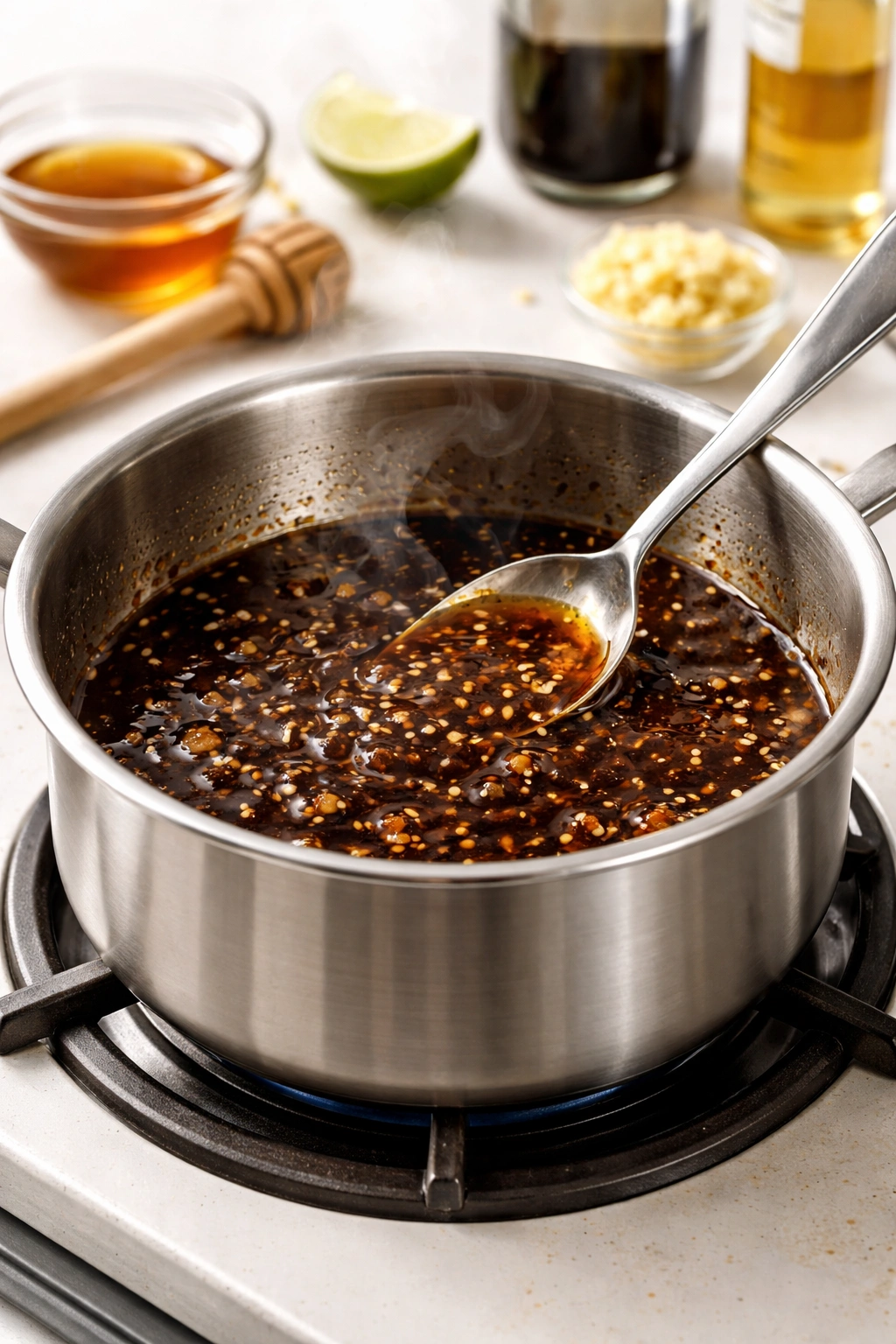
Your sauce is the element that transforms separate ingredients into a cohesive, flavorful meal. I’m giving you a versatile sauce that works with the Asian-influenced marinade but also complements Mediterranean and southwestern additions depending on what direction you take the bowl.
For the Sauce:
Start with equal parts soy sauce and rice vinegar—this gives you umami depth and bright acid. Add a touch of honey and minced garlic. If you want heat, add sriracha or a pinch of chili flakes. If you’re going for something fresher, add lime juice and cilantro instead. The sauce cooks together for just a few minutes in a small saucepan over medium heat. You’re not actually cooking anything here—you’re just warming it so the flavors meld. If you want the sauce slightly thickened, whisk a teaspoon of cornstarch with 2 tablespoons of water to make a slurry, then stir it into the warm sauce and let it bubble for just a minute. This isn’t necessary, though—a thinner sauce actually pools nicely in the bowl and soaks into the rice.
The beauty of this sauce approach is that it takes less than 5 minutes and uses ingredients most kitchens have on hand. You’re not standing over a hot stove and you’re not dealing with finicky timing. Make the sauce while the chicken and rice are finishing, then you’re done.
Building Your Bowl: The Assembly That Matters
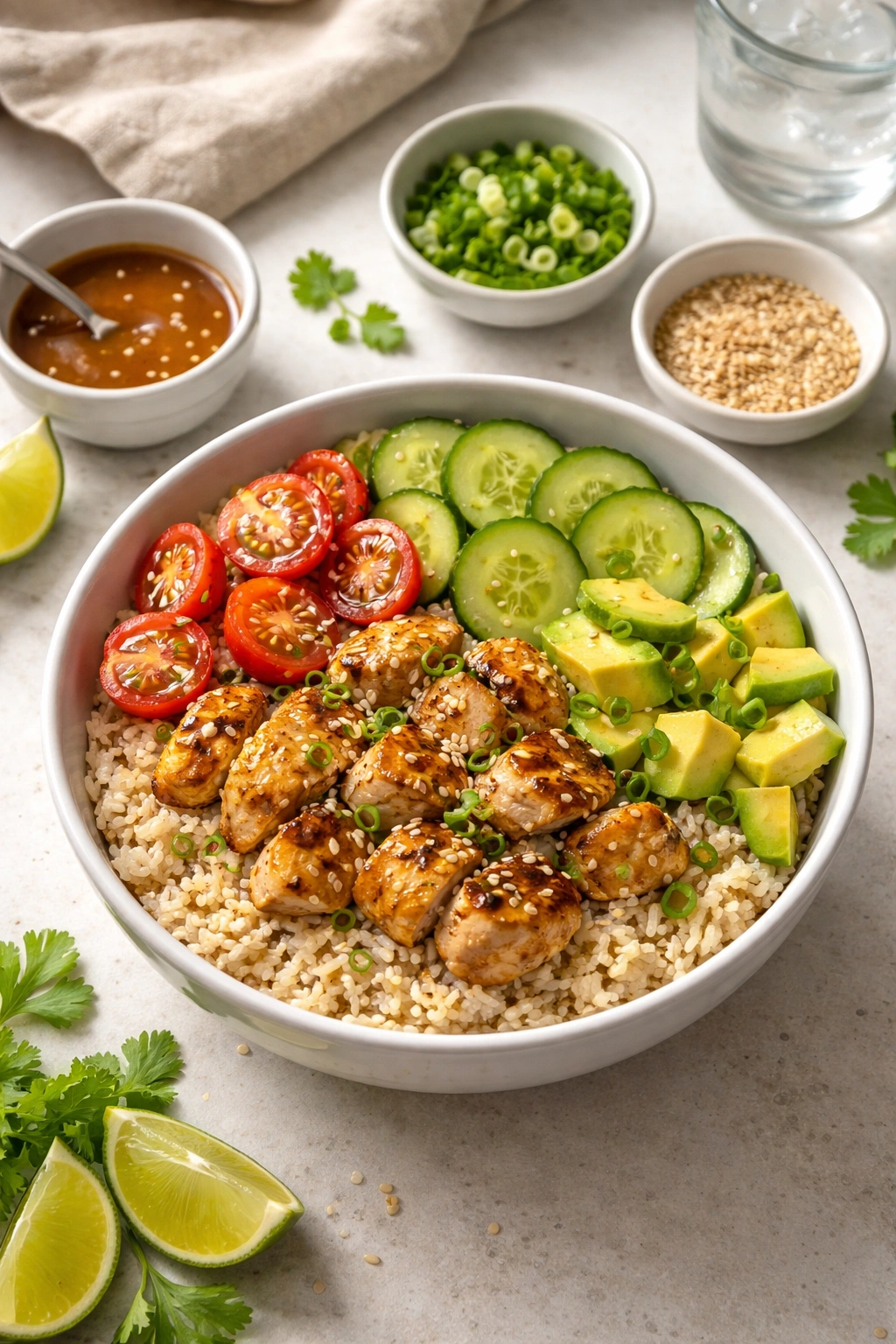
The order in which you assemble your bowl actually affects how it tastes. Start with the rice as your base—roughly a cup per bowl, depending on how hearty you like it. The warm rice is important here. If you let your rice cool completely, it gets stodgy and dense. If it’s still warm, it stays fluffy and the other components warm up slightly when you add them.
Top the rice with the chicken pieces, distributing them evenly so every spoonful gets protein. Then add your chosen vegetables—I detail these below, but generally you’re looking at something crisp (sliced cucumber or bell pepper), something bright (tomatoes or pickled onions), something creamy (avocado), and something herbaceous (cilantro, basil, or green onions). The variety of textures and temperatures matters. You want contrast between warm chicken and rice, cool vegetables, and creamy elements.
Drizzle your sauce over everything. Don’t be stingy here—the sauce does the seasoning work for your whole bowl. Then add any final garnishes: sesame seeds, crumbled feta, fresh herbs, a squeeze of lime, or toasted nuts depending on which flavor direction you went. Give the whole bowl a good stir before eating so everything gets coated with sauce and the flavors integrate.
Vegetable Combinations That Work Best
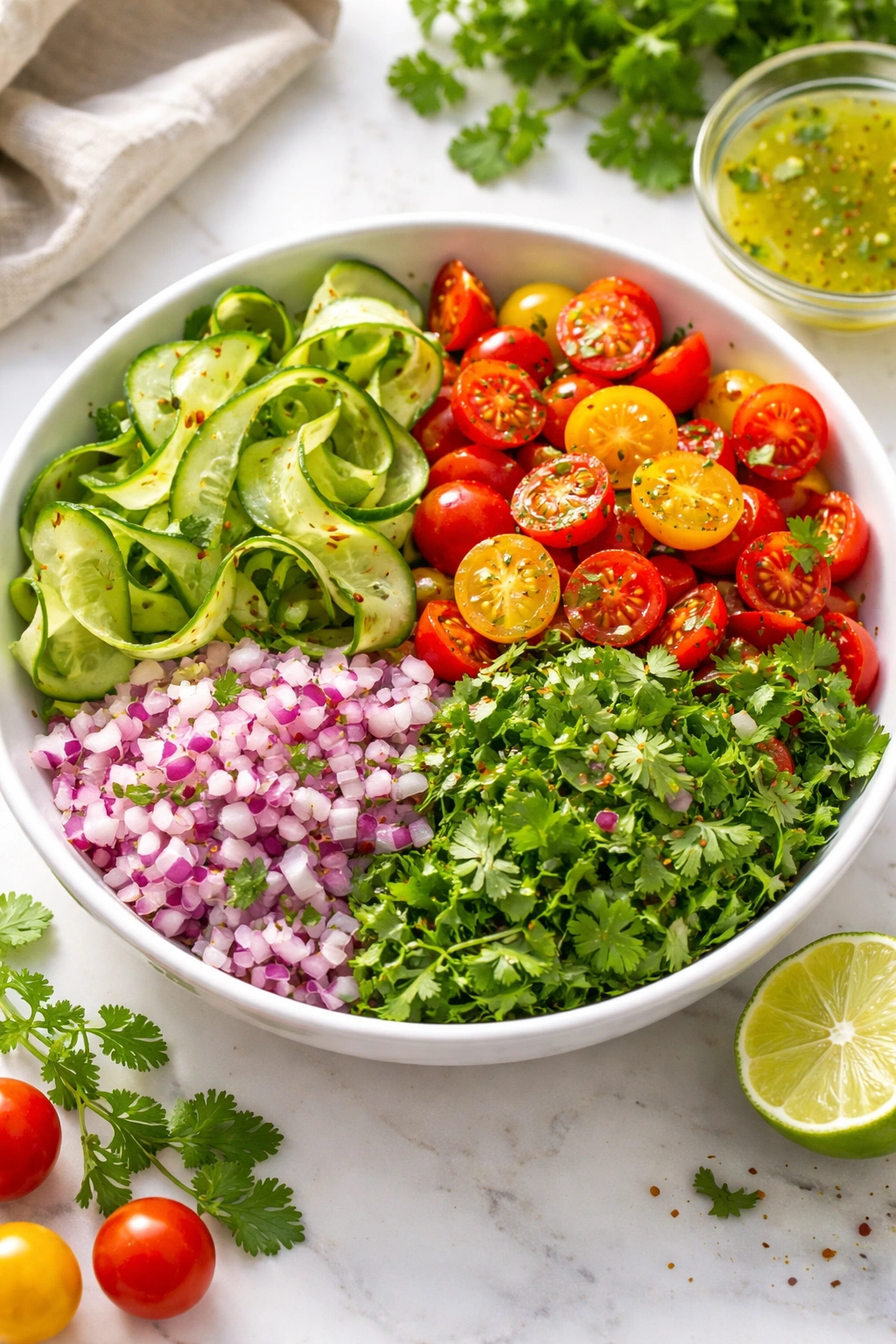
The vegetables are where you get to customize based on what’s in your kitchen and what your family loves. There’s no single “right” answer here—you’re building contrast and nutrition.
For a light, fresh approach, use sliced cucumber, halved cherry tomatoes, diced red onion, and fresh cilantro with a lime dressing. This direction is perfect with chicken that’s been marinated in lime and cilantro. Add a dollop of Greek yogurt or sour cream if you want creaminess.
For a Mediterranean-inspired bowl, use diced cucumber, halved grape tomatoes, kalamata olives, and crumbled feta cheese with fresh dill and a lemon-herb dressing. This pairs beautifully with chicken marinated in oregano and lemon. Skip the creamy sauce and instead serve tzatziki on the side.
For a southwestern flavor profile, use diced avocado, corn (fresh, frozen, or grilled), diced red bell pepper, black beans, and fresh cilantro with a lime vinaigrette. Finish with crumbled cotija cheese and a dollop of sour cream or crema. This works with chicken seasoned with chili powder and cumin.
For an Asian-inspired bowl, use shredded carrots, chopped broccoli, sliced green onions, and edamame with a ginger-soy sauce. Finish with sesame seeds and a drizzle of sesame oil. This pairs with chicken that’s been glazed with teriyaki or a soy-ginger sauce.
The common thread across all approaches is that you’re including something crunchy, something fresh, something that adds umami or richness, and something herbaceous. This combination keeps people interested and makes sure you’re hitting a range of nutritional targets.
Pro Tips for Restaurant-Quality Results
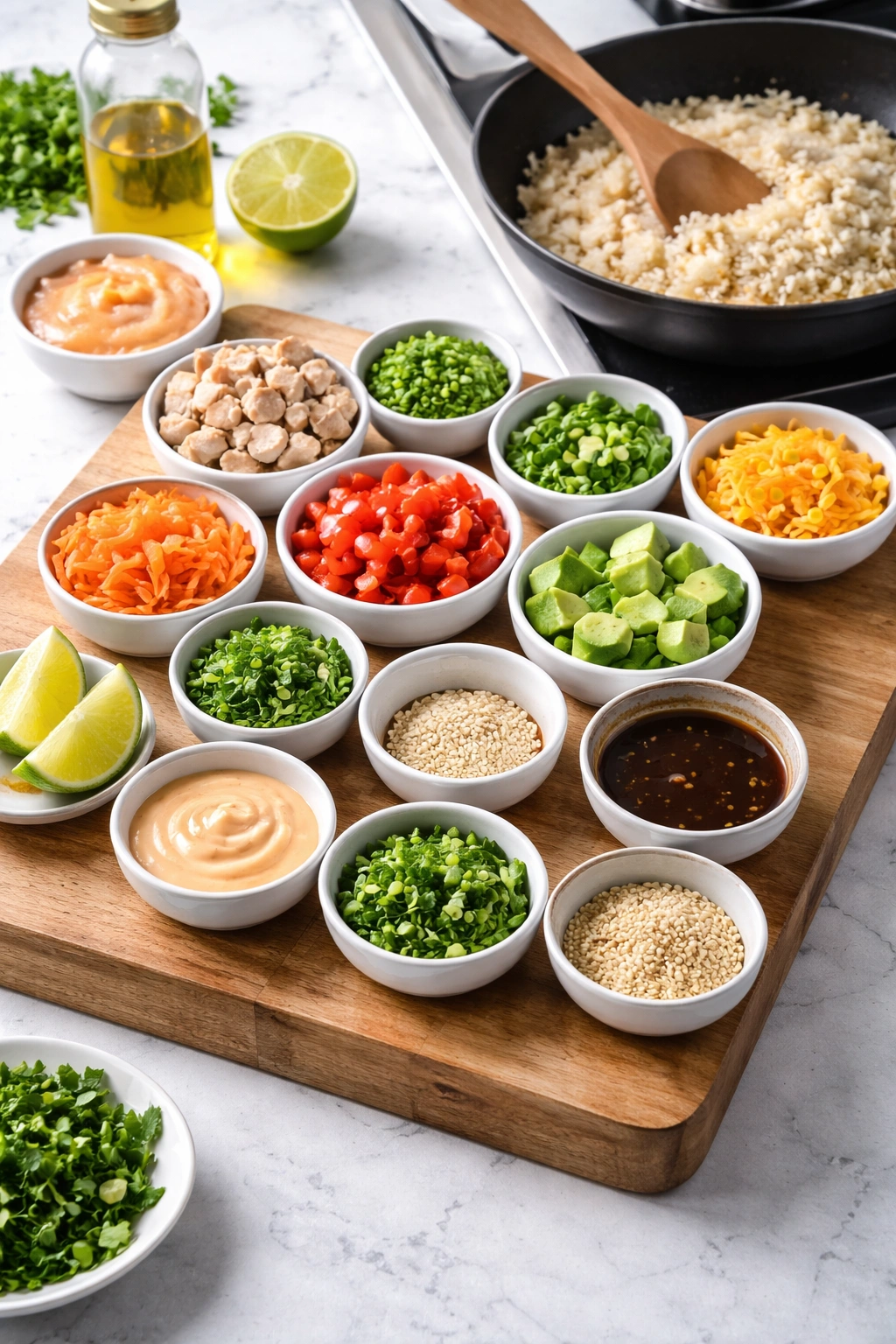
A few specific techniques make your chicken rice bowls look and taste like you spent way more time than you actually did.
First, pre-assemble your toppings before you start cooking. Slice your vegetables, mince your herbs, and set everything out in small bowls. Once you start cooking, you can’t walk away to chop cilantro. Having everything prepped means assembly takes 2 minutes instead of 10, and your bowl comes together while everything is still the right temperature.
Second, toast your rice slightly in oil before adding water. This step takes 2 minutes and gives you rice with a subtle nutty flavor that’s noticeably better than plain boiled rice. Heat a tiny bit of olive oil or butter in your pot, add the rice, and stir for about a minute until it’s well coated and slightly golden. Then add your water and proceed as normal. This step isn’t essential, but it’s the difference between good rice and rice that impresses people.
Third, let your marinated chicken come to room temperature for 10 minutes before cooking. Cold meat takes longer to cook and is more likely to end up with dry edges and a raw center. Marinating at room temperature for even 10 minutes helps the chicken cook more evenly and stay more juicy. If you’ve marinated in the refrigerator, pull it out about 10 minutes before you plan to cook.
Fourth, make extra sauce. Seriously. The sauce is inexpensive, keeps for a week in the fridge, and tastes better on day two once flavors have melded. You can drizzle it over everything, use it as a dipping sauce, or toss your leftovers in extra sauce before reheating. More sauce means more flavor and more moisture, which translates to better leftovers.
Finally, finish with acid and heat. A final squeeze of lime juice right before eating wakes up all the flavors you’ve built. A pinch of red pepper flakes or a dash of hot sauce adds final brightness. Don’t skip this step just because you added a sauce—that final pop of acid and heat makes a noticeable difference in how flavorful your bowl tastes.
Variations That Keep Things Fresh
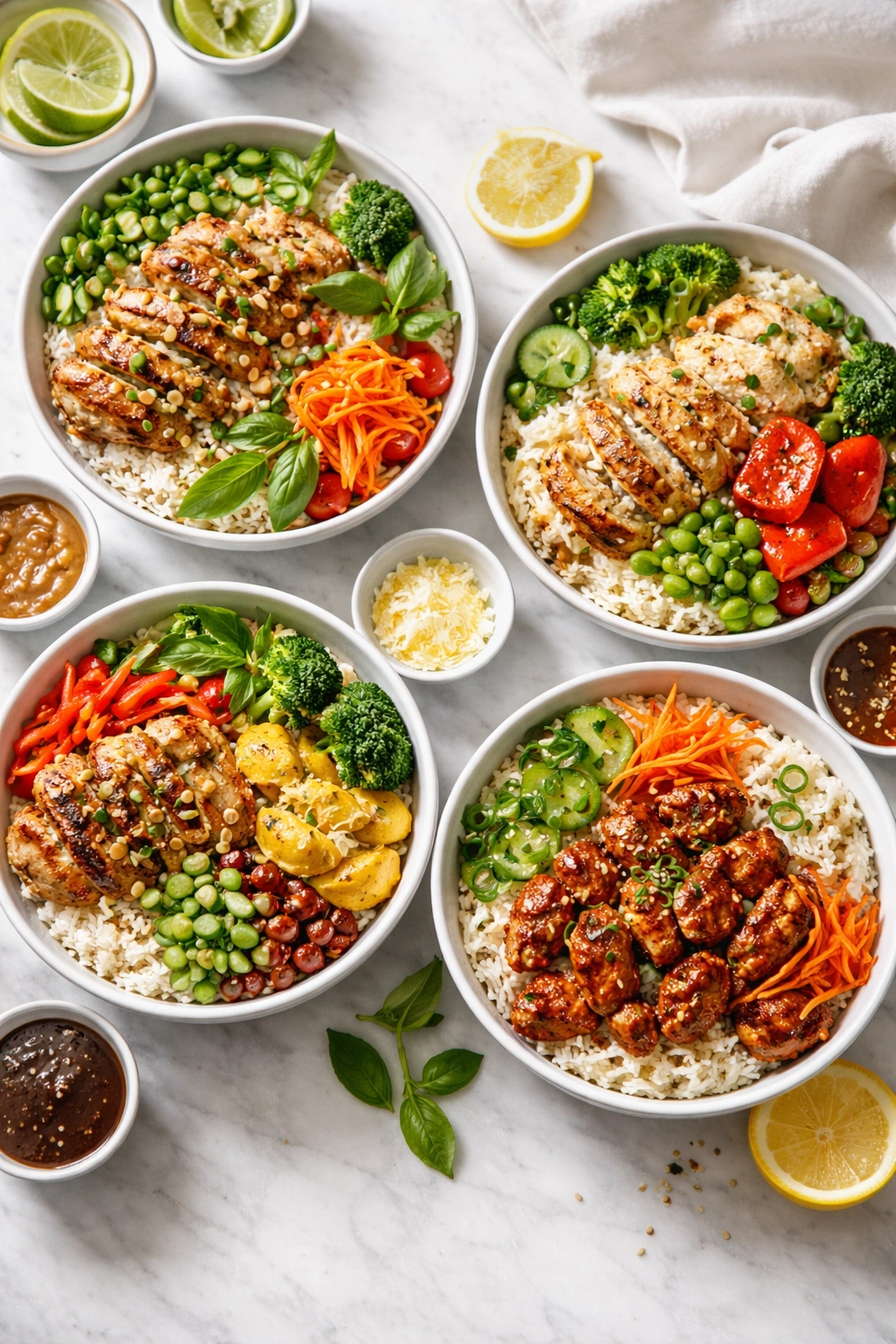
The same base recipe works beautifully in multiple directions. Here’s how to shift the flavor profile without changing your core approach.
For a Thai-inspired version, use coconut milk in your sauce instead of rice vinegar, add red curry paste and fresh ginger, and top with peanuts and basil instead of cilantro. Serve with a cucumber salad on the side.
For a lemon-parmesan direction, skip the marinade and instead toss the cooked chicken with fresh lemon zest, lemon juice, and grated Parmesan cheese. Serve over rice cooked in chicken broth with a pinch of turmeric. Top with fresh parsley and extra Parmesan.
For a teriyaki take, use a store-bought or homemade teriyaki sauce instead of the lime-cilantro marinade. Add diced pineapple, sliced bell peppers, and broccoli. Finish with sesame seeds and sliced green onions.
For a sticky gochujang version, coat the chicken in gochujang (Korean red chili paste) mixed with honey and sesame oil before cooking. Serve with steamed broccoli, sliced cucumbers, and quick-pickled vegetables.
For a Greek interpretation, use a marinade of lemon juice, oregano, garlic, and olive oil. Cook the chicken, then assemble bowls with rice, tzatziki sauce, diced tomato, cucumber, Kalamata olives, and crumbled feta.
For a Caribbean approach, marinate the chicken in a blend of lime juice, garlic, allspice, thyme, and scotch bonnet peppers (or milder jalapeños). Serve with black beans mixed into the rice, diced mango, cilantro, and a lime crema.
The framework stays the same. You’re always starting with well-seasoned chicken, fluffy rice, fresh vegetables, and a sauce or dressing. You’re just changing which seasonings, vegetables, and sauce direction you follow.
Storage, Make-Ahead, and Reheating
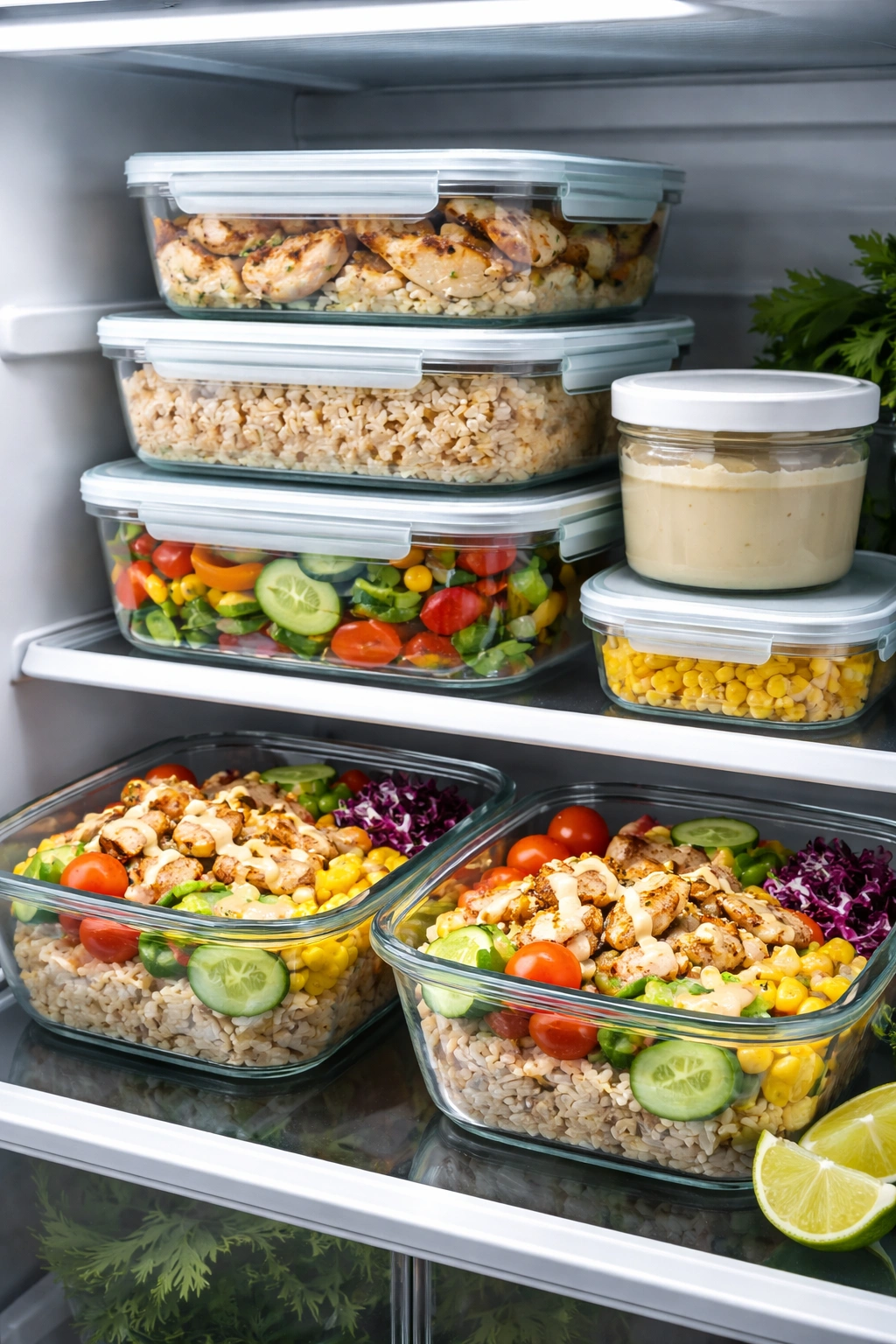
These bowls are genuinely better when you plan ahead because everything develops more flavor as it sits together overnight.
For component meal prep, cook the rice and chicken on one day, store them separately in airtight containers in the refrigerator, and assemble the bowls throughout the week. Rice keeps for up to 5 days. Chicken keeps for up to 4 days. Vegetables are best prepped daily or stored separately to maintain crispness. This approach takes about 10 minutes per bowl at mealtime.
For full-bowl prep, assemble complete bowls immediately after cooking, then store them in airtight containers in the refrigerator. They keep beautifully for up to 4 days. Don’t add avocado or creamy toppings until just before eating—these don’t hold up well to storage. Everything else—rice, chicken, vegetables, sauce—melds together and tastes noticeably better by day two.
For reheating, transfer to a microwave-safe bowl and heat for 2 to 3 minutes, stirring halfway through. If the bowl seems dry, add a splash of water, broth, or extra sauce before heating. The microwave is actually perfect here because it keeps the rice fluffy. You can also reheat on the stovetop in a skillet over medium heat, stirring occasionally, for about 5 minutes.
For freezing, you can freeze assembled bowls (without avocado) in freezer containers for up to 3 months. Thaw overnight in the refrigerator, then reheat as above. The chicken and rice freeze beautifully. The vegetables lose a bit of crispness, which is why I usually add fresh vegetables after thawing and reheating.
Serving Suggestions and Additions
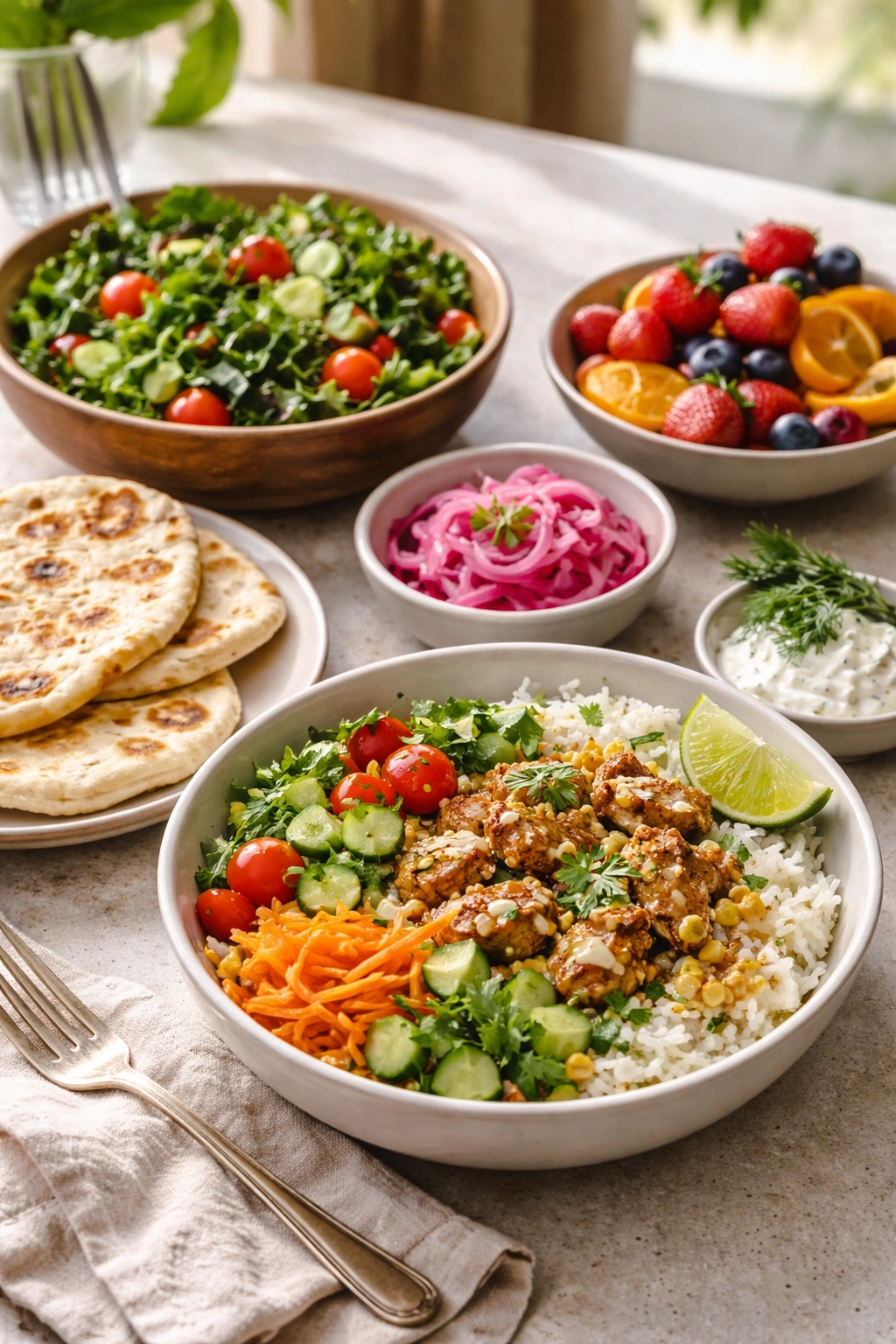
These bowls are complete meals as written, but you can serve them with sides for added substance or variety.
Warm flatbread, naan, or pita bread is wonderful for scooping and wrapping. Serve on the side so people can tear off pieces and use them to grab bites of chicken and vegetables.
A simple green salad tossed with lemon vinaigrette provides cool freshness and extra vegetables. This works especially well if your bowl is on the heavier side with beans or extra grains.
Pickled vegetables—quick pickled onions, pickled carrots, or store-bought pickled vegetables—add a brightness and acidity that cuts through richness. Make quick pickled onions by slicing onions thin, covering them with equal parts white vinegar and water with a pinch of salt and sugar, and letting them sit for at least 15 minutes.
Fresh fruit on the side balances the savory-rich nature of the bowl. Sliced pineapple, watermelon, or papaya all work beautifully, especially with Asian or tropical flavor directions.
A squeeze of fresh lime or lemon right at the table lets people adjust the brightness to their taste. Some people want more acid than you’ve built in, and this gives them control.
Hot sauce of any variety—sriracha, gochujang mixed with mayo, harissa, jalapeño hot sauce—lets people adjust heat levels without affecting the main bowl. This is essential if you have family members with different spice tolerances.
Making These Bowls Work for Picky Eaters
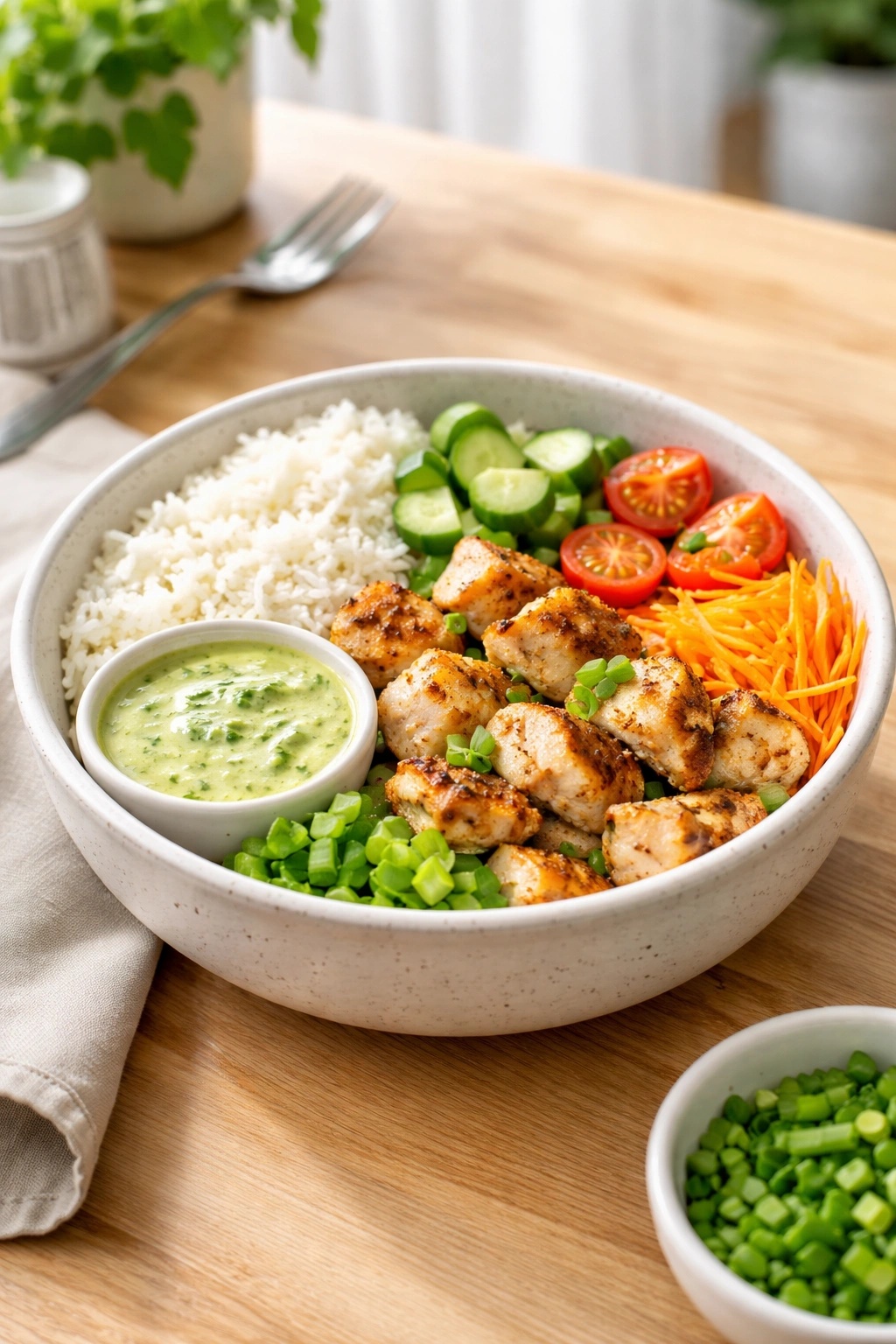
Chicken rice bowls have a built-in advantage with picky eaters because everything is separate until the bowl is assembled. You can build exactly what each person will eat.
For kids who are texture-sensitive, use plain rice with no grains mixed in, keep the vegetables in larger pieces (easier to remove if needed), and keep the sauce on the side or use it minimally. Soft, plain chicken with nothing sticking to it appeals to kids who find mixed textures overwhelming.
For kids who love spice, let them drizzle their own sauce and add their own hot sauce. You’ve already made a mild version, and they can customize it up.
For kids who are vegetable-averse, start with bowls that are mostly protein, rice, and sauce—just the things they know they like. Serve the vegetables on a small side plate so they’re there if they change their mind, but not front-and-center on the main bowl. Many kids eat more vegetables when they’re not mixed in with their main dish.
For kids who love control, let them assemble their own bowl from the components you’ve laid out. Kids eat more when they’ve had a say in what goes on their plate.
For kids who love variety, make multiple sauce options and let them pick. Some kids will eat a perfectly good bowl if they got to choose the sauce, and they’ll completely reject the same exact bowl if you chose the sauce for them.
Final Thoughts
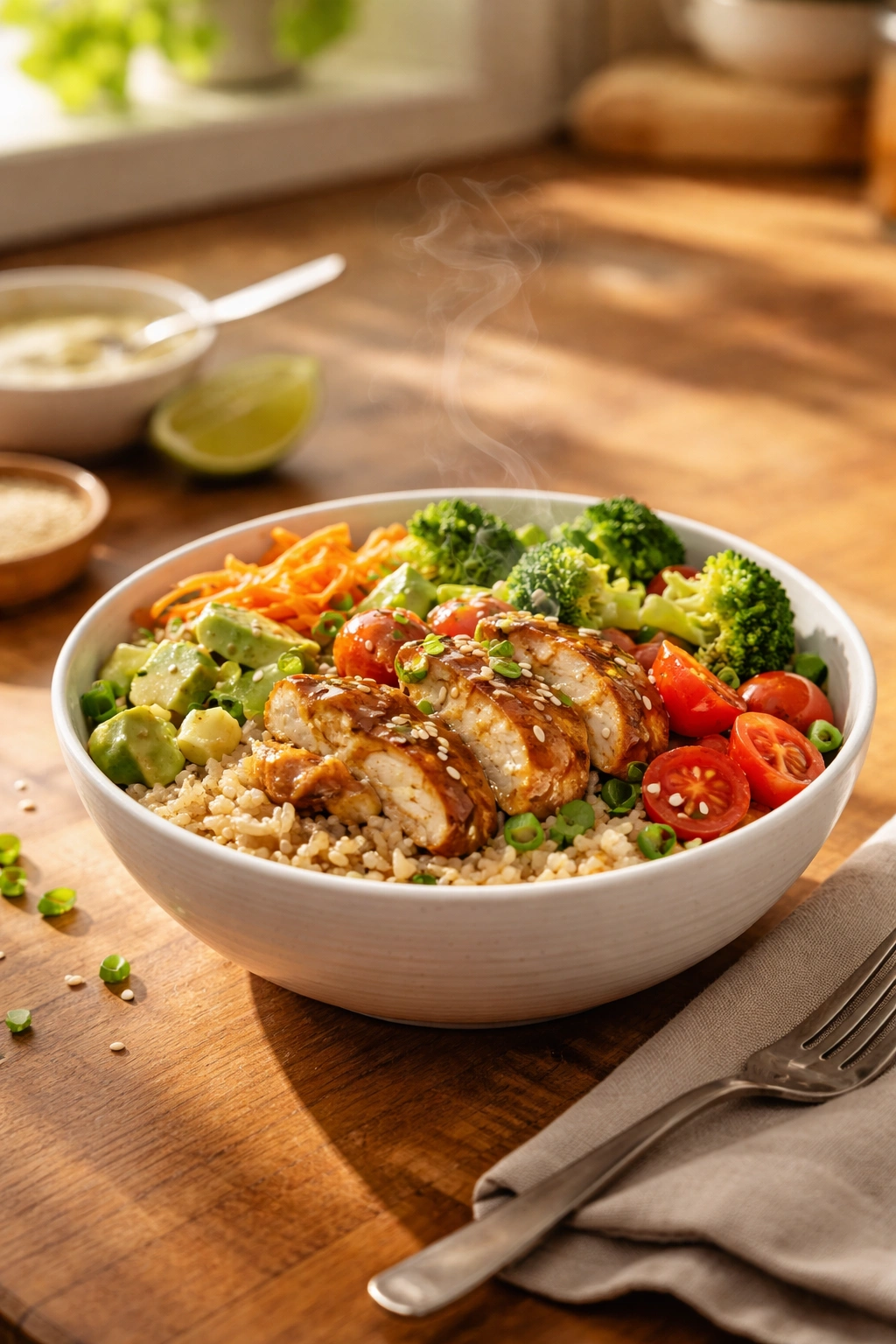
Chicken rice bowls have become a staple in my kitchen not because they’re trendy or because I’m trying to be health-conscious in a showy way. They’ve become a staple because they actually work. They fit into real life with its busy weeknights and competing preferences. They taste genuinely good, not like something I’m eating because I’m supposed to. They reheat beautifully so you get multiple meals from one cooking session. And they’re flexible enough that you can make them in a thousand different ways depending on what you have and what you’re craving.
The version I’ve shared here is my master template—the one I return to when I’ve had a long day and need something reliable, flavorful, and ready in under 40 minutes. It’s family-friendly because you build customization into the serving rather than trying to please everyone with one-size-fits-all seasoning. It’s impressive enough that you can serve it to guests without feeling like you took a shortcut, yet simple enough that your kids could eventually help make it. And it’s versatile enough that you can shift it in any flavor direction your mood demands.
Make this once and I think you’ll understand why it’s become such a go-to for so many people. Make it twice and you’ll probably be making it regularly. And if you start experimenting with variations and your own sauce combinations, you might find yourself in the same place I am—having a notebook full of chicken rice bowl sketches because you keep finding new directions to take it. That’s the mark of a truly great recipe: it’s not just good as written, it becomes a jumping-off point for countless meals that belong entirely to you.
