



There’s an art to baking zucchini that most people never quite master. You’ve probably encountered the soggy, mushy version that collapses on the plate, or the underseasoned side dish that tastes like watered-down plant matter. Or maybe you’ve nailed it once or twice but can’t figure out how to repeat the success. The truth is, baking zucchini isn’t complicated — it’s actually one of the easiest vegetables to get right — but it does require understanding a few key principles about moisture, temperature, and timing.
When you bake zucchini properly, something almost magical happens. The flesh becomes tender and creamy, the edges caramelize into golden-brown pockets of concentrated flavor, and the vegetable actually tastes like something instead of serving as a neutral vessel for other flavors. The difference between excellent roasted zucchini and disappointing roasted zucchini comes down to a handful of specific techniques that I’m going to walk you through completely. By the end of this guide, you’ll understand exactly why your zucchini turns out the way it does, and you’ll have the knowledge to adjust the method for your specific preferences and ingredients.
The best part? Once you’ve mastered the basic technique, you can adapt it endlessly. Same core method, wildly different results depending on seasonings, cooking temperature, slice thickness, and what you serve it alongside. You’ll never wonder whether your baked zucchini will turn out perfectly again.
About Baking Zucchini and Why It Matters
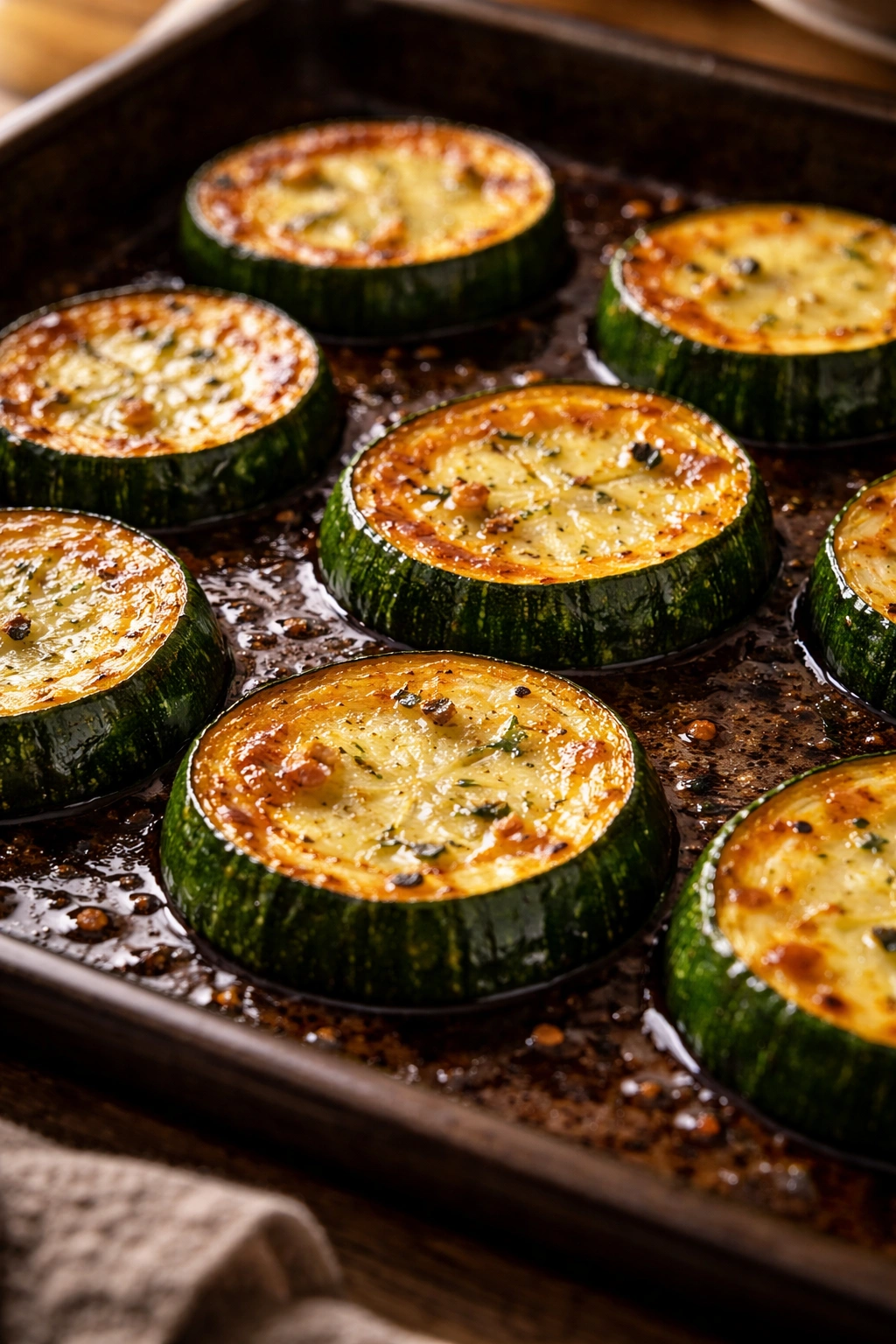
Baking zucchini is fundamentally different from boiling it, steaming it, or sautéing it on the stovetop. Dry heat in the oven — whether you call it roasting or baking — is actually the best way to coax out zucchini’s subtle sweetness while removing excess moisture that would otherwise make the final dish soggy. The oven’s consistent, surrounding heat cooks the zucchini evenly and allows the cut surfaces to dry out and caramelize slightly, developing actual flavor where there might have been blandness.
Most people underestimate zucchini as an ingredient. They think of it as a filler vegetable or a vehicle for cheese and heavy sauces. But zucchini has a delicate, almost buttery flavor when you cook it properly — it’s just subtle enough that aggressive seasoning or drowning it in oil actually masks what you’re trying to achieve. The goal with baking is to let that natural character shine while building a little textural contrast between the creamy interior and the slightly crispy, caramelized edges.
The technique is also incredibly forgiving once you understand the mechanics. Zucchini is roughly 95 percent water, which means it’s almost impossible to truly burn or ruin it. The main risks are undercooking it (so it stays firm and watery) or letting it go so long that it becomes completely mushy. With proper timing and temperature, you’ll land in the perfect sweet spot nearly every time.
Choosing and Preparing Your Zucchini
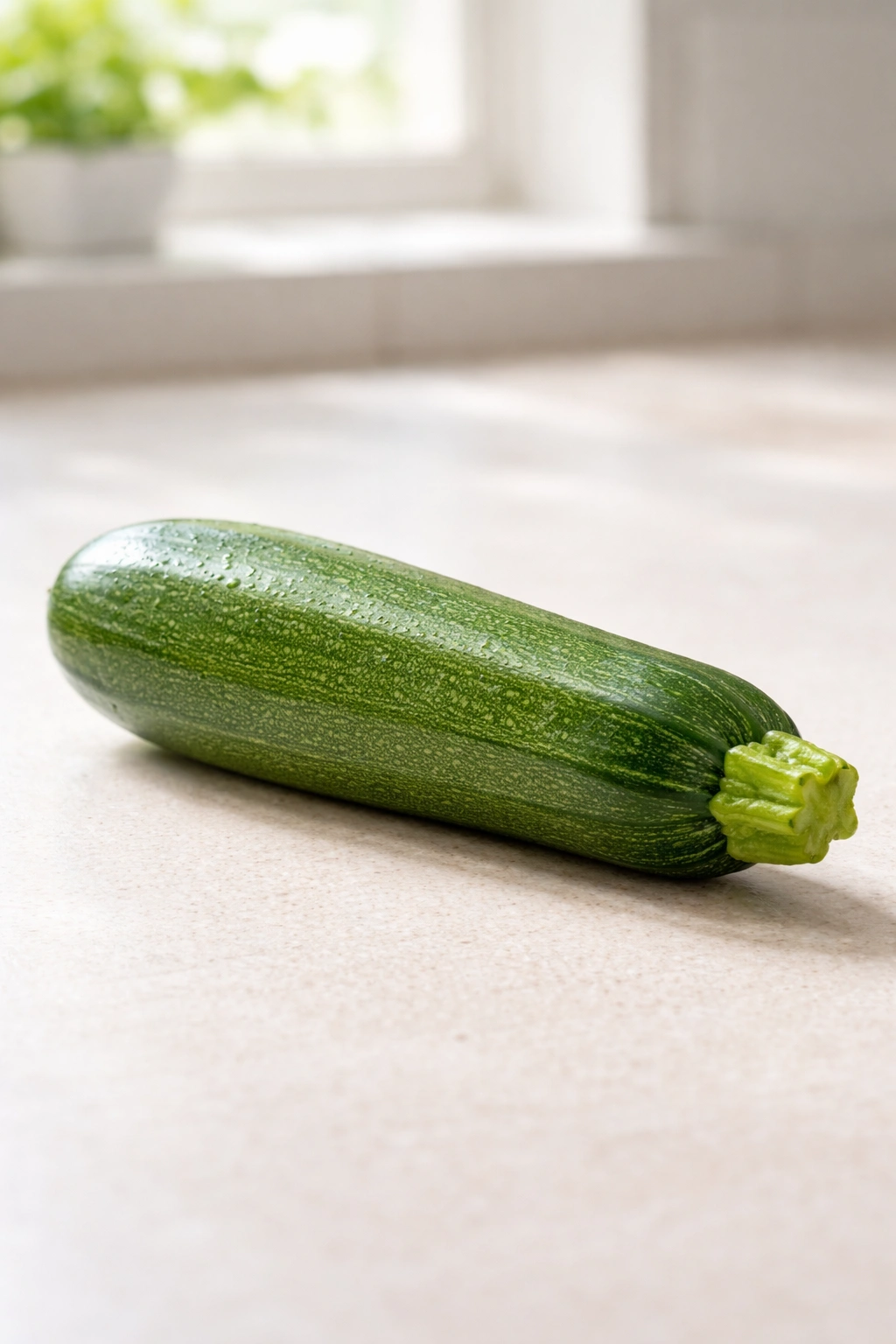
Start with the right vegetable. Medium-sized zucchini — roughly 6 to 8 inches long and about 2 inches in diameter — are your best bet. They have better flavor than the enormous, watery ones that have been on the vine too long, and they cook more evenly than the tiny, immature ones. Look for zucchini with skin that’s firm and bright green, with no soft spots, blemishes, or shriveling. If the skin dents when you press it gently with your finger, the zucchini is past its prime and will cook down to mush no matter what you do.
You can bake zucchini whole if you want to do minimal prep work, but slicing it properly makes an enormous difference in the final texture and the way it caramelizes. Cut zucchini lengthwise into quarters, creating long spears, or slice it into rounds about ⅓ inch thick. The ⅓-inch thickness is important — it’s thick enough that the zucchini won’t fall apart during cooking, but thin enough that the heat penetrates to the center in a reasonable time without the edges turning to char.
Don’t peel the skin unless you specifically dislike it. The skin contains most of the zucchini’s nutrients and actually helps hold the flesh together during cooking. Plus, when it caramelizes, it turns golden-brown and adds a subtle textural contrast that makes the dish more interesting to eat.
After slicing, pat the zucchini dry with a clean kitchen towel or paper towels. This is one of the most important steps and it’s almost universally skipped. When zucchini is wet on the surface, it steams instead of roasts, and you lose that caramelization. The moisture also prevents the oil from making proper contact with the vegetable, so flavoring doesn’t stick as well. Spend 30 seconds patting the zucchini pieces dry — this single step eliminates so much of the moisture problem that people usually blame on the temperature or the cooking time.
Understanding Heat, Time, and Doneness
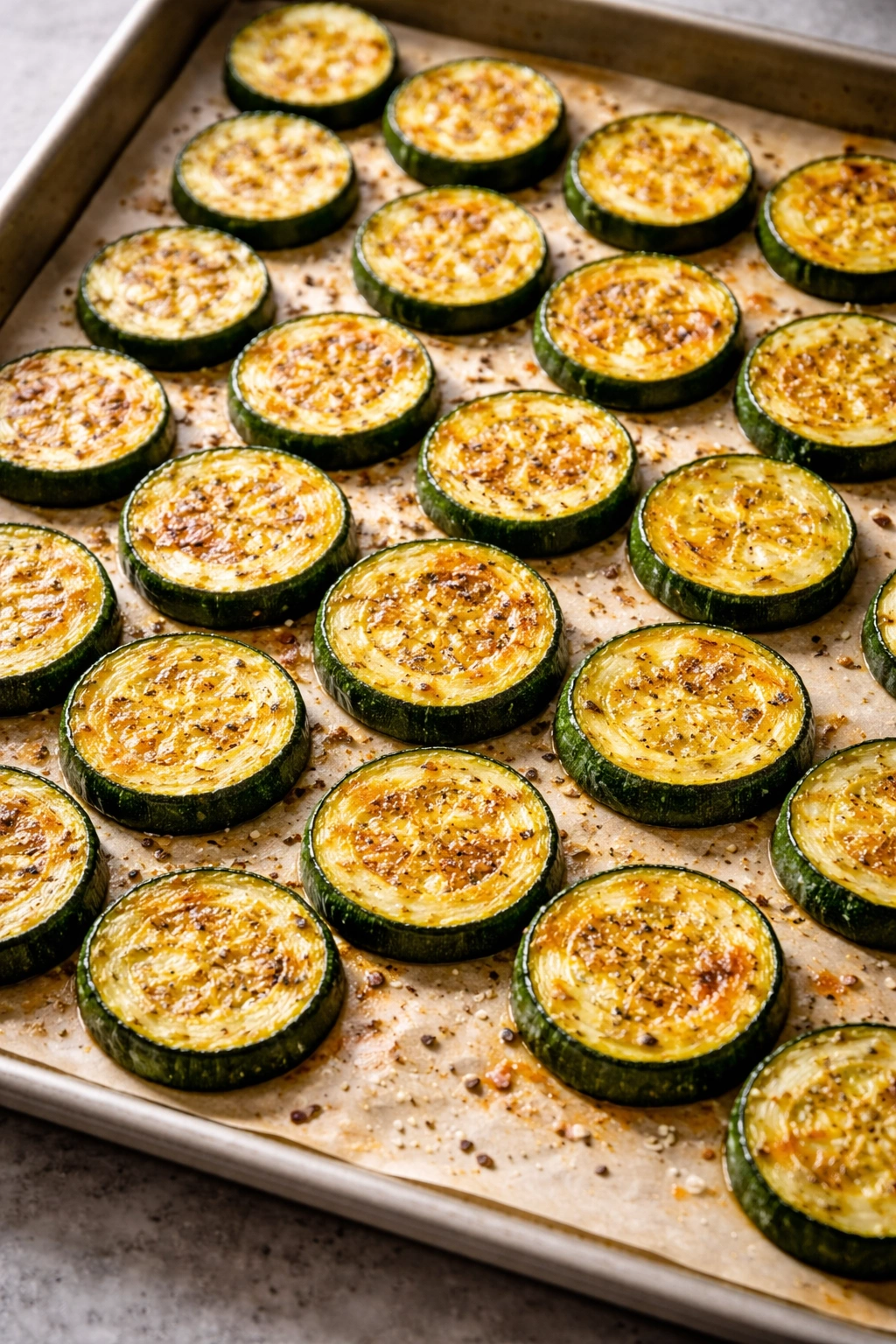
The ideal oven temperature for baking zucchini is somewhere between 400°F and 425°F (200°C to 220°C). At 400°F, zucchini takes about 25 to 35 minutes and develops a gentle golden color with minimal browning. At 425°F, it cooks in 18 to 25 minutes and caramelizes more aggressively, creating darker, crispier edges. Neither is inherently better — it depends on whether you want a delicate, light result or a more deeply flavored, caramelized dish.
Doneness is easy to judge if you know what to look for. The zucchini is ready when a fork easily pierces the thickest part of the flesh, and the exposed edges have turned from bright green to golden-brown or even tan. Don’t wait until the entire piece is brown all over — that means you’ve overcooked the interior. The goal is those darker brown patches on the edges and high points, with the body of the vegetable still retaining its shape and a slight firmness when you press it.
Temperature matters more than time because every oven runs slightly differently and zucchini can vary in size and water content. Check the doneness at the minimum time suggested, and then adjust from there. If the zucchini still feels very firm and the edges are barely colored, add another 5 minutes and check again. If it’s already getting quite soft and there’s significant browning, pull it out — it’s done.
Classic Roasted Zucchini
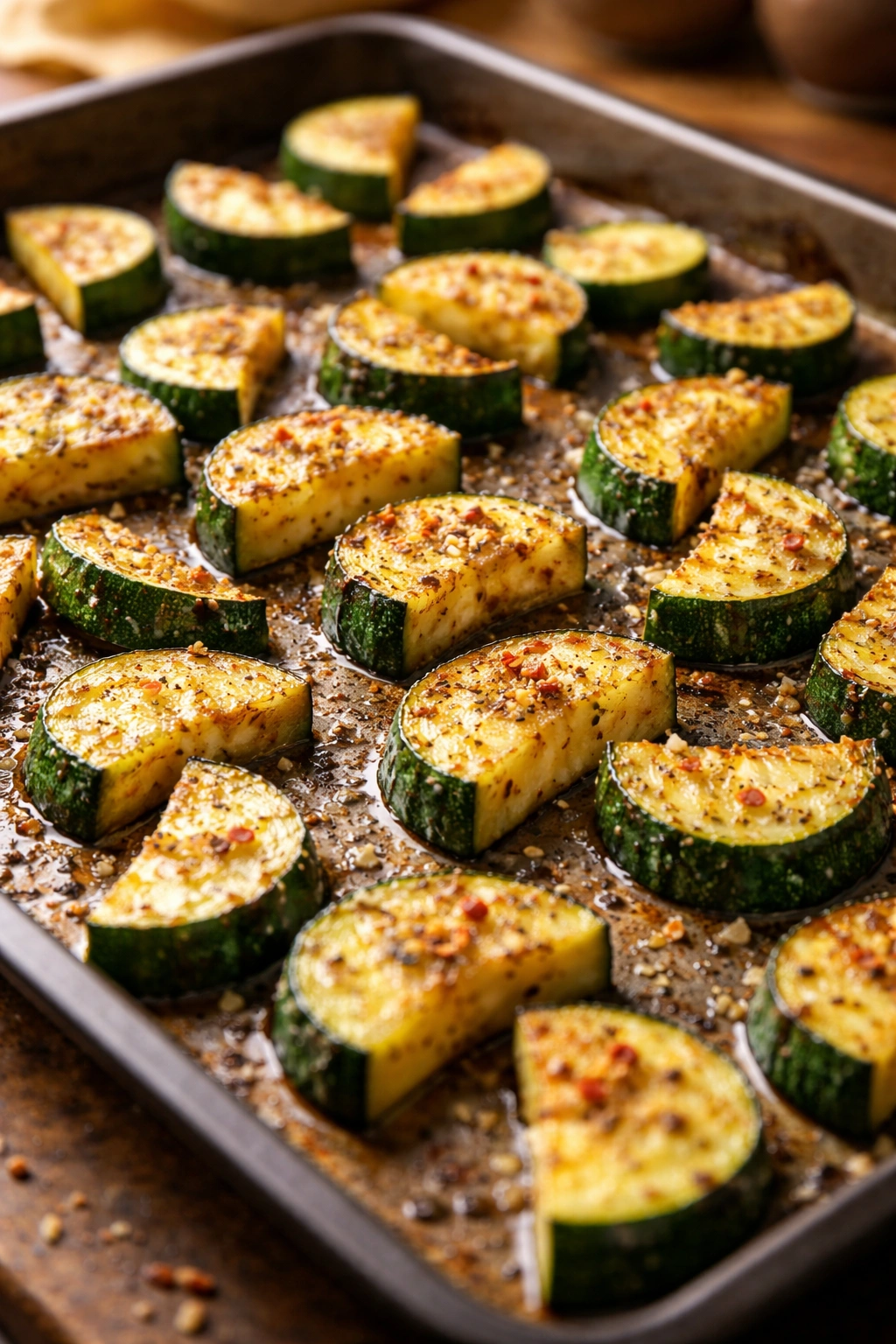
Yield: Serves 4 as a side dish | Makes about 4 cups
Prep Time: 15 minutes
Cook Time: 25 to 30 minutes (at 425°F) or 30 to 35 minutes (at 400°F)
Total Time: 40 to 50 minutes active
Difficulty: Beginner — no special equipment required, straightforward steps, and nearly impossible to completely ruin.
For the Zucchini:
- 2 pounds fresh zucchini (about 4 to 5 medium pieces), sliced lengthwise into quarters or cut into ⅓-inch-thick rounds
- 3 tablespoons extra-virgin olive oil
- 1 teaspoon fine sea salt, divided
- ½ teaspoon freshly ground black pepper, divided
- ½ teaspoon garlic powder
- ¼ teaspoon red pepper flakes (optional, for subtle heat)
Optional Finishing Elements:
- 2 tablespoons fresh lemon juice (brighten the flavors at the end)
- 2 tablespoons freshly grated Parmesan cheese (adds umami and salty depth)
- 1 tablespoon fresh basil or parsley, roughly chopped (fresh herb lift)
- Fleur de sel or finishing salt (for texture and final flavor pop)
Preparation Phase
-
Preheat your oven to 425°F (220°C) and position the rack in the center of the oven. If you’re using two sheet pans, preheat both. An oven at temperature when the zucchini goes in ensures immediate caramelization instead of steaming.
-
Wash the zucchini under cool running water and pat them completely dry with a clean kitchen towel or paper towels — this step prevents steaming and allows proper oil coverage. Moisture on the surface is your enemy here.
-
Slice the zucchini either lengthwise into quarters (which creates elegant spear-shaped pieces) or into ⅓-inch-thick rounds (which gives you shorter cooking time and crispier edges). Aim for consistent thickness so everything cooks at the same rate. Do not cut the pieces too thin — they’ll collapse into mush. Do not cut them too thick — the centers will remain watery.
-
Add the olive oil, ½ teaspoon of the salt, ¼ teaspoon of the pepper, and the garlic powder to a large mixing bowl. Whisk together briefly until combined. The ratio here is important — about 1½ tablespoons of oil per pound of zucchini ensures good caramelization without greasiness.
-
Add the zucchini pieces to the oil mixture and toss gently with your hands or two spoons until every piece is evenly coated. The key word is evenly — make sure no piece is sitting in a dry spot. A quick, gentle toss takes about 15 seconds.
Baking Phase
-
Spread the zucchini pieces in a single layer on one or two sheet pans, arranging them flat and not overlapping. This is critical — if the pieces overlap, the undersides steam instead of bake, and you’ll lose the caramelization. If you can’t fit everything in a single layer without overlapping, use two baking sheets rather than piling the zucchini on top of itself.
-
Sprinkle the remaining ½ teaspoon salt and ¼ teaspoon pepper evenly over the zucchini. The salt should be distributed across the top of the pieces so it doesn’t all settle on one end of the pan.
-
Slide the pan into the preheated oven and bake for 18 to 25 minutes at 425°F (or 30 to 35 minutes at 400°F). Do not skip checking at the minimum time. At around the 18-minute mark, peek into the oven. The zucchini is ready when a fork easily pierces the flesh and the exposed edges and high points have turned golden-brown or tan. The flesh should be tender but not falling apart, and the shape should still be recognizable.
-
Remove the pan from the oven and let the zucchini rest on the hot pan for 2 minutes. This allows any excess steam to escape and the pieces to firm up slightly. If you immediately transfer hot zucchini to a serving plate, it can continue to release moisture and soften further.
Finishing Phase
-
Transfer the roasted zucchini to a serving platter. If using the optional finishing elements, squeeze fresh lemon juice over the top immediately — the acid brightens everything and cuts through any richness from the oil. Sprinkle with Parmesan cheese, fresh basil or parsley, and a tiny pinch of fleur de sel if you have it.
Advertisements -
Serve hot, warm, or even at room temperature. Roasted zucchini actually tastes wonderful at any temperature, which makes it perfect for meal prep or casual entertaining.
Getting the Seasoning Right
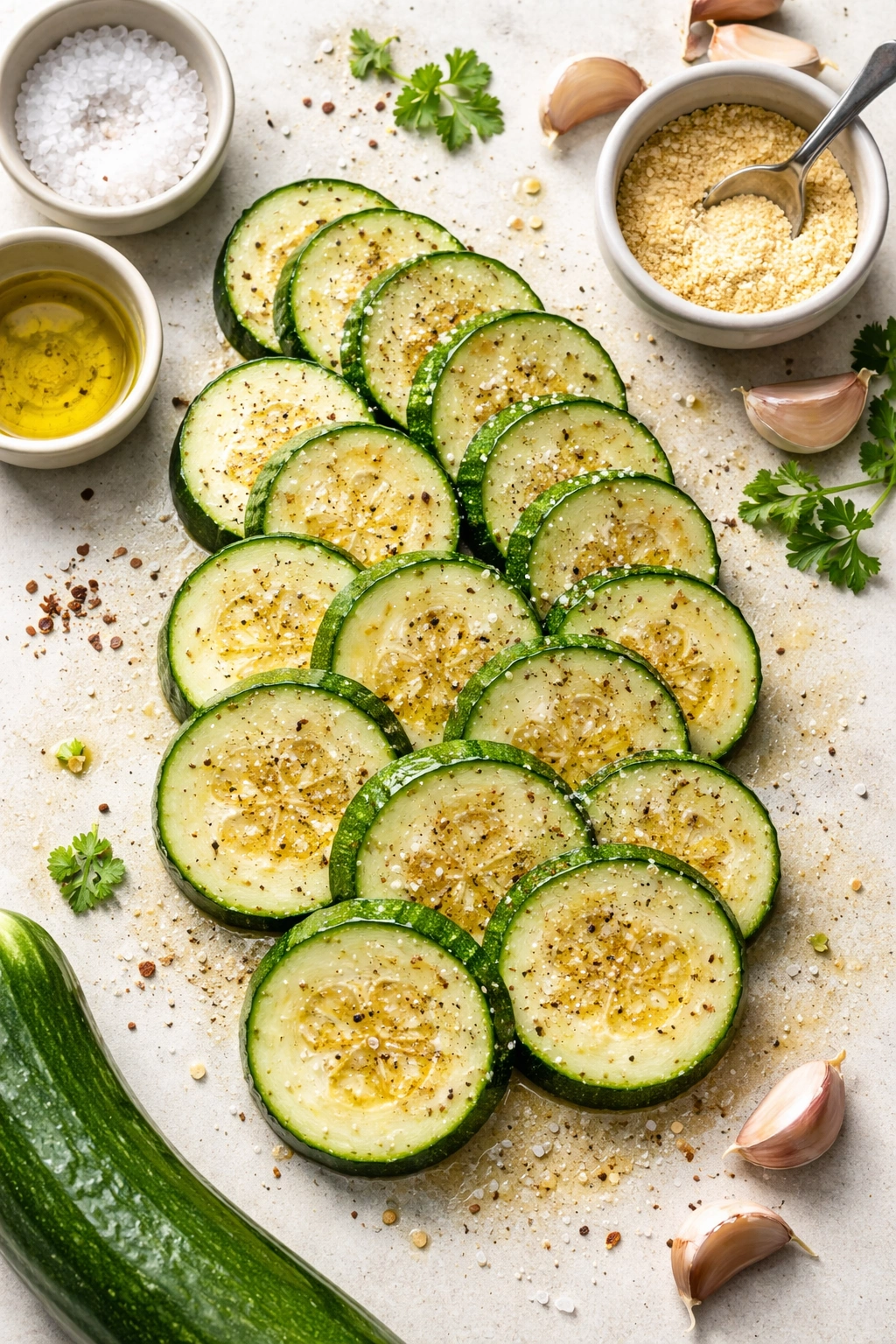
Salt is the most important seasoning for baked zucchini, and most home cooks use too little of it. The reason is that zucchini is so mild that it needs enough salt to actually activate its subtle flavor. If you taste your zucchini and it seems flat, the answer is almost always more salt — not more garlic powder, not hot sauce, just salt. Add salt conservatively in two stages: a portion before baking (so it penetrates as the zucchini cooks) and the rest at the end (so you get little pops of salt flavor in each bite).
Garlic powder is the classic pairing with baked zucchini, but use a light hand. Too much garlic powder becomes chalky and metallic-tasting. Start with ½ teaspoon for 2 pounds of zucchini and taste before adding more. If you prefer fresh garlic, mince 2 garlic cloves very finely and toss them with the zucchini and oil before baking — just be aware that they can burn if you’re using 425°F, so keep a close eye on the pan.
Black pepper, red pepper flakes, and dried oregano are natural pairings with zucchini, especially if you’re serving it with Italian food. Fresh lemon or lime juice at the end makes a dramatic difference, brightening everything and balancing the richness of the oil. Parmesan cheese, toasted breadcrumbs, and fresh herbs (basil, parsley, dill, or even mint) elevate the dish from simple side to something people actually talk about.
Be cautious about wet seasonings like fresh tomato sauce or pesto before baking — they add moisture that promotes steaming. Better to add them after baking, once the zucchini has developed its caramelized edges. If you want herbs involved during cooking, stick to dried herbs, which won’t add moisture and will actually intensify as the zucchini bakes.
Common Baking Mistakes and How to Avoid Them
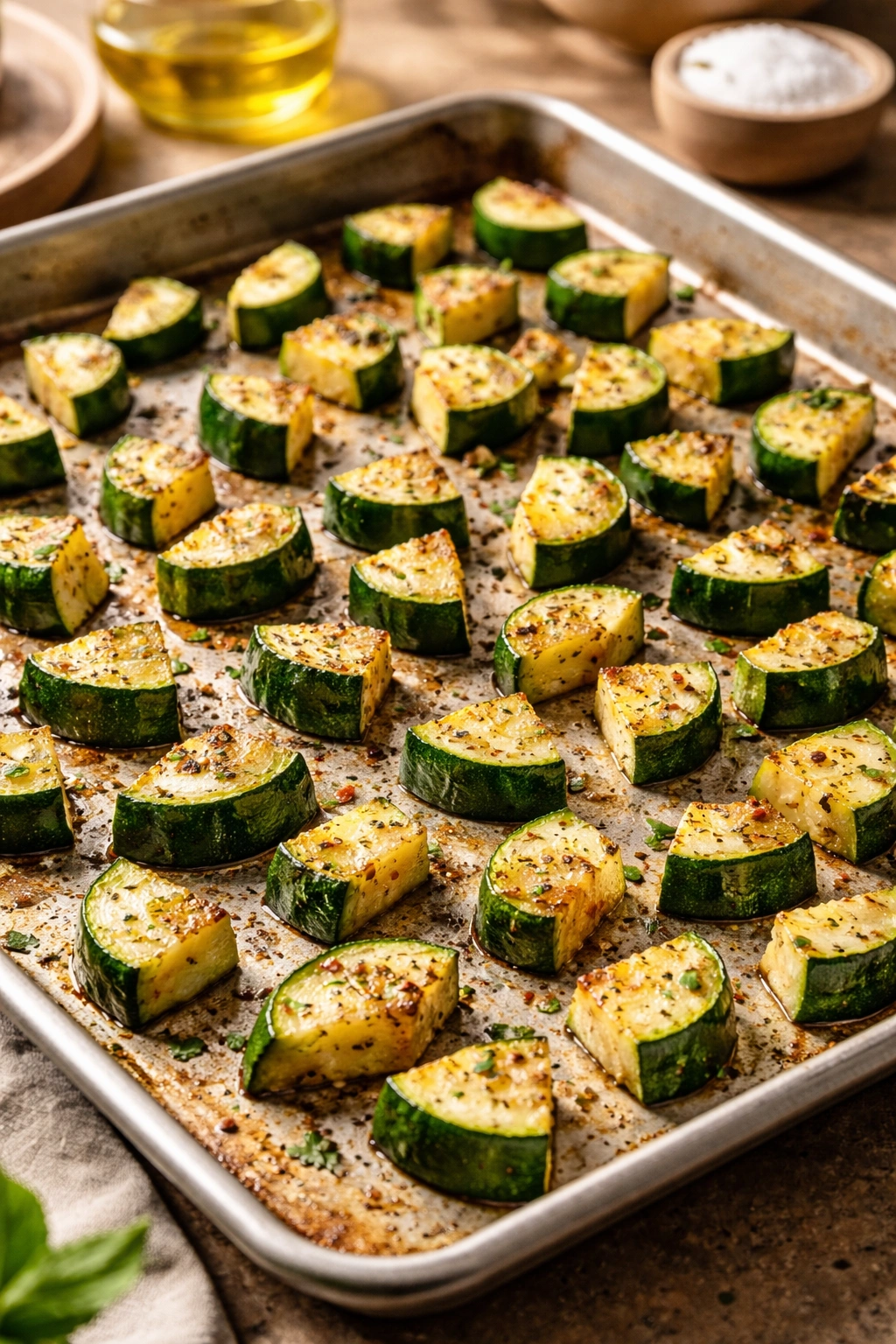
The most common mistake is overcrowding the pan. When zucchini pieces overlap, the undersides don’t touch the hot pan and don’t develop that golden caramelization. Instead, they steam in the moisture that’s trapped underneath, leaving you with soft, pale, uninteresting vegetable. The solution is simple: use two baking sheets if necessary, or cut the zucchini into smaller pieces so everything fits in a single layer with a tiny bit of space between pieces.
The second biggest mistake is using oil that’s too light in flavor or skimping on the amount. Vegetable oil or canola oil don’t add anything to the taste, and cheap olive oil tastes bitter when it’s heated. Use good-quality extra-virgin olive oil — yes, it’s more expensive, but you’re using only 3 tablespoons for 2 pounds of zucchini, so one bottle lasts a long time. And don’t skimp on the amount. You need enough oil that every piece gets genuinely coated and the pan has a light film of oil so the zucchini makes contact with the hot surface.
Under-seasoning is nearly universal. Zucchini is inherently bland, and it needs more seasoning than most vegetables to taste like anything. If your zucchini tastes flat or boring, that’s a seasoning problem, not a cooking problem. Add salt, add acid (lemon or lime juice), or add a finishing ingredient like Parmesan or fresh herbs.
Using zucchini that’s too large or too small will throw off timing and texture. The massive zucchini from the back of the farmer’s market garden has so much water that it collapses during cooking. The tiny zucchini cook so fast that it’s easy to overshoot doneness. Medium is your friend.
Baking at too low a temperature means the zucchini steams instead of roasting, and you lose the caramelization that makes the whole thing worth doing. Don’t bake zucchini at 350°F expecting good results — it’ll take 45+ minutes and come out mushy. A hot oven (400°F minimum) is essential.
When Your Zucchini Comes Out Watery or Mushy
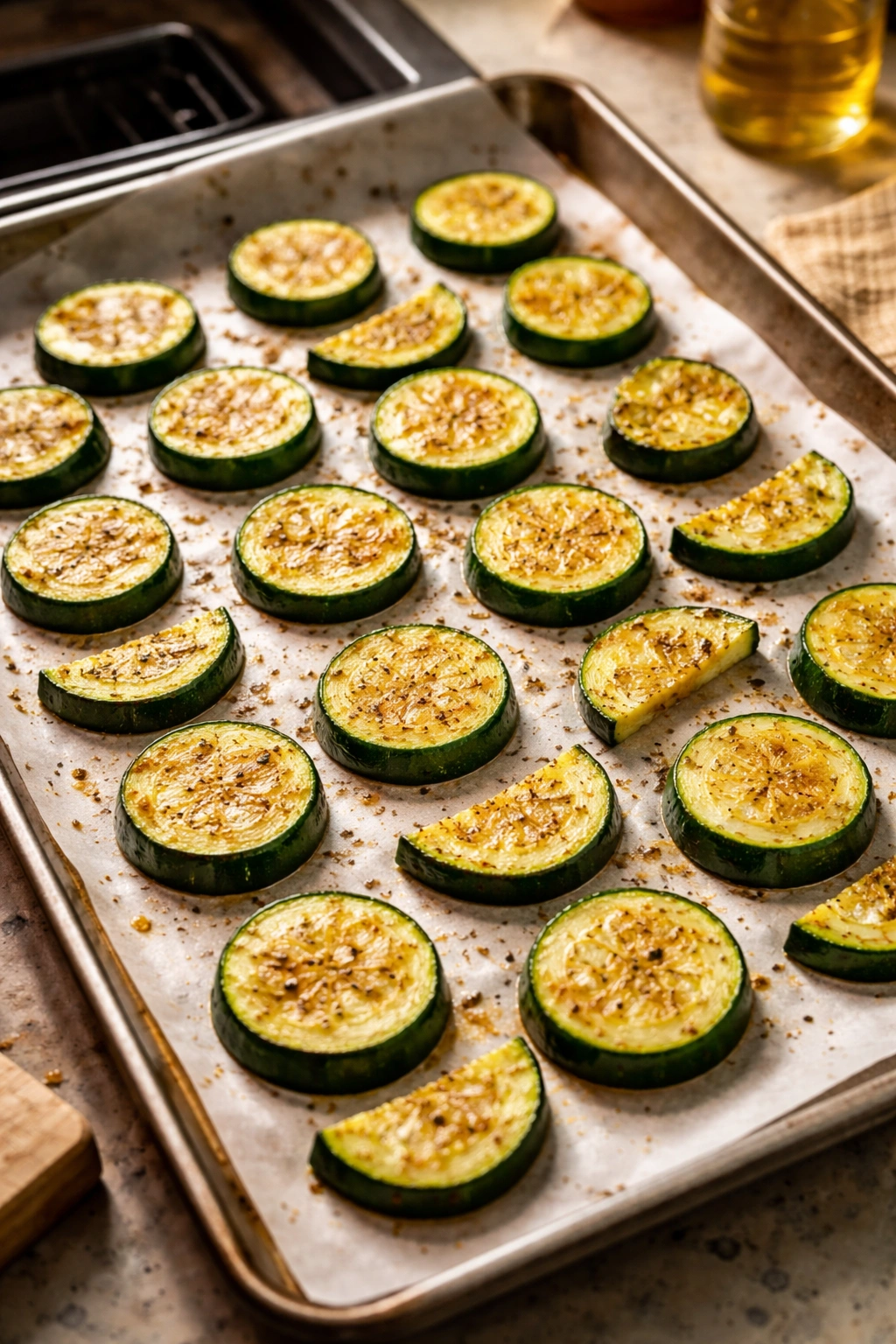
If your baked zucchini consistently comes out wet and falling apart, there are specific things you can adjust. First, make absolutely sure you’re patting the zucchini dry before baking — this solves the watery problem in the vast majority of cases. The surface moisture is the culprit, and a quick towel-dry changes everything.
Second, make sure you’re not overcrowding the pan. Overlapping pieces trap steam underneath, creating a steamed vegetable instead of a roasted one. Space them out with a tiny bit of room between each piece.
Third, consider that your zucchini might be too large or have been stored for too long. Overripe zucchini has high water content and less structural integrity, so it breaks down during cooking. Always start with zucchini that’s firm and relatively fresh.
If you’ve addressed all three of those and your zucchini is still mushy, increase the oven temperature to 450°F and reduce the cooking time slightly. Higher heat creates more aggressive caramelization and dries out the vegetable faster. Just watch closely so the edges don’t char before the center finishes cooking.
You can also try slicing the zucchini thicker — go from ⅓ inch to ½ inch, which gives you more margin for error and a naturally firmer final product. The trade-off is slightly longer cooking time, but you get a better texture.
Variations on Basic Roasted Zucchini
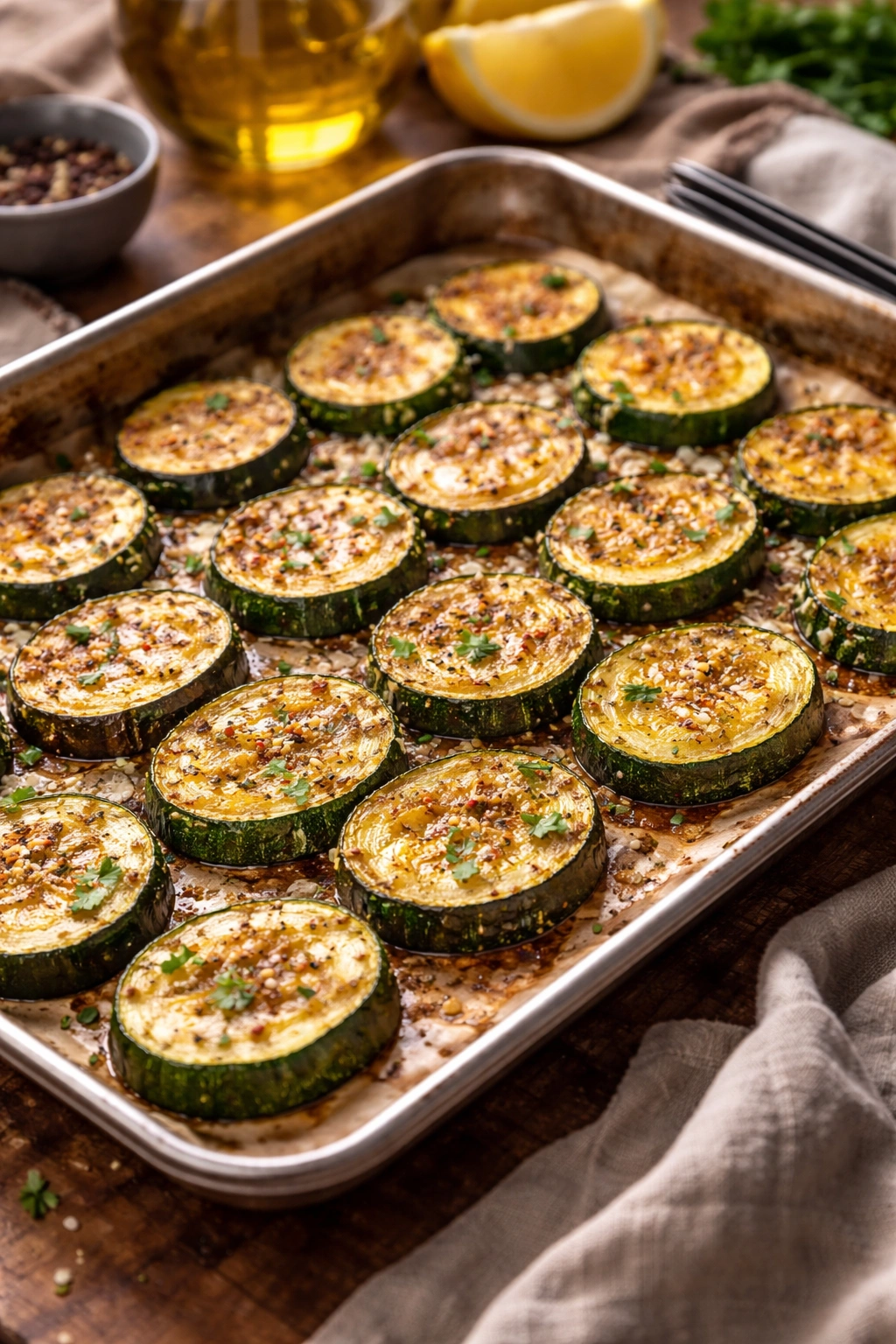
Once you’ve mastered the basic technique, the variations are endless. For a Mediterranean version, toss the zucchini with olive oil, salt, pepper, and dried oregano before baking. Finish with crumbled feta cheese, fresh lemon juice, and a handful of chopped fresh dill. The tang of the feta and the brightness of the lemon completely transform the dish.
For an Asian-inspired take, coat the zucchini with a mixture of olive oil, sesame oil, soy sauce, a tiny bit of rice vinegar, and minced fresh ginger before baking. Finish with sesame seeds and sliced green onions after it comes out of the oven. This version works beautifully alongside rice or noodles.
If you want a more herbaceous, Italian flavor, skip the garlic powder and instead sprinkle dried Italian seasoning or a combination of dried basil and oregano over the zucchini before baking. Finish with good Parmesan and fresh basil if you have it.
For a Cajun or Creole version, season the zucchini with paprika, cayenne, garlic powder, onion powder, dried thyme, and salt before baking. It comes out with color and heat and pairs beautifully with cornbread or rice-based dishes.
Try coating the zucchini with a mixture of olive oil, minced garlic, and fresh herbs before baking — dill and parsley work particularly well, though basil and oregano are traditional. The fresh herbs will char slightly at the edges, creating little flavor pockets throughout the dish.
For a cheesy version, bake the zucchini until it’s nearly done, then top it with a mixture of grated Parmesan, breadcrumbs, and fresh parsley, drizzle with a little olive oil, and return it to the oven for 3 to 4 minutes until the topping is golden. It’s like a deconstructed zucchini parmesan.
Make-Ahead and Storage Tips
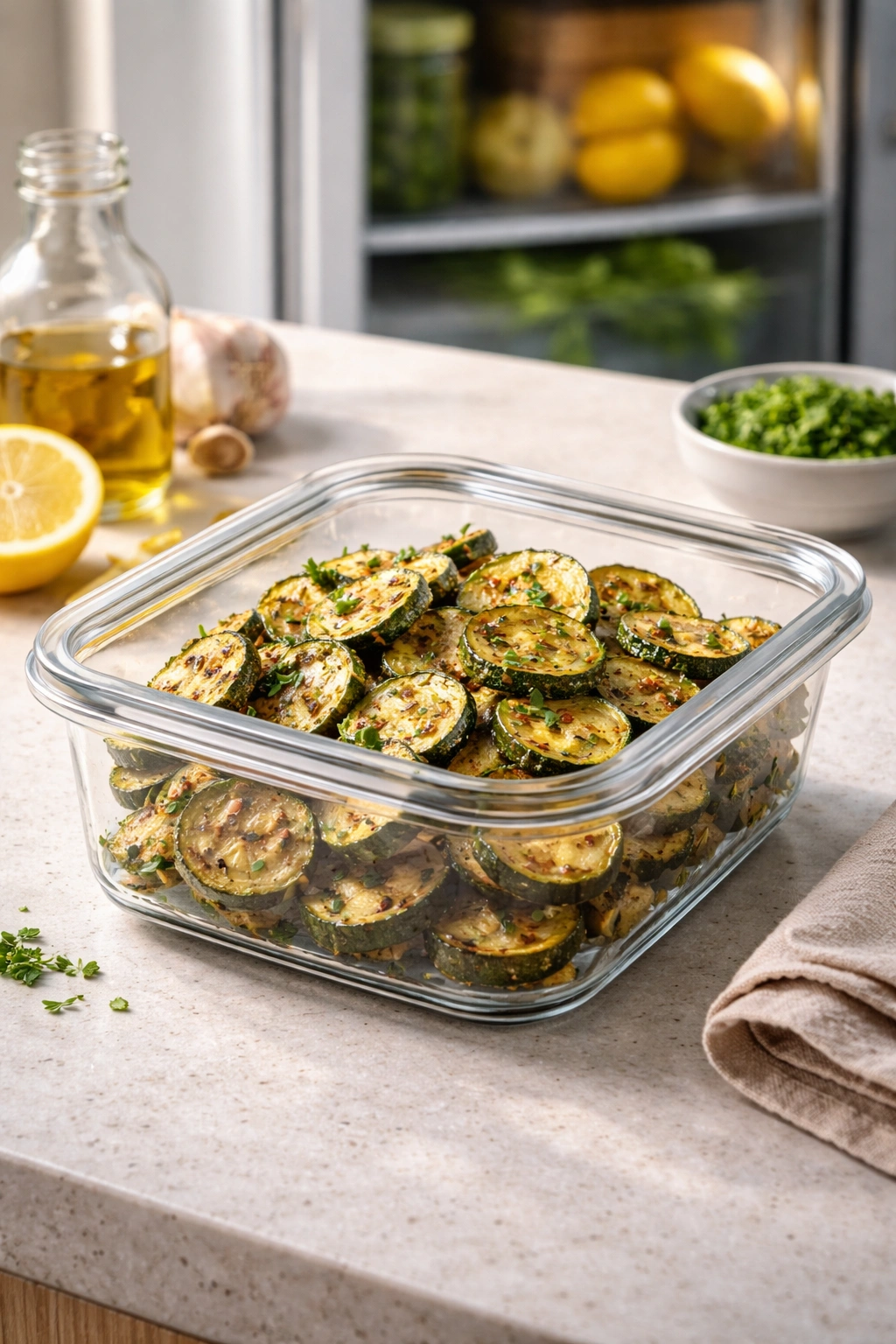
Roasted zucchini stores beautifully in the refrigerator for up to 5 days in an airtight container. It actually tastes slightly better the next day because the flavors have had time to settle and meld. You can serve it straight from the cold fridge as a salad, toss it into pasta, or quickly reheat it in a 350°F oven for 5 minutes if you prefer it warm.
You can bake the zucchini up to 2 days ahead if you’re planning a meal, and finish it with fresh herbs, lemon juice, or cheese right before serving. The caramelization stays crispy for quite a while, though the texture does soften gradually as the zucchini sits.
Freezing roasted zucchini is possible but not ideal. It becomes softer and loses some of that caramelized edge when it thaws. If you do freeze it, spread the cooled zucchini in a single layer on a baking sheet, freeze until solid (about 2 hours), then transfer to a freezer bag. It keeps for about 2 months. Thaw it in the refrigerator overnight and use it in cooked dishes like pasta, stews, or grain bowls where texture matters less.
Don’t add fresh herbs or finishing toppings until right before serving — they’ll get soggy in storage. The plain roasted zucchini keeps perfectly well, and you can dress it differently each time you eat it.
Serving Ideas That Actually Taste Good
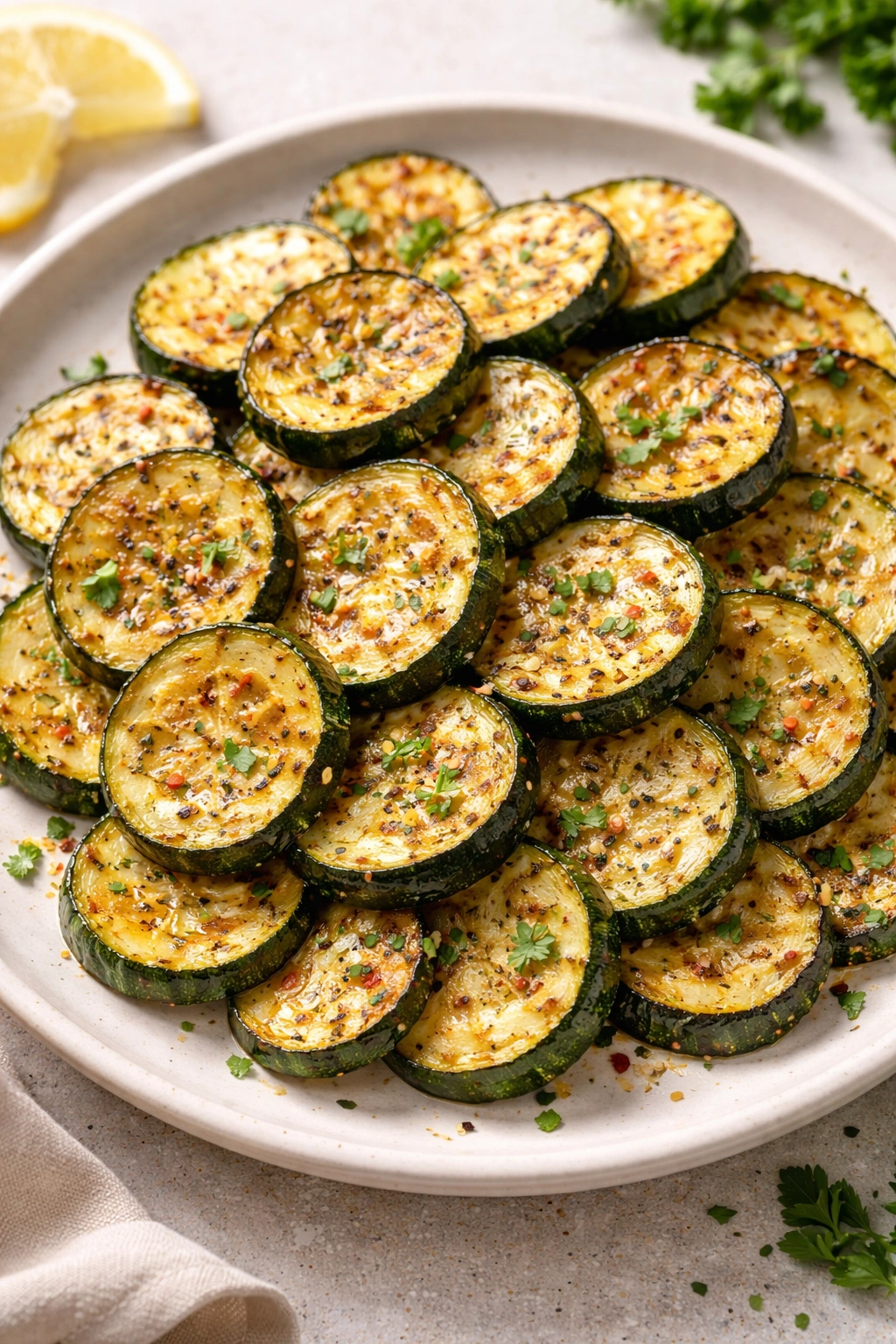
Roasted zucchini works as a side dish with almost any protein and grain combination. Serve it alongside grilled chicken or fish with a grain like quinoa or couscous for a balanced meal. It pairs beautifully with Mediterranean flavors — try it with lamb, chickpea-based dishes, or alongside feta cheese and olives.
Toss room-temperature roasted zucchini into grain salads. It works wonderfully in a Mediterranean salad with bulgur, chickpeas, fresh tomatoes, and a lemon vinaigrette. Or mix it into a warm couscous salad with dried fruit and toasted nuts for something more substantial.
Layer roasted zucchini into pasta dishes or baked pastas. It’s especially good mixed into a simple marinara sauce with fresh mozzarella, or tossed with olive oil and garlic. The caramelized edges actually add texture and flavor to a pasta dish instead of just adding volume like watered-down steamed zucchini would.
Serve it as part of a vegetable platter or mezze board alongside hummus, roasted eggplant, fresh vegetables, and bread. The caramelization and seasoning make it substantial enough to hold its own against other flavorful components.
Use roasted zucchini as a filling in stuffed vegetable dishes, layered into lasagna, or mixed into frittatas or egg-based dishes. The flavor and texture work better in cooked applications than steamed or raw zucchini would.
Chop cooled roasted zucchini and fold it into cream cheese or Greek yogurt with herbs to make a spread for sandwiches or crackers. The caramelization adds depth that plain zucchini would never provide.
Final Thoughts
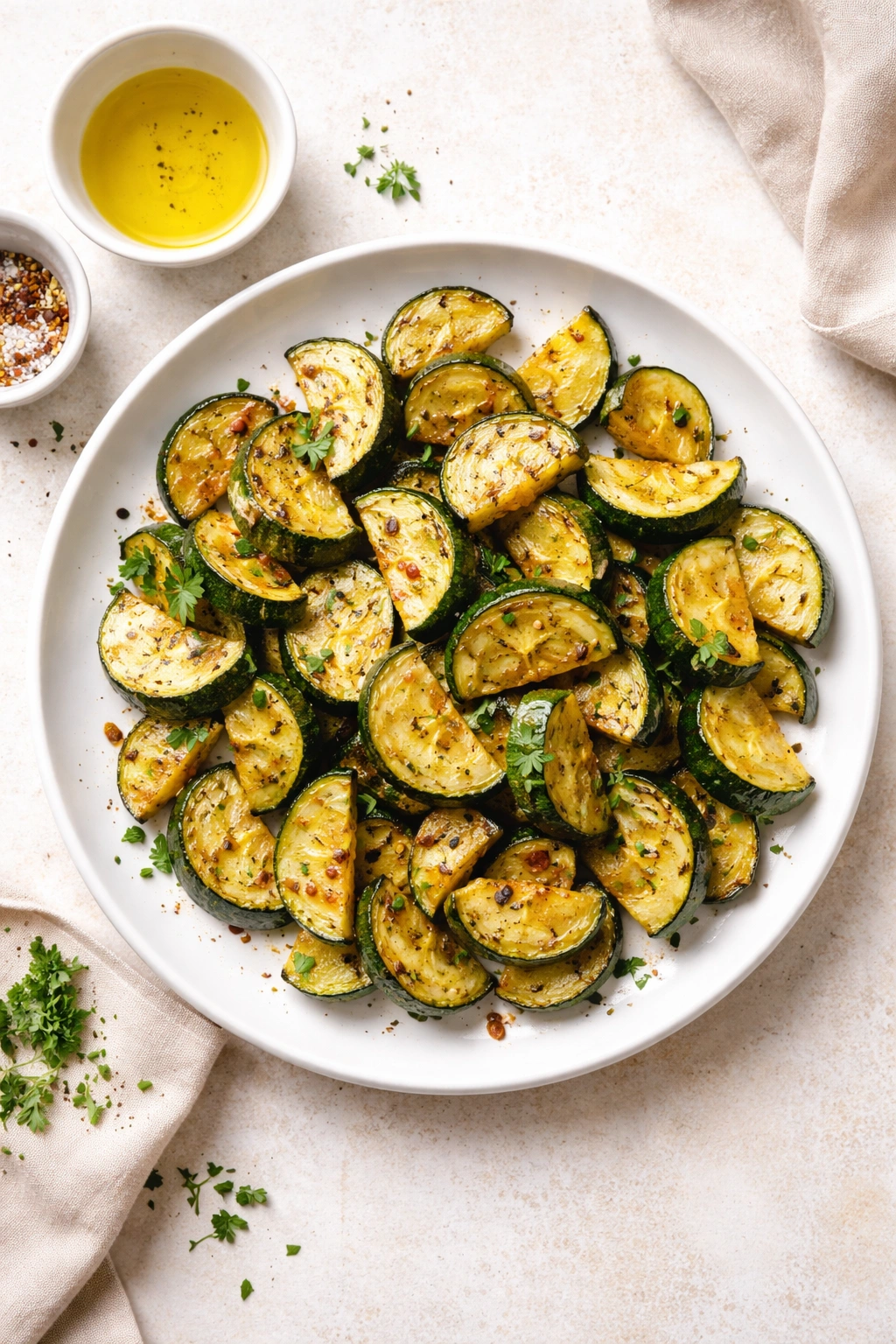
Baking zucchini is genuinely straightforward once you understand that the enemy is moisture and the goal is caramelization. Dry the zucchini, don’t overcrowd the pan, use adequate oil and heat, season generously, and you’ll get perfectly baked zucchini almost every single time. The technique is the same whether you’re making a simple side dish or something more elaborate — the variable is just what seasonings and finishing touches you add.
The real magic of roasted zucchini is that it tastes like something. It’s not a neutral vehicle for other flavors or a forgettable vegetable on the side of the plate. When you nail it, people actually eat it, and some people even ask for seconds. That shift from “zucchini is fine, I guess” to “this zucchini is actually delicious” comes entirely from understanding these core principles and executing them carefully. Start with the basic version and taste how the caramelization and proper seasoning completely transform the vegetable, and then you’ll be ready to adapt it for whatever direction your cooking takes you.
