



There’s something almost magical about waking up to the aroma of cinnamon and brown sugar baking in your oven, especially when it requires a fraction of the effort of traditional cinnamon rolls. A cinnamon roll casserole delivers all that cozy warmth and sticky sweetness in a format that actually works for real families with real schedules — no overnight proofing, no rolling and slicing, no stress about getting the spirals just right. You layer everything the night before, slide it into the oven in the morning, and within an hour you’ve got a golden, bubbling breakfast that tastes like you’ve been baking since dawn.
What makes this version so beloved is the texture contrast: soft, bread-like layers infused with cinnamon and brown sugar, held together with a custard-like egg mixture that bakes up tender and custardy rather than dry. The edges caramelize slightly, giving you those crispy, sticky bits that everyone fights over. Unlike traditional cinnamon rolls that can be heavy or overly doughy, this casserole feels lighter and more elegant while still delivering maximum cinnamon-sugar satisfaction. It’s the kind of dish that works for a weekday family breakfast, a holiday brunch with guests, or a special Sunday morning when you want something impressive but manageable.
This approach has been around in various forms for decades, a natural evolution of breakfast bread puddings and stratas. But the best versions nail the balance between crispy and custardy, sweet and not-too-sweet, impressive and genuinely easy. Let me walk you through exactly how to make one that’ll have your family asking for it again next weekend.
The Magic Behind Cinnamon Roll Casserole
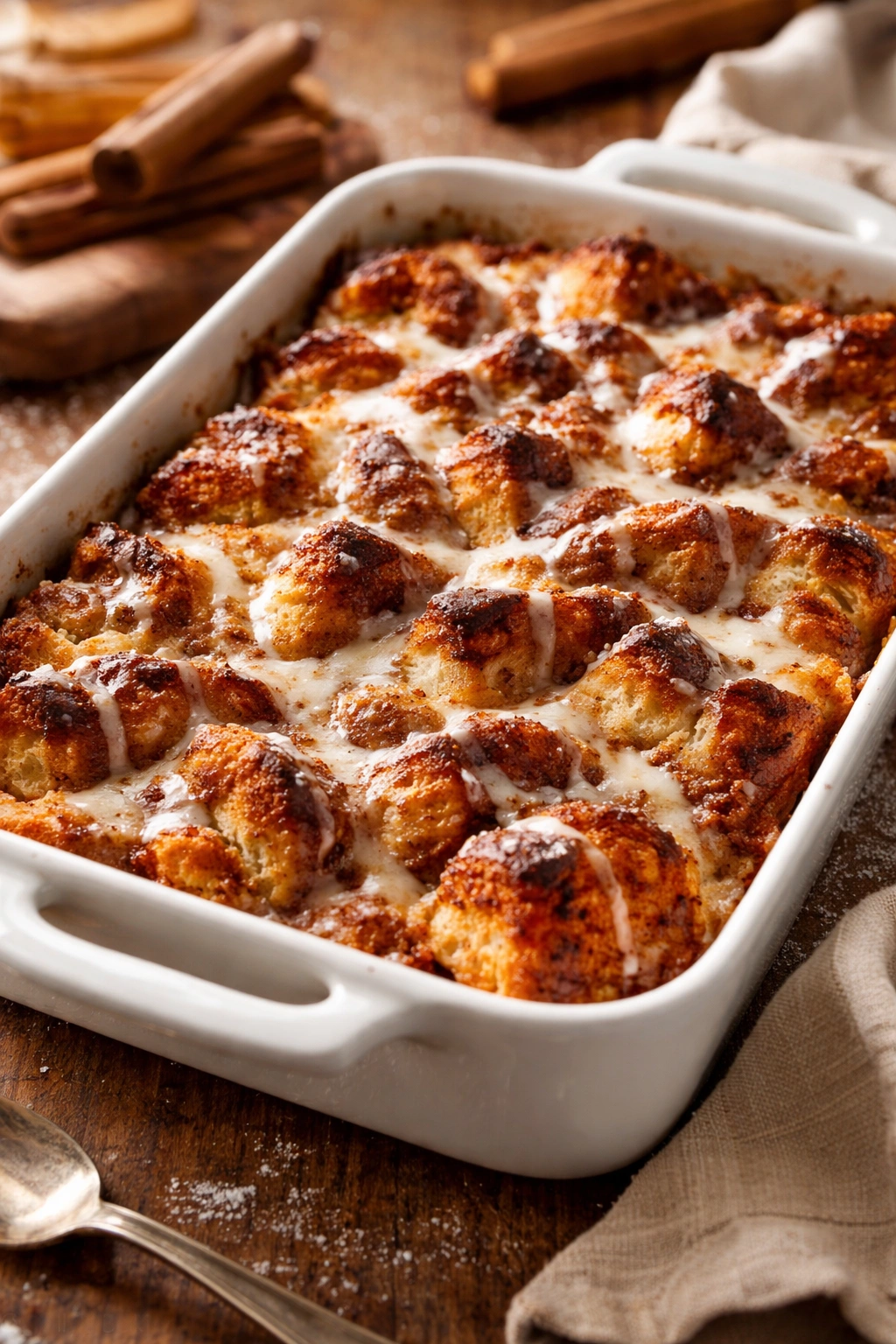
The genius of this dish is that it skips the most intimidating part of traditional cinnamon rolls — the yeast dough and the rolling technique — while keeping everything that makes cinnamon rolls irresistible. Instead of starting with a yeast dough, you’re working with brioche bread or thick bread slices, which you layer into a baking dish with a cinnamon-sugar mixture and then pour over a custard base made from eggs, milk, and cream.
The custard is what transforms this from just layers of bread into something creamy and custardy. As the casserole bakes, the bread absorbs the egg mixture and softens from the inside while the top browns and the edges get slightly caramelized. The result is texture on texture — soft interior, custardy center, crispy edges. It’s fundamentally different from a bread pudding in that the cinnamon and brown sugar aren’t just mixed throughout; they’re layered deliberately, creating pockets of pure cinnamon-sugar richness.
The beauty is the flexibility. You can make this the night before, cover it, refrigerate it, and bake it in the morning — the overnight rest actually improves it by allowing the bread to fully absorb the custard. Or you can assemble and bake it same-day if you’re short on time. Either way, you’re looking at about 45 minutes in the oven from cold, and the hands-on prep time is genuinely minimal.
Why This Works Better Than You’d Expect
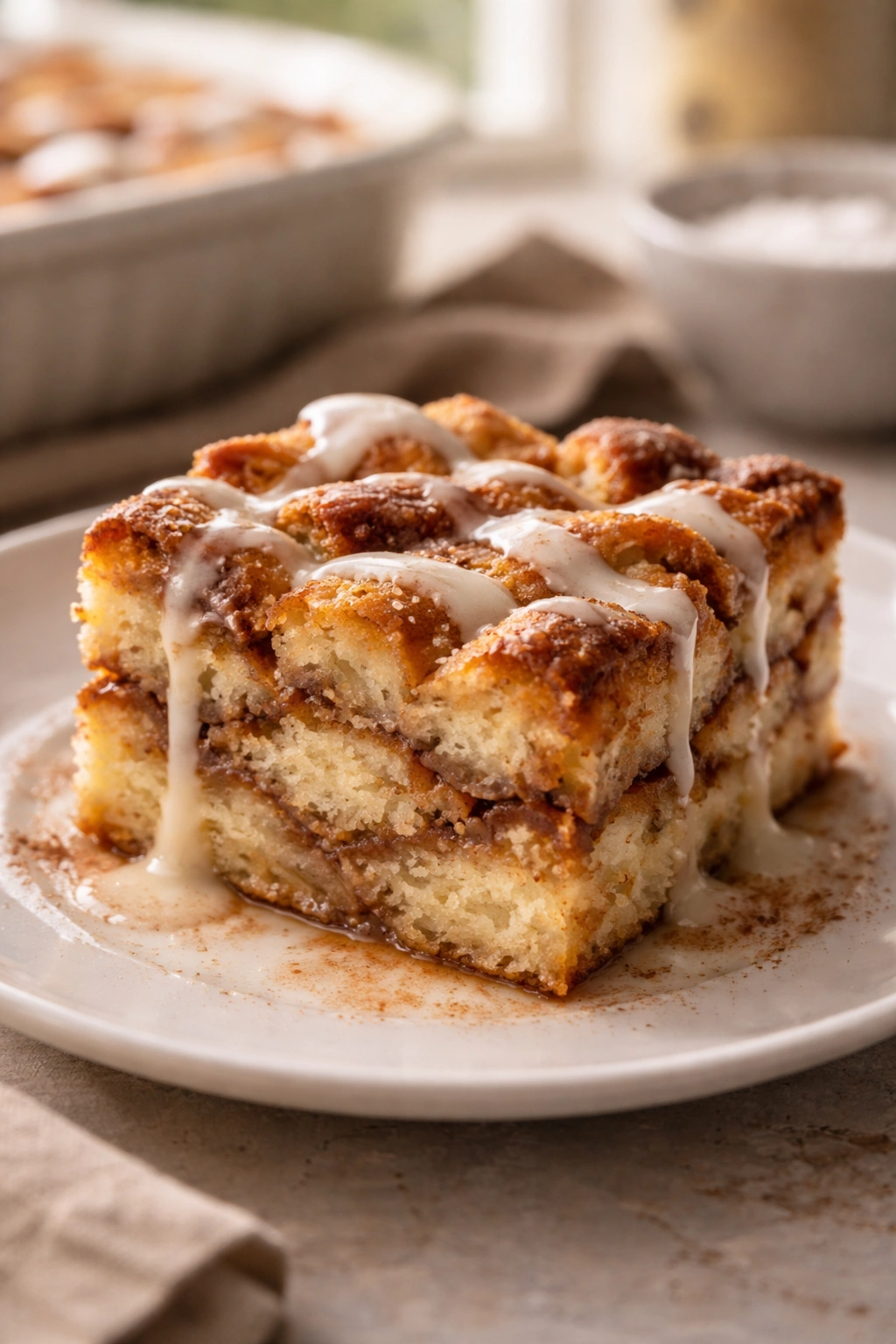
Most breakfast casseroles fall into two camps: either they’re dry and bread-like, or they’re too custardy and fall apart when you scoop them. The cinnamon roll casserole walks that middle line perfectly because of how the custard ratio and baking time are calibrated. You’re using just enough egg mixture to bind everything while still letting the bread maintain its structure. The moderate oven temperature (350°F) gives the custard time to set without overcooking the edges.
The cinnamon-sugar layers are distributed through the middle and between bread slices, which means every bite has that spice without it settling all at the bottom. And unlike rolled cinnamon rolls where all the filling ends up on the spiral, here the cinnamon flavor is more evenly distributed. The bread you choose matters more than people realize — brioche works beautifully because it’s rich enough to absorb the custard without becoming mushy, but day-old challah or even good-quality white sandwich bread works too.
One thing that separates a mediocre version from an exceptional one: how much space you leave between bread layers. Tightly packed bread will steam and become dense. Loosely layered bread with gaps where the custard can seep through will bake up tender and actually custardy. It’s a small detail that makes an enormous difference.
What You’ll Need: Ingredients and Equipment
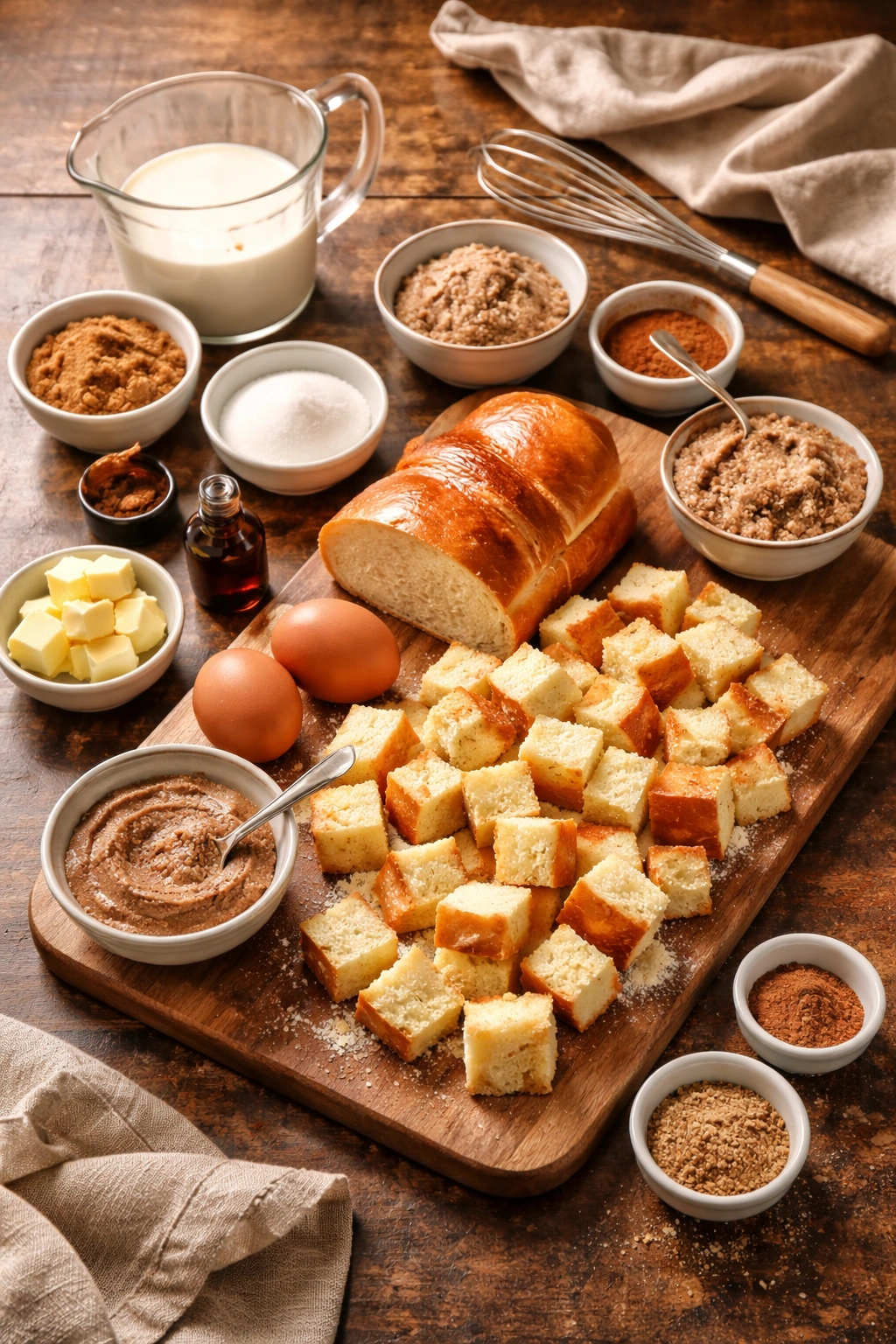
Yield: Serves 8 to 10 | Makes one 9×13-inch casserole Prep Time: 20 minutes (or 10 minutes if assembling the night before without toasting bread) Cook Time: 45 to 50 minutes Total Time: 65 to 70 minutes active (plus optional overnight refrigeration) Difficulty: Beginner — no special techniques required, straightforward layering, standard oven baking.
For the Casserole:
- 1 loaf (about 1.5 pounds) brioche bread, cut into ¾-inch cubes (roughly 8 to 9 cups; day-old bread is ideal)
- 6 large eggs, room temperature
- 1½ cups whole milk
- ½ cup heavy cream
- ¼ cup granulated sugar
- 2 teaspoons pure vanilla extract
- 1 teaspoon fine sea salt
- ½ teaspoon ground nutmeg (optional, but adds warmth to the custard)
For the Cinnamon-Sugar Layer:
- ½ cup (1 stick) unsalted butter, softened to room temperature
- ¾ cup packed light brown sugar
- 2½ tablespoons ground cinnamon
- ¼ teaspoon fine sea salt
For the Streusel Topping (Optional but Highly Recommended):
- 4 tablespoons cold unsalted butter, cubed
- ⅓ cup packed light brown sugar
- ⅓ cup all-purpose flour
- ¼ teaspoon fine sea salt
- ¼ cup raw pecans or walnuts, finely chopped (optional)
For Assembly and Serving:
- 2 tablespoons unsalted butter (for greasing the baking dish)
- Powdered sugar for dusting (optional)
- Cream cheese frosting or warm vanilla glaze (see serving suggestions below)
Choosing and Preparing Your Bread
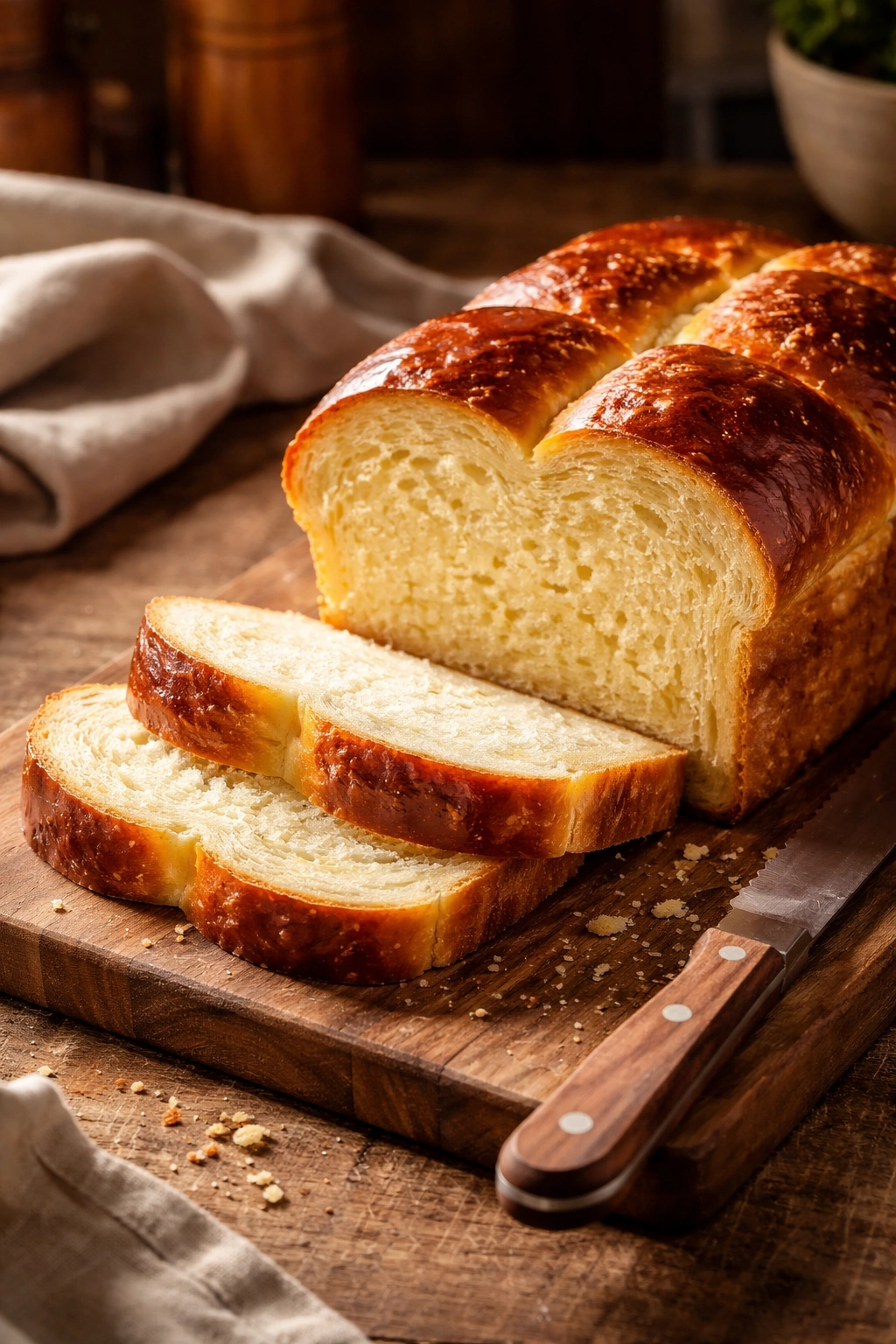
The bread you choose will absolutely determine your success, so this deserves real attention. Brioche is ideal because it’s enriched with butter and eggs, giving it enough structure to absorb the custard without disintegrating. A good brioche loaf from a bakery will have a slight golden color and soft crumb — this is what you want.
If brioche isn’t available, challah works beautifully as a second choice. It’s similarly enriched and has a tender crumb that handles the overnight soak well. You can also use a high-quality white sandwich bread in a pinch, though it won’t have the same richness. Avoid overly dense breads like sourdough or rye — they won’t absorb the custard properly and will end up tough.
The ideal is day-old or even two-day-old bread. Fresh bread is actually too moist and will turn to mush. Day-old bread has dried out slightly on the surface, creating just enough structure to hold its shape while still being porous enough to absorb the custard. If you’re buying fresh bread, slice it and leave it out uncovered for 4-6 hours, or pop the slices in a 275°F oven for 10-15 minutes to dry them out gently.
Cut the bread into ¾-inch cubes — not too small (they’ll dissolve into mush) and not too large (they won’t absorb enough custard). A serrated knife works best for this. You’ll need about 8-9 cups of cubed bread, which is roughly one standard loaf.
Building Your Custard Base
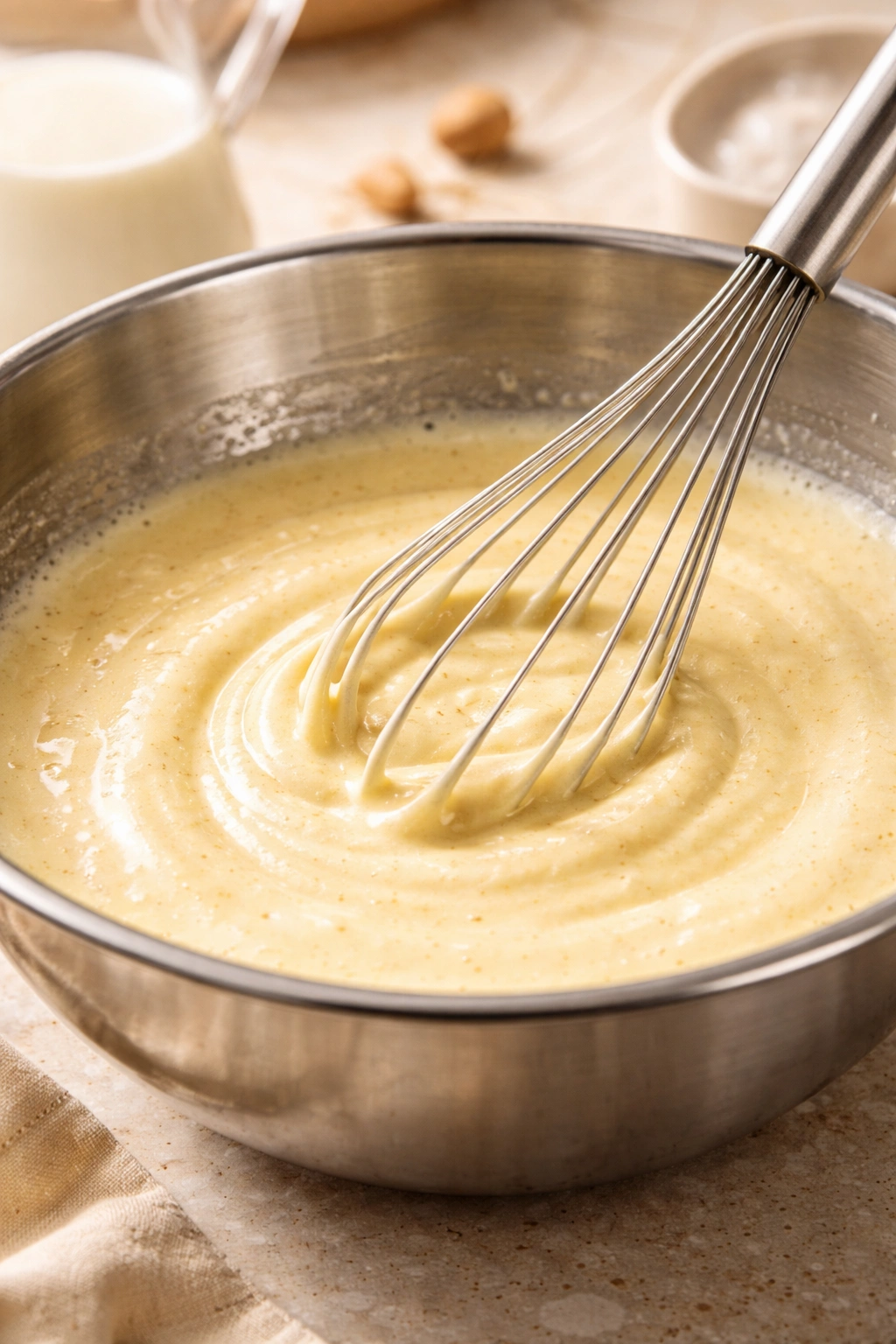
The custard is what elevates this from a simple bread layer situation into something genuinely custardy and luxurious. You’re aiming for a delicate balance: enough egg to set the custard and bind everything, but not so much that it becomes dense or rubbery.
Here’s the formula: 6 eggs, 1½ cups whole milk, ½ cup heavy cream, ¼ cup sugar, 2 teaspoons vanilla, 1 teaspoon salt, and ½ teaspoon nutmeg. The milk-to-egg ratio is critical — this amount creates a custard that sets beautifully without overcooking. The cream adds richness and also helps prevent the custard from becoming rubbery, which can happen if you use milk alone.
The salt might seem odd in a sweet custard, but it’s essential. Salt enhances sweetness perception and prevents the custard from tasting flat or one-dimensional. The nutmeg is optional but worth including — it adds a subtle warmth that complements the cinnamon without being noticeable as “nutmeg.” Many people add it without realizing why the flavor feels more complex.
Technique matters here. Whisk the eggs with the sugar first until they’re pale and slightly thick, about 1-2 minutes. This helps emulsify them so they blend smoothly into the milk rather than creating streaks. Then slowly whisk in the milk and cream while whisking constantly. Add the vanilla, salt, and nutmeg at the end. If you’re making this the night before, you can prepare the custard in the morning and pour it over the assembled casserole just before baking — or prepare everything the night before and refrigerate the whole assembled dish.
Layering the Cinnamon-Sugar Mixture
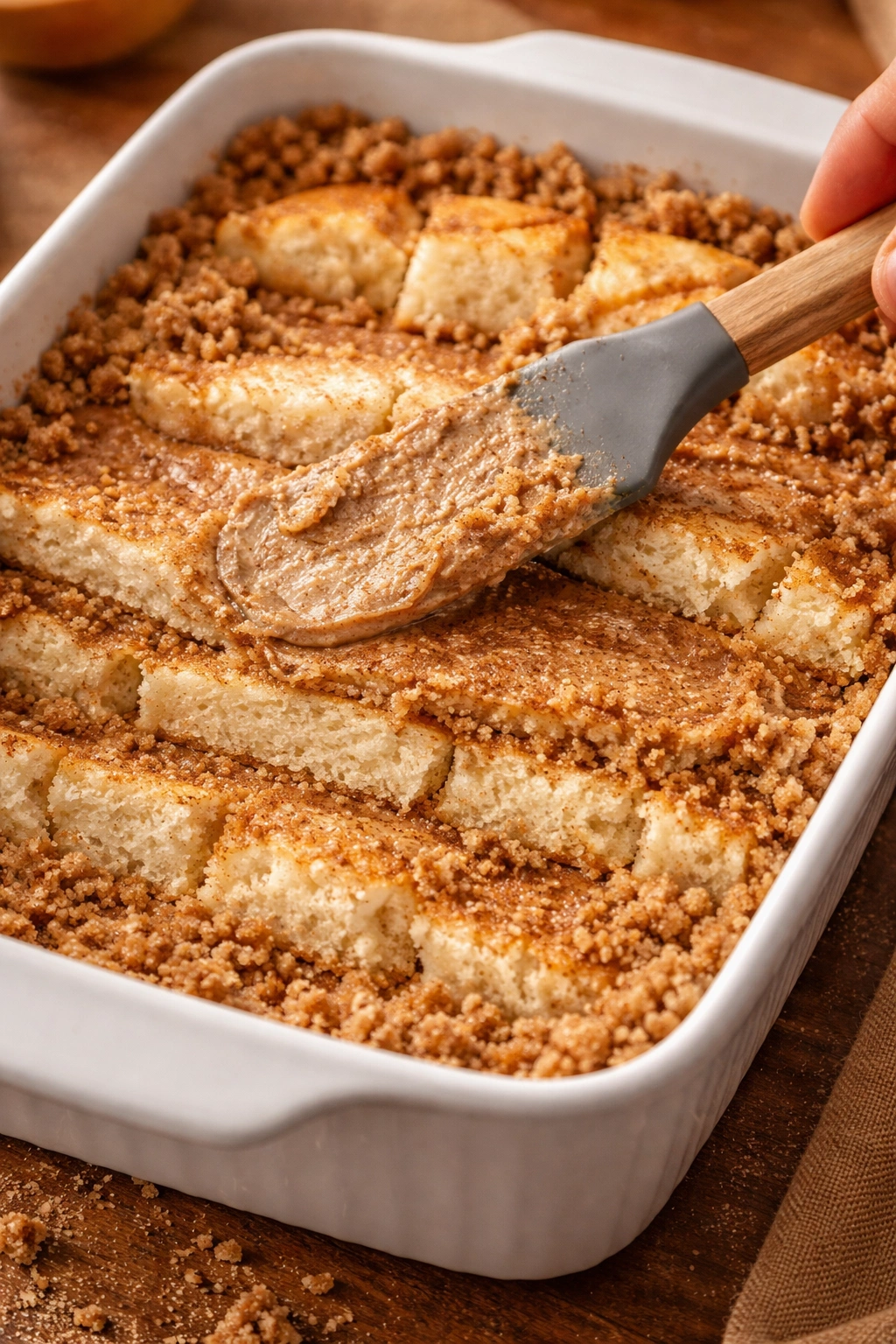
This is where the flavor lives. The cinnamon-sugar isn’t just sprinkled on top; it’s layered throughout the casserole, which means every bite gets that spice and sweetness rather than it settling at the bottom.
Make your cinnamon butter by blending softened butter with brown sugar, cinnamon, and salt. Don’t just mix them — actually blend them together so you get a smooth paste. This distributes the cinnamon evenly and keeps it from clumping.
You’ll use this in two places: between layers of bread and under the custard base. Here’s the sequence: put a thin layer of the cinnamon butter on the bottom of the baking dish. Add a layer of bread cubes (not too tightly packed). Spread a generous spoonful of cinnamon butter over those bread cubes. Repeat, layering bread and cinnamon butter, until you’ve used about two-thirds of your cinnamon mixture and your bread cubes. The top layer should be bread, not cinnamon mixture. Then you pour the custard over the top, and it seeps down through the layers.
The remaining cinnamon mixture (about one-third) goes into your streusel topping, which you’ll scatter over the top just before baking. This creates concentrated pockets of cinnamon-sugar flavor on the surface that get slightly caramelized and crispy.
The Cinnamon-Sugar Streusel Topping
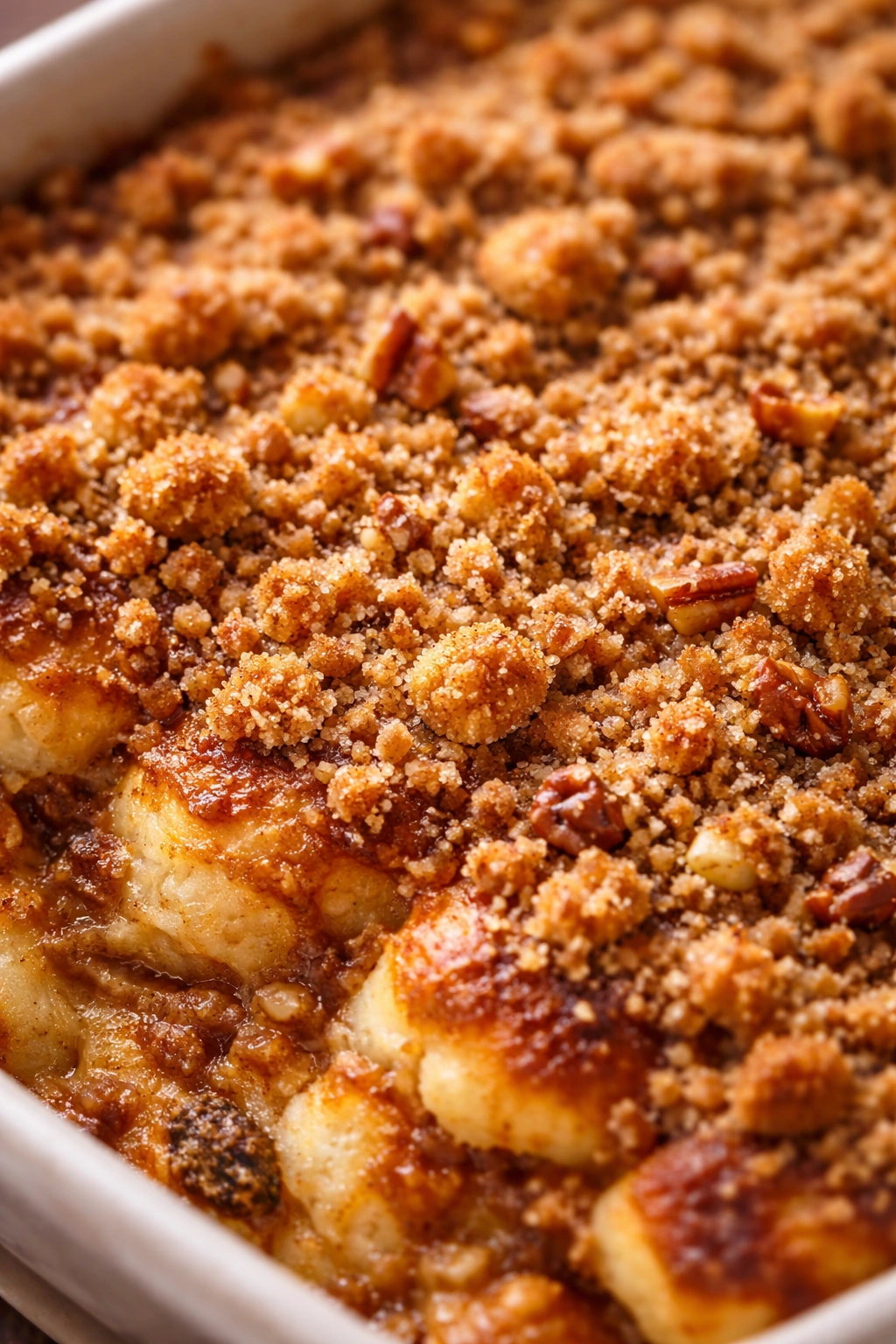
A streusel topping isn’t mandatory, but it transforms the casserole from good to exceptional. It creates those crispy, caramelized bits on top while the interior stays custardy. Without it, the top will brown but won’t get those little crunchy pockets of goodness.
To make streusel: Cut cold butter into small cubes and combine with brown sugar, flour, and salt. Use a fork or your fingertips to work the butter into the dry ingredients until you get a texture like coarse sand — some pea-sized pieces of butter, some finer sandy bits. Fold in the chopped nuts if you’re using them (pecans and walnuts both work beautifully; they add nuttiness and texture).
Scatter this mixture over the top of the assembled casserole just before baking. Don’t pack it down — let it sit loosely on the surface so it can brown and crisp. The streusel will bake up golden and slightly crispy while underneath everything stays tender and custardy.
Preparing the Baking Dish and Assembly
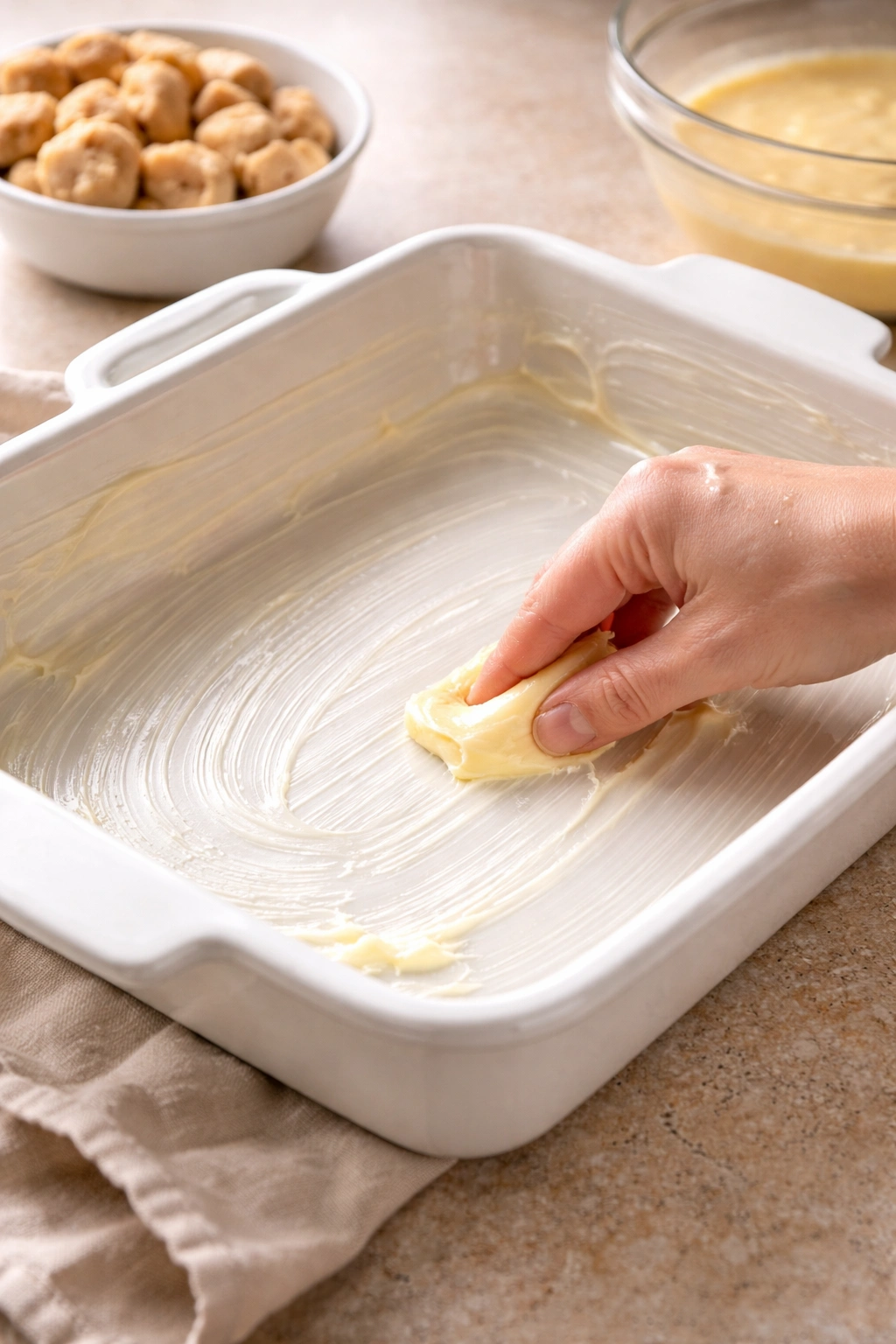
Use a 9×13-inch baking dish, preferably ceramic or glass (metal tends to brown things faster and can require temperature adjustment). Grease it generously with softened butter — this prevents sticking and helps the edges brown beautifully.
If baking same-day: Assemble the entire casserole (bread, cinnamon-sugar layers, and custard) and let it sit at room temperature for 15-20 minutes before baking. This gives the bread time to start absorbing the custard, which helps create that custardy texture rather than a wet, liquid consistency.
If making ahead the night before: Assemble everything except the custard. Cover with plastic wrap and refrigerate overnight. In the morning, pour the custard over the cold bread, let it sit for 10 minutes so the bread begins absorbing it, then add your streusel topping and bake from cold. It’ll take about 5 minutes longer to bake if you’re starting from a cold state.
Baking Technique and Timing
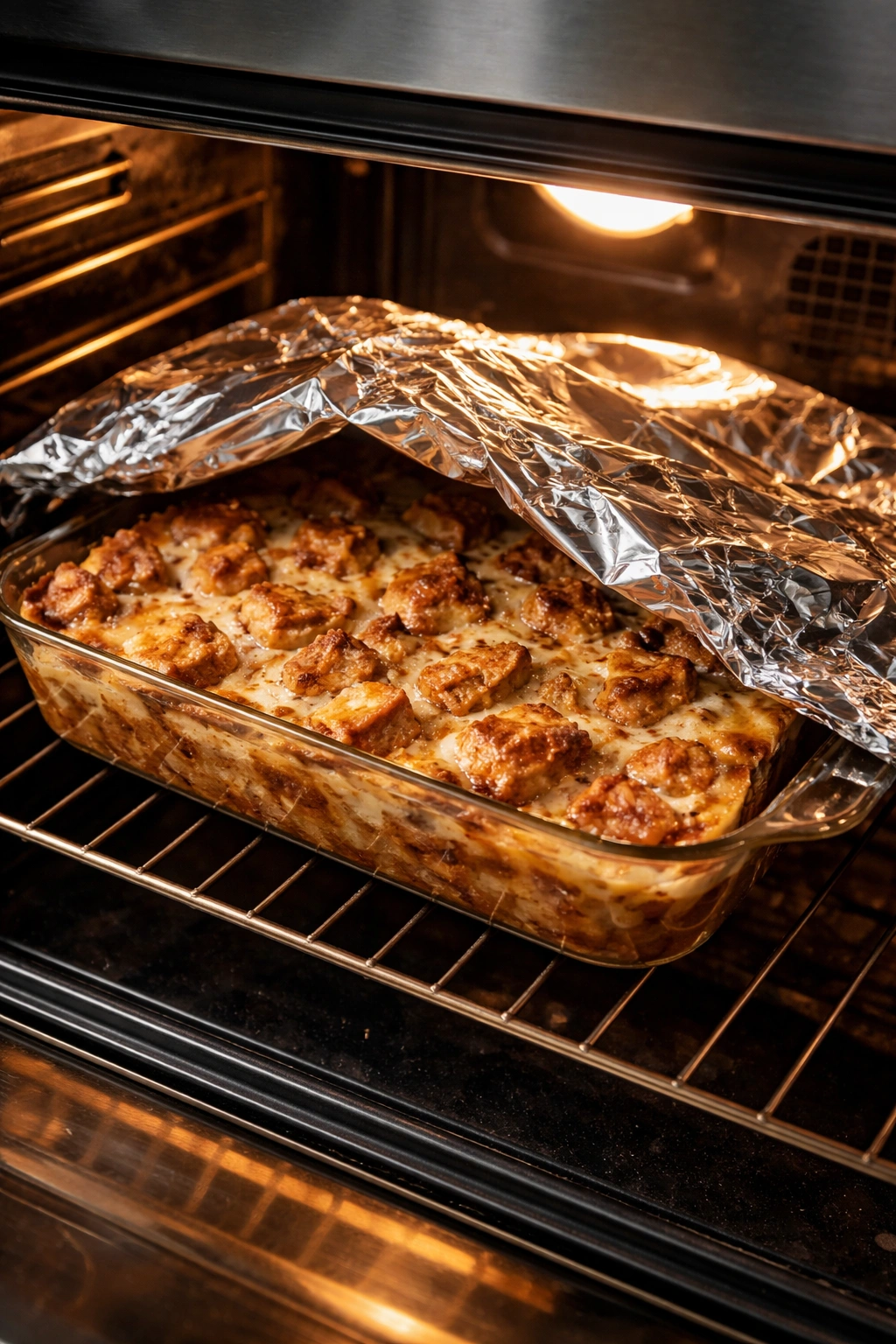
Preheat your oven to 350°F (175°C) and position the rack in the center. This moderate temperature is crucial — it gives the custard time to set gently without the edges overcooking before the center is done.
Bake for 45-50 minutes from room temperature, or 50-55 minutes if starting from cold refrigeration. The casserole is done when: the center is just barely set (it should jiggle slightly in the very center if you gently shake the dish), the top is golden brown to deep brown depending on your oven and how dark you like it, and a knife inserted into the edge comes out clean or with just a tiny bit of custardy coating (the very center can be slightly underbaked — it’ll continue cooking from carryover heat as it rests).
Here’s a critical detail most recipes miss: if the top is browning too quickly before the center is done, tent the casserole loosely with aluminum foil after about 30 minutes. This slows down the browning on top while giving the center more time to set. Remove the foil for the last 5-10 minutes so the top can get fully golden.
Don’t overbake this. An overcooked cinnamon roll casserole becomes dry and rubbery. The custard should be set but still have a slight creamy quality. It continues to cook a bit as it rests, so take it out when it’s just barely set rather than when it looks completely firm.
Resting and Serving Temperature
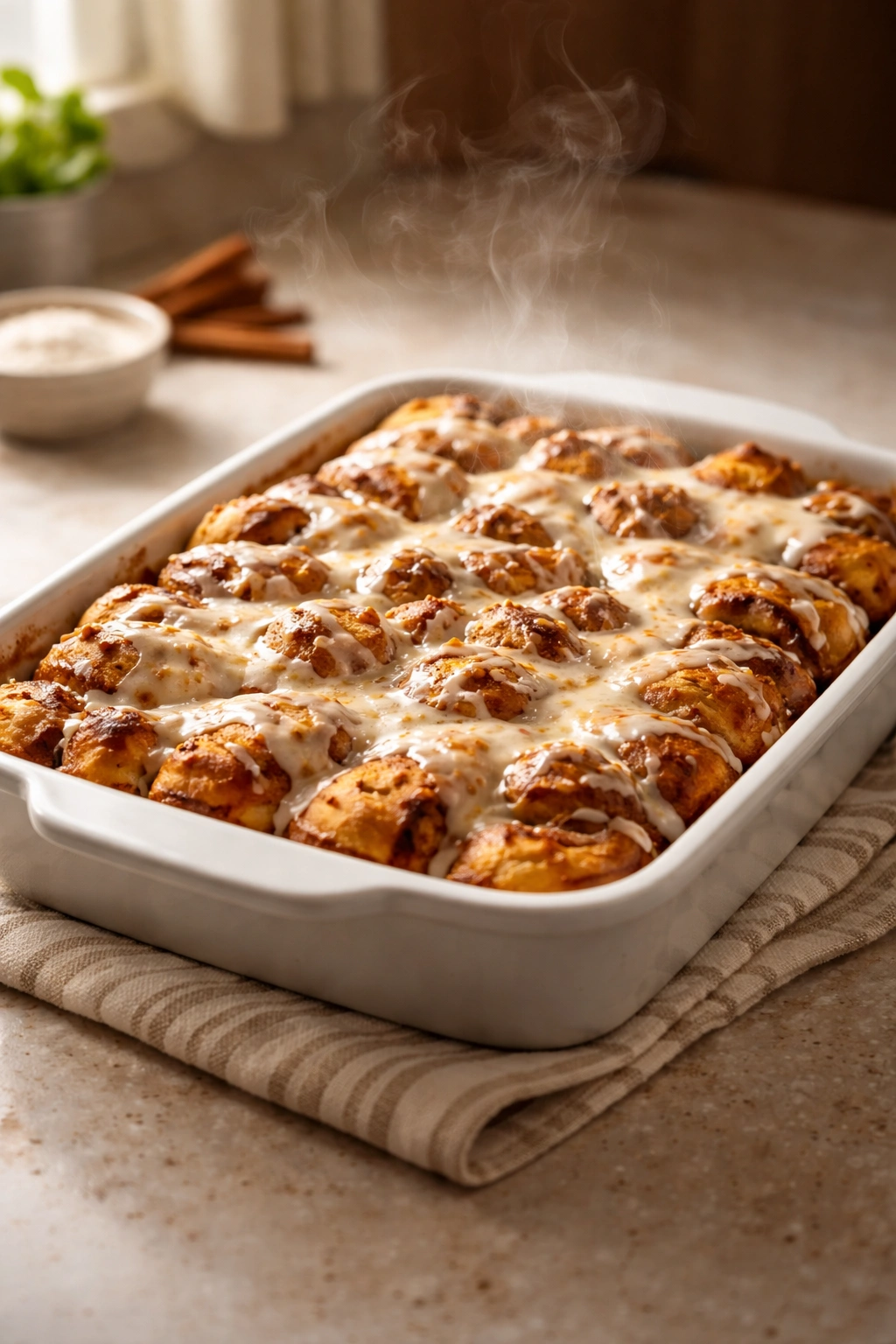
This is where patience pays off. Let the casserole rest on the counter for at least 10 minutes after coming out of the oven. This allows the custard to set completely and the whole thing to firm up enough to scoop cleanly. Serve it warm or at room temperature, depending on your preference.
Warm is absolutely the way to go if you want maximum coziness and custardy texture. The cinnamon-sugar layers will still be somewhat gooey, the streusel still crispy, and the whole thing feels like breakfast heaven.
Room temperature works fine too, especially if you’re serving this at a brunch where people are grazing over a couple of hours. It holds its shape better at room temperature and the flavors actually become more pronounced as it cools slightly.
Never serve this cold straight from the refrigerator — the texture becomes dense and the custard loses its appeal. If you need to reheat, cover loosely with foil and warm in a 300°F oven for 10-15 minutes until it’s warm throughout but not hot.
Tips to Prevent Common Mistakes
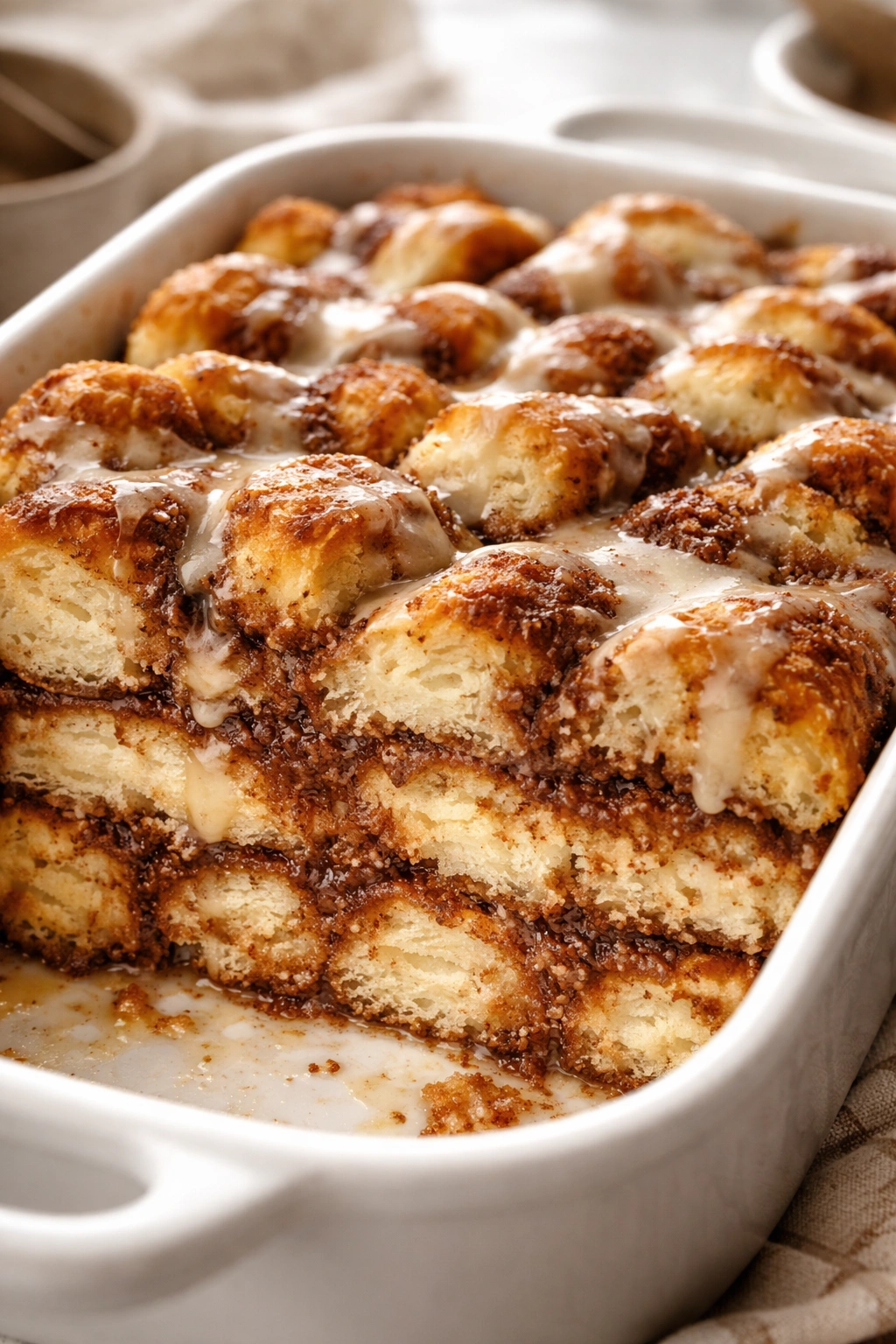
Watery casserole: This happens when you use too much custard or when you oversoak the bread before baking. The ratio I’ve given you is calibrated to avoid this, but if you want to vary the custard, remember that you need roughly ½ cup liquid per 2 cups of bread. Also, make sure your bread isn’t fresh and overly moist to begin with — day-old is essential.
Dense, doughy interior: Usually caused by either overpacking the bread layers (leave small gaps) or underbaking (take it out when it’s barely set, not when it looks super firm). Also, don’t skip the streusel — the bread needs enough space for the custard to seep through, and tight packing prevents that.
Cinnamon settling to the bottom: Mix your cinnamon butter thoroughly so it’s an even paste, and distribute it between layers rather than just sprinkling it. The paste stays in place better than loose cinnamon powder.
Top burning before the center sets: Tent with foil partway through, as mentioned above. If your oven runs hot, lower the temperature to 325°F and add 5-10 minutes to the baking time.
Custard not setting: Make sure your eggs are room temperature (cold eggs won’t set properly) and that you’re actually baking for the full time. The custard needs sufficient time and temperature to set. If it’s still very jiggly in the center after 50 minutes, give it another 5-10 minutes. It should jiggle just slightly, not slosh around.
Streusel too soft or not crispy: Make sure your butter is cold and you’re distributing it evenly. The contrast between cold butter pieces and the hot oven is what creates the crispiness. Also, don’t press the streusel down onto the casserole — let it sit loosely on top.
Variations You Can Try
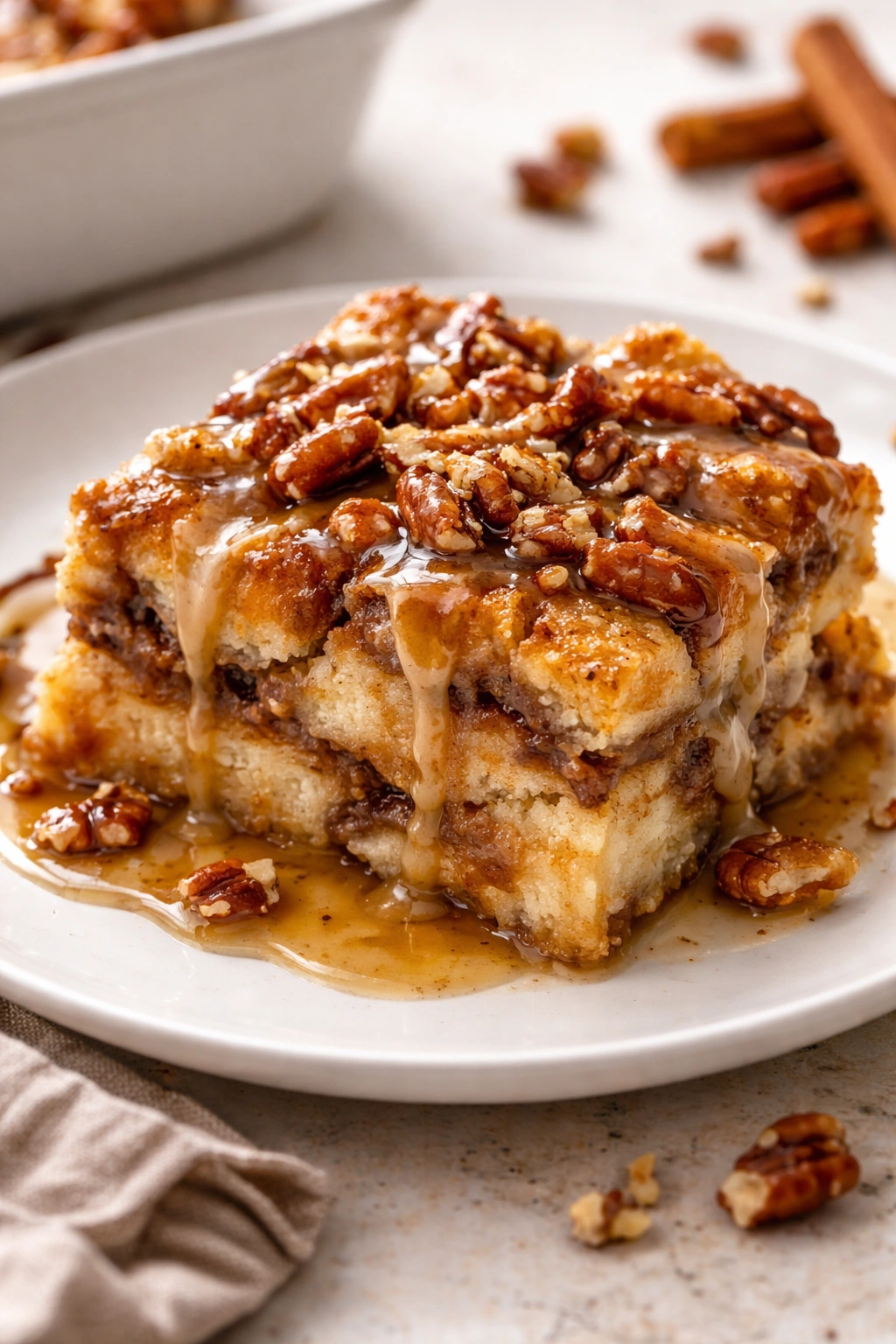
Brown Butter and Sea Salt Topping: Brown your butter in a skillet first (about 5 minutes, swirling occasionally until it smells nutty and turns golden), then use it in the streusel and drizzle a little extra over the top before serving. Finish with a pinch of fleur de sel for a sweet-salty contrast that’s unexpectedly sophisticated.
Cardamom and Cinnamon: Add ½ teaspoon of ground cardamom to your cinnamon-sugar mixture. Cardamom is common in Scandinavian baking and pairs beautifully with cinnamon — it’s warm, slightly floral, and adds complexity.
Orange Zest Version: Add 1 tablespoon of finely grated orange zest to the cinnamon-sugar mixture. Orange and cinnamon are a classic pairing, and the brightness cuts through the richness of the custard beautifully. You can also add a tablespoon of fresh orange juice to the custard.
Maple and Pecan: Replace half the brown sugar in the cinnamon mixture with maple syrup, and use chopped pecans in the streusel. Maple adds a deeper, slightly earthy sweetness compared to regular brown sugar.
Apple and Cinnamon: Layer thin apple slices (tossed with a bit of lemon juice to prevent browning) between the bread layers. This adds moisture and creates a more apple-pie-like flavor profile. Use Granny Smith apples for a tart contrast to the sweetness.
Gluten-Free Version: Substitute day-old gluten-free brioche or challah (most bakeries carry these now, or you can make your own). The baking time remains the same. King Arthur brand GF brioche is particularly good for this application.
Make-Ahead Freezer Version: Assemble everything except the custard in a disposable aluminum pan. Cover tightly and freeze for up to 3 months. When you want to bake, thaw overnight in the fridge, pour custard over, add streusel, and bake as directed (it may take an extra 10 minutes since you’re starting from cold).
Storage, Make-Ahead, and Reheating
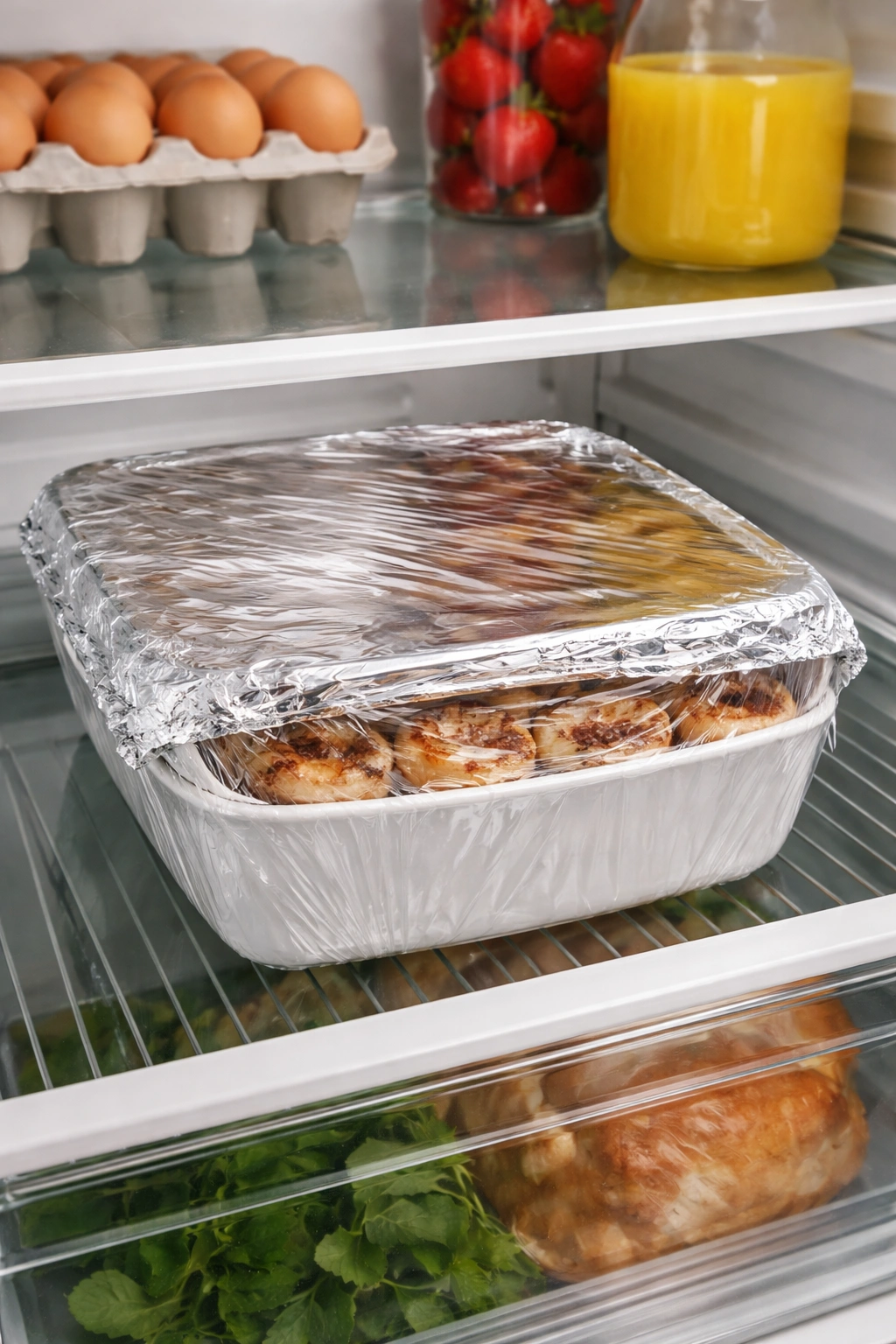
Overnight assembly: As mentioned, you can fully assemble this (including custard) the night before, cover it with plastic wrap, refrigerate it, and bake it straight from the fridge in the morning. It’ll take about 50-55 minutes to bake from cold.
Make-ahead without custard: Assemble the bread and cinnamon layers, cover tightly, and refrigerate for up to 2 days. Add the custard and streusel topping on the morning you want to bake it.
After baking — room temperature: Keeps, covered loosely with foil, for up to 2 days at room temperature. Don’t refrigerate it immediately; let it cool completely first, then cover it.
Refrigeration: Covered, it keeps in the fridge for up to 4 days. The texture becomes denser the longer it sits, but it’s still delicious. Reheat gently in a 300°F oven, covered with foil, for about 15 minutes until warmed through.
Freezing: Let the casserole cool completely, cut it into portions if desired, wrap tightly in plastic wrap then foil, and freeze for up to 3 months. Reheat from frozen in a 325°F oven, covered with foil, for 25-35 minutes until warmed through. Individual portions can go straight from freezer to toaster oven.
Best served: Immediately after baking while the streusel is still crispy and the interior is warm and custardy. That’s the moment of maximum deliciousness. That said, it’s still wonderful at room temperature an hour or two later, and acceptable even chilled if you’re desperate for breakfast leftovers.
Serving Suggestions and Pairings
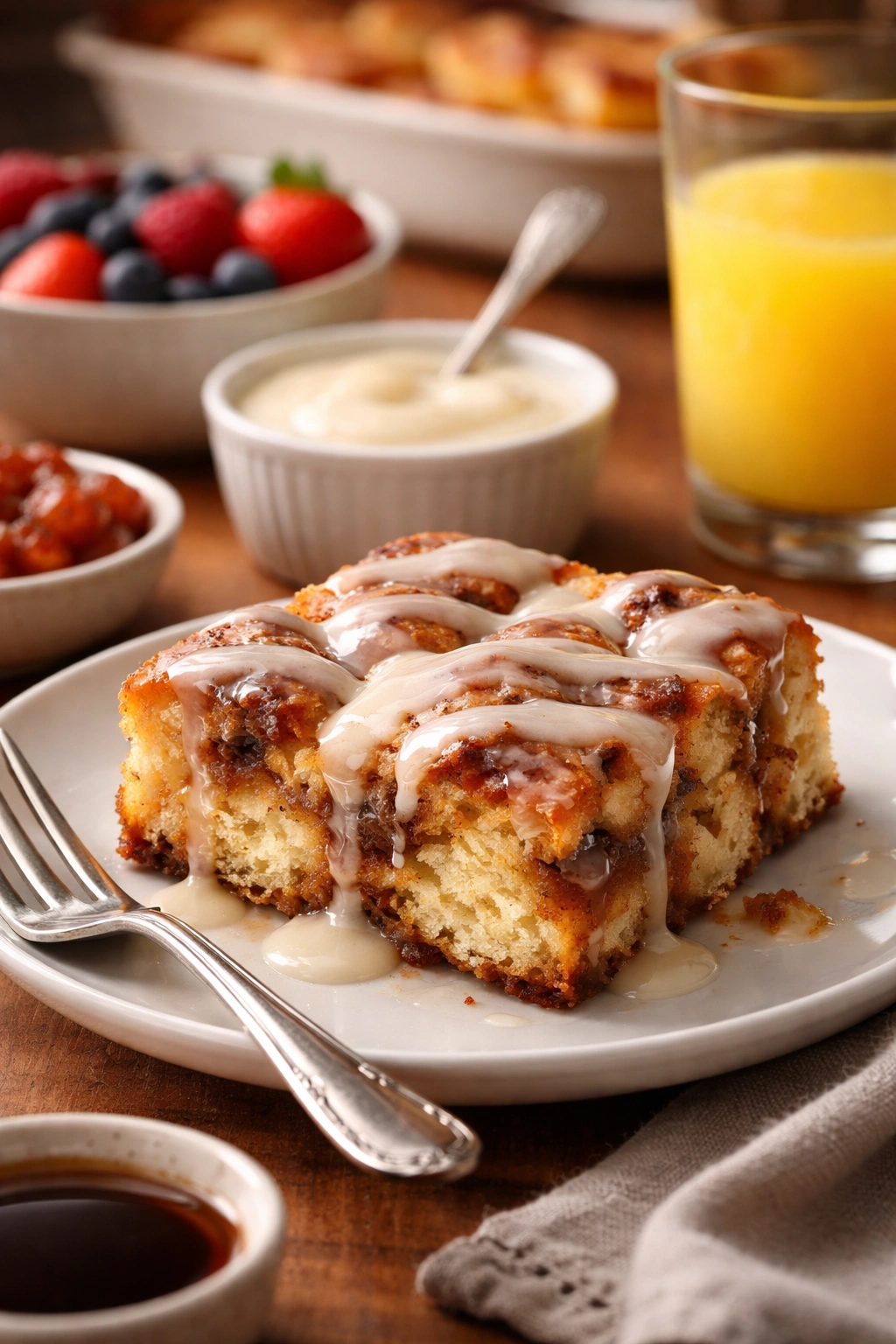
Cream cheese frosting: The classic pairing. Mix 4 ounces softened cream cheese with 2 tablespoons softened butter, ⅓ cup powdered sugar, ½ teaspoon vanilla, and a pinch of salt. Beat until smooth and fluffy. Drizzle over warm casserole or serve on the side so everyone can add as much as they want.
Vanilla glaze: Whisk together ½ cup powdered sugar, 2 tablespoons milk, and ¼ teaspoon vanilla extract until smooth. Drizzle over the warm casserole in a thin stream just before serving. It’ll set slightly as it cools.
Caramel sauce: Warm store-bought caramel sauce or make your own (melt 8 tablespoons butter with ½ cup brown sugar and ¼ cup heavy cream, simmer for 1-2 minutes, finish with a pinch of salt). This adds an extra layer of richness and depth.
Fresh berries: Serve with a small bowl of fresh raspberries or blueberries on the side. The tartness and brightness contrast beautifully with the sweet, custardy casserole.
Whipped cream: Dollop of unsweetened or lightly sweetened whipped cream on top or on the side. The coolness and neutral flavor let the cinnamon and caramel shine.
Yogurt: Greek yogurt or regular yogurt on the side adds a tangy element and balances the richness. A breakfast that tastes indulgent but still feels a bit wholesome.
Coffee or hot chocolate: This breakfast needs a hot drink. Strong coffee is perfect — the bitterness balances the sweetness of the casserole. Hot chocolate works too, though it’s rich alongside the casserole.
Breakfast sausage or bacon: If you want protein alongside this, go simple — good quality sausage patties or bacon don’t compete with the flavors.
Tropical fruit: Sliced mango, fresh pineapple, or kiwi adds color to the plate and a bright, fresh element that cuts through the richness.
Final Thoughts
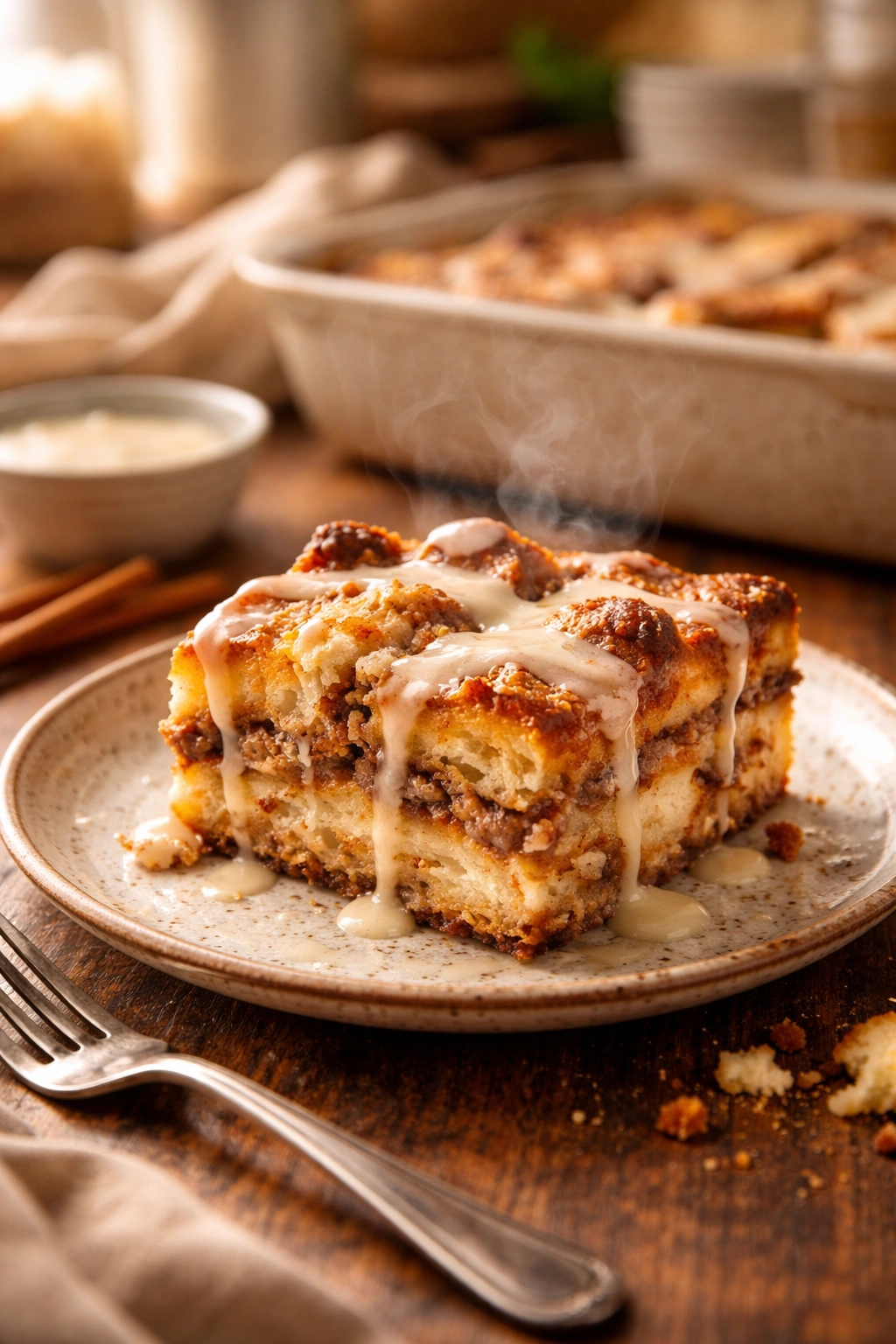
A cinnamon roll casserole is the breakfast that looks like you’ve spent all morning baking when you actually put it together in less than 20 minutes. It’s the dish that makes people think you’re more impressive and organized than you actually are, which is basically the definition of a good recipe.
The real secret is understanding how the components work together: bread that’s old enough to absorb custard without falling apart, a custard base that’s perfectly calibrated to set without overcooking, cinnamon-sugar layered throughout instead of concentrated in one place, and a streusel topping that adds crispiness and visual appeal. Get those pieces right, and you’ll have a casserole that’s tender inside, crispy at the edges, and absolutely loaded with cinnamon-sugar flavor.
Make this for your next family breakfast, brunch party, or weekend gathering. Prep it the night before if that’s easier for your schedule. Let it rest properly after baking so the custard sets and the flavors meld. Serve it warm with cream cheese frosting or whatever toppings call to you. Watch people come back for seconds before they’ve even finished their first piece. That’s when you know you’ve nailed it.
