



There’s something about a big bowl of cold pasta salad at a summer cookout that feels both effortless and impressive—the kind of dish that disappears quickly without anyone quite realizing how good it was. Vinegar-based pasta salad hits differently than creamy mayo versions; it’s bright, refreshing, and actually gets better as it sits, which makes it the ultimate make-ahead contribution to any outdoor gathering. The acidity cuts through heavy grilled meats, complements smoky flavors, and doesn’t leave you feeling weighed down on a hot day.
The real secret to a standout vinegar pasta salad isn’t complicated, but it does matter. It’s about balancing the tanginess so it tastes bright rather than harsh, choosing vegetables that hold their texture instead of turning mushy, and letting the flavors meld together properly. Unlike creamy salads that can get goopy or separate over time, a well-made vinegar-based version actually improves overnight—the pasta absorbs the dressing gradually, the vegetables marinate, and the flavors deepen. This is the kind of salad you can assemble hours or even a day ahead, which is exactly what you want when you’re coordinating a cookout.
Why Vinegar Pasta Salad Is the Ultimate Cookout Staple
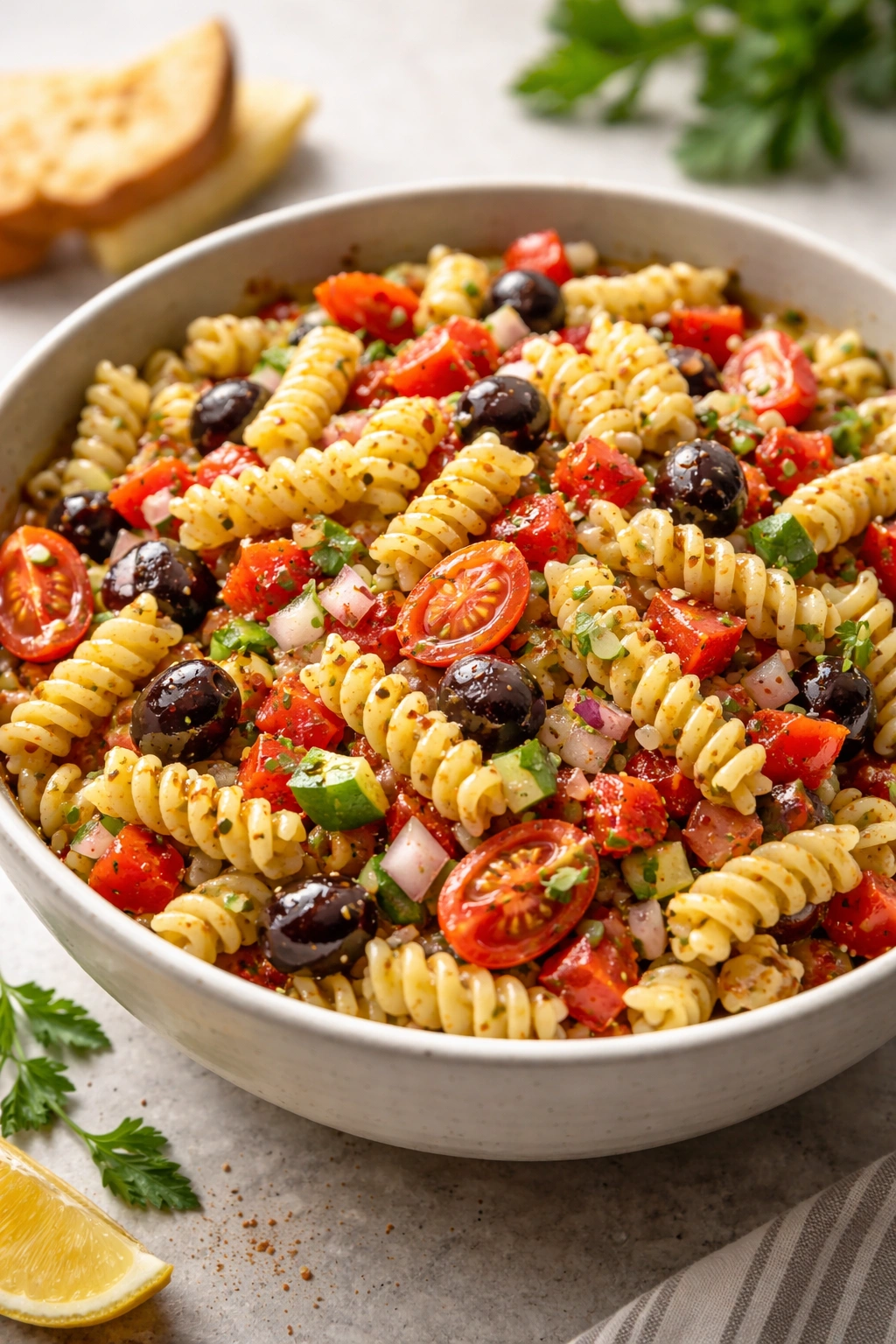
Vinegar-based pasta salads have a staying power that other versions simply can’t match. The acidity acts as a natural preservative, so the salad stays fresh and flavorful throughout a long afternoon outside without becoming watery or separating. This is especially crucial when you’re dealing with warm weather, where creamy dressings can break down or allow bacteria to develop, but vinegar’s acidic environment keeps everything stable.
The flavor profile also works magic with classic cookout foods. When you’re grilling burgers, hot dogs, chicken, or ribs, you want a side dish that refreshes your palate rather than competing with the main event. The tanginess of vinegar does exactly that—it cleanses and brightens without overwhelming. You can eat it alongside smoky pulled pork or spicy barbecue chicken without any conflict whatsoever.
The texture stays better too. Because there’s no heavy cream coating the pasta, each bite maintains its individual character. The noodles don’t clump together as they would in a creamy salad, and the vegetables keep their structure and snap instead of turning into soft mush. You can make this salad up to two days in advance and serve it straight from the cooler without apologies.
The Flavor Profile—Tangy, Balanced, and Built to Last
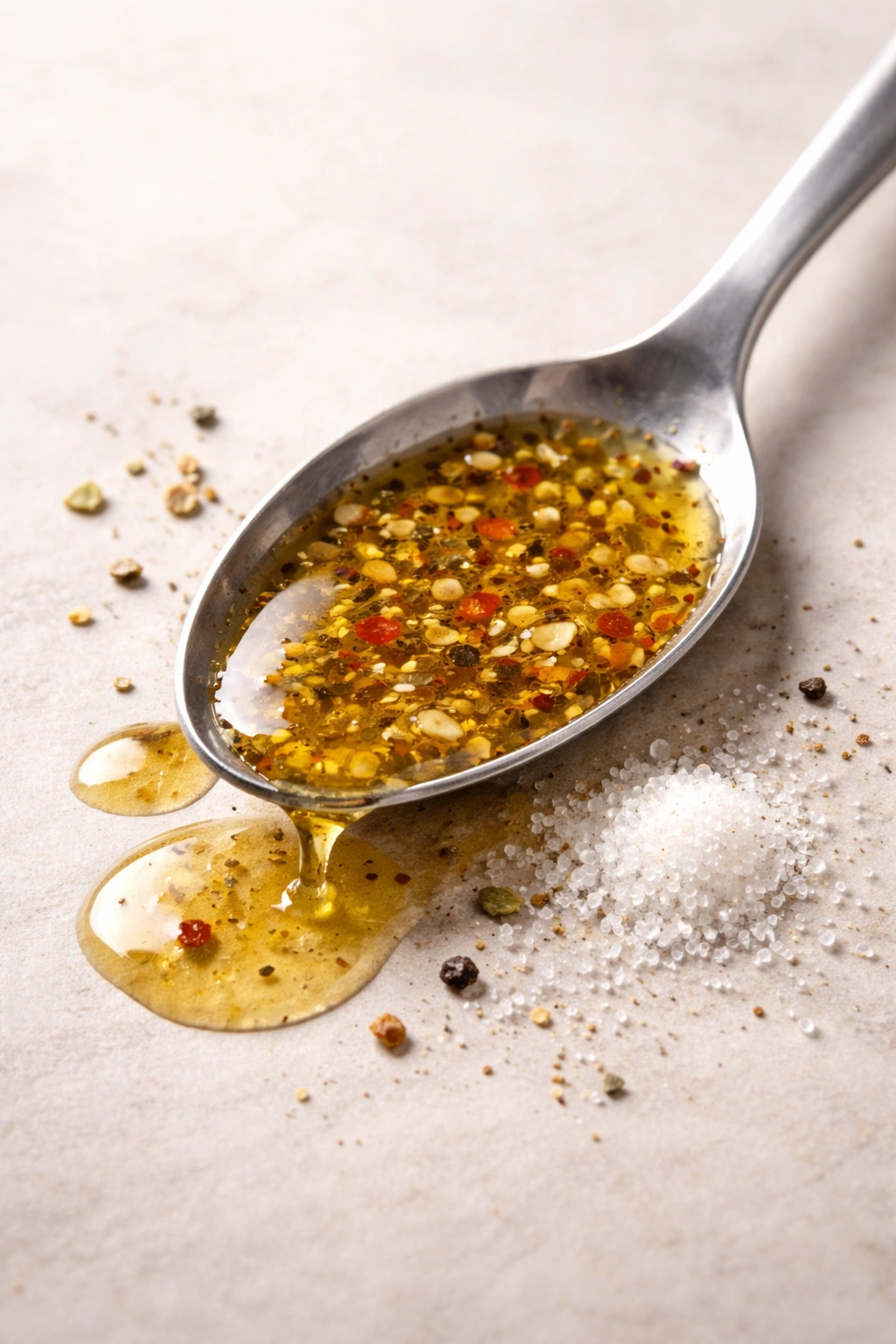
The key to a great vinegar pasta salad is understanding that tanginess alone isn’t the goal. You want acid, yes, but balanced with enough sweetness, saltiness, and richness to feel complete and sophisticated rather than puckering. Think of the dressing as a proper vinaigrette with depth, not just vinegar and water.
Red wine vinegar is the classic choice, offering a wine-forward flavor that feels grown-up and complex. White vinegar is sharper and more one-dimensional—it works fine if that’s all you have, but it can taste harsh if you’re not careful. Apple cider vinegar brings a subtle fruitiness that some people love, though it can taste a bit cidery if it dominates. Many of the best recipes use a blend: mostly red wine vinegar with a splash of white for brightness and a tiny bit of apple cider for subtle fruit notes.
Sweetness grounds the acidity so it doesn’t taste aggressive. A modest amount of sugar—or honey, which adds complexity—mellows the vinegar’s bite and lets the other flavors shine through. You’re not aiming for a sweet salad; you’re aiming for balance. If it tastes acidic and puckering, it needs more sweetness or salt, not more vinegar.
Salt is absolutely critical. It not only seasons everything but also modifies how the acidity registers on your palate. A properly salted vinaigrette tastes rounder and more sophisticated than an under-salted one. Kosher salt is easier to control than table salt, and you can always add more, so start conservatively.
Oil carries flavor and creates richness that prevents the salad from tasting thin or overly acidic. Olive oil is traditional and delicious, though some people prefer a neutral vegetable oil if they want the vinegar and vegetables to take center stage. The ratio matters: you want enough oil to coat everything and create a smooth mouthfeel, but the dressing should still taste tangy enough to feel bright.
Choosing the Right Pasta and Base Ingredients
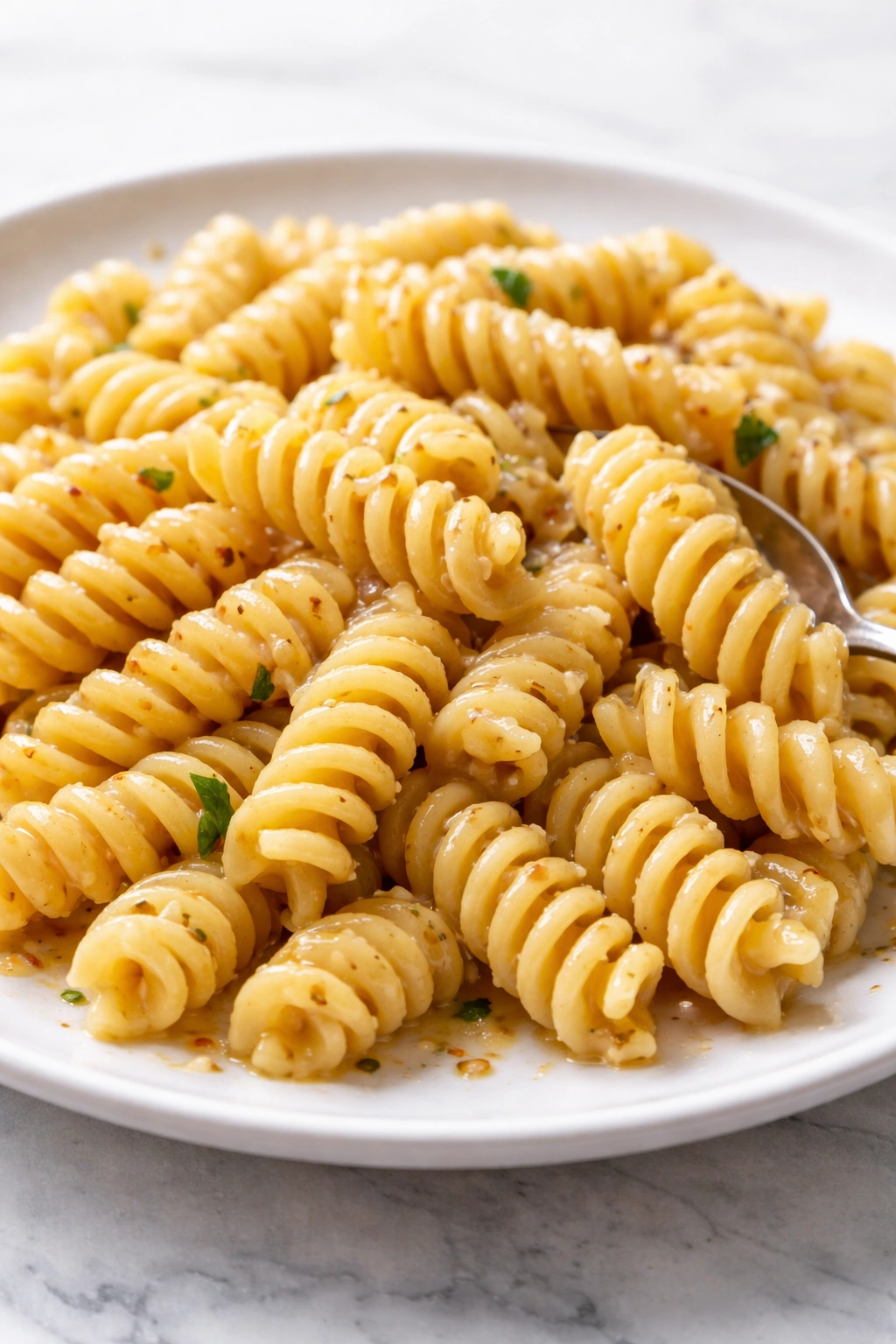
The pasta you choose affects the texture and how well the salad holds up. You want a shape with enough surface area and nooks to catch dressing and hold flavors. Larger tubes, twists, or curls all work beautifully. Avoid delicate shapes like angel hair or thin spaghetti, which can turn mushy and absorb dressing unevenly. Rotini, fusilli, penne, or ziti are all reliable choices.
Cook the pasta exactly to the package directions for al dente—no softer. The pasta will continue to soften as it sits in the dressing, so if you cook it all the way to tender, it’ll turn mushy by serving time. Drain it well and spread it on a large sheet pan to cool slightly before mixing with dressing. This helps it release steam and prevents it from clumping.
Some recipes mix the warm pasta with dressing immediately; others let it cool first. There’s actually a technique advantage to dressing it while it’s still slightly warm—the pasta absorbs the dressing more effectively and the flavors meld faster. Just don’t dress piping-hot pasta or you’ll cook off the volatile compounds that make the dressing taste fresh. Warm or room temperature works; cold pasta takes longer to absorb flavor.
The base vegetables—bell peppers, red onion, celery—provide structure, crunch, and freshness. Red bell peppers are sweeter and prettier than green, though both work. Red onion is milder and more visually striking than yellow onion. Cherry tomatoes add brightness and don’t have to be cooked, so they stay intact and juicy. Cucumber adds refreshing crispness, though some versions skip it because it can release water over time.
Building the Perfect Tangy Vinegar Dressing
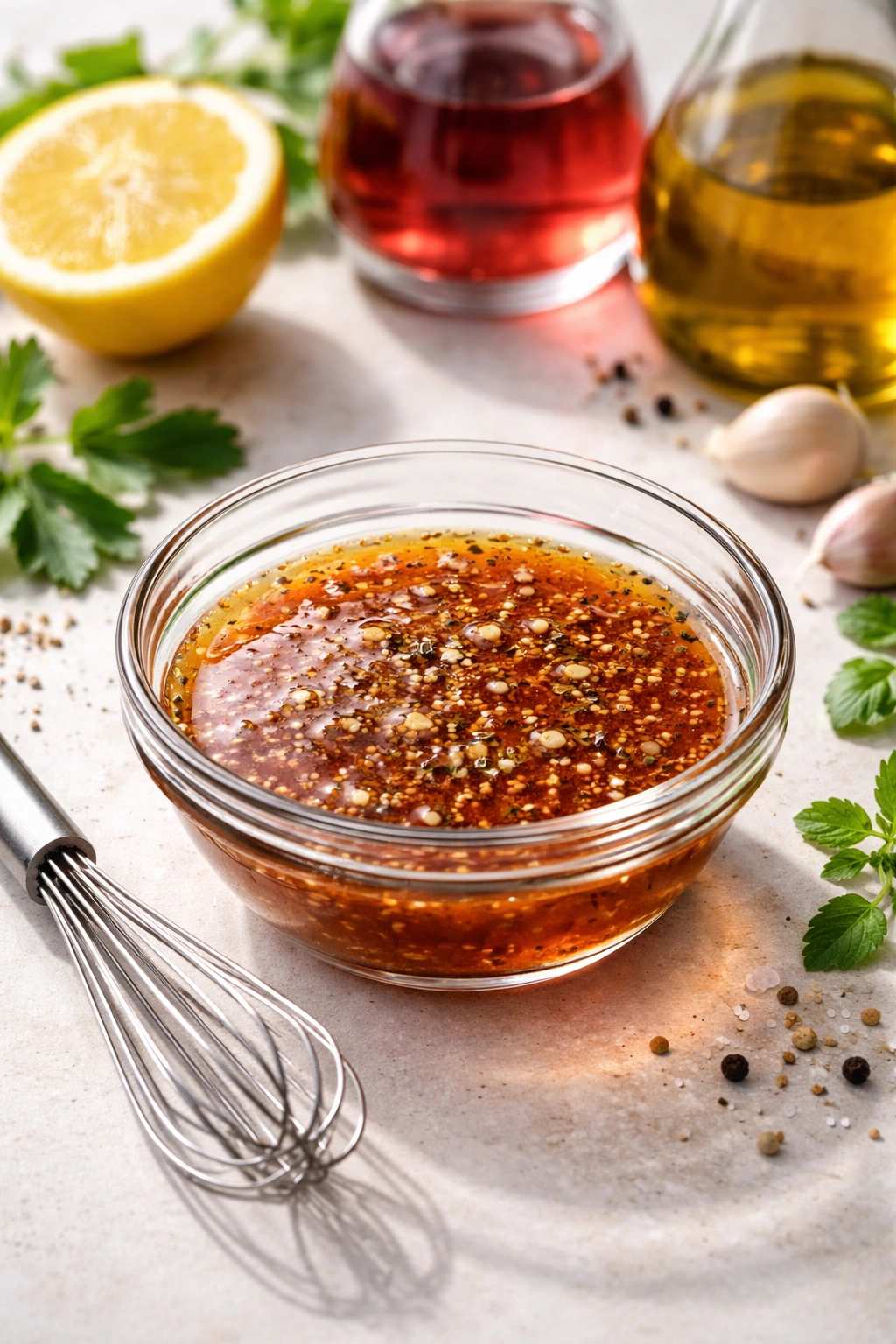
The dressing is everything here, and getting it right means tasting it and adjusting as you go. Start with a base of red wine vinegar—about half a cup for a salad serving 8 to 10 people. Add a splash of white vinegar for brightness and a tiny splash of apple cider vinegar if you want subtle fruit notes, though this is optional.
Whisk in about two tablespoons of sugar or honey. Honey dissolves more slowly but adds complexity and body; if you use honey, warm the vinegar first so it dissolves smoothly. Add a good teaspoon of salt, tasting as you go. The salt might seem like a lot, but remember it’s seasoning an entire pound of pasta and multiple cups of vegetables.
Pour in olive oil—about three-quarters to one cup depending on your taste and how much other ingredients you’re using. The ratio is flexible. If you like it more acidic and tangy, use less oil. If you want it richer and rounder, use more. Whisk everything together until the salt and sugar dissolve and the dressing emulsifies.
Add minced garlic (two to four cloves), a spoonful of Dijon mustard to help it emulsify and add a savory edge, and fresh herbs if you have them. Dill and parsley are classic; basil or chives work beautifully too. Let the dressing sit for a few minutes so the garlic mellows slightly, then taste. Adjust the seasoning—more salt for depth, more vinegar for brightness, more oil if it tastes too sharp, more sugar if it tastes harsh. Don’t skip this tasting step.
Selecting Vegetables That Stay Crisp
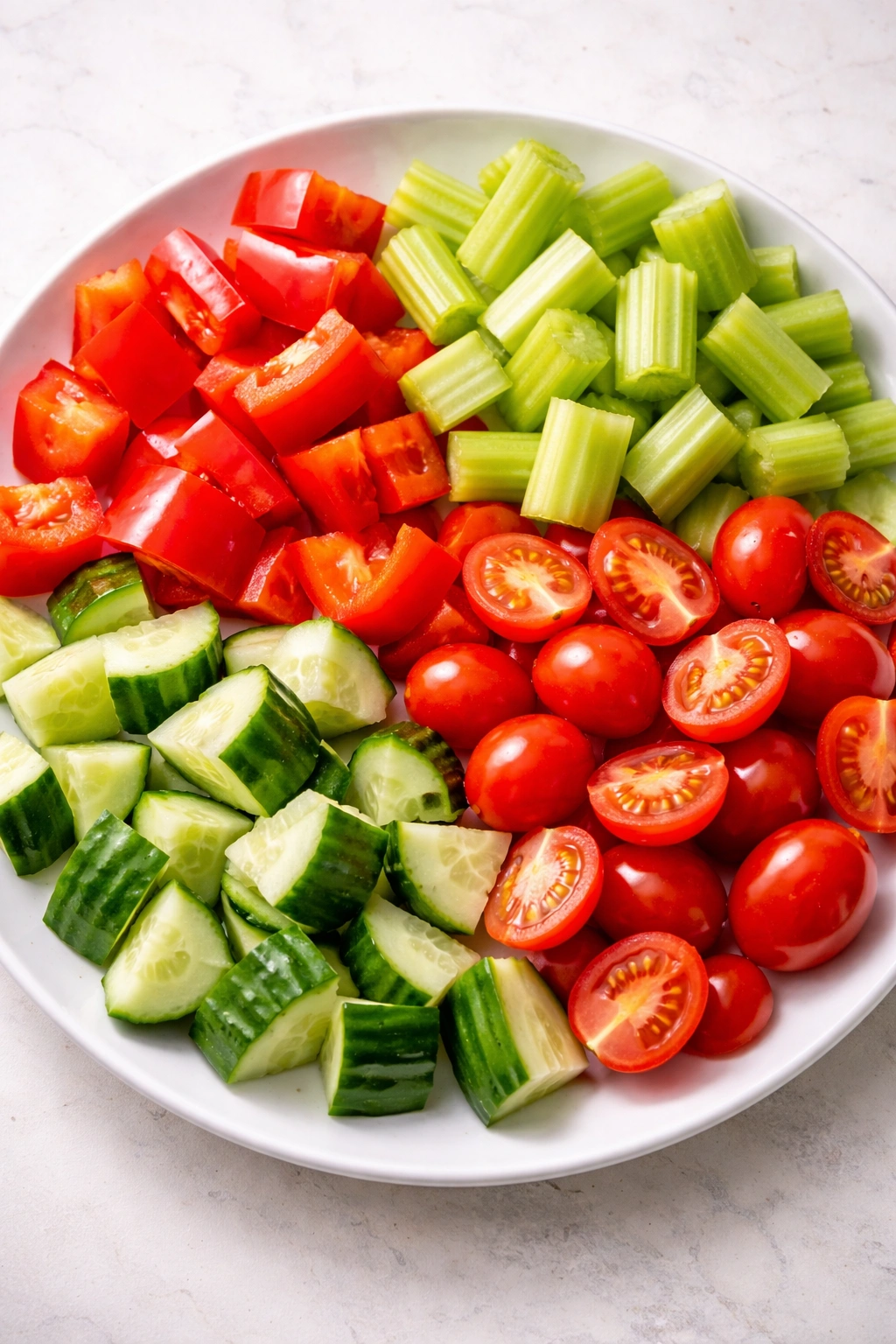
The vegetables are where people often make mistakes, either by cutting them too small (they break down and become mushy) or choosing vegetables that naturally get waterlogged. Larger cuts hold better—chunks rather than minces, halves rather than slices.
Bell peppers can be cut into large chunks or strips and hold their texture beautifully for days. Red onion softens slightly from the acidity, which is actually desirable—raw red onion can taste sharp and assertive, but a few hours in vinegar mellows it and makes it sweeter. Cut it into quarter rings rather than tiny dice.
Celery stays crisp and adds a pleasant crunch that lasts for days. Cherry tomatoes are far superior to cut fresh tomatoes because they don’t weep liquid into the salad. If you use them, halve them rather than quartering. Cucumber can turn mushy, so if you use it, cut it into larger chunks and add it closer to serving time. Corn adds sweetness and textural interest; fresh corn works beautifully, or thawed frozen corn is convenient and keeps its texture perfectly.
Kalamata olives, artichoke hearts, roasted red peppers from a jar, and Italian salad peppers (peperoncini) all add briny, bold flavor. These are optional but genuinely elevate the salad beyond basic. Crispy ingredients like toasted pine nuts or sunflower seeds can be stirred in just before serving if you want extra texture.
The Complete Ingredient List
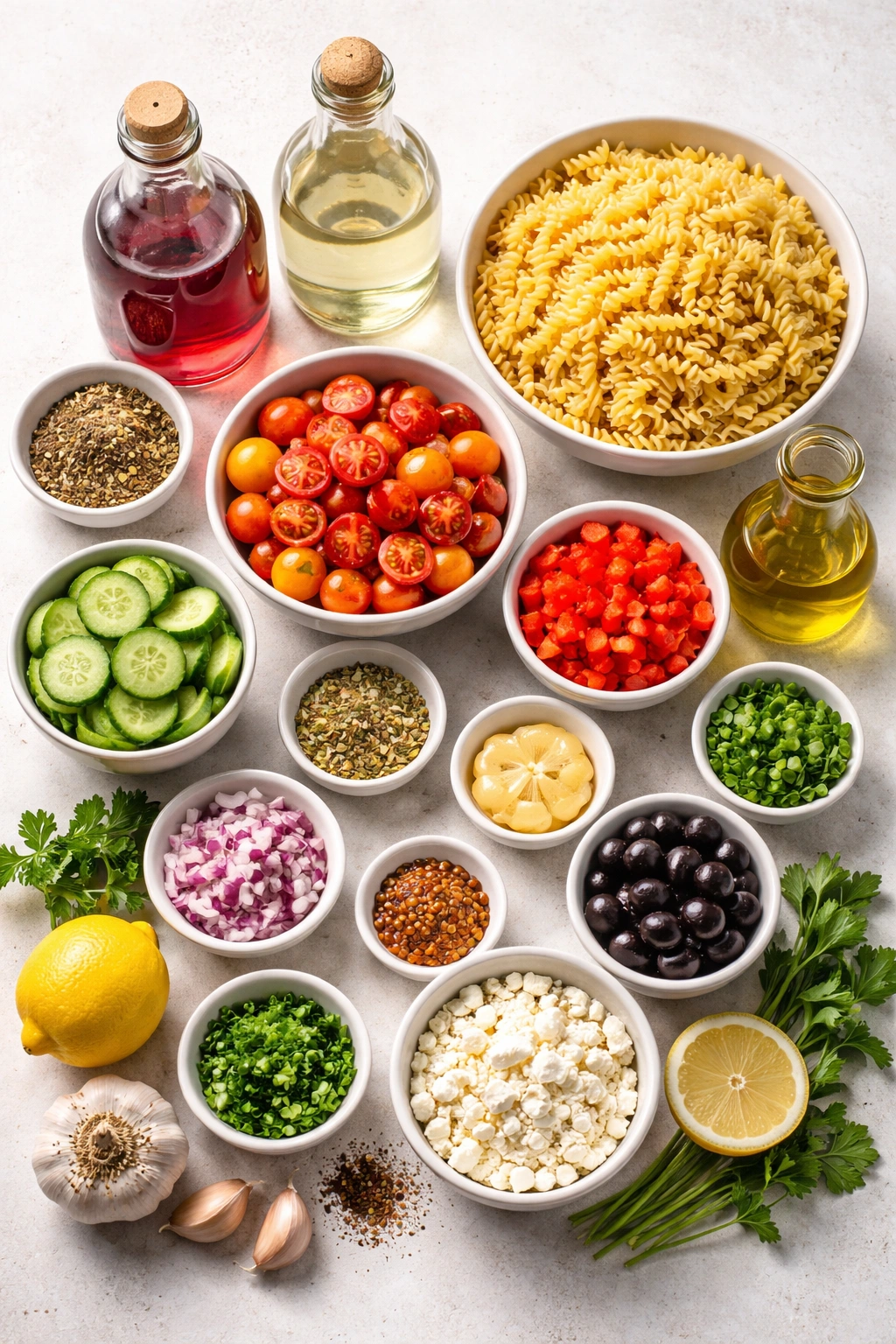
For the Dressing:
- ½ cup red wine vinegar
- 2 tablespoons white vinegar
- 1 tablespoon apple cider vinegar (optional, for subtle fruit notes)
- 2 tablespoons honey or granulated sugar
- 1 teaspoon fine sea salt, plus more to taste
- ¾ to 1 cup extra-virgin olive oil
- 3 cloves garlic, minced
- 1 tablespoon Dijon mustard
- 2 tablespoons fresh parsley, finely chopped (or 1 tablespoon dried Italian seasoning if fresh isn’t available)
- 1 tablespoon fresh dill, finely chopped (optional but recommended)
- ¼ teaspoon freshly cracked black pepper
For the Salad:
- 1 pound pasta (rotini, fusilli, penne, or ziti)
- 1 large red bell pepper, cut into large chunks or strips
- 1 medium red onion, cut into thin quarter rings
- 2 stalks celery, cut into ½-inch diagonal slices
- 2 cups cherry tomatoes, halved
- 1½ cups corn (fresh kernels or thawed frozen)
- 1 cup kalamata olives, halved (or Italian salad peppers, or both for extra tang)
- 1 (12-ounce) jar marinated artichoke hearts, drained and halved
- 3 tablespoons fresh parsley, finely chopped (for garnish)
- Salt and freshly cracked black pepper to taste
- Optional: ¼ cup roasted red peppers from a jar, torn into strips; ¼ cup toasted pine nuts or sunflower seeds (add just before serving to maintain crispness)
Yield: Serves 10 to 12 | Makes about 12 cups
Prep Time: 25 minutes
Cook Time: 12 minutes (for pasta)
Total Time: 37 minutes active + 1 hour chilling for best flavor (can serve immediately but tastes better after resting)
Difficulty: Beginner — no special techniques required, mostly chopping and mixing. Even if you’ve never made a vinaigrette before, this recipe walks you through it step by step, and tasting as you go ensures you get the balance right.
Step-by-Step Instructions
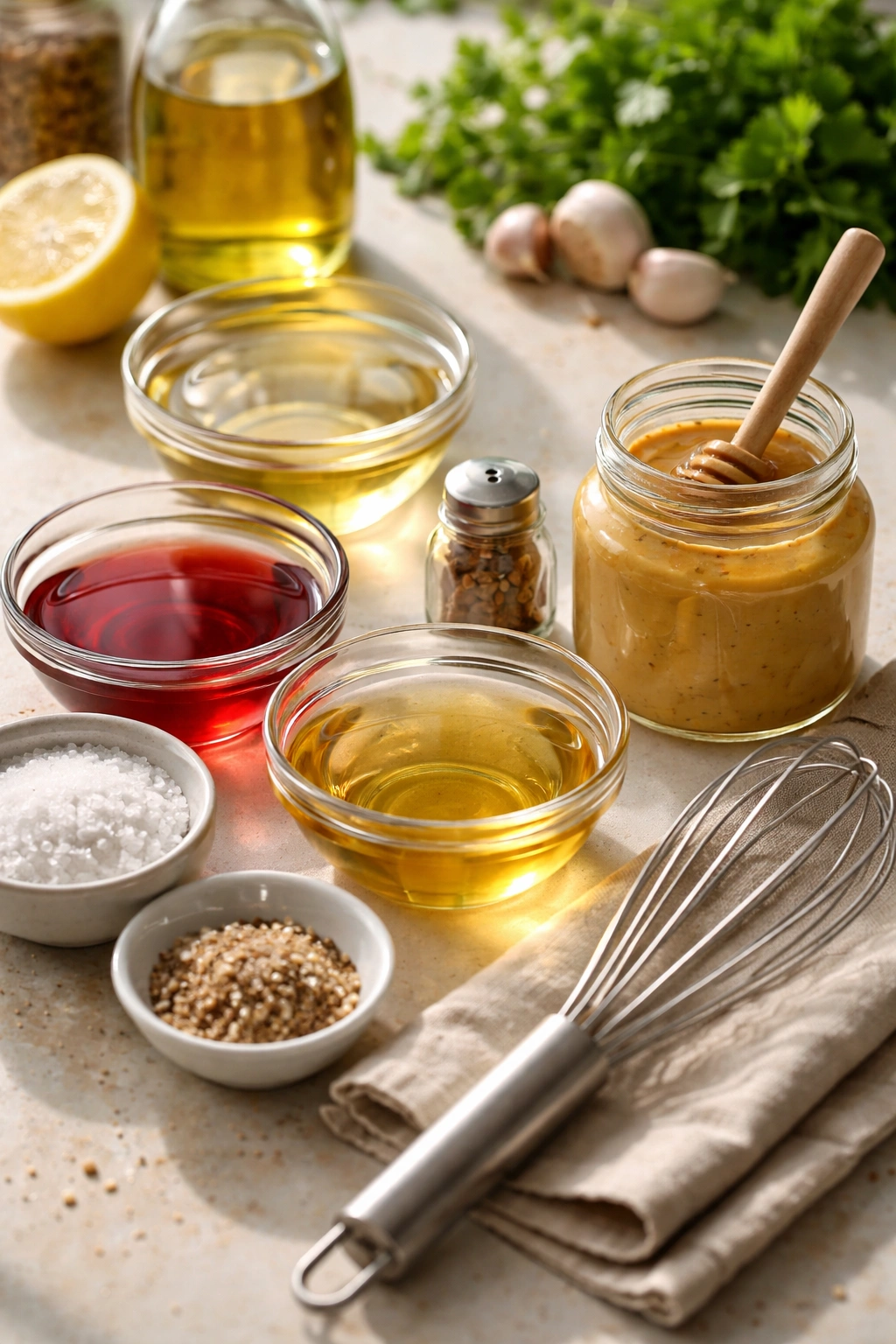
Make the Dressing:
-
In a small bowl, whisk together the red wine vinegar, white vinegar, and apple cider vinegar (if using). Add the honey or sugar and the salt, whisking until the sugar and salt dissolve completely. If you’re using honey and it’s cold from the refrigerator, you can gently warm the vinegar mixture first (just a few seconds over low heat or in the microwave for 15 seconds) to help it dissolve smoothly.
-
Add the Dijon mustard and whisk vigorously for about 30 seconds to incorporate it fully and begin to emulsify the dressing.
-
Slowly drizzle in the olive oil while whisking constantly. This gradual addition helps the dressing emulsify and become creamy rather than separating. If you pour it all in at once, you’ll get a broken dressing that looks curdled. Take your time with this step.
-
Stir in the minced garlic, fresh parsley, fresh dill (if using), and black pepper. Let the dressing sit for 3 to 5 minutes so the raw garlic mellows slightly—raw garlic tastes harsh and peppery at first but softens as it sits.
-
Taste the dressing carefully. This is the moment to adjust everything. Does it taste too acidic and sharp? Add a touch more honey or salt, which rounds out the acidity. Does it taste flat or dull? Add a splash more vinegar or a small pinch more salt. Does it taste harsh? Add a bit more oil or honey. Does it taste weak and boring? Add more salt (salt amplifies all the other flavors). Don’t skip this step—a perfectly balanced dressing transforms the entire salad.
Cook the Pasta:
-
Bring a large pot of generously salted water to a rolling boil. The water should taste like the sea—this is your only opportunity to season the pasta itself, so don’t skimp on salt.
-
Add the pasta and cook for exactly the time on the package instructions, aiming for al dente (tender but still with a slight firmness when you bite it). Taste a strand starting about 30 seconds before the package time suggests; pasta continues to cook slightly from residual heat even after you drain it.
-
Drain the pasta thoroughly in a colander, shaking it well to remove excess water. Do not rinse the pasta—the starch on the surface helps the dressing cling to each piece. Spread the drained pasta on a large sheet pan or cutting board to cool slightly (about 5 to 10 minutes), which allows steam to escape and prevents the pasta from sticking together.
Prepare the Vegetables:
-
While the pasta cooks, prepare all the vegetables: cut the bell pepper into large chunks or strips, slice the red onion into quarter rings, cut the celery on the diagonal into ½-inch pieces, halve the cherry tomatoes, drain and halve the artichoke hearts, and halve the olives (if they’re large).
-
Measure out the corn and have all ingredients ready on the counter. Organization here prevents chaos and ensures nothing sits around getting brown or oxidizing.
Combine Everything:
-
Transfer the slightly cooled pasta to a very large mixing bowl—the biggest one you have, because you need plenty of room to toss everything together without it spilling all over your counter.
-
Pour about three-quarters of the dressing over the pasta and toss thoroughly with two large spoons or a pasta fork, making sure every strand gets coated. If the dressing seems to have separated (oil on top, vinegar on bottom), whisk it again before pouring.
-
Add all the vegetables and olives, and fold everything together gently but thoroughly, using a large spoon or your hands (clean hands work beautifully here). Make sure the vegetables are distributed evenly throughout and everything is coated with dressing.
-
Add the remaining dressing and taste the whole salad. Adjust salt and pepper to taste. Remember that pasta salad tastes less seasoned when it’s cold, so be generous with salt and pepper now—they’ll be less prominent once it chills.
-
Important: The salad will absorb more dressing as it sits. If it looks generously coated right now, by the time it’s served it might look a bit dry. That’s okay—you can add a splash more vinegar and oil when you serve it if needed, but you can’t remove dressing if you’ve used too much. It’s better to err on the generous side.
Chill and Rest:
-
Cover the bowl with plastic wrap or transfer to an airtight container and refrigerate for at least 1 hour, though ideally 4 to 6 hours or up to overnight. The longer it sits, the better the flavors meld and the more the pasta absorbs the dressing. The salad actually improves after sitting overnight.
Advertisements -
Before serving, give everything a gentle stir and taste again. If it seems a bit dry, whisk together a quick dressing of 2 tablespoons vinegar and 3 tablespoons olive oil, then toss it in to refresh the salad. This is a normal and expected adjustment.
Pro Tips and Common Mistakes to Avoid
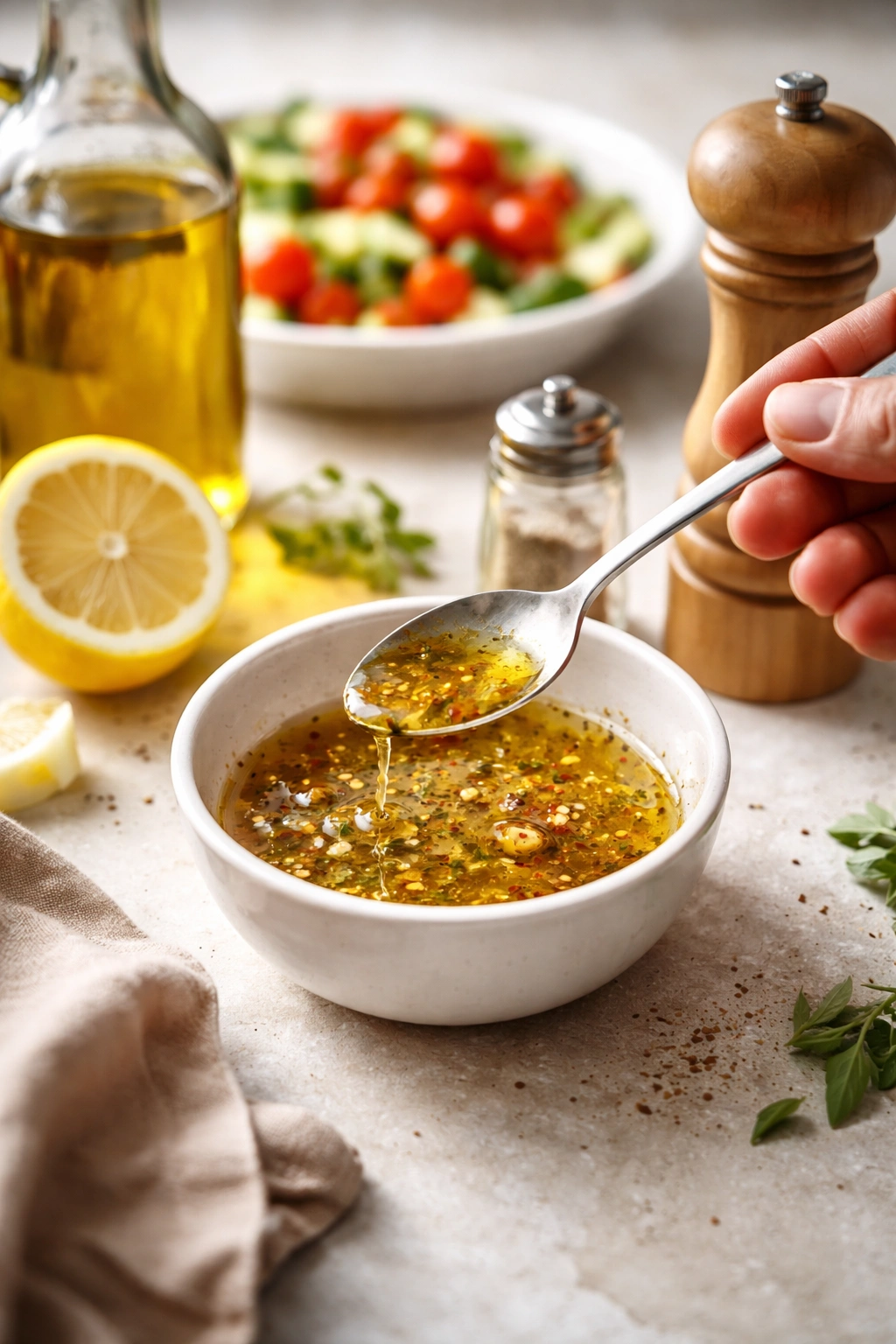
Getting the dressing balance right is the single most important thing. Most mediocre vinegar pasta salads taste either harsh and puckering (too much vinegar, not enough oil or sweetness) or bland and flat (not enough salt, too much oil, weak acid). Taste as you make the dressing and don’t skip that crucial adjustment step. Your palate is the most reliable tool you have.
Don’t make the vegetable pieces too small. Tiny dice looks elegant but breaks down quickly in the acidity. Quarter rings of onion and large pepper chunks hold their structure and actually taste better. The vegetables should remain distinct, not dissolve into mush.
Cook the pasta to al dente, not tender. This is non-negotiable if you want the salad to have good texture. The pasta will soften more as it absorbs dressing while sitting, so what feels barely tender when you drain it will be perfectly soft when you serve it.
Don’t be shy with salt in the dressing or when seasoning the whole salad. Pasta salad served straight from the refrigerator tastes less seasoned than hot food, so it needs more salt than you’d initially think. Taste it cold and adjust accordingly.
Let the dressed pasta sit for at least an hour before serving, ideally longer. The flavors need time to meld, and the pasta needs time to absorb the dressing. You can absolutely make this the night before a cookout. It travels well in a covered container in the cooler, and you can even let it sit out for a couple of hours in warm weather without worry because the acidity keeps it stable.
If the salad looks dry when you’re ready to serve it, don’t panic. Just whisk together a quick “refresher dressing” of vinegar, oil, and a pinch of salt, then toss it in. This is completely normal—the pasta is thirsty and will have absorbed a good portion of what you mixed in. It’s actually a sign you made it well, because the pasta took up flavor rather than the dressing sitting separate on top.
Fresh herbs make a real difference. If you have fresh dill and parsley, use them. Dried Italian seasoning works fine if that’s all you have, but fresh herbs add a brightness that dried can’t match. Basil, chives, or mint are also delicious if that’s what you have on hand.
Customize the vegetables to what you have and what you like. This isn’t a recipe carved in stone. If you don’t like celery, skip it. If you have fresh green beans, lightly blanch them and add them. If you love pepperoncini and kalamata olives, load it up. The framework is solid, but the vegetables should reflect your preferences.
Storage, Make-Ahead, and Reheating
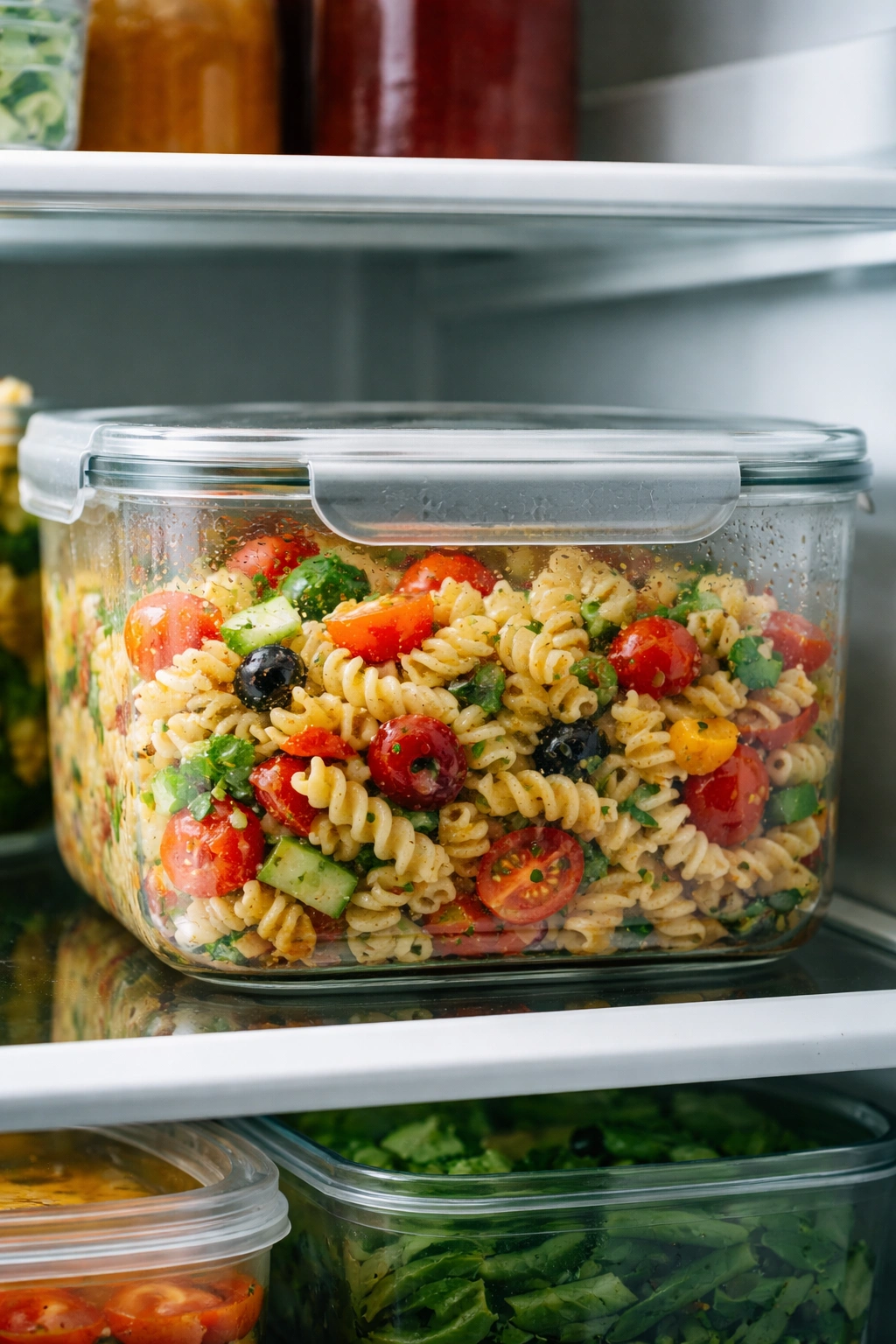
This is actually the best make-ahead salad you could bring to a cookout. It genuinely improves after sitting overnight, so you can assemble it the day before, cover it, and refrigerate it. The flavors deepen, the pasta absorbs the dressing properly, and the vegetables marinate. You can travel with it in a covered container in a cooler, and it’ll be perfectly chilled and delicious when you arrive.
Refrigerator storage: Covered tightly in an airtight container, this salad keeps for 4 to 5 days. The acid in the vinegar acts as a preservative, so it’s actually more stable than mayo-based versions.
Freezing: I wouldn’t recommend freezing this salad. The pasta becomes mealy and the vegetables lose their texture. It’s meant to be fresh and crisp, so keep it refrigerated.
Transporting to a cookout: Pack it in an airtight container in your cooler with ice packs. If you’re traveling a long distance, you can even pack the vegetables and dressing separately and combine them just before serving, though that’s not necessary if your cooler is cold. The salad actually improves as it sits, so assembling it the morning of and bringing it fully made is fine.
Serving cold: This salad is meant to be served straight from the fridge, chilled and refreshing. Don’t leave it sitting out in the heat for extended periods—bring it in a covered cooler or keep it in a shaded spot with ice underneath.
Flavor adjustment before serving: After sitting overnight or traveling, give it a gentle toss. If it looks like the dressing has been absorbed and the salad seems a bit dry, whisk together a quick 2-tablespoon vinegar and 3-tablespoon olive oil mixture and fold it in. This refreshes the flavor and brings the dressing back to the right consistency.
Leftover storage: If you have leftovers (unlikely, but possible), cover them and refrigerate. They’ll keep for up to 5 days. The salad actually tastes even better on day two or three as the flavors continue to develop and the pasta fully absorbs the dressing.
Easy Variations and Customizations
Spicy Italian version: Add ½ teaspoon of red pepper flakes to the dressing, use pepperoncini (hot Italian peppers) instead of or alongside the kalamata olives, and add fresh basil instead of parsley. This becomes a more assertive, peppery salad that’s absolutely delicious.
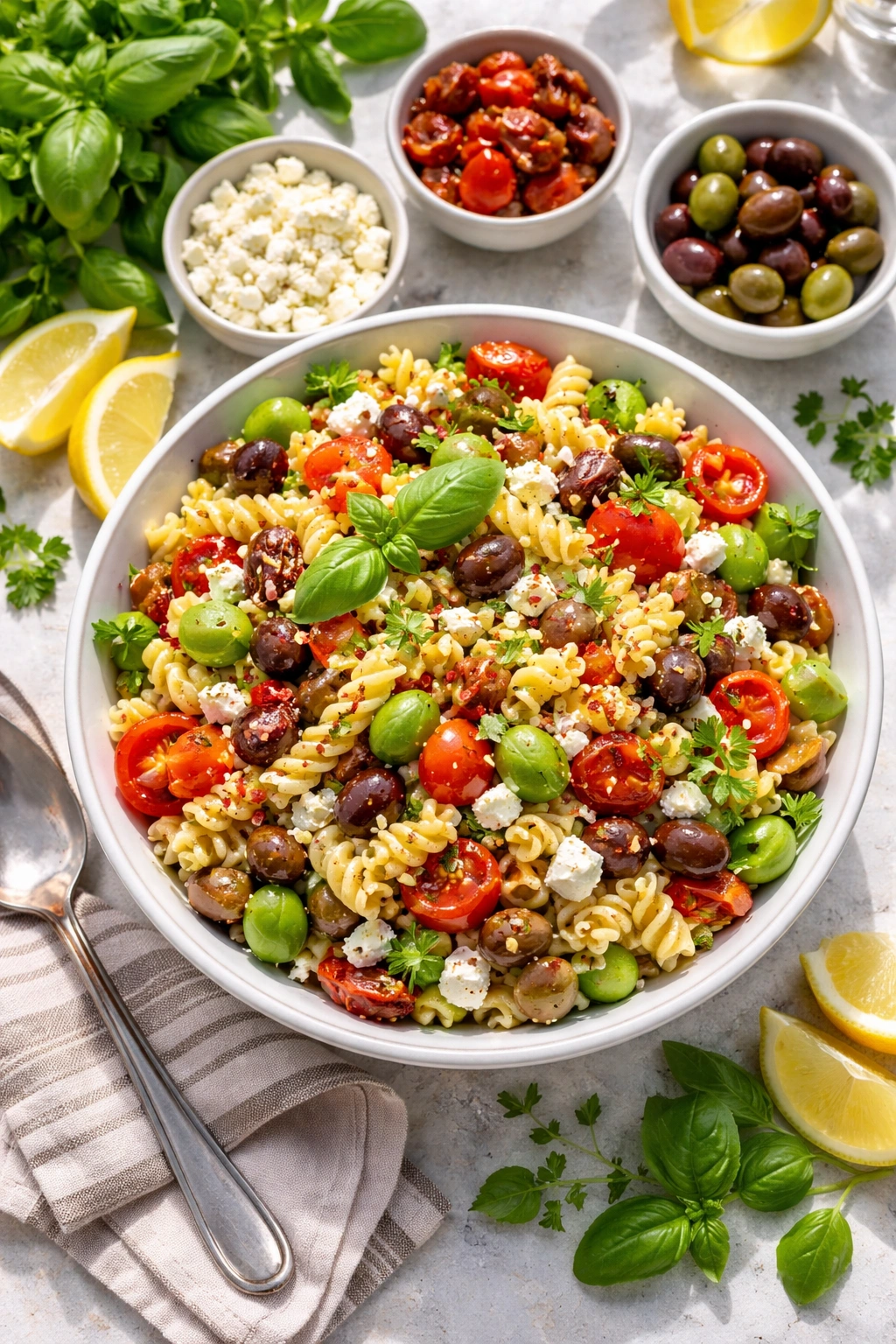
Mediterranean twist: Stir in crumbled feta cheese or diced fresh mozzarella (add it just before serving so it doesn’t get too soft), add sun-dried tomatoes, use mostly kalamata olives and artichoke hearts, and finish with fresh basil and oregano. This tastes like a Greek salad meets pasta.
Garden fresh version: Load it with whatever fresh vegetables you have—diced zucchini, blanched green beans, snap peas, fresh corn, diced cucumber, diced avocado (add just before serving). Keep the dressing the same and let the vegetables shine. This is perfect in summer when the farmers market is overflowing.
Protein additions: For a more substantial salad, toss in diced grilled chicken, crispy bacon, white beans, chickpeas, or canned tuna. Grilled shrimp would be amazing here too. Add protein at the last minute if it’s fresh or warm, or mix it in earlier if it’s canned or already cold.
Roasted vegetable version: Roast chunks of bell pepper, zucchini, eggplant, and red onion with olive oil until caramelized, then toss them with the dressed pasta while still warm. This creates a more substantial, almost warm (or cooled completely to cold) pasta salad that’s delicious in a different way.
Lighter lemon version: Use fresh lemon juice instead of some of the vinegar, skip the sugar or use just a touch, and add fresh herbs like dill and parsley. This becomes brighter, fresher, more delicate—perfect if you want something lighter than the tangy vinegar version.
Creamy hybrid: Some people like a middle ground between fully vinegar-based and fully creamy. Stir in ¼ cup of sour cream or Greek yogurt into the finished salad. It’ll become slightly creamy and rich while still maintaining the bright vinegar tang.
Serving Suggestions and Pairings
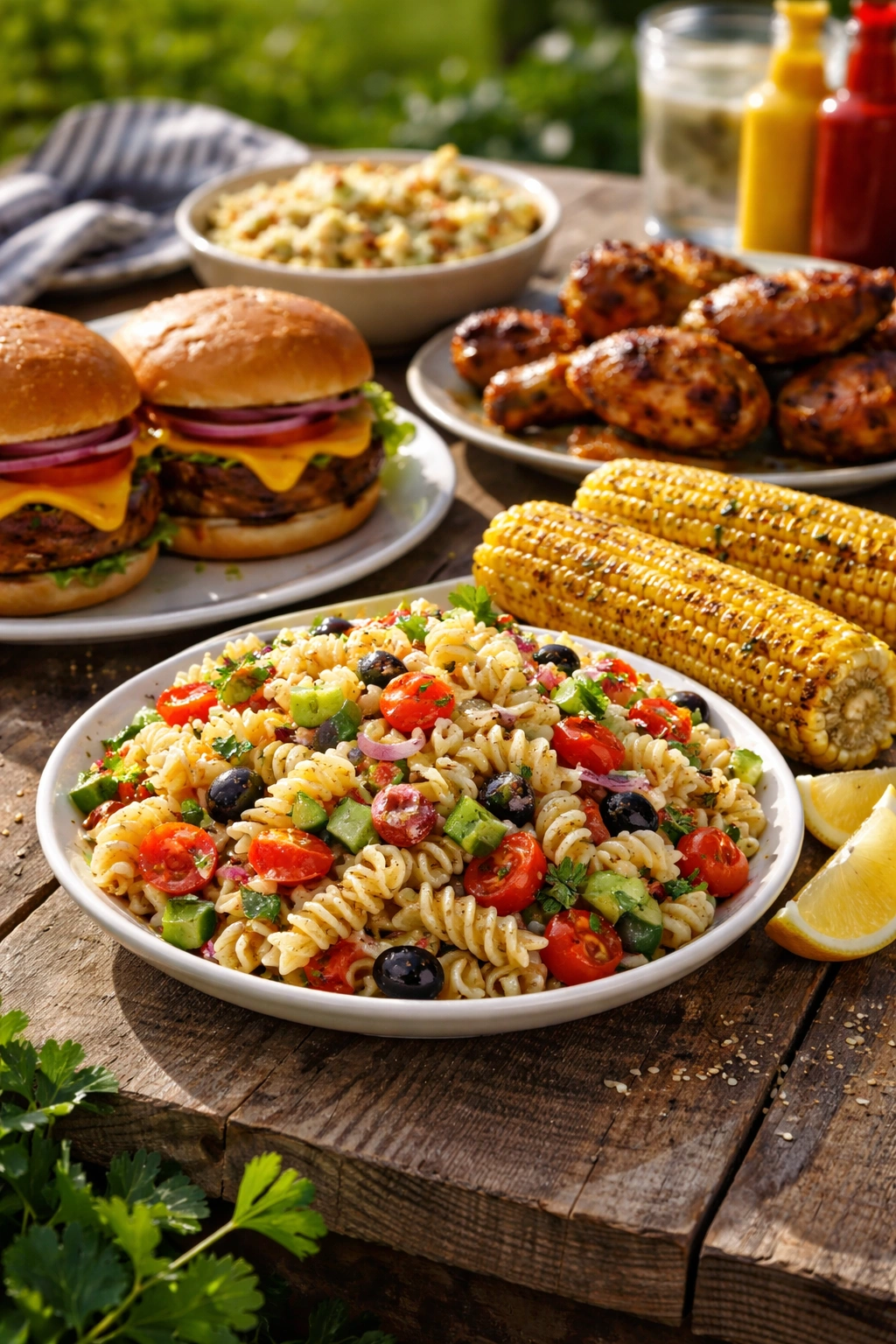
This pasta salad is genuinely flexible and works alongside almost everything a cookout includes. Serve it with grilled burgers and hot dogs, where its brightness cuts through the richness perfectly. It’s equally delicious alongside barbecued chicken, ribs, pulled pork, or brisket, where the acidity complements the smoke and char beautifully.
Grilled fish or shrimp are magical with this salad—the vinegar and vegetables feel like the right match for seafood in a way mayo-based salads don’t. It’s substantial enough to serve as a side dish but light enough that it doesn’t make anyone feel overstuffed on a hot day.
Pair it with cornbread, grilled vegetables, coleslaw, or a simple green salad for a well-rounded cookout spread. If you’re serving burgers, a toasted bun with lettuce, tomato, pickles, and condiments, plus this pasta salad and some chips, is a complete, satisfying meal. If you’re doing a more sophisticated outdoor dinner with grilled steaks and a cheese board, this pasta salad works just as well.
Timing: Make this the morning of your cookout or even the night before. It actually improves with time, so there’s no downside to planning ahead. Bring it in a covered container, keep it cold in your cooler, and stir it gently just before serving. If you’re hosting and cooking the main course, having the salad already made is one less thing to worry about while you’re managing the grill.
Serving it at a potluck: If you’re bringing this to someone else’s cookout, pack it in an airtight container, keep it in a cooler with ice, and bring a spoon for serving. Set it on a table with other sides, preferably in a shaded spot or with ice underneath to keep it cold throughout the meal. It travels beautifully and impresses without requiring any last-minute fussing.
Quantity guidelines: A pound of pasta with this amount of vegetables and dressing serves 10 to 12 people as a side dish, or 6 to 8 people as a main course or a hearty side. If you’re bringing it to a large gathering where many dishes are being served, one recipe feeds around 10 to 12. If it’s the star attraction or people are eating more generously, plan for 6 to 8 servings and you might want to make more.
Final Thoughts
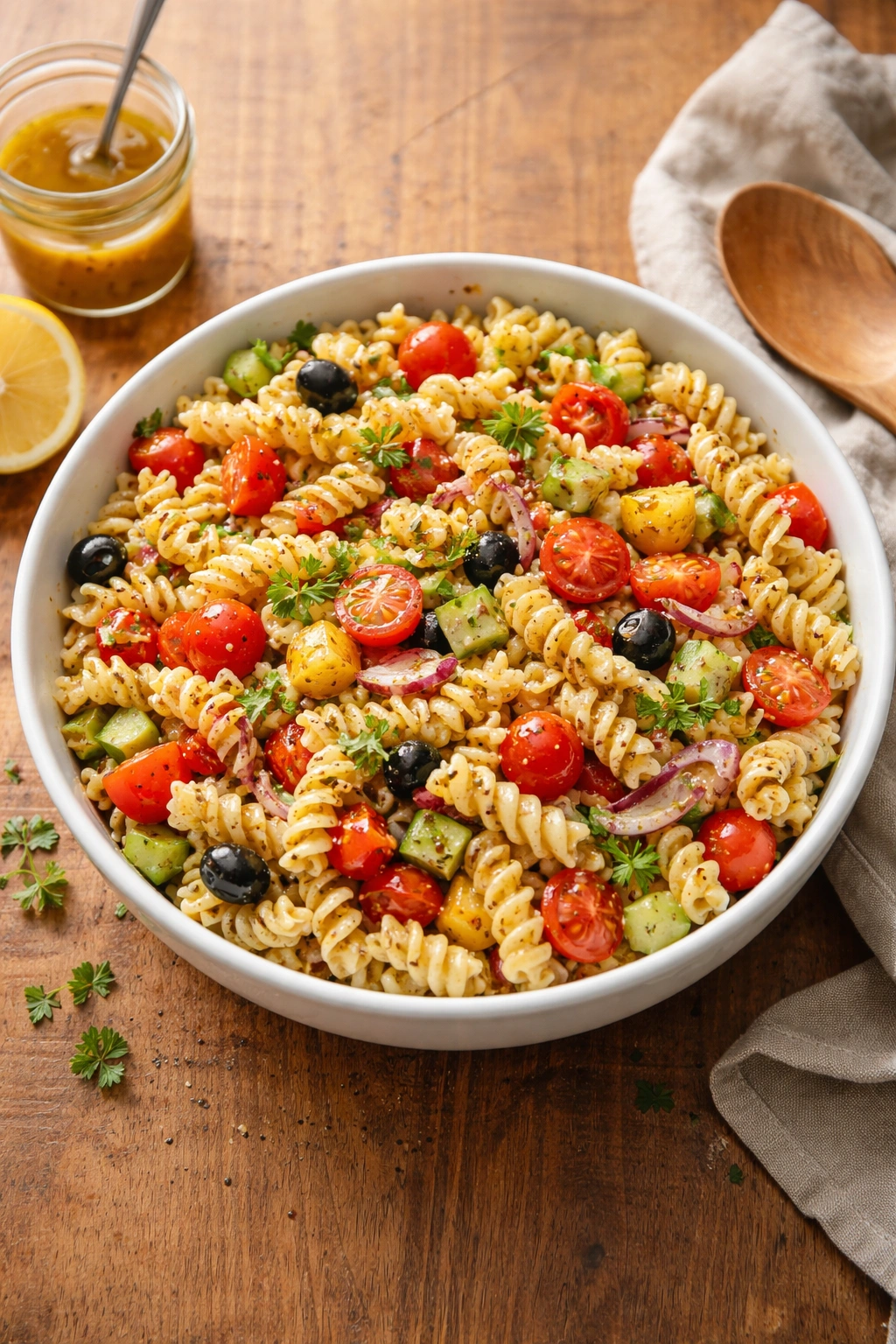
The beauty of a really good vinegar pasta salad is that it gets better, not worse, as time passes. Unlike mayonnaise-based salads that can separate or turn slimy, this one actually improves overnight as flavors meld and the pasta continues to absorb the bright, tangy dressing. You can make it without stress, pack it confidently, serve it cold and refreshing, and know it’ll be just as good on day two if there are leftovers.
The secret isn’t complicated: balance your dressing so it tastes bright rather than harsh, choose vegetables that hold their texture, don’t overcook the pasta, and don’t be shy with salt. Taste everything as you go and adjust boldly. The difference between a flat, mediocre vinegar pasta salad and an exceptional one comes down to seasoning and balance, which are both completely in your control.
Make this once and you’ll understand why it disappears at every cookout. It’s straightforward enough for a weeknight dinner, impressive enough to bring to a gathering, and flexible enough to customize however you want. Best of all, you can make it ahead and actually forget about it until it’s time to eat, which might be the best quality any side dish can have.
