



Getting enough protein throughout your day doesn’t require elaborate meal prep or sacrificing taste. The sweet spot between nutrition and convenience is finding snacks that deliver substantial protein without exceeding 200 calories — a threshold that keeps you satisfied between meals while supporting muscle recovery, curbing hunger, and maintaining stable energy levels. What most people don’t realize is that hitting this target consistently makes a significant difference in appetite control, workout performance, and how your clothes fit over time. The best part? These aren’t bland diet foods or processed protein bars loaded with sugar and artificial ingredients. They’re real, whole foods that happen to be incredibly efficient at keeping you full and fueled.
Greek Yogurt with Granola and Berries
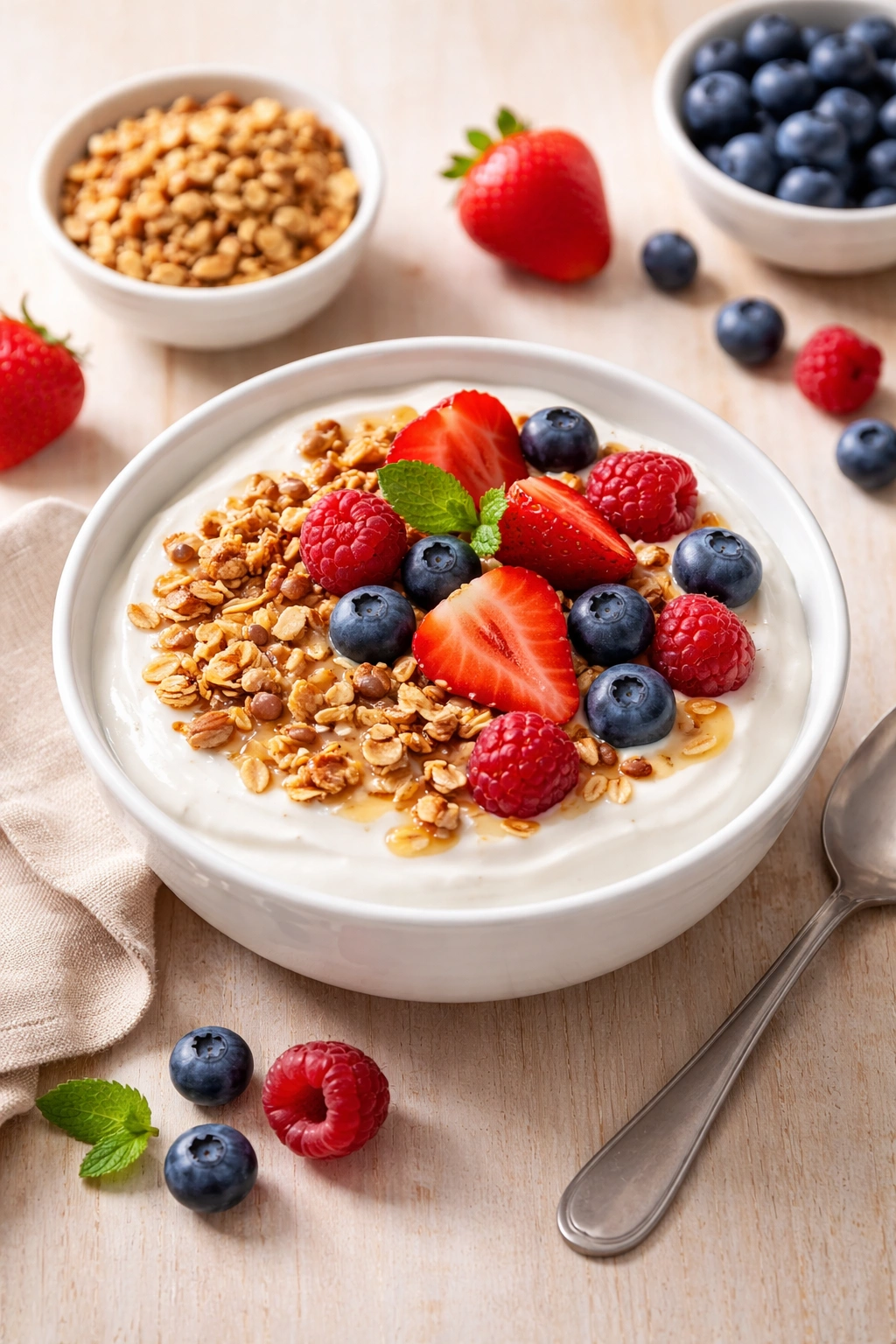
Greek yogurt is one of the densest protein sources in the dairy aisle, delivering 15-20 grams of protein in just six ounces — roughly double what regular yogurt provides. The creamy texture and slightly tangy flavor make it feel like an indulgent treat rather than a health-conscious choice, which is why it works so well for sustainable snacking. A typical serving clocks in at around 100-130 calories, leaving you 70-100 calories for toppings without crossing your threshold.
Why This Works So Well
The protein-to-calorie ratio is remarkable, but the real magic lies in how the combination hits different hunger signals. Protein triggers satiety hormones, while the fat in yogurt slows digestion. Add berries and you’re introducing fiber and antioxidants that extend the feeling of fullness even further. The whole package keeps blood sugar stable, preventing the energy crashes that send you reaching for vending machines hours later.
Building Your Bowl
Choose plain Greek yogurt — flavored versions hide 8-12 grams of added sugar per serving, which eats into your calorie budget and nutrition value. Add half a cup of berries (blueberries, raspberries, and strawberries each run 40-50 calories and provide fiber), then top with one tablespoon of low-sugar granola or chopped almonds for texture. If you want sweetness, a drizzle of raw honey (one teaspoon = 20 calories) adds more satisfaction than you’d expect. This combination delivers 18-22 grams of protein in under 180 calories.
Timing tip: Eat this within 30-45 minutes after a workout when your body is primed to use protein for muscle repair. It’s also perfect as a mid-afternoon snack when energy typically dips.
Hard-Boiled Eggs
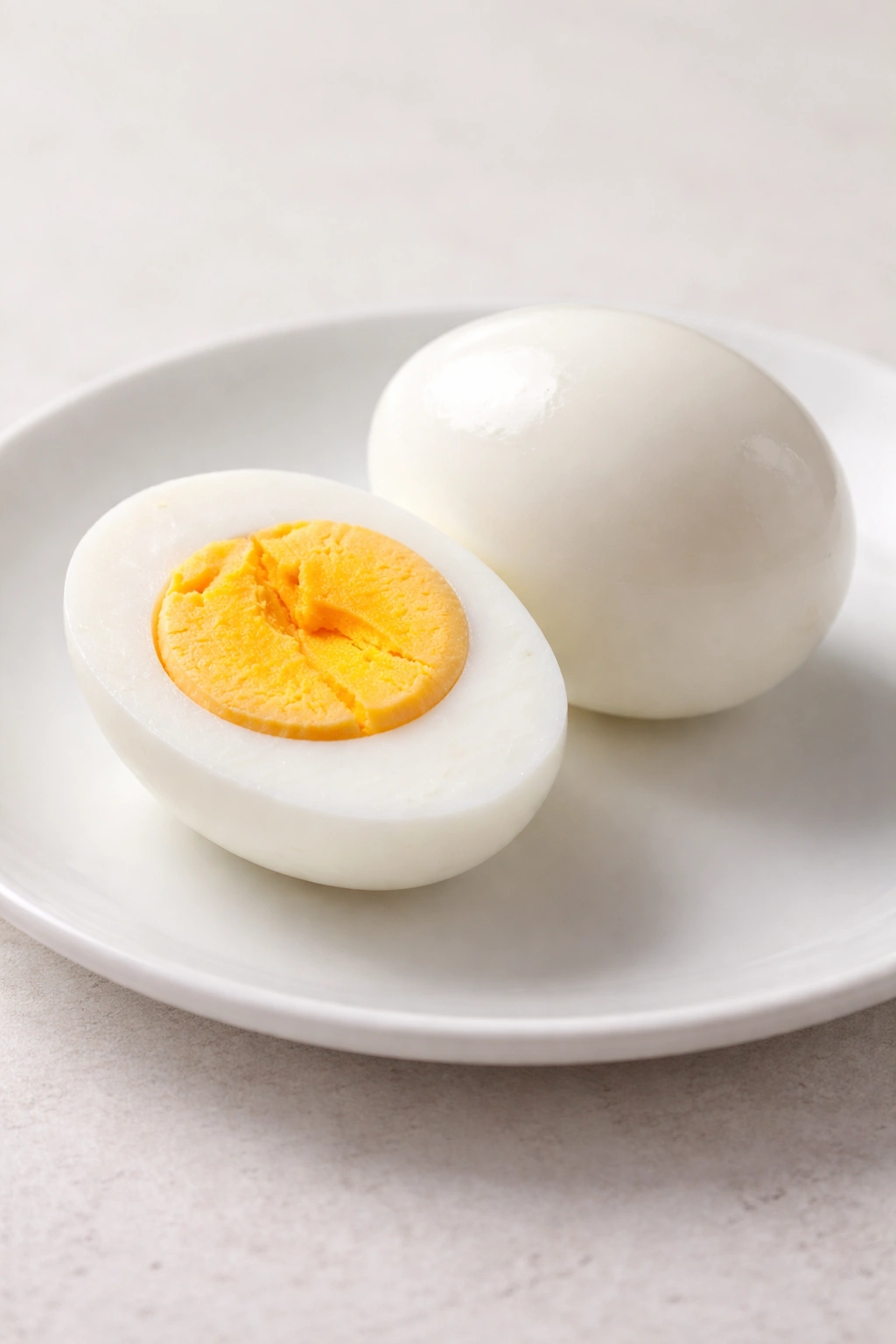
Hard-boiled eggs are the closest thing to a perfect protein snack — portable, shelf-stable, and requiring zero preparation beyond boiling water ahead of time. One large egg contains 6 grams of protein and sits at just 70-80 calories, making two eggs a complete snack at 140-160 calories with 12 grams of protein. The entire nutritional package is dense with nutrients your body actually uses: choline for brain function, lutein for eye health, and B vitamins for energy metabolism.
The Simplicity Factor
There’s something psychologically valuable about a snack that requires no measuring, no mixing, and no decision-making in the moment. Boil a dozen eggs on Sunday, store them in your refrigerator, and grab two whenever hunger hits. They travel well, need no refrigeration for short periods, and taste the same whether it’s Monday morning or Friday afternoon. The simplicity removes friction — the fewer barriers between you and making a healthy choice, the more consistently you’ll choose it.
Preparation and Storage
Bring water to a rolling boil, gently place room-temperature eggs in the pot, cover, and remove from heat. Let them sit for 12-14 minutes, then transfer to ice water to stop the cooking process. Once cooled completely, peel and store in an airtight container for up to five days. Some people find peeling easier under cool running water — the water separates the membrane from the egg white. If you want to add flavor without calories, sprinkle a tiny pinch of sea salt and cracked black pepper, or dust with paprika.
Pro tip: If you eat hard-boiled eggs regularly, consider an egg cooker ($15-30) — it takes guesswork out of timing and produces consistently perfect results every single time.
Cottage Cheese with Fresh Fruit
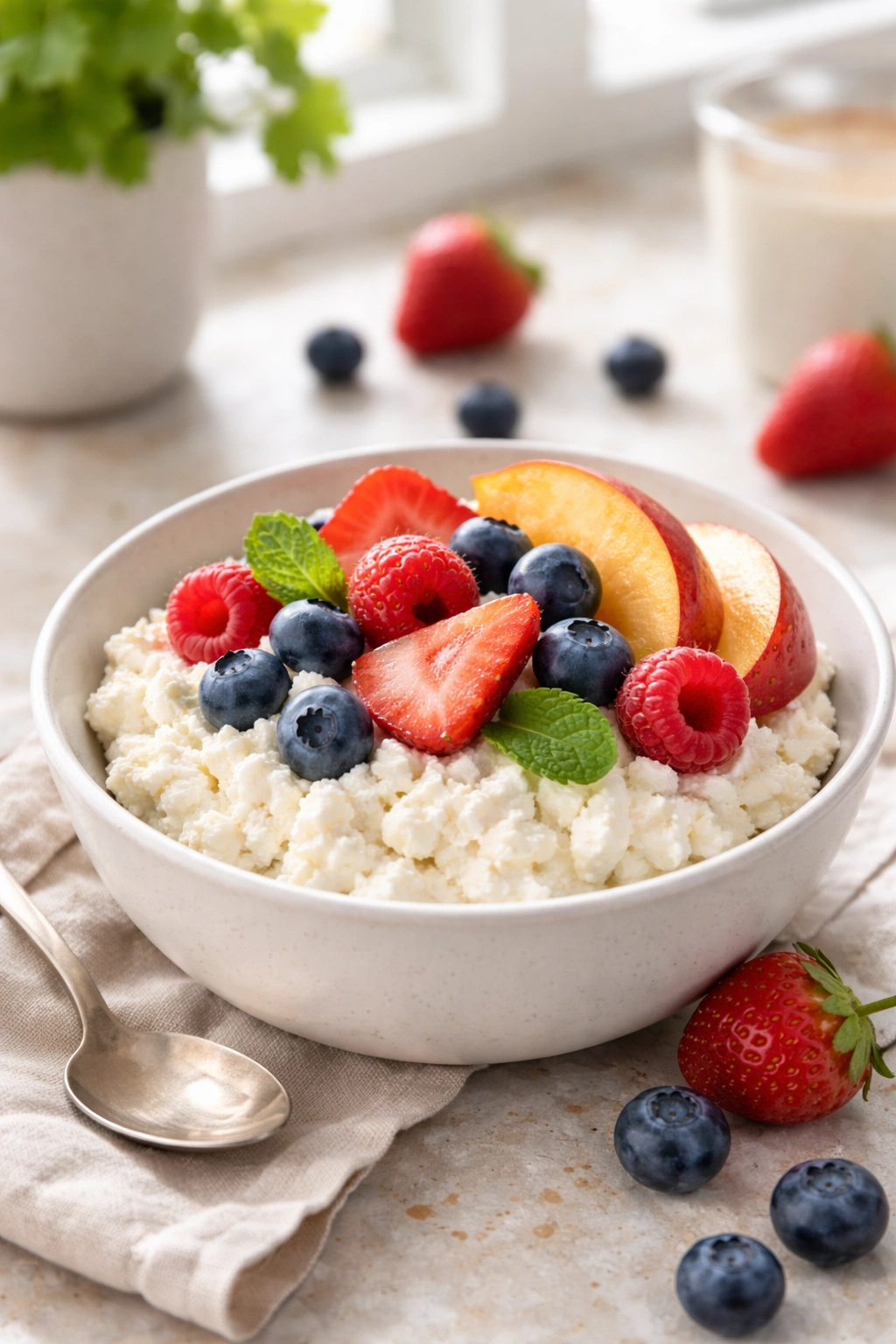
Cottage cheese has experienced a genuine renaissance among people tracking macros, and rightfully so. A half-cup serving delivers 12-15 grams of protein for approximately 110 calories, depending on the fat content. The slightly lumpy texture and mild flavor might sound unappetizing if you haven’t had quality cottage cheese recently, but modern versions are smoother and creamier than the versions from decades past. Pair it with fresh fruit and you’ve created a snack that reads as indulgent while performing like a nutritional powerhouse.
Why It Outperforms Most Alternatives
Cottage cheese contains casein, a slower-digesting protein that creates longer-lasting satiety than whey protein. This means the snack continues working for you for 2-3 hours, not just the immediate 45 minutes. The calcium content supports bone density and muscle function, while the probiotics in some brands promote digestive health. All of this happens without artificial sweeteners, which some people find trigger hunger despite containing zero calories.
Creating the Perfect Pairing
Mix a half-cup of cottage cheese with half a cup of fresh berries, a few slices of peach, or diced pineapple. Berries are your best option because they’re lower in natural sugars than tropical fruits — a half-cup of blueberries adds only 40 calories while delivering fiber and antioxidants. If sweetness matters, a drizzle of honey (one teaspoon) adds 20 calories and transforms the flavor profile significantly. The whole snack sits comfortably at 170-190 calories while delivering 13-15 grams of protein.
String Cheese and Apple Slices
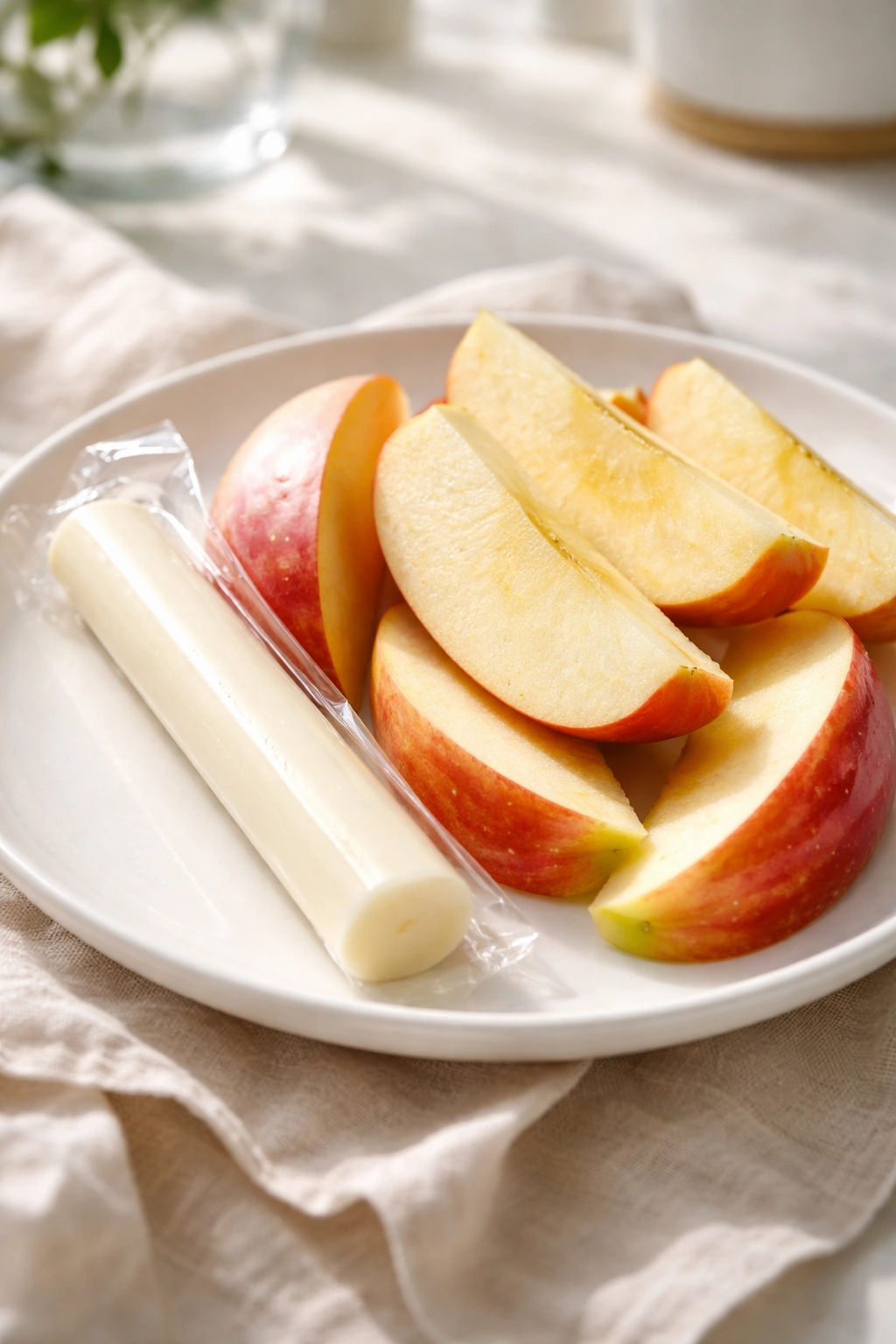
This pairing is a classic for a reason — the mild tanginess of mozzarella balances the natural sweetness of apples, and the contrast between creamy and crisp keeps your mouth satisfied. One string cheese stick contains 6-7 grams of protein at 80 calories, and a medium apple (about 3 inches in diameter) runs 95 calories with 4 grams of fiber. Combined, you’re at 175-185 calories and 11-12 grams of protein, plus a snack that actually feels like you’re treating yourself rather than dieting.
The Satisfaction Factor
The combination of macronutrients here is perfectly balanced for sustained energy. Protein from the cheese, fiber from the apple skin, and natural carbohydrates from the fruit create a snack that stabilizes blood sugar instead of spiking it. The chewing required by apples also provides mechanical satiety — your brain registers fullness faster when you’re actively chewing compared to consuming soft foods quickly.
Variations That Work
If you’re tired of apples, pair string cheese with pear slices, orange segments, or grapes. You can also flip the script and pair cheese with raw vegetables: bell pepper strips, cucumber rounds, or cherry tomatoes offer the same refreshing crunch with slightly lower natural sugar. Some people enjoy adding a small handful of unsalted almonds (about 10-12) to increase the protein slightly and add another texture layer — this pushes the snack to around 200 calories but stays within your calorie target.
Roasted Almonds or Mixed Nuts
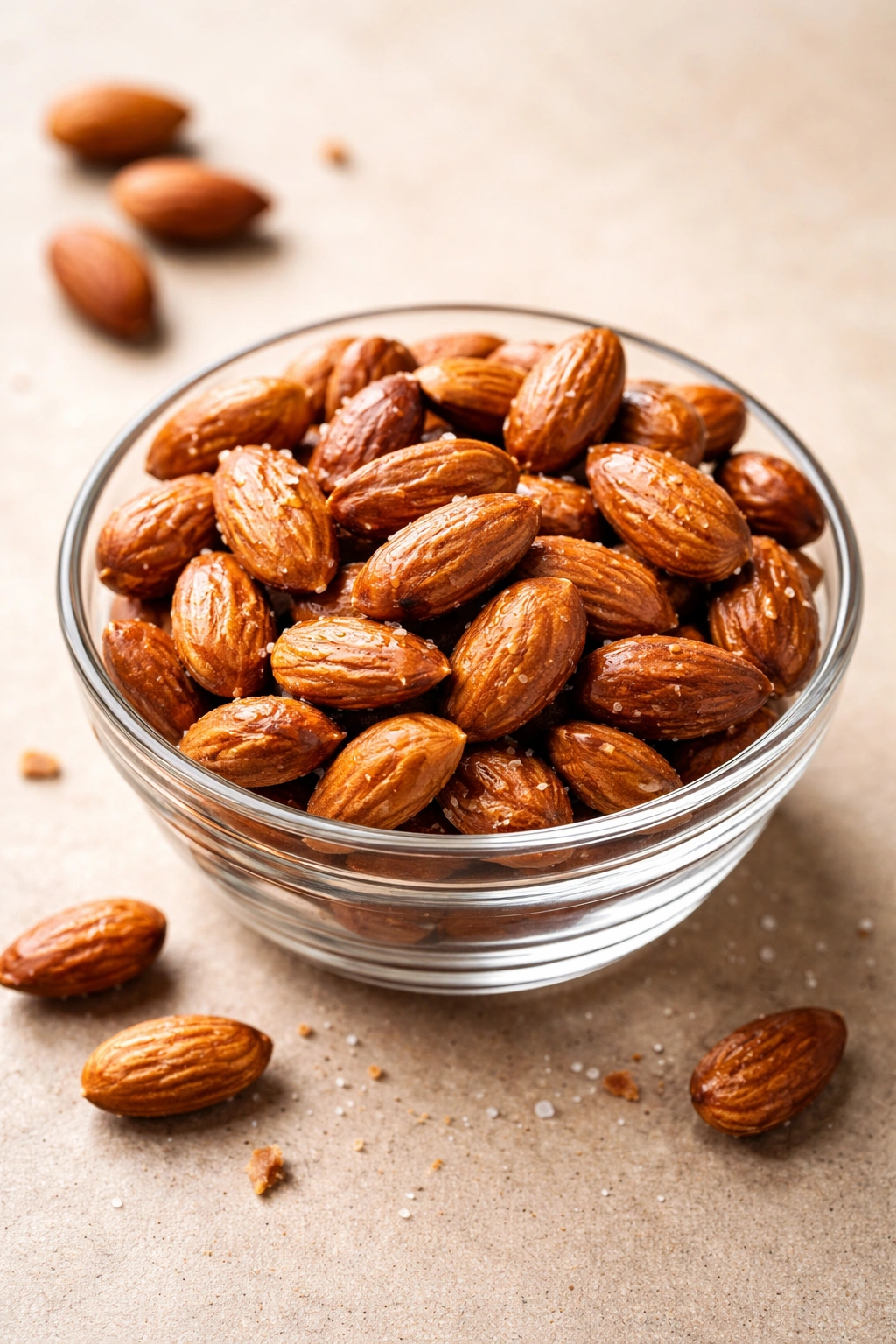
A one-ounce serving of roasted almonds (roughly a small handful or 23 nuts) delivers 6 grams of protein at 160 calories, leaving 40 calories for flexibility. What makes nuts compelling isn’t just the protein — it’s the comprehensive nutrient profile. Almonds specifically provide vitamin E (a powerful antioxidant), magnesium (which supports muscle function and relaxation), and monounsaturated fats (the type that actually improve cardiovascular health). These aren’t empty calories; they’re nutrient-dense foods that your body uses efficiently.
The Portion Control Reality
Nuts are calorie-dense, which is why portion control matters. One ounce is the recommended serving, which most people underestimate significantly. Purchase pre-portioned bags or measure out servings into small containers at the start of your week — this removes the temptation to mindlessly eat straight from a large container. Some people find that having the exact portion already separated makes them much more likely to stop at a reasonable amount.
Choosing Your Mix
Raw almonds, roasted almonds, and roasted peanuts are all solid choices in the 160-180 calorie range for one ounce. Mixed nuts tend to be slightly higher in calories (cashews add fat) but provide flavor variety. Avoid anything coated in honey, sugar, or thick salt layers — these add calories without increasing the nutritional value. Look for roasted unsalted or lightly salted options where you can still taste the nut itself. Macadamia nuts, while delicious, run higher in calories with lower protein, so they’re not your best bet for this particular snack goal.
Chickpea Snack Mixes
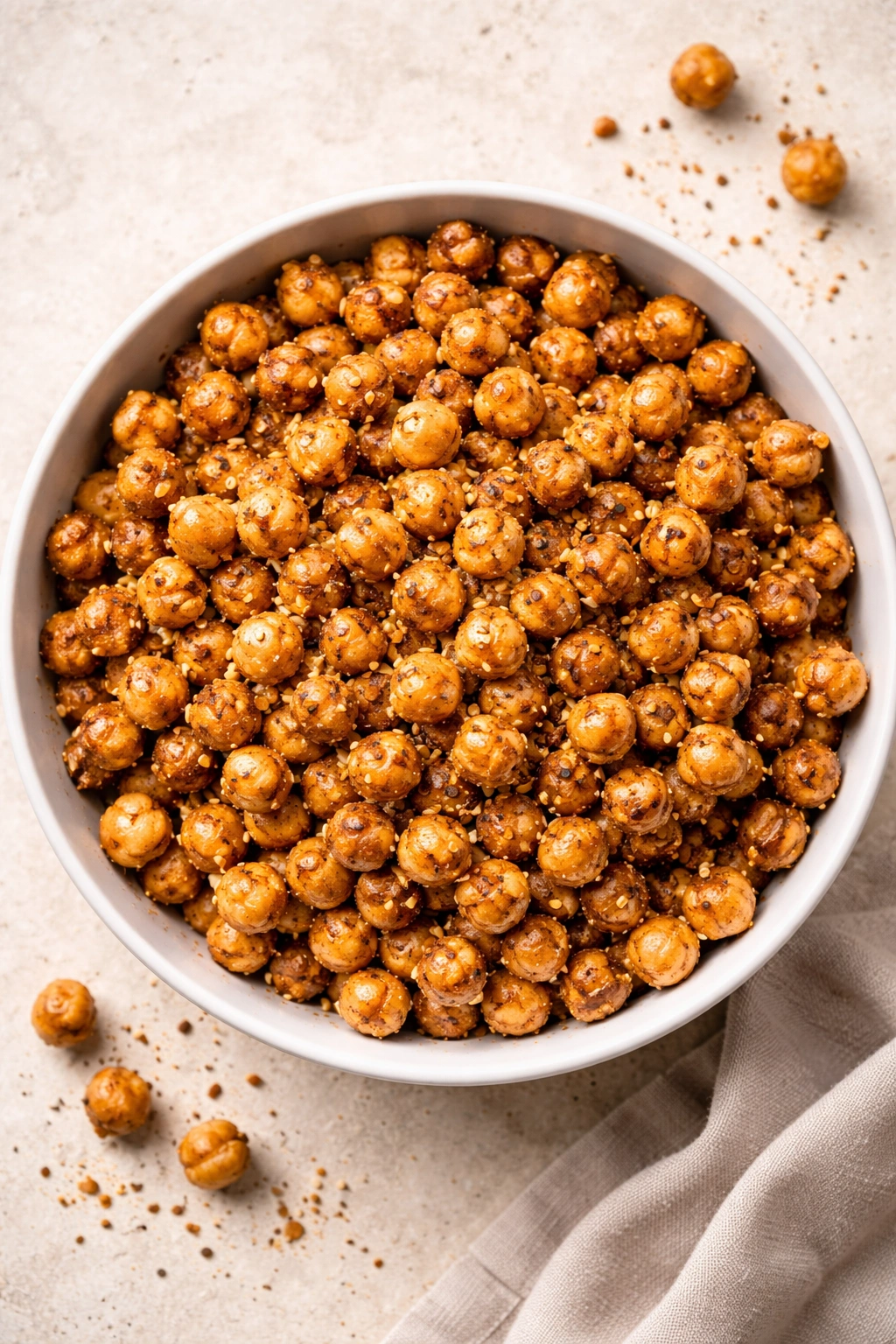
Roasted chickpeas have emerged as one of the most versatile high-protein snacks available. A three-quarter cup serving provides 12-14 grams of protein at 140-160 calories, depending on what seasonings you use. The beauty lies in the texture — roasted chickpeas are crunchy, satisfying, and filling in a way that surprises people who expect something light and airy. They’re also incredibly easy to make at home or purchase ready-made from the snack aisle.
Making Your Own for Maximum Savings
One can of chickpeas (drained and rinsed) yields approximately three servings. Toss with one tablespoon of olive oil (120 calories split across all servings), spread on a baking sheet, and roast at 400°F for 25-30 minutes, stirring halfway through. Season while still warm — options include paprika and sea salt, curry powder and garlic, or cinnamon and a tiny touch of cayenne for sweet-and-spicy. The homemade version tastes substantially better than most store-bought versions and costs a fraction of the price.
Commercial Options
If homemade isn’t realistic for your schedule, purchase individual roasted chickpea snack bags from the snack aisle. These pre-portioned bags remove decision-making and ensure you’re not accidentally doubling your serving size. Brands vary in seasoning intensity and added salt, so taste a few to find your preference. Some come in flavors like cheddar or ranch — check the nutrition label to ensure they stay under 200 calories while delivering at least 10 grams of protein.
Canned Tuna or Salmon Packets
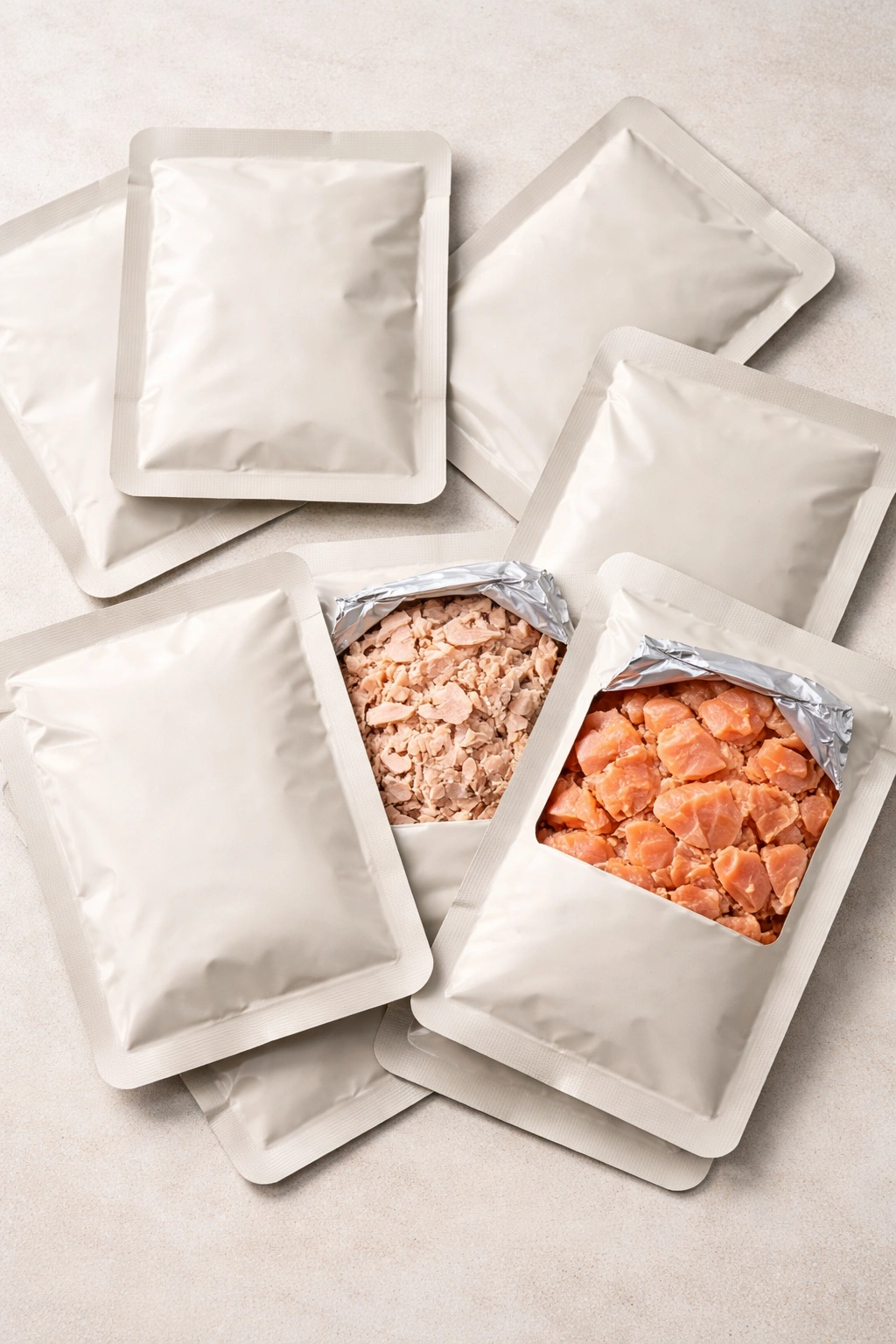
Canned tuna and salmon packets represent one of the most protein-dense snacks available, delivering 20-23 grams of protein at 60-90 calories per can. These aren’t your grandmother’s fishy-smelling tuna — modern packets are vacuum-sealed immediately after processing, which preserves quality and freshness. They’re shelf-stable, require zero preparation, and provide complete protein with all nine essential amino acids. Beyond protein, they deliver omega-3 fatty acids that reduce inflammation and support brain health.
Eating It Straight or Building a Mini Meal
Open a packet and eat it directly for the most minimal approach, though many people find the plain version slightly dry. Instead, add one tablespoon of Greek yogurt or mayo (30-100 calories depending on which) and a squeeze of fresh lemon juice for creaminess and flavor. Serve on whole-grain crackers (add 50-70 calories for five to six crackers) to create a more satisfying snack, or eat it with raw vegetables like bell pepper strips and cucumber rounds for zero additional calories. The flexibility makes this work across different situations and preferences.
Mercury and Sustainability Considerations
Canned light tuna contains less mercury than albacore white tuna, making it the safer choice if you eat it frequently — aim for two to three servings per week maximum. Wild-caught salmon packets offer slightly more omega-3s than farmed varieties, though both are legitimate choices. Look for “chunk light tuna” or “pink salmon” as your default options. Some people rotate between tuna, salmon, and mackerel packets throughout the week to vary nutrient intake and reduce any single contaminant exposure.
Protein Powder Smoothie
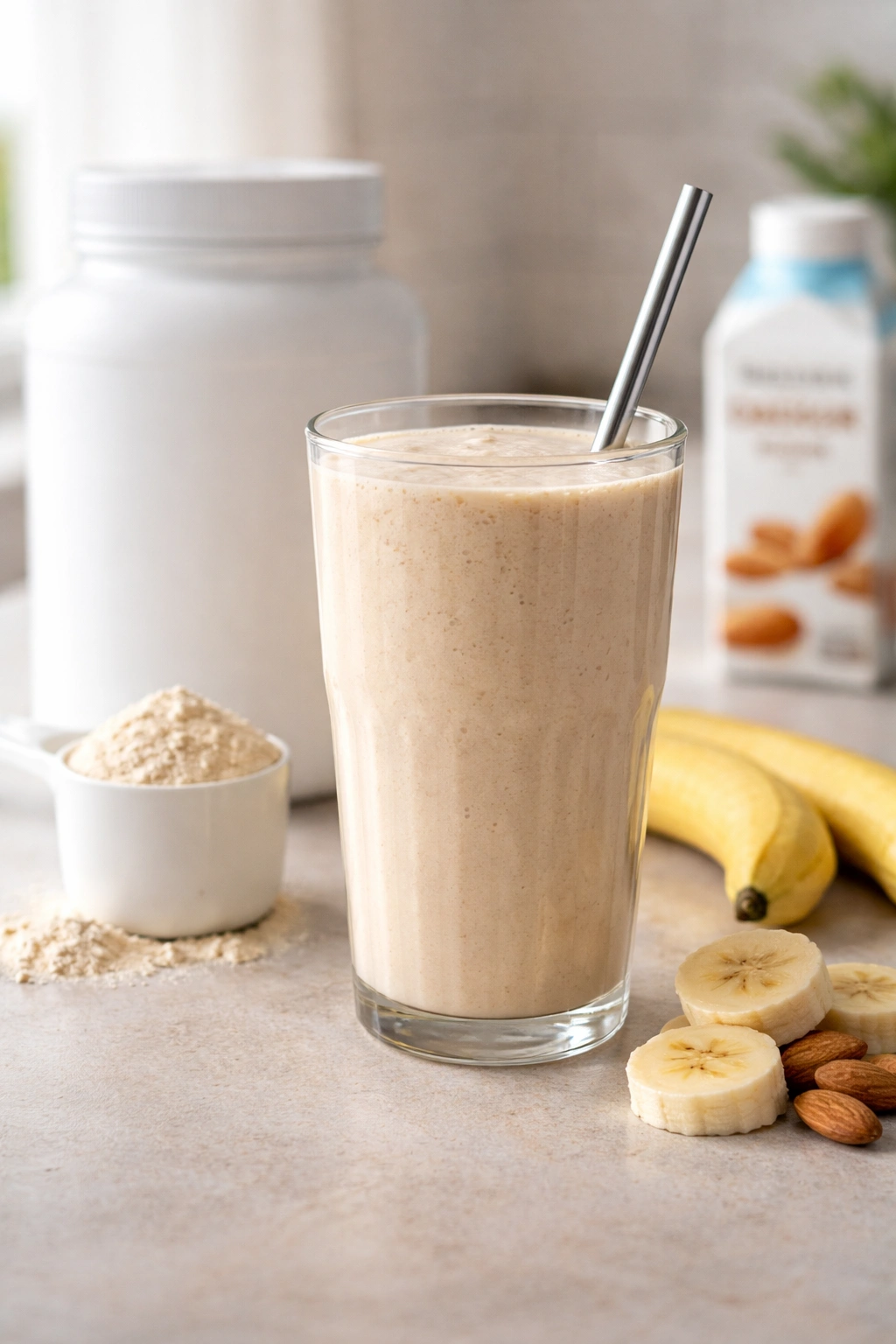
A simple smoothie made with one scoop of protein powder (20-25 grams protein, 100-120 calories), one cup of unsweetened almond milk (30 calories), and a half banana (50 calories) delivers approximately 25 grams of protein at 180 calories. This is one of the most customizable snacks — change the fruit, adjust the liquid, add nut butter, or include spinach to create hundreds of variations while staying within your target range. The liquid base means it absorbs quickly and keeps you satisfied despite the seemingly light volume.
Choosing Quality Protein Powder
Whey protein isolate is the most complete and fastest-absorbing option, particularly post-workout when your muscles are primed to use it. Plant-based proteins work equally well nutritionally, though the flavor profile differs slightly. Avoid powders with long ingredient lists full of artificial sweeteners, gums, and fillers — your ingredient list should be short and recognizable. Taste matters here because you’ll consume this regularly; buy single-serving packets before committing to a large container so you can confirm you actually enjoy it.
Flavor Combinations
The classic chocolate with banana, vanilla with berries, and strawberry with banana all work beautifully. More adventurous combinations include chocolate peanut butter (add half tablespoon natural peanut butter = 45 calories, still under 200), vanilla chai (brew a cup of chai tea, chill, then blend with protein powder), or coffee-flavored protein blended with cold brew coffee. Add a handful of spinach or kale to vanilla or chocolate varieties — you genuinely won’t taste it, and you’ve added micronutrients and fiber without changing the flavor or hitting your calorie limit.
Edamame
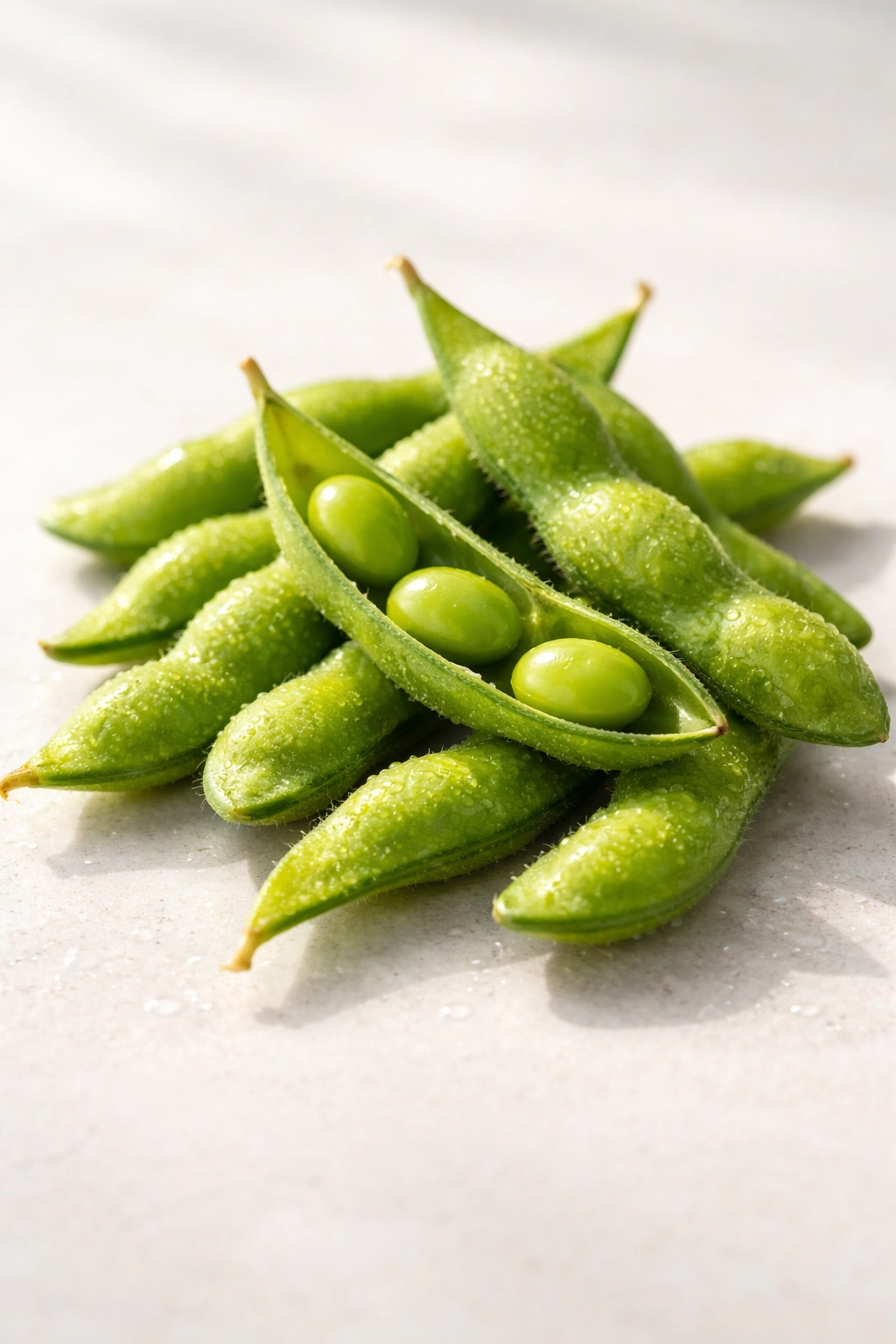
Edamame — young soybeans still in the pod — deliver 18 grams of protein per cooked cup at approximately 190 calories. The act of eating them, extracting each bean from its pod with your teeth, slows consumption naturally and creates mechanical satiety. You feel fuller on the same amount of food compared to eating shelled beans directly. Beyond protein, edamame provide isoflavones, plant compounds with antioxidant and anti-inflammatory properties that some research suggests support bone health.
Preparation Methods
Purchase frozen edamame (usually found in the frozen vegetable section), boil water, add the frozen pods directly, and cook for 4-5 minutes. Drain, toss with sea salt while still warm, and eat. The entire process takes less than 10 minutes and requires no special equipment. Some people prefer roasting: toss thawed, dried edamame with a tiny amount of oil, sea salt, and optional spices, then roast at 350°F for 25-30 minutes until crispy. Roasted versions provide different texture and are easier to eat on-the-go, though they’re more calorie-dense.
Flavor Variations
Plain salt is excellent, but you can also toss warm edamame with garlic powder and black pepper, smoked paprika and cumin, or wasabi powder and sesame seeds. Add flavor before they cool so seasonings stick properly. Some stores sell pre-roasted and seasoned edamame in the snack aisle — convenient, though typically more expensive than buying frozen and preparing at home.
Beef Jerky or Dried Meat Snacks
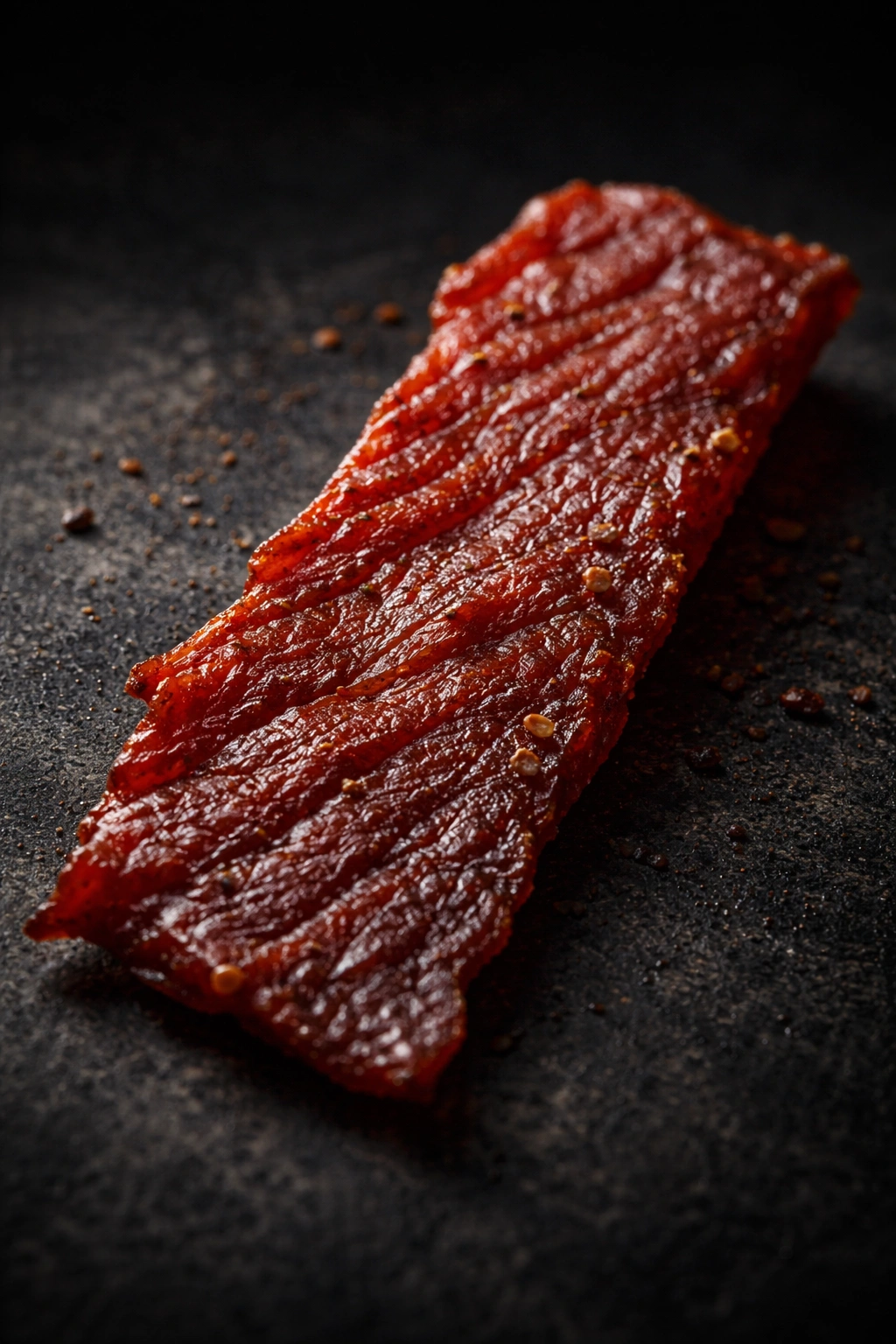
Quality beef jerky delivers 12-15 grams of protein per one-ounce serving at roughly 80-100 calories, making room for additional components while staying under 200 calories. The appeal goes beyond nutrition — the concentrated, intense flavor means you’re satisfied with a small portion, and the chewing required creates psychological satisfaction. Modern jerky brands offer options beyond the original “teriyaki” variety, including spicy versions, peppered options, and specialty flavors that make this an exciting rather than boring snack.
Finding Quality Products
Read nutrition labels carefully because some jerky is surprisingly high in sodium and added sugars. Look for versions made from grass-fed beef when possible — the omega-3 to omega-6 ratio is more favorable. Avoid anything with excessive additives or artificial flavors; if the ingredient list looks like a chemistry set, pass. Try brands that focus on simple ingredients: beef, salt, spices, smoke, and perhaps a touch of sweetener like honey or coconut sugar. These tend to taste better and provide better nutrition.
Pairing Strategy
One ounce of jerky (around 80-100 calories) pairs beautifully with an apple, a handful of almonds, or a string cheese stick to create a complete snack that hits 180-200 calories while delivering 15-18 grams of protein. This combination provides texture variety and flavor complexity — the savory jerky, the sweet-tart apple, and the creamy cheese or crunchy nuts create a more satisfying experience than any single component alone.
Turkey Slices with Vegetables and Hummus
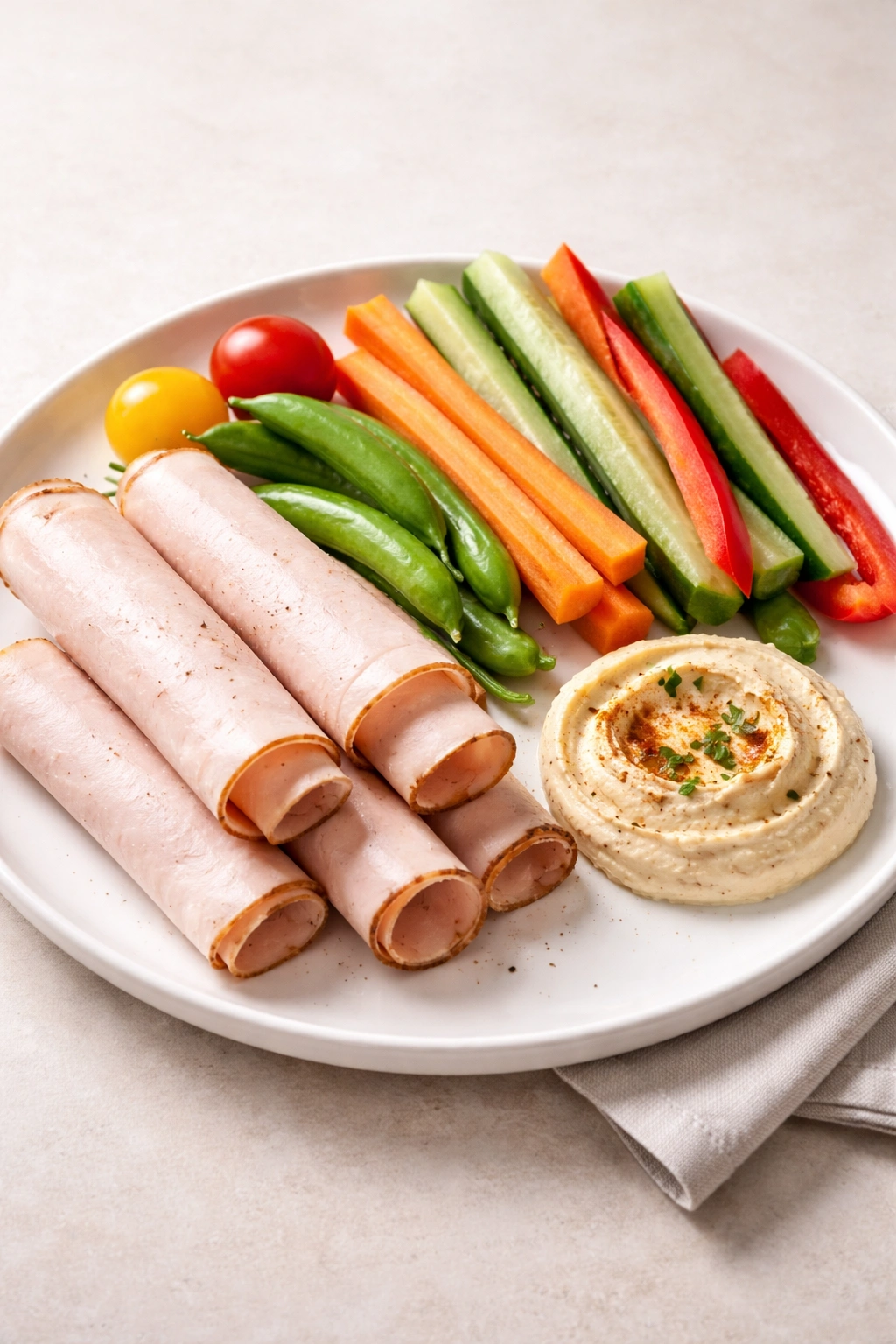
Deli turkey, when chosen carefully, is a lean protein option delivering 12-14 grams of protein per three-ounce serving at only 90-110 calories. The key is purchasing roasted turkey breast from the butcher counter rather than pre-packaged, which often contains more sodium and preservatives. Pair this with raw vegetables (bell peppers, carrots, cucumber, cherry tomatoes) for zero additional calories and substantial volume, then add two tablespoons of hummus (100 calories) for creaminess, flavor, and additional plant-based protein (3 grams).
Building Your Plate
Roll turkey slices around vegetable sticks for easier eating, or arrange everything separately for snacking throughout an afternoon. The hummus acts as a glue, making hand-held combinations feasible. This snack delivers approximately 190 calories with 16-17 grams of protein while providing substantial volume and multiple textures. The fiber from vegetables extends satiety, while the protein and fat from hummus creates lasting fullness.
Quality Considerations
Check sodium content on deli turkey — sodium-heavy versions can contain 400-600mg per three-ounce serving, which is excessive for a snack. Look for varieties labeled “low sodium” or purchase roasted turkey breast that you slice yourself from the butcher counter. Avoid anything with a long list of curing salts or preservatives — quality turkey should taste like actual turkey, not salt with turkey flavoring. Some stores offer herb-roasted or pepper-crusted options that add flavor without increasing calories.
Peanut Butter with Apple or Banana Slices
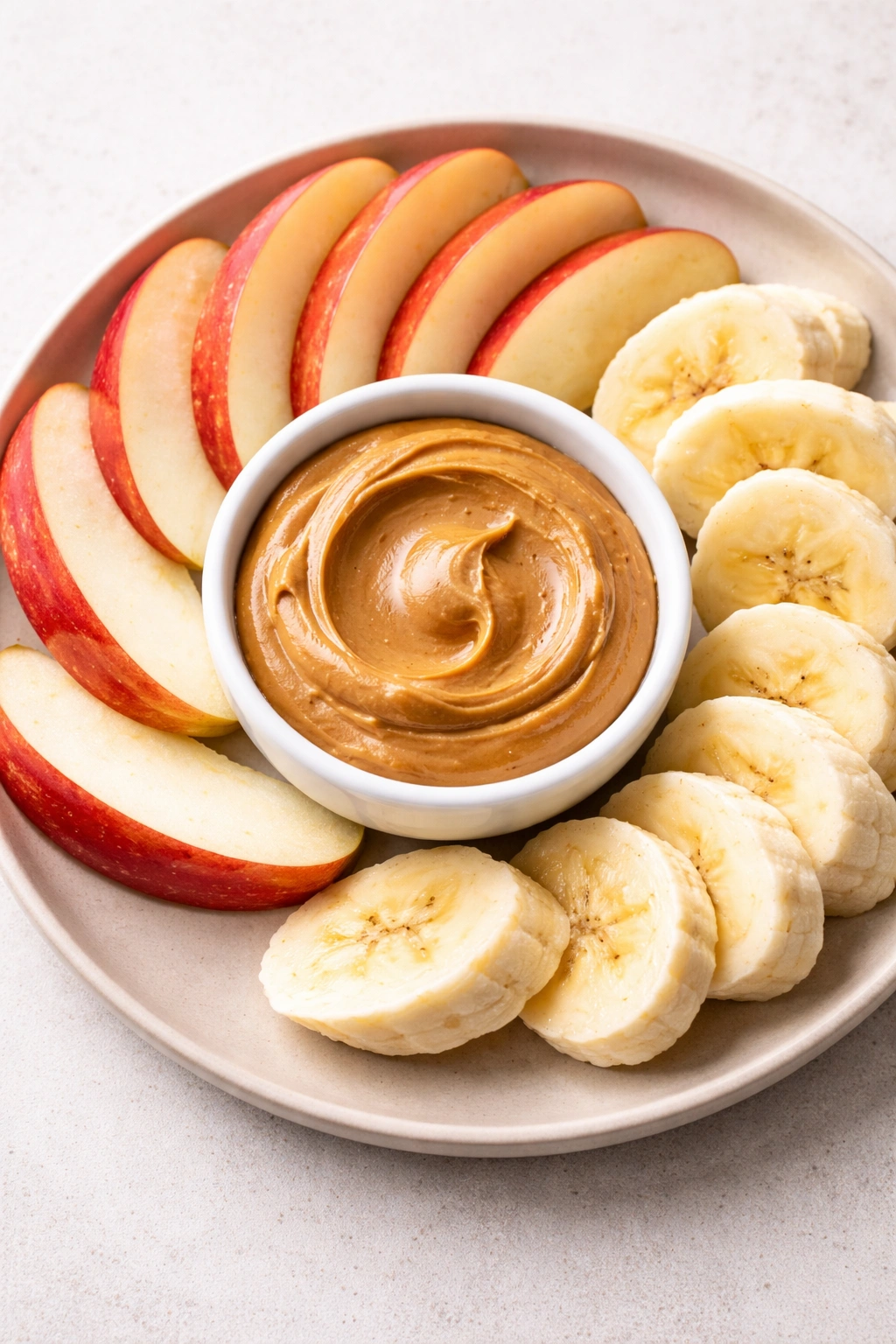
Two tablespoons of natural peanut butter contain 8 grams of protein at 190 calories, which technically exceeds your 200-calorie limit slightly but sits so close that one medium apple (95 calories, 4 grams fiber) or one small banana (90 calories, 3 grams fiber) at reduced quantities makes the combination work. Alternatively, one tablespoon of peanut butter (95 calories, 4 grams protein) with one medium apple creates a perfectly balanced 185-calorie snack with 8 grams of protein, 4 grams of fiber, and substantial satiety.
The Psychology of This Pairing
This combination works because it feels indulgent — peanut butter provides richness and satisfaction that many other snacks lack. The fat slows digestion, protein triggers satiety, and fruit fiber extends fullness while adding vitamins and minerals. The combination of flavors and textures keeps your brain engaged, making it feel like you’re eating something special rather than dieting.
Natural vs. Conventional Peanut Butter
Natural peanut butter, made from just peanuts and salt, provides superior nutrition compared to conventional versions that contain added sugar and hydrogenated oils. The only downside is the thin layer of oil that separates from the peanut butter, which requires stirring. Some people find this slightly inconvenient, but the nutritional advantage is worth it. If conventional peanut butter is your baseline, switching to natural is one upgrade that immediately improves the nutritional quality of this snack without changing the calories significantly.
Roasted Tofu Bites
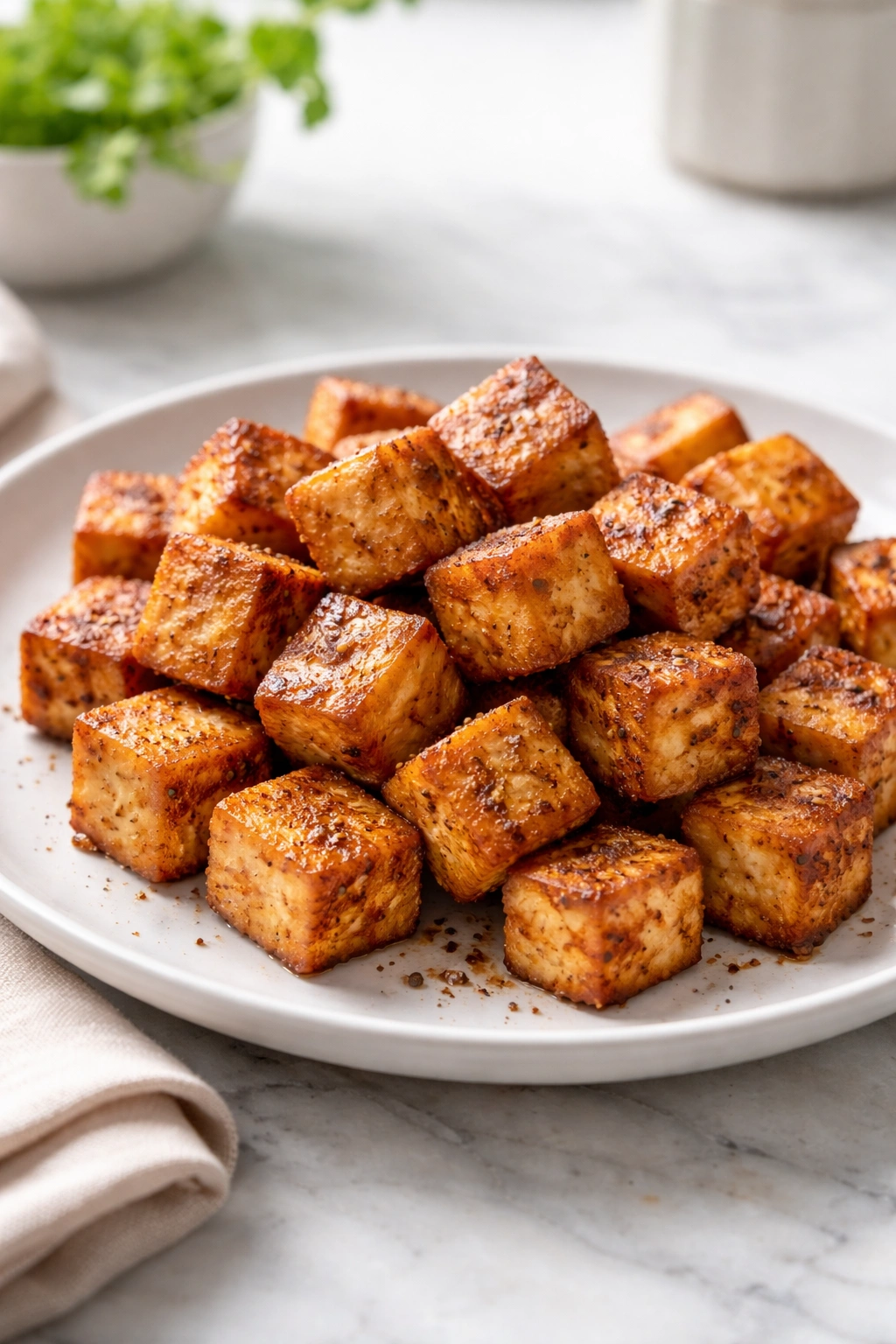
Firm or extra-firm tofu, when pressed and roasted, transforms into a crispy snack delivering 10-12 grams of protein per 150-calorie serving. The appeal to vegetarians and vegans is obvious, but omnivores often sleep on tofu as a snack option. The key is proper preparation — pressing out excess moisture, seasoning generously, and roasting at high temperature until crispy creates something genuinely delicious rather than bland and watery.
Making Tofu Snack-Ready
Press one block of extra-firm tofu for at least 30 minutes using a tofu press or by wrapping it in a clean kitchen towel and placing something heavy on top. Cut into bite-sized cubes, toss with one tablespoon of olive oil and your choice of seasonings, and roast at 400°F for 25-30 minutes, shaking the pan halfway through. The exterior becomes crispy and golden while the interior stays tender — this texture contrast is what makes the snack actually appealing. Season with garlic powder and black pepper, soy sauce and ginger, or smoked paprika and cumin.
Batch Preparation
Make a large batch at the start of the week, store in an airtight container in the refrigerator, and grab a portion whenever you need a snack. One batch typically lasts three to four days. Unlike fresh vegetables that become soggy or nuts that go rancid, roasted tofu maintains quality throughout the week, making this one of the most practical options for people with inconsistent schedules.
Mozzarella Balls with Olives
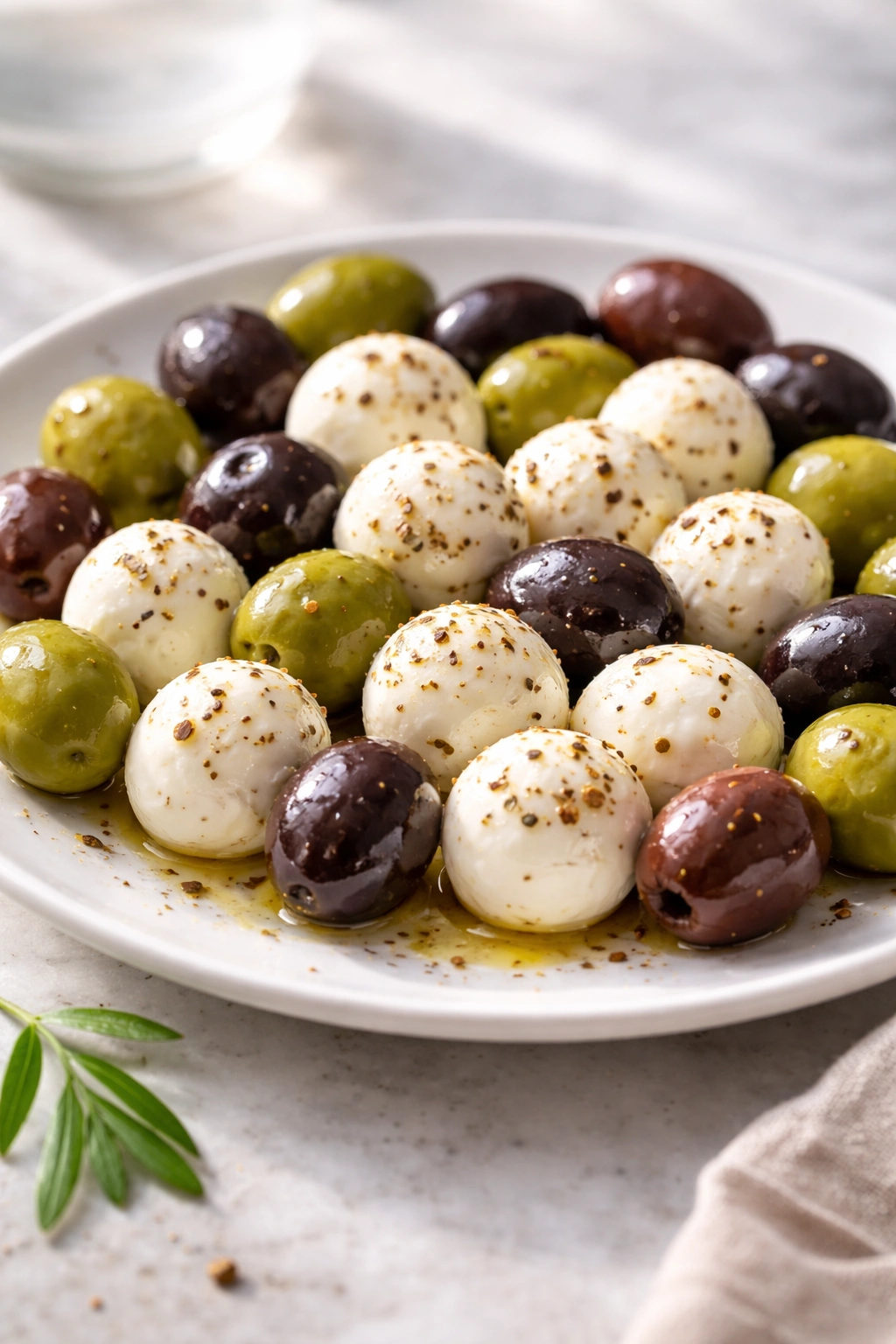
Fresh mozzarella balls (also called bocconcini or ciliegine, depending on size) paired with olives create a Mediterranean-inspired snack that delivers approximately 15-16 grams of protein at 180-195 calories. A 100-gram serving of mozzarella provides 25 grams of protein but runs 250 calories, which exceeds your limit — instead, use approximately 60-80 grams (roughly 6-8 small balls) at 120-140 calories, then add a small handful of olives (about 10 olives) at 50-60 calories. The salty, briny olives balance the mild creaminess of mozzarella beautifully.
Quality and Storage
Fresh mozzarella has a completely different texture and flavor compared to low-moisture versions — creamy, slightly warm and tender rather than rubbery. Look for mozzarella packed in whey or water, usually found in the specialty cheese section of grocery stores. This is more expensive than low-moisture versions, but the texture improvement is substantial. Olives vary wildly in type, brining liquid, and flavor — try Kalamata, Castelvetrano, or Manzanilla varieties to find your preference.
Portable Presentation
Purchase individual mozzarella packages designed for snacking, or portion out fresh mozzarella and olives into small containers at the start of your week. This snack requires no preparation and travels well. The combination of protein, fat, and sodium (from olives) creates lasting satiety while feeling like a sophisticated snack rather than diet food, which matters for consistency over time.
Key Takeaways
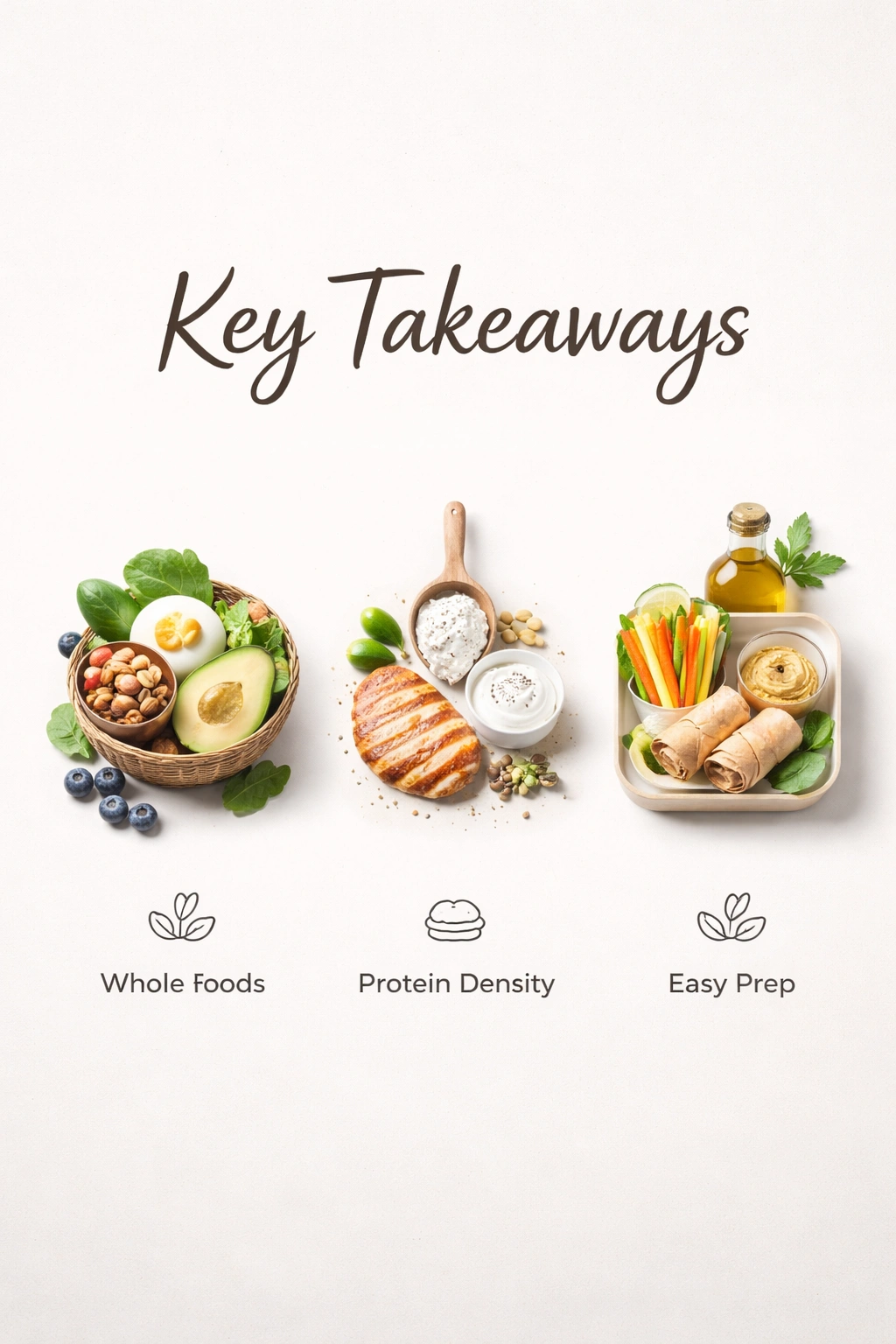
The fundamentals of successful high-protein snacking under 200 calories come down to three elements: choose whole foods over processed, prioritize protein density over volume, and build combinations that include texture and flavor variety. A single-component snack like almonds works perfectly fine for many situations, but adding another element — pairing nuts with fruit, cheese with vegetables, or jerky with an apple — creates psychological satisfaction that makes you more likely to stick with your choices consistently.
Preparation matters more than novelty. The snacks you eat most will be the ones that require minimal friction — hard-boiled eggs you’ve already cooked, Greek yogurt you already have on hand, pre-portioned cheese and nuts in your desk drawer. Spend 30 minutes on Sunday assembling snack portions for the week, and you’ll find yourself making dramatically better choices throughout the week simply because the healthy option is as convenient as the unhealthy alternative.
The specific snacks you choose matter far less than finding ones you genuinely enjoy eating. If you hate cottage cheese, forced consumption won’t lead to consistency — find snacks that taste good to you so that eating well becomes a pleasure rather than an obligation. Rotate between different options throughout the week to prevent boredom while allowing your body to benefit from the full spectrum of nutrients different foods provide. High-protein snacking isn’t about perfection or restriction; it’s about finding options that keep you energized, satisfied, and moving toward your goals without feeling deprived or forcing down food you dislike.
